
Car insurance costs vary significantly across the United States, with drivers in certain states paying considerably more for coverage than others. Factors such as traffic congestion, accident rates, vehicle theft, severe weather, repair expenses, and state insurance regulations influence premium prices.
Understanding where auto insurance costs are highest can help drivers make informed decisions when choosing coverage and comparing providers. Insurify provides valuable insurance market insights that help consumers understand pricing differences across states.
This article examines ten states known for expensive car insurance, the factors contributing to higher premiums, and practical ways drivers can reduce their insurance expenses.
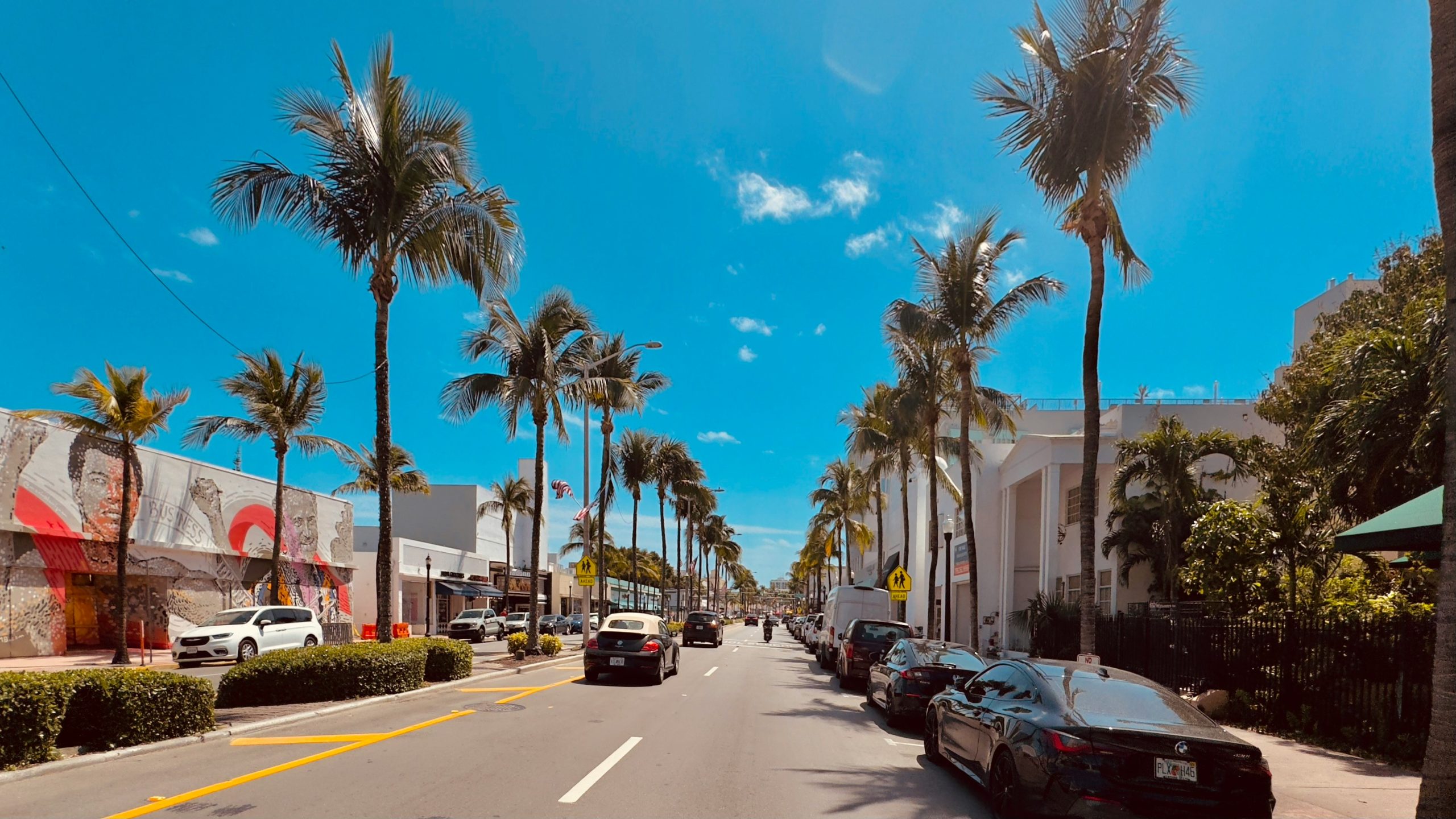
1. Florida
Florida is widely recognized as one of the most expensive states for car insurance in the United States. Drivers face several conditions that contribute to higher insurance premiums, including heavy traffic, frequent accidents, severe weather, and elevated insurance fraud risks.
These challenges increase the financial exposure of insurance companies, which can result in higher prices for policyholders.
The state’s large population creates substantial traffic throughout major metropolitan areas. Cities such as Miami, Tampa, Orlando, and Jacksonville experience significant vehicle movement throughout the year. Busy roads increase the likelihood of collisions, property damage, and traffic-related insurance claims.
Florida’s weather conditions also affect insurance expenses. Hurricanes, tropical storms, flooding, and heavy rainfall can damage vehicles and create expensive insurance claims. Vehicles parked outdoors or driven through flood-prone areas may face additional risks.
Vehicle theft and insurance fraud contribute to the state’s insurance challenges. Staged accidents, fraudulent injury claims, and exaggerated repair expenses can increase the amount insurers pay. These losses may eventually influence premiums across the market.
Florida also has a unique insurance environment because its personal injury protection requirements affect how accident-related medical expenses are handled. Insurance companies must account for these obligations when calculating coverage prices.
Drivers living in densely populated areas may experience higher premiums than motorists in smaller communities. ZIP codes, driving records, vehicle models, annual mileage, and selected coverage limits all influence individual insurance quotes.
Comparing multiple insurance providers is an effective way for Florida motorists to manage expenses. Drivers can also consider higher deductibles, maintain safe driving habits, and review available discounts to find affordable coverage without sacrificing essential protection.

2. Louisiana
Louisiana consistently faces high car insurance costs compared with many other states. Several factors contribute to expensive premiums, including accident frequency, severe weather, insurance litigation, and vehicle repair expenses. These conditions create financial challenges for insurers operating throughout the state.
New Orleans, Baton Rouge, Shreveport, and other populated areas experience considerable road traffic. Congestion, distracted driving, and accident risks can increase the frequency of insurance claims. Urban motorists may therefore encounter higher premiums than drivers in less populated communities.
Severe weather is another important consideration. Louisiana regularly experiences hurricanes, tropical storms, heavy rainfall, and flooding. These conditions can damage vehicles, create dangerous road surfaces, and increase the number of insurance claims following major weather events.
The state’s legal environment also influences insurance expenses. Litigation costs, medical claims, and disputes surrounding accident liability can increase the financial burden on insurance providers. These expenses may contribute to higher premiums for customers.
Louisiana’s road infrastructure presents additional challenges in certain areas. Poor road conditions, potholes, and inadequate drainage can contribute to vehicle damage and accidents. Repairing damaged vehicles can become expensive, particularly when replacement parts and labor costs increase.
Insurance prices also depend on the driver’s personal circumstances. A motorist with previous accidents, traffic violations, or a history of insurance claims may pay considerably more than someone with a clean driving record.
Louisiana drivers can reduce insurance expenses by maintaining continuous coverage, comparing quotes, asking about discounts, and selecting suitable deductibles. Reviewing policy limits regularly can also help motorists avoid paying for coverage that does not match their needs.

3. New York
New York is another state where motorists frequently encounter expensive car insurance premiums. High population density, heavy traffic, expensive vehicle repairs, and substantial medical costs contribute to the state’s challenging insurance market.
New York City has particularly demanding driving conditions. Manhattan, Brooklyn, Queens, and the Bronx experience heavy congestion throughout much of the day. Frequent stop-and-go traffic increases the possibility of minor collisions and more serious road accidents.
The cost of living also influences insurance expenses. Medical treatment, vehicle repairs, replacement parts, and labor services can be expensive in many parts of the state. Insurance providers must account for these costs when estimating potential claims.
New York’s no-fault insurance system is another important factor. Drivers generally turn to their own personal injury protection coverage for certain accident-related medical expenses, regardless of who caused the collision. This structure influences the cost of insurance policies.
Vehicle theft and vandalism create additional concerns in certain metropolitan neighborhoods. Expensive vehicles and frequently targeted models may attract higher comprehensive insurance premiums because insurers face greater potential replacement expenses.
Insurance prices can differ significantly between New York City and rural communities. A driver living in a densely populated urban neighborhood may receive a substantially different quote from someone living in a quieter part of the state.
New York motorists should compare insurance providers before renewing their policies. Maintaining a clean driving record, exploring eligible discounts, bundling insurance products, and reviewing deductible options can help reduce annual expenses.

4. Michigan
Michigan has historically ranked among the states with expensive car insurance. Its insurance market has experienced significant pricing challenges related to medical coverage, vehicle repair expenses, accident claims, and the state’s insurance regulations.
Detroit has been particularly associated with high insurance premiums. Population density, vehicle theft, accident frequency, and neighborhood-specific risks can influence the prices offered to local drivers.
Michigan’s no-fault insurance system plays an important role in determining insurance costs. Personal injury protection benefits cover certain medical expenses following automobile accidents. Drivers can select from different personal injury protection options under state law, subject to eligibility and applicable requirements.
The cost of medical treatment can increase the financial exposure of insurance providers. Serious accidents may involve hospital care, rehabilitation, medication, and long-term treatment. These expenses can influence the pricing of insurance coverage.
Michigan’s winter weather also creates driving challenges. Snow, ice, freezing temperatures, and reduced visibility increase the risk of collisions. Slippery roads can cause vehicles to lose control, resulting in property damage and injury claims.
Vehicle repair expenses represent another consideration. Modern automobiles contain advanced technology, sensors, cameras, and electronic components. Replacing or repairing these systems can make even relatively minor accidents expensive.
Drivers in Michigan should regularly review their insurance coverage and compare quotes from several companies. Maintaining a good driving history, selecting appropriate medical coverage, and asking about available discounts can help make policies more affordable.

5. Nevada
Nevada is known for having relatively expensive car insurance, particularly in heavily populated areas. Traffic congestion, accident frequency, vehicle theft, and the state’s growing population contribute to higher insurance costs.
Las Vegas is the state’s largest metropolitan area and experiences considerable vehicle traffic. Tourism, entertainment venues, commercial activity, and a large residential population place additional pressure on the local road network.
The presence of visitors unfamiliar with local roads can also create challenging driving conditions. Rental vehicles, unfamiliar intersections, and frequent changes in traffic patterns may contribute to accident risks.
Nevada’s desert climate creates its own driving concerns. Extreme heat can affect vehicle batteries, tires, cooling systems, and other components. Dust storms and sudden changes in visibility can also make driving conditions dangerous.
Vehicle theft and property crime influence insurance costs in certain neighborhoods. Comprehensive coverage may become more expensive when insurers identify elevated risks associated with theft, vandalism, or other non-collision damage.
The cost of repairing vehicles has also increased with the introduction of advanced automotive technology. Modern safety features and specialized replacement parts can make repairs more expensive after an accident.
Nevada drivers can manage their insurance expenses by comparing providers, reviewing coverage limits, and maintaining safe driving habits. Installing approved anti-theft equipment and taking advantage of eligible discounts may also help lower premiums.

6. Georgia
Georgia has experienced considerable car insurance pricing challenges, especially in major metropolitan areas. Traffic congestion, accident claims, severe weather, and rising vehicle repair expenses contribute to higher premiums for many residents.
Atlanta is a major transportation and commercial center. Its extensive highway system carries commuters, delivery vehicles, commercial trucks, and visitors every day. Heavy traffic increases the likelihood of collisions and property damage.
The state’s growing population also influences road conditions. More residents and businesses mean additional vehicles on highways and local streets. Increased traffic exposure can affect insurance pricing in busy communities.
Weather conditions contribute to the state’s insurance risks. Georgia experiences thunderstorms, heavy rainfall, hail, and occasional severe storms. Hail damage can result in expensive vehicle repairs, particularly when multiple vehicles are affected by the same weather event.
Insurance fraud and litigation expenses can also influence the market. Fraudulent claims and disputes following accidents increase administrative and legal expenses for insurance providers.
Georgia’s insurance prices vary considerably by location. Drivers in central Atlanta may face different premiums from motorists in smaller towns or rural counties. Personal driving history and vehicle characteristics also affect individual quotes.
Motorists can improve their chances of finding affordable insurance by maintaining a clean driving record and reviewing available discounts. Comparing comprehensive and collision coverage options can also help drivers choose policies that fit their financial circumstances.

7. Rhode Island
Rhode Island is a relatively small state, but its car insurance costs can be higher than those in many larger states. Population density, traffic conditions, repair expenses, and weather-related risks contribute to its insurance pricing challenges.
Providence and surrounding communities experience considerable traffic despite the state’s small geographic size. Commuters regularly travel between residential neighborhoods, commercial districts, and nearby cities, creating congestion during busy periods.
Limited road space can also affect driving conditions. Busy intersections, narrow streets, and closely spaced vehicles may increase the risk of accidents and minor collisions.
Winter weather is another important factor. Snowfall, freezing rain, icy roads, and reduced visibility can make driving difficult. Vehicles may sustain damage during winter accidents, increasing insurance claims.
Coastal weather conditions create additional concerns. Rhode Island can experience strong storms, heavy rainfall, and occasional coastal flooding. These events may result in vehicle damage, especially in low-lying areas.
The cost of medical care and vehicle repairs also affects insurance pricing. When claims involve expensive treatment or specialized vehicle components, insurance companies may face higher settlement costs.
Rhode Island drivers can reduce their expenses by reviewing policy options and comparing insurance quotes. Safe driving, appropriate deductibles, and discounts for eligible safety equipment can help lower insurance costs over time.
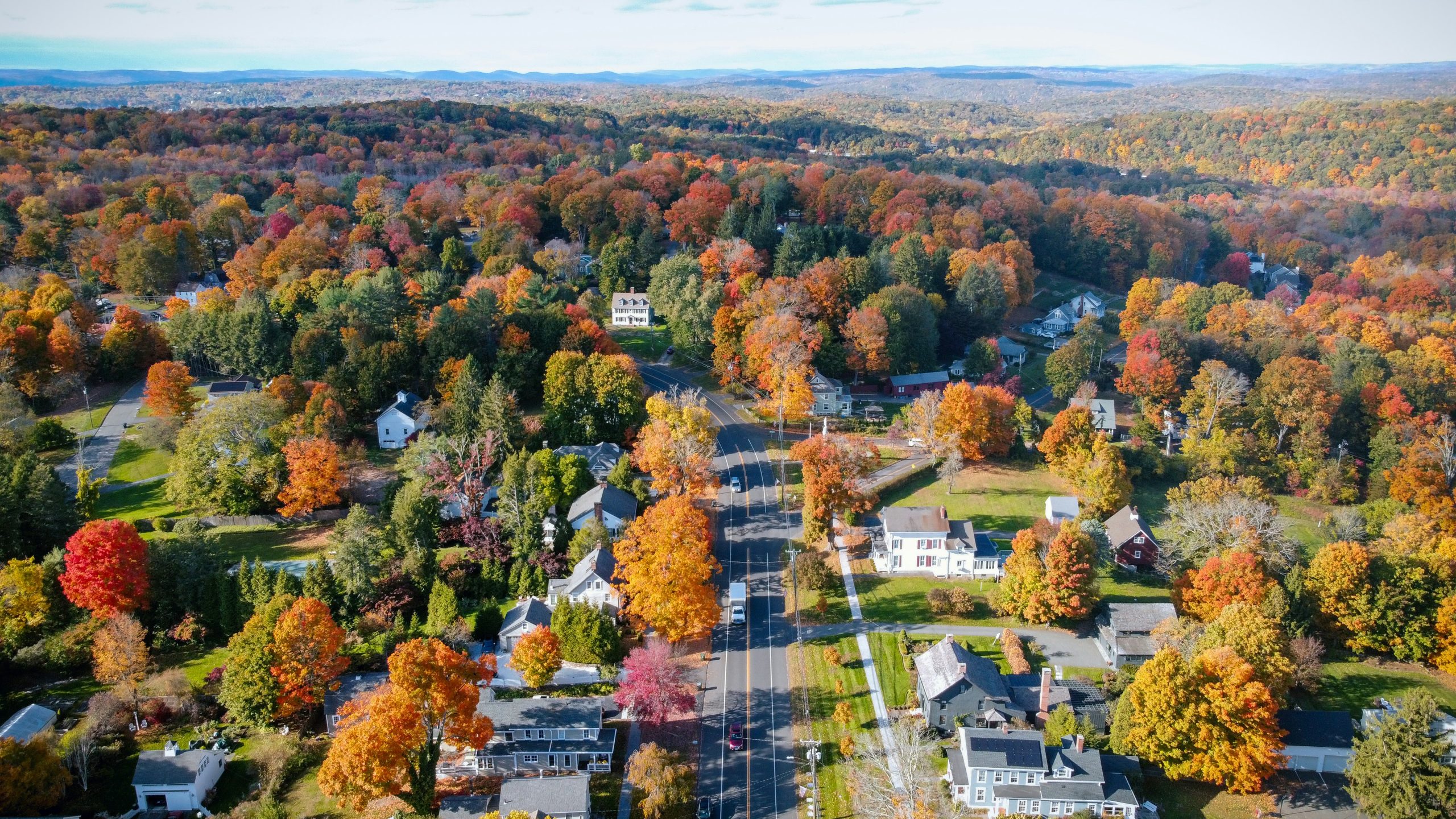
8. Connecticut
Connecticut is another state where drivers may encounter relatively expensive car insurance. Its proximity to major metropolitan markets, higher repair costs, population density, and weather-related driving risks contribute to insurance expenses.
Hartford, New Haven, Stamford, and other cities experience regular commuter traffic. Many residents travel between Connecticut and neighboring states for employment, education, and business activities.
The state’s transportation network connects several busy commercial regions. Congested highways and busy urban roads increase exposure to accidents, particularly during morning and evening commuting hours.
Winter weather creates additional challenges for Connecticut motorists. Snow, ice, freezing rain, and sudden temperature changes can make roads hazardous. Drivers may face an increased risk of collisions during severe winter conditions.
Vehicle repair expenses are another factor. Modern cars often require specialized diagnostic equipment and trained technicians. Even relatively small accidents can involve costly repairs to electronic systems and safety components.
Insurance premiums can also differ depending on the location of the policyholder. Urban areas may have different accident, theft, and property damage risks compared with smaller communities.
Connecticut drivers should compare coverage options from multiple insurers before choosing a policy. Maintaining continuous insurance coverage, avoiding traffic violations, and asking about available savings programs can help reduce annual costs.
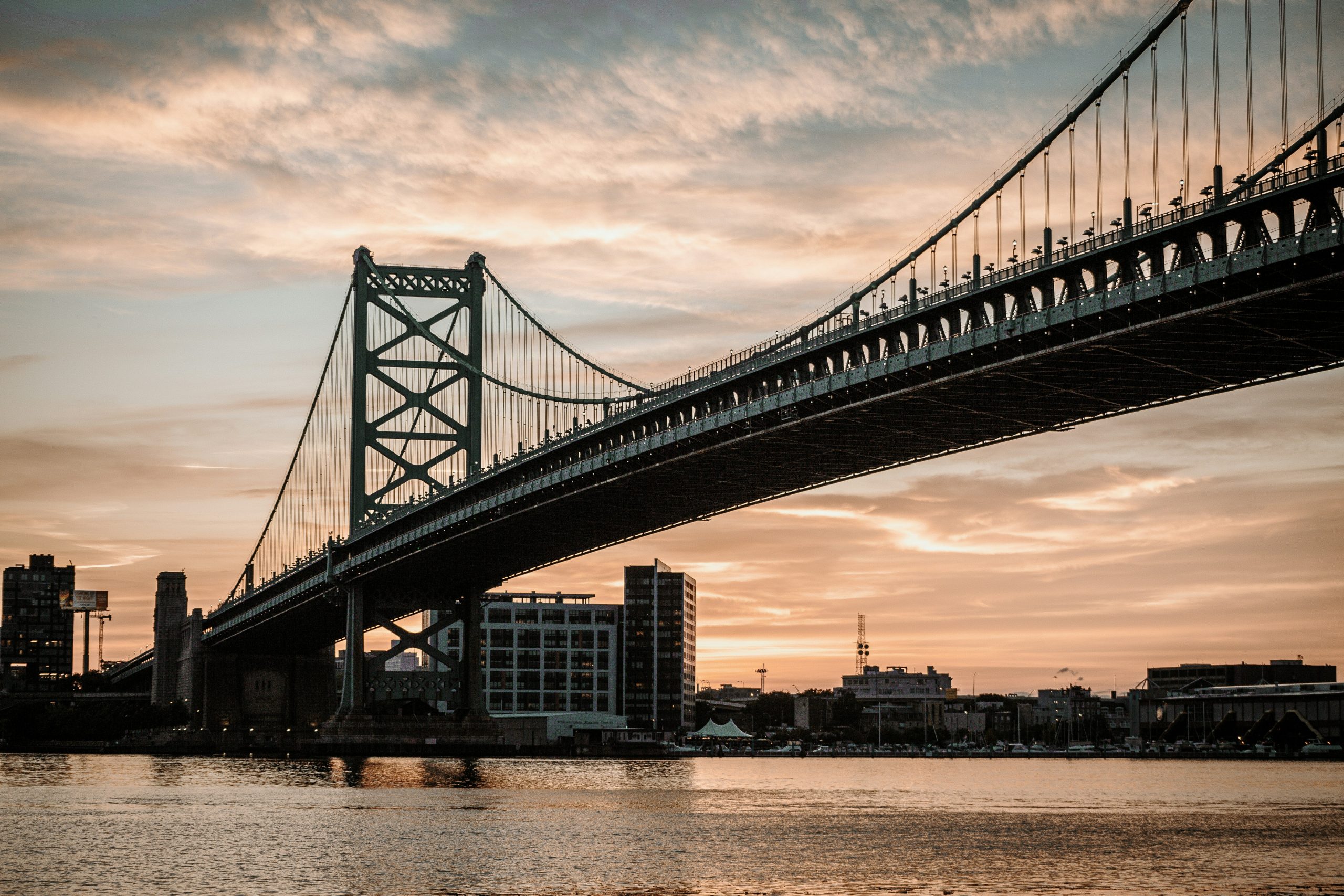
9. Delaware
Delaware is a smaller state, but its car insurance market can still present affordability challenges. Population density in certain areas, highway traffic, weather conditions, and vehicle repair costs influence insurance premiums.
Wilmington and surrounding communities experience regular commuter traffic. Delaware’s location between major metropolitan regions also means that many drivers travel through the state for work and business.
The state’s highway network carries substantial traffic, including passenger cars and commercial vehicles. Increased vehicle movement can raise the likelihood of accidents and property damage.
Weather conditions contribute to insurance risks. Delaware experiences heavy rainfall, thunderstorms, coastal storms, and occasional winter weather. Flooding and storm damage can create additional expenses for vehicle owners.
The cost of medical services and automotive repairs also affects insurance pricing. Insurers must consider the potential cost of accident-related injuries, replacement parts, and vehicle restoration when calculating premiums.
Drivers may notice differences in insurance quotes based on their residential ZIP code. Urban neighborhoods, suburban communities, and rural areas can have different accident and theft patterns.
Delaware motorists can manage expenses by reviewing their coverage requirements, comparing providers, and asking about available discounts. A clean driving record and responsible vehicle ownership can also support more favorable insurance rates.
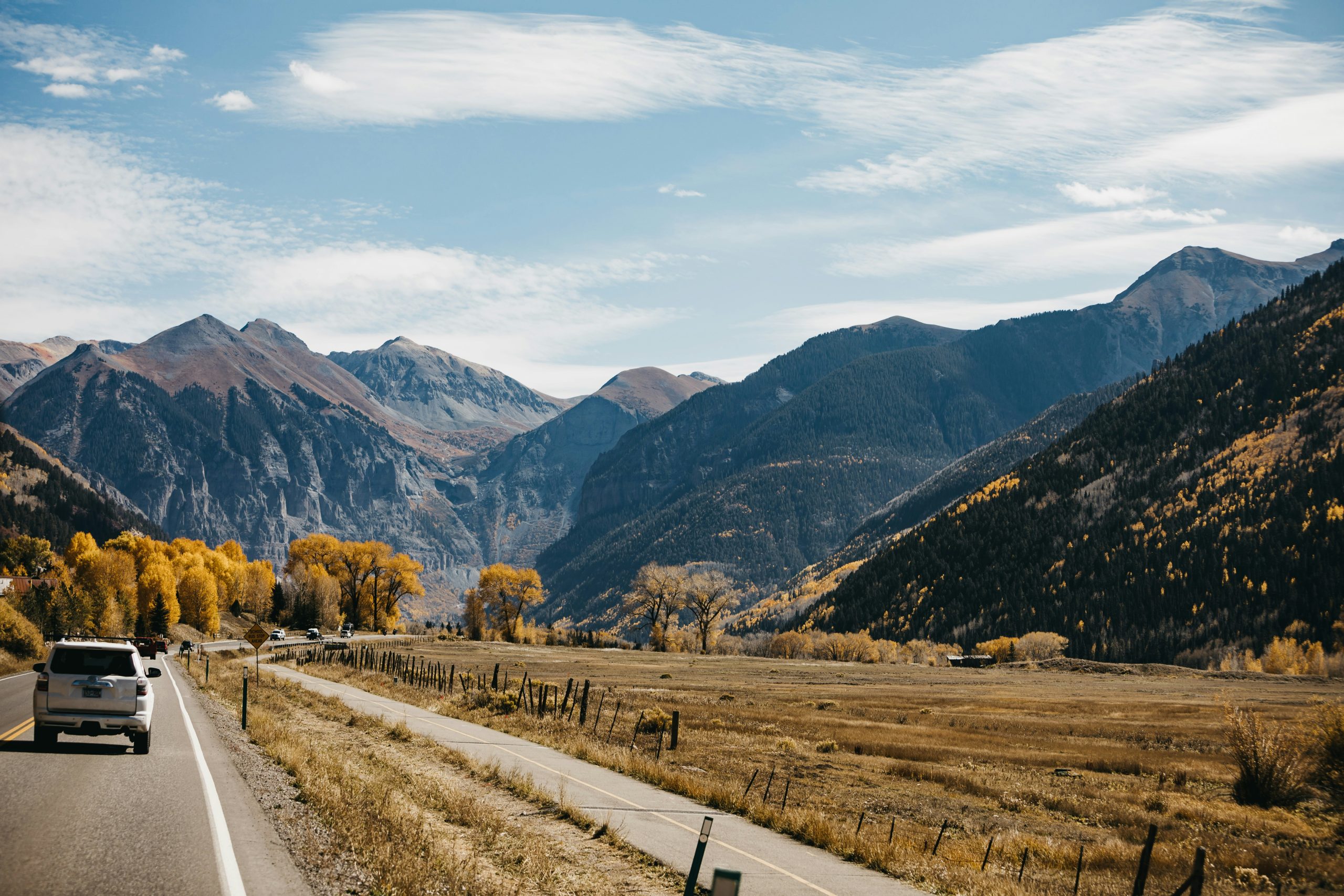
10. Colorado
Colorado has become a notable high-cost market for automobile insurance. Severe weather, hailstorms, population growth, traffic congestion, and expensive vehicle repairs contribute to the state’s insurance challenges.
Denver and its surrounding metropolitan communities have experienced substantial population growth. More residents mean increased traffic on highways, residential streets, and commercial routes.
Hailstorms are particularly important when examining Colorado’s insurance expenses. Large hailstones can damage vehicle roofs, windows, windshields, and body panels. Severe storms may affect thousands of vehicles within a relatively short period.
Wildfires also create potential risks in certain parts of the state. Smoke, evacuation conditions, falling debris, and fire-related damage can affect vehicles and contribute to comprehensive insurance claims.
Colorado’s winter conditions create additional driving challenges. Snow, ice, freezing temperatures, and mountain road conditions can increase accident risks. Drivers traveling through elevated areas may encounter rapidly changing weather.
The state’s growing repair market also affects insurance expenses. Advanced vehicle technology, expensive replacement parts, and specialized repair services can increase the cost of settling collision claims.
Colorado drivers should consider their individual insurance needs before selecting coverage. Comparing quotes, maintaining safe driving habits, and exploring comprehensive coverage options can help motorists balance affordability with financial protection.