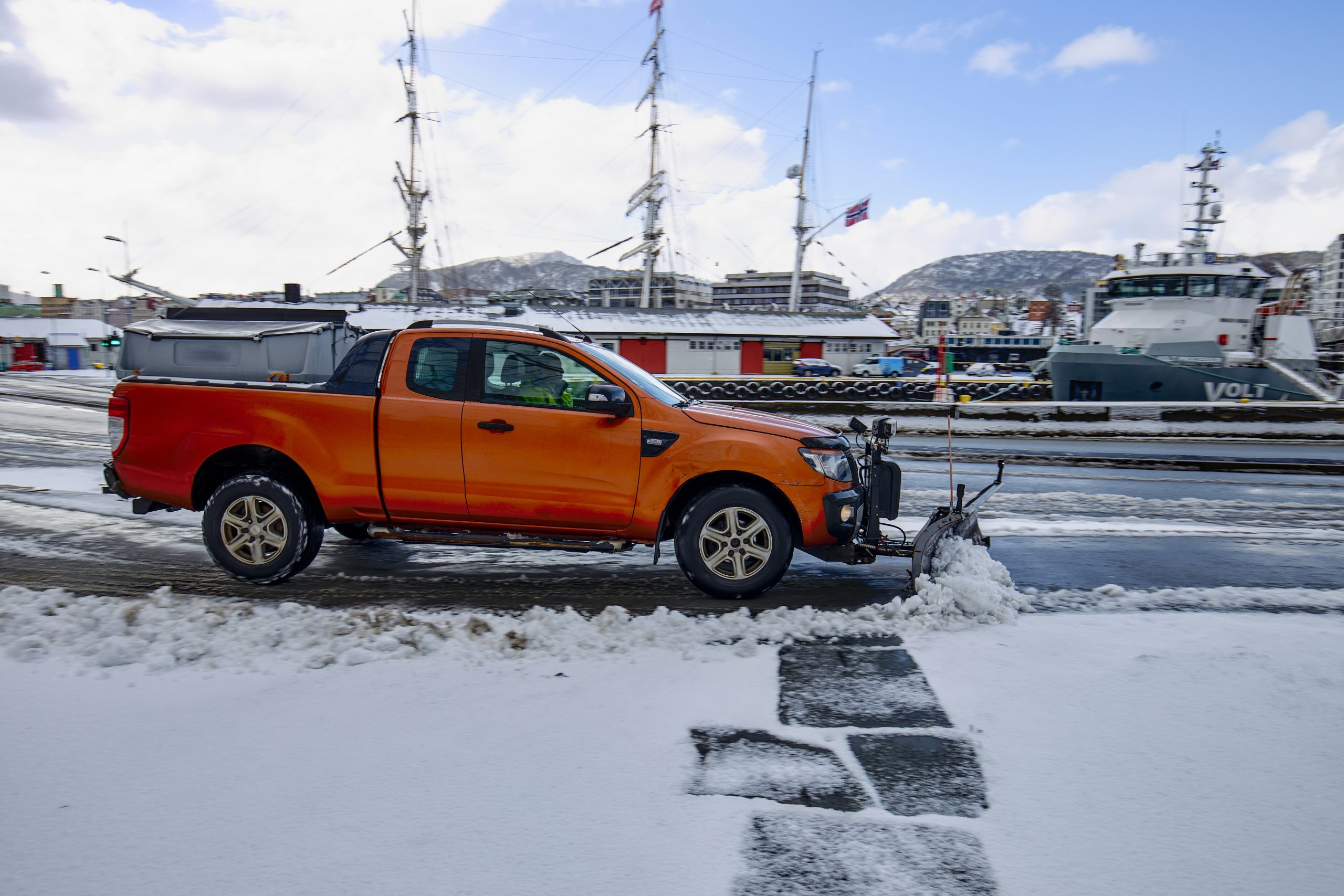
Winter driving can become dangerous when freezing temperatures, poor visibility, icy roads, and unexpected vehicle problems create challenging conditions. A routine journey can quickly turn stressful if your car breaks down in a remote area or you become stranded during severe weather.
Keeping the right emergency supplies inside your vehicle can help you stay warm, remain visible, and handle unexpected situations safely. From essential first aid supplies to reliable power sources, a well-prepared winter car emergency kit can make a significant difference.
These nine winter car items deserve a place in every vehicle before temperatures begin to drop.

1. Emergency Thermal Blankets
An emergency thermal blanket is among the most important items to keep in your car during winter. If your vehicle breaks down in freezing weather, maintaining body heat becomes a priority. A thermal blanket helps reduce heat loss and provides an additional layer of protection against cold temperatures.
These blankets are generally made from lightweight, reflective material that helps retain body heat. Their compact design makes them easy to store inside a glove compartment, emergency kit, or seat pocket. Many models fold into small packages without taking up much space.
Thermal blankets are particularly useful when you are waiting for roadside assistance. If your engine stops working and the heating system becomes unavailable, the temperature inside your vehicle can gradually fall. Having an emergency blanket can make the waiting period more manageable.
It is helpful to keep at least two or three blankets in your vehicle, especially if you regularly travel with family members. This ensures that everyone has access to additional warmth during an unexpected delay.
Choose blankets that are durable, water-resistant, and large enough to cover an adult comfortably. Some emergency blankets also feature reinforced edges, making them less likely to tear during use.
Thermal blankets should not replace proper winter clothing. Wear warm layers, cover your head when necessary, and use the blanket as an additional protective measure. If possible, remain inside the vehicle while waiting for help.
Keep the blankets in a sealed plastic bag to protect them from moisture and dirt. Check your emergency supplies periodically and replace damaged or heavily worn blankets.
A small thermal blanket may seem insignificant during ordinary driving conditions, but it can provide valuable protection when winter weather leaves you stranded.
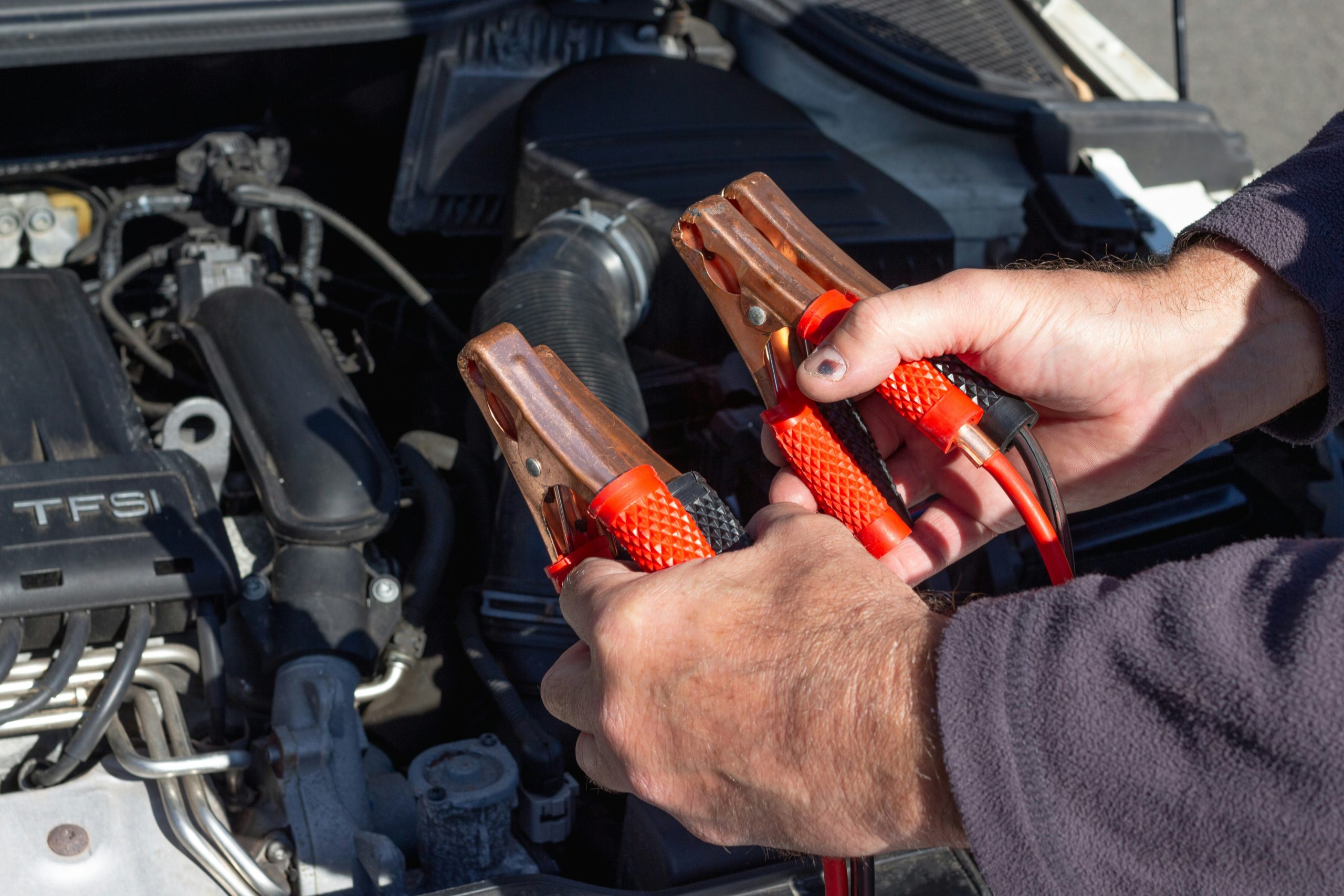
2. Portable Jump Starter
Cold temperatures can affect your car battery and make starting the engine more difficult. Older batteries are particularly vulnerable because their ability to deliver sufficient starting power decreases in low temperatures. A portable jump starter can help you deal with a dead battery without depending on another vehicle.
Unlike traditional jumper cables, a portable jump starter contains its own rechargeable battery. You connect the device to your vehicle’s battery terminals according to the manufacturer’s instructions, allowing it to provide the power needed to start the engine.
Modern jump starters are compact and relatively easy to store. Many models also include built-in flashlights, USB charging ports, and safety features designed to prevent incorrect connections.
Before purchasing a jump starter, check its compatibility with your vehicle. Different engines require different starting power levels, so choose a model that meets or exceeds your vehicle manufacturer’s recommendations.
Battery capacity is another important consideration. A device with sufficient capacity can provide multiple starting attempts before requiring a recharge. However, its performance depends on the battery condition, temperature, and vehicle requirements.
Charge your jump starter before the winter season and inspect it regularly. Some devices lose charge while sitting unused, so follow the manufacturer’s maintenance recommendations to ensure it remains ready.
It is also important to understand how to use the device safely. Read the instructions carefully, connect the clamps to the correct terminals, and avoid using damaged equipment. Never attempt to jump-start a visibly damaged or leaking battery.
A portable jump starter can save considerable time during an unexpected breakdown. It gives drivers a practical way to address common battery problems without waiting for another motorist to arrive.
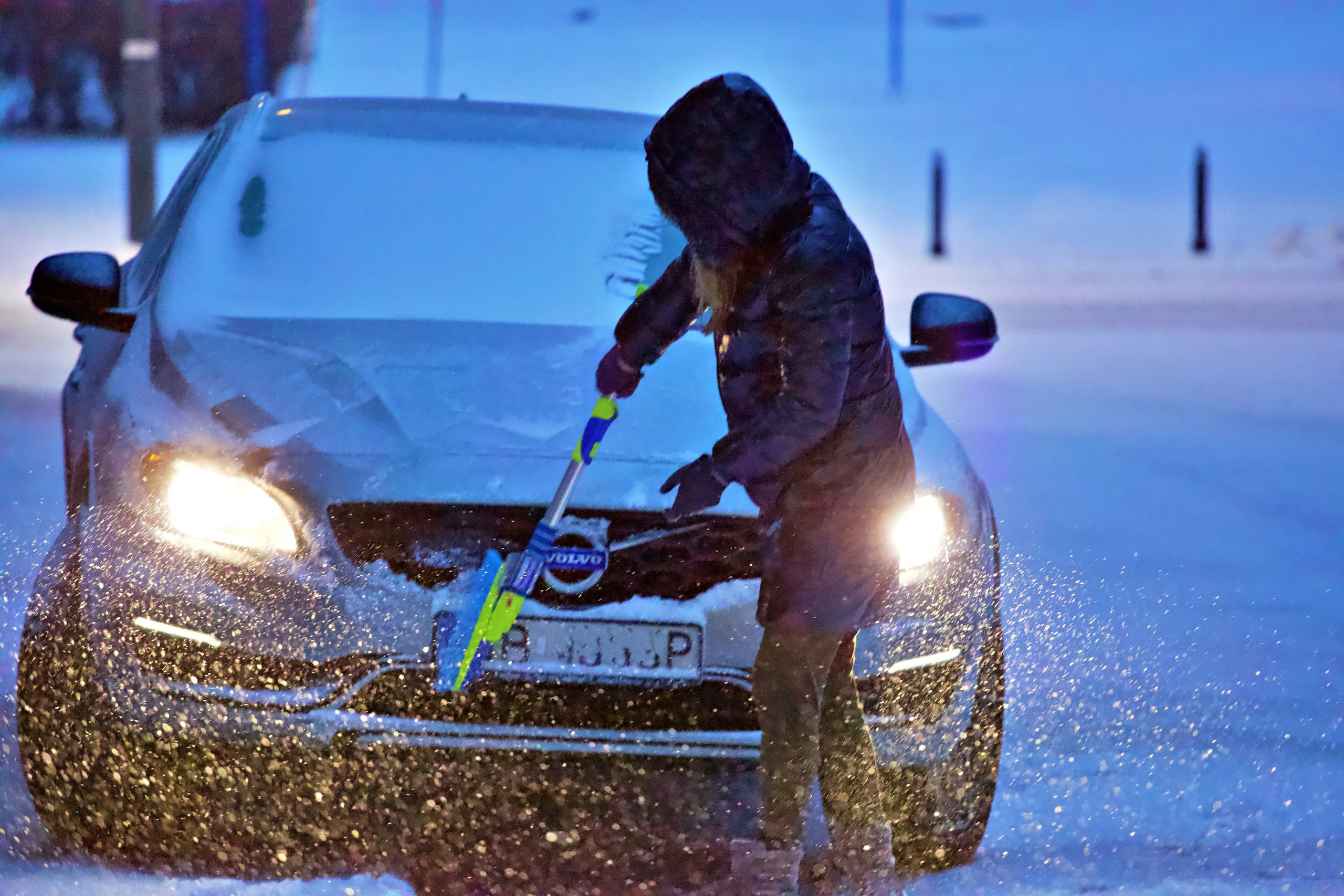
3. Ice Scraper and Snow Brush
An ice scraper and snow brush are essential winter car accessories, particularly in areas that experience freezing temperatures or snowfall. Ice and accumulated snow can obstruct your windshield, windows, mirrors, and headlights, reducing visibility and increasing the risk of an accident.
An ice scraper helps remove frozen layers from glass surfaces without requiring excessive force. A snow brush, meanwhile, makes it easier to clear loose snow from the roof, bonnet, boot, and other exterior surfaces.
Choose a scraper with a sturdy handle and a comfortable grip. Some models feature an extendable design that makes it easier to reach the middle of larger windshields and remove snow from difficult areas.
A snow brush with soft bristles is generally preferable because it can remove loose snow without unnecessarily scratching the vehicle’s exterior. Avoid using metal objects, hard household tools, or sharp materials to remove ice from automotive glass.
Before starting your journey, clear every window, side mirror, headlight, and taillight. Make sure your windscreen wipers are free from ice and can move properly. Driving with only a small cleared section of the windshield creates dangerous blind spots.
Remember to remove accumulated snow from the vehicle’s roof as well. Snow can slide forward during braking or blow onto the windshield while driving, suddenly obstructing your view.
Never pour boiling water onto a frozen windshield. Sudden temperature changes can cause the glass to crack. Use a suitable de-icing product or allow the vehicle’s defroster to warm the glass gradually.
Store your scraper and brush somewhere easily accessible rather than burying them beneath luggage in the boot. You may need them before entering the vehicle.
These simple tools help maintain clear visibility and make winter driving safer. They are inexpensive, reusable, and useful throughout the cold season.
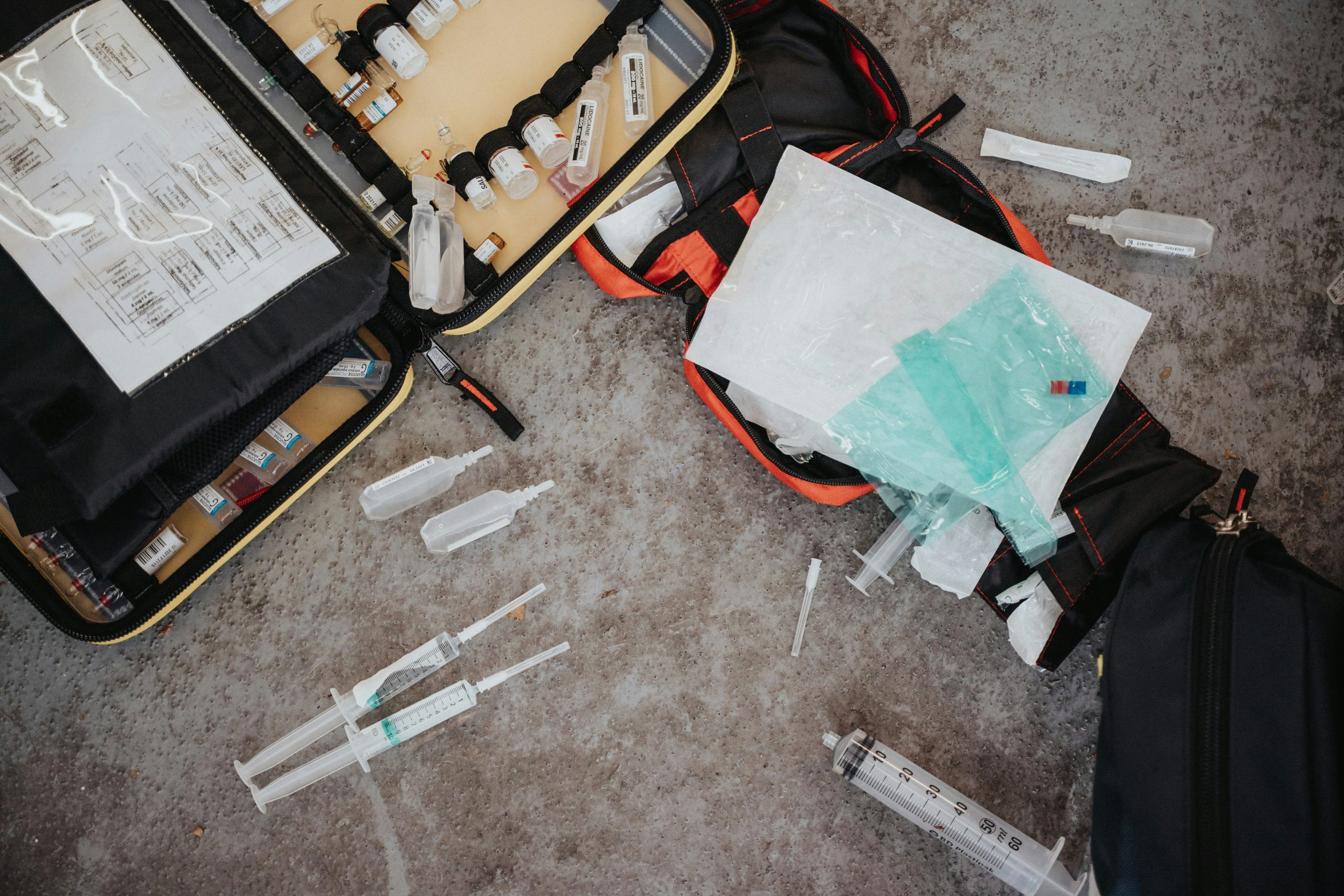
4. First Aid Kit
A properly stocked first aid kit is an important safety item for every vehicle, regardless of the season. During winter, it becomes particularly valuable because cold weather, slippery surfaces, and difficult road conditions can increase the likelihood of minor injuries.
A basic automotive first aid kit should include adhesive bandages, sterile gauze, medical tape, antiseptic wipes, disposable gloves, scissors, and basic wound dressings. These supplies can help manage small cuts, scrapes, and other minor injuries until professional assistance becomes available.
It is also useful to include an emergency information card containing important medical details for regular passengers. This may include known allergies, relevant medical conditions, and emergency contact information, provided everyone involved is comfortable keeping these details in the vehicle.
Cold weather can make minor injuries more uncomfortable. Keeping suitable dressings and clean supplies available allows you to protect an injured area while arranging appropriate medical care.
Make sure your first aid kit is stored in a dry and accessible location. Moisture can damage packaging, while extreme temperature changes may affect certain medical products. Follow storage instructions and check expiration dates regularly.
Drivers who frequently travel with children should consider adding child-appropriate supplies. However, medicines should only be included and used according to medical advice and their storage requirements.
A first aid kit cannot replace professional medical treatment. Serious injuries, breathing difficulties, chest pain, or signs of hypothermia require immediate emergency assistance.
Learn basic first aid procedures before an emergency occurs. Knowing how to control minor bleeding, protect a wound, and recognize serious warning signs can help you respond more confidently.
A well-maintained first aid kit provides practical support when unexpected injuries occur. It is a small investment that can make a meaningful difference during roadside emergencies.
5. Portable Phone Charger and Power Bank
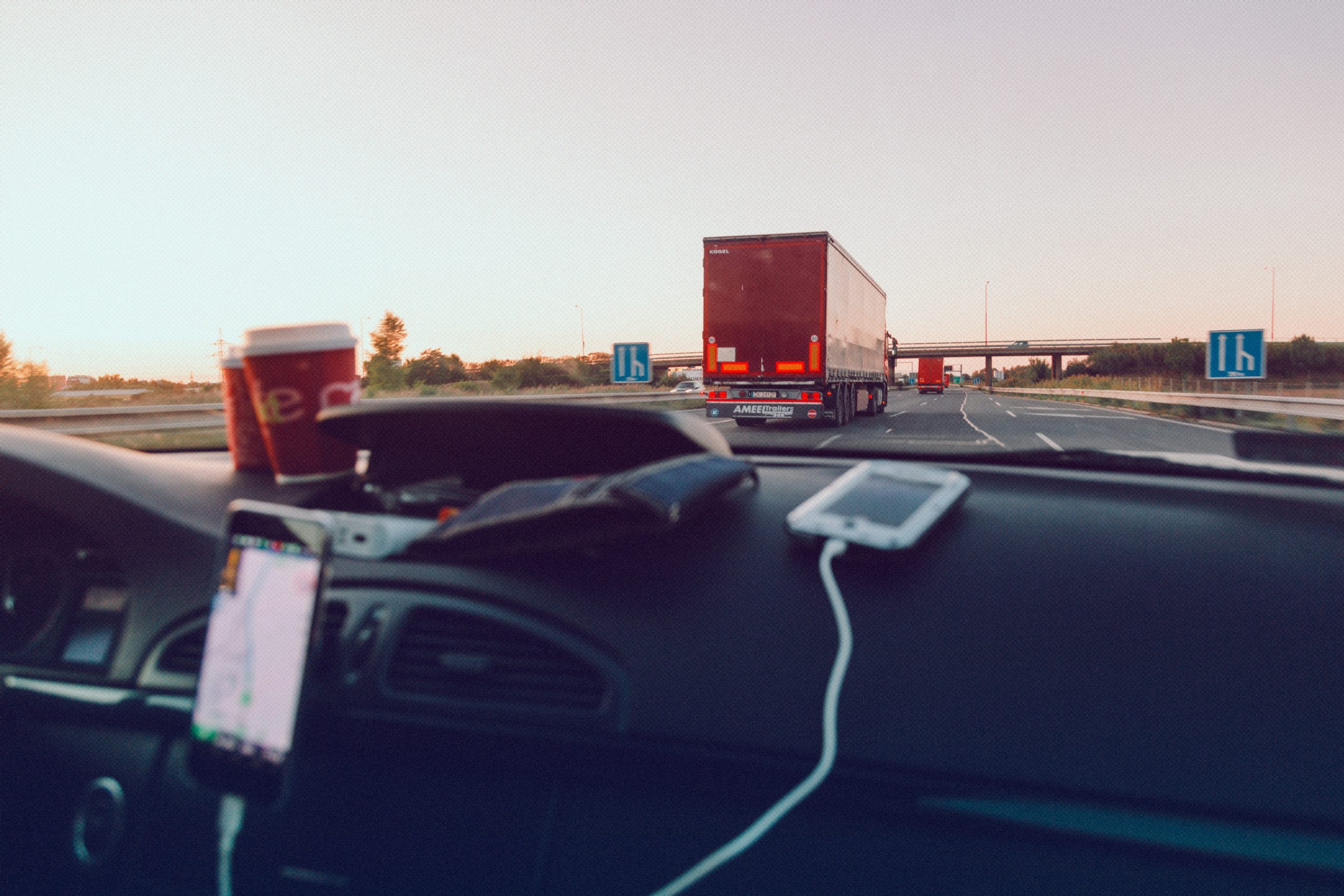
A working mobile phone is essential during a winter car emergency. It allows you to contact roadside assistance, call emergency services, share your location, and communicate with family members. However, cold temperatures can reduce smartphone battery performance, making a reliable backup power source particularly important.
A portable power bank provides additional charging capacity when your phone battery is low. It is especially useful if you become stranded somewhere without access to a charging point.
Choose a power bank with enough capacity to recharge your phone at least once or twice. Check whether it supports your device’s charging requirements and includes appropriate cables.
Cold weather can affect power bank performance as well. Keep the device in a protected compartment rather than leaving it exposed to freezing temperatures. Follow the manufacturer’s recommended storage and operating conditions.
It is also sensible to keep a car phone charger inside your vehicle. A charger that connects to your vehicle’s power outlet provides another option when the electrical system is functioning properly.
Before travelling, make sure your phone is fully charged. Download offline maps if you expect to drive through areas with limited network coverage. Save important emergency numbers so you can access them quickly.
Consider keeping a small charging cable and a spare adapter inside your emergency kit. These inexpensive accessories can prevent unnecessary frustration when you need to recharge your device.
During an emergency, conserve battery power by lowering screen brightness, closing unnecessary applications, and limiting entertainment use. Keep location services available when sharing your position with emergency responders.
A reliable power bank helps you maintain communication when it matters most. It can make contacting assistance easier and reduce the uncertainty associated with being stranded in an unfamiliar location.

6. Warm Gloves, Socks, and Extra Clothing
Keeping spare winter clothing inside your car is a practical way to prepare for unexpected breakdowns. If your vehicle stops working in cold weather, you may need to leave the cabin to inspect a problem, change a tyre, or move to a safer location.
Warm gloves protect your hands from cold surfaces and freezing air. They are particularly useful when handling roadside equipment, opening frozen doors, or checking vehicle components. Choose insulated gloves that provide a comfortable grip.
Extra socks are equally important because cold or damp feet can become uncomfortable quickly. Thick wool or synthetic thermal socks can provide additional insulation during long delays.
Keep a spare jacket, sweatshirt, scarf, and warm hat in your vehicle. Covering your head, neck, hands, and feet helps reduce heat loss and makes it easier to remain comfortable when temperatures drop.
Water-resistant clothing is worth considering if you frequently drive through areas with rain, snow, or slush. Wet clothing loses much of its insulating ability and can make cold exposure more dangerous.
Store spare clothing inside a waterproof bag to protect it from moisture. A sealed storage container can also keep everything organized and prevent items from becoming dirty.
If you travel with children or older passengers, pack additional clothing suitable for their needs. Different people have different levels of tolerance to cold, and some may require extra protection.
Avoid relying entirely on your vehicle’s heating system. If the engine fails, the cabin may become cold, and you may need to wait for assistance without functioning heat.
Spare winter clothing is inexpensive, reusable, and easy to maintain. Having these items available can help protect you and your passengers during unexpected winter delays.
7. High-Visibility Warning Triangle and Reflective Vest
Being visible to other motorists is extremely important during a roadside emergency. Snowfall, fog, rain, darkness, and poor lighting can make a stopped vehicle difficult to notice. A reflective vest and warning triangle help alert approaching drivers to your presence.
A high-visibility reflective vest is designed to make the wearer easier to see in low-light conditions. Bright colors combined with reflective strips help improve visibility when illuminated by vehicle headlights.
Keep at least one vest inside the passenger compartment rather than storing it beneath luggage in the boot. This allows you to put it on before stepping outside the vehicle.
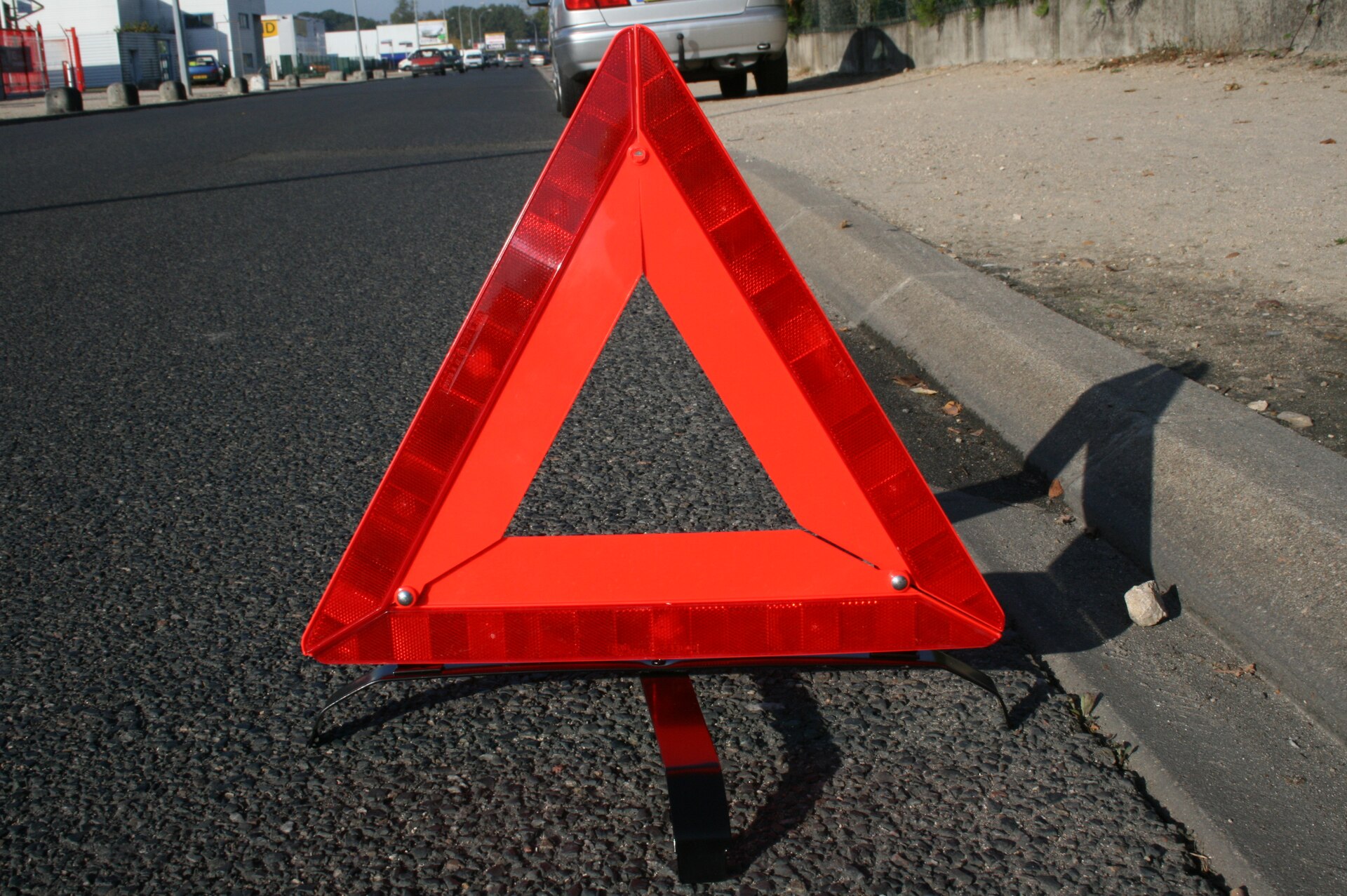
A reflective warning triangle provides an additional visual warning to approaching motorists. When positioned safely and in accordance with local traffic regulations, it can give other drivers more time to recognize a stationary vehicle and adjust their speed.
Choose a warning triangle that folds into a compact storage case. Check that its reflective surfaces are clean and that its supporting legs are stable.
Always consider your surroundings before placing a warning triangle. Never walk into moving traffic or position yourself in an unsafe area simply to set up a warning device. If conditions are dangerous, remain inside the vehicle with your seat belt fastened when appropriate and contact emergency assistance.
Reflective equipment is especially useful on highways and poorly lit roads. However, it does not guarantee that approaching drivers will notice you, so maintaining a safe position remains essential.
Drivers should also inspect their vehicle’s hazard warning lights regularly. These lights can help communicate that the vehicle is stopped because of an emergency.
A reflective vest and warning triangle are relatively inexpensive safety accessories. Their main purpose is to reduce the chance of a secondary collision by making your vehicle and your presence more noticeable.

8. Compact Shovel and Traction Aids
A compact emergency shovel can be extremely useful when snow, ice, or mud prevents your vehicle from moving. It allows you to clear material around the tyres and create a more accessible path for the vehicle.
Choose a folding shovel that is strong enough for occasional emergency use but small enough to fit inside your boot. A model with a sturdy handle and secure locking mechanism is preferable.
Traction aids can also help when tyres struggle to grip slippery surfaces. Commercial traction boards provide a surface that tyres can grip when a vehicle becomes stuck in loose snow or mud.
Some drivers also keep a small container of clean, dry traction material suitable for their vehicle and road conditions. However, always use products designed for the intended purpose and follow the vehicle manufacturer’s guidance.
If your car becomes stuck, avoid repeatedly accelerating aggressively. Spinning tyres can dig deeper into loose material, making the situation worse and potentially damaging the tyres.
Instead, stop safely, assess the situation, and remove loose material from around the tyres if it is safe to do so. Place appropriate traction aids according to their instructions and use gentle acceleration.
Never crawl beneath a vehicle that is supported only by a jack. If the car needs lifting or is stuck in a dangerous position, contact professional roadside assistance.
A compact shovel can also be useful after heavy snowfall when clearing access around the tyres or moving loose snow away from a parking space.
Remember that traction aids have limitations. They cannot overcome every type of ice, steep slope, or deeply embedded vehicle. If the road conditions are too dangerous, waiting for professional recovery is the safer choice.
Keeping a shovel and suitable traction equipment in your car provides an additional layer of preparation. These tools can help address minor mobility problems before they become more complicated.
9. Drinking Water and Non-Perishable Snacks
Food and water are often overlooked when preparing a winter car emergency kit. However, an unexpected breakdown can leave you waiting for several hours, particularly if you are travelling through remote areas or during severe weather.
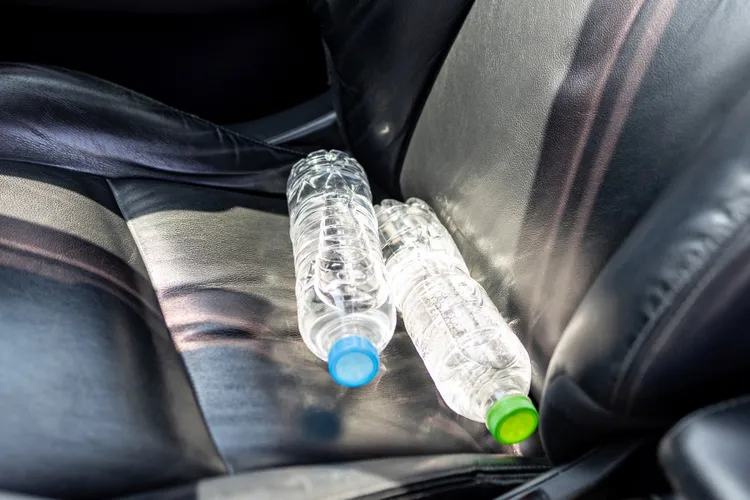
Keeping drinking water in your vehicle helps you stay hydrated while waiting for assistance. Choose appropriately sealed containers and inspect them regularly for leaks, damage, or changes in quality.
Freezing temperatures can cause water to expand and potentially damage its container. If you regularly travel through freezing conditions, use suitable bottles designed for cold-weather storage and avoid filling them completely.
Non-perishable snacks provide a convenient source of energy during unexpected delays. Consider keeping items such as energy bars, dried fruits, nuts, crackers, and other foods that can be stored safely for extended periods.
Choose snacks that do not require refrigeration, heating, or complicated preparation. Individually packaged products are convenient because they are easier to store and distribute among passengers.
Check expiration dates regularly and replace items before they become unsuitable for consumption. Heat inside parked vehicles can also affect food quality, so follow packaging storage instructions.
If you travel with children, consider packing snacks that meet their dietary requirements. Passengers with food allergies should only consume products that are suitable for their individual needs.
Water and snacks become especially useful when heavy traffic, road closures, or vehicle breakdowns create unexpected waiting periods. They help you maintain basic comfort while arranging assistance.
Avoid eating or drinking while driving if doing so distracts you from the road. Keep emergency supplies stored securely and access them only when the vehicle is safely stopped.
Food and water cannot solve every roadside problem, but they provide valuable support during long delays. Including them in your winter emergency kit helps you prepare for situations that may last longer than expected.