
Car insurance can take a noticeable portion of a household budget, yet many drivers pay more than necessary because they overlook discounts offered by insurance companies. While most people know about safe driver and multi-car savings, several lesser-known opportunities can reduce annual premiums.
These benefits may depend on driving habits, vehicle features, payment methods, professional affiliations, or personal circumstances. Knowing which discounts to request can help policyholders make better financial decisions without sacrificing essential coverage.
Here are nine car insurance discounts worth asking about before renewing your policy or purchasing a new plan.
1. Low Mileage Discount
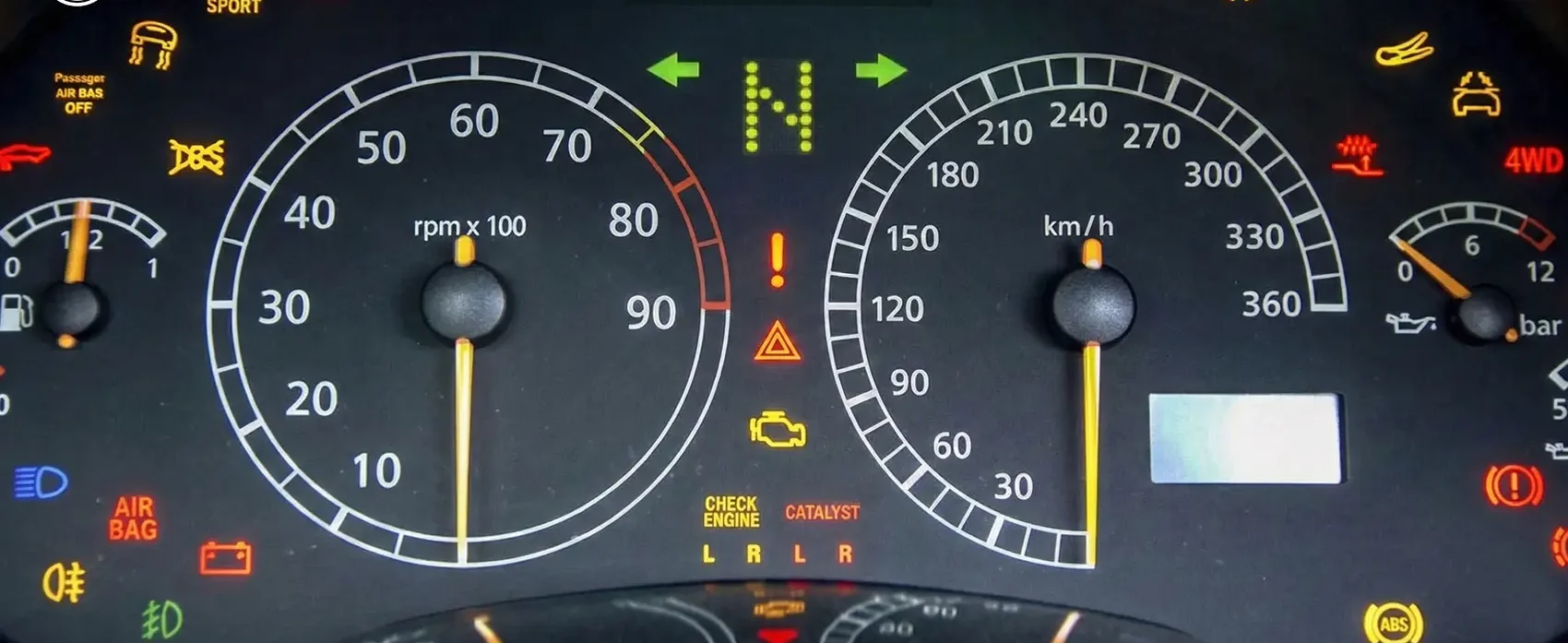
A low mileage discount is designed for drivers who spend less time on the road. Insurance companies generally consider vehicles driven fewer miles less exposed to traffic accidents and other driving-related risks. If you work remotely, use public transportation regularly, or drive only during weekends, you may qualify for this saving.
Many drivers continue paying standard premiums even after their commuting habits change. For example, someone who previously travelled to an office every day may now work from home and use their vehicle only occasionally. Informing the insurance provider about this change could help lower the premium.
Insurance companies have different mileage requirements. Some offer discounts to drivers who stay below a specific annual distance, while others calculate premiums according to estimated monthly usage. The qualifying threshold can vary significantly between providers and locations.
Certain insurers may ask policyholders to submit odometer readings when purchasing or renewing coverage. Others use telematics devices or mobile applications to estimate how frequently a vehicle is driven. Accurate information is important because incorrect mileage estimates could affect future claims.
Drivers who own a second vehicle may also benefit from checking the mileage requirements for each car separately. A vehicle used mainly for occasional shopping trips may qualify for a different pricing arrangement than a car used for daily commuting.
Before requesting this discount, review your driving records and estimate your annual mileage. Keep in mind that occasional long-distance journeys can affect your total yearly distance, so provide realistic figures rather than artificially low estimates.
Ask your insurer whether it offers a low mileage discount, pay-per-mile insurance, or a usage-based policy. These arrangements can be particularly useful for retirees, remote workers, students, and households with multiple vehicles.

2. Defensive Driving Course Discount
Completing an approved defensive driving course may help drivers qualify for reduced insurance premiums. These courses teach practical techniques that can improve road awareness, hazard recognition, vehicle control, and decision-making.
Many motorists assume that driving experience alone guarantees lower insurance costs. However, some insurers reward drivers who complete recognized training programmes because additional education may help reduce certain driving risks.
Defensive driving courses typically cover safe following distances, emergency braking, accident prevention, blind spots, adverse weather conditions, and responsible driving behaviour. The objective is to help motorists recognize dangerous situations before they develop into serious problems.
The availability of this discount depends on the insurance provider and local regulations. Some companies accept certificates from approved training organizations, while others recognize only specific courses or programmes.
Drivers should confirm eligibility requirements before paying for a course. Ask whether the provider accepts online classes, in-person training, or government-approved road safety programmes. This can prevent spending money on training that does not qualify for insurance savings.
The discount may also have an expiry period. Some insurers require policyholders to complete another course after a certain number of years to maintain eligibility. Checking these conditions helps drivers avoid unexpected premium increases.
Young drivers and motorists with previous traffic violations may find defensive driving education particularly useful. In addition to potential financial benefits, the knowledge gained can encourage safer decisions behind the wheel.
Contact your insurance company before enrolling and request a list of accepted courses. Compare the course fee with the expected premium reduction to determine whether the investment makes financial sense.
3. Vehicle Safety Features Discount
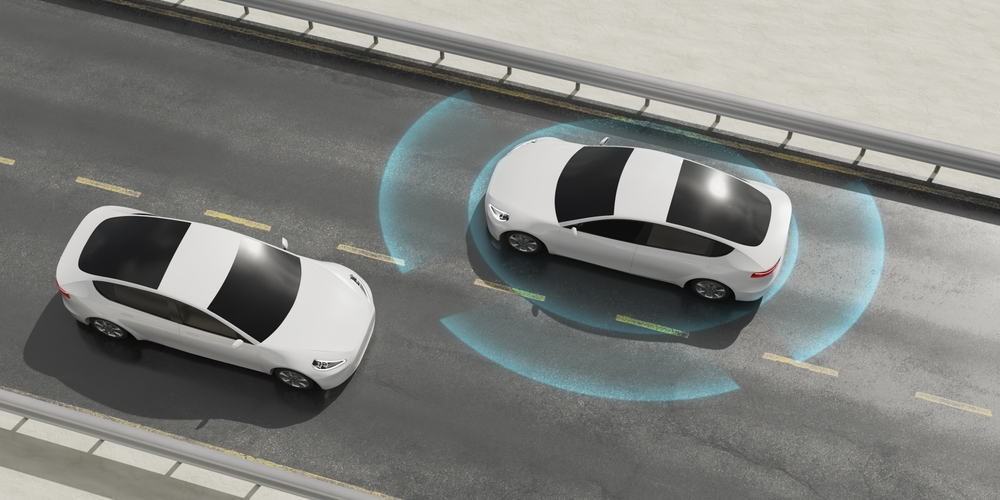
Modern vehicles include several safety technologies designed to reduce the likelihood or severity of accidents. Insurance companies may offer discounts to owners whose cars are equipped with qualifying safety features.
Anti-lock braking systems, electronic stability control, airbags, collision warning systems, automatic emergency braking, and certain anti-theft technologies may influence insurance pricing. However, the benefits depend on the insurer and the vehicle’s specifications.
Many drivers purchase cars with advanced safety equipment but never inform their insurance providers. In some cases, insurers already have access to vehicle information. Still, checking whether every qualifying feature has been recorded is worthwhile.
Airbags can help reduce injuries during certain collisions. Electronic stability control assists drivers in maintaining vehicle control during situations involving loss of traction. Automatic emergency braking may detect potential collisions and apply the brakes when necessary.
Insurance companies evaluate these technologies differently. A feature that qualifies for a discount with one provider may not receive the same treatment from another. Some insurers also distinguish between standard safety equipment and optional upgrades.
When requesting a discount, provide your vehicle identification number, model year, trim level, and available safety equipment details. The insurer can use this information to verify which features qualify under its pricing rules.
Drivers should also distinguish between safety equipment and convenience technology. Features such as heated seats, entertainment systems, and navigation screens generally do not provide the same risk-reduction benefits as collision prevention systems.
If you are purchasing a new vehicle, compare insurance estimates before making a final decision. A car with strong safety ratings and qualifying protective technology may offer better long-term insurance value.
4. Multi-Policy or Bundling Discount
A multi-policy discount is available when a customer purchases more than one type of insurance from the same company. Many insurers offer reduced premiums to customers who combine eligible policies.
For example, a household may purchase car insurance and home insurance from one provider. Depending on the company, customers may also qualify by combining auto coverage with renters, motorcycle, or other eligible insurance products.
Drivers often focus on comparing individual car insurance premiums without considering their existing insurance relationships. Someone who already has homeowners or renters insurance may have an opportunity to negotiate better pricing through a combined arrangement.
Bundling can make insurance management easier because customers may deal with fewer companies, payment schedules, and renewal dates. Some providers also offer centralized customer support for multiple policies.
However, combining policies does not automatically guarantee the lowest total cost. A company might offer an attractive car insurance discount while charging considerably more for home insurance. The combined annual expense should be compared against separate policies from competing insurers.
Before accepting a bundled offer, request individual and combined premium estimates. Check deductibles, coverage limits, exclusions, and additional fees. A lower monthly payment should not come at the expense of necessary protection.
Customers should also ask whether the discount remains available when policies renew at different times. Some companies apply bundling benefits only while all qualifying policies remain active.
Reviewing insurance arrangements once a year can reveal opportunities for additional savings. If your household already purchases several types of coverage, asking about multi-policy discounts is a practical step.

5. Good Student Discount
Students who maintain strong academic performance may qualify for a good student discount from certain car insurance providers. This benefit is commonly available to eligible young drivers who meet specific educational and academic requirements.
Young motorists often face higher insurance premiums because insurers generally consider inexperienced drivers a higher risk. Academic performance discounts provide an opportunity for qualifying students to reduce some of these costs.
Insurance companies may request report cards, transcripts, or official academic records to verify eligibility. Some providers specify minimum grade averages, while others accept particular academic achievements or standardized qualifications.
The age range and educational requirements vary. Certain companies extend eligibility to high school students, college students, and young adults enrolled in recognized educational institutions.
Parents who insure their children under a family policy should ask whether the student can receive a discount. The savings may apply to the young driver’s portion of the premium or the policy, depending on the provider.
Students attending college away from home may also qualify for a separate discount if they leave their insured vehicle at their permanent residence and drive it only during occasional visits. This benefit is sometimes called a student-away-at-school discount.
Academic discounts generally require updated documentation during policy renewals. Students should submit current records whenever requested and confirm whether online education or part-time enrolment meets the insurer’s conditions.
If a student maintains good grades, contacting the insurer is worthwhile. Even a modest reduction can make vehicle ownership more affordable for families managing tuition, accommodation, transportation, and other educational expenses.

6. Automatic Payment and Paperless Billing Discount
Some insurance companies reward customers who choose convenient payment and communication options. Automatic bank withdrawals, recurring card payments, and paperless billing may qualify for small discounts or reduced administrative fees.
Automatic payments allow insurers to collect premiums according to an agreed schedule. This arrangement can reduce missed payments and help customers avoid late fees or policy interruptions.
Paperless billing replaces printed statements and notices with electronic communication. Customers receive documents through email or an online account, making policy information easier to access and manage.
Many policyholders select these options for convenience without checking whether they offer financial benefits. Asking the insurer about available payment-related discounts may reveal additional savings.
The requirements differ between companies. Some providers offer a discount for enrolling in automatic payments, while others provide savings for choosing electronic documents. Certain insurers may combine both benefits.
Customers should understand the payment terms before signing up. Automatic withdrawals require sufficient funds in the selected account, and failed payments may result in additional charges or complications with coverage.
It is also important to check whether the insurer offers discounts for paying the full annual premium upfront. Some companies provide savings because a single payment reduces billing and collection costs.
Drivers who prefer monthly payments should compare the total annual cost against the upfront payment option. A lower advertised monthly amount does not always represent the cheapest arrangement.
When reviewing your policy, ask about automatic payment, paperless billing, electronic communication, and full-payment discounts. Small reductions can become meaningful when combined with other eligible benefits.

7. Professional and Occupational Discounts
Your occupation or professional membership may influence the insurance discounts available to you. Some insurance companies offer special rates to employees of particular organizations, professional groups, educational institutions, and government departments.
Teachers, healthcare professionals, military personnel, public sector employees, and members of selected professional associations may have access to specific insurance programmes. The eligibility criteria depend on the provider and the agreements it maintains.
Many drivers overlook these benefits because they assume discounts are based entirely on driving history and vehicle characteristics. However, some insurers consider professional affiliations when determining available pricing opportunities.
Certain employers negotiate insurance arrangements with providers to offer employees preferential rates. These arrangements may include discounted premiums, additional policy benefits, or simplified purchasing procedures.
Professional associations can also establish partnerships with insurance companies. Membership in an eligible organization may provide access to a group insurance programme or special pricing.
Before requesting an occupational discount, verify whether your employer or professional association has an active insurance partnership. Human resources departments and membership representatives may be able to provide relevant information.
Be aware that not every professional receives a discount from every insurer. Some companies have stopped using occupational factors in certain markets, while others apply them only to specific policy types.
Compare the final premium with ordinary insurance quotes before accepting a special offer. A professional discount is useful only when the resulting coverage and price provide genuine value.

8. Telematics and Safe Driving Discount
Telematics insurance uses technology to assess driving behaviour and, in some programmes, vehicle usage. Insurance companies may offer discounts to drivers who demonstrate safe driving habits through approved monitoring systems.
These programmes generally collect information about driving patterns, which may include acceleration, braking, cornering, speed, mileage, and driving times. The specific information collected depends on the insurer’s technology and programme rules.
Drivers who maintain smooth driving habits may receive lower premiums or rewards. For example, avoiding sudden braking, maintaining reasonable speeds, and limiting unnecessary trips may contribute to a favourable driving score.
Some insurers provide a mobile application that records driving activity. Others use a small device installed in the vehicle or technology already built into compatible cars.
The potential savings can vary considerably. Certain programmes provide an initial participation discount, followed by adjustments based on driving performance. Others calculate benefits after collecting enough driving data.
Before enrolling, read the programme’s privacy policy and understand how driving information is collected, stored, and used. Ask whether poor driving scores can increase premiums or affect renewal pricing.
Telematics programmes may not suit every motorist. Drivers who regularly travel during late-night hours, navigate congested roads, or use their vehicles for demanding work schedules may receive different results from those who drive mainly during quieter periods.
For motorists with consistent and responsible driving habits, telematics may provide an opportunity to demonstrate lower-risk behaviour. Compare the potential savings with the monitoring requirements before agreeing to participate.

9. Loyalty and Long-Term Customer Discount
Some insurance providers reward customers who maintain policies with the same company for several consecutive years. These benefits are often described as loyalty discounts, renewal discounts, or long-term customer rewards.
Many drivers automatically renew their policies without asking whether their continued relationship qualifies them for additional savings. While insurers do not always advertise these benefits prominently, certain providers offer incentives to retain existing customers.
A loyalty discount may depend on the number of years a policyholder has remained insured with the company. Some providers also consider claim history, payment records, and the number of policies held by the customer.
Long-term customers may receive benefits beyond premium reductions. Depending on the provider, these could include deductible rewards, additional coverage options, renewal incentives, or special customer service arrangements.
However, staying with the same company indefinitely is not necessarily the most economical decision. Insurance premiums can increase over time because of changing risk assessments, vehicle values, repair costs, regional conditions, and other pricing factors.
For this reason, customers should compare renewal quotations with offers from other insurers. A loyalty discount should be evaluated against the actual amount payable, not simply the percentage advertised.
Before renewing, contact your insurance representative and ask whether your years of continuous coverage qualify for a discount. Also check whether a claims-free history or multiple-policy relationship provides additional benefits.
If another company offers significantly better coverage at a lower price, switching may be worth considering. The goal should be to maintain suitable protection at a competitive cost rather than remain loyal without receiving meaningful financial value.