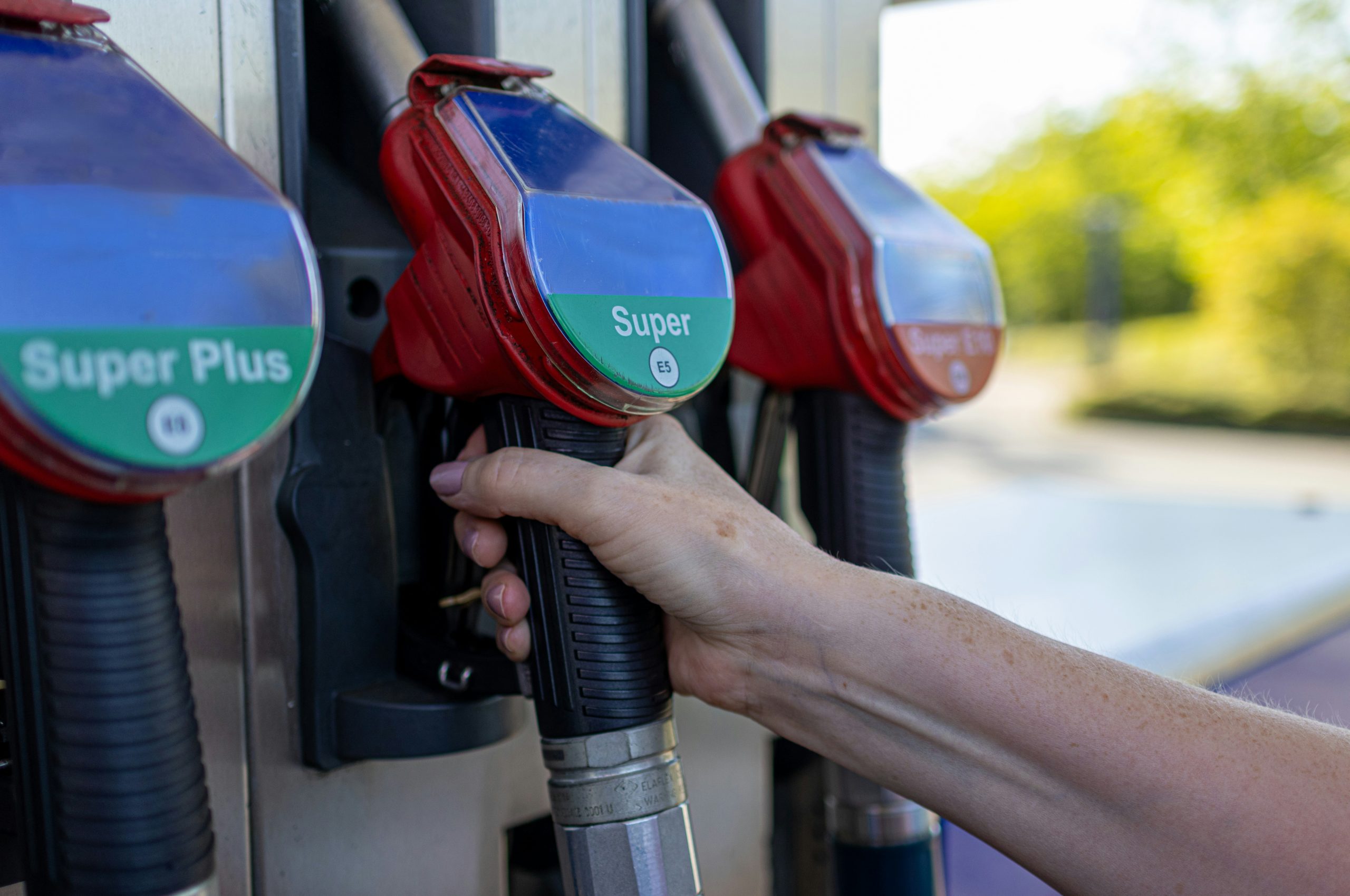
Putting the wrong fuel in your vehicle can cause serious problems, even if the mistake seems small at first. Many drivers assume that using petrol instead of diesel, or diesel instead of petrol, will only affect engine performance temporarily.
However, the consequences can range from unusual engine noises and reduced fuel efficiency to expensive repairs and complete engine failure. Understanding what happens when you use the wrong fuel can help you recognise warning signs, avoid further damage, and take the right steps quickly.
Knowing the risks also makes it easier to prevent costly mistakes during everyday refuelling.
1. Your Engine May Struggle to Start
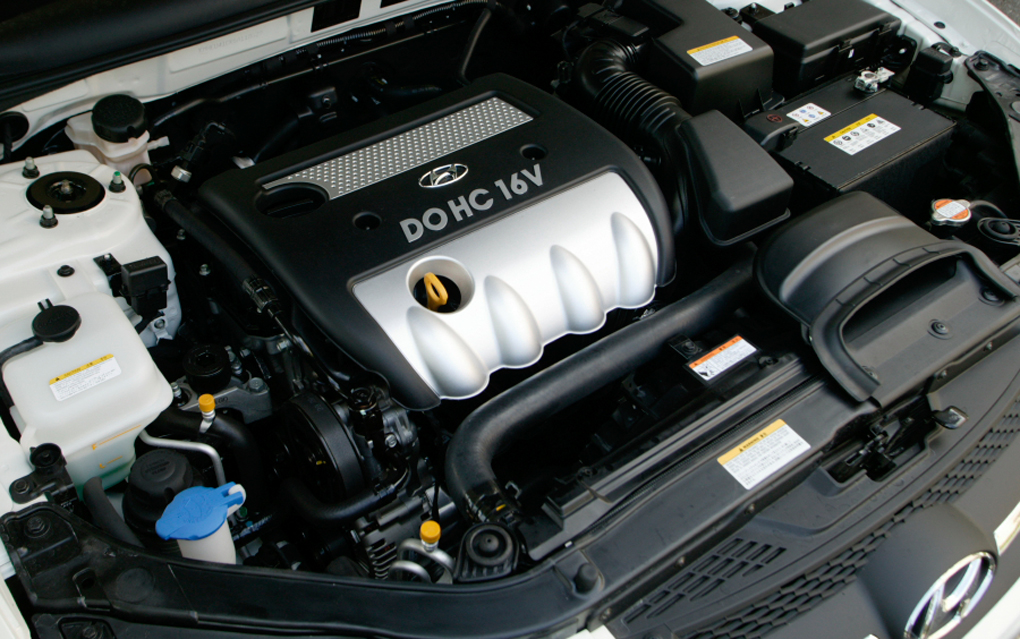
The first noticeable problem after using the wrong fuel is often difficulty starting the engine. Petrol and diesel engines operate differently, and each requires a specific type of fuel to function correctly. When the incorrect fuel enters the system, the engine may not receive the combustion conditions it needs to start properly.
In a petrol engine, fuel mixes with air before being ignited by a spark plug. Diesel engines work differently by compressing air to generate enough heat to ignite the injected diesel fuel. These different combustion processes mean that the wrong fuel can interfere with normal engine operation.
If you accidentally put diesel into a petrol vehicle, the thicker fuel may not vaporise properly for the engine’s ignition system. This can make starting difficult and cause the engine to run unevenly. In some cases, the vehicle may start briefly before shutting down.
Putting petrol into a diesel vehicle can create a different set of problems. Diesel fuel provides lubrication to important components within the fuel system. Petrol does not offer the same lubricating properties, which can interfere with the operation of high-pressure fuel pumps and injectors.
You might notice that the engine takes longer to start than usual. It may also produce unusual sounds or fail to respond when you turn the ignition key. These symptoms should not be ignored, as they can indicate that the incorrect fuel has reached important engine components.
Sometimes, the vehicle may refuse to start completely. This does not necessarily mean the engine has suffered permanent damage. The severity depends on the type of fuel used, the amount added, and whether the engine has been switched on.
Continuing to attempt to start the vehicle can make the situation worse. Each attempt may circulate the contaminated fuel through additional parts of the fuel system, increasing the possibility of damage.
If you suspect that you have used the wrong fuel, avoid starting the engine. Contact a qualified mechanic or professional wrong-fuel recovery service to inspect the vehicle and remove the incorrect fuel safely.
2. Fuel Injectors Can Become Damaged
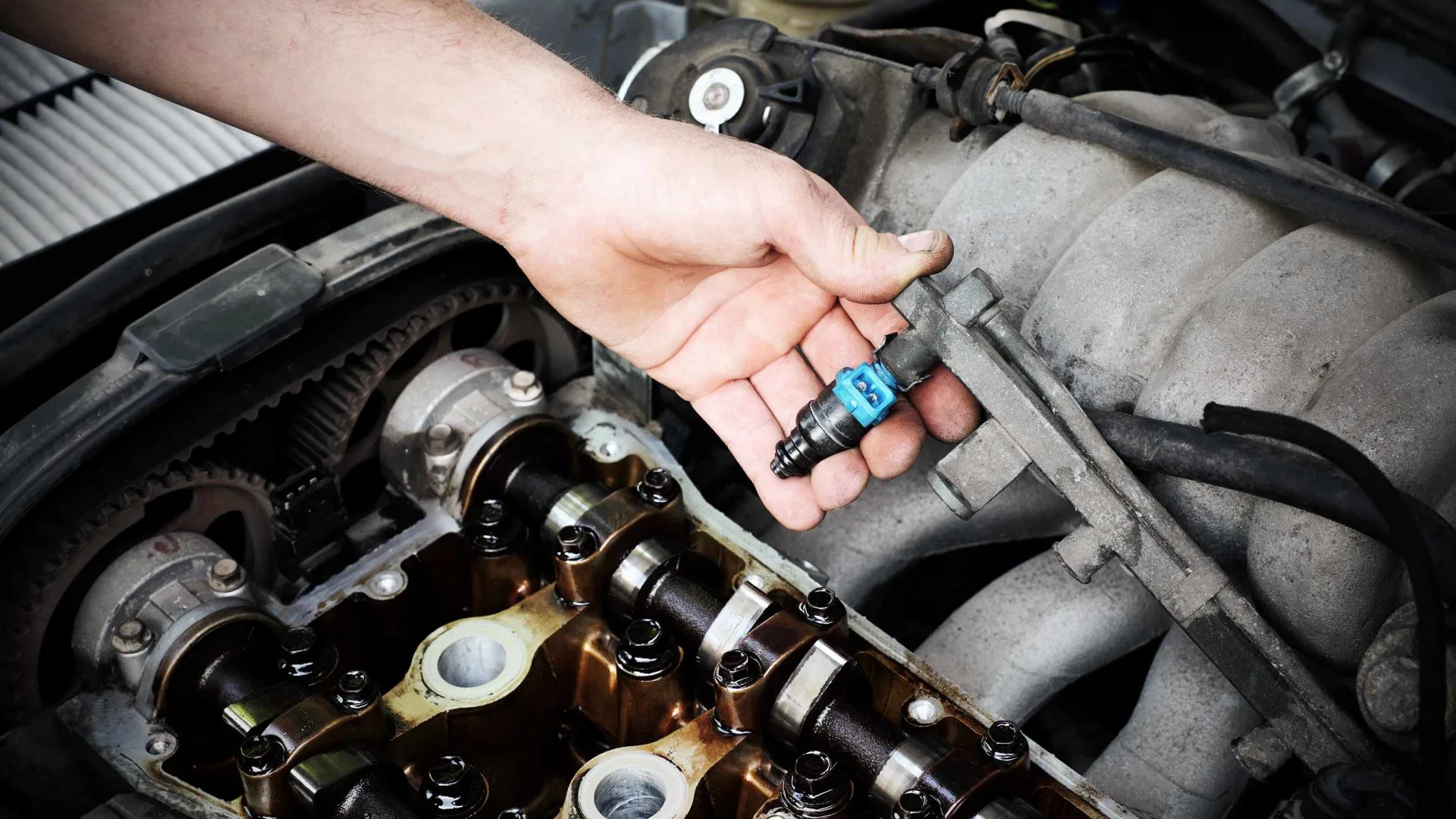
Fuel injectors play an important role in modern vehicles. They deliver precise amounts of fuel into the engine at specific intervals, helping maintain efficient combustion and consistent performance. Using the wrong fuel can interfere with this process and potentially damage these sensitive components.
Diesel fuel systems often operate under extremely high pressure. Their injectors are designed to work with diesel fuel, which also provides lubrication to moving components. Introducing petrol into a diesel system can reduce this lubrication and increase friction between internal surfaces.
Excessive friction can cause wear inside the fuel pump and injectors. These components contain precision-engineered parts that require proper lubrication to function reliably. Damage may develop quickly when the wrong fuel circulates through the system.
Petrol engines can also experience injector-related problems when diesel is added accidentally. Diesel is less suitable for the fuel delivery and combustion requirements of a petrol engine. Its properties can interfere with the spray pattern required for efficient combustion.
Contaminated fuel may also leave deposits that affect injector performance. These deposits can interfere with the precise delivery of fuel, leading to uneven combustion and reduced engine efficiency.
Drivers may notice rough idling, engine hesitation, poor acceleration, or unexpected vibrations. These symptoms can indicate that the injectors are not delivering fuel correctly.
Modern direct-injection systems can be particularly expensive to repair. Their injectors are manufactured to meet strict pressure and fuel-delivery requirements. Replacing damaged injectors may involve significant labour and parts costs.
A professional inspection is important before replacing any components. A mechanic can assess the fuel system, identify contamination, and determine whether cleaning or replacement is necessary.
3. Your Vehicle May Lose Power
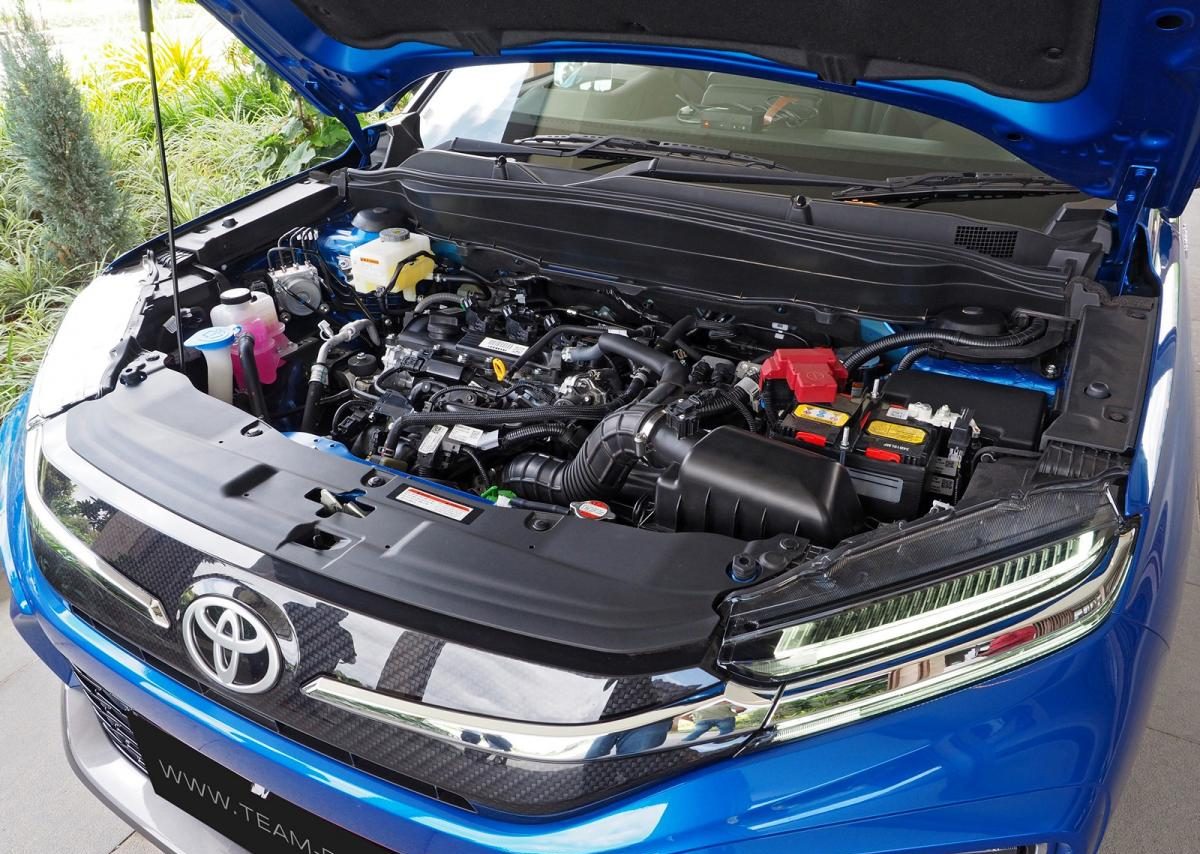
Reduced engine power is another common consequence of using the wrong fuel. Your vehicle depends on the correct fuel-air mixture and combustion process to produce the power needed for acceleration and normal driving.
When the wrong fuel enters the tank, combustion may become incomplete or inconsistent. The engine may struggle to generate sufficient power, making everyday driving difficult.
For example, adding diesel to a petrol vehicle can interfere with the formation of the fuel-air mixture. Diesel does not evaporate in the same way as petrol, which can prevent proper combustion inside the cylinders.
When petrol enters a diesel engine, it can interfere with the ignition process and damage components responsible for delivering fuel. The engine may experience irregular combustion, causing noticeable power loss.
You may find that pressing the accelerator produces little response. The vehicle might move slowly, struggle on inclines, or fail to maintain its usual speed. These changes can become particularly noticeable when carrying passengers or driving uphill.
Some modern vehicles have an electronic engine management system that monitors performance. When the system detects abnormal combustion or fuel delivery, it may activate a reduced-power or limp mode to protect the engine.
Reduced power should never be treated as a minor inconvenience when wrong-fuel contamination is suspected. Continuing to drive can circulate contaminated fuel and increase the risk of expensive repairs.
If your vehicle loses power shortly after refuelling, pull over somewhere safe as soon as possible. Turn off the engine and arrange professional assistance rather than attempting to drive to the nearest garage.

4. The Fuel Pump May Suffer Serious Damage
The fuel pump is responsible for moving fuel from the tank to the engine at the required pressure. Its design varies depending on whether the vehicle uses petrol or diesel, but both systems depend on the correct fuel to operate reliably.
Diesel fuel has lubricating properties that help protect the internal components of diesel fuel pumps. These pumps often operate under extremely high pressures, making proper lubrication essential for their performance.
Petrol does not provide the same level of lubrication required by many diesel fuel systems. When petrol enters a diesel tank, it can reduce the protective lubrication between moving pump components.
This increases friction and may cause internal wear. In severe cases, the pump can become damaged and distribute metal particles throughout the fuel system.
Metal contamination is particularly concerning because it can spread to other components, including fuel lines, pressure regulators, and injectors. Repairing this type of damage may require extensive cleaning and replacement of several parts.
The fuel pump in a petrol vehicle can also experience problems when diesel enters the system. Diesel’s different physical properties may interfere with normal fuel delivery and place additional demands on components that were not designed to handle it.
A failing fuel pump may produce unusual whining noises, inconsistent fuel pressure, difficulty starting, or unexpected engine shutdowns. These signs require professional attention.
The repair cost depends on the extent of the damage. If the wrong fuel is identified before the engine is started, draining and cleaning the tank may be sufficient. If the pump has already suffered internal damage, replacement may be necessary.
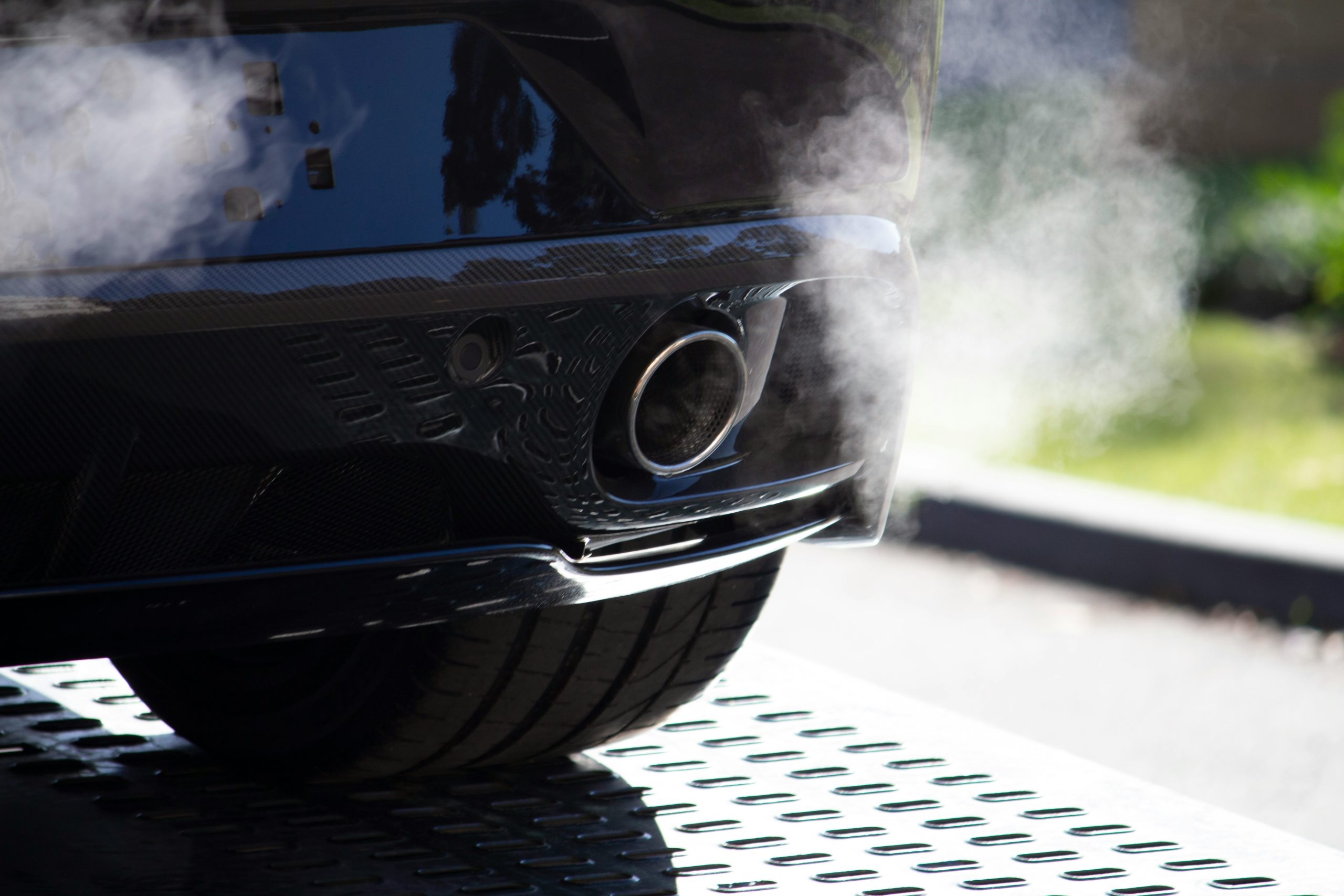
5. You May Notice Excessive Smoke From the Exhaust
Exhaust smoke can provide useful clues about problems occurring inside your vehicle’s engine. When the wrong fuel is used, the combustion process may become inefficient, resulting in unusual exhaust emissions.
Putting diesel into a petrol engine can lead to incomplete combustion. Diesel is heavier and less volatile than petrol, making it unsuitable for the ignition process used in petrol engines.
As a result, the engine may produce excessive smoke from the exhaust. You might also notice a strong fuel smell, rough running, and repeated misfires.
In some situations, unburnt fuel can enter the exhaust system. This may affect components designed to reduce harmful emissions, including catalytic converters.
Petrol contamination in a diesel engine can also cause abnormal combustion and exhaust smoke. The engine may produce unusual fumes while struggling to maintain consistent performance.
The colour of the smoke can vary depending on the engine type, fuel mixture, and extent of contamination. Black smoke generally indicates incomplete combustion or excessive fuel, while blue smoke can indicate burning oil. White smoke may have several causes, including unburnt fuel or coolant-related problems.
It is important not to diagnose the problem based on smoke colour alone. Different mechanical issues can produce similar symptoms, and an accurate diagnosis requires professional inspection.
If excessive smoke appears immediately after refuelling, stop driving when it is safe to do so. Continuing to operate the engine may increase contamination and damage exhaust-related components.
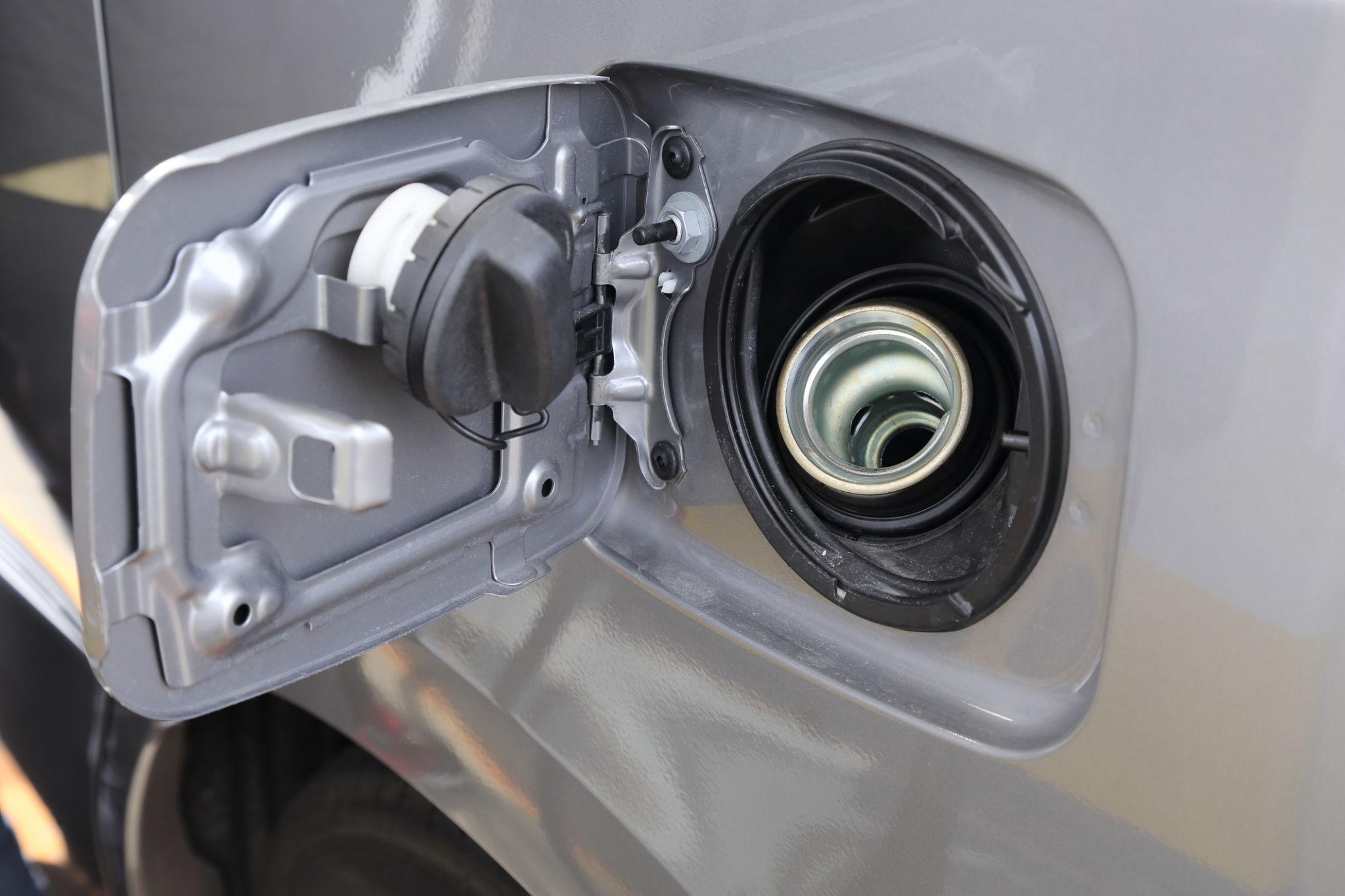
6. Your Fuel Efficiency Can Drop Significantly
Fuel efficiency depends on several factors, including engine design, driving habits, vehicle maintenance, and fuel quality. Using the wrong fuel can disrupt the combustion process and make your vehicle consume fuel less efficiently.
Petrol and diesel engines are designed around different fuel characteristics. When an incorrect fuel enters the system, the engine may struggle to burn it completely.
Incomplete combustion means that the energy available from the fuel is not converted into useful engine power as intended. This can lead to poor mileage and inconsistent performance.
For instance, diesel added to a petrol vehicle may not burn efficiently because it does not vaporise and ignite in the same manner as petrol. The engine may require repeated attempts to maintain normal operation.
Similarly, petrol in a diesel engine can interfere with combustion and fuel-system lubrication. The engine may struggle to maintain its normal operating conditions, resulting in reduced efficiency.
Drivers might notice that the fuel gauge drops faster than expected. They may also experience frequent acceleration problems, rough idling, and reduced driving range.
Poor fuel efficiency can become an expensive issue, particularly for people who regularly travel long distances. However, the additional fuel consumption is only part of the problem. Continued operation with contaminated fuel can create more serious mechanical damage.
It is worth remembering that poor mileage does not always indicate incorrect fuel. Dirty air filters, low tyre pressure, faulty oxygen sensors, and worn engine components can also affect consumption.
If fuel efficiency drops suddenly after refuelling, consider the possibility of fuel contamination. Have the vehicle checked before continuing to use it.
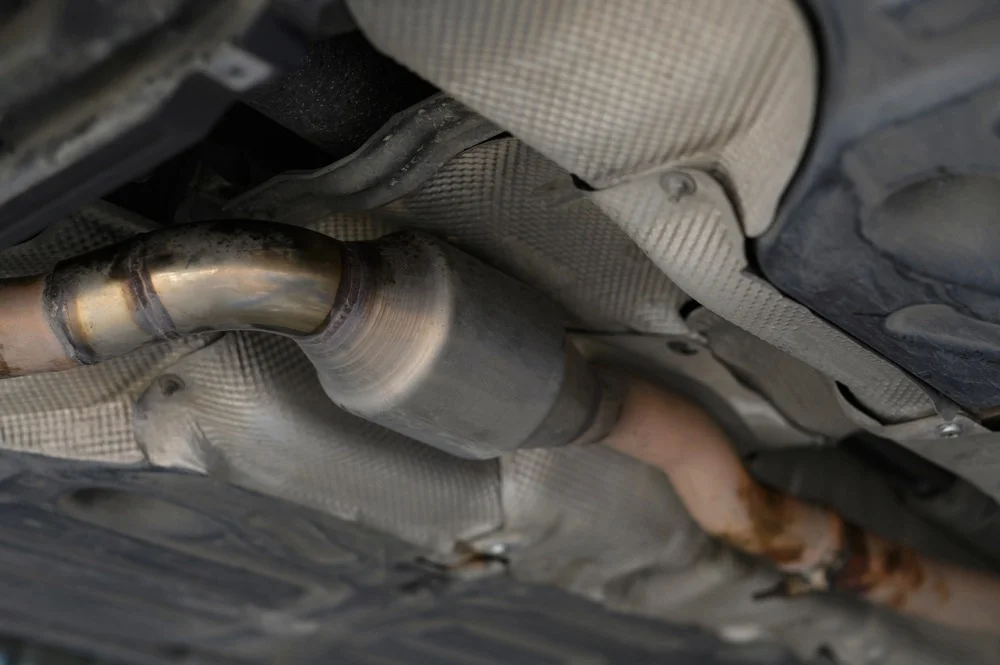
7. Your Catalytic Converter and Exhaust System May Be Affected
Modern vehicles contain several exhaust-related components that help control emissions and maintain environmental standards. The catalytic converter is particularly important because it helps transform harmful exhaust gases into less harmful substances.
Using the wrong fuel can interfere with combustion and allow unburnt fuel to enter the exhaust system. This can create excessive heat inside the catalytic converter and potentially damage its internal structure.
When diesel enters a petrol engine, incomplete combustion may allow fuel to pass into the exhaust. If the vehicle continues running, this unburnt fuel can reach the catalytic converter.
The additional fuel may ignite inside the exhaust system, creating temperatures beyond the component’s normal operating range. Prolonged exposure to excessive heat can damage the converter.
Modern diesel vehicles may also have diesel particulate filters, commonly known as DPFs. These filters capture soot from exhaust gases and periodically burn it off through a process called regeneration.
Incorrect fuel can disrupt normal combustion and increase soot production. This may place additional pressure on the DPF and interfere with its ability to operate efficiently.
Drivers may notice warning lights on the dashboard, reduced engine performance, unusual exhaust smells, or excessive smoke. These symptoms should be investigated promptly.
Exhaust repairs can be expensive because catalytic converters and particulate filters are specialised components. Their replacement costs vary depending on the vehicle’s make, model, and emission-control system.
A mechanic should inspect the exhaust system after removing contaminated fuel, particularly if the engine has been running for an extended period. This helps identify damage before it develops into a more serious problem.
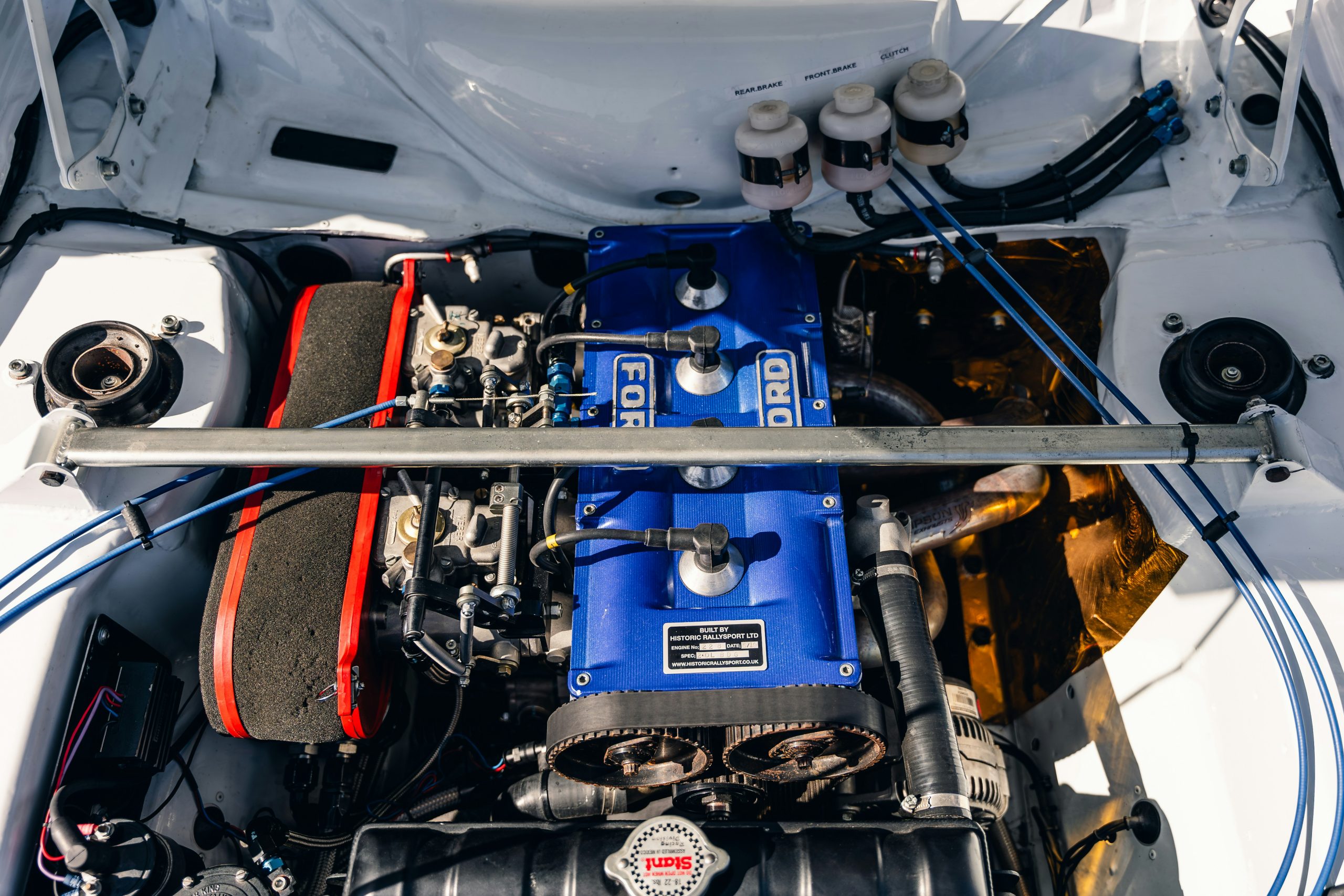
8. Your Engine May Misfire or Stall Unexpectedly
Engine misfires occur when the fuel-air mixture inside a cylinder fails to burn correctly. They can result from ignition problems, fuel delivery issues, or incorrect combustion conditions.
Using the wrong fuel can create precisely these conditions. Petrol and diesel engines require specific fuel properties to maintain reliable combustion, and contamination can disrupt their normal operation.
When diesel is added to a petrol vehicle, the fuel may not evaporate properly. This can interfere with the spark ignition process and cause individual cylinders to misfire.
A petrol-contaminated diesel engine may also experience irregular combustion. Diesel engines rely on high compression to generate the heat needed for ignition, and petrol behaves differently under these conditions.
Misfiring can produce noticeable vibrations, rough idling, hesitation, and unusual engine sounds. The vehicle may also struggle to maintain a consistent speed.
In some cases, the engine may stall while driving. This can be dangerous, particularly when travelling through busy roads, intersections, or highways.
Modern vehicles may display a check engine warning light when the electronic control unit detects misfires or other abnormal operating conditions. However, the warning light may not immediately appear in every case.
Repeated misfires can affect other engine and exhaust components. Unburnt fuel may enter the exhaust system, potentially damaging the catalytic converter or other emission-control equipment.
If the engine begins misfiring or stalling after refuelling, avoid restarting it unnecessarily. Arrange professional inspection and have the contaminated fuel removed before further operation.
9. Repair Costs Can Become Extremely Expensive
The financial consequences of using the wrong fuel can vary significantly. A small mistake identified immediately may require only fuel removal and basic system cleaning. However, allowing contaminated fuel to circulate can turn a relatively simple problem into an expensive repair.
The total cost depends on several factors, including the vehicle’s engine design, fuel system, amount of incorrect fuel, and distance travelled after refuelling.
If you realise the mistake before starting the engine, the repair process is generally more straightforward. A professional technician can drain the fuel tank, inspect the system, and clean affected components where necessary.
If the engine has already been started, the incorrect fuel may have travelled through the fuel lines, pump, injectors, and other parts of the system. This can increase the amount of work required.
Diesel vehicles with common-rail injection systems can be particularly expensive to repair following petrol contamination. Their high-pressure pumps and injectors are precision components that may require specialist attention.
Additional expenses may arise if the fuel pump, injectors, catalytic converter, or diesel particulate filter becomes damaged. In severe cases, extensive fuel-system repairs may be necessary.
Some vehicle owners assume that topping up the tank with the correct fuel will solve the problem. However, adding more fuel does not reliably remove contamination or restore proper lubrication. It can also make professional fuel removal more complicated.
Vehicle insurance policies may treat wrong-fuel incidents differently. Coverage depends on the insurer, policy wording, and any applicable exclusions. It is worth checking your policy rather than assuming the repair costs will be covered.
The best way to limit financial damage is to stop the vehicle immediately after discovering the mistake. Quick action can prevent the problem from spreading and reduce the likelihood of major component failure.