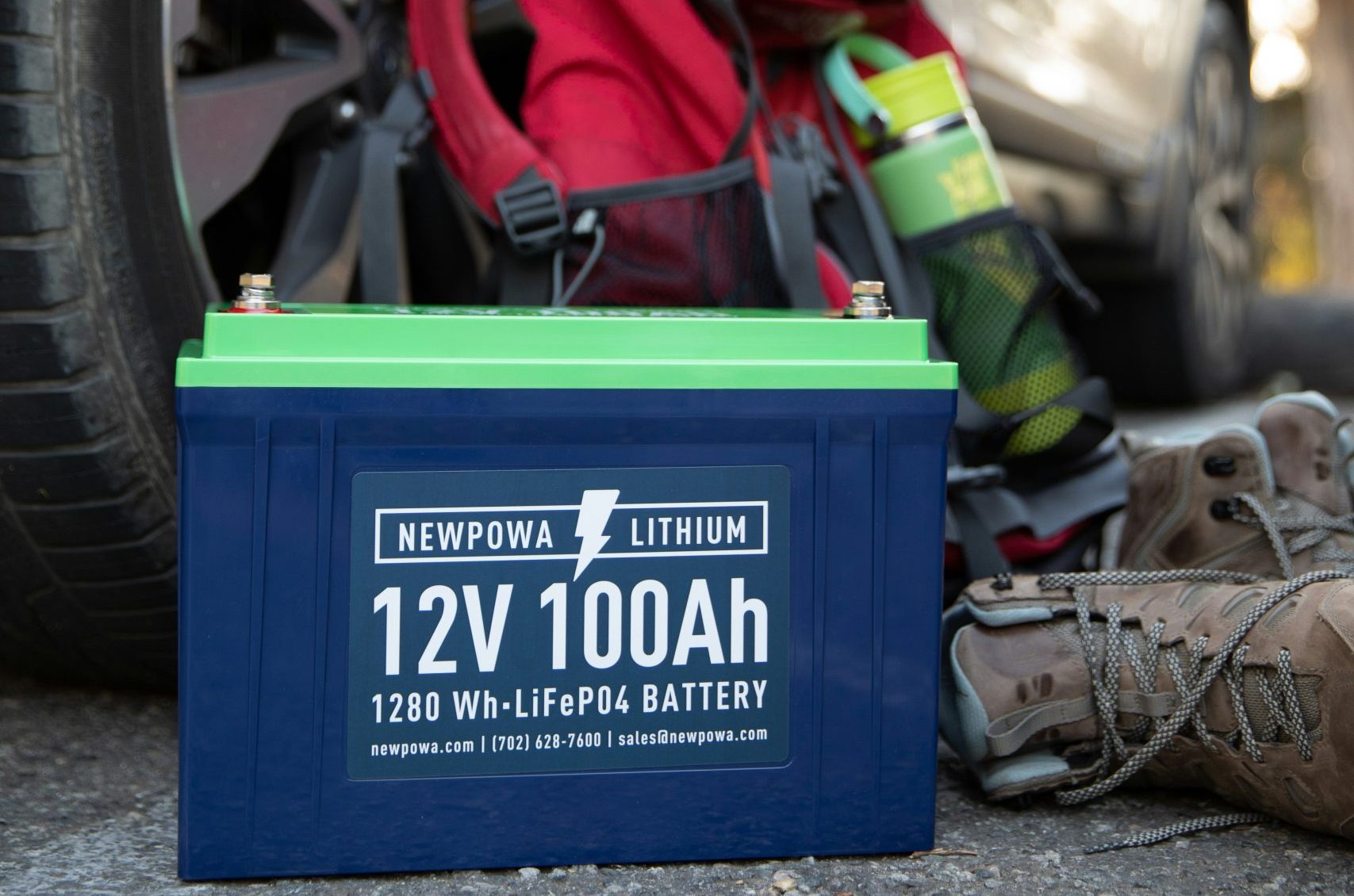
Summer can be particularly hard on car batteries, especially when temperatures rise and vehicles spend long hours parked under direct sunlight. Excessive heat affects battery chemistry, increases internal wear, and can shorten the battery’s lifespan.
Many drivers assume that cold weather causes the most battery problems, but high summer temperatures can be equally damaging. From leaving electrical accessories running to ignoring battery maintenance, several everyday habits can lead to unexpected battery failure.
Understanding what damages car batteries during hot weather helps drivers take preventive measures, avoid inconvenient breakdowns, and keep their vehicles running reliably throughout the summer season.
1. Extreme Heat and High Temperatures
Extreme heat is among the biggest threats to car batteries during summer. Most conventional car batteries use an electrochemical reaction to produce electricity. High temperatures accelerate these chemical reactions, which can increase battery deterioration and reduce its expected service life.
When a vehicle remains parked under direct sunlight for several hours, the temperature inside the engine compartment can rise significantly. The battery is exposed to additional heat from the engine, creating conditions that accelerate internal wear.
Excessive heat can also increase the rate at which water evaporates from a battery’s electrolyte. In traditional flooded lead-acid batteries, losing too much water exposes internal components and affects their ability to store and deliver electrical energy.
High temperatures can damage the internal structure of battery plates. Over time, this damage reduces the battery’s capacity and makes it less effective at supplying the power required to start the engine.
Drivers may not notice these changes immediately. A battery can continue working for weeks or months while gradually losing its ability to hold a charge. Eventually, it may struggle to start the vehicle, particularly after being parked for an extended period.
Parking in shaded areas can help reduce direct heat exposure. Whenever possible, choose covered parking spaces, garages, or shaded locations to limit the temperature surrounding the battery.
Regular inspections are also important during hot weather. Checking for unusual smells, swelling, leakage, or corrosion can help identify potential battery problems before they cause a complete failure.
Extreme heat cannot always be avoided, but reducing unnecessary exposure can make a meaningful difference. Simple parking habits and routine maintenance help protect the battery and support more reliable vehicle performance.
2. Low Electrolyte Levels
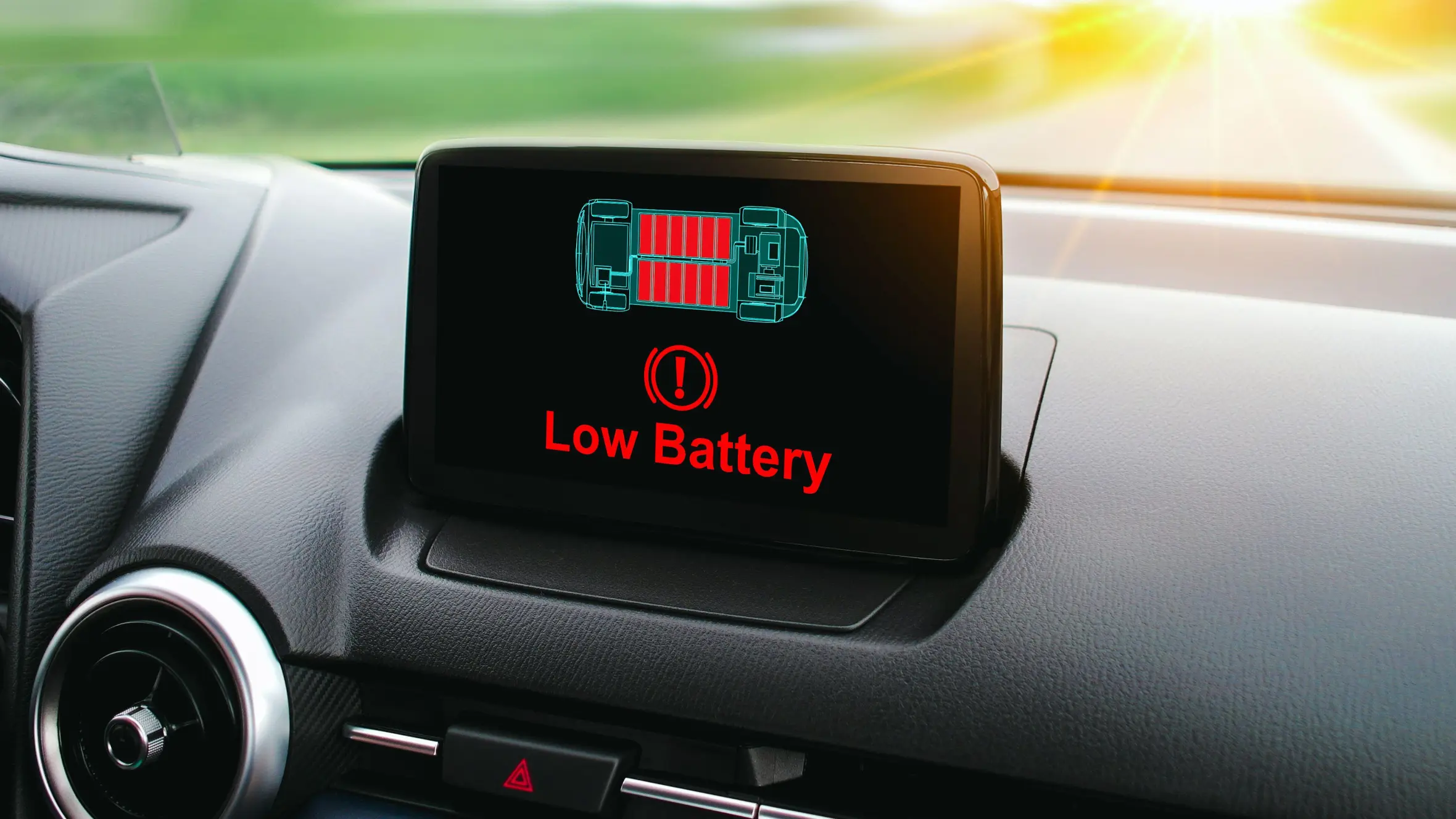
Electrolyte plays an essential role in conventional lead-acid car batteries. It consists of a mixture of sulfuric acid and water that supports the chemical reactions responsible for producing electrical energy.
During summer, high temperatures can increase water loss through evaporation, particularly in older batteries that are not fully sealed. If the electrolyte level becomes too low, the battery may not operate as efficiently as intended.
Low electrolyte levels can expose the internal lead plates. When these plates are no longer adequately covered, they may deteriorate more quickly, reducing the battery’s ability to store and deliver electricity.
Drivers with traditional serviceable batteries should check electrolyte levels according to the manufacturer’s maintenance recommendations. If topping up is permitted, only distilled or deionized water should be used.
Adding tap water is not recommended because it may contain minerals and impurities that interfere with battery performance. These substances can contribute to unwanted chemical reactions and shorten battery life.
Maintenance-free batteries are designed differently and generally do not require routine electrolyte refilling. Their sealed construction means drivers should not attempt to open them to check internal fluid levels.
Ignoring electrolyte problems can gradually reduce battery capacity. A vehicle may begin experiencing slow engine cranking, inconsistent electrical performance, or difficulty starting after being parked.
Checking the battery during scheduled servicing helps identify problems early. Proper electrolyte maintenance, where applicable, can reduce unnecessary internal damage and help conventional lead-acid batteries last longer.
3. Frequent Short Drives
Frequent short trips can gradually weaken a car battery, especially when the vehicle operates in hot weather. Starting an engine requires a considerable amount of electrical energy, which the alternator must replenish while the vehicle is running.
When a driver repeatedly travels short distances, the engine may not run long enough for the alternator to replace all the energy consumed during starting. This can gradually reduce the battery’s state of charge.
Summer conditions can make the situation more complicated because air conditioning, cooling fans, and other electrical accessories may consume additional power during short journeys.
Repeatedly operating a vehicle with an undercharged battery can encourage sulphation in conventional lead-acid batteries. This process involves the formation of lead sulphate crystals on the battery plates, which can reduce their ability to accept and deliver a charge.
Drivers who primarily use their vehicles for short commutes should pay attention to battery condition. A battery that frequently remains partially charged may experience premature deterioration.
Taking an occasional longer drive may help the charging system replace some of the energy used during previous starts. However, driving alone may not solve a battery that is already significantly discharged or affected by sulphation.
A professional battery test can determine whether the battery is receiving and holding an appropriate charge. It can also help identify problems with the alternator or charging system.
Combining sensible driving habits with regular inspections can help prevent unnecessary battery wear. If short journeys are unavoidable, following the manufacturer’s charging and maintenance recommendations becomes particularly important.
4. Leaving Electrical Accessories Running
Leaving electrical accessories switched on when the engine is turned off can drain the battery. Common examples include headlights, interior lights, music systems, dashboard accessories, and charging equipment.
During summer, drivers often use additional electronic equipment to stay comfortable. These accessories may continue consuming power even when the vehicle is parked.
A battery has a limited amount of stored electrical energy. If accessories remain connected for several hours, the charge level can fall below what is required to start the engine.
Modern vehicles often include automatic lighting controls and battery protection systems. However, these features do not eliminate the possibility of battery discharge, particularly when aftermarket equipment is installed.
Leaving the air conditioning running is also worth understanding. In most conventional vehicles, the air-conditioning compressor is powered by the engine, but the cabin blower and other electrical components can draw energy when the engine is switched off.
Repeated deep discharges can significantly shorten the lifespan of conventional lead-acid batteries. These batteries are primarily designed to provide strong starting power rather than handle frequent deep discharge cycles.
Drivers should make it a habit to switch off unnecessary electrical equipment before leaving the vehicle. Checking headlights, cabin lights, and entertainment systems can prevent avoidable battery drainage.
If a battery repeatedly loses charge while the vehicle is parked, a mechanic should inspect the electrical system. A faulty switch, aftermarket accessory, or parasitic electrical drain may be responsible.
5. Corrosion on Battery Terminals
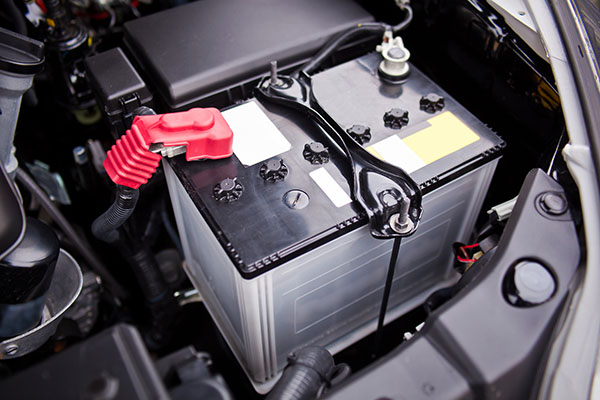
Battery terminal corrosion is a common problem that can become more noticeable during hot weather. It usually appears as a white, blue, or greenish powdery substance around the positive or negative battery terminals.
Corrosion develops through chemical reactions involving battery gases, terminal materials, and environmental conditions. Excessive heat can increase battery activity and contribute to conditions that encourage corrosion.
The buildup creates additional electrical resistance between the battery terminals and connected cables. As a result, the starter motor may not receive sufficient current when the driver turns the ignition key or presses the start button.
Corroded terminals can also interfere with the charging process. Even when the alternator is working correctly, poor electrical connections may prevent the battery from receiving an adequate charge.
Common warning signs include slow engine cranking, flickering dashboard lights, intermittent electrical problems, and visible deposits around the battery connections.
Cleaning battery terminals can help restore a proper electrical connection. However, battery maintenance should always be performed carefully because batteries contain corrosive acid and can release flammable hydrogen gas.
It is best to have a qualified technician clean heavily corroded terminals and inspect the cables. Proper protective equipment and manufacturer-recommended procedures should be followed during maintenance.
Keeping battery connections clean and secure helps maintain consistent electrical flow. Regular inspections are particularly useful before long summer journeys when dependable starting performance is important.
6. Faulty Alternator and Charging System
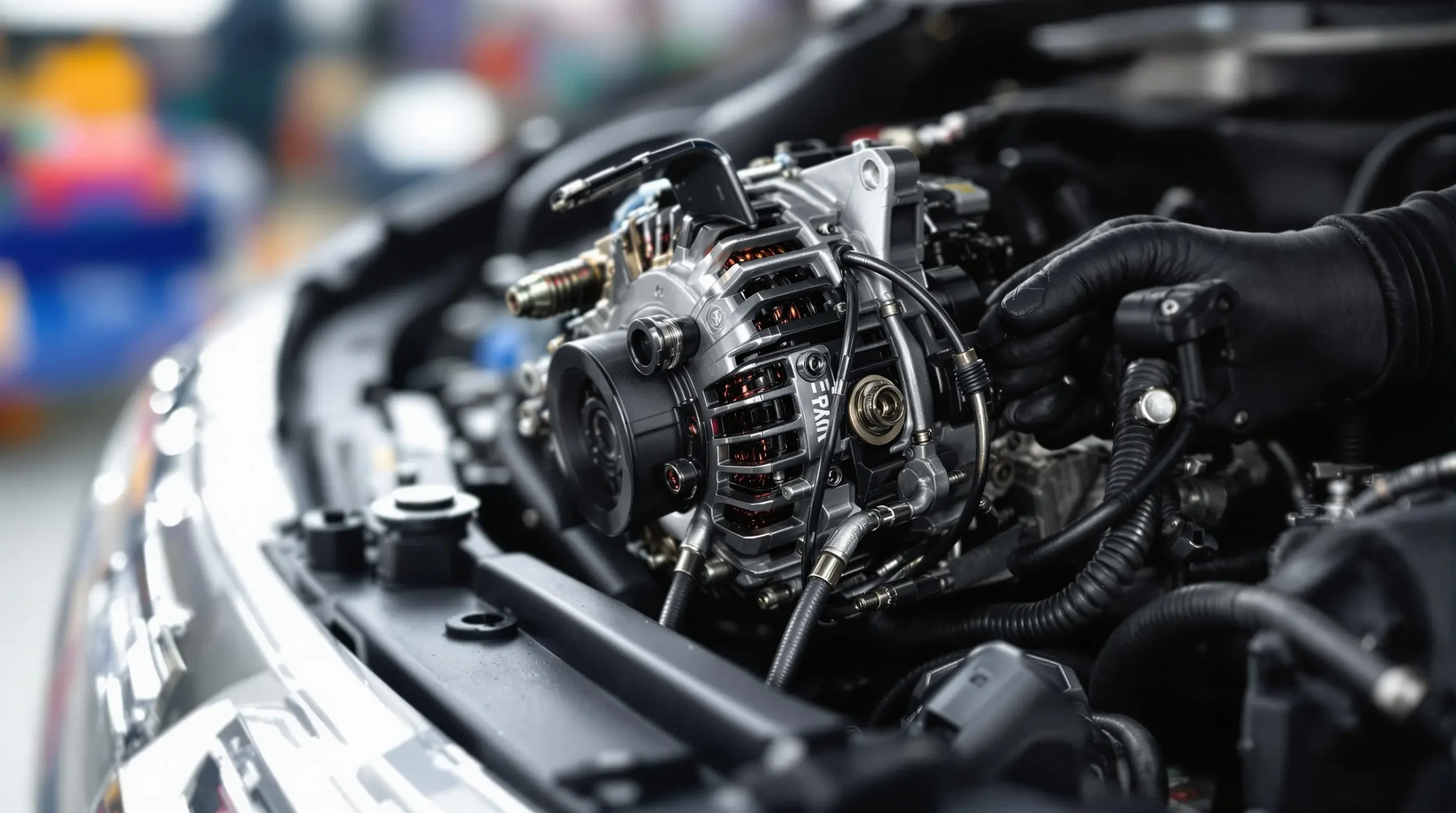
The alternator plays a major role in maintaining battery charge while the engine is running. It supplies electrical power to vehicle systems and replenishes the energy consumed when starting the engine.
A faulty alternator can prevent the battery from receiving the correct amount of charge. This may gradually weaken the battery, even when the battery itself is relatively new.
Summer increases the electrical demands placed on a vehicle. Air conditioning, radiator fans, cooling systems, headlights, and other accessories can require additional electrical power.
If the alternator is already experiencing problems, these increased demands may make the symptoms more noticeable. Drivers may experience dim headlights, warning lights, unusual electrical behaviour, or difficulty starting the vehicle.
An alternator that produces excessive charging voltage can also damage the battery. Overcharging increases heat and can accelerate electrolyte loss in conventional lead-acid batteries.
A faulty voltage regulator may be responsible for inconsistent charging performance. Because the regulator controls charging voltage, a malfunction can cause undercharging or overcharging.
The battery warning light on the dashboard should never be ignored. It may indicate a problem with the alternator, drive belt, wiring, or another part of the charging system.
A professional charging system test can identify whether the alternator is operating within the manufacturer’s specifications. Replacing a damaged alternator or repairing its associated components can prevent repeated battery problems.
7. Poor Battery Maintenance
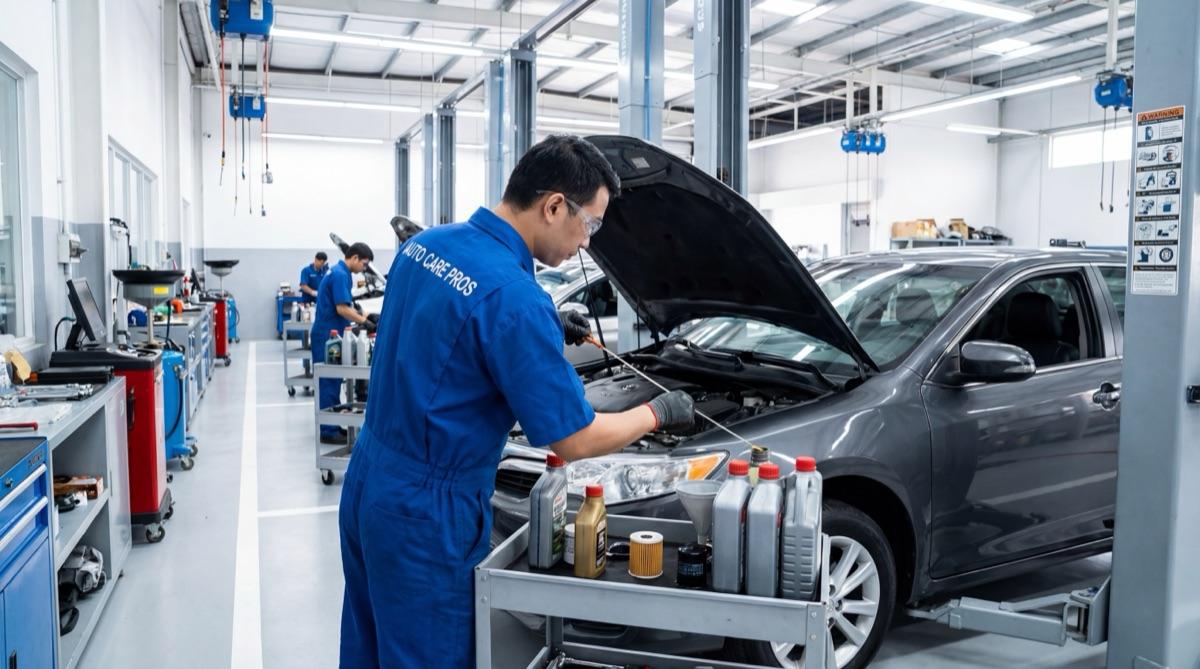
Poor maintenance can shorten battery life, particularly when hot weather places additional stress on its internal components. Many drivers only pay attention to the battery when the vehicle refuses to start.
Regular inspections help identify early warning signs such as corrosion, loose connections, damaged cables, leaking electrolyte, and physical swelling.
Battery connections should remain clean and properly secured. Loose terminals can interrupt electrical flow and create resistance, potentially affecting starting performance and charging efficiency.
Drivers should also check whether the battery is firmly secured in its mounting bracket. Excessive vibration caused by loose mounting can damage internal components and connections over time.
For conventional flooded lead-acid batteries, electrolyte levels should be checked according to the manufacturer’s instructions. Sealed and maintenance-free batteries should not be opened or modified.
Battery casing condition is equally important. Cracks, leaks, bulging, or unusual deformation may indicate serious internal problems that require professional attention.
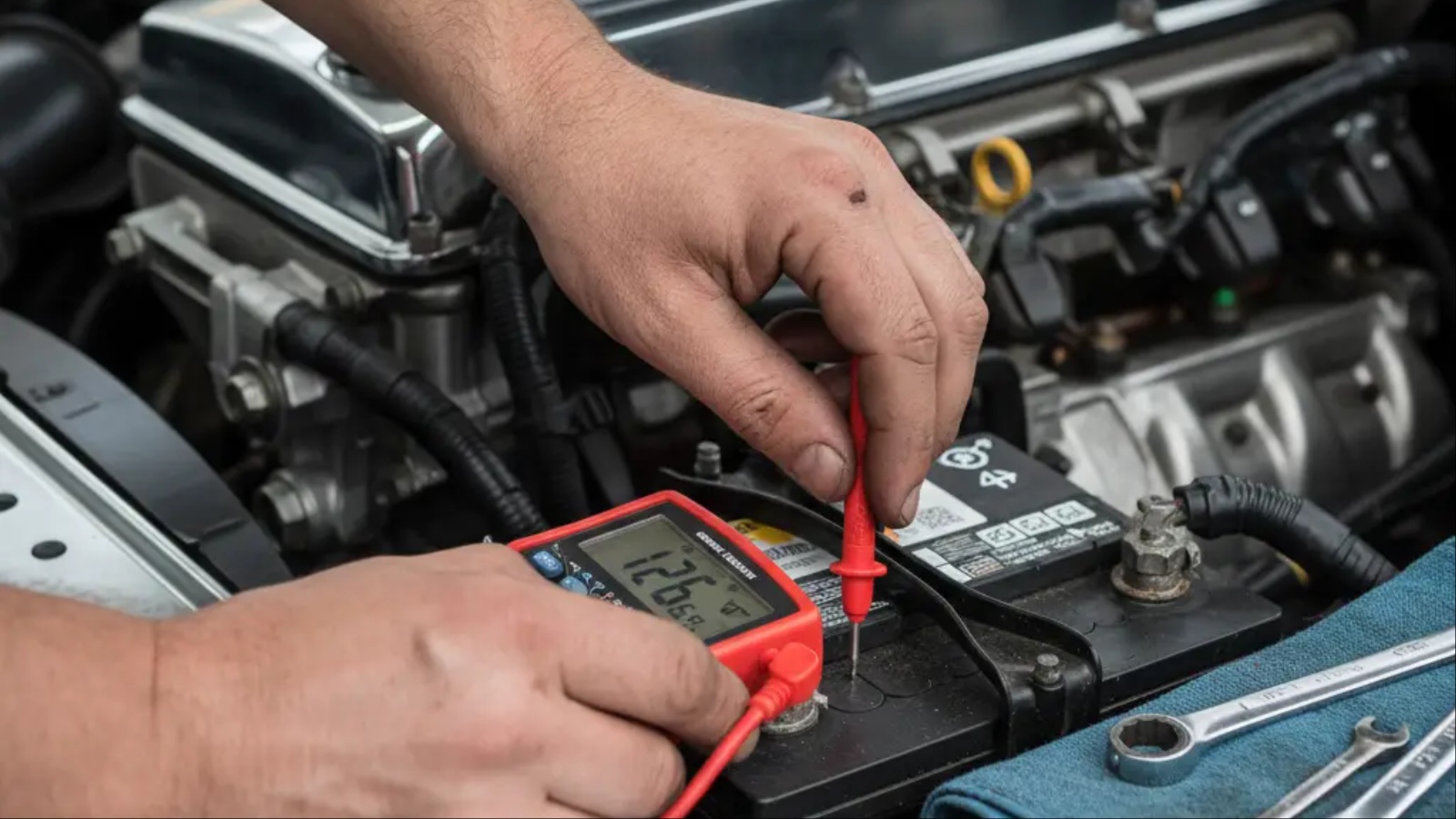
Routine battery testing can reveal declining performance before a complete failure occurs. A technician can evaluate the battery’s voltage, starting capacity, and ability to hold an appropriate charge.
Following a consistent maintenance schedule helps drivers identify problems early. Taking care of small issues can reduce the likelihood of unexpected breakdowns during hot summer days.
8. Using the Wrong Battery for Your Vehicle
Choosing an unsuitable battery can create performance problems throughout the year. During summer, excessive heat may make existing battery weaknesses more noticeable.
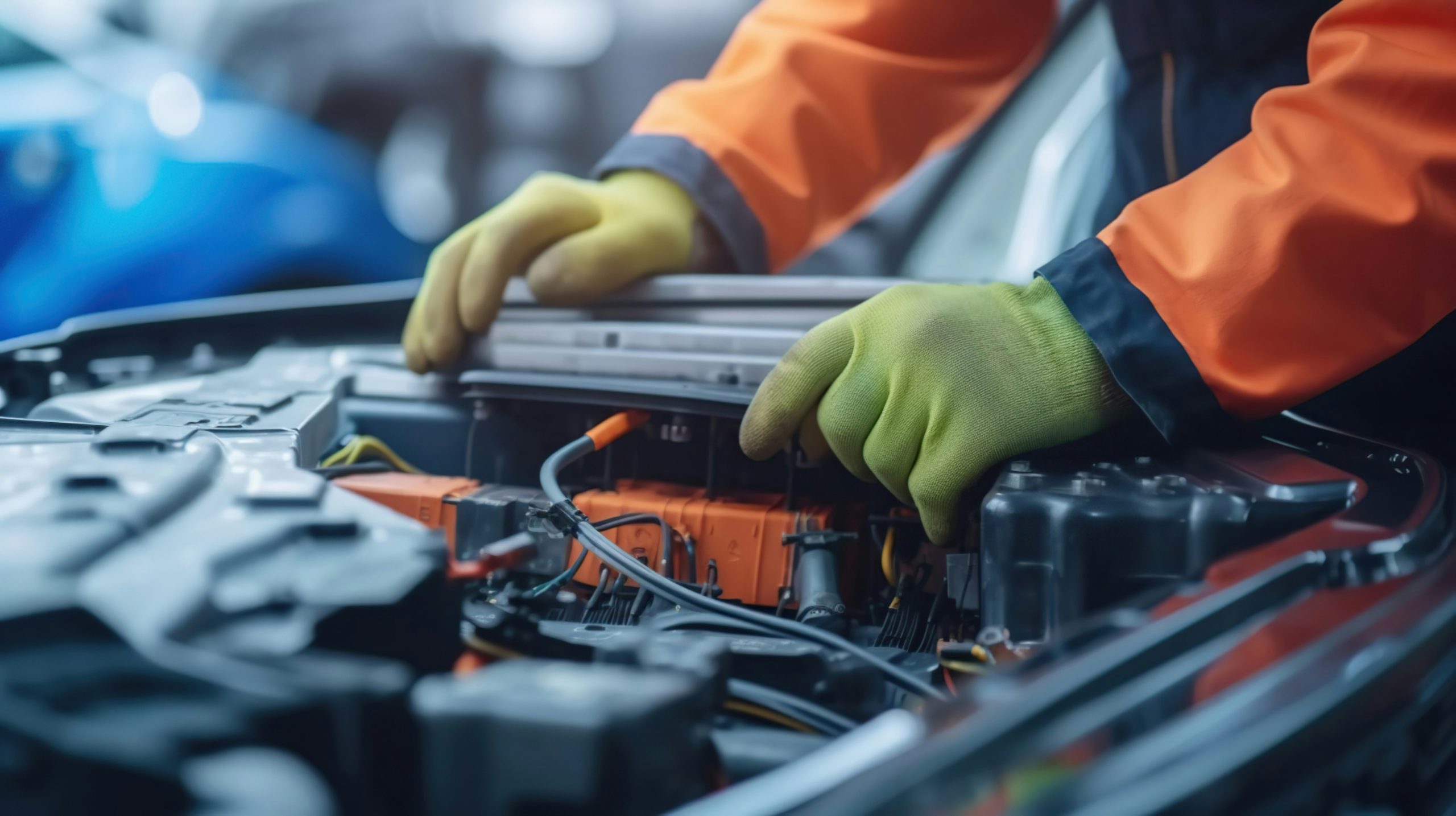
Every vehicle has specific battery requirements based on its engine size, electrical equipment, starting needs, and charging system. Installing a battery that does not meet these requirements can affect reliability.
Battery capacity is generally measured in ampere-hours (Ah), while cold cranking amps (CCA) indicate the battery’s ability to deliver starting current under specified low-temperature conditions.
The recommended battery specifications vary between vehicles. A battery with insufficient capacity may struggle to support the vehicle’s electrical requirements, particularly when several accessories operate simultaneously.
Physical dimensions also matter. A battery that does not fit correctly may move inside its mounting area, creating vibration and potential damage to the casing or electrical connections.
Modern vehicles equipped with start-stop technology may require enhanced flooded batteries or absorbed glass mat (AGM) batteries. Installing an incompatible conventional battery can cause charging and performance issues.
Drivers should always consult the owner’s manual or vehicle manufacturer before purchasing a replacement battery. Matching the correct battery type, size, terminal arrangement, and electrical specifications is essential.
Selecting a suitable battery from a reliable manufacturer helps support dependable operation. It also reduces the risk of premature failure caused by incorrect specifications or incompatible technology.
9. Leaving the Car Parked for Long Periods
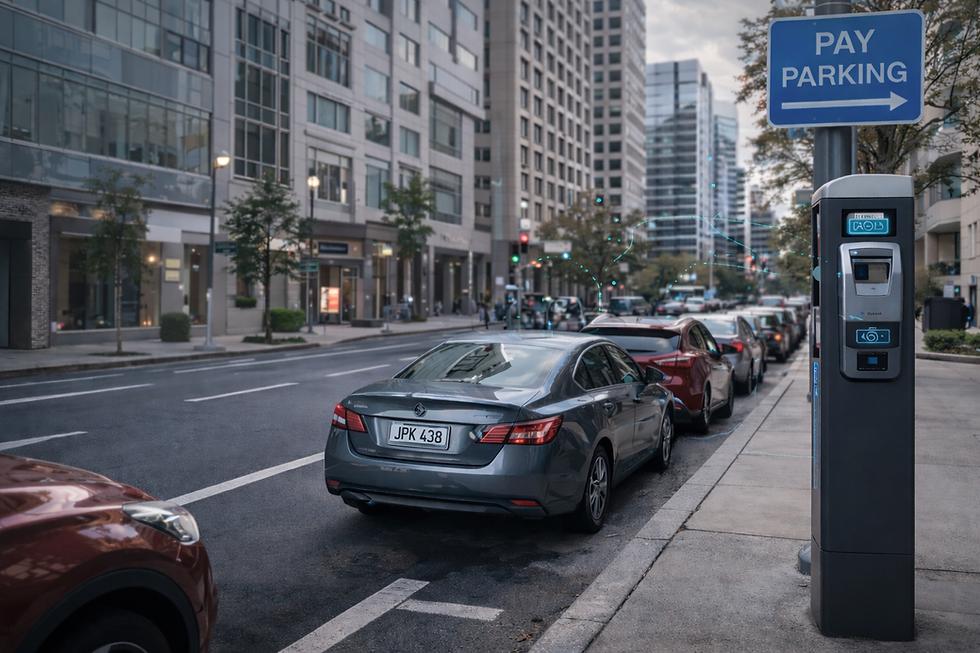
Leaving a vehicle unused for several weeks can gradually drain its battery. Even when the engine is switched off, certain electrical systems continue drawing small amounts of power.
These systems may include security alarms, keyless entry modules, clocks, tracking devices, and electronic control units. Their continuous power consumption is known as parasitic battery drain.
Hot summer temperatures can accelerate battery ageing while the vehicle remains parked. The combination of natural self-discharge, electrical consumption, and high ambient temperatures can reduce the available charge.
A deeply discharged lead-acid battery may also develop sulphation, which can permanently reduce its capacity if the condition continues for an extended period.
Vehicles parked outdoors face additional exposure to direct sunlight and high surface temperatures. Choosing covered parking can help reduce heat exposure during long periods of inactivity.
If a vehicle will remain unused for an extended period, following the manufacturer’s storage recommendations is important. Depending on the vehicle, a compatible battery maintainer may help preserve the charge level.
Disconnecting the battery is not always advisable because some vehicles require continuous electrical power for security systems, electronic settings, and other functions. Consult the owner’s manual before disconnecting any cables.
Checking battery condition before returning a vehicle to regular use can prevent starting problems. If the battery has become significantly discharged, professional testing and appropriate recharging may be necessary.
10. Ignoring Early Warning Signs of Battery Failure
Many car batteries show warning signs before they stop working completely. Unfortunately, drivers sometimes ignore these symptoms until the vehicle refuses to start.
Slow engine cranking is among the most common indications of a weakening battery. When the starter motor turns the engine more slowly than usual, the battery may not be delivering sufficient current.
Flickering dashboard lights and dim headlights can also indicate electrical supply problems. However, these symptoms may be caused by alternator faults, poor connections, or other electrical issues.
Another warning sign is the need for repeated jump-starts. If a vehicle requires frequent external assistance, the battery and charging system should be inspected rather than relying on temporary solutions.
A swollen battery case may indicate excessive heat exposure, overcharging, or internal damage. This condition should be treated seriously because a damaged battery can present safety risks.
Unusual smells around the battery, particularly a rotten egg-like odour, may indicate a charging or battery problem. Drivers should avoid handling the battery and arrange a professional inspection.
Age is another important consideration. Many conventional car batteries last approximately three to five years, but actual lifespan depends on climate, driving habits, maintenance, and battery quality.
Getting the battery tested when warning signs appear can prevent unexpected breakdowns. Early diagnosis also helps determine whether the problem involves the battery, alternator, wiring, or another electrical component.