
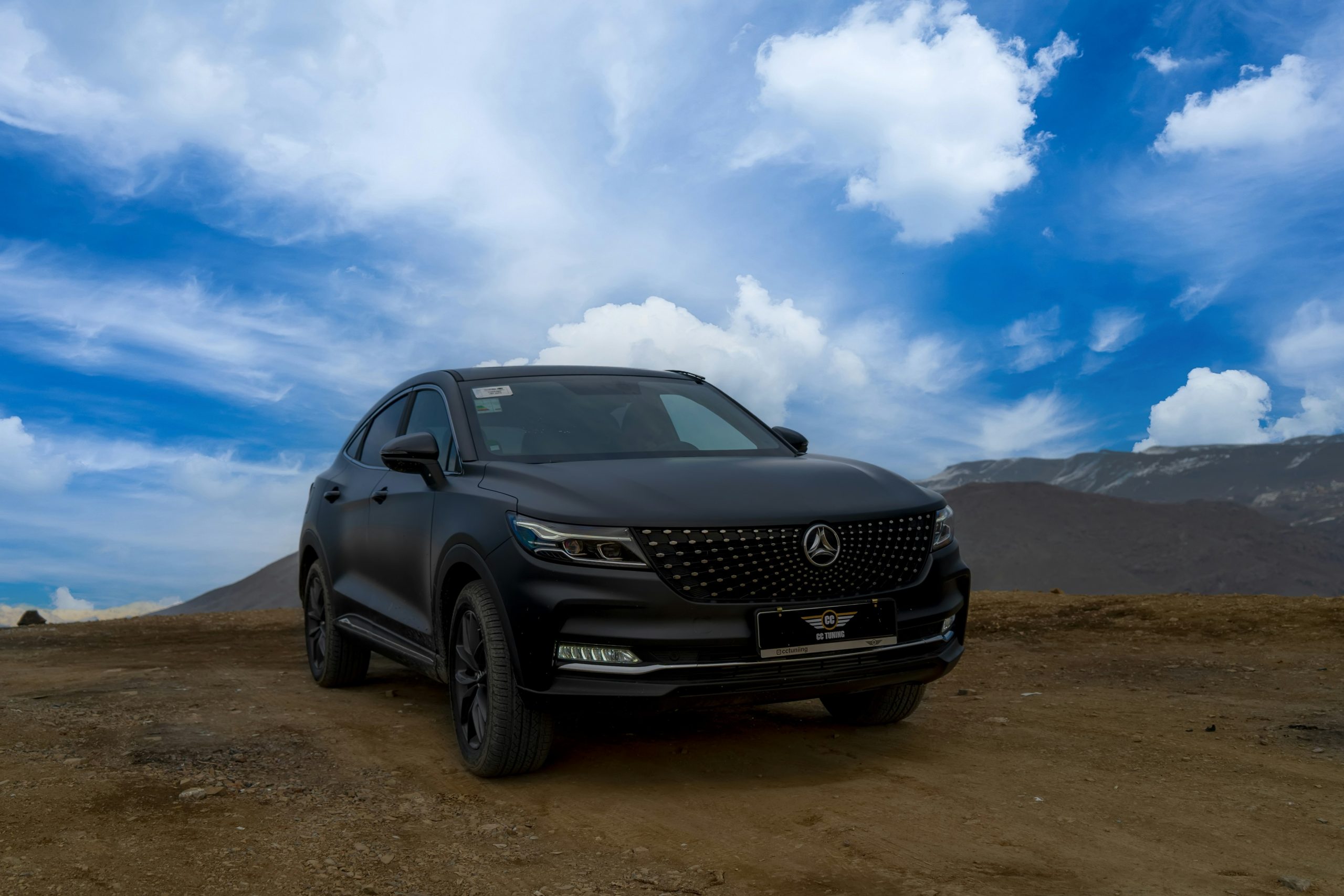
SUVs have become a popular choice among car buyers because of their spacious interiors, comfortable seating, higher driving position, and practical features. They offer convenience for families, long-distance travellers, and people who prefer larger vehicles.
However, purchasing an SUV involves more than paying its showroom price. Several additional expenses can affect the total cost of ownership over time. From higher fuel consumption and insurance premiums to expensive maintenance, tyre replacements, and depreciation, these costs can add up quickly.
Understanding these financial commitments before buying an SUV helps buyers make informed decisions and manage their budgets more effectively.
1. Higher Fuel Consumption
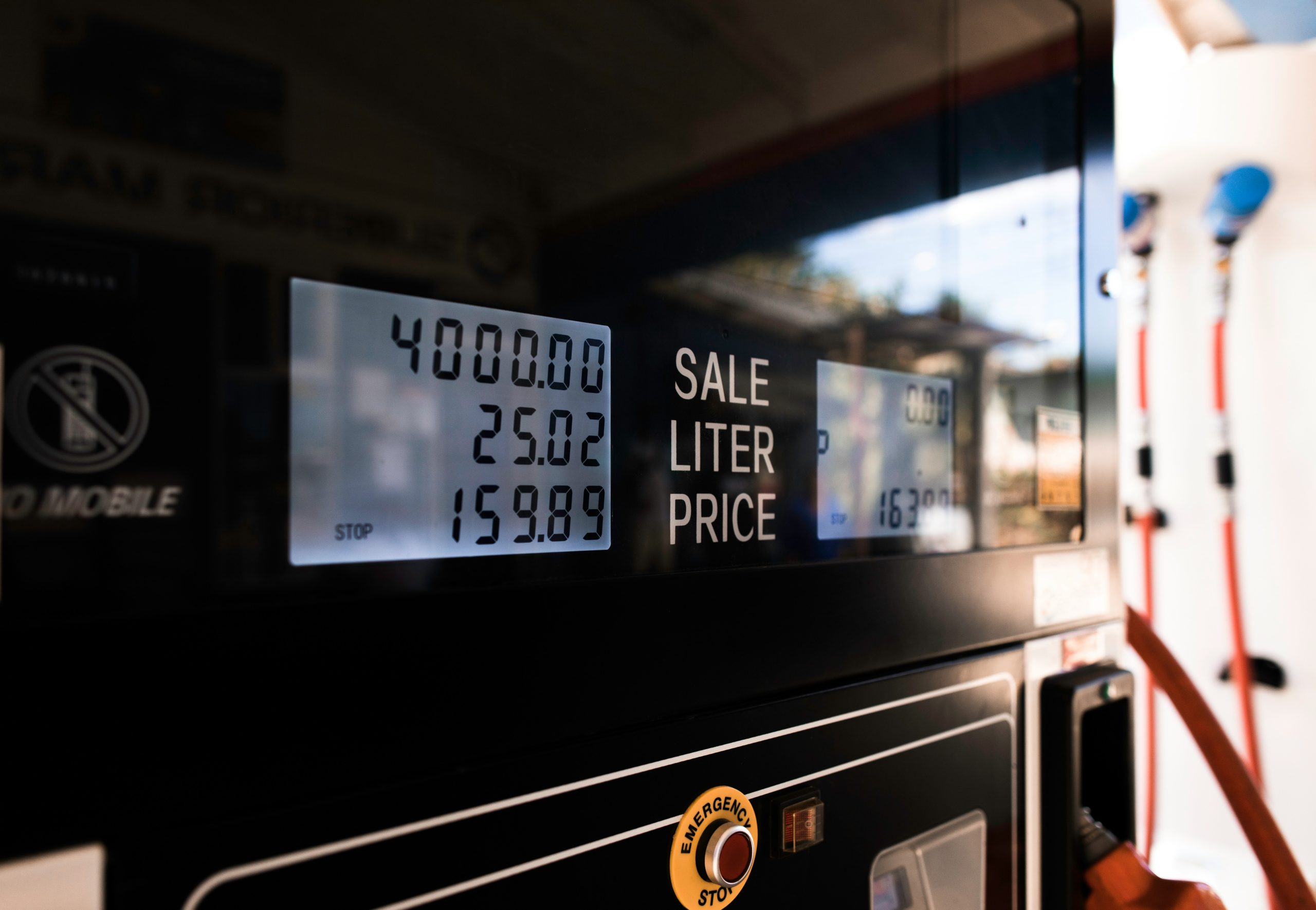
Fuel expenses are among the most noticeable costs associated with owning an SUV. Most SUVs have larger engines, greater body weight, and less aerodynamic designs than smaller hatchbacks or sedans. These characteristics generally result in higher fuel consumption, particularly in city traffic.
An SUV may offer a comfortable driving experience, but its engine often requires more fuel to move the heavier vehicle. The difference becomes particularly noticeable when comparing similar petrol-powered SUVs and compact cars.
Daily commuting can make this expense substantial. Drivers who regularly travel long distances for work, education, or personal commitments may spend considerably more on fuel each month.
Driving conditions also influence fuel consumption. Frequent braking, traffic congestion, sudden acceleration, and extended idling can reduce mileage. Urban SUV owners may experience lower fuel efficiency than those who primarily drive on highways.
The choice between petrol and diesel also affects running expenses. Petrol SUVs may have higher fuel costs per kilometre, while diesel models can involve higher purchase prices and maintenance expenses, depending on the vehicle.
Some modern SUVs include hybrid technology or smaller turbocharged engines to improve efficiency. These options can reduce fuel consumption, but their benefits depend on driving habits, vehicle design, and local fuel prices.
Four-wheel-drive systems can also increase fuel consumption because they add mechanical complexity and weight. Drivers who rarely need additional traction may find a two-wheel-drive version more economical.
Before purchasing an SUV, buyers should compare its claimed mileage with independent real-world fuel economy figures. Calculating expected monthly fuel expenses based on daily travel distance can provide a clearer picture of long-term affordability.
2. Expensive Insurance Premiums
Car insurance is a necessary ownership expense, but SUV owners may face higher premiums than owners of smaller vehicles. Insurance companies consider several factors when calculating premiums, including vehicle value, repair expenses, engine capacity, safety features, and theft risk.
SUVs generally have higher purchase prices than entry-level hatchbacks. Since insurers may need to pay more to repair or replace an expensive vehicle, comprehensive insurance coverage can cost more.
Replacement parts also influence insurance pricing. Modern SUVs frequently include advanced sensors, cameras, electronic control units, and specialised lighting systems. Damage to these components can increase the cost of accident repairs.
The size and weight of an SUV may influence accident-related insurance assessments. Insurers evaluate vehicle-specific safety and claims data when determining premiums, which can affect the final insurance quotation.
Optional coverage can increase the annual payment. Add-ons such as zero depreciation, engine protection, roadside assistance, return-to-invoice protection, and consumables coverage provide additional financial protection but increase the premium.
SUV owners should also consider the insured declared value, commonly known as IDV in India. It represents the vehicle’s insured market value for total loss and theft claims, subject to policy terms.
Renewing insurance without comparing available policies may lead to unnecessary expenses. Different insurers can offer different premiums and coverage options for the same vehicle.
Before buying an SUV, obtain insurance quotations from multiple providers. Compare coverage limits, exclusions, deductibles, claim procedures, and add-on benefits rather than selecting a policy based only on its lowest price.
3. Higher Maintenance and Servicing Expenses
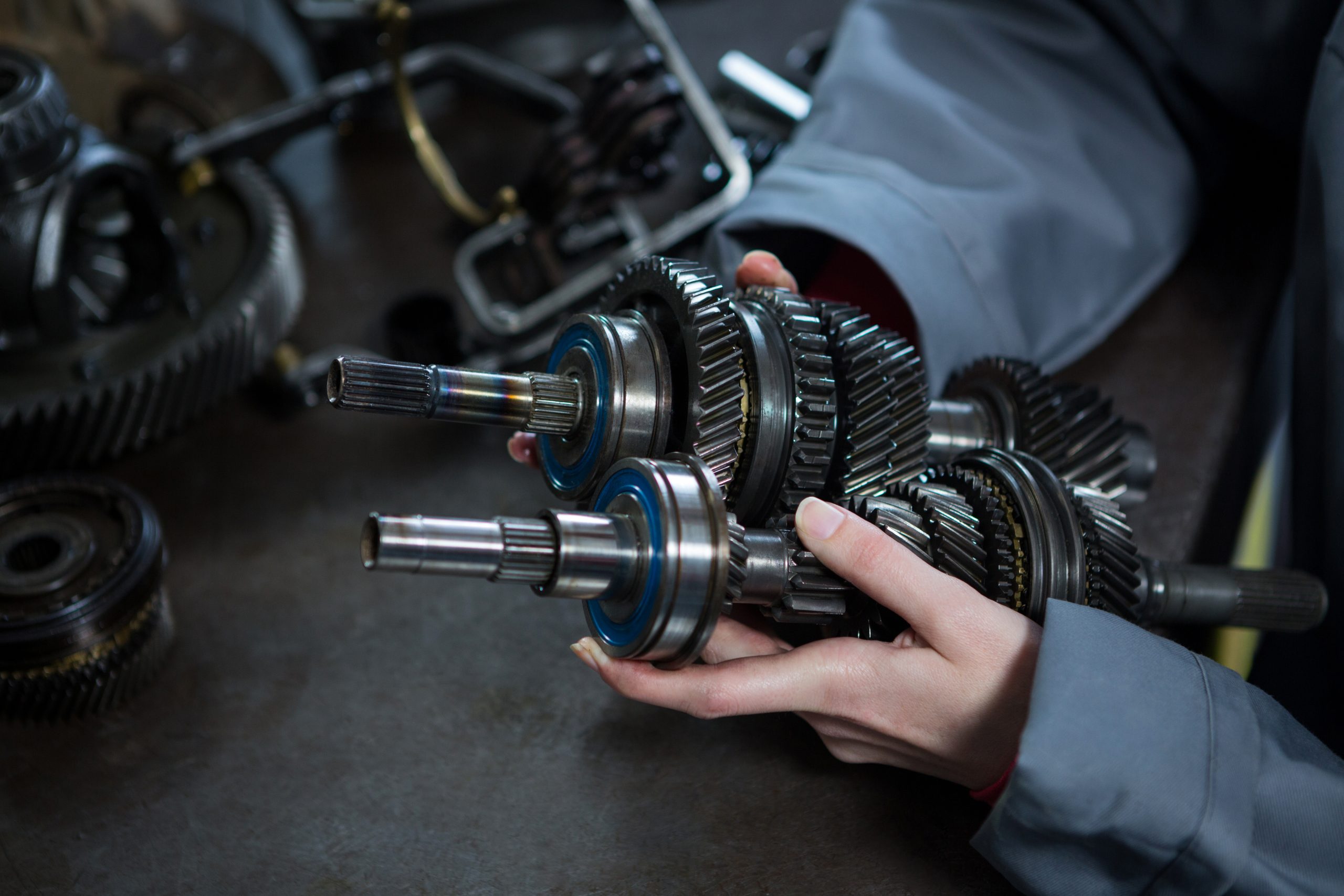
Regular servicing is essential for keeping an SUV reliable and safe. However, maintaining a larger vehicle can be more expensive than maintaining a smaller car because of its mechanical components, service requirements, and replacement parts.
Engine oil, filters, brake components, and other consumables need periodic replacement. Depending on the SUV’s engine design and manufacturer recommendations, these products may cost more than those used in smaller vehicles.
Some SUVs feature sophisticated suspension systems designed to handle additional weight and challenging road conditions. These components can require expensive repairs or replacements when exposed to frequent rough-road driving.
Labour charges can also contribute to maintenance expenses. Certain SUVs have complex engine compartments and specialised systems that require trained technicians and additional workshop time.
Regular servicing may include inspections of the transmission, cooling system, suspension, brakes, electrical components, and drivetrain. Skipping recommended maintenance can result in more expensive problems later.
Luxury SUVs can be particularly costly to maintain because they often use specialised components, advanced electronics, and manufacturer-specific replacement parts. Even routine repairs may require authorised service centres.
Warranty coverage can reduce unexpected repair expenses during the initial ownership period. However, owners should understand what the warranty covers, its duration, mileage restrictions, and applicable exclusions.
A practical way to manage servicing costs is to review the manufacturer’s recommended maintenance schedule before purchasing an SUV. Checking service packages and estimated maintenance costs can help buyers understand the financial commitment over several years.
4. Costly Tyre Replacements
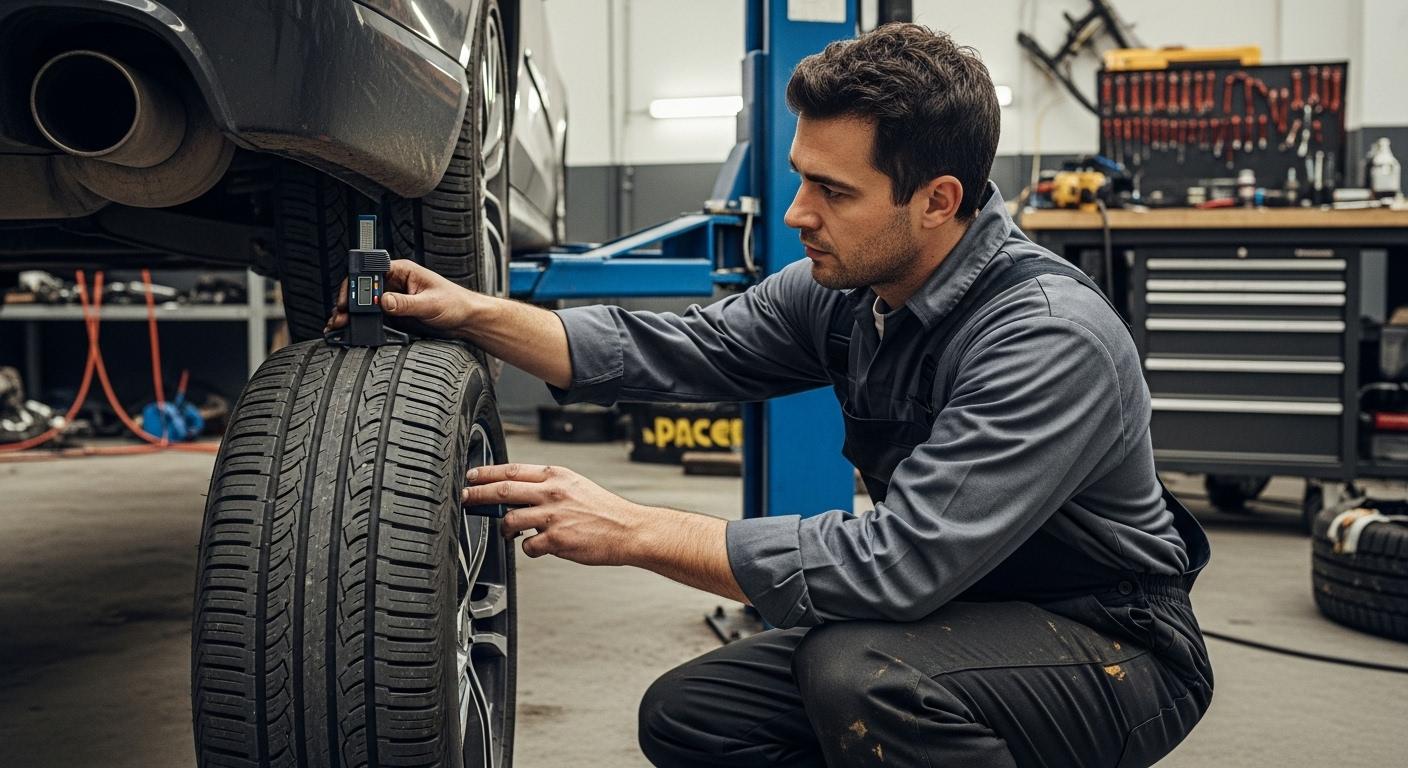
SUV tyres are generally larger than those fitted to smaller passenger vehicles. Their size, load capacity, tread design, and construction can make replacement more expensive.
Many SUVs use wider tyres to provide better grip and support the vehicle’s weight. Depending on the model, replacement tyres may cost considerably more than standard hatchback or sedan tyres.
Tyre replacement frequency depends on driving conditions, road quality, driving behaviour, tyre maintenance, and alignment. Aggressive acceleration, hard braking, and driving over potholes can contribute to faster tyre wear.
SUV owners who frequently travel on rough roads may need tyres designed for additional durability and traction. All-terrain tyres can be more expensive than ordinary road-focused tyres and may produce additional road noise.
Tyre pressure is another important factor. Incorrect inflation can cause uneven tread wear, reduce fuel efficiency, and affect handling. Regularly checking tyre pressure helps maintain performance and extend tyre life.
Wheel alignment and balancing also influence tyre longevity. Misaligned wheels can cause uneven wear, while poorly balanced wheels may create vibrations at higher speeds.
Some SUVs come with larger alloy wheels and low-profile tyres. These combinations may improve appearance and handling characteristics, but they can increase replacement expenses and make the wheels more vulnerable to damage from potholes.
Buyers should check the original tyre specifications and replacement prices before choosing an SUV. Including future tyre replacement in the ownership budget can prevent unexpected financial pressure.
5. Faster Depreciation and Reduced Resale Value
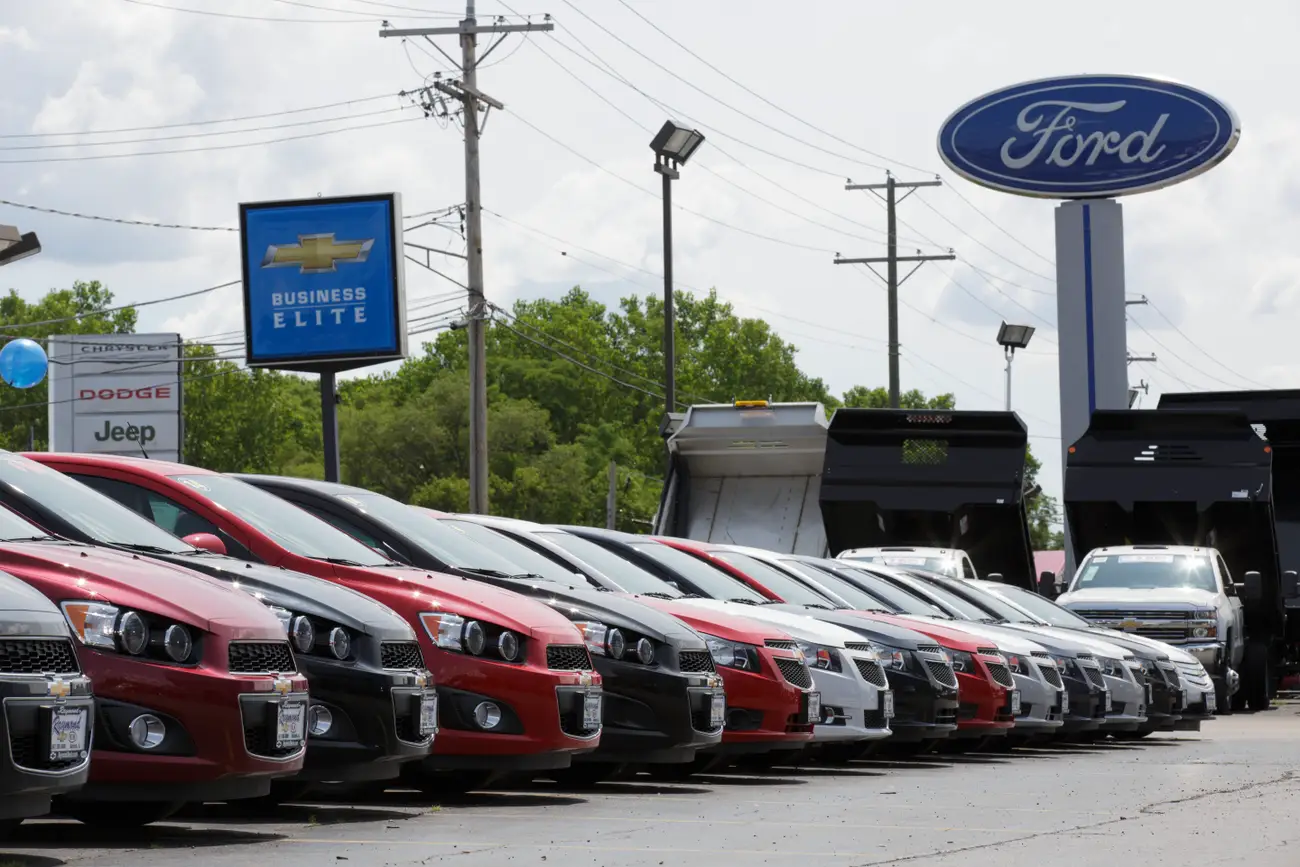
Depreciation refers to the reduction in a vehicle’s value over time. It is a significant ownership expense because a car generally loses value as it ages and accumulates kilometres.
SUV depreciation depends on several factors, including brand reputation, model demand, vehicle condition, service history, fuel type, and market trends. Not every SUV loses value at the same rate.
Premium SUVs can experience substantial depreciation because their original purchase prices are high. Buyers in the used-car market may be less willing to pay for expensive luxury vehicles as they age.
Fuel prices and changing consumer preferences can also influence resale values. Vehicles with high running costs may become less attractive to buyers seeking economical transportation.
New model launches can affect the resale value of existing SUVs. Updated styling, improved technology, better mileage, and additional safety features may reduce demand for older versions.
High mileage generally affects resale value because potential buyers may expect increased maintenance requirements. Poor service records, accident history, and visible damage can further reduce the selling price.
Certain popular SUV models retain their value better because of strong market demand, reliable performance, and accessible maintenance networks. However, resale performance varies by region and vehicle condition.
Depreciation is not always visible as a monthly payment, but it represents a genuine financial cost. Buyers should compare expected resale values when evaluating different SUV models.

6. Higher Road Tax and Registration Charges
The initial purchase price of an SUV is not the only amount buyers need to consider. Road tax, registration charges, and other government-related fees can increase the total cost of purchasing a vehicle.
In India, road tax varies between states and may depend on factors such as vehicle price, engine capacity, fuel type, and vehicle category. Consequently, purchasing the same SUV in different states can involve different tax amounts.
Higher-priced SUVs may attract greater registration-related expenses because certain charges are calculated using the vehicle’s value or applicable tax slabs.
Buyers should also account for registration fees and applicable statutory charges. The exact amount depends on current regulations and the vehicle’s classification.
Some states offer different tax treatments for electric and hybrid vehicles. These benefits can change over time, so buyers should check the latest rules before making a purchase decision.
Additional expenses may arise when transferring vehicle registration between states. Depending on the circumstances, owners may need to complete documentation, pay applicable charges, and apply for a refund of eligible road tax.
The SUV’s engine capacity and fuel type may influence its tax treatment. Larger engines can fall into different taxation categories under applicable state rules.
Before finalising a purchase, request a detailed on-road price quotation from the dealership. Reviewing the ex-showroom price, road tax, registration, insurance, and other charges helps prevent surprises during delivery.

7. Parking and Space-Related Expenses
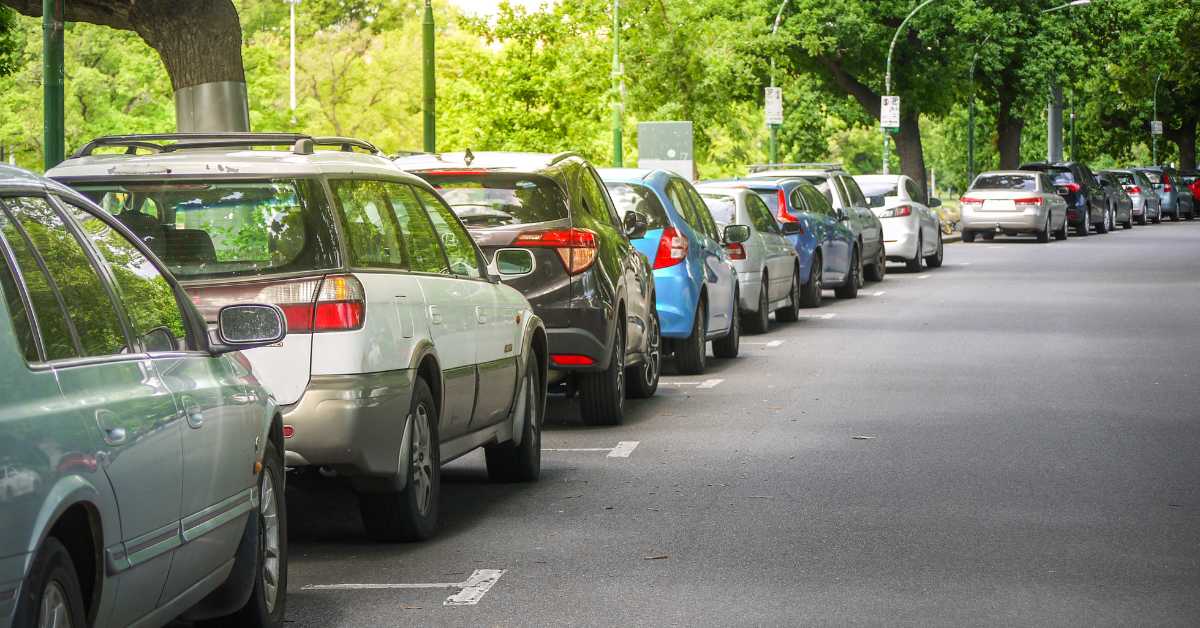
SUVs offer spacious cabins, but their larger dimensions can create parking challenges. This issue is particularly relevant in crowded cities, where parking space is limited and narrow.
Some residential buildings have compact parking spaces designed for smaller cars. Owners of large SUVs may struggle to park comfortably or may need to rent a larger parking spot.
Paid parking can also become more expensive in certain locations. Some commercial parking facilities charge based on vehicle size, category, or parking duration.
Public parking spaces may not always provide sufficient room for larger vehicles. Tight turns, narrow ramps, low ceilings, and closely positioned vehicles can make parking more difficult.
SUV owners may need to choose residential properties with suitable parking facilities. In some cases, this can influence housing preferences or increase monthly parking expenses.
Parking damage is another potential concern. Scratches, dents, and damaged bumpers can occur when manoeuvring a large vehicle through tight spaces.
Some modern SUVs include parking sensors, rear cameras, and surround-view camera systems. These technologies improve convenience, but repairs or replacements can be expensive if the equipment gets damaged.
Before purchasing a large SUV, measure the available parking space at home and work. Checking the vehicle’s length, width, height, and turning radius can help avoid practical difficulties and additional expenses.
8. Expensive Spare Parts and Repairs
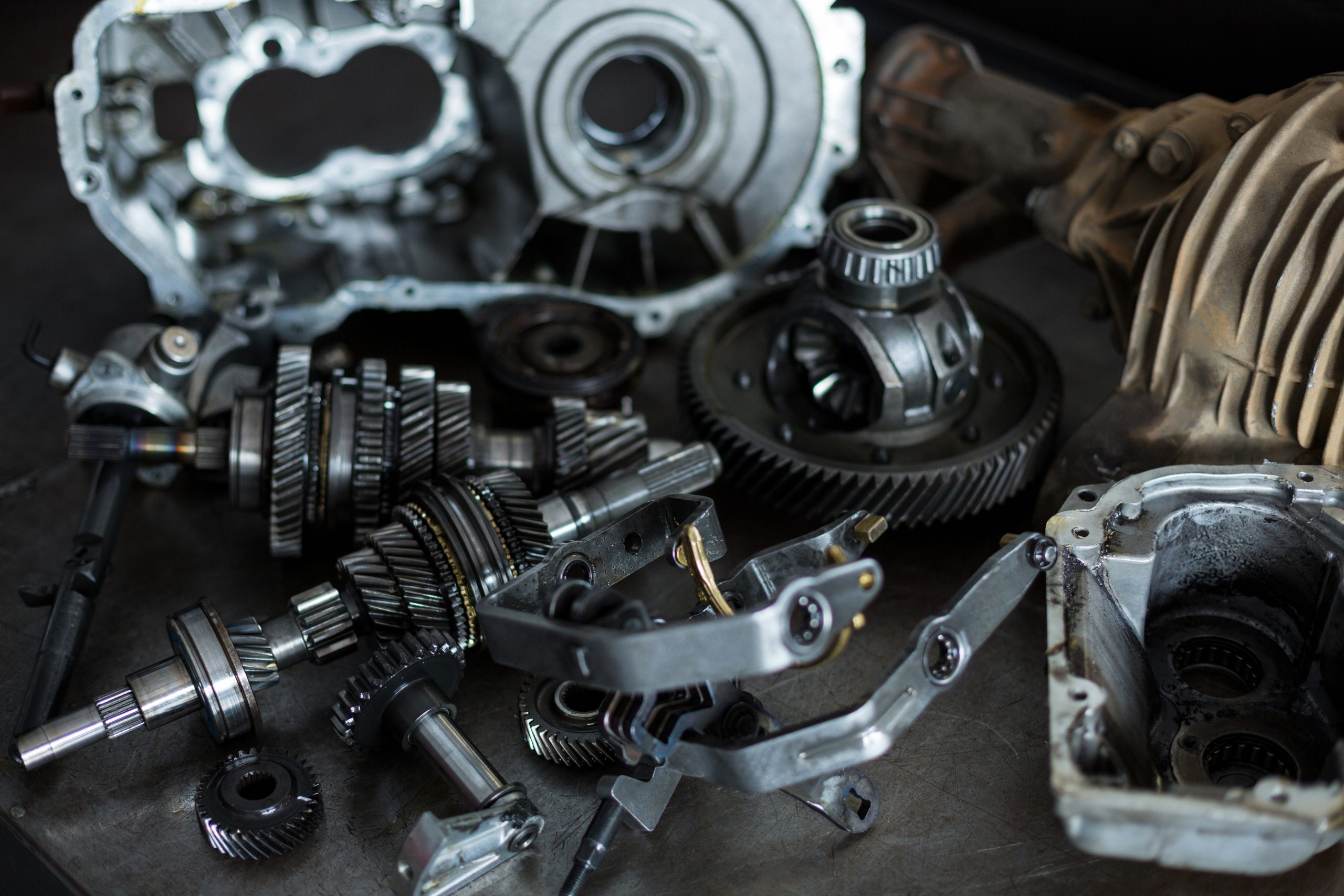
Replacement parts are an important consideration when calculating the long-term cost of SUV ownership. Larger vehicles may use specialised components that are more expensive to purchase and install.
Headlights, bumpers, windshields, mirrors, and body panels can cost more on certain SUVs, particularly models equipped with advanced technology or premium materials.
Modern SUVs frequently include electronic features such as adaptive cruise control, automatic emergency braking, parking assistance, and advanced infotainment systems. Repairs involving these technologies may require specialised equipment and trained technicians.
Suspension components can also contribute to repair expenses. Heavy vehicles place considerable demands on their suspension systems, particularly when regularly driven on uneven roads.
Transmission repairs may be expensive, especially in vehicles equipped with sophisticated automatic gearboxes or all-wheel-drive systems. Regular servicing and following manufacturer recommendations can help reduce avoidable mechanical problems.
Body repairs following an accident can also involve higher expenses. Large bumpers, specialised body panels, advanced lighting systems, and sensor calibration may increase workshop bills.
The availability of spare parts depends on the brand, model, and location. Owners of imported or less common SUVs may face longer waiting periods and higher replacement costs.
Checking spare-part prices and workshop availability before buying an SUV is a sensible step. A model with readily available parts and an established service network can be easier to maintain over the long term.

9. Higher Loan Interest and Financing Costs
Many buyers finance their SUV purchases through car loans. While financing makes an expensive vehicle easier to purchase, interest payments increase the total amount paid over the loan period.
SUVs often have higher purchase prices than smaller vehicles. A larger loan amount generally results in higher interest expenses when the interest rate and repayment period remain the same.
The loan tenure also influences the total cost. Longer repayment periods reduce monthly instalments but generally increase the total interest paid over the life of the loan.
Down payments can make a significant difference. Paying a larger amount upfront reduces the principal borrowed and can lower the total interest expense.
Some dealerships advertise attractive monthly instalments without clearly highlighting the full financing cost. Buyers should examine the interest rate, processing fees, documentation charges, and repayment conditions.
Credit scores can influence loan approval and interest rates. Applicants with stronger credit histories may qualify for more favourable financing terms, depending on the lender’s policies.
Additional loan-related expenses may include documentation charges, foreclosure fees where applicable, and penalties for missed payments. These costs should be understood before signing the agreement.
Comparing loan offers from multiple banks and financial institutions can help buyers secure better terms. Calculate the total repayment amount rather than choosing a loan based solely on an affordable monthly instalment.

10. Higher Cleaning and Detailing Costs
Keeping an SUV clean can require more time, effort, and money than maintaining a smaller vehicle. Its larger body panels, extensive glass surfaces, and spacious interior create additional cleaning requirements.
Exterior washing may cost more at certain car wash facilities because SUVs require more water, cleaning products, and labour. Regular professional cleaning can become a noticeable recurring expense.
Larger SUVs often have more interior space, including additional seating rows and bigger cargo areas. Cleaning these spaces requires extra time, particularly when the vehicle is regularly used by families.
Interior detailing can also be expensive. Cleaning leather upholstery, carpets, dashboard materials, and specialised trim may require professional products and equipment.
Owners who frequently travel with children or pets may need more frequent interior cleaning. Food spills, dust, mud, and stains can accumulate quickly.
Paint protection treatments, ceramic coatings, and paint protection film are optional services that can increase ownership expenses. Their prices vary according to vehicle size, product quality, and installation requirements.
SUVs used on dusty roads or during monsoon conditions may require frequent washing. Mud and dirt can accumulate around wheel arches, underbody components, and exterior trim.
Buyers should consider their cleaning habits and local detailing prices when estimating ownership costs. Regular basic maintenance at home can reduce professional cleaning expenses without compromising the vehicle’s appearance.
