

Leaving items inside a parked car may seem harmless, especially when you plan to return within a few minutes. However, the temperature inside a vehicle can rise quickly under direct sunlight, creating conditions that damage belongings and put people at risk.
Everyday products such as plastic bottles, electronic devices, medicines, cosmetics, and food can react poorly to excessive heat. Some items may leak, lose their effectiveness, become unsafe to use, or even create a fire hazard.
Knowing what not to leave in a hot car can help protect your health, belongings, and vehicle while preventing avoidable accidents during warm weather.
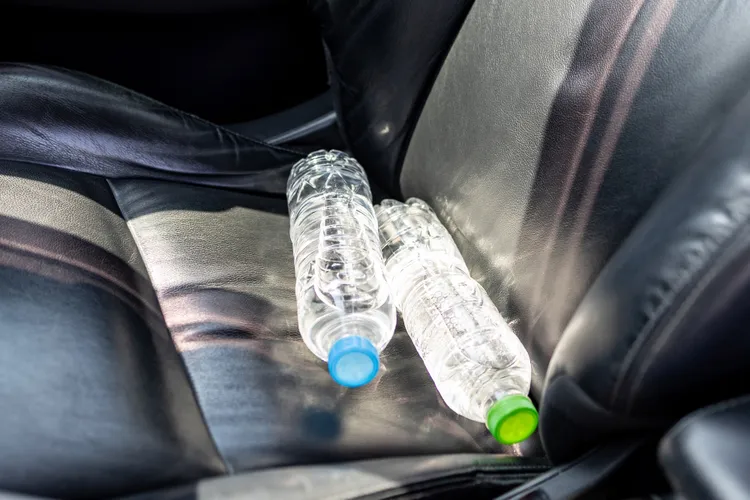
1. Plastic Water Bottles
Plastic water bottles are among the most common items people leave inside parked vehicles. Many drivers keep a few bottles in the back seat or cup holders for convenience.
However, storing bottled water in a hot car for extended periods is not a good habit. High temperatures can affect the quality of the bottle and may increase the migration of certain chemicals from its packaging into the water.
Most disposable water bottles are made from polyethylene terephthalate (PET), a lightweight plastic commonly used for food and beverage packaging. PET bottles are generally designed for normal storage conditions, not prolonged exposure to extreme heat.
Heat can also cause plastic packaging to deform, particularly when bottles are exposed to direct sunlight for long periods.
The concern is not limited to the packaging itself. Water stored in a hot vehicle can become unpleasant to drink because of changes in temperature and taste. If the bottle has been opened, bacteria from the mouth or surrounding environment may enter the water. Warm conditions can encourage microbial growth when contamination is present.
Leaving plastic bottles in direct sunlight for hours can also make the water less appealing. A bottle sitting on a dashboard or near a window may become extremely hot. Drinking hot water is not necessarily harmful, but it can be uncomfortable and may not provide the refreshing experience people expect.
Another issue is bottle leakage. Plastic containers can become softer under high temperatures, especially if they are damaged or poorly sealed. A leaking bottle can leave sticky residue, wet upholstery, and unpleasant smells inside your vehicle.
Reusable plastic bottles also require proper care. Some are designed to tolerate higher temperatures than disposable bottles, but this does not mean they should remain inside a hot car indefinitely. Always follow the manufacturer’s storage recommendations.
A better option is to carry a reusable stainless steel or insulated water bottle. These containers can help maintain a comfortable drinking temperature for longer periods. Keep drinking water in a cool indoor location whenever possible, and avoid storing it in a vehicle exposed to intense sunlight.
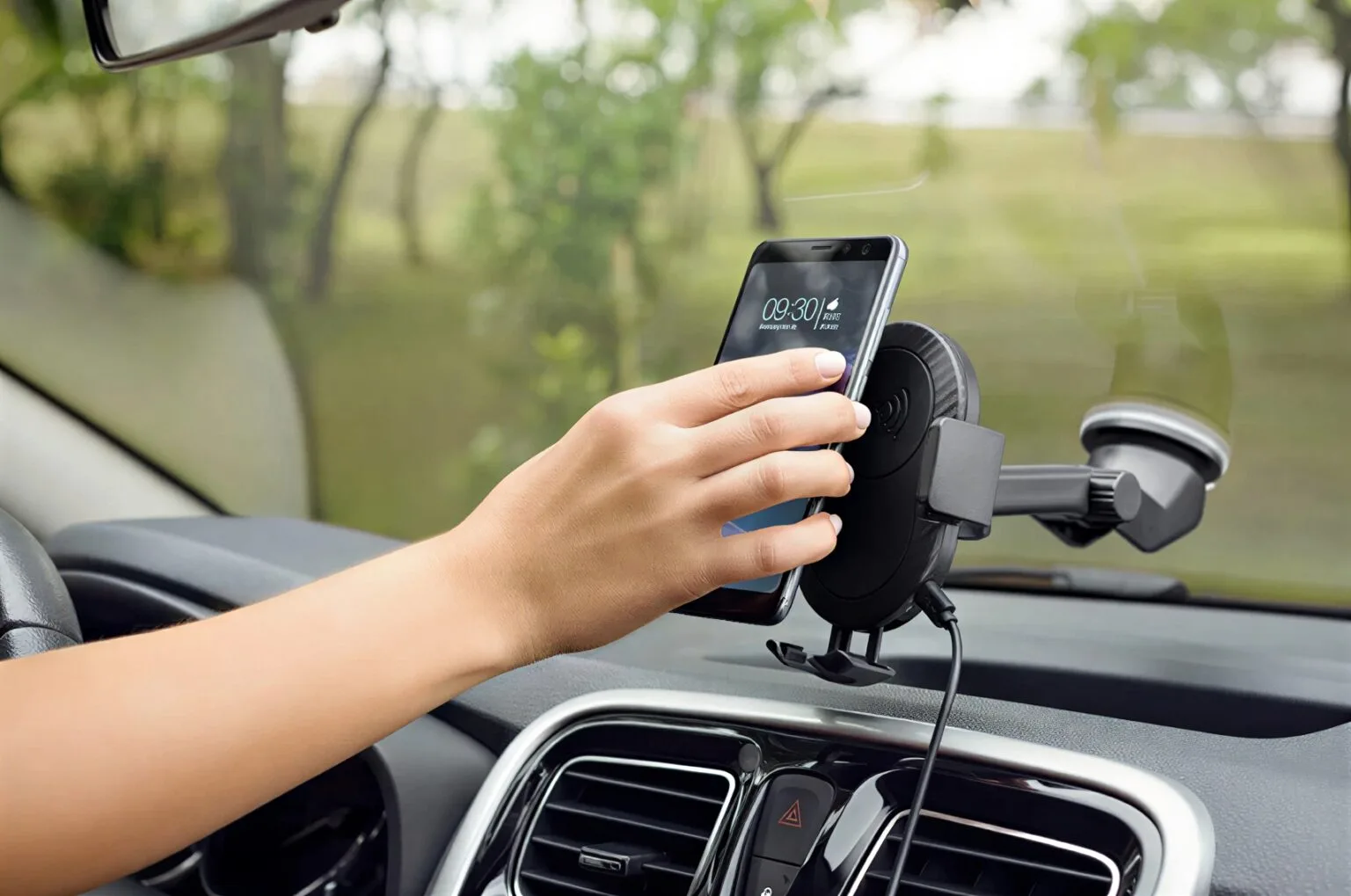
2. Electronic Devices and Gadgets
Electronic devices are particularly sensitive to high temperatures. Smartphones, tablets, laptops, cameras, wireless headphones, and portable gaming systems contain delicate components that may malfunction when exposed to excessive heat.
Leaving these devices inside a parked vehicle can shorten their lifespan and increase the possibility of permanent damage.
Most consumer electronics are designed to operate within specific temperature ranges. These limits vary by manufacturer and device type.
A smartphone, for example, may display a temperature warning or automatically shut down when it becomes too hot. This protective feature helps prevent further damage, but repeated overheating can still affect performance.
Lithium-ion batteries are a major concern. These batteries power many modern electronic devices and are sensitive to temperature changes. Excessive heat can accelerate battery degradation, reduce its capacity, and increase the risk of battery failure. In rare cases, severe overheating or battery damage can cause swelling, smoke, or fire.
A parked vehicle can become much hotter than the surrounding outdoor environment. Even when the weather feels comfortable outside, sunlight passing through the windows can heat the interior significantly. Devices placed on dashboards, seats, or near windows are particularly vulnerable.
Heat can also damage screens and internal components. Prolonged exposure may affect adhesives, display materials, charging systems, and other sensitive parts. Devices with existing battery problems or physical damage may be at greater risk.
Cameras and photography equipment deserve special attention. Professional cameras, lenses, memory cards, and other accessories can be expensive to replace. Extreme temperatures may affect their internal electronics, batteries, and optical components.
Sudden temperature changes can also create condensation when equipment moves between hot and cool environments.
The safest approach is to take valuable electronics with you whenever you leave your vehicle. If carrying them is not practical, store them in a temperature-controlled indoor space rather than relying on the glove compartment or centre console. These areas can also become hot during prolonged parking.

3. Medicines and Prescription Drugs
Medicines should never be left inside a hot car unless their packaging specifically allows storage under those conditions. Many prescription drugs and over-the-counter medications require controlled temperatures to maintain their quality, stability, and effectiveness.
Heat can affect the chemical structure of certain medicines. When exposed to temperatures beyond their recommended storage range, some medications may lose potency or become less reliable. This is particularly concerning for people who depend on daily medication to manage chronic conditions.
Insulin is a well-known example of a temperature-sensitive medication. Unopened insulin generally requires refrigeration within a specified temperature range, while in-use products may have different storage limits depending on the formulation and manufacturer.
Excessive heat can damage insulin and affect its ability to control blood glucose levels.
Other temperature-sensitive products include certain antibiotics, injectable medications, eye drops, hormone treatments, and some liquid medicines. Their storage requirements differ, so it is important to read the packaging and follow advice from a pharmacist or healthcare professional.
Medicines stored in hot vehicles may also experience changes in appearance. Tablets can become discoloured, capsules may soften, and liquids may change consistency. These changes do not always indicate damage, and medicines can lose effectiveness without visible signs. Therefore, appearance alone cannot confirm whether a product is safe to use.
Keeping medication in the glove compartment is not a reliable solution. This area may become almost as hot as the rest of the cabin. A handbag or backpack left on a seat is not necessarily safer either, particularly when the vehicle remains parked under direct sunlight.
People who travel regularly should consider using an insulated medication carrier when appropriate. However, an insulated bag does not automatically provide temperature control. Some medicines require a properly maintained cooling system, so follow product-specific instructions.
If you suspect that medication has been exposed to excessive heat, contact a pharmacist before using it. Do not assume that a medicine remains effective simply because its packaging looks normal. Proper storage is essential for safe treatment.
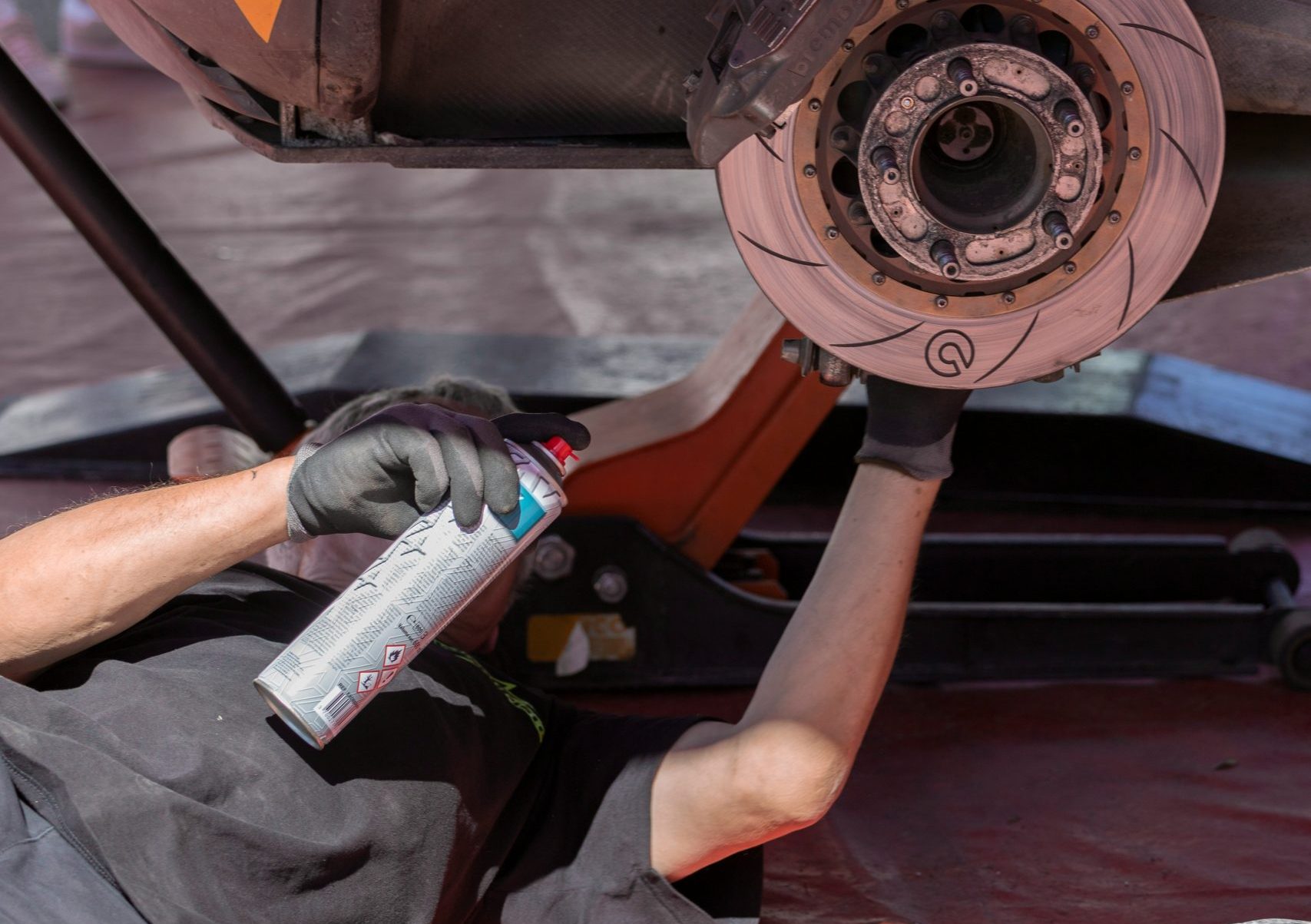
4. Aerosol Cans and Pressurised Containers
Aerosol cans should never be left inside a hot vehicle. These containers are commonly used for deodorants, hair sprays, air fresheners, cleaning products, insect repellents, and other household items. They contain products stored under pressure, making them sensitive to high temperatures.
When an aerosol can becomes hot, the pressure inside may increase. Most cans are manufactured to safety standards and are designed to withstand normal storage conditions. However, extreme heat can push internal pressure beyond safe limits.
In severe conditions, an overheated aerosol container may leak, rupture, or burst. Such incidents can damage the vehicle interior and potentially injure anyone nearby. The risk becomes more concerning when cans are exposed to direct sunlight for several hours.
Certain aerosol products also contain flammable ingredients. Hair sprays, deodorants, spray paints, and some cleaning products may release flammable vapours. If these vapours accumulate in an enclosed space and encounter an ignition source, a fire may occur.
Many aerosol containers carry specific storage instructions and temperature warnings. These labels should never be ignored. Even if a can appears undamaged, repeated exposure to excessive heat may compromise its safety.
Avoid storing aerosol products in the glove compartment, door pockets, or boot during hot weather. These locations do not provide dependable protection from high temperatures. The boot can become particularly warm when the vehicle is parked in direct sunlight.
If you regularly carry personal care products, take them indoors after reaching your destination. Store them in a cool, dry place away from direct sunlight, heaters, and open flames.
Never attempt to cool an overheated aerosol can by placing it in a freezer or exposing it to sudden temperature changes. Follow the manufacturer’s instructions and handle damaged or leaking containers carefully.
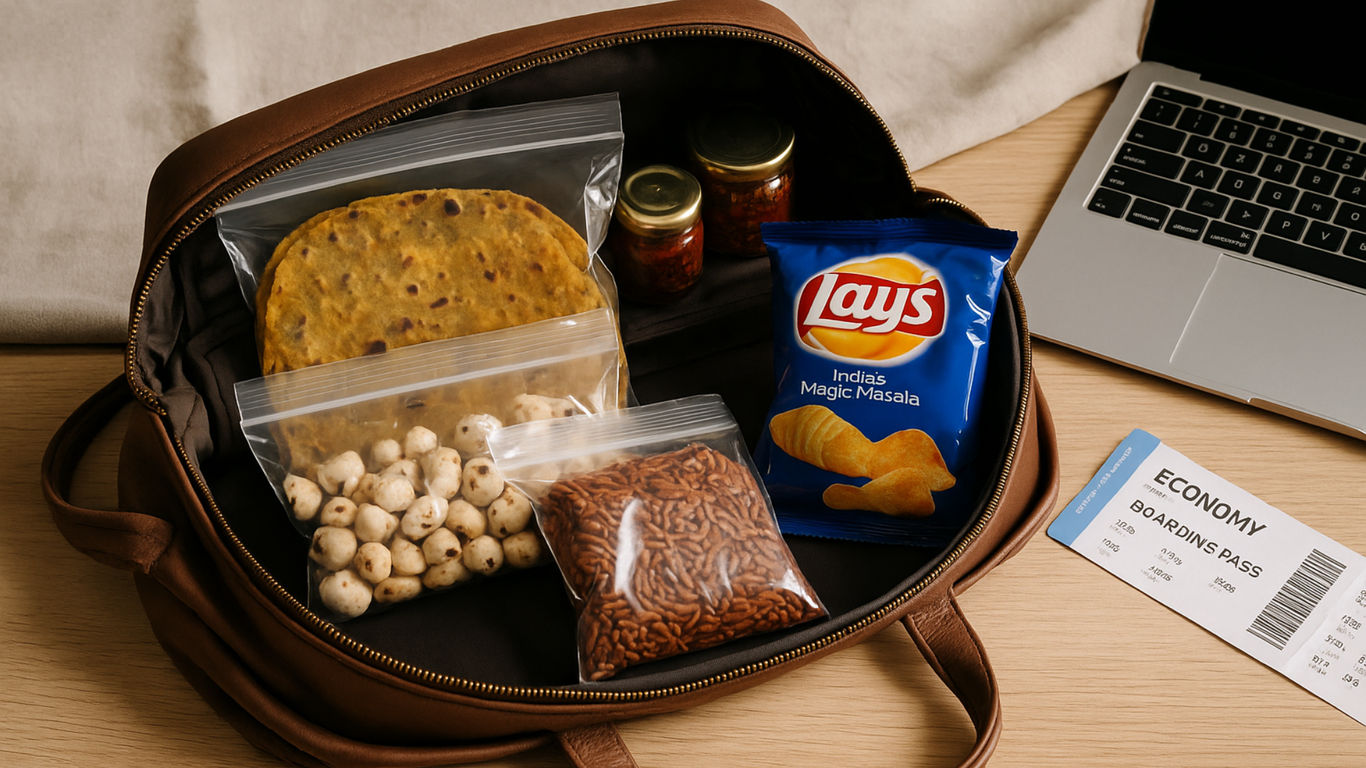
5. Food and Perishable Groceries
Food is another category that should not be left inside a hot car. Groceries, packed lunches, dairy products, meat, seafood, cooked meals, and leftovers can become unsafe when stored at high temperatures. Bacteria multiply more rapidly under warm conditions, increasing the possibility of foodborne illness.
Perishable foods require appropriate temperature control. According to widely used food safety guidance, the danger zone for bacterial growth is approximately 4°C to 60°C. Food should not remain in this temperature range for extended periods.
A parked vehicle can quickly exceed normal room temperature. Leaving groceries inside for an hour may be enough to compromise certain products, particularly during hot weather. The exact risk depends on the food, its initial temperature, packaging, and length of exposure.
Dairy products such as milk, cheese, yoghurt, and cream are especially vulnerable. When these items become too warm, bacteria can multiply and spoilage may occur. Consuming improperly stored dairy products can cause stomach discomfort, vomiting, diarrhoea, and other symptoms of foodborne illness.
Raw meat, poultry, and seafood require even greater care. These foods can carry harmful microorganisms that multiply when temperature control is poor. Never assume that cooking will make food safe after improper storage, since certain bacterial toxins may survive cooking.
Cooked meals and leftovers also need attention. Rice, pasta, meat dishes, and prepared vegetables can become unsafe when left in a warm vehicle. Food may look and smell normal even when harmful bacteria are present.
If you need to transport groceries during hot weather, use an insulated cooler with sufficient ice packs. Keep perishable items cold and reduce the time they spend outside refrigeration. Place groceries in the air-conditioned passenger compartment rather than a hot boot whenever practical.
When food has been left in a hot car beyond recommended storage limits, discarding it is generally safer than taking the risk of eating it. Saving a few groceries is not worth the possibility of food poisoning.
6. Cosmetics and Skincare Products
Cosmetics and skincare products are often forgotten inside cars. Lipsticks, foundations, moisturisers, sunscreens, serums, perfumes, and face creams may seem harmless, but many contain ingredients that are sensitive to heat.
High temperatures can change the texture, consistency, and stability of beauty products. Creams may separate, foundations can become runny, and lipsticks may soften or melt. Once a product changes significantly, it may no longer perform as intended.
Skincare formulations contain carefully balanced ingredients. Some active ingredients, including certain retinoids and vitamin C formulations, can degrade when exposed to excessive heat, light, or air. This may reduce their effectiveness and shorten their usable life.
Sunscreen deserves particular attention. It is designed to protect the skin against ultraviolet radiation, but its formulation can be affected by improper storage. Excessive heat may cause separation or changes in consistency, potentially compromising its performance.
A sunscreen bottle left in a hot car should not automatically be considered safe just because it looks normal. Check the manufacturer’s storage instructions and inspect the product for unusual changes. If you suspect significant heat exposure or notice separation, an unusual smell, or changes in texture, replace it.
Perfumes and other fragranced products can also suffer from prolonged heat exposure. Temperature fluctuations may affect their scent and accelerate changes in fragrance composition. Plastic packaging may also become damaged or leak.

7. Lighters and Other Ignition Sources
Lighters are small, convenient objects that many people keep in their cars. However, leaving them inside a hot vehicle can create unnecessary safety risks.
Disposable butane lighters contain flammable gas under pressure, which can become more dangerous when exposed to excessive heat.
As temperatures rise, the pressure inside a lighter can increase. If the container becomes damaged or overheated, gas may escape. In some circumstances, a lighter can rupture or ignite, creating a fire hazard.
Direct sunlight increases the concern. A lighter placed on a dashboard or near a window may experience particularly high temperatures. Even if the lighter remains intact, storing it in an enclosed vehicle during hot weather is an avoidable risk.
Matches also require proper storage. While they do not contain pressurised gas, they can be affected by heat, moisture, and friction. Keeping them loose inside a vehicle can create additional hazards, especially when they are stored near flammable materials.
Candles should also be removed from hot vehicles. Many candles are made from wax that softens or melts at relatively moderate temperatures. A melted candle can leak onto upholstery, damage storage compartments, and create a difficult cleaning problem.
Other ignition-related products, including certain camping fuel containers and portable heating equipment, should not be stored in a hot passenger vehicle unless their manufacturers specifically permit the conditions.

8. Hand Sanitiser and Alcohol-Based Products
Hand sanitiser is a useful everyday product, especially for people who travel frequently. However, many hand sanitisers contain a high percentage of alcohol, making them flammable. Leaving these products inside a hot car is not recommended.
Alcohol-based sanitiser generally contains ethanol or isopropyl alcohol. Both substances are flammable, and their vapours can ignite when exposed to an appropriate ignition source. The risk is particularly relevant if a container leaks and vapours accumulate in an enclosed space.
Heat can also affect the product’s packaging. Plastic bottles may soften, expand, or leak when exposed to high temperatures. A leaking container can damage the dashboard, door panels, upholstery, or other interior surfaces.
Some people keep hand sanitiser in their vehicle’s glove compartment for easy access. However, this compartment is not temperature-controlled. It can become hot during long periods of parking, just like other areas of the cabin.
High temperatures may also cause alcohol to evaporate more quickly from an improperly sealed container. Since alcohol is responsible for the sanitising action of many products, changes in its concentration may affect performance.
Hand sanitisers should be stored according to the manufacturer’s instructions. Keep containers tightly closed and away from direct sunlight, heat sources, and open flames. Avoid leaving large bottles inside vehicles for extended periods.
9. Important Documents, Photographs, and Paperwork
Important documents may not seem vulnerable to heat, but prolonged exposure to high temperatures can cause damage.
Birth certificates, passports, insurance papers, vehicle documents, photographs, educational certificates, and legal records should not be stored permanently inside a hot car.
Paper can become brittle, discoloured, or warped when exposed to unsuitable environmental conditions. Repeated temperature fluctuations and humidity changes can contribute to deterioration. Documents printed using certain inks may also fade or become difficult to read over time.
Photographs require particular care. Printed images may suffer from colour changes, fading, or damage to their protective coatings. Leaving family photographs or valuable prints on a dashboard or rear parcel shelf can expose them to direct sunlight and excessive heat.
Some documents are laminated or stored in plastic sleeves. While these materials offer a degree of protection, they are not necessarily designed for prolonged exposure to high temperatures. Adhesives can soften, and plastic coverings may warp.
Legal and financial documents also create a security concern when left inside a vehicle. Even if heat does not damage them, visible paperwork may expose personal information to thieves. Identity documents, bank statements, and insurance records should be kept secure.
Passports and other official identification documents are particularly important when travelling. Losing them can create significant inconvenience and may require replacement procedures. Keeping them in a secure indoor location reduces the risk of damage or theft.

10. Children, Elderly People, and Pets
Children, older adults, and pets should never be left unattended inside a parked vehicle, even for a short period. This is the most serious item on this list because excessive heat can cause life-threatening medical emergencies.
A vehicle’s interior can heat up rapidly under direct sunlight. Temperatures inside a parked car may rise significantly within minutes, even when the outside weather does not feel extremely hot. Opening the windows slightly does not provide reliable protection.
Children are particularly vulnerable because their bodies regulate temperature differently from adults. Their body temperature can rise much faster, increasing the risk of heat exhaustion and heatstroke.
Heatstroke is a medical emergency. Warning signs may include confusion, dizziness, rapid breathing, unusual behaviour, weakness, vomiting, or loss of consciousness. In severe cases, it can cause organ damage and become fatal without prompt medical treatment.
Older adults may also face increased risks because their ability to regulate body temperature can decline with age. Certain medications and underlying health conditions can make it harder for them to cope with extreme heat.
Pets are equally vulnerable. Dogs and cats cannot regulate their body temperature as effectively as humans through sweating. Dogs mainly cool themselves through panting, which may become insufficient when the surrounding air is extremely hot.
Leaving a pet inside a parked vehicle can lead to rapid overheating, dehydration, heatstroke, and death. Even parking in the shade does not guarantee safety because the sun moves and vehicle temperatures can continue to rise.
