
Winter brings several challenges for car owners, from cold starts and thick engine oil to battery problems and reduced tyre pressure. During this season, many drivers follow advice they have heard from friends, relatives, or online discussions.
Some of these practices may sound helpful, but they can gradually damage important engine components, increase fuel consumption, and lead to expensive repairs. Understanding common winter car myths helps drivers make better maintenance decisions.
This article examines ten widespread winter car myths, explains why they are harmful, and shares practical ways to protect your vehicle throughout the colder months.
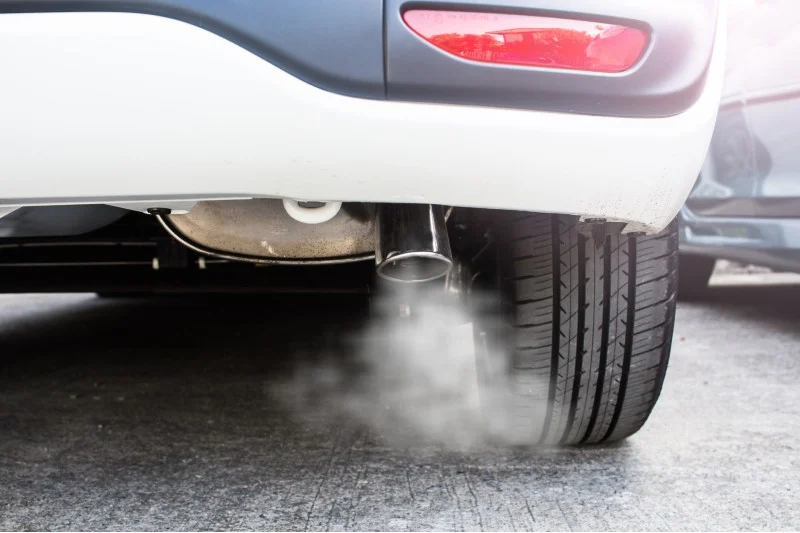
1. Letting Your Car Idle for 15 to 20 Minutes Warms the Engine Better
Many drivers believe that leaving their vehicle running for 15 to 20 minutes before driving is necessary during winter. This habit comes from older vehicles that used carburettors and required more time to operate smoothly in cold conditions.
Modern cars have electronic fuel injection systems that automatically adjust the fuel mixture according to engine temperature.
A prolonged idle does not warm the engine as efficiently as gentle driving. When a vehicle remains stationary, the engine takes longer to reach its normal operating temperature because it produces less heat under light load.
Cold engines also experience increased internal friction. Engine oil takes time to circulate and reach its ideal operating characteristics. Keeping the engine running at idle for an extended period does not eliminate this issue quickly.
Long idling periods can increase fuel consumption and produce unnecessary exhaust emissions. They may also contribute to carbon deposits, particularly when the engine repeatedly operates below its normal temperature.
A better approach is to start the engine, allow it to run for approximately 30 seconds, and begin driving gently. The exact waiting time can vary depending on the vehicle, temperature, and manufacturer’s instructions.
Avoid pressing the accelerator aggressively immediately after starting. Keep engine speed moderate until the temperature begins to rise and the vehicle operates smoothly.
Drivers should also remember that a warm cabin does not necessarily mean the engine has reached its normal operating temperature. The heating system and engine temperature do not always increase at the same rate.
Following the manufacturer’s recommendations and avoiding unnecessary idling can reduce fuel waste while supporting proper engine operation during winter.
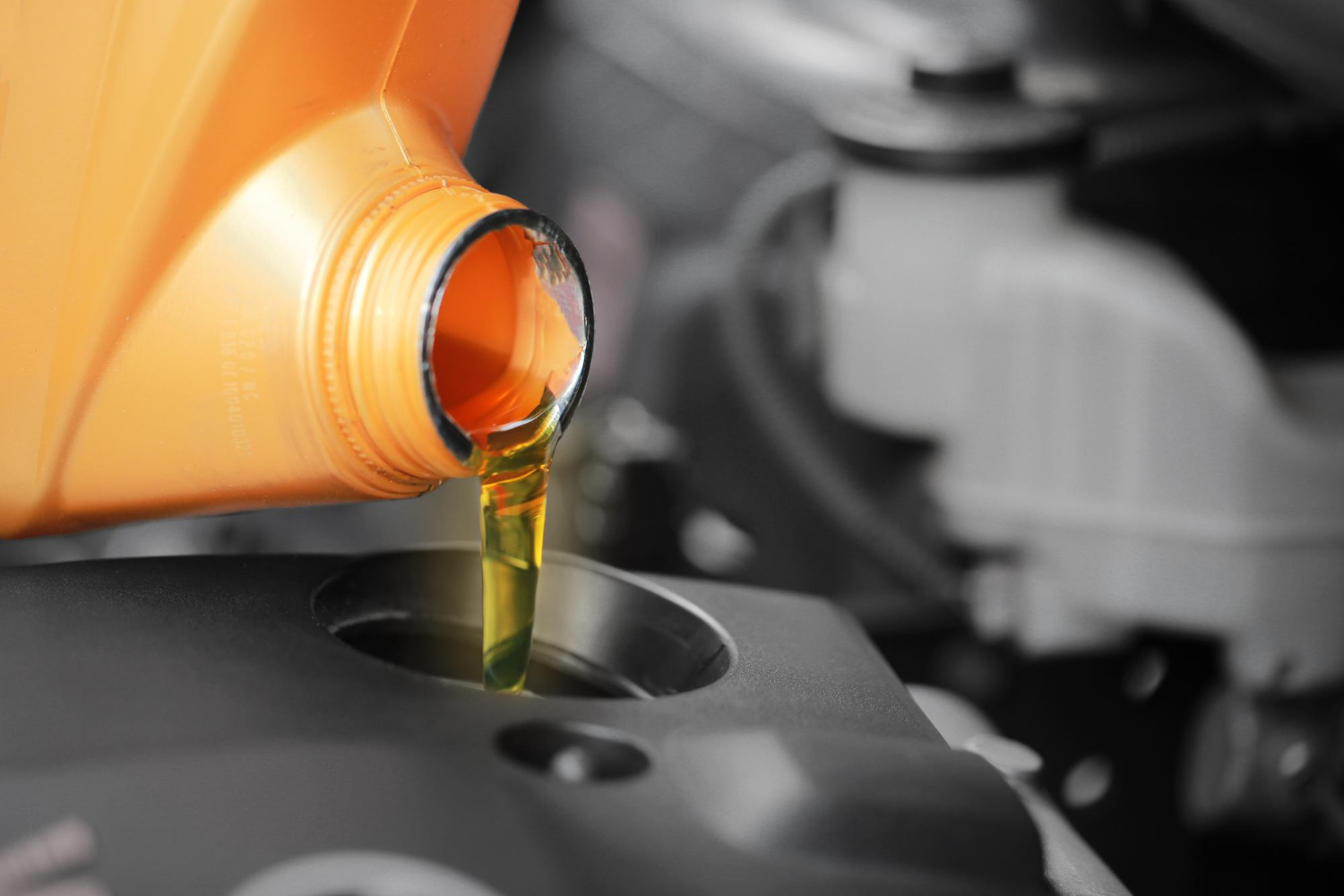
2. Thicker Engine Oil Is Always Better in Winter
Some car owners believe thicker engine oil provides stronger protection during cold weather. This misconception can cause serious lubrication problems, particularly when drivers choose oil without checking their vehicle’s recommended viscosity.
Engine oil performs several important functions. It lubricates moving components, reduces friction, helps control engine temperature, and carries small contaminants towards the filtration system.
During winter, engine oil becomes more viscous as temperatures fall. Thicker oil can take longer to circulate through narrow passages when the engine starts cold.
If the oil is too thick for the engine, critical components may not receive sufficient lubrication during the initial moments after starting. This can increase wear on bearings, camshafts, and other moving parts.
Modern engines are designed to work with specific oil viscosity grades. Manufacturers select these grades after considering engine design, operating conditions, and lubrication requirements.
For example, 0W-20 and 5W-30 are common viscosity grades used in certain modern vehicles. The correct choice depends on the manufacturer’s specifications, not simply the outside temperature.
Drivers should check the owner’s manual before changing engine oil for winter. Using a fully synthetic or manufacturer-approved oil may provide better cold-start performance when the vehicle requires it.
Choosing the wrong viscosity can affect fuel efficiency, lubrication, and engine performance. Correct oil selection is a simple but important part of winter car maintenance.
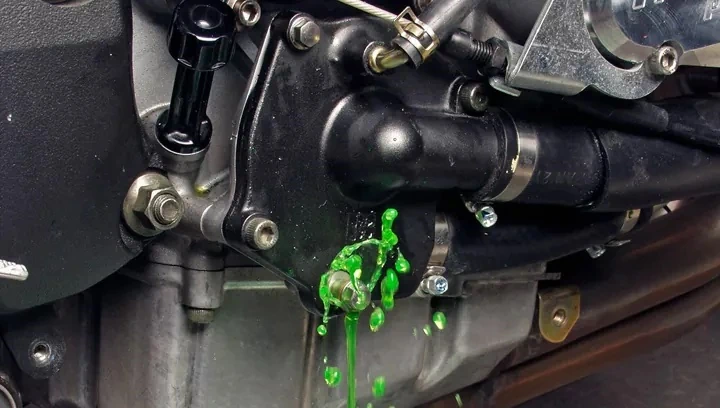
3. Modern Cars Do Not Need Coolant Checks During Winter
Another common misconception is that engine coolant only matters during summer. Many drivers associate coolant with preventing overheating and assume it becomes less important when outside temperatures drop.
Engine coolant has two major responsibilities. It helps regulate engine temperature and protects the cooling system against freezing and corrosion when the correct formulation is used.
During winter, coolant becomes especially important because extremely low temperatures can cause unsuitable or diluted coolant to freeze. Frozen coolant can expand and damage the radiator, hoses, water pump, or engine block.
A properly maintained cooling system contains a mixture of coolant and water designed for the vehicle’s operating requirements. The correct concentration depends on the coolant specification and expected temperatures.
Using plain water instead of the recommended coolant mixture can create several problems. Water offers inadequate freeze protection and may encourage corrosion inside the cooling system.
Drivers should inspect the coolant reservoir when the engine is completely cold. The fluid level should remain within the markings specified by the manufacturer.
It is also important to check coolant condition and follow the recommended replacement schedule. Old coolant may lose its protective properties over time, increasing the risk of corrosion and cooling system damage.
Never remove the radiator cap or pressurised coolant reservoir cap while the engine is hot. Hot coolant can escape under pressure and cause serious burns.
Regular coolant inspections help prevent winter breakdowns and protect expensive engine components. This maintenance task should never be ignored simply because the weather is cold.
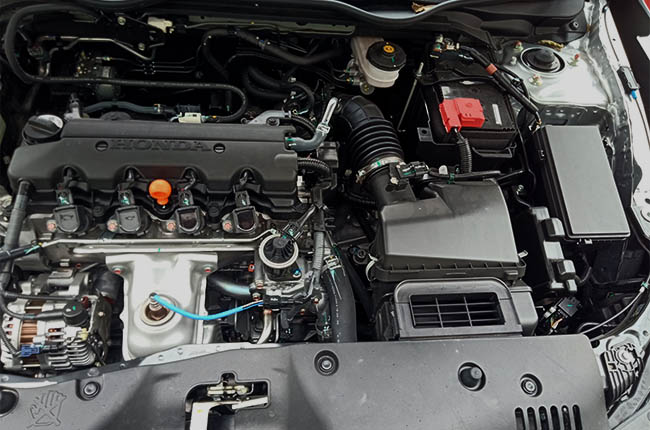
4. Warming Up the Engine Requires Revving It Immediately
Some drivers believe that pressing the accelerator several times after starting a cold engine helps warm it up faster. This practice is particularly harmful because it places additional stress on engine components before proper lubrication and operating temperature have been established.
When an engine starts after sitting overnight, its internal components are relatively cold. Engine oil may have drained towards the oil pan, and the lubrication system needs time to circulate it throughout the engine.
Aggressive acceleration immediately after starting increases engine speed and mechanical load. These conditions can increase friction and wear when the engine is still cold.
Modern engine management systems automatically control fuel delivery and idle speed during cold starts. Drivers generally do not need to press the accelerator to improve the starting process.
Repeatedly revving a cold engine also increases fuel consumption. Depending on the vehicle, it may contribute to unnecessary emissions and mechanical stress.
A better practice is to start the vehicle normally and allow the engine to stabilise. After a short initial period, drive gently without sudden acceleration or high engine speeds.
Avoid heavy loads, rapid overtaking, and aggressive driving until the engine reaches its normal operating temperature.
Drivers should also pay attention to unusual sounds after starting. Persistent knocking, rattling, or warning lights may indicate a mechanical issue that needs professional inspection.
Gentle driving during the warm-up period protects engine components and supports efficient operation. It is more effective than repeatedly pressing the accelerator while the vehicle is stationary.
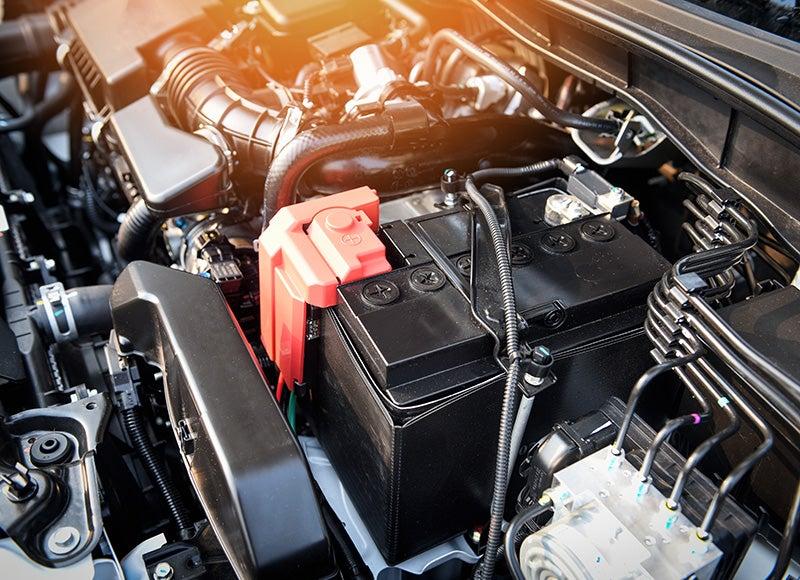
5. Battery Problems Have Nothing to Do With Engine Health
Many drivers consider the battery an electrical component with no connection to engine performance. However, the battery plays a crucial role in starting the engine, especially when temperatures fall.
Cold weather reduces a battery’s ability to deliver electrical power. At the same time, starting a cold engine often requires more power because engine oil becomes thicker and internal resistance increases.
This combination makes winter particularly challenging for weak or ageing batteries. A battery that performs adequately during warmer months may struggle when temperatures drop.
Repeated failed starting attempts can also place additional strain on the starter motor and electrical system. If the engine does not turn over properly, drivers may experience clicking sounds or slow cranking.
A weak battery can make a perfectly healthy engine appear to have a serious mechanical problem. In some cases, electronic systems may also behave unpredictably when battery voltage becomes too low.
Checking battery condition before winter is a sensible preventive measure. A professional battery test can assess its health, charging performance, and ability to supply starting power.
Drivers should also inspect battery terminals for corrosion and ensure that connections remain secure. Loose or corroded terminals can interrupt electrical flow.
If a vehicle is used mainly for short journeys, the battery may not receive enough charging time. Longer drives or an appropriate battery maintenance charger may help, depending on the vehicle’s usage.
Battery maintenance is an important part of winter engine protection. A reliable battery supports consistent starting and reduces the likelihood of unexpected breakdowns.
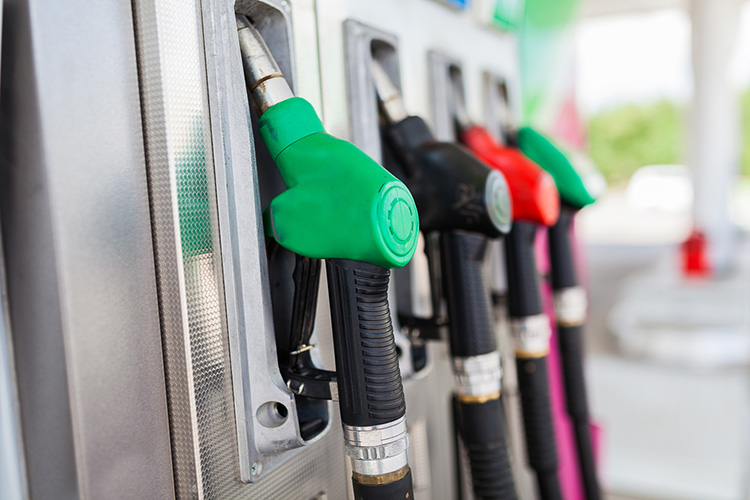
6. Premium Fuel Automatically Protects the Engine in Winter
Premium fuel is often marketed as a better option for vehicle performance. This leads some drivers to believe that using higher-octane petrol during winter automatically protects the engine from cold-weather damage.
Fuel octane rating measures a petrol’s resistance to knocking or uncontrolled combustion. A higher octane rating does not necessarily mean that the fuel contains more energy or provides better lubrication.
Most standard petrol engines are designed to operate with a particular minimum octane rating. Using fuel that meets the manufacturer’s recommendation is generally sufficient.
Some high-performance and turbocharged engines require higher-octane petrol because of their compression characteristics and operating conditions. In these vehicles, using lower-octane fuel than recommended can cause knocking and reduced performance.
However, purchasing premium fuel for an engine designed for regular petrol does not automatically improve cold-start performance or prevent winter-related wear.
Cold-weather starting problems are more commonly associated with battery condition, ignition components, fuel delivery, and engine management systems.
Drivers should also purchase fuel from reliable stations to reduce the risk of contamination. Poor-quality or contaminated fuel can affect injectors, fuel filters, and combustion quality.
If the manufacturer recommends a specific octane rating, follow that guidance throughout the year. There is generally no need to change fuel grades simply because winter has arrived.
The right fuel specification, clean fuel delivery system, and regular maintenance contribute more to engine reliability than unnecessarily purchasing premium petrol.
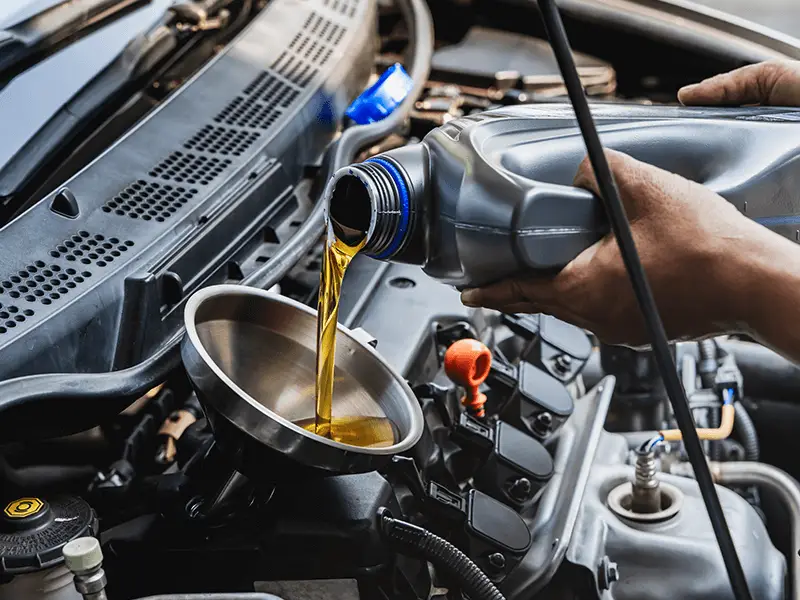
7. Changing Engine Oil Is Unnecessary During Winter
Some vehicle owners postpone oil changes during winter because they believe cold weather reduces the need for lubrication. This misunderstanding can increase engine wear and lead to avoidable maintenance problems.
Engine oil gradually deteriorates as it operates under heat, pressure, and contamination. It collects combustion by-products, microscopic metal particles, and other impurities during normal engine operation.
Over time, these contaminants affect the oil’s ability to protect internal components. Cold weather does not stop this process or restore the oil’s original properties.
Old engine oil may become less effective at maintaining a protective lubricating film. This is particularly concerning during cold starts, when the engine experiences increased mechanical resistance.
Following the manufacturer’s oil change schedule is important throughout the year. Some vehicles use fixed service intervals, while others calculate maintenance requirements through onboard monitoring systems.
Driving conditions also influence oil life. Frequent short trips, heavy traffic, dusty environments, and repeated cold starts may require more frequent servicing under certain manufacturer guidelines.
Drivers should check the engine oil level regularly and inspect for unusual changes. A sudden drop in oil level may indicate leakage or excessive consumption.
It is equally important to use the correct oil grade and specification. A suitable oil provides the necessary lubrication under the temperature conditions for which the vehicle is designed.
Delaying scheduled oil changes to save money can create much higher repair expenses later. Proper lubrication remains essential during every season, including the coldest months.
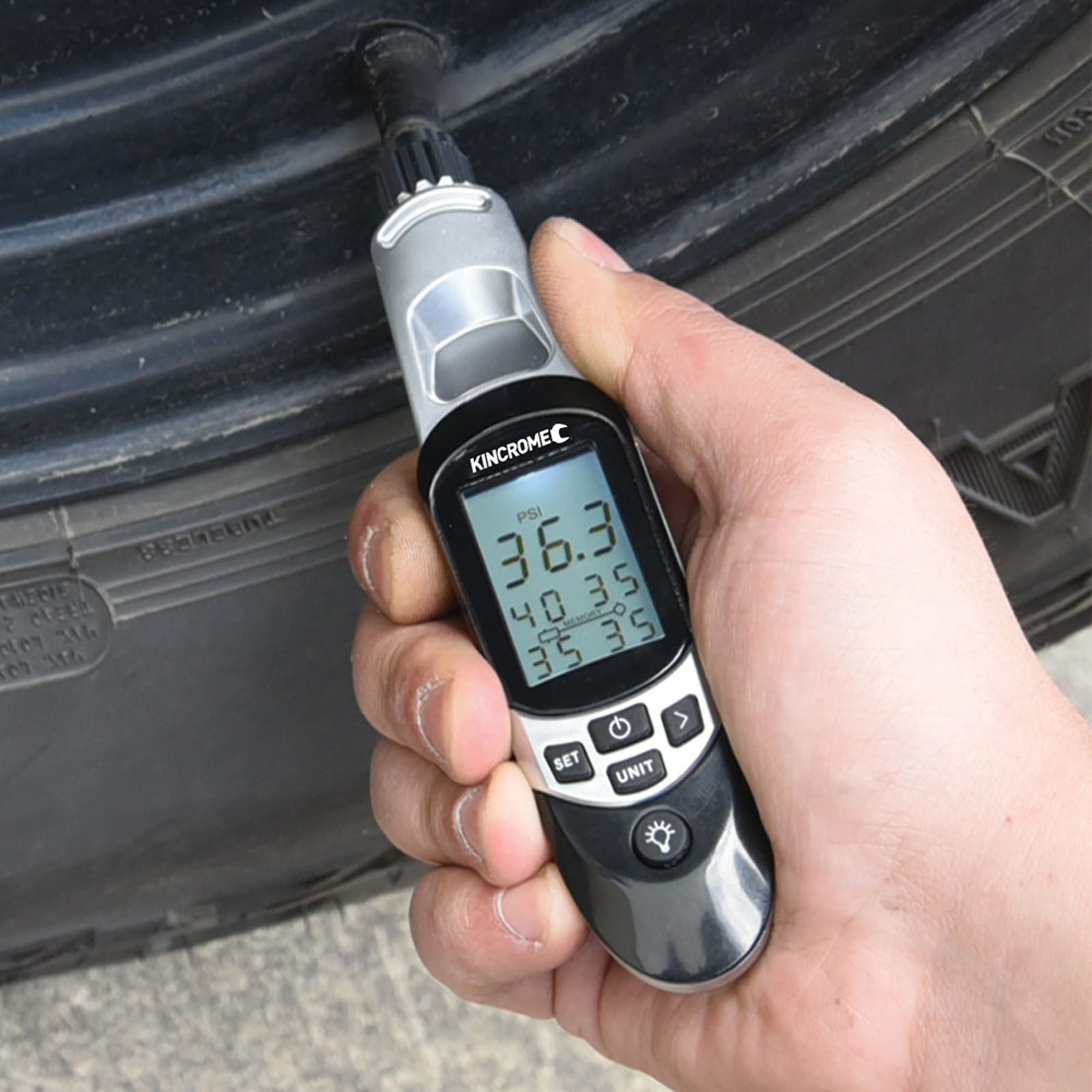
8. Driving With Low Tyre Pressure Does Not Affect the Engine
Tyres may seem unrelated to engine health, but incorrect tyre pressure can influence the amount of effort required to move a vehicle. During winter, tyre pressure deserves additional attention because colder temperatures naturally reduce air pressure.
When tyre pressure falls below the recommended level, rolling resistance increases. This means the engine needs to produce more power to maintain the same driving speed.
Higher rolling resistance can increase fuel consumption. Over time, unnecessary engine workload and reduced efficiency may affect the vehicle’s operating costs.
Underinflated tyres also experience uneven wear and generate additional heat during driving. They can negatively affect handling, braking performance, and vehicle stability.
Cold weather can make this issue more noticeable. Tyre pressure typically decreases by approximately 1 PSI for every 10°F drop in temperature, though the actual change depends on conditions.
Drivers should check tyre pressure when the tyres are cold, ideally before driving or after the vehicle has been parked for several hours.
Always follow the pressure recommended by the vehicle manufacturer. This information is usually available in the owner’s manual or on a label inside the driver’s door area.
Do not use the maximum pressure printed on the tyre sidewall as the normal recommended pressure. That figure represents a tyre limit, not necessarily the correct operating pressure for the vehicle.
Maintaining correct tyre pressure supports fuel efficiency, reduces unnecessary mechanical workload, and improves road safety during winter journeys.
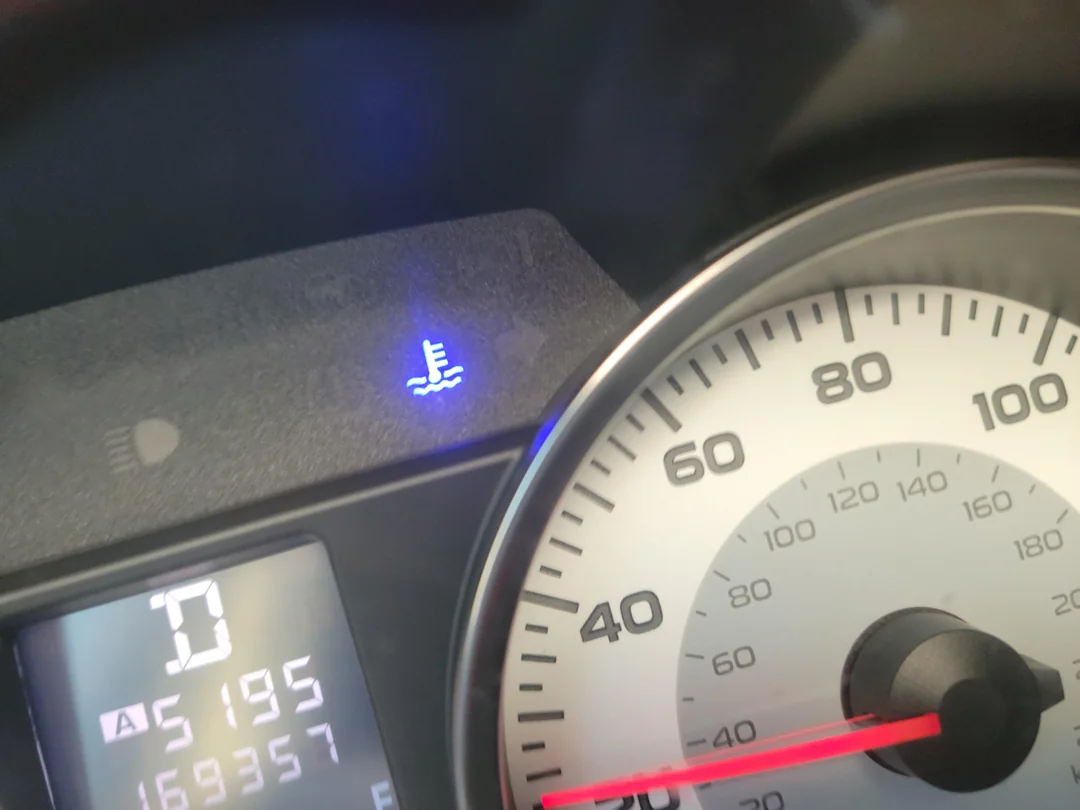
9. A Cold Engine Cannot Be Damaged by Short Trips
Short journeys may appear harmless, especially when drivers only travel a few kilometres during winter. However, repeated short trips can create conditions that are less favourable for engine health.
When an engine starts cold, it generally requires a richer fuel mixture to operate smoothly. Some of this additional fuel can pass into the crankcase and contaminate the engine oil.
Short journeys may end before the engine reaches its normal operating temperature. As a result, moisture and combustion by-products may not evaporate effectively from the engine oil.
Over time, repeated cold starts and incomplete warm-up cycles can contribute to sludge formation and oil deterioration.
Short trips can also place additional demands on the battery. Starting the engine consumes electrical energy, and a brief journey may not provide enough charging time to replace it fully.
Another concern is the exhaust system. Moisture produced during combustion can accumulate inside the exhaust when the system does not become sufficiently hot.
This does not mean every short journey will damage an engine. The risk is generally associated with repeated short-distance driving, particularly in cold conditions and heavy traffic.
Drivers who frequently make short trips should follow the severe-service maintenance recommendations in their owner’s manual. These may include shorter oil change intervals.
Whenever practical, combine several short errands into a single journey. This allows the engine and other systems to operate for a longer period and reduces repeated cold starts.
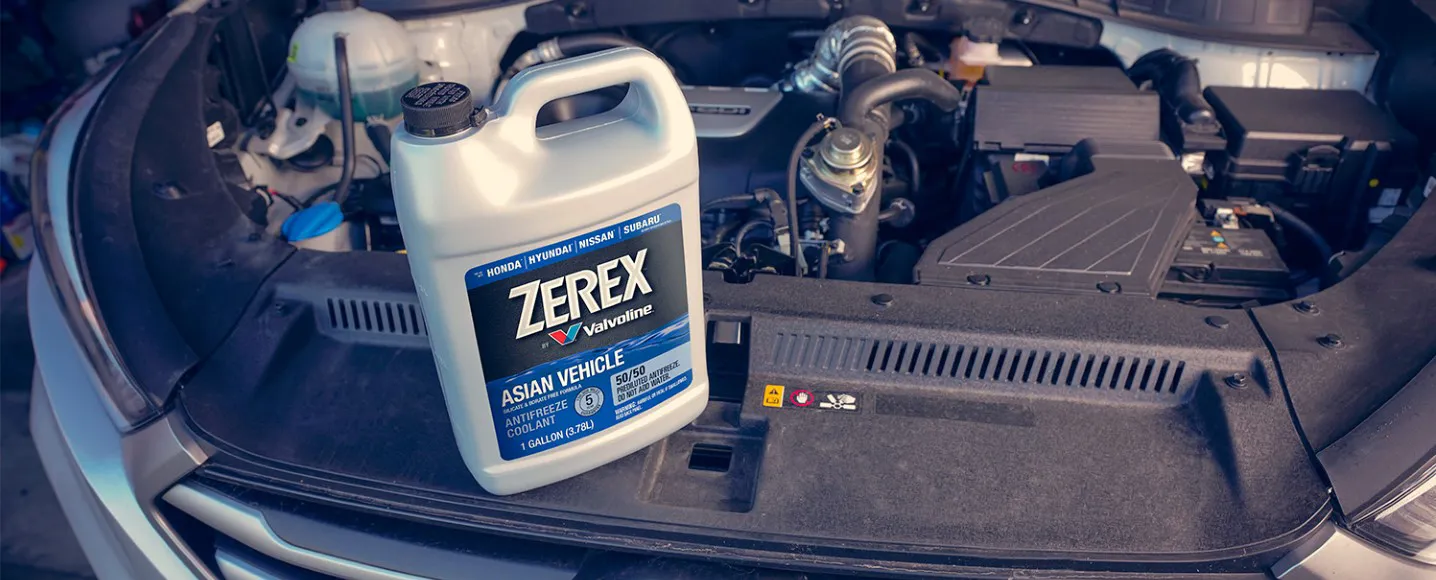
10. Antifreeze Can Be Replaced With Any Available Coolant
Antifreeze is essential for protecting the cooling system against freezing, but not all coolant products are interchangeable. Choosing an unsuitable formulation can create compatibility problems and potentially damage engine components.
Different vehicles require specific coolant technologies and chemical formulations. These products contain additives designed to protect aluminium, iron, seals, and other cooling system materials.
Mixing incompatible coolant types may reduce corrosion protection. In certain circumstances, it can contribute to deposits or sludge that restrict coolant circulation.
Drivers sometimes assume that coolant colour indicates its chemical composition. This is not a reliable method of identification because manufacturers use different colours for various formulations.
The correct coolant specification should always be checked in the owner’s manual or through an authorised service centre.
Some modern vehicles require specialised long-life coolant. Replacing it with a generic product that does not meet the required specification can compromise the cooling system’s protection.
Coolant concentration also matters. Too much water reduces freeze protection, while an excessively concentrated mixture may reduce heat-transfer performance.
Never mix different coolant products unless the manufacturer confirms that they are compatible. If the cooling system needs topping up, use the recommended product and follow the correct procedure.
If the existing coolant type is unknown, professional inspection and replacement may be safer than adding an unidentified product.
Using the correct antifreeze protects the radiator, water pump, hoses, and engine passages. It also helps maintain stable engine temperatures during changing weather conditions.