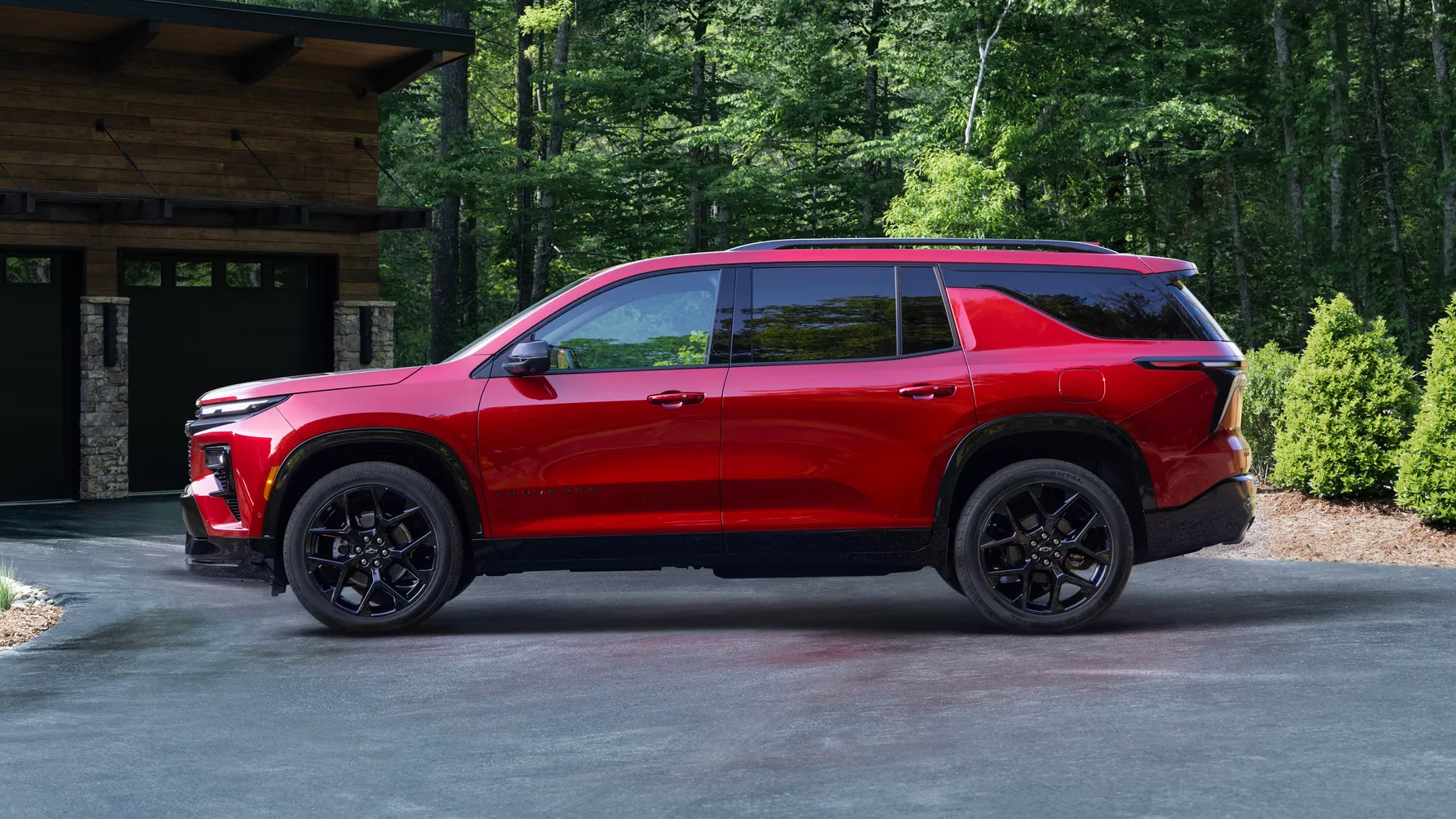
Buying a used SUV requires more than checking its mileage, exterior condition, and service history. Engine noises during a cold start can reveal mechanical concerns that may become expensive if ignored.
Several popular SUV models have been associated with manufacturer technical service bulletins addressing engine rattles, timing system noise, variable valve timing components, or related startup concerns. These documents help technicians identify known problems and recommend appropriate repairs.
Understanding which vehicles have documented issues can help buyers make informed decisions, ask better questions, and avoid unexpected repair costs when choosing a reliable pre-owned SUV.
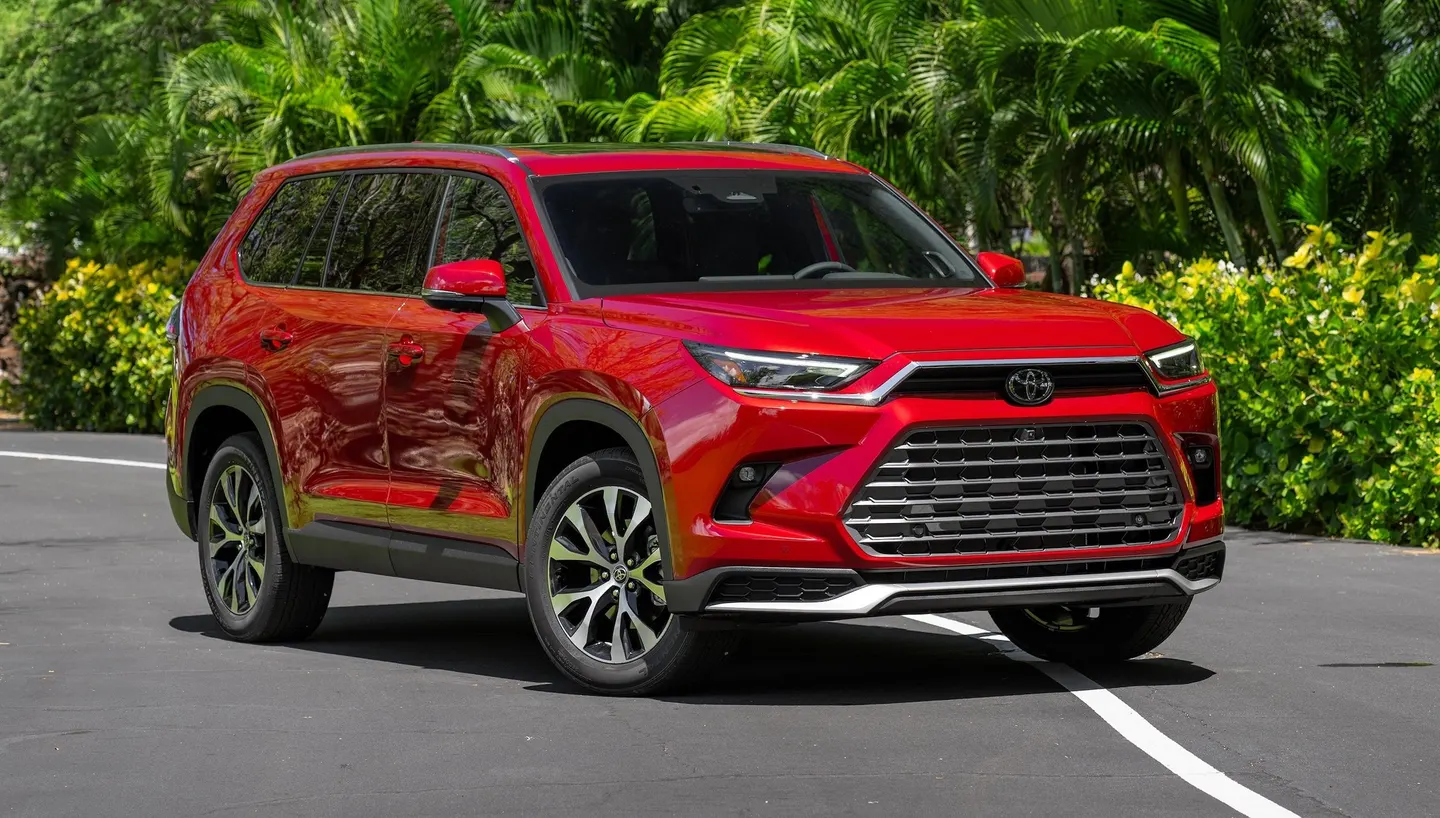
1. Toyota Highlander
The Toyota Highlander has earned a strong reputation for reliability, comfortable seating, and practical family transportation. However, certain models equipped with the 3.5-liter V6 engine have been associated with brief rattling noises during cold starts.
These sounds can originate from the variable valve timing system, particularly when oil pressure takes time to reach internal engine components.
Toyota has issued technical service information for certain engine startup noises involving VVT-i components. The exact bulletin and repair procedure depend on the model year, engine configuration, and vehicle identification number. Buyers should request confirmation that any applicable factory-recommended repair has been completed.
A common symptom involves a brief metallic rattling sound immediately after starting the engine. The noise may disappear within a few seconds as oil pressure stabilizes. While a short startup noise does not automatically indicate severe damage, repeated or prolonged rattling deserves professional attention.
The 3.5-liter V6 uses a sophisticated valve timing arrangement that depends on proper lubrication. Engine oil condition, viscosity, maintenance intervals, and oil filter quality can influence how quickly the system operates after the vehicle has been parked overnight.
During an inspection, buyers should insist on starting the Highlander after the engine has remained completely cold. A recently warmed engine may hide startup-related noises. Listen carefully near the upper engine area and note whether the sound disappears quickly or continues while the engine idles.
Maintenance records are particularly important for these SUVs. Regular oil changes using the manufacturer’s recommended specifications help protect timing components and hydraulic actuators. Missing service records should encourage a more thorough mechanical inspection before negotiations proceed.
The Highlander remains an appealing used SUV because of its spacious cabin, comfortable ride, and practical design. However, buyers should distinguish between normal mechanical sounds and repeated metallic rattling. A qualified Toyota technician can check for applicable service bulletins and identify whether a repair is necessary.

2. Ford Explorer
The Ford Explorer from this generation offers generous passenger space, modern equipment, and several engine choices. Certain vehicles equipped with Ford’s 3.5-liter V6 engines have been associated with startup rattles involving timing chain tensioners and variable cam timing components. The exact concern varies according to engine type and production date.
Ford has published technical service information covering various engine noises and timing-related concerns across its vehicle range. However, not every Explorer from these model years is covered by the same bulletin. Owners should verify the applicable documentation through the vehicle identification number and engine specification.
A cold-start rattle may sound like a brief metallic chatter coming from the front or upper portion of the engine. In some cases, the noise lasts only a moment. Longer-lasting rattles, rough idling, or engine warning lights require a detailed diagnosis rather than an assumption that the issue is harmless.
The timing chain system relies on hydraulic tensioners to maintain correct chain tension. When oil pressure is insufficient, or a tensioner fails to hold pressure during extended parking, excessive chain movement may create noise during initial startup.
Buyers should pay attention to maintenance history, particularly oil change frequency. Extended oil change intervals and neglected lubrication maintenance can increase wear on timing components. A vehicle with consistent servicing records offers greater confidence than an Explorer with unexplained gaps in its history.
A proper pre-purchase inspection should include a cold-start test, diagnostic trouble code scan, and examination of the timing system when symptoms justify further investigation. A technician should also inspect oil condition and verify that the noise is not coming from accessories or other engine components.
The Explorer can provide useful family transportation, but repair expenses associated with timing components can be substantial. Buyers should obtain a written repair estimate if a persistent startup rattle is identified. Negotiating based on a confirmed diagnosis is safer than relying on the seller’s explanation.
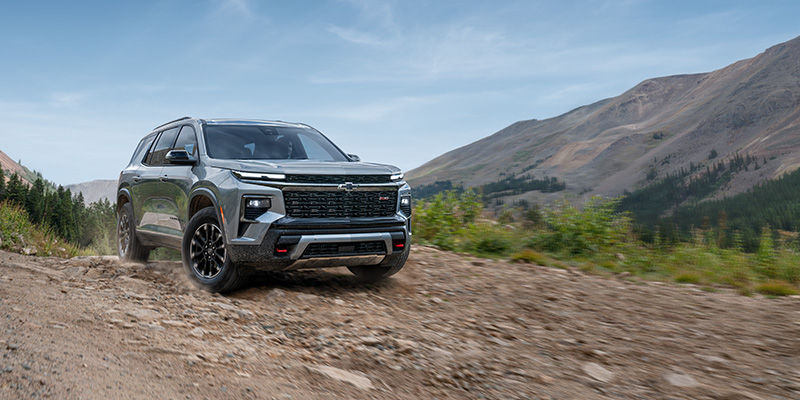
3. Chevrolet Traverse
The Chevrolet Traverse is a spacious crossover SUV designed for families requiring three rows of seating. Many examples use General Motors’ 3.6-liter V6 engine, which has been associated with timing chain wear and related engine noise concerns in certain applications.
General Motors has issued service information concerning timing chain diagnosis and repairs for various 3.6-liter engine applications. Specific bulletins, coverage, and repair procedures depend on the engine generation and vehicle production details. Buyers should not assume that every Traverse has the same documented issue.
A timing-related startup rattle can produce a metallic sound shortly after the engine starts. Some vehicles may also develop rough running, reduced performance, or illuminated warning lights. Diagnostic trouble codes associated with camshaft and crankshaft correlation can provide additional evidence of timing system problems.
The 3.6-liter engine uses a timing chain arrangement that requires consistent lubrication. Poor oil maintenance can contribute to accelerated chain and tensioner wear. Oil level and condition therefore deserve attention when evaluating a used Traverse.
Prospective buyers should request maintenance invoices rather than accepting verbal claims about regular servicing. Records showing frequent oil changes, previous timing system repairs, and documented diagnostic work can help establish the vehicle’s mechanical history.
During a cold inspection, listen for rattling around the timing cover area. A technician may need to perform additional testing to determine whether the noise comes from chain movement, tensioner operation, VVT components, or another source. Replacing parts without identifying the actual cause can result in unnecessary expenses.
The Traverse offers good interior space and family-friendly practicality. However, buyers should approach examples with persistent engine rattles carefully. A properly maintained vehicle with documented repairs can still be worth considering, provided the purchase price reflects its condition.
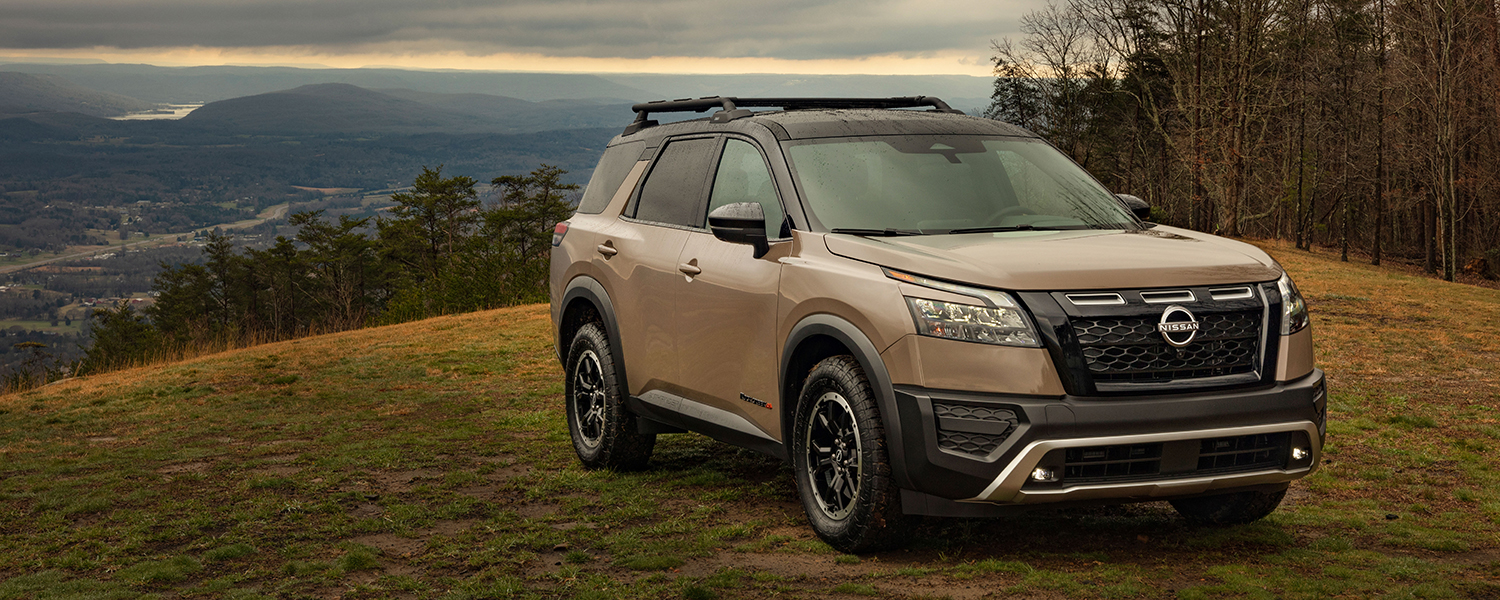
4. Nissan Pathfinder
The fourth-generation Nissan Pathfinder introduced a more road-focused crossover design with three-row seating. Many models use the 3.5-liter V6 engine, which relies on timing chains and variable valve timing components to maintain efficient engine operation.
Certain Nissan V6 applications have documented service information involving timing chain noise and related mechanical concerns. The exact applicability of factory bulletins must be checked against the Pathfinder’s model year, engine identification, and production information.
A cold-start rattle may sound like a brief metallic scraping or chatter from the engine compartment. The location and duration of the noise can help technicians narrow down the cause. Persistent sounds should not be dismissed as ordinary characteristics of an older engine.
Timing chain tensioners depend on engine oil pressure to maintain proper tension. If internal components are worn or oil pressure develops slowly, excess movement may produce noise during startup. Similar symptoms can also originate from valve timing actuators or other lubrication-dependent components.
Buyers should inspect the engine oil level and look for evidence of neglected maintenance. Sludge, contaminated oil, and inconsistent service intervals may indicate that the previous owner did not follow recommended maintenance practices.
A pre-purchase inspection should include a genuine cold start, an electronic diagnostic scan, and a review of applicable Nissan service bulletins. If the noise continues after startup, a technician should determine whether the timing chain system requires attention.
The Pathfinder remains a practical option for buyers seeking three-row seating and a comfortable driving experience. However, examples with unexplained rattling deserve additional scrutiny. A documented repair history and an independent mechanical assessment can reduce the likelihood of unexpected ownership expenses.
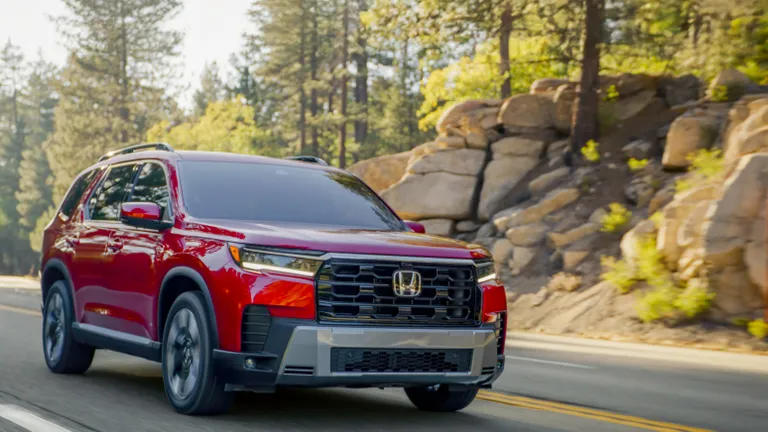
5. Honda Pilot
The Honda Pilot is widely recognized for its comfortable interior, useful storage space, and family-oriented design. Models from this period use Honda’s 3.5-liter V6 engine, which incorporates several components that depend on proper lubrication and accurate valve timing.
Certain Honda V6 applications have been associated with startup noises involving timing belt tensioners and valve timing-related components. Factory service information has addressed specific engine noise conditions across different Honda models and production years. Buyers should verify the exact bulletin applicable to the Pilot being considered.
One possible symptom is a brief rattling or mechanical chatter immediately after starting the engine. However, not every startup noise points to the same fault. Timing belt components, valve train parts, accessory drives, and other engine systems can create similar sounds.
The Pilot uses a timing belt rather than a conventional timing chain. This makes maintenance documentation especially important. Buyers should establish when the timing belt, tensioner, and related components were last replaced according to the manufacturer’s maintenance requirements.
Another area worth examining is the engine’s variable cylinder management system. Certain V6 applications have experienced oil consumption or related maintenance concerns. Low oil levels can contribute to lubrication problems, making regular checks particularly important for older examples.
A technician should inspect the vehicle after it has remained parked overnight. The inspection should include checking for startup noises, reviewing engine fault codes, examining oil condition, and confirming that timing belt maintenance has been performed correctly.
The Pilot can be a sensible used SUV for families who value passenger comfort and practical interior space. Nevertheless, buyers should avoid assuming that Honda reliability eliminates the possibility of expensive repairs. A well-maintained example with complete service documentation is generally a safer purchase.
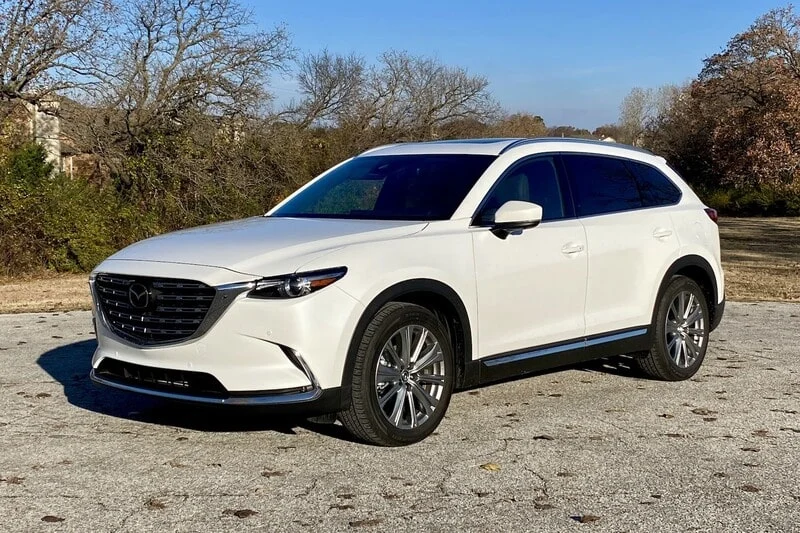
6. Mazda CX-9
The first-generation Mazda CX-9 offers a spacious cabin, responsive handling, and a powerful 3.7-liter V6 engine. Its engine shares design characteristics with certain Ford and Mazda V6 applications, making proper maintenance particularly important when purchasing an older example.
Some Mazda V6 applications have documented engine noise and mechanical service concerns. However, the specific applicability of factory technical bulletins varies by vehicle and engine configuration. Buyers should verify the relevant documentation rather than relying on general reports about similar engines.
A metallic noise during a cold start may originate from timing-related components, valve timing mechanisms, or other parts that require adequate lubrication. The duration, frequency, and location of the sound are important diagnostic clues.
The CX-9’s 3.7-liter engine also deserves attention because of its water pump design. The water pump is located within the engine’s timing system area, making certain repairs particularly labor-intensive. Coolant contamination of engine oil can create serious problems if an internal leak develops.
Buyers should inspect the coolant reservoir, engine oil, and surrounding areas for signs of contamination or leakage. Milky-looking oil, unexplained coolant loss, or overheating history should prompt an immediate professional inspection.
A cold-start inspection should be combined with a detailed review of service records. Ask whether the water pump, timing components, and related repairs have ever been addressed. Receipts provide stronger evidence than a seller’s general statement that the engine runs perfectly.
The Mazda CX-9 offers an enjoyable driving experience and useful passenger capacity. However, its ownership costs can rise quickly when internal engine repairs become necessary. Buyers should prioritize vehicles with documented maintenance and avoid examples showing unexplained mechanical noises.

7. Subaru Forester
The Subaru Forester is popular among buyers who appreciate standard all-wheel drive, good visibility, and practical everyday usability. Many models from this period feature horizontally opposed four-cylinder engines, including the naturally aspirated FB-series engines.
Some Subaru engines have documented service information addressing cold-start noises, oil consumption, timing chain concerns, and valve train operation. The exact technical bulletin depends on the engine family and production year. It is important to distinguish an actual factory bulletin from general owner reports.
A cold-start rattle may originate from the timing chain tensioner, valve train, or other lubrication-dependent components. Boxer engine architecture can also make mechanical sounds seem different from those heard in conventional inline engines.
The timing chain system relies on engine oil to operate its tensioning components. Low oil levels, unsuitable oil specifications, and poor maintenance can affect lubrication performance. Buyers should check whether the previous owner regularly monitored oil consumption.
Certain Forester engines have also been associated with oil consumption complaints. This issue is relevant because insufficient oil can increase mechanical wear and contribute to noise during initial startup.
A thorough inspection should include checking the engine oil level, examining service records, scanning for fault codes, and listening to the engine after an overnight parking period. Any repeated metallic noise should be evaluated by a Subaru specialist familiar with boxer engines.
The Forester remains an appealing used SUV for drivers who need all-wheel-drive capability and a practical interior. However, buyers should pay close attention to oil maintenance and engine condition. A vehicle with consistent servicing and a clean inspection report is generally preferable to a cheaper example with unresolved noise concerns.

8. Hyundai Santa Fe
The Hyundai Santa Fe offers comfortable seating, useful technology, and a broad selection of engine configurations. Depending on the model year and trim, buyers may encounter four-cylinder or V6 powertrains, each with different maintenance requirements.
Certain Hyundai engines have received factory service information concerning abnormal engine noises, timing components, and internal mechanical concerns. Some four-cylinder applications have also been subject to separate engine-related campaigns and warranty programs. These matters should not be treated as interchangeable.
A cold-start rattle can have several possible causes, including variable valve timing components, timing chain tensioners, or other engine parts. The sound’s duration and location help determine which system needs further investigation.
Hyundai’s variable valve timing system uses oil pressure to adjust camshaft timing. When the engine is first started, proper lubrication is essential for the system to operate correctly. Worn components or delayed oil pressure can contribute to abnormal startup sounds.
Buyers should verify whether the vehicle has any outstanding recalls, service campaigns, or applicable technical service bulletin repairs. Engine identification and VIN-specific records are particularly important because different Santa Fe versions may use different powertrains.
The inspection should include a cold start, engine oil examination, electronic diagnostic scan, and review of previous repairs. If the vehicle has a history of excessive oil consumption, engine knocking, or warning lights, obtain a professional diagnosis before making an offer.
The Santa Fe can offer strong value in the used SUV market, but buyers should research the exact engine rather than judging every model by the Hyundai nameplate. A vehicle with complete maintenance records and verified campaign status provides a more reliable ownership proposition.

9. Kia Sorento
The Kia Sorento is a popular midsize SUV available with different engine options across its production years. Depending on the configuration, buyers may encounter four-cylinder engines or V6 powertrains. Understanding the exact engine is essential when investigating cold-start rattling.
Several Kia engine families have been associated with factory service documentation covering abnormal engine noise, timing system concerns, and internal mechanical problems. Certain Theta II four-cylinder engines have also been subject to significant recalls and warranty-related actions.
A startup rattle may originate from timing chain components, variable valve timing mechanisms, or other internal engine parts. In some cases, knocking or persistent metallic noise can indicate a more serious mechanical problem that requires immediate investigation.
The Theta II engine concerns deserve particular attention when shopping for affected Sorento models. Buyers should check whether the specific vehicle is included in an applicable recall or service campaign. A cold-start rattle should never automatically be attributed to a minor timing system issue without proper testing.
Maintenance records can help reveal how the engine has been treated throughout its life. Regular oil changes, documented repairs, and evidence of manufacturer-required inspections are important indicators when evaluating an older Sorento.
A qualified Kia technician should perform a cold-start inspection and review available diagnostic information. The inspection should also establish whether the engine has experienced previous overheating, excessive oil consumption, or internal mechanical damage.
The Sorento can be an attractive choice because of its spacious cabin and available features. However, buyers should be especially careful when considering vehicles equipped with engines affected by known manufacturer campaigns. Checking the VIN through Kia’s official recall resources is an important step before purchasing.
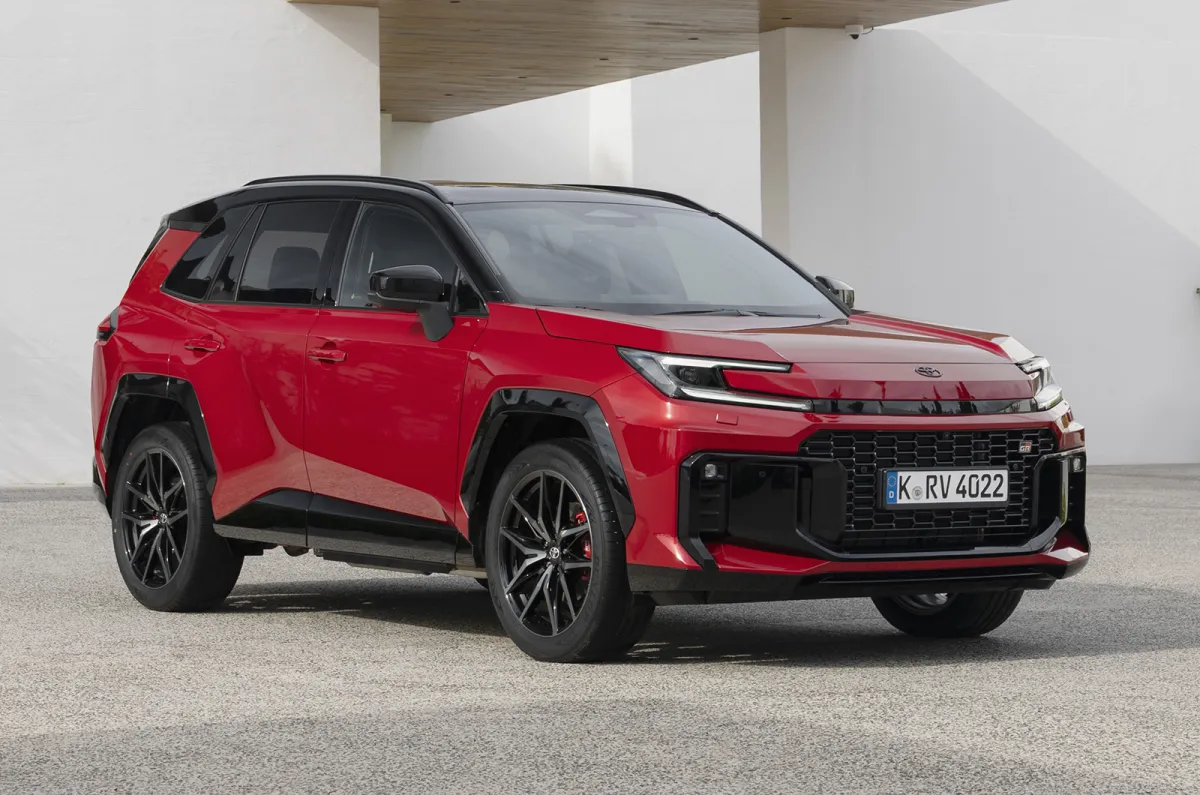
10. Toyota RAV4
The Toyota RAV4 is a compact SUV known for its practical dimensions, economical operation, and everyday usability. Several models from this period were offered with four-cylinder engines, while selected versions featured a V6 option.
Certain Toyota engines from this generation have documented service information involving startup noises and variable valve timing components. However, the specific concerns differ between the four-cylinder and V6 engines, making engine identification essential.
A brief rattling noise immediately after a cold start may indicate an issue with an oil-pressure-dependent component. Potential sources include VVT actuators, timing chain tensioners, and other internal mechanisms. The exact source must be established through mechanical diagnosis.
The four-cylinder 2.4-liter engine used in certain RAV4 models has also been associated with oil consumption concerns. Owners should monitor oil levels carefully because insufficient lubrication can increase engine wear and create additional mechanical noise.
The V6 models have a different engine configuration and should be assessed according to their own maintenance requirements. Buyers should avoid applying service information for the four-cylinder engine to a V6 vehicle simply because both carry the RAV4 name.
During an inspection, ask the seller to leave the vehicle parked overnight before the appointment. Listen to the engine during initial startup and observe whether any rattling continues after the first few seconds. Check for warning lights, leaks, and unusual exhaust smoke.
The RAV4 remains a practical used SUV for buyers seeking a compact vehicle with good everyday versatility. A carefully maintained example can offer dependable transportation, but a persistent startup rattle requires investigation before purchase. Service records and a professional inspection should guide the final decision.