
Buying a used SUV requires more than checking its mileage, exterior condition, and service history. Some vehicles have internal water pumps that sit inside the engine rather than outside it. When these pumps develop leaks, coolant can enter areas where it does not belong, potentially contaminating engine oil and damaging critical components.
Repairs can become expensive if the problem goes unnoticed. Understanding which used SUVs have these designs can help buyers make informed decisions before purchasing a vehicle. This guide covers eight used SUVs, their water pump designs, common warning signs, and the potential repair costs.

1. Ford Explorer
The Ford Explorer is a popular midsize SUV known for its spacious interior, family-friendly features, and wide range of engine options. However, certain models equipped with Ford’s 3.5-liter and 3.7-liter Cyclone V6 engines have an internal water pump design that deserves attention from used vehicle buyers.
These engines use a water pump mounted inside the engine, driven by the timing chain. Unlike conventional externally mounted pumps, this arrangement makes replacement considerably more complicated.
A water pump leak can allow coolant to enter the engine’s crankcase. Once coolant mixes with engine oil, lubrication quality decreases, putting bearings, crankshaft surfaces, and other internal components at risk.
The most concerning aspect of this design is that a failing pump may not produce an obvious puddle underneath the SUV. Coolant can accumulate inside the engine, making early detection more difficult without regular fluid inspections.
Owners may notice unexplained coolant loss, overheating, warning lights, or changes in engine oil appearance. In some cases, a mechanic may identify coolant contamination during an oil inspection before severe engine damage occurs.
Replacing the water pump can require extensive labor because technicians must access components behind the timing chain assembly. This increases repair expenses compared with replacing a conventional external water pump.
Buyers considering a used Explorer with the naturally aspirated 3.5-liter or 3.7-liter V6 should request maintenance records and ask whether the water pump has been replaced. A documented repair can provide useful reassurance, provided the work was completed correctly.
A pre-purchase inspection should include checking the cooling system, inspecting the engine oil, and looking for signs of coolant leakage. Buyers should also confirm the exact engine configuration because not every Explorer uses this internal water pump arrangement.

2. Ford Edge
The Ford Edge shares several engine technologies with the Explorer, including the 3.5-liter and 3.7-liter naturally aspirated V6 engines used in certain model years. These engines feature internally mounted water pumps, creating a potential maintenance concern for secondhand buyers.
The water pump is positioned within the engine and driven by the timing chain. This placement means a relatively small coolant leak can develop into a much more serious mechanical problem if it remains undetected.
When the pump’s internal seals deteriorate, coolant may escape into the engine crankcase. This contamination can reduce the oil’s ability to protect moving parts, increasing the possibility of bearing wear and internal engine damage.
The Ford Edge may show warning signs such as recurring coolant loss, unexplained temperature increases, or milky-looking engine oil. However, not every failing pump produces obvious symptoms immediately.
One challenge is that the water pump is not as accessible as a conventional externally mounted component. Reaching it requires substantial engine disassembly, which contributes to higher labor charges.
A neglected leak can lead to additional expenses if the contaminated oil has already damaged internal components. In difficult situations, the owner may face an engine replacement rather than a simple water pump repair.
Used Edge buyers should pay particular attention to vehicles equipped with the naturally aspirated V6 engines. Service records should establish whether the cooling system has received proper maintenance and whether any water pump concerns have been addressed.
Before purchasing, ask an independent mechanic to inspect the engine oil, cooling system, and surrounding components. It is also important to verify the engine code because the Edge was offered with different powertrains, and not all versions share this design.

3. Lincoln MKX
The Lincoln MKX is a luxury crossover that shares several mechanical components with Ford vehicles. Certain versions equipped with the 3.5-liter and 3.7-liter naturally aspirated V6 engines use an internal water pump arrangement.
This design places the water pump inside the engine, where it is operated by the timing chain. It differs from conventional water pumps that can be accessed from outside the engine without extensive disassembly.
The primary concern involves coolant leakage from the pump’s internal seals. If the coolant enters the crankcase, it can mix with engine oil and compromise lubrication.
Luxury vehicle buyers sometimes focus heavily on leather upholstery, electronic features, suspension comfort, and exterior condition. However, the mechanical condition of the engine deserves equal attention, particularly when considering an older MKX.
An internal water pump leak may initially appear to be a minor cooling system problem. Repeated coolant top-ups can temporarily maintain fluid levels, but they do not address the underlying mechanical failure.
Warning signs include unexplained coolant loss, engine temperature fluctuations, unusual oil appearance, and recurring cooling system problems. A professional pressure test and oil inspection can help identify the source of the issue.
Water pump replacement can be labor-intensive because technicians must access the timing chain area. The final repair bill depends on the model year, engine condition, labor rates, and whether additional timing components require attention.
Anyone considering a used Lincoln MKX should identify the exact engine before making a purchase decision. A detailed service history and independent mechanical inspection can help establish whether the vehicle has received appropriate maintenance.
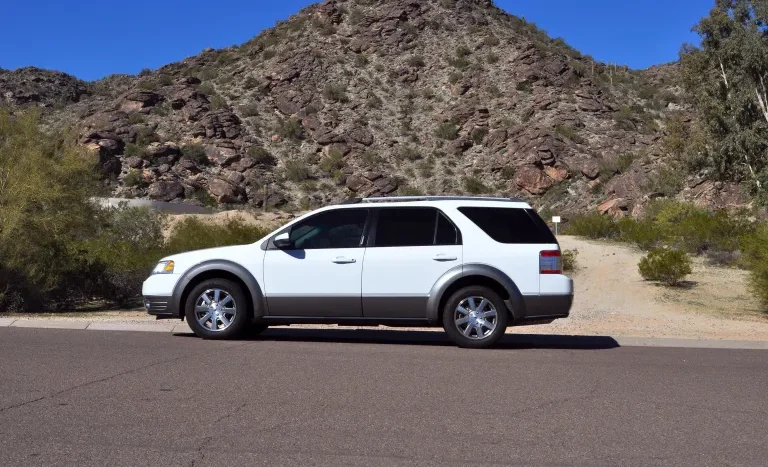
4. Ford Taurus X
The Ford Taurus X is an older crossover SUV that was available with Ford’s 3.5-liter Duratec V6 engine. This engine family uses an internal water pump design, making the vehicle relevant to buyers researching older SUVs with potentially expensive cooling system repairs.
The pump sits inside the engine and is driven by the timing chain. This configuration can make replacement more complicated than servicing a traditional external water pump.
A leak from the internal pump can allow coolant to enter the crankcase. When coolant contaminates engine oil, the resulting lubrication problems can affect critical components, particularly if the vehicle continues operating without repair.
Age adds another concern for the Taurus X. Rubber seals, gaskets, hoses, and cooling system components naturally deteriorate over time, especially in vehicles that have experienced inconsistent maintenance.
Drivers may notice coolant disappearing from the reservoir without a visible external leak. Other symptoms can include overheating, abnormal engine oil appearance, and unexplained changes in engine performance.
A mechanic should inspect the engine carefully before purchase. Checking the oil for coolant contamination and testing the cooling system can help identify problems that might not be visible during a short test drive.
The repair process can involve substantial labor because the pump is located behind the timing chain assembly. Depending on the vehicle’s condition, technicians may recommend replacing related timing components while the engine is apart.
Buyers should be cautious when considering a Taurus X with incomplete service records. An attractive purchase price may not represent good value if the vehicle requires major engine work shortly after ownership begins.
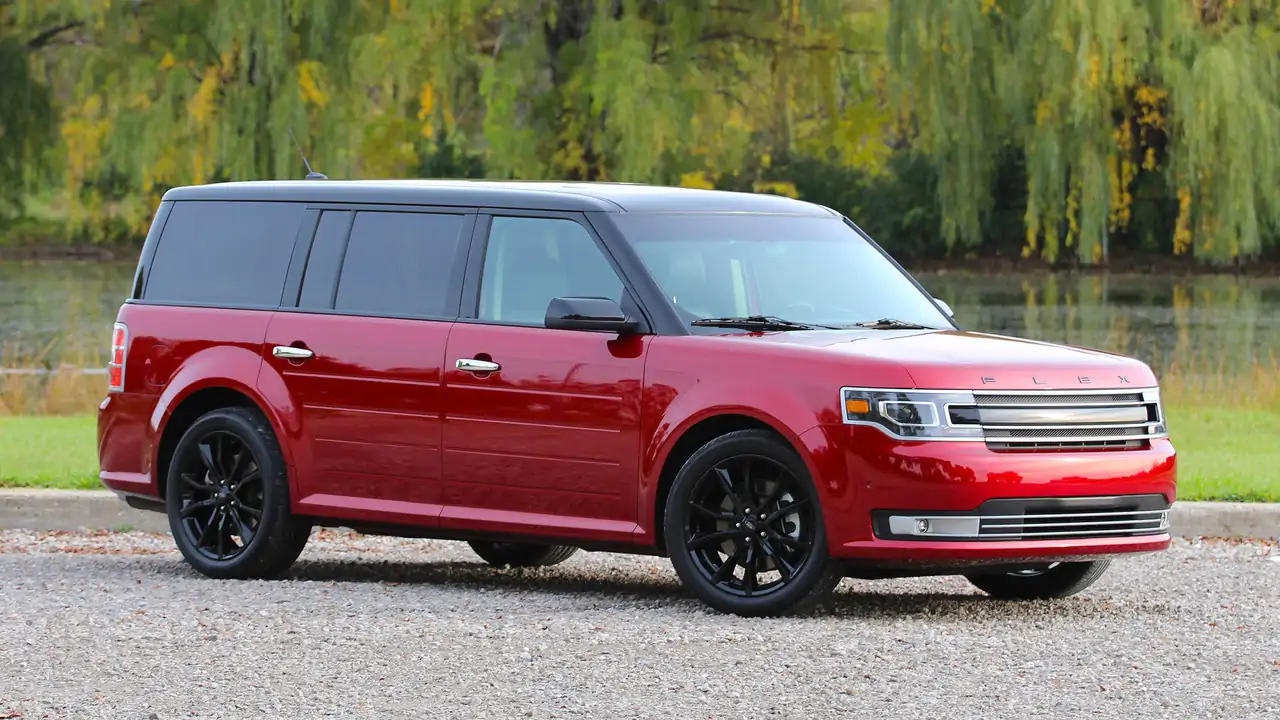
5. Ford Flex
The Ford Flex is a distinctive family-oriented crossover with a spacious cabin and comfortable ride. Certain models equipped with Ford’s naturally aspirated 3.5-liter V6 engine use an internal water pump driven by the timing chain.
This arrangement is important because the water pump is located within the engine rather than mounted externally. A failure can therefore create complications beyond ordinary coolant leakage.
When the pump develops a leak, coolant can enter the crankcase. This creates the possibility of oil contamination, which can affect lubrication and cause serious engine damage if the problem remains unresolved.
The Ford Flex is particularly worth inspecting when considering older examples with higher mileage. Long-term exposure to heat, aging seals, and maintenance issues can increase the risk of cooling system problems.
A common warning sign is unexplained coolant loss. Owners may repeatedly refill the coolant reservoir without noticing an external leak, while the actual problem develops inside the engine.
Other symptoms can include overheating, engine warning lights, and oil that appears unusually cloudy or milky. However, these signs are not exclusive to water pump failure, so a proper diagnosis is necessary.
Replacing the pump involves considerable labor because technicians must access the timing chain assembly. The repair may also require additional parts, fresh fluids, and inspection of related engine components.
Used Flex buyers should request documented maintenance records and arrange an inspection with a mechanic familiar with Ford’s Cyclone V6 engines. Confirming the exact engine configuration is essential because not every Flex powertrain has the same water pump arrangement.

6. Mazda CX-9
The first-generation Mazda CX-9 is a midsize crossover that shares important engine architecture with certain Ford vehicles. Its 3.7-liter V6 engine is part of the Ford-derived Cyclone engine family and uses an internal water pump.
This design deserves attention because the water pump is positioned inside the engine and driven by the timing chain. As a result, replacement requires considerably more work than servicing a conventional external pump.
The main risk appears when the water pump’s seals begin to fail. Coolant can escape into the crankcase, where it may mix with engine oil and reduce its protective properties.
Oil contamination can affect engine bearings and other internal components. If the vehicle continues operating with contaminated oil, the damage can become extensive and potentially require a complete engine replacement.
The Mazda CX-9 may not always display an obvious external coolant leak when this problem develops. Owners should pay attention to recurring coolant loss, unexplained overheating, and changes in engine oil appearance.
Another concern is that the first-generation CX-9 is now an older used vehicle. Age, accumulated mileage, and incomplete maintenance records can make it difficult to determine whether the original water pump remains in good condition.
Water pump replacement involves significant labor because the timing chain assembly must be accessed. Repair expenses can increase further if technicians discover damaged timing components or internal engine contamination.
Buyers should check the vehicle identification number and confirm the engine specifications before purchasing. An independent inspection should include a cooling system pressure test, oil condition assessment, and review of available service records.
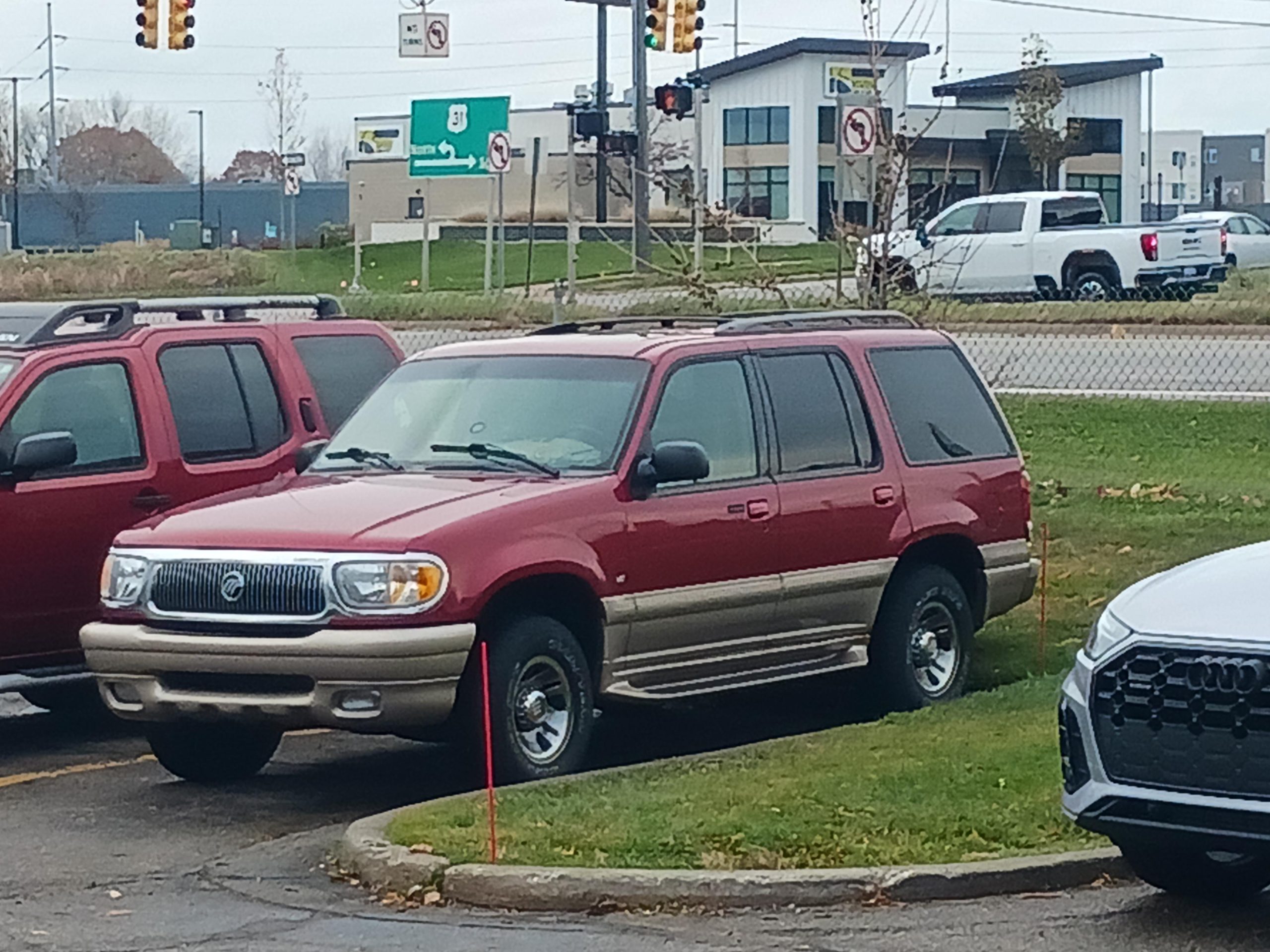
7. Mercury Mountaineer
The Mercury Mountaineer was a midsize SUV that shared several mechanical components with Ford vehicles. Certain older versions were equipped with Ford’s 4.0-liter SOHC V6 engine, which is known for timing chain-related maintenance concerns.
However, it is important to distinguish between timing chain problems and internal water pump problems. The 4.0-liter SOHC V6 uses an internally mounted water pump driven by the engine’s front timing chain.
This arrangement means a water pump failure can require significant disassembly. Coolant leakage may affect surrounding engine components, making early diagnosis important.
When internal seals deteriorate, coolant can escape from the pump assembly. Depending on the location and severity of the leak, the vehicle may experience coolant loss and overheating.
A neglected cooling system can create additional problems, especially in an older SUV with worn hoses, aging gaskets, and a history of inadequate maintenance.
Drivers should watch for unexplained coolant loss, temperature fluctuations, visible leakage, and unusual engine noises. These symptoms can have multiple causes, so a qualified technician should inspect the vehicle before any major repair decision.
The repair process may involve substantial labor to access the water pump and related timing components. The condition of the timing chain system should also be evaluated while the engine is being serviced.
Used Mercury Mountaineer buyers should verify the exact engine and model year rather than assuming every version has the same mechanical layout. Maintenance documentation and a thorough inspection can help prevent unexpected expenses after purchase.
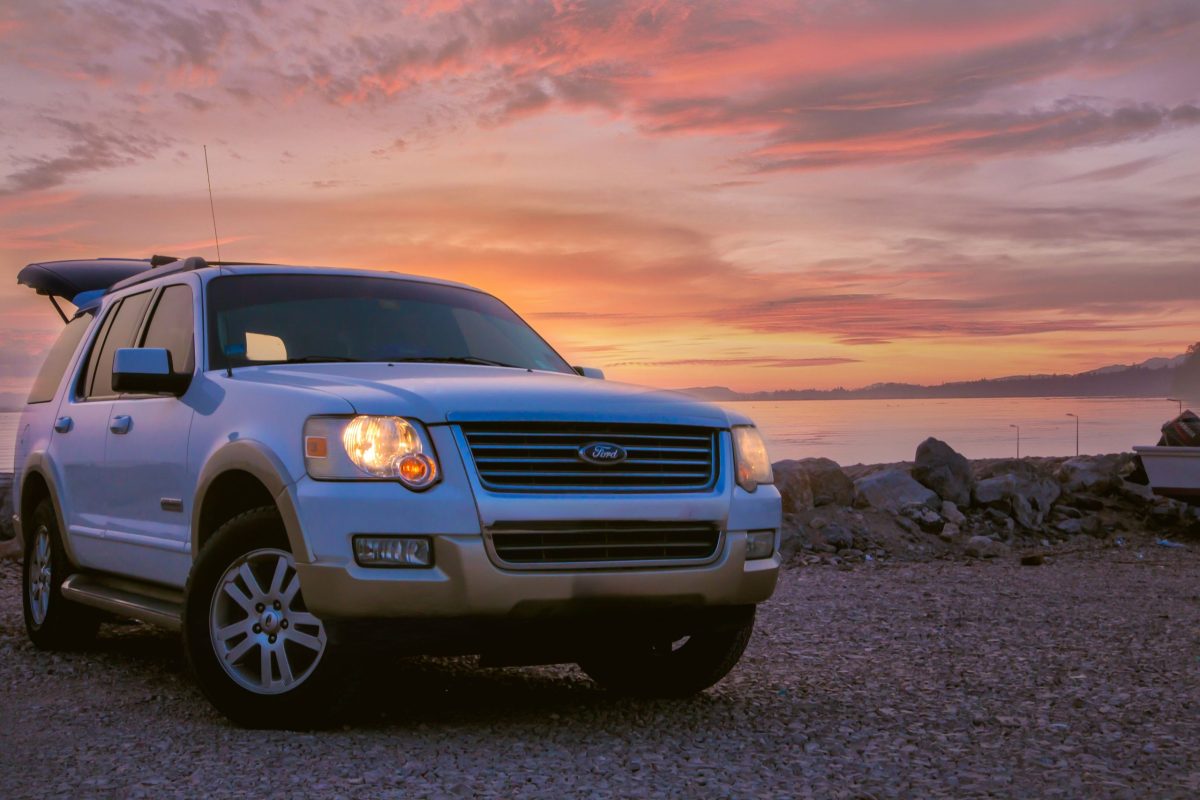
8. Ford Escape Hybrid
The Ford Escape Hybrid deserves attention for a different reason. Certain early Escape Hybrid models use a hybrid-specific cooling arrangement, and their water pump configuration should not be confused with the internal timing-chain-driven pumps found in Ford’s Cyclone V6 engines.
The Escape Hybrid combines a gasoline engine with an electric motor and battery system. This makes its cooling system more complex than that of a conventional gasoline-powered SUV.
Some hybrid versions use separate cooling circuits for different components. Depending on the model year and configuration, electric coolant pumps may serve particular cooling functions.
An electric water pump failure can affect cooling performance and trigger warning lights or temperature-related faults. However, this does not automatically mean coolant can enter the engine oil.
Buyers should understand that an electric coolant pump problem is mechanically different from an internal engine water pump leak. The risks, diagnosis, and repair procedures are not interchangeable.
A proper inspection should include checking the cooling system, scanning the vehicle for diagnostic trouble codes, and examining the hybrid system. The technician should also verify that the coolant circuits are operating according to manufacturer specifications.
Maintenance records are especially important because hybrid vehicles have additional electrical and cooling components that require specialized diagnostic knowledge.
Anyone shopping for a used Escape Hybrid should choose a repair facility familiar with Ford hybrid technology. A general inspection may identify obvious problems, but a hybrid-specific assessment can provide a clearer picture of the vehicle’s mechanical and electrical condition.
9. Nissan Pathfinder
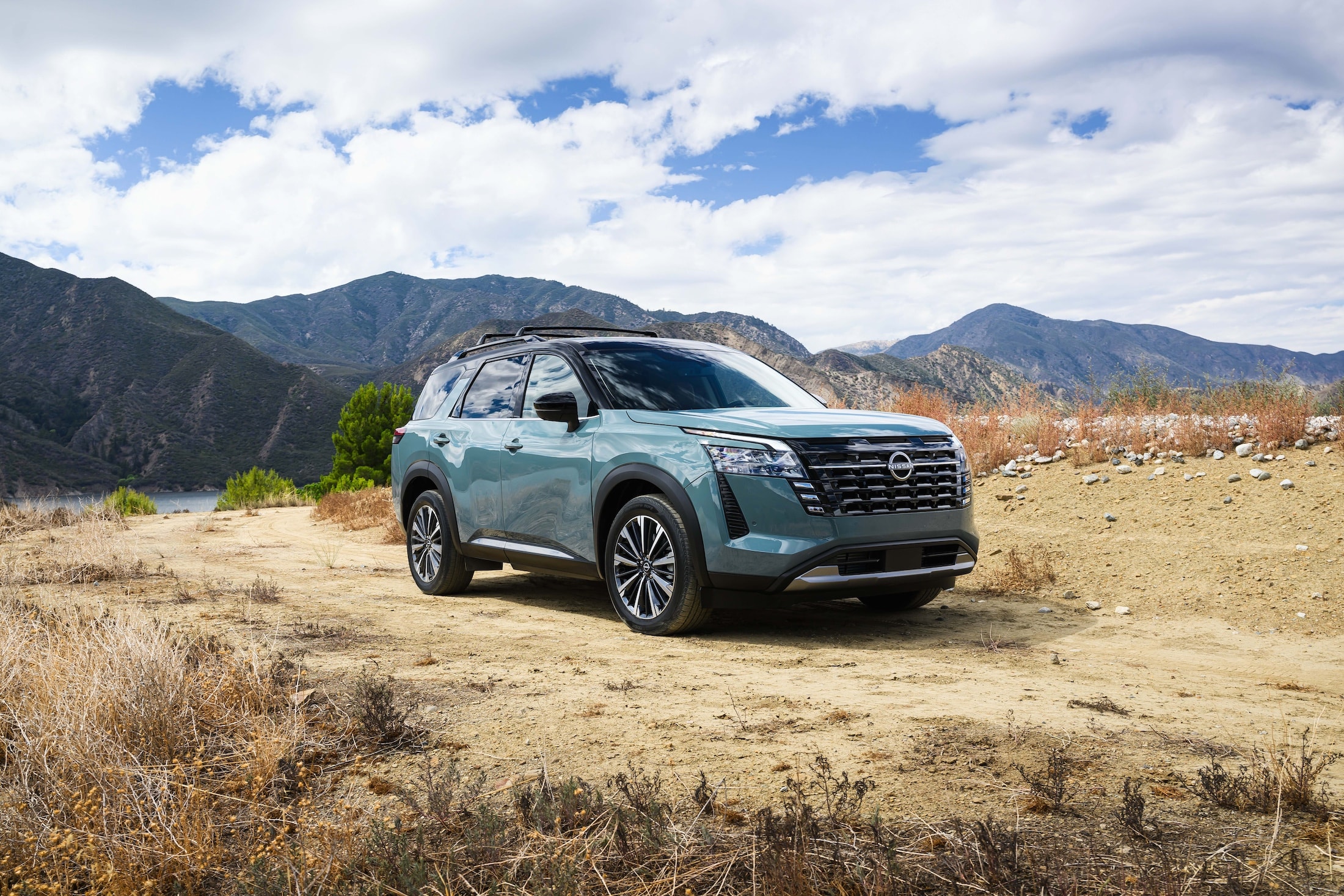
The Nissan Pathfinder is a popular midsize SUV that deserves attention from used vehicle buyers, particularly models equipped with the 4.0-liter V6 engine. This engine, known as the VQ40DE, uses an internally mounted water pump driven by the timing chain.
Unlike conventional water pumps positioned outside the engine, this arrangement makes replacement a more complicated job. Technicians must access the timing chain area, increasing labor requirements and repair expenses.
The main concern is the possibility of coolant leakage from the water pump into the engine’s internal areas. A leak that reaches the crankcase can contaminate engine oil and compromise lubrication.
Coolant contamination can affect bearings and other important engine components. If the vehicle continues operating without proper diagnosis, the resulting damage may become considerably more expensive to repair.
Owners should watch for unexplained coolant loss, overheating, unusual engine noises, and changes in engine oil appearance. These symptoms require professional inspection because they can also indicate other mechanical problems.
Replacing the water pump involves substantial disassembly. Since technicians already need access to the timing chain assembly, inspecting related components during the repair can help identify additional maintenance requirements.
Anyone considering a used Nissan Pathfinder with the 4.0-liter V6 should request maintenance records and arrange a detailed mechanical inspection. Particular attention should be given to the cooling system, engine oil condition, and evidence of previous water pump repairs.
Buyers should verify the engine code and model year before purchasing. Not every Pathfinder uses the same engine configuration, and the internal water pump concern primarily applies to the relevant V6 versions.
10. Nissan Murano
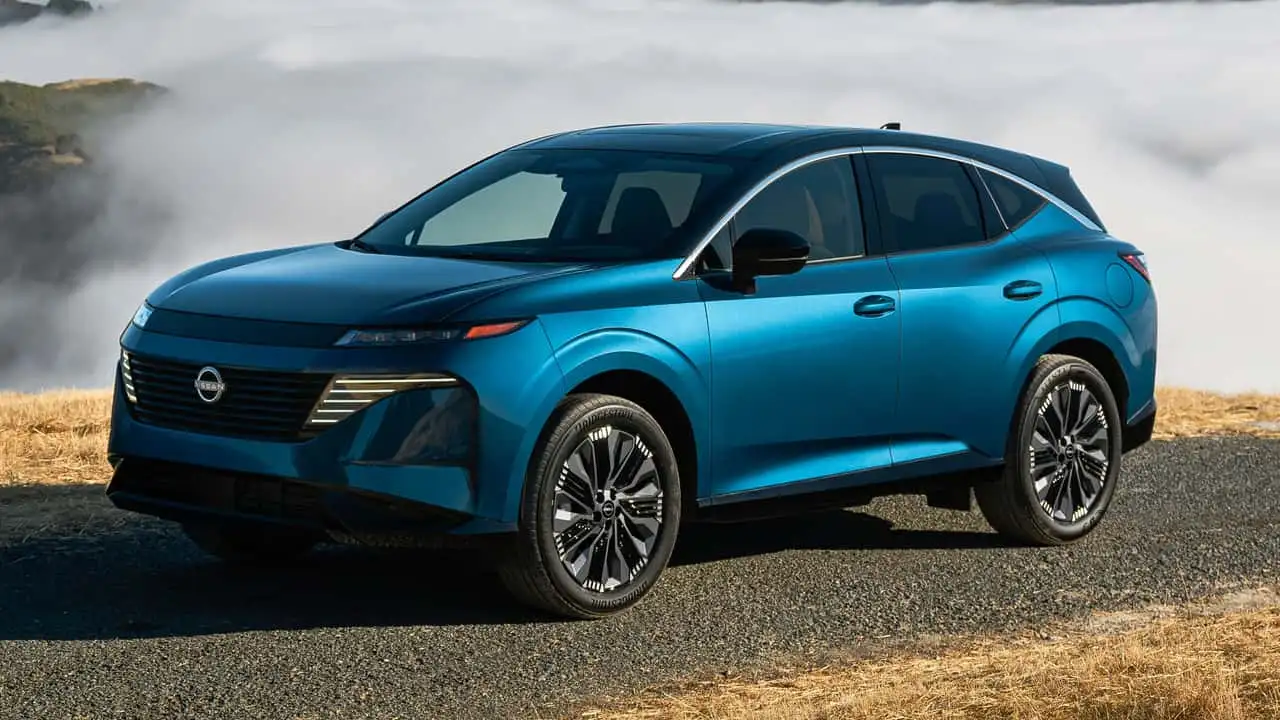
The Nissan Murano is a midsize crossover SUV known for its comfortable interior, smooth ride, and V6 engine options. Certain models equipped with the 3.5-liter VQ35DE V6 feature an internally mounted water pump driven by the timing chain.
This design creates a maintenance concern because the pump is positioned inside the engine’s timing chain area. Replacing it requires considerably more labor than servicing a conventional externally mounted water pump.
When the internal water pump develops a leak, coolant can enter the engine’s internal passages. Depending on the failure location, coolant contamination of the engine oil can become a serious concern.
Contaminated engine oil may lose its ability to provide proper lubrication. This can increase friction and wear on important components, potentially leading to expensive engine repairs.
One warning sign is unexplained coolant loss without an obvious external leak. Drivers may also notice overheating, unusual engine noises, or abnormal oil appearance as the problem develops.
The repair process can be expensive because technicians must access the timing chain assembly to reach the pump. Additional costs may arise if related timing components require replacement or the engine has already suffered internal damage.
Used Nissan Murano buyers should pay particular attention to maintenance records, especially documentation of cooling system repairs and water pump replacement. A professional inspection should include checking the coolant level, examining engine oil, and assessing the cooling system for pressure loss.
Before purchasing, confirm the exact engine configuration and model year. Not every Murano engine has the same water pump arrangement, so buyers should avoid assuming that all versions share this particular mechanical concern.