
Modern cars are designed to deliver reliable performance, fuel efficiency, and long engine life. However, some vehicles develop excessive engine oil consumption, which can lead to costly repairs if the problem is not identified early. Several popular car manufacturers require specific oil-consumption tests before approving certain engine repairs under warranty.
These procedures help dealerships determine whether an engine is burning more oil than the manufacturer’s acceptable limit. Understanding which vehicles may require these tests can help owners recognize warning signs, maintain proper service records, and approach warranty claims with accurate information before facing unexpected repair expenses.
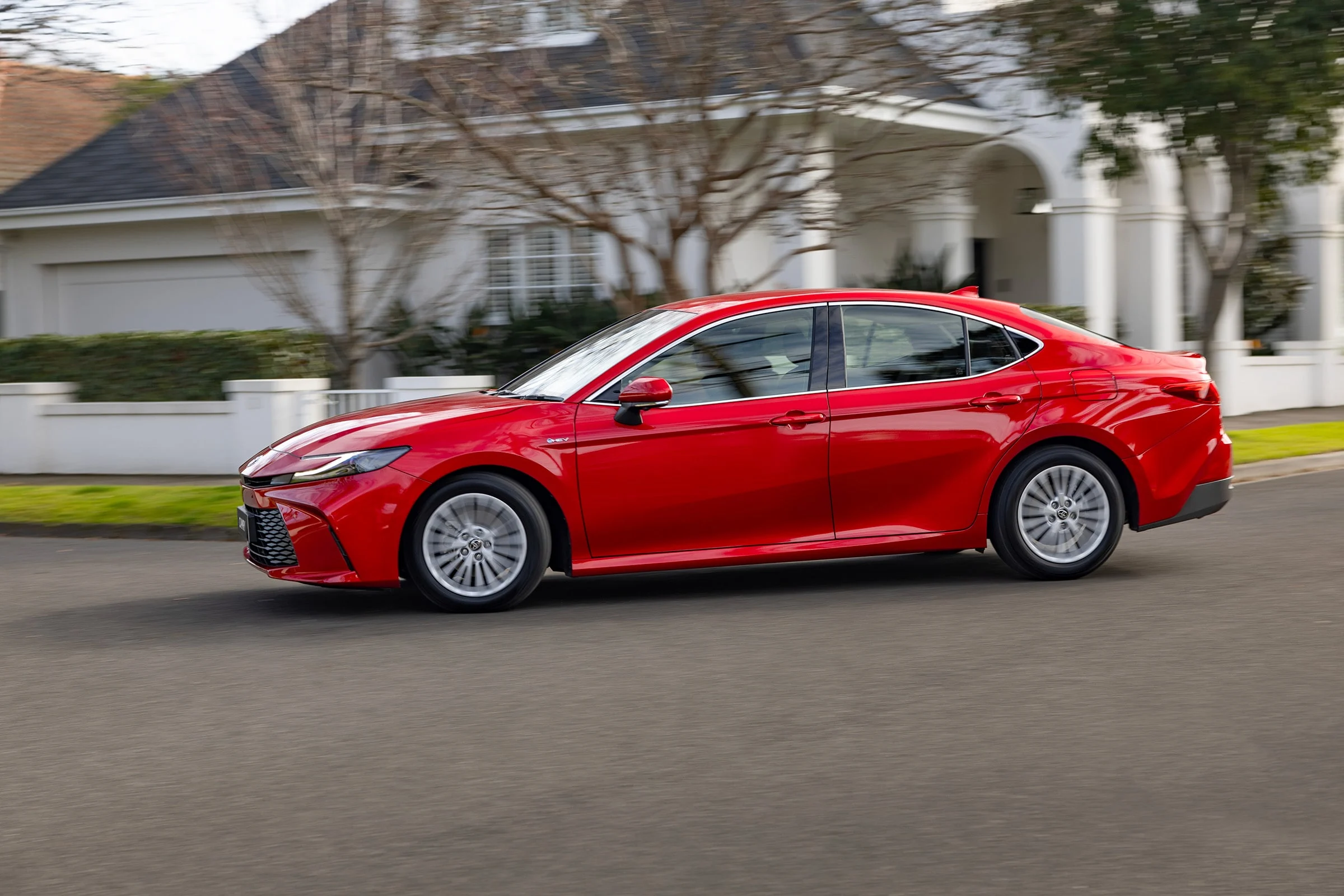
1. Toyota Camry
The Toyota Camry has earned a strong reputation for reliability, comfortable driving, and long-term durability. However, certain older Camry models equipped with specific four-cylinder engines have been associated with higher-than-normal engine oil consumption. This issue has been reported in some vehicles from earlier model years, making oil monitoring important for affected owners.
Excessive oil consumption can occur when engine oil passes into the combustion chamber and burns along with the air-fuel mixture. Worn piston rings, piston design characteristics, and other internal engine conditions can contribute to this problem. Drivers may notice that the oil level drops between scheduled maintenance appointments.
Toyota has issued technical service information and warranty-related guidance for certain vehicles experiencing excessive oil consumption. Depending on the vehicle, engine, and applicable coverage, dealerships may need to complete an oil-consumption test before determining whether repairs qualify.
The test generally involves checking the engine oil level, recording the vehicle’s mileage, and asking the owner to drive for a specified distance. The dealership then measures the amount of oil consumed during that period. Results are compared with the manufacturer’s established guidelines.
Owners should pay attention to repeated low-oil warnings, frequent top-ups, and unusual exhaust smoke. These symptoms do not automatically confirm an internal engine problem, but they justify a professional inspection.
Maintaining accurate service records is particularly important when dealing with a potential warranty claim. Oil-change invoices, mileage information, and records of previous oil additions can help establish how the vehicle has been maintained.
Drivers should also use the engine oil grade recommended in the owner’s manual. Incorrect oil specifications or neglected maintenance can complicate the diagnosis and may affect warranty decisions.
Before authorizing expensive engine work, Camry owners should ask their Toyota dealership whether an official oil-consumption test or applicable warranty extension exists for their vehicle identification number. Coverage depends on the model year, engine, mileage, and applicable warranty terms.

2. Chevrolet Equinox
The Chevrolet Equinox is a popular compact SUV known for its practical interior, comfortable ride, and everyday usability.
Certain model years equipped with the 2.4-liter four-cylinder engine have been associated with excessive oil consumption concerns. Owners of affected vehicles should understand the importance of proper diagnosis before requesting warranty repairs.
Oil consumption problems can develop when engine oil enters the combustion chamber and burns during normal engine operation. Piston rings and related internal components play an important role in controlling oil movement. When these components fail to manage oil properly, the engine may consume more lubricant than expected.
Some Chevrolet vehicles have been covered by service campaigns, special coverage programs, or technical service procedures addressing particular engine concerns. These programs are not universal and do not apply automatically to every Equinox.
An authorized dealership may perform an oil-consumption test to establish how much lubricant the engine uses over a specified driving distance. The initial oil level is recorded, and the vehicle is driven according to the prescribed procedure before the oil level is checked again.
Drivers should watch for an illuminated low-oil warning, frequent oil additions, engine noises, or visible exhaust smoke. Continuing to operate an engine with insufficient oil can increase friction and cause serious internal damage.
A professional inspection can help determine whether oil consumption is related to piston rings, valve seals, external leaks, or another mechanical condition. Identifying the actual cause is essential because different problems require different repairs.
Owners should retain oil-change receipts and maintenance documentation. These records can help establish whether recommended servicing has been completed and provide useful information during a warranty evaluation.
Equinox owners should contact an authorized Chevrolet service department to check their vehicle identification number against available coverage programs. An oil-consumption test may be required before certain warranty-related engine repairs are approved.

3. Chevrolet Malibu
The Chevrolet Malibu has been a familiar name in the midsize sedan segment for many years. Its combination of passenger comfort, everyday practicality, and relatively straightforward driving characteristics has attracted a wide range of buyers. However, certain Malibu model years and engine configurations have experienced reports of increased oil consumption.
The 2.4-liter four-cylinder engine found in some older Malibu vehicles has been associated with oil-related concerns. Engine design, piston-ring performance, wear, and maintenance history can influence how much lubricant an engine consumes during regular operation.
Oil consumption is not necessarily a sign of immediate engine failure. Every internal combustion engine uses a small amount of oil during normal operation. Problems arise when consumption exceeds the manufacturer’s acceptable limits or becomes frequent enough to create lubrication risks.
A dealership may require an official oil-consumption test before approving particular repairs. This process establishes a measurable baseline and provides evidence of the engine’s actual oil usage.
During the procedure, a technician typically checks the oil level, inspects for visible leaks, records the odometer reading, and follows the manufacturer’s testing instructions. The vehicle is then driven for the required distance before another measurement is taken.
Owners should avoid relying entirely on dashboard warning lights to monitor engine oil. Some vehicles may experience a significant reduction in oil level before a warning appears. Checking the dipstick regularly provides an additional layer of protection.
Maintenance history can also influence warranty evaluations. Owners should keep records of oil changes, filter replacements, and any additional lubricant used between scheduled services.
Before requesting major repairs, Malibu owners should ask an authorized Chevrolet dealership about applicable technical service bulletins, special coverage, and oil-consumption testing requirements. The availability of assistance depends on the vehicle’s specific history and warranty eligibility.

4. Subaru Forester
The Subaru Forester is widely recognized for its practical design, standard all-wheel-drive system on many model years, and suitability for different road conditions. However, certain older Forester models have experienced reports of excessive engine oil consumption, particularly those equipped with specific versions of Subaru’s horizontally opposed four-cylinder engines.
Subaru’s boxer engine design places the cylinders horizontally, creating a distinctive engine layout. While this arrangement offers packaging and handling benefits, certain engine generations have experienced oil-consumption concerns linked to piston rings and internal engine characteristics.
Owners may discover the problem when checking the dipstick between oil changes. A vehicle that repeatedly requires additional oil before reaching its scheduled service interval deserves attention, even when it continues to drive normally.
Subaru has addressed certain oil-consumption concerns through technical service procedures and warranty extensions for eligible vehicles. These programs have applied to particular models, years, and engine configurations rather than the entire Forester range.
An oil-consumption test may be necessary to establish whether a vehicle exceeds the manufacturer’s specified threshold. The dealership records the initial oil level and mileage before the vehicle completes a prescribed driving period.
Once the test period ends, technicians inspect the oil level again and calculate the amount consumed. The findings help determine whether the engine meets the conditions for further diagnosis or warranty-related repairs.
Forester owners should monitor oil levels regularly, especially before long highway journeys. Driving with insufficient lubrication can increase engine temperatures, accelerate component wear, and potentially lead to severe mechanical damage.
It is also important to follow Subaru’s recommended maintenance schedule and use the correct engine oil specification. Owners should contact a Subaru dealership to determine whether their vehicle qualifies for an applicable warranty extension or repair program.

5. Subaru Outback
The Subaru Outback combines the comfort of a passenger car with the versatility of a crossover. Its all-wheel-drive capability, useful cargo space, and practical ground clearance have made it a popular choice among families and outdoor enthusiasts. Certain older Outback models, however, have experienced concerns involving increased engine oil consumption.
Some affected vehicles use Subaru’s boxer four-cylinder engines, including certain 2.5-liter configurations. Reports of excessive oil consumption have been associated with specific engine generations and internal component conditions.
The problem can develop gradually, making it difficult for drivers to recognize during everyday use. An engine may continue operating normally while its oil level steadily declines between scheduled maintenance appointments.
Regular dipstick checks are therefore important. Drivers who discover that their Outback requires frequent oil additions should arrange an inspection rather than assuming the situation is normal.
For certain eligible vehicles, Subaru has provided warranty extensions or service guidance related to oil-consumption concerns. A dealership may require a controlled oil-consumption test before considering repairs under the applicable coverage terms.
The test typically begins with an oil-level inspection and mileage recording. The vehicle is then driven for a manufacturer-specified period, after which technicians measure the remaining oil and compare the results with the established consumption limit.
Owners should maintain a detailed record of oil changes and any additional oil purchased for the vehicle. These documents can provide useful evidence during warranty discussions and help technicians understand the history of the problem.
Outback owners should check their vehicle identification number with an authorized Subaru dealership to determine whether any relevant coverage remains available. Model year, engine type, mileage, and warranty conditions all influence eligibility.

6. Honda Accord
The Honda Accord has maintained a strong position in the midsize sedan market through its reputation for engineering, comfort, and efficient performance. However, certain Accord models have experienced oil-consumption concerns, depending on their engine configuration and production year.
Some older four-cylinder engines have been associated with oil consumption linked to piston-ring performance and internal engine conditions. Certain V6 engines have also experienced oil-related issues involving cylinder management systems, depending on the model and generation.
The exact cause matters because excessive oil consumption can result from several different mechanical problems. Worn piston rings, valve-stem seals, external leaks, and other engine conditions may produce similar symptoms.
Honda dealerships may conduct diagnostic inspections and controlled oil-consumption measurements when investigating a complaint. Depending on the applicable service information and warranty coverage, documented testing may be required before particular repairs are approved.
During an oil-consumption evaluation, technicians establish an initial oil level and record the odometer reading. The vehicle is then operated under specified conditions before another measurement is taken to calculate lubricant usage.
Drivers should regularly check the engine oil level, particularly if the vehicle has accumulated significant mileage. Waiting for an oil-pressure warning can be risky because such warnings generally indicate a serious lubrication concern rather than routine oil consumption.
Owners should also follow the maintenance minder system and use the engine oil recommended by Honda. Proper servicing helps maintain engine performance and provides documentation that may be useful when discussing warranty eligibility.
Accord owners experiencing repeated oil loss should request a written diagnosis from an authorized Honda dealership. They should also ask whether any service bulletins, warranty extensions, or customer assistance programs apply to their specific vehicle.

7. Hyundai Sonata
The Hyundai Sonata has become a recognizable midsize sedan thanks to its modern styling, comfortable cabin, and range of available powertrains. Certain Sonata model years, particularly those equipped with specific four-cylinder engines, have experienced engine-related concerns that may involve abnormal oil consumption.
Some Hyundai engines have been associated with internal wear, lubrication concerns, and other mechanical conditions that can affect oil usage. The exact issue varies according to engine family, production year, and vehicle history.
Excessive oil consumption can be difficult to identify during the early stages. Drivers may notice that the dipstick shows a lower reading shortly after an oil change, even when the vehicle has covered relatively few miles.
Hyundai dealerships may use an oil-consumption monitoring procedure to investigate these complaints. The process helps determine whether the engine is consuming lubricant beyond the manufacturer’s specified allowance.
The evaluation generally includes checking the engine for external oil leaks, confirming the correct oil level, and recording the mileage. Technicians may then ask the owner to return after driving a specified distance so the oil level can be measured again.
If consumption exceeds the applicable limit, further inspections may be recommended. Depending on the findings, repairs could involve internal engine components or other parts responsible for controlling oil movement.
Hyundai has introduced various engine-related warranty extensions, service campaigns, and product improvement measures for certain eligible vehicles. However, not every Sonata qualifies, and coverage varies according to the specific issue.

8. Kia Optima
The Kia Optima, now succeeded by the Kia K5 in several markets, has been a popular midsize sedan known for its styling, equipment, and comfortable driving experience. Certain Optima model years equipped with specific gasoline engines have experienced concerns involving excessive oil consumption and internal engine problems.
Some affected vehicles use engines from the Theta II family. These engines have been associated with several documented mechanical concerns, including certain bearing-related failures and lubrication problems. Oil consumption complaints may also involve piston rings and other internal components.
It is important to distinguish between excessive oil consumption and engine failure. A vehicle can consume too much oil without having the same underlying problem as another vehicle experiencing mechanical noise or bearing damage.
Kia has introduced various warranty extensions, service campaigns, and engine-related programs for specific eligible vehicles. The conditions differ according to the engine, production date, model year, and applicable program.
An authorized Kia dealership may require an oil-consumption test before approving certain repairs. The procedure provides measurable evidence of lubricant usage and helps technicians determine whether additional investigation is necessary.
The testing process usually involves recording the starting oil level and vehicle mileage. After the vehicle covers the prescribed distance, the dealership checks the oil level again and evaluates the results against the applicable manufacturer guidelines.
Owners should pay attention to engine knocking, unusual noises, low-oil warnings, and repeated oil-level drops. Any concerning mechanical noise should be inspected promptly rather than waiting for a routine oil-consumption test to finish.

9. Volkswagen Passat
The Volkswagen Passat has been sold with several engine options across different generations. Its combination of European styling, highway comfort, and practical interior space has made it a familiar choice in the midsize sedan segment. Certain older Passat models, however, have experienced excessive oil consumption concerns.
Some Volkswagen engines, including particular turbocharged TSI configurations, have been associated with higher-than-expected oil usage. Depending on the engine generation, possible causes include piston-ring design, internal wear, turbocharger-related problems, and valve-seal conditions.
Turbocharged engines operate under demanding temperatures and pressures. Proper lubrication is essential for protecting internal components and maintaining reliable performance. A consistent decline in oil level should therefore receive attention.
Volkswagen has issued technical service information and warranty-related guidance for certain oil-consumption complaints. However, the availability of coverage depends on the vehicle’s engine, model year, mileage, and warranty status.
A dealership may conduct a formal oil-consumption test before considering certain repairs. This procedure usually begins with a detailed inspection and accurate measurement of the engine’s oil level.
The vehicle is then driven according to the manufacturer’s prescribed testing conditions. Once the required distance has been completed, technicians measure the remaining oil and determine whether consumption exceeds the relevant specification.
Owners should check the oil level regularly and avoid driving for extended periods with insufficient lubricant. Ignoring repeated oil loss can increase engine wear and create additional repair expenses.

10. BMW 3 Series
The BMW 3 Series is a well-known luxury sedan range recognized for its driving dynamics, engine performance, and premium interior features. However, certain older BMW engines have experienced excessive oil consumption, making regular oil-level monitoring an important part of ownership.
Some BMW engines use design features that can contribute to oil consumption as components age. Potential causes include piston-ring wear, valve-stem seal deterioration, crankcase ventilation problems, and turbocharger-related conditions.
Oil consumption characteristics can vary significantly between engine families. A four-cylinder turbocharged engine may have different maintenance requirements and potential failure points compared with a naturally aspirated six-cylinder engine.
BMW generally recommends following the vehicle’s maintenance system and using approved engine oil specifications. Owners should not assume that every reduction in oil level indicates a major mechanical problem, but repeated or unusually rapid oil loss deserves investigation.
When an owner reports excessive consumption, an authorized BMW service department may carry out diagnostic checks and a controlled measurement procedure. Depending on the vehicle and warranty terms, an oil-consumption test may be required before particular repairs receive approval.
The test establishes a documented starting point and measures how much lubricant the engine uses over a specified distance. Technicians may also inspect for leaks and examine related systems to identify the source of the problem.
Owners should retain maintenance invoices and records of any oil added between services. These details can help technicians assess whether the engine has developed an abnormal consumption pattern.