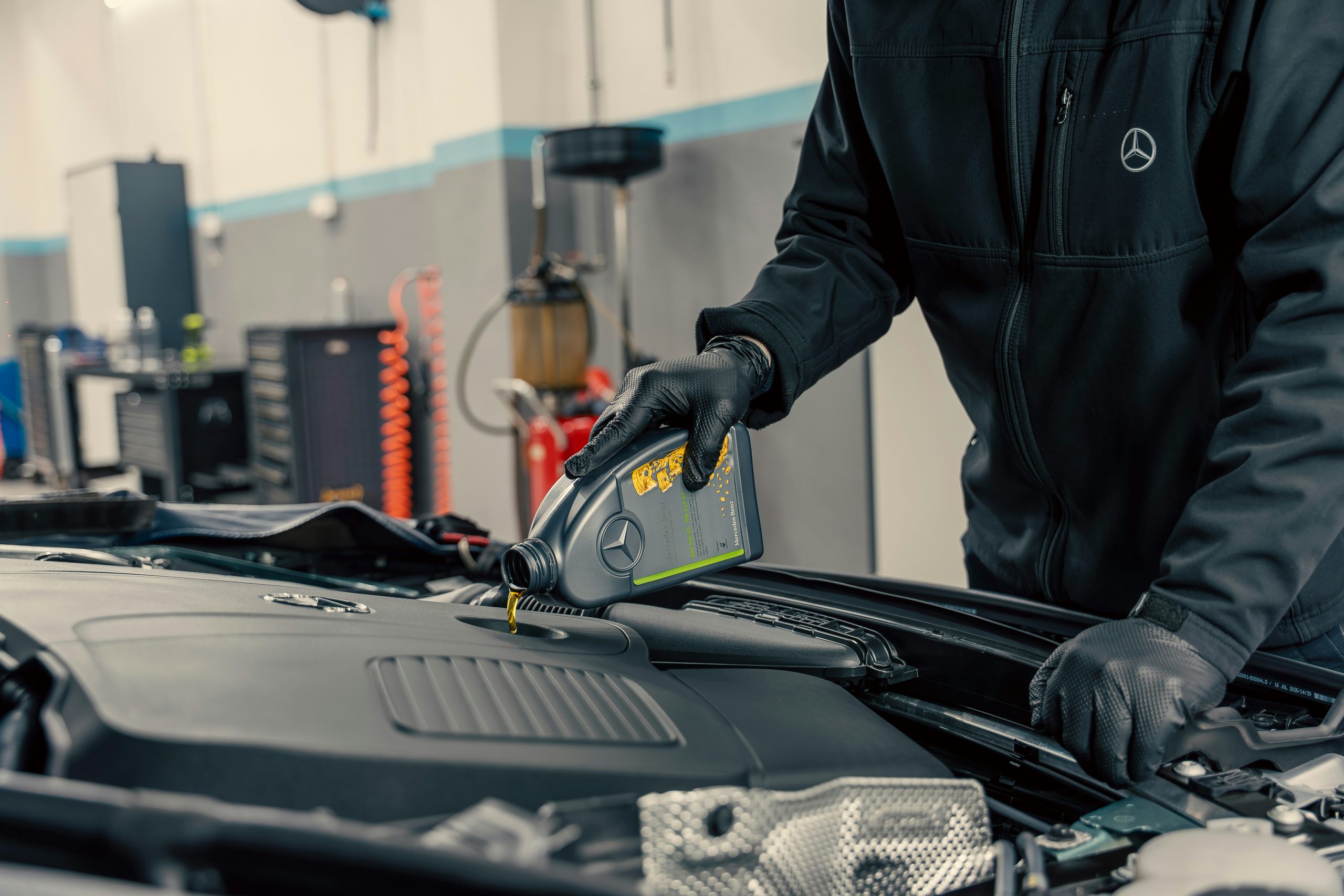
Car maintenance is an essential part of vehicle ownership, but keeping a car in good condition does not have to drain your budget. Regular servicing, timely repairs, and routine inspections help prevent expensive problems, yet many drivers spend more than necessary because they overlook simple ways to reduce costs.
Learning how to save money on car maintenance can help you protect your vehicle, improve its reliability, and avoid unexpected repair bills. From checking tire pressure to comparing service prices, small changes in your maintenance habits can make a meaningful difference without compromising safety or performance.
1. Follow Your Car Manufacturer’s Maintenance Schedule
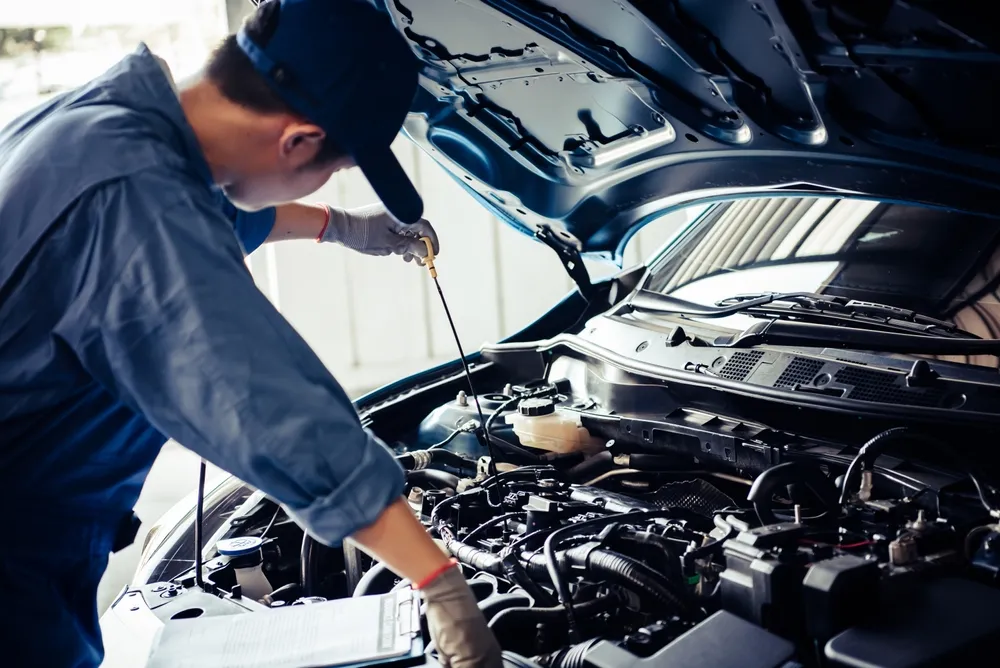
Your car manufacturer’s maintenance schedule is a useful starting point for controlling repair and servicing expenses. It explains when your vehicle needs oil changes, filter replacements, fluid inspections, tire rotations, and other routine services. Following these recommendations helps you avoid unnecessary maintenance while ensuring important tasks receive attention at the right time.
Many drivers follow fixed servicing intervals without considering their vehicle’s actual requirements. However, modern cars often have different maintenance schedules based on mileage, driving conditions, and engine type. Checking your owner’s manual helps you understand which services are necessary and when they should be completed.
Skipping recommended maintenance can lead to expensive mechanical problems. For example, delaying an oil change may increase engine wear because old oil gradually loses its ability to lubricate moving components effectively. Replacing engine oil at the recommended interval is usually far less expensive than dealing with serious engine damage.
It is equally important to understand the difference between essential maintenance and optional services. Some workshops recommend additional treatments or replacements that may not be necessary for your vehicle. Ask the mechanic to explain why a particular service is required and whether it appears in your manufacturer’s maintenance guidelines.
Keep a copy of your vehicle’s maintenance schedule in your glove compartment or save a digital version on your phone. This makes it easier to check upcoming requirements before visiting a service centre. You can also use it to confirm whether a recommended repair is due.
Driving conditions can affect servicing requirements. Frequent short trips, heavy traffic, dusty roads, extreme temperatures, and carrying heavy loads may increase wear on certain components. If you regularly drive under demanding conditions, consult your owner’s manual or a qualified mechanic about the appropriate service intervals.
A maintenance schedule also helps you plan your expenses in advance. Knowing when your vehicle needs a new air filter, brake inspection, or coolant replacement allows you to set aside money gradually rather than dealing with several unexpected expenses at once.
Following the manufacturer’s recommendations keeps maintenance organised, reduces unnecessary spending, and helps preserve your vehicle’s long-term reliability.
2. Check Tire Pressure Regularly
Tires are among the most important parts of your vehicle because they affect braking, handling, fuel efficiency, and driving comfort. Maintaining the correct tire pressure is a simple habit that can help you avoid premature tire replacement and unnecessary fuel expenses.
Underinflated tires create additional rolling resistance, which means your engine needs more energy to keep the vehicle moving. This can increase fuel consumption over time. Proper inflation helps reduce this resistance and allows your tires to perform as intended.
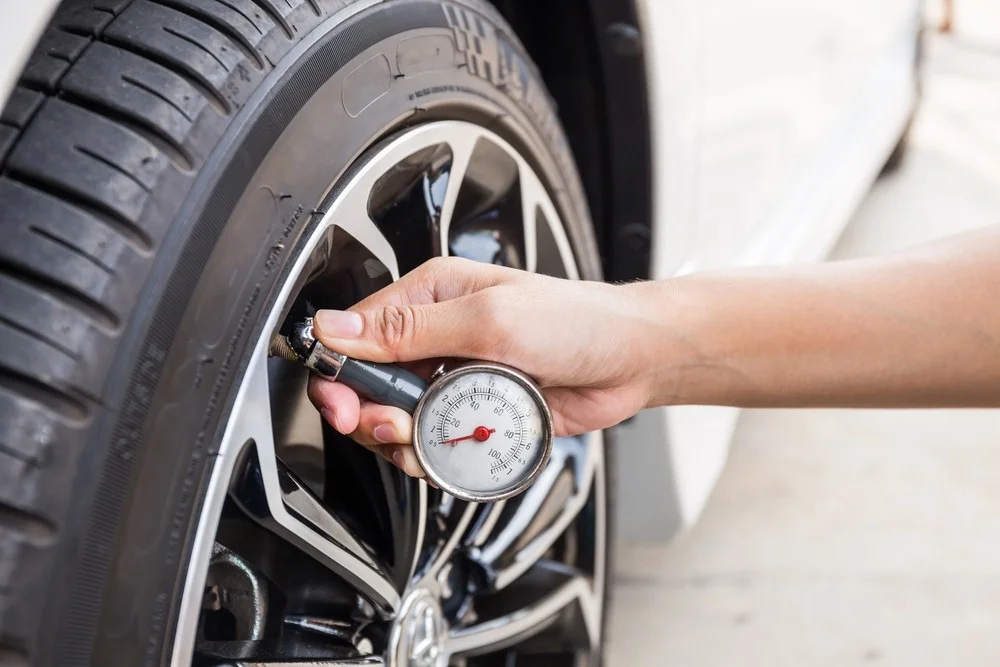
Check tire pressure at least once a month and before long journeys. It is best to measure pressure when the tires are cold, as driving generates heat that can temporarily increase the pressure reading. A reliable digital tire pressure gauge can make this task easier.
Always follow the recommended pressure listed in your owner’s manual or on the vehicle’s tire information label. Do not rely solely on the maximum pressure printed on the tire sidewall. That figure represents a different specification and may not match your vehicle’s recommended operating pressure.
Pay attention to uneven tire wear. If the edges or centre of a tire are wearing faster than the remaining tread, incorrect inflation could be responsible. However, alignment issues, worn suspension components, and other mechanical problems can also cause uneven wear.
Tire rotation is another useful maintenance practice. Moving tires between recommended positions helps distribute wear more evenly. The correct rotation pattern depends on your vehicle’s drivetrain and tire design, so follow the manufacturer’s instructions.
Inspect your tires for cracks, cuts, embedded objects, and unusual bulges. These signs may indicate damage that requires professional attention. A damaged tire should not be ignored because it can create a serious safety risk, particularly at higher speeds.
3. Change Engine Oil at the Right Time
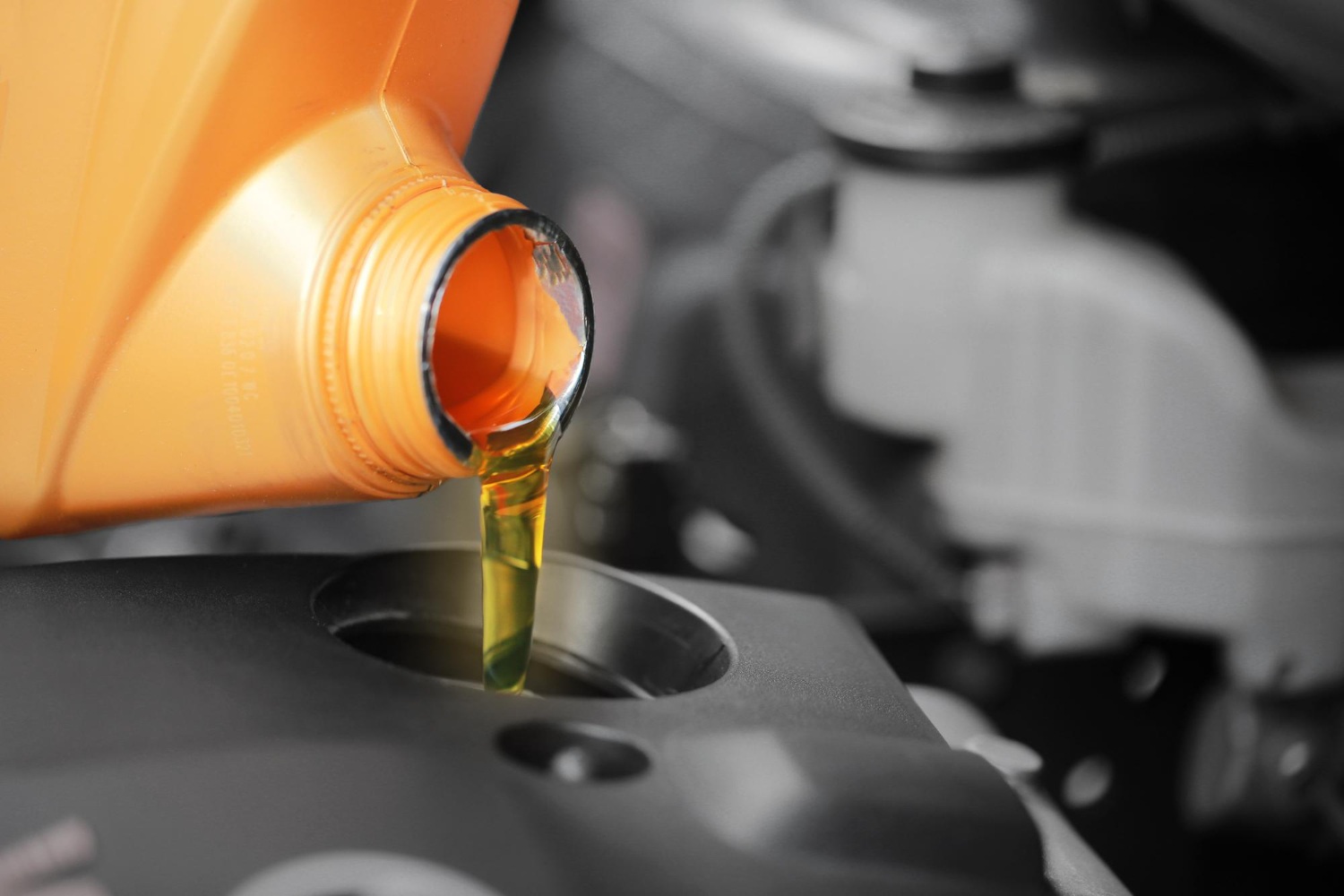
Engine oil plays a major role in protecting your vehicle’s engine. It lubricates moving components, helps control operating temperatures, and carries away contaminants. Replacing it at the correct interval is an important way to prevent expensive mechanical repairs.
Using the wrong oil or delaying an oil change can reduce engine protection. As oil ages, it collects dirt and combustion by-products. Its performance can gradually deteriorate, making regular replacement necessary for maintaining proper lubrication.
Check your owner’s manual for the recommended oil grade and specifications. Different engines require different formulations, and choosing an unsuitable product can affect performance and component protection. A slightly cheaper oil is not necessarily a better financial choice if it fails to meet the required specifications.
Synthetic oil may cost more initially than conventional oil, but certain vehicles are specifically designed to use it. It can offer advantages in temperature stability and resistance to breakdown. The best option depends on your engine’s requirements rather than price alone.
You do not need to visit an expensive dealership for every oil change. Independent service centres can often provide the same routine service at a lower price. However, confirm that they use the correct oil, a suitable filter, and appropriate service procedures.
Keep records of every oil change, including the date, mileage, oil grade, and filter replacement. These details help you track maintenance intervals and prevent unnecessary repeat services. They can also support your vehicle’s maintenance history if you decide to sell it.
Check the engine oil level periodically using the dipstick or the vehicle’s electronic monitoring system. If the level drops frequently, have the engine inspected for leaks or excessive oil consumption. Simply adding oil without investigating the cause may allow a developing problem to continue.
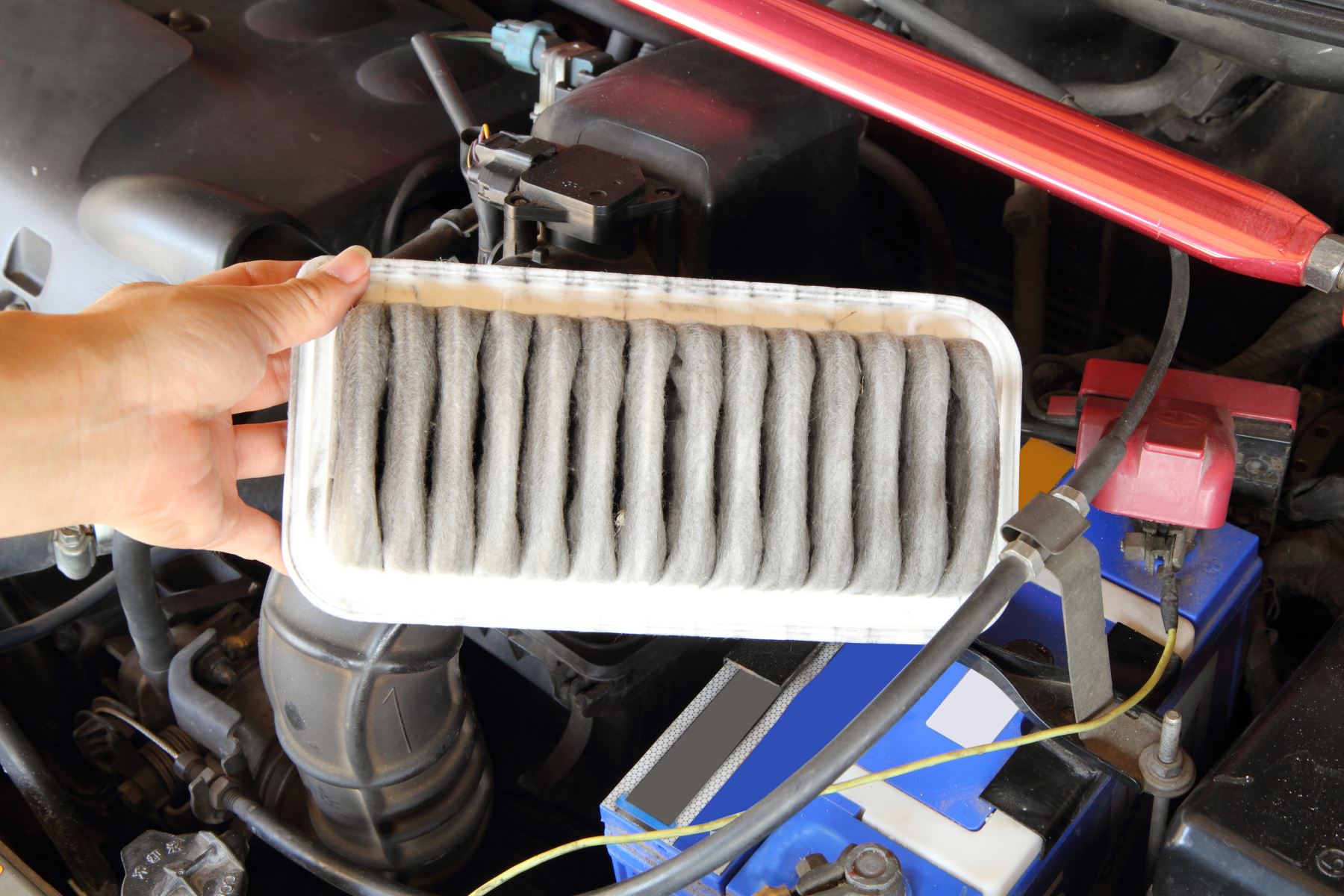
4. Replace Air Filters When Necessary
Your car uses different filters to keep dust, dirt, and other unwanted particles away from important components. Engine air filters prevent contaminants from entering the engine, while cabin air filters help maintain cleaner air inside the passenger compartment.
A clogged engine air filter can restrict airflow and affect engine performance. Depending on the vehicle and driving conditions, this may contribute to reduced efficiency or poor acceleration. Replacing a dirty filter when necessary helps maintain proper airflow.
The cabin air filter serves a different purpose. It captures dust, pollen, and other particles before air enters the vehicle’s ventilation system. A blocked filter can reduce airflow from the air conditioning vents and may contribute to unpleasant smells.
Both filters are generally less expensive than major mechanical components. Checking them during routine servicing can help you identify replacement needs before they affect other aspects of vehicle operation.
Driving conditions influence how quickly filters become dirty. Vehicles regularly driven on dusty roads or in areas with heavy pollution may need more frequent inspections. Following the manufacturer’s replacement guidance is a practical way to avoid replacing filters too early or leaving them unchanged for too long.
Some vehicles have easily accessible air filter housings, making inspection relatively straightforward. If you are comfortable with basic maintenance and understand your vehicle’s design, you may be able to replace certain filters yourself. Always consult the owner’s manual before attempting the job.
Avoid purchasing very cheap filters without checking their specifications and quality. A suitable filter should fit correctly and provide the filtration level required by your vehicle. An improperly fitted component may allow contaminants to bypass the filtration system.
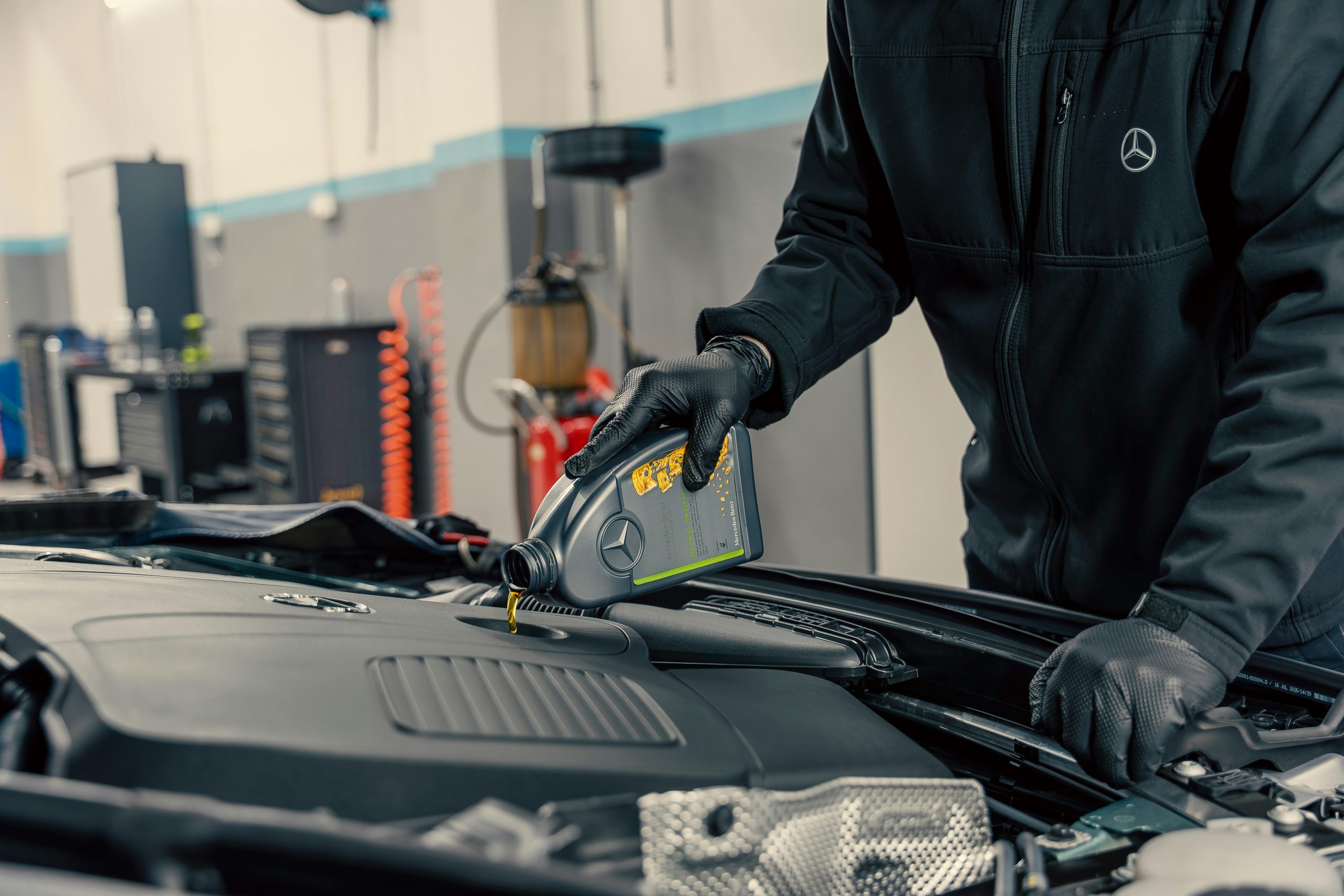
5. Compare Prices Before Choosing a Mechanic
Choosing the right mechanic can make a considerable difference to your annual car maintenance budget. Service charges, labour rates, and replacement part prices can vary between workshops, even when they offer similar work.
Before agreeing to a major repair, request estimates from at least two reputable service centres. Ask each workshop to provide a breakdown of labour costs, parts, taxes, and additional charges. Comparing detailed estimates makes it easier to understand where your money is going.
Do not automatically select the cheapest quotation. Extremely low prices may indicate poor-quality replacement parts, incomplete work, or hidden charges. Look for a balance between reasonable pricing, professional service, and reliable workmanship.
Customer reviews can help you identify workshops with a good service history. Pay attention to feedback about repair quality, communication, transparency, and how the business handles complaints. Recommendations from people who own similar vehicles can also be useful.
Ask whether the workshop uses original equipment manufacturer parts, approved alternatives, or aftermarket components. Different options have different prices and quality standards. A reputable mechanic should explain the available choices and help you select parts that meet your vehicle’s requirements.
For routine work, an independent garage may offer competitive prices compared with an authorised dealership. However, check your warranty conditions before choosing an outside service provider. Some repairs or warranty-related work may need to follow specific manufacturer requirements.
Request approval before allowing additional repairs. Sometimes a workshop identifies other issues during an inspection. While these findings may be legitimate, you should receive an explanation and cost estimate before agreeing to extra work.
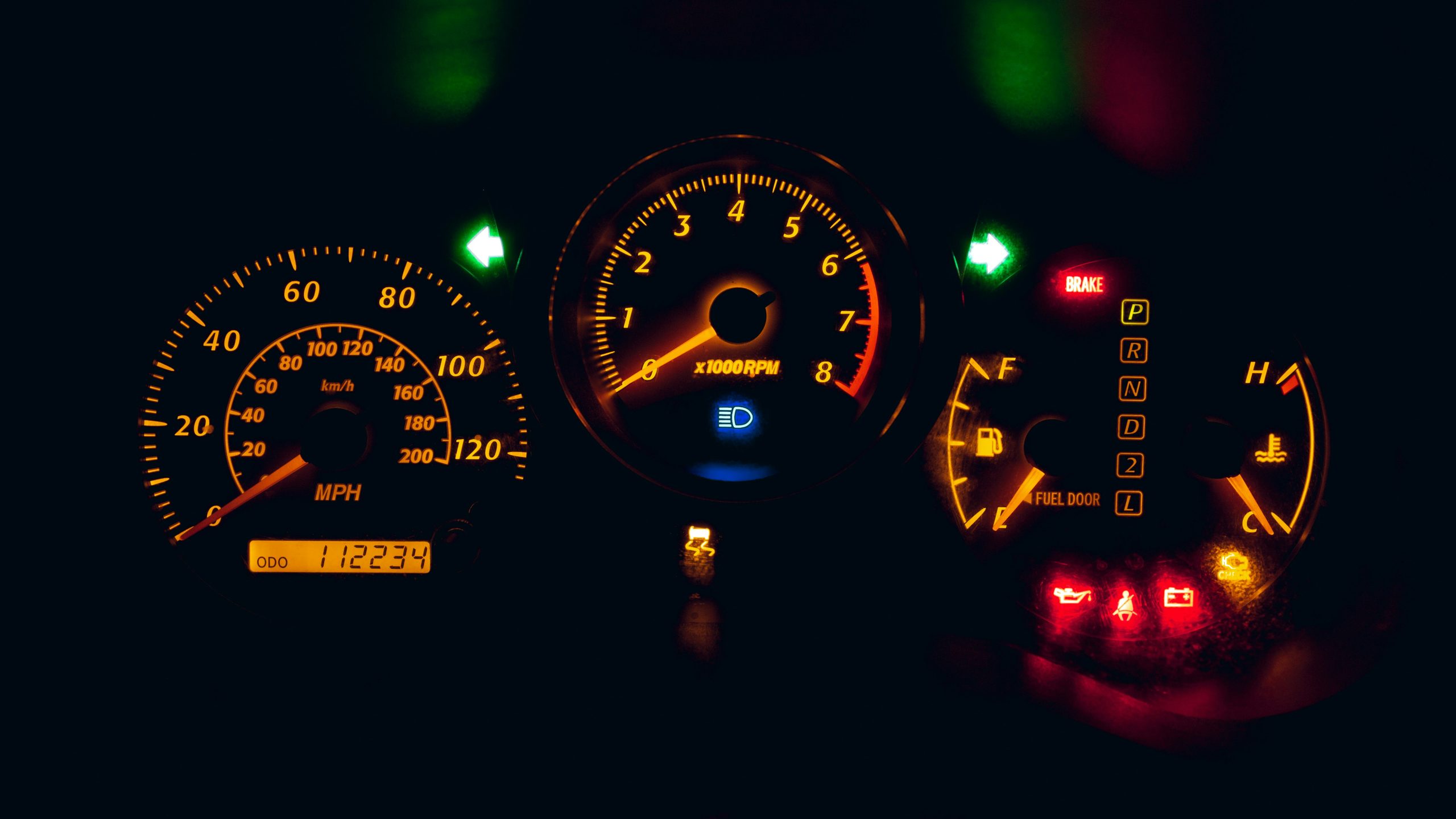
6. Do Not Ignore Small Warning Signs
Minor vehicle problems can become expensive when they remain unresolved. Unusual sounds, dashboard warning lights, fluid leaks, vibrations, and changes in braking performance often indicate that something needs attention.
A squealing noise when applying the brakes may indicate worn brake pads or another braking system issue. Continuing to drive without an inspection can lead to additional damage and higher repair costs. Having the brakes checked early is usually more economical.
Pay attention to dashboard warning lights. Some indicate routine maintenance requirements, while others signal problems that need immediate attention. Check your owner’s manual to understand what each warning means and follow the recommended action.
Unusual engine noises should also be investigated. Knocking, grinding, rattling, or persistent ticking may indicate mechanical problems. The sound alone cannot confirm the exact cause, so a qualified mechanic should inspect the vehicle rather than relying on assumptions.
Fluid leaks are another warning sign. Engine oil, coolant, brake fluid, transmission fluid, and other vehicle fluids serve important functions. A puddle underneath the car should not be ignored, particularly if you notice a drop in fluid levels or changes in vehicle performance.
Changes in steering or handling deserve attention as well. Pulling to one side, excessive vibration, or difficulty controlling the vehicle may point to tire, suspension, wheel alignment, or steering problems. These issues can affect safety and increase wear on other components.
Keep an eye on temperature readings and pay attention to signs of overheating. Continuing to drive an overheating vehicle can cause serious engine damage. Stop safely and follow the manufacturer’s guidance rather than attempting to complete the journey.
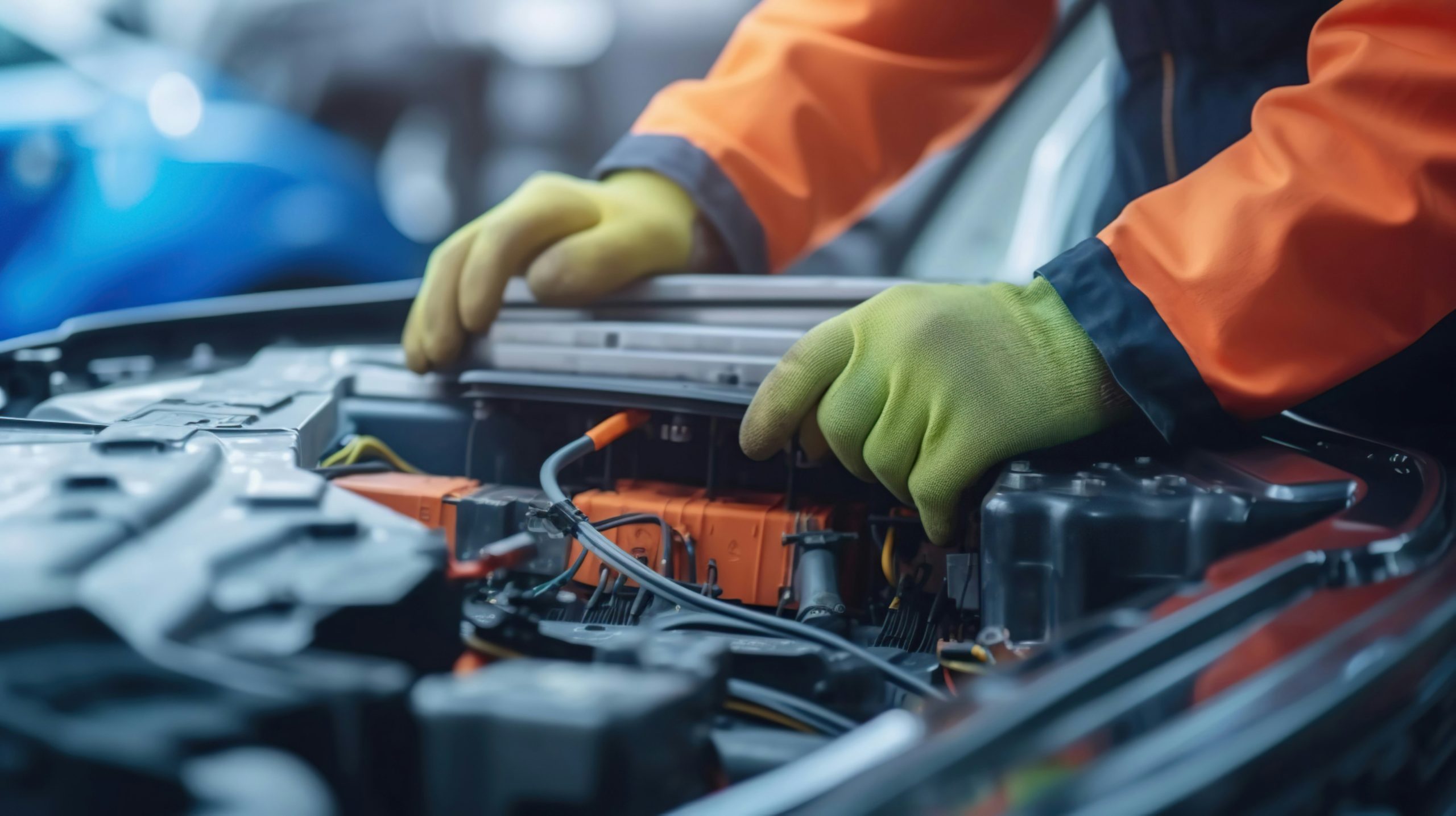
7. Maintain Your Car Battery Properly
A car battery supplies the electrical power needed to start the engine and operate various electrical systems. A neglected battery can leave you stranded and may lead to avoidable replacement or roadside assistance expenses.
Check the battery terminals periodically for corrosion. White or bluish deposits around the connections can interfere with electrical contact. Have corrosion cleaned using appropriate methods, or ask a mechanic to handle the job if you are unsure how to do it safely.
Battery terminals should remain properly secured. Loose connections can cause starting difficulties and inconsistent electrical performance. Avoid handling battery connections without understanding the correct safety precautions.
Pay attention to slow engine cranking. If the engine takes longer than usual to start, the battery may be weakening. However, problems with the starter motor or charging system can produce similar symptoms, so proper testing is important.
Many workshops and battery retailers offer battery health checks. These tests can help determine whether your battery is holding a suitable charge and whether the charging system is working correctly. Testing is generally more useful than replacing a battery based only on its age.
Extreme temperatures can affect battery performance. Very hot conditions can accelerate battery deterioration, while cold weather can make starting more difficult. Parking in a shaded or sheltered location when practical may help reduce exposure to harsh conditions.
Avoid leaving headlights, interior lights, or other electrical equipment switched on when the engine is off. Repeatedly draining the battery can shorten its service life and create starting problems.
Replace the battery when testing indicates that it can no longer perform reliably. Choosing the correct battery specifications is important because size, capacity, and terminal configuration must match your vehicle’s requirements.
8. Take Care of Your Braking System
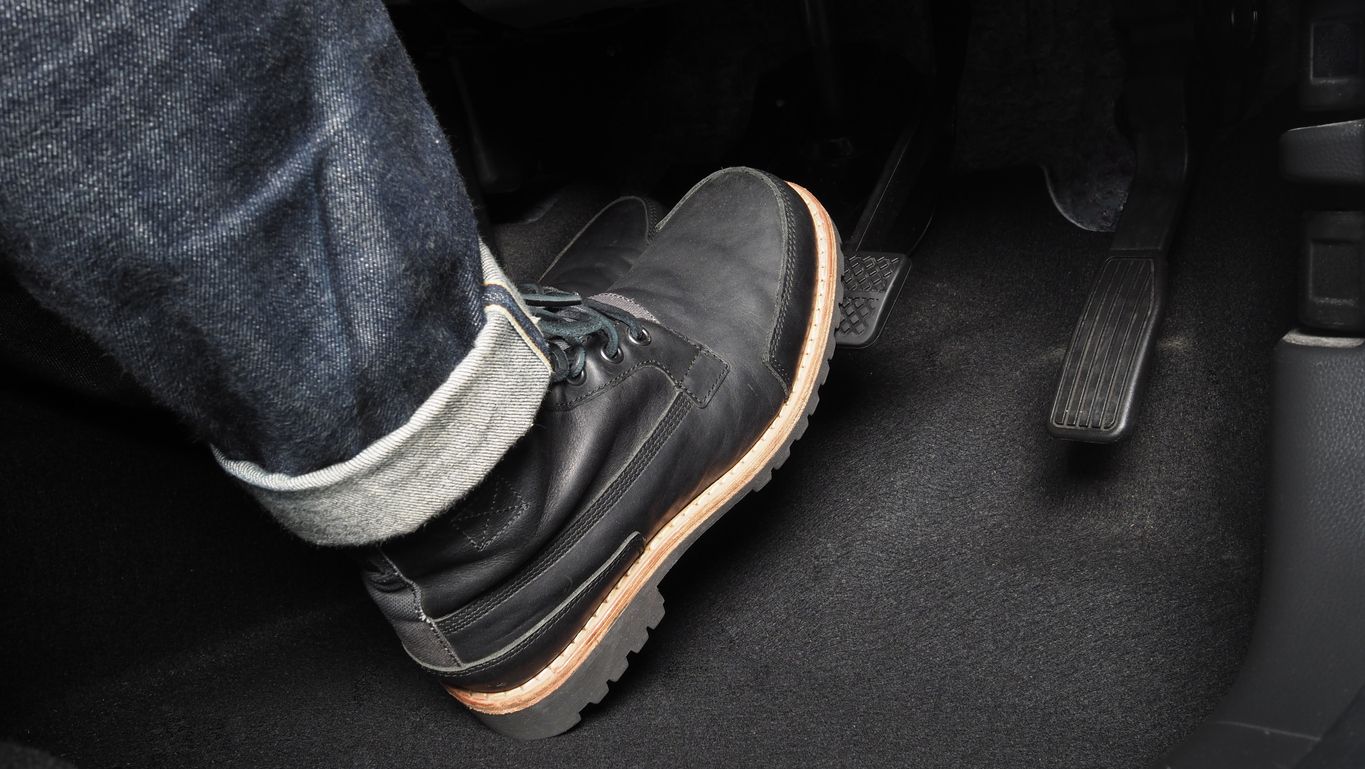
Your braking system is essential for safe driving, and maintaining it properly can also prevent expensive repairs. Brake pads, discs, fluid, and related components experience regular wear and need periodic inspection.
Brake pads gradually become thinner as they create friction against the discs. Waiting too long to replace worn pads can allow metal components to make contact, potentially damaging the discs and increasing repair costs.
Listen for squealing, grinding, or unusual noises when braking. These sounds can indicate worn pads or other issues that require inspection. However, not every brake noise has the same cause, so a professional diagnosis is important.
Brake fluid also requires attention. Over time, it can absorb moisture, which may affect braking performance and contribute to internal corrosion. Follow your manufacturer’s recommended inspection and replacement intervals rather than waiting for visible problems.
Driving habits have a direct effect on brake wear. Repeated hard braking, following other vehicles too closely, and maintaining high speeds before stopping can increase stress on braking components. Keeping a safe following distance allows smoother braking.
Avoid carrying unnecessary weight in your vehicle. Excess load increases the effort required to slow down and can contribute to additional wear on several components, including the brakes.
Ask your mechanic to inspect the complete braking system during scheduled maintenance. Checking pads, discs, hoses, fluid, and related parts provides a clearer picture of their condition and helps identify problems early.
9. Keep Your Car Clean and Protect Its Exterior
Cleaning your vehicle regularly is not just about appearance. Dirt, road salt, bird droppings, tree sap, and other contaminants can damage paintwork if they remain on the surface for extended periods.
Wash your car when it becomes noticeably dirty, paying particular attention to areas where mud and debris collect. Wheel arches, the underside, and lower body panels may require extra attention, especially after driving through muddy or wet conditions.
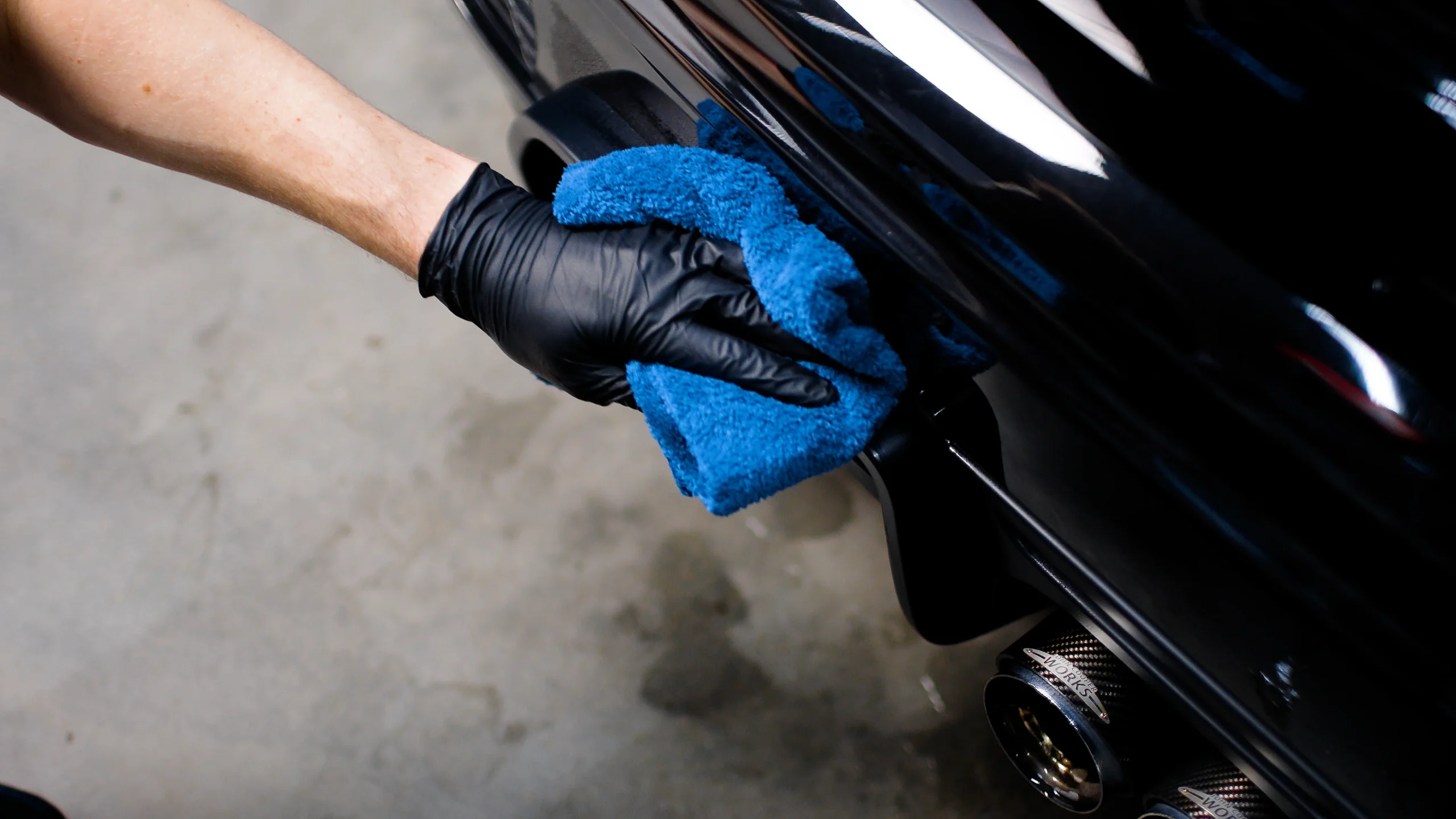
Use products designed for automotive surfaces. Household cleaning chemicals may damage paint, plastic trim, or protective coatings. A suitable car shampoo and clean microfiber cloths can help reduce the risk of scratches during washing.
Do not neglect the interior. Dust, food particles, and moisture can affect upholstery, carpets, and dashboard surfaces. Regular vacuuming and appropriate interior cleaning products help keep the cabin in better condition.
Protect your car from prolonged exposure to direct sunlight when possible. Parking in a covered area or shaded location can reduce heat exposure and help protect the dashboard, seats, paintwork, and other interior materials.
Check door seals and window seals periodically. Damaged rubber seals may allow water to enter the cabin, potentially creating unpleasant smells or moisture-related problems. Replacing a worn seal early may prevent more extensive interior damage.
Waxing or applying a suitable paint protection product can provide an additional protective layer. The right product depends on your vehicle’s paint condition and your budget. Regular washing and proper drying remain important regardless of which protection method you choose.
10. Plan Your Maintenance Budget in Advance
Car maintenance becomes easier to manage when you treat it as a regular household expense rather than an occasional emergency. Planning ahead allows you to prepare for predictable servicing costs and reduces the financial pressure of unexpected repairs.
Start by reviewing your vehicle’s service history. Identify recurring expenses such as oil changes, filter replacements, tire inspections, and scheduled servicing. This information provides a useful estimate of your annual maintenance requirements.
Create a separate savings fund for vehicle expenses. Setting aside a small amount every month can help cover routine maintenance without affecting your other financial commitments. The amount will depend on your car’s age, condition, mileage, and maintenance needs.
Keep track of upcoming replacement requirements. Tires, batteries, brake pads, and other wear-related components eventually need attention. Knowing their current condition helps you estimate when replacement may become necessary.
Use a notebook, spreadsheet, or maintenance tracking application to record service dates, mileage, repair costs, and replacement parts. Having these details in one place makes it easier to monitor spending and identify unusual increases in maintenance expenses.
Do not postpone necessary repairs simply because they were not included in your monthly budget. If a mechanic identifies a safety-related problem, arrange the required work as soon as possible. A maintenance fund exists to help you handle such situations.
Consider the long-term cost of vehicle ownership when making maintenance decisions. A cheaper replacement part may not always provide the same service life as a higher-quality alternative. Compare warranties, specifications, and expected durability before purchasing.