Your car’s glove box may seem like the perfect place to store everyday essentials, documents, and small personal belongings. It offers convenient access to items you might need while driving, making it tempting to use it as a mini storage cabinet.
However, certain belongings can become damaged, create safety concerns, or cause unnecessary trouble when left inside a vehicle.
Heat, moisture, theft risks, and limited storage space are important factors to consider. Knowing what not to keep in your glove box can help protect your valuables, maintain your car’s interior, and make every journey more comfortable and organised.
1. Important Original Documents
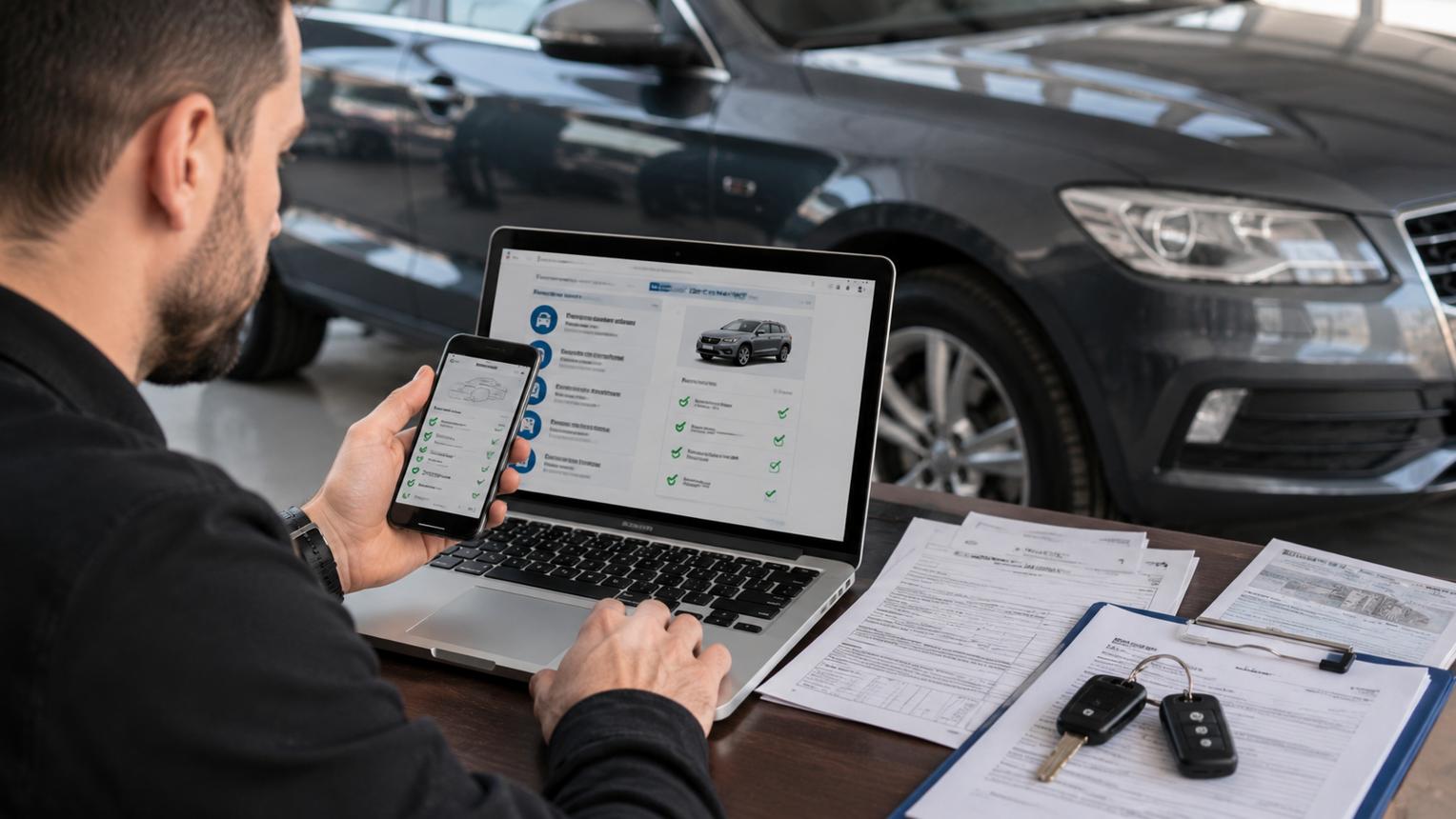
Keeping important documents in your glove box might seem practical because they are easy to reach whenever needed. However, storing original paperwork in your car for extended periods can expose it to theft, heat, and accidental damage. A vehicle is not a secure storage space, especially when parked in public areas or unfamiliar locations.
Your passport, property papers, birth certificate, and educational certificates should remain at home in a secure location. Losing these documents can create considerable inconvenience because replacing them may involve applications, verification, and additional expenses.
Vehicle-related documents require a different approach. Your driving licence, registration certificate, insurance details, and pollution certificate may be necessary during traffic checks, depending on local regulations. Keep the required documents accessible through legally accepted physical or digital formats.
Paper documents can also become damaged due to moisture, spilled liquids, or prolonged exposure to high temperatures. Faded printing and torn pages may make important information difficult to read when you need it.
Another concern is identity theft. Documents containing your full name, residential address, identification numbers, or other personal information can expose you to privacy risks if someone breaks into your vehicle.
Consider keeping digital copies of important personal paperwork in a secure cloud account or encrypted storage. Digital backups can make it easier to access essential information if the original documents are lost or damaged.
You should also review the documents stored in your glove box regularly. Remove expired insurance papers, outdated receipts, and unnecessary copies to prevent clutter from accumulating.
A well-organised document folder containing only essential vehicle paperwork is a better option. It keeps necessary information accessible without turning your glove box into a storage space for sensitive personal records.

2. Medicines and Prescription Drugs
Keeping medicines in your glove box may appear convenient, particularly if you regularly take prescription medication. However, vehicles can experience significant temperature changes, especially when parked outdoors during hot weather. These conditions may affect the quality, effectiveness, and safety of certain medicines.
Many medications have specific storage requirements. Some need to remain at controlled room temperatures, while others require refrigeration. Leaving them inside a parked vehicle can expose them to conditions outside the manufacturer’s recommended range.
Heat-sensitive medicines deserve particular attention. Certain insulin products, liquid antibiotics, eye drops, and injectable medications may become unsuitable for use if stored incorrectly. Always follow the storage instructions provided by your pharmacist or manufacturer.
Prescription medicines can also become difficult to identify when their original packaging is removed. Keeping tablets in loose plastic bags or unlabelled containers increases the risk of confusion, accidental misuse, and incorrect dosing.
There is also a security concern. Prescription medication may contain personal medical information, and some drugs have restrictions on possession or distribution. Leaving them unattended can create unnecessary complications.
If you need medication during a journey, carry it in an appropriate personal bag. Use a temperature-controlled travel container when required, and keep medicines in their original labelled packaging whenever practical.
Before travelling long distances, check whether your medication needs special handling. Ask a healthcare professional or pharmacist about safe transportation if you are unsure about its temperature requirements.
A glove box should not replace proper medicine storage. Keeping medication with you allows you to monitor its condition and access it when needed without exposing it to the changing temperatures inside your vehicle.
3. Electronic Devices
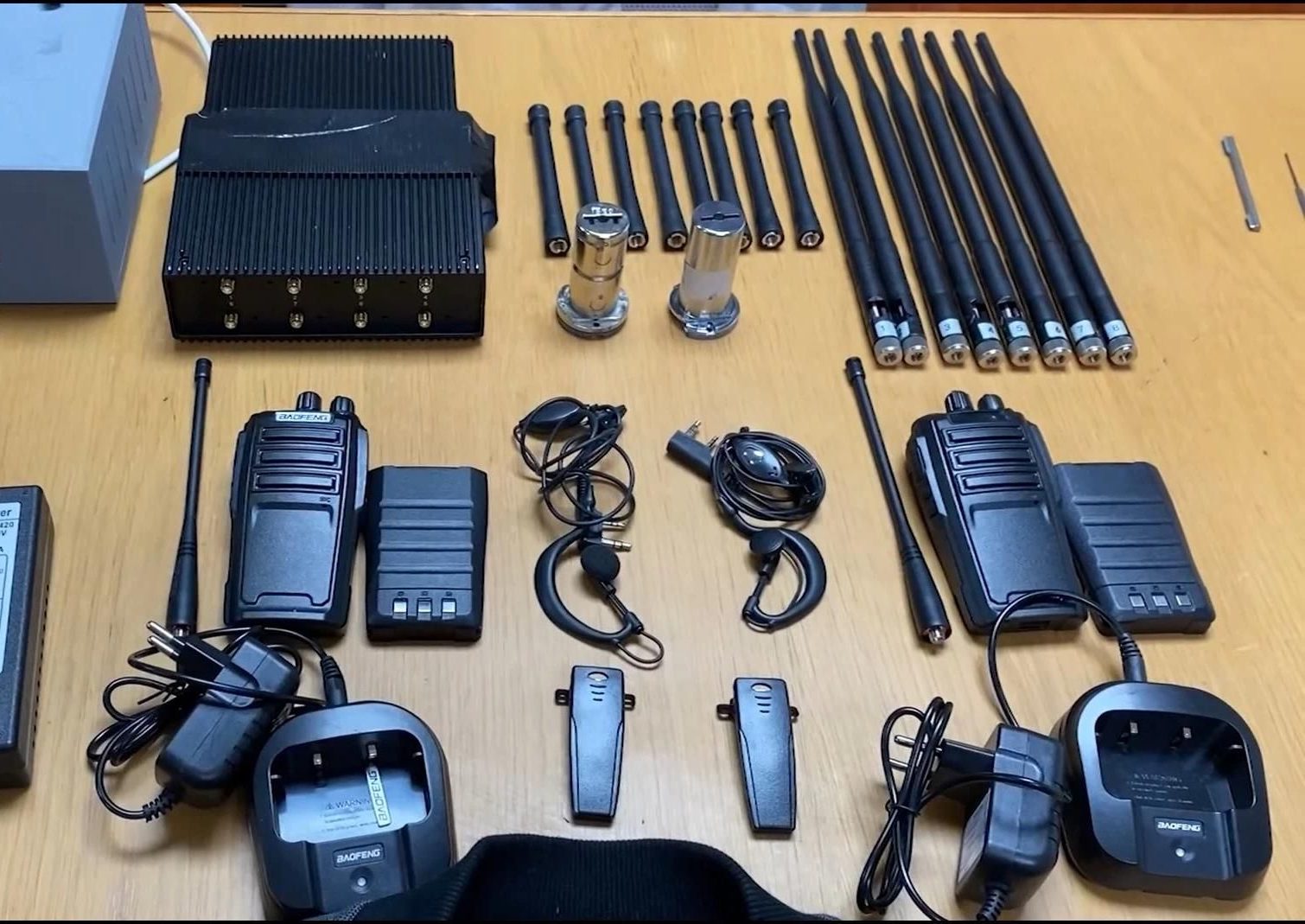
Small electronic devices are easy to leave inside a car because they seem harmless and take up very little space. However, your glove box can become extremely hot when the vehicle is parked in direct sunlight. Such conditions may damage electronic components and shorten the lifespan of rechargeable batteries.
Power banks deserve special attention because they contain lithium-ion or lithium-polymer batteries. Excessive heat can accelerate battery deterioration and, under certain circumstances, increase the risk of swelling, leakage, or thermal runaway.
Old mobile phones, wireless earbuds, portable chargers, and Bluetooth accessories can also suffer from heat exposure. Their batteries may lose capacity, and delicate internal components may become less reliable over time.
Keeping electronic devices inside a locked vehicle also creates a theft risk. Someone breaking into your car may target small gadgets because they are relatively easy to remove and resell.
Another issue involves battery damage. A swollen or physically damaged lithium battery should never be used or charged. If you notice unusual swelling, heat, or leakage, stop using the device and follow the manufacturer’s disposal guidance.
Avoid leaving charging cables, adapters, and electronic accessories scattered throughout the glove box. Tangled wires can create unnecessary clutter and make it difficult to find essential items quickly.
If you need to carry a power bank, store it in a protective bag and take it with you when leaving the vehicle. Follow its manufacturer’s temperature and charging recommendations.
Electronic accessories are useful travel companions, but they are better stored in a controlled environment rather than inside a parked car. A little care can prevent avoidable damage and reduce battery-related safety concerns.
4. Aerosol Cans and Pressurised Containers
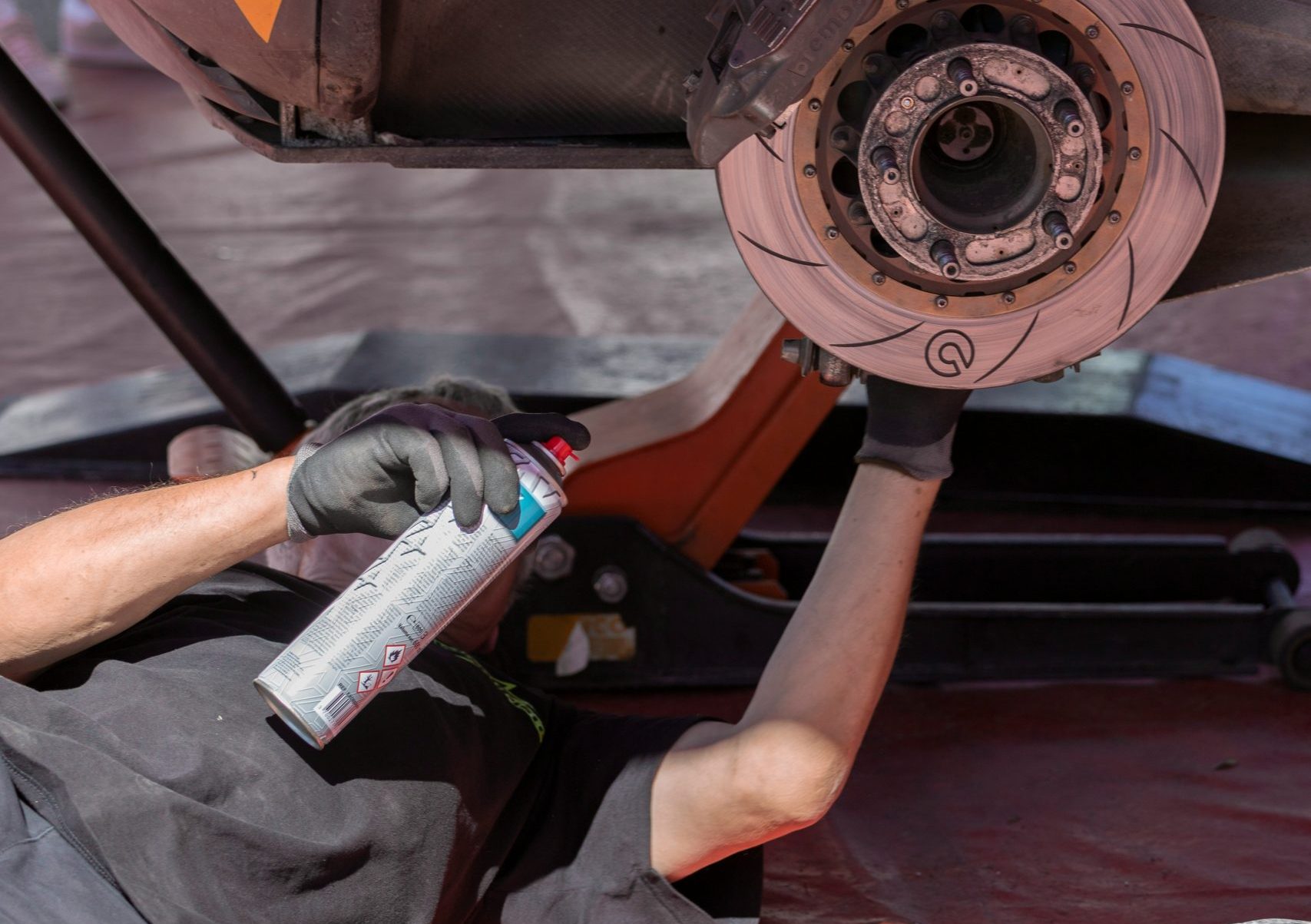
Aerosol cans are commonly used for personal care products, air fresheners, cleaning solutions, and other household purposes. Their compact design makes them easy to store in a glove box. However, pressurised containers should not be left inside a vehicle exposed to high temperatures.
Most aerosol products contain compressed or liquefied gas under pressure. As the temperature rises, the pressure inside the container can increase. Excessive heat may cause the container to leak, rupture, or burst.
Products such as deodorant sprays, hair sprays, insect repellents, and certain cleaning aerosols may carry specific storage warnings. These instructions should always be followed carefully.
A glove box does not provide reliable protection from vehicle heat. Even when the compartment remains shaded, the surrounding cabin temperature can rise considerably during hot weather.
A leaking aerosol can may also damage your vehicle’s interior. Chemicals can stain plastic surfaces, affect upholstery, and leave persistent smells that are difficult to remove.
Some aerosol products contain flammable ingredients. If a container leaks near an ignition source or another source of heat, the consequences can become serious.
Read the product label before carrying any pressurised container in your vehicle. Pay attention to temperature warnings, flammability information, and instructions regarding storage and transportation.
The safest option is to keep aerosol products in a suitable indoor storage area. If you need to transport one, follow its label instructions and avoid leaving it unattended in a hot vehicle.

5. Valuable Jewellery and Expensive Accessories
Your glove box may appear to be a convenient hiding place for jewellery, watches, sunglasses, and other expensive accessories. However, it is not designed to protect valuable belongings from theft.
A vehicle can become a target for opportunistic theft, especially when valuable items are left inside. Even a locked car cannot guarantee complete protection against break-ins.
Small jewellery pieces are particularly easy to overlook. Rings, earrings, chains, and bracelets may slip into the corners of the compartment, making them difficult to locate later.
Heat can also affect certain accessories. Items containing delicate materials, adhesives, leather, or temperature-sensitive components may deteriorate when exposed to prolonged high temperatures.
Expensive watches can have additional storage requirements. Some models contain sensitive mechanisms, batteries, or specialised components that benefit from appropriate storage and regular maintenance.
Another concern is insurance coverage. Depending on your policy, personal belongings left inside an unattended vehicle may not be covered or may have specific limitations. Review your policy rather than assuming every loss will be reimbursed.
If you remove jewellery before driving, place it in a secure personal pouch and take it with you when leaving the car. Avoid using the glove box as a temporary storage location.
The same principle applies to designer accessories, luxury pens, and expensive personal items. Keeping valuables outside the vehicle is a simple way to reduce theft risks and avoid unnecessary financial losses.
6. Food Items and Perishable Snacks
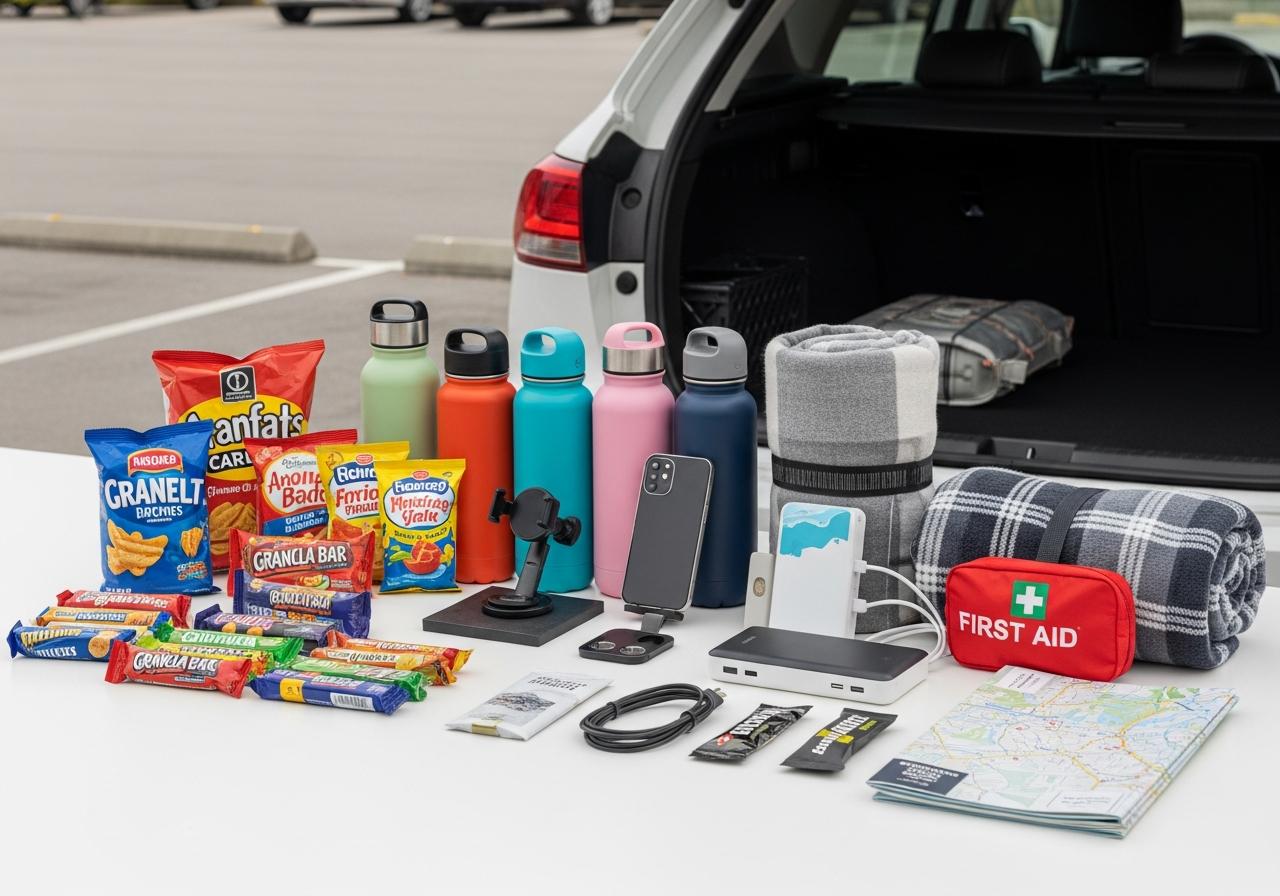
Keeping snacks inside your car can make long journeys more convenient. However, the glove box is not an appropriate place for perishable food because temperatures inside parked vehicles can rise quickly.
Chocolate is a common example. It can melt, lose its shape, and leave sticky residue on the compartment’s surfaces. Once it hardens again, cleaning the affected area may become difficult.
Dairy products, sandwiches, cooked food, and other perishable snacks are even more problematic. Warm temperatures encourage bacterial growth, increasing the risk of foodborne illness.
Packaged snacks may appear safer, but they are not completely protected from heat. Certain products can change texture, lose freshness, or develop unpleasant flavours when stored in unsuitable conditions.
Food crumbs can also attract ants, cockroaches, and other insects. Once pests enter your vehicle, removing them may require considerable cleaning and attention.
Strong-smelling food can leave lingering odours inside the cabin. Spilled sauces, melted sweets, and forgotten food wrappers may contribute to unpleasant smells that become difficult to remove.
If you regularly travel with snacks, use an insulated food bag or a suitable cooler. Keep perishable items at the temperatures recommended for safe storage, and avoid leaving them inside a parked vehicle.
A small collection of sealed, shelf-stable snacks may be useful for emergencies, provided they are suitable for the storage conditions and checked regularly. Remove expired products and dispose of damaged packaging promptly.

7. Lighters and Flammable Materials
Lighters may seem like harmless everyday accessories, but leaving them inside a hot vehicle can create unnecessary safety risks. Many disposable lighters contain pressurised flammable gas that can expand when exposed to excessive heat.
High temperatures may increase internal pressure, potentially causing a lighter to leak or rupture. This risk makes the glove box an unsuitable place for storing lighters during hot weather.
Matches also require careful storage. They should be kept dry and away from sources of heat, friction, and accidental ignition. A glove box filled with loose objects may not provide suitable protection.
Other flammable materials should also be kept out of your glove compartment. These include certain solvents, fuel-related products, paint thinners, and highly flammable cleaning liquids.
A leaking container can release vapours that may create additional hazards, particularly when exposed to an ignition source. Even small amounts of flammable substances should be handled according to their product safety instructions.
Some vehicle owners keep emergency fire-starting supplies in their cars. However, these items should be stored appropriately and transported according to the manufacturer’s guidance.
Check the labels of products before carrying them in your vehicle. Pay attention to warnings about heat, ignition sources, and recommended storage temperatures.
Keeping lighters and flammable materials outside your glove box reduces avoidable risks. If you need to transport such products, follow the relevant safety instructions and never leave them in a hot parked car.

8. Spare Cash and Bank Cards
Keeping a small amount of emergency cash in your car may seem sensible. It can help when you need to pay for parking, handle a minor unexpected expense, or deal with situations where digital payments are unavailable.
However, storing large amounts of money inside your glove box is not a good idea. A vehicle is vulnerable to theft, and a glove compartment offers very little protection against someone determined to access its contents.
Bank cards also require careful handling. Leaving debit or credit cards inside your car can expose your financial information if the vehicle is broken into.
Some cards contain personal information that could be misused if they fall into the wrong hands. Even when a card requires a PIN for certain transactions, losing it can cause inconvenience and potential financial problems.
Cash can also be damaged by moisture, spills, and other environmental conditions. Paper currency may become stained, torn, or unusable if it is not stored properly.
A better option is to carry a small amount of emergency cash in your wallet or another secure personal accessory. Keep the amount reasonable and avoid leaving it unattended inside your vehicle.
If you need to carry payment cards for a journey, store them in a secure wallet and take that wallet with you whenever you leave the car.
Review your glove box occasionally to make sure old receipts, forgotten cards, and loose cash have not accumulated. Removing unnecessary financial items helps protect your privacy and reduces the consequences of vehicle theft.
9. Personal Identification Cards and Sensitive Information
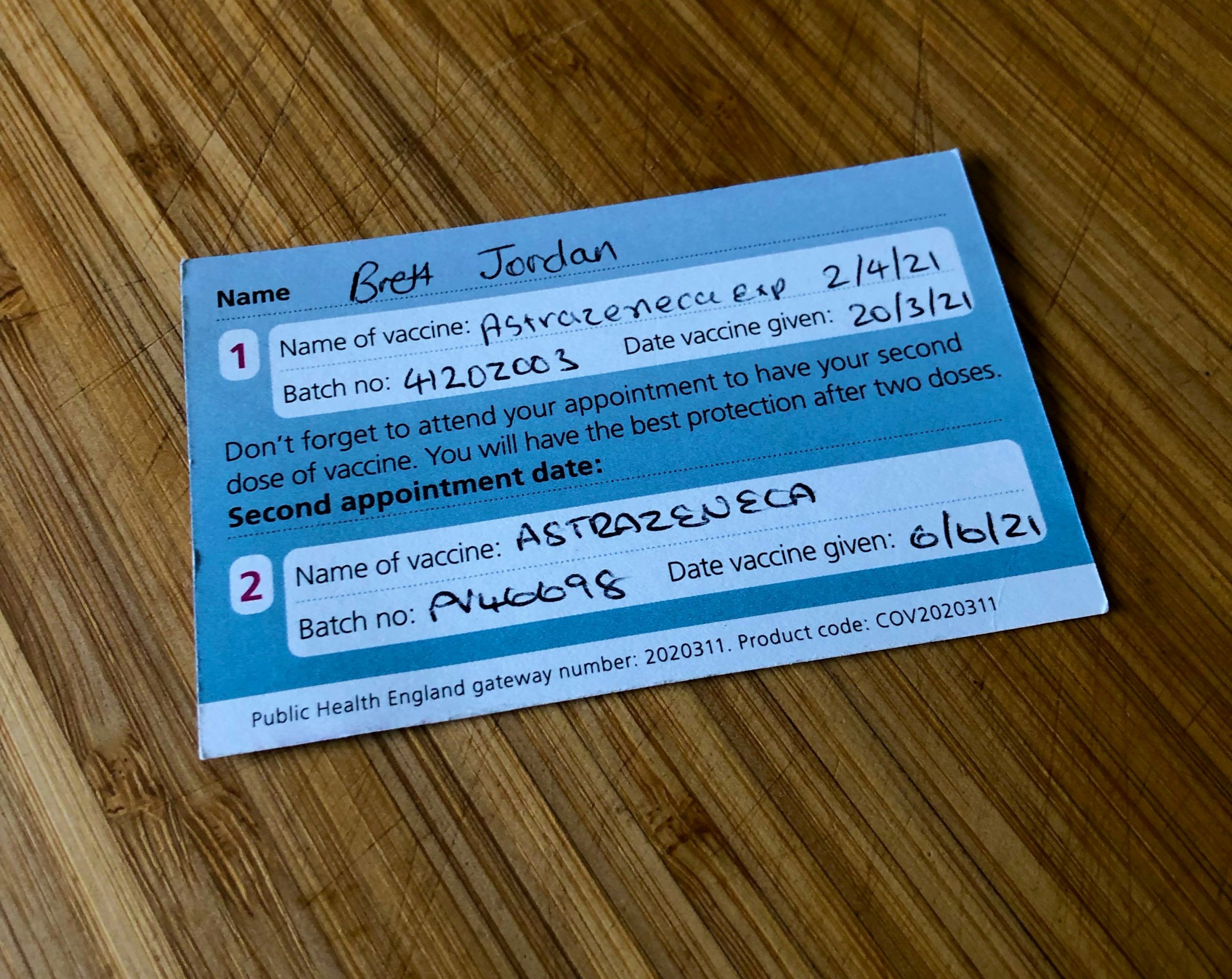
Personal identification cards contain information that should be handled carefully. Leaving them inside your glove box can expose your private details if someone gains unauthorised access to your vehicle.
Documents such as identity cards, employee identification badges, Social Security information, and other personal records may reveal details about your identity, workplace, or residential information.
Some identification documents also contain photographs, identification numbers, and other details that could be misused. Keeping them inside an unattended vehicle increases the risk of unnecessary exposure.
Old office access cards should also be removed when they are no longer required. If someone steals your vehicle or its contents, an active access card could create security concerns for your workplace.
Membership cards and insurance identification cards may contain additional personal information. While some are useful during travel, they should only be carried when necessary.
Digital copies can provide a convenient backup for certain identification documents. However, sensitive information should be stored through secure applications or protected accounts rather than ordinary, publicly accessible photo folders.
Avoid keeping photocopies of identity documents in your vehicle unless there is a specific requirement. If a document must be carried, consider whether a legally accepted digital version is available.
Make it a habit to inspect your glove box after using your car for official appointments, hotel stays, or business trips. Remove temporary identification passes and documents once they are no longer needed.
Protecting personal information is an important part of vehicle security. Keeping sensitive identification documents with you or in a secure place at home can help reduce privacy risks.

10. Old Receipts, Unnecessary Papers, and Clutter
Old receipts and unnecessary paperwork may not seem dangerous, but allowing them to accumulate can make your glove box difficult to use. A compartment filled with random papers quickly becomes disorganised and inconvenient.
Fuel receipts, restaurant bills, shopping invoices, parking tickets, and delivery slips often contain information that you no longer need. Some may include partial payment details, transaction references, or personal information.
Keeping unnecessary receipts inside your car also makes it harder to locate important vehicle documents. When you need insurance details or registration information, you may have to search through a pile of unrelated papers.
Paper clutter can become damaged by moisture, dust, and heat. Receipts printed on thermal paper may fade over time, making transaction details difficult to read.
Old food wrappers, tissues, plastic packaging, and miscellaneous items can create an unhygienic storage environment. They may also attract insects if food residue is present.
Another concern is restricted space. A crowded glove box may prevent you from storing essential items properly, such as your vehicle manual, emergency contact information, or required paperwork.
Set aside a few minutes every month to clean and organise the compartment. Remove expired documents, unnecessary receipts, empty packaging, and anything that does not belong there.
Use a small document organiser to separate essential papers from other items. Keeping the compartment clean makes important belongings easier to access and improves the organisation of your vehicle’s interior.