
Engine knocking is a serious concern for vehicle owners because it can indicate internal engine wear, lubrication problems, or damage to important components. Several automakers have issued technical service bulletins (TSBs) addressing engine noise, connecting rod bearing wear, and knock sensor detection systems in specific vehicles.
These documents provide repair guidance to dealerships and help technicians identify known mechanical concerns. Understanding which cars have received such bulletins can help buyers and current owners make informed decisions.
This article examines nine vehicles associated with engine knocking-related service bulletins, their reported concerns, possible warning signs, and recommended inspection procedures.
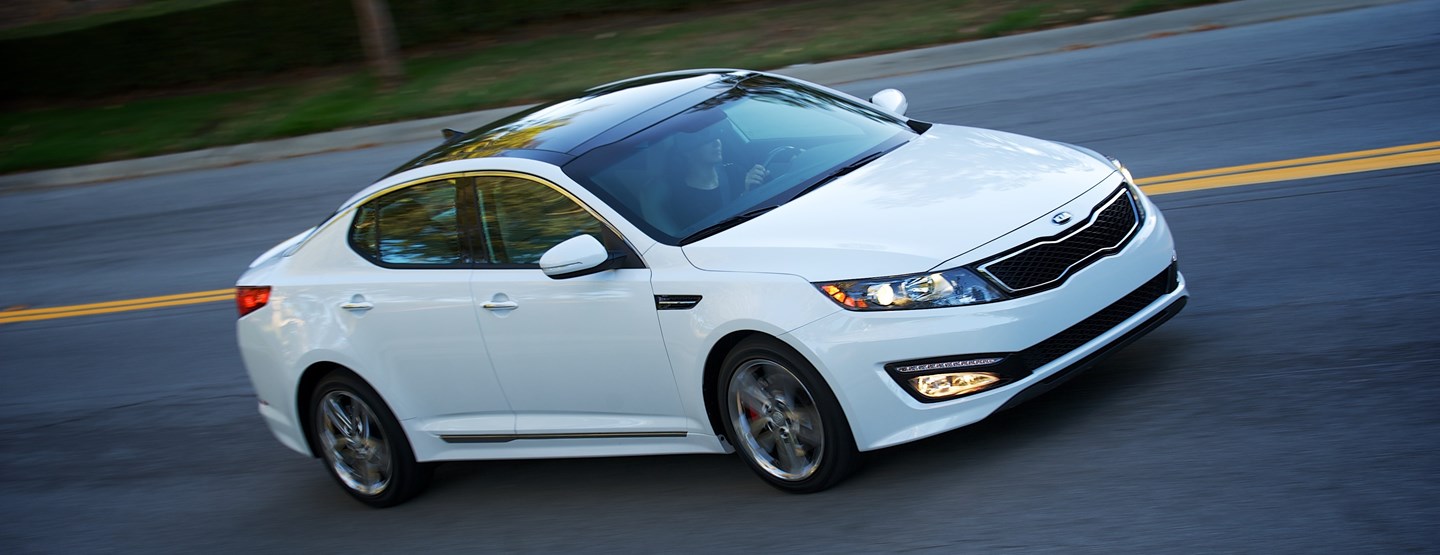
1. Kia Optima
The Kia Optima has appeared in several manufacturer service communications concerning engine knocking, connecting rod bearing wear, and knock sensor detection. Certain model years equipped with 2.4-liter GDI and 2.0-liter turbocharged GDI engines were included in Kia’s engine-related product improvement campaigns.
The affected vehicles include selected 2011 through 2018 Optima models. Kia issued technical service information addressing the Knock Sensor Detection System (KSDS), which monitors engine vibrations associated with excessive connecting rod bearing wear. The system is designed to identify potential problems before they develop into severe engine damage.
Connecting rod bearings play an essential role in engine operation. They allow the connecting rods to move smoothly around the crankshaft while maintaining the necessary oil film between moving surfaces. Excessive bearing wear can create unwanted clearance, producing a repetitive knocking sound that becomes more noticeable as engine speed increases.
Owners may notice metallic tapping or knocking during acceleration, reduced engine performance, or warning lights on the dashboard. In some cases, the engine may develop more serious symptoms, including increased vibration, unusual operating noise, and reduced power. These symptoms require professional diagnosis rather than assumptions about the source of the sound.
Kia’s PI1802 and PI1803 service communications provide procedures for certain affected Optima vehicles when diagnostic trouble code P1326 appears. The code relates to the knock sensor detection system and requires technicians to follow the prescribed inspection process. Depending on the results, additional repairs or engine replacement may be necessary.
The manufacturer also provided diagnostic instructions involving an engine bearing clearance tester. This equipment helps technicians evaluate the connecting rod bearing condition. If the inspection confirms serious internal damage, the dealership follows the applicable repair authorization and replacement procedures. The precise repair depends on the vehicle’s production date, engine configuration, and campaign eligibility.
Anyone considering a used Kia Optima should review its maintenance history and check whether applicable engine campaigns have been completed. A vehicle that has received software updates should still undergo a mechanical inspection if it produces unusual engine noise. Software cannot repair bearings that have already suffered physical damage.
Before purchasing an affected Optima, request a VIN-based campaign check from an authorized Kia dealership. Confirm the engine type, production date, warranty coverage, and previous repair records. These steps can help buyers understand the vehicle’s condition and avoid unexpected engine expenses.

2. Kia Sorento
The Kia Sorento is another vehicle associated with manufacturer communications concerning connecting rod bearing wear and engine knock detection. Certain Sorento models equipped with Theta II gasoline direct injection engines received specific service procedures addressing potential internal engine problems.
The affected model years include selected 2012 through 2018 Sorento vehicles. Kia’s service information identifies particular production periods and engine configurations rather than applying the same repair instructions to every vehicle carrying the Sorento name. Checking the vehicle identification number is essential.
The primary concern involves excessive connecting rod bearing wear. These bearings operate under considerable pressure and depend on consistent lubrication to prevent metal-to-metal contact. When their condition deteriorates, the engine may produce a distinct knocking sound, especially under certain driving conditions.
Kia introduced the Knock Sensor Detection System to monitor vibrations associated with potential bearing damage. When the system detects a qualifying vibration pattern, it can activate the malfunction indicator lamp and record diagnostic trouble code P1326. The system is intended to provide an early warning before severe engine failure.
Drivers should pay attention to repetitive metallic sounds coming from the engine compartment. Knocking that becomes louder during acceleration, changes with engine speed, or accompanies an oil pressure warning deserves immediate attention. Continuing to operate an engine with serious internal damage can increase repair costs.
Kia’s PI1802 and PI1803 procedures describe diagnostic and engine replacement instructions for certain affected vehicles. Technicians may perform wiring checks and bearing clearance inspections before deciding which repair is appropriate. A vehicle with an engine that is already severely damaged may require replacement under the applicable program.
The Sorento’s maintenance history is particularly important when evaluating a used example. Review oil change records, previous engine repairs, warning light history, and any documentation relating to KSDS software installation. Regular oil maintenance helps protect engine components, but it does not guarantee that an existing mechanical defect has been resolved.
Used-car buyers should arrange an independent inspection before completing a purchase. Ask the dealership to verify whether the vehicle qualifies for any applicable service campaign or warranty coverage. A completed campaign record and a healthy engine inspection provide useful information about the vehicle’s present condition.

3. Kia Sportage
Certain Kia Sportage models have also been included in service bulletins addressing engine knocking and potential connecting rod bearing problems. The relevant communications primarily concern selected vehicles equipped with 2.4-liter GDI and 2.0-liter turbocharged GDI engines.
Kia’s published service procedures identify affected Sportage vehicles from selected 2012 through 2018 model years. Production dates and engine specifications determine whether a particular vehicle falls within the applicable campaign. Model year alone is not sufficient to establish eligibility.
The connecting rod bearing concern is significant because these components experience repeated mechanical loads during engine operation. Proper oil pressure and lubrication are necessary to maintain a protective film between the bearing surfaces and the crankshaft. Excessive wear can result in abnormal engine noise.
A knocking engine may produce a repetitive metallic sound that follows engine speed. Drivers might also notice reduced acceleration, unusual vibrations, or an illuminated check engine light. However, these symptoms are not exclusive to bearing problems and should be evaluated using appropriate diagnostic equipment.
Kia’s Knock Sensor Detection System monitors engine vibrations and looks for patterns associated with excessive bearing wear. When qualifying conditions are detected, the system can activate a warning and store P1326. The vehicle may enter a reduced-performance operating mode to limit further damage.
The PI1802 and PI1803 service procedures cover selected Sportage models and describe the diagnostic steps required when the relevant fault code appears. Technicians may conduct a wiring inspection and measure bearing clearance. If the findings indicate serious internal damage, engine replacement may be required under the applicable instructions.
Owners should not assume that installing updated software resolves an existing mechanical knocking problem. The KSDS is designed to detect warning signs, not restore worn bearing surfaces. A vehicle that continues producing metallic noise needs a complete mechanical assessment, including checks of oil pressure and internal engine condition.
Anyone shopping for a used Kia Sportage should request a detailed service history. Verify previous engine repairs, software updates, oil change intervals, and open campaigns. An authorized dealership can check the VIN against manufacturer records and explain whether any outstanding repair applies to the vehicle.

4. Kia Forte
The Kia Forte has been included in manufacturer service information concerning the Knock Sensor Detection System. Selected 2012 through 2015 Forte vehicles received a software improvement campaign intended to identify vibrations associated with excessive connecting rod bearing wear.
Kia’s SC200-1 service communication addresses the KSDS software update for specified vehicles. The purpose is to improve the engine control unit’s ability to recognize abnormal vibration patterns that may indicate developing bearing problems.
Connecting rod bearings are responsible for maintaining smooth movement between the connecting rods and crankshaft. Excessive wear can increase internal clearance and create abnormal mechanical noise. If the problem becomes severe, it can affect engine performance and potentially lead to major mechanical failure.
A common warning sign is a repetitive knocking sound that increases with engine speed. Some owners may also notice a check engine light, reduced power, or changes in engine behavior. Any unusual metallic noise should be investigated before the vehicle continues regular operation.
The KSDS monitors engine vibration and can activate a warning when its programmed detection criteria are met. A malfunction indicator lamp may blink, and the system can record diagnostic trouble code P1326. The vehicle may enter a reduced-power mode to help limit additional engine damage.
It is important to understand that the software update is a monitoring improvement rather than a mechanical repair. If the engine already has damaged bearings, an update cannot restore their original condition. A qualified technician must determine whether the engine requires further inspection or replacement.
Used Kia Forte buyers should check the service records for SC200-1 completion. The dealership should also confirm whether the specific vehicle falls within the applicable production range. Engine type, vehicle identification number, and previous repair history all matter when determining campaign eligibility.
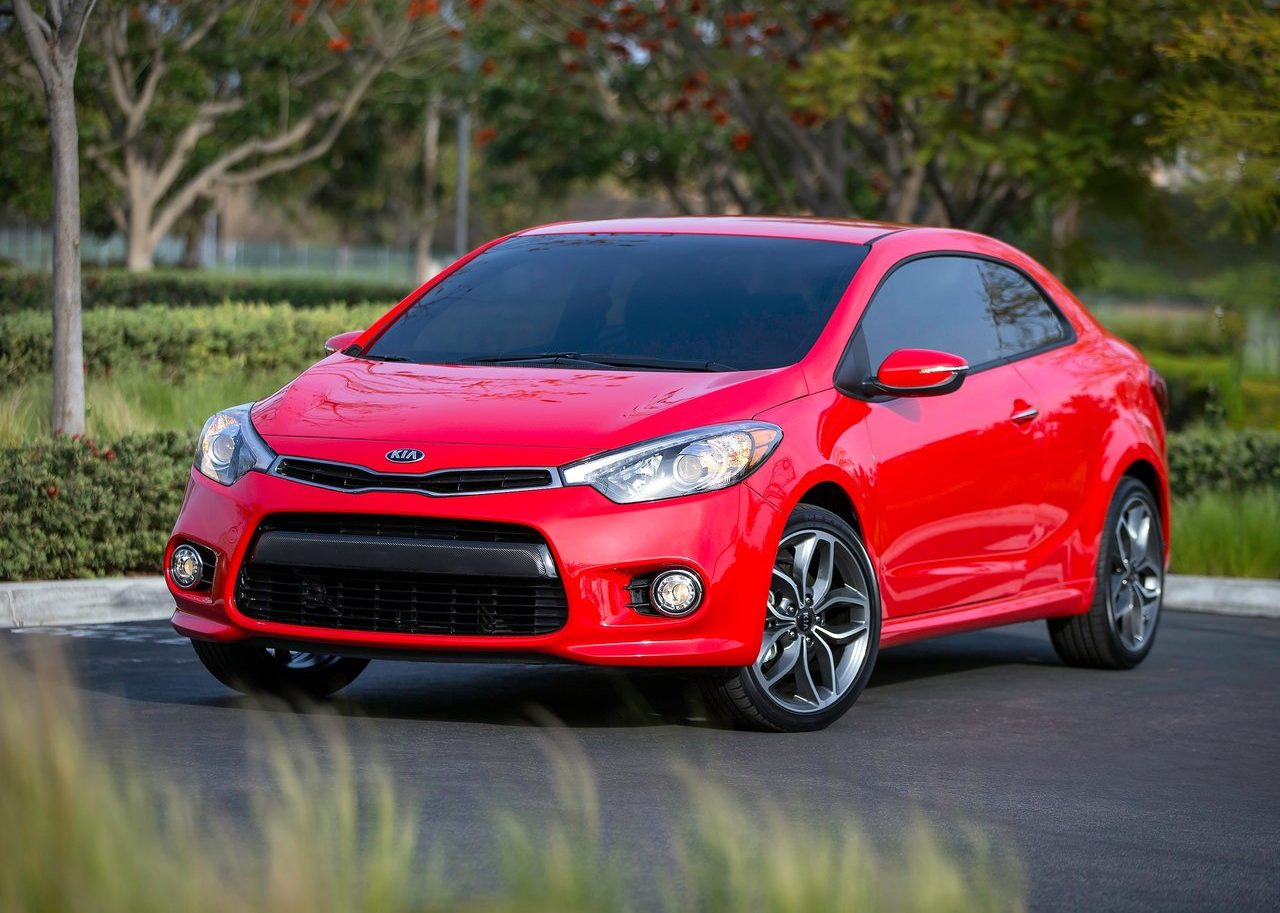
5. Kia Forte Koup
The Kia Forte Koup is included in Kia’s SC200-1 service communication for selected vehicles. The campaign covers certain 2012 through 2015 models and involves installing improved Knock Sensor Detection System software.
The Forte Koup shares important mechanical characteristics with the regular Forte, depending on its engine and model year. Certain versions use gasoline direct injection technology, which requires accurate fuel delivery and proper engine lubrication for reliable operation.
The service communication focuses on detecting vibrations associated with excessive connecting rod bearing wear. These vibrations may indicate developing internal engine damage. The updated software helps the engine control unit identify specific patterns and alert the driver when qualifying conditions occur.
Bearing deterioration can develop into a serious mechanical concern. As the protective oil film becomes insufficient or bearing surfaces wear excessively, internal components may produce metallic knocking. The sound can become more pronounced as the engine operates under greater load.
Owners should watch for unusual sounds during acceleration, changes in engine performance, and dashboard warning indicators. A blinking malfunction indicator lamp deserves particular attention when accompanied by reduced engine power. Ignoring these signs can increase the possibility of further engine damage.
The KSDS system can record diagnostic trouble code P1326 when its detection criteria are satisfied. The vehicle may enter a reduced-performance mode, limiting engine speed and acceleration. This response is intended to help protect the engine while the owner arranges professional inspection.
The SC200-1 update does not mean every Forte Koup has an engine defect. It applies to selected vehicles identified by Kia’s campaign information. Owners should confirm eligibility through an authorized dealership rather than relying solely on the model name or registration year.
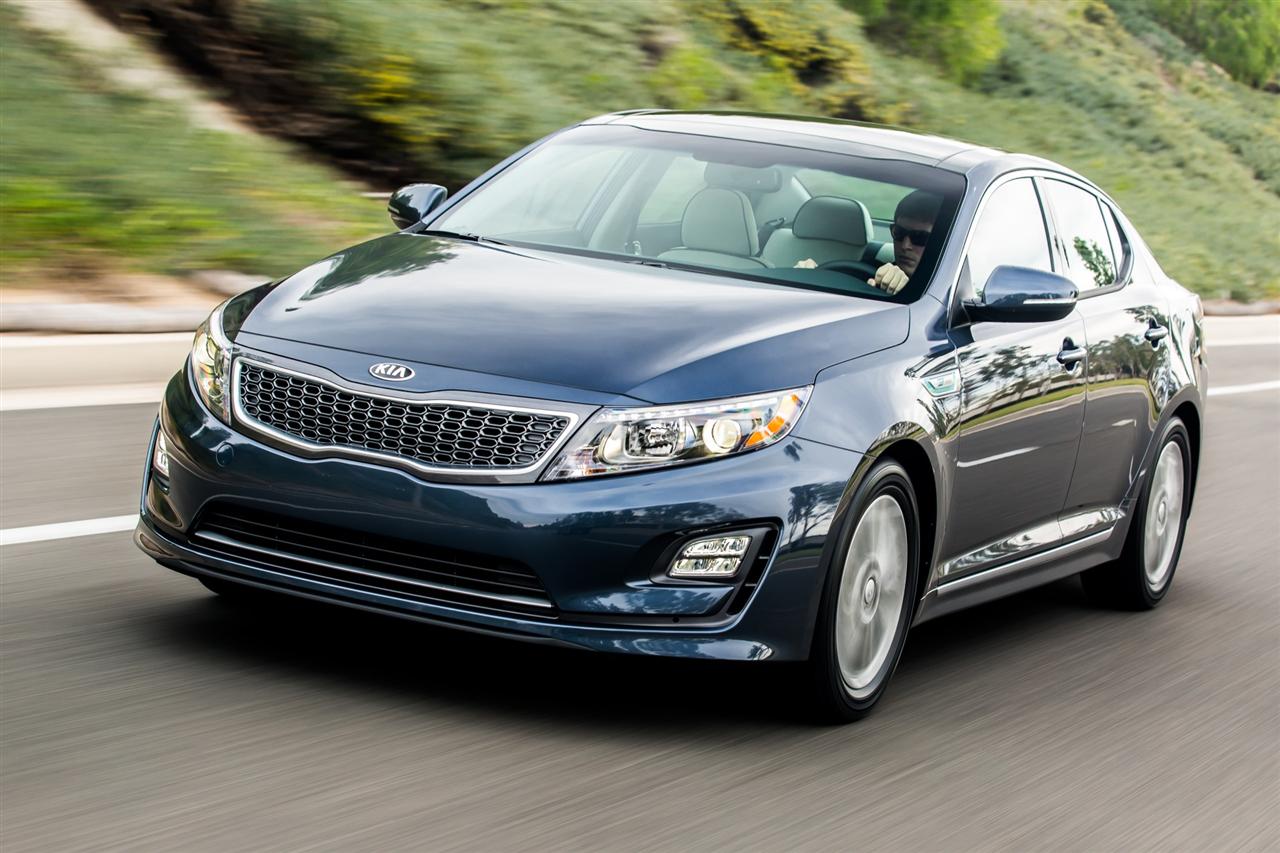
6. Kia Optima Hybrid
The Kia Optima Hybrid has also appeared in Kia’s engine monitoring service information. Selected 2011 through 2013 models were included in the SC200-1 Knock Sensor Detection System software improvement campaign.
Hybrid vehicles combine a gasoline engine with an electric motor and battery system. This arrangement allows the vehicle to operate under different power conditions, but it does not eliminate the mechanical requirements of the gasoline engine. Proper lubrication and bearing condition remain essential.
The relevant concern involves vibrations associated with excessive connecting rod bearing wear. These bearings support the movement of internal engine components and require consistent oil lubrication. If their surfaces deteriorate, abnormal knocking can develop during gasoline engine operation.
Hybrid owners may not always hear engine noise immediately because the gasoline engine can switch on and off automatically. A knocking sound may become noticeable when the engine starts, accelerates, or operates under additional load. Drivers should not dismiss unusual sounds simply because the vehicle has hybrid technology.
Kia’s KSDS software improvement is designed to recognize vibration patterns associated with potential bearing wear. When the system detects qualifying conditions, it can illuminate or flash the malfunction indicator lamp and store diagnostic trouble code P1326. Reduced engine performance may follow.
The campaign is intended to improve early detection rather than replace physical engine inspection. If a vehicle already has significant bearing damage, technicians must determine the appropriate mechanical repair. Depending on the inspection results and coverage, additional work may be required.
Buyers should pay attention to both hybrid system maintenance and gasoline engine service records. Ask whether the KSDS update was completed and whether the engine has undergone any previous repair. A hybrid vehicle’s battery condition should also be checked during a comprehensive inspection.
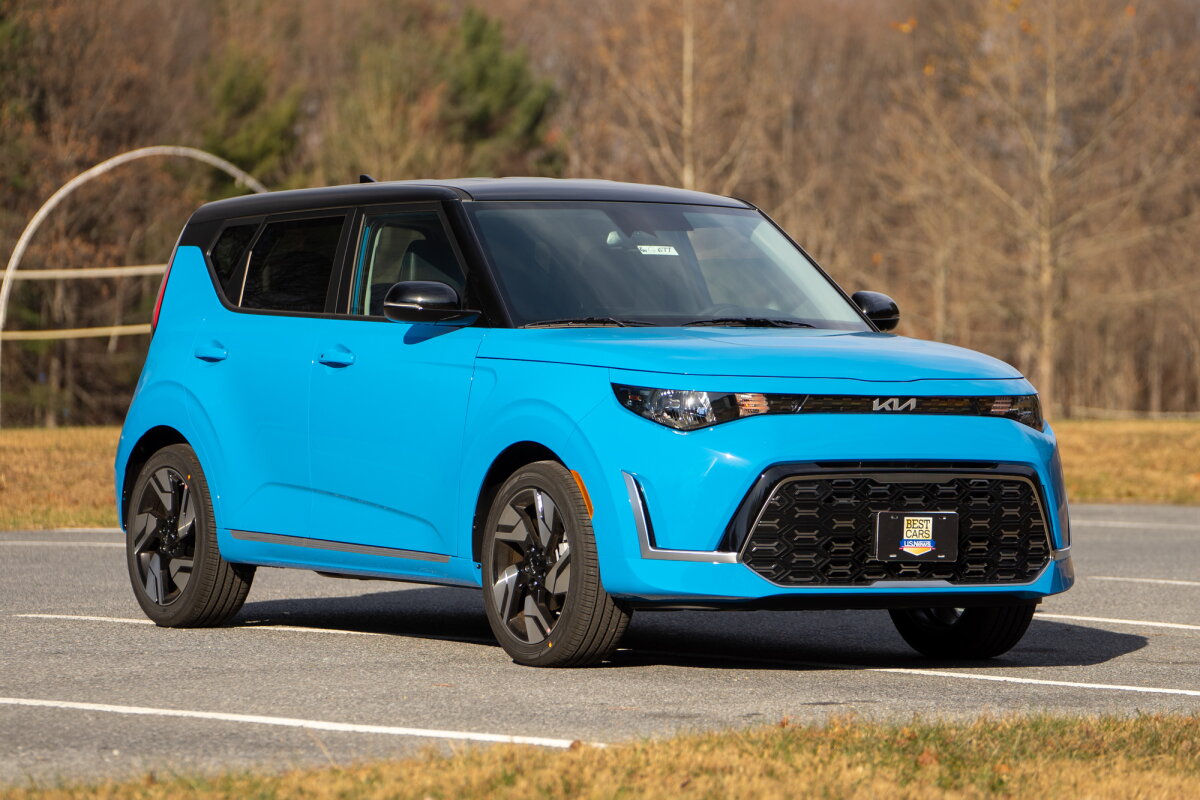
7. Kia Soul
Certain Kia Soul models have also been included in engine knock detection software campaigns. Kia’s SC200-1 communication lists selected 2014 and 2015 Soul vehicles among the models covered by the KSDS software improvement.
The purpose of the campaign is to improve the engine control unit’s ability to identify vibrations associated with excessive connecting rod bearing wear. These vibrations can indicate an internal mechanical problem that may become more serious if left unaddressed.
Connecting rod bearings operate under substantial loads. Their performance depends on appropriate lubrication, clean engine oil, and correct operating conditions. Excessive wear may create additional clearance between moving components, resulting in a repetitive metallic noise.
Owners may hear knocking or tapping from the engine compartment. Other warning signs can include reduced acceleration, unusual engine vibration, and an illuminated dashboard warning light. The presence of these symptoms should lead to a proper diagnostic inspection.
The Knock Sensor Detection System monitors engine vibration and identifies patterns that meet its programmed warning criteria. When the system detects a qualifying condition, it can record P1326 and activate the malfunction indicator lamp. The vehicle may enter a reduced-performance mode.
Drivers should understand that a software update is not a substitute for repairing damaged engine components. If the engine produces persistent knocking, a mechanic should inspect its lubrication system and internal mechanical condition. Further driving may increase the extent of the damage.
The applicable SC200-1 campaign covers selected production groups, not every Kia Soul. Buyers should verify their vehicle identification number with Kia and ask for documentation showing whether the update has been completed. The engine configuration and production date can influence eligibility.
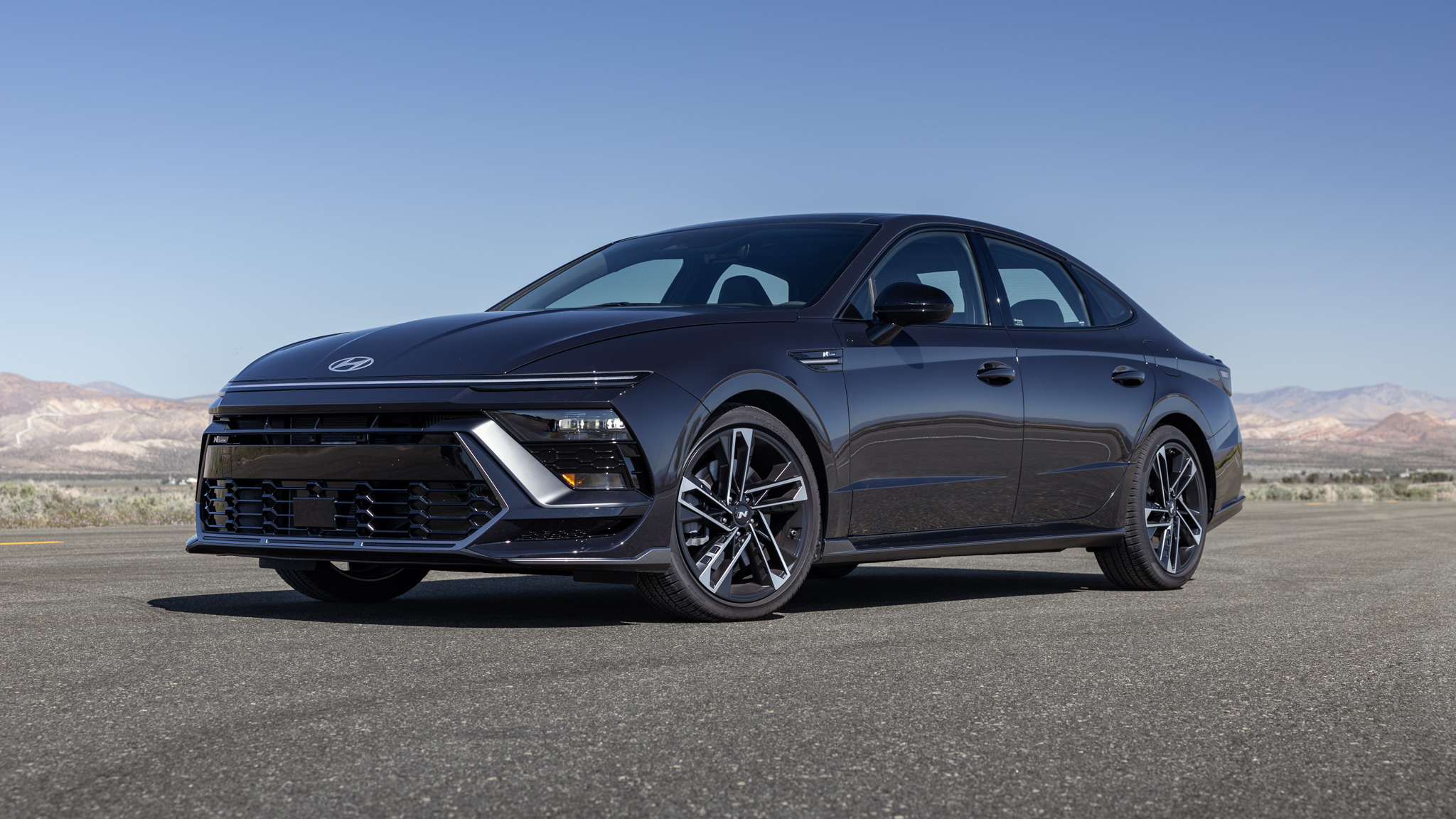
8. Hyundai Sonata
The Hyundai Sonata has been associated with several manufacturer communications addressing engine bearing wear and abnormal engine noise. Selected 2011 through 2018 models equipped with certain gasoline engines received service campaigns and technical instructions involving knock sensor monitoring.
Hyundai issued engine monitoring logic improvements designed to detect abnormal engine bearing noise before severe mechanical damage occurs. The system uses information from the knock sensor to identify vibrations that may indicate developing internal engine problems.
Certain Sonata models equipped with Theta II engines have been associated with connecting rod bearing concerns. These bearings support the crankshaft and connecting rod assembly. Excessive wear can cause metallic knocking, particularly when the engine operates under load or at higher speeds.
A driver may notice repetitive knocking, reduced engine power, an illuminated check engine light, or an oil pressure warning. In certain circumstances, the engine may produce significant mechanical noise before losing power. Any combination of these symptoms requires prompt professional attention.
Hyundai’s service campaigns include software improvements intended to recognize abnormal engine vibrations. Campaign 953, documented in service communication 19-01-002H-2, addressed selected 2014 through 2018 Sonata models and other Hyundai vehicles. The update was designed to improve detection of abnormal engine bearing noise.
Later communications, including the 2022 engine monitoring campaign, addressed additional vehicle groups. Depending on the model and production date, the procedures may involve knock sensor software updates, engine inspections, and additional repairs. Some qualifying vehicles may receive engine replacement under applicable coverage.
Owners should understand that a campaign involving engine monitoring does not automatically mean their vehicle has damaged bearings. It indicates that Hyundai established a service procedure for particular vehicles. A dealer must check the VIN and assess the engine before determining which repair is necessary.

9. Hyundai Santa Fe Sport
The Hyundai Santa Fe Sport is another SUV associated with manufacturer service campaigns involving engine monitoring and potential bearing-related noise. Selected 2013 through 2018 vehicles equipped with certain engines received software updates designed to improve detection of abnormal engine bearing vibrations.
The concern is associated with potential internal engine wear, particularly involving connecting rod bearings in certain Theta II engine applications. These components operate under significant mechanical pressure and depend on proper lubrication to maintain smooth engine operation.
When bearing wear becomes excessive, the engine may develop a repetitive knocking sound. The noise can become more noticeable during acceleration or when the engine is working under additional load. Severe internal damage may also affect engine performance and operating reliability.
Hyundai’s knock sensor monitoring improvements were developed to identify abnormal engine bearing noise before more serious damage occurs. The updated system evaluates engine vibration patterns and can activate the malfunction indicator lamp when qualifying conditions are detected.
For selected Santa Fe Sport vehicles, Hyundai’s service communications describe software improvements and diagnostic procedures. Campaign 953 covered certain 2015 through 2018 Santa Fe Sport models, among other Hyundai vehicles. Additional campaigns addressed other production groups and model years.
When the monitoring system detects qualifying abnormal vibrations, the warning lamp may blink continuously. The vehicle can enter an engine protection mode that limits performance. Technicians can then investigate the recorded fault information and determine whether further engine inspection or replacement is required.
Owners should not assume that an illuminated warning light always indicates bearing failure. The diagnostic system provides information that technicians must evaluate alongside the vehicle’s physical condition. Proper testing helps distinguish between a software-related issue, a sensor concern, and actual mechanical damage.