Buying a car often involves more than choosing a model, negotiating its price, and arranging financing. Dealerships frequently offer additional products and services during the loan process, promising better protection, greater convenience, or lower ownership costs.
While some of these options can provide genuine value, others may increase the amount you borrow without making a meaningful difference to your finances. Since many buyers add these products to their car loans, they may end up paying interest on them for several years.
Understanding which extras appear in your financing agreement can help you make informed decisions and avoid unnecessary expenses.
1. Extended Vehicle Warranty
An extended vehicle warranty is a protection plan that covers certain mechanical and electrical repairs after the manufacturer’s original warranty expires. Dealerships often present this product as a way to protect buyers from unexpected repair bills. While additional coverage can be useful, its cost may increase your car loan balance if you finance it instead of paying separately.
Many buyers agree to an extended warranty because they want peace of mind. However, they may not fully understand what the contract covers, how long the protection lasts, or which repairs are excluded. These details can make a significant difference when deciding whether the purchase is worthwhile.
It is also important to check whether the vehicle already has sufficient manufacturer coverage. New cars generally come with a standard warranty, and some manufacturers offer optional extended protection at different prices. Purchasing overlapping coverage may result in paying twice for similar benefits.
Before accepting an extended warranty, read its terms carefully. Pay attention to coverage limits, deductibles, approved repair facilities, claim procedures, and exclusions. Some plans may not cover regular maintenance, wear-related components, or damage caused by improper vehicle use.
You should also compare the dealership’s offer with warranty plans available directly through the manufacturer or reputable third-party providers. Prices and coverage conditions can vary significantly. Comparing several options gives you a clearer picture of what you are actually purchasing.
Another important consideration is whether the warranty can be cancelled. Some providers allow customers to request a refund within a specified period or receive a prorated amount when they sell the vehicle. However, cancellation conditions differ between contracts.
An extended warranty can make sense for buyers who plan to keep their vehicles for a long time and want additional repair protection. However, it should be a deliberate purchase rather than an automatic addition to the financing agreement.

2. Guaranteed Asset Protection (GAP) Insurance
Guaranteed Asset Protection, commonly called GAP insurance, helps cover the difference between the outstanding loan balance and the vehicle’s insurance payout after a covered total loss. This situation can occur when a car is stolen or declared a total loss following an accident.
Cars generally lose value as they age and accumulate mileage. In some situations, the outstanding loan balance may remain higher than the vehicle’s current market value. This difference can leave borrowers responsible for paying money toward a vehicle they can no longer use.
GAP coverage is designed to reduce this financial burden. However, its usefulness depends on the amount you owe, your down payment, depreciation, and the terms of your insurance policy. Buyers who make substantial down payments may have less need for this protection.
Dealerships sometimes include GAP coverage in the financed amount. When this happens, the premium becomes part of the principal balance, and you pay interest on it throughout the repayment period. The total cost can therefore exceed the original premium.
Before purchasing GAP insurance, check whether your existing motor insurance or another policy already offers similar protection. Coverage availability varies by country, insurer, and product. Avoid paying for overlapping benefits without understanding what each policy provides.
You should also examine exclusions and claim limits. Certain policies may exclude overdue instalments, unpaid penalties, optional accessories, or specific types of losses. Understanding these conditions helps prevent unpleasant surprises during a claim.
GAP insurance may be useful for buyers making a small down payment, choosing a long repayment period, or financing a vehicle that depreciates quickly. However, it is worth comparing the premium with the actual financial risk before adding it to your car loan.
3. Credit Life Insurance
Credit life insurance is designed to help repay an outstanding loan if the borrower dies during the policy period. Depending on the policy structure, the insurer may pay the remaining eligible loan balance directly to the lender.
Dealerships and lenders sometimes offer this product during the financing process. It may appear attractive because buyers want to ensure that their families do not inherit an unpaid vehicle loan. However, borrowers should understand its cost and coverage before agreeing.
When credit life insurance is financed, the premium is added to the loan principal. This means the borrower pays interest on the insurance cost rather than simply paying the stated premium. Over a long repayment period, this can increase the total amount spent.
It is important to understand who receives the insurance benefit. Credit life insurance generally protects the lender by settling eligible outstanding debt. It does not necessarily provide the borrower’s family with additional financial support beyond the loan settlement.
You should also review exclusions, waiting periods, eligibility conditions, and claim requirements. Certain policies may have restrictions related to pre-existing medical conditions, age, or specific causes of death. These conditions can affect whether a claim is accepted.
Compare credit life insurance with a regular term life insurance policy. Term insurance generally offers broader financial flexibility because beneficiaries can use the payout for household expenses, education, debt repayment, or other needs. However, the right choice depends on individual circumstances.
Credit life insurance is not automatically necessary just because you are taking out a car loan. Review your existing life insurance coverage, financial responsibilities, and outstanding debts before purchasing additional protection.

4. Payment Protection Insurance
Payment Protection Insurance, or PPI, is designed to help borrowers make scheduled loan payments when certain unexpected events affect their ability to earn an income. Depending on the policy, qualifying events may include involuntary unemployment, disability, or temporary inability to work.
For car buyers, this coverage can appear useful because missing loan payments may lead to penalties, credit score damage, or vehicle repossession. Having an insurance policy that supports repayments during eligible circumstances may offer additional financial security.
However, PPI policies often contain detailed eligibility requirements. For example, unemployment protection may apply only when the borrower loses employment involuntarily. Resignation, dismissal for misconduct, or certain employment arrangements may not qualify.
Disability coverage can also have specific conditions. Some policies cover only total disability, while others may provide benefits for temporary incapacity after a waiting period. The definition of disability is particularly important because it determines when the insurer must pay.
The premium may be added directly to the car loan instead of being collected separately. If that happens, interest will also apply to the financed insurance amount. Borrowers may therefore pay more than the advertised premium over the full loan term.
Before accepting PPI, check whether your employer provides paid sick leave, disability benefits, or other income protection. Your existing insurance policies may already offer similar financial assistance.
Review the maximum benefit amount, payment duration, exclusions, waiting periods, and cancellation rules. Some plans cover only a limited number of monthly instalments, which may not be sufficient during an extended financial setback.
PPI may be suitable for borrowers who have limited emergency savings and depend heavily on a regular income. However, it should be purchased only after comparing its cost with the actual benefits and understanding the circumstances under which claims are accepted.

5. Dealer-Installed Accessories
Car dealerships often offer accessories such as seat covers, floor mats, infotainment upgrades, parking sensors, alloy wheels, dash cameras, and decorative exterior components. These additions can improve comfort, appearance, or convenience.
The problem arises when accessories are added to the financing agreement without careful consideration. Buyers may focus on the monthly instalment and overlook the fact that every financed accessory increases the loan principal.
Some accessories are genuinely useful. Reverse cameras, parking sensors, and quality floor mats may improve everyday convenience. However, decorative additions and premium upgrades may not justify their price for every buyer.
It is worth checking whether the accessories are original manufacturer products or aftermarket items. Manufacturer-approved accessories may offer better compatibility and warranty support, while aftermarket alternatives can sometimes provide similar functionality at a lower price.
Ask the dealership for an itemised quotation rather than accepting a single package price. This allows you to identify the cost of individual products and remove items that do not serve a practical purpose.
You can also compare accessory prices with authorised service centres and reputable automotive retailers. However, make sure that installation quality, product compatibility, and warranty conditions are considered before choosing an alternative.
Another point to remember is that accessories do not necessarily increase a vehicle’s resale value by the amount you paid for them. Some buyers may appreciate specific upgrades, but decorative modifications rarely guarantee a higher selling price.
The best approach is to separate essential accessories from optional purchases. Buy only what you need and avoid financing unnecessary additions simply because the dealership presents them as part of a convenient package.
6. Paint Protection and Fabric Protection Packages
Paint protection and fabric protection packages are commonly offered when purchasing a new car. These products are marketed as solutions for maintaining the vehicle’s appearance and protecting its interior surfaces from everyday damage.
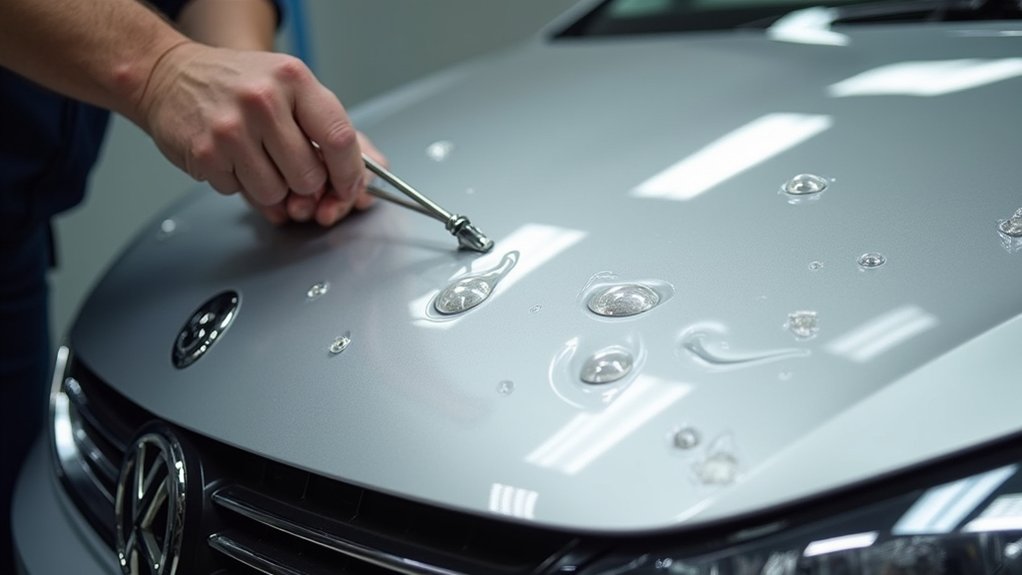
Paint protection may involve a protective coating applied to the exterior. Depending on the product, it may help reduce the effects of environmental contaminants, make cleaning easier, and improve resistance to certain surface marks.
Fabric protection products are generally designed for seats, carpets, and other interior materials. They may help resist liquid absorption and make some stains easier to clean. However, their effectiveness depends on the product quality and application process.
Dealerships may charge a substantial amount for these services, particularly when they are bundled into a premium vehicle protection package. Buyers should not assume that every package provides long-term protection simply because it carries a premium price.
Before agreeing, ask which products will be applied, how long their protection lasts, and whether the service includes professional installation. Request written details instead of relying entirely on verbal promises made during the sales process.
It is also useful to compare dealership packages with independent detailing businesses. Professional detailers may offer ceramic coatings, paint protection films, and interior treatments at different price points.
Keep in mind that paint protection cannot prevent every scratch, dent, or form of paint damage. Similarly, fabric treatments do not make vehicle interiors completely resistant to stains or wear.
These packages may be worthwhile for buyers who want specialised protection and understand what the products offer. However, compare the actual benefits with the total financed cost before adding them to your loan.
7. Tire and Wheel Protection
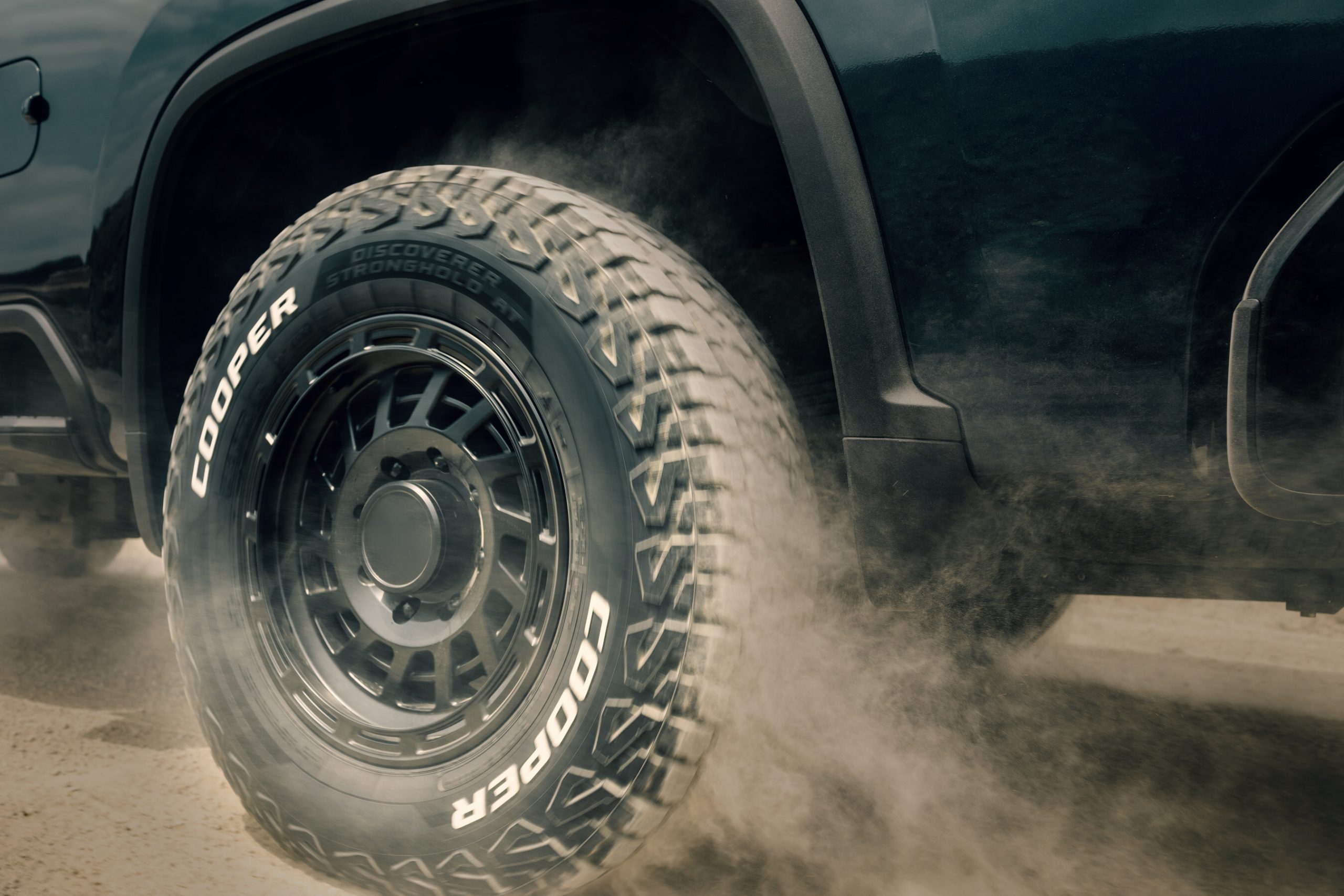
Tire and wheel protection plans are designed to cover certain types of damage to tyres and wheels. Depending on the agreement, they may include protection against road hazards such as potholes, sharp objects, or accidental impact.
Damaged tyres and bent wheels can create unexpected expenses. This can be particularly concerning for drivers who regularly travel on roads with poor surfaces or frequently drive long distances.
Dealerships may offer these plans as an additional product during the vehicle purchase process. The coverage may sound attractive, but the contract determines whether a particular type of damage qualifies for reimbursement or replacement.
Some plans cover tyre replacement, wheel repair, or both. Others may include restrictions based on tread depth, damage severity, vehicle usage, and the location where repairs are performed.
If the protection plan is included in your car loan, you will pay interest on its premium. This additional cost should be considered when comparing the plan with the possibility of paying for repairs independently.
Read the exclusions carefully. Ordinary wear and tear, improper inflation, racing, cosmetic damage, or certain types of accidental damage may not qualify. Some providers also require repairs through specific authorised service centres.
Compare the plan’s price with the cost of replacing the tyres fitted to your vehicle. Expensive tyres and frequent driving on rough roads may make the protection more useful, while occasional city drivers may have less need for it.
Check whether your existing motor insurance provides any relevant tyre or rim protection. Such benefits are not automatically included in every comprehensive insurance policy, so verify the actual coverage.
Tire and wheel protection can provide value under suitable driving conditions. However, purchasing it without checking the exclusions and claim limits may leave you paying for coverage that offers limited practical benefits.
8. Vehicle Service and Maintenance Plans
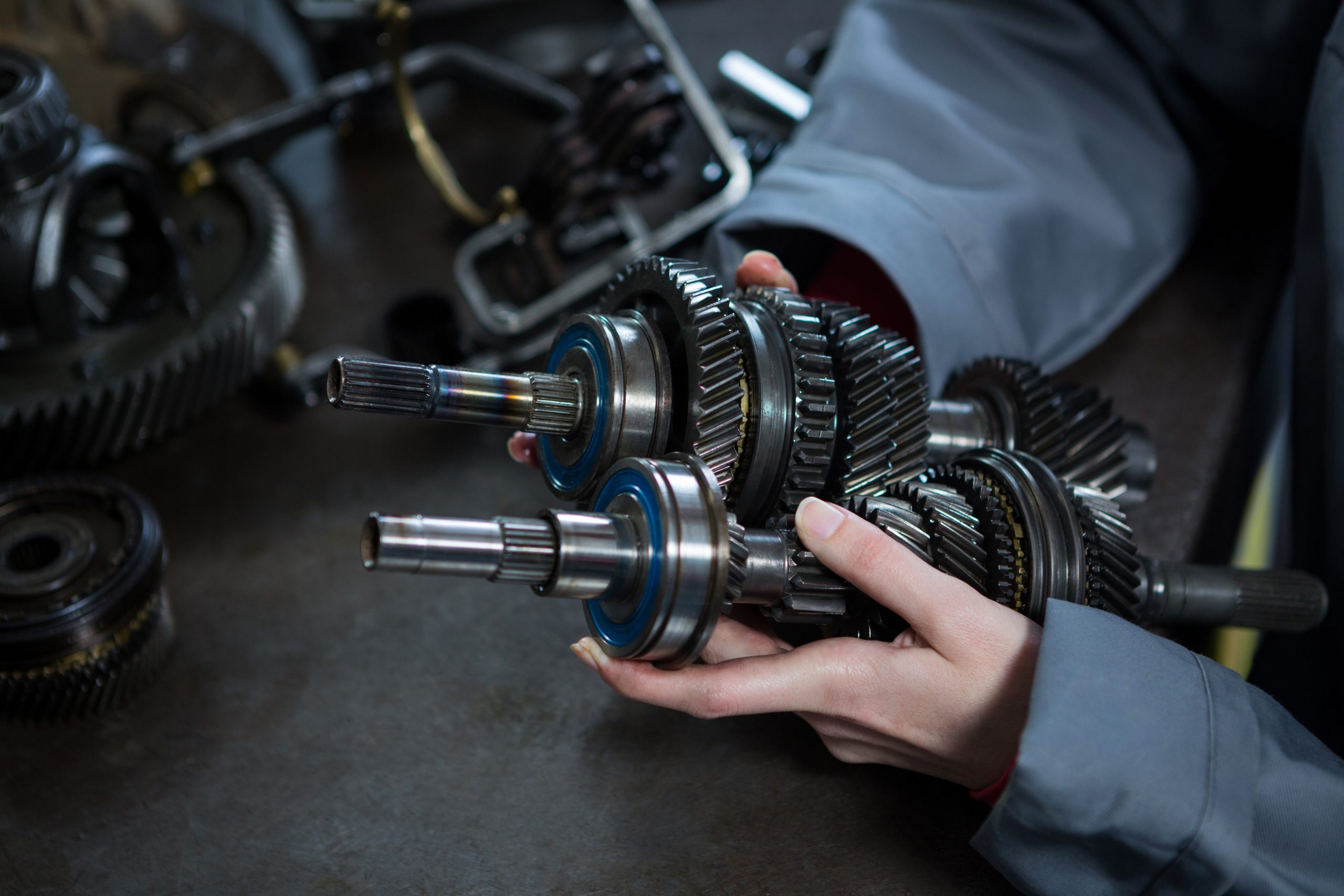
Prepaid vehicle service and maintenance plans allow customers to pay for certain scheduled services in advance. These packages may include labour charges, engine oil changes, filters, inspections, and other maintenance tasks, depending on the agreement.
Dealerships often promote these plans as a convenient way to manage maintenance expenses. Some packages also offer fixed service pricing, which can help customers plan their vehicle ownership costs more accurately.
However, not every service package offers the same benefits. Some cover only labour charges, while others include selected consumables and replacement components. Understanding the difference is essential before agreeing to a purchase.
If the plan is added to your car loan, you will pay interest on the maintenance package. This means you could spend more on future servicing than you would by paying for each service separately.
Check the number of services included, their scheduled intervals, validity period, and eligible maintenance items. You should also confirm whether unused services can be transferred if you sell the vehicle.
Some manufacturers offer maintenance packages directly, while dealerships may provide their own versions. Compare the available options and verify whether the package is compatible with the manufacturer’s recommended service schedule.
Consider how long you intend to keep the car. A plan covering several years may offer better value to long-term owners than buyers who expect to sell or replace their vehicles within a short period.
Maintenance plans can help control predictable servicing expenses, but they should not be confused with comprehensive repair coverage. Choose a package only when the included services justify the total price and financing cost.
9. Nitrogen Tire Filling and Other Convenience Packages
Dealerships sometimes offer convenience packages that include nitrogen tyre inflation, anti-rust treatments, basic cleaning products, emergency kits, and other small additions. These products are often presented as useful upgrades that improve vehicle ownership.
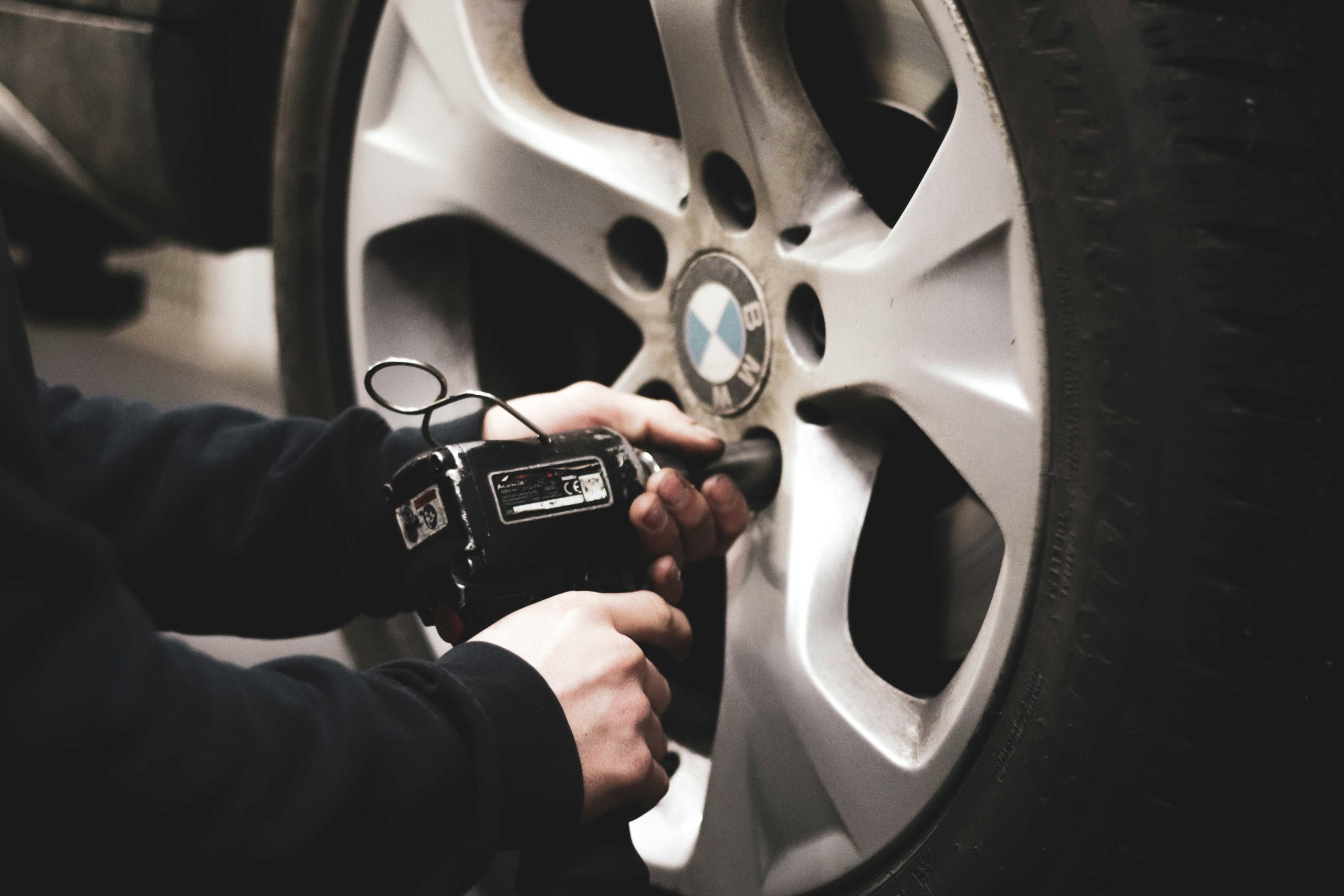
Nitrogen tyre filling is a common example. Nitrogen is used in vehicle tyres because it has certain properties that can help reduce pressure changes associated with temperature fluctuations. However, ordinary compressed air already contains a high proportion of nitrogen.
For most everyday drivers, properly maintaining tyre pressure is more important than choosing nitrogen over regular air. Following the manufacturer’s recommended pressure and checking it periodically can help support tyre performance and fuel efficiency.
Anti-rust treatments may also be offered as optional additions. Their usefulness depends on the vehicle’s existing corrosion protection, local climate, road conditions, and the quality of the treatment applied.
Some vehicles already receive factory-applied corrosion protection. Before purchasing an additional treatment, check the manufacturer’s warranty conditions and whether the proposed service offers any meaningful benefit.
Convenience packages may also include emergency tools, cleaning kits, tyre inflators, or basic accessories. While these items can be useful, buyers should compare their individual prices with products available from automotive retailers.
Ask for a detailed breakdown of every item included in the package. Avoid paying a premium for products that you do not need or that offer little practical advantage for your driving habits.