Traveling across the United States by car can involve more than fuel expenses, vehicle maintenance, and accommodation costs. Toll roads add another important expense, particularly for motorists covering long distances or using busy transportation corridors.
Some highways and toll facilities charge considerably more than others because of their length, construction costs, maintenance requirements, and geographic importance. For passenger-car drivers, understanding these charges can make trip planning easier and help avoid unexpected expenses.
From major interstate routes to expensive bridges and expressways, several American toll facilities stand out for their comparatively high passenger-car charges and travel costs.

1. Pennsylvania Turnpike, Pennsylvania
The Pennsylvania Turnpike is among the most recognizable toll road systems in the United States. Stretching across Pennsylvania, it connects important cities and transportation corridors, including Pittsburgh, Harrisburg, and Philadelphia. Its extensive network makes it an important route for passenger vehicles, commercial transportation, and long-distance travelers.
The highway covers hundreds of miles and provides access to several major interstate connections. Drivers frequently use it when traveling across the state or moving between the northeastern and midwestern regions. Its convenient connections make it particularly important for motorists who want to avoid smaller roads and urban traffic.
Passenger-car toll charges depend on the entrance and exit points selected for a journey. Traveling across a substantial portion of the system can become expensive, especially for drivers making longer trips. Full-length journeys generally cost considerably more than short trips between nearby interchanges.
The Pennsylvania Turnpike introduced electronic toll collection to make payments more convenient. E-ZPass users can pay electronically, while motorists without an electronic transponder can be billed through the toll-by-plate system. Payment methods and applicable charges can affect the final amount paid.
Several factors contribute to the highway’s relatively high toll expenses. Maintaining a large transportation network requires continuous investment in pavement repairs, bridges, tunnels, safety equipment, drainage systems, and traffic management facilities. These expenses influence the toll structure over time.
For passenger-car drivers, checking the estimated toll before starting a journey is particularly useful. The total charge can vary according to the selected route, vehicle classification, payment method, and applicable toll schedule. A route that looks convenient on a navigation application may carry substantial additional expenses.
Despite its cost, the Pennsylvania Turnpike remains an important transportation link. It offers access to major population centers and business districts while supporting travel throughout the state. Motorists who regularly use the highway should consider toll expenses when comparing alternative routes and calculating their transportation budgets.
2. Florida’s Turnpike, Florida
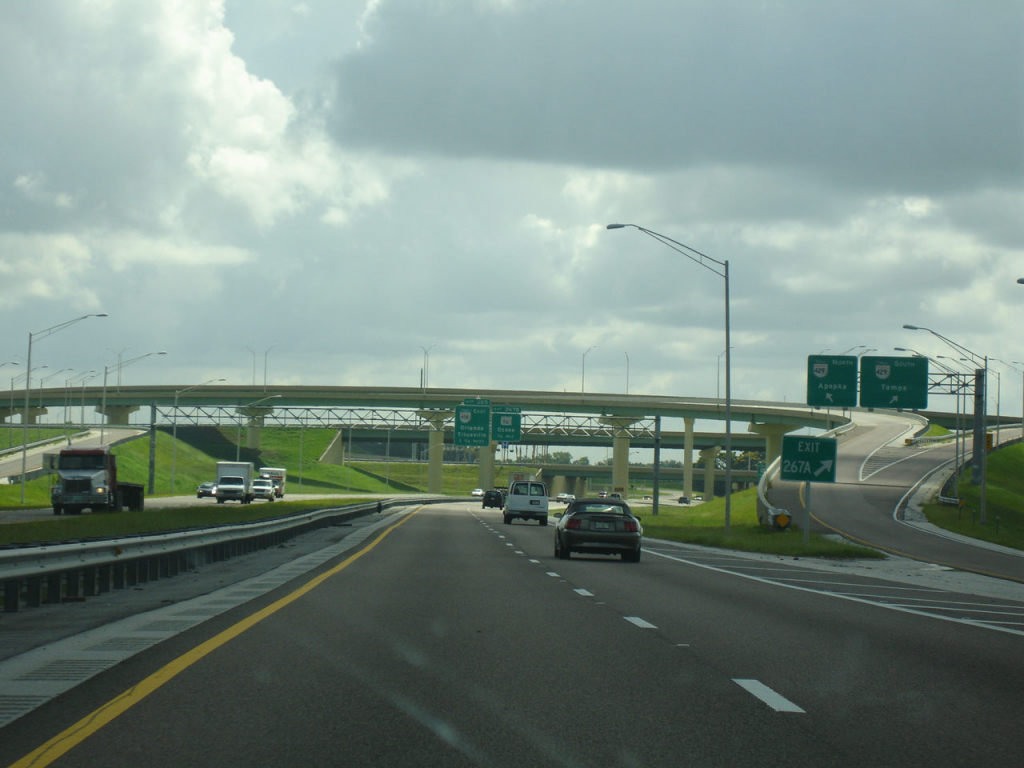
Florida’s Turnpike is a major toll highway serving several important destinations throughout the state. It connects communities in South Florida with central and northern parts of Florida, providing a convenient option for motorists traveling between metropolitan areas. Its extensive coverage makes it an important part of the state’s transportation infrastructure.
The highway is particularly useful for people traveling between Miami, Fort Lauderdale, Orlando, and other growing communities. It also provides connections to major highways, allowing drivers to reach residential areas, tourist destinations, commercial centers, and regional airports.
Passenger-car charges depend on the distance traveled and the particular toll facilities used. Motorists covering longer sections of the turnpike generally pay more than those using shorter stretches. The cumulative expense can become significant during extended road trips across Florida.
Electronic toll collection is widely used throughout the system. SunPass provides an electronic payment option, while compatible tolling arrangements and toll-by-plate services allow other motorists to pay applicable charges. Discount eligibility and payment conditions can vary.
The highway’s location contributes to its importance. Florida experiences considerable visitor traffic throughout the year, particularly during holiday periods and popular travel seasons. Tourists frequently use toll roads to move between airports, hotels, theme parks, beaches, and other attractions.
Operating such an extensive highway system requires considerable financial resources. Road resurfacing, interchange improvements, bridge maintenance, emergency services, and traffic monitoring all contribute to operating expenses. Toll revenue helps support these transportation requirements and future infrastructure projects.
For passenger-car owners, planning toll expenses before traveling can prevent unnecessary surprises. Checking the official toll calculator helps identify the expected cost for a particular entrance and exit combination. Drivers should also compare available payment options because electronic toll accounts may offer different rates from other payment methods.
3. Ohio Turnpike, Ohio
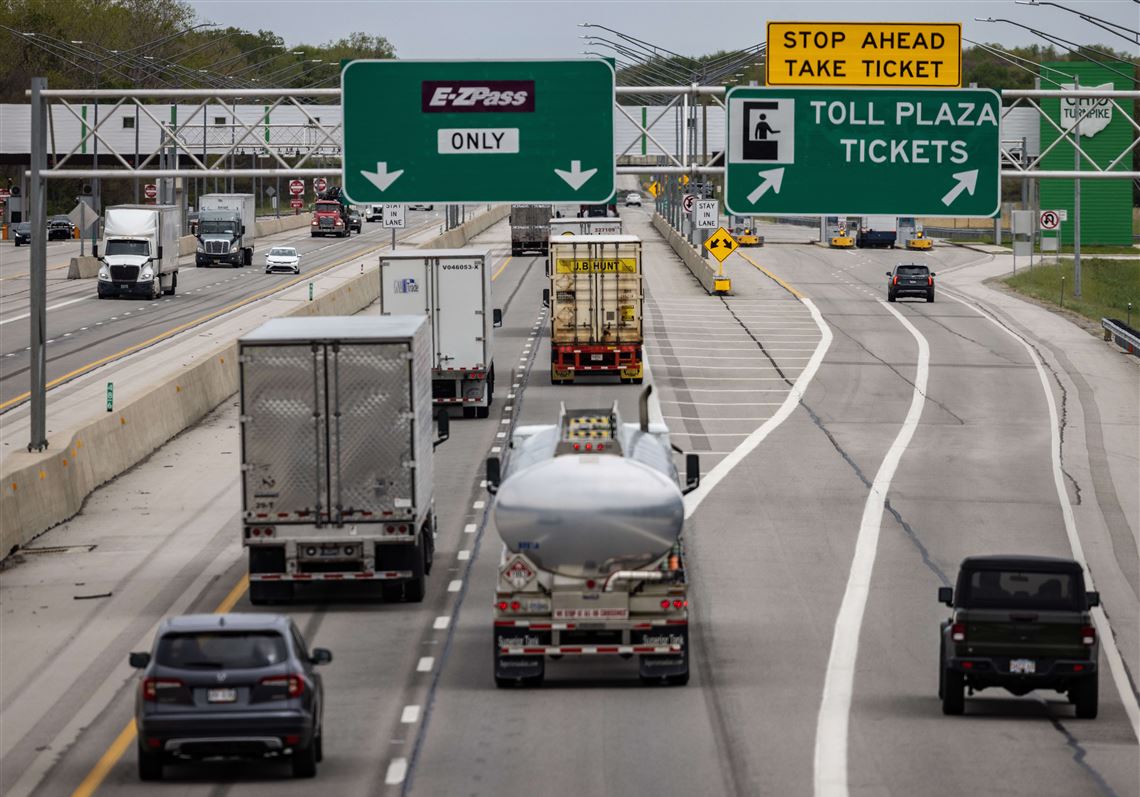
The Ohio Turnpike is a major east-west toll highway connecting communities across northern Ohio. It provides an important transportation route between the northeastern and midwestern United States. Its connection to interstate highways makes it useful for passenger-car drivers traveling between major cities and neighboring states.
The roadway stretches approximately 241 miles across Ohio, connecting the Indiana and Pennsylvania borders. It serves communities near Toledo, Cleveland, and other important transportation centers. Drivers can use it to complete long-distance journeys without navigating numerous local roads and traffic signals.
Passenger-car tolls are calculated according to the distance traveled, vehicle classification, and payment arrangement. Motorists covering the entire highway pay substantially more than those traveling between nearby interchanges. The total amount also depends on the applicable toll schedule.
The Ohio Turnpike offers E-ZPass electronic toll collection, allowing registered motorists to pay without stopping at traditional toll booths. Drivers without an electronic account can use the available toll payment arrangements. Electronic payment can make journeys more convenient and may provide favorable rates.
Maintaining a highway of this length requires regular investment. Winter weather, heavy traffic, and changing transportation demands create ongoing maintenance requirements. Road surfaces, bridges, service areas, signs, and safety systems need attention to keep the highway operating efficiently.
Passenger-car travelers often choose this route because it provides a direct connection between several important interstate corridors. Its service plazas also offer convenient stopping opportunities for fuel, food, restrooms, and short breaks during extended journeys.
Before using the Ohio Turnpike, drivers should review the official toll schedule and calculate their expected charges. This is particularly important for families traveling long distances, as toll expenses can add to fuel, food, and accommodation costs. Comparing the route with available alternatives can help motorists make informed decisions.

4. New York State Thruway, New York
The New York State Thruway is an extensive toll highway network connecting several important regions of New York. It serves metropolitan areas, smaller communities, commercial districts, and popular travel destinations. Its connections make it particularly important for motorists traveling between New York City, Albany, Buffalo, and other parts of the state.
The system covers hundreds of miles and includes important sections of Interstate 87 and Interstate 90. These highways provide access to major transportation corridors, helping passenger vehicles move between eastern and western New York.
Toll expenses vary according to the route, distance, vehicle category, and payment method. Drivers covering longer sections generally face higher charges than those using shorter portions. The total amount should therefore be calculated using the actual entry and exit points.
The Thruway uses cashless tolling across its system. E-ZPass customers can pay electronically, while motorists without an account can receive toll bills through the toll-by-mail arrangement. This approach allows traffic to continue without requiring drivers to stop at conventional toll booths.
Its geographic importance contributes to substantial operating requirements. The highway passes through different landscapes and weather conditions, creating ongoing maintenance demands. Snow removal, pavement repairs, bridge inspections, drainage work, and traffic safety improvements require regular financial investment.
Passenger-car drivers also benefit from the highway’s connections to important tourist destinations. Travelers heading toward Niagara Falls, the Finger Lakes, and other attractions frequently use sections of the Thruway. Business travelers and commuters also depend on its transportation network.
Although the toll expenses can increase the cost of a road trip, the highway provides reliable connections across a large area. Drivers should review current toll information before departure and consider whether an alternative route offers meaningful savings without adding excessive travel time.
5. New Jersey Turnpike, New Jersey
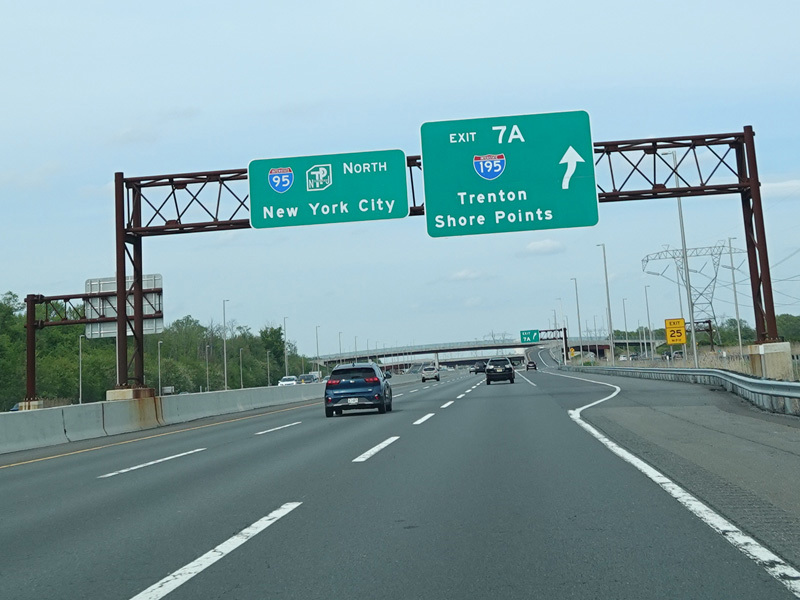
The New Jersey Turnpike is a heavily used toll highway connecting major metropolitan areas along the eastern coast of the United States. It plays an important role in regional transportation by linking northern and southern New Jersey while providing connections to New York, Pennsylvania, and Delaware.
The roadway is particularly important for passenger-car drivers traveling between Newark, Trenton, and other major destinations. It also provides convenient access to Newark Liberty International Airport, commercial districts, and important interstate highways.
Toll charges depend on the distance traveled and the particular entrance and exit locations. Drivers making longer journeys across the turnpike generally pay more than those using shorter sections. Different vehicle classifications and payment arrangements can also affect the final expense.
E-ZPass is widely used on the New Jersey Turnpike. Electronic payment allows registered motorists to pass through toll collection points without making cash transactions. Drivers without an electronic account can use the available payment arrangements at applicable facilities.
Traffic volume is an important characteristic of this highway. Its location near major population centers means it carries substantial commuter, business, and recreational traffic. Managing this traffic requires investment in roadway maintenance, signage, emergency response, and infrastructure improvements.
For passenger-car drivers, the turnpike can provide a practical alternative to congested local roads. Its direct connections help motorists reach major destinations with fewer interruptions. However, the convenience comes with toll expenses that should be considered when planning longer journeys.
Travelers should check the official toll calculator before entering the highway. The estimated charge can help determine whether the turnpike is worth using compared with alternative routes. Drivers making frequent journeys may also benefit from reviewing electronic payment options and applicable discounts.
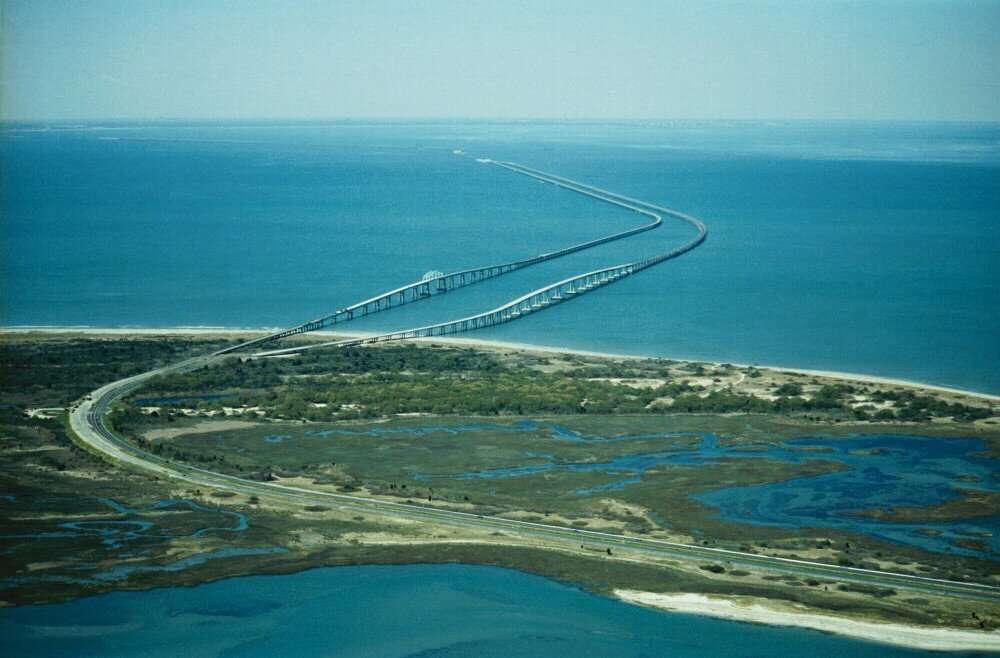
6. Chesapeake Bay Bridge-Tunnel, Virginia
The Chesapeake Bay Bridge-Tunnel is a distinctive toll facility connecting Virginia’s Eastern Shore with the Hampton Roads region. It crosses the Chesapeake Bay through a combination of bridges, artificial islands, and underwater tunnels. Its unusual design makes it an important transportation connection for passenger vehicles traveling between these regions.
The facility extends approximately 17.6 miles across the Chesapeake Bay. It provides a direct route between communities that would otherwise require considerably longer journeys around the water. This connection is particularly valuable for residents, tourists, and commercial travelers.
Passenger-car charges are generally collected according to the facility’s published toll schedule. Unlike conventional toll highways, where expenses accumulate across multiple interchanges, the bridge-tunnel involves a specific crossing charge. The applicable amount can depend on the direction of travel and toll arrangements.
The bridge-tunnel is particularly important for tourism in Virginia. Visitors traveling toward the Eastern Shore can use it to reach coastal communities, beaches, recreational areas, and other destinations. It also supports regional business activities by providing a dependable transportation connection.
Constructing and maintaining this facility involves considerable engineering requirements. Its bridges, tunnels, artificial islands, and roadway sections must withstand marine conditions, changing weather, and continuous vehicle traffic. Inspections and maintenance are essential for preserving structural safety.
Weather conditions can influence travel through the facility. Strong winds, heavy rain, fog, and other conditions may result in temporary restrictions or delays. Drivers should check official travel advisories before beginning their journey, especially during severe weather.
For passenger-car travelers, the Chesapeake Bay Bridge-Tunnel offers a convenient crossing that can save considerable driving time. However, the toll should be included in the total travel budget. Checking current rates, restrictions, and payment arrangements helps motorists prepare for a smoother journey.

7. E-470, Colorado
E-470 is a major toll highway forming part of the eastern and southeastern transportation network around the Denver metropolitan area. It provides an alternative to several busy roads and offers connections to important highways, residential communities, commercial districts, and Denver International Airport.
The highway extends approximately 47 miles and serves communities throughout the eastern side of the Denver metropolitan region. Its location makes it useful for motorists traveling between suburban areas without passing directly through central Denver.
Passenger-car tolls are calculated according to the distance traveled and the toll points used. Drivers covering longer sections of E-470 generally accumulate higher charges. The total expense can become noticeable for frequent travelers who use several segments during their regular journeys.
The road uses electronic toll collection and license plate-based billing arrangements. Registered customers can use an electronic toll account, while other motorists may receive bills based on their vehicle registration information. Payment rules and rates depend on the applicable account arrangement.
E-470 is particularly useful for people traveling to and from Denver International Airport. It provides an alternative connection for residents of eastern suburbs and travelers coming from surrounding communities. This can reduce the need to navigate certain congested sections of the metropolitan road network.
The highway’s toll structure supports its privately operated transportation infrastructure. Revenue helps cover maintenance, improvements, financing obligations, and operating expenses. These responsibilities influence the rates charged to motorists using the road.
Drivers should calculate their expected toll expenses before choosing E-470 for a regular commute or longer journey. Comparing the toll road with free alternatives can help identify the most suitable option. For travelers who value direct access and predictable travel routes, the additional expense may be worthwhile.
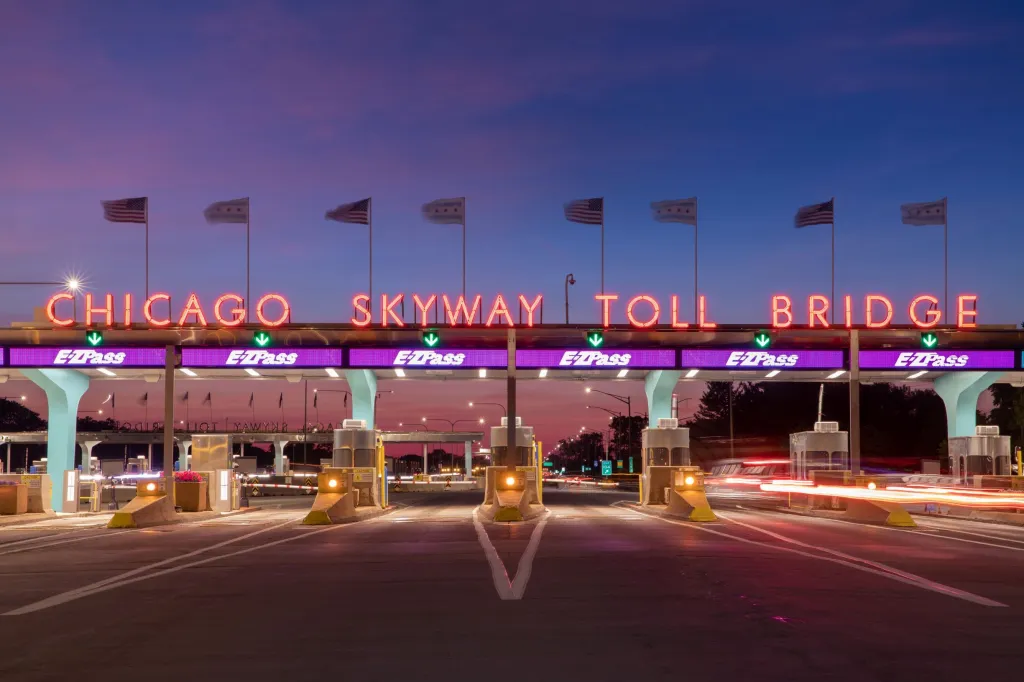
8. Chicago Skyway, Illinois
The Chicago Skyway is an important toll highway serving the southeastern side of Chicago. It provides a connection between the city’s expressway network and the Indiana Toll Road. Its position makes it particularly useful for passenger-car drivers traveling between Chicago and destinations farther east.
The highway is approximately 7.8 miles long and forms part of a larger regional transportation corridor. Although relatively short compared with major turnpikes, its importance comes from its connection to heavily traveled roads and its position near major commercial and industrial areas.
The passenger-car toll is charged for using the Skyway rather than being calculated across hundreds of miles. This means motorists making a relatively short journey may still encounter a noticeable toll expense compared with using an ordinary untolled road.
Electronic toll collection provides a convenient payment option for registered users. Motorists should check the current payment requirements and available arrangements before traveling. Toll rates can change, so relying on outdated information may lead to incorrect travel cost estimates.
The highway’s elevated structure requires specialized maintenance. Bridge inspections, structural repairs, roadway resurfacing, lighting, drainage, and safety improvements are important parts of its operation. These requirements contribute to the financial responsibilities associated with maintaining the facility.
The Chicago Skyway can be useful for drivers seeking a direct connection between Chicago’s road network and northeastern Indiana. It can also help some motorists avoid less convenient surface streets, depending on their destination and travel conditions.
Before choosing the Skyway, passenger-car drivers should compare its toll with the time and distance required by alternative routes. A relatively short toll road can still represent a significant expense for people using it regularly. Checking current rates makes it easier to decide whether the convenience justifies the additional cost.
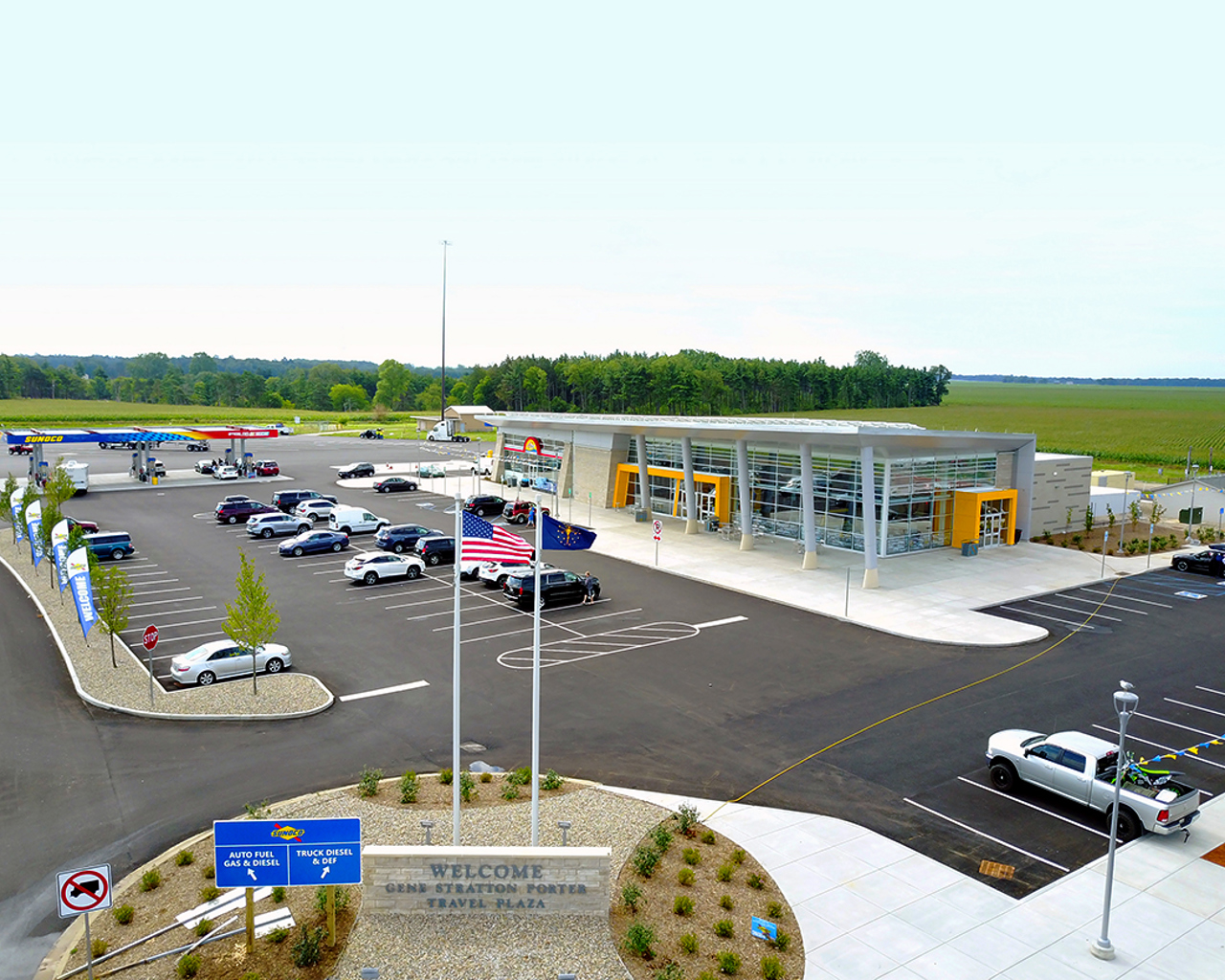
9. Indiana Toll Road, Indiana
The Indiana Toll Road is a major east-west transportation corridor connecting northern Indiana with neighboring states. It forms part of an important interstate route between the Midwest and northeastern United States. Passenger-car drivers frequently use it when traveling between Chicago, northern Indiana, and destinations farther east.
The highway extends approximately 157 miles across northern Indiana. It provides connections to important communities, commercial centers, and interstate routes. Its location makes it particularly useful for long-distance travelers who want a direct route across the state.
Passenger-car toll charges depend on the distance traveled and the entry and exit points selected. Drivers covering the entire highway generally pay more than those using shorter sections. The applicable toll also depends on the vehicle classification and payment arrangement.
The Indiana Toll Road supports electronic payment through E-ZPass. This system allows registered motorists to pay electronically and makes travel through toll facilities more convenient. Other payment arrangements are available for drivers who do not use an electronic transponder.
Its role in regional transportation creates continuous infrastructure requirements. Heavy traffic, seasonal weather, and long-distance vehicle movement place pressure on road surfaces and supporting structures. Regular inspections, resurfacing, bridge repairs, and safety improvements are necessary to maintain reliable operations.
Passenger-car drivers benefit from the highway’s connections to major destinations and its position within the interstate transportation network. It is particularly useful for people traveling between the Chicago metropolitan area and communities across northern Indiana.
Before beginning a journey, motorists should use the official toll calculator to estimate their expenses. Checking the selected entry and exit points can prevent confusion about the final charge. Comparing electronic payment rates with other available options can also help travelers manage transportation costs.