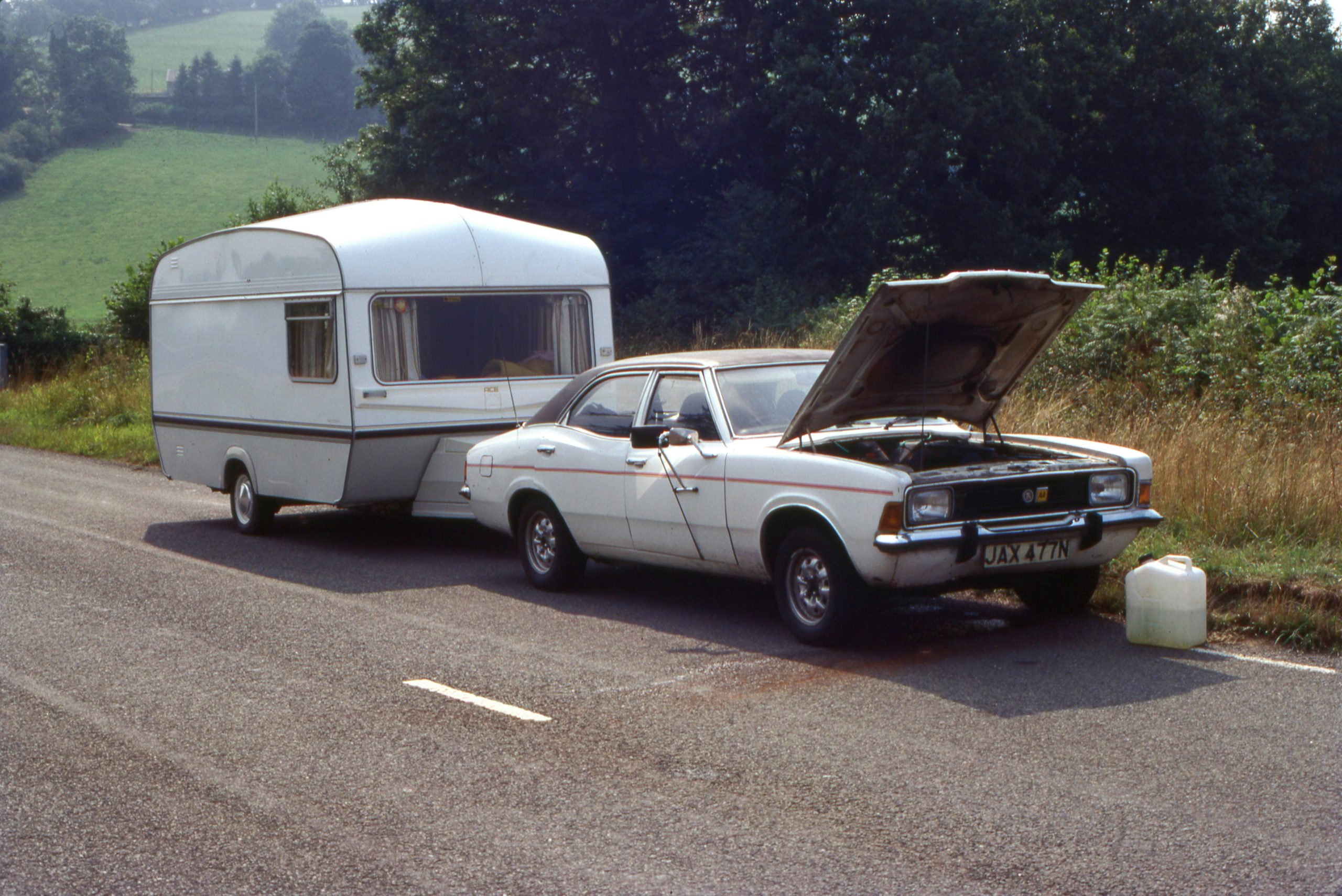
A vehicle breakdown can create unexpected expenses, even when you have an active insurance policy. Many drivers assume their coverage will take care of every cost associated with a roadside emergency, mechanical failure, or accident-related repair. However, insurance policies have specific limits, exclusions, and conditions that determine which expenses qualify for reimbursement.
From towing charges and temporary accommodation to replacement parts and personal belongings, several costs may come directly out of your pocket. Understanding these potential expenses before a breakdown occurs can help you make informed decisions, avoid financial surprises, and choose coverage that better suits your driving needs.
1. Towing Charges Beyond Your Policy Limits
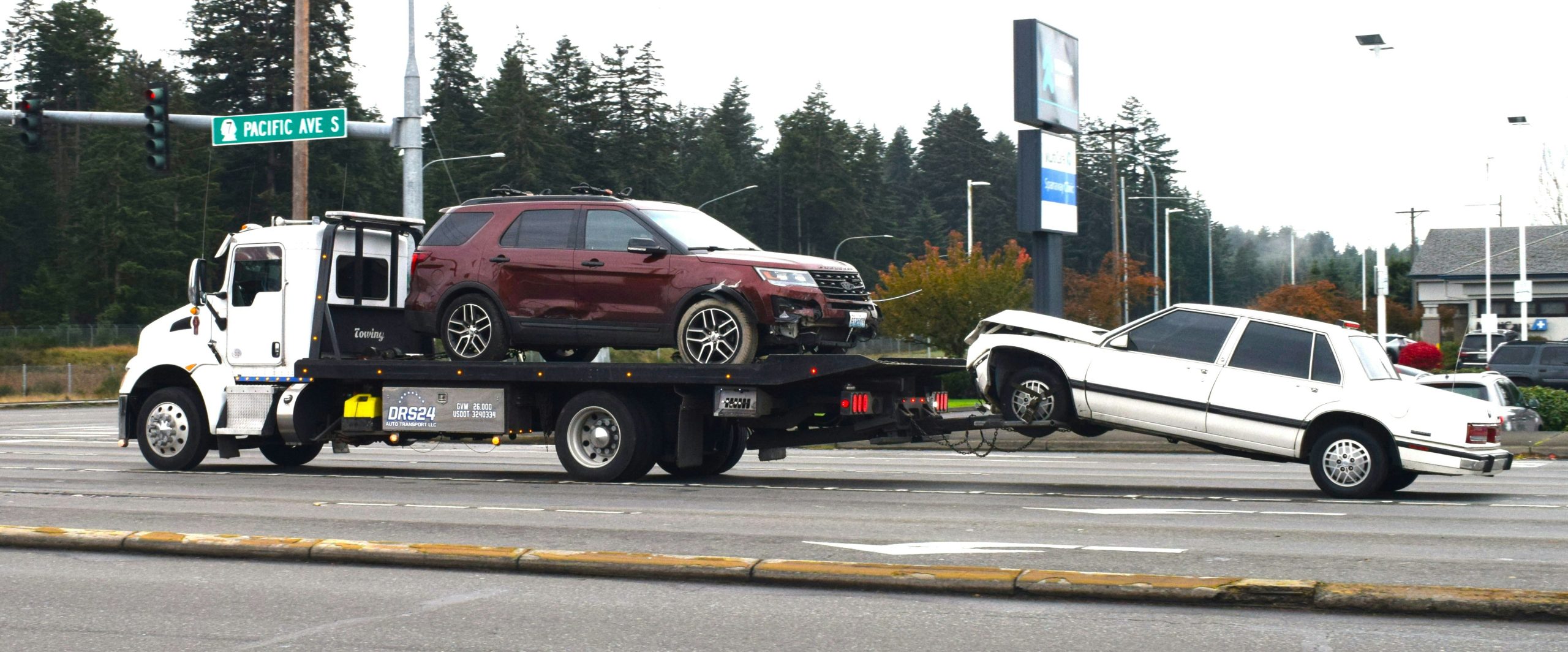
Towing is often among the first expenses drivers face after a vehicle breaks down. When a car stops working on a highway, in a remote area, or far from a repair facility, arranging transportation becomes necessary. Many insurance policies provide roadside assistance or towing benefits, but these services usually come with specific limits.
Some policies cover towing only up to a certain distance. If your preferred garage is farther away, you may need to pay the additional transportation charges yourself. This can become expensive when your vehicle breaks down outside your city or in an unfamiliar location.
The type of breakdown can also affect eligibility. Certain roadside assistance plans cover towing after an accident but exclude mechanical failures. Others provide support for both situations, subject to their individual terms and conditions.
Drivers should also consider situations where specialized towing equipment is required. Vehicles with significant damage, locked wheels, or transmission problems may need flatbed transportation. If the insurer’s approved service provider does not offer the necessary equipment, additional charges may apply.
Another potential expense involves towing to a specific repair shop. Insurance companies may direct drivers to approved garages or service centers. Choosing a different destination could mean paying part or all of the towing bill independently.
Waiting time can create additional costs in some circumstances. If a roadside assistance provider takes longer than expected to reach your location, you might arrange private towing to avoid remaining stranded. Reimbursement for independently arranged services is not guaranteed.
Before purchasing a policy, check its towing distance, maximum reimbursement amount, and approved service conditions. Ask whether mechanical breakdowns qualify for assistance and whether you can choose your preferred repair facility.
Keeping the insurer’s roadside assistance number saved on your phone can also prevent unnecessary expenses. Contacting the provider before arranging private towing gives you a better chance of receiving the benefits included in your coverage.
2. Mechanical Repairs Caused by Wear and Tear
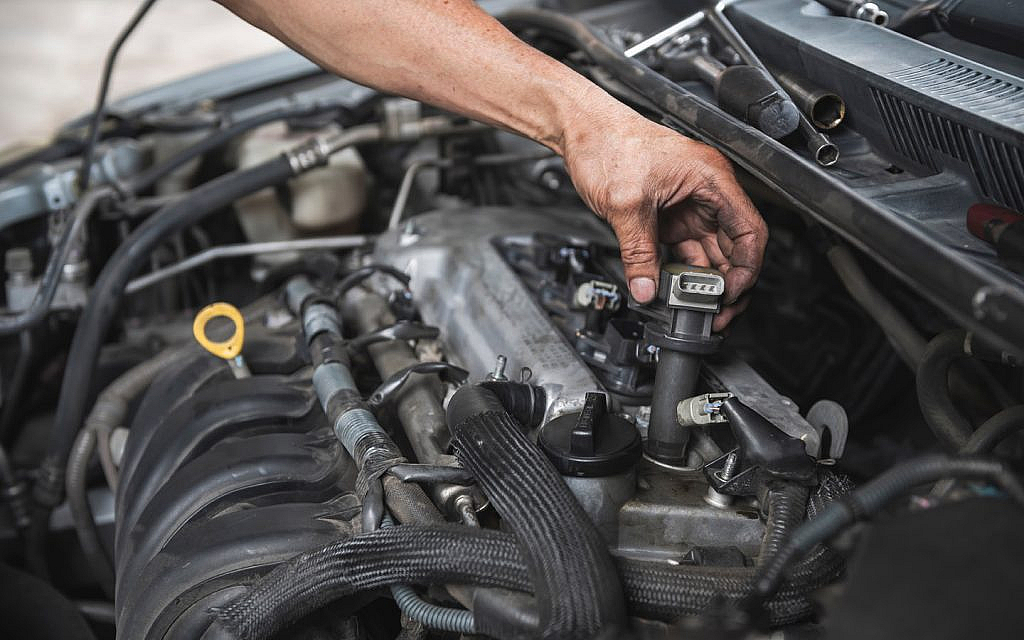
Insurance generally does not cover routine mechanical repairs resulting from normal vehicle use. Components gradually deteriorate as a car accumulates mileage, and replacing worn parts is usually considered the owner’s responsibility.
Common examples include worn brake pads, damaged suspension components, aging belts, and deteriorated rubber hoses. These parts require maintenance or replacement according to the manufacturer’s recommended service schedule.
Engine problems caused by insufficient maintenance may also fall outside standard insurance coverage. If a driver regularly ignores oil changes, cooling system issues, or other maintenance requirements, the resulting damage may not qualify for reimbursement.
A vehicle’s clutch system provides another example. Clutch plates gradually wear through regular use, particularly in vehicles frequently driven through heavy traffic. Replacing worn clutch components is generally treated as a maintenance expense rather than an insured event.
Battery replacement is another cost drivers may need to handle independently. Most standard motor insurance policies do not cover an ordinary battery that reaches the end of its useful life. Some roadside assistance packages may provide jump-start services, but this does not necessarily include a replacement battery.
Tire deterioration also creates unexpected expenses. Insurance usually does not pay for tires that become bald through regular driving or develop damage from ordinary aging. Coverage may differ when tire damage results from a covered accident or when a specific tire protection add-on is included.
Drivers can reduce these expenses by following recommended maintenance schedules and addressing minor warning signs promptly. Regular inspections help identify developing problems before they lead to major mechanical failures.
When reviewing insurance options, distinguish between accident-related damage and mechanical deterioration. Understanding this difference helps prevent unrealistic expectations about what a standard policy will pay for after a breakdown.
3. Replacement Costs for Batteries, Tires, and Small Components
A breakdown does not always involve major engine damage. Sometimes, a relatively small component prevents a vehicle from operating safely. Replacing these parts can still create unexpected expenses when insurance does not include the relevant protection.
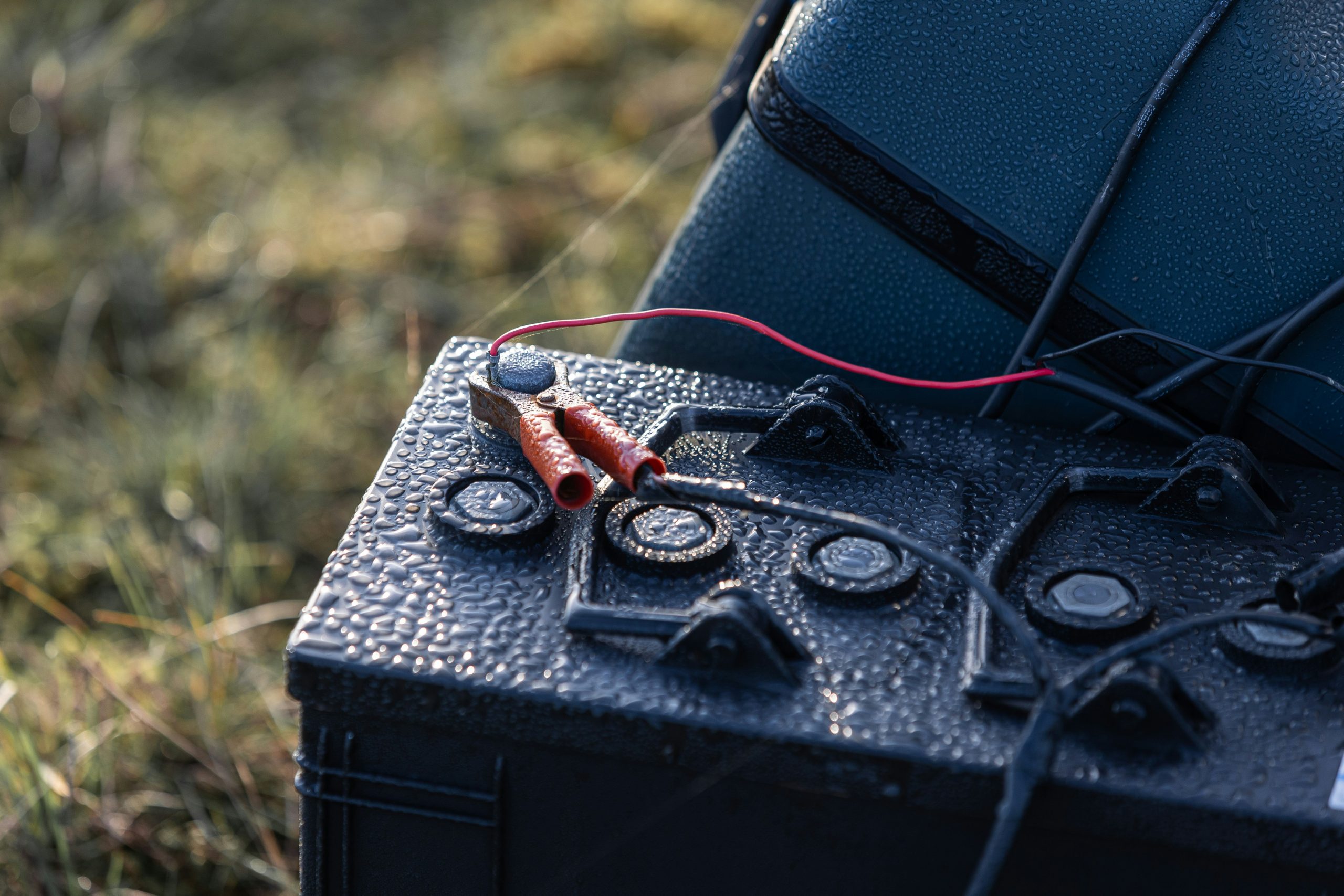
Car batteries commonly fail because of age, extreme temperatures, electrical problems, or extended periods without use. Standard insurance coverage generally excludes replacement due to normal battery deterioration. Drivers may have to purchase a new battery and pay for installation.
Tires are another important consideration. A puncture caused by a nail, gradual air leakage, or damage from hitting a sharp object may not qualify for reimbursement under a basic policy. Specific tire protection benefits may be available through optional coverage.
A damaged windshield wiper motor, faulty alternator, or defective starter can also leave a vehicle unable to operate. These components are typically covered only when their damage results from an insured event, rather than ordinary mechanical failure.
Small electrical components can create similar problems. Fuses, sensors, wiring connections, and switches may fail without warning. Standard motor insurance does not usually cover every electrical fault simply because it causes the vehicle to stop working.
Some insurers offer separate roadside assistance or consumable protection benefits. These may help with selected replacement costs, emergency repairs, or service charges. However, eligibility depends on the specific policy wording and any applicable limits.
Drivers should avoid assuming that roadside assistance automatically includes replacement parts. A service provider may help restart the vehicle or install a spare tire without paying for the new battery or tire itself.
Checking the condition of tires, battery terminals, electrical connections, and essential components during regular servicing can reduce the likelihood of roadside problems. Preventive maintenance is often more economical than arranging emergency repairs.
4. Temporary Accommodation and Travel Expenses
A breakdown far from home can disrupt an entire travel schedule. If your vehicle becomes unusable during a long-distance journey, you may need accommodation, alternative transportation, meals, and other emergency arrangements.
Standard vehicle insurance generally focuses on covered damage to the insured vehicle and related liabilities. It does not automatically reimburse every personal expense resulting from an unexpected breakdown.
Hotel accommodation is a common example. Drivers traveling with family may need to stay overnight while waiting for repairs. Unless the policy includes a suitable trip interruption or emergency accommodation benefit, the hotel bill may remain their responsibility.
Food expenses can also increase when a breakdown delays a journey. A family might need to purchase meals while waiting for a replacement vehicle or repair service. These everyday costs are not normally included in standard motor insurance.
Alternative transportation can create a more significant financial burden. If your car cannot be repaired immediately, you may need to hire a taxi, rent another vehicle, or purchase public transportation tickets to reach your destination.
Some comprehensive roadside assistance packages provide travel continuation benefits. Depending on the terms, these may reimburse selected transportation or accommodation expenses when a vehicle becomes unusable following a qualifying incident.
However, such benefits often include restrictions. They may apply only after a minimum distance from home, require advance authorization, or impose a maximum amount per incident. Receipts and supporting documents may also be necessary.
Before taking a long road trip, review the travel-related benefits included in your policy. Check whether accommodation, vehicle rental, and onward transportation are covered and whether the benefits apply to mechanical breakdowns.
Keeping an emergency travel budget can also help. Having access to alternative transportation and accommodation funds makes unexpected delays easier to manage without depending entirely on insurance reimbursement.
5. Personal Belongings Damaged or Lost Inside the Vehicle
Drivers frequently keep personal belongings inside their vehicles. These items may include laptops, mobile phones, shopping bags, luggage, cameras, work equipment, and other valuables. However, standard motor insurance does not automatically protect everything stored inside a car.
If a breakdown causes damage to personal belongings, the vehicle insurance policy may not provide reimbursement. Coverage for the vehicle itself is different from coverage for the property carried inside it.
For example, a laptop left inside a vehicle might become damaged because of water entering through a broken window. Whether the loss qualifies for compensation depends on the policy’s personal belongings provisions and the circumstances surrounding the incident.
Theft creates a separate concern. If someone steals luggage, electronic devices, or other possessions from an unattended vehicle, standard vehicle insurance may exclude those items. A separate home insurance or personal belongings policy might provide relevant protection.
Work-related equipment can also require special consideration. Business owners, contractors, photographers, and sales professionals often transport expensive tools and devices. Personal motor insurance may not cover these items adequately, particularly when they are used for commercial activities.
Another important consideration involves the value of the belongings. Even when a policy provides limited personal effects coverage, the maximum reimbursement may be considerably lower than the actual replacement cost.
Drivers should avoid leaving expensive items in visible areas of parked vehicles. Keeping valuables in secure storage and maintaining purchase receipts can help reduce financial losses and support eligible claims.
If you regularly transport valuable equipment, ask your insurer about separate personal belongings or commercial equipment coverage. This can provide more suitable protection than relying on standard vehicle insurance.
6. Additional Labour and Diagnostic Charges
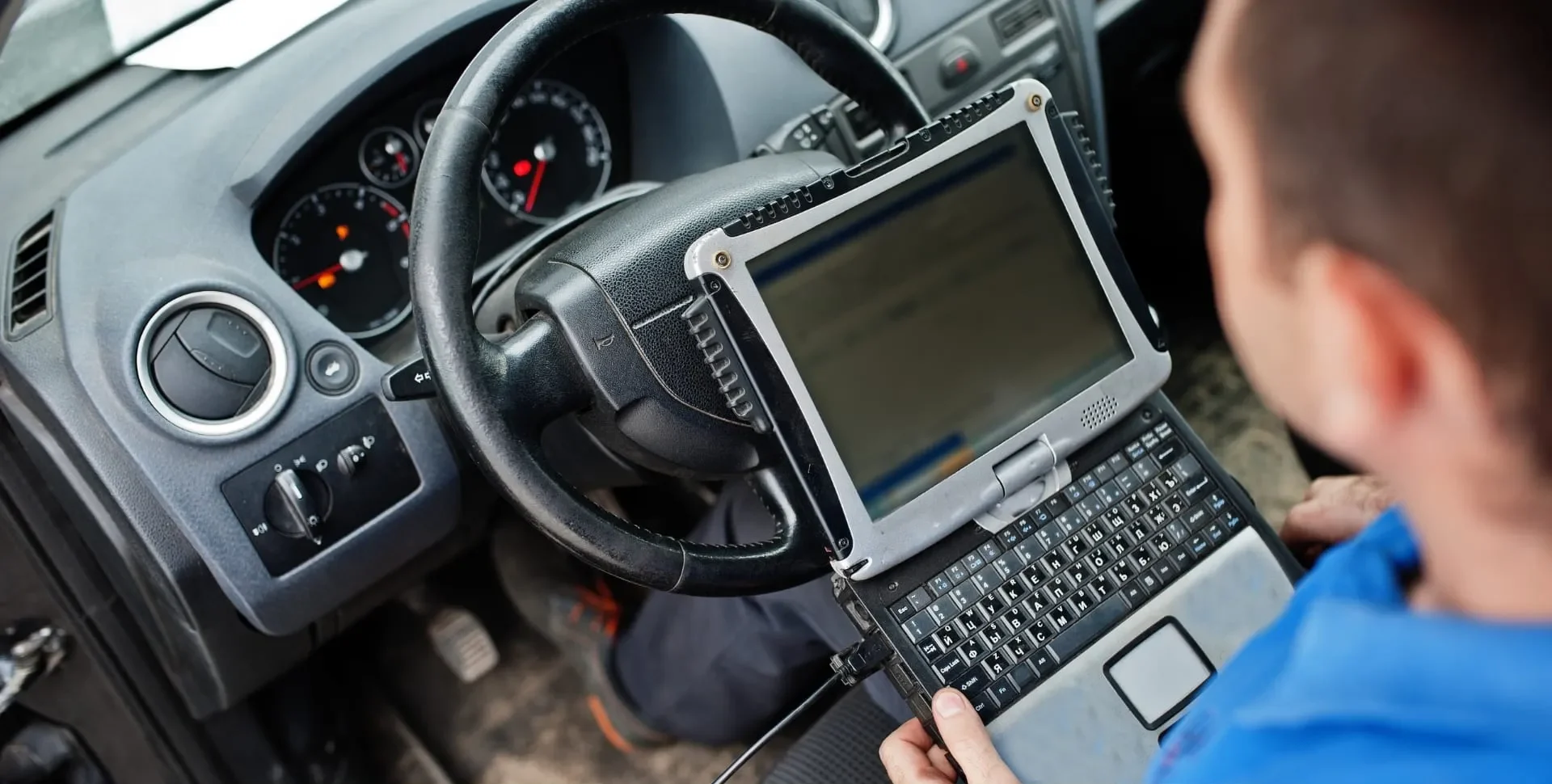
When a vehicle breaks down, identifying the cause of the problem can take time. A mechanic may need to inspect different systems, connect diagnostic equipment, and perform several tests before recommending repairs.
These diagnostic services are not necessarily covered by standard insurance. If the breakdown results from an ordinary mechanical problem rather than an insured incident, the driver may need to pay the inspection charges independently.
Modern vehicles contain complex electronic systems. Mechanics frequently use specialized scanning tools to identify fault codes and investigate issues involving engine performance, transmission systems, sensors, and onboard computers.
Some problems require extensive testing before the exact cause becomes clear. A vehicle that repeatedly loses power, for example, may have an electrical issue, fuel delivery problem, or sensor malfunction. Diagnostic work can increase the repair bill even before replacement parts are installed.
Labour charges also vary between workshops. Authorized service centers, independent garages, and specialist repair facilities may have different hourly rates. Insurance policies generally do not guarantee payment for every repair service selected by the vehicle owner.
In accident-related cases, reasonable diagnostic and labour expenses may qualify for coverage when they are directly connected to an approved claim. However, unrelated faults discovered during the inspection may remain excluded.
Drivers should request a written estimate before approving extensive diagnostic work. The estimate should explain the inspection fee, expected labour charges, replacement parts, and any additional services that might be required.
It is also important to clarify whether the insurer needs to inspect or approve the vehicle before repairs begin. Starting work without following the required claim procedure can complicate reimbursement.
Reviewing the repair authorization process can help avoid disagreements. A clear understanding of eligible labour charges and exclusions makes it easier to manage the final repair bill.
7. Damage Caused by Negligence or Improper Maintenance
Insurance policies generally require vehicle owners to maintain their vehicles in a reasonably safe operating condition. Neglecting essential maintenance can affect coverage when it contributes to a breakdown or damage.
For example, ignoring a persistent engine overheating warning can lead to serious internal damage. If the vehicle owner continues driving without addressing the problem, the insurer may investigate whether negligence contributed to the loss.
Using the wrong engine oil or ignoring recommended servicing can also create mechanical complications. Damage resulting from improper maintenance may be excluded under the policy’s terms.
Driving with dangerously low coolant levels presents another risk. The cooling system helps regulate engine temperature, and inadequate coolant can result in overheating. Any resulting damage may become the owner’s financial responsibility if it is linked to neglect.
Overloading a vehicle beyond its permitted capacity can also contribute to mechanical problems. Excessive weight places additional pressure on suspension components, tires, brakes, and other systems. Depending on the circumstances, damage resulting from prohibited or unsafe use may not qualify for compensation.
Unauthorized modifications can create further complications. Changes to engine performance, electrical systems, or other essential components may affect coverage if they violate policy conditions or contribute to the breakdown.
Maintaining accurate service records can help demonstrate that the vehicle has received appropriate care. Receipts, inspection reports, and maintenance invoices provide useful evidence when questions arise during claim assessment.
Drivers should also respond promptly to dashboard warning lights and unusual vehicle behavior. Strange noises, fluid leaks, overheating, and reduced braking performance should never be ignored.
Reading policy exclusions is equally important. Understanding how negligence, maintenance failures, and vehicle modifications affect coverage can help owners avoid preventable claim disputes.

8. Rental Car Expenses and Replacement Vehicle Costs
Being without a vehicle can create significant inconvenience, particularly for people who depend on their cars for work, family responsibilities, or daily travel. Renting a replacement vehicle may seem like the easiest solution, but the expense is not automatically covered by insurance.
Many standard motor insurance policies do not include rental vehicle reimbursement. Even when a car becomes unusable because of a covered accident, the owner may need to arrange and pay for alternative transportation.
Some insurers offer a daily allowance or replacement vehicle benefit through optional coverage. This may help pay for a temporary vehicle while the insured car undergoes approved repairs.
However, these benefits usually have conditions. The policy may specify a daily reimbursement limit, a maximum number of rental days, and restrictions on the type of replacement vehicle.
A rental company’s security deposit can also create an additional expense. Drivers may need to provide a credit card or pay a deposit before collecting the vehicle. These amounts are not necessarily reimbursed through insurance.
Fuel costs, toll charges, parking fees, and optional rental services may remain the driver’s responsibility. Even when the basic rental fee qualifies for reimbursement, associated expenses can increase the final amount.
Mechanical breakdowns may receive different treatment from accident-related repairs. A replacement vehicle benefit might apply only when the insured car is being repaired following a covered accident, excluding ordinary mechanical failure.
Drivers should confirm the eligibility requirements before booking a rental vehicle. Obtaining approval from the insurer and keeping the rental agreement and payment receipts can help prevent unnecessary claim complications.
For people who rely heavily on their vehicles, comparing policies with replacement vehicle benefits may be worthwhile. The additional premium should be weighed against the potential cost of arranging transportation independently.
9. Depreciation, Deductibles, and Other Out-of-Pocket Expenses
Even when an insurer approves a claim, it may not cover the full repair bill. Deductibles, depreciation, coverage limits, and policy exclusions can all leave the vehicle owner paying part of the cost.
A deductible (called an “excess” in the UK, Australia, and many other markets) is the amount you pay toward an eligible claim before the insurer pays the rest. It may be a fixed sum or a percentage, depending on your policy.
Vehicle parts lose value with age, and many insurers reduce payouts for replaced components based on their depreciation rules. If new parts cost more than the depreciated value your policy recognizes, you may have to cover the difference. Items such as engine oil, lubricants, nuts, bolts, and filters are often excluded from standard coverage unless your policy includes a consumables add-on.
If an approved repair exceeds the maximum payable under a particular benefit, you are responsible for the remaining balance. Some repair shops bill for work the insurer has not approved, including extra cleaning, optional upgrades, unrelated repairs, or non-essential replacements.
Many comprehensive motor policies offer extras such as new-for-old or zero-depreciation cover, roadside assistance, engine protection, and consumables cover. These can reduce your out-of-pocket costs, but they come with eligibility criteria, exclusions, and claim conditions.
Before you accept a repair estimate, ask your insurer for an itemized breakdown showing the approved amount, all deductions, and the portion you are expected to pay. This makes your financial responsibility clear and helps you avoid surprise charges.