
Gap insurance can provide valuable financial protection when a vehicle is declared a total loss or stolen and never recovered. It covers the difference between the remaining loan or lease balance and the vehicle’s actual cash value, subject to the policy terms and coverage limits.
However, many vehicle owners make mistakes that can delay, reduce, or even invalidate a gap insurance payout. Missing paperwork, late payments, incorrect information, and failure to follow claim procedures can create serious problems during settlement.
Understanding these nine common mistakes can help drivers protect their coverage, avoid unnecessary disputes, and improve their chances of receiving the compensation they deserve.

1. Missing Premium Payments or Allowing the Policy to Lapse
Keeping gap insurance active is essential for receiving financial protection when a vehicle becomes a total loss. Some vehicle owners purchase coverage at the time of financing and later forget to include its premium in their regular expenses. Missing payments can create complications if the insurer cancels the policy before an accident or theft occurs.
A policy lapse means the coverage may no longer be active when the loss happens. Insurance providers generally review the policy status and payment history before approving a claim. If the coverage ended before the incident, the insurer may have grounds to reject the payout.
Some gap insurance plans include the premium in the vehicle loan, while others require separate payments. Drivers should understand how their particular policy collects premiums. Assuming that coverage is automatically maintained can lead to unexpected problems.
Payment delays can also create confusion about the exact date coverage ended. Certain policies provide a grace period, but the length and availability of this period depend on the contract and applicable regulations. Policyholders should never assume that a late payment will automatically be accepted.
Setting up automatic payments can help prevent missed installments. Drivers who pay premiums separately should also keep payment confirmations and policy statements. These records can become useful if a dispute arises about whether coverage was active on the date of loss.
It is equally important to check bank statements regularly. A failed transaction, expired payment card, or insufficient account balance can interrupt premium collection without the policyholder noticing immediately.
If an insurer sends a cancellation notice, the vehicle owner should contact the provider promptly. Asking about reinstatement options may help, but reinstatement is not guaranteed. A policyholder should obtain written confirmation before assuming that coverage has resumed.
Maintaining continuous coverage is a simple but important step toward protecting a future gap insurance claim. Regular payment checks, updated billing information, and careful attention to cancellation notices can prevent avoidable complications.
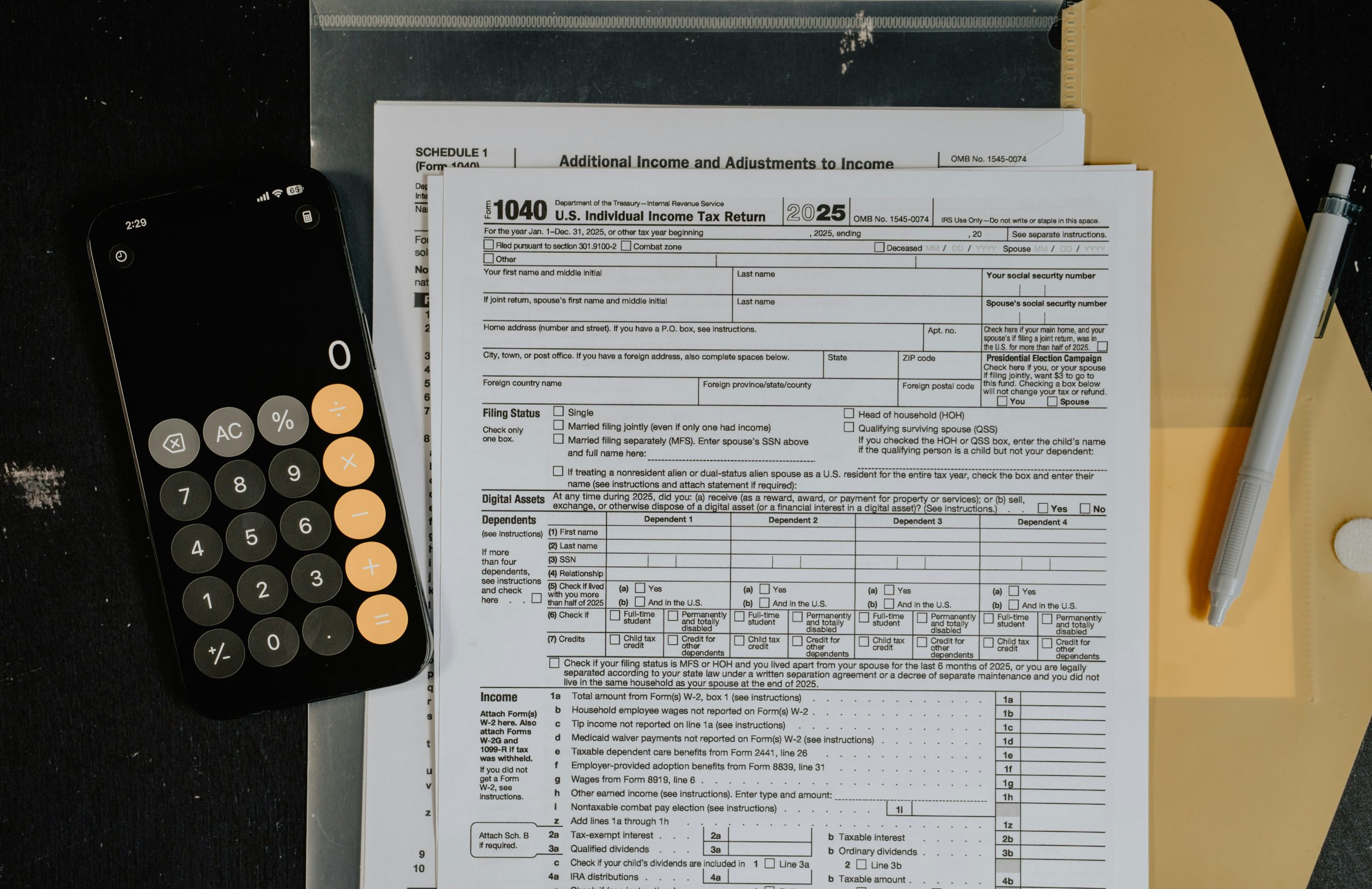
2. Providing Incorrect Information When Purchasing Gap Insurance
Accurate information is essential when purchasing gap insurance. Insurers and finance companies use details about the vehicle, loan, lease, and policyholder to determine eligibility and coverage limits. Incorrect information can create problems when a claim is submitted.
Some buyers accidentally provide an incorrect vehicle identification number (VIN). The VIN identifies the specific vehicle and connects it to registration, financing, and insurance records. A mismatch between the policy documents and the damaged vehicle may delay claim verification.
Incorrect loan information can also affect the settlement process. Gap insurance is designed to address a qualifying difference between the vehicle’s value and the outstanding financial obligation. If the insurer receives inaccurate loan details, it may need additional documents before calculating the eligible amount.
Vehicle owners should carefully review the purchase agreement and financing documents before completing an insurance application. Details such as the vehicle model, year, purchase price, loan amount, and finance provider should match the official records.
Another common mistake involves failing to disclose the vehicle’s actual use. Certain policies may have restrictions involving commercial activities, vehicle modifications, or specific usage arrangements. Providing incomplete information about these circumstances can create coverage disputes.
Policyholders should also check whether the insurance is attached to the correct vehicle. This is particularly important for households with multiple financed cars or individuals who replace vehicles frequently.
If an error appears in the policy documents, contacting the insurer immediately is the safest approach. Requesting a written correction creates a record that the issue was addressed before a claim became necessary.
Honest and accurate information helps establish a clear relationship between the policy, vehicle, and financing agreement. Reviewing every detail at the time of purchase can prevent unnecessary complications later.

3. Failing to Report an Accident or Theft Promptly
Timing plays an important role in the gap insurance claims process. When a vehicle is involved in a serious accident or stolen, the owner should notify the primary auto insurer and follow the reporting requirements outlined in the gap policy.
Delaying an accident report can make it harder for insurance companies to verify what happened. They may need photographs, police reports, repair estimates, witness statements, and other evidence to determine whether the vehicle qualifies as a total loss.
Theft claims require particular attention because the insurer may need confirmation that the vehicle was reported missing and that the relevant investigation procedures were followed. Waiting too long to contact the police or primary insurance provider can complicate verification.
Some gap insurance contracts establish specific notification deadlines. Missing these deadlines may create grounds for a dispute, particularly when the delay prevents the insurer from properly investigating the incident.
Drivers should review their policy documents to understand the required reporting procedure. If the contract does not clearly explain the deadline, contacting the insurance provider directly can help clarify the expectations.
It is also important to keep copies of all communication. Emails, claim reference numbers, police reports, and confirmation messages provide evidence that the incident was reported and the required steps were taken.
Vehicle owners should avoid assuming that reporting the accident to their regular auto insurer automatically notifies the gap insurance provider. These may be separate companies with independent claim procedures.
Prompt reporting helps establish a reliable timeline and gives insurers the information they need to assess the loss. Acting quickly can reduce delays and prevent avoidable disagreements during the settlement process.
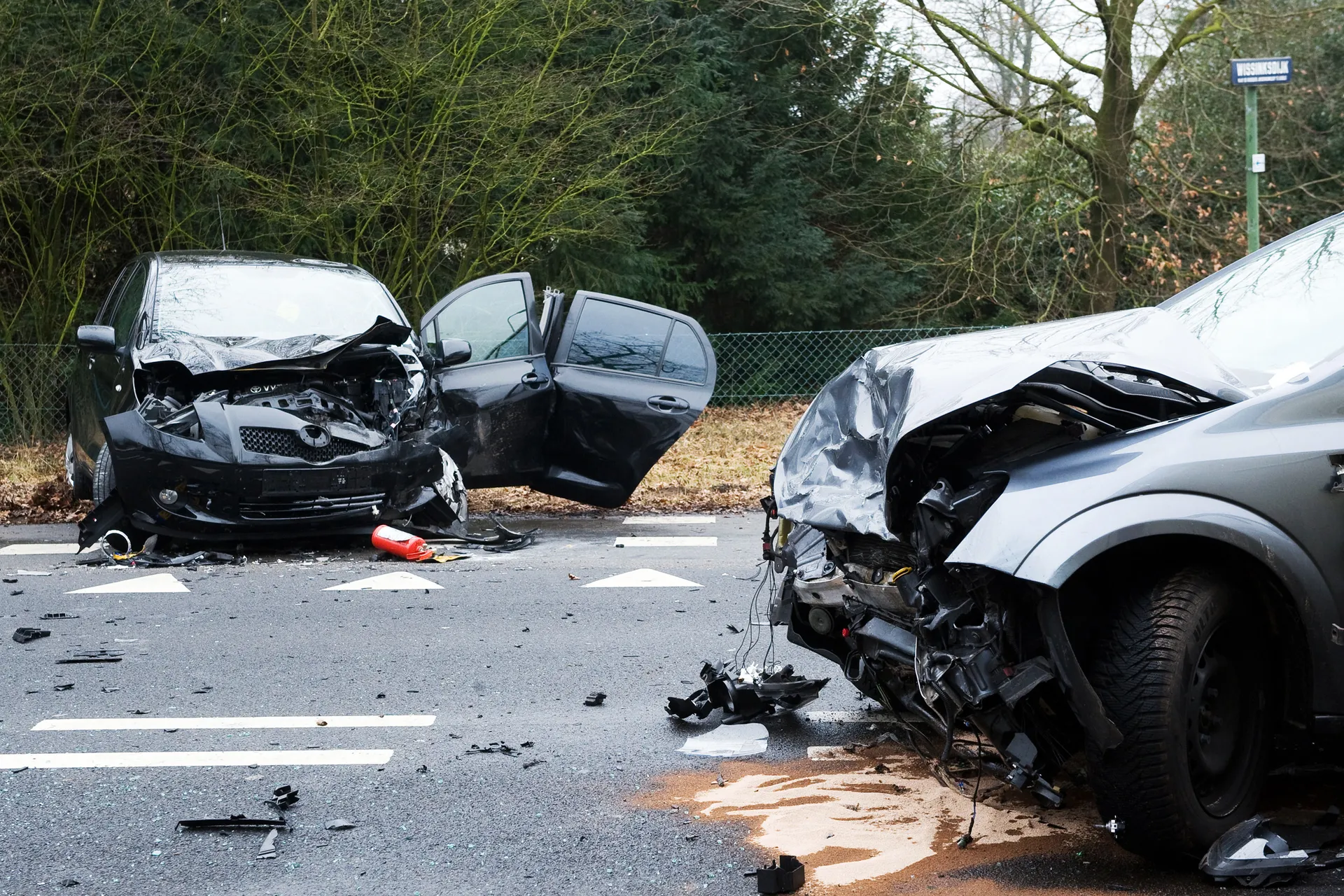
4. Not Maintaining Comprehensive and Collision Insurance
Gap insurance generally works alongside a primary auto insurance policy. It is not designed to replace standard vehicle coverage or pay for every type of damage. Most gap insurance policies require the vehicle owner to maintain comprehensive and collision coverage throughout the relevant coverage period.
Collision insurance generally covers qualifying damage caused by an accident involving another vehicle or an object. Comprehensive insurance usually covers certain non-collision events, including theft, fire, vandalism, and weather-related damage.
If a driver cancels these protections while keeping gap insurance, the policy may no longer satisfy its coverage requirements. This can create serious problems when the vehicle is damaged, stolen, or declared a total loss.
For example, a vehicle owner may decide to remove collision coverage to reduce monthly expenses. If the car is later involved in an accident and declared a total loss, the absence of the required primary coverage could affect the gap claim.
The exact consequences depend on the insurance contract. Some policies may exclude losses arising from a failure to maintain the required underlying insurance. Others may calculate benefits differently based on the amount payable under the primary policy.
Drivers should understand that gap insurance generally pays after the primary insurer determines the vehicle’s actual cash value and processes the applicable claim. Without that initial settlement, calculating the financial gap becomes more complicated.
Before changing an auto insurance policy, vehicle owners should contact their gap insurance provider. They should confirm whether the proposed changes affect eligibility or violate any contractual requirements.
Maintaining the required comprehensive and collision coverage can help protect the financial arrangement between the driver, lender, and insurers. Saving money on monthly premiums should never involve making changes without understanding their effect on existing coverage.

5. Failing to Make Loan or Lease Payments After a Total Loss
A vehicle owner may assume that loan payments should stop immediately after an accident or theft. This assumption can create additional financial difficulties because a total loss does not automatically eliminate the outstanding loan obligation.
Until the lender receives the applicable insurance settlement and processes the account, the borrower generally remains responsible for payments under the financing agreement. Gap insurance does not automatically suspend monthly installments.
Missing payments can lead to late fees, additional interest, and possible negative credit reporting. These charges may also complicate the final amount owed on the vehicle, depending on the financing agreement and gap policy.
For example, a driver has an outstanding vehicle loan of $25,000 when the car is declared a total loss. The primary insurer determines that the vehicle’s actual cash value is $20,000. The initial difference is $5,000, before considering deductibles, exclusions, adjustments, and other policy conditions.
If the borrower stops making loan payments during the claims process, the outstanding balance may change. The lender may also add charges permitted under the agreement, creating additional questions about which amounts qualify for gap coverage.
Vehicle owners should contact their lender immediately after a total loss. They can ask about payment arrangements, account procedures, and how insurance settlements will be applied. Any temporary payment arrangement should be confirmed in writing.
It is equally important to communicate with the gap insurance provider. The insurer may request an updated payoff statement showing the exact amount required to close the loan.
Keeping loan payments current, where required, can prevent unnecessary financial consequences while the claim is being reviewed. Drivers should never assume that an insurance claim automatically pauses their contractual responsibilities.

6. Failing to Submit the Required Documents
Documentation is a major part of the gap insurance claims process. Insurers need reliable records to confirm the accident or theft, review the primary insurance settlement, verify the outstanding loan balance, and calculate the eligible benefit.
Missing paperwork can delay a claim considerably. Even when a vehicle owner has a valid policy, the insurer may be unable to approve payment until the required documents are received and reviewed.
The primary auto insurance settlement statement is usually an important document. It explains how the insurer calculated the vehicle’s actual cash value and identifies deductions or adjustments applied during settlement.
The lender’s payoff statement is equally important. It shows the remaining amount required to satisfy the financing agreement on a specified date. Gap insurance providers use this information to determine whether a qualifying financial difference exists.
Other documents may include the original vehicle purchase agreement, retail installment contract, lease agreement, insurance declarations page, police report, title information, and vehicle valuation report.
Some claims may also require maintenance records, photographs, repair estimates, or evidence of prior payments. Requirements vary depending on the insurer, the circumstances of the loss, and the specific policy.
Vehicle owners should create a dedicated folder for all claim-related documents. Keeping digital copies can make it easier to submit information quickly and provide replacements if physical paperwork gets misplaced.
Before submitting a claim, drivers should review the insurer’s document checklist. If any item is unavailable, they should ask whether an alternative document can be accepted.
Providing complete, accurate, and readable paperwork can reduce unnecessary back-and-forth communication. Organized records also make it easier to challenge incorrect calculations or missing information during the review process.
7. Accepting an Incorrect Total Loss Valuation Without Reviewing It
The actual cash value assigned to a vehicle directly affects the amount potentially payable under gap insurance. If the primary insurer calculates a lower vehicle value, the difference between that amount and the outstanding loan balance may become larger.
However, accepting an incorrect valuation without reviewing it can create problems. The primary insurer may use vehicle condition, mileage, age, location, comparable vehicle prices, and other market information to determine the settlement amount.
Errors can occur during this process. A valuation report may contain incorrect mileage, an inaccurate trim level, missing equipment, or details about the vehicle’s condition that do not reflect its actual state before the incident.
For example, a vehicle with additional factory-installed features may be valued as a standard model. This mistake could reduce the settlement amount and affect the financial calculations used by the gap insurer.
Policyholders should carefully examine the valuation report provided by their primary insurance company. They should check the vehicle identification number, mileage, model, trim, optional features, and condition details.
If the valuation appears too low, drivers can request an explanation of the calculation. They may also provide comparable vehicle listings, maintenance records, purchase documents, and evidence of additional equipment to support a review.
The gap insurance provider generally relies on the primary insurer’s settlement figures, subject to the policy’s specific terms. Therefore, correcting valuation errors at the primary insurance stage may help prevent an inaccurate gap calculation.
Vehicle owners should also review whether the primary settlement includes applicable taxes, fees, and deductions. The treatment of these amounts can vary according to the policy and local requirements.
Taking time to examine the valuation can help protect the accuracy of the final settlement. A carefully reviewed claim is less likely to contain avoidable errors that could affect the amount paid.

8. Making Unauthorized Modifications or Using the Vehicle for Excluded Activities
Vehicle modifications and unusual usage arrangements can affect gap insurance eligibility. Some insurers place restrictions on vehicles used for commercial purposes, racing, certain delivery activities, or other activities specifically excluded by the contract.
Owners sometimes modify their vehicles after purchasing coverage. Changes may include aftermarket engine components, suspension alterations, performance upgrades, or substantial interior modifications.
These changes can create insurance complications if they are not disclosed when required. The primary insurer may also use different valuation methods for modified vehicles, which can influence the total loss settlement.
For instance, a driver may install expensive aftermarket equipment but fail to inform the insurance provider. If the vehicle is later declared a total loss, the primary insurer may not include the full cost of those modifications in its valuation.
The gap insurer then calculates its potential payment using the settlement information and policy provisions. Any amount not recognized under the applicable coverage terms may remain the owner’s responsibility.
Commercial vehicle use can also create problems. A vehicle insured for personal use may be subject to different conditions if it is regularly used for business deliveries, ride-hailing, or other income-generating activities.
Some policies exclude certain commercial activities, while others may allow them with additional conditions. The policyholder should never assume that personal vehicle coverage automatically applies to every type of use.
Before installing major modifications or changing how a vehicle is used, drivers should review their insurance documents. Contacting both the primary insurer and gap insurance provider can help clarify whether the planned changes affect coverage.
Keeping accurate records of modifications, invoices, and approval letters can also help establish the vehicle’s condition and insurance status. Transparency is essential when dealing with changes that could influence a future claim.

9. Ignoring Policy Exclusions, Coverage Limits, and Claim Deadlines
Every gap insurance policy contains terms that explain what the insurer will and will not cover. Failing to read these provisions can lead to unexpected claim denials or lower-than-expected payments.
One common misunderstanding is assuming that gap insurance pays the entire remaining loan balance. In reality, coverage is generally limited to the qualifying difference between the primary insurance settlement and the eligible outstanding financial obligation.
Certain policies exclude late fees, unpaid installments, extended warranties, service contracts, negative equity from a previous vehicle, and other financed charges. The exact exclusions depend on the contract.
Coverage limits are equally important. Some policies establish a maximum benefit based on the vehicle’s value, original purchase price, or another specified amount. If the financial difference exceeds this limit, the remaining balance may not be covered.
For example, a vehicle owner may owe $35,000 on a car with an eligible actual cash value of $25,000. The apparent difference is $10,000. However, if the policy contains a lower maximum benefit or excludes certain loan charges, the final payment could be less than expected.
Claim deadlines should also receive attention. Insurers may require policyholders to submit documents within a specified period after the primary insurance settlement. Missing a contractual deadline can lead to delays or disputes.
Another issue involves assuming that every accident qualifies for gap coverage. Policies generally apply when a covered vehicle is declared a total loss or stolen under qualifying circumstances. Ordinary repairable damage usually does not trigger a gap payout.
Drivers should carefully review definitions, exclusions, deductibles, benefit limits, and claim submission requirements. If any clause is unclear, asking the provider for a written explanation can prevent misunderstandings.
Understanding the policy before a loss occurs gives vehicle owners a clearer picture of their financial protection. Reading the contract carefully is far easier than trying to resolve unexpected coverage issues during an already stressful claim.