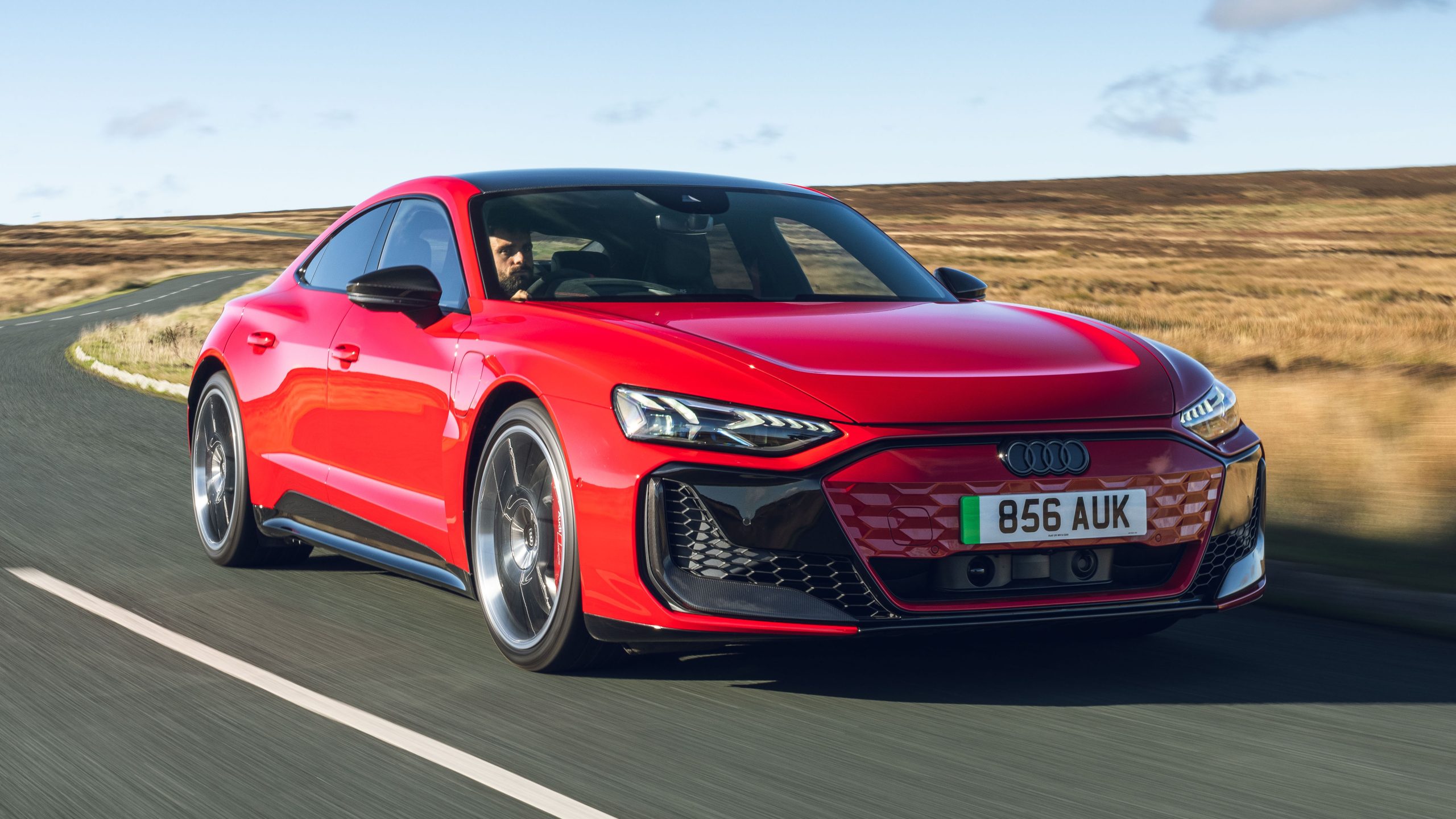
Audi has spent decades refining a formula that blends luxury, technology, and performance into vehicles that appeal to a wide range of buyers.
Many high-end automakers force buyers to make a choice. They either offer a soft, isolated ride or a stiff, performance-oriented setup. Audi takes a different approach by building its reputation right in the center of that spectrum. Their vehicle lineup thrives in every scenario. You can take an Audi SUV on a chaotic morning commute, a grueling cross-country journey, or a fast-paced weekend drive without the vehicle ever feeling out of its element. This versatility is precisely what defines the brand.
The challenge for modern buyers is that Audi’s lineup has expanded significantly over the years. There are compact sedans, executive luxury cars, performance machines, family-oriented SUVs, and electric vehicles competing for attention.
While having numerous choices is beneficial, it also means not every model delivers the same value proposition. Some stand out as genuinely smart purchases, while others are harder to justify once ownership costs, depreciation, and competitive alternatives enter the conversation.
A luxury vehicle should offer more than an attractive badge. Buyers expect premium materials, advanced technology, strong safety credentials, and driving refinement that separates the vehicle from mainstream alternatives.
When those qualities are combined with reliability and reasonably long-term ownership costs, a luxury vehicle begins to feel like money well spent.
Yet there are cases where a premium model fails to live up to its promise. Certain vehicles become victims of outdated engineering, pricing that exceeds their capabilities, or competition from stronger products within the same segment. Even respected brands like Audi are not immune to those challenges.
This comparison focuses on both sides of the equation. The first half highlights five Audi models that justify their asking prices through exceptional design, engineering, practicality, or driving enjoyment. These are the vehicles that best represent the brand’s strengths and continue to earn praise from owners and reviewers alike.
The second half shifts attention toward models that are more difficult to recommend. While none of them are outright failures, each presents concerns that potential buyers should consider carefully before making a purchase decision.
Also Read: 5 Acura Models Worth the Price vs 5 to Skip
5 Audi Models Worth the Price
Luxury vehicles command premium prices, but the best examples provide enough quality, capability, and satisfaction to make that investment feel justified. The following Audi models have consistently proven their worth by excelling in multiple areas rather than relying on a single standout feature.
1. Audi A6
Some luxury sedans demand attention through aggressive styling or massive horsepower figures. The Audi A6 takes a more sophisticated route. Its appeal comes from the way everything works together, creating a driving experience that feels polished from every angle.
The exterior design reflects Audi’s long-standing philosophy of restrained elegance. Rather than chasing short-term trends, the A6 relies on clean proportions and subtle detailing. Years after purchase, it still looks contemporary, which is not something that can be said for every luxury sedan.
Inside, craftsmanship becomes the dominant theme. The dashboard layout feels intentional, surfaces are covered in high-quality materials, and the fit and finish are among the strongest in the segment. Even small details, such as switch operation and ambient lighting integration, contribute to a sense of quality that owners appreciate every day.
The driving experience reveals another layer of the A6’s character. Highway travel is where the sedan truly shines. Wind noise remains minimal, ride comfort is excellent, and long journeys pass effortlessly. Yet the car never feels detached or isolated. The steering remains precise enough to keep drivers engaged when roads become more interesting.
Technology has become a major selling point in modern luxury vehicles, and the A6 delivers without overwhelming its occupants. Digital displays are sharp, menus are logically organized, and advanced driver assistance systems work smoothly in the background.
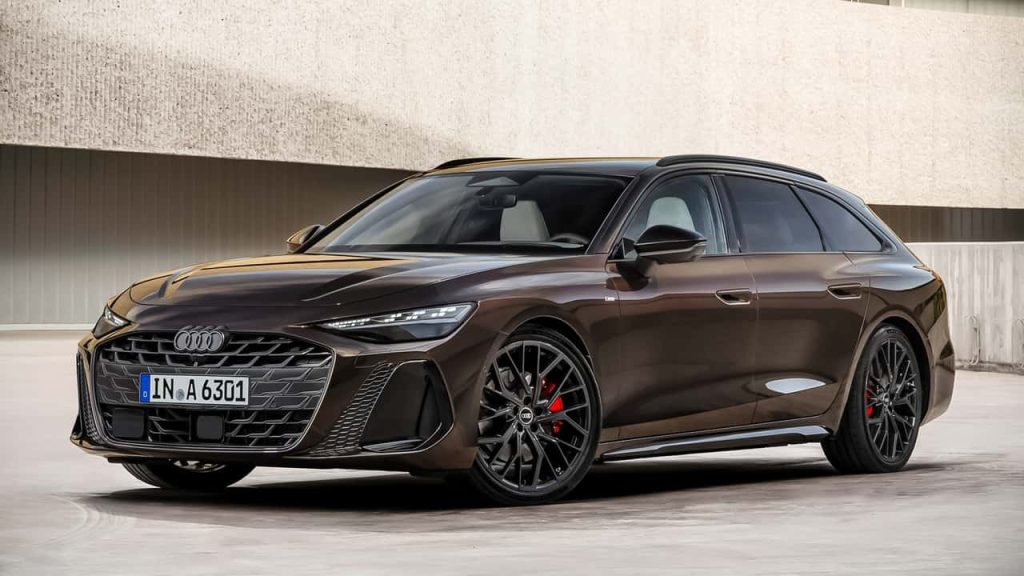
What ultimately separates the A6 from many competitors is its consistency. There are a few weaknesses to criticize because every major component performs at a high level. It is a luxury sedan that prioritizes refinement over theatrics, and that approach continues to age remarkably well.
Specifications
- Engine: 3.0L Turbocharged V6
- Torque: 369 lb ft
- Horsepower: 335 hp
- Length/Width: 194.4 in / 74.3 in
2. Audi Q7
The luxury SUV market is crowded with vehicles promising premium experiences, yet only a handful manage to balance family practicality with genuine sophistication. The Audi Q7 remains one of those rare examples.
At first glance, its styling does not shout for attention. The design is confident rather than flashy, giving the SUV a timeless quality that many competitors struggle to achieve. That understated appearance has become increasingly valuable as automotive designs grow more complicated.
Open the doors, and the focus shifts immediately to passenger comfort. Audi has created an environment that feels welcoming rather than intimidating.
The seating position is excellent, visibility is strong, and material quality consistently exceeds expectations. Whether transporting executives to an airport or taking children to school, the cabin feels appropriate for the task.
A vehicle this size could easily become cumbersome to drive. Instead, the Q7 surprises with its composure. Steering responses are predictable, body movements are controlled, and the SUV feels smaller from behind the wheel than its dimensions suggest. It inspires confidence in city traffic while remaining relaxed during long highway stretches.
Space management is another strength. The first two rows provide generous accommodations, while the third row offers useful flexibility when additional seating is needed. Cargo capacity is equally impressive, allowing the vehicle to handle family vacations without difficulty.
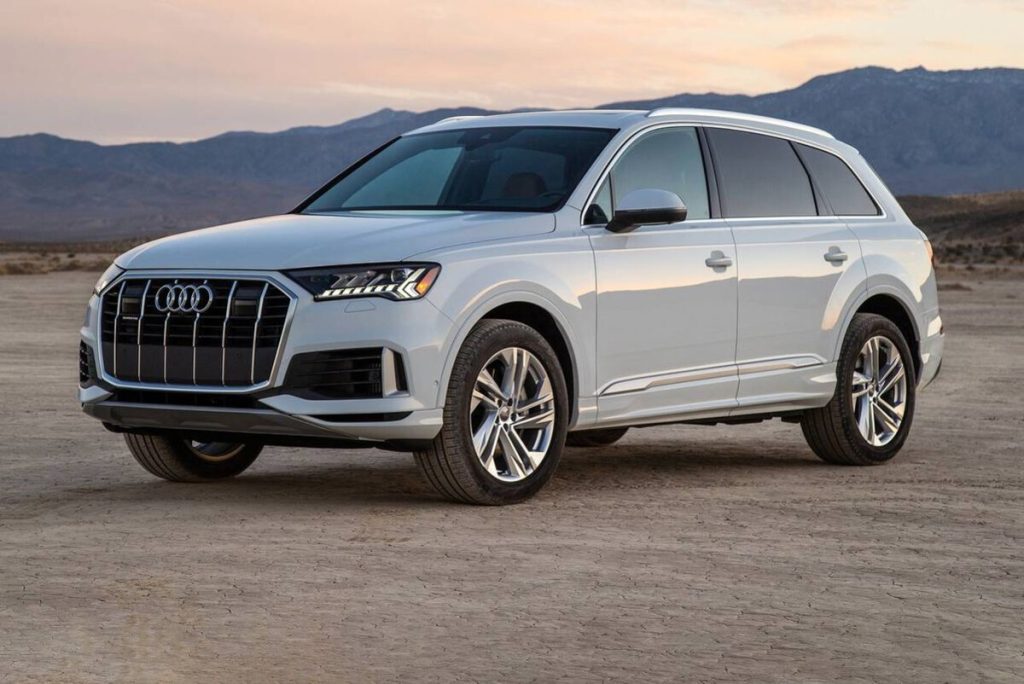
Audi’s Quattro all-wheel-drive system adds another layer of appeal. Rain, snow, and changing road conditions become less stressful thanks to the additional traction available. That capability broadens the Q7’s usefulness beyond what many luxury crossovers can offer.
The Q7 succeeds because it never forces buyers to compromise. Comfort, practicality, technology, and driving enjoyment coexist in a package that continues to justify its premium positioning.
Specifications
- Engine: 3.0L Turbocharged V6
- Torque: 369 lb ft
- Horsepower: 335 hp
- Length/Width: 199.6 in / 77.5 in
3. Audi A5 Sportback
Not every luxury car needs to fit neatly into a traditional category. The Audi A5 Sportback has spent years proving that buyers can enjoy the sleek appearance of a coupe without sacrificing the practicality of a sedan. That combination is a major reason why it remains one of the most compelling vehicles in Audi’s lineup.
The first impression comes from its shape. The roofline sweeps gracefully toward the rear, creating a profile that looks far more expensive than its price tag might suggest. Unlike many stylish vehicles that sacrifice usefulness for design, the Sportback body configuration adds genuine practicality.
The rear hatch opening is wide, cargo capacity is generous, and loading bulky items is far easier than in a conventional sedan.
From the driver’s seat, the A5 Sportback feels lighter and more agile than many luxury vehicles in its class. Steering inputs are met with immediate responses, and the chassis maintains a reassuring sense of balance through corners. The car rewards enthusiastic driving without becoming uncomfortable during daily commuting.
Another area where the A5 Sportback excels is interior execution. Audi’s design team avoided unnecessary clutter, resulting in a cabin that feels clean, modern, and highly functional. Physical controls remain easy to reach, visibility is excellent, and the seating position strikes a near-perfect balance between comfort and support.
Ownership satisfaction often comes from small details rather than headline features. The A5 Sportback delivers numerous examples of this philosophy. Road noise remains well controlled, build quality feels substantial, and every journey carries a sense of refinement that owners quickly grow accustomed to.
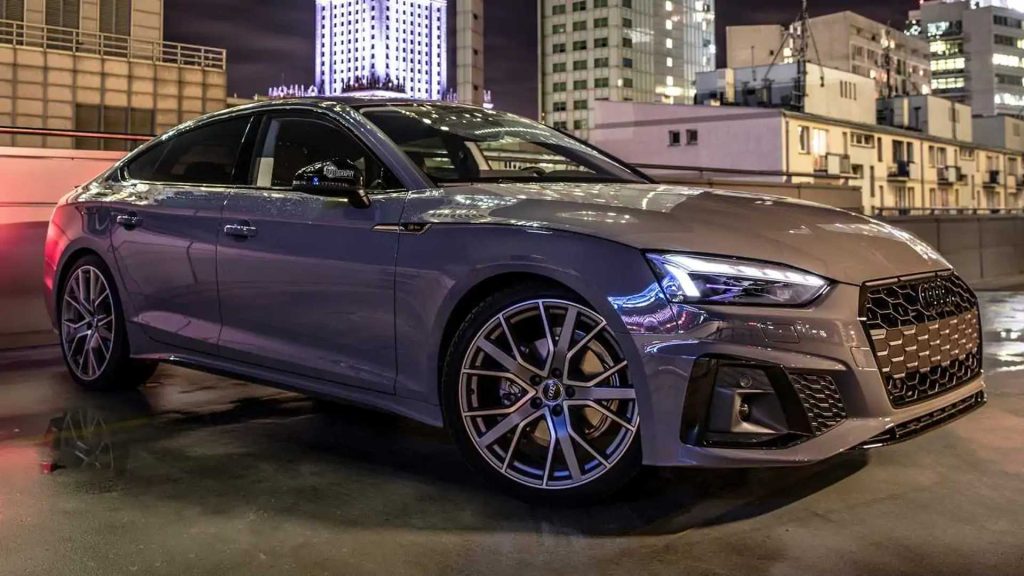
Perhaps the strongest compliment that can be paid to the A5 Sportback is that it rarely feels compromised. Buyers receive sporty styling, practical utility, luxury appointments, and engaging road manners in a single package.
Few vehicles manage to blend those characteristics as effectively, making it one of Audi’s smartest purchases.
Specifications
- Engine: 2.0L Turbocharged Inline 4
- Torque: 273 lb ft
- Horsepower: 261 hp
- Length/Width: 187.5 in / 72.7 in
4. Audi e-tron GT
Electric vehicles often focus on efficiency above all else, but the Audi e-tron GT approaches the segment from a different direction. This is a car designed to make an emotional connection with its driver while embracing modern technology.
The proportions alone create an immediate sense of occasion. Sitting low to the ground with a wide stance and sculpted bodywork, the e-tron GT possesses the visual drama expected from a high-end grand tourer. It attracts attention without relying on exaggerated styling elements.
Performance arrives instantly. Electric motors eliminate the delay associated with traditional powertrains, producing seamless acceleration that feels effortless regardless of speed. Merging onto highways, overtaking slower traffic, or simply accelerating away from a stoplight becomes a reminder of how far electric vehicle technology has progressed.
What surprises many drivers is the way the car handles. Battery-powered vehicles often carry significant weight, yet the e-tron GT disguises its mass remarkably well. Through sweeping bends, the chassis feels composed and predictable, encouraging confidence rather than caution.
Luxury remains a central part of the experience. The cabin combines premium materials with advanced digital interfaces, creating an atmosphere that feels both futuristic and unmistakably Audi. Instead of overwhelming occupants with technology, the layout integrates it naturally into the driving environment.
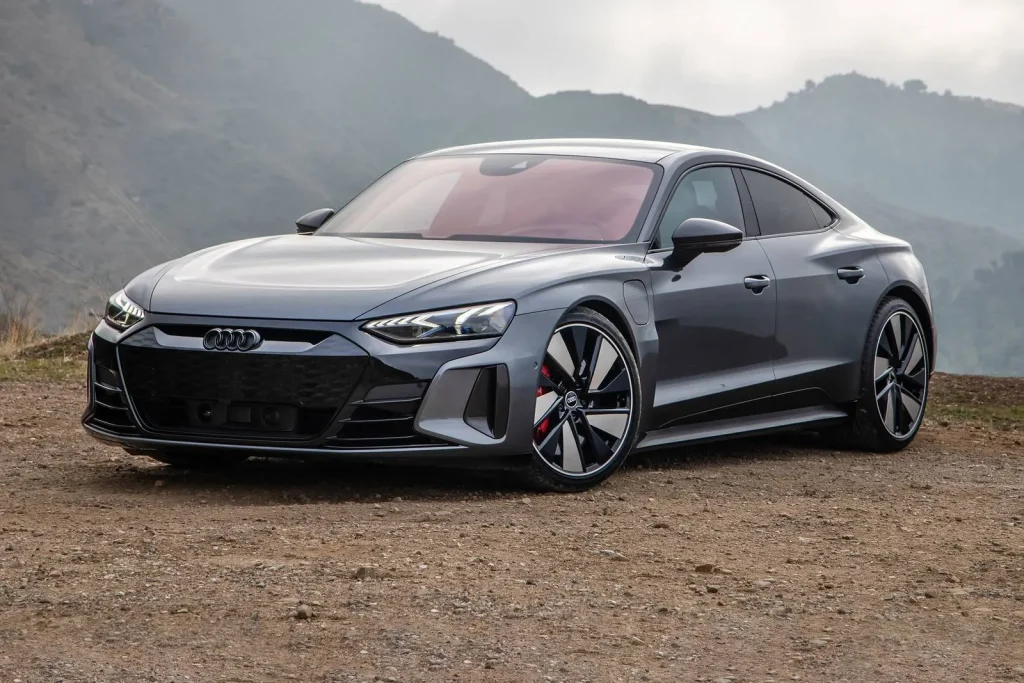
Long-distance comfort further strengthens the package. Supportive seats, excellent noise isolation, and a stable ride quality make the e-tron GT more than just a performance machine. It functions equally well as a daily commuter and a weekend touring car.
The e-tron GT stands out because it demonstrates that electric vehicles can deliver excitement, luxury, and style without compromise. Rather than simply adapting to industry trends, Audi created a flagship EV that feels genuinely special every time it is driven.
Specifications
- Engine: Dual Electric Motors
- Torque: 472 lb ft
- Horsepower: 522 hp
- Length/Width: 196.4 in / 77.3 in
5. Audi RS6 Avant
Performance cars rarely manage to combine extreme capability with everyday practicality. The Audi RS6 Avant is one of the few exceptions. It occupies a niche that has become increasingly rare in the automotive world, delivering supercar-level acceleration while retaining the cargo capacity and versatility of a family wagon.
At idle, there is little indication of what the RS6 is capable of. The design remains relatively understated compared with many high-performance rivals. Wider fenders, larger air intakes, and aggressive wheels hint at its potential, but the car avoids the excessive styling often associated with vehicles in this category.
Press the accelerator, however, and the personality changes dramatically. The twin-turbocharged V8 produces immense thrust, launching the wagon forward with urgency that rivals many dedicated sports cars.
Yet what makes the experience remarkable is how effortlessly the power is delivered. High-speed cruising feels almost effortless, with substantial performance always available.
The suspension system deserves equal praise. Performance-focused vehicles often punish occupants with harsh ride quality, but the RS6 balances comfort and athleticism with impressive effectiveness. It can serve as a comfortable long-distance cruiser one moment and a back-road performance machine the next.
Practicality remains a major part of its appeal. The spacious cargo area allows owners to transport luggage, sports equipment, or family necessities without sacrificing performance. This dual-purpose nature is what separates the RS6 from many exotic alternatives.
Inside, Audi combines premium materials with sporty details that reinforce the car’s character. The seats provide excellent support, technology is abundant, and build quality remains among the best in the segment.
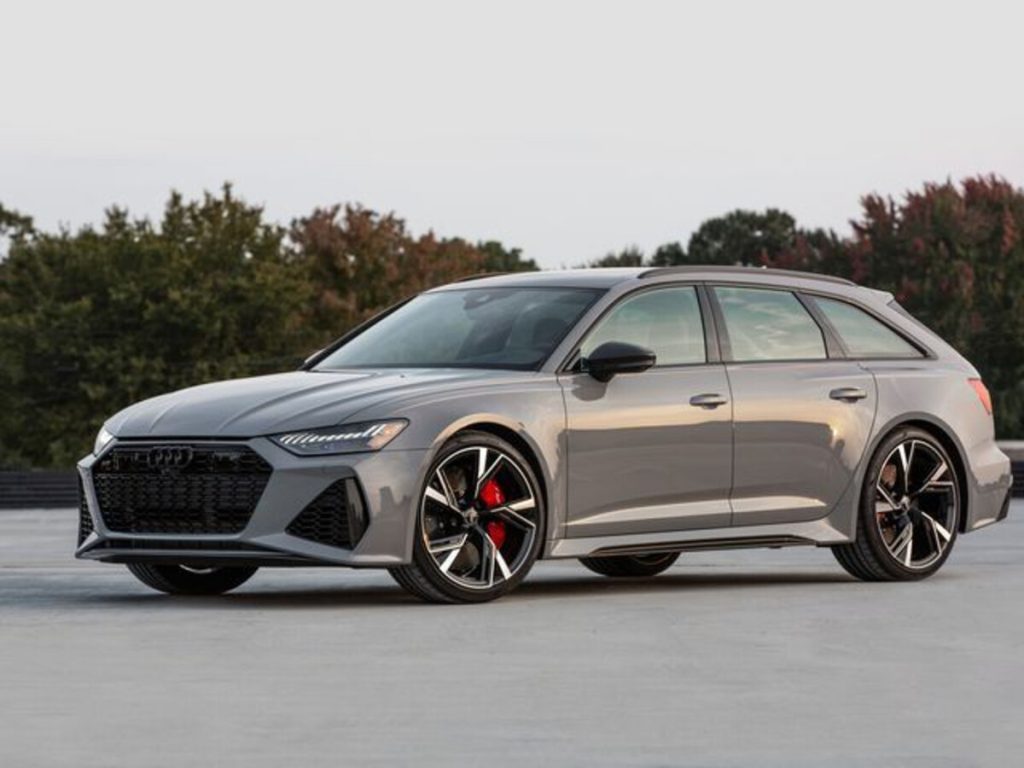
The RS6 Avant succeeds because it accomplishes something few vehicles can. It eliminates the need to choose between practicality and excitement, offering both in abundance while maintaining the refinement expected from a premium German brand.
Specifications
- Engine: 4.0L Twin Turbocharged V8
- Torque: 627 lb ft
- Horsepower: 621 hp
- Length/Width: 196.7 in / 77.3 in
5 Audi Models to Skip
Luxury vehicles often generate strong first impressions. A striking design, advanced technology, or a prestigious badge can make a model seem highly desirable during a showroom visit.
The true measure of value, however, emerges after months or years of ownership. Reliability, maintenance costs, depreciation, practicality, and real-world usability all become far more important once the excitement of a new purchase fades.
1. Audi A3 Cabriolet
Convertibles occupy a specialized corner of the automotive market. They offer open-air driving enjoyment and distinctive styling, but they also require buyers to accept compromises. The Audi A3 Cabriolet demonstrates both sides of that equation.
Viewed from the outside, the car is undeniably attractive. The compact dimensions, elegant proportions, and retractable soft top create a sophisticated appearance. It captures the premium image many buyers seek from a luxury convertible.
The challenges begin when practicality enters the discussion. Rear-seat space is limited, trunk capacity shrinks considerably when compared with the standard sedan, and the convertible mechanism adds complexity that can increase long-term maintenance concerns. For drivers needing everyday usability, those compromises become difficult to ignore.
Performance is competent rather than memorable. The powertrain provides enough acceleration for daily driving, but it lacks the excitement many buyers expect when paying a premium for a luxury convertible. Competing models often deliver stronger performance or a more engaging driving experience.
Value becomes another issue. Buyers frequently discover that moving slightly higher in price opens the door to significantly more capable luxury vehicles. Meanwhile, those prioritizing efficiency and practicality may find the standard A3 sedan a far more sensible choice.
The ownership experience is pleasant in ideal conditions. Sunny weather and scenic roads highlight the cabriolet’s strengths. Unfortunately, those moments represent only a fraction of daily driving reality. During routine commuting, the drawbacks tend to become more noticeable than the advantages.
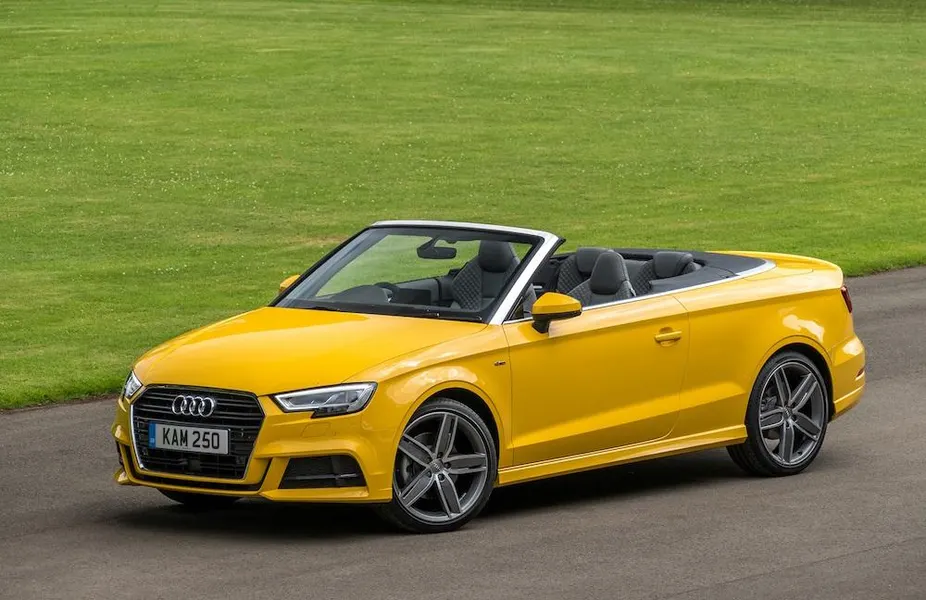
As a result, the A3 Cabriolet occupies an awkward position within Audi’s portfolio. Stylish and enjoyable in the right circumstances, yet difficult to recommend when measured against alternatives that offer stronger all-around value.
Specifications
- Engine: 2.0L Turbocharged Inline 4
- Torque: 258 lb ft
- Horsepower: 220 hp
- Length/Width: 174.7 in / 70.7 in
2. Audi Q3
The Audi Q3 enters one of the most fiercely contested segments in the automotive industry. Compact luxury SUVs have become the default choice for countless buyers, which means expectations are exceptionally high. Unfortunately for Q3, strong competition exposes some weaknesses that are difficult to overlook.
At first glance, the SUV makes a convincing argument. The styling is modern, the cabin carries Audi’s familiar design language, and the driving position provides the upgraded perspective many buyers want. A short test drive can leave a positive impression because the vehicle feels premium enough in casual use.
The problem emerges when comparisons begin. Several rivals offer more interior space, superior ride comfort, or stronger powertrains at similar price points. The Q3 is not lacking in any one area, but it rarely leads the class in the categories that matter most to luxury buyers.
Cabin presentation remains attractive, yet closer inspection reveals cost-cutting measures that are less common in larger Audi models. Harder plastics appear in places where buyers might expect softer materials, reducing some of the premium feel associated with the brand.
Road manners are competent, though not particularly memorable. The suspension tuning favors firmness over comfort, which can make rough pavement more noticeable than expected. Drivers looking for the smooth, isolated ride traditionally associated with luxury vehicles may come away underwhelmed.
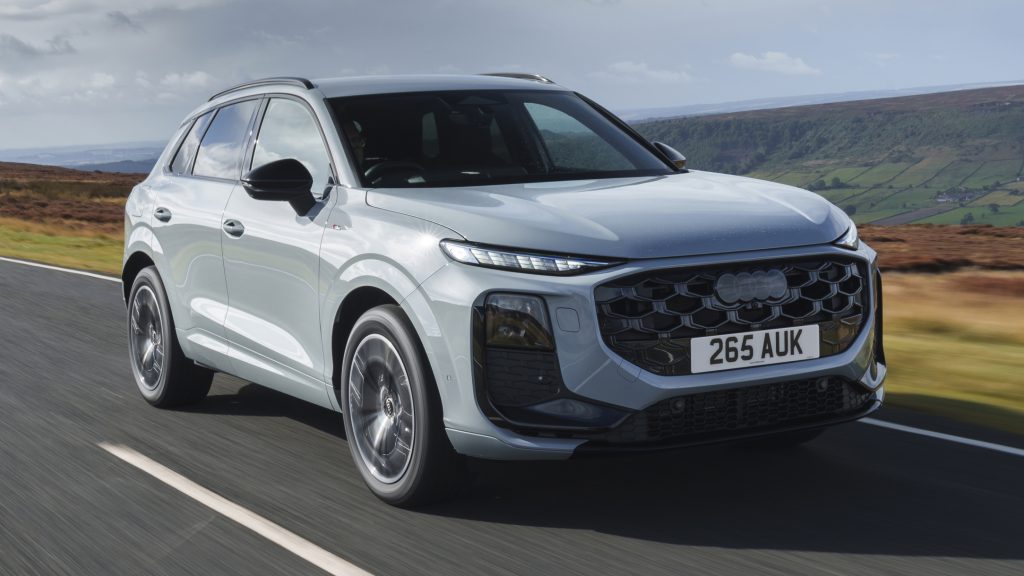
Another challenge involves value retention. The compact luxury SUV market is crowded, and heavy competition can affect resale performance. Buyers spending luxury-car money naturally hope for stronger long-term returns.
The Q3 is far from a poor vehicle, but it occupies a segment where being merely good is no longer enough. Strong alternatives from both Audi and rival manufacturers make it difficult to identify a compelling reason to place the Q3 at the top of a shopping list.
Specifications
- Engine: 2.0L Turbocharged Inline 4
- Torque: 221 lb ft
- Horsepower: 228 hp
- Length/Width: 176.6 in / 72.8 in
3. Audi TT (Final Generation)
For years, the Audi TT stood as one of the most recognizable sports cars on the road. Its distinctive shape, compact dimensions, and stylish interior helped create a loyal following. Yet as the automotive market evolved, the TT became increasingly difficult to justify from a value perspective.
Design has always been the TT’s greatest strength. Even years after its introduction, the silhouette remains instantly recognizable. Few cars have maintained such a strong visual identity across multiple generations. Unfortunately, styling alone cannot compensate for the compromises that accompany ownership.
Space limitations become apparent almost immediately. The cabin feels intimate, and rear seating is largely symbolic. While sports cars are not purchased for practicality, buyers spending premium money often expect a better balance between excitement and usability.
Performance is respectable, particularly in higher trims, but the competition has moved forward at a faster pace. Rivals began offering more power, sharper handling characteristics, and increasingly advanced technology packages. The TT remained enjoyable to drive, yet it gradually lost the edge that once made it stand out.
Technology presented another challenge. Audi’s Virtual Cockpit system remained impressive, but the lack of a traditional central infotainment screen divided opinion. Some drivers appreciated the minimalist approach, while others found it less convenient than more conventional layouts.
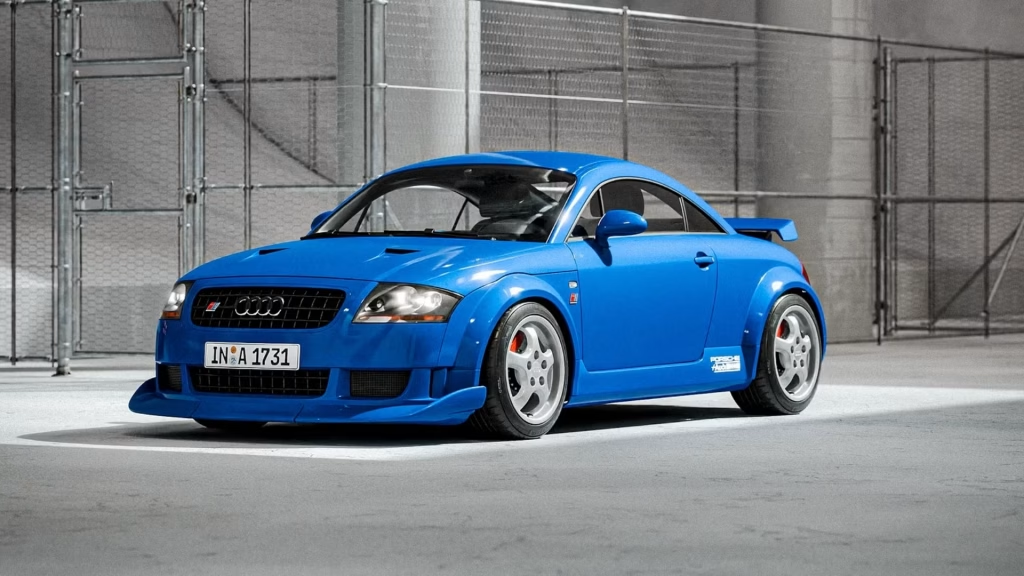
Pricing further complicated matters. As costs climbed, buyers found themselves approaching territory occupied by vehicles offering stronger performance credentials or greater prestige. The TT occupied a narrow niche that became harder to defend as market preferences shifted toward SUVs and high-performance sedans.
The final-generation TT remains an attractive and well-built sports car. However, viewed through the lens of value rather than emotion, it struggles to provide the same compelling argument that it once did during its peak years.
Specifications
- Engine: 2.0L Turbocharged Inline 4
- Torque: 258 lb ft
- Horsepower: 228 hp
- Length/Width: 164.3 in / 72.1 in
4. Audi A8
Flagship sedans are meant to represent the best a manufacturer can offer. They showcase advanced engineering, premium materials, cutting-edge technology, and exceptional comfort. The Audi A8 certainly checks many of those boxes, yet it remains one of the more difficult models in Audi’s lineup to recommend from a value standpoint.
The issue is not quality. In fact, the A8 is an outstanding luxury sedan in many respects. Cabin craftsmanship is exceptional, ride quality is superb, and the technology suite rivals anything in the segment. Passengers are surrounded by soft leather, elegant design elements, and impressive attention to detail.
The challenge lies in market positioning. Buyers shopping in this price range often prioritize prestige just as much as capability.
The A8 competes directly with vehicles such as the Mercedes-Benz S-Class and BMW 7 Series, both of which carry stronger brand recognition in the flagship luxury category. As a result, the Audi can sometimes be overlooked despite its many strengths.
Depreciation further affects the ownership equation. Large luxury sedans historically lose value at an aggressive pace, and the A8 is no exception. A significant portion of its purchase price can disappear within the first few years, making the financial commitment difficult to justify for many buyers.
Another factor is visibility. Unlike performance-oriented Audis that create emotional excitement or practical SUVs that serve multiple purposes, the A8 tends to operate quietly in the background. Its understated nature appeals to some buyers but limits broader market demand.
Technology remains a highlight, though increasingly sophisticated rivals have narrowed the gap. Features that once distinguished the A8 are now common throughout the luxury segment, reducing one of its traditional advantages.
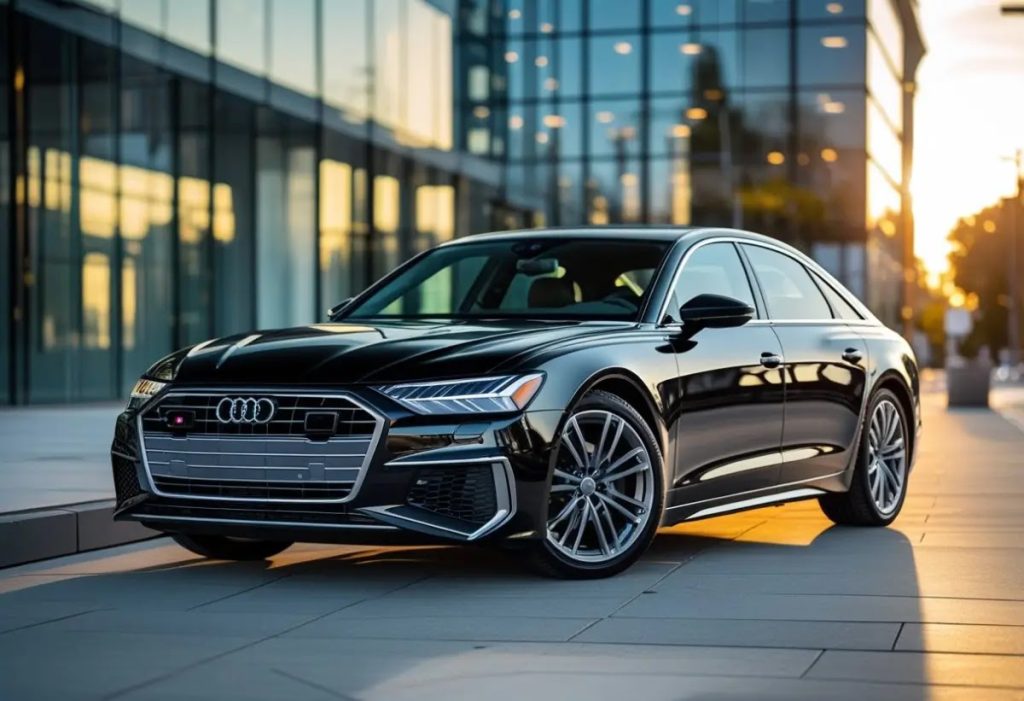
The A8 remains a refined and comfortable flagship. Yet for buyers seeking maximum value, its steep depreciation and intense competition make it harder to recommend than several other vehicles wearing the same four-ring badge.
Specifications
- Engine: 3.0L Turbocharged V6
- Torque: 369 lb ft
- Horsepower: 335 hp
- Length/Width: 208.7 in / 76.6 in
5. Audi e-tron SUV (First Generation)
Audi’s original e-tron SUV deserves credit for helping establish the brand’s presence in the premium electric vehicle market. It arrived at a time when many traditional luxury manufacturers were still finding their footing in the EV space.
While the vehicle introduced several strengths, it has become increasingly difficult to justify as newer electric alternatives continue to raise expectations.
One of the e-tron’s strongest qualities is refinement. The cabin remains quiet, ride comfort is excellent, and build quality reflects Audi’s reputation for craftsmanship. Even today, the vehicle feels substantial and well-engineered.
Range, however, became a persistent concern. Competing electric SUVs soon arrived with significantly greater driving distances between charges, placing the e-tron at a disadvantage. For buyers making the transition from gasoline-powered vehicles, range anxiety remained a genuine consideration.
Efficiency also lagged behind several competitors. The e-tron consumed more energy than many rival electric SUVs, reducing one of the key benefits buyers often seek when moving to an EV. Charging infrastructure improvements helped offset this issue, but the underlying limitation remained.
Performance was strong, yet not exceptional enough to compensate for the range shortfall. Instant electric torque delivered smooth acceleration, though competing models frequently matched or exceeded its capabilities while offering greater efficiency.
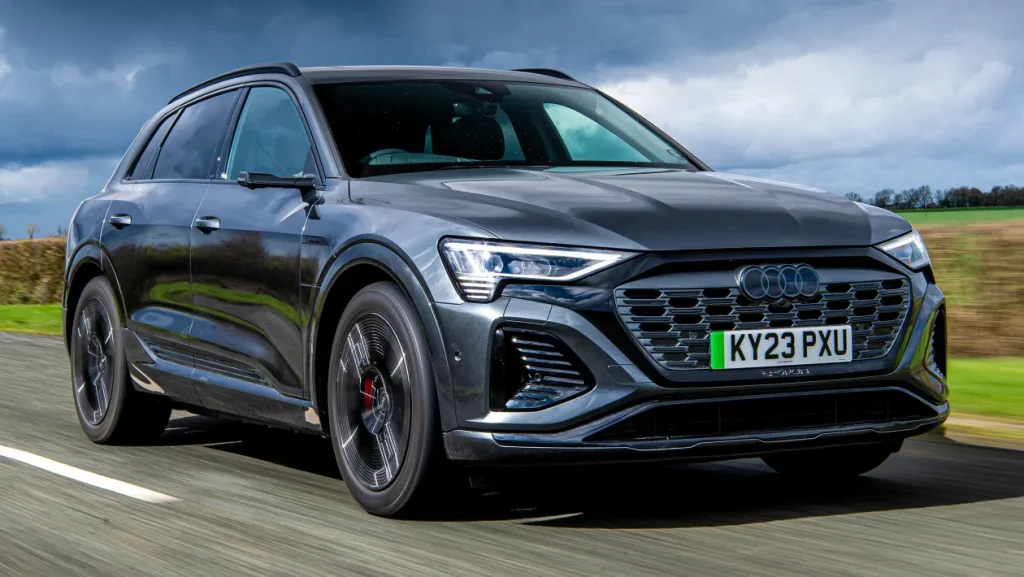
Rapid advancements in EV technology created another challenge. Electric vehicles evolve far more quickly than traditional automobiles, and early-generation models can feel outdated sooner than expected. The original e-tron illustrates this reality clearly.
Viewed in isolation, the first-generation e-tron remains a pleasant luxury SUV. The difficulty arises when comparing it with newer electric offerings that provide longer range, better efficiency, and more advanced battery technology for similar money. In a rapidly changing segment, standing still is often enough to fall behind.
Specifications
- Engine: Dual Electric Motors
- Torque: 490 lb ft
- Horsepower: 402 hp
- Length/Width: 193.0 in / 76.3 in
Also Read: 5 Cars With Strongest AC vs 5 With Weakest