
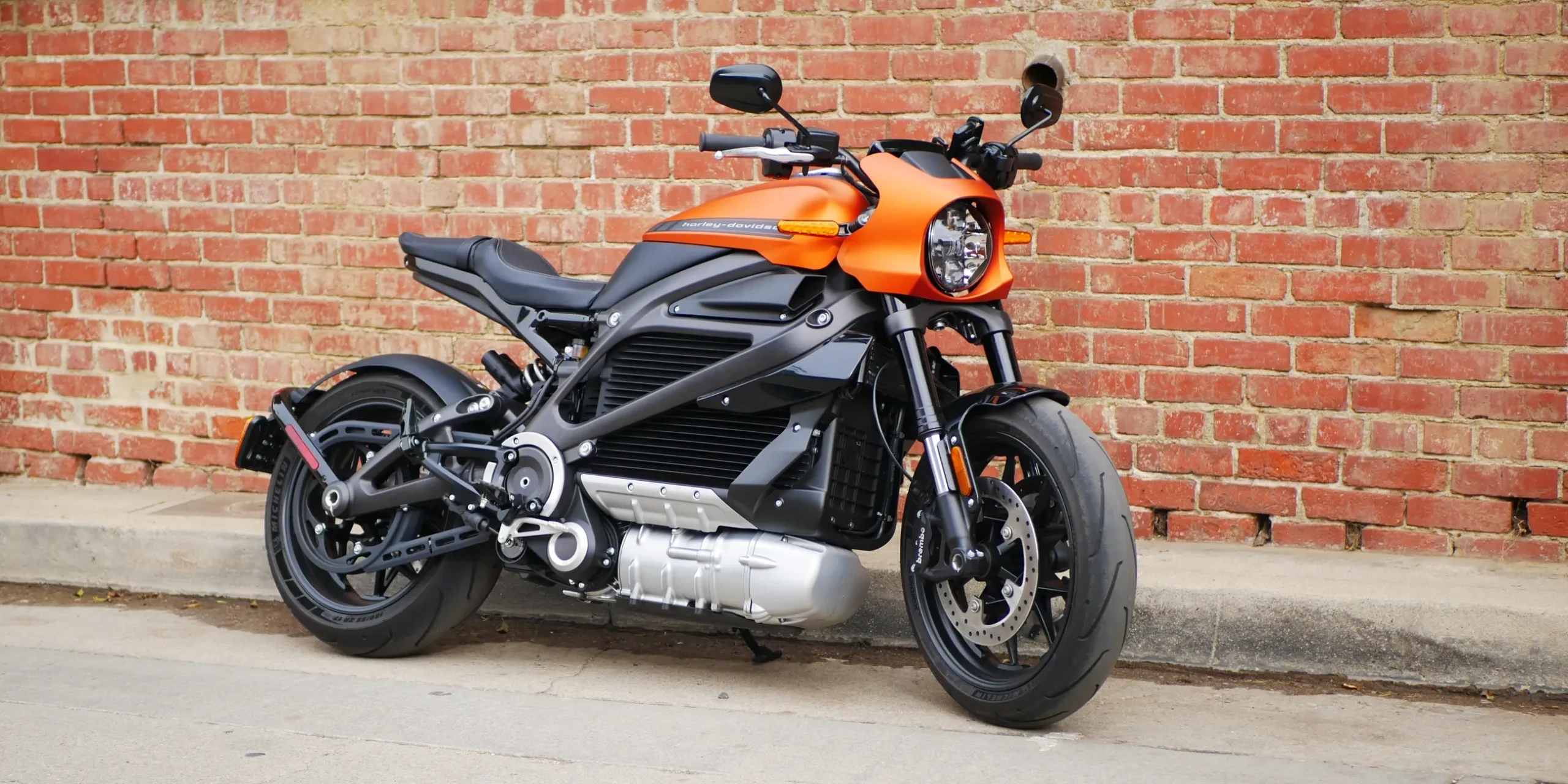
Electric motorcycles were once viewed as futuristic experiments that appealed mainly to environmental enthusiasts and technology-focused early adopters. Today, they are becoming a legitimate part of the global motorcycle market as major manufacturers and startup companies invest heavily in battery-powered two-wheelers.
Sales continue rising in several countries, especially in urban markets where riders value low running costs, instant torque, and simplified maintenance.
Governments promoting cleaner transportation have also accelerated adoption through incentives, emissions regulations, and restrictions targeting gasoline-powered vehicles. Major brands now take electric motorcycles seriously.
Companies such as Harley Davidson, BMW, Honda, Kawasaki, Ducati, and Yamaha are all showing or expanding electric mobility strategies.
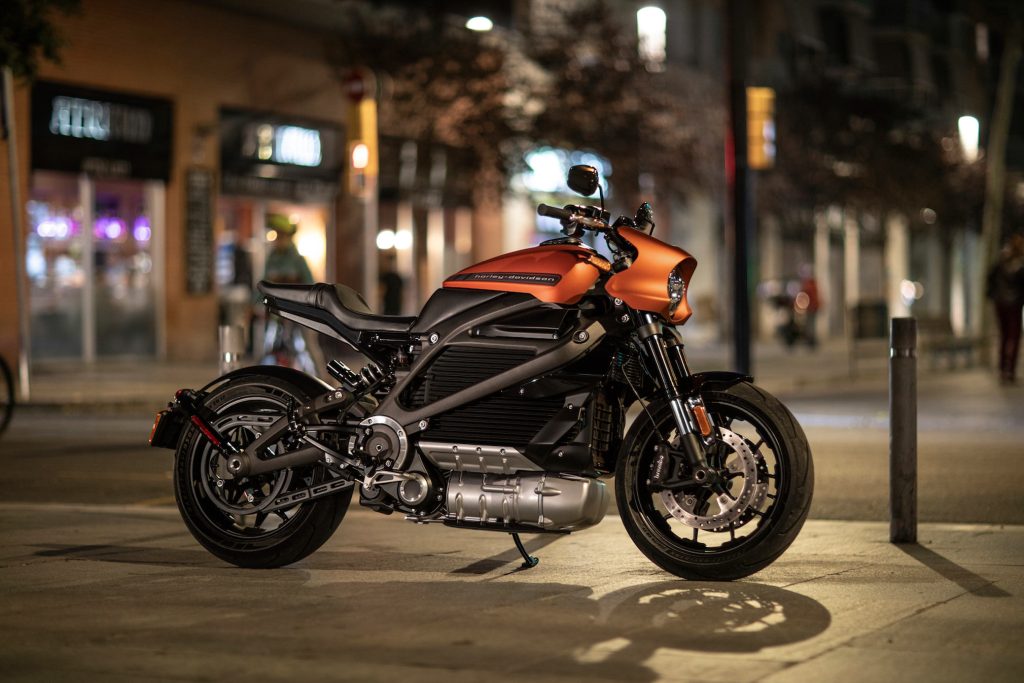
Harley Davidson’s LiveWire project demonstrated that traditional motorcycle companies understand the industry is changing, while startups like Zero Motorcycles have built entire reputations around electric performance. The technology itself has improved rapidly.
Modern electric motorcycles offer quicker acceleration, better battery range, improved charging systems, and more refined riding dynamics than early models. Some electric sport bikes now deliver acceleration figures capable of embarrassing high-performance gasoline motorcycles in straight-line contests.
Urban commuters especially appreciate the convenience. Electric motorcycles eliminate fuel station visits, require less routine maintenance, and operate quietly in crowded city environments. Riders also enjoy the smooth delivery of instant torque, which creates fast acceleration without needing complex gear changes.
Yet despite growing sales and improving technology, one debate continues dominating conversations throughout motorcycle culture. Many riders still insist that electric motorcycles lack the emotional connection that defines a “real” motorcycle. That argument has become one of the most divisive topics in modern motorcycling.
Also Read: 10 Motorcycles With Bigger Engines Than Most Cars
Traditional Riders Believe Sound and Character Matter
For many longtime motorcycle enthusiasts, riding has never been just about transportation. Motorcycles create emotional experiences tied to sound, vibration, mechanical feel, and physical engagement.
Riders often describe gasoline-powered bikes almost like living machines with distinct personalities shaped by engine layouts, exhaust notes, throttle response, and mechanical imperfections. Electric motorcycles challenge that tradition directly.
Without the roar of a V-twin, the scream of an inline four, or the pulsing rhythm of a parallel twin, many riders feel something fundamental disappears from the experience.
Instead of aggressive exhaust noise, most electric motorcycles produce little more than a futuristic whine from the electric motor and drivetrain. To some riders, that silence feels unnatural.
The emotional attachment to internal combustion motorcycles runs deep across motorcycle culture. Entire communities have formed around the sound and personality of certain engines.
Harley Davidson riders celebrate the unmistakable rumble of big V-twins, while sport bike enthusiasts admire the high-revving intensity of performance-focused four-cylinder machines. Engine sound often becomes part of a rider’s identity.
Many enthusiasts argue that motorcycles should stimulate the senses completely. They want to hear the exhaust during acceleration, feel vibrations through the handlebars, work through gear changes, and experience the raw mechanical interaction between rider and machine. Electric motorcycles remove much of that sensory drama.
Critics say the riding experience can feel overly smooth, clinical, and disconnected compared with traditional bikes. Some riders compare it to the difference between driving a manual transmission sports car and a silent high-tech electric vehicle. Both may be fast, but the emotional experience feels different.
This cultural divide explains why electric motorcycles continue facing resistance even as performance improves. For many enthusiasts, motorcycling has always involved passion as much as speed or practicality.
Younger Riders Often See the Debate Differently
While traditional riders frequently criticize electric motorcycles for lacking soul, younger and newer riders often approach the issue from an entirely different perspective.
Many first-time motorcycle buyers did not grow up emotionally attached to gasoline engines in the same way older generations did. Instead, they value convenience, technology integration, sustainability, and ease of use.
Electric motorcycles appeal strongly to those priorities. New riders often appreciate not having to manage clutch operation, complicated maintenance schedules, oil changes, or frequent mechanical servicing. The instant torque delivery also makes electric bikes feel quick and exciting without requiring advanced riding skills.
Urban riders especially see advantages. In crowded cities, electric motorcycles provide quiet operation, lower running costs, and easy maneuverability while avoiding many parking and traffic frustrations associated with cars. Charging at home can also feel more convenient than constantly visiting fuel stations.
Technology plays a major role as well. Electric motorcycles often include advanced smartphone integration, digital displays, software updates, rider assistance systems, and customizable riding modes that appeal to younger, tech-oriented consumers.
For these riders, “soul” may mean something entirely different. Some enthusiasts argue that electric motorcycles create their own unique riding identity rather than simply imitating gasoline-powered bikes.
Instant acceleration, futuristic design, and silent speed deliver a different type of thrill that appeals to a new generation entering the motorcycle world. This generational divide mirrors larger changes happening throughout the automotive industry.
Electric cars initially faced similar criticism from traditional enthusiasts who valued engine noise and mechanical engagement. Over time, however, many consumers began prioritizing performance, convenience, and technology instead.
Motorcycles may eventually follow a similar path, though the emotional connection between riders and machines often runs deeper on two wheels than it does in cars. That emotional factor makes the transition far more complicated.
Performance Is No Longer the Problem
One area where electric motorcycles have improved dramatically is outright performance. Early electric bikes suffered from limited range, heavy battery packs, slow charging, and underwhelming top speeds. Modern models have addressed many of those weaknesses through rapid advances in battery technology and electric motor efficiency.
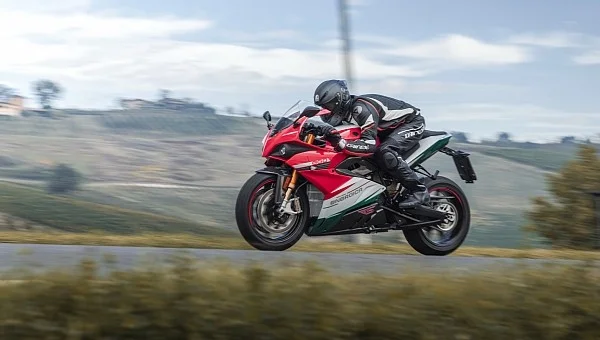
Today’s high-performance electric motorcycles can deliver astonishing acceleration. Some models produce instant torque figures capable of outperforming superbikes in stoplight sprints. The absence of traditional gear changes allows uninterrupted power delivery, creating brutally quick launches that surprise even experienced riders.
Manufacturers have also improved handling and ride quality. Battery placement helps lower the center of gravity on many electric motorcycles, contributing to stable cornering and predictable balance. Advanced software systems also allow precise traction control and customizable power delivery.
Range anxiety remains a concern for some riders, especially touring enthusiasts who travel long distances. Charging infrastructure for motorcycles also remains less developed than traditional fuel networks in many regions.
Still, the technology continues to improve every year. Several companies are developing faster charging systems, lighter batteries, and modular battery swapping solutions designed to reduce downtime during long rides.
Despite these improvements, emotional resistance remains surprisingly strong among certain riders. Many enthusiasts admit electric motorcycles are objectively fast and technologically impressive while still arguing they fail to deliver the emotional satisfaction associated with traditional engines.
That contradiction reveals the real issue behind the debate. The argument is rarely about speed alone. It is about whether performance can replace personality.
Motorcycle Culture May Be Entering a Permanent Split
The debate surrounding electric motorcycles highlights a larger cultural transformation happening throughout the riding world.
Motorcycling has always carried strong emotional and social identity elements. Riders often form deep attachments not only to specific bikes but also to the sounds, rituals, and communities built around gasoline-powered machines. Electric motorcycles challenge many of those traditions simultaneously.
They remove engine noise, reduce mechanical complexity, simplify operation, and shift the riding experience toward software-driven performance. For some riders, that evolution feels exciting and modern. For others, it feels like losing an essential part of motorcycle culture itself.
The market may ultimately divide into separate groups. Traditional gasoline motorcycles will likely continue appealing strongly to enthusiasts who value emotional engagement, mechanical character, and heritage.
Electric motorcycles may attract newer riders focused more on convenience, performance, sustainability, and technology. Both markets could coexist for many years.
Manufacturers appear to understand this balance already. Many brands continue investing in gasoline motorcycles while simultaneously developing electric alternatives rather than fully replacing traditional models overnight.
That approach reflects the reality that motorcycle culture changes more slowly than many other transportation segments.
Riders form intensely personal connections with their machines. The emotional bond between a rider and a motorcycle often becomes part of lifestyle, identity, and even self-expression.
Electric motorcycles may continue growing in popularity as technology improves and younger riders enter the market. Sales figures already show strong momentum in several regions around the world.
Still, the ongoing debate proves one thing clearly. For millions of riders, motorcycles have never been just machines. They are emotional experiences.
Also Read: 10 Chinese Cars That Are Better and Cheaper Than Luxury Cars
