
Buying a motorcycle is rarely just about the ride. For many people, it is also a financial decision that carries long-term implications. Depreciation plays a major role in how much value a bike retains, and the difference between a smart purchase and a costly one can become clear within just a few years.
Some motorcycles manage to hold their worth surprisingly well, while others lose a large portion of their original price before the third year arrives. Industry trends show that most motorcycles lose between 25 percent and 35 percent of their value within three years.
Yet a select group consistently performs better, maintaining up to 70 percent of their original MSRP. These bikes usually benefit from a strong brand reputation, consistent demand, durable engineering, and timeless appeal that keeps buyers interested in the used market.
Riders who understand these patterns can make more informed choices. Selecting a motorcycle that retains value means lower ownership costs, better resale opportunities, and more confidence in the investment. Certain models stand out year after year because they strike the right balance between performance, reliability, and desirability.
This page covers ten motorcycles across two sections: five that hold their value and five that drop fast after three years. Each entry explains specifically why the bike behaves the way it does in the used market, supported by the real factors that determine resale outcomes.
5 Bikes That Hold Value
1. BMW R 1250 GS Adventure
- Engine: 1,254 cc boxer twin
- Horsepower: 136 hp
- Torque: 143 Nm
- Dimensions: Length 2,270 mm, Width 952 mm
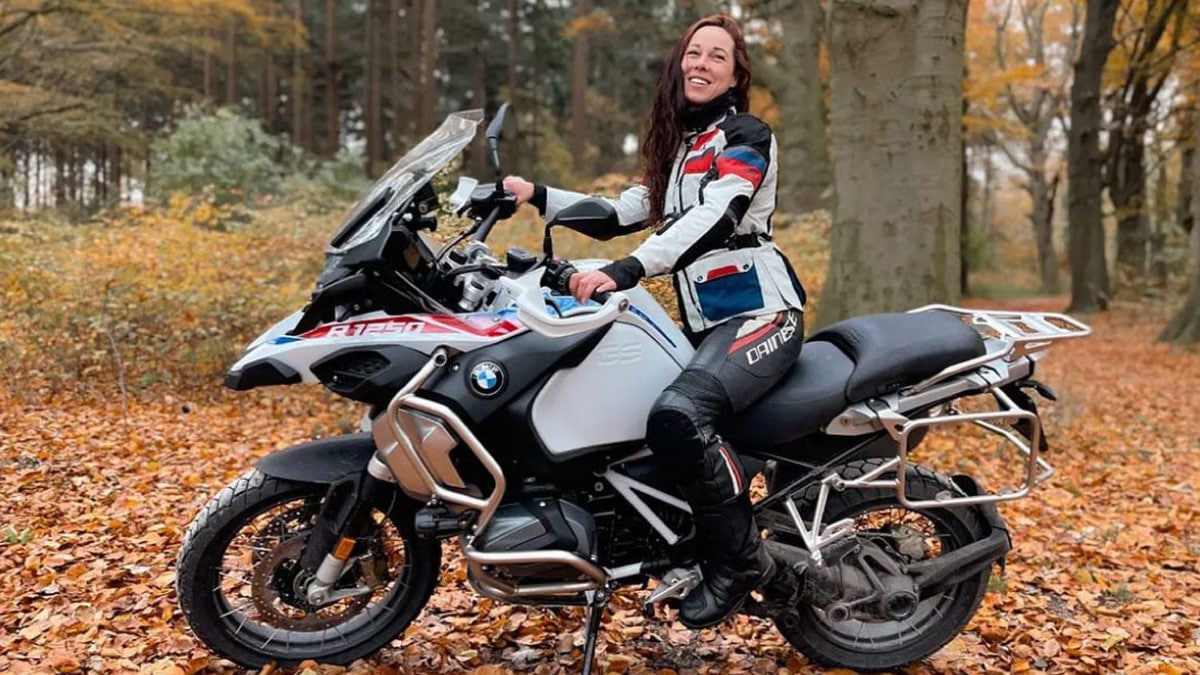
Ask any motorcycle dealer which used bikes sell fastest with the least negotiation required, and the BMW R 1250 GS Adventure will be near the top of that list in virtually every market. This is the adventure touring benchmark that every competitor measures itself against, a position the GS platform has held across multiple generations and one that translates directly into the kind of used market demand that prevents prices from dropping at the rate buyers of other bikes experience.
Boxer twin engine architecture in the R 1250 GS uses BMW’s ShiftCam variable valve timing technology that improves power delivery across the full RPM range while maintaining the characteristic sound and feel that GS owners across three decades have identified as central to the bike’s personality.
Producing 136 horsepower and 143 Newton-meters of torque from a 1,254cc flat-twin, the R 1250 GS delivers performance that fully loaded adventure touring demands without the mechanical stress that high-revving parallel twins experience during sustained highway cruising at loaded weight.
Reliability reputation for the GS platform is supported by documented real-world evidence from owners who have put 100,000 miles and beyond on their bikes while maintaining original major mechanical components. That reliability track record matters enormously in the used market because buyers who are spending $12,000 to $16,000 on a used bike are not gambling on an unknown quantity.
This technology content remains relevant across model years in ways that cosmetic updates do not, meaning a three-year-old R 1250 GS Adventure still offers a technology specification that buyers in the used market recognize as genuinely current rather than dated.
Resale data across multiple markets consistently places the R 1250 GS Adventure among the top performers for value retention in the adventure touring category, with three-year-old examples regularly retaining 68 to 75 percent of original MSRP in good condition.
For a motorcycle in active use, those figures represent exceptional financial protection for the original buyer and genuine market credibility for the segment.
2. Harley-Davidson Street Glide
- Engine: Milwaukee-Eight 107 V-twin
- Horsepower: 93 hp
- Torque: 150 Nm
- Dimensions: Length 2,425 mm, Width 960 mm
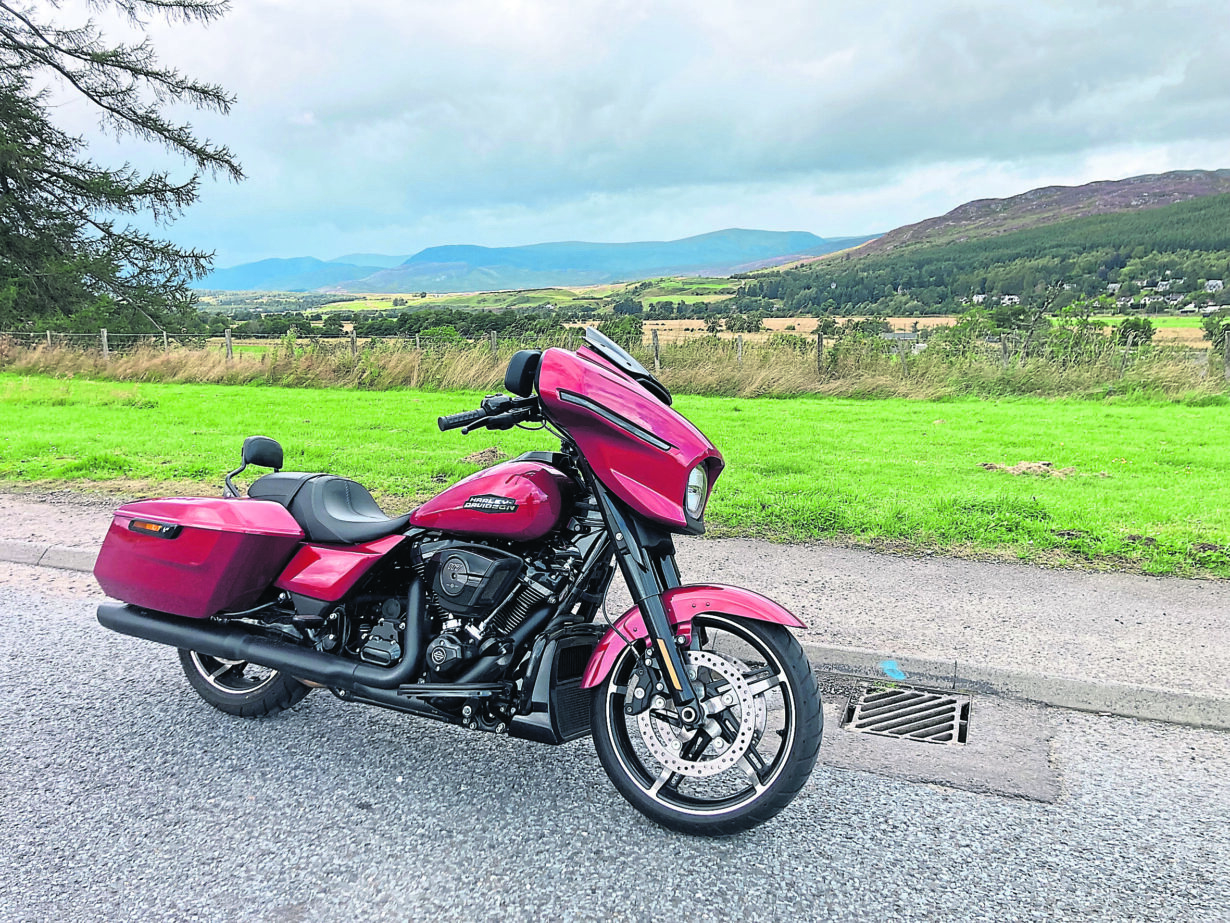
Timeless design often translates into strong resale value, and the Harley-Davidson Street Glide proves that point with ease. This touring motorcycle has maintained a consistent identity for years, attracting riders who appreciate classic styling paired with modern comfort.
Brand recognition plays a powerful role here. Harley-Davidson carries a legacy that goes beyond performance figures. Ownership often feels like joining a culture, and that sense of identity keeps demand high for both new and used models. Buyers entering the market frequently consider pre-owned Street Glide models as a practical way to experience that legacy.
Another reason for its strong value retention is its build quality. The V-twin engine is known for longevity, and the construction is designed for long-distance touring. Owners who maintain their bikes properly can expect them to remain road-ready for many years, which reassures second-hand buyers.
Customization also adds to its appeal. Many Street Glide owners invest in upgrades, from performance enhancements to aesthetic modifications. These additions can increase desirability in the used market, especially when done tastefully. Buyers often find value in acquiring a well-equipped bike without paying full retail for aftermarket parts.
Market demand remains steady due to a consistent buyer base. Riders who prefer large touring motorcycles tend to look specifically for models like the Street Glide. This focused interest helps maintain pricing stability, even as the bike ages. Comfort, style, and brand loyalty combine to create a motorcycle that resists steep depreciation.
Sellers benefit from a strong resale market, while buyers gain access to a machine that continues to deliver long after its initial purchase.
Also Read: Adventure Bikes Have Dethroned Sportbikes as the King of Two Wheels
3. Honda Rebel 500
- Engine: 471 cc parallel twin
- Horsepower: 47 hp
- Torque: 43 Nm
- Dimensions: Length 2,205 mm, Width 820 mm
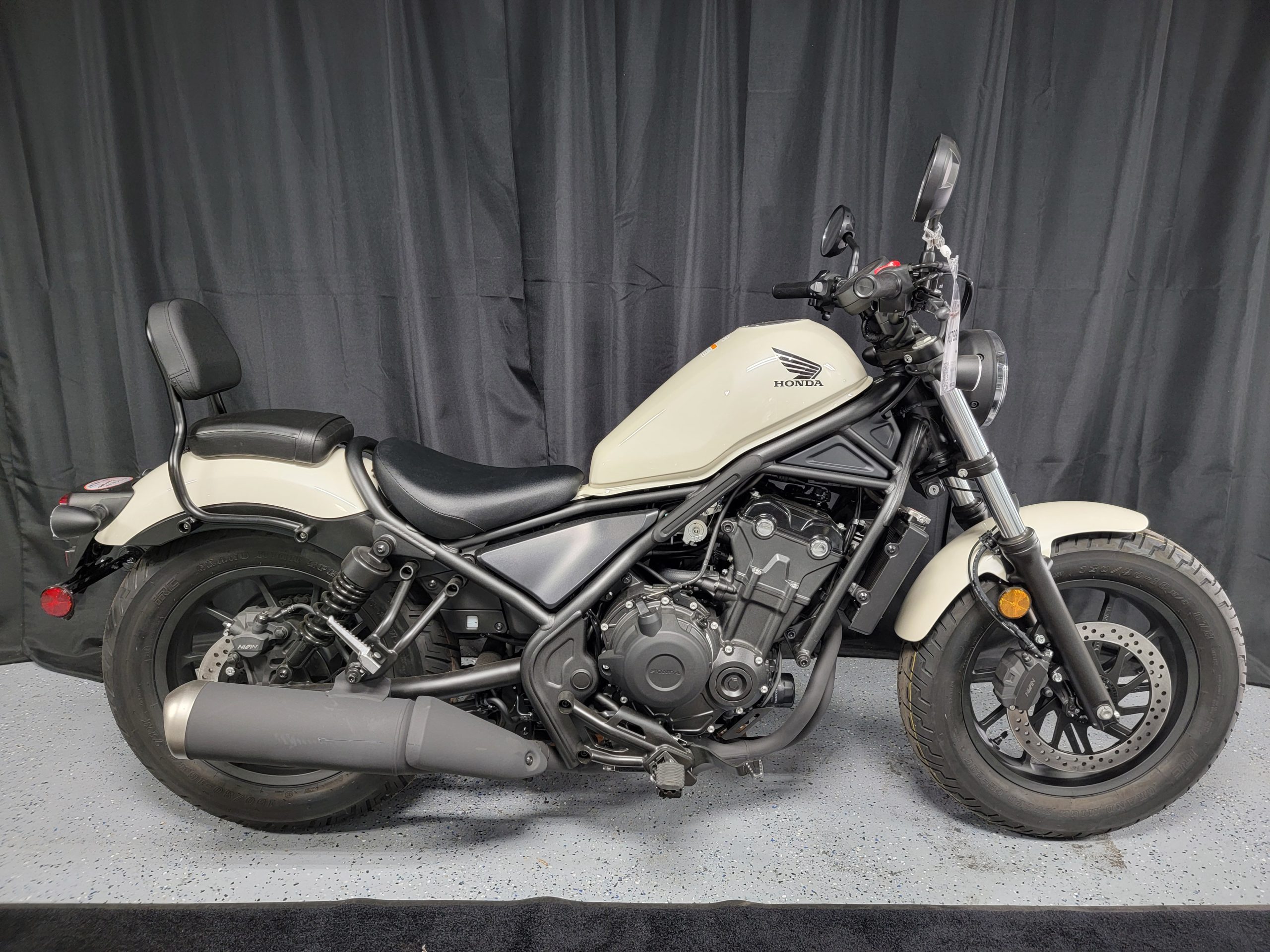
Approachability can be just as valuable as performance, and the Honda Rebel 500 demonstrates this clearly. Its design caters to new riders while still offering enough capability to satisfy experienced motorcyclists. That wide appeal helps keep demand strong across different segments of the market.
Affordability at the time of purchase plays a major role in its resale strength. Since the initial price is reasonable, depreciation does not hit as hard in absolute terms. Buyers looking for a reliable entry-level motorcycle often turn to used Rebel 500 models, which keeps prices from dropping too quickly.
Ease of ownership adds another layer of value. The engine is known for reliability, and maintenance requirements are straightforward. Riders appreciate a motorcycle that does not demand constant attention or high repair costs. That reliability makes it an attractive option for those buying used.
Comfort and usability also contribute to its lasting appeal. The low seat height and relaxed riding position make it accessible to a wide range of riders. This inclusivity ensures a steady stream of potential buyers in the second-hand market. Styling remains simple and clean, avoiding trends that may feel outdated after a few years.
This understated design helps the bike maintain its visual appeal, which is an important factor when selling a used motorcycle. Consistent demand, practical design, and dependable engineering allow the Honda Rebel 500 to hold its value better than many other entry-level bikes. It serves as a reminder that a well-rounded motorcycle often performs best in the resale market.
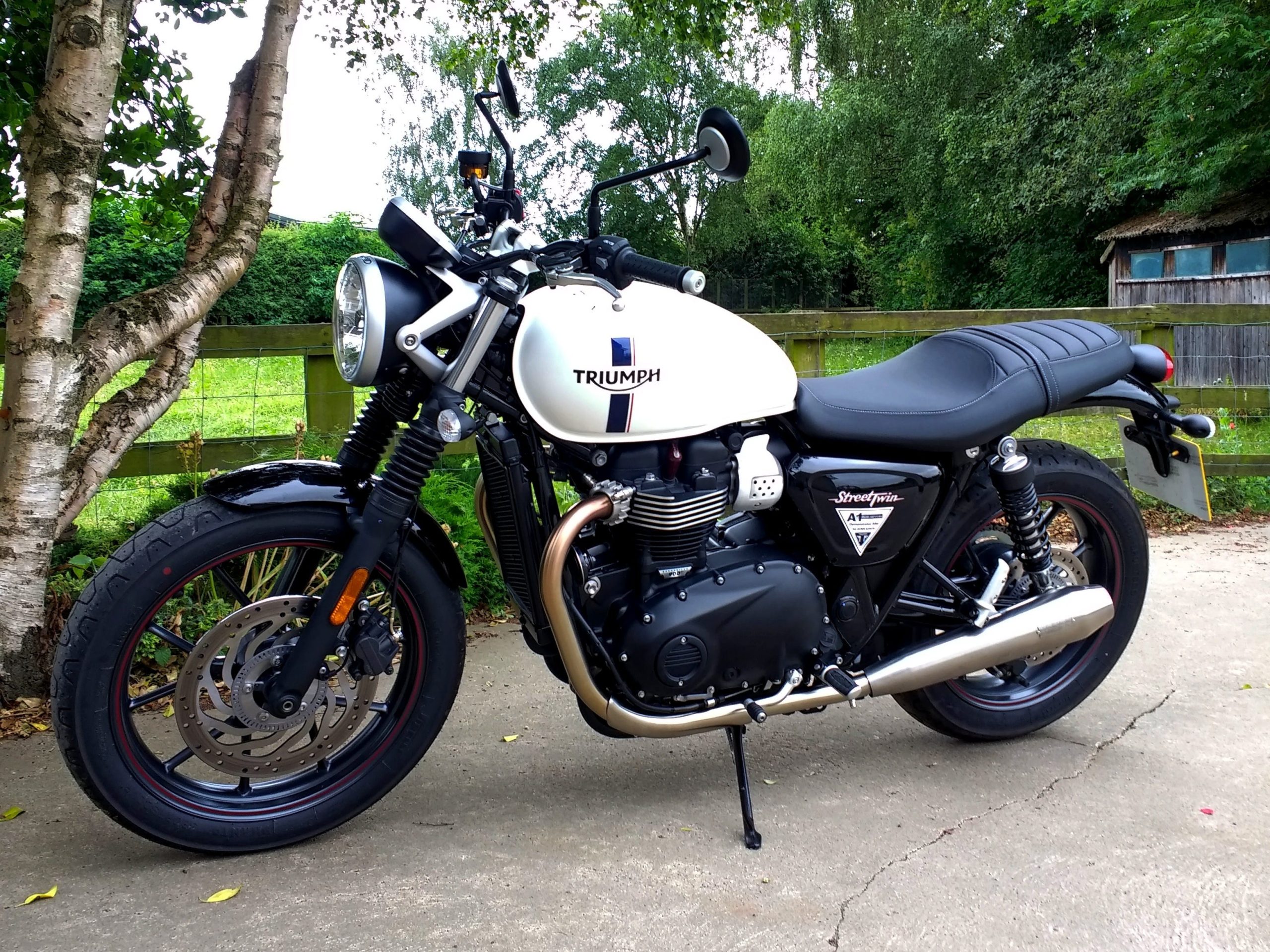
4. Triumph Street Twin
- Engine: 900 cc parallel twin
- Horsepower: 65 hp
- Torque: 80 Nm
- Dimensions: Length 2,090 mm, Width 785 mm
Triumph’s Street Twin achieves something that most motorcycle manufacturers attempt and most fail to deliver consistently: styling that feels current regardless of the model year printed on the title. Retro-influenced modern classic design philosophy produces a visual identity that references motorcycle aesthetics from the 1960s and 1970s without being historically accurate to any specific period, creating a timeless character that buyers find as appealing as new buyers did three years before them.
Water-cooled 900cc parallel twin engine in the Street Twin produces 65 horsepower through a configuration that prioritizes mid-range torque delivery and smooth power progression rather than peak output figures. Ride-by-wire throttle with selectable riding modes, including Road and Rain, allows the Street Twin’s performance character to be adjusted for conditions and rider preference, a technology feature that remains genuinely useful across the bike’s ownership life rather than becoming a novelty that riders ignore after initial curiosity fades.
Triumph’s quality of materials and construction finish in the Street Twin exceeds what buyers typically associate with its price point, which matters in the used market because quality that is visible and tactile during inspection gives used buyers confidence that maintenance and care have been applied throughout ownership.
Switches, levers, and fittings that feel precise and solid at three years of age communicate ownership quality regardless of mileage, and the Street Twin’s component quality ages better than competing bikes at similar price points. The ride character that the Street Twin delivers is described consistently by experienced riders as accessible confidence rather than the compromised performance that entry-level bikes sometimes produce by limiting capability to protect new riders from themselves.
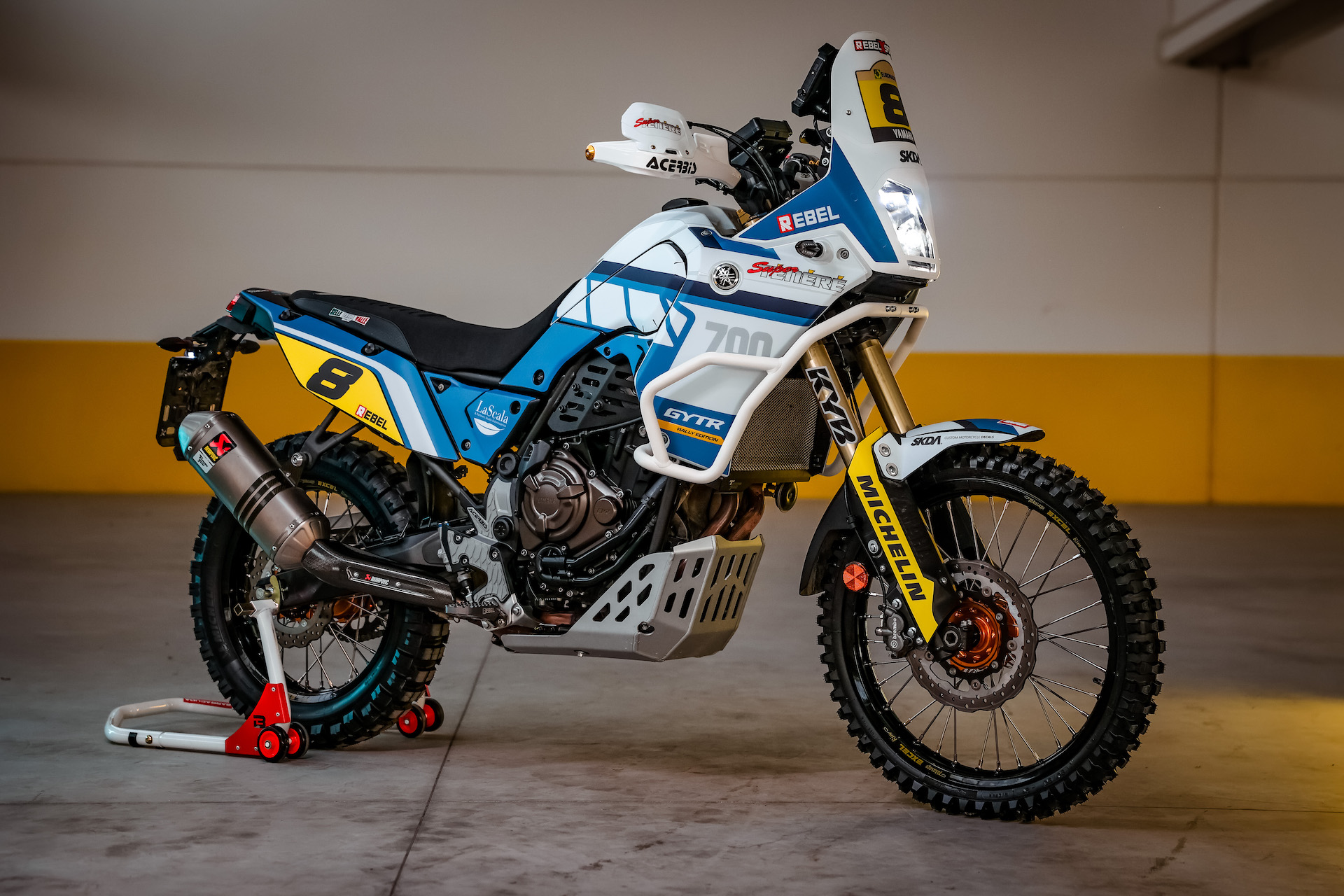
5. Yamaha Ténéré 700 Rally Edition
- Engine: 689 cc parallel twin
- Horsepower: 73 hp
- Torque: 68 Nm
- Dimensions: Length 2,370 mm, Width 905 mm
Yamaha’s Ténéré 700 Rally Edition addresses a specific gap in the adventure motorcycle market between the lightweight entry-level bikes that compromise capability for accessibility and the heavy premium tourers that compromise agility for comfort.
That middle position, occupied by a bike with genuine off-road credentials and manageable weight that experienced adventure riders can exploit and developing riders can grow into, has proven to be exactly where sustained, unrelenting demand lives in the adventure motorcycle category.
The CP2 parallel twin engine displacing 689cc produces 73 horsepower in a configuration Yamaha specifically developed for the MT-07 naked roadster platform and then adapted for the Ténéré 700’s adventure application. Engine characteristics tuned for the adventure context emphasize low-to-mid range torque delivery that unpaved surface riding rewards, while maintaining highway cruising capability that adventure touring routes between off-road sections require.
This dual capability without meaningful compromise in either direction is the Ténéré 700’s central engineering achievement and the attribute that most directly drives its sustained use market demand. Production numbers for the Ténéré 700 have not kept pace with market demand since the model’s introduction. This supply constraint has maintained used prices at levels that Yamaha’s own new pricing does not exceed by the margin that normal depreciation would predict.
Buyers searching for used Ténéré 700s in good condition often find that asking prices reflect the scarcity of available inventory rather than the age and mileage of specific bikes. In some markets, used examples command prices within a few hundred dollars of new MSRP for recent model years.
5 Bikes That Drop Fast After Three Years
Not every motorcycle holds its value. Some bikes that look compelling on paper, carry strong brand names, and review well in the automotive press end up losing 50 to 60 percent of their original value within three years for reasons that are entirely predictable once you understand what drives depreciation in the used motorcycle market.
Buying one of these bikes is not necessarily a poor riding decision. It may be exactly the right motorcycle for what you want to do. But buying it as an investment or expecting to recover meaningful money when you sell is a financial expectation that the used market data does not support.
This part covers five motorcycles that consistently drop to 40 to 50 percent of their original MSRP within three years, with honest explanations of why each one performs poorly in the resale market, regardless of its riding qualities.
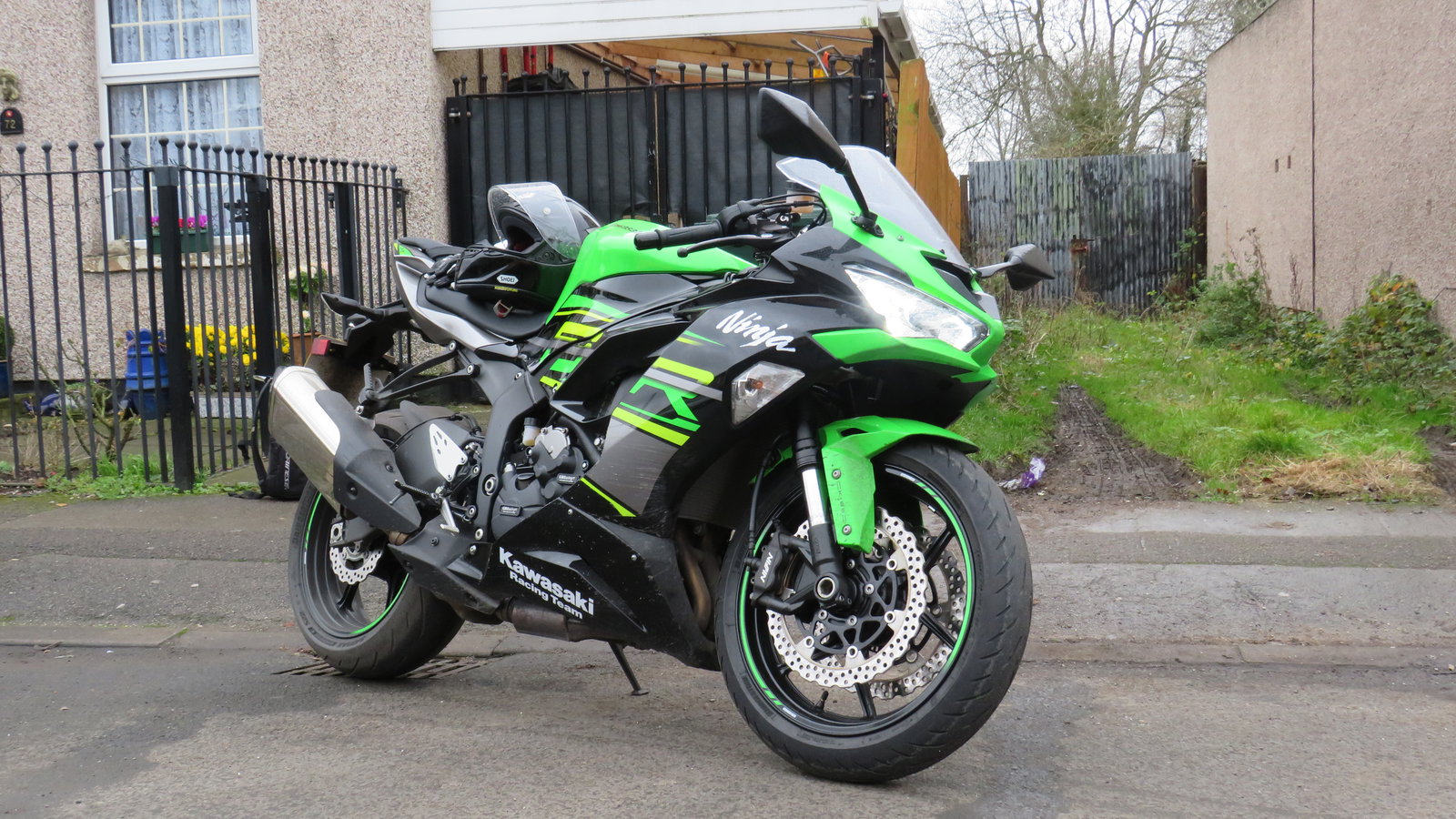
1. Kawasaki Ninja ZX-6R
- Engine: 636 cc inline four
- Horsepower: 127 hp
- Torque: 70 Nm
- Dimensions: Length 2,025 mm, Width 710 mm
Performance-focused supersport motorcycles often face steep depreciation, and the Kawasaki Ninja ZX-6R is a clear example of this trend. Built for speed, sharp handling, and track-ready performance, it attracts a specific type of rider. That limited audience plays a major role in how quickly its value declines after a few years.
Ownership patterns also influence resale prices. Many ZX-6R bikes are ridden aggressively, with frequent high-rev use and track days. Buyers in the used market tend to approach these bikes with caution, as it can be difficult to determine how hard the motorcycle was pushed during its earlier life. This uncertainty lowers buyer confidence and reduces the amount they are willing to pay.
Frequent updates in the supersport segment add another layer of pressure on resale value. Manufacturers continuously refine performance, electronics, and styling, making older models feel outdated faster than other categories. Riders who want the latest features often skip older versions entirely, which weakens demand.
Insurance costs and maintenance requirements also discourage some buyers. Supersport motorcycles typically come with higher insurance premiums due to their performance capabilities. Maintenance can be more demanding as well, especially if the bike has seen track use. These added expenses make used buyers more selective.
Comfort is another factor that limits demand. The aggressive riding position, while ideal for performance, is not practical for daily commuting or long-distance travel. As a result, fewer riders consider the ZX-6R as a versatile option, narrowing the resale market even further.
A combination of niche appeal, uncertain usage history, and rapid technological updates leads to faster depreciation. While it remains an exciting motorcycle to ride, its resale value reflects the challenges associated with the supersport category.
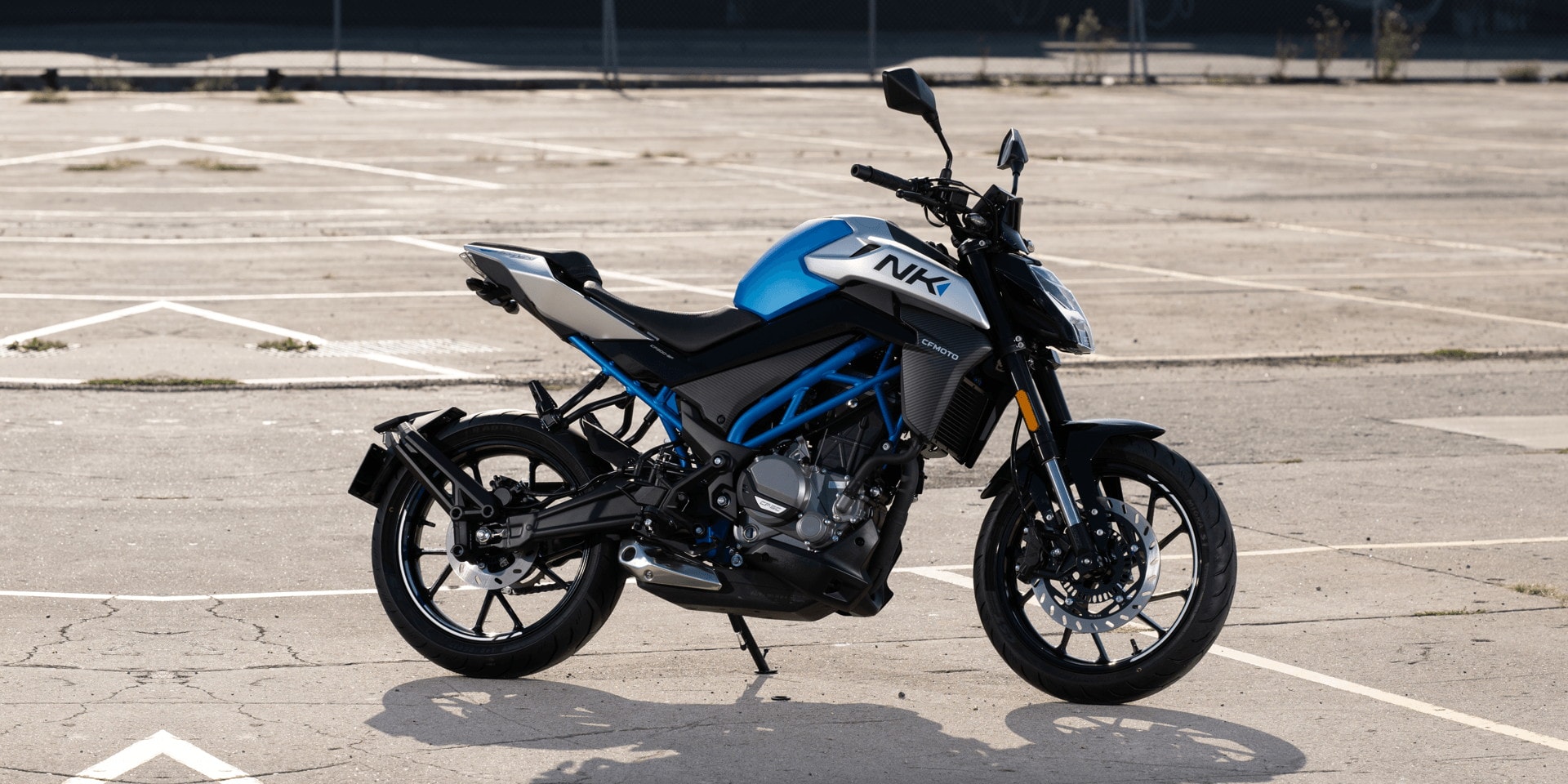
2. CFMOTO 300NK
- Engine: 292 cc single cylinder
- Horsepower: 29 hp
- Torque: 25 Nm
- Dimensions: Length 1,990 mm, Width 780 mm
Budget-friendly motorcycles can be appealing at first, yet they often lose value quickly, and the CFMOTO 300NK illustrates this pattern. As a relatively affordable entry-level bike, it attracts new riders looking for a cost-effective way to get started. That initial appeal does not always translate into strong resale performance.
Brand perception plays a critical role. While CFMOTO has made progress in recent years, it still faces skepticism in some markets compared to more established manufacturers. Buyers in the used market tend to gravitate toward brands with long-standing reputations for reliability, which affects demand for models like the 300NK.
Parts availability and service support also influence resale value. Riders want assurance that replacement components and qualified technicians are easy to find. Any uncertainty in this area can discourage potential buyers, leading to lower resale prices.
Rapid depreciation is also linked to the pricing strategy of new units. When brand-new motorcycles are already competitively priced, used versions must be cheaper to attract buyers. This creates a sharper drop in value within the first few years.
Performance and features, while adequate, do not stand out enough to maintain long-term demand. As riders gain experience, many look to upgrade to more powerful or refined motorcycles. This constant turnover increases supply in the used market, which pushes prices down.
Another factor is the perception of long-term durability. Even if the bike performs well during ownership, doubts about how it will hold up after several years can impact resale value. Buyers often prefer to pay more for a used motorcycle from a brand they trust.
Lower initial cost, brand perception challenges, and limited long-term demand all contribute to faster depreciation for the CFMOTO 300NK.
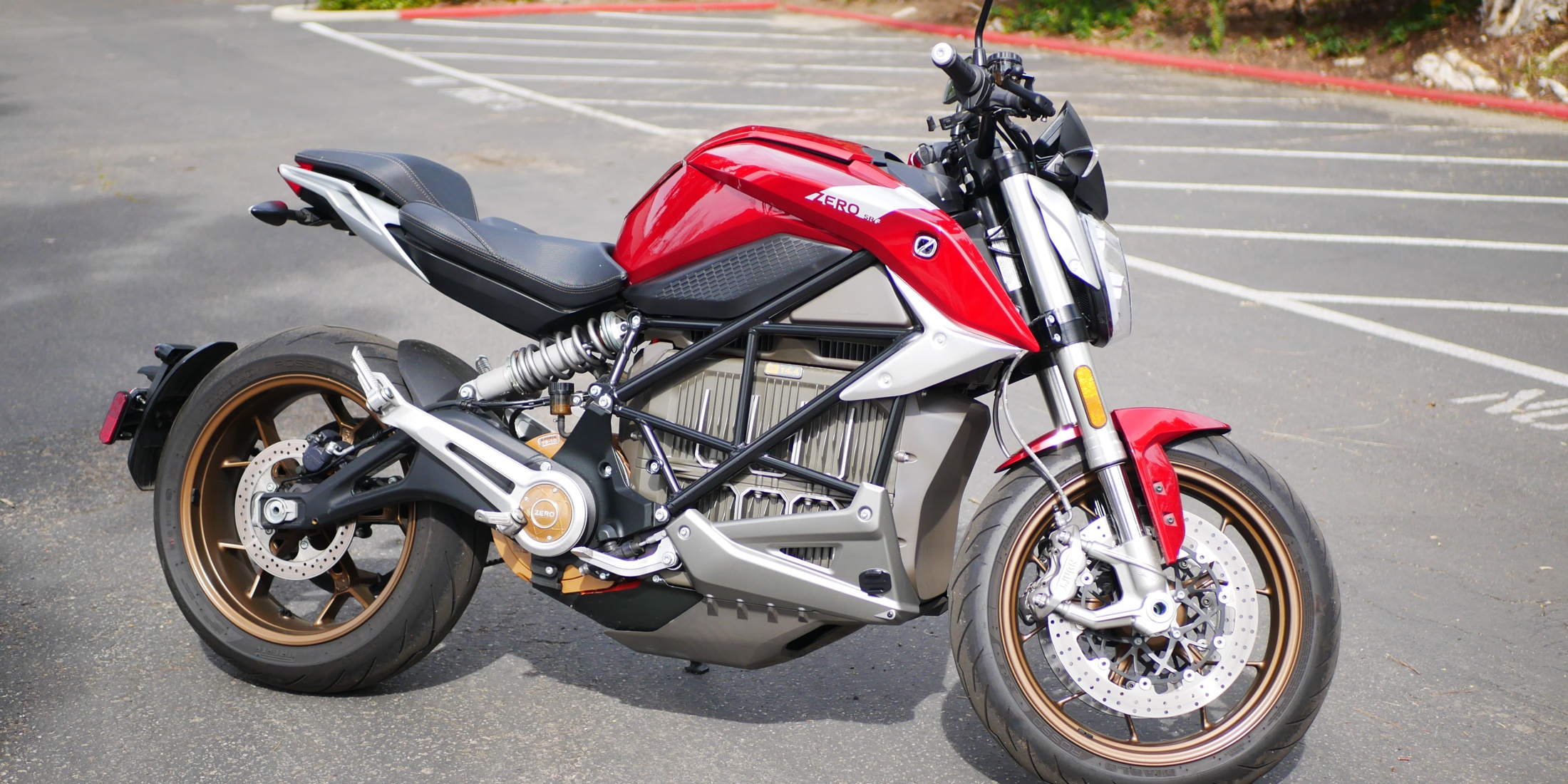
3. Zero Motorcycles SR/F Standard
- Engine: Electric motor Z-Force 75-10
- Horsepower: 110 hp
- Torque: 190 Nm
- Dimensions: Length 2,200 mm, Width 825 mm
Zero Motorcycles SR/F Standard represents one of the most capable electric motorcycles produced during its model years, with a Z-Force 75-10 motor producing 110 horsepower and 190 Newton-meters of torque through a powertrain that delivers the instant throttle response characteristic of electric motors in a motorcycle package with genuine sporting pretensions.
For buyers who purchased during its production run, the SR/F Standard represented the accessible performance frontier of electric motorcycle technology. Battery technology advancement is precisely the problem that electric motorcycles cannot escape.
A three-year-old electric motorcycle exists in a market where new alternatives offer meaningfully greater range, faster charging capability, improved battery management, and reduced pricing driven by manufacturing scale that did not exist when the older bike was produced.
Used buyers evaluating a three-year-old SR/F Standard against new electric offerings from Zero and emerging competitors find the older bike’s specifications less compelling at its used price than the new alternatives’ specifications justify at their new prices.
Battery health represents the specific technical concern that used electric motorcycle buyers must assess before purchase. Unlike internal combustion engines, whose wear manifests gradually across multiple systems, electric motorcycle battery degradation directly reduces the bike’s primary performance attribute: range.
A battery pack that has experienced thermal stress, charging irregularity, or simple age-related capacity reduction delivers fewer miles per charge than the specification sheet promised when new, and quantifying that reduction requires diagnostic equipment and expertise that private used buyers rarely possess.
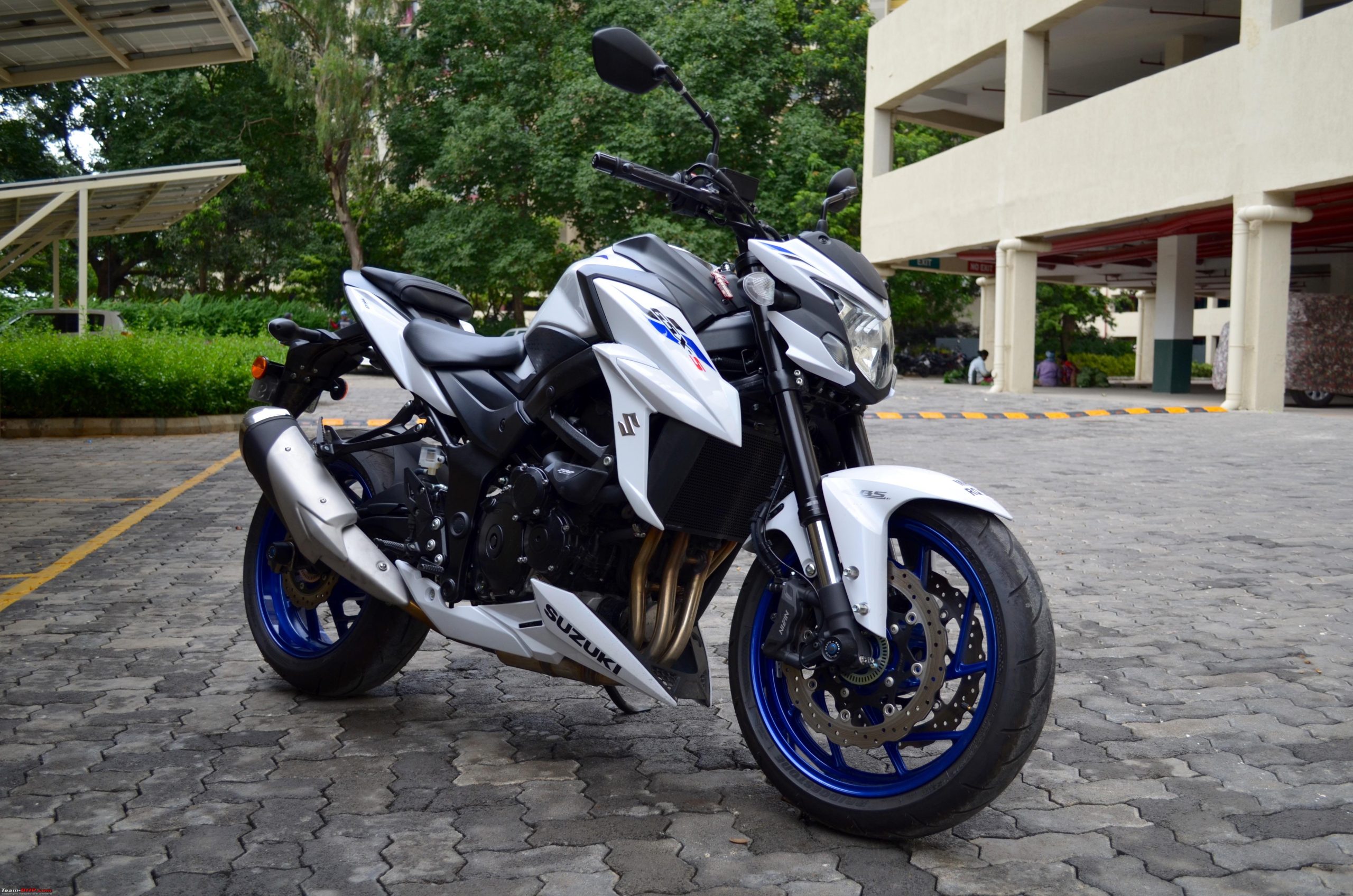
4. Suzuki GSX-S750
- Engine: 749 cc inline four
- Horsepower: 114 hp
- Torque: 81 Nm
- Dimensions: Length 2,125 mm, Width 785 mm
Middleweight naked motorcycles can offer a great balance of performance and usability, yet the Suzuki GSX-S750 tends to lose value faster than expected. Despite being a capable and reliable machine, several factors contribute to its depreciation.
Market saturation is one of the main reasons. A large number of GSX-S750 units are available in the used market, which creates strong competition among sellers. When supply exceeds demand, prices naturally decline as sellers adjust to attract buyers.
The presence of newer alternatives also affects resale value. Riders often compare the GSX-S750 with more recent models that feature updated electronics, improved styling, or enhanced performance. Even small upgrades can make a difference in buyer decisions.
Brand positioning plays a role as well. While Suzuki has a solid reputation, this particular model does not carry the same level of excitement or identity as some competitors. That perception influences demand, especially among buyers looking for something distinctive.
Usage patterns can also impact resale prices. Naked bikes are commonly used for daily commuting, which can lead to higher mileage and visible wear. Buyers tend to factor these elements into their offers, lowering the entire value. Pricing strategy at launch contributes to depreciation.
When a motorcycle is competitively priced from the start, there is less room for it to retain a high percentage of its value. Used buyers expect a noticeable reduction from the original price. Even though the GSX-S750 delivers a solid riding experience, its resale value is affected by market saturation, competition, and buyer perception. These elements combine to create a faster drop in value after three years.
Also Read: 10 Vintage Honda Motorcycles Worth More Than New Bikes
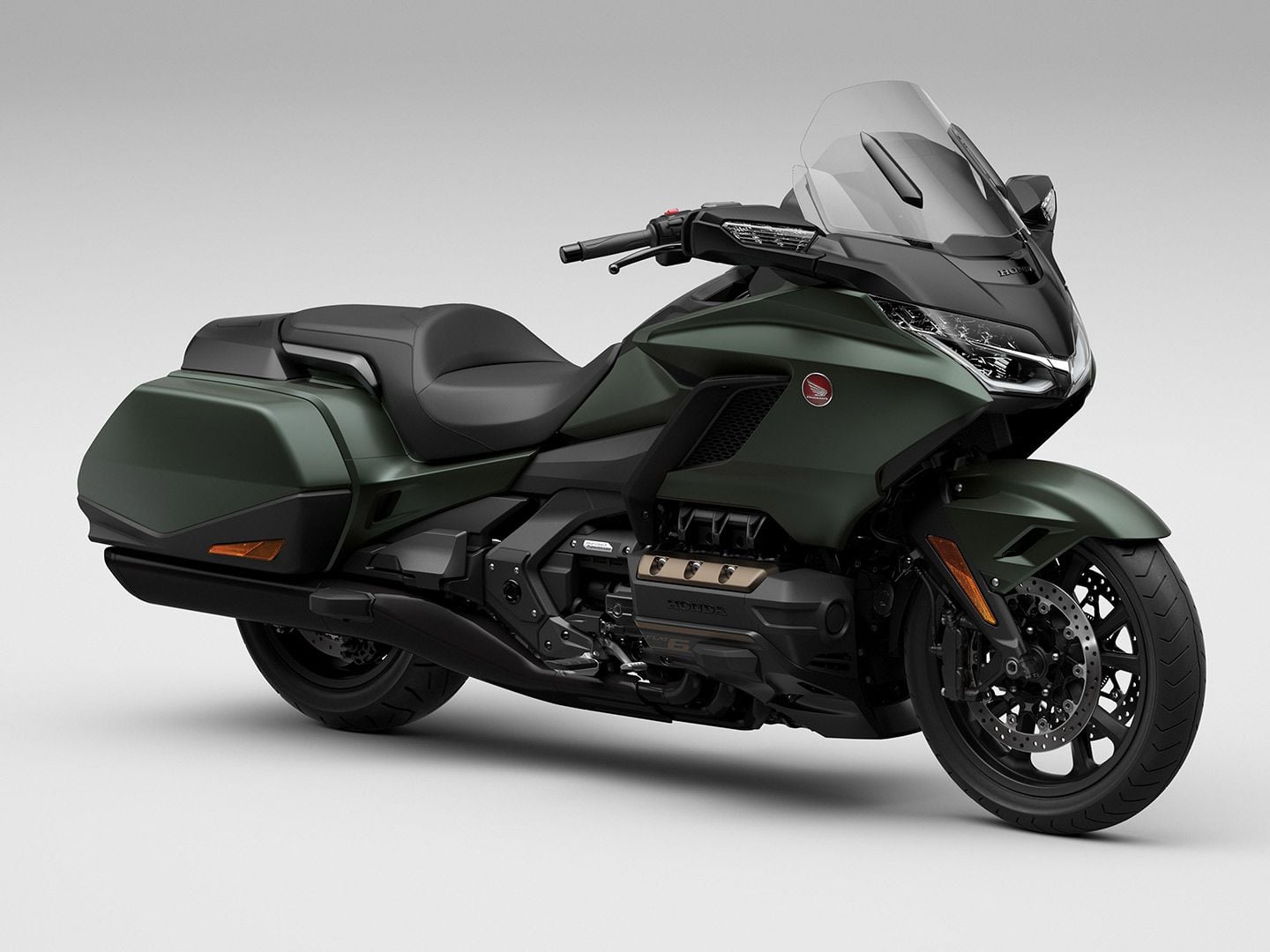
5. Honda Gold Wing Tour
- Engine: 1,833 cc flat six
- Horsepower: 125 hp
- Torque: 170 Nm
- Dimensions: Length 2,615 mm, Width 905 mm
Large touring motorcycles offer comfort and long-distance capability, yet they often face rapid depreciation, and the Honda Gold Wing Tour is a prime example. Designed for extended travel, it caters to a specific group of riders, which limits demand in the used market.
Size and weight play a big role in narrowing the buyer pool. Not every rider is comfortable handling a large touring bike, especially in urban environments. This limitation reduces the number of potential buyers when it comes time to sell.
Maintenance and ownership costs also influence resale value. Touring motorcycles come with complicated systems, including advanced electronics and luxury features. Repair and servicing costs can be higher, which makes used buyers more cautious.
Pricing at launch is another factor. The Gold Wing Tour sits at the premium end of the market, and high initial costs often lead to larger absolute depreciation. Buyers expect a considerable price reduction when purchasing a used model. Changing rider preferences also affects demand.
Some riders are moving toward lighter, more versatile motorcycles that can handle a wider range of riding conditions. This preference change reduces interest in large touring bikes. Mileage is often higher on these motorcycles due to their intended purpose. While they are built for long distances, higher mileage can still impact resale value, especially when buyers compare options.
Even with its reputation for comfort and engineering excellence, the Honda Gold Wing Tour experiences faster depreciation due to its niche appeal, higher costs, and limited buyer base. Sellers often need to adjust expectations when entering the used market.
