
Motorcycles have played a vital role in personal transportation for more than a century. While some models became famous because of racing success or groundbreaking technology, others achieved something equally impressive: massive sales numbers.
The best-selling motorcycles of their respective decades earned popularity by meeting the needs of riders at the right moment in history. Some provided affordable transportation during difficult economic times, while others introduced reliability, efficiency, or performance that competitors struggled to match.
Looking at the most successful motorcycle of each decade offers a unique perspective on how the industry evolved. Early motorcycles focused on basic mobility and durability.
As technology improved, manufacturers began emphasizing comfort, power, fuel economy, and versatility. Consumer expectations changed dramatically over the years, and the motorcycles that sold best often reflected those shifting priorities.
The list also highlights the growing influence of different manufacturers. American and European brands dominated the early decades, but Japanese companies eventually transformed the industry through innovative engineering and large-scale production.
More recently, global demand has upgraded models designed specifically for emerging markets, proving that practicality often matters as much as outright performance.
The following ten motorcycles represent some of the most commercially successful and influential two-wheelers of their eras. Each became a sales phenomenon during its decade and helped shape the direction of the motorcycle industry for years to come.
Also Read: 10 Luxury Cars With Factory Sound Systems Worth Every Penny
1. 1920s: Harley-Davidson Model J
During the 1920s, motorcycles were far more than recreational machines. For many riders, they served as practical transportation in an era when automobiles remained expensive and inaccessible to large portions of the population.
Among the motorcycles that defined the decade, the Harley-Davidson Model J stood out as one of the company’s most successful and widely adopted products.
Introduced before the decade began, the Model J benefited from Harley-Davidson’s growing reputation for durability and engineering quality.
The motorcycle featured a reliable V-twin engine that delivered respectable performance while remaining robust enough for daily use. Riders appreciated its ability to handle long distances on roads that were often far rougher than modern highways.
The motorcycle gained popularity among civilians, businesses, and law enforcement agencies. Its versatility contributed significantly to its sales success. Owners could use the Model J for commuting, delivery work, or leisure riding, making it one of the most practical motorcycles available during the era.
Unlike many competitors that struggled with reliability issues, Harley-Davidson focused heavily on mechanical durability. That approach helped the company build customer loyalty and expand its market presence throughout the decade.
The Model J also played a role in establishing Harley-Davidson’s identity as an American motorcycle icon. The company’s emphasis on V-twin power, rugged construction, and distinctive styling began taking shape during this period.
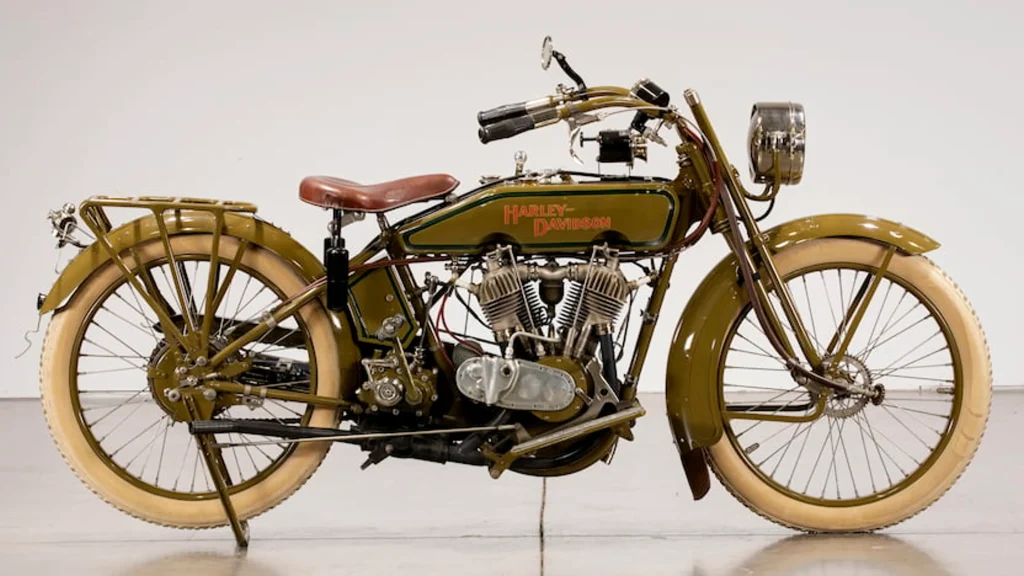
By the end of the 1920s, the Model J had become one of the most recognizable motorcycles in North America. Its strong sales and widespread use helped secure Harley-Davidson’s position as one of the world’s leading motorcycle manufacturers.
Specifications
- Engine: 1.0L V-Twin
- Torque: Approximately 45 lb-ft
- Horsepower: Approximately 22 hp
- Length/Width: 85.0 in / 30.0 in
2. 1930s: Indian Four
The Great Depression created enormous challenges for motorcycle manufacturers, yet some models managed to achieve impressive success despite difficult economic conditions. One of the most notable examples was the Indian Four, a motorcycle that combined engineering sophistication with a level of refinement rarely seen during the decade.
The Indian Four differed significantly from many contemporary motorcycles because of its smooth-running inline-four engine.
While most manufacturers relied on simpler powerplants, the Indian pursued a more ambitious design that emphasized comfort and performance. Riders immediately noticed the engine’s smooth power delivery and impressive highway capability.
Although it occupied the premium end of the market, the motorcycle attracted customers who valued quality and advanced engineering. Long-distance riders appreciated its comfort, while enthusiasts admired its distinctive mechanical layout.
The model became a flagship product that strengthened India’s reputation during a turbulent period for the motorcycle industry.
Styling also contributed to its popularity. The flowing fenders, elegant fuel tank, and substantial presence gave the Indian Four a unique appearance that separated it from competitors. It looked every bit as sophisticated as its engineering suggested.
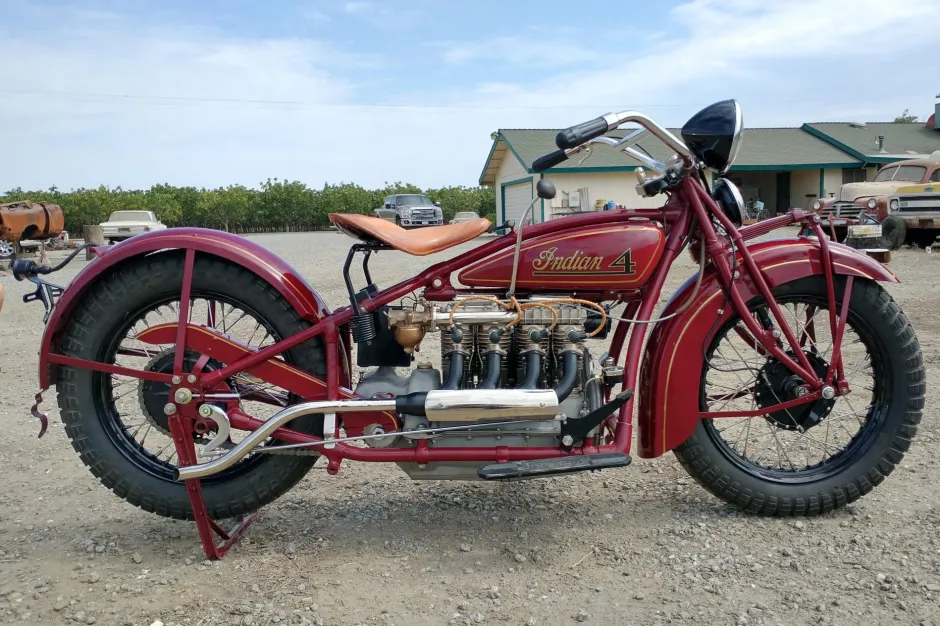
The motorcycle’s success helped demonstrate that there was still demand for premium products even during economically challenging times. India’s commitment to innovation and craftsmanship allowed the Four to stand out in a crowded market.
Today, surviving examples are highly prized by collectors and historians. The Indian Four remains one of the most celebrated motorcycles of the prewar era and a symbol of American motorcycle engineering at its finest.
Specifications
- Engine: 1.3L Inline-4
- Torque: Approximately 55 lb-ft
- Horsepower: Approximately 40 hp
- Length/Width: 88.0 in / 31.0 in
3. 1940s: Harley-Davidson WLA
The 1940s were shaped by World War II, and few motorcycles became more closely associated with that era than the Harley-Davidson WLA.
While many civilian motorcycle models saw limited production during wartime, the WLA achieved remarkable numbers thanks to military demand and its reputation for reliability under extremely challenging conditions.
Originally developed for military service, the WLA was designed to handle rough terrain, long operating hours, and demanding environments.
Thousands of units were supplied to Allied forces, where they served as messenger bikes, reconnaissance vehicles, and transportation for military personnel. The motorcycle became a familiar sight across Europe and other theaters of operation.
Its success stemmed from simplicity and durability. Soldiers needed machines that could be repaired quickly and kept running with limited resources. Harley-Davidson engineered the WLA with practicality in mind, ensuring that maintenance remained straightforward even under difficult field conditions.
Following the war, many surplus examples entered civilian ownership. Returning veterans were already familiar with the motorcycle, creating strong demand in the postwar market. The WLA helped fuel America’s growing motorcycle culture during the late 1940s and introduced countless riders to two-wheeled transportation.
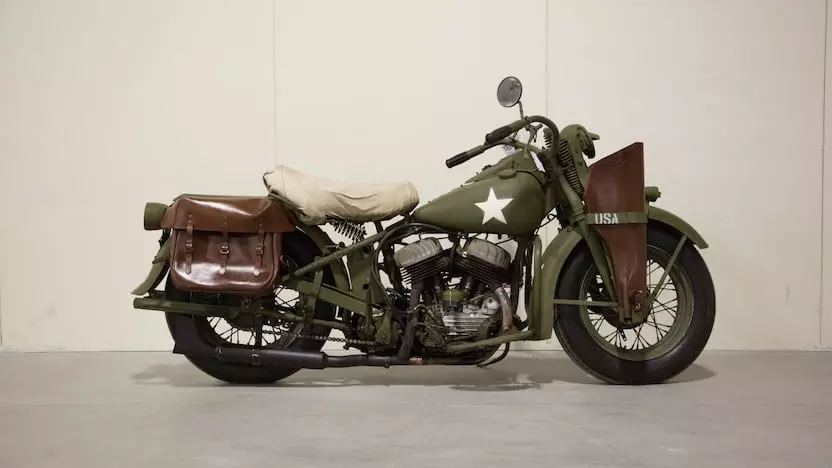
Unlike luxury-oriented motorcycles of previous decades, the WLA earned its reputation through hard work and dependability. It was a machine built for function rather than glamour, yet that very quality contributed to its popularity.
The model’s influence extended far beyond its production run. It strengthened Harley-Davidson’s position in the motorcycle industry and became one of the most recognizable military motorcycles ever built.
Its combination of rugged engineering and wartime service ensured a lasting legacy that remains respected among enthusiasts today.
Specifications
- Engine: 739cc Flathead V-Twin
- Torque: Approximately 38 lb-ft
- Horsepower: Approximately 25 hp
- Length/Width: 86.0 in / 31.0 in
4. 1950s: Honda Dream C70
The motorcycle industry changed dramatically during the 1950s, and no manufacturer benefited more from that transformation than Honda. The company’s Dream series became instrumental in establishing Honda as a global force, with the C70 emerging as one of the decade’s most commercially successful motorcycles.
Unlike many motorcycles of the era that emphasized raw performance, the Dream C70 focused on accessibility.
Honda recognized that millions of potential riders wanted affordable, dependable transportation rather than complicated machines requiring constant maintenance. The result was a motorcycle that appealed to a broad audience.
The C70 featured modern engineering, impressive fuel efficiency, and ease of operation. These qualities made it attractive to commuters, students, and first-time riders. Its relatively lightweight design also helped reduce intimidation for new motorcyclists entering the market.
Another major factor behind its popularity was reliability. Honda invested heavily in manufacturing quality, creating motorcycles that consistently started, ran smoothly, and required less maintenance than many rivals. This dependability quickly became one of the company’s defining characteristics.
The motorcycle’s success extended beyond Japan. As Honda expanded internationally, the Dream series introduced countless customers to the brand. Strong sales helped finance future product development and laid the foundation for Honda’s eventual dominance of the global motorcycle market.
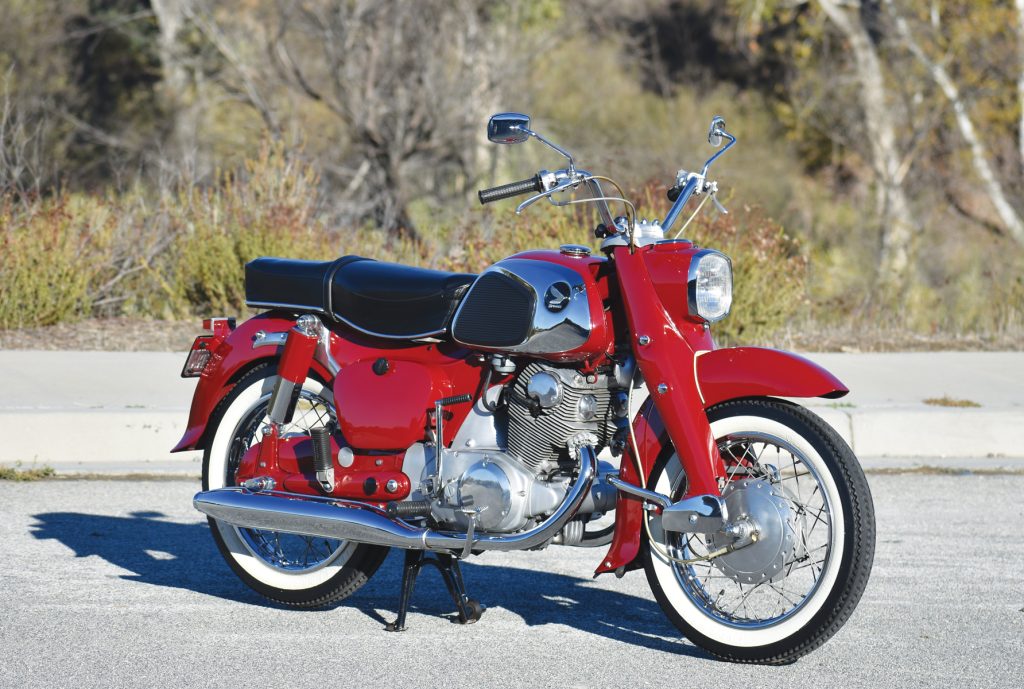
The Dream C70 represented a shift in how manufacturers approached motorcycle design. Instead of catering primarily to enthusiasts, Honda focused on everyday transportation. That strategy proved enormously successful and influenced the direction of the industry for decades.
Its impact can still be seen in modern commuter motorcycles that prioritize practicality, efficiency, and ease of ownership above all else.
Specifications
- Engine: 247cc Parallel-Twin
- Torque: Approximately 12 lb-ft
- Horsepower: Approximately 18 hp
- Length/Width: 76.0 in / 27.0 in
5. 1960s: Honda Super Cub
If one motorcycle can be credited with changing the industry forever, it is the Honda Super Cub. Introduced in 1958 and reaching extraordinary popularity throughout the 1960s, the model became the best-selling motor vehicle of any kind in history. During the decade, its influence expanded across continents, transforming how people viewed motorcycles.
The Super Cub succeeded because Honda approached transportation differently from many competitors. Rather than building a machine aimed solely at enthusiasts, the company created a simple, approachable motorcycle that almost anyone could ride.
The step-through design made mounting and dismounting easy, while the semi-automatic transmission eliminated much of the learning curve associated with traditional motorcycles.
Fuel economy was another major selling point. As urban populations grew and personal mobility became increasingly important, buyers appreciated a vehicle that was inexpensive to purchase and economical to operate.
Reliability further strengthened the model’s reputation. Many owners discovered that routine maintenance was minimal compared with other motorcycles available at the time.
Honda’s marketing strategy also played a crucial role. Campaigns emphasizing friendliness and accessibility helped attract customers who had never considered motorcycle ownership before. This broadened the market significantly and introduced millions of new riders to two-wheeled transportation.
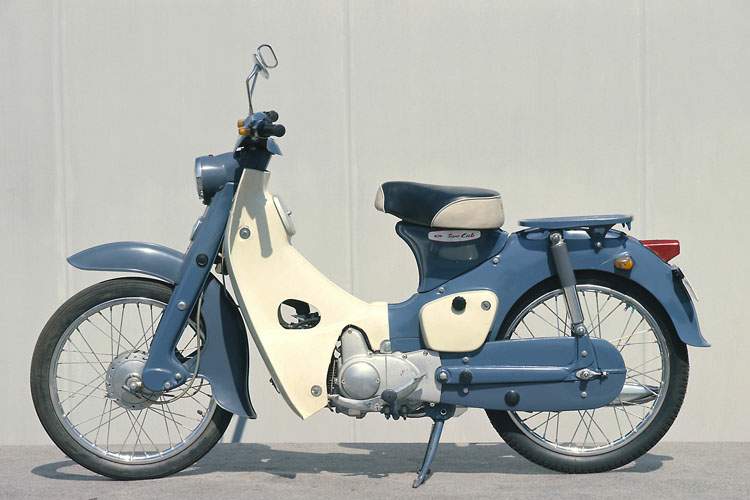
Production numbers climbed rapidly throughout the decade. Factories around the world manufactured the Super Cub to meet demand, turning it into a truly global phenomenon.
The motorcycle’s success reshaped the industry and established Honda as a dominant force. Even decades later, the Super Cub remains in production, a testament to the effectiveness of a design that prioritized practicality, affordability, and reliability above all else.
Specifications
- Engine: 49cc Single-Cylinder
- Torque: 2.8 lb-ft
- Horsepower: 4.5 hp
- Length/Width: 72.0 in / 26.7 in
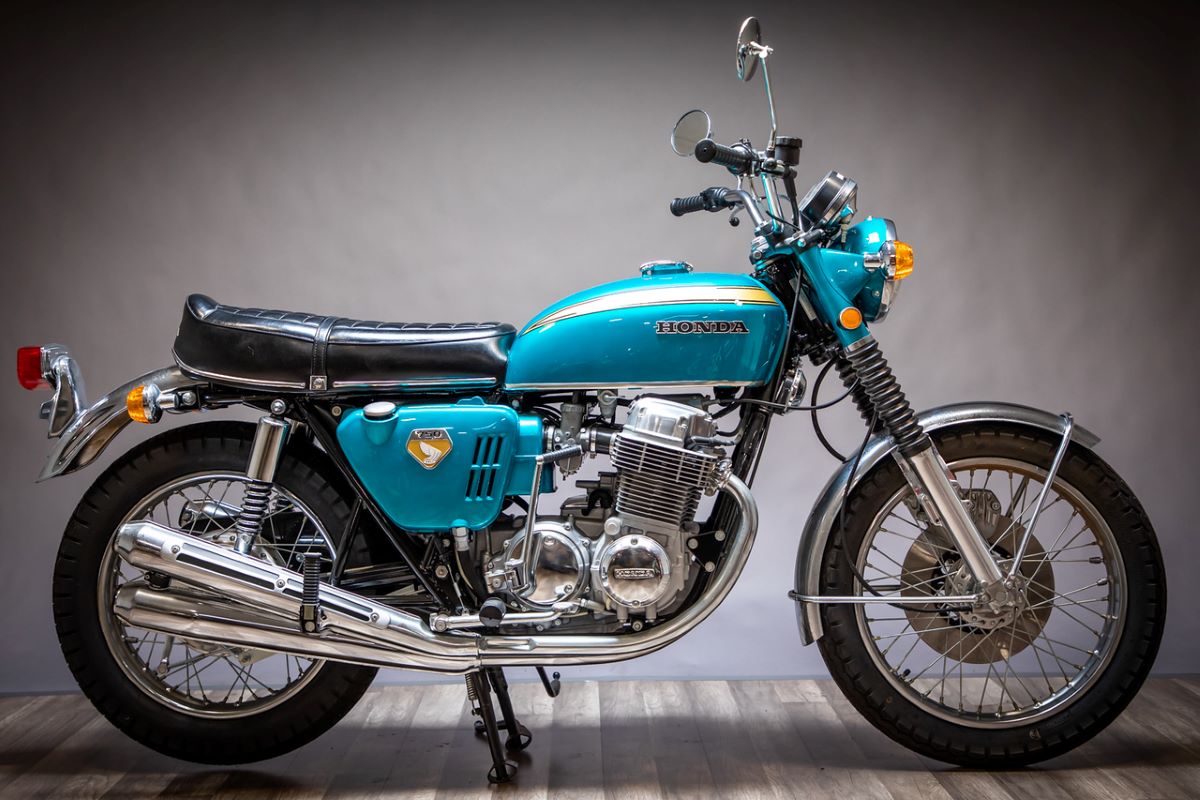
6. 1970s: Honda CB750
The 1970s saw motorcycles evolve from basic transportation into sophisticated performance machines, and no model symbolized that transition better than the Honda CB750. Introduced at the end of the previous decade, it dominated sales and influence throughout the 1970s, earning a reputation as one of the most important motorcycles ever produced.
At first glance, the CB750 looked impressive. Four exhaust pipes, a large fuel tank, and a substantial engine gave it a commanding presence.
What truly set it apart, however, was the technology beneath the surface. Honda equipped the motorcycle with a smooth inline-four engine and a front disc brake, features that were uncommon at the time.
Performance attracted immediate attention. Riders suddenly had access to a machine capable of delivering speed and refinement previously associated with far more expensive motorcycles. Yet Honda managed to package those capabilities at a price that appealed to a broad audience.
The motorcycle’s versatility contributed heavily to its commercial success. Some owners used it for commuting, while others relied on it for long-distance touring.
Enthusiasts appreciated its performance potential, and custom builders found it an ideal platform for modifications. Few motorcycles of the era could satisfy such a wide variety of riders.
The CB750 also accelerated the rise of Japanese manufacturers within the global market. Competitors were forced to rethink their products as Honda demonstrated a new standard for performance, reliability, and value.
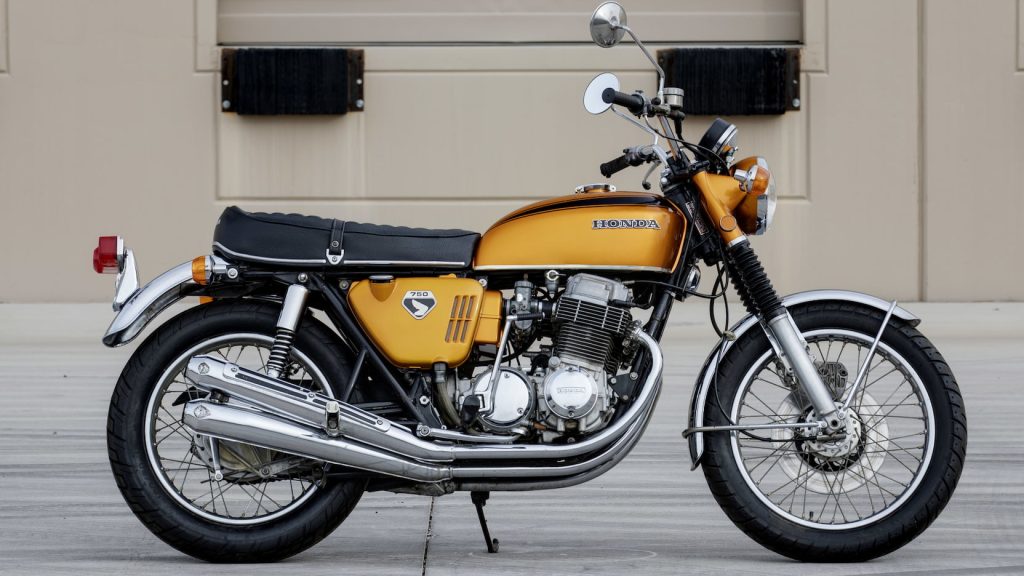
Its popularity throughout the 1970s helped define an entire generation of motorcycles. Many historians consider it the world’s first true superbike, a title supported by its lasting influence on motorcycle design and engineering.
Specifications
- Engine: 736cc Inline-4
- Torque: 44 lb-ft
- Horsepower: 67 hp
- Length/Width: 85.0 in / 32.0 in
7. 1980s: Honda CG125
Not every best-selling motorcycle earns its place through high speed or cutting-edge technology.
During the 1980s, the Honda CG125 became one of the most successful motorcycles on the planet by focusing on durability, affordability, and practicality. In many developing markets, it served as essential transportation rather than a recreational vehicle.
Honda originally developed the CG125 for regions where road conditions were often poor and maintenance facilities could be limited. The company understood that reliability mattered more than outright performance. As a result, the motorcycle was engineered to withstand daily abuse while remaining inexpensive to repair.
One of the key reasons behind its popularity was mechanical simplicity. The air-cooled single-cylinder engine proved exceptionally durable, allowing owners to accumulate high mileage with relatively little maintenance.
Taxi operators, delivery riders, students, and commuters all discovered that the motorcycle could handle demanding daily use without significant problems.
The model’s fuel efficiency further strengthened its appeal. Rising fuel costs during parts of the decade encouraged buyers to seek economical transportation, and the CG125 delivered exactly that. Riders could travel considerable distances while spending very little on fuel.
Unlike many larger motorcycles that appealed primarily to enthusiasts, the CG125 became woven into everyday life in numerous countries. It was a work tool, a family vehicle, and often a rider’s first experience with motorized transportation.
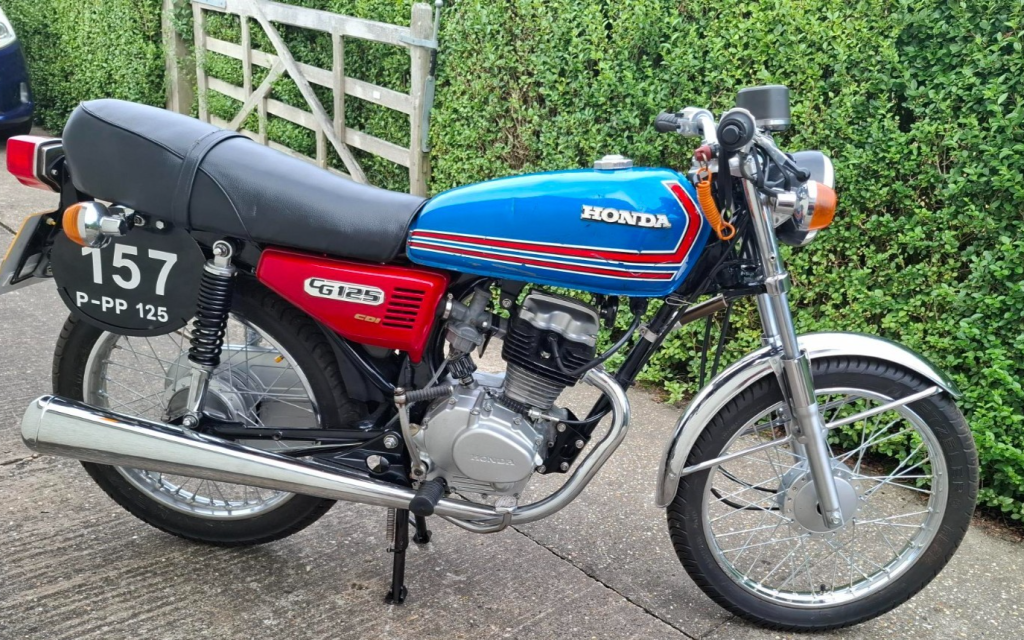
Production continued in various forms across multiple markets for decades, demonstrating the effectiveness of Honda’s design philosophy. Few motorcycles have achieved such widespread adoption among such diverse groups of riders.
The CG125’s success proves that a motorcycle does not need extraordinary performance to become a global bestseller. Reliability and practicality can be just as important.
Specifications
- Engine: 124cc Single-Cylinder
- Torque: 7.4 lb-ft
- Horsepower: 11 hp
- Length/Width: 75.4 in / 29.1 in
8. 1990s: Honda CBR600F
The 1990s represented a golden age for sport motorcycles, and among the standout models of the decade was the Honda CBR600F. While superbikes attracted headlines with ever-increasing power figures, the CBR600F achieved remarkable sales by offering a balance that appealed to a far broader audience.
Rather than focusing exclusively on racetrack performance, Honda designed the motorcycle to excel in multiple roles.
Riders could commute during the week, enjoy spirited rides on weekends, and even undertake long-distance journeys without sacrificing comfort. This versatility distinguished it from more specialized competitors.
The motorcycle’s inline-four engine delivered strong performance while remaining smooth and manageable. Experienced riders appreciated its capabilities, yet newcomers found it approachable enough to develop their skills confidently. That accessibility significantly expanded its potential customer base.
Another important factor was reliability. During a decade when sportbike competition intensified, Honda maintained its reputation for quality engineering. Owners trusted the CBR600F to provide dependable performance year after year, a characteristic that encouraged strong sales worldwide.
Styling also contributed to the model’s popularity. The aerodynamic fairing, aggressive stance, and race-inspired appearance captured the spirit of the era without compromising practicality. It looked fast even when standing still.
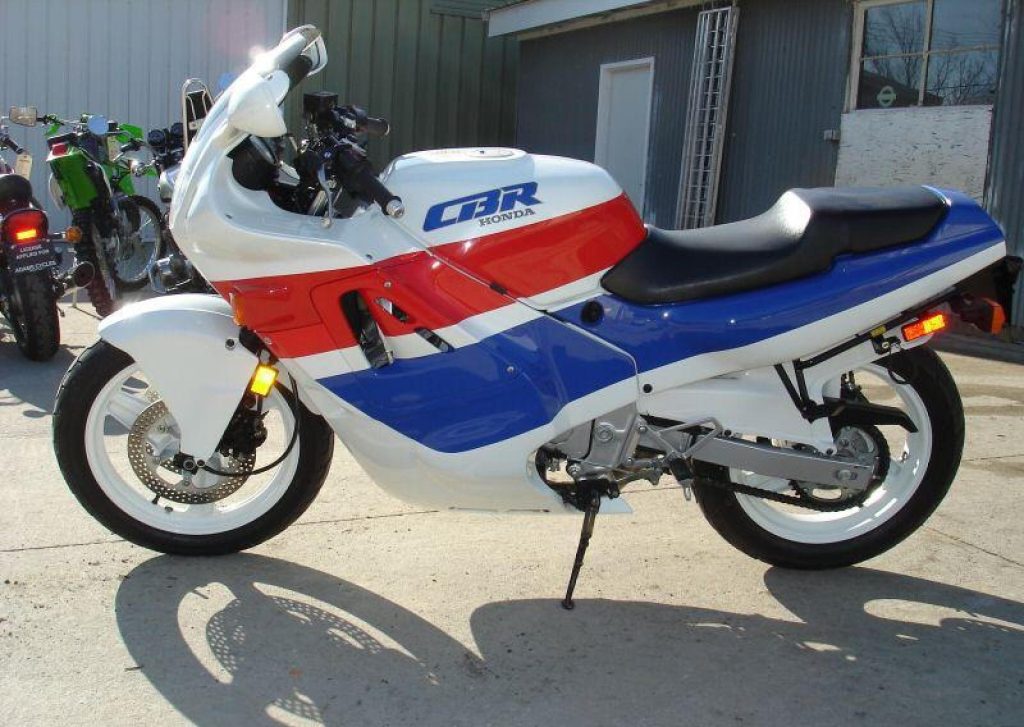
Many enthusiasts consider the CBR600F one of the most well-rounded motorcycles ever produced. It avoided the compromises associated with extreme specialization and instead focused on delivering a complete riding experience.
Its commercial success throughout the 1990s helped cement Honda’s leadership within the middleweight sportbike segment and influenced countless motorcycles that followed.
Specifications
- Engine: 599cc Inline-4
- Torque: 47 lb-ft
- Horsepower: 100 hp
- Length/Width: 81.7 in / 27.6 in
9. 2000s: Yamaha YBR125
The motorcycle market of the 2000s was incredibly diverse. While superbikes and large-displacement touring machines generated excitement among enthusiasts, one of the decade’s biggest commercial successes came from a much simpler formula.
The Yamaha YBR125 earned widespread popularity by delivering affordable, dependable transportation to riders around the world.
Yamaha developed the YBR125 with practicality as its primary objective. The motorcycle featured a straightforward design that emphasized reliability, low operating costs, and ease of ownership. These qualities made it particularly attractive in urban environments where daily commuting was the main priority.
The 125cc single-cylinder engine provided enough performance for city riding while maintaining excellent fuel economy.
For many owners, transportation costs were a major concern, and the YBR125 helped keep those expenses under control. Riders could travel long distances on minimal fuel, making the motorcycle a sensible alternative to larger and more expensive machines.
Comfort also played a significant role in its success. The upright riding position, manageable weight, and predictable handling characteristics made the YBR125 accessible to a wide range of riders. Beginners appreciated its forgiving nature, while experienced motorcyclists valued its practicality.
Another factor behind its popularity was global availability. Yamaha marketed the motorcycle in numerous countries, allowing it to build a substantial customer base across multiple continents. The model became especially common in regions where motorcycles served as primary transportation rather than recreational vehicles.
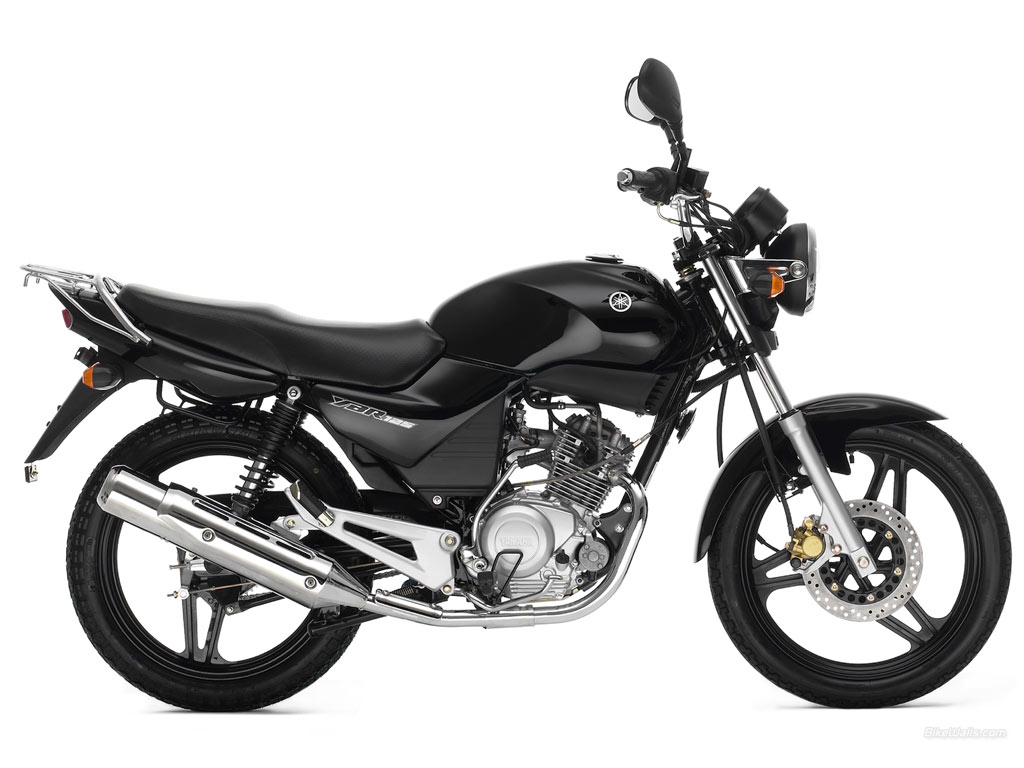
The YBR125 may not have delivered breathtaking performance, but it excelled in the areas that mattered most to everyday riders. Its strong sales throughout the decade demonstrated that practicality, efficiency, and reliability remain powerful advantages in the motorcycle market.
Specifications
- Engine: 124cc Single-Cylinder
- Torque: 7.8 lb-ft
- Horsepower: 10 hp
- Length/Width: 77.2 in / 29.1 in
10. 2020s: Honda CB Shine
The 2020s have been defined by changing transportation needs, stricter emissions regulations, and growing demand for efficient commuter motorcycles. Amid these trends, the Honda CB Shine emerged as one of the decade’s most successful motorcycles, particularly in one of the world’s largest two-wheeler markets.
Unlike high-performance motorcycles that cater to enthusiasts, the CB Shine focuses on daily usability. Honda designed the motorcycle to serve commuters who need reliable transportation for work, education, and everyday travel. This practical approach helped it achieve remarkable sales figures throughout the decade.
The motorcycle’s engine balances performance and efficiency effectively. Riders receive enough power for urban and highway use while still benefiting from excellent fuel economy. For many buyers, this combination represents the ideal compromise between operating costs and usability.
Comfort has also contributed significantly to the CB Shine’s popularity. A well-padded seat, upright ergonomics, and predictable handling characteristics make the motorcycle suitable for long daily journeys. These qualities have helped attract riders of various ages and experience levels.
Honda’s reputation for durability remains another major advantage. Many owners choose the CB Shine because they expect years of dependable service with relatively low maintenance expenses. Strong dealer support and widespread parts availability further enhance ownership satisfaction.
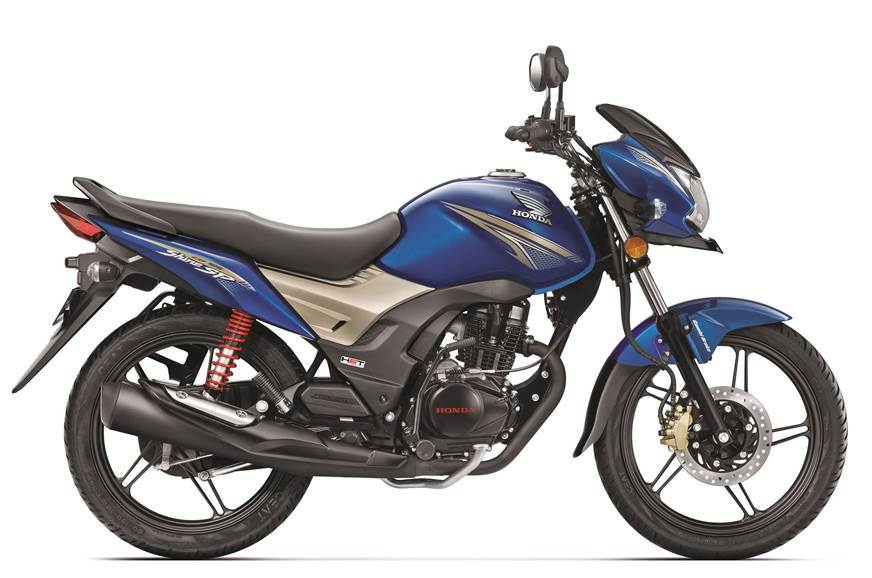
The motorcycle’s success highlights a reality that has remained consistent throughout motorcycle history. While performance machines generate excitement, practical commuter models often achieve the highest sales volumes because they address the transportation needs of millions of riders.
As the decade continues, the CB Shine remains one of the clearest examples of how affordability, reliability, and efficiency can drive extraordinary commercial success.
Specifications
- Engine: 123.94cc Single-Cylinder
- Torque: 8.9 lb-ft
- Horsepower: 10.6 hp
- Length/Width: 2046 mm / 737 mm
Also Read: 10 Cars Faster Than A Ferrari With Less than $40,000
