
Buying a motorcycle can be exciting, but online marketplaces have also created opportunities for criminals to target buyers searching for good deals.
Fraudsters use fake listings, false payment services, dishonest shipping promises, and stolen identities to steal thousands from unsuspecting riders. Understanding common motorcycle scams helps buyers recognize warning signs before sending money or personal information.
From fake escrow companies to misleading sellers, these schemes often appear professional and convincing. Careful research, secure payment methods, and patience can protect buyers from expensive mistakes while searching for their next motorcycle.
Also Read: 10 EVs Ranked by Charging Speed
1. Fake Escrow Services That Steal Buyer Payments
Fake escrow scams are among the most damaging fraud methods affecting motorcycle buyers. In a legitimate transaction, an escrow service holds payment until both parties complete the agreed terms. Scammers copy this idea by creating fake websites that look professional and trustworthy.
They often claim that the motorcycle, payment, and paperwork will be protected through their service. Buyers receive instructions to send money to the fake escrow company, believing their funds are secure. Once the payment arrives, the fake company disappears, along with the seller and the motorcycle listing.
These scams often begin on classified websites or social media platforms. The seller may advertise a motorcycle at a price far below market value to create urgency. When buyers ask about payment protection, the seller introduces a specific escrow service.
The website may include fake reviews, customer support numbers, and professional-looking documents designed to create confidence. Some scammers even create fake tracking pages showing imaginary transaction progress. These details make the fraud appear legitimate to people who have never used escrow services before.
A major warning sign is when a seller refuses to use well-known payment methods and insists on a specific escrow provider. Real escrow services do not pressure buyers into rushed decisions. Buyers should independently research any company before sending money and avoid clicking links provided only by the seller.
Searching for company information through trusted sources and verifying contact details can help identify fake operations. A professional appearance does not guarantee that a payment service is genuine.
Another common tactic involves scammers pretending that they are protecting the buyer. They may say that the motorcycle is stored safely, that the payment will be refunded if anything goes wrong, or that the transaction is backed by guarantees.
These promises are designed to remove doubts and encourage immediate payment. Fraudsters understand that buyers want reassurance, especially when purchasing expensive items remotely. The more convincing the fake protection appears, the easier it becomes for criminals to gain trust.
Protecting yourself from fake escrow scams requires controlling the payment process. Buyers should choose established payment methods and avoid unfamiliar escrow websites recommended by strangers.
Meeting sellers in person and inspecting the motorcycle before payment remains the safest approach. If a deal seems unusually easy or the seller creates pressure to complete payment quickly, it is worth stepping away. A genuine motorcycle purchase should not require ignoring basic safety checks.
2. Motorcycle Shipping Fraud and Fake Transport Companies
Shipping fraud targets buyers who purchase motorcycles from sellers located in different cities or countries. Scammers create fake transportation companies that promise affordable delivery services.
They may provide professional websites, fake customer reviews, and false shipping documents to appear reliable. After the buyer sends a deposit or full payment for transportation, the company either disappears or continues demanding additional fees. The motorcycle never arrives because there was never a real shipment.
Many shipping scams involve cooperation between a fake seller and a fake transport company. The seller claims they cannot meet because they are far away, but they offer a convenient shipping solution.
The shipping company contacts the buyer and provides instructions for payment. Since both parties appear separate, buyers may believe they are dealing with multiple trustworthy organizations. In reality, the entire process is controlled by the same group of criminals.
Scammers frequently create fake tracking numbers to make victims believe delivery is progressing. Buyers may receive updates saying the motorcycle is delayed because of insurance costs, customs issues, storage fees, or paperwork problems.
Each explanation creates a reason for additional payments. By the time the buyer realizes something is wrong, thousands of dollars may already have been transferred. The fake shipping process is designed to keep victims involved for as long as possible.
Real motorcycle transportation companies usually provide verifiable business information, clear contracts, and transparent pricing. Buyers should confirm that a shipping company has a legitimate history before making payments.
Checking company details independently and speaking directly with representatives can help identify suspicious operations. A company that only communicates through messaging apps or refuses normal business verification should raise concerns.
The safest approach is to arrange shipping independently whenever possible. Buyers should not rely entirely on transportation companies suggested by unknown sellers. A legitimate seller should understand a buyer’s need to verify shipping arrangements.
Taking extra time to confirm details may feel inconvenient, but it can prevent major financial losses. A motorcycle is a significant purchase, and protecting the money involved should always come before speed.
3. Fake Motorcycle Listings With Unrealistic Prices
Fake motorcycle listings attract buyers by offering popular models at prices that seem impossible to ignore. Criminals copy photos from real advertisements and create new listings with false information.
They may claim the motorcycle belongs to them, that they are relocating, or that they need a quick sale. The low price encourages buyers to act before investigating. Once contacted, the scammer attempts to collect payment without ever providing a real motorcycle.
These listings often appear on online marketplaces, motorcycle forums, and social media groups. Scammers understand that buyers search for bargains, especially on used motorcycles.
A listing that shows a clean bike, low mileage, and a surprisingly low price can trigger excitement. However, a price far below normal market value is often a sign that something is wrong. Criminals use attractive offers to distract buyers from missing details.
A common trick involves stolen photos from legitimate motorcycle advertisements. Buyers may believe they are looking at a real motorcycle because the images show a genuine bike. However, the scammer has copied pictures without owning the vehicle.
Reverse image searches can sometimes reveal that the same photos appear in older listings from different locations. This simple check can expose many fraudulent advertisements.
Scammers may avoid answering specific questions about the motorcycle. They might provide vague explanations about maintenance history, ownership documents, or location.
Some claim they cannot provide additional pictures because they are traveling or unavailable. Genuine motorcycle owners usually have detailed knowledge about their bikes and can provide proof of ownership. Avoiding basic questions is often a warning sign.
Buyers should never allow excitement to replace verification. Before making any payment, they should inspect the motorcycle, confirm ownership documents, and communicate through reliable channels. A good deal should still follow normal buying procedures. Walking away from a suspicious offer is better than losing money on a motorcycle that never existed.
4. Stolen Motorcycle Sales Using Fake Documents
Stolen motorcycle scams involve criminals selling motorcycles that were taken from legitimate owners. These sellers may create fake registration papers, altered documents, or misleading ownership records to convince buyers that the motorcycle is legal.
The buyer may believe they purchased a great deal, only to discover later that the motorcycle belongs to someone else. This can result in financial loss and legal complications.
Fraudsters often target popular motorcycle models because they are easier to resell. They may advertise the motorcycle with convincing descriptions and provide documents that appear authentic. Some criminals become skilled at copying paperwork, making it difficult for inexperienced buyers to notice problems. Without proper verification, buyers may unknowingly purchase stolen property.
Checking the motorcycle identification number is an important step before completing a purchase. Buyers should compare the identification number on the motorcycle with official documents and verify that the information matches.
Any damage, alteration, or inconsistency should be treated seriously. A seller who refuses inspection or avoids providing documentation should not be trusted.
Scammers may also create emotional stories to gain sympathy. They might claim they need money quickly because of personal problems or moving plans.
While genuine situations can happen, criminals often use emotional pressure to prevent buyers from asking questions. A rushed buyer may ignore warning signs because they feel they are helping someone or securing a rare deal.
A careful purchase process protects buyers from stolen motorcycle scams. Meeting in a safe location, reviewing ownership records, and confirming vehicle history can prevent major problems. Buying a motorcycle is not only about getting a good machine but also ensuring that the ownership transfer is legitimate.
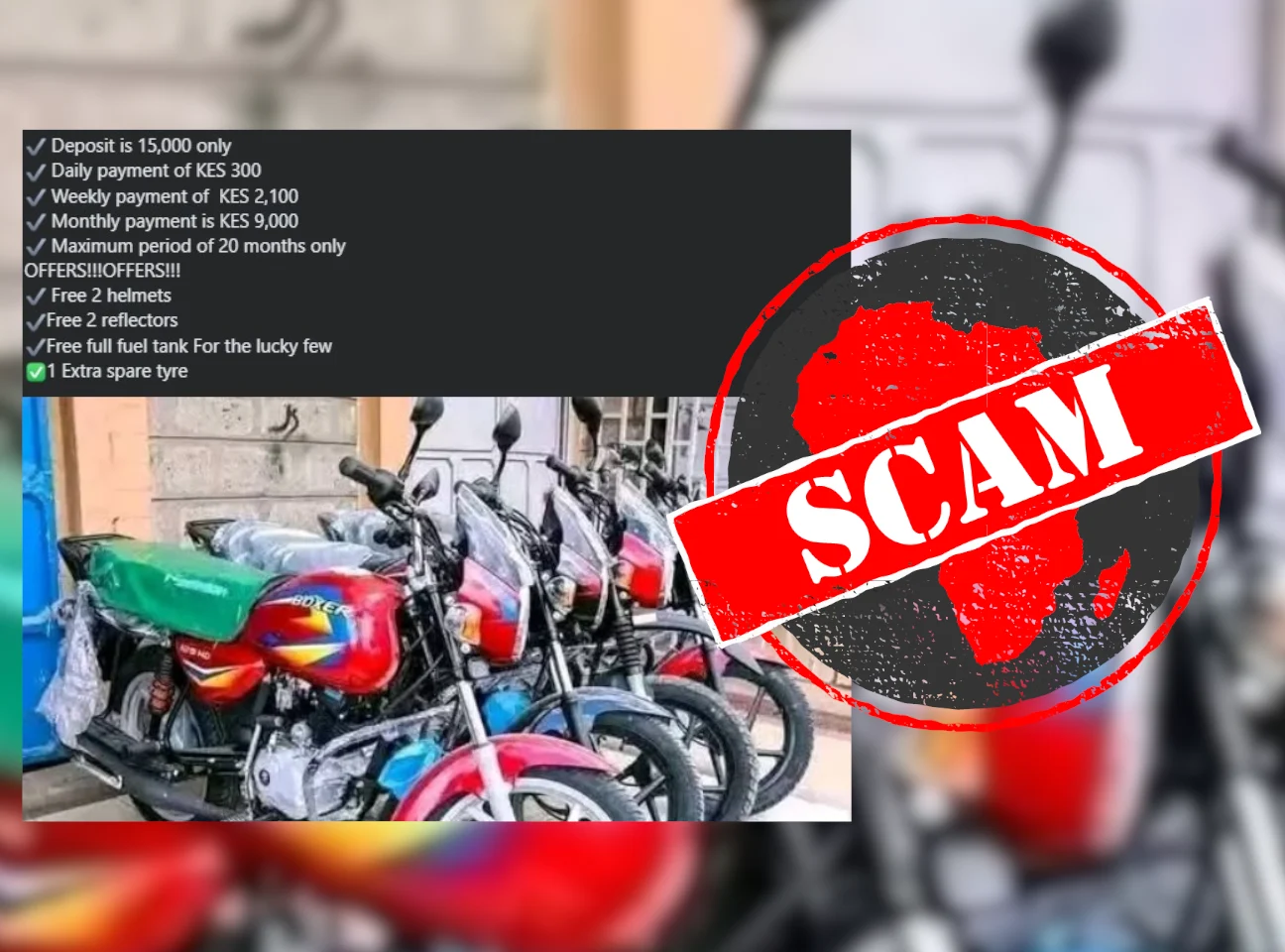
5. Deposit Scams Before Motorcycle Viewing
Deposit scams occur when sellers demand money before allowing buyers to inspect a motorcycle. The seller may claim that many people are interested and that a small deposit will reserve the bike. After receiving the payment, the scammer stops responding or creates additional excuses. The buyer loses money without ever seeing the motorcycle.
These scams work because buyers fear missing out on a good opportunity. Criminals create urgency by saying that another person is ready to purchase immediately.
They encourage quick decisions and discourage careful thinking. The requested deposit may seem small compared with the motorcycle’s total price, making buyers more willing to take the risk.
Legitimate sellers usually understand that buyers want to inspect a motorcycle before making commitments. A deposit may be normal in some transactions, but it should only happen after verifying the seller and motorcycle details.
Sending money to reserve an unknown motorcycle creates unnecessary risk. Buyers should avoid payments when the seller has not provided enough proof.
Scammers often combine deposit fraud with fake identities. They may use stolen photos, fake profiles, and copied descriptions from real sellers.
This makes it difficult to know who is actually offering the motorcycle. A trustworthy seller should be comfortable providing clear information and arranging a proper inspection.
Avoiding deposit scams requires patience. Buyers should never allow pressure to override common sense. Confirming ownership, checking details, and seeing the motorcycle personally are essential steps. A genuine motorcycle will still be available after proper verification, while a fake opportunity disappears when questioned.
6. Payment Reversal and Fake Buyer Protection Scams
Payment reversal scams are a major threat for motorcycle sellers and buyers who use online marketplaces. While many people focus on fraudulent sellers, criminals also target individuals selling motorcycles. A scammer may pretend to purchase a motorcycle and send fake payment confirmation messages.
They may claim that the payment has been completed through a secure platform, but the money never actually arrives. In some cases, they send fake banking screenshots or edited transaction records to convince the seller to release the motorcycle.
A common method involves fake payment notifications that appear to come from legitimate financial institutions. The scammer may say that the money is temporarily held and will be released after the motorcycle is shipped or after a small verification payment is made.
These messages create confusion and encourage sellers to follow instructions without checking their actual account balance. Once the motorcycle is handed over, the scammer disappears, and the seller has no payment to recover.
Some criminals also use stolen payment accounts or fraudulent checks. They may send more money than requested and ask the seller to return the difference. Later, the original payment is canceled because it was unauthorized or fake.
The seller loses the motorcycle, the returned money, and any additional costs involved in the transaction. This type of fraud works because it takes advantage of trust and unfamiliar payment procedures.
Buyers can also face similar situations when scammers offer fake buyer protection programs. The seller may claim that a special payment system protects both parties, but the service is controlled by criminals.
Buyers are instructed to transfer funds through a fake process that looks official. Once the payment is completed, communication stops. The promised motorcycle and protection service never existed.
The safest approach is to verify payments directly through official banking channels. Screenshots, emails, and text messages are not proof that money has been transferred.
Buyers and sellers should avoid unusual payment arrangements and refuse requests involving refunds, extra payments, or unfamiliar platforms. A secure transaction should be simple, transparent, and easy to verify.
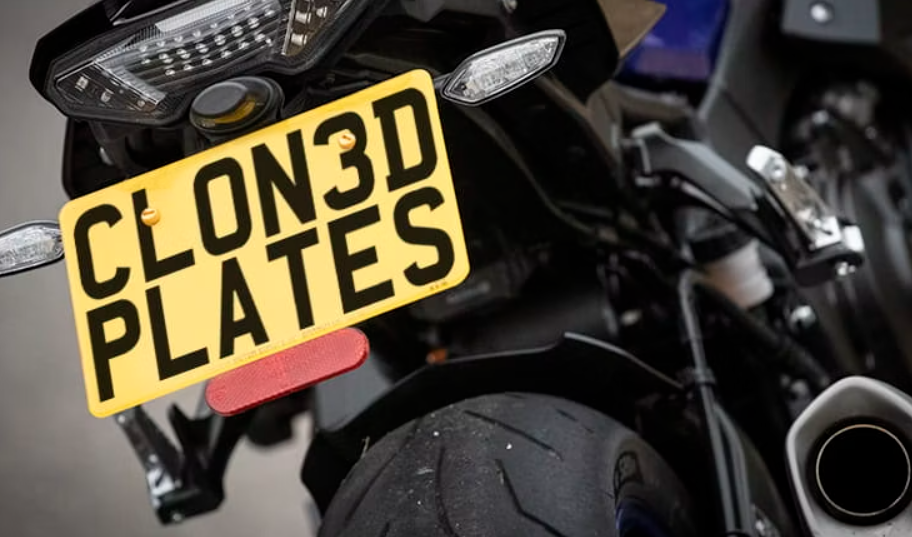
7. Motorcycle Clone Scams With Duplicate Identification Numbers
Motorcycle cloning involves criminals using the identity of a legitimate motorcycle on an illegal or stolen bike. They copy registration information, identification numbers, and documents from a genuine motorcycle to make the stolen bike appear legal.
Buyers may unknowingly purchase a cloned motorcycle and later discover that the paperwork does not match official records. This can lead to financial loss and serious ownership problems.
Cloning scams are difficult because the motorcycle may look completely legitimate at first. The seller may provide documents, maintenance records, and a convincing explanation about the bike’s history.
Many buyers assume that having paperwork means the motorcycle is safe to purchase. However, criminals can create false documents or use information from another vehicle to hide the motorcycle’s true identity.
Small inconsistencies can reveal a cloned motorcycle. Buyers should carefully compare identification numbers, registration details, and ownership records. Differences in numbers, unusual formatting, or unclear paperwork should be investigated before completing a purchase. Professional inspections can also help identify problems that an average buyer may miss.
Scammers often target buyers who are searching for used motorcycles at attractive prices. They know that people may focus on appearance, mileage, and performance while paying less attention to legal verification.
A motorcycle that looks perfect can still create major issues if its history is unclear. Proper documentation is just as important as the physical condition of the bike.
Preventing cloning scams requires careful research and verification. Buyers should confirm records through official channels and avoid purchasing motorcycles from sellers who cannot provide reliable ownership information.
A seller who becomes defensive when asked for verification may be hiding important details. Taking time to confirm a motorcycle’s identity protects buyers from expensive mistakes.
8. Fake Motorcycle Auction Scams
Fake motorcycle auction scams use the popularity of online auctions to trick buyers into sending money for motorcycles that are not available. Criminals create fake auction websites or imitate real auction platforms. They advertise expensive motorcycles at attractive prices and create the impression that buyers are competing for limited opportunities. After receiving payment, the fake auction disappears or stops responding.
These scams often look convincing because criminals copy the design of established auction websites. They may include fake bidding systems, customer reviews, and detailed motorcycle descriptions. Buyers who are unfamiliar with online auctions may believe they are participating in a legitimate sale. The professional appearance of the website creates false confidence.
Another tactic involves fake government or insurance auctions. Scammers claim that motorcycles were recovered from insurance claims, police collections, or company liquidations. They use these stories to explain why the motorcycles are being sold below normal prices. The buyer may be asked to pay quickly because the auction period is supposedly ending soon.
Real auction services usually have clear business information, transparent terms, and established payment procedures. Buyers should verify the company behind an auction website before participating. They should be cautious when websites request unusual payment methods such as direct transfers or cryptocurrency payments. A legitimate auction should provide clear information about ownership, inspection, and payment protection.
Avoiding fake auction scams requires buyers to research before bidding. Checking website history, reviewing company information, and confirming contact details can reveal suspicious operations. A motorcycle auction should provide enough information for buyers to make informed decisions. If a deal seems too convenient or requires immediate payment, it may be designed to create pressure rather than provide a genuine opportunity.
