

Buying a new motorcycle comes with a promise: if something breaks because of a manufacturing defect, the factory will make it right. That promise has limits, though, and plenty of riders learn about those limits the hard way, standing at the service counter listening to a technician explain why their claim just got denied.
Warranty documents are packed with exclusions covering everything from unauthorized modifications to skipped maintenance, and understanding these clauses before you make a mistake can save you thousands of dollars.
This guide breaks down ten common ways riders accidentally jeopardize their coverage, based on actual language pulled from manufacturer warranty documents, so you can protect your investment and ride with genuine peace of mind.
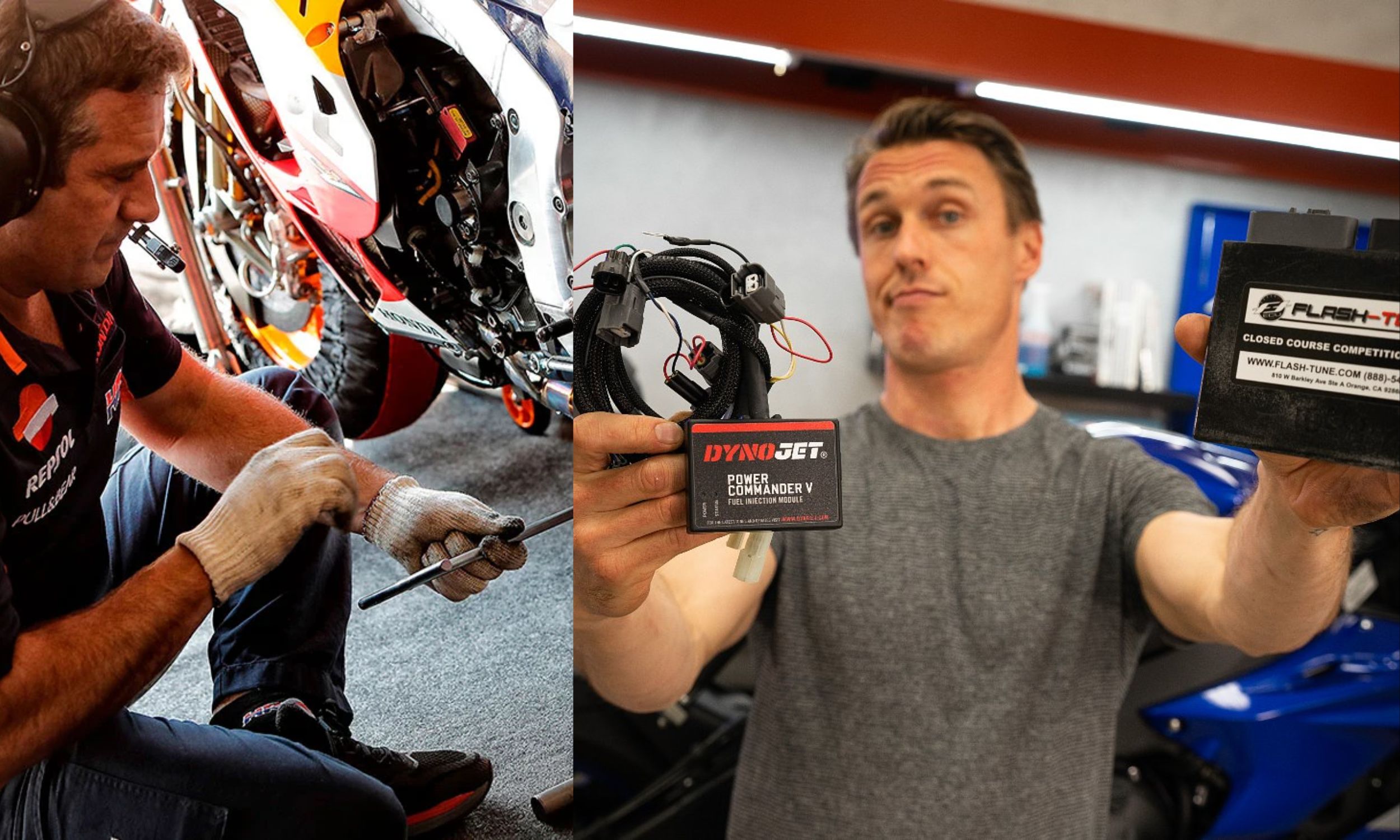
1. Installing Unauthorized Performance Tuners or ECU Modifications
Plugging in an aftermarket tuner might feel harmless, especially when installation takes fifteen minutes and promises a noticeable power bump. But that little device can create a genuine warranty headache the moment something related to engine performance actually fails.
BMW Motorrad addresses this directly in its warranty documentation, specifically stating that modifications, non-approved performance components, and engine performance tuning can affect coverage for drivetrain and emissions components tied to those changes.
Here’s what riders often misunderstand: simply owning an aftermarket tuner doesn’t automatically cancel your entire warranty the moment you install it. The real issue centers on cause and effect. If your ECU modification altered how the engine manages fuel, timing, or boost, and that alteration contributed to a mechanical failure, manufacturers have grounds to deny that specific claim.
A blown head gasket traced back to altered timing maps looks very different from a failed turn signal relay that has nothing to do with your tune. Riders considering aftermarket tuning should weigh the performance gains against the real financial exposure they’re accepting.
Documentation matters too. Keeping dyno sheets, installation records, and any communication with the tuner manufacturer can help establish exactly what was changed if a dispute ever arises. Reverting to stock tuning before any warranty-related service appointment remains the safest practical approach for riders who want both performance and protection.
2. Failing to Perform Required Scheduled Maintenance
Life gets busy, and that 6,000-mile service interval sitting in your owner’s manual can feel easy to postpone when nothing seems obviously wrong with the bike. Unfortunately, skipping scheduled maintenance ranks among the most common reasons warranty claims get denied, and manufacturers build language specifically addressing this into their coverage terms.
Harley-Davidson places direct responsibility on owners to follow the specified maintenance schedule and retain documentation proving that service actually happened. Honda takes a similar stance, recommending owners follow the maintenance schedule closely and keep receipts whenever service gets performed independently rather than at an authorized dealership.
That paperwork isn’t just bureaucratic busywork either. It becomes your primary evidence if a manufacturer questions whether proper care preceded a failure. Here’s the important nuance riders should understand: missing a single oil change doesn’t automatically strip warranty protection from every component on the entire motorcycle.
Manufacturers generally need to connect the specific maintenance failure to the specific claimed defect. Skip a valve adjustment and later experience valve train damage, and you’ve got a real problem. Skip that same valve adjustment and later have your headlight bulb burn out, and the two issues likely have no meaningful connection.
The safest approach involves treating your maintenance schedule as non-negotiable, keeping every receipt organized, and never assuming that a bike running fine today means skipped service carries no future consequences.
Also Read: 10 Most Expensive Motorcycles Ever Sold In The US

3. Using the Motorcycle for Racing or Competition
Track days deliver an adrenaline rush street riding simply can’t match, but that thrill comes with a genuine catch buried in most warranty documents. Racing and competition use appear as standard exclusions across nearly every major manufacturer’s warranty terms, regardless of how careful or skilled the rider happens to be.
Honda states plainly that vehicles used for racing or competition fall outside HondaCare coverage entirely. Harley-Davidson’s warranty language mirrors that same exclusion, specifically removing motorcycles used for racing or competition from standard coverage protection. These aren’t obscure clauses buried in fine print either; they represent standard industry practice across virtually every manufacturer selling street-legal motorcycles.
The underlying logic makes sense once you consider it from the manufacturer’s perspective. Street motorcycles get engineered and tested for street riding conditions, not sustained high-speed track use involving repeated hard acceleration, aggressive braking, and cornering forces well beyond typical commuting or weekend riding.
A connecting rod that would comfortably last 100,000 street miles might fail considerably sooner under repeated track abuse, and manufacturers understandably don’t want to absorb that increased failure risk under standard warranty terms. Riders who genuinely want track time should research manufacturer-specific track day programs or aftermarket extended warranties designed specifically for competition use.
Attempting to hide track use after a mechanical failure rarely works either, since technicians can often identify telltale signs of track abuse during inspection, from tire wear patterns to unusual brake pad wear consistent with repeated hard stops.
4. Making Unauthorized Electrical or Wiring Modifications
Adding heated grips, auxiliary lighting, or a phone charger seems like a straightforward upgrade until you’re splicing into factory wiring harnesses without fully understanding the electrical system you’re modifying. This category of warranty exclusion catches plenty of well-intentioned riders who simply wanted a small convenience upgrade.
Manufacturers generally reserve the right to exclude damage resulting from unauthorized modifications or unsuitable attachments connected to electrical systems. Honda specifically states that HondaCare coverage excludes problems caused by modifications, unauthorized alterations, or unsuitable attachments and parts installed on the motorcycle.
That broad language covers everything from aftermarket alarm systems to improperly grounded accessory lighting. The failure mode here often isn’t immediate either, which makes diagnosis tricky. A poorly executed splice might work fine for months before corrosion, vibration, or heat cycling causes an intermittent short that damages an entirely different electrical component elsewhere in the system.
Once a technician traces that failure back to an aftermarket wiring job, warranty coverage for the affected components becomes genuinely difficult to secure. Riders wanting to add electrical accessories should prioritize proper installation using fused, dedicated circuits rather than tapping directly into existing factory wiring.
Professional installation, or at minimum following manufacturer-approved installation instructions precisely, meaningfully reduces the risk that a simple accessory addition turns into a costly warranty dispute down the road. Keep installation photos and receipts as documentation too.
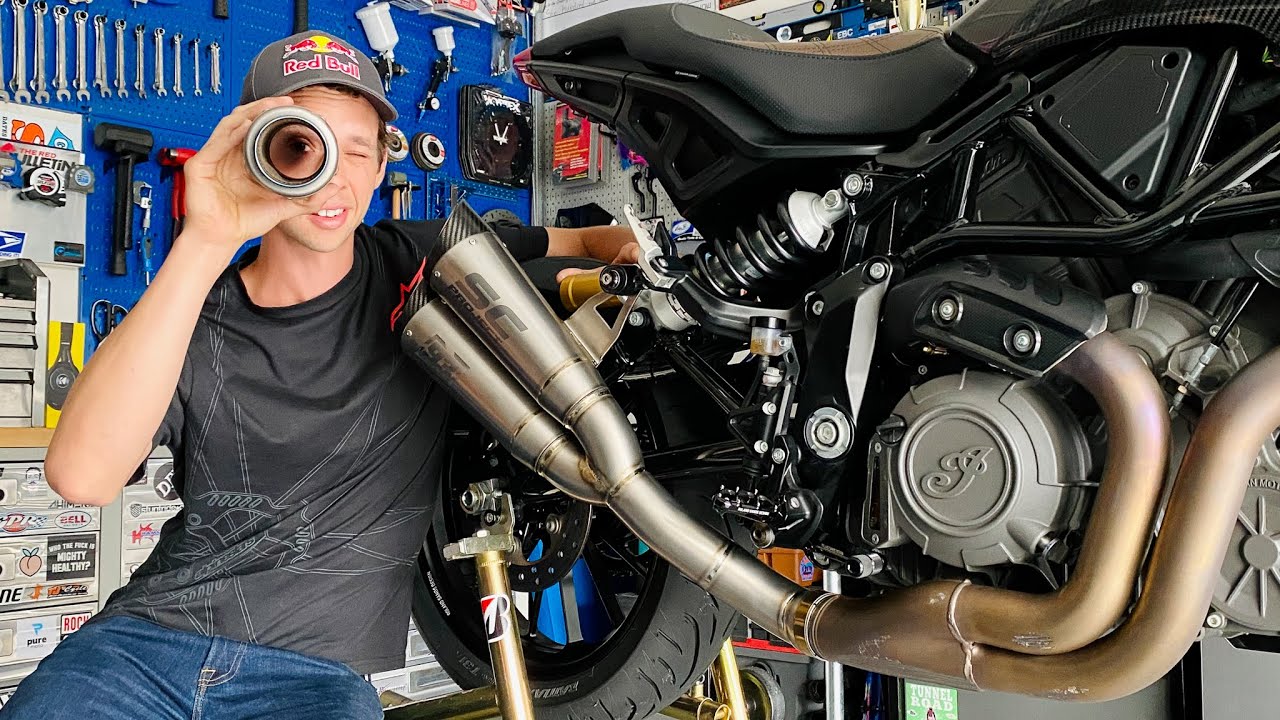
5. Installing Unapproved Performance or Exhaust Modifications
That deep, aggressive exhaust note might be exactly what drew you toward buying a motorcycle in the first place, but swapping your factory exhaust for an aftermarket system carries real warranty implications worth understanding before you make the purchase. Performance exhausts, intake modifications, and other aftermarket bolt-on equipment sit squarely within warranty exclusion territory across multiple manufacturers.
Harley-Davidson’s warranty documentation specifically addresses aftermarket performance parts and unauthorized modifications, while its separate emissions warranty explicitly excludes failures connected to alterations and certain non-compliant aftermarket modifications.
That distinction between the general warranty and the emissions-specific warranty matters, since emissions components often carry their own separate coverage terms with stricter modification rules attached.
Removing catalytic converters or installing exhaust systems that alter your bike’s original emissions profile creates particularly clear warranty exposure, since these changes directly affect systems manufacturers specifically monitor and warranty separately. A failed oxygen sensor traced back to an aftermarket exhaust missing proper bungs, for example, becomes a straightforward denial case for most manufacturers.
This doesn’t mean every aftermarket accessory automatically voids your complete motorcycle warranty the instant you install it. The connection between the specific modification and the specific failure remains the deciding factor in most disputes.
Riders who want aftermarket exhaust systems should research whether their chosen product maintains emissions compliance and consider keeping the factory exhaust stored for reinstallation before any warranty-related dealership visits.
6. Altering the Frame, Suspension, or Factory Geometry
Some motorcycle changes go beyond simple accessory installations and can affect the way the bike was built to operate from the factory. Cutting parts of the frame, adding welds, or changing suspension setup can create warranty concerns because these actions alter the original design of the machine.
BMW Motorrad’s warranty terms explain that changes to factory engineering or operating specifications may affect coverage when they cause damage to original components. This means riders who install custom chassis parts or make major suspension adjustments should understand the possible risks before starting the work.
A damaged frame or failed suspension part may receive extra inspection if the motorcycle has been modified. For example, a crack near an added weld point can make it easier for a manufacturer to connect the failure to the modification and deny the claim. Suspension upgrades also require careful consideration because changing ride height, spring rates, or factory geometry can place extra pressure on parts not designed for those conditions.
Riders planning major frame or suspension work should know that warranty protection may be affected if the changes contribute to damage. Making informed decisions before modifying a motorcycle can help prevent unexpected repair costs and ownership problems later.
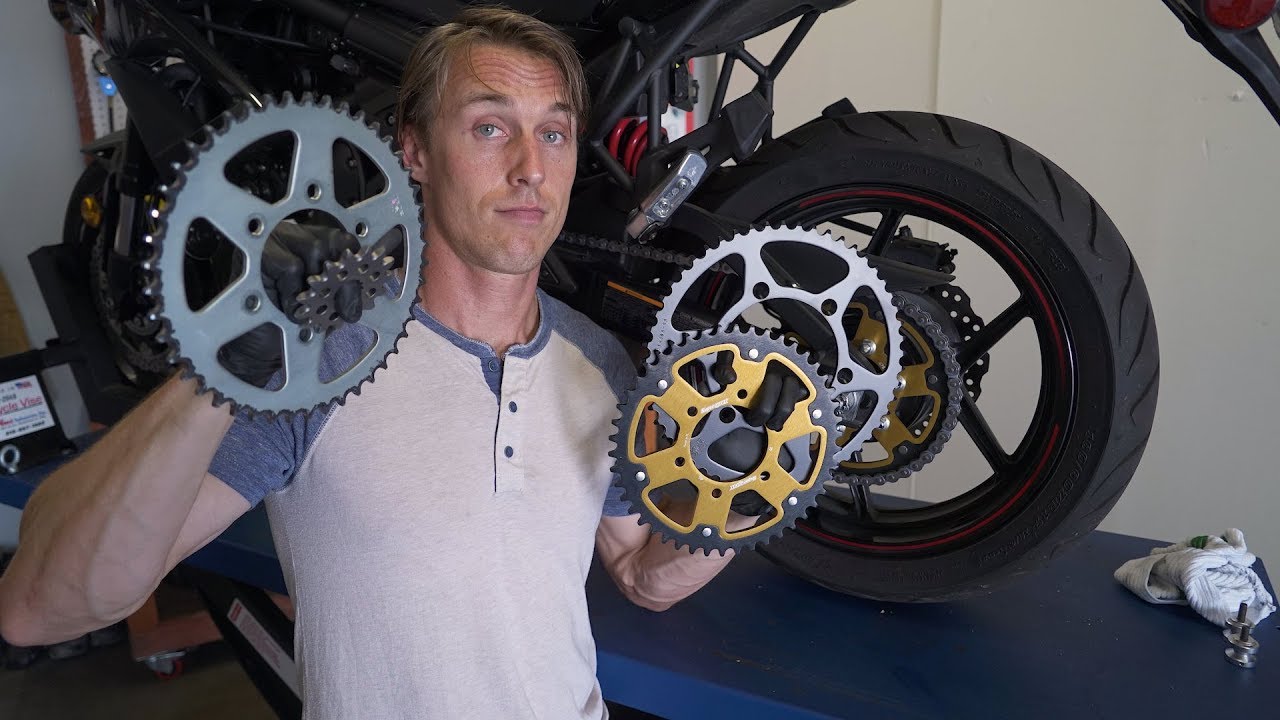
7. Changing the Motorcycle’s Final-Drive Configuration
Swapping sprocket sizes represents one of the more common drivetrain modifications riders make, whether chasing quicker acceleration or slightly better highway cruising rpm. This modification generally carries less warranty risk than major chassis work, but it’s not entirely risk-free either, and understanding the actual boundaries matters.
Changing sprocket sizes can affect warranty coverage specifically when the alteration changes original operating characteristics in ways connected to an actual failure. A different final-drive ratio changes load patterns across your chain, sprockets, and potentially your transmission’s internal components, particularly if the change pushes engine rpm well outside normal operating ranges during typical riding.
It’s important to separate common misconceptions from what manufacturers actually state. Simply installing a different sprocket does not automatically disable ABS, interfere with traction control, or void the warranty for the entire motorcycle. Unless a manufacturer explicitly addresses that specific modification, broad claims about warranty coverage are not supported by standard warranty terms.
BMW Motorrad’s warranty approach illustrates the more accurate standard, applying cause-and-effect reasoning specifically to modifications and non-approved components rather than blanket exclusions. The practical takeaway for riders considering a sprocket swap involves reasonable moderation.
Staying within manufacturer-recommended ranges, or researching what other owners have successfully run without issues, reduces risk considerably. Documenting your reasoning and keeping factory sprockets available for reinstallation gives you options if warranty concerns arise during future service visits.
8. Severe Accident, Flood, or Other External Damage
A motorcycle warranty is created to protect owners against factory defects and problems linked to poor manufacturing. It does not usually cover damage caused by crashes, flooding, poor handling, or other outside events. This difference matters when a bike suffers damage from situations that have nothing to do with the way it was produced.
For example, Harley-Davidson warranty terms do not cover certain repairs connected to accidents, misuse, improper storage, and similar situations. If a motorcycle crashes and the frame becomes damaged, the cause is the impact from the accident, not a weakness from the factory. In such cases, the repair responsibility may fall on the owner or insurance provider.
Flood exposure can also create many repair challenges because water can affect electrical parts, engine systems, and other areas of the motorcycle. Problems caused by trapped moisture, corrosion, or contaminated fluids may appear later, but they are still linked to the water damage rather than a factory problem.
When a motorcycle receives a salvage title after major damage, warranty coverage may become limited depending on the manufacturer and location. The final decision depends on the damage history and the exact warranty rules for that particular bike. Owners should keep proper records, take pictures of any damage, and speak with the manufacturer to understand what coverage may still apply after an accident or flood incident.
Taking these steps can help riders avoid confusion and understand their responsibilities when dealing with repairs after unexpected events that affect their motorcycle and future ownership.
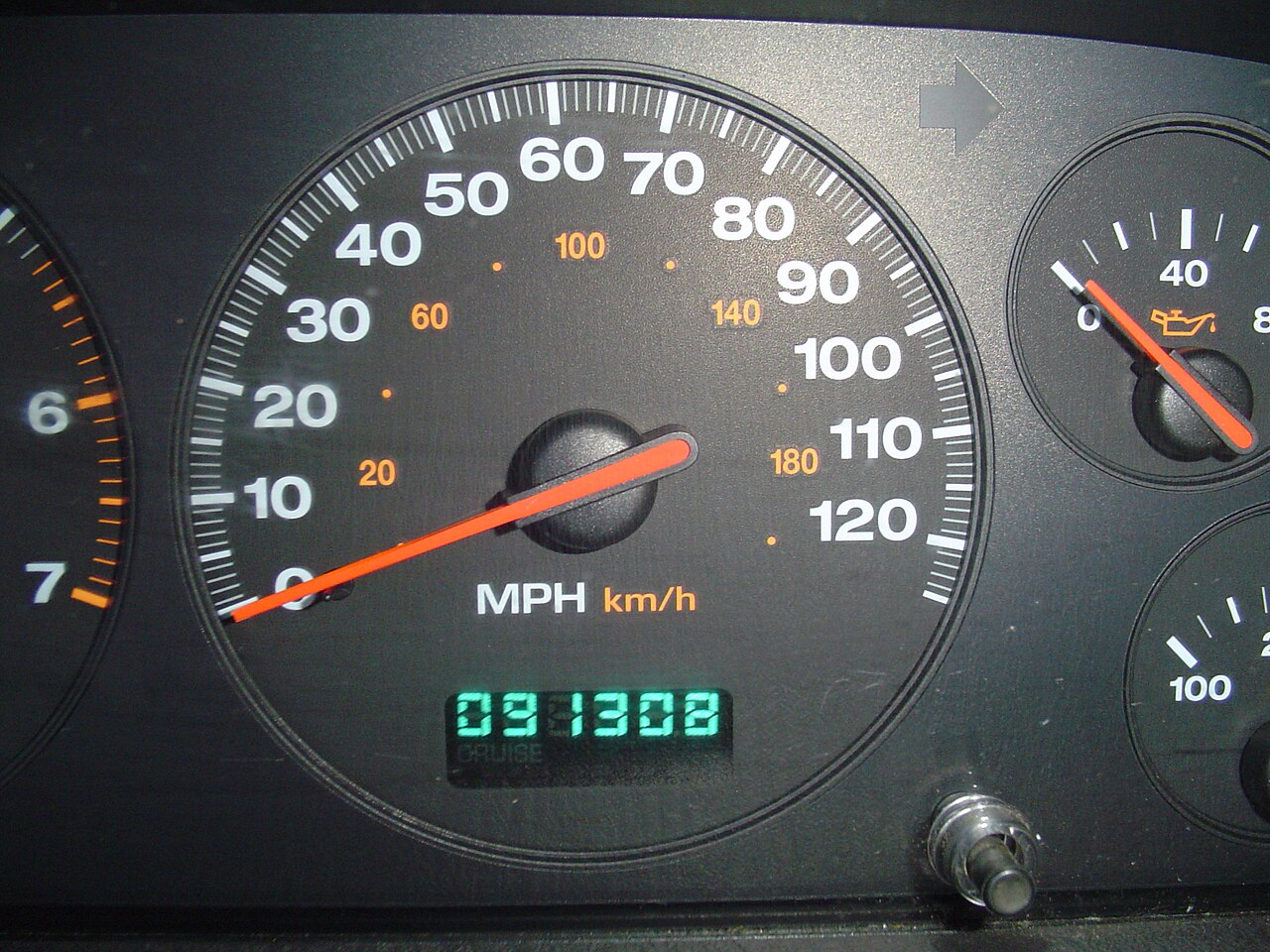
9. Tampering With the Odometer or Making Mileage Impossible to Determine
Mileage serves as the fundamental measuring stick manufacturers use to determine warranty eligibility, and anything that obscures or falsifies that number creates serious problems extending well beyond simple warranty disputes into potentially fraudulent territory. This exclusion category deserves particularly careful attention from riders.
Harley-Davidson’s warranty documentation specifically excludes emissions warranty coverage for motorcycles where mileage has been altered to the point where actual mileage becomes impossible to determine accurately. That specific language reflects how central accurate mileage tracking remains to the entire warranty system, since maintenance intervals, coverage periods, and eligibility determinations all depend on knowing genuine odometer readings.
Deliberately rolling back an odometer, disconnecting mileage tracking, or otherwise obscuring actual usage represents a serious breach of warranty terms, and manufacturers treat this category with particular severity compared to more ambiguous modification disputes.
The reasoning is straightforward: accurate mileage protects both the manufacturer and legitimate future owners who deserve honest information about a motorcycle’s actual usage history. It’s worth distinguishing this deliberate tampering from legitimate instrument cluster replacement, which sometimes becomes necessary after damage or component failure unrelated to any intent to hide mileage.
Proper documentation and following manufacturer-approved replacement procedures matter enormously in these situations, establishing a clear record showing the replacement happened for legitimate reasons with accurate mileage transfer or documentation, rather than appearing as an attempt to obscure the bike’s true usage history.
Also Read: 10 Monster Motorcycles That Prioritize Comfort Over Weight
10. Improper Storage, Neglect, or Environmental Damage
Motorcycles sitting unused for extended periods face genuine risks that have nothing to do with manufacturing quality, yet plenty of riders discover too late that their storage habits directly affected their warranty coverage. This exclusion category covers everything from seasonal storage mistakes to simple ongoing neglect.
Harley-Davidson’s warranty terms specifically list improper storage, neglect, misuse, and environmental conditions among the circumstances that can affect coverage eligibility. That broad category captures a wide range of real-world scenarios: a bike left uncovered through months of rain exposure, fuel left sitting in a tank until it degrades and gums up the fuel system, or a battery allowed to fully discharge repeatedly until its internal components suffer permanent damage.
Corrosion represents one of the more common consequences falling into this category. Metal components exposed to prolonged moisture, road salt, or coastal air without proper protective measures can develop damage that manufacturers reasonably classify as environmental neglect rather than a materials or workmanship defect covered under standard warranty terms.
The distinction matters enormously to any rider filing a claim, since these two categories receive very different treatment. Protecting your warranty here mainly involves basic common sense: covering your bike during storage, using fuel stabilizer for extended periods of non-use, maintaining battery charge with a tender, and generally treating the motorcycle the way any reasonable owner would treat a valuable piece of equipment.
Riders who neglect these basics risk discovering that damage they assumed fell under warranty protection instead gets classified as preventable neglect, leaving them responsible for the full repair cost themselves.
