
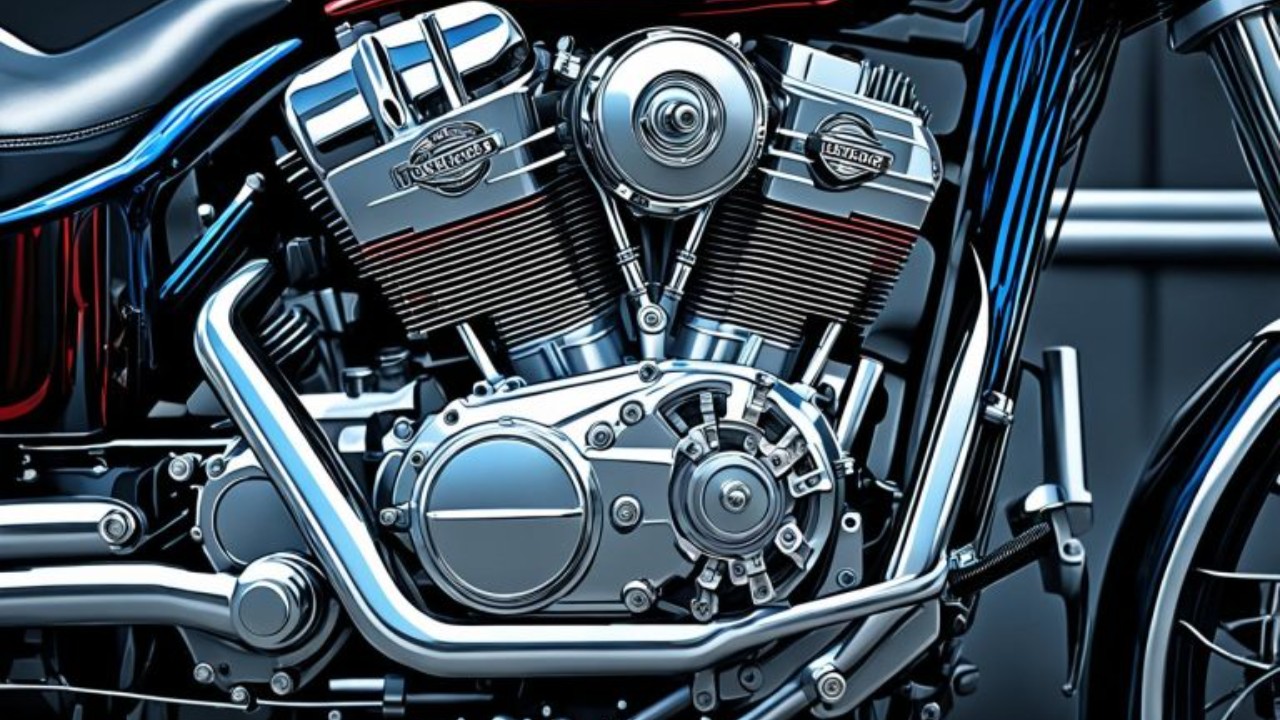
A motorcycle engine can deliver years of reliable service, but riding habits can make a dramatic difference to how long it lasts. Expensive engine problems are not always caused by manufacturing defects or high mileage.
Sometimes they develop because riders repeatedly ignore small maintenance requirements, abuse the throttle, run the engine at the wrong speed, or postpone basic checks.
Manufacturer guidance from companies such as Indian Motorcycle, Yamaha, Kawasaki, and Royal Enfield repeatedly emphasizes proper warm-up, correct oil levels, scheduled servicing, clean air filtration, and appropriate engine operation.
The following habits can quietly accelerate engine wear long before a serious failure becomes obvious.
1. Revving a Cold Engine Hard
Few habits are more damaging than treating a cold motorcycle engine as if it were already at operating temperature. Starting the bike and immediately reaching for high RPM places unnecessary stress on components that have not yet reached their normal operating conditions.
Indian Motorcycle specifically warns riders during engine break-in to avoid fast starts with wide-open throttle and recommends allowing the engine to warm before placing it under heavy load.
Engine oil is particularly important here. When the motorcycle has been sitting, oil has drained toward the lower parts of the engine.
The lubrication system needs time to circulate oil through bearings, camshafts, and other moving components. The Indian’s owner’s manual advises allowing about one minute after a cold start, with additional time in cold weather, before placing the engine under load.
That does not mean the motorcycle should sit idling for a long time. Extended stationary idling can create unnecessary heat, and Indian specifically cautions against allowing the engine to idle for long periods immediately after startup.

A better approach is to start the engine, allow the initial lubrication period recommended by the manufacturer, and then ride gently until normal operating temperature is reached.
The expensive part of this habit is cumulative wear. One aggressive cold start probably will not destroy an engine, but repeatedly subjecting internal components to high load before the engine reaches proper temperature can contribute to premature wear.
2. Ignoring the Engine Oil Level
Checking engine oil only when the motorcycle is due for service is a risky habit. Oil is not merely a fluid that gets replaced at scheduled intervals. It is responsible for reducing friction, carrying heat away from internal components, and helping protect heavily loaded engine parts.
Motorcycle manufacturers therefore provide specific procedures for checking oil levels and emphasize maintaining the correct quantity.
Royal Enfield, for example, instructs Bullet 650 owners to check the oil level regularly and top it up when necessary. Its maintenance schedule also specifies periodic replacement of both engine oil and the oil filter. Kawasaki owner’s manuals likewise explain that periodic oil and filter changes are important for long engine life.
Running with insufficient oil can become particularly serious because an engine’s moving components continue generating friction even when the rider does not notice anything unusual. A low level can reduce the oil available to circulate through the lubrication system, increasing the risk of excessive heat and component wear.
Another common mistake is going too far in the other direction by adding too much oil. A higher oil level does not necessarily provide better protection. Always follow the checking procedure and oil level specified in the owner’s manual, since measurement methods and requirements can differ depending on the motorcycle and checking conditions.
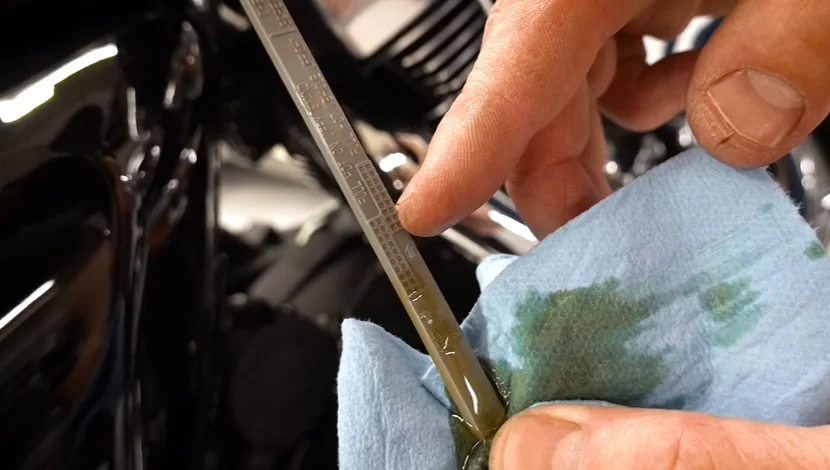
The safest habit is simple. Check the level according to the manufacturer’s procedure, use the specified oil grade, and investigate unexplained oil loss instead of repeatedly topping it off without finding the cause. A motorcycle that suddenly needs frequent additions may have a leak, consumption problem, or another mechanical issue.
A few minutes spent checking the oil can therefore prevent a problem from becoming an engine rebuild.
3. Skipping Air Filter Maintenance
A motorcycle engine needs clean air just as much as it needs clean oil. The air filter prevents dust and other particles from entering the intake system, so treating it as a lifetime component can eventually turn into an engine problem.
Yamaha’s maintenance guidance, for example, calls for regular air-filter inspection and notes that service frequency can depend on riding conditions. Dusty environments can require more frequent attention.
This matters because contaminated intake air can accelerate wear inside the engine. Abrasive particles that make it past inadequate filtration can reach the combustion chamber and contribute to wear of components such as cylinder walls, piston rings, and related surfaces.
A severely restricted filter creates a different problem by limiting the amount of air available to the engine.
Riders who spend most of their time on paved roads may assume the filter can simply be ignored until a scheduled major service. That approach becomes particularly risky after riding on dirt roads, construction areas, dry trails, or heavily dusty roads.
Yamaha specifically provides different cleaning guidance for unusually dusty conditions, showing why the maintenance schedule should be adapted to the environment rather than treated as an arbitrary number.
The correct service also matters. A filter should be cleaned or replaced according to the motorcycle manufacturer’s procedure. A damaged filter, poorly seated element, or incorrectly fitted airbox can undermine the filtration system even when the filter itself looks clean.
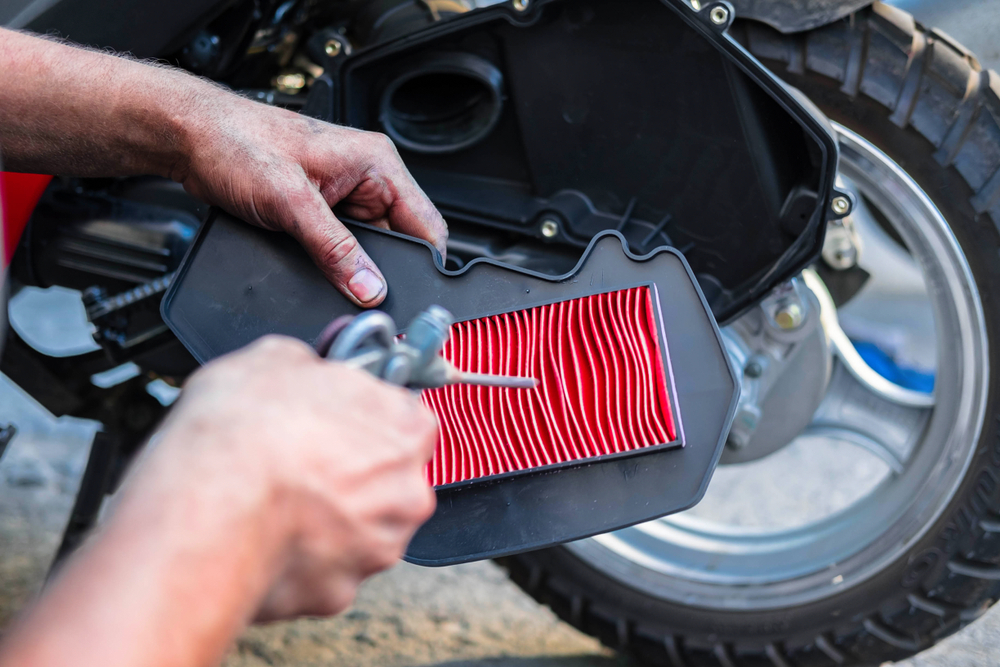
The Indian Motorcycle’s current maintenance schedule similarly includes air-filter inspection and replacement as needed, alongside oil and spark-plug checks.
The key point is straightforward. Do not dismiss the importance of the air filter simply because the motorcycle still starts and runs normally. Once noticeable performance problems appear, dirt buildup or airflow restriction may have already taken place.
4. Stretching Oil Changes Too Far
Oil can look like a simple maintenance item, but extending oil-change intervals beyond the manufacturer’s recommendation exposes the engine to unnecessary risk. Motorcycle manufacturers establish service schedules because engine oil gradually becomes contaminated and its condition changes during operation.
Indian Motorcycle’s maintenance schedule, for example, specifically lists engine oil and filter replacement at defined mileage intervals.
The problem becomes even more significant under severe operating conditions. The Indian’s owner’s manual states that oil should be changed more frequently when a motorcycle is subjected to severe use, including cold-weather operation.
The same manual warns that condensation associated with cold-weather operation can create serious problems if oil changes are not performed frequently enough.
That does not mean every rider needs to replace oil constantly. The smarter approach is to follow the service interval specified for the exact motorcycle and adjust it only when the manufacturer provides guidance for different conditions.
Oil-filter replacement should not be forgotten either. The filter captures contaminants that would otherwise continue circulating through the lubrication system. Changing the oil while leaving an overdue filter in place defeats part of the purpose of scheduled lubrication maintenance.
Another common mistake is believing that premium synthetic oil automatically allows longer service intervals. The manufacturer’s specified oil grade and replacement schedule should still be followed. High quality oil can provide excellent protection, but it does not prevent contamination, repeated heat cycles, or the natural breakdown that occurs over time.
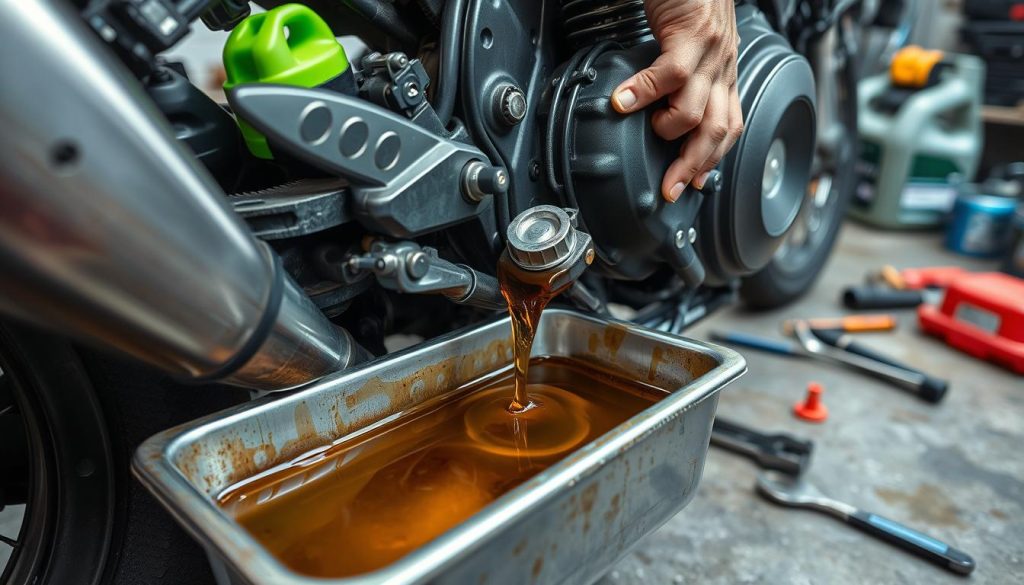
Indian’s maintenance documentation also emphasizes inspecting used oil for contaminants during service. That can provide useful information when a motorcycle develops an unexplained mechanical problem.
For riders trying to maximize engine life, scheduled oil changes are among the least complicated habits to maintain. Delaying them saves relatively little money while increasing the potential consequences of neglected lubrication.
5. Running the Engine With the Wrong Coolant Level
For liquid-cooled motorcycles, ignoring the cooling system can eventually become an engine problem rather than simply a maintenance issue. Coolant helps control engine temperature, and Honda’s maintenance schedules specifically include both radiator coolant and cooling-system inspections.
Some Honda schedules also specify coolant replacement at a defined time interval, showing that the fluid is not intended to be ignored indefinitely.
A rider may not notice a problem immediately when the coolant level begins falling. The motorcycle can continue running normally until operating conditions become demanding, such as prolonged highway riding, heavy traffic, or hot weather. If cooling capacity is compromised, engine temperature can rise beyond its intended range.
The mistake is assuming that adding any available coolant is an acceptable solution. Motorcycle manufacturers specify particular coolant requirements and procedures, so the owner’s manual should determine what product and mixture are appropriate.
The level should also be checked according to the manufacturer’s instructions rather than simply filling the reservoir to an arbitrary point.
A leaking hose, radiator, water pump, or connection deserves attention instead of repeated topping up. A disappearing coolant level is evidence that something needs investigation.
This habit can be especially expensive because excessive heat can affect multiple engine components. The damage may extend beyond the cooling system itself if overheating becomes severe.
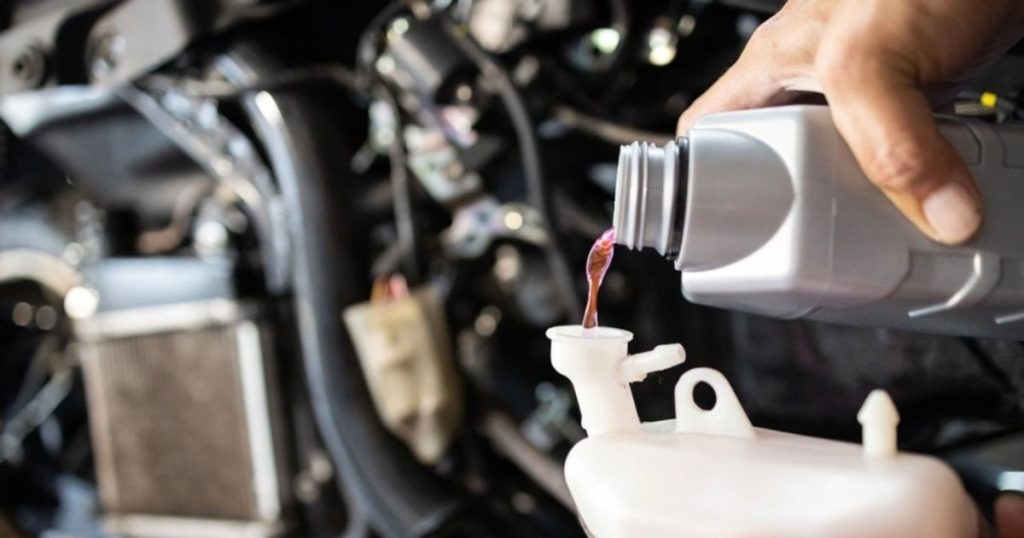
The better approach is preventive. Check the coolant reservoir and cooling system at the intervals specified for the motorcycle, watch for unexplained changes in level, and never dismiss repeated overheating warnings.
A cooling system that receives regular attention is far less likely to turn a routine maintenance issue into major engine work.
6. Riding for Long Periods at the Wrong RPM
A motorcycle engine does not necessarily last longer simply because the rider avoids the redline. Consistently operating at an inappropriate engine speed can also place unnecessary stress on the powertrain. The key is using the transmission and throttle in a way that keeps the engine within the operating range specified by its manufacturer.
Lugging is one example. This occurs when a rider selects a high gear at too low an engine speed and then demands substantial acceleration.
Instead of allowing the engine to operate comfortably, the rider forces it to produce significant load at an unsuitable RPM. Downshifting can reduce that strain and put the engine in a more appropriate operating range.
The opposite extreme is repeatedly running the engine near its maximum RPM. High engine speeds increase the frequency at which internal components move, and sustained high-RPM operation can increase heat and mechanical stress.
Manufacturer manuals therefore provide operating guidance and maintenance schedules designed around the engine’s intended use.
Honda maintenance schedules illustrate how manufacturers treat engine operation as part of long-term care. Their service schedules include items such as valve clearance, engine oil, air cleaner, spark plugs, and cooling-system inspections because these components collectively support reliable operation.
Good riding technique means choosing the gear that allows the motorcycle to accelerate without laboring and avoiding unnecessary sustained high RPM. The exact shift points vary dramatically between a small single-cylinder commuter bike and a high-performance multi-cylinder motorcycle.
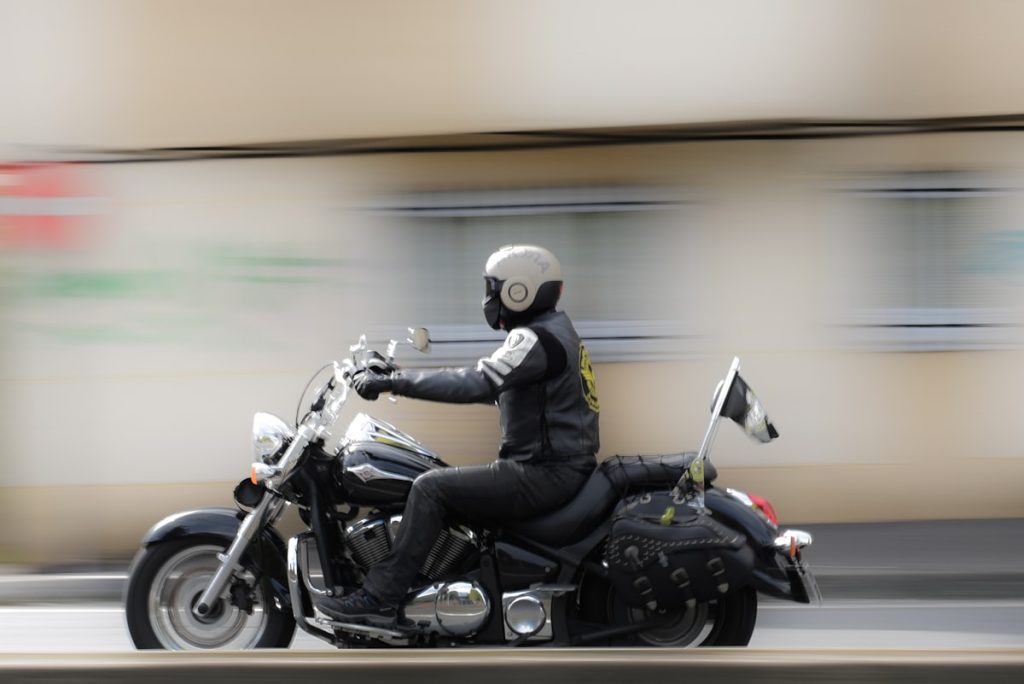
The important habit is not chasing one universal RPM number. It is learning how the specific motorcycle responds and using the transmission to keep the engine operating comfortably.
That simple change can reduce unnecessary mechanical stress while making the motorcycle smoother and easier to control.
7. Delaying Valve Clearance Checks
Valve clearance is one of those maintenance items that is easy to forget because a motorcycle can continue running even when the adjustment is no longer within specification. That makes postponing the inspection particularly tempting, but manufacturers include valve-clearance checks in service schedules for a reason.
Honda maintenance schedules, for example, list valve-clearance inspection as a scheduled maintenance operation on applicable motorcycles. The manufacturer specifies inspection intervals because valve clearance can change as components wear and accumulate mileage.
Clearance that is outside specification can affect how the valves operate. Excessive clearance may produce noticeable mechanical noise and alter valve timing behavior.
Insufficient clearance can be more concerning because a valve may not seat correctly when the engine is hot. That can interfere with heat transfer from the valve and potentially contribute to serious damage if the condition becomes severe.
The important point is that riders should not diagnose valve clearance by sound alone. A quiet engine is not automatically an engine with correct valve adjustment. The actual specification and inspection procedure belong to the motorcycle’s service information.
Valve maintenance can also be particularly important on motorcycles that accumulate significant mileage or are used heavily. Ignoring the scheduled inspection simply because the motorcycle still feels normal removes an opportunity to identify wear before it develops into a larger repair.
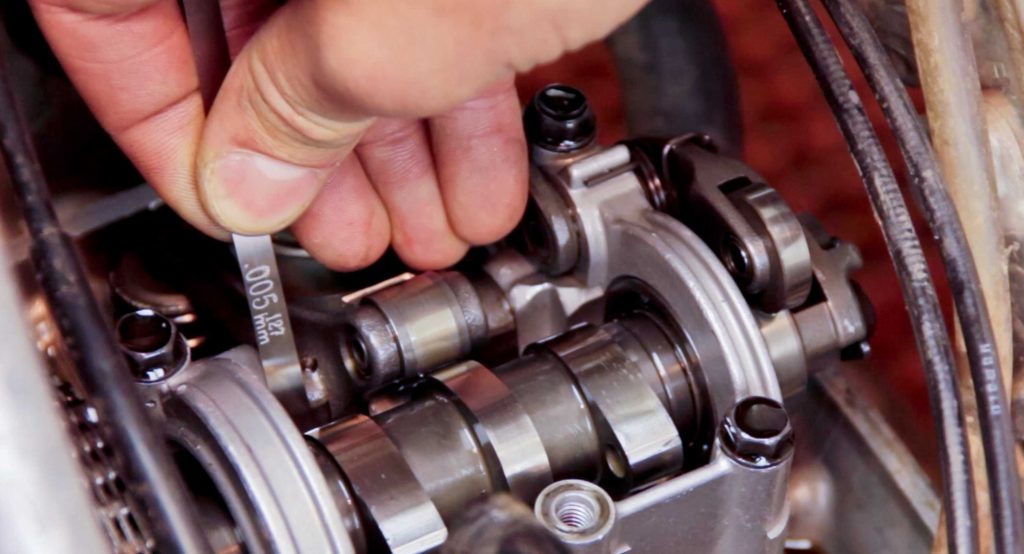
This is one reason manufacturer maintenance schedules contain more than oil changes. Honda’s schedules combine valve inspection with items such as spark plugs, air cleaners, cooling systems, and other checks.
For an owner focused on engine longevity, following the specified valve-clearance interval is a relatively small commitment compared with repairing damaged valvetrain components.
8. Continuing to Ride With a Failing Air Intake or Fuel System
A motorcycle that starts and runs is not necessarily operating correctly. Intake and fuel-system problems can gradually create conditions that are harder on the engine, particularly when the rider continues using the motorcycle despite warning signs such as hesitation, poor throttle response, unstable idle, or unusual fuel consumption.
The air and fuel systems must work together to provide the mixture required for combustion. Modern motorcycles use electronic fuel injection and engine-management systems to control that process, while older motorcycles may use carburetors. Either design can develop problems that affect how the engine runs.
The danger is the habit of treating drivability symptoms as something to tolerate. A rider might compensate for hesitation by using more throttle or simply continue riding until the motorcycle becomes difficult to start. That can turn a relatively straightforward diagnostic problem into a more complicated repair.
Air filtration is part of this equation as well. Yamaha’s maintenance information emphasizes inspection and servicing of the air filter, particularly when motorcycles operate in dusty conditions.
A damaged intake boot, loose connection, or poorly fitted filter can also allow unfiltered air into the engine. Meanwhile, fuel-system faults can cause poor combustion and abnormal running conditions.
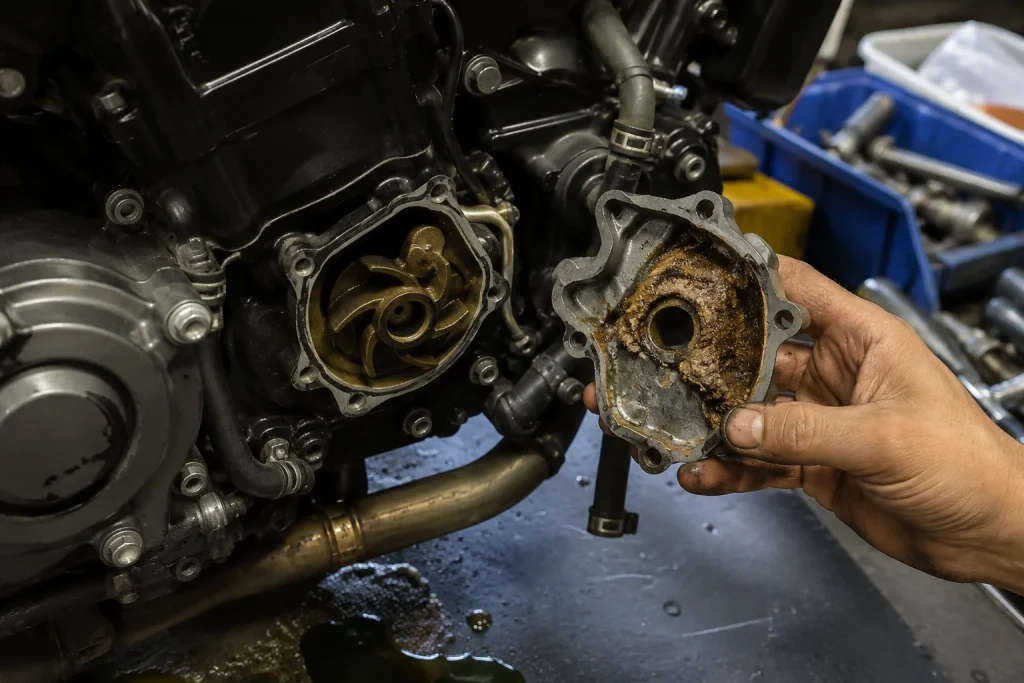
The smartest habit is to treat a sudden change in engine behavior as a maintenance clue rather than a characteristic of the motorcycle. If the engine develops persistent hesitation, stalling, hard starting, or an unusual idle, the underlying cause should be identified.
Small intake and fuel problems are generally easier to address before they are accompanied by additional mechanical symptoms.
9. Riding With a Failing Cooling Fan
A motorcycle’s cooling fan may seem like a component that only matters in traffic, but ignoring a fan that is no longer operating correctly can put unnecessary thermal stress on a liquid-cooled engine.
The fan helps move air through the radiator when natural airflow is insufficient, which becomes particularly important during slow riding and extended periods of stationary operation.
Honda’s maintenance information includes the cooling system among the components that require periodic inspection. Its maintenance schedules also call for checking coolant level and inspecting the radiator and related components.
The warning signs can be easy to dismiss. A rider may notice that the temperature rises more quickly in traffic, hear an unusual noise from the fan area, or see a temperature warning appear. Continuing to ride without identifying the cause is the risky part.
A fan failure does not necessarily mean the engine will immediately overheat. At highway speeds, natural airflow through the radiator can sometimes provide enough cooling. That can create a false sense that everything is fine. The problem may return as soon as the motorcycle enters congested traffic or spends several minutes moving slowly.
Repeated overheating is particularly undesirable because engine temperature affects lubrication, combustion, and component clearances. The longer an abnormal condition is allowed to continue, the greater the possibility of expensive mechanical consequences.
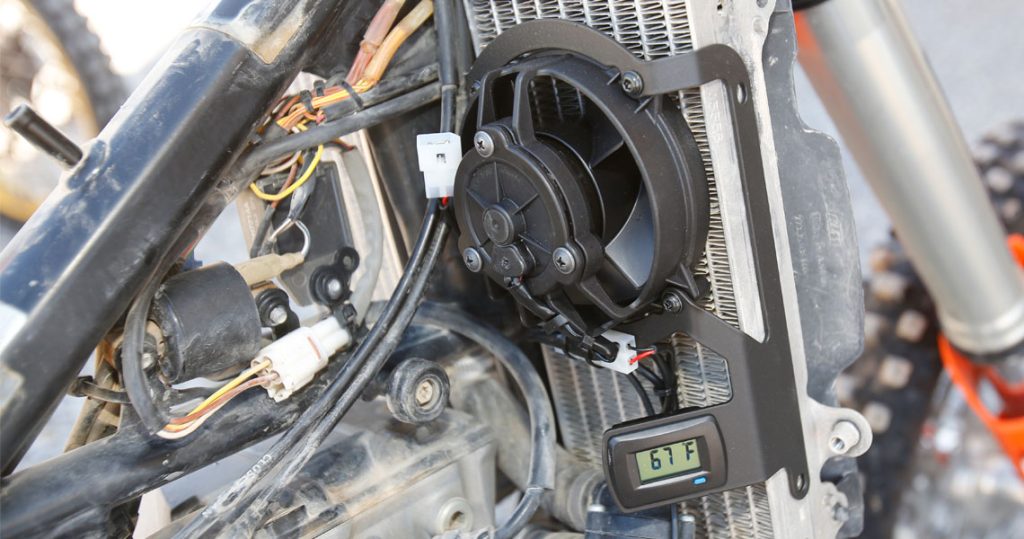
A rider should therefore investigate unusual temperature behavior rather than simply changing riding conditions to avoid it. Checking the coolant level, radiator condition, fan operation, and related electrical components according to the manufacturer’s procedure can help identify the fault.
The right approach is straightforward. Never dismiss an overheating warning as a minor inconvenience. Follow the owner’s manual, stop riding when necessary, and identify the reason the cooling system is having trouble.
10. Ignoring Warning Lights and Unusual Engine Noises
One of the most expensive motorcycle-engine habits is continuing to ride after the machine has clearly indicated that something is wrong. A warning light, persistent knocking sound, abnormal ticking, sudden loss of power, or unusual vibration should not automatically be dismissed as an annoyance.
Modern motorcycles have multiple systems capable of detecting operating problems. Depending on the model, the instrument cluster may display warnings related to engine management, temperature, oil pressure, or other critical systems.
The exact meaning varies by motorcycle, which is why the manufacturer’s owner’s manual is the appropriate reference.
Sound can provide another important clue. A new mechanical noise does not automatically mean catastrophic failure, but its timing and behavior can help a technician identify a problem. A noise that appears suddenly, changes with engine speed, or accompanies reduced performance deserves attention.
The costly habit is continuing to ride because the motorcycle still starts. Mechanical problems rarely become cheaper because they are ignored. A minor issue identified early may require inspection, adjustment, or replacement of one component. Continuing to operate the engine can sometimes allow the original fault to damage other parts.
Manufacturer maintenance schedules reinforce this preventive approach by combining routine inspections with scheduled replacement and adjustment of components such as oil, filters, spark plugs, and valve clearances.
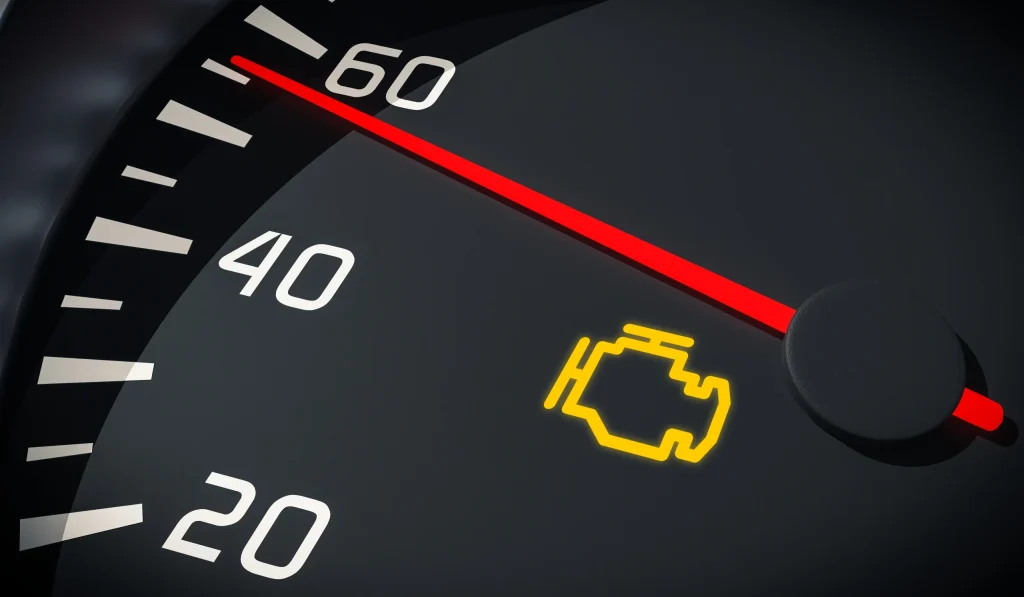
That does not mean every unusual sound requires an immediate engine rebuild. It means the symptom should be investigated before making assumptions.
Pay attention to changes from the motorcycle’s normal behavior. If a familiar engine suddenly sounds different, runs hotter, loses power, or illuminates a warning indicator, treat that change as useful information rather than something to ignore.
For long engine life, listening to the motorcycle can be just as important as maintaining it.
