
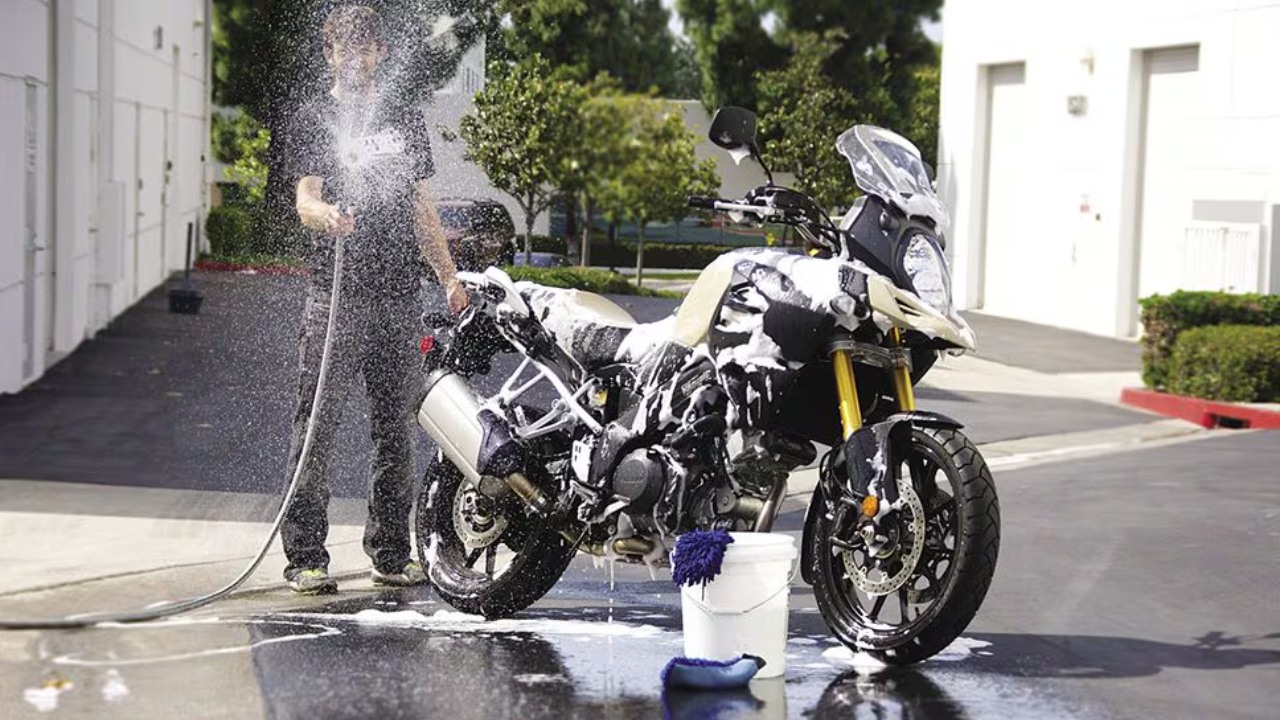
Washing a motorcycle should remove dirt, road grime, and contaminants without creating a new mechanical problem. The danger comes when cleaning turns into aggressive pressure washing, careless chemical use, or flooding areas that were never designed to receive a direct blast of water.
Modern motorcycles can contain electronic fuel injection, sensors, control modules, switches, connectors, displays, and charging components that depend on properly sealed electrical connections. Manufacturers therefore provide specific washing precautions rather than treating every part of a motorcycle as equally water-resistant.
A careful wash protects both the motorcycle’s finish and its electrical systems, helping prevent expensive troubleshooting caused by moisture intrusion, corrosion, or damaged connectors.
1. Aiming a Pressure Washer Directly at Electrical Connectors
A pressure washer can make a dirty motorcycle look dramatically cleaner in minutes, but directing its concentrated spray toward electrical connectors is one of the easiest ways to create trouble.
Motorcycle manufacturers commonly warn owners against using high-pressure water around sensitive components because pressure can force water past seals that would normally withstand ordinary rain or gentle washing.
The important distinction is between a motorcycle being weather resistant and being pressure resistant. Electrical connectors, switches, sensors, and wiring harnesses can tolerate normal environmental exposure when their seals remain intact. A concentrated jet, however, can introduce water into places where it should not go.
The consequences may not appear immediately. The motorcycle might start normally after washing and then develop an intermittent electrical fault later. Moisture trapped inside a connector can encourage corrosion on terminals.
Once corrosion develops, electrical resistance can increase, and connections can become unreliable. Symptoms may include difficult starting, intermittent warning lights, malfunctioning accessories, or systems that work only when vibration moves the connector.
The safest approach is to keep high-pressure equipment away from electrical connections, switches, bearings, seals, and other vulnerable areas. Use a gentle stream or low-pressure water for sections around the motorcycle’s electrical equipment.
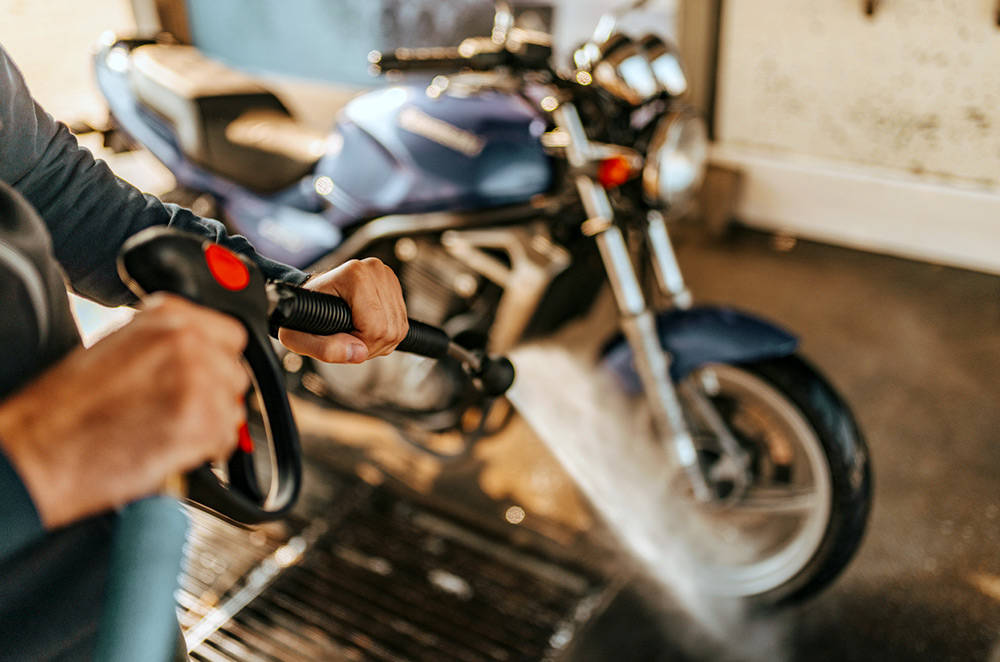
When a connector or electrical component becomes dirty, cleaning it carefully is preferable to trying to blast the contamination away.
A pressure washer is useful for certain parts of a motorcycle, but distance and pressure matter. Cleaning aggressively does not automatically mean cleaning effectively.
2. Flooding the Ignition Switch and Handlebar Controls
Handlebar controls are exposed to rain during normal motorcycle use, but that does not mean they should be treated like pressure-wash targets.
The ignition switch, starter controls, engine stop switch, turn-signal controls, horn switch, and other handlebar electronics contain electrical contacts that can become problematic when repeatedly subjected to aggressive water pressure or excessive cleaning chemicals.
The risk increases when a rider holds a pressure nozzle close to the switch housing. Water can be driven into gaps and seals that would normally shed rainwater. Even if the controls continue working immediately afterward, moisture can remain inside the housing and contribute to corrosion.
The engine stop switch deserves particular attention because it is directly involved in engine operation. If contamination or corrosion develops inside an electrical switch, the result can be an intermittent connection. A rider may experience a motorcycle that starts inconsistently, stalls unexpectedly, or develops controls that behave differently from normal.
Cleaning does not require flooding these components. A damp microfiber cloth can remove grime from switch housings and instrument controls, while a soft brush can loosen dirt around seams. If additional water is necessary, use a gentle flow rather than a concentrated jet.
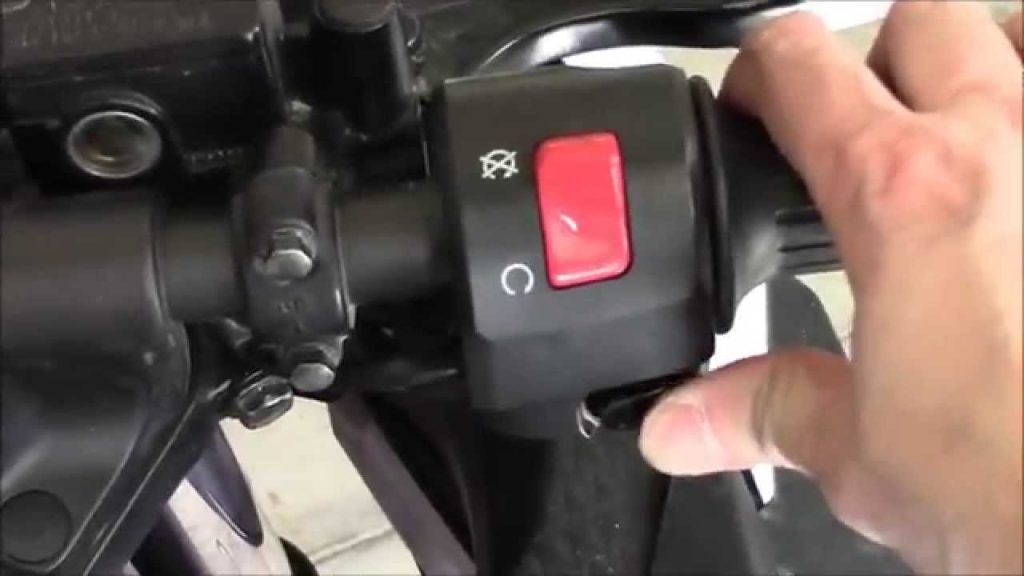
After washing, operating the controls several times can help identify anything that suddenly feels abnormal. A sticky switch, inconsistent button response, or unexpected warning light should not be ignored simply because the motorcycle looks clean.
The objective of washing is to remove contamination without introducing moisture where it can remain trapped. Handlebar electronics are among the easiest places to practice that principle because they can usually be cleaned effectively without aggressive water pressure.
3. Spraying Under the Seat Without Checking What Is There
The area beneath a motorcycle seat can contain far more than storage space. Depending on the model, riders may find battery terminals, wiring connections, electronic control components, fuses, relays, diagnostic connectors, and other electrical equipment in this area. That makes blindly spraying underneath the seat a poor cleaning strategy.
Honda specifically warns riders not to direct water under the seat on applicable models, while its washing guidance also warns that high-pressure water can damage electrical parts. Indian Motorcycle provides similar warnings, advising riders not to allow water to contact electrical components or connectors.
The problem is not simply that water touches a component. High-pressure water can push moisture into spaces that ordinary rain or gentle washing may never reach. Once trapped around terminals or connectors, moisture can contribute to corrosion and intermittent electrical problems.
A better approach is to clean the seat and surrounding bodywork with a damp cloth while avoiding unnecessary water underneath it. If the area genuinely needs cleaning, first identify what components are located there and follow the motorcycle manufacturer’s washing instructions.
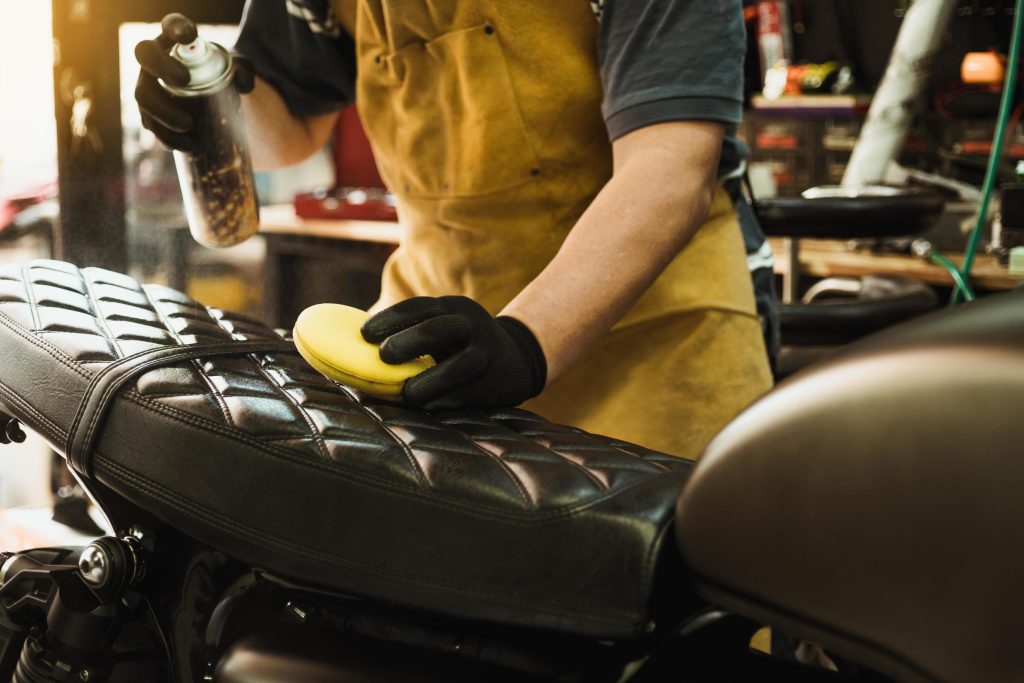
This is particularly important on motorcycles with batteries or electronic equipment positioned beneath the seat. Honda’s guidance for its electric motorcycles is even more explicit, warning against washing the motor battery or battery box with water or detergent because doing so can cause startup failures and malfunctions.
The key takeaway is straightforward. Hidden components can still be vulnerable to aggressive washing even when they are out of sight. Always check the owner’s manual before spraying water into enclosed areas.
A clean motorcycle is useful, but flooding a protected electrical compartment is an unnecessary gamble.
4. Blasting Water Into the Headlight Housing
The headlight may appear completely sealed, but that does not make it a suitable target for a pressure washer. Motorcycle manufacturers recognize that water can interact with lighting assemblies in ways that range from temporary condensation to potentially damaging moisture intrusion.
Honda’s washing guidance warns against directing high-pressure water at the headlight area. Its manuals also explain that temporary condensation inside a headlight lens can occur after washing or riding in rain and may disappear after the light operates. However, Honda advises inspection if a large amount of water accumulates inside the lens.
That distinction matters. A small amount of temporary fogging is not automatically evidence of an electrical failure. A substantial amount of water inside the housing is different and deserves attention.
Modern motorcycles can use LED lighting, electronic controls, and multiple electrical connections around the front of the motorcycle. Introducing high-pressure water into these areas can create electrical faults or corrosion risks, particularly if seals, connectors, or housings are already damaged.
The safest cleaning method is to wash the exterior of the headlight with low-pressure water and a soft cloth or sponge. Dirt around the housing can usually be removed without directing a concentrated jet into seams or openings.
It is also worth checking the headlight after washing. If the light flickers, fails to illuminate, develops persistent heavy condensation, or behaves differently from normal, the issue should be investigated before riding at night.
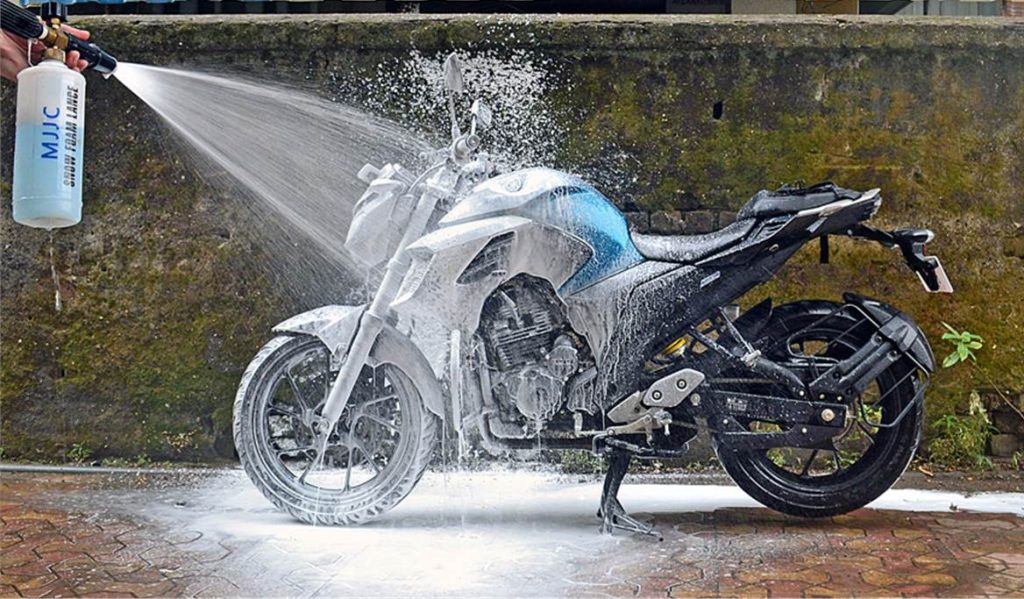
A pressure washer might remove insects from the lens quickly, but it can also push water into places that are difficult to dry.
The headlight should therefore be treated as an optical and electrical component, not simply another piece of exterior plastic.
5. Spraying the Instrument Cluster Up Close
The instrument cluster is one of the most visible electrical components on a motorcycle, which can make it tempting to give it a thorough blast when dirt collects around the screen. That is exactly the approach riders should avoid.
Modern clusters can contain displays, control electronics, indicator circuits, and multiple electrical connections, making aggressive water pressure unnecessary and potentially harmful.
Honda’s washing guidance warns against directing high-pressure water at the instrument panel and other electrical components. The manufacturer recommends avoiding high-pressure equipment around areas where water intrusion could cause problems.
The display itself may survive ordinary rain without difficulty because motorcycles are designed for outdoor use. The concern is the combination of pressure, distance, and duration. Holding a nozzle inches from the cluster can push water past seals or into electrical connections with much greater force than normal weather exposure.
There is also a practical reason to avoid aggressive cleaning. The screen can usually be cleaned more safely with a soft, damp microfiber cloth. A second dry cloth can remove remaining moisture without forcing water around the edges of the display.
Chemical products deserve caution as well. Some cleaners can damage plastics, protective coatings, or rubber components if they are not intended for motorcycle displays. The manufacturer’s cleaning recommendations should take priority over generic household products.
After washing, check that the display illuminates normally and that warning indicators, buttons, and other controls behave as expected. Persistent fogging, flickering, blank sections, or unexpected warnings should be investigated rather than dismissed as post-wash behavior.
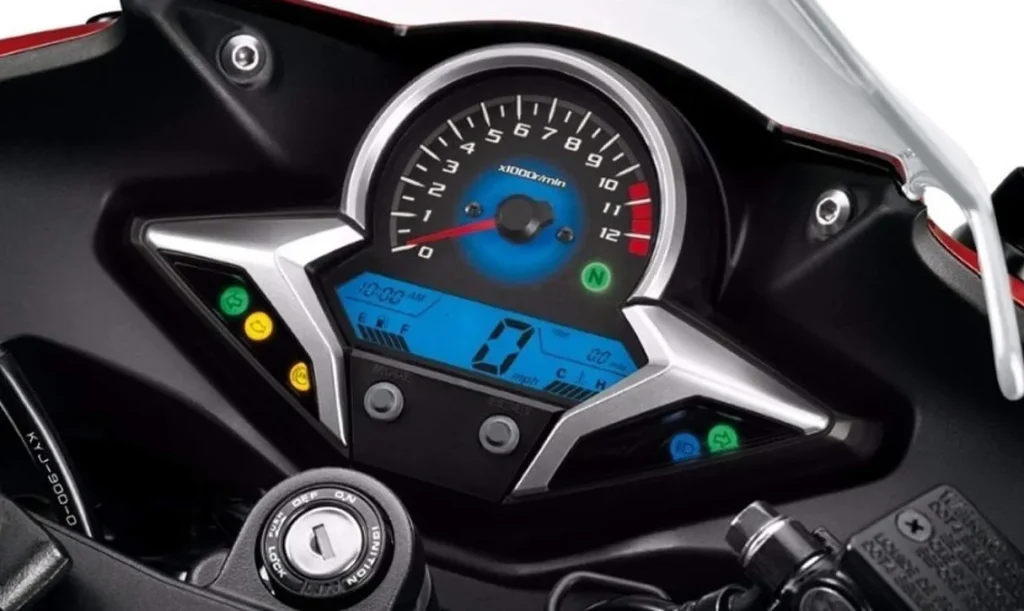
A dirty instrument cluster is mostly a cosmetic problem. A water-damaged cluster can become an expensive electrical problem.
The safest approach is straightforward. Clean the cluster gently, avoid directing strong streams of water toward its seams and connectors, and use the mildest cleaning method that works effectively.
6. Using Harsh Household Cleaners on Wiring and Connectors
Not every cleaning chemical that works around a house belongs on a motorcycle. Household degreasers, solvents, and strong detergents can interact with plastics, rubber seals, and protective finishes used around electrical components.
Even when a cleaner removes grime effectively, repeated exposure can create another problem by degrading materials that help keep moisture away from electrical connections.
Indian Motorcycle’s washing guidance specifically recommends using products intended for motorcycles and warns that some cleaners can damage finishes or components. The manufacturer also advises keeping water away from electrical components and connectors.
Electrical connectors depend heavily on their physical protection. A connector’s housing and seals help prevent contamination and moisture from reaching its terminals. If an inappropriate chemical causes a seal to swell, harden, or deteriorate, the connector may become more vulnerable during future washing or riding.
That is why pouring a strong degreaser directly onto wiring is rarely a good shortcut. Dirt around electrical components can usually be removed with a damp cloth, soft brush, or manufacturer-approved cleaner applied carefully to the appropriate surface.
The same principle applies to battery areas. Battery terminals and nearby electrical connections should not be treated like greasy engine cases. Cleaning should follow the motorcycle manufacturer’s specific procedure.
After applying any approved cleaning product, thoroughly remove residue according to the product and motorcycle instructions. Leaving chemical residue around connectors can be just as undesirable as allowing water to remain trapped there.
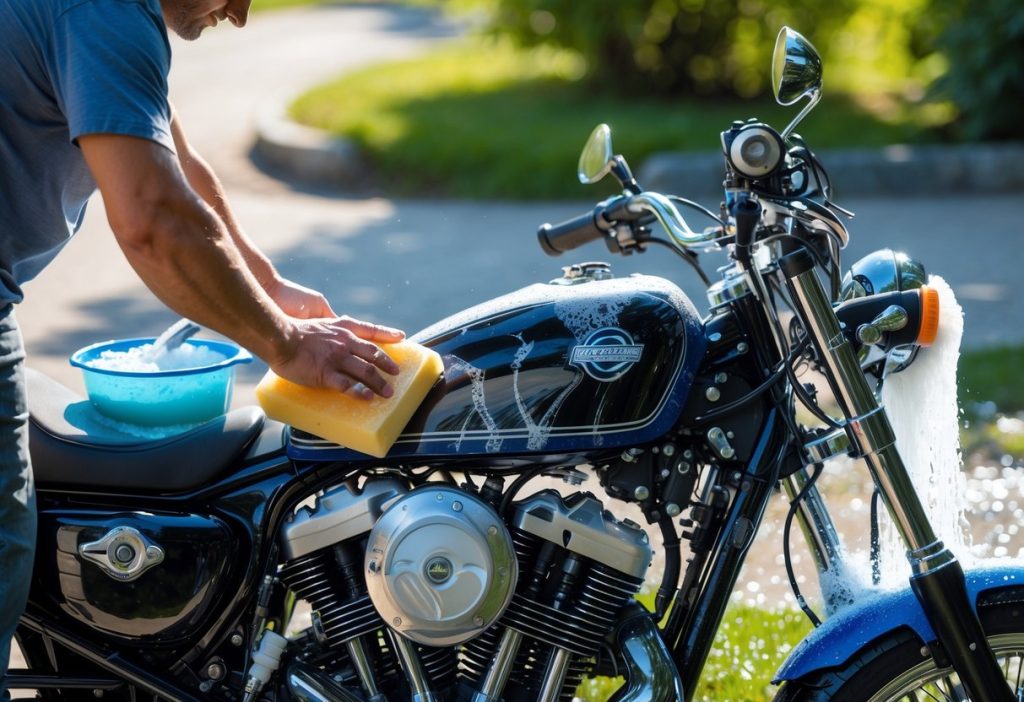
The goal is not to make every electrical component spotless. The goal is to remove dirt without compromising the materials that protect the electrical system.
A motorcycle-specific cleaner may cost slightly more than a household product, but replacing a damaged connector, switch, or electronic component can cost considerably more.
7. Leaving Water Trapped Around the Battery
The battery area deserves special attention after a motorcycle wash because moisture can remain hidden long after the exterior looks completely dry. Depending on the motorcycle, the battery may sit beneath the seat, behind a side panel, or in another partially enclosed location alongside wiring, terminals, and electronic components.
The problem is not that a motorcycle battery cannot encounter moisture. The greater concern is allowing water to remain around electrical terminals and connections. Indian Motorcycle’s washing guidance specifically warns riders to keep water away from electrical components and connectors.
Battery terminals need clean, secure electrical contact. Moisture combined with contamination can encourage corrosion, while repeated wetting and drying can leave deposits around connections.
A rider may not notice anything immediately, but a poor connection can eventually contribute to starting problems or intermittent electrical behavior.
This is why simply parking the motorcycle after washing is not always enough. Pay particular attention to areas where water can collect, especially beneath body panels and around the seat. If the manufacturer’s procedure allows access to the battery compartment, inspect the area and dry it carefully using an appropriate cloth.
Do not aggressively spray the battery compartment in the first place. Prevention is much easier than trying to dry a flooded electrical area afterward.
The charging system should also receive attention if electrical symptoms appear following washing. Slow cranking, intermittent starting, or unusual electrical behavior should prompt an inspection rather than repeated attempts to start the motorcycle.
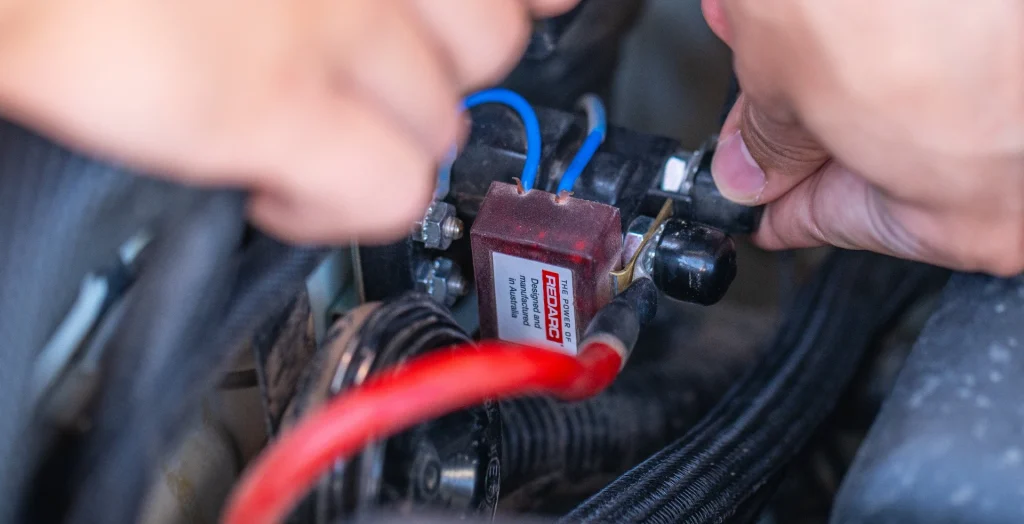
Battery maintenance requirements vary by motorcycle, so the owner’s manual should determine whether terminals require inspection, tightening, or other service.
A careful wash leaves the battery compartment as dry as practical and avoids unnecessary exposure in the first place.
8. Riding Immediately After a Deep Wash Without Checking the Electrics
Finishing a motorcycle wash does not necessarily mean it is ready to ride immediately. Water can remain around switches, connectors, lighting assemblies, ignition components, and other electrical areas even when the visible bodywork appears dry.
Starting the motorcycle and riding away without a quick inspection can turn a simple washing mistake into an avoidable electrical problem.
Manufacturers provide washing precautions because water exposure varies dramatically depending on where and how it is applied.
Honda warns that high-pressure water can damage electrical components and recommends specific precautions when washing motorcycles. Indian Motorcycle likewise advises keeping water away from electrical components and connectors.
Before riding, check the obvious things. Turn the ignition on and confirm that the instrument cluster behaves normally. Test the headlights, brake lights, turn signals, and horn. Make sure the starter and engine controls respond normally.
If the motorcycle has an unusual electrical warning, flickering display, or intermittent switch response, do not simply assume it will disappear once you reach the road. Give the affected area time to dry and consult the manufacturer’s instructions if the problem persists.
This short inspection is particularly valuable after using more water than usual or washing a motorcycle that was heavily contaminated with mud. It allows the rider to identify moisture-related problems while the motorcycle is stationary.
Drying the motorcycle naturally in a suitable location, combined with careful inspection, is generally preferable to immediately exposing potentially wet electrical components to vibration, heat, and road conditions.
A motorcycle wash should finish with a check, not a blind assumption that everything is ready.
