
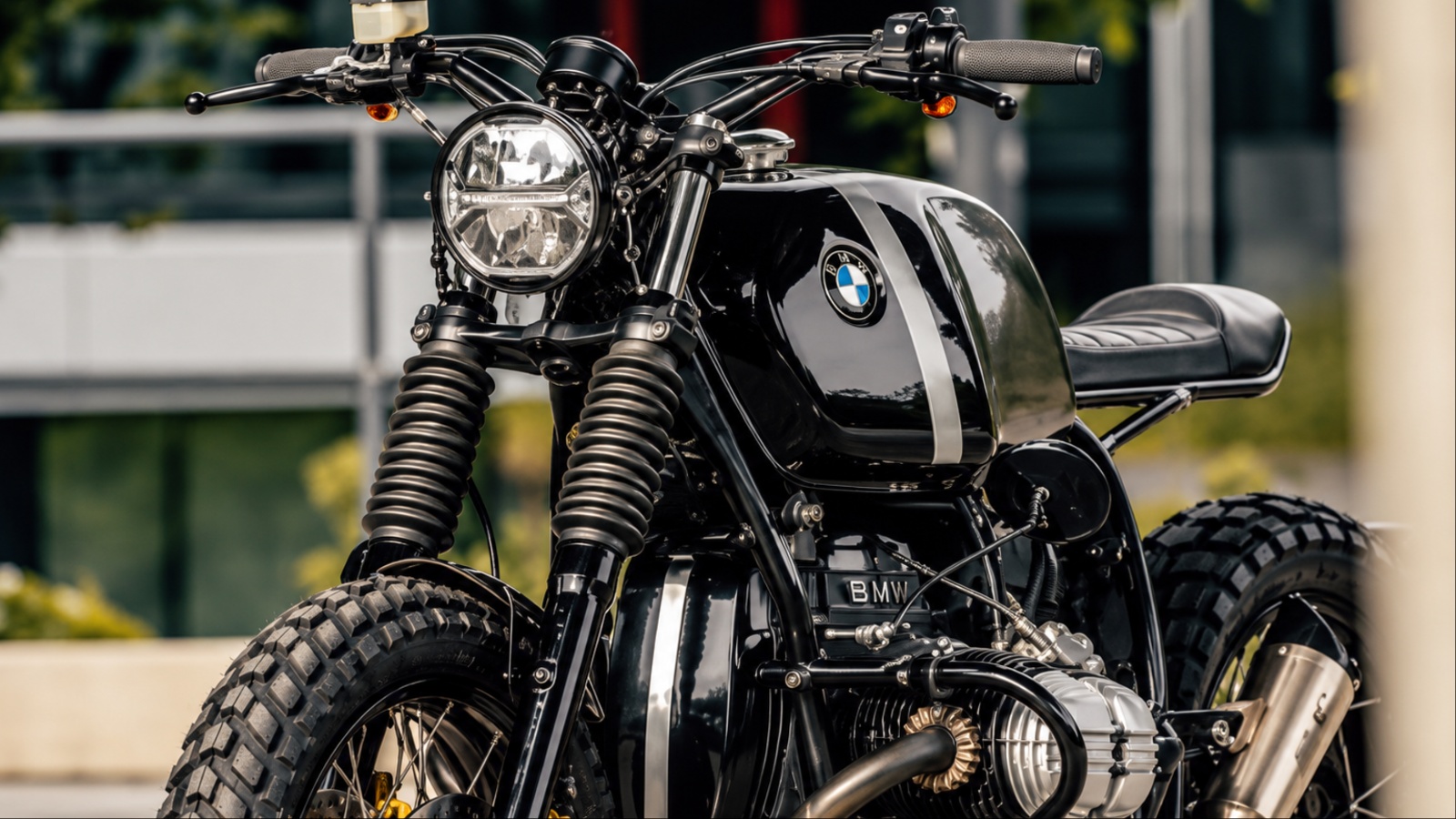
Many used sport bikes carry a hidden history. Some were ridden hard on a track, whether in sanctioned races or at weekend track days, and then cleaned up and listed as “garage kept” or “lightly ridden.” Track use is not automatically a deal-breaker, since a well-maintained race bike can be a bargain. The problem is a seller who hides it, because racing places extreme stress on the engine, brakes, frame, and suspension, and that stress affects value, reliability, and safety.
This guide covers eleven physical and paperwork clues that suggest a motorcycle has seen track duty. No single sign proves it, and some have innocent explanations, so look for patterns rather than one odd detail. Take your time during inspection, ask direct questions, bring a knowledgeable friend or a mechanic, and be willing to walk away. A pre-purchase inspection from a trusted shop is worth far more than the fee.
1. Safety Wire Holes and Leftover Wire
Safety wire is thin stainless steel wire twisted through bolt heads and anchored to a nearby point, so vibration cannot loosen critical fasteners. Most track organizations require it on items such as oil drain plugs, oil filters, caliper bolts, and axle hardware.
A street bike that has never been raced rarely has any. If you find small drilled holes through the heads of bolts, or short pieces of wire still twisted around fasteners, the bike has very likely seen competition.
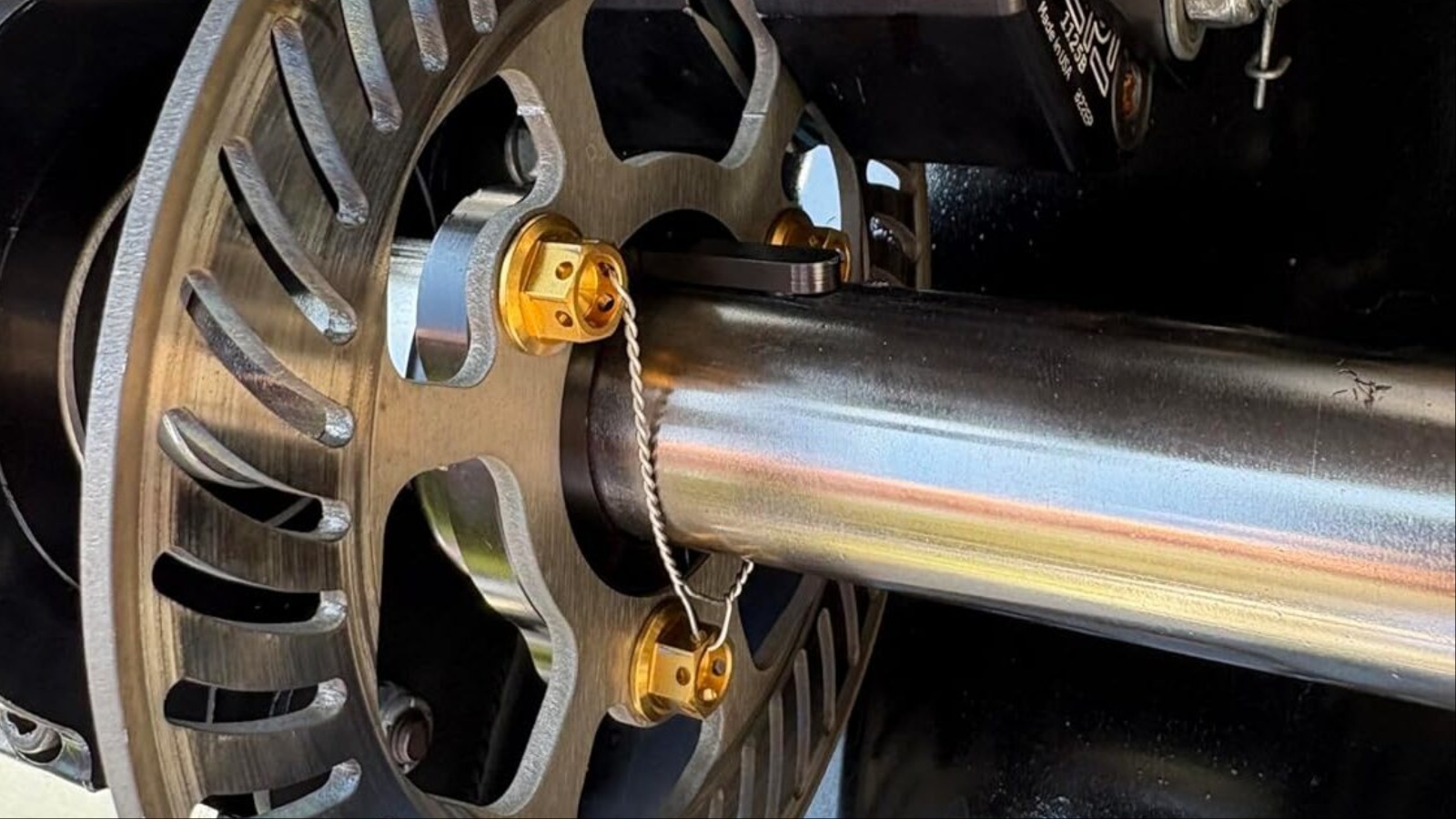
Look closely at the oil drain plug, the oil filler cap, the brake caliper mounting bolts, and the axle nuts. Drilled holes in the bolt head or cast mounting lugs are the giveaway. Even if the seller has removed the wire, the holes remain. Check the oil filter as well, since some racers drill and wire it. You may also find wire anchoring points drilled into the engine cases or frame.
Safety wire alone is not proof of abuse. Some careful owners add it to trackday bikes or simply like the security. The question is how the bike was used and maintained afterward.
Ask when the wire was added, how many events the bike attended, and whether the seller has service records. If the holes are present but the seller says the bike was never on a track, treat that as a credibility problem. A seller who is honest about trackday use is far easier to trust than one who tries to hide obvious evidence.
2. Scrapes, Scuffs, and Grinding on the Right Spots
Track riding leans a motorcycle far over in corners, and the parts that touch down leave marks. Inspect the ends of the footpegs, the bottom edges of the fairing, the exhaust canister, the engine cases, and the edges of the tires.
Worn or ground-down peg feelers, flattened peg tips, and scraped lower bodywork are strong signs of hard cornering. Street riders can scrape pegs occasionally, but deep, repeated wear points to track-style riding.
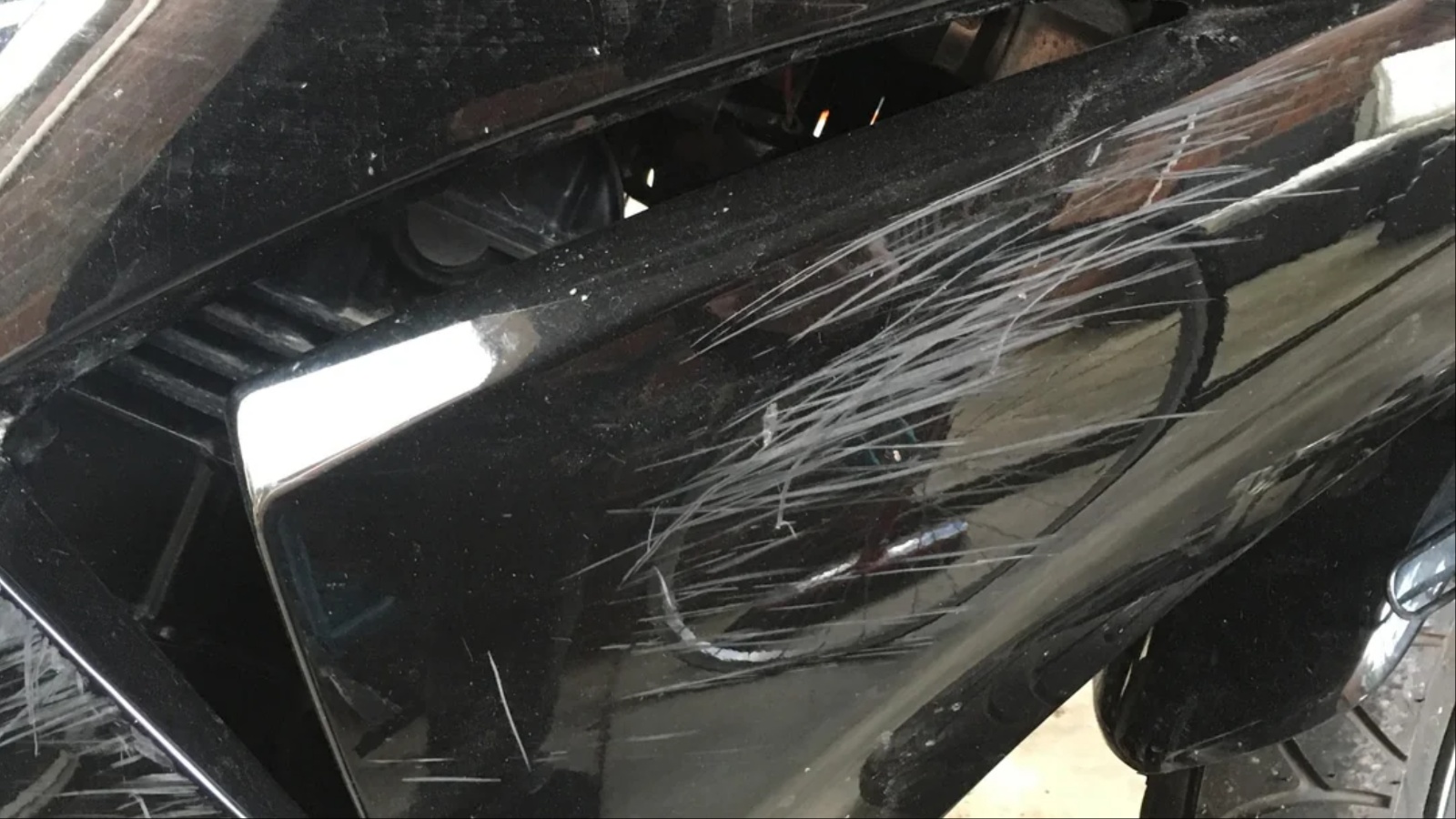
Check the shape of the damage. Light marks near the outer edge of the footpeg may be harmless, but a peg ground down by several millimeters or a fairing edge worn through indicates repeated lean angle at speed.
Look at the knee area of the tank and the sides of the seat, where a rider’s knee or boot may leave rubbing marks. Some riders add knee sliders and tank grips, and heavy wear on those spots suggests aggressive use.
Be cautious about fresh paint or newly installed plastics that conveniently hide these areas. Replacement parts can be legitimate repairs, but a bike with a brand-new lower fairing and nothing else changed deserves questions.
Compare the condition of different panels, and look for mismatched paint, overspray, or gaps that suggest a crash repair. If you see heavy scraping, ask the seller to explain it, and consider how many hard miles those marks represent.
3. Racing Tires and Heavy Tire Wear
Tires tell a revealing story. Track-day and race riders often use soft, sticky compounds, including slicks or tires labeled “race,” “track,” or “not for highway use.” These tires are not designed for street duty, and their presence on a used bike is a strong clue. Even standard street tires can reveal track use if they show unusual wear patterns.
Look across the entire tread. On a street bike, tires usually wear in the center from straight-line riding, with some wear on the sides.
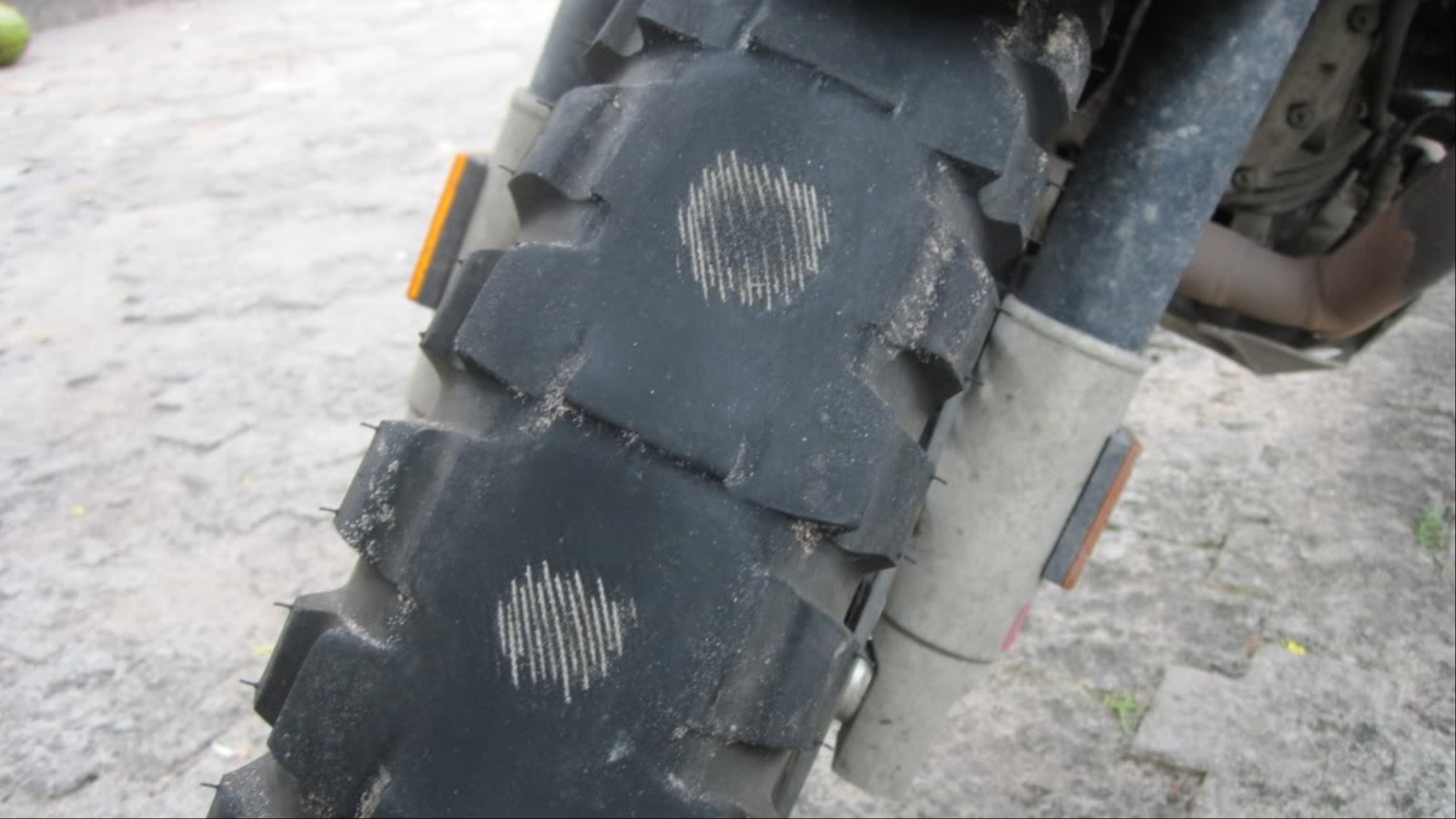
Track riding wears the shoulders heavily, sometimes right to the edge, and the tire may show a “chicken strip” of unused rubber that is very narrow or absent. Heat cycles from hard use can also leave a blue or glazed look, as well as small chunks, tearing, or a rough surface where rubber has been pulled away.
Do not assume that fresh tires mean a clean history. Sellers sometimes mount new rubber before selling, which can hide wear. Look at date codes on the sidewall, and ask how many miles the tires have covered.
Check the rims for scratches from tire changers and for flat spots or damage. Also look for tire warmers or stands in the seller’s garage, which suggest regular track use. If the bike has race tires, ask whether it was ever registered or ridden on public roads.
4. Drilled, Missing, or Modified Parts
Race preparation often involves removing weight and adding safety features. A bike that has been stripped of its mirrors, headlight, turn signals, license plate bracket, or center stand may have been prepared for track use, then restored with cheap replacements.
Look for unused mounting points, empty screw holes, and signs where parts used to attach. Also check whether the plastics are original or from a race bodywork kit.
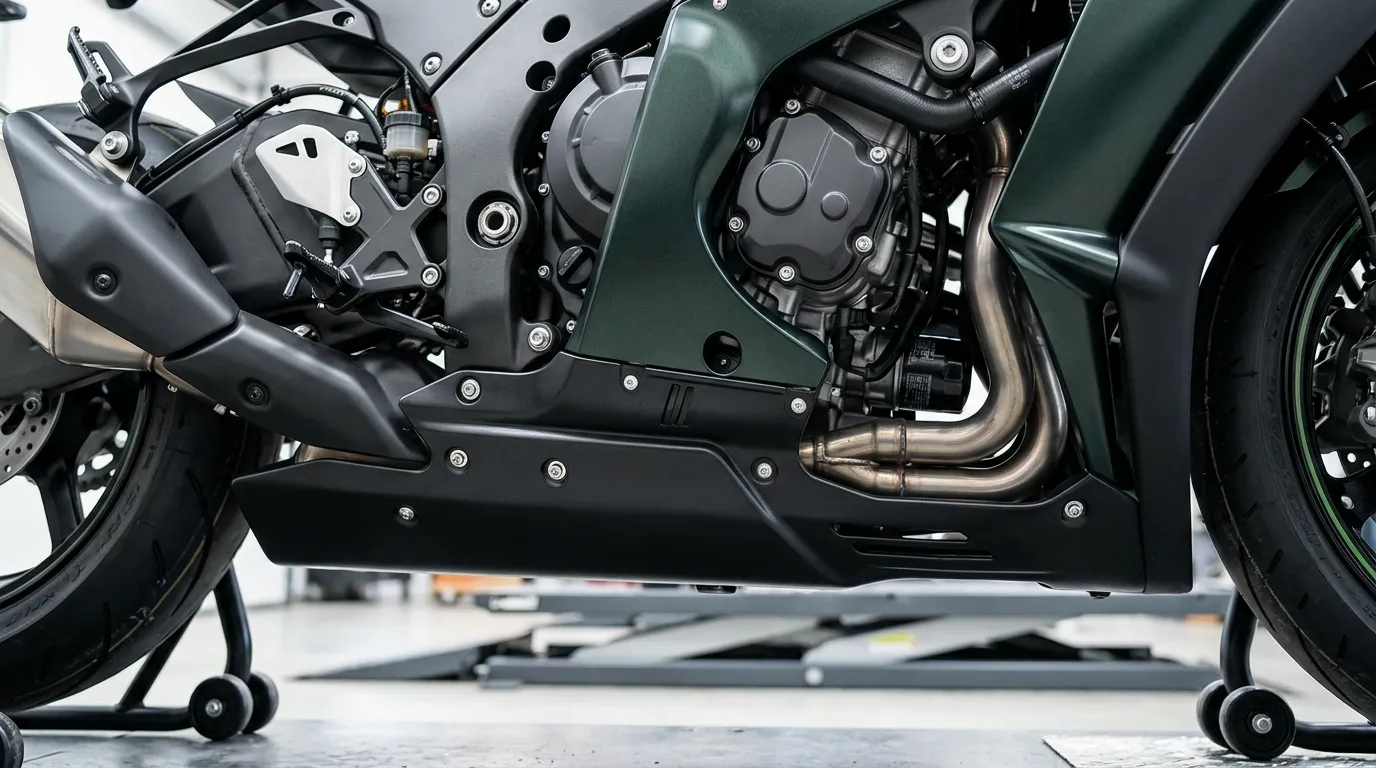
Another common clue is drilled fairings, which racers use to secure panels with quick-release fasteners. Look for oversized holes, extra fasteners, or cracked plastic around them.
Some riders replace street fairings with fiberglass race bodywork, which has a different surface texture and often lacks factory labels. Check the underside for tape residue, foam, or tags from a track event.
Aftermarket parts can tell the story too. Rearsets, clip-on handlebars, steering dampers, quick-action throttles, and slipper clutches are common in track builds. They are not unusual on street bikes, so judge by combination and condition. A bike with many racing parts, but stock street items missing, is more likely to have been raced.
Also look for heavily worn footpegs, replaced levers, and engine case guards, which protect during crashes. Ask for original parts if the seller still has them. Missing street-legal equipment can also create registration problems, so confirm that the bike can be legally ridden on public roads.
5. Race Numbers, Stickers, and Residue
Many racers apply numbers to the fairing, windscreen, and tail, as well as sponsor decals. Even if a seller removes them, the evidence usually remains. Look for faint outlines, ghosting, or color differences on the plastics where numbers were applied.
Sticker residue, adhesive marks, and cleaned areas on the windscreen and tank can also point to race decals.
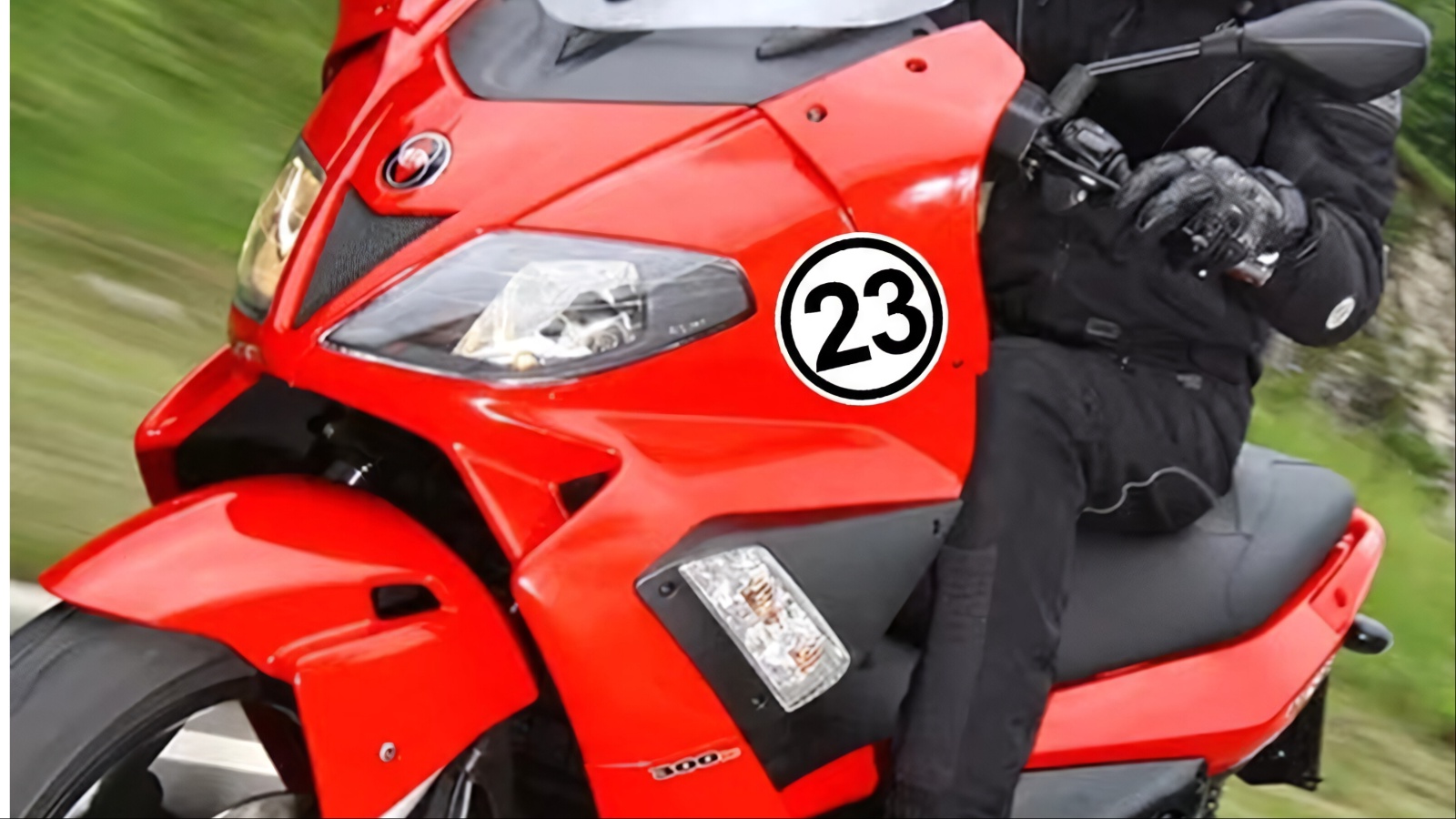
Transponder mounts are a clear sign. Race organizations use small timing devices attached to the bike, and the bracket or holder often stays behind. Look for a small box mount near the subframe, swingarm, or forks.
Tech inspection stickers, technical approval marks, and scrutineering labels from track events can also be stuck to the frame, forks, or fairing, and removal sometimes leaves scrap marks.
Check the bike’s paint closely in good light. Polishing can hide light residue, but angled lighting often reveals ghost lines. Bright paint and fresh decals on one panel only can also indicate a cover-up. Look at stored helmets, leathers, or paddock stands in the seller’s space, since those items often accompany a raced bike.
Ask whether any decals or race numbers have been removed, and why. A forthright seller may confirm track use, and that honesty is useful information. If the answers sound vague or evasive, consider what else might be missing from the story.
6. Worn or Upgraded Brakes and Suspension
Hard riding takes a toll on brakes and suspension, and racers often upgrade both. Look for aftermarket brake lines, which are often braided stainless steel, as well as upgraded master cylinders, racing pads, and larger or lightweight rotors.
Check rotors for deep grooves, heat discoloration, or warped surfaces. Pads worn to the backing plate suggest repeated heavy braking.
Suspension components can show similar clues. Upgraded fork internals, rear shocks, steering dampers, and adjustable preload or damping hardware are common in track bikes. Check the fork tubes for pitting, scratches, or oil weeping from the seals.
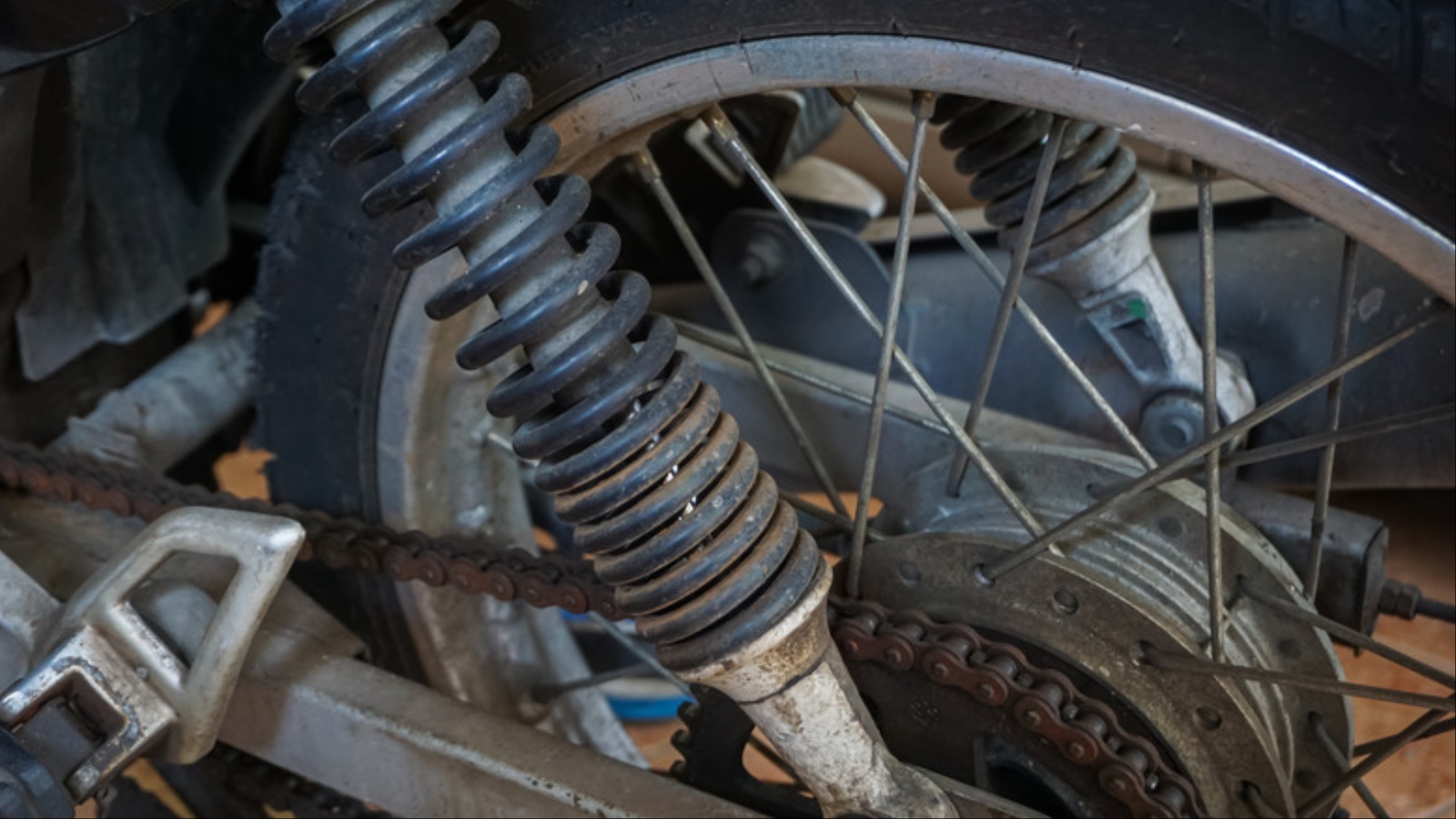
Leaking seals, worn bushings, and a sagging rear shock all suggest hard use or neglect. Look at the swingarm bearings, linkage, and steering head for looseness.
Test how the bike feels on a ride. Excess brake fade, spongy lever feel, or uneven braking can mean worn or overheated components. Listen for knocking from the forks when braking and watch for pulling to one side.
Also check the brake fluid color. Dark, burnt-looking fluid can mean it was heated repeatedly and not changed. Upgraded parts are not bad, but you should know what you are buying and whether the work was done properly. Ask for receipts and documentation, and have a mechanic check alignment and wear before you agree to a price.
7. Engine Wear and Frequent Modification
Racing is hard on engines. Sustained high revs, heat, and load wear out pistons, rings, valves, and bearings faster than casual street riding. Warning signs include excessive oil consumption, smoke at start-up, metallic particles in the oil, rough idle, or unusual noise.
Check the oil on the dipstick or sight glass, and look at the drained oil if possible. Glittery particles or a burnt smell can indicate internal wear.
Look for engine modifications too. Aftermarket air filters, exhaust systems, fuel controllers, ECU tunes, high-compression pistons, and race cams are common. Some are legitimate street upgrades, but a collection of them suggests the bike was tuned for performance.
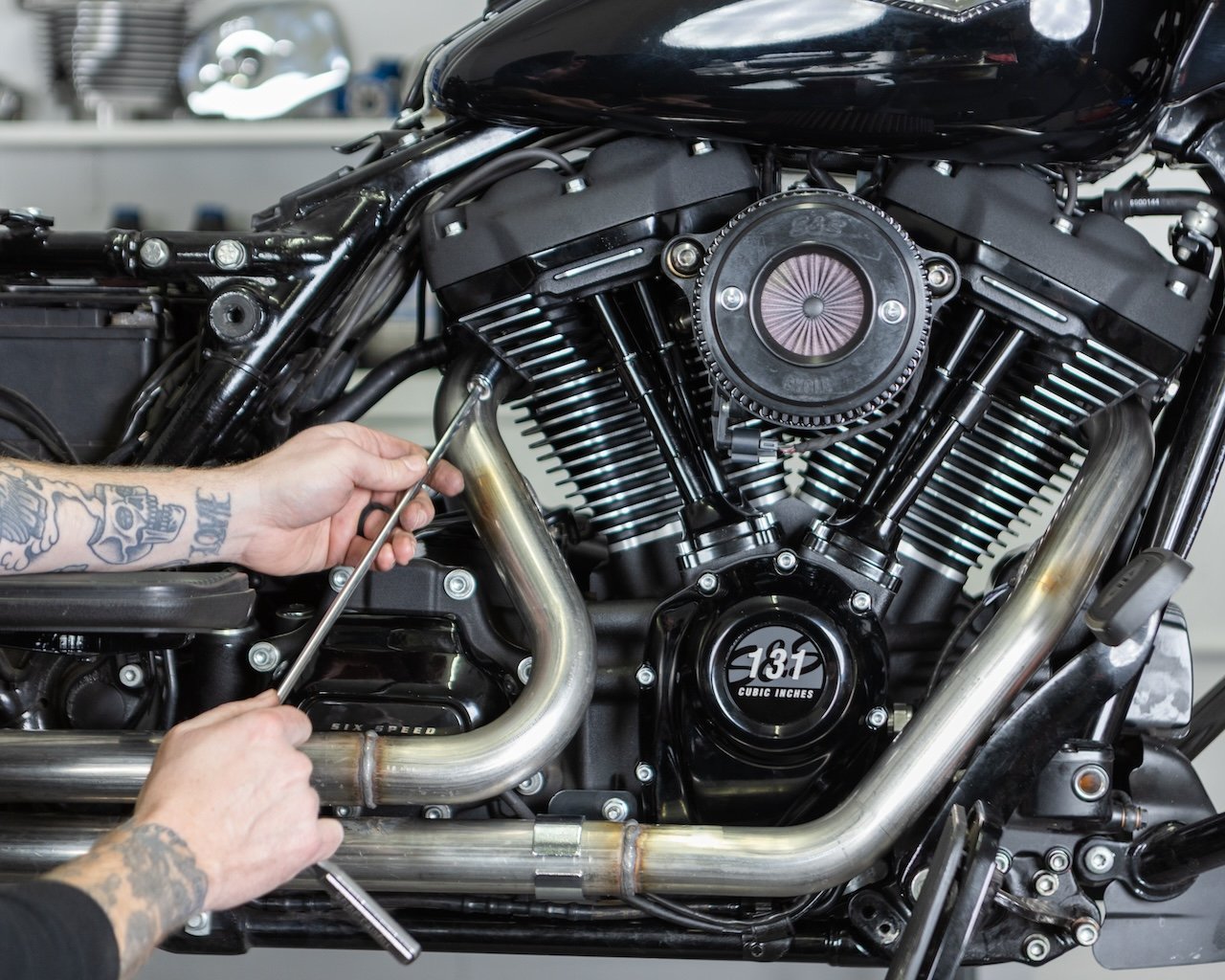
Check for non-factory gaskets, tuning stickers, or signs that the engine has been opened. An engine with fresh sealant around the cases may have been rebuilt, and you should ask why.
A compression or leak-down test is one of the best ways to understand engine condition. A mechanic can perform it quickly, and it gives objective evidence of internal wear. Also ask about the service schedule. Race engines usually need more frequent rebuilds, and an owner who raced it should know when work was last done.
If the seller cannot provide records, assume maintenance was uneven and price the bike accordingly. A tidy engine bay does not guarantee a healthy engine, so rely on testing, not appearance.
8. Frame, Swingarm, and Crash Evidence
Crashes are a normal part of racing, and they can leave hidden structural damage. Inspect the frame carefully for cracks, bends, weld repairs, or ripples in the paint near the steering head, swingarm pivot, and subframe.
Look for uneven gaps between panels, mismatched fasteners, and signs of re-welding. A straight, undamaged frame matters greatly for handling and safety.
Check for crash marks. Scratches on the frame sliders, engine case covers, lever ends, bar ends, and mirror mounts all suggest a fall. Look for bent levers, replaced handlebars, scuffed axle ends, and damaged fork tubes.
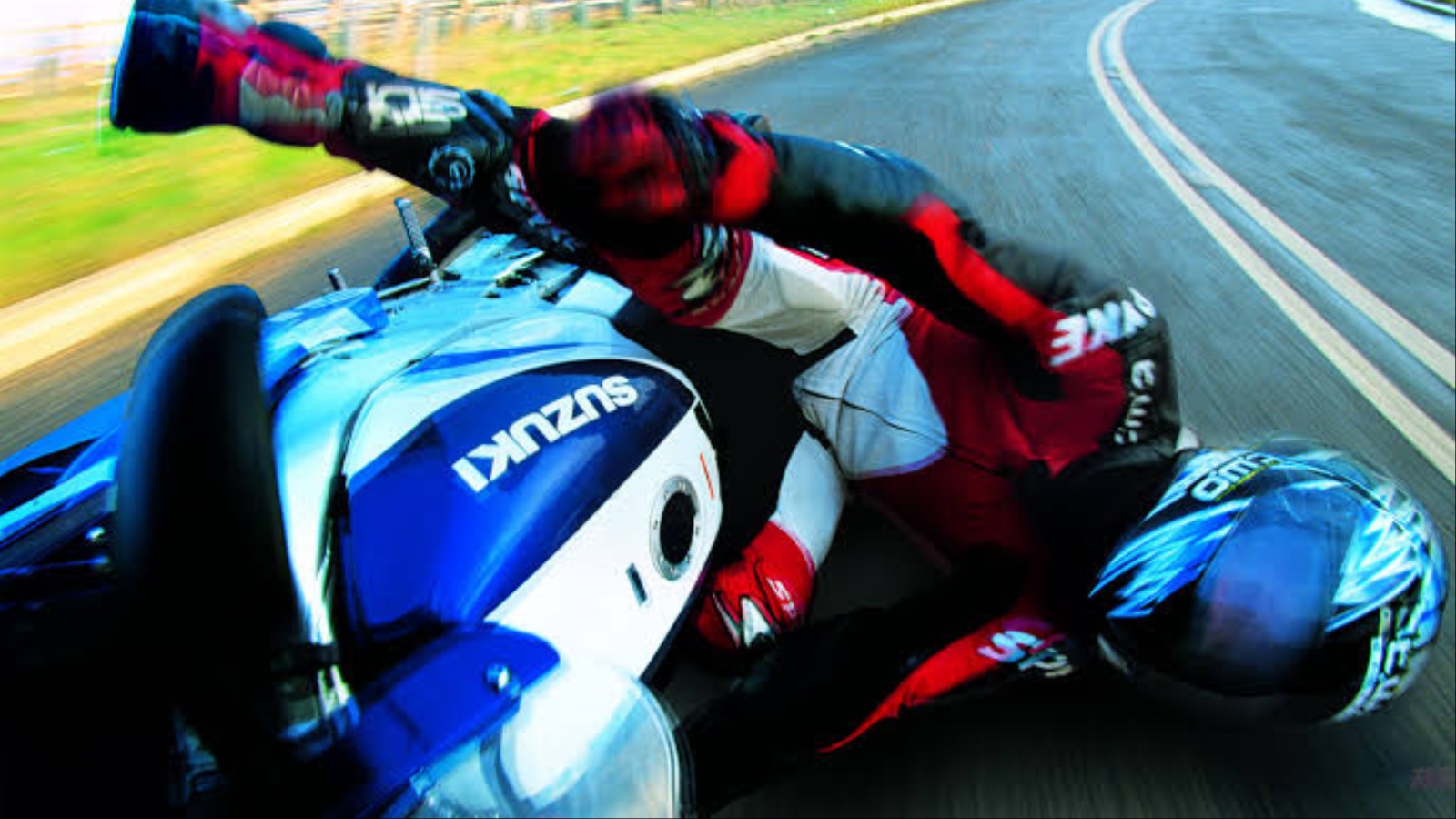
Bar-end sliders and frame sliders are sometimes fitted for protection, and heavy wear on them means they did their job. Check the exhaust, which often shows crash scrapes along the side.
Take a close look at alignment. Stand behind the bike and check that the front and rear wheels line up, the forks are straight, and the handlebars are centered. During a test ride, note any pull to one side or odd steering feel.
A frame alignment check at a specialist shop can reveal damage that is hard to see. A history report or title check can also show whether a bike was salvaged or declared a total loss. If you find crash damage, ask the seller directly, and weigh repair quality and safety before negotiating.
9. Fuel Tank, Seat, and Rider Contact Wear
The parts where the rider touches the bike show the style of riding. Track riders move their bodies around, hang off in corners, and grip the tank with their knees. Look at the tank sides for rubbing, scuffs, or worn paint where knees and leathers press. Some riders add traction pads, and heavy wear or residue from removed pads can suggest hard cornering.
Check the seat for unusual wear patterns. A seat with heavy wear on the edges and rear section, or a slick or polished look, can come from sliding across it during aggressive riding. Racers also replace seats with thinner race versions or remove the passenger section, so check for modification, missing hardware, or a seat cowl.
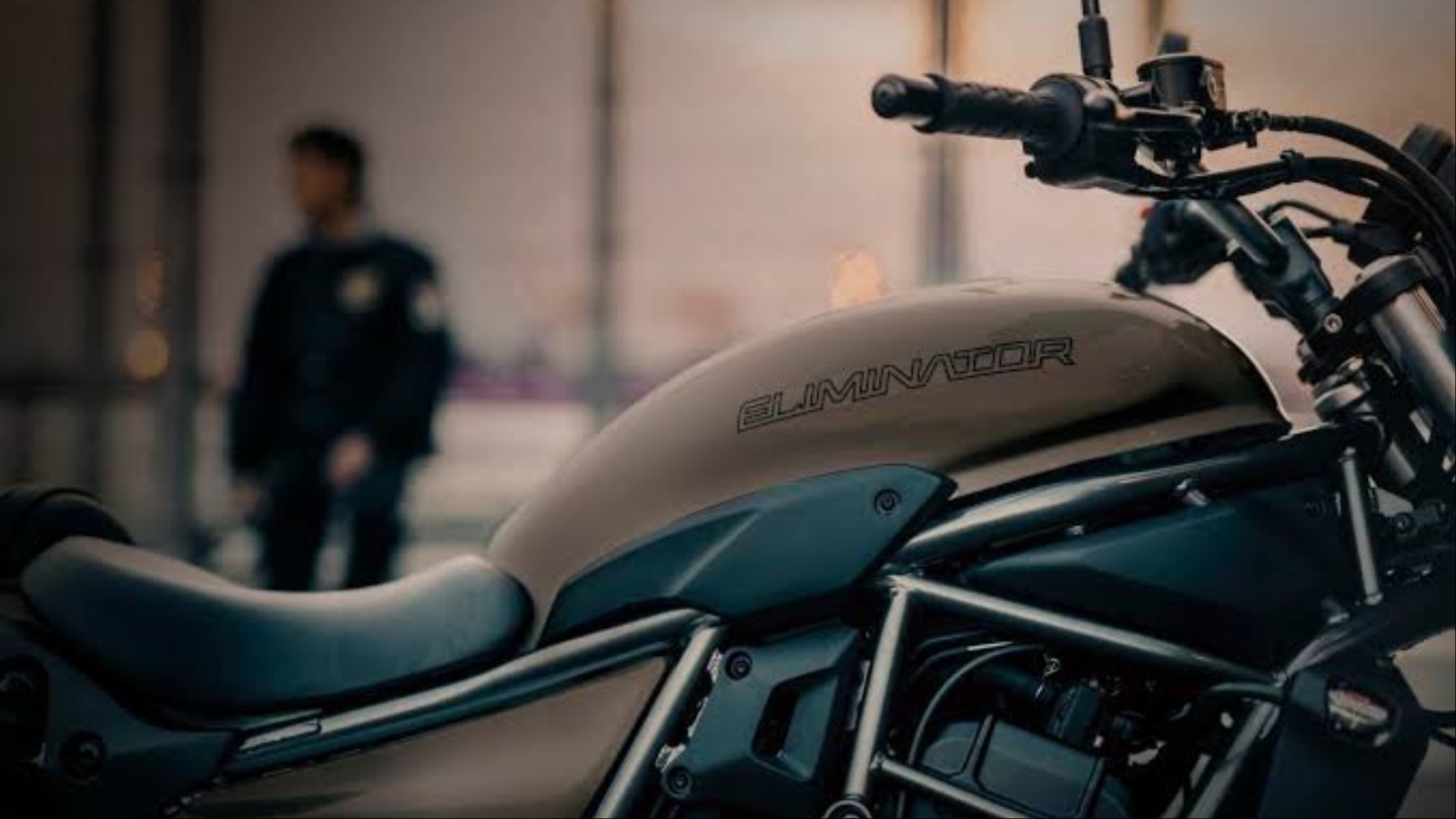
The handlebars, grips, and levers deserve attention as well. Heavily worn grips, scratched lever ends, and polished clip-ons suggest many hours of hard use. Look at the footpegs for wear from boots and the gear lever for scuffing.
Compare these wear levels to the odometer reading, because a bike with low mileage but heavy contact wear can raise questions. Contact wear is often difficult to fake or reverse completely, so it can be a useful clue about real usage. Ask the seller how the bike was ridden, and whether it was ever used for track days or competition.
10. Missing Service Records and Odd Paperwork
Paperwork often reveals what the bike itself cannot. A raced bike typically has irregular records because track maintenance may have been done at home, at the track, or by a racing shop. Ask for service receipts, parts invoices, and registration history. Gaps, vague answers, or a stack of invoices from racing suppliers can reveal track use.
Look closely at the title and registration. Some bikes sold as street bikes have been used for racing and registered later, or have a title history that includes changes of ownership with short ownership periods.
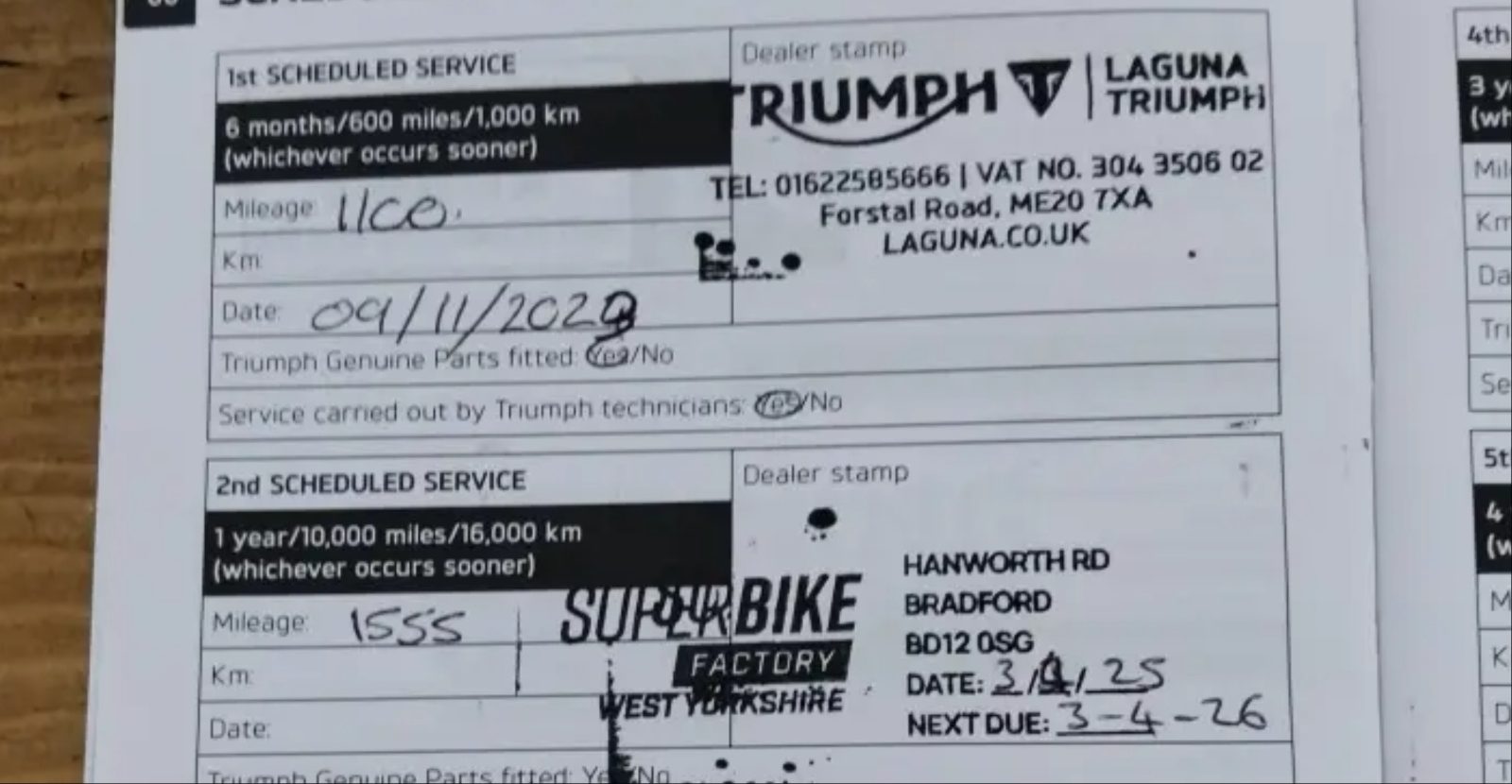
Check the VIN on the frame against the title, and make sure the engine and frame numbers match where applicable. Run a vehicle history report if one is available in your area, and ask whether the bike was ever declared a salvage or total loss.
Be cautious when the seller cannot say much about the bike’s past. Owners who ride for years usually remember details about maintenance, tires, and incidents. A seller who bought it recently and is quickly reselling may know little.
Look for receipts from track organizations, entry confirmations, or tire warmers and stands in the sale package. Consider whether the price matches the bike’s real history. A raced bike should usually cost less than a comparable street bike, so a bargain price with limited documents calls for care rather than excitement.
11. Seller Behavior and the Story That Does Not Add Up
The seller’s behavior can be as telling as the bike. An honest seller usually answers questions openly, even awkward ones, and lets you inspect the bike thoroughly.
Be careful with sellers who rush you, refuse a professional inspection, avoid direct answers, or change the story when you ask about track use. Vague claims such as “it was only ridden by me on weekends” should be tested against physical evidence.
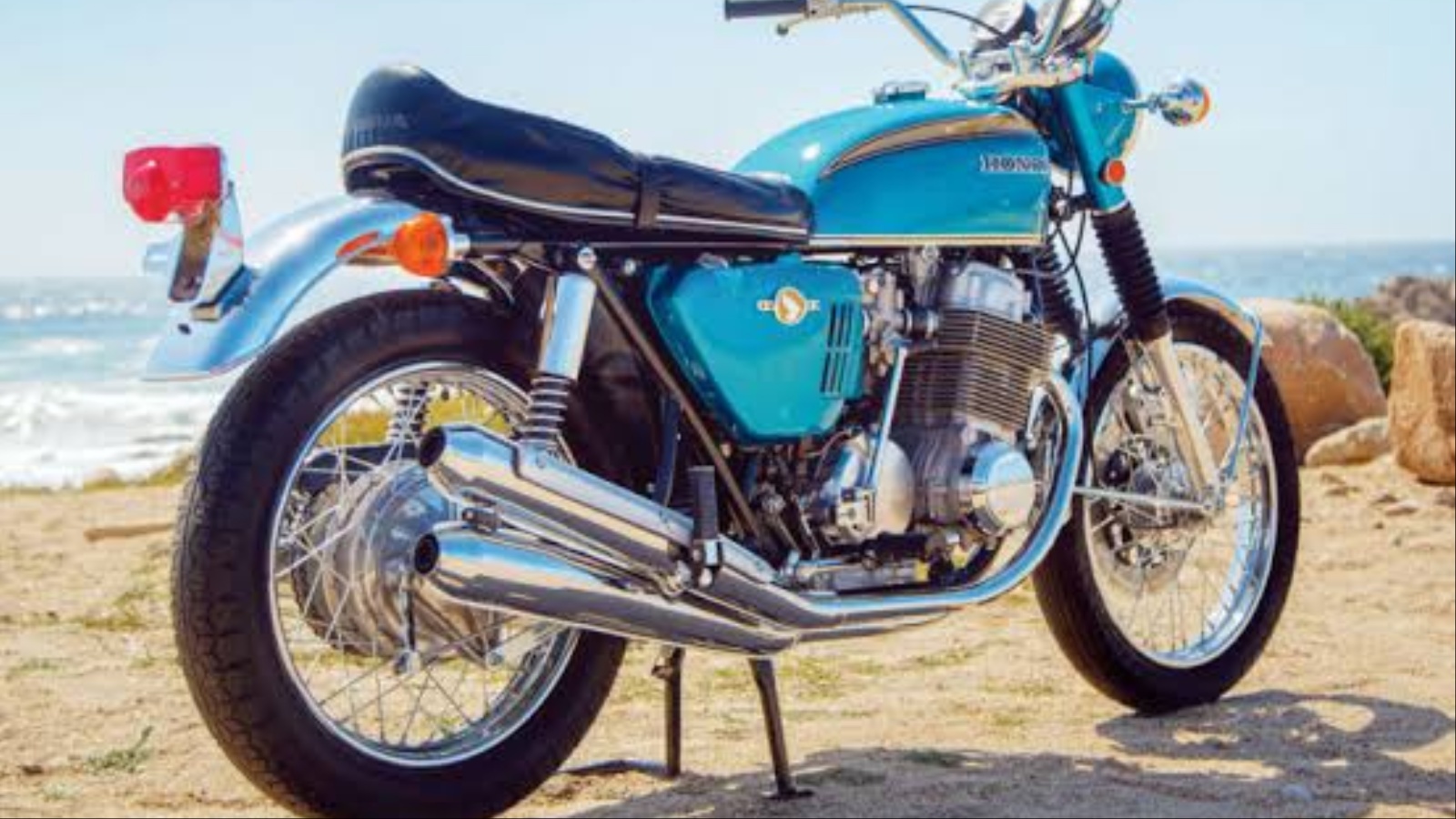
Compare the story to what you see. If the seller says the bike was never raced, but you find safety wire holes, race tires, scraped pegs, and removed decals, the mismatch is the warning. Look at the setting, too.
A pressure-washed bike with a freshly cleaned engine may be hiding leaks or damage. Seller tidiness is not wrong in itself, but combine it with other signs before drawing conclusions.
Trust a prepared checklist and a professional mechanic. Ask direct questions, such as whether the bike has ever been on a track, crashed, or modified, and write down the answers.
If the seller is honest about trackday use and the bike is priced fairly with records to match, it can still be a reasonable purchase. If you find evasion, inconsistent stories, or refusal to allow an inspection, walk away. There are many motorcycles for sale, and your safety and money are worth more than any single bargain.
