
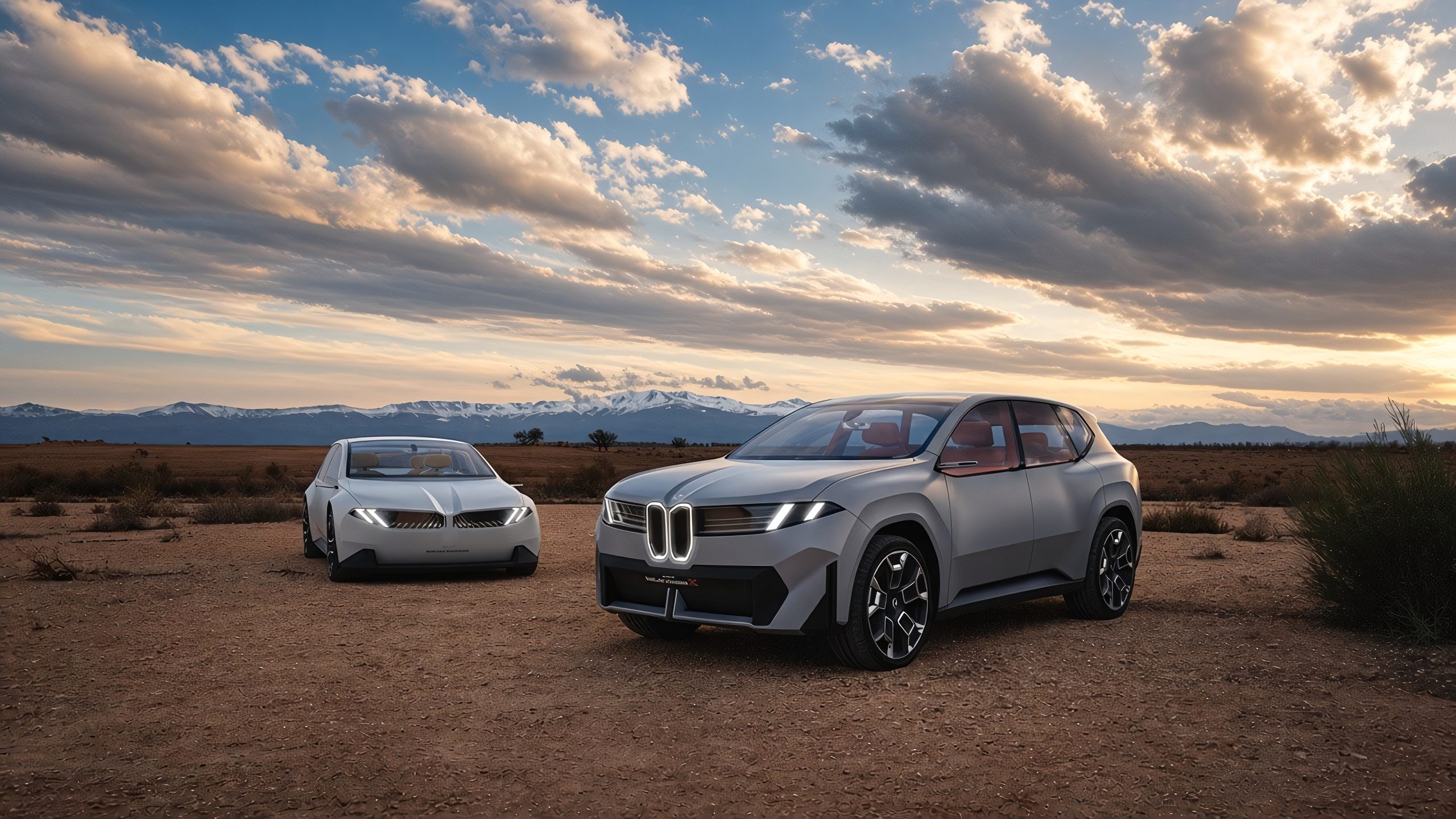
The luxury-car industry is entering a major period of change. Cars are becoming increasingly intelligent, electric, connected, and software-driven.
Large displays, artificial intelligence, advanced driver assistance, over-the-air updates, and sophisticated electronic systems are becoming just as important as engines, transmissions, and suspension components.
For BMW, this transformation presents a unique challenge. The company has spent decades building its reputation around driving involvement. Performance, handling, steering response, and the relationship between driver and machine have traditionally been central to the BMW experience.
As vehicles become more computerized and automated, BMW must embrace new technology without losing those qualities. That is where the company’s Neue Klasse program becomes particularly important.
Neue Klasse is not simply another electric-vehicle platform. It represents a fundamental change in how BMW intends to develop future vehicles. The program combines new electric powertrain technology, centralized computing, artificial intelligence, advanced driver assistance, redesigned interfaces, and a new approach to vehicle software.
The first production model based on the architecture is the new BMW iX3. BMW says Neue Klasse technology will eventually spread to around 40 new models and model updates by the end of 2027. That makes the iX3 more than another electric SUV. It is the beginning of a new chapter for BMW.
BMW Is Changing the Architecture Beneath Its Cars
One of the biggest changes introduced by Neue Klasse is happening somewhere most owners will never see.
BMW is replacing the increasingly complicated electronic architecture found in traditional vehicles with a more centralized system. Instead of relying on numerous separate control units, the new architecture uses four high-performance computers that BMW calls “Superbrains.”
Modern vehicles have software controlling everything from power delivery and braking to navigation, climate control, connectivity, driver assistance, and battery management. As these functions multiply, giving every system its own electronic controller becomes increasingly complicated.
Centralizing computing power allows different systems to communicate more efficiently. In an electric BMW, acceleration, braking, regenerative energy recovery, traction, steering, and stability can be coordinated by software and respond to one another almost instantly.
The result should be a vehicle that behaves more like one integrated machine instead of a collection of individual systems.
For BMW, this matters because future cars need to remain engaging while becoming significantly more technologically advanced. The company is not simply adding electronics to its existing vehicles. It is redesigning the electronic foundation on which those vehicles are built.
Electric Power Is Forcing BMW to Rethink Performance
BMW’s transition to electric power presents another challenge. For decades, part of the appeal of a BMW came from its combustion engine. Engine response, rising revs, transmission behavior, sound, and power delivery all contributed to the character of the car.
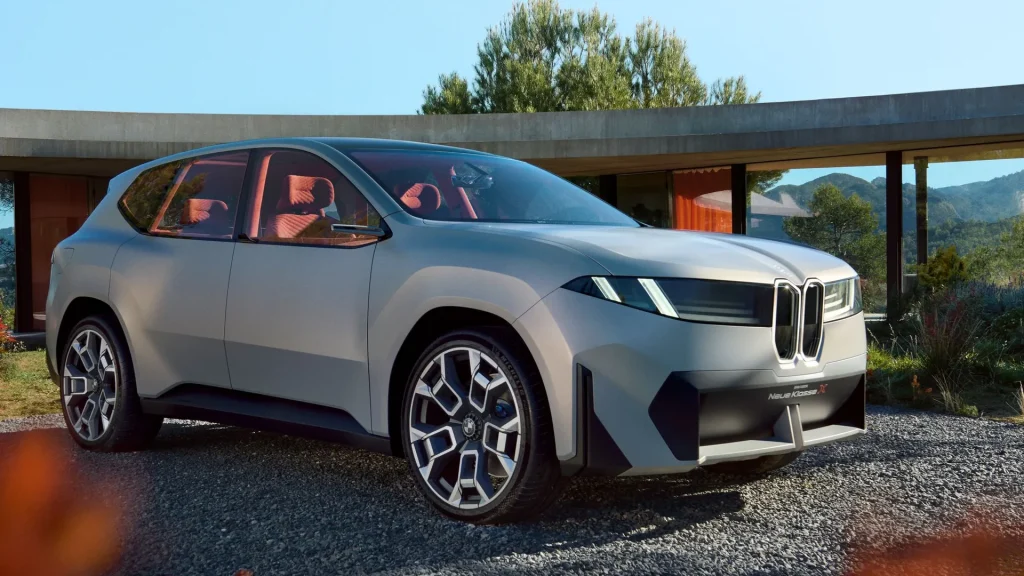
Electric motors operate differently. They can deliver torque almost immediately and provide smooth acceleration. That makes electric vehicles extremely quick, but speed alone does not create an engaging driving experience.
A car can be incredibly fast and still feel disconnected. BMW therefore has to recreate responsiveness and involvement using a different technological foundation.
The new iX3 provides an early indication of how BMW is approaching the problem. Its sixth-generation eDrive technology uses an 800-volt electrical architecture, while BMW quotes a WLTP range of up to 805 kilometers for the iX3 50 xDrive.
The system supports charging at up to 400 kW, and BMW says the vehicle can gain up to 372 kilometers of WLTP range in 10 minutes under suitable conditions.
These figures make the iX3 more practical as an everyday EV, but they also demonstrate how BMW’s definition of performance is changing. In the electric era, performance is not simply about acceleration.
Charging speed, efficiency, range, thermal management, and power delivery all influence how capable an EV feels. BMW needs its electric vehicles to be exciting when driven hard while remaining convenient for daily use.
BMW’s Heart of Joy technology is central to that effort. It is a high-speed control unit responsible for coordinating important aspects of vehicle behavior. BMW says it handles propulsion, braking, energy recuperation, and driving-dynamics functions while processing information up to ten times faster than conventional control units.
The significance of the system is what that processing power allows BMW to accomplish. An electric vehicle can react extremely quickly, but engineers still need to determine how those reactions should feel.
Sudden torque delivery can make a car feel nervous, while poorly calibrated regenerative braking can make slowing down feel unnatural. Stability systems can also become intrusive if they are not carefully integrated.
A centralized control system gives BMW greater ability to coordinate these responses. The driver may never know that the Heart of Joy exists, and that is arguably the point.
It is intended to make the vehicle respond naturally to steering, acceleration, and braking inputs. Software is therefore becoming another tool BMW can use to create driving character.
That represents a major change. A car’s personality was once largely determined by mechanical hardware. Increasingly, it is becoming a combination of hardware and software.
There is a temptation for automakers to make electric vehicles imitate gasoline-powered cars. BMW’s bigger opportunity may be to create a new interpretation of its driving philosophy.
Electric propulsion has characteristics that combustion engines cannot easily reproduce. Instant torque, precise motor control, and rapid electronic intervention give engineers considerable flexibility.
Instead of recreating every sensation of an internal-combustion BMW, the company can use these characteristics to develop something different.
Software can determine accelerator response, manage regenerative braking, distribute torque between wheels, influence stability intervention, and coordinate several systems simultaneously.
This means BMW can potentially create an electric vehicle that feels responsive and engaging without pretending to have a traditional powertrain.
The change also extends into the cabin. Neue Klasse introduces Panoramic iDrive, a new interface designed to place important information within the driver’s field of vision while retaining physical controls.
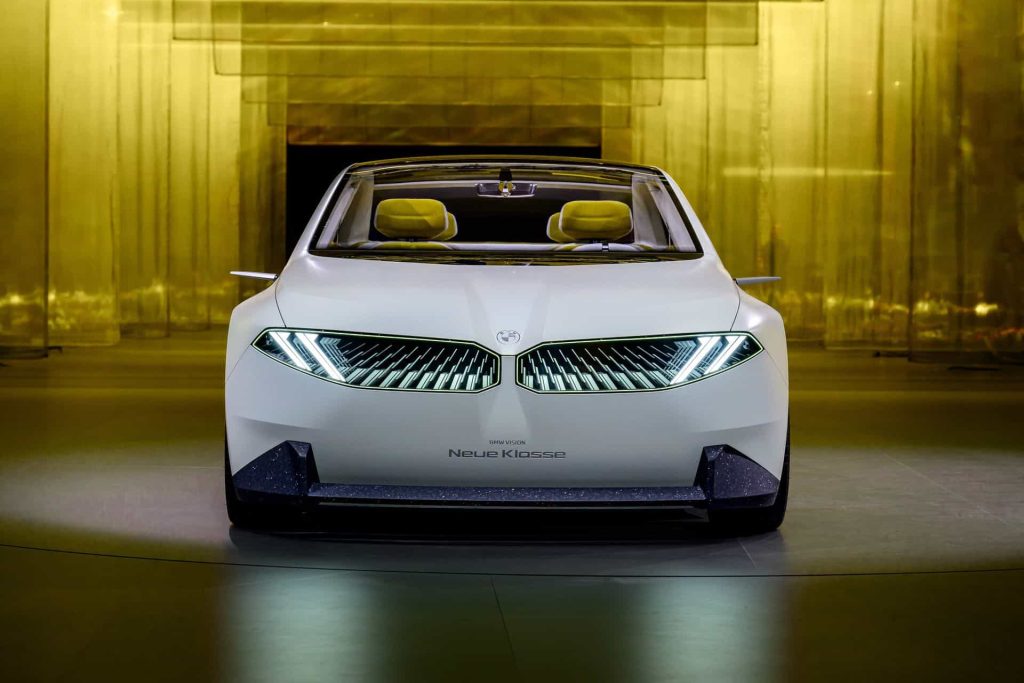
That is notable because many modern vehicles are moving toward touchscreen-heavy interiors. Digital displays provide flexibility, but putting every function behind a touchscreen can force drivers to look away from the road, especially when basic functions are buried inside menus.
BMW’s approach is more selective. The company is using digital technology to provide more information while retaining physical controls where they remain useful. BMW says Panoramic iDrive has been designed to help keep the driver’s eyes on the road and hands on the steering wheel.
As vehicles gain more features, this balance could become increasingly important. The challenge is not simply providing more information. It is making that information accessible without creating unnecessary distraction.
A good automotive interface should make a complicated vehicle feel simple. That appears to be one of BMW’s goals with Neue Klasse.
Artificial Intelligence Could Reduce Complexity
Artificial intelligence is another important part of BMW’s strategy. BMW has demonstrated an enhanced Intelligent Personal Assistant using Amazon’s Alexa+ technology. The system is designed to understand more natural conversations and handle multiple requests more intuitively.
The potential benefit is clear. Modern cars contain too many functions for drivers to memorize where everything is located. Climate settings, navigation, charging information, media, communication, and vehicle settings can all require interaction.
AI could provide a simpler alternative. Instead of navigating multiple menus, a driver could ask the vehicle directly for what they need.
Rather than making the vehicle’s technology more complicated for the driver, AI could act as a layer between the user and that complexity.
Advanced driver assistance creates another challenge. Modern vehicles can control speed, maintain lanes, recognize hazards, park themselves, and intervene during emergencies. As these systems improve, driving experiences are becoming increasingly automated.
BMW’s approach focuses more heavily on cooperation. The company describes its latest philosophy as BMW Symbiotic Drive, emphasizing interaction between driver and vehicle rather than simply replacing the driver.
There are situations where assistance is valuable. Long highway journeys can be tiring, and technology that reduces repetitive workload can make driving easier.
There are also moments when drivers want to remain fully involved. BMW’s future systems therefore need to support both situations.
Assistance technology needs to be predictable and unobtrusive. It should help when necessary without making the driver feel disconnected from the vehicle.
Another major change is that a vehicle’s capabilities will no longer necessarily be fixed when it leaves the factory.
Software-defined vehicles can receive updates that improve existing functions or introduce new capabilities. Neue Klasse’s centralized electronic architecture gives BMW a stronger foundation for this approach.
Future vehicles could receive improvements to navigation, interfaces, driver assistance, energy management, and potentially vehicle behavior during ownership.
However, more software does not automatically mean a better vehicle. BMW will need to ensure updates deliver useful improvements rather than simply adding features for the sake of adding them.
The most valuable automotive software will likely be software that makes a vehicle easier, safer, more efficient, or more enjoyable without constantly demanding the owner’s attention.
Neue Klasse Could Change BMW’s Entire Product Strategy
The most significant aspect of Neue Klasse is that it is not limited to one vehicle. BMW has said the technologies will spread across approximately 40 new models and model updates by the end of 2027.
That makes the iX3 a preview of a much broader transformation. Future BMW sedans, SUVs, and performance vehicles can potentially benefit from the same electronic architecture, computing systems, software capabilities, and electric-drive technology.
This also changes how BMW can develop its vehicles. Instead of treating software as something added after the mechanical vehicle has been engineered, software can become part of the development process from the beginning.
The boundaries between mechanical and digital engineering are increasingly disappearing. A battery affects power delivery. Power delivery affects traction. Regenerative braking affects pedal feel. Driver assistance interacts with steering and braking. The digital interface depends on the electronic architecture.
Everything is connected, and Neue Klasse is designed around that reality. The most important aspect of BMW’s next generation is not simply that its cars will contain more technology. Most luxury automakers are moving in the same direction. The more significant question is how BMW intends to use that technology.
The company is trying to tackle several challenges at once. Its approach focuses on keeping electric vehicles engaging, delivering useful information without adding distraction, improving driver assistance while keeping the driver involved, using AI to simplify increasingly complex vehicles, and allowing software updates to improve the ownership experience after purchase.
Neue Klasse is BMW’s attempt to bring these elements together. There will inevitably be disagreements about individual design decisions, interfaces, driving characteristics, or the extent to which future BMWs should rely on digital systems.
Still, BMW’s direction is clear. The company is not trying to freeze its traditional identity in time. It is attempting to translate that identity into a different technological era.
Ultimately, customers will experience the results from behind the wheel rather than through BMW’s technology presentations.
If the electric drivetrain feels responsive, the technology has served its purpose. If braking feels natural, the software has done its job. If the interface allows drivers to find information without unnecessary distraction, the digital architecture has value.
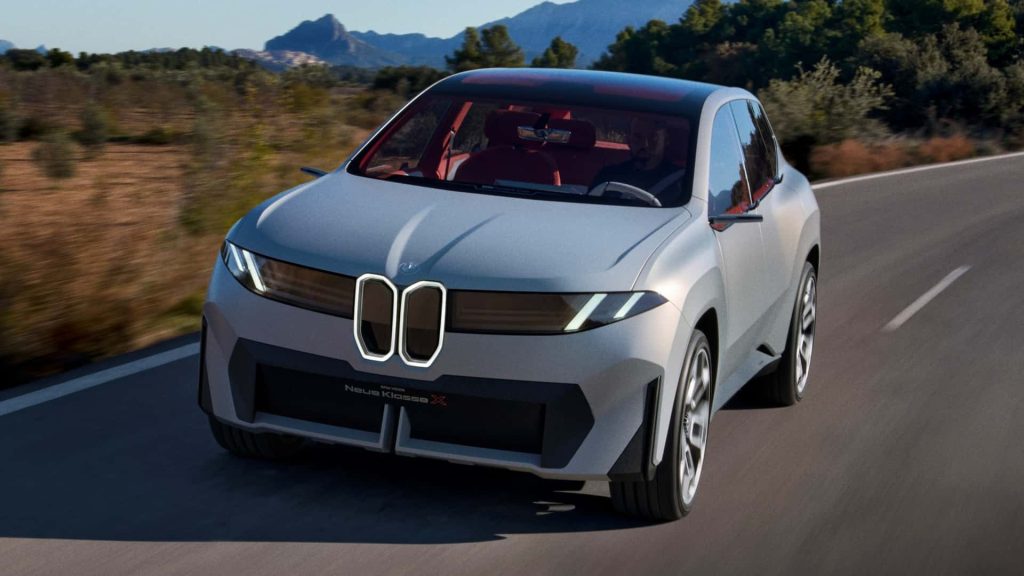
If AI makes everyday interactions easier, it becomes genuinely useful. If driver assistance reduces fatigue without making the driver feel irrelevant, it serves a meaningful purpose.
BMW’s most successful technology may therefore be the technology owners rarely think about. Drivers do not need to know which computer controls the brakes or how quickly processors communicate. They need the vehicle to respond predictably and naturally.
That is why Neue Klasse represents an important turning point. BMW is entering an era in which the physical and digital sides of the automobile will become almost impossible to separate.
The new iX3 is the first major demonstration of this philosophy, but its real impact will become apparent as Neue Klasse spreads throughout BMW’s lineup.
Future BMWs may contain fewer traditional mechanical ingredients than the cars that established the company’s reputation. They may depend heavily on software, centralized computing, artificial intelligence, and electric propulsion.
If BMW can make all those systems work together without getting between the driver and the road, Neue Klasse could become more than another technology program. It could help redefine what a modern driver’s car means.
BMW’s opportunity is not to recreate the past exactly. It is to use future technology in a way that preserves the driving experience and emotional appeal that made its cars desirable in the first place.
