
The automotive industry is a complex and ever-evolving marketplace where consumer preferences, technological advancements, economic conditions, and brand strategies intersect to shape what vehicles succeed and which ones struggle.
Within this dynamic environment, dealerships act as the critical frontline, balancing inventory supply and customer demand to maintain profitability.
One of the most visible indicators of success or failure in this balancing act is the fate of individual models: some fly off dealer lots the moment they arrive, while others languish on transport trucks or remain unsold for extended periods.
Understanding why certain models are highly sought after by dealers today, while others pile up in transit or on lots, provides valuable insight into broader market trends and consumer behavior.
In recent years, the automotive market has undergone significant shifts driven by changing lifestyles, economic pressures, and technological innovation. SUVs and pickup trucks have surged in popularity, reflecting consumers’ desire for versatile, spacious, and powerful vehicles.
At the same time, electrification and hybrid technologies have moved from niche to mainstream, capturing the interest of environmentally conscious buyers.
Meanwhile, traditional segments such as compact sedans and minivans face declining demand as consumers prioritize practicality, style, and sustainability in new ways. These market forces influence the inventory strategies of dealers, who must anticipate which models will sell quickly and which may become burdensome.
This article explores five vehicle models that dealers want right now—vehicles that generate strong demand, attract diverse customer bases, and move quickly through dealership pipelines. These models represent the current pulse of the market, illustrating where consumer priorities lie.
Models like the Toyota Tacoma and Ford F-150 Lightning highlight a continued passion for trucks, blending tradition with innovation. Meanwhile, vehicles such as the Honda CR-V Hybrid and Tesla Model Y underscore the growing importance of fuel efficiency and electrification.
The Jeep Wrangler 4xe exemplifies how electrification can be successfully integrated into beloved legacy brands, expanding their appeal. Conversely, the article also delves into five models that tend to sit on transport trucks longer, signaling challenges faced by manufacturers and dealers in a competitive market.
Vehicles like the Nissan Sentra and Ford Fiesta illustrate the struggles of traditional compact sedans in an SUV-dominated landscape. The Chrysler Pacifica’s plight reveals the shrinking appeal of minivans despite their family-friendly utility.
The Chevrolet Bolt EV’s inventory challenges reflect the growing pains of early electric vehicle adopters as newer models raise the bar. Meanwhile, the Mitsubishi Outlander Sport exemplifies the difficulties smaller brands face in standing out in saturated segments. These models highlight how shifting consumer tastes and brand strategies can turn what was once popular into slow-moving stock.
By examining these contrasting groups of vehicles, we gain a richer understanding of the current automotive landscape and the factors driving dealer inventory decisions. This analysis helps illustrate how broader trends—such as electrification, shifting vehicle size preferences, and brand positioning—directly impact what consumers want and what dealers prioritize.
For consumers, this information sheds light on which vehicles are hot commodities and which might come with discounts or longer wait times. For dealers, it underscores the importance of staying attuned to market trends to optimize inventory and profitability.
In the following sections, we will dive deep into the specific characteristics and market conditions that make the five models in demand move quickly, as well as the reasons why certain models lag.
This comprehensive look at vehicle desirability versus inventory stagnation provides a clear picture of how consumer preferences, technological innovation, and brand reputation converge to influence the fate of cars, trucks, and SUVs on dealer lots and transport trucks across the country.
Also Read: 5 Cars That Alert Owners Instantly and 5 That Say Nothing Until It’s Too Late
5 Models That Dealers Want Right Now
1. Toyota Tacoma
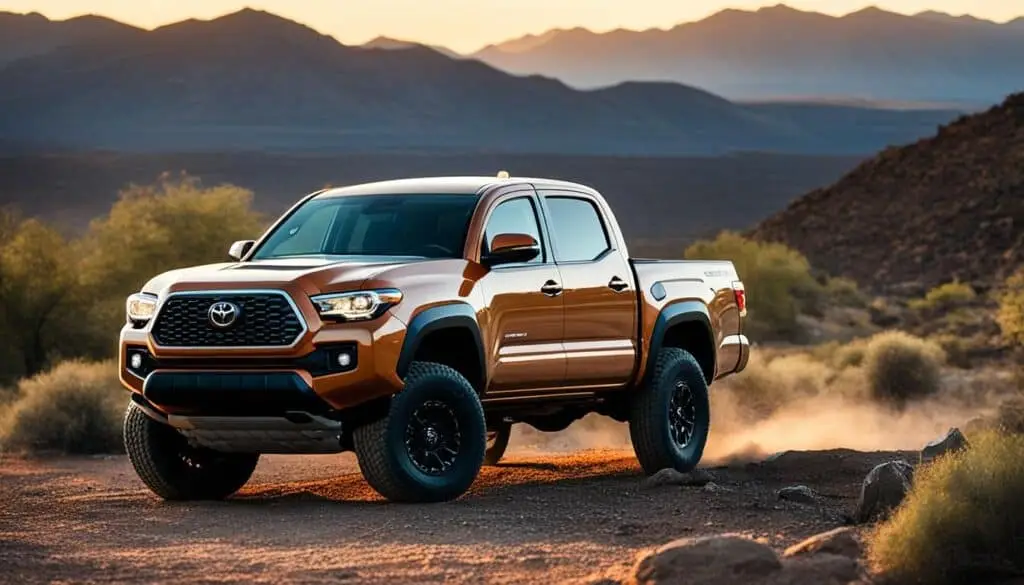
The Toyota Tacoma has cemented itself as a perennial favorite in the midsize pickup segment, largely because it hits a sweet spot that many buyers and dealers alike appreciate. Its blend of rugged reliability, strong resale value, and versatile performance makes it a consistent winner in markets ranging from urban areas to rugged rural terrain.
Dealers know that when a Tacoma hits their lot, it won’t sit for long. The model’s reputation for durability—often seen as one of the longest-lasting trucks on the road—creates a strong, loyal buyer base that’s willing to pay a premium. Many buyers are drawn to the Tacoma not just as a workhorse but as a lifestyle vehicle, capable of towing trailers, hauling gear for outdoor adventures, or simply serving as a dependable daily driver.
From a dealer’s perspective, the Tacoma offers a valuable combination of moderate size and strong brand prestige. In the era of rising fuel prices and stricter emissions regulations, midsize trucks like the Tacoma provide a more manageable footprint and better fuel economy than larger pickups without sacrificing capability.
Dealers see this balance as a key reason why Tacomas continue to fly off the lot. Moreover, Toyota’s strategic use of special editions and the TRD (Toyota Racing Development) packages keeps the model fresh and attractive.
These off-road trims appeal to enthusiasts and younger buyers seeking a rugged image combined with advanced technology, such as multi-terrain select and crawl control, setting the Tacoma apart from many competitors.
The supply-demand dynamics also reinforce Tacoma’s hot streak. Toyota has been relatively conservative in ramping up production of this model, partially due to chip shortages and pandemic-related supply chain issues.
This scarcity means that dealers with Tacomas in stock can command higher prices, especially in regions where off-road and outdoor lifestyles dominate. In many cases, dealers actively seek trades or pay premiums to secure Tacomas from wholesalers or other dealers, emphasizing how prized this vehicle is in their inventory mix.
Lastly, Tacoma’s strong resale value enhances its appeal to buyers and dealers alike. A high resale value means less depreciation risk, allowing dealers to confidently invest in stocking Tacomas, knowing they can recover costs and maintain profitability.
Buyers appreciate the Tacoma as a vehicle that holds its worth, and this cycle reinforces dealer demand. In short, the Toyota Tacoma isn’t just a truck—it’s a reliable money-maker for dealers, consistently sought after due to its unique mix of utility, brand strength, and market positioning.
2. Ford F-150 Lightning
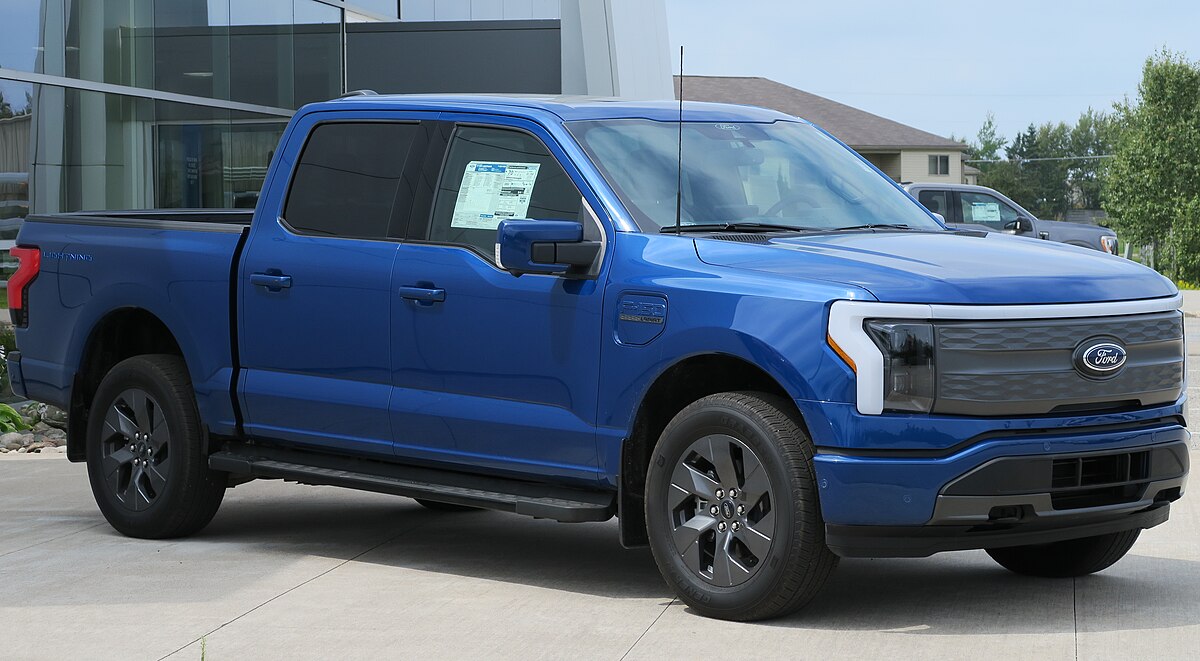
The Ford F-150 Lightning is more than just an electric truck—it represents a seismic shift in the automotive industry, especially for pickup trucks, which have traditionally been powered by gasoline engines.
As the first all-electric version of America’s best-selling vehicle, the F-150 Lightning has garnered massive interest from a diverse range of buyers, including traditional truck enthusiasts, early EV adopters, and environmentally conscious consumers.
Dealers have taken notice, recognizing that this model taps into both the legacy of the F-150’s toughness and the growing demand for sustainable transportation.
What makes the F-150 Lightning particularly desirable for dealers is its combination of electric powertrain innovation and proven utility. Unlike some other electric trucks that are still in concept or early production stages, the Lightning offers serious towing capacity, a competitive range per charge, and smart features like the “frunk” (front trunk) and vehicle-to-grid capability.
These innovations aren’t just flashy add-ons—they respond directly to consumer needs for capability and convenience, making the Lightning a compelling choice for both traditional truck buyers and newcomers to electric vehicles.
Supply constraints have further intensified dealer demand. Ford has prioritized quality and cautious ramp-up, leading to limited initial availability that hasn’t met overwhelming market enthusiasm. Dealers without Lightning inventory often struggle to fulfill customer interest, sometimes placing waiting lists or requiring buyers to pre-order. This scarcity pushes dealers to seek out any available units and keep them on the lot for short periods because turnover is rapid.
Additionally, the F-150 Lightning carries substantial brand value, bridging Ford’s legacy with a forward-thinking vision. This dual identity appeals to a wide demographic, helping dealers attract a broader customer base.
The truck’s inclusion of advanced tech, like over-the-air updates, driver-assist features, and smart charging options, also positions it as a flagship model that enhances dealership prestige. For dealers, stocking the F-150 Lightning isn’t just about moving vehicles; it’s about establishing themselves as relevant players in the future of automotive retail.
3. Honda CR-V Hybrid
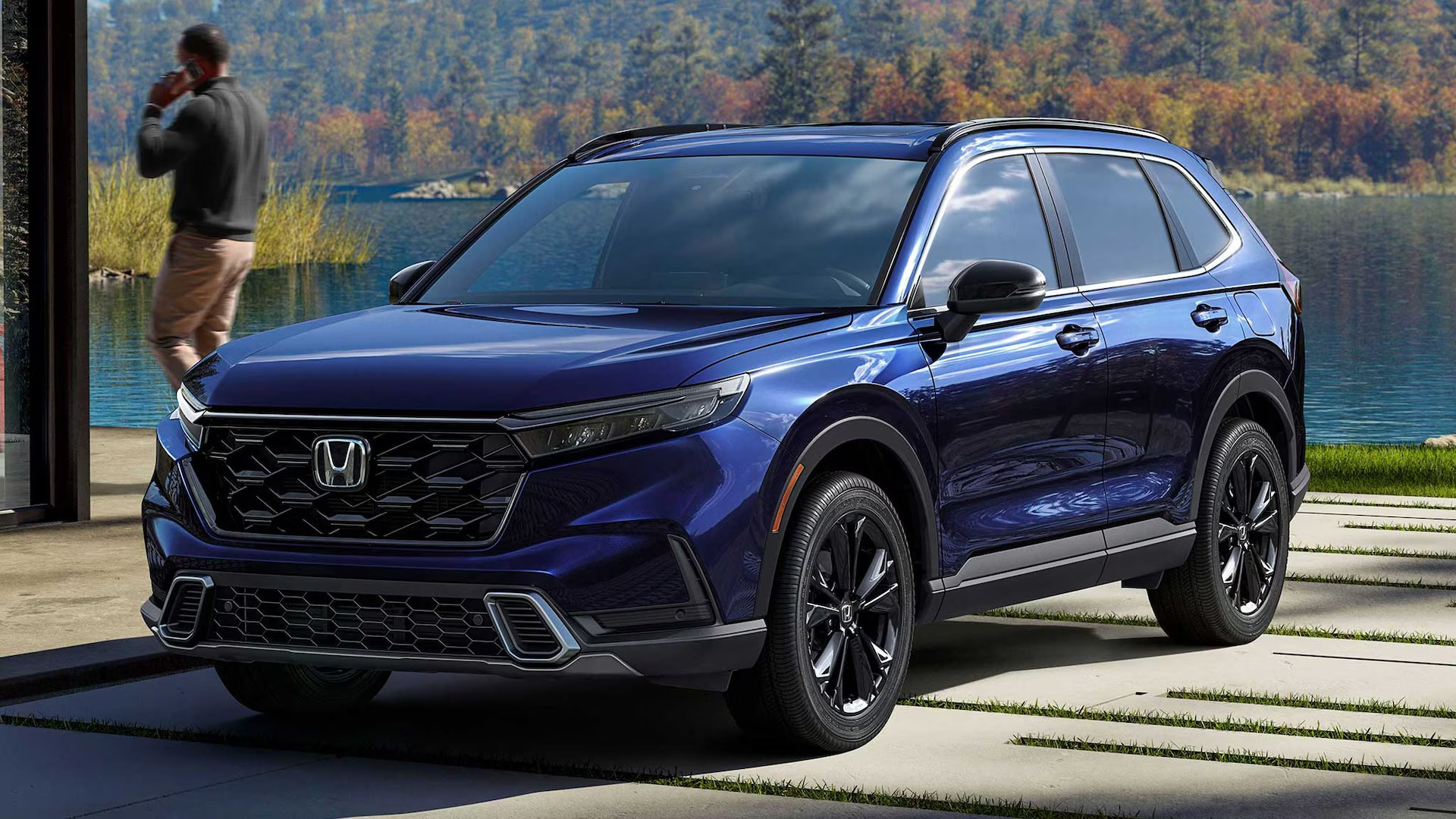
The Honda CR-V Hybrid occupies a key position in one of the most competitive segments in the automotive market: the compact SUV. Honda has long been a leader in producing reliable, practical vehicles, and the CR-V Hybrid is no exception.
As consumers increasingly seek out fuel-efficient and environmentally friendly vehicles without sacrificing versatility, the CR-V Hybrid meets this demand squarely. Dealers view this model as a crucial component of their inventory because it appeals to a wide range of customers, from families needing space to eco-conscious commuters.
What makes the CR-V Hybrid particularly attractive is its balance of performance, efficiency, and everyday usability. The hybrid powertrain offers significant improvements in fuel economy compared to conventional gas models, which appeals not only to buyers wanting to save at the pump but also to those influenced by growing environmental concerns.
Honda’s engineering delivers this without compromising the CR-V’s smooth ride, spacious interior, or well-appointed cabin features, allowing it to compete successfully against both hybrid and non-hybrid rivals.
For dealers, the CR-V Hybrid also presents financial advantages. Hybrids typically command slightly higher price points and better margins than their purely gasoline counterparts, making them more profitable.
Furthermore, as fuel prices fluctuate and governmental incentives for hybrids remain in place, the model becomes an even stronger selling point. The CR-V’s strong reputation for reliability and low ownership costs boosts buyer confidence, resulting in quicker sales and less time spent in inventory.
Another factor driving dealer demand is the broad appeal of the compact SUV segment itself. Consumers increasingly prefer SUVs for their versatility, higher driving position, and perceived safety advantages.
The CR-V Hybrid ticks all those boxes while appealing to customers wanting an eco-friendly option, making it a critical vehicle for dealers looking to attract a diverse clientele. In a market crowded with options, the CR-V Hybrid’s proven track record, strong brand reputation, and hybrid technology make it a highly sought-after vehicle.
4. Tesla Model Y
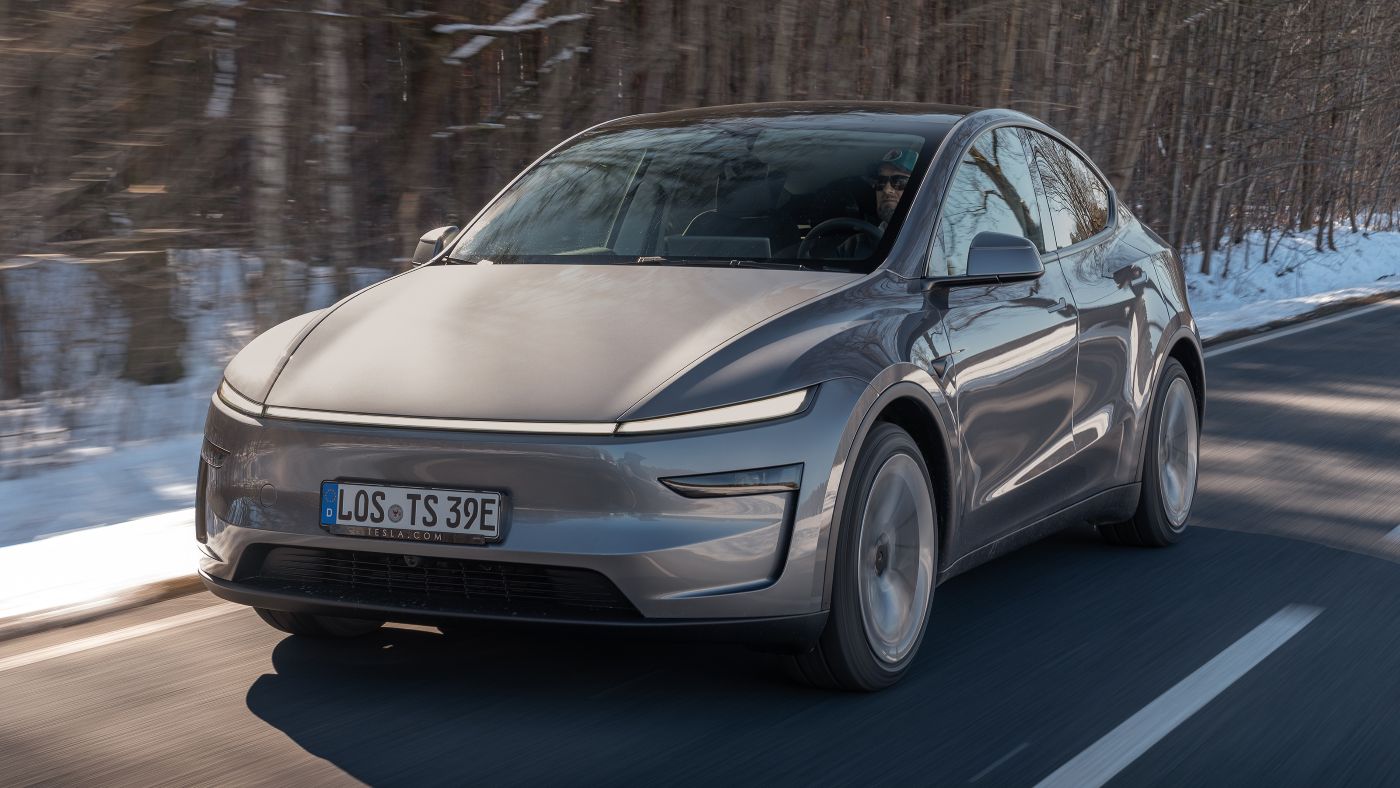
The Tesla Model Y has emerged as a juggernaut in the electric vehicle market and, arguably, the automotive world at large. As a compact electric SUV built on Tesla’s acclaimed platform, the Model Y combines impressive range, performance, and technology, making it a preferred choice among EV buyers.
Even though Tesla operates a direct-sales model, many used and certified pre-owned dealers are eager to acquire Model Ys due to their continued popularity and rapid turnover in the used EV market.
What sets the Model Y apart—and why dealers want it so badly—is Tesla’s seamless integration of cutting-edge technology, from its battery efficiency and Supercharger network to its advanced autopilot capabilities and frequent over-the-air software updates.
These features keep the vehicle competitive and exciting long after purchase, creating a strong loyalty base. Buyers who are interested in EVs often gravitate toward Tesla because of its brand cachet, innovation, and robust charging infrastructure, which reduces “range anxiety” and enhances the ownership experience.
Dealers who focus on used or certified pre-owned EVs view the Model Y as a star performer that attracts a younger, tech-savvy demographic eager to transition from traditional vehicles to electric. Its sporty performance combined with the utility of an SUV broadens its appeal beyond typical EV buyers, helping dealers sell the Model Y quickly and often at premium prices.
Additionally, Tesla’s global brand recognition and market dominance position the Model Y as a high-demand model despite the relative scarcity caused by production limitations and supply chain challenges.
Dealers eager to meet the rising demand for EVs understand that having a Model Y in inventory increases showroom foot traffic and helps position their business as forward-looking and customer-focused.
5. Jeep Wrangler 4xe
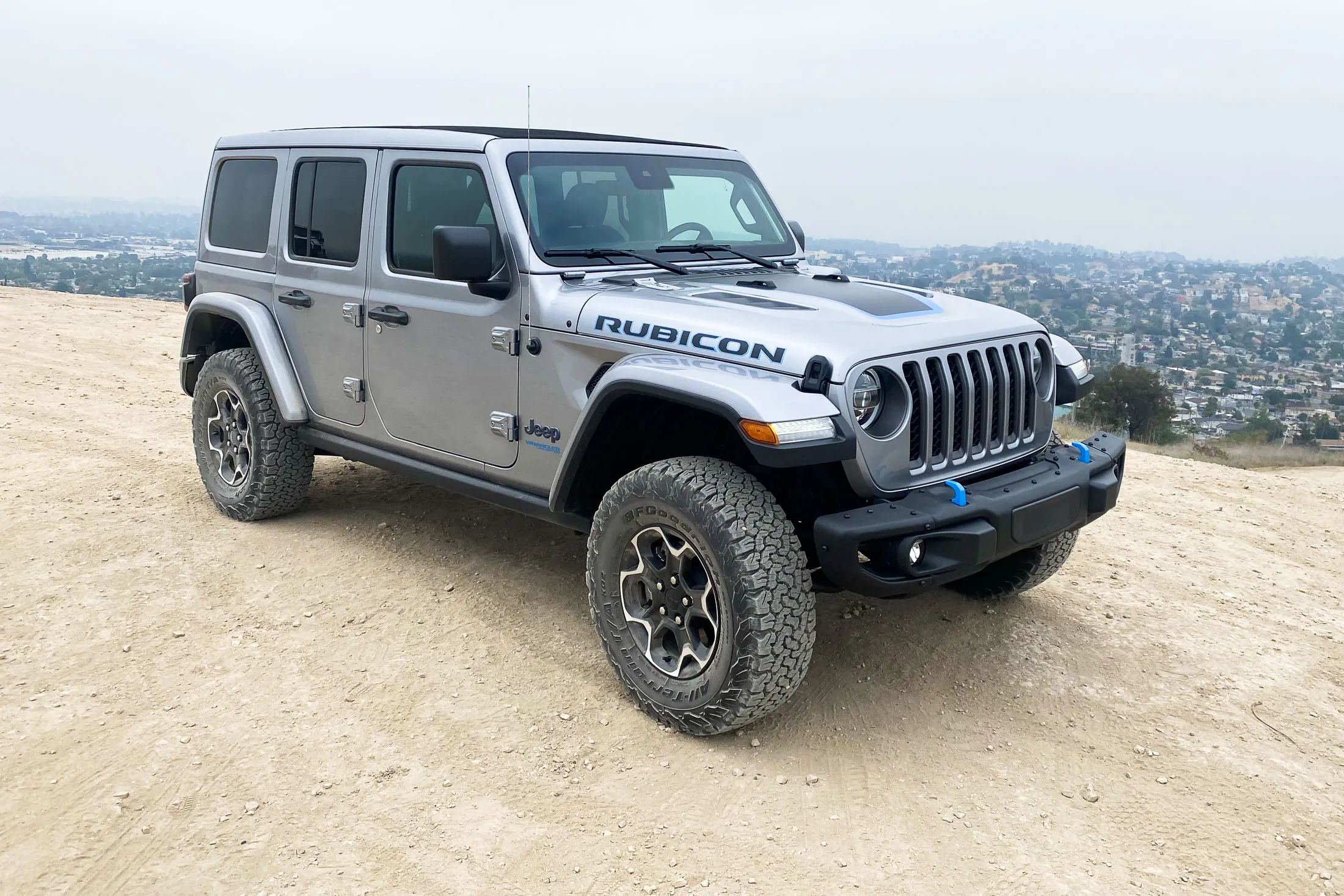
The Jeep Wrangler 4xe stands at a unique intersection between traditional automotive enthusiasm and the accelerating push toward electrification.
As Jeep’s plug-in hybrid electric version of its iconic Wrangler, the 4xe combines the classic off-road capability and styling Jeep is known for with a modern, more environmentally responsible powertrain.
Dealers are increasingly keen on this model because it appeals to both traditional Jeep fans and a new generation of buyers interested in electrified vehicles.
The Wrangler 4xe addresses a significant challenge for the off-road segment: how to maintain performance and adventure appeal while meeting stricter emissions standards and consumer demands for greener technology.
Its plug-in hybrid system allows for pure electric driving in urban settings—great for reducing emissions and fuel use—while still delivering the horsepower and torque needed for rugged off-road excursions. This versatility broadens the vehicle’s market appeal and strengthens dealer confidence in its sell-through potential.
For dealers, the Wrangler 4xe is a gateway to capturing customers transitioning to electrification without giving up the rugged lifestyle brand that Jeep represents.
Younger buyers, urban dwellers, and environmentally conscious consumers who still want the iconic Jeep look and capability find this model especially appealing. The vehicle benefits from a strong brand legacy and high visibility, generating showroom visits and test drives that often convert to sales.
Moreover, government incentives and tax credits for plug-in hybrids enhance the vehicle’s affordability, helping dealers close deals faster. The Wrangler 4xe also contributes to dealership image, signaling a commitment to sustainability and innovation while honoring Jeep’s adventurous spirit. This balance makes it a highly desired model that dealers want to stock and sell as the market shifts toward electrification.
5 Models That Sit on Transport Trucks
1. Nissan Sentra
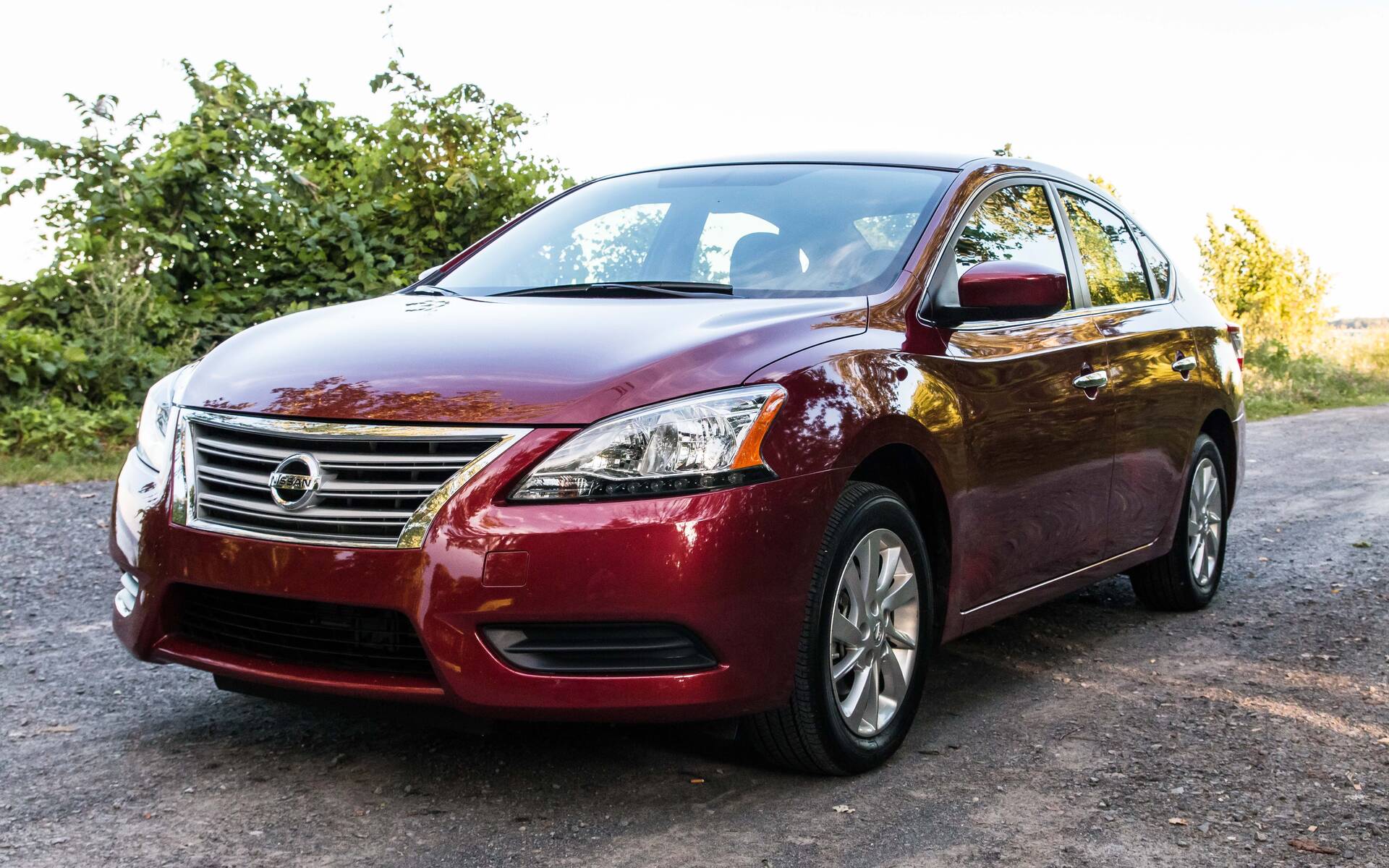
The Nissan Sentra, once a stalwart of the compact sedan segment, has faced declining popularity over recent years, resulting in many units languishing on transport trucks and dealership lots. The shifting consumer preference toward SUVs and crossovers has severely impacted the compact sedan market overall, but the Sentra, in particular, struggles to keep pace.
While it has been known for affordability and reliability, these qualities alone are no longer enough to attract buyers who now prioritize space, versatility, and more advanced technology—areas where compact sedans traditionally lag behind their SUV counterparts.
From a styling perspective, the Sentra has often been criticized for its conservative and uninspiring design. In an era where consumers are drawn to vehicles that offer bold aesthetics and modern touches, the Sentra’s look is often described as bland or dated.
This lack of visual excitement reduces showroom appeal, causing many potential buyers to skip it in favor of more striking competitors. Additionally, the Sentra’s interior, while practical, lacks the premium feel and advanced infotainment features increasingly demanded by today’s buyers, making it less competitive in a segment flooded with newer and more tech-savvy options.
The Sentra’s performance and fuel economy, while reasonable, are also overshadowed by many rivals that provide more dynamic driving experiences or better efficiency, including hybrids and electrified alternatives. This lack of a compelling edge puts pressure on dealers who find it difficult to move inventory quickly.
They often resort to significant discounts or incentives, which cut into profit margins and reduce the model’s attractiveness from a business standpoint. As a result, many Sentras end up sitting on transport trucks longer than desired, waiting for buyers willing to overlook these shortcomings.
Moreover, Nissan’s strategic focus has shifted over time, with less emphasis on sedans in the North American market. The company has prioritized crossovers and electric vehicles, leaving the Sentra somewhat sidelined. This strategic de-emphasis has translated to reduced marketing efforts and dealer enthusiasm, further compounding the model’s sales struggles.
For dealers, this means less support and lower sales velocity, making the Sentra a model that often accumulates on lots or transport trucks, symbolizing the wider challenges faced by traditional compact sedans today.
2. Chrysler Pacifica
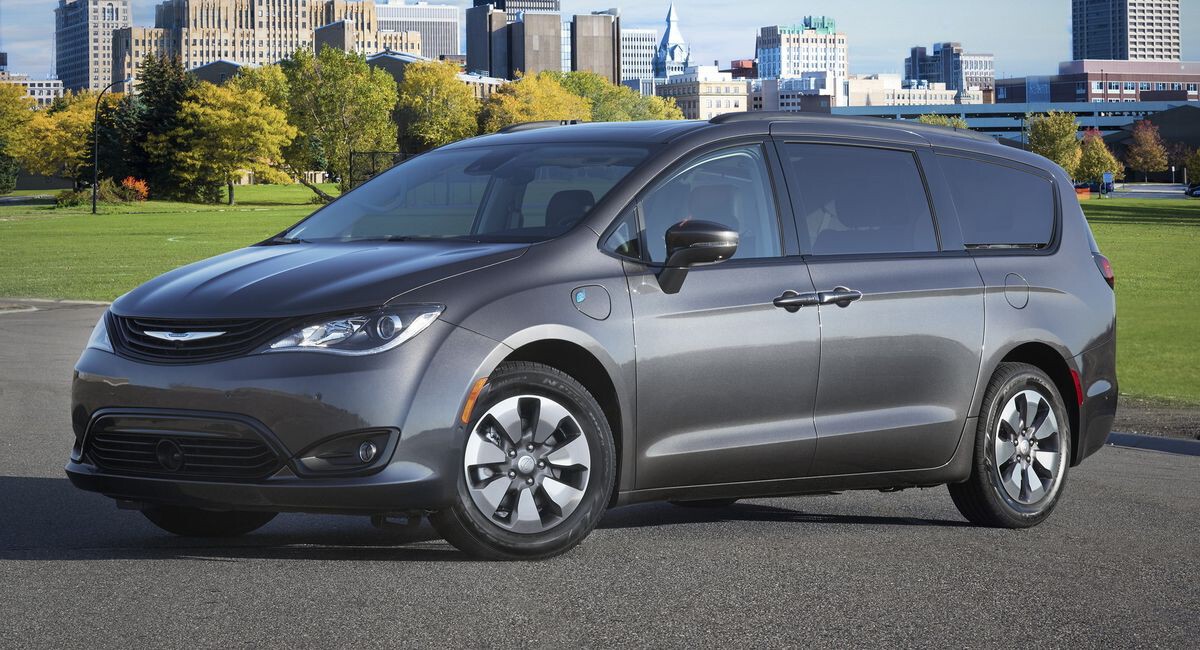
The Chrysler Pacifica is one of the more innovative offerings in the minivan segment, known for its family-friendly features and available plug-in hybrid powertrain. However, despite these attributes, the Pacifica often finds itself lingering on transport trucks and dealership lots for longer than many other vehicles.
This issue primarily stems from the minivan segment’s shrinking popularity, as families increasingly gravitate toward SUVs and crossovers, which provide similar or better passenger and cargo space but with a more fashionable image.
Minivans like the Pacifica suffer from an outdated stigma that many buyers still associate with the “soccer mom” stereotype, making them less appealing, especially to younger demographics. Even with its modern amenities, spacious interior, and practical sliding doors, the Pacifica struggles to shake this perception.
SUVs, by contrast, have benefited from aggressive marketing campaigns that emphasize adventure, ruggedness, and style—qualities that resonate more deeply with contemporary consumers, leaving the Pacifica behind.
From a dealer’s standpoint, the Pacifica’s higher starting price and the availability of similarly priced three-row SUVs create a difficult sales environment. Many consumers will opt for more versatile SUVs, perceiving them as better value or more fitting to their lifestyle, despite the Pacifica’s family-friendly design.
This competition leads to slower sales, causing dealers to accumulate more units than they can sell quickly. The Pacifica’s inventory often builds up, with some vehicles sitting on transport trucks for extended periods as dealers seek ways to move the minivans through incentives or trade deals.
Additionally, Chrysler’s overall brand perception issues have impacted Pacifica sales. The brand’s fluctuating market position and limited dealer network in some areas create further hurdles in attracting customers.
Dealers are sometimes reluctant to heavily invest in stocking Pacificas when turnover is unpredictable, leading to a cycle where the model accumulates in transit or on lots. Despite its strengths, the Pacifica exemplifies how minivans are increasingly challenged by evolving market trends and consumer expectations.
3. Chevrolet Bolt EV
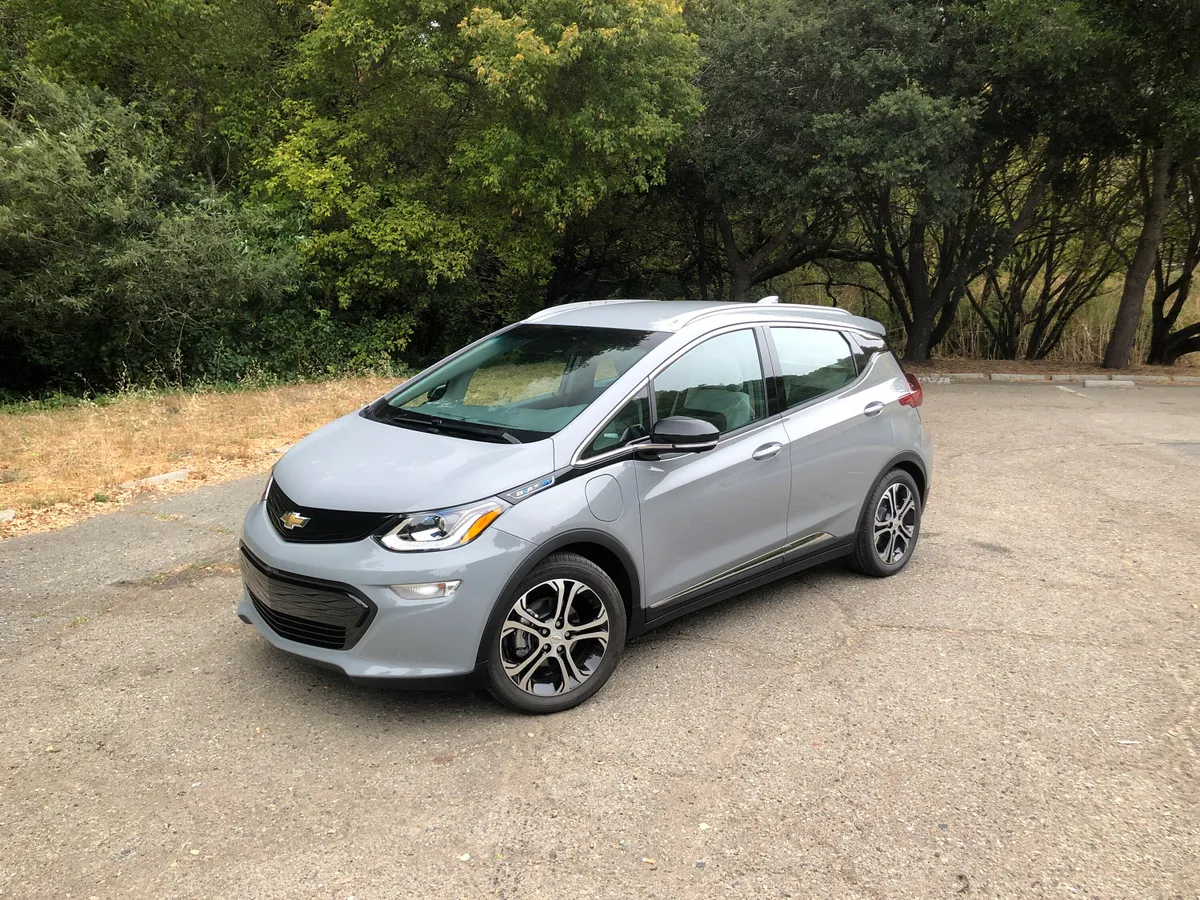
The Chevrolet Bolt EV was an early frontrunner in the affordable electric vehicle market, praised initially for its range and accessible price point. However, as the EV market has rapidly evolved, the Bolt has struggled to keep up with newer competitors offering longer ranges, better features, and more contemporary designs.
This has resulted in many Bolt EVs remaining on transport trucks and dealership lots longer than expected, a frustrating trend for dealers looking to keep pace with shifting EV consumer expectations.
A significant factor contributing to the Bolt’s slow turnover is its widely publicized battery recall and fire risk, which dented consumer confidence. While Chevrolet has taken steps to address these issues with battery replacements and safety updates, the stigma has lingered.
Potential buyers often hesitate or look elsewhere, especially when competing EVs from Tesla, Hyundai, and Kia provide seemingly safer, more attractive alternatives. Dealers must overcome this perception hurdle, which often means offering steep discounts or extra incentives to entice buyers.
The Bolt’s interior and overall design, while functional, feel less premium or advanced than those of rivals, further dampening enthusiasm. Many consumers now expect electric vehicles to deliver not only eco-friendly performance but also cutting-edge technology, upscale interiors, and a refined driving experience.
The Bolt’s more basic offerings in these areas make it less competitive, particularly as newer models enter the market with features like larger touchscreens, advanced driver aids, and longer battery warranties.
From a business perspective, the Bolt’s lower resale values and slower sales velocity create challenges for dealers. Holding onto inventory longer increases carrying costs and reduces the ability to refresh stock with more desirable models.
The surplus of Bolts in transit or on lots forces dealers into aggressive pricing strategies, which can impact profitability. As such, the Bolt EV represents a vehicle that struggles to move efficiently through the dealership pipeline, highlighting the intense competition and fast evolution in the EV sector.
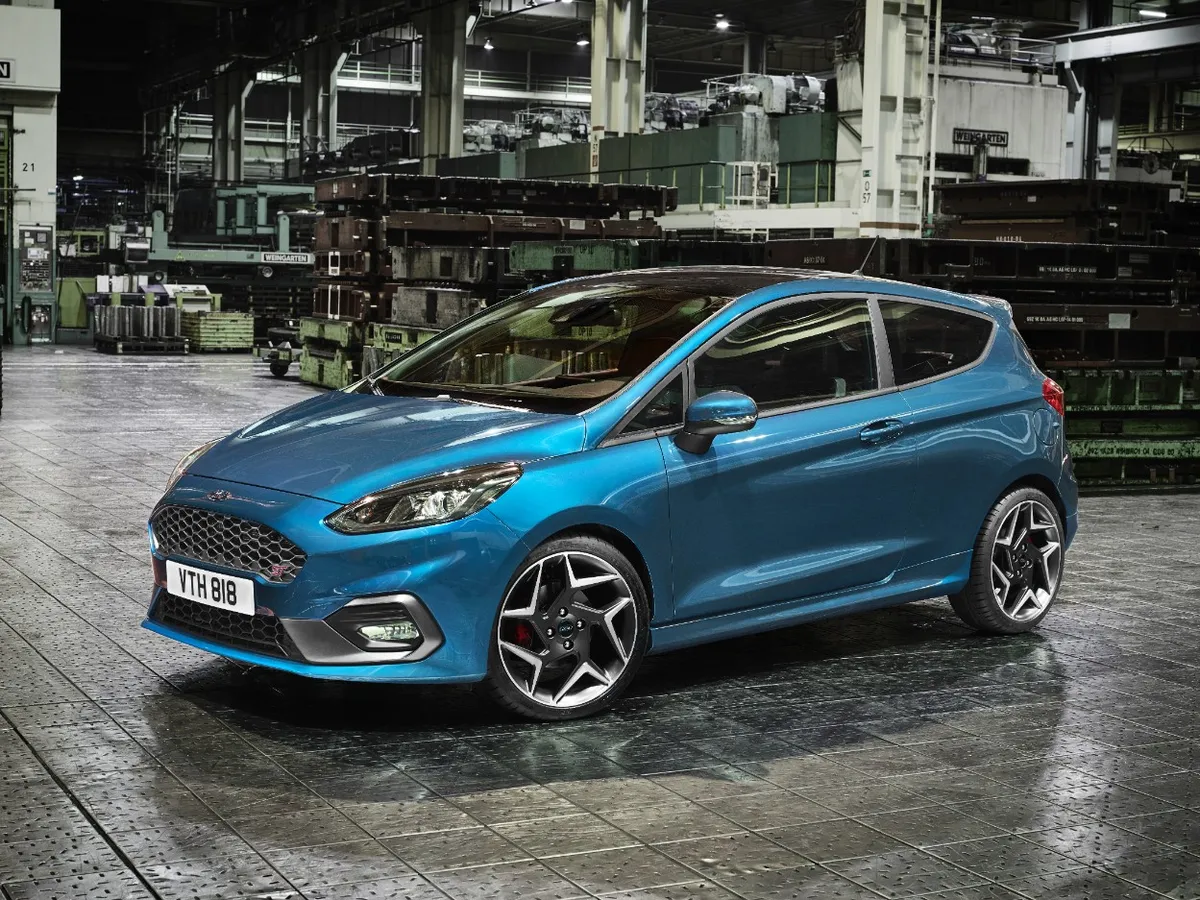
4. Ford Fiesta
Once a popular and affordable choice in the subcompact segment, the Ford Fiesta has become something of a relic in the U.S. market, where consumer preferences have shifted heavily toward larger vehicles.
Ford’s strategic decision to pull back from small cars in favor of SUVs and trucks has compounded the Fiesta’s decline, leaving dealers with excess inventory that often remains on transport trucks or dealership lots for extended periods. This model’s slow turnover reflects broader trends away from compact cars in America.
The Fiesta’s aging platform and dated design have not kept pace with evolving consumer expectations for style, technology, and performance. Buyers looking for small cars now often prefer newer options that provide better infotainment systems, more safety features, and higher fuel efficiency.
The Fiesta’s limited feature set and cramped interior no longer meet these expectations, making it less competitive against newer offerings from competitors like Hyundai, Kia, and Toyota.
Dealer enthusiasm for the Fiesta has waned as well. Many dealers find the car challenging to move profitably, given its declining popularity and low margins. Incentives and discounts often have to be steep to attract buyers, eating into dealer profits and making the Fiesta less attractive as a core inventory item.
This dynamic leads to increased hold times on trucks or lots, further tying up valuable space and resources that dealers would rather allocate to more popular models.
Moreover, the Fiesta’s shrinking availability reflects Ford’s shifting priorities. The company’s renewed focus on electrification and large vehicle segments signals a retreat from small car investments, resulting in fewer marketing dollars and limited updates for the Fiesta.
This lack of support further diminishes dealer interest in promoting or stocking the model, ensuring that many units remain unsold for long stretches. The Ford Fiesta’s situation is emblematic of the challenges faced by traditional subcompact cars in today’s SUV-dominated market.
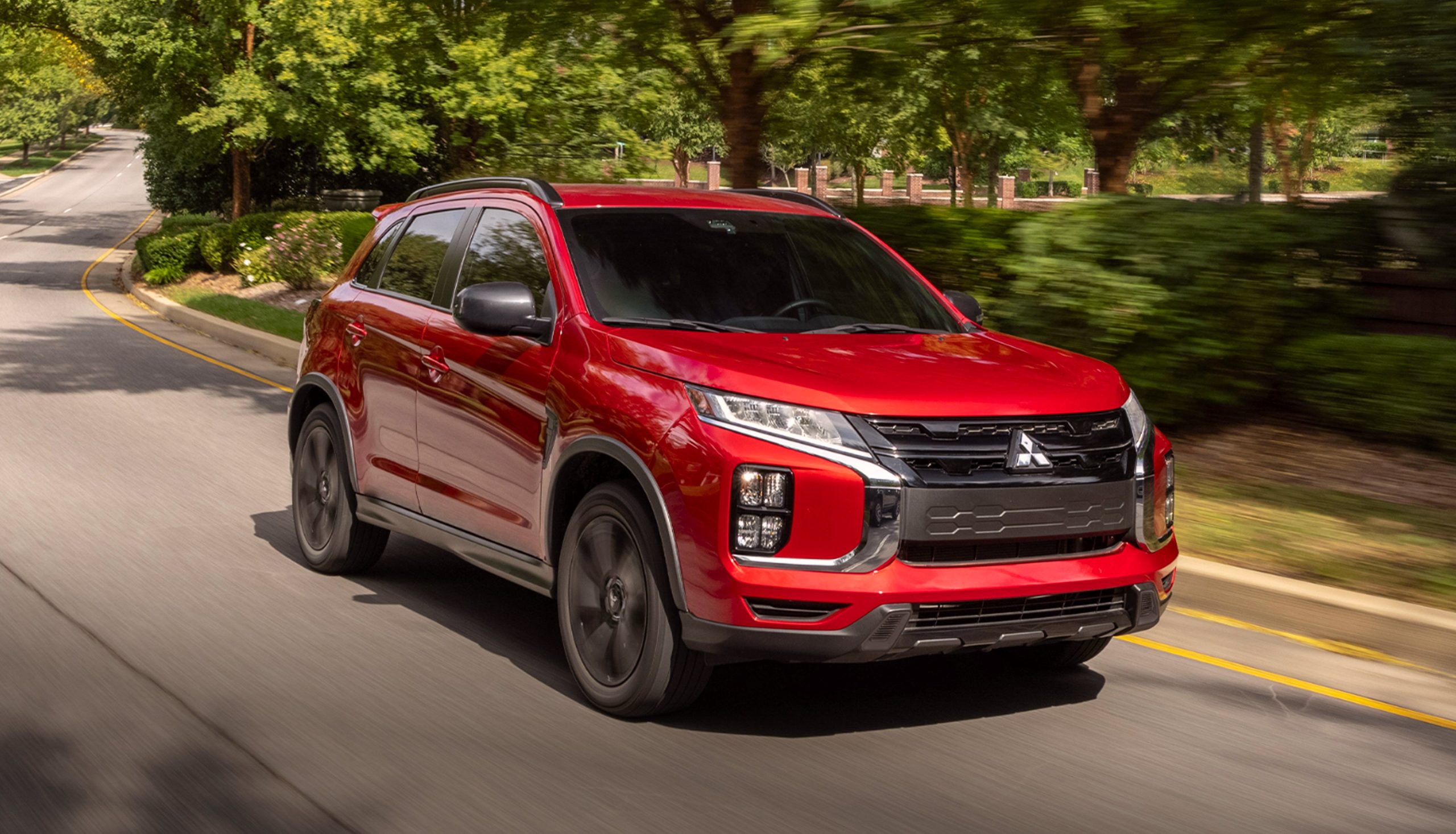
5. Mitsubishi Outlander Sport
The Mitsubishi Outlander Sport faces a host of challenges that result in it often sitting on transport trucks longer than dealers would like. While the compact crossover segment is one of the fastest-growing and most competitive categories in the auto market, the Outlander Sport has struggled to differentiate itself amid strong competition from well-established rivals.
Dealers often find it difficult to sell the Outlander Sport quickly due to brand perception issues and the model’s dated design and feature set.
Mitsubishi’s relatively limited marketing budget and dealership presence compared to larger brands like Toyota and Honda mean that the Outlander Sport receives less consumer visibility.
Without aggressive advertising and brand recognition, the vehicle struggles to attract showroom traffic. For many buyers, it simply doesn’t stand out in a sea of compelling crossover options, leading dealers to face slow inventory turnover and mounting unsold stock.
In terms of product offering, the Outlander Sport has fallen behind in areas that matter to today’s buyers. Its interior quality and technology features are often criticized as being less sophisticated than those found in competitors, and the powertrain options lag in terms of performance and efficiency.
These shortcomings reduce its appeal, especially to buyers who are willing to shop around extensively in the crossover market.
From the dealership’s perspective, stocking the Outlander Sport becomes a gamble. Limited consumer demand means that dealers sometimes receive more units than they can sell, leading to vehicles sitting on transport trucks or dealer lots for extended periods.
When these cars do sell, they often require price concessions, further impacting profitability. This cycle makes the Outlander Sport emblematic of the difficulties smaller brands face in maintaining relevance and market share in the competitive compact SUV space.
Also Read: 5 Trucks That Shut Down When Stolen and 5 That Can Be Driven Off in Seconds
The contrasting fates of vehicles in the automotive marketplace reveal much about the evolving preferences of consumers and the strategic responses of manufacturers and dealers.
The five models that dealers want right now—ranging from rugged pickups like the Toyota Tacoma to innovative electric vehicles such as the Ford F-150 Lightning and Tesla Model Y—reflect a marketplace energized by a blend of tradition, innovation, and changing environmental awareness.
These vehicles succeed because they align closely with what today’s buyers prioritize: versatility, technology, sustainability, and a sense of lifestyle identity. Dealers, in turn, benefit from strong demand, brisk sales, and solid profitability, making these models the centerpiece of many dealership strategies.
On the other side, the models that frequently sit on transport trucks or linger unsold demonstrate the risks of being out of sync with market currents. The Nissan Sentra and Ford Fiesta struggle under the weight of declining sedan demand, while the Chrysler Pacifica faces challenges despite its family-friendly design due to shifting consumer attitudes toward minivans.
The Chevrolet Bolt EV’s inventory woes highlight how even innovative early entrants can falter without sustained consumer confidence and continual updates. Meanwhile, the Mitsubishi Outlander Sport exemplifies the uphill battle smaller brands encounter in carving out space within fiercely competitive segments.
This dichotomy underscores how critical it is for automakers to read the market accurately and adapt their lineups accordingly. The success of vehicles like the Honda CR-V Hybrid and Jeep Wrangler 4xe illustrates the value of innovation that meets consumer needs without abandoning beloved brand identities.
Conversely, the struggles of more traditional or under-supported models show that legacy alone cannot guarantee continued success. In a market increasingly driven by electrification, technology, and changing lifestyles, agility and foresight are paramount.
For dealers, these trends emphasize the importance of inventory management and customer understanding. Stocking vehicles that align with current consumer interests reduces the risks of carrying costly inventory and maximizes turnover rates.
At the same time, dealers must be prepared to market and price slower-moving models strategically, perhaps leveraging incentives or finding niche buyers. The ability to balance these competing demands often distinguishes successful dealerships from those that struggle.
From a consumer perspective, recognizing which vehicles are in high demand can guide purchasing decisions, especially in markets where inventory shortages or waiting lists affect availability.
Conversely, awareness of slower-selling models might present opportunities for bargains, provided buyers understand why those vehicles have lost favor. In either case, transparency about supply and demand dynamics benefits all parties involved.
Looking ahead, the trends identified in this comparison are likely to continue shaping the automotive industry. The growing preference for electric and hybrid vehicles, the dominance of SUVs and trucks, and the decline of traditional sedans and minivans are not fleeting phenomena but rather structural shifts in the market.
As manufacturers invest in new technologies and expand their electric lineups, dealers who adapt quickly and align their inventories accordingly will thrive. Conversely, models that fail to evolve risk repeating the fate of those currently stuck on transport trucks.
In conclusion, the analysis of models that dealers want versus those that tend to sit in inventory offers a revealing snapshot of the current automotive landscape. It highlights how consumer demand, technological innovation, and brand strategy converge to shape success or struggle in a highly competitive industry.
Understanding these factors provides critical insights for dealers, manufacturers, and consumers alike, illuminating the vehicles that define today’s market and offering a lens into its future trajectory.
