
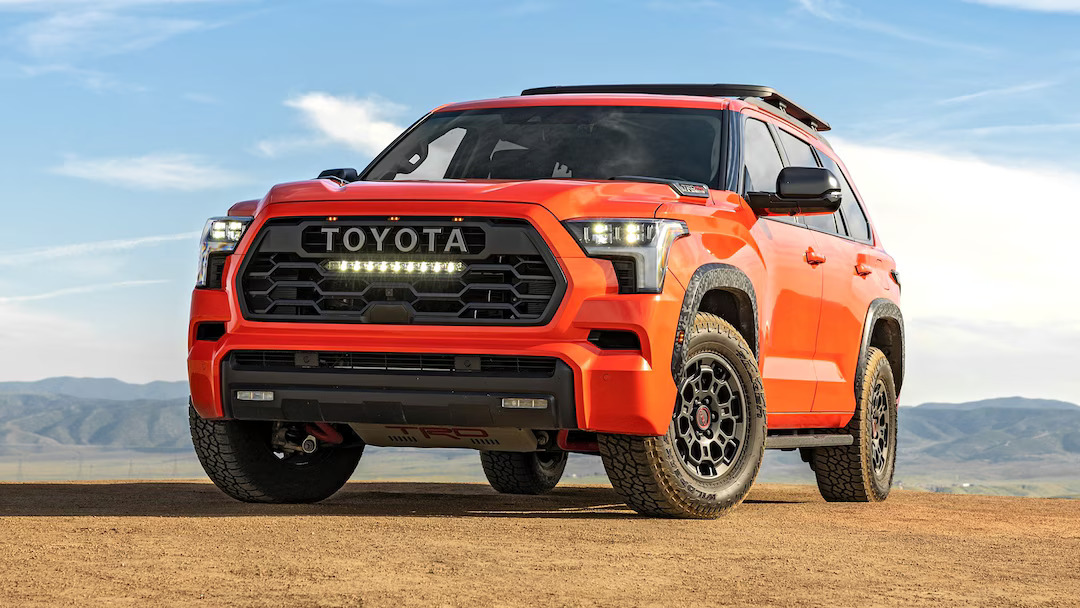
When it comes to towing, not all vehicles are created equal. Whether hauling heavy trailers, boats, campers, or work equipment, the right vehicle can mean the difference between a smooth, reliable journey and a constant battle against mechanical wear, safety risks, or even vehicle failure.
For drivers who rely on their vehicles to tow heavy loads frequently, durability and longevity become just as critical as raw towing capacity. In other words, it’s not enough for a truck or SUV to simply be able to tow a large trailer today—it must also be built to last for decades of use under demanding conditions.
Over the years, certain trucks and SUVs have earned reputations as true towing workhorses—vehicles that owners can count on to keep pulling year after year, often well past the 200,000 or even 300,000-mile marks.
These vehicles combine robust engineering, proven powertrains, heavy-duty frames, and towing-specific technologies to withstand the stress and strain of hauling heavy loads day after day.
What sets them apart is their balance of power, reliability, and maintainability, ensuring that owners don’t just get a capable tow vehicle but one that will deliver consistent performance and longevity.
In this article, we explore ten such vehicles—full-size trucks and SUVs that have proven themselves as champions in the towing arena, vehicles whose durability has been validated by decades of use in real-world conditions.
From traditional heavy-duty pickups to full-size SUVs with truck underpinnings, these vehicles represent the pinnacle of towing longevity. They have earned the trust of contractors, families, outdoor enthusiasts, and fleet managers alike.
Each vehicle we discuss is selected for its combination of strong towing capabilities, mechanical resilience, and overall build quality. We’ll look beyond just horsepower and torque numbers to consider the engineering details that contribute to long-term durability, such as frame design, suspension tuning, powertrain reliability, and towing technologies like trailer sway control and integrated brake controllers.
We also consider factors like aftermarket support, maintenance accessibility, and the ability to withstand the rigors of daily towing use. Whether you’re shopping for a new tow vehicle or looking for a dependable used option that will serve you for years, understanding the qualities that make these trucks and SUVs stand out can guide your decision.
Towing is tough on vehicles, but the right design choices and attention to durability can make all the difference. These ten vehicles offer proof that with proper maintenance and care, a tow rig can be both powerful and enduring.
ALSO READ: 5 Hybrids with Smooth Brake Feel and 5 with Grabby Regen
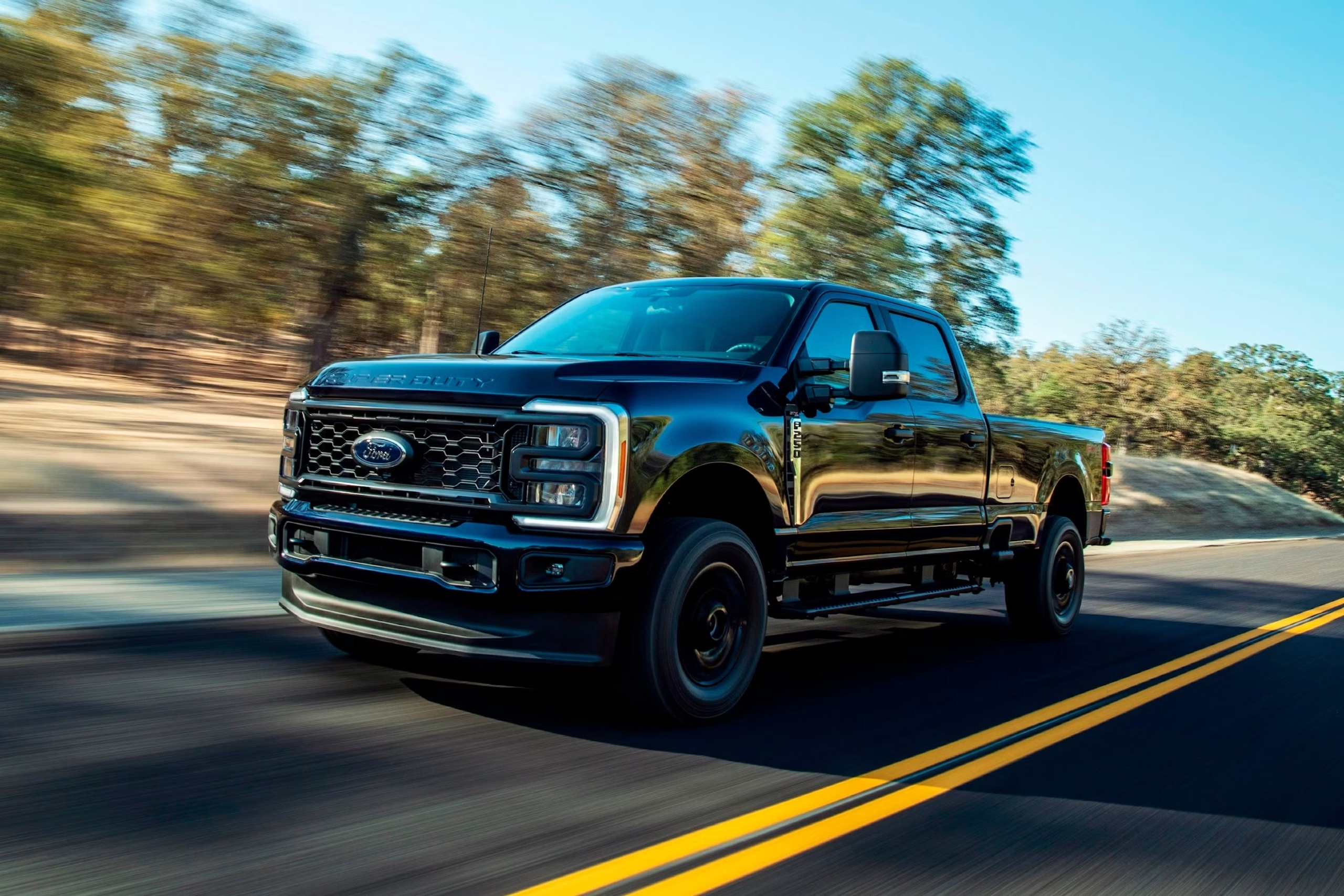
1. Ford F-250 Super Duty: The Long-Haul Legend
The Ford F-250 Super Duty has long stood as a symbol of unwavering American engineering—a truck built to tow, haul, and power through the toughest jobs imaginable. It sits in the “Super Duty” line between the lighter F-150 and the massive F-350 and beyond, offering what many see as the perfect balance between everyday usability and extreme capacity.
What sets the F-250 apart is its purposeful design, engineered from the frame up to be a towing and hauling machine. This isn’t just a truck with a strong engine—it’s a vehicle built around the principle of pulling weight with minimal strain, trip after trip, year after year.
One of the most enduring engines offered in the F-250 line is the 6.7L Power Stroke turbo diesel V8. This engine has gained a reputation for both sheer power and long-term reliability. With upwards of 1,050 lb-ft of torque in recent versions, the Power Stroke doesn’t just tow heavy—it does it without overexerting itself.
This matters when you’re towing 12,000 pounds up a mountain road or dragging a loaded trailer across the plains. And because the engine rarely needs to work at full capacity unless truly pushed, it can last significantly longer than smaller engines doing the same job.
In addition to the Power Stroke, Ford has also offered durable gasoline engines like the 6.2L V8 and, more recently, the 7.3L “Godzilla” V8. These engines may not match the diesel’s torque, but they still offer impressive towing numbers with simpler maintenance.
The 6.2L, in particular, has proven itself to be a low-maintenance workhorse in fleets across the country. Combined with Ford’s TorqShift heavy-duty transmissions—known for their stout construction and heat resistance—these drivetrains are often seen rolling past 300,000 miles with only standard servicing.
Durability in the F-250 isn’t just mechanical—it’s structural. The frame is built from high-strength, fully boxed steel, giving it superior rigidity. This not only helps during heavy towing but also reduces long-term stress fractures and suspension wear. The suspension itself is designed to handle weight without sagging or losing integrity over time.
With solid axles, leaf springs in the rear, and available trailer packages including integrated trailer brake controllers and sway control systems, the truck is as prepared for long-distance hauling as it is for daily job site duty.
What truly enhances the F-250’s legacy is the ecosystem around it. This truck is so widely used in the U.S. that parts are always available, whether through dealers or aftermarket suppliers.
Mechanics know the platform inside and out, which means repairs are fast and predictable. Even better, mechanically inclined owners can service much of the truck themselves, thanks to an abundance of online guides, forums, and how-to videos. The truck’s design prioritizes access and modularity, not just flash.
And when properly maintained, an F-250 Super Duty doesn’t just age—it becomes a generational tool. Many families pass them down through kids, rebuild them for second lives as farm trucks, or retrofit them for RV towing in retirement.
Their interiors may get scuffed and seats worn, but the bones of the truck—engine, frame, drivetrain—often continue forward with purpose and strength. It’s this kind of legacy that makes the F-250 not only one of the most capable trucks for towing, but also one of the longest-lasting, no matter how you use it.
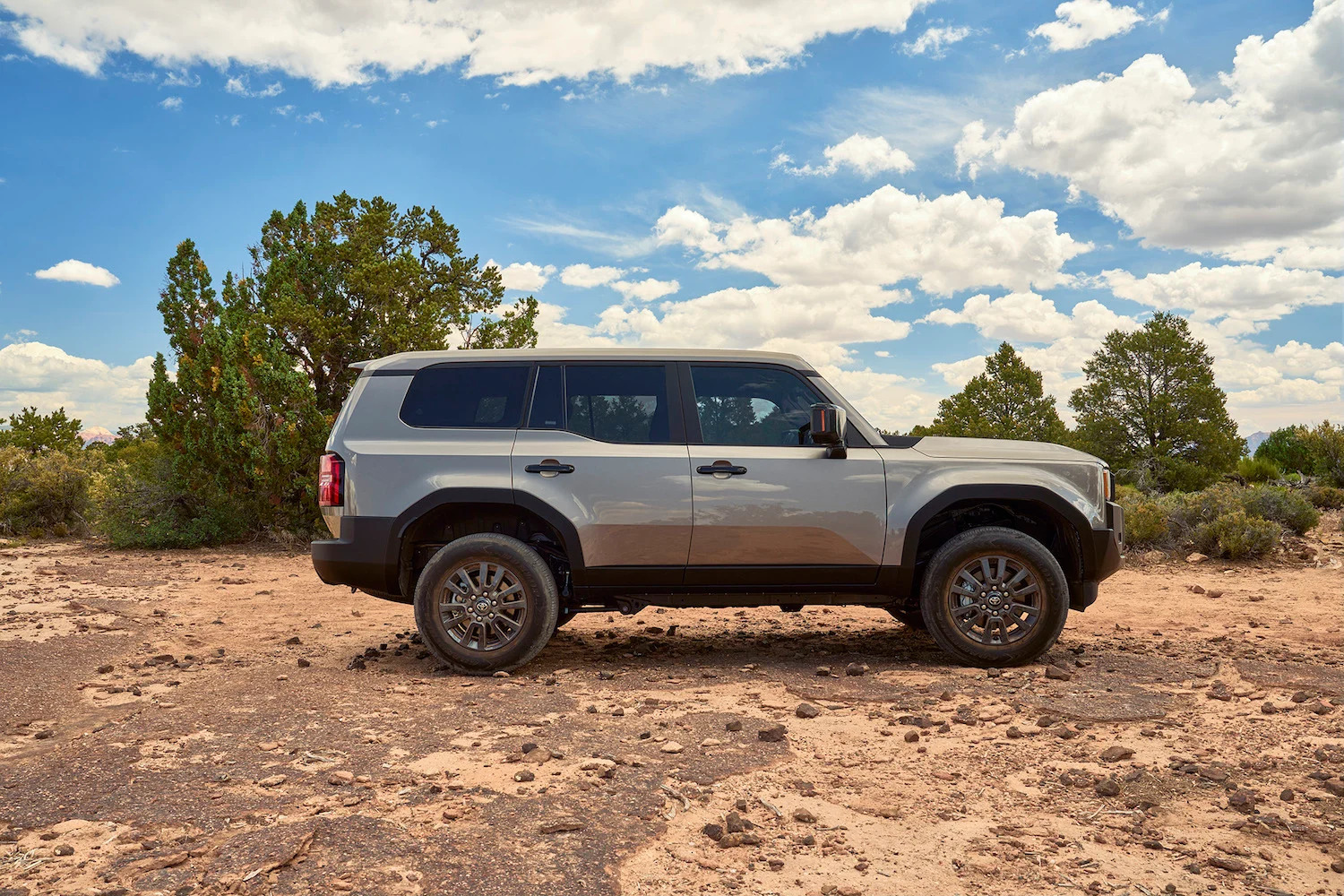
2. Toyota Land Cruiser: The Underrated Tow Titan
The Toyota Land Cruiser occupies a unique space in the automotive world: equal parts luxury SUV, expedition vehicle, and heavy-duty towing machine.
While it may not appear on every list of towing champions, those who’ve driven a Land Cruiser under serious load know it’s built like a tank with a heart of gold. Over the decades, this SUV has developed a mythic reputation for going wherever it’s needed and lasting far longer than expected, often in the harshest places on earth.
Under the hood of U.S.-spec Land Cruisers (especially post-2008), the 5.7L iForce V8 is the centerpiece of its towing power. Producing over 380 horsepower and 400 lb-ft of torque, it may not be the highest-output engine in its class, but it’s built for consistency and endurance.
Mated to a smooth-shifting 6- or 8-speed automatic, this drivetrain doesn’t just deliver power—it does so with absolute smoothness and reliability. It’s a platform designed to pull boats, horse trailers, and campers, all while maintaining full-time four-wheel drive capability.
That full-time 4WD system, unique in many towing-capable SUVs, is one of the Land Cruiser’s hidden strengths. It provides constant traction without needing to switch in and out of modes, which adds confidence when towing in rain, snow, or off-pavement conditions.
The SUV also features a body-on-frame design, which many modern SUVs have abandoned in favor of unibody structures. This robust platform, more akin to a pickup truck than a crossover, gives the Land Cruiser the rigidity and strength needed to manage consistent towing loads without flex or fatigue.
But the real magic of the Land Cruiser lies in its longevity. It’s not uncommon to see Land Cruisers with over 400,000 miles still running well—some even surpassing 500,000 with only basic upkeep. Why? Because Toyota engineered it for extreme environments.
Cooling systems are oversized. Axles are reinforced. Electronics are simplified and hardened. The result is a vehicle that doesn’t just survive abuse—it invites it. And because it’s overbuilt from the start, towing is a routine task, not a special challenge.
The Land Cruiser also benefits from one of the strongest global support networks in the world. Whether you’re in the Australian Outback, Sub-Saharan Africa, or rural Alaska, there’s likely someone who knows how to fix a Land Cruiser.
This extensive parts availability and community knowledge base are why so many older models remain on the road—and still pull trailers, generators, and gear every day.
Critically, the vehicle retains strong resale value, even decades later. Enthusiasts are always looking for well-maintained or restorable examples.
Some are used for off-road overlanding builds, while others become classic tow rigs. And Toyota’s commitment to supporting older models with replacement parts—even after U.S. discontinuation in 2021—ensures that the Land Cruiser legacy will continue, both on highways and trails.
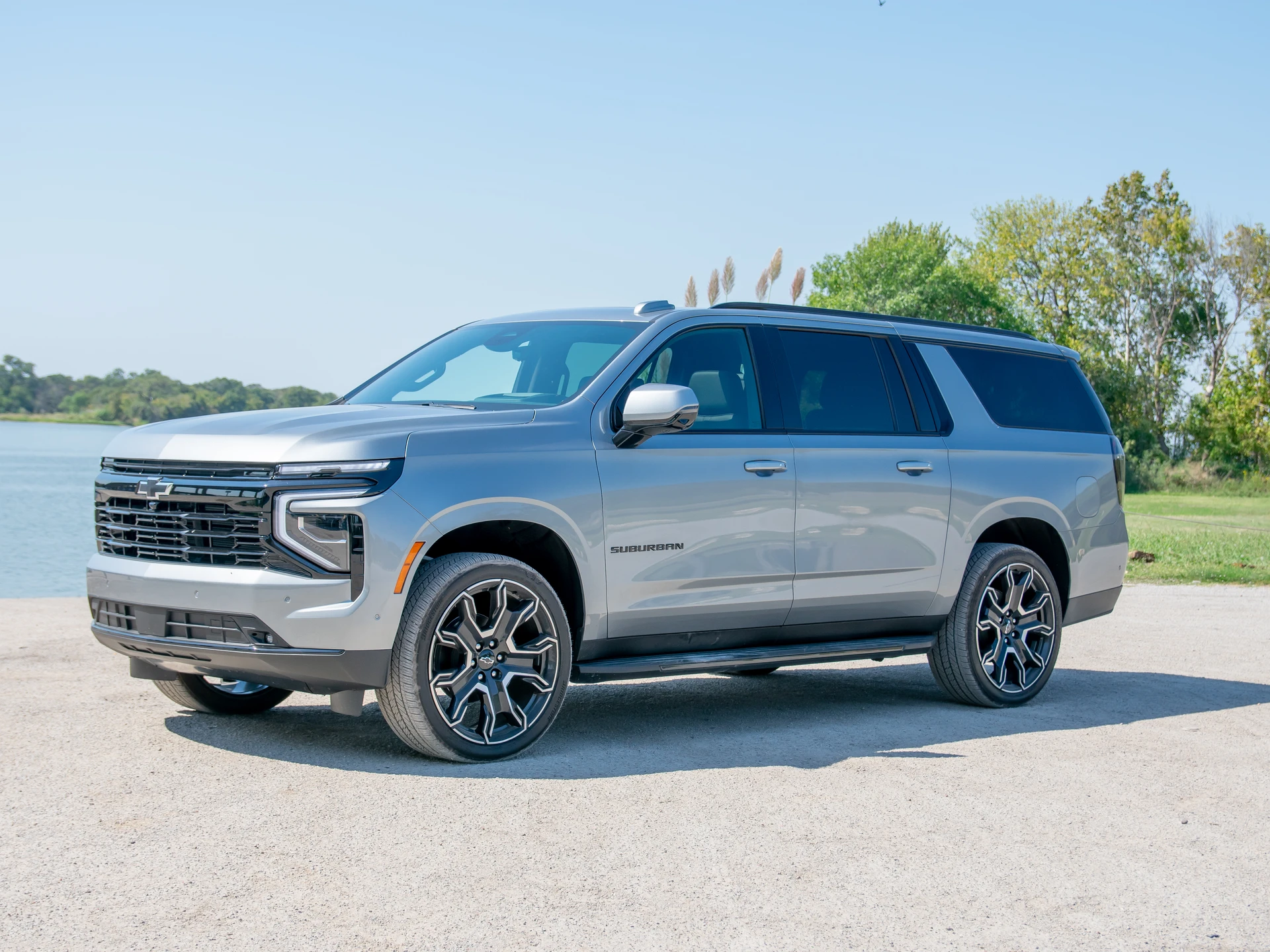
3. Chevrolet Suburban: The Family Hauler That Pulls Its Weight
The Chevrolet Suburban is one of the most recognizable vehicles on American roads, and for good reason. For over 80 years, it has been the go-to choice for families, contractors, government fleets, and outdoor enthusiasts needing a single vehicle that can do it all.
As a tow vehicle, the Suburban strikes a rare balance between passenger space and trailer-pulling strength. But beyond capability, it’s the Suburban’s sheer longevity that cements its place among the best vehicles built for towing that truly last.
At its heart, the Suburban is powered by a lineage of time-tested GM V8 engines. Whether you’re talking about the 5.3L Vortec, the 6.0L L96, or the newer 6.2L EcoTec3, these engines are built with iron block durability and have seen use in everything from ambulances to military vehicles.
Their simplicity, power delivery, and maintainability are the reasons they keep going well past 200,000 miles. When paired with GM’s evolving lineup of robust automatic transmissions, the Suburban delivers a seamless, powerful towing experience—even after years of service.
Structurally, the Suburban shares its DNA with the Chevy Silverado, which means it inherits a fully boxed steel frame, truck-grade suspension, and drivetrain components engineered to handle serious payloads. While not as heavy-duty as a 2500-series pickup, the Suburban can tow up to 8,300 pounds in modern trims—more than enough for most family campers or double-axle trailers.
And with optional tow packages including transmission coolers, trailer sway control, and integrated hitch setups, it’s ready to roll from the factory.
Where the Suburban really earns its long-haul credentials is in its role as a multi-generational workhorse. These vehicles often start as family haulers, move on to become teenage hand-me-downs, then finally retire as towing rigs or rural utility vehicles.
They’re not babied—they’re used. Yet, with regular oil changes, fluid flushes, and minor suspension upkeep, Suburbans keep driving for decades. Many owners report hitting the 300,000-mile mark with original drivetrains and minimal major repairs.
One reason for this endurance is the Suburban’s wide parts availability. Virtually every town mechanic can fix them, and replacement parts are everywhere—from dealer shelves to salvage yards.
Older models, especially from the 1999–2006 and 2007–2014 generations, are often seen towing trailers, boats, or livestock without issue. Interiors may get worn, but the core of the truck remains solid. Even electronics, which can be a failure point in newer SUVs, are relatively basic and modular in most models.
Finally, few vehicles offer the Suburban’s combination of utility, comfort, and economy in one package. It can carry eight people in comfort and tow a trailer at the same time. It’s the all-purpose vehicle that performs each of its purposes well.
And because of its longevity, used Suburbans offer great value in the used market. It’s no wonder they remain a favorite of families who tow today—and their kids who will keep towing tomorrow.
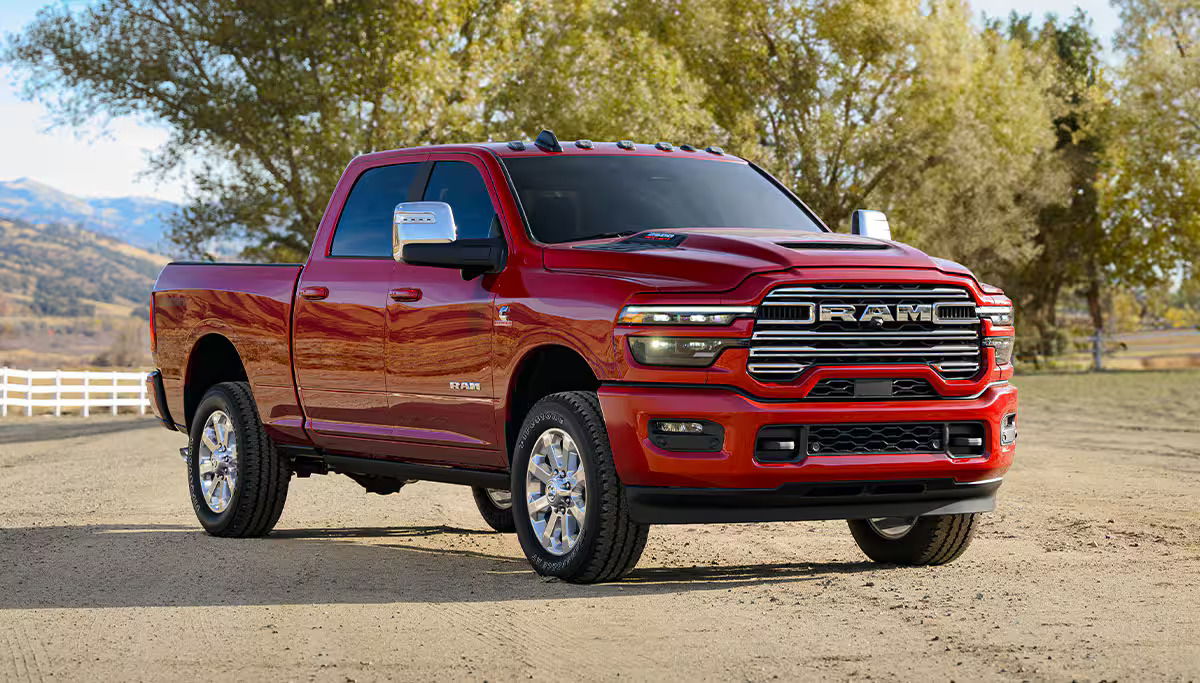
4. Ram 2500: Muscle and Mileage in One Package
The Ram 2500 has evolved over the decades into one of the most respected names in the heavy-duty truck category, particularly for those who need serious towing performance paired with surprising levels of comfort. Once seen primarily as a utilitarian workhorse, recent generations of the Ram 2500 have blurred the line between luxury and labor.
But through all its design changes, one thing has remained consistent: this truck is built to tow—and to do so for a very, very long time.
One of the most celebrated aspects of the Ram 2500 is its optional 6.7-liter Cummins turbo-diesel inline-six engine. While other manufacturers often opt for V8 configurations, the Cummins diesel stands out not just in layout but in proven performance and durability.
With torque figures reaching over 850 lb-ft in many trims, it can tow immense loads, often above 17,000 pounds when properly equipped. And with many Cummins engines known to last 350,000 to 500,000 miles with regular care, it’s not just about how much you can pull—it’s about how long you can keep pulling.
It’s not only the engine that contributes to the Ram 2500’s longevity. Its frame, built from high-strength steel, is designed to reduce flex and endure years of weight stress. The suspension system, which includes optional rear air suspension in newer models, helps manage load leveling and ride quality while under tow.
It’s an advantage both in terms of driver comfort and mechanical longevity, as components face less strain over time. These innovations also mean you can tow confidently on uneven or rural roads where other trucks might feel unstable.
Transmission reliability has also been a strong point, particularly when paired with the Cummins diesel. The 68RFE automatic transmission has proven durable, and the optional Aisin transmission—available in higher trims—is even more robust, designed specifically to manage the diesel’s high torque output.
Owners who’ve used Ram 2500s for years in towing-intensive scenarios consistently praise the durability of these gearboxes when maintained with regular fluid changes and cooling system care.
When it comes to usability, the Ram 2500 doesn’t skimp on tech that enhances towing safety and ease. Features like integrated trailer brake controllers, trailer sway control, tow/haul modes, and extendable mirrors are standard or available across the lineup.
More recent models even offer surround-view trailer cameras, digital rearview mirrors, and air suspension settings tailored for towing—all of which help reduce driver stress and prevent premature wear from avoidable errors or strain.
What makes the Ram 2500 a long-term gem, however, is its adaptability and support community. Whether you’re hauling horse trailers, race car haulers, toy haulers, or heavy landscaping equipment, the truck adjusts easily to the challenge.
And thanks to the massive community of Ram truck owners and Cummins enthusiasts, information on maintenance, upgrades, and repairs is always at your fingertips. Parts are available from OEM and aftermarket suppliers, and older models have become popular platforms for performance tuning or restoration.
Despite past quality concerns, especially with interior fit and finish in early 2000s models, the last decade has seen a clear focus on improving Ram’s reliability record. Interior materials have drastically improved, electronics have become more stable, and build quality now rivals or surpasses that of its American competitors.
Combine that with a powertrain built to tow serious loads for the long haul, and you have a vehicle that doesn’t just age well—it thrives on continued hard use. For many, the Ram 2500 is the sweet spot between industrial-grade durability and daily usability.
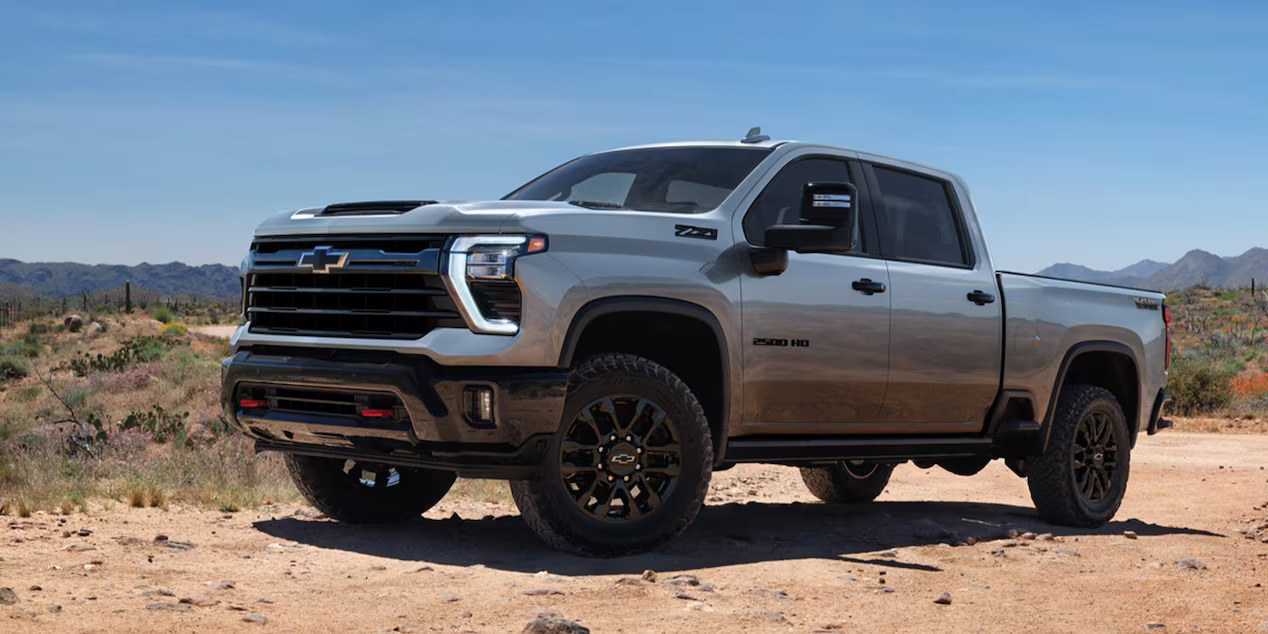
5. Chevrolet Silverado 2500HD: The Quiet Workhorse With Staying Power
In the world of full-size heavy-duty trucks, the Chevrolet Silverado 2500HD doesn’t always draw the flashiest headlines—but among serious towers and truck enthusiasts, it’s quietly built a reputation for being one of the most durable, capable, and practical long-term tow vehicles on the road.
Designed for hard work first and foremost, the Silverado 2500HD isn’t trying to impress with gimmicks—it focuses on raw strength, mechanical resilience, and reliable towing performance that lasts for decades.
One of the Silverado 2500HD’s biggest assets is its engine lineup, particularly the iconic Duramax 6.6-liter turbo-diesel V8. Paired with the legendary Allison 10-speed automatic transmission, this setup has become a gold standard in towing.
The Duramax offers over 900 lb-ft of torque in modern variants, and it’s designed to produce that torque low in the RPM range—exactly where you need it for pulling big loads from a standstill or climbing grades. This combination isn’t just powerful; it’s built to go the distance. Many Duramax/Allison pairings have been known to eclipse 300,000 miles with minimal major repairs.
But even outside of the diesel realm, the Silverado 2500HD’s gasoline engines deserve respect. The 6.6L gasoline V8 introduced in recent years replaced the older 6.0L Vortec, offering stronger towing numbers and improved thermal efficiency.
While gas engines may not always last as long as diesels under heavy towing conditions, they are simpler to maintain and often cheaper to repair—an advantage for owners who prefer to avoid diesel emissions systems and turbo complexity.
Structurally, the Silverado 2500HD is built like a tank. GM uses a high-strength, fully boxed steel frame designed to manage the stresses of frequent towing without developing cracks or flex points.
Its suspension system—especially the rear leaf springs—is tuned for heavy loads, and even base trims come equipped with vital towing hardware like built-in trailer wiring, trailer sway control, and class-leading cooling systems.
The dual alternators and oversized radiators common in diesel trims add extra insurance against overheating, making the Silverado suitable for hauling in hot, high-elevation areas.
Another reason the Silverado lasts so long is its maintainability. GM has designed this truck to be worked on, not just driven. Oil changes are straightforward, spark plugs are accessible, and components like alternators, belts, and radiators are modular and widely available.
In short, it’s a mechanic-friendly vehicle, important for anyone looking to keep their truck on the road for two or three decades. GM also supports older models with OEM parts availability far beyond what many competitors offer.
The Silverado 2500HD also benefits from a reputation for consistency in build quality. Unlike some vehicles that vary wildly from year to year, the Silverado HD trucks tend to receive iterative improvements rather than dramatic redesigns, which results in better parts compatibility and fewer bugs in new releases.
This kind of stability matters when you plan to keep a vehicle long-term—owners know what to expect, and many of the truck’s systems have been battle-tested across millions of miles of combined real-world use.
Owners often cite the Silverado 2500HD’s “invisibility” as part of its charm. It’s not flashy, but it just works—and keeps working. It’s the truck you see pulling a cattle trailer in Nebraska, a car hauler in Texas, or a camper in the Rockies.
It doesn’t need to stand out to stand up. And it’s this unglamorous but deeply functional identity that makes it such a trustworthy companion for those who put serious miles on their vehicles while towing.
Whether bought new for a business fleet or used for family camping trips, the Silverado 2500HD proves its worth through durability. It might not be the loudest or most luxurious heavy-duty truck on the road, but in terms of real-world towing and long-term toughness, it’s a quiet powerhouse—one that’s happy to work hard, every day, for decades.
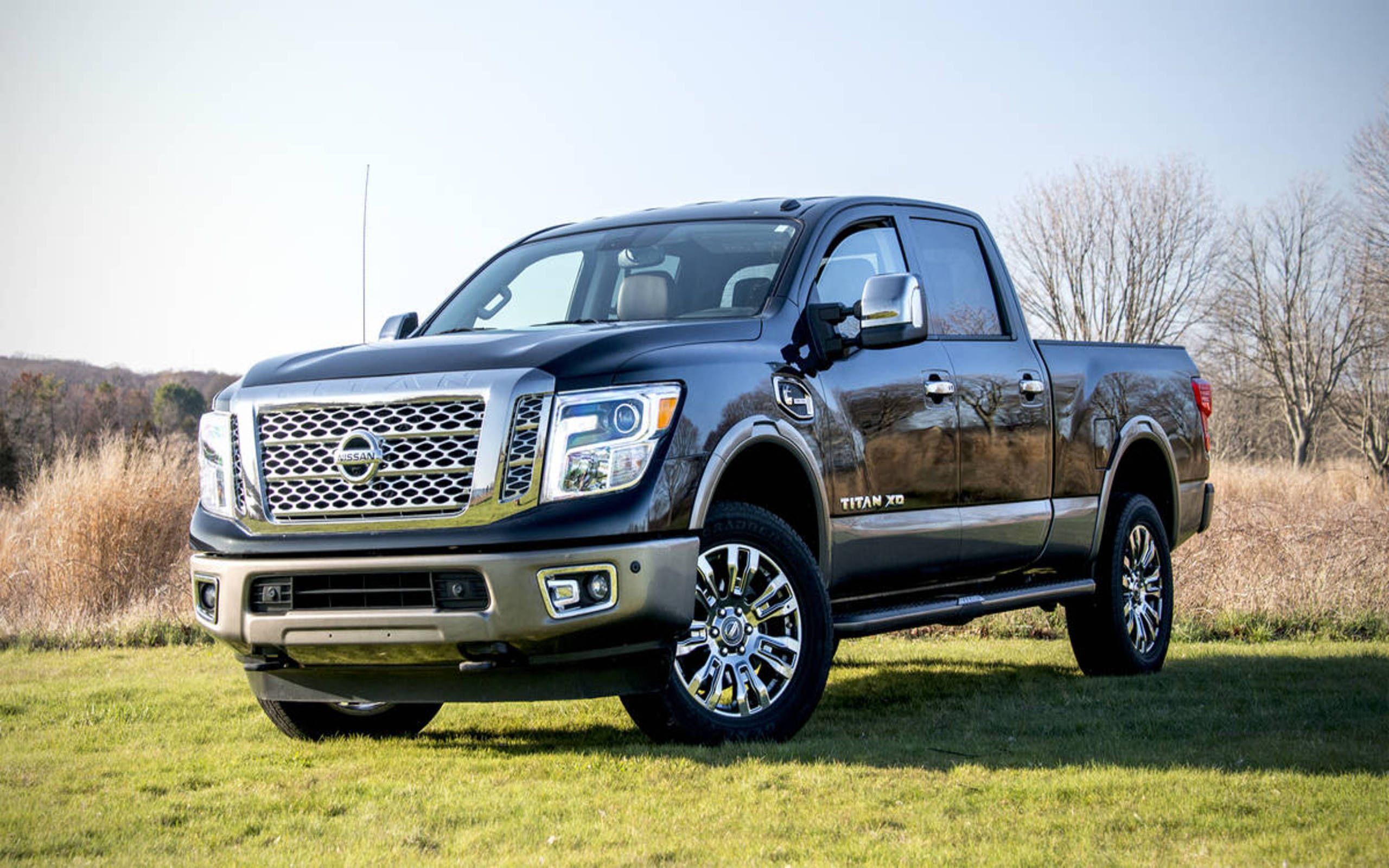
6. Nissan Titan XD: The Halfway Heavy-Duty Option That Lasts
The Nissan Titan XD occupies an intriguing spot in the heavy-duty truck landscape. Launched as a bridge between half-ton and three-quarter-ton trucks, the Titan XD offers towing capacities that rival some 2500-series pickups while maintaining a lighter footprint and typically better ride comfort.
Nissan designed it to attract buyers who need strong towing but don’t want the bulk or fuel consumption of a full HD truck. However, despite being somewhat less common than the Fords or Chevys on this list, the Titan XD has earned a solid reputation for longevity and dependable towing performance.
Powering the Titan XD for many years was the well-regarded 5.0-liter Cummins turbo-diesel V8. This engine delivers excellent low-end torque (upwards of 555 lb-ft), ideal for towing hefty trailers or boats. Unlike most half-ton trucks that rely on gasoline V8s, this diesel engine provided a unique blend of durability and power in its class.
Cummins’ reputation for bulletproof diesels meant many Titan XDs found in commercial or heavy personal use have surpassed 250,000 miles with routine maintenance, proving that Nissan’s strategy was to bring serious longevity to the midsize segment.
Even beyond the engine, Nissan built the Titan XD with towing-focused features that ensure reliability over time. Its frame is reinforced beyond typical half-ton standards to withstand greater stresses. The truck comes with an integrated trailer brake controller, sway control, and an available tow/haul mode to optimize powertrain responses during heavy loads.
Suspension components are beefed up compared to the regular Titan, ensuring less wear and tear when towing or hauling. All of this means the truck’s mechanical underpinnings can handle towing duties for years without premature fatigue.
That said, the Titan XD’s relative rarity means parts availability and aftermarket support are less extensive than some competitors, which can impact longevity for owners who plan to keep their trucks for decades. However, Nissan’s commitment to quality control and design robustness mitigates many concerns.
The onboard electronics and powertrain control modules are engineered to be reliable, and Nissan’s dealer network remains attentive to heavy-duty customers. Proper maintenance routines—oil changes, diesel fuel system care, and cooling system upkeep—are the keys to ensuring these trucks reach their full lifespan potential.
Interestingly, many Titan XD owners cite the truck’s balance of daily drivability and towing power as one of its strengths. Unlike some HD trucks that can feel cumbersome in everyday use, the Titan XD tends to be more maneuverable and comfortable for commuting, while still ready to tow large trailers or campers on weekends or for work.
This balance reduces the risk of early retirement from neglect or impracticality—owners actually enjoy using their trucks year-round, which supports long-term care and attention.
Moreover, the Titan XD’s interior and features have improved over time, with newer models offering upgraded infotainment systems, safety tech, and luxury trims that rival those of mainstream HD pickups.
This contributes indirectly to longevity, as owners who feel good about their trucks tend to maintain them better. Nissan’s warranty coverage, while not class-leading, remains competitive enough to instill confidence in buyers, and many dealers offer extended service plans that make long-term ownership feasible.
In summary, while the Nissan Titan XD may not dominate towing stats or market share like some Ford or GM trucks, it represents a compelling option for those seeking a towing-capable vehicle built to last. Its Cummins diesel engine, reinforced chassis, and thoughtful design allow it to stand the test of time as a reliable tow rig that combines strength with comfort and longevity.
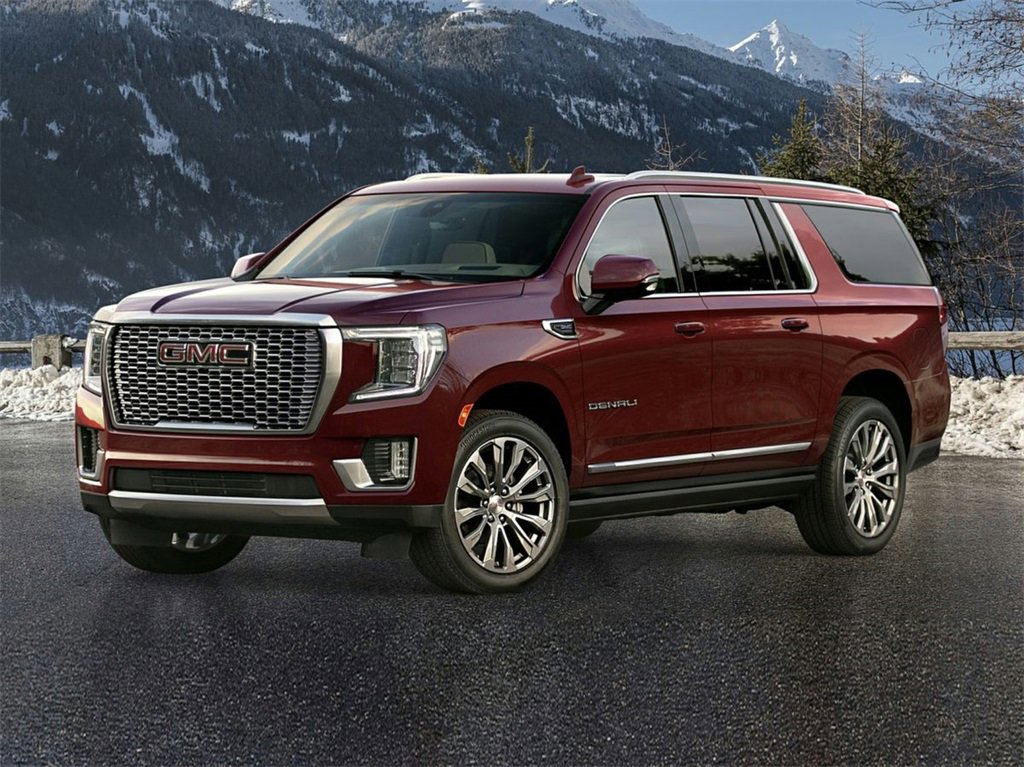
7. GMC Yukon XL: The Full-Size SUV That Hauls and Lasts
The GMC Yukon XL is the larger sibling in the Yukon family, built on the same truck-based platform as the Chevrolet Suburban but with a distinctive focus on luxury and premium features. However, don’t mistake the Yukon XL for just a plush family cruiser.
It’s a powerhouse capable of towing large trailers and boats, and many owners have come to rely on it as a durable, long-lasting towing machine for decades. Its combination of body-on-frame construction, strong engine options, and luxury appointments makes it unique in the full-size SUV segment.
Towing capacity for the Yukon XL varies by engine and configuration but can top out around 8,200 pounds with the 6.2L V8 and towing package—more than enough for most recreational trailers and boats. The standard 5.3L V8, while slightly less powerful, still offers a respectable tow rating of nearly 7,200 pounds.
Both engines are part of GM’s well-regarded family of small-block V8s, known for their solid construction and long service life. Many Yukons from the early 2000s and onward are still on the road today, frequently with over 200,000 miles on their odometers.
A major factor in the Yukon XL’s longevity is its traditional body-on-frame design. This construction method, borrowed from pickup trucks, provides a level of robustness and resistance to wear that unibody SUVs cannot match. The fully boxed steel frame can handle repeated heavy loads without warping or cracking, crucial for those who tow regularly.
Additionally, the suspension is beefed up with heavy-duty components and designed to maintain vehicle stability even when pulling significant trailers, reducing long-term wear on suspension and braking parts.
The drivetrain also benefits from GM’s proven technology. The six-speed automatic transmissions in older models and the newer 8-speed automatics are robust and known for longevity if maintained properly.
Transfer case and four-wheel-drive systems, which are often optional in the Yukon XL, are durable and designed for both on-road and off-road use. This versatility means the Yukon XL is often used for towing in varied conditions, from smooth highways to rugged rural roads, further proving its durability.
Inside, the Yukon XL pairs comfort with practicality. Owners appreciate that these SUVs can transport large families in comfort while still towing a camper or boat. The interior materials tend to age well, and the vehicle’s design allows for easy access to critical systems during maintenance.
The availability of integrated trailer brake controllers and towing-specific displays helps drivers manage large loads safely, further protecting the vehicle from undue mechanical stress over time.
One often overlooked aspect of the Yukon XL’s longevity is its aftermarket and dealer support. Like the Suburban, it benefits from a large network of parts suppliers and service centers familiar with the model.
This access means repairs and upgrades are manageable even for older vehicles, making it feasible to keep a Yukon XL on the road for decades. Many Yukon XL owners are loyal repeat buyers who refurbish or upgrade their SUVs to extend their life and maintain tow readiness.
Lastly, the Yukon XL holds its value well in the used market, especially models with towing packages and diesel engine options (where available). This high resale value reflects the trust buyers place in its durability and capability.
Owners often report that with routine maintenance—fluid changes, brake inspections, suspension upkeep—a Yukon XL can easily cross the 300,000-mile mark while towing regularly, making it one of the few large SUVs to combine luxury and heavy-duty towing in a package that lasts.
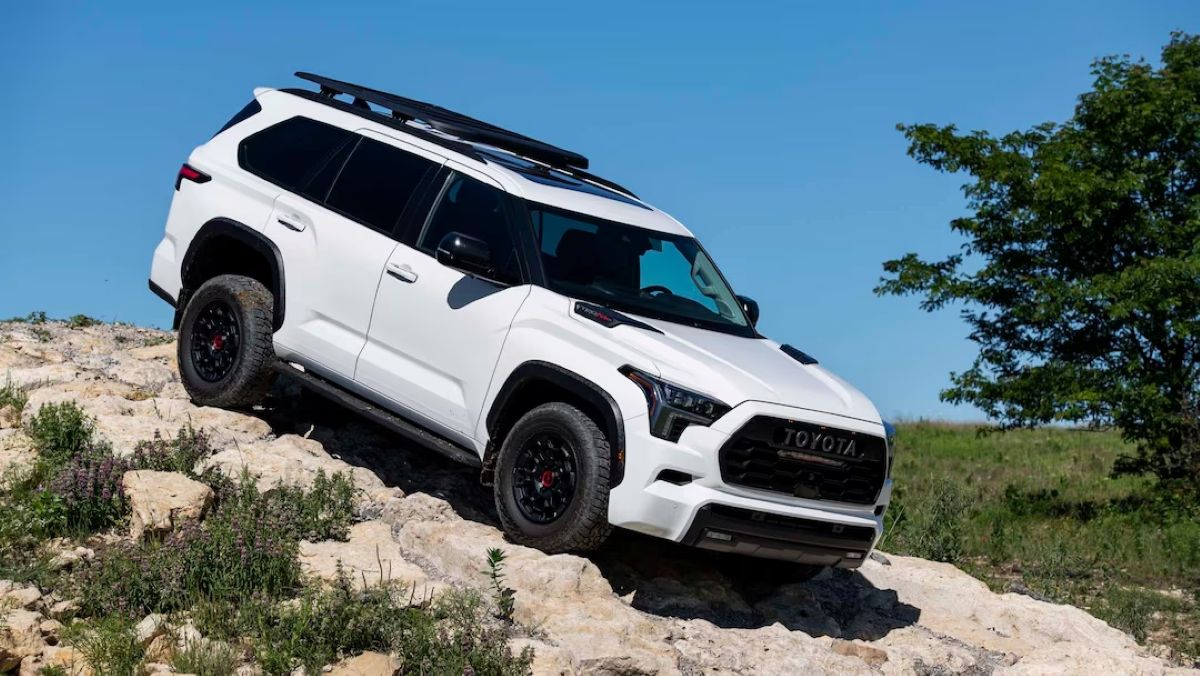
8. Toyota Sequoia: The Sturdy SUV with Surprising Tow Muscle
When it comes to full-size SUVs with the ability to tow significant loads over long periods, the Toyota Sequoia often flies under the radar. But for those who know it, the Sequoia is a dependable, rugged vehicle capable of hauling trailers, boats, and campers without breaking a sweat—and more importantly, it can do so for decades if cared for properly. Built on a truck-based platform with Toyota’s trademark reliability, the Sequoia blends SUV comfort with heavy-duty towing capability.
The most powerful engine option in recent Sequoias is the 5.7L i-FORCE V8, a naturally aspirated engine delivering over 380 horsepower and 400 lb-ft of torque. While not turbocharged like some diesels, this engine is engineered for longevity and smooth power delivery.
The Sequoia’s maximum towing capacity hovers around 7,400 pounds when properly equipped, making it well-suited for family campers and medium-sized trailers. It’s a strong performer, especially considering Toyota’s strict quality standards and focus on durability.
The Sequoia’s body-on-frame construction is a key reason behind its durability. Unlike many newer SUVs built on unibody platforms, the Sequoia shares much of its underpinnings with the Toyota Tundra pickup.
This robust frame reduces chassis flex and helps the vehicle absorb the stresses associated with towing heavy loads. Additionally, the suspension is designed to maintain ride comfort even under load, with multi-link rear suspensions and optional air suspension available on some trims.
Mechanically, the Sequoia is built to last. The drivetrain—especially the 5.7L V8 paired with a 6-speed automatic transmission—has proven remarkably durable in the years since its introduction.
The engine is known for maintaining oil pressure, avoiding overheating, and resisting common wear points like valve seals or timing chain stretch. Toyota’s manufacturing processes emphasize quality control and long-term reliability, meaning many Sequoias continue to run smoothly well past 200,000 miles, even in demanding towing roles.
Towing-specific features on the Sequoia include integrated trailer brake controllers, towing mirrors, and trailer sway control systems. These assist drivers in maintaining control and protecting vehicle components from excessive strain.
Toyota’s reputation for producing vehicles with user-friendly maintenance schedules also benefits long-term owners; oil changes, brake services, and cooling system flushes are straightforward and backed by abundant parts availability.
Interior longevity is another advantage. Toyota designs cabin materials and electronics to withstand the rigors of daily use without premature degradation. This means even older Sequoias maintain a comfortable, functional interior, important for those who spend hours driving with trailers attached.
The Sequoia’s practicality, combined with its ruggedness, makes it a favorite for families and outdoor enthusiasts who tow regularly and expect their vehicles to last.
In the used market, the Toyota Sequoia enjoys strong resale values, driven by demand from buyers who prioritize reliability and towing capacity. Its status as a “workhorse” SUV is well-earned, and many owners report that with routine maintenance and occasional repairs, their Sequoias have served faithfully for decades. Toyota’s ongoing support of parts and service ensures these vehicles remain viable tow rigs for years to come.
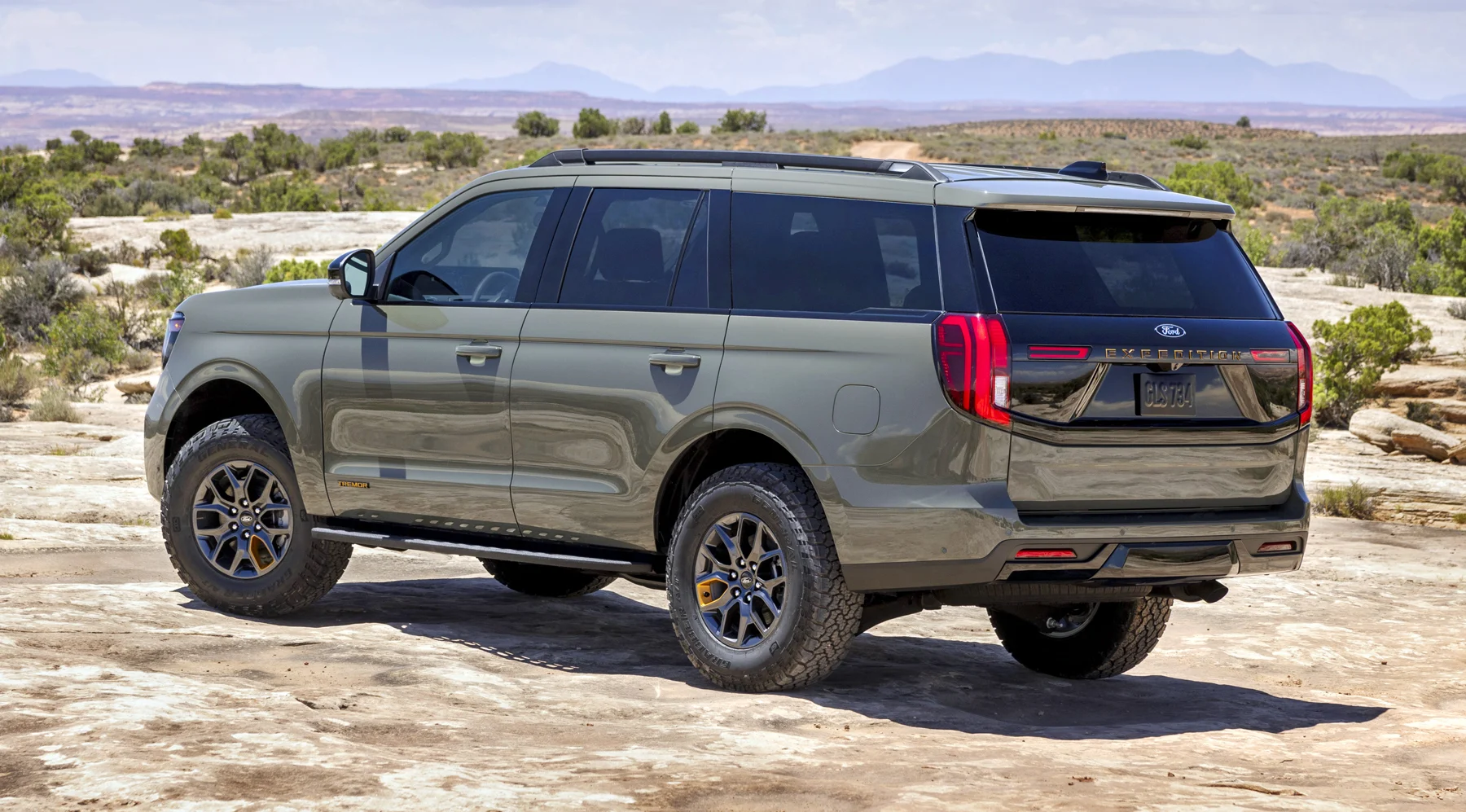
9. Ford Expedition: The American Full-Size SUV That Keeps on Towing
The Ford Expedition is a stalwart in the full-size SUV segment, combining rugged truck-based construction with refined interiors and powerful engines.
While many view it as a family hauler or luxury SUV, it has also earned respect as a durable towing vehicle capable of managing substantial loads over long distances. Its body-on-frame build, potent engine options, and advanced towing technologies position it as a prime candidate for those seeking a tow vehicle that will last decades.
The most recent Ford Expedition models are powered by the 3.5L EcoBoost twin-turbo V6, which, despite its smaller displacement, produces upwards of 400 horsepower and 480 lb-ft of torque. This engine’s forced induction provides excellent low-end torque, crucial for towing heavy trailers without excessive engine strain.
With a maximum towing capacity of around 9,300 pounds when equipped with the heavy-duty tow package, the Expedition rivals many full-size pickup trucks in capability, making it ideal for large campers, horse trailers, and boat towing.
Structurally, the Expedition is built on the same platform as the Ford F-150, benefiting from a high-strength steel frame that is fully boxed to resist flex and fatigue. This construction helps maintain chassis integrity even under repeated heavy towing cycles.
The suspension system includes upgraded shocks, multi-link rear suspension, and optional air suspension that automatically adjusts to trailer weight and road conditions, improving ride quality and vehicle control.
Ford has equipped the Expedition with an array of towing-specific technologies designed to extend vehicle life and improve safety. These include trailer sway control, integrated trailer brake controllers, Pro Trailer Backup Assist (which simplifies reversing with a trailer), and cameras providing multi-angle views of the trailer.
These features reduce driver fatigue and prevent damage caused by improper maneuvering, thereby contributing indirectly to the vehicle’s long-term durability.
One of the Expedition’s strengths in longevity is the reliability of its powertrain and drivetrain components. The EcoBoost engine has proven durable under heavy use, and when paired with Ford’s 10-speed automatic transmission, it offers smooth power delivery and efficient towing performance.
Regular maintenance—particularly oil changes, turbo inspections, and cooling system care—ensures that the powertrain continues performing optimally well beyond 200,000 miles.
Interior comfort and durability are also key to the Expedition’s appeal as a long-term tow vehicle. Owners often note the combination of luxury features with tough materials designed to withstand daily wear.
The large interior space allows for comfortable long-haul driving, whether towing family campers or work trailers. Ford’s extensive dealer and service network means repairs and maintenance are accessible, aiding owners who plan to keep their Expeditions for many years.
Overall, the Ford Expedition remains a compelling choice for those who want a full-size SUV with genuine towing chops and the ability to last decades. Its balance of strength, technology, and comfort ensures it can handle demanding towing tasks without sacrificing everyday usability, making it a smart investment for families and professionals alike.
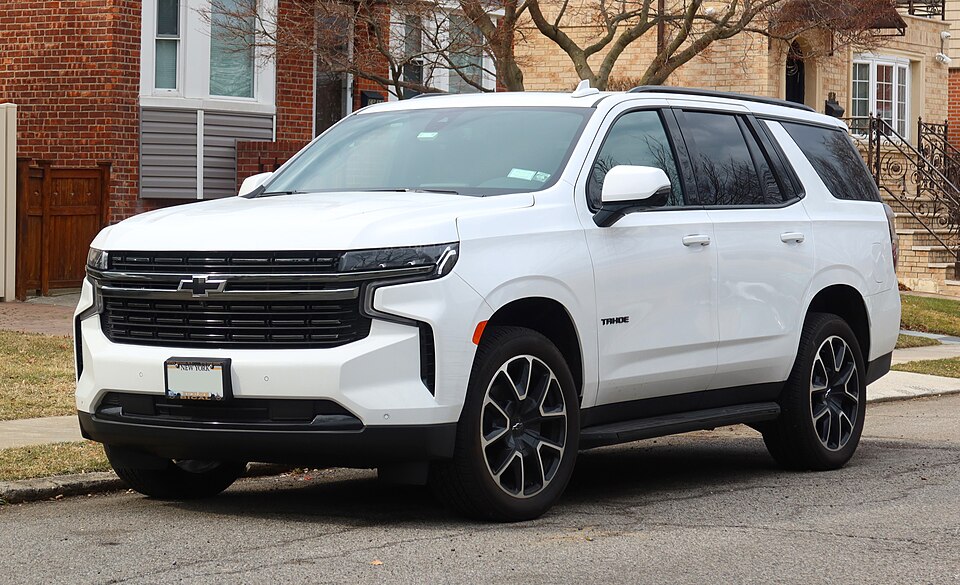
10. Chevrolet Tahoe: The Classic Tow-and-Go SUV
Rounding out the list is the Chevrolet Tahoe, a full-size SUV that has long been synonymous with versatility, power, and durability. Sharing much of its underpinnings with the Suburban but in a shorter wheelbase form, the Tahoe offers impressive towing capabilities combined with a manageable size and proven longevity.
It’s one of the most common full-size SUVs on the road and has served as a reliable tow vehicle for countless drivers over many decades. The Tahoe’s engine lineup typically includes GM’s tried-and-true 5.3L V8 and the more powerful 6.2L V8 in higher trims.
These engines deliver towing capacities ranging from roughly 7,600 pounds to over 8,600 pounds with towing packages, sufficient for a wide range of trailers, boats, and campers. The engines’ iron blocks and simple overhead valve designs contribute to their longevity, allowing many Tahoes to cross 200,000 miles without major engine issues.
Built on a truck chassis, the Tahoe’s frame is sturdy and designed to endure heavy use. The suspension system, featuring independent front suspension and a solid rear axle, balances comfort with load-bearing capability.
Trailer sway control, integrated trailer brake controllers, and factory-installed tow packages provide owners with the tools they need to tow safely and extend the vehicle’s lifespan by minimizing mechanical stress.
Maintenance is straightforward and well-supported. GM’s widespread parts network means replacement components are easy to source, and many local mechanics are familiar with the Tahoe’s systems. Routine services like oil changes, brake inspections, and transmission fluid flushes are simple to perform and critical to ensuring long-term durability, especially for vehicles regularly tasked with towing.
The Tahoe’s interior has evolved, but generally maintains a reputation for resilience and practicality. Materials tend to hold up well under daily use, and technology features that assist with towing have become increasingly sophisticated, including integrated trailer cameras and advanced driver-assist systems.
This focus on safety and convenience indirectly supports longevity by reducing the chances of accidents or mechanical failures caused by misuse. Finally, the Tahoe holds strong resale value in the used market, particularly for models with towing packages or four-wheel-drive setups.
Many owners keep their Tahoes for years, attracted by the blend of power, reliability, and versatility. Its decades-long presence on the market, along with continuous incremental improvements, has made it one of the most trusted names in towing-capable SUVs.
ALSO READ: 5 Sedans With Most Adjustable Seats and 5 With Manual Only
Choosing a vehicle for towing is about much more than just impressive numbers on a spec sheet. It’s about finding a machine engineered to endure the demands of hauling heavy loads repeatedly, over thousands of miles, and many years.
The ten trucks and SUVs featured in this article have stood the test of time because their manufacturers prioritized durability, robust construction, and practical towing features that protect critical systems from premature wear.
From the legendary Ford F-350 Super Duty, with its formidable diesel engine and rugged frame, to the versatile Chevrolet Tahoe, balancing towing capability with everyday usability, these vehicles represent the best in longevity-focused design.
They are equipped with powertrains that not only deliver high torque but are also proven to last hundreds of thousands of miles. Their chassis and suspensions are engineered to withstand the physical stresses of towing heavy trailers without succumbing to fatigue or failure.
Moreover, the inclusion of towing technologies such as integrated trailer brake controllers, sway control, and driver-assist features further enhances safety and reduces wear.
These systems help owners tow more confidently and prevent costly damage caused by instability or improper handling. The trucks and SUVs on this list also benefit from widespread parts availability and extensive aftermarket communities, allowing for repairs, upgrades, and maintenance that keep them on the road longer.
Importantly, longevity is supported by user habits as much as engineering. Proper maintenance—regular oil changes, transmission fluid service, cooling system checks, and attentive repairs—ensures these vehicles perform reliably over decades. Many owners of these models testify to their vehicles’ ability to surpass 200,000 or even 300,000 miles while towing heavy loads regularly.
In an era where vehicles often seem designed for shorter lifespans, these ten trucks and SUVs stand out as exceptions—machines built with longevity in mind. They embody a philosophy of durability and dependability, offering owners peace of mind when towing the loads that matter most.
Whether you’re towing for work, recreation, or family adventures, investing in a vehicle engineered to last is an investment in safety, reliability, and long-term value.
Ultimately, the vehicles featured here prove that towing longevity is achievable. With the right truck or SUV, coupled with consistent care and maintenance, you can enjoy years of trouble-free towing and the confidence that comes from knowing your rig can handle whatever the road and your load throw at it. These are not just trucks and SUVs—they are lifetime towing partners.
