
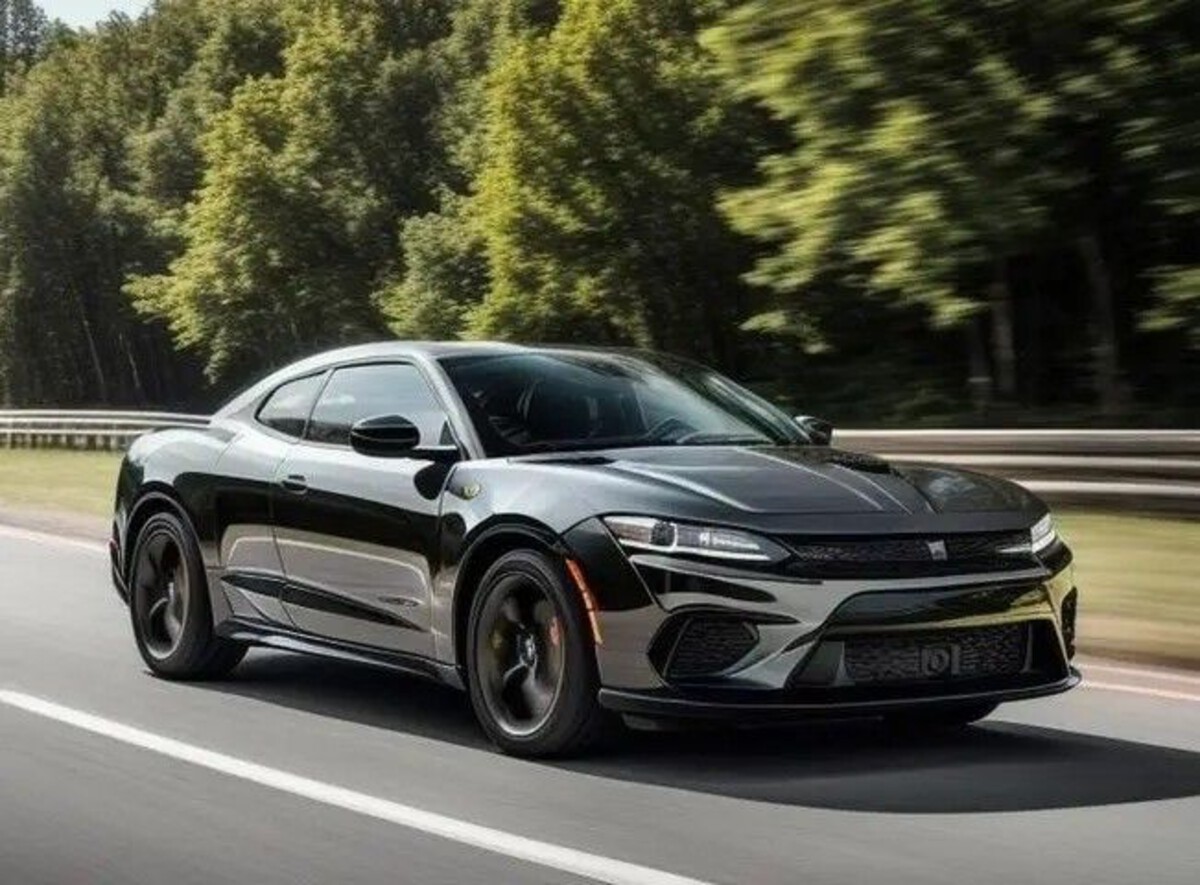
Choosing the right vehicle for a teen driver is a complex decision that extends far beyond style, performance, or brand loyalty. For many families, one of the most significant considerations is the cost of insuring that vehicle.
Teen drivers are statistically the highest-risk group on the road due to their inexperience and higher likelihood of accidents, which naturally translates into higher insurance premiums.
However, the specific make and model of the vehicle can dramatically influence these insurance costs. Some SUVs, thanks to their design, safety features, and repair costs, are easier and less expensive to insure for teen drivers, while others come with steep insurance penalties due to higher risk factors.
Understanding these distinctions is crucial for parents who want to keep their teens safe while managing the often substantial costs of auto insurance.
Insurance companies use a wide array of data when determining premiums, including the vehicle’s crash-test ratings, likelihood of theft, repair costs, and the typical behavior of drivers who own that vehicle. For example, SUVs that have high safety scores, advanced driver assistance technologies, and lower repair costs are usually rewarded with lower insurance premiums.
On the other hand, SUVs or vehicles with a history of higher accident rates, greater theft risk, or costly repairs are typically assigned higher premiums. Teen drivers, given their elevated risk profile, often see these differences amplified, making the choice of vehicle more critical than for adult drivers.
In this article, we will explore five SUVs that are rated best for teen-driver insurance, offering a blend of safety, reliability, and affordability. These vehicles tend to have excellent safety features such as automatic emergency braking, lane departure warnings, and stable driving dynamics that reduce the likelihood of accidents.
They also typically have lower repair and maintenance costs, which insurance companies value highly. Choosing one of these vehicles can mean significant savings on insurance premiums, while also providing peace of mind to parents concerned about their teen’s safety on the road.
Conversely, we will also examine five SUVs (and similar vehicles) that rank among the worst choices for teen-driver insurance. These vehicles often have design or performance characteristics that increase risk, such as high horsepower, poor safety ratings, or a higher tendency for rollovers.
Their repair costs tend to be higher due to specialized parts or advanced technologies, and some are frequent theft targets. These factors combine to push insurance premiums into the expensive range, making them costly choices for families with teenage drivers. Understanding why these vehicles are penalized by insurers is essential for making an informed decision.
The goal of this discussion is not only to highlight which SUVs are financially advantageous from an insurance perspective but also to stress the importance of safety and responsible driving habits for teens. A vehicle equipped with the latest safety technology can help mitigate risks, but no vehicle can replace careful driving, education, and parental guidance.
Choosing the right SUV is one of several steps parents can take to reduce the likelihood of accidents and control the high cost of insurance.
By presenting detailed profiles of these vehicles, this article aims to provide a comprehensive guide for families navigating the challenging decision of selecting a first or second family vehicle for their teen.
Whether affordability, safety, or a balance of both is the priority, understanding the insurance implications of vehicle choice is critical. With careful consideration and informed choices, families can protect their teens while keeping insurance costs manageable.
Also Read: 5 Sedans With Best Throttle Response And 5 That Are Sluggish
Best SUVs for Teen-Driver Insurance
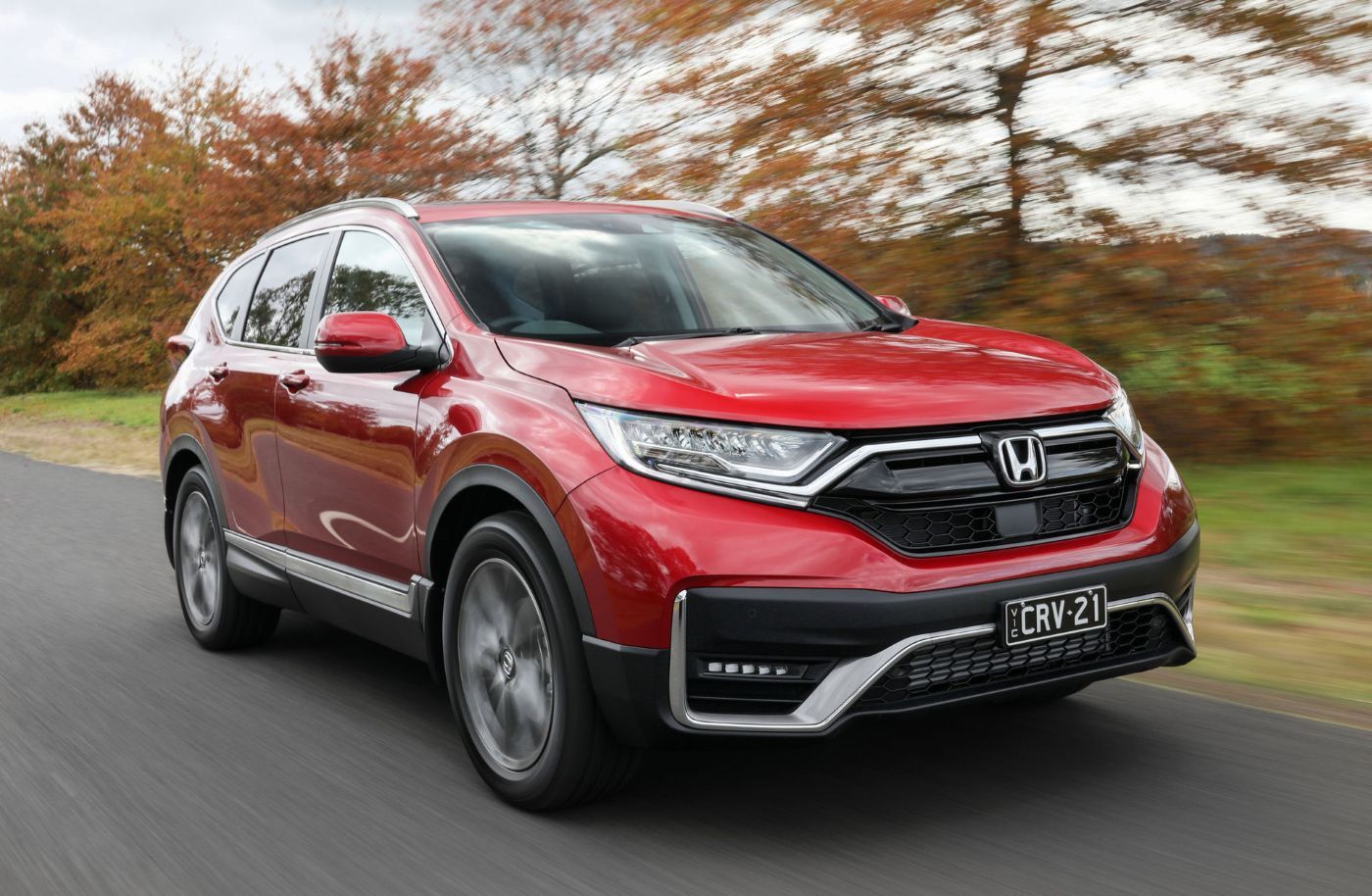
1. Honda CR-V
The Honda CR-V stands out as one of the most popular SUVs for families, particularly when it comes to teen drivers. This popularity is not just because of its sleek design or the comfortable ride it offers, but also due to its consistently high safety ratings.
The CR-V frequently earns top marks from both the National Highway Traffic Safety Administration (NHTSA) and the Insurance Institute for Highway Safety (IIHS).
These organizations assess crashworthiness, collision avoidance systems, and overall safety features, all of which contribute to reducing the severity and likelihood of accidents. For parents, knowing that their teen is driving a vehicle equipped with such robust safety technologies is a major relief, and for insurers, it signals a reduced risk, which often translates into lower premiums.
Beyond safety, the CR-V boasts reliability and cost-effective maintenance, both crucial factors for teen drivers who may be prone to minor fender-benders. Insurance companies favor vehicles that are affordable to repair because this lowers their potential claims expenses.
The widespread availability of CR-V parts and the extensive network of repair shops contribute to keeping repair costs manageable. Additionally, Honda’s reputation for producing durable engines and transmissions means fewer breakdowns and unexpected expenses, another plus for insurance providers.
The CR-V’s balanced performance, neither too aggressive nor sluggish, also means that it encourages safer driving habits without sacrificing the driving experience.
Another aspect making the Honda CR-V attractive for teen drivers is its moderate size and weight. Larger SUVs often have higher rollover risks, which insurance companies penalize with higher premiums.
The CR-V’s design strikes a good balance between providing the higher driving position that many parents like for visibility and keeping the center of gravity low enough to maintain stability.
This design philosophy not only enhances safety but also leads to favorable insurance classifications. Moreover, the CR-V offers a host of driver assistance features, such as adaptive cruise control, lane-keeping assist, and collision mitigation braking, many of which are standard or available on base trims. These technologies further reduce the likelihood of accidents and help teens develop safer driving skills.
Finally, the Honda CR-V’s resale value is another indirect factor contributing to its insurance friendliness. A vehicle with strong resale value is typically well-built and holds up well over time, leading insurers to view it as a less risky investment.
This stability in value also means that parents can eventually recoup some of their investment, which can ease the financial burden of purchasing and insuring a car for a teen driver.
Overall, the CR-V’s combination of safety, reliability, affordability, and advanced features creates a strong package that insurance companies recognize and reward with lower premiums, making it an outstanding choice for teen drivers.
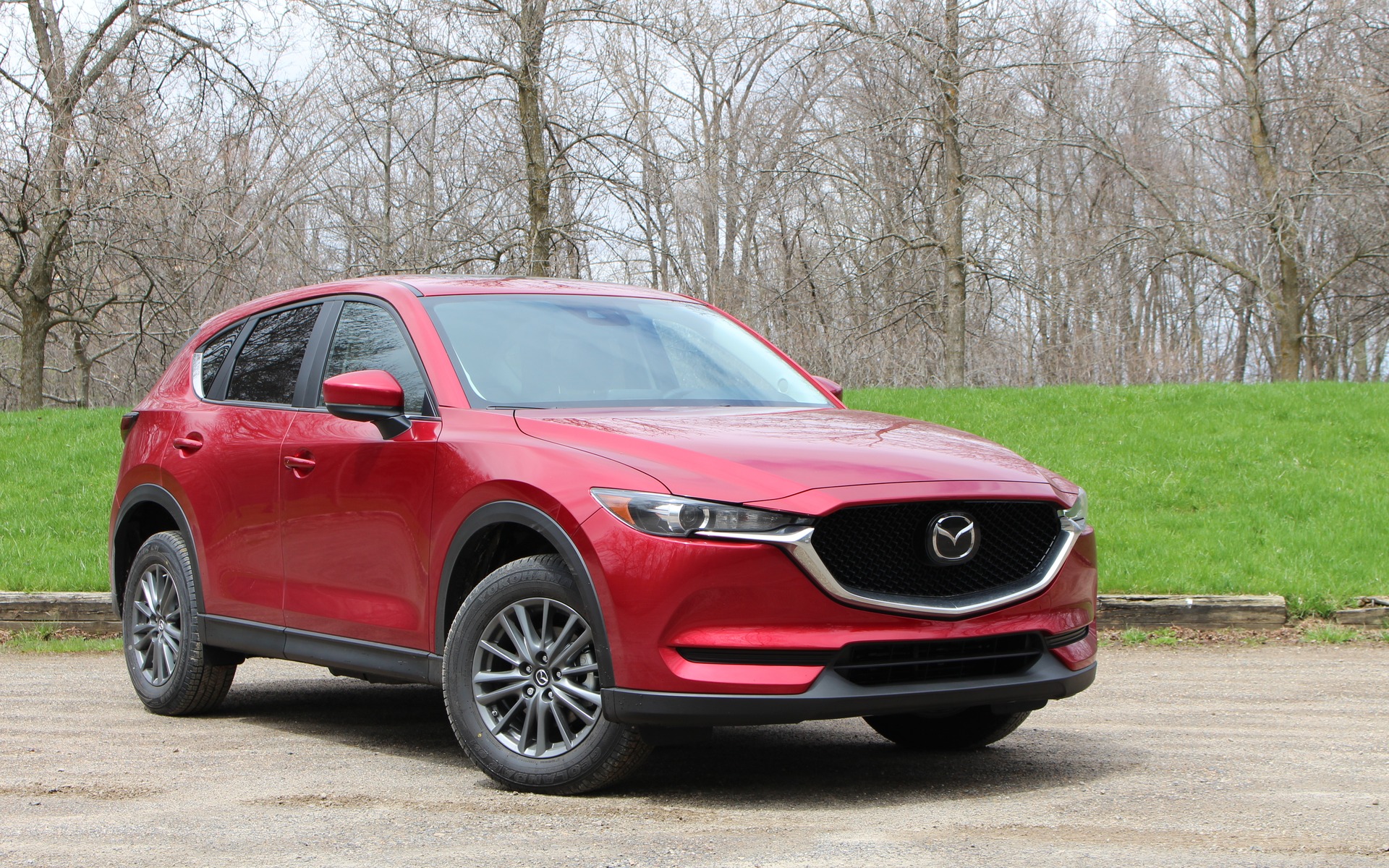
2. Mazda CX-5
The Mazda CX-5 has steadily gained traction in the compact SUV market thanks to its engaging driving dynamics and stylish design, but it’s more than just a pretty face—it’s also a vehicle that parents and insurers appreciate for teen drivers. One of the CX-5’s key selling points is its focus on safety technology.
Standard features often include blind-spot monitoring, rear cross-traffic alert, and forward collision warning with automatic emergency braking. These systems have been shown to reduce accident rates significantly, which is especially important for inexperienced drivers who may not always anticipate hazards effectively.
Insurance companies place a high value on such preventative technologies, viewing them as a direct line to fewer and less severe claims. The CX-5 also benefits from Mazda’s commitment to build quality and engineering excellence, which translates to fewer repairs and better long-term durability. Repairs on the CX-5 are generally less costly than on luxury or performance SUVs, and the vehicle’s parts are widely available.
This affordability plays a significant role in insurance cost calculations, as companies seek to minimize payout amounts. Additionally, the CX-5 tends to be driven by a demographic less likely to engage in reckless behavior, which insurers interpret as a positive risk factor when pricing premiums for teen drivers.
Handling and maneuverability are also strong points for the Mazda CX-5, making it easier for teens to navigate urban environments and tight parking situations safely. Its responsive steering and well-tuned suspension provide confidence to new drivers, helping them avoid accidents.
The CX-5’s size is compact enough to manage with ease but still offers ample interior space and cargo room, making it practical for families without the bulk and rollover risk associated with larger SUVs. This practical yet sporty nature strikes a balance that appeals to insurance companies looking for vehicles less prone to claims stemming from accidents or rollovers.
Furthermore, Mazda’s reputation for producing vehicles that provide good fuel economy also factors into the total cost of ownership, indirectly affecting insurance considerations. Lower running costs can mean fewer financial strains on families, allowing them to maintain proper vehicle upkeep and insurance coverage without compromise.
The CX-5’s strong safety track record, cost-effective maintenance, and driver-friendly characteristics combine to make it one of the best SUVs to insure for teen drivers, providing peace of mind for both parents and insurers.

3. Subaru Outback
The Subaru Outback has carved out a unique niche as a crossover with the heart of an SUV and the functionality of a wagon. For families living in regions with inclement weather or rough terrain, the Outback’s standard all-wheel-drive system is a game changer, offering superior traction and control that can prevent accidents on slippery roads.
This capability is a critical factor for insurance providers when evaluating risk, especially for teen drivers who may be inexperienced in challenging driving conditions. Vehicles equipped with all-wheel drive often see lower insurance premiums in regions prone to snow, rain, or unpaved roads because they reduce the likelihood of weather-related crashes.
Safety is another area where the Outback excels. It regularly earns top safety awards, including “Top Safety Pick+” from the IIHS, thanks to its suite of active safety features like EyeSight Driver Assist Technology.
These include adaptive cruise control, lane departure warning, and pre-collision braking—all vital tools that can help teen drivers avoid collisions. Insurance companies often provide discounts or lower premiums for vehicles equipped with such advanced safety packages, recognizing the direct impact these features have on accident prevention.
The Outback’s rugged build and reliability also contribute to its insurance appeal. Known for lasting well beyond 200,000 miles with routine maintenance, the Outback is a sensible investment for families. Its durable construction means fewer claims related to mechanical failure or major repairs.
Additionally, parts availability and repair costs are relatively reasonable, keeping potential insurance claims in check. This aspect is particularly important for teens, who might be more prone to minor mishaps requiring insurance claims.
Finally, the Subaru Outback offers an excellent balance of practicality and safety for teen drivers. Its roomy interior, combined with generous cargo space, makes it a versatile vehicle for daily commutes, road trips, and carrying sports equipment or other gear.
The Outback’s stability, coupled with its safety technology and all-wheel-drive capability, creates a lower-risk profile that insurers appreciate, often resulting in competitive insurance premiums for teen drivers.
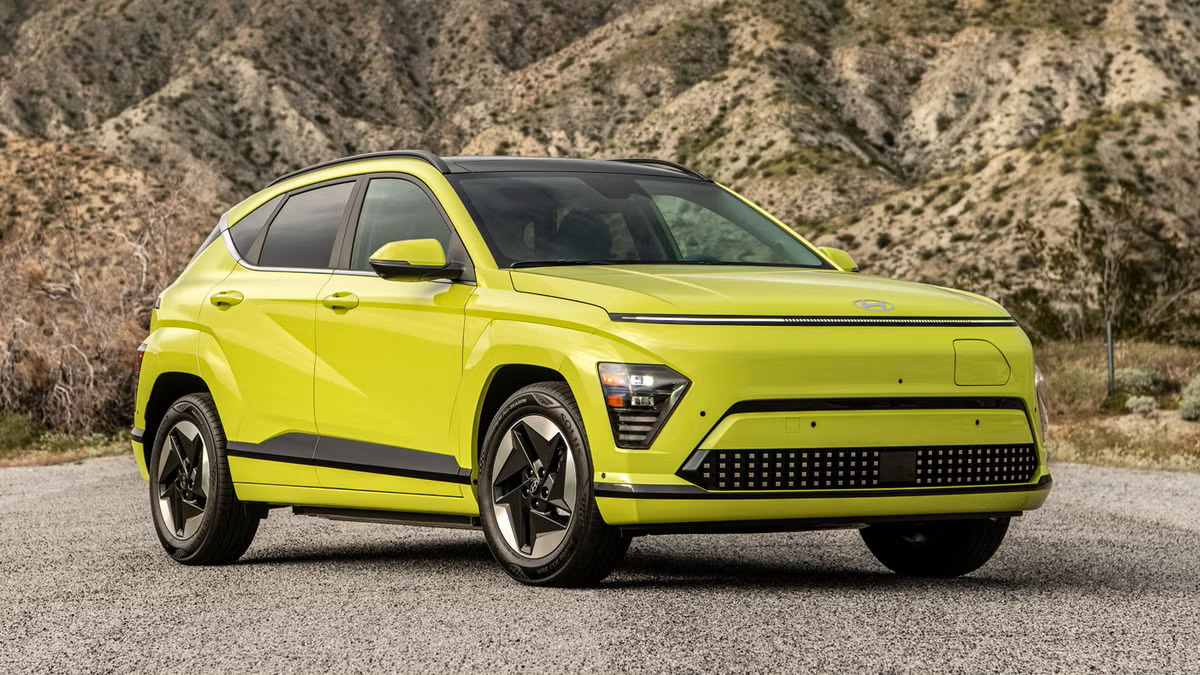
4. Hyundai Kona
The Hyundai Kona represents the growing popularity of subcompact SUVs, combining the benefits of a small car with SUV versatility. Despite its smaller size, the Kona punches well above its weight class in terms of safety and insurance affordability, making it a standout choice for teen drivers.
It often scores highly in crash tests and offers an impressive array of standard safety features, including forward collision avoidance assist, pedestrian detection, and lane keeping assist.
These systems significantly enhance the safety profile of the vehicle and are well-regarded by insurance companies, who see them as effective in reducing the frequency and severity of accidents involving teen drivers.
Another key advantage of the Kona is its lower initial cost and maintenance expenses, which influence insurance premiums positively.
Hyundai’s commitment to warranty coverage, including a 10-year/100,000-mile powertrain warranty, underscores its confidence in vehicle reliability and lowers long-term ownership costs. Insurance companies consider these factors when setting rates because vehicles that cost less to maintain and repair pose less financial risk.
From a driving perspective, the Kona is user-friendly for new drivers. Its compact size makes it easier to park and maneuver in congested urban settings—environments where many teen drivers face their first challenges behind the wheel. Additionally, its efficient fuel economy helps keep running costs low, reducing the overall financial burden on families.
The Kona’s blend of affordability, safety, and manageable size positions it well with insurers. It offers the security parents seek for their teens without the high insurance costs associated with larger or higher-performance SUVs, making it an ideal choice for many families.
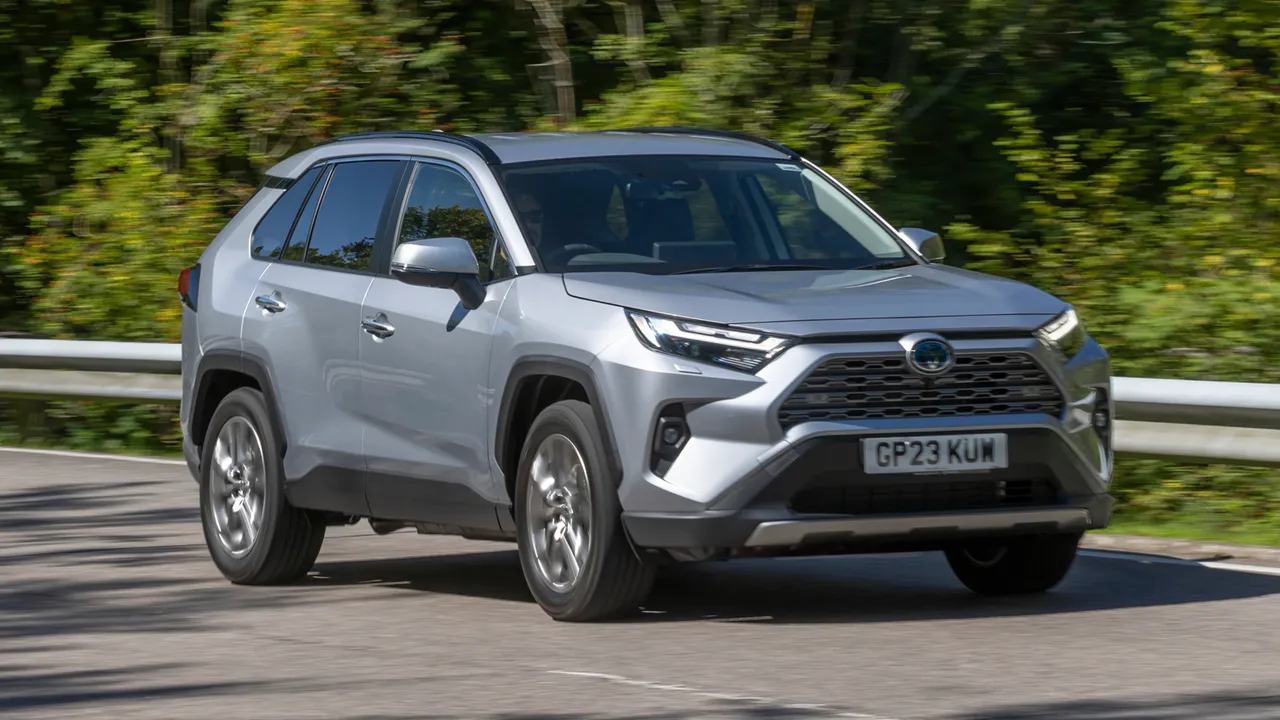
5. Toyota RAV4
The Toyota RAV4 has earned a reputation as one of the most dependable and practical SUVs on the market. Its widespread popularity and consistently strong safety ratings make it a common sight in family driveways, especially for new drivers.
Toyota’s Safety Sense suite, which is standard on many RAV4 models, includes adaptive cruise control, lane departure alert, and automatic high beams. These features have a proven track record of reducing accidents, which insurers view as valuable when setting premiums for teen drivers.
The RAV4’s reputation for reliability also helps keep insurance costs down. Toyota’s well-known durability means fewer breakdowns and less frequent claims related to mechanical failures. Repair parts are widely available, and maintenance costs tend to be reasonable, factors that insurers take into account when determining rates.
In terms of size, the RAV4 offers a comfortable and roomy interior without being excessively large. This balance helps keep rollover risks lower than with larger SUVs, which can drive insurance costs up. Additionally, its moderate horsepower discourages aggressive driving, which is a significant consideration for insurers assessing teen driver risk.
Moreover, the RAV4’s fuel efficiency and overall value contribute indirectly to insurance affordability. Lower operating costs mean families are better able to maintain their vehicles and insurance policies, and a vehicle with strong resale value often signals to insurers a sound investment. This makes the Toyota RAV4 a consistently smart and cost-effective choice for teen drivers when it comes to insurance.
Worst SUVs for Teen-Driver Insurance
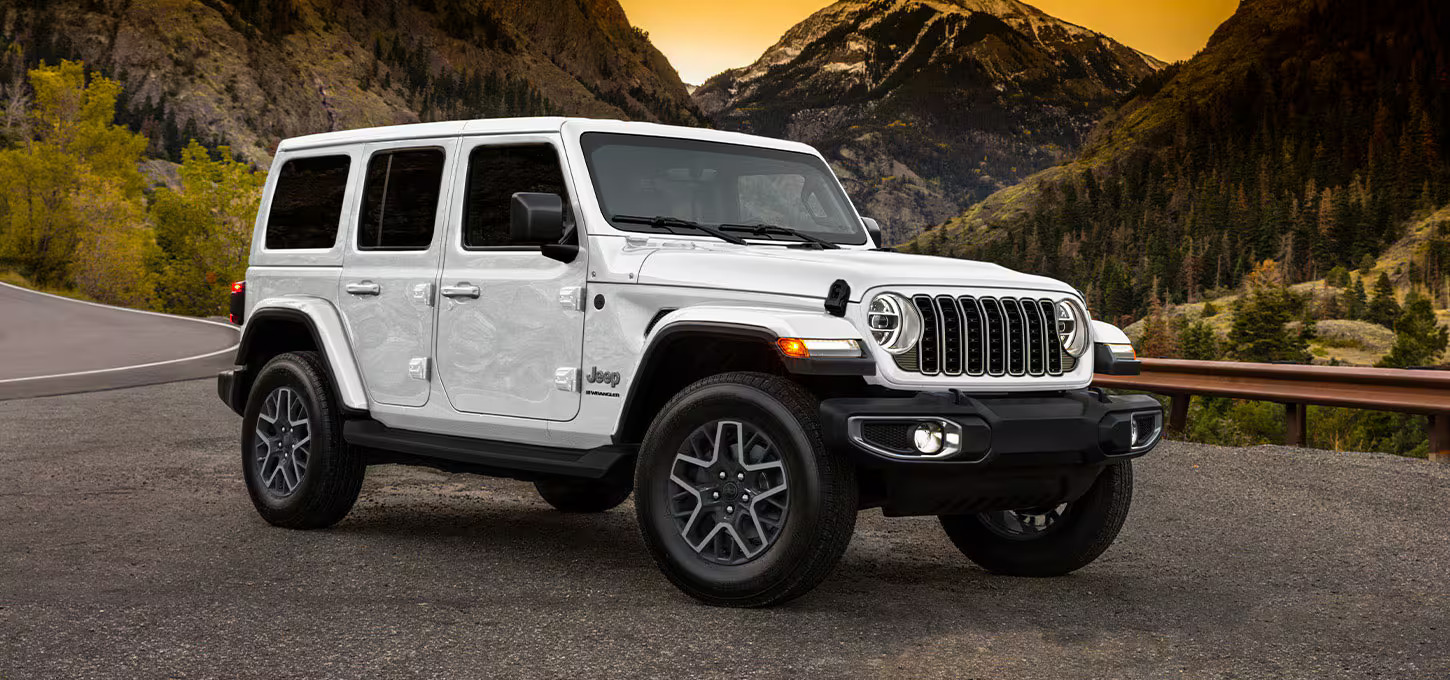
1. Jeep Wrangler
The Jeep Wrangler is an iconic vehicle celebrated for its off-road prowess and rugged, adventurous appeal. However, when it comes to teen drivers, it ranks among the worst SUVs for insurance costs, and this is due to several critical factors.
First, the Wrangler’s design prioritizes off-road capabilities over on-road safety. Its high center of gravity and relatively narrow wheelbase increase the risk of rollovers, a type of accident that often results in severe injuries and costly claims.
Insurance companies, recognizing this elevated risk, often charge substantially higher premiums for teen drivers opting for Wranglers compared to safer, more stable SUVs.
Another aspect that drives up the insurance cost of a Wrangler is the vehicle’s susceptibility to theft and vandalism. Because it is a highly desirable vehicle for off-roading enthusiasts, it tends to be a target for theft, particularly in urban or suburban areas where teens often drive. Insurance companies factor theft risk heavily into premium calculations.
Additionally, the Wrangler’s rugged construction means that while it can endure rough terrain, collisions on paved roads can cause significant body damage, which is expensive to repair due to the specialized parts and labor required.
Moreover, the Wrangler’s powerful engine options and fun-to-drive nature can encourage riskier driving behavior among teens who may be drawn to the thrill of off-roading or spirited on-road driving.
Such tendencies increase the likelihood of accidents, which insurers punish with higher rates. Lastly, the Wrangler’s resale value, while strong for off-roaders, doesn’t offset its high insurance cost for teen drivers, who often benefit more from vehicles that prioritize on-road safety and affordability.
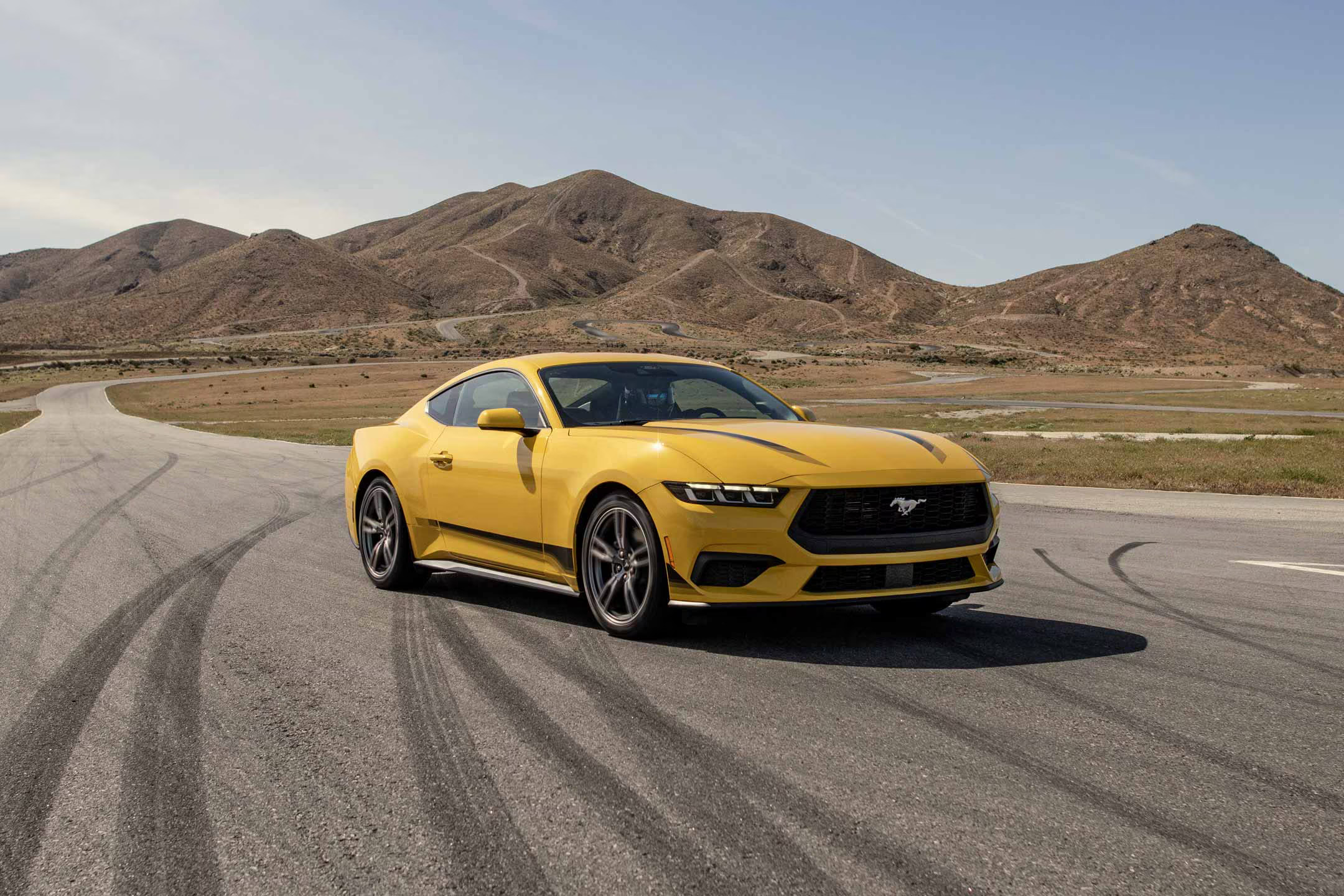
2. Ford Mustang
While the Ford Mustang is a classic muscle car rather than a traditional SUV, many teen drivers opt for sportier versions or the newer SUV crossovers like the Mustang Mach-E, which also present insurance challenges.
The traditional Mustang coupe’s performance-oriented design, featuring powerful V6 and V8 engines, significantly raises its risk profile in the eyes of insurance companies. Teen drivers with less experience are statistically more likely to get into accidents when behind the wheel of high-performance vehicles, resulting in costly claims that insurers anticipate.
Mustangs are also more frequently involved in speeding-related accidents and reckless driving, which raises the likelihood of serious injury or fatality. Insurance companies respond by charging high premiums for teen drivers who want to insure these vehicles.
Additionally, repair costs for Mustangs tend to be higher, especially when it comes to performance parts, specialized body panels, and advanced braking systems. The Mustang’s rear-wheel-drive layout, while excellent for performance driving, can be more challenging for inexperienced drivers, increasing the chances of loss of control in adverse weather or emergency situations.
Moreover, the Mustang’s image as a “sporty” or “performance” vehicle often results in teens being lumped into higher-risk insurance categories.
Even newer Mustang SUVs with advanced safety features have not fully overcome the muscle car’s reputation for higher accident and claim rates. In sum, the Mustang’s allure and excitement come with a steep insurance price tag, especially for young, inexperienced drivers.
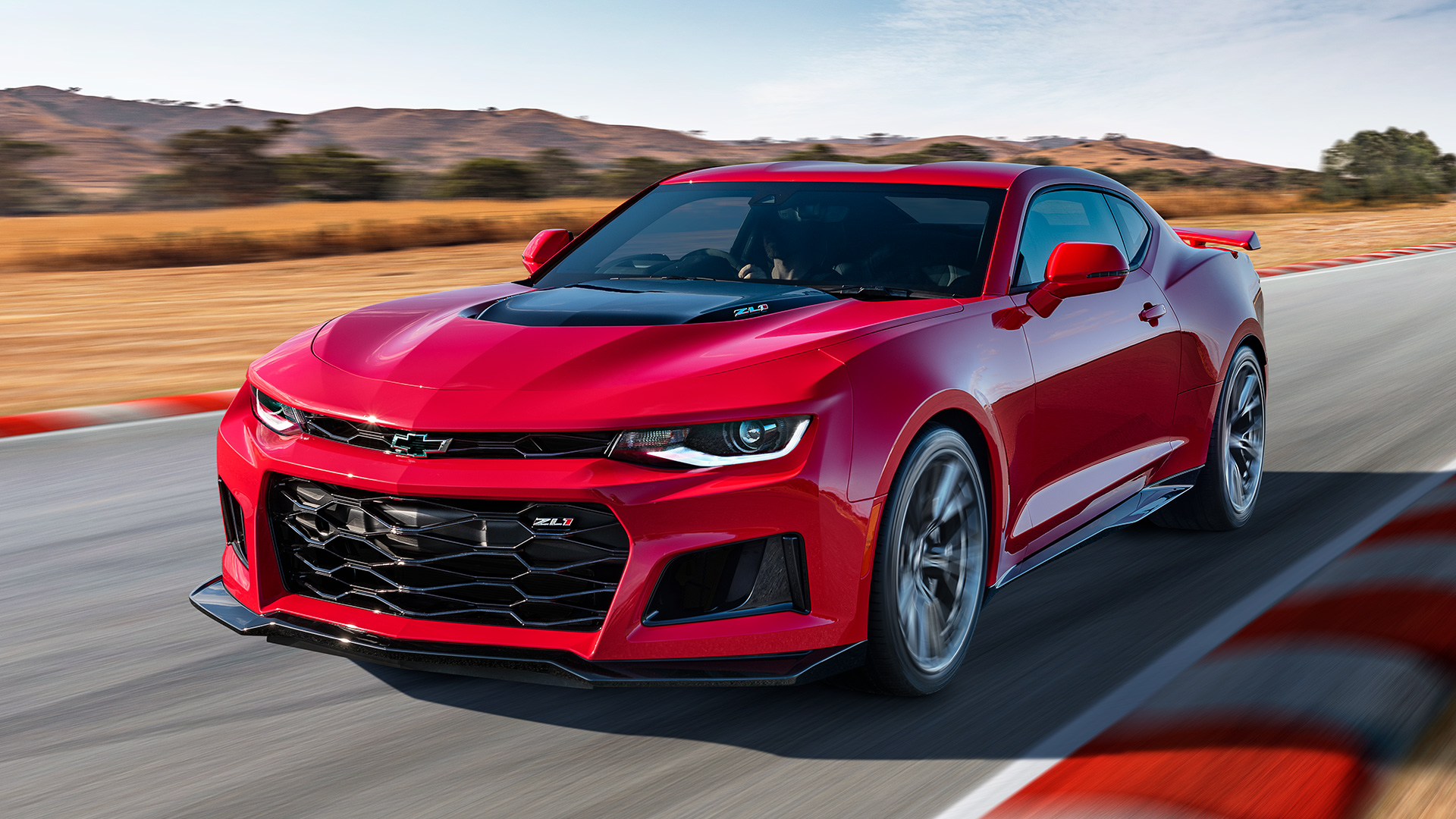
3. Chevrolet Camaro
Much like the Ford Mustang, the Chevrolet Camaro is emblematic of American muscle cars with their high horsepower and aggressive styling. Although it is not an SUV, it is relevant here because its insurance impact parallels that of some SUV crossovers with sporty credentials.
The Camaro’s engine options, often ranging from a powerful V6 to a turbocharged V8, place it in a higher insurance risk bracket due to increased potential for speeding and aggressive driving behaviors.
Teen drivers are statistically more prone to accidents in vehicles that encourage or enable such driving styles, and insurers price their policies accordingly. The Camaro’s rear-wheel-drive layout can be tricky for inexperienced drivers to handle, especially in wet or icy conditions, raising the probability of accidents.
Additionally, repair and replacement costs for Camaros can be high due to their specialized parts, sophisticated suspension systems, and performance-oriented components, making insurance claims more expensive for providers.
Another factor contributing to higher insurance premiums is the Camaro’s tendency to be targeted by thieves and vandals, particularly because of its desirability as a performance car.
This leads to additional risk for insurance companies, who pass these costs on to policyholders. For teen drivers, who often have limited budgets and driving experience, the Camaro represents a risky and costly vehicle choice from an insurance perspective.
4. Dodge Charger
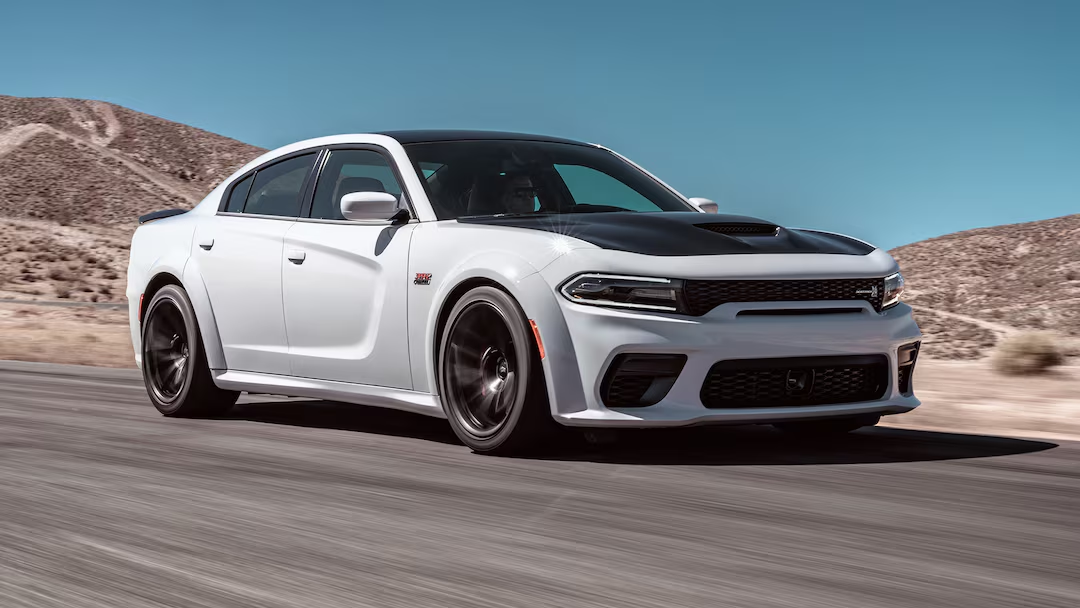
The Dodge Charger is another muscle car with SUV-like size and mass, often favored by young drivers drawn to its aggressive looks and powerful engine options. The Charger’s V6 and V8 engines provide exhilarating performance, but this also results in high insurance premiums for teen drivers.
Insurance companies assess the Charger as a high-risk vehicle because of its speed capabilities, which correlate with increased accident rates and severity among inexperienced drivers.
The vehicle’s size and weight add complexity to handling, and while larger than typical muscle cars, the Charger still maintains a sporty suspension setup that can be unforgiving to unskilled drivers.
This combination of power and handling characteristics means teens may face higher chances of collisions or loss-of-control accidents, leading to higher insurance claims. Moreover, the Charger’s repair costs are elevated due to its performance components, heavy-duty braking systems, and specialized bodywork, which require skilled labor and expensive parts.
Another important factor is the insurance industry’s view of Chargers as status or “show” cars, which sometimes attract younger drivers prone to risk-taking behaviors such as speeding or street racing. These behaviors translate to elevated premiums and stricter policy conditions.
Additionally, the Charger is a target for theft, especially models equipped with powerful engines, which further drives up insurance costs. For parents and teens alike, this makes the Dodge Charger a less-than-ideal vehicle in terms of insurance affordability.
5. Tesla Model S
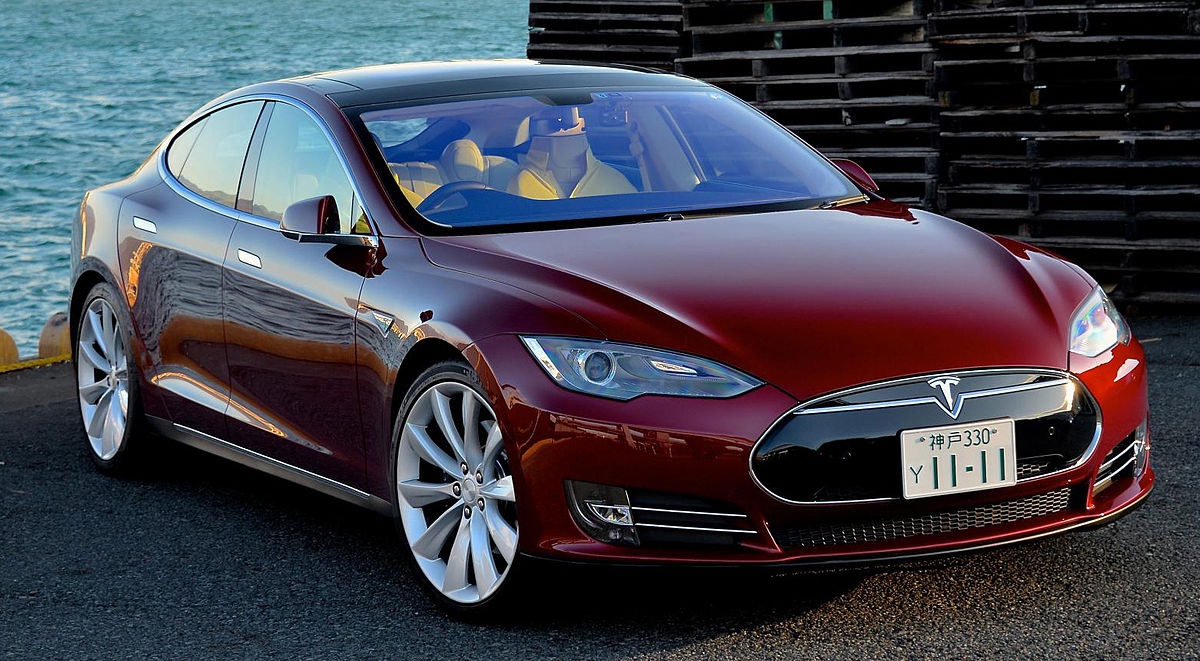
The Tesla Model S is often touted for its advanced technology, electric performance, and sleek design, but these very features contribute to its high insurance premiums, especially for teen drivers.
As a luxury electric vehicle, the Model S commands high repair and replacement costs. Its battery packs, specialized electronics, and high-tech features such as Autopilot and sophisticated sensors require expert servicing and expensive parts. Insurance companies anticipate costly repairs even for minor accidents, resulting in elevated premiums.
For teen drivers, the Model S presents unique risks. The car’s instant torque and acceleration can encourage overly aggressive driving behavior, which is a red flag for insurers when pricing teen driver policies.
Additionally, Tesla’s cutting-edge technology, while impressive, is still evolving, and repair shops with adequate expertise are limited, driving up service costs. Accidents involving Teslas often require specialized diagnostics and parts replacement, which inflate insurance claims compared to more traditional vehicles.
The Model S’s luxury status also means higher theft risk and vandalism potential, factors that further contribute to insurance cost increases. Moreover, the resale value, while generally strong, does not fully offset the high insurance premiums, especially for teens who may be more prone to accidents
. Finally, Tesla’s insurance rates tend to reflect the high cost of liability coverage given the vehicle’s high repair expenses and performance capabilities, making it one of the worst SUV options in terms of insurance affordability for new and young drivers.
Also Read: 5 BMWs That Age Gracefully and 5 That Don’t
Selecting the right SUV for a teen driver is a decision that carries both emotional and financial weight. While the excitement of granting a young driver their own vehicle is significant, it must be balanced against the practical considerations of safety, reliability, and the often daunting cost of insurance. As this article has shown, not all SUVs are created equal when it comes to insurance affordability for teen drivers.
The differences in safety features, repair costs, theft rates, and driving dynamics between models can translate into hundreds or even thousands of dollars in annual insurance savings or expenses. Making an informed choice can relieve a significant burden from families, both financially and in terms of peace of mind.
The best SUVs for teen-driver insurance, such as the Honda CR-V, Mazda CX-5, Subaru Outback, Hyundai Kona, and Toyota RAV4, share several important qualities. They offer strong crash-test results, extensive safety technologies, moderate engine power, and manageable repair costs.
These vehicles support safer driving habits and reduce the likelihood of severe accidents, making them attractive to insurers. For parents, these SUVs represent a blend of security and affordability that makes insuring a teen more feasible.
Moreover, many of these models come with additional family-friendly features, like spacious interiors and user-friendly technology, which further enhance their appeal for young drivers.
In contrast, SUVs and vehicles like the Jeep Wrangler, Ford Mustang, Chevrolet Camaro, Dodge Charger, and Tesla Model S often incur steep insurance premiums for teen drivers. These vehicles frequently have characteristics that increase the risk of accidents, such as powerful engines, challenging handling, and higher rates of theft or vandalism.
Their repair costs are typically higher due to expensive or specialized parts and advanced technologies. For teens, who may lack the driving experience to safely handle such vehicles, these risk factors translate directly into higher insurance costs. Choosing these vehicles for a teen driver can lead to financial strain and increased stress for families.
Ultimately, the best approach for families is to prioritize safety, reliability, and insurance affordability when selecting an SUV for a teen driver.
Beyond the vehicle choice itself, promoting responsible driving behaviors and investing in driver education are equally important steps in reducing risk. Parents should also explore available insurance discounts, such as good student programs or telematics-based safe-driving monitoring, which can help offset costs.
This article underscores that while style and performance may be tempting, especially for new drivers eager to make a statement, the financial and safety consequences of certain vehicle choices are too significant to ignore.
Opting for SUVs that insurers favor for teen drivers provides an opportunity to lower insurance premiums without sacrificing safety or practicality. The right vehicle can serve as a vital tool in cultivating safe driving habits and protecting young drivers during their formative years on the road.
In conclusion, families seeking an SUV for their teen should carefully weigh insurance considerations alongside traditional factors like cost and aesthetics. The vehicles highlighted as best for teen-driver insurance combine peace of mind with manageable costs, while those listed as worst should be approached with caution or avoided altogether.
With thoughtful decision-making, parents can help ensure that their teen’s driving experience is safer, more affordable, and ultimately more enjoyable.
