
When it comes to purchasing a car, especially one intended for long-term ownership, reliability and maintenance costs become paramount considerations. For many drivers, a vehicle that can easily surpass the 200,000-mile mark without requiring expensive repairs represents not only a sound financial investment but also peace of mind.
After all, the road to 200,000 miles is long and filled with potential pitfalls for cars that aren’t engineered or maintained with longevity in mind. On the flip side, some vehicles, despite their initial appeal—whether in terms of performance, luxury, or style—tend to develop costly problems as they age, making ownership a more expensive and stressful proposition than buyers might anticipate.
Understanding which cars tend to avoid or invite hefty repair bills before 200,000 miles can save prospective owners thousands of dollars and countless headaches. This knowledge is particularly important because the market for used and high-mileage vehicles is large and growing.
Many buyers are looking for cars that offer both durability and affordability over the long haul, especially as vehicle prices continue to climb. The decision to invest in a car known for low-cost maintenance and reliable longevity versus one notorious for frequent, expensive repairs often comes down to research and awareness of manufacturer reputations, engineering philosophies, and the design complexity of the vehicle.
Several factors contribute to a car’s ability to go the distance without breaking the bank. Simplicity and proven mechanical design often correlate with lower repair costs. Vehicles with fewer electronic components and less complex systems tend to be easier and cheaper to service.
Additionally, the availability and cost of replacement parts significantly affect repair expenses. Brands with widespread dealer networks, abundant aftermarket support, and standard components generally incur lower costs when repairs are needed.
Routine maintenance is also a key component: cars designed to require less frequent service or those with robust components that can handle wear and tear without failing prematurely provide owners with considerable savings.
On the contrary, cars equipped with advanced technologies, luxury features, and high-performance engines often require more specialized knowledge, diagnostic tools, and expensive parts for upkeep.
Such vehicles may also include intricate suspension setups, turbochargers, computerized systems, and all-wheel-drive components that add layers of complexity and potential failure points.
While these features enhance driving dynamics and comfort, they often come at the cost of increased maintenance challenges and repair bills. Many luxury and European vehicles fall into this category, where the prestige and driving experience come bundled with the likelihood of pricey repairs as the miles add up.
In this article, we will explore two contrasting lists: five cars that generally do not require expensive repairs before hitting 200,000 miles, and five that frequently do. By examining the strengths and weaknesses of each, we aim to provide insight into what makes a vehicle reliable and affordable over the long term, as well as what warning signs to watch out for when considering a purchase.
Whether you are a first-time buyer, a seasoned car owner, or someone looking to upgrade, understanding these patterns will help you make a more informed decision, avoid unexpected repair costs, and enjoy your vehicle for many years and miles to come.
The first list focuses on models known for their durability, ease of maintenance, and reputation for holding up well with age. These cars often feature reliable powertrains, straightforward mechanical designs, and a proven track record in owner satisfaction.
They serve as examples of engineering that emphasizes long-term usability over flashy technology or luxury features that can deteriorate over time. The second list, in contrast, highlights vehicles that, despite their allure and often advanced technology, come with a history of expensive repairs and maintenance challenges.
Understanding these vehicles’ common failure points and costly repair patterns can help prospective owners budget accordingly or decide to steer clear altogether.
Ultimately, longevity and repair costs are critical factors that influence the total cost of ownership, a metric every car buyer should consider. The ability to avoid significant repair bills before 200,000 miles means less stress, fewer disruptions, and more money saved, which can then be put toward other important priorities.
Through this exploration, we aim to empower readers with the knowledge they need to make smart, confident choices in the ever-evolving world of automobiles.
Also Read: 5 Cars With Timing Chains You Can Forget About and 5 That Snap in Silence
5 Cars That Don’t Need Expensive Repairs Before 200,000 Miles
Toyota Corolla
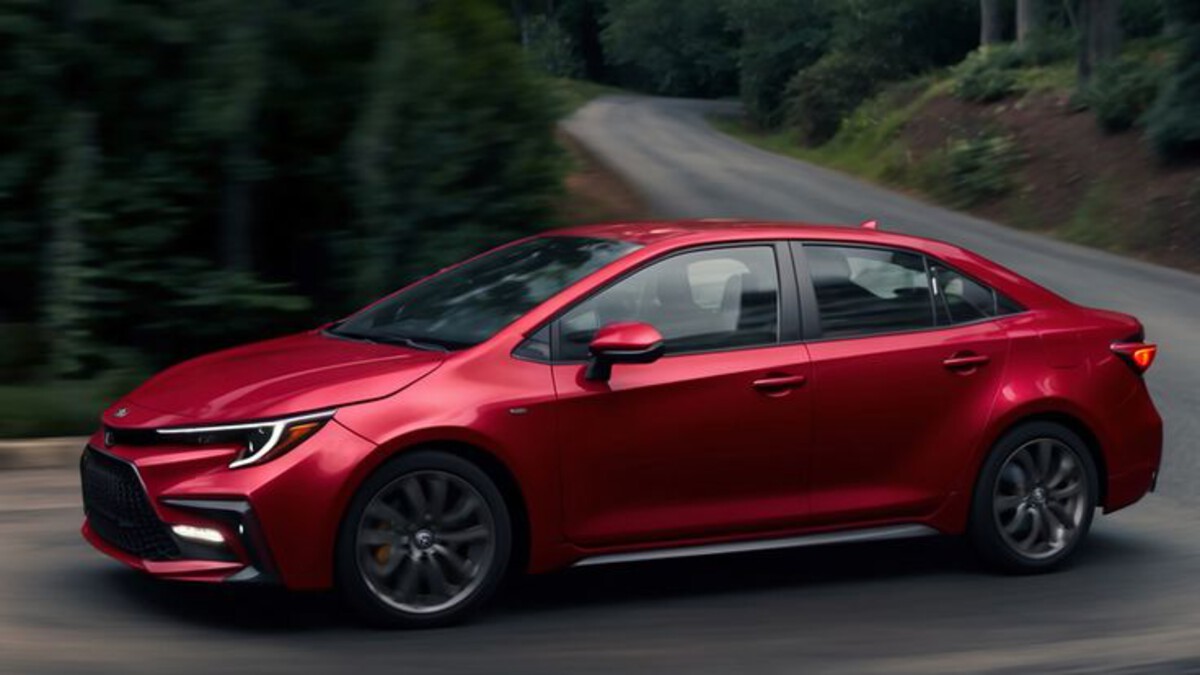
The Toyota Corolla has long been hailed as a paragon of reliability and longevity, making it one of the most popular compact cars worldwide. This reputation is not by accident but the result of decades of meticulous engineering aimed at creating a vehicle that can withstand the rigors of daily driving without imposing exorbitant costs on its owner.
One of the Corolla’s greatest strengths is its consistently simple yet effective powertrain, which combines durability with fuel efficiency. Unlike many competitors that have ventured into complex turbocharged or hybrid powertrains, the Corolla has often stuck with naturally aspirated four-cylinder engines that are less prone to mechanical failure. This approach results in fewer parts that can break or wear out prematurely.
Over the years, Toyota has also maintained a conservative philosophy in design, choosing to improve and refine rather than overhaul systems radically, which means owners benefit from tried-and-tested components that have proven their mettle over many generations.
Underneath the hood, the Corolla’s engine is known for its robust construction and tolerance for high mileage, with many units comfortably surpassing the 200,000-mile mark if properly maintained. The simplicity of the engine also makes it easier and less expensive to service, as mechanics can diagnose and repair issues quickly without needing specialized tools or parts.
Toyota’s commitment to quality control during manufacturing ensures tight tolerances and reliable seals, minimizing common issues like oil leaks or premature wear on critical engine components.
In addition to the engine, the transmission systems in most Corolla models are well-regarded for their longevity. Automatic transmissions in particular are designed for smooth operation and low maintenance, helping the car maintain its drivability over the years without costly rebuilds.
Beyond the powertrain, the Corolla’s chassis and suspension setup contribute significantly to its reliability. The suspension system is tuned for a comfortable ride rather than aggressive performance, which results in less strain on shocks, struts, and bushings — components that can become expensive if frequently replaced.
The car’s compact size and straightforward suspension architecture mean parts are plentiful and affordable, and replacements or repairs can often be done without specialized labor.
Inside the cabin, while the Corolla may lack luxury flair, its interior materials are chosen for durability, resisting tears, stains, and fading that can degrade the overall ownership experience. This pragmatic approach extends to the electrical system, which is generally uncomplicated and less likely to cause sudden failures that plague more technologically advanced vehicles.
Lastly, the Toyota Corolla benefits immensely from the brand’s global presence and vast dealer network, which translates into easy access to affordable parts and expert servicing. Toyota dealerships and independent mechanics are well-versed in the Corolla’s design, enabling quicker and more economical repairs.
This accessibility, combined with the vehicle’s proven track record, means that owners rarely face surprises that strain their budgets. Whether used as a commuter car, a family vehicle, or even a fleet workhorse, the Corolla’s reputation for resilience before hitting 200,000 miles remains unrivaled in its class.
This makes it an excellent choice for buyers prioritizing long-term reliability and minimal repair expenses over flashy features or sporty dynamics.
Honda Accord
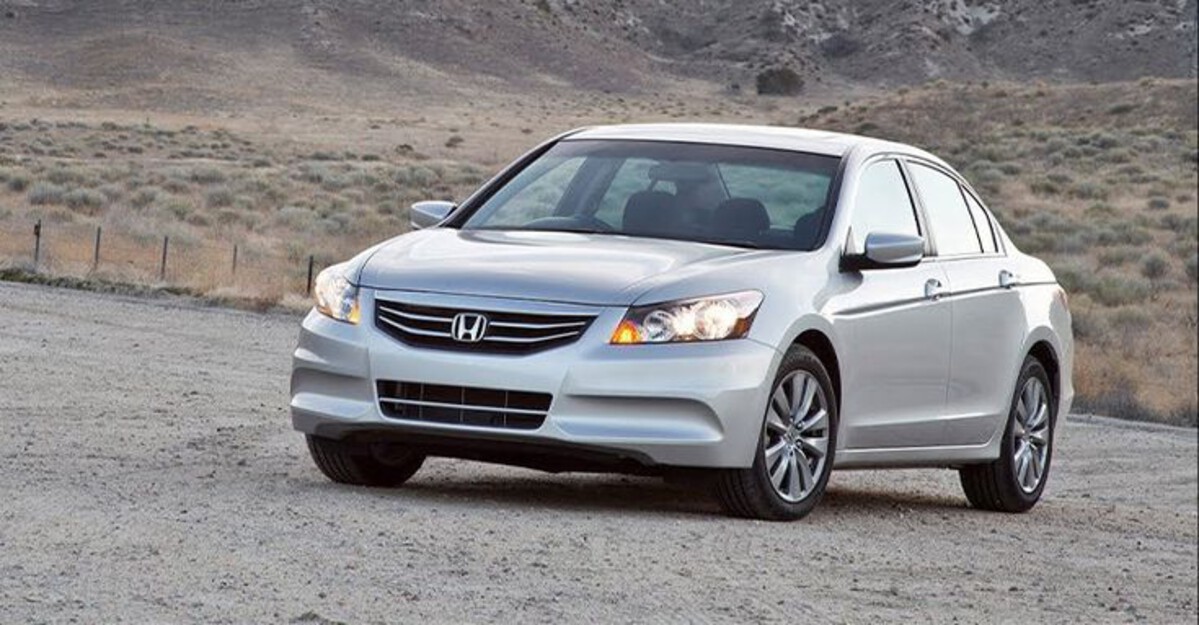
The Honda Accord is a midsize sedan that has built a reputation as one of the most reliable family cars on the market. Its legacy of dependability is rooted in Honda’s engineering ethos that emphasizes mechanical simplicity, durability, and the use of high-quality materials.
The Accord is often praised for its strong, naturally aspirated engines and transmissions, which balance power and efficiency with longevity. Unlike some competitors that chase complexity with turbochargers or advanced hybrid systems, the Accord’s conventional powertrains have proven capable of lasting hundreds of thousands of miles with basic maintenance.
Owners frequently report minimal mechanical issues even after extensive use, which is a testament to Honda’s rigorous testing and continual refinement over many model years.
One major advantage of the Accord is the diversity of its engine options, allowing buyers to choose a powertrain that suits their needs without sacrificing reliability. The inline-four engines are renowned for their fuel economy and toughness, while the V6 variants offer extra power without significant sacrifices in durability.
These engines are typically paired with transmissions that have also been engineered to last; whether it’s Honda’s continuously variable transmission (CVT) or traditional automatics, each has gone through improvements that reduce wear and improve efficiency.
Additionally, Honda’s approach to modular engine design means that repairs can be done relatively easily, often without the need for extensive disassembly. This lowers labor costs and repair times, which is crucial for keeping overall ownership expenses manageable.
The Accord’s interior and chassis engineering also play crucial roles in its long-term reliability. The cabin is thoughtfully constructed with durable materials that resist the fading, cracking, and general wear that often afflict long-term vehicle owners. Seats maintain their cushioning and support for many years, contributing to a pleasant driving experience well into high mileage territory.
The suspension system is carefully balanced to provide comfort without compromising durability, with shock absorbers, springs, and bushings designed to handle a wide range of driving conditions without premature failure.
Brake components similarly have a reputation for longevity when routine servicing is observed. This combination results in a vehicle that maintains consistent ride quality and safety characteristics even as mileage climbs.
Beyond the engineering itself, Honda’s extensive global parts network and the availability of aftermarket support further enhance the Accord’s reliability credentials. Finding replacement parts is relatively straightforward and cost-effective, whether through dealerships or independent suppliers.
Moreover, many mechanics are highly familiar with the Accord’s mechanical layout, reducing labor rates and repair times. For buyers who want a sedan that offers a blend of comfort, style, and long-term durability, the Accord represents a smart investment.
Its ability to avoid costly repairs before reaching 200,000 miles is a major selling point, especially when paired with a reputation for retaining resale value and satisfying drivers across a variety of use cases.
Subaru Outback
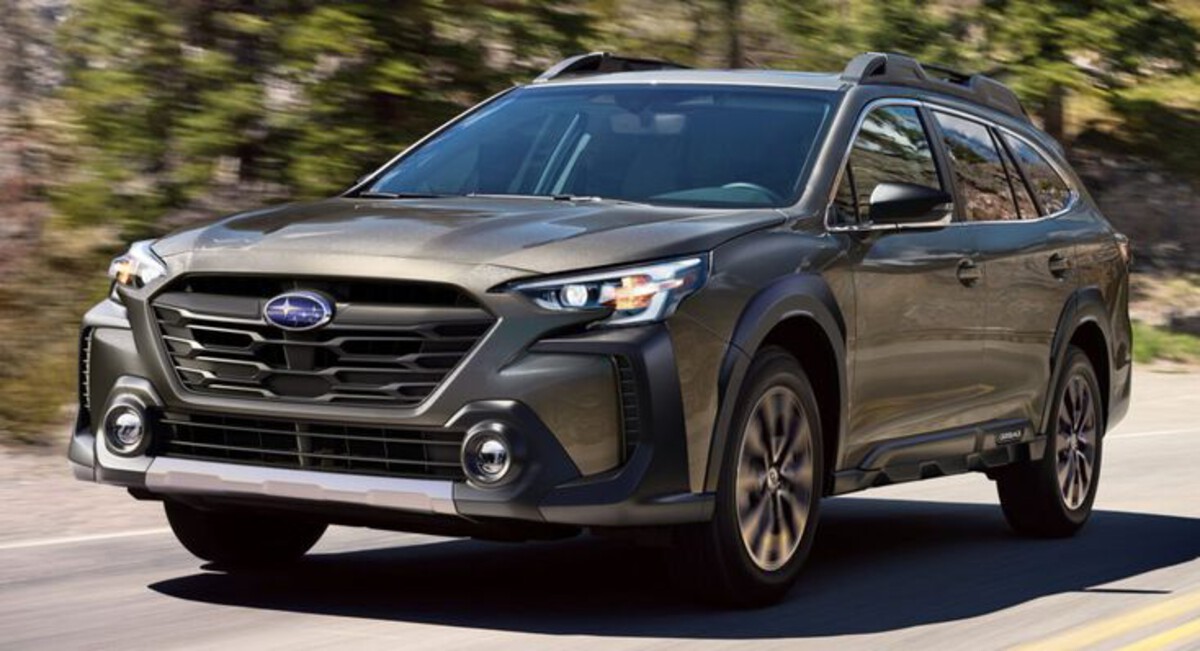
The Subaru Outback is widely recognized as a versatile and rugged vehicle that excels in diverse driving environments, thanks in large part to its symmetrical all-wheel-drive system and durable boxer engine.
Its reliability over long distances and high mileage has become a key reason for its popularity, particularly among those who live in regions with challenging weather or rough terrain.
The design philosophy behind the Outback combines practicality with mechanical simplicity in a way that promotes longevity and reduces the likelihood of expensive repairs. Owners who maintain the vehicle as recommended often find that it remains mechanically sound and capable well beyond the 200,000-mile threshold.
Central to the Outback’s durability is its horizontally opposed boxer engine, which offers a low center of gravity and even weight distribution for better handling and stability. These engines are built to withstand considerable wear and tear, provided that oil changes and other routine maintenance are performed on schedule.
Subaru has improved its engine designs over time to address known issues like head gasket failures found in some earlier models, increasing confidence in the brand’s reliability.
The AWD system itself, a hallmark of Subaru vehicles, is engineered with robustness in mind. Rather than relying on complex electronic systems, the Outback’s drivetrain uses mechanical differentials and durable components that are less susceptible to failure and costly repairs.
The vehicle’s suspension and chassis also contribute to its longevity. Designed to absorb shocks and handle a variety of road surfaces, the Outback’s suspension components are known to last a long time without needing frequent replacements. The combination of durable shocks, struts, and reinforced bushings helps maintain ride comfort and vehicle control as mileage accumulates.
Additionally, the Outback’s interior uses high-quality materials that resist wear and tear, even in climates with extreme temperature fluctuations. Seats, trim, and dashboard components tend to hold up well, ensuring the vehicle remains comfortable and functional even after years of use.
Lastly, Subaru’s expanding network of service centers and availability of replacement parts make ownership more accessible and cost-effective. While some specialized components may be pricier than those on non-AWD vehicles, the overall cost of maintenance and repairs remains manageable for conscientious owners.
Many Subaru enthusiasts also benefit from a strong aftermarket community, providing additional support and resources for keeping these vehicles running smoothly. For those who need a reliable vehicle capable of enduring tough conditions and high mileage without racking up expensive repair bills, the Subaru Outback stands out as a sensible and trusted choice.

Lexus RX
The Lexus RX has carved a niche as a luxury SUV that offers the refinement and comfort expected of premium vehicles while avoiding many of the reliability pitfalls common to luxury brands. Part of the Lexus RX’s strong reputation for durability comes from its shared DNA with Toyota’s proven platforms, which combine dependable engineering with upscale features.
This synergy results in a vehicle that not only feels luxurious but also delivers impressive longevity and lower-than-expected repair costs for its class. The RX’s combination of a well-built powertrain, durable materials, and a conservative engineering approach makes it one of the most dependable SUVs on the road.
At the heart of the Lexus RX’s reliability is its powertrain, which often uses Toyota’s highly regarded V6 engine and robust automatic transmissions.
These components have been tested extensively across numerous Toyota and Lexus models, leading to a level of refinement that translates into fewer failures and longer service intervals. The RX benefits from conservative tuning that prioritizes smooth operation and longevity over pushing mechanical limits.
Additionally, Toyota and Lexus’s quality control processes ensure consistent build standards, reducing early-life defects and increasing overall vehicle durability. When repairs are necessary, the widespread availability of compatible Toyota parts helps keep costs in check compared to other luxury brands with less common platforms.
The RX’s interior is another strong point in terms of long-term durability. Premium materials such as soft-touch plastics, leather seating, and well-engineered trim pieces tend to age gracefully, maintaining the vehicle’s luxury feel even after extensive use. The fit and finish of the cabin reduce the likelihood of rattles, squeaks, or premature material failures.
Suspension components are designed to provide a comfortable and stable ride, with a focus on reliability rather than sporty handling that can increase wear. This careful balance helps ensure that parts like shocks, springs, and bushings maintain their effectiveness without requiring early replacement.
Finally, the extensive Lexus dealer and service network is a major asset for RX owners. Mechanics are well-trained on the platform, and many parts are interchangeable with mainstream Toyota models, reducing costs.
While luxury SUV maintenance is generally more expensive than non-luxury vehicles, the RX’s reputation for fewer major repairs before 200,000 miles helps offset these costs. For buyers who want a luxury SUV that delivers consistent performance, comfort, and longevity without a constant stream of expensive repairs, the Lexus RX remains a standout choice in its segment.
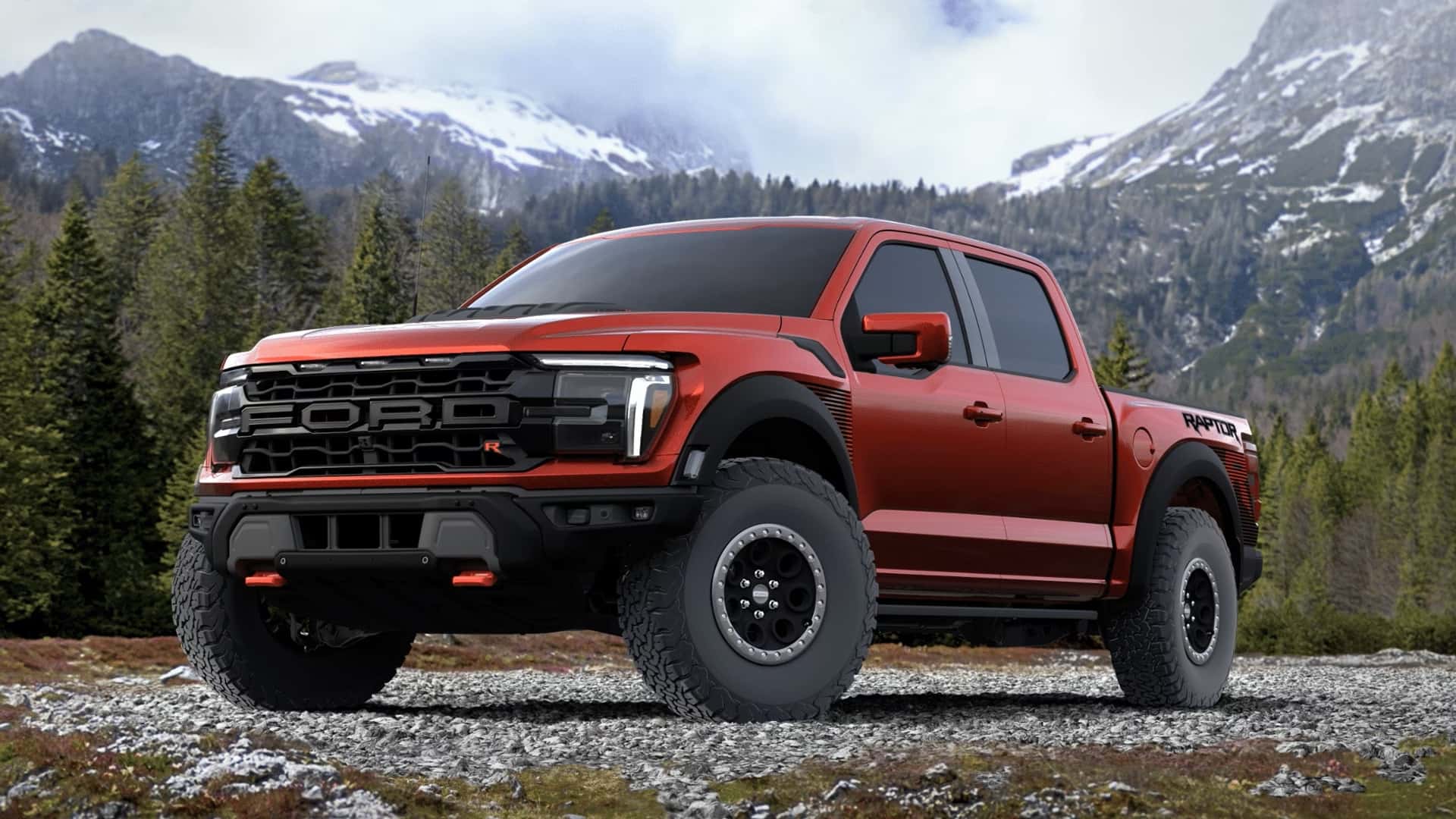
Ford F-150 (Certain Models)
The Ford F-150 is an iconic full-size pickup truck that has dominated the American market for decades, celebrated for its ruggedness, versatility, and surprising reliability.
While trucks are often subjected to demanding work conditions that can accelerate wear, many versions of the F-150 have proven capable of reaching 200,000 miles without requiring expensive repairs. Ford’s focus on building a durable frame and refining powertrains to handle heavy use has paid dividends for owners who rely on their trucks for both work and daily driving.
One major factor in the F-150’s reliability is the engineering of its powertrains. Ford offers a variety of engines, including naturally aspirated V8s and turbocharged EcoBoost V6s, many of which are designed with durability as a priority. The simpler, naturally aspirated engines, in particular, tend to have fewer issues related to turbocharger failures or complex direct-injection systems that can increase repair costs.
Furthermore, Ford has continually improved transmission designs, making them more robust to handle the stresses of towing, hauling, and heavy-duty usage. Owners who adhere to routine maintenance intervals often find these engines and transmissions running smoothly well past 200,000 miles.
The F-150’s chassis and suspension are also built for longevity. The truck’s frame uses high-strength steel that resists corrosion and damage, and the suspension is tuned to endure rough terrain and heavy loads. Components such as shocks, springs, and control arms are rugged enough to avoid premature wear, especially in models equipped for heavy-duty work.
Additionally, the F-150’s brakes and drivetrain components are engineered for serviceability and durability, reducing the frequency of expensive repairs. The practical and durable interior, while not luxurious, uses materials designed to withstand harsh conditions common to work trucks.
Finally, the F-150’s enormous popularity means parts are abundant, and mechanics are familiar with its systems, leading to relatively low repair costs and quick turnaround times. This extensive support network makes maintaining the truck affordable compared to less common vehicles with complex systems.
While specialized or high-performance trims might introduce more complicated features, the base and mid-range F-150 models stand out for their balance of capability and reliability. For drivers seeking a dependable truck that can handle heavy use and high mileage without constant expensive repairs, the Ford F-150 remains one of the top choices in the market.
5 Cars That Do Need Expensive Repairs Before 200,000 Miles
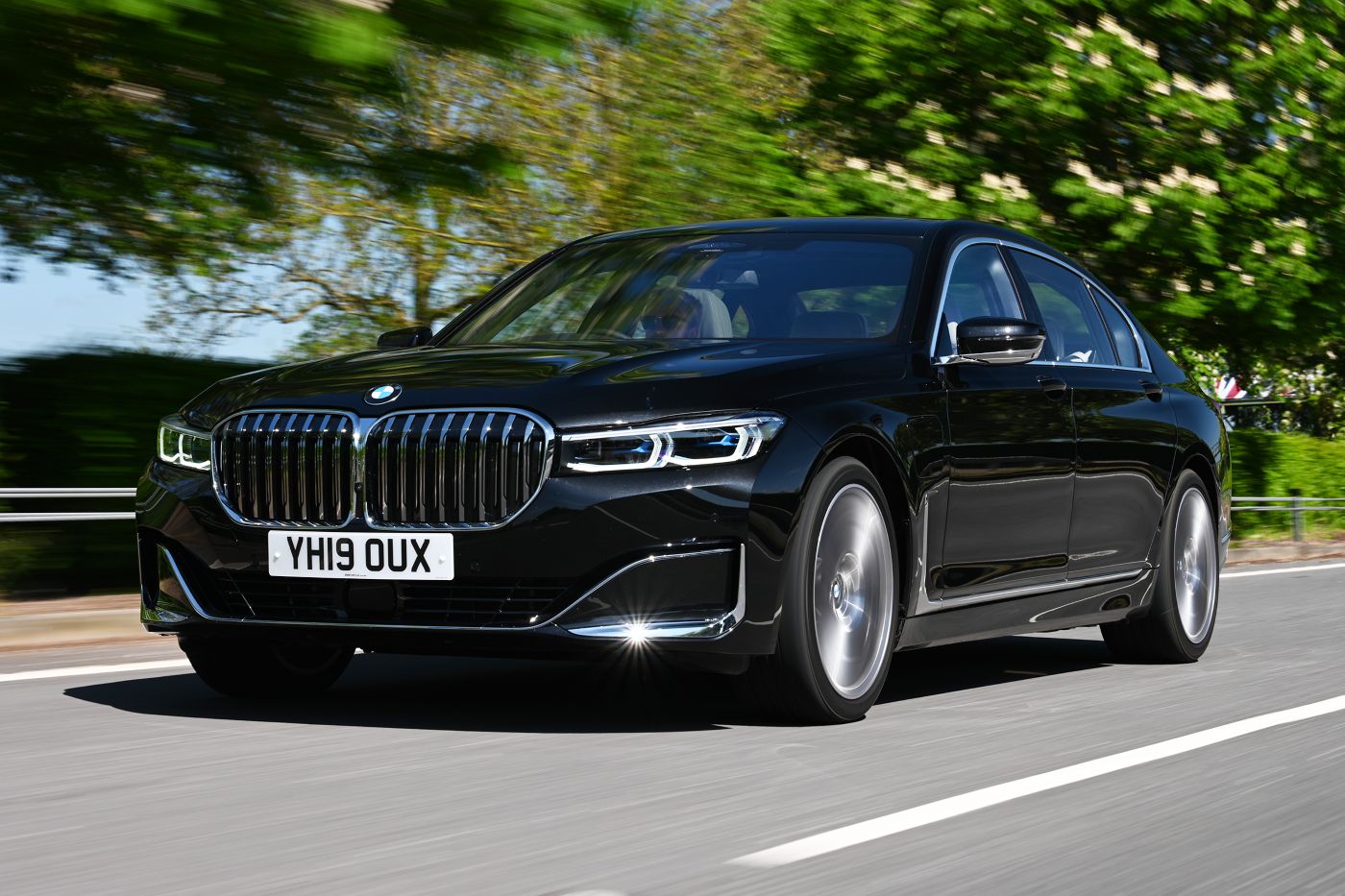
BMW 7 Series (Older Models)
The BMW 7 Series, particularly older generations, is a flagship luxury sedan that offers impressive performance, technology, and comfort. However, beneath the luxury veneer lies a reputation for expensive and frequent repairs, especially as mileage approaches the 200,000-mile mark.
One primary reason for this is the complexity of the vehicle’s engineering. BMW builds the 7 Series with cutting-edge technology, including advanced electronics, intricate engine management systems, and sophisticated suspension setups. While these features contribute to a superior driving experience, they also introduce numerous points of potential failure.
As the vehicle ages, sensors, control units, and wiring harnesses often develop issues that can be difficult and costly to diagnose and repair. For example, failures in electronic modules controlling adaptive suspension, climate control, or the infotainment system often require specialized diagnostic equipment and expensive replacement parts.
Mechanically, the 7 Series tends to incorporate high-performance engines, including turbocharged inline-sixes, V8s, and even V12s in some models. These engines demand meticulous maintenance and often feature components like variable valve timing systems, high-pressure fuel injection, and turbochargers that can wear out or fail under normal driving conditions.
Oil leaks, valve cover gasket failures, and cooling system issues are common and can escalate into more severe problems if not addressed promptly. Additionally, the automatic transmissions in many 7 Series models, especially the earlier ones, are prone to premature wear and may require costly rebuilds or replacements well before the 200,000-mile milestone.
The overall maintenance schedule for the 7 Series is more demanding than that of mainstream vehicles, meaning owners must invest significantly in regular servicing to avoid catastrophic failures.
The suspension and drivetrain components in the BMW 7 Series also add to the expense of long-term ownership. The car’s adaptive air suspension system, which provides a smooth and adjustable ride, is made up of air springs, compressors, and electronic control valves that frequently develop leaks or electrical issues.
Replacing air springs or repairing the compressor is notoriously costly, often involving labor-intensive procedures that drive up the repair bill. The braking system incorporates sophisticated hardware, including electronically controlled parking brakes and multiple sensors, which also contribute to the higher repair costs as the vehicle ages.
Furthermore, the vehicle’s luxury-oriented interior, loaded with electronic gadgets and premium materials, is prone to wear and electrical glitches. Repairing or replacing items such as seat motors, door locks, and infotainment screens can quickly add up, especially when genuine BMW parts come at a premium.
Lastly, the BMW 7 Series suffers from high repair costs due to the scarcity and price of parts and specialized labor. While BMW dealerships and specialty shops provide expert service, their hourly labor rates are often significantly higher than those for mainstream brands.
Independent mechanics may lack the necessary training or diagnostic tools to work effectively on these complex systems, limiting affordable repair options. Even routine maintenance items, such as brake pads, filters, and fluids, are generally more expensive compared to non-luxury vehicles.
This combination of intricate engineering, costly parts, and specialized labor means that the BMW 7 Series is infamous for requiring expensive repairs well before many more basic vehicles reach 200,000 miles. For owners, this translates into a substantial financial commitment to keep the car running smoothly over the long haul.
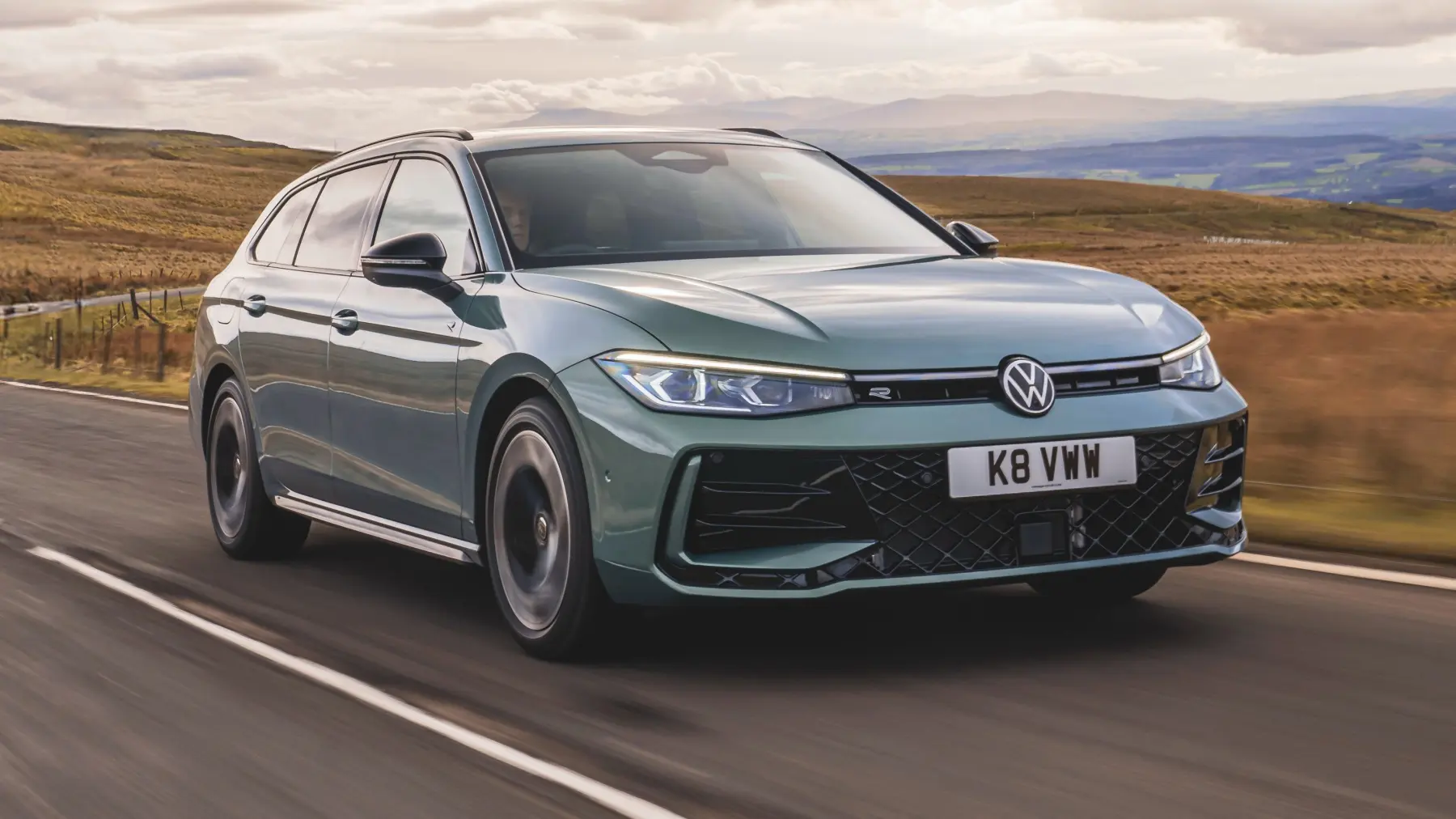
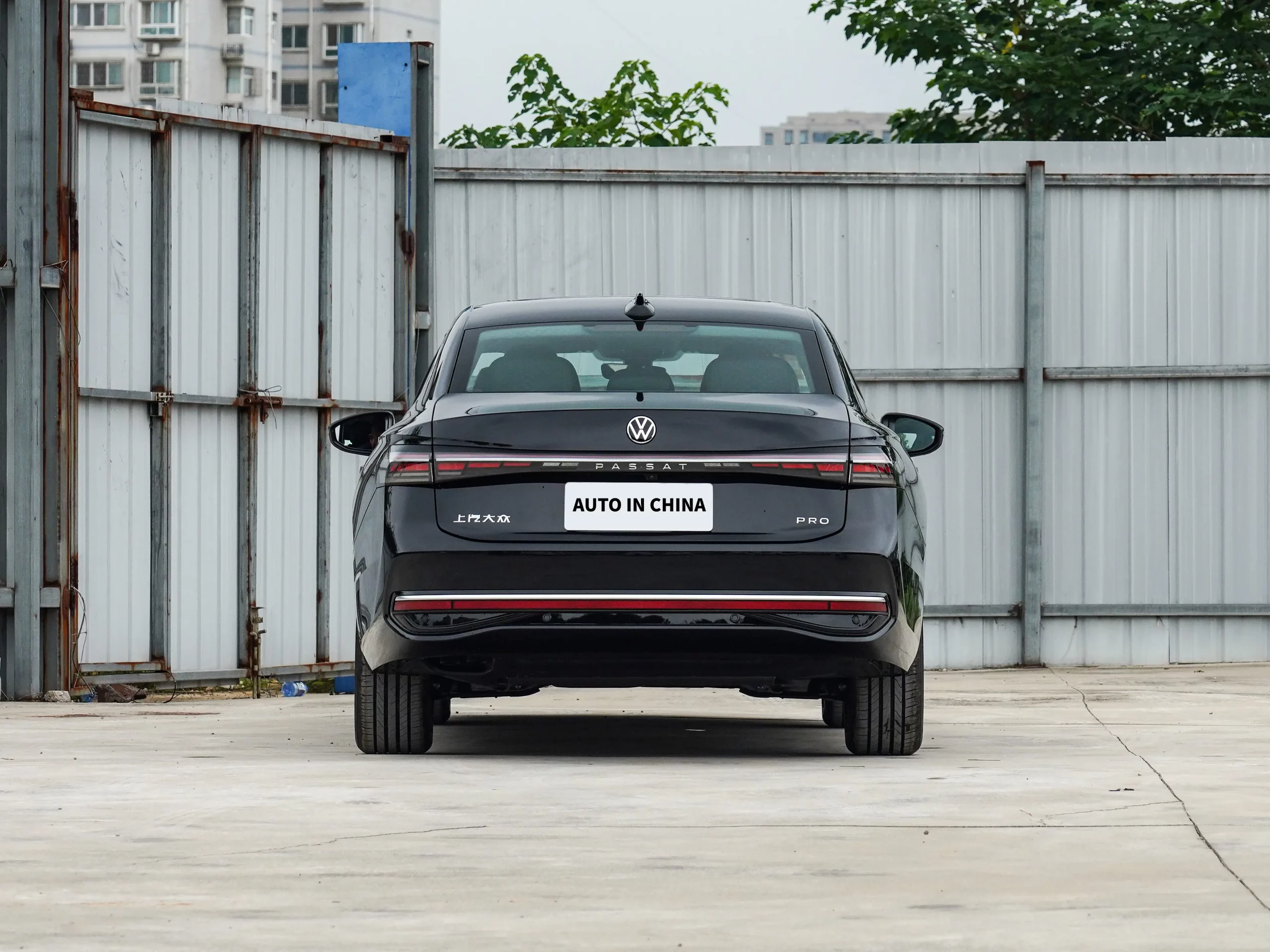
Volkswagen Passat (Certain Years)
The Volkswagen Passat is a midsize sedan that has experienced both praise and criticism over its production history. While offering European styling and a comfortable ride, certain model years of the Passat have developed a reputation for needing costly repairs before reaching the 200,000-mile mark.
A significant factor behind this is the vehicle’s complex mechanical and electrical systems, which can be prone to failures if not meticulously maintained. In particular, some Passat models equipped with turbocharged engines and direct-injection technology have shown susceptibility to issues like carbon buildup on intake valves, timing chain tensioner failures, and turbocharger problems.
These issues often require specialized repair procedures, involving disassembly of major engine components, and can easily exceed thousands of dollars in parts and labor.
Another common culprit in expensive Passat repairs is the vehicle’s dual-clutch automatic transmission, known as the DSG (Direct-Shift Gearbox). While praised for smooth and fast gear changes, the DSG transmission is sensitive to maintenance neglect and can develop issues such as mechatronic unit failures, clutch wear, and shifting problems.
Repairs or replacements of the DSG components are not only costly but also require specialized knowledge and tools, making them a significant financial burden for owners. The Passat’s cooling system components, including water pumps and thermostats, have also been reported to fail prematurely in some years, which, if unaddressed, can lead to overheating and severe engine damage.
Electrical gremlins in the form of sensor failures, erratic dashboard lights, and faulty electronic control modules further add to the complexity and expense of keeping a Passat on the road beyond 200,000 miles.
From a suspension and chassis perspective, the Passat’s intricate multilink rear suspension, designed to provide a comfortable yet sporty ride, can become a source of costly repairs as bushings, ball joints, and control arms wear out. The labor involved in servicing these components is often high because of the complexity and tight packaging of the suspension system.
Moreover, interior electrical components such as power window regulators, climate control units, and central locking mechanisms have been known to malfunction, requiring expensive replacements.
The overall build quality of certain model years also contributes to issues like premature wear on cabin materials and water leaks, which can cause additional damage over time. The combination of all these factors results in a vehicle that can demand a significant investment to keep reliable once it ages beyond the average mileage range.
Furthermore, Volkswagen parts tend to be more expensive than those of mainstream Japanese or American brands, and not all independent mechanics are familiar with German car-specific repair procedures. This limits cost-effective repair options, often pushing owners toward dealership service centers where labor rates are considerably higher.
The need for special diagnostic tools and software further complicates repairs and adds to the cost. Taken together, these issues make certain Volkswagen Passat models notorious for requiring expensive repairs well before they hit the 200,000-mile mark. For buyers and owners, this underscores the importance of thorough pre-purchase inspections and diligent preventive maintenance to avoid major expenses.
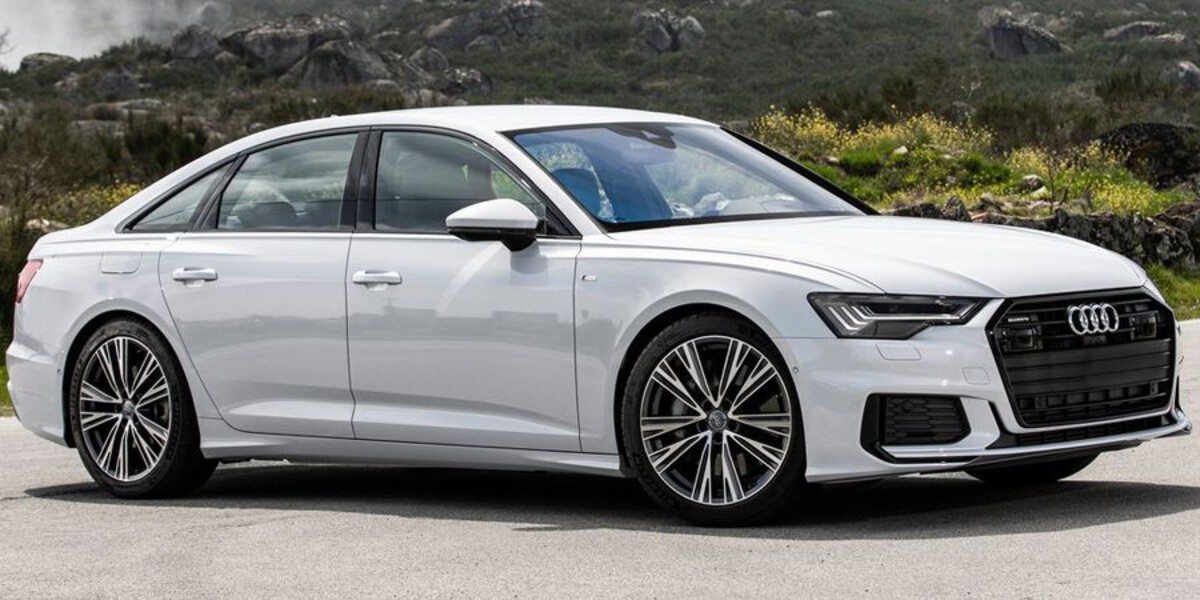
Audi A6 (Older Generations)
The Audi A6, especially older generations, has been a staple in the luxury midsize sedan segment, blending elegant design with sporty performance. However, the complexity that defines the A6’s appeal is also its Achilles’ heel when it comes to long-term reliability and repair costs.
The vehicle’s sophisticated quattro all-wheel-drive system, advanced turbocharged engines, and extensive use of electronics contribute to its high maintenance expenses. Commonly, as these vehicles age and approach 200,000 miles, owners encounter issues ranging from oil leaks and timing belt failures to more serious engine and transmission problems. The maintenance and repair of such components often require specialized expertise and costly genuine parts, making the A6 an expensive car to maintain over the long term.
Audi’s use of turbocharged engines, while improving performance and fuel efficiency, introduces potential vulnerabilities. Components like turbochargers, intercoolers, and direct injection systems are subject to wear and clogging, leading to performance loss or breakdowns.
Additionally, the timing belt and water pump assemblies often require proactive replacement around 80,000 to 100,000 miles to prevent catastrophic engine damage—a task that can be expensive due to the labor-intensive nature of accessing these parts.
Owners who delay these maintenance items risk severe engine failure, which can cost thousands to repair or even require a full engine rebuild or replacement. Transmission issues also arise, particularly with older multitronic CVT and automatic units, which can suffer from premature wear of clutches and mechatronic systems.
The Audi A6’s quattro all-wheel-drive system is both a performance enhancer and a maintenance challenge. The complexity of its central differential, multiple differentials, and associated control electronics requires regular servicing with specialized fluids and adjustments.
Failure to maintain the system can result in differential failures or drivetrain noises that necessitate costly repairs. Suspension components such as air springs in models equipped with adaptive suspension often fail, and replacements are expensive due to the high cost of parts and the labor involved. Interior luxury features, including advanced infotainment systems, climate controls, and power seat adjustments, are also prone to glitches and electrical failures that add to repair bills as the vehicle ages.
Parts and service costs for the Audi A6 are generally higher than average due to its premium status and the relative rarity of some components. Independent mechanics may be reluctant or unable to perform complex repairs, which often pushes owners toward dealerships or specialty shops with high labor rates.
Furthermore, some earlier models are prone to recalls and technical service bulletins that indicate underlying reliability issues, increasing long-term ownership costs. Owners of older Audi A6 models often find that while the car offers an enjoyable and refined driving experience, it requires a willingness to invest substantially in maintenance and repairs to keep it running reliably beyond 200,000 miles.
This combination of advanced technology, premium parts, and challenging service procedures places the Audi A6 firmly on the list of cars that tend to need expensive repairs relatively early in their lifespan.
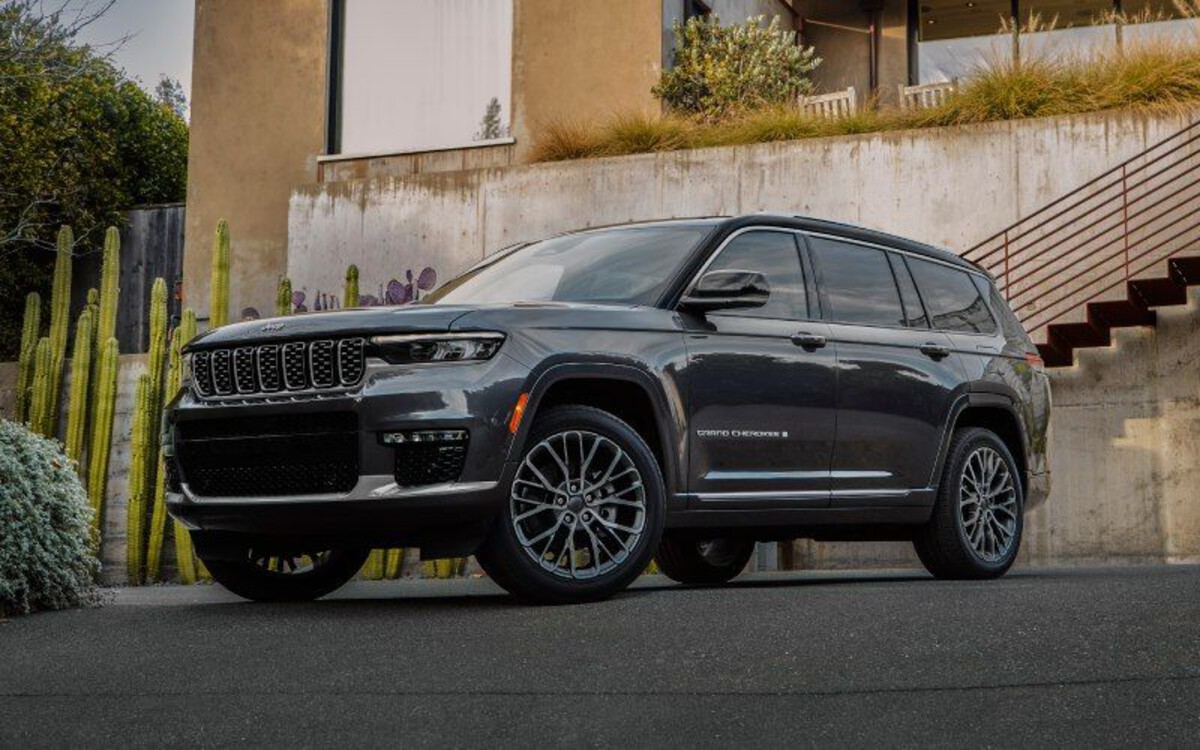
Jeep Grand Cherokee (Older Models)
The Jeep Grand Cherokee is a popular SUV known for its off-road prowess and rugged styling. However, especially in older generations, it has developed a reputation for requiring costly repairs before reaching the 200,000-mile milestone. Many of these issues stem from the complexity of its drivetrain and suspension components, as well as some reliability concerns in key mechanical areas.
Owners who push their Grand Cherokees hard or neglect routine maintenance often face significant repair bills associated with the vehicle’s drivetrain, cooling system, and electrical components. While the Grand Cherokee offers solid performance and capability, these benefits sometimes come at the cost of increased maintenance expenses as the vehicle ages.
One of the most common costly repairs on older Grand Cherokees involves the transmission. Models equipped with the 4-speed or 5-speed automatic transmissions have been known to suffer from premature failure or erratic shifting behaviors, requiring expensive rebuilds or replacements.
The vehicle’s complex 4WD and 4×4 systems, which include transfer cases and electronic locking differentials, also demand regular servicing to prevent damage. Failure to maintain these components can lead to costly drivetrain repairs.
Additionally, the Grand Cherokee’s engines, including V6 and V8 options, have exhibited problems such as cooling system failures, oil leaks, and issues with timing chains or timing belts, which can escalate into expensive engine repairs if not addressed timely.
The suspension system of the Jeep Grand Cherokee is designed to handle rough terrain, but it can be prone to wear and damage in everyday driving scenarios, particularly with aging bushings, ball joints, and control arms. The ride height control systems and air suspensions found in some models often fail prematurely, leading to expensive replacement costs.
Furthermore, the interior of older Grand Cherokees can suffer from premature wear and electrical problems, including malfunctioning instrument clusters, power window regulators, and climate control units.
These electrical issues are often challenging to diagnose and repair, adding to the cost of ownership. The combination of rugged design and complex systems means that some components are more difficult and labor-intensive to service than those in simpler SUVs.
Parts availability and pricing also contribute to the high repair costs of the Jeep Grand Cherokee. While the vehicle enjoys popularity, some drivetrain and suspension components are expensive, and not all independent shops are equipped to work on its complex 4WD systems.
Dealership repairs, while expert, come with premium labor rates, further increasing the total cost of ownership. The reputation of the Grand Cherokee for frequent and costly repairs means that owners need to budget carefully and maintain the vehicle rigorously to avoid unexpected financial burdens.
Despite these challenges, many owners appreciate the Grand Cherokee’s capabilities and are willing to absorb the higher maintenance costs as part of owning a rugged and capable SUV.
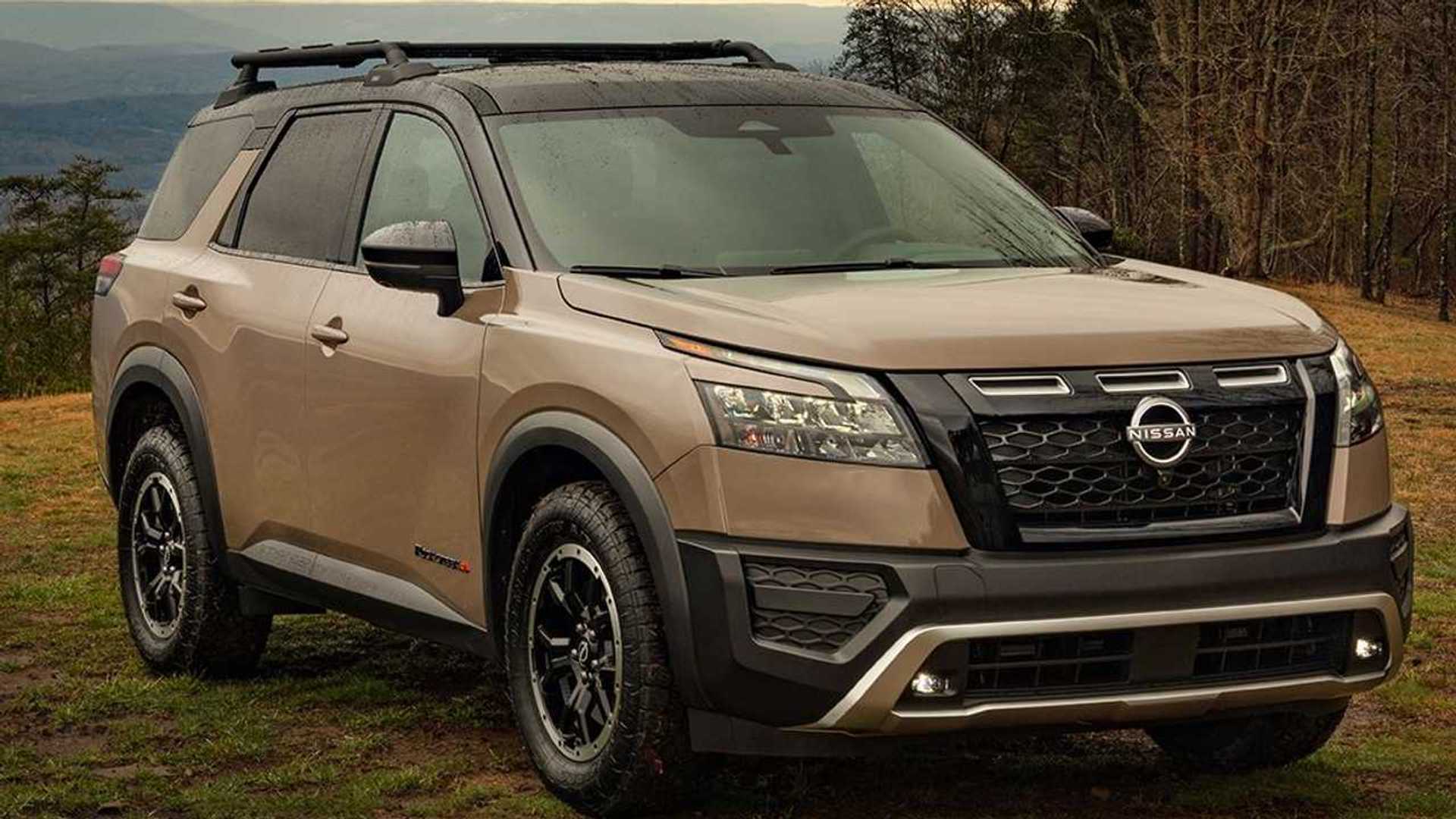
Nissan Pathfinder (Certain Years)
The Nissan Pathfinder, especially models from certain years, has been noted for developing issues that lead to costly repairs before reaching 200,000 miles. While the Pathfinder is designed as a family SUV with decent off-road ability and passenger comfort, some model years suffer from reliability problems related to the engine, transmission, and electrical systems.
These issues can significantly inflate maintenance expenses, making the Pathfinder a less attractive option for buyers prioritizing long-term, low-cost ownership. Engine misfires, timing chain problems, and transmission failures are among the most reported issues that can lead to expensive repairs or replacements.
The Pathfinder’s engines, including V6 and V8 options in older models, are sometimes prone to timing chain tensioner failures and oil consumption issues, which, if left unattended, may cause severe engine damage. Engine cooling systems in certain years have also shown vulnerabilities, with water pump failures and radiator leaks being relatively common.
These cooling system failures, if not fixed promptly, can result in overheating and costly head gasket repairs. Transmission problems are frequent in models equipped with the CVT or traditional automatics, with symptoms such as slipping, rough shifting, or complete failure. Replacing or rebuilding a transmission can be a major expense, particularly for CVT-equipped Pathfinders, where specialized parts and labor are required.
Electrical issues also play a role in driving up the Pathfinder’s repair costs. Problems with sensors, wiring harnesses, and the vehicle’s computer systems can lead to erratic behavior such as warning lights, engine stalling, or failure of convenience features like power windows and locks.
Diagnosing and repairing electrical faults often requires significant labor and expertise, contributing further to ownership costs. On the suspension side, the Pathfinder’s components, especially in older models, can wear prematurely, with bushings, ball joints, and shocks needing replacement sooner than expected. This increases maintenance frequency and adds to overall expenses.
The cost of replacement parts and the availability of qualified mechanics familiar with Nissan’s more complex systems also influence repair costs. While some repairs can be done affordably through independent shops, others necessitate dealership-level tools and expertise, which come with higher labor rates.
The Pathfinder’s combination of mechanical and electrical challenges, coupled with some model-specific reliability issues, means that owners can expect to face costly repairs well before reaching the 200,000-mile milestone. Prospective buyers should research model years carefully and consider maintenance history when choosing a Pathfinder to minimize the risk of expensive upkeep.
Also Read: 10 Cars With the Cheapest Long-Term Ownership Costs
Navigating the landscape of automotive ownership requires more than just selecting a car that fits your budget and aesthetic preferences; it demands a clear understanding of how vehicles behave over time, especially when approaching the significant milestone of 200,000 miles.
The difference between owning a car that sails smoothly through its lifespan and one that becomes a financial drain often lies in the vehicle’s design, build quality, and maintenance demands. By examining the five cars that typically avoid expensive repairs before 200,000 miles and the five that frequently succumb to costly breakdowns and complex fixes, this article has highlighted the critical importance of informed decision-making in vehicle purchases.
Vehicles that demonstrate longevity with minimal expensive repairs generally share common traits: robust engineering, simplicity of design, availability of affordable parts, and a focus on reliability over technological sophistication. Models that excel in these areas provide owners with peace of mind and a more predictable cost of ownership.
Their powertrains are often built to withstand extensive use, their electrical and mechanical systems are designed with serviceability in mind, and their manufacturers usually support them with widespread service networks and aftermarket parts. For buyers prioritizing financial prudence and hassle-free driving experiences, these vehicles present an ideal choice. Their reputation for durability means fewer trips to the mechanic, less downtime, and ultimately, greater satisfaction throughout the ownership journey.
On the other hand, cars that tend to incur expensive repairs before reaching 200,000 miles often carry the burden of advanced technology, luxury features, and intricate mechanical systems that demand specialized maintenance.
While these vehicles may offer superior performance, comfort, or prestige, the trade-off frequently appears in the form of complex diagnostics, costly parts, and frequent failures that accumulate over time. Owners of such cars must be prepared for the reality that maintaining their vehicles may require a higher financial commitment and more diligent upkeep.
In many cases, the expense is not just in the parts themselves but in the labor-intensive procedures needed to repair sophisticated systems. Furthermore, the scarcity of independent mechanics familiar with these advanced systems can limit repair options to high-priced dealership service centers.
Understanding these patterns allows prospective buyers and current owners to plan accordingly. For those considering luxury or performance vehicles, it’s essential to factor in potential repair costs and weigh them against the benefits these cars provide.
Preventive maintenance, timely repairs, and careful driving habits can mitigate some risks but often cannot fully eliminate the inherent cost challenges associated with complex vehicles. Conversely, opting for well-regarded, reliable models can stretch your automotive dollar much further and reduce the stress associated with unexpected breakdowns and repair bills.
Moreover, the importance of regular maintenance cannot be overstated, regardless of which side of the list a vehicle falls on. Even the most durable cars need periodic servicing to maintain their longevity, and skipping routine checks can accelerate wear and increase repair costs.
Educating oneself on the maintenance schedules, common issues, and recalls related to a particular model can make a significant difference in the ownership experience. For the vehicles prone to expensive repairs, staying ahead with preventive measures and addressing minor issues early can help avoid catastrophic failures and exorbitant bills.
In conclusion, the journey toward 200,000 miles and beyond is not merely about clocking miles but about making strategic choices that balance your driving needs, budget constraints, and tolerance for maintenance complexity.
By understanding which vehicles typically stand the test of time without incurring high repair costs, and which are more likely to become financial burdens, buyers can make smarter decisions tailored to their lifestyles. This knowledge empowers owners to enjoy their vehicles longer, drive with confidence, and manage costs effectively.
Owning a car that remains dependable and affordable to maintain up to and beyond 200,000 miles is achievable with the right information and preparation. Whether you lean toward the simplicity and durability of certain reliable models or are drawn to the allure of advanced and luxurious vehicles, awareness of the potential repair challenges will help you navigate ownership with greater assurance.
Ultimately, the key to long-term satisfaction and value lies in matching your expectations with the realities of vehicle reliability and maintenance costs—a balance that, when struck correctly, results in a rewarding and economically sound driving experience.
