
Timing belts are a critical yet often overlooked component in many internal combustion engines. While they may seem like a simple rubber belt, their role is far from trivial.
The timing belt’s primary function is to synchronize the rotation of the crankshaft and camshaft(s), ensuring that engine valves open and close at precisely the right moments during each cylinder’s intake and exhaust strokes.
This precise timing is essential to maintain engine performance, fuel efficiency, and, most importantly, to prevent catastrophic engine damage.
When a timing belt fails, especially in interference engines where pistons and valves share the same space at different times, the results can be disastrous — bent valves, damaged pistons, and often a complete engine rebuild or replacement.
The timing belt, therefore, is a highly engineered part designed to withstand harsh mechanical and environmental stresses. It must endure constant flexing, high temperatures, tension fluctuations, and exposure to contaminants such as oil and dirt.
These conditions place tremendous strain on the belt, making its material composition, tensioning system, and placement within the engine bay crucial factors that determine its lifespan. A high-quality timing belt, properly installed and maintained, can serve as a durable and dependable component for hundreds of thousands of miles.
Conversely, poor design, environmental factors, or neglected maintenance can cause premature belt failure, often at inconvenient and costly times.
Not all timing belts are created equal. Across the automotive world, some manufacturers have succeeded in engineering timing belts and their related components — such as tensioners, idler pulleys, and seals — to deliver remarkable longevity and reliability.
Vehicles equipped with these well-designed systems often see their timing belts last well beyond the standard recommended replacement intervals, sometimes crossing the impressive milestone of 150,000 miles or more without issue.
These long-lasting belts contribute not only to the vehicle’s mechanical reliability but also to the owner’s peace of mind and overall cost savings by reducing the frequency and expense of timing belt replacements.
On the flip side, some vehicles have timing belt systems plagued by inherent design shortcomings, subpar component materials, or operating conditions that accelerate belt wear and failure. High under-hood temperatures, oil leaks contaminating the belt, and tensioners prone to malfunction are common factors that contribute to premature timing belt failure.
In these cars, the timing belt often fails well before reaching the manufacturer’s recommended replacement mileage, leaving owners vulnerable to unexpected breakdowns and expensive repairs.
The disparity between timing belt durability among various makes and models highlights the importance of understanding your vehicle’s timing belt system, following manufacturer recommendations diligently, and recognizing signs of wear or tensioner issues early on.
In this article, we explore five cars that stand out for their timing belts’ exceptional longevity, often reaching or exceeding 150,000 miles, as well as five vehicles known for timing belt systems that commonly fail prematurely.
We delve into the engineering choices, materials, and environmental factors behind these successes and shortcomings. Understanding these differences is not only valuable for current owners but also for prospective buyers, enthusiasts, and mechanics aiming to make informed decisions about vehicle maintenance and longevity.
Choosing a car with a robust timing belt system can save you from potential mechanical headaches and unexpected repair bills. Conversely, owning a vehicle with a known history of timing belt problems demands a proactive maintenance approach, including frequent inspections, timely replacements, and possibly aftermarket upgrades.
By comprehensively comparing vehicles on both ends of the spectrum, this article aims to equip you with the knowledge to safeguard your engine’s health and optimize the lifespan of your timing belt.
Ultimately, the timing belt may be out of sight for most drivers, tucked neatly beneath engine covers or shields, but its role is indispensable. The difference between a reliable, long-lasting timing belt and one that fails prematurely can be the difference between smooth, worry-free driving and costly engine repairs.
So, whether you’re currently maintaining your vehicle or considering your next purchase, understanding which timing belt systems excel and which fall short is key to responsible ownership and long-term satisfaction. Let’s dive into the details and discover which cars stand out for timing belt durability and which ones have earned cautionary reputations.
ALSO READ: 5 SUVs With CVTs That Never Fail and 5 With the Worst Transmission Problems
5 Cars With Timing Belts That Last Over 150,000 Miles
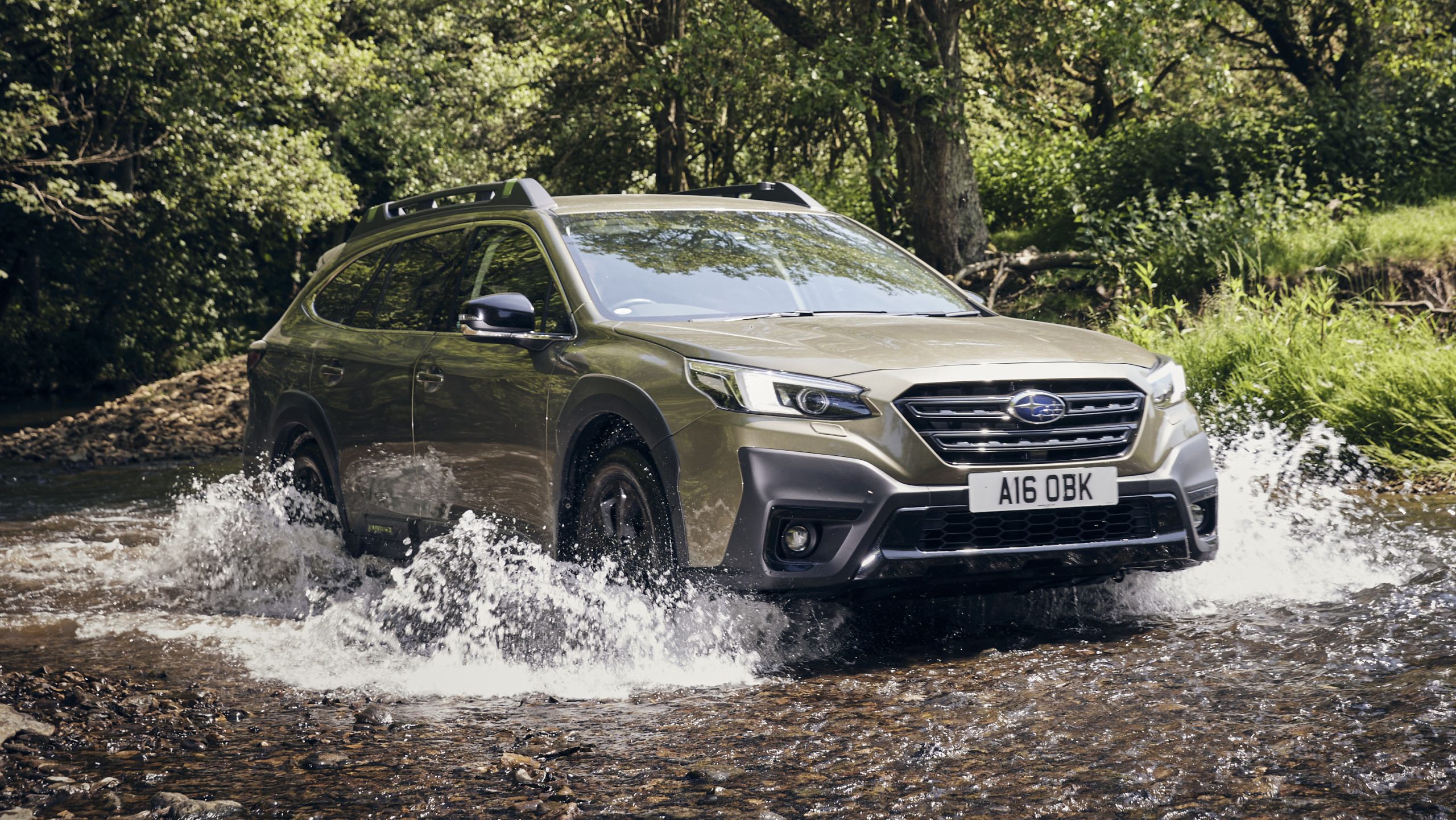
1. Subaru Outback (2.5L and 2.0L Engines)
Subaru’s Outback models, particularly those equipped with the 2.5L and 2.0L boxer engines, have earned a well-deserved reputation for robust timing belt longevity, often exceeding 150,000 miles. The hallmark of Subaru’s engine design is its horizontally opposed piston layout, which provides balance and smooth operation, but it also plays a role in timing belt durability.
Unlike inline or V-configured engines where belt tensioning and routing can be more complex and exposed, Subaru’s boxer engines tend to route the timing belt through a relatively protected environment.
The materials Subaru uses for its timing belts are reinforced with high-tensile fibers that resist stretching and cracking, which is critical for a belt expected to endure extended mileage. Furthermore, Subaru engineers design the belt system with durable, self-adjusting tensioners that maintain optimal tension even as the belt ages and the engine undergoes thermal expansion cycles.
In addition to design excellence, Subaru owners often benefit from a strong culture of preventive maintenance encouraged by the manufacturer and the enthusiast community alike.
Subaru’s recommended timing belt replacement interval is about 105,000 miles, but many owners report going well beyond this mark with no issues when belts are regularly inspected and the tensioners and pulleys are replaced as needed.
The timing belts on these vehicles also tend to perform well in varied climates because Subaru engineers factor in thermal stability, ensuring the belts can withstand both cold winters and hot summers without losing integrity.
The combination of good materials, intelligent engineering, and owner diligence means the Outback’s timing belt can frequently reach or surpass 150,000 miles, providing significant cost savings and reliability benefits to owners.
Another factor contributing to the longevity of Subaru’s timing belts is their interference engine design, which demands precise timing to avoid catastrophic valve damage. Because owners are often aware of this critical requirement, they tend to monitor timing belt conditions more closely.
Regular inspections, checking for cracks, fraying, or glazing on the belt surface, and ensuring tensioners are working properly are common maintenance habits. This attentiveness, combined with Subaru’s reliable belt design, fosters an environment where timing belts are less likely to fail unexpectedly.
Moreover, Subaru’s timing belts are shielded from oil leaks by well-sealed engine components; since oil contamination is a leading cause of belt deterioration, this design element further contributes to belt longevity.
In short, Subaru’s 2.5L and 2.0L engines in the Outback exemplify a balanced approach of engineering, quality materials, and owner responsibility resulting in timing belts that can reliably surpass the 150,000-mile mark.
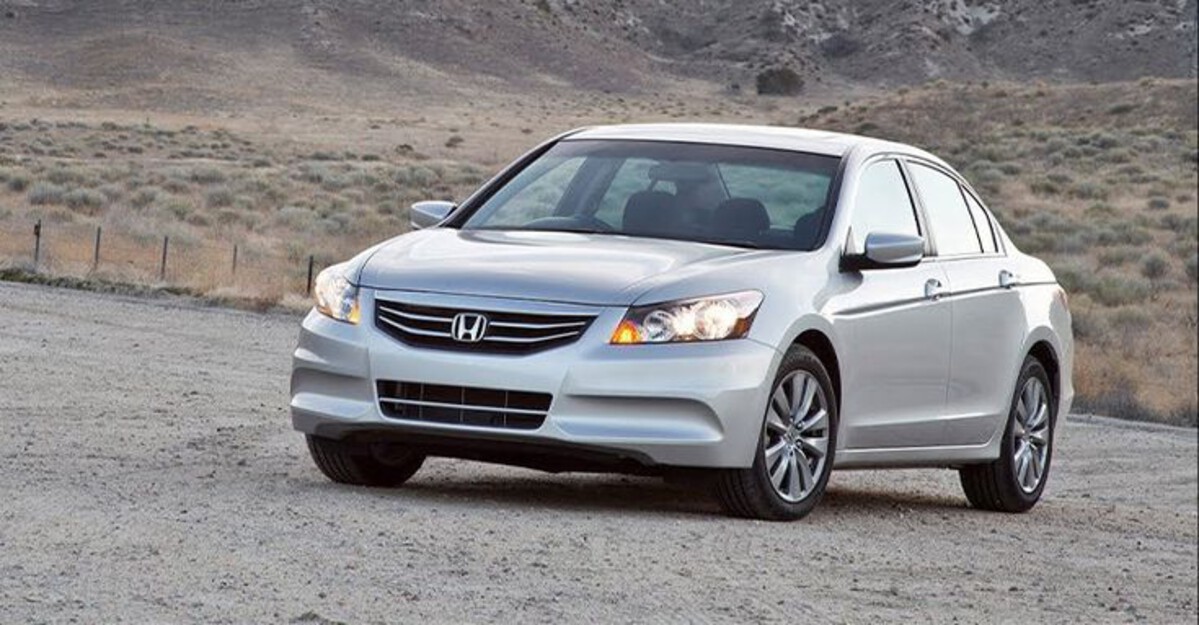
2. Honda Accord (4-cylinder models from the ’90s and early 2000s)
Honda’s 4-cylinder engines in the Accord lineup from the 1990s and early 2000s are among the most lauded for their timing belt durability and overall mechanical reliability. These engines utilize timing belts made of premium synthetic rubber compounds reinforced with durable fibers, ensuring flexibility without sacrificing tensile strength.
This careful selection of materials allows the belt to flex and rotate for thousands of miles under the stresses of engine operation while resisting cracking, stretching, or breaking.
The design of Honda’s timing belt system is elegantly simple yet effective: a combination of solid, reliable tensioners and idler pulleys ensures consistent belt tension, which is vital to preventing slack that could cause the belt to slip or degrade prematurely.
The tensioners are often spring-loaded or hydraulic, automatically compensating for minor belt wear and thermal expansion, making maintenance easier and belt life longer.
The engine layout and belt routing in these Accords further enhance belt longevity. Honda’s engineers place the timing belt in an environment relatively protected from heat and contaminants. Unlike some designs where the belt is close to exhaust components or oil seals that may leak, the Accord’s timing belt compartment tends to stay dry and cool.
This reduces the risk of premature rubber deterioration caused by oil or excessive engine heat. The manufacturer recommends timing belt replacement intervals around 105,000 miles, but numerous owner reports reveal belts lasting 150,000 miles or more, especially in well-maintained vehicles with routine inspections and timely replacements of tensioners or pulleys. This reliability has made these Accord models favorites for drivers seeking affordable and dependable transportation.
One of the key reasons Honda’s timing belts perform so well in these models is the high level of aftermarket support. Replacement parts are widely available and affordable, encouraging owners to adhere to maintenance schedules more faithfully.
Regular belt inspections, tensioner replacements, and attention to potential oil leaks help prevent the belt from deteriorating early. The Accord’s interference engine design means the timing belt’s role is critical — any failure risks severe valve and engine damage, so owners tend to be cautious.
The synergy between a well-thought-out design, quality materials, and proactive maintenance makes the Honda Accord’s timing belt system a shining example of reliability that can surpass 150,000 miles in service.

3. Toyota Camry (4-cylinder 2.2L engines from late ’90s to early 2000s)
Toyota’s 4-cylinder Camry models, particularly those with the 2.2L engines produced in the late 1990s and early 2000s, are famed for their bulletproof timing belts. These engines use belts crafted from advanced synthetic rubber with fiber reinforcements that provide remarkable durability under the stresses of daily driving.
The belt material is engineered to resist heat, friction, and tension fluctuations, which helps extend service life beyond typical intervals. Toyota pairs this with high-quality tensioners and idler pulleys that maintain stable tension and alignment throughout the belt’s lifespan, which is crucial in preventing wear patterns like glazing or cracking that often lead to premature failure.
One of the standout features of these Camry timing belt systems is the attention to environmental protection within the engine bay. The belts are well shielded from oil leaks and excessive heat sources that typically degrade rubber components. Toyota’s design ensures that engine seals are robust, preventing contamination that could weaken the timing belt material.
This protective environment is paired with relatively conservative engine temperatures, avoiding the high thermal loads that degrade many other timing belts prematurely. The recommended replacement interval often ranges from 90,000 to 105,000 miles, but owners commonly report belts running reliably well past 150,000 miles when the vehicle is regularly serviced.
Owners who maintain their Camrys according to Toyota’s guidelines, including inspecting the belt for wear and replacing tensioners or pulleys as needed, tend to enjoy extended belt life with minimal issues. The timing belt’s longevity is further enhanced by the widespread availability of replacement parts and a strong service network.
This allows owners to take preventive action early, avoiding the common pitfalls that cause timing belts to fail prematurely in other vehicles. The Toyota Camry’s combination of durable materials, smart design, and preventive maintenance makes it an exemplary model for timing belts that consistently exceed 150,000 miles without compromising engine health.
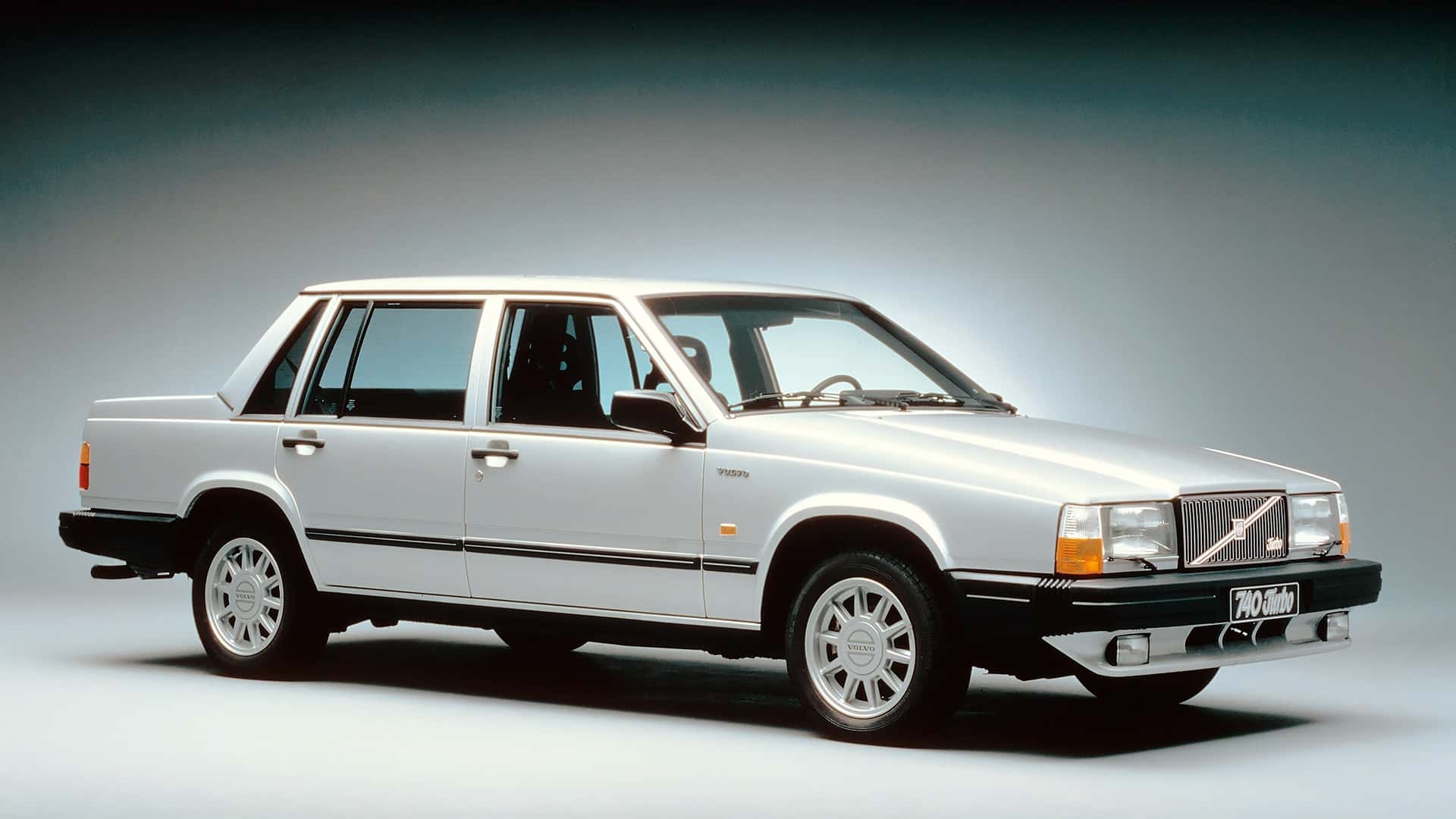
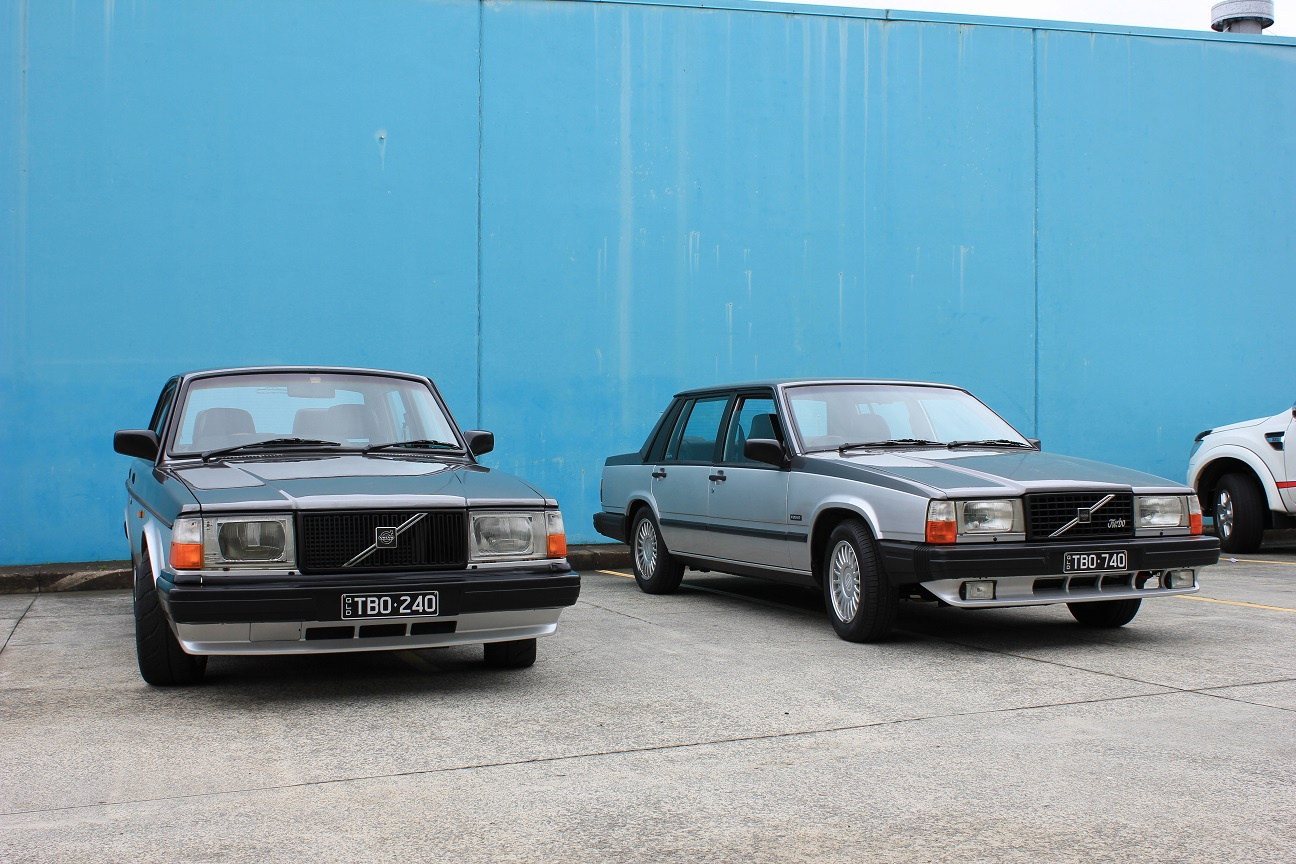
4. Volvo 240 and 740 (B230 engines)
Volvo’s classic 240 and 740 series, powered by the legendary B230 inline-four engines, are well known among enthusiasts and mechanics for their rugged durability, especially regarding timing belts. The timing belt system in these engines is a masterclass in longevity, thanks largely to Volvo’s decision to employ high-quality materials and incorporate a hydraulic tensioner system.
Unlike simple spring tensioners, hydraulic tensioners automatically adjust to maintain optimal belt tension throughout their lifespan. This innovation greatly reduces the risk of slack or overtightening, both of which can cause premature belt wear or catastrophic failure.
The B230 engine’s timing belt is built to tolerate long-term stress and exposure without losing strength or elasticity, contributing to belt lives that often exceed 150,000 miles—and in many cases, even approach 200,000 miles.
Another aspect of Volvo’s timing belt longevity is the well-protected engine compartment design. The timing belt is housed away from oil leaks and extreme heat sources, which are common killers of belt integrity. The B230 engine’s engineering ensures the belt’s environment remains clean and cool, preventing degradation from contaminants or thermal stress.
This clean environment, combined with the advanced tensioning system, creates the ideal conditions for a timing belt to operate reliably for hundreds of thousands of miles. Additionally, Volvo’s conservative maintenance recommendations and the dedicated enthusiast community ensure that timing belt inspections and replacements are taken seriously.
Owners and mechanics alike praise the Volvo 240 and 740 series for their engines’ ability to maintain timing belt health well beyond standard replacement schedules. The hydraulic tensioner system, in particular, sets these Volvos apart, automatically compensating for belt wear and temperature changes without requiring frequent manual adjustments.
The robust construction of the belt itself, combined with Volvo’s focus on mechanical longevity, results in timing belts that are not only durable but also reassuringly predictable in their service life, making the 240 and 740 a legendary example of timing belt endurance.
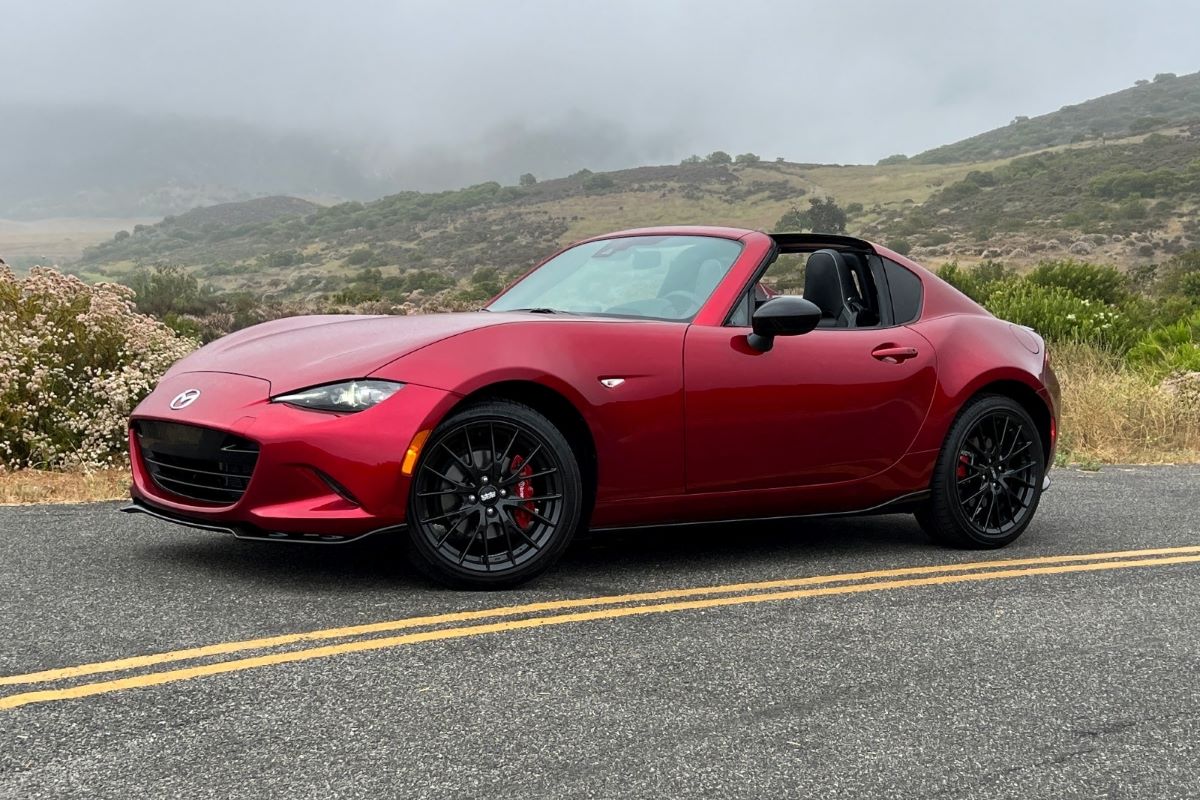
5. Mazda Miata (NA and NB models)
The Mazda Miata, especially the first (NA) and second generation (NB) models, is widely celebrated not only for its lightweight fun-to-drive nature but also for its remarkably reliable timing belts. These Miatas come equipped with 1.6L and 1.8L inline-four engines that feature timing belts made from premium materials designed to endure the high-revving, spirited driving typical of these sports cars
. Mazda engineers employ a robust belt construction, reinforced with fiberglass cords and heat-resistant rubber compounds, to ensure the belt can handle extensive rotational cycles without premature degradation.
The Miata’s timing belt system is further enhanced by solid tensioners and smooth routing paths that reduce mechanical stress on the belt. Unlike some vehicles where the belt path includes sharp turns or rough idlers that accelerate wear, the Miata’s setup allows for even tension distribution and minimal friction points.
The recommended timing belt replacement interval generally falls between 60,000 and 90,000 miles; however, many Miata owners report belts lasting well beyond 150,000 miles when accompanied by regular maintenance. This longevity is attributed not only to Mazda’s quality engineering but also to the attentive nature of Miata enthusiasts who frequently inspect and replace tensioners and pulleys as preventative measures.
In addition, the sporty characteristics of the Miata promote an ownership culture of careful maintenance, often including timely oil changes and inspections of critical engine components. Since the Miata’s engine is interference-type, owners tend to be vigilant about timing belt conditions to avoid costly valve damage.
The belt is also well shielded from contaminants and excessive heat, factors that might otherwise accelerate wear. This combination of robust design, high-quality materials, and conscientious owner care makes the Mazda Miata’s timing belt a prime example of extended service life, often surpassing 150,000 miles with few complications, reinforcing the Miata’s reputation for reliability alongside its spirited driving appeal.
5 Cars With Timing Belts That Fail Prematurely
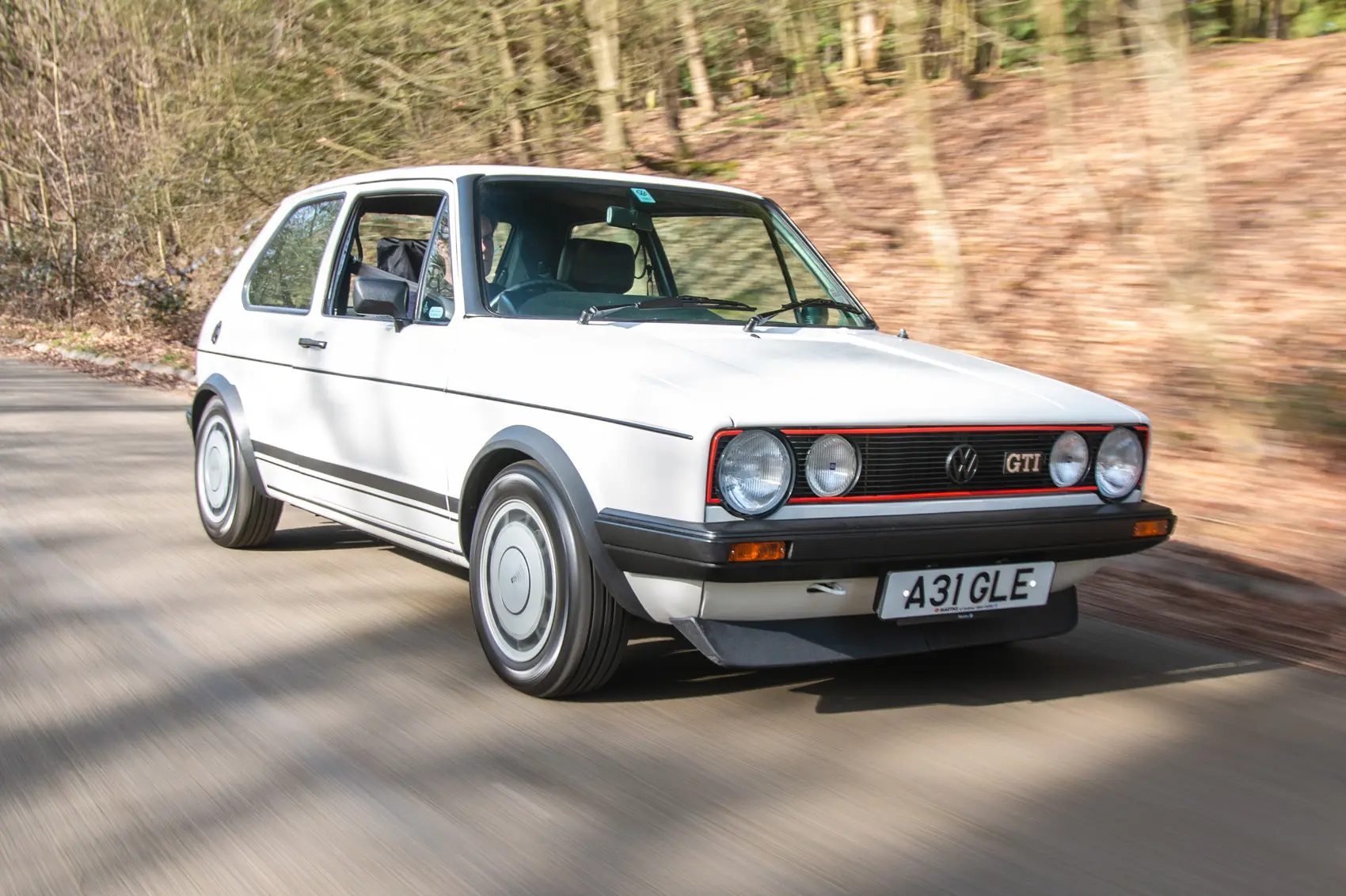
1. Volkswagen 1.8T Engines (Late ’90s to Early 2000s)
Volkswagen’s 1.8T engines, produced during the late 1990s and early 2000s, have been both praised for their performance and criticized for timing belt issues that often arise prematurely.
These turbocharged four-cylinder engines use timing belts that, despite being made from advanced materials, tend to degrade faster than expected under real-world driving conditions. One contributing factor is the complex design and placement of the belt within a tightly packed engine bay, where heat from the turbocharger and exhaust components creates an especially harsh environment.
High under-hood temperatures accelerate rubber drying and fiber breakdown in the belt, causing it to become brittle or crack well before the manufacturer’s recommended replacement intervals.
Additionally, the timing belt tensioner design in many of these engines has been a source of concern. The stock tensioners, often made of plastic or lower-grade metal components, have been known to fail or lose tension prematurely, which places additional strain on the timing belt.
When tension is lost or inconsistent, the belt is prone to slipping or accelerated wear, sometimes resulting in catastrophic engine damage due to the interference nature of these engines. This problem is exacerbated by oil leaks from camshaft seals or crankshaft seals that contaminate the timing belt.
Oil causes the rubber to swell and weaken, significantly reducing belt life. Because these engines are interference designs, a timing belt failure typically leads to bent valves and expensive repairs, which has given the 1.8T engine a reputation for premature timing belt failures among owners and mechanics.
Volkswagen owners often find that the recommended timing belt replacement interval of about 60,000 to 75,000 miles is on the conservative side, but failure to adhere strictly to these intervals increases the risk of failure drastically. Furthermore, many owners report that even with timely belt changes, issues with tensioners and oil leaks still cause premature belt wear or sudden failures.
This combination of high engine heat, suboptimal tensioner design, and sensitivity to oil contamination creates a perfect storm for early timing belt problems in the 1.8T engines.
Aftermarket solutions, such as upgraded metal tensioners and sealed timing belt covers, have been developed to help mitigate these issues, but the underlying susceptibility of the belt to heat and contamination remains a significant challenge for this generation of Volkswagen engines.
2. Ford 2.0L Zetec Engines (Late ’90s to Early 2000s)
Ford’s 2.0L Zetec engine, popular in models such as the Ford Focus and Escort from the late ’90s and early 2000s, has been frequently reported to experience timing belt failures prematurely, much earlier than the suggested maintenance intervals.
One of the primary causes is the tensioner design, which employs a plastic or composite pulley that tends to wear out or seize under stress. When the tensioner pulley begins to fail, it does not maintain the correct tension on the timing belt, leading to belt slack, misalignment, or outright failure. The belt itself is exposed to this irregular tension, which can cause it to stretch, fray, or snap unexpectedly.
Moreover, the Ford Zetec engine’s timing belt operates in a relatively confined and hot engine bay environment. Heat is a major enemy of timing belts because it accelerates the breakdown of rubber and fiber components. Compounding this is the fact that these engines have been known to suffer from oil leaks at the camshaft and crankshaft seals, which can contaminate the timing belt.
Oil exposure softens the belt material, causing swelling, softening, and eventually structural failure. This exposure is particularly harmful because the timing belt is not designed to operate in contact with lubricants. When oil leakage goes unnoticed, it can significantly shorten the lifespan of the belt, sometimes reducing its effective life to less than half the recommended replacement interval.
In addition, the Zetec engine’s interference design means that a timing belt failure almost always results in severe engine damage. The valves can bend or break upon contact with pistons, necessitating costly repairs or even engine replacement. This risk makes premature timing belt failure a critical issue for owners and mechanics.
While Ford initially recommended belt replacement intervals between 60,000 and 90,000 miles, many owners have experienced failures well before those mileages, especially when tensioners or seals are not promptly serviced.
The common consensus among enthusiasts and repair professionals is that upgrading tensioners and proactively inspecting for oil leaks can help extend belt life, but the inherent vulnerability of the Zetec timing belt system remains a notable weak point in these engines.
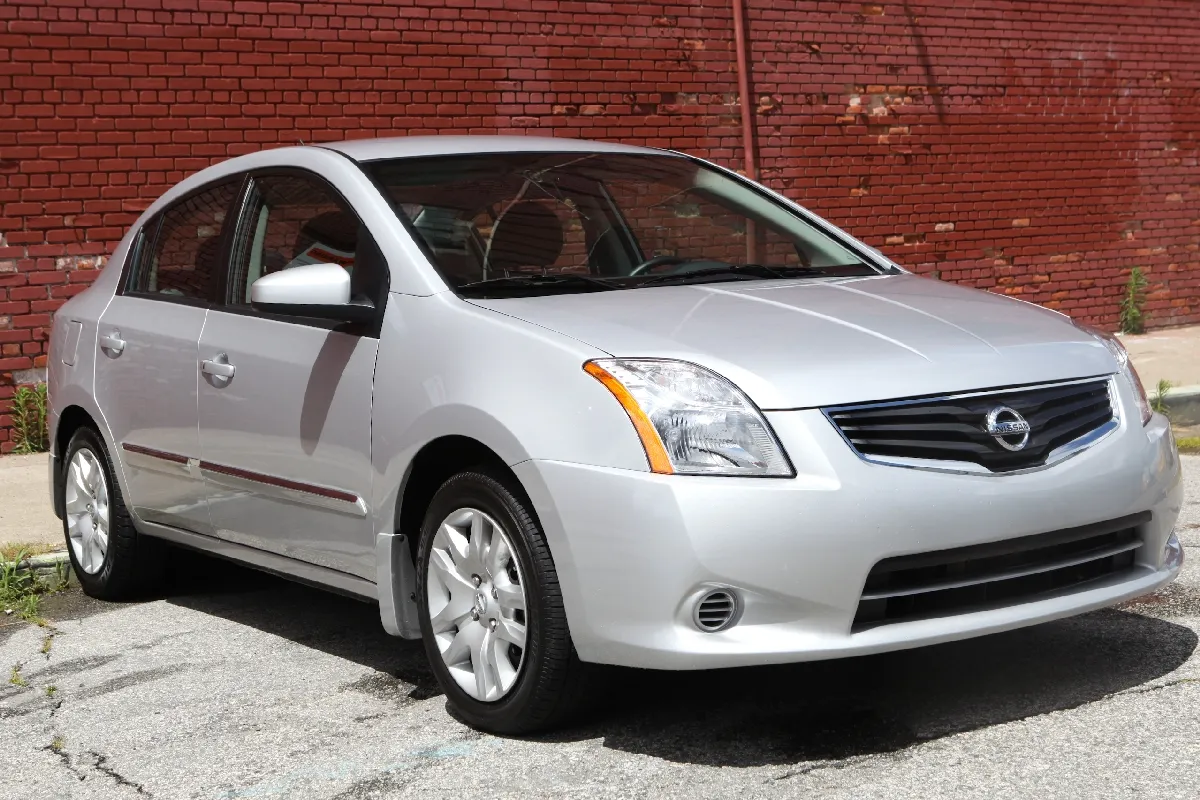
3. Nissan Sentra SR20DE (Late ’90s to Early 2000s)
The Nissan Sentra SR20DE engine, used in the late ’90s and early 2000s, is another example where timing belt issues have been reported prematurely, causing headaches for owners. While the SR20DE is generally regarded as a solid engine, its timing belt system is vulnerable to premature wear and failure primarily due to design and maintenance factors.
One of the main problems lies with the idler pulleys and tensioners, which on many units have been made with plastic or low-durability materials prone to seizing or breaking over time. When these components fail, the timing belt’s alignment and tension are compromised, resulting in increased stress on the belt itself.
Moreover, the engine bay design exposes the timing belt to elevated temperatures and occasional oil leaks, both of which accelerate belt deterioration. The SR20DE’s interference design means timing belt failure is catastrophic, causing bent valves and often requiring expensive engine repairs.
Nissan’s factory recommended timing belt replacement interval hovers around 60,000 miles, yet many owners report having to replace belts or associated components much sooner, sometimes as early as 40,000 miles. This has led to a common perception that the timing belt system on the SR20DE is not as durable as originally intended, and proactive maintenance is essential to prevent premature failures.
Additionally, many SR20DE owners discover that standard maintenance procedures aren’t always sufficient to prevent problems. Replacing the belt alone without addressing worn tensioners and pulleys can lead to quick re-failures. This has resulted in the widespread recommendation among mechanics and Nissan enthusiasts to replace the entire timing belt kit—including belt, tensioners, pulleys, and water pump—to ensure the entire system functions reliably.
However, due to the age of these vehicles and the sometimes high costs associated with full kit replacements, some owners delay or skip parts of this maintenance, increasing the risk of premature timing belt failure. Despite its overall strong reputation, the SR20DE’s timing belt system is widely seen as a weak link that requires careful attention and thorough maintenance.
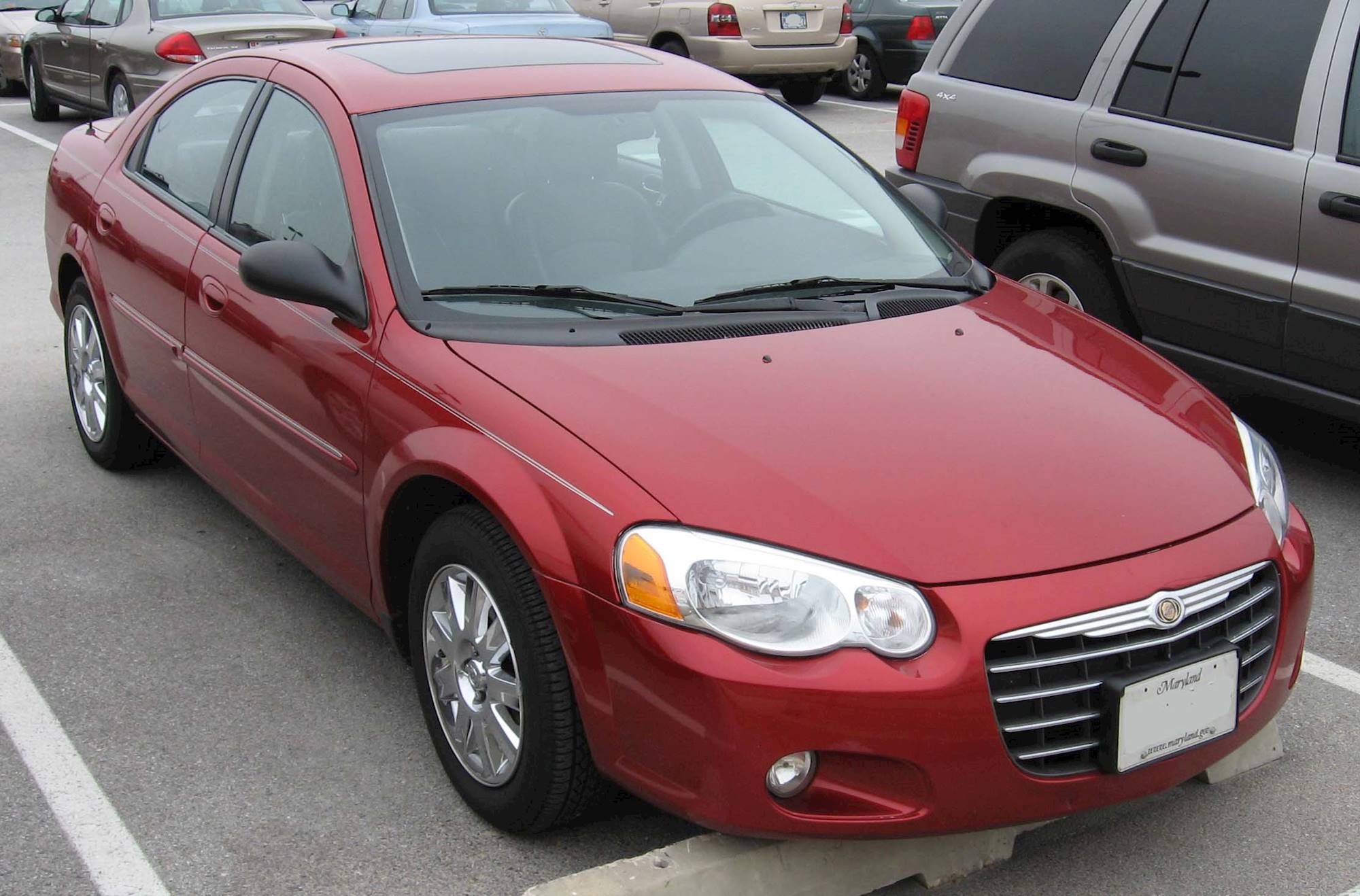
4. Chrysler 2.4L DOHC Engines (Mid-2000s)
Chrysler’s 2.4L DOHC engine, particularly those found in models like the Chrysler Sebring and Dodge Stratus during the mid-2000s, has gained notoriety for timing belt problems that manifest well before expected service intervals.
These engines feature timing belts that are susceptible to rapid wear due to a combination of belt material quality and design issues with the tensioner and idler components. Many owners report tensioner failures or excessive pulley wear that results in loss of proper belt tension. This leads to increased belt slippage or tooth skipping, which compromises the engine’s timing and can cause severe engine damage.
Another significant factor is the engine’s thermal environment. The 2.4L DOHC engine often runs hotter than ideal in certain operating conditions, which exacerbates rubber deterioration in the timing belt. Heat accelerates the hardening and cracking of the belt, shortening its useful life.
Furthermore, these engines sometimes suffer from oil seal leaks around camshafts and crankshafts, and oil contamination is a major factor causing premature belt failures. Oil seeps into the timing belt area, degrade the rubber material, reducing tensile strength and flexibility, making the belt prone to snapping unexpectedly.
Chrysler’s factory timing belt replacement recommendation for these engines generally sits around 60,000 miles, but numerous reports indicate failures occurring as early as 40,000 miles, particularly when tensioners or seals have not been replaced in tandem with the belt.
This has made the 2.4L DOHC timing belt system a weak spot for Chrysler owners, forcing many to replace the timing belt and tensioner assembly sooner than expected. The interference engine design means belt failure is not just inconvenient but can cause catastrophic engine damage. Because of these persistent issues, aftermarket upgrades and preventive maintenance kits have become popular among owners seeking to avoid premature failures and extend the engine’s lifespan safely.
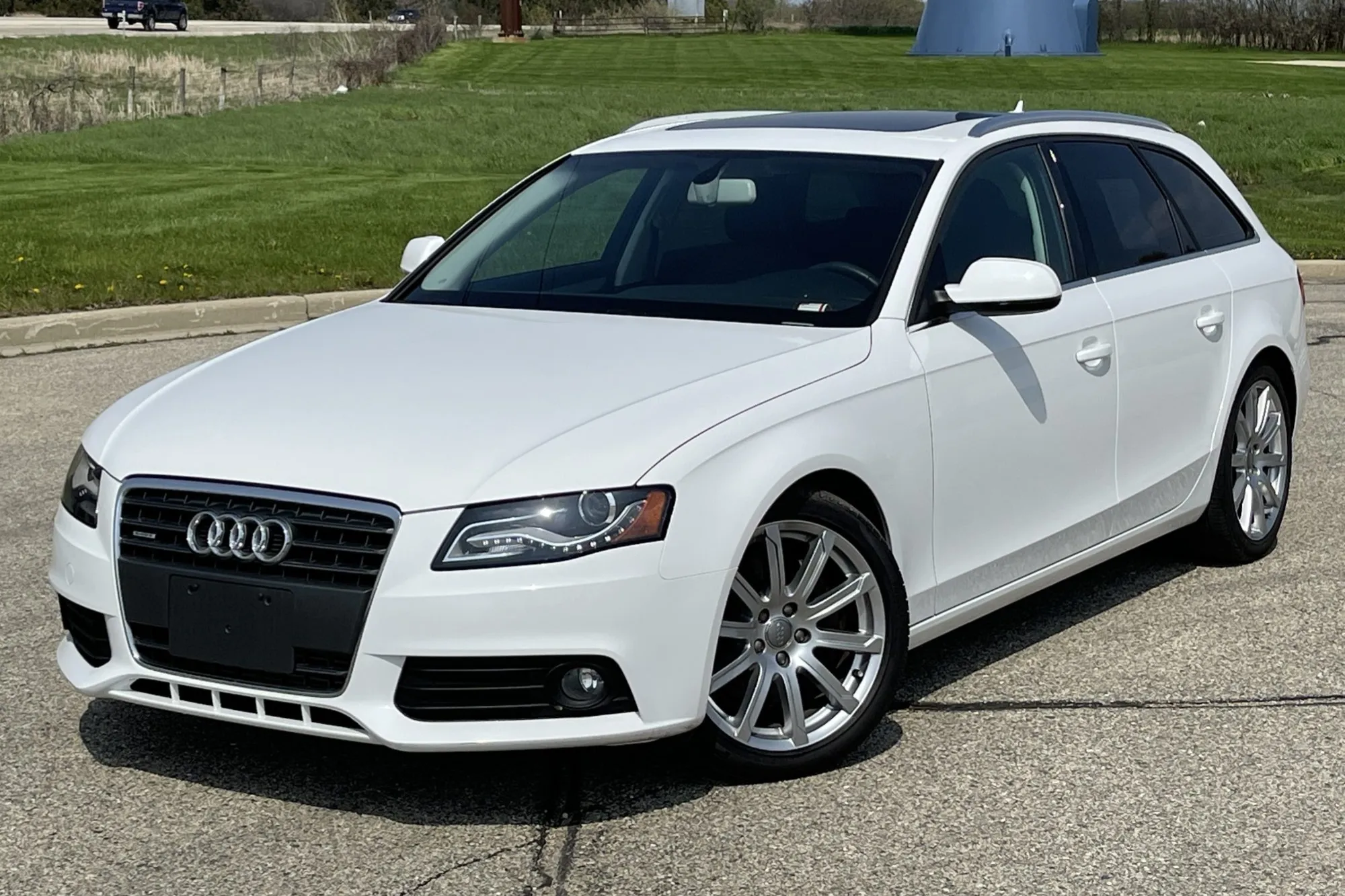
5. Audi A4 1.8T (B5 and Early B6 Models)
The Audi A4 equipped with the 1.8T engine, particularly the B5 and early B6 models produced in the late ’90s and early 2000s, has a timing belt system that is infamous for failing prematurely. These engines are known for their sophisticated turbocharged design and high performance, but this also means the timing belt is subjected to intense operational stresses and heat.
The timing belt is routed through a complex path that exposes it to elevated engine temperatures and sometimes marginal cooling airflow, which accelerates belt wear and degradation. Additionally, the belt material in these early Audi models, although advanced for its time, is not as resilient as more modern compounds and tends to become brittle faster when exposed to heat and contaminants.
A key issue affecting the timing belt’s durability in these Audis is the tensioner design. The factory tensioners, often plastic or aluminum, have been known to fail, lose tension, or seize prematurely. When this happens, the belt loses the proper tension required to keep engine timing perfectly synchronized, resulting in slipping or skipping teeth on the belt.
Due to the interference engine design, any mistiming caused by belt slippage leads to bent valves and potentially catastrophic engine damage. Compounding the problem is the fact that oil leaks from camshaft seals or crankshaft seals are fairly common on these engines. Oil contamination on the belt further accelerates rubber deterioration and contributes to early failures.
Audi recommends timing belt replacement intervals around 75,000 miles, but many owners report failures occurring well before this, sometimes even as low as 50,000 miles, particularly if the tensioner and seals are not serviced at the same time.
The complexity of the timing belt system and the engine’s sensitivity to timing irregularities mean that any failure tends to be expensive and stressful for owners. Fortunately, aftermarket solutions have emerged, including upgraded metal tensioners and improved seal kits, which help reduce premature failures. However, the inherent design challenges and the harsh operating environment for the timing belt on these early 1.8T Audi engines remain a significant cause of premature timing belt issues.
ALSO READ: 5 Cars With Indestructible Suspension Systems and 5 That Constantly Rattle
Timing belts represent one of the most crucial components in modern internal combustion engines, acting as the unseen conductor that orchestrates the precise movements of camshafts and crankshafts.
Their significance cannot be overstated, given that any failure in the timing belt system almost invariably leads to severe engine damage, especially in interference engine designs. As this article has explored, timing belt longevity varies widely among different vehicle models due to factors ranging from engineering design, component material quality, and operating environment to maintenance culture and aftermarket support.
The five vehicles highlighted for timing belts that consistently last over 150,000 miles demonstrate what happens when automakers prioritize durability and quality in their timing belt systems. These cars—such as the Subaru Outback, Honda Accord, Toyota Camry, Volvo 240/740, and Mazda Miata—benefit from well-engineered belts made with superior materials, robust tensioning mechanisms, and an environment within the engine bay that protects the belt from excessive heat and contaminants.
Beyond the engineering, the proactive maintenance habits encouraged by these manufacturers and their owners contribute significantly to extending timing belt life. These examples set the benchmark for what owners should expect from a timing belt system, blending reliability with cost-effectiveness over the vehicle’s lifespan.
Conversely, the vehicles noted for premature timing belt failures—like the Volkswagen 1.8T engines, Ford Zetec 2.0L, Nissan Sentra SR20DE, Chrysler 2.4L DOHC, and early Audi A4 1.8T—illustrate the challenges that arise when timing belt systems face adverse conditions or design weaknesses.
These cars often suffer from tensioner or pulley failures, oil leaks that contaminate belts, and exposure to excessive engine heat, all of which hasten timing belt deterioration. In some cases, the materials used in the belts or tensioners are less durable or poorly suited to the engine’s operating environment. These factors combine to reduce the timing belt’s effective lifespan dramatically, forcing owners into costly repairs or emergency replacements much sooner than anticipated.
One of the most important takeaways for car owners and enthusiasts is that timing belt longevity is not merely a function of manufacturer recommendations or mileage intervals. It is influenced heavily by actual driving conditions, maintenance practices, and early detection of potential issues.
For instance, frequent inspections of the belt and tensioner components, prompt replacement of oil seals and gaskets, and timely belt replacement before the belt shows visible signs of wear can all prevent catastrophic failures. In cars known for premature timing belt issues, investing in upgraded aftermarket tensioners, seals, and belts made from more resilient materials can pay dividends by extending belt life and protecting the engine.
Furthermore, understanding whether your vehicle is an interference engine or a non-interference engine is vital. Interference engines place valves and pistons in overlapping spaces at different times, meaning timing belt failure almost certainly results in serious valve and piston damage.
In contrast, non-interference engines may suffer engine stoppage without internal damage if the timing belt fails. This knowledge influences how urgently timing belt maintenance should be treated and can guide decisions about preventative measures.
For prospective buyers, the contrast between long-lasting and failure-prone timing belt systems is a critical consideration. Choosing a vehicle known for its timing belt reliability can provide peace of mind, reduce maintenance costs, and improve overall ownership satisfaction. Meanwhile, buyers considering vehicles with a history of premature timing belt failures should be prepared for more frequent and attentive maintenance or consider whether alternative models might offer better long-term value.
In summary, timing belts are a small but mighty component whose health significantly affects engine reliability and longevity. The cars that succeed in delivering timing belts that last well beyond 150,000 miles highlight the benefits of quality engineering, smart material selection, and diligent maintenance. Meanwhile, vehicles with timing belts prone to early failure serve as cautionary tales about the risks of neglecting critical maintenance or inherent design flaws.
Ultimately, whether your timing belt is expected to last 60,000 miles or 150,000 miles, the key to avoiding premature failure lies in knowledge, vigilance, and proactive care.
By understanding the specific timing belt challenges your vehicle may face, following maintenance schedules rigorously, and addressing issues promptly, you can protect your engine and enjoy years of trouble-free driving. Timing belts may operate quietly in the background, but their role is paramount, and honoring that role through careful attention ensures your vehicle’s heart keeps beating smoothly for miles to come.
