
Buying a used SUV is one of the most common—and potentially rewarding—ways to get into a spacious, versatile vehicle without absorbing the painful depreciation that hits the moment a new car rolls off the lot. The SUV market has exploded over the past two decades, offering choices across every budget, lifestyle, and driving need imaginable.
From rugged off-roaders to cushy family haulers, automakers have flooded the roads with crossovers and utility vehicles designed to do a little bit of everything. But here’s the hard truth: not all SUVs age well, and not all are created equal.
While some models earn their place as long-lasting, reliable workhorses that continue to deliver value well beyond their initial sticker price, others slowly—or quickly—reveal themselves to be mechanical nightmares that cost more in repairs than they’re worth.
This article serves as your practical guide to navigating that tricky divide. We’ve broken it down into two crucial parts: first, the SUVs you can confidently buy used without losing sleep, and then, the ones that may seem like a good deal but will likely leave you frustrated, stranded, or broke.
These aren’t just opinions pulled from spec sheets or marketing brochures. They reflect real-world ownership experiences, common mechanical problems, industry recall data, and long-term cost of ownership factors that too many used car buyers overlook until it’s too late.
In the “zero regret” section, we highlight five SUVs that have stood the test of time. These vehicles have strong reputations for durability, manageable maintenance costs, and a track record of owner satisfaction. They may not all be flashy, but they get the job done with minimal drama—and that’s worth its weight in gold when you’re relying on a vehicle every day.
Models like the Toyota 4Runner and Honda CR-V have become legends in the used market for good reason. Whether you’re hauling kids, camping gear, or just groceries and a dog, these SUVs offer peace of mind and low operating costs. Even better, they tend to hold their value, making them smart financial choices in the long run.
On the flip side, we dive into five SUVs you’ll wish you never touched. These vehicles often show up with attractive price tags, sleek styling, and feature lists that appear too good to pass up. But beneath the surface, they harbor chronic issues—transmission failures, engine problems, electrical quirks—that can quickly turn a budget-friendly buy into a financial disaster.
Models like the Jeep Cherokee and Dodge Journey have developed notorious reputations in the used car world, with thousands of owners reporting expensive repairs, poor resale value, and disappointing reliability. The warning signs are there, but not always obvious unless you know what to look for. That’s exactly why this list exists—to help you dodge a lemon before it’s in your driveway.
It’s worth noting that some of the SUVs on our “avoid” list might have seen improvements in later generations or specific trims, but when assessing the used market, patterns matter. A single recall doesn’t make a vehicle a bad choice, but consistent failure points and industry-wide reliability concerns do.
Our goal here isn’t to bash certain brands or scare people away from used vehicles; it’s the opposite. We want you to feel informed and empowered when shopping. A well-chosen used SUV can last for years, cost far less than buying new, and even outperform many new models in key categories like reliability and ownership satisfaction.
This isn’t just about horsepower numbers or towing specs—it’s about everyday usability, maintenance headaches, and whether or not the vehicle will leave you stranded on the side of the road or stuck in a repair shop for weeks.
In other words, we’re focused on what matters once the excitement of the test drive wears off and real life takes over. If you’re looking to get the best value for your money—and avoid common pitfalls—this guide will steer you in the right direction.
So whether you’re a first-time buyer trying to stretch every dollar, a parent in need of dependable family transport, or simply someone tired of rolling the dice on Craigslist finds, this list is your starting point. By the end of it, you’ll know which used SUVs are worth chasing—and which ones you should walk away from, no matter how shiny or cheap they seem on the lot.
Also Read: 5 Engines That Thrive at High RPM and 5 That Can’t Handle Daily Driving Stress
5 SUVs You Can Buy Used With Zero Regret
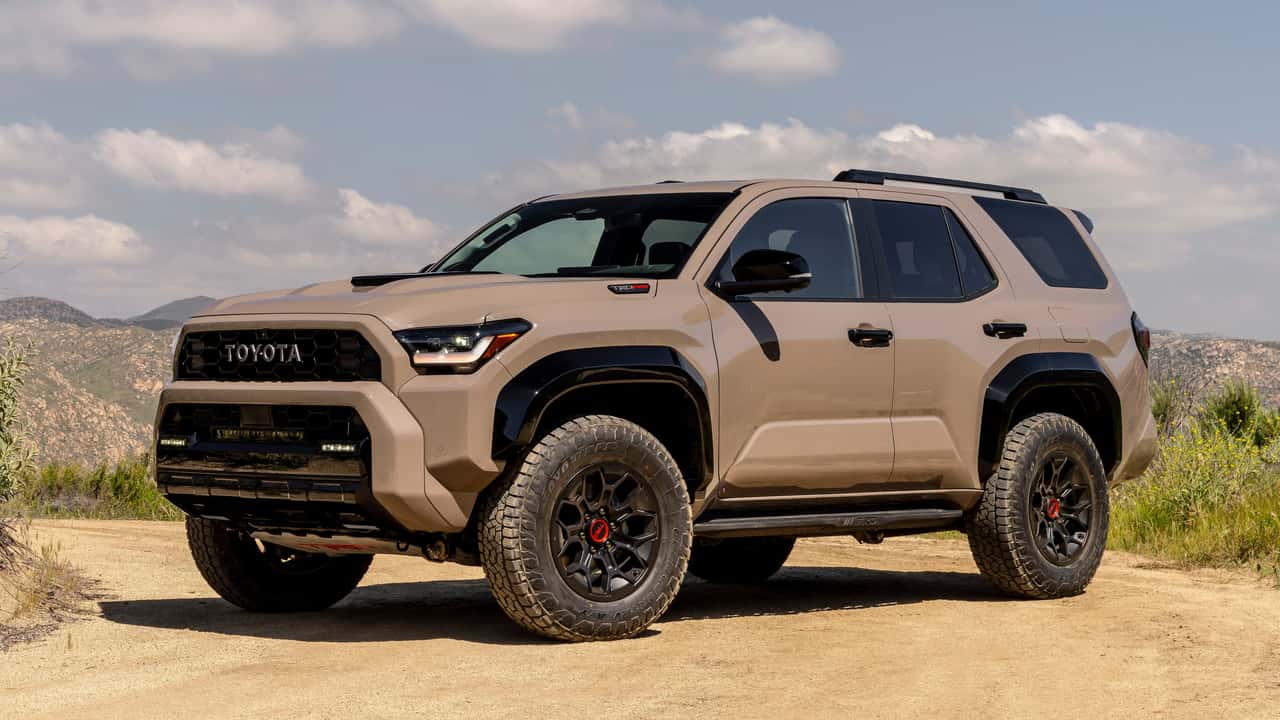
1. Toyota 4Runner
The Toyota 4Runner is the embodiment of long-term utility and resilience. Built on a rugged body-on-frame platform shared with trucks, this midsize SUV has been a mainstay in Toyota’s lineup for decades for one simple reason: it works. From the early 2000s to the most recently used models, the 4Runner’s DNA has stayed remarkably consistent—sturdy, no-nonsense engineering designed to endure heavy usage over long periods.
When you buy a used 4Runner, you’re not just getting a vehicle—you’re getting a reputation built on decades of reliability, often cited in owner forums and enthusiast circles as a “buy it and forget it” machine.
Whether it’s used for daily commuting, mountain getaways, or towing toys to the lake, the 4Runner doesn’t break a sweat, and that’s exactly what makes it so trusted.
One of the defining strengths of the 4Runner lies in its powertrain. The 4.0-liter V6 engine, found in many of the post-2010 models, is legendary for its bulletproof reliability. While other manufacturers have moved to turbochargers or smaller displacement engines for fuel efficiency, Toyota stuck with this naturally aspirated V6 for good reason—it just keeps running.
Mated to a 5-speed automatic transmission (which many automotive journalists would call dated, but proven), this combination prioritizes reliability over modern refinement. Owners report consistently high mileage with minimal issues, and even the most intensive off-road use rarely causes serious drivetrain problems. If you’re buying a used 4Runner with over 100,000 miles, odds are it’s only halfway through its useful life—if properly maintained, 300,000 miles isn’t unrealistic.
The interior of the 4Runner also deserves attention. While it might not win design awards for being flashy or cutting-edge, its real-world practicality is what earns it praise from longtime owners. Hard-touch plastics, large mechanical buttons, and ergonomic layouts make the interior easy to clean and functional—especially important for families, dog owners, or outdoor enthusiasts.
The cabin is relatively quiet, and models from 2013 onward include more advanced infotainment systems, Bluetooth connectivity, and optional premium sound systems. Don’t expect a luxury ride—but do expect a reliable and straightforward one. For those who prioritize substance over style, the 4Runner delivers exactly what you need.
Used 4Runners also retain resale value better than almost any other midsize SUV in the segment. This is no small feat, especially when compared to domestic competitors that often see a steep depreciation curve after year three. Part of this is due to the Toyota brand’s reputation, but the other part is due to real-world owner satisfaction and mechanical longevity.
If you ever need to sell your used 4Runner, you’ll find a long list of eager buyers who know exactly what they’re getting into. And if you’re planning to hold on to it long-term, you’ll be rewarded with a reliable, capable, and durable machine that asks for little and gives a lot. It’s one of the few SUVs that truly earns its price tag—even in the used market.
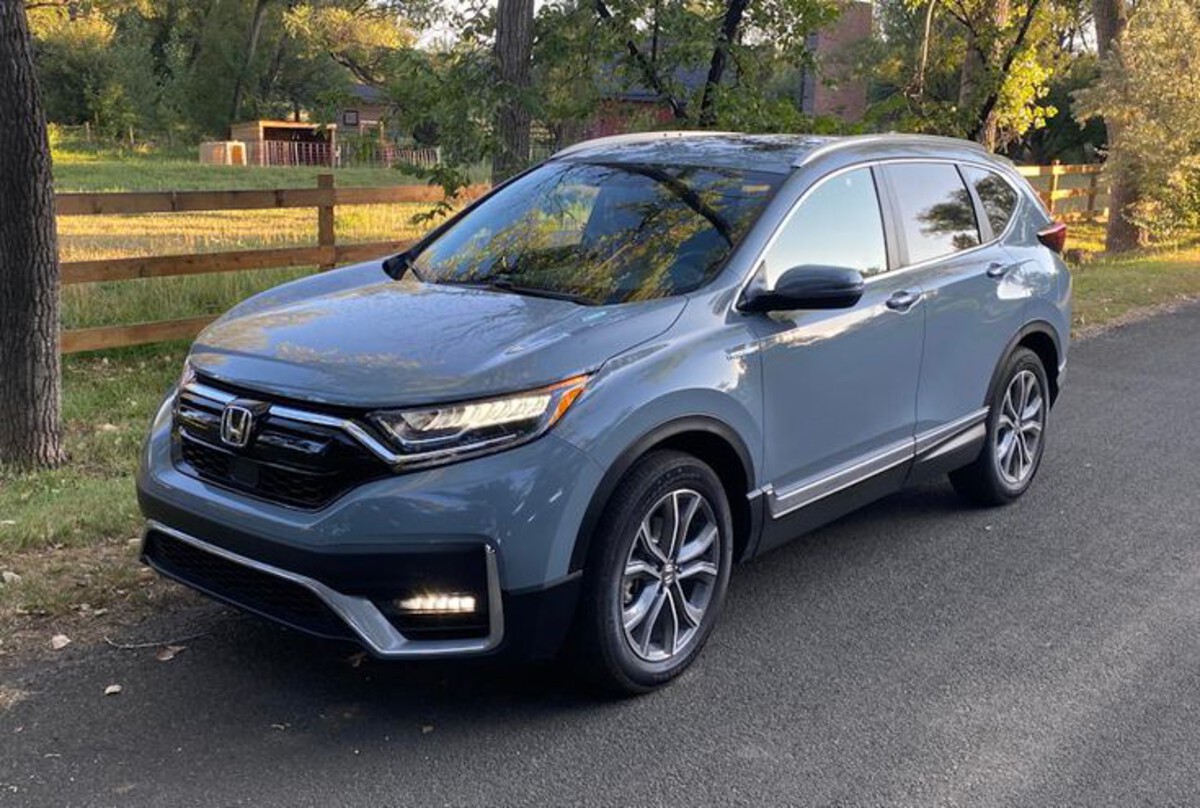
2. Honda CR-V
The Honda CR-V has long been considered a gold standard in the compact SUV segment, and with good reason. Whether you’re looking at models from the late 2000s or something more recent like the 2017+ generation, the CR-V consistently impresses with its blend of comfort, efficiency, space, and affordability.
Buying one used is often a safer bet than going new with other brands. Honda’s philosophy of engineering simplicity and long-term usability shines through in the CR-V’s DNA, making it ideal for first-time buyers, small families, and even retirees who want peace of mind on the road. When you step into a used CR-V, you immediately feel the thoughtfulness of its design—no gimmicks, just user-friendly ergonomics and dependable performance.
Mechanically, the CR-V is known for its rock-solid powertrains. The earlier models, particularly those with the 2.4-liter naturally aspirated engine, are lauded for reaching 200,000+ miles without serious issues. This engine doesn’t boast massive horsepower, but it delivers power smoothly and efficiently.
For later models, Honda introduced a 1.5-liter turbocharged engine to boost fuel economy, and while early versions had some teething problems (mainly related to oil dilution in extremely cold climates), the issues were addressed with updated software and service guidelines.
Regardless of the generation, the CR-V’s powertrains are generally easy to maintain, affordable to service, and seldom fail catastrophically—an essential trait when buying used.
Inside, the CR-V maximizes its interior volume better than most compact SUVs. Rear legroom is generous, and the cargo space rivals some midsize competitors. The seats are comfortable, and the cabin layout is intuitive—even base trims come with functional climate controls, well-placed cup holders, and impressive visibility.
If you go for higher trims like the EX or Touring, you’ll get bonuses such as a sunroof, premium audio, or built-in navigation, but even base LX trims are well-equipped by segment standards. More recent used CR-Vs also feature Honda Sensing, a suite of driver-assist technologies including adaptive cruise control, lane keep assist, and automatic emergency braking—enhancing safety without overcomplicating the driving experience.
In terms of ownership costs, few SUVs are as friendly to the wallet as the CR-V. Insurance is affordable, fuel economy is excellent (even in older all-wheel drive models), and parts are readily available at almost every service shop. The CR-V doesn’t just resist expensive repairs—it also avoids annoying quirks.
You don’t get random electrical gremlins, squeaky suspensions, or flaky infotainment systems. What you do get is a consistent, easy-to-live-with vehicle that earns its keep every mile. In the world of used SUVs, few vehicles offer the mix of practicality and dependability that the CR-V delivers—and that’s why it remains one of the best decisions you can make on the used market.
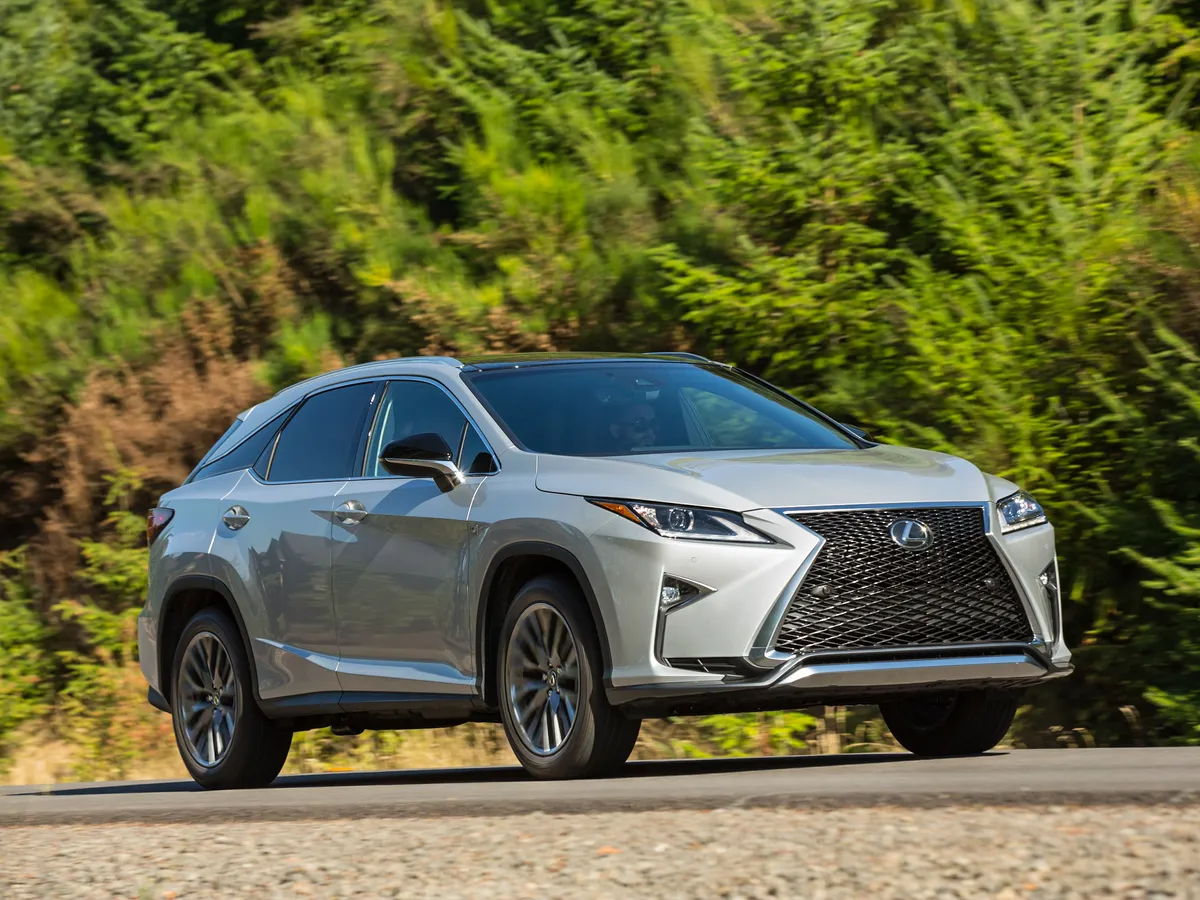
3. Lexus RX 350
When you’re looking for a used luxury SUV that won’t bleed your wallet dry in maintenance costs, the Lexus RX 350 is the undisputed champion. Lexus as a brand is known for bringing Toyota’s durability into a luxury segment, and no model represents that mission better than the RX 350.
This midsize SUV perfectly balances refinement, reliability, and resale value. Even if you’re buying a model with over 100,000 miles, the RX 350 rarely turns into a money pit—unlike its European rivals. This is the luxury SUV for practical buyers who still want leather seats, a smooth ride, and quiet confidence in every journey.
The engine is where the RX 350 earns much of its acclaim. The 3.5-liter V6, which has powered most RX 350 models since its inception, is one of the most reliable engines ever built in a luxury vehicle.
Smooth, strong, and virtually indestructible with regular maintenance, this engine delivers a refined driving experience without any of the turbo lag or high-strung behavior found in comparable German SUVs.
The transmission is just as sturdy. In fact, many owners have reported surpassing the 200,000-mile mark without ever needing major drivetrain work. This isn’t just impressive—it’s rare in the luxury segment, where repair costs can often derail the ownership experience.
The RX 350’s interior also ages gracefully, which is important if you’re shopping for a used vehicle. Lexus used high-quality materials across the cabin—leather surfaces, woodgrain accents, and soft-touch plastics that resist cracking or fading over time. Even older models feel upscale and quiet inside, thanks to Lexus’s emphasis on cabin insulation and refinement.
Ergonomically, everything is within easy reach, and the infotainment systems—though not the most cutting-edge—are stable and reliable. If you prioritize comfort over the latest gimmicks, the RX 350 excels in every way. The seats are plush, rear legroom is generous, and the ride quality absorbs rough roads like a luxury sedan.
Where the RX 350 really separates itself from other used luxury options is in the cost of ownership. Repair frequency is low, and the severity of those repairs is even lower. You don’t need to find a specialty mechanic to service your Lexus; most Toyota-trained techs can do the job.
And because it shares many components with Toyota models, replacement parts are easier to find and cheaper than you’d expect for a luxury vehicle. With its unmatched balance of refinement, simplicity, and longevity, the Lexus RX 350 is the rare used SUV that satisfies both your head and your heart—and you’ll sleep well knowing you didn’t gamble on a money pit.
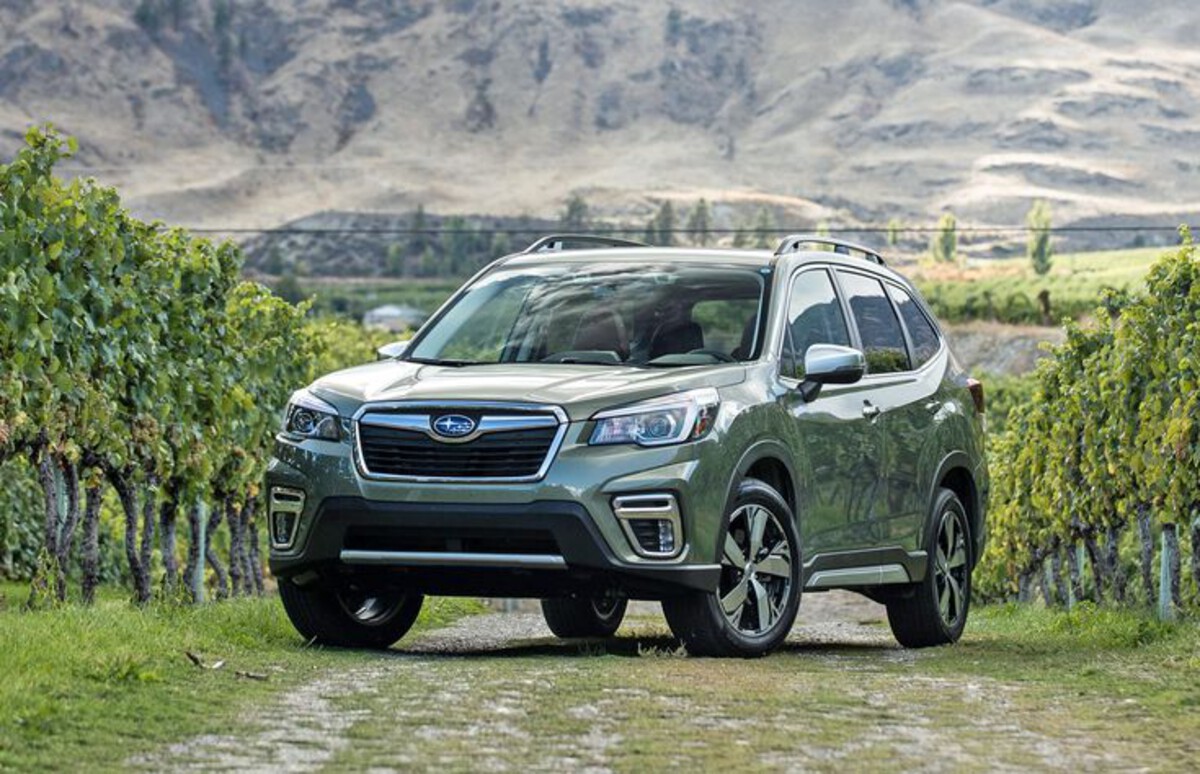
4. Subaru Forester
The Subaru Forester is the kind of SUV that builds a loyal following not through flashy design or powerful engines, but through year-after-year dependability, thoughtful utility, and confidence in harsh driving conditions. For buyers living in areas with snow, rain, or light off-road needs, the Forester stands out as one of the best all-around used vehicles you can buy.
Standard all-wheel drive across every trim is one of its biggest selling points, and unlike some part-time AWD systems, Subaru’s symmetrical all-wheel drive works full-time—offering better traction and balance in a wide range of scenarios. If safety and year-round performance matter to you, the Forester is a no-brainer.
Subaru’s signature 2.5-liter boxer engine powers most Forester models, and while it has its quirks, it’s a sturdy and reliable unit when properly maintained. Earlier generations had known issues with head gaskets, but Subaru addressed those with design updates and improved gaskets by the early 2010s. Later models feature direct injection and better thermal management, extending engine life significantly.
The CVT transmission, introduced in 2014, received some criticism initially, but most reliability concerns have subsided, and it offers smooth, fuel-efficient performance. If you’re buying used, focus on models from 2014 and beyond to get the best combination of powertrain reliability and modern safety features.
Inside, the Forester is much more practical than it may first appear. Despite its compact footprint, it has exceptional headroom and a wide-opening rear hatch, making cargo loading a breeze. The seats are upright and supportive, and there’s a certain honesty to the cabin’s design—it doesn’t pretend to be upscale, but everything is logically placed, durable, and spacious.
Visibility is also a huge bonus here. Thanks to large windows and a tall driving position, you get a commanding view of the road, which contributes to the Forester’s strong safety ratings. For families, pet owners, or adventurers, the cabin layout just works.
Subaru also made great strides in adding technology to later Forester models, particularly with their EyeSight suite of driver-assist features. This includes adaptive cruise control, lane departure warnings, and forward collision braking, helping the Forester punch above its weight in terms of safety. Used models with these features offer serious value, especially considering their longevity.
Maintenance is straightforward, and while you should be diligent about oil changes and CVT fluid service, these aren’t difficult or expensive procedures. Buy a Forester that has a clean maintenance history and you’ll find it hard to justify any regrets—it’s a workhorse that just keeps going.
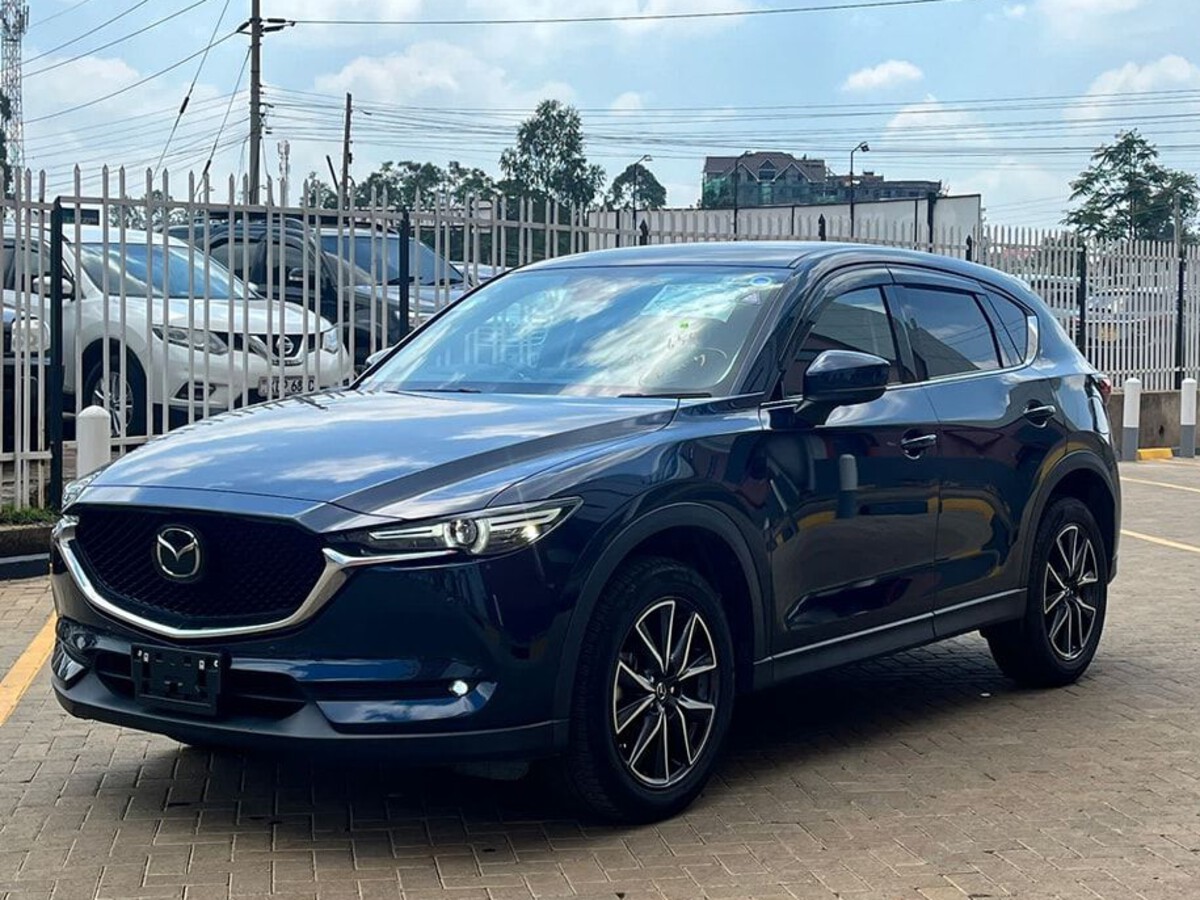
5. Mazda CX-5
The Mazda CX-5 stands as a rare example of a compact SUV that not only delivers on practicality but also offers an unexpectedly refined and engaging driving experience. For used SUV shoppers who still value the joy of driving, the CX-5 is a breath of fresh air.
While most rivals in the segment focus heavily on soft rides and basic transport, the CX-5 adds a dash of athleticism and premium design that makes it feel far more upscale than its price tag suggests. Even older models exude a level of sophistication, from the sculpted exterior lines to the minimalist, almost European-style interior. Buying a used CX-5 is like getting the best of both worlds: you get something fun to drive, with the low maintenance expectations of a Japanese brand.
Performance is where the CX-5 shines. While earlier models (2013–2016) used a 2.0-liter or 2.5-liter naturally aspirated engine, they were still lively due to Mazda’s “SkyActiv” engineering approach, which focuses on fuel-efficient, high-compression engines.
From 2017 onward, the 2.5-liter engine became standard, and turbocharged variants were introduced in higher trims like the Grand Touring Reserve and Signature. Even without the turbo, the CX-5’s steering is sharp, the chassis is responsive, and the suspension strikes a near-perfect balance between comfort and handling.
It feels more like a sporty hatchback behind the wheel than a tall, lumbering crossover. If you enjoy driving but still want the space and utility of an SUV, the CX-5 is one of the few options that delivers this kind of experience without compromising reliability.
Inside the cabin, Mazda punches well above its weight. The materials, even on base trims, feel solid and modern. Soft-touch dashboards, aluminum or faux wood accents, and leather-like seat materials give used CX-5s an upscale ambiance that competitors like the Nissan Rogue or Ford Escape struggle to match, even when new.
Higher trims come with leather upholstery, a premium Bose sound system, and a clean infotainment interface that—while not the most high-tech—remains functional and distraction-free. The layout is driver-centric, with a traditional shifter, tactile knobs for climate controls, and a low dashboard that enhances visibility. It’s a vehicle that feels designed by people who genuinely enjoy driving and prioritize comfort over gimmicks.
From a maintenance and longevity perspective, the CX-5 holds its own against stalwarts like the CR-V and RAV4. The engines are generally robust, especially when oil changes and transmission fluid services are kept on schedule. Common issues are minor—things like brake wear or infotainment quirks—but the overall ownership experience is impressively stress-free.
Parts availability is strong, and mechanics familiar with Japanese vehicles will have no trouble servicing a CX-5. Plus, newer models include i-Activsense safety features like adaptive cruise control, lane-keep assist, blind spot monitoring, and automatic emergency braking, which makes them feel much newer and safer than older peers at similar price points.
If you want a used SUV that’s efficient, good-looking, fun to drive, and doesn’t punish you in the long run, the Mazda CX-5 is one of the smartest, most balanced choices out there.
5 SUVs You’ll Wish You Never Touched

1. Jeep Cherokee (2014–2019)
On the surface, the 2014–2019 Jeep Cherokee looks like a solid used SUV option. It offers rugged styling, a Jeep badge that suggests off-road pedigree, and a tech-packed interior that appeals to modern buyers. But once you peel back the layers, the reality sets in.
These Cherokees are notorious for serious mechanical and reliability issues, chief among them being the problematic 9-speed automatic transmission. While Jeep attempted to bring innovation to the table, this transmission was plagued with software glitches, jerky shifts, delayed acceleration, and full-on failures. Many owners reported transmission replacements before hitting 60,000 miles—something no SUV in this price segment should require.
Even the engines, particularly the 2.4-liter Tigershark inline-4, introduced as the base powertrain, were far from ideal. Not only was it underpowered for the Cherokee’s size, but it also suffered from severe oil consumption issues. This wasn’t a minor leak—it was a systemic issue where engines could burn through a quart of oil every 1,000 miles, potentially leading to engine damage if left unchecked.
Jeep eventually released software updates and service bulletins to address the problem, but many owners had already dealt with expensive repairs or warranty fights. Buying a used Cherokee with this engine can feel like buying a ticking time bomb unless you have complete service records and a lot of patience.
Interior quality is also hit or miss. While higher trims like the Limited or Trailhawk look good on paper—offering leather seats, touchscreen infotainment, and advanced safety features—the execution is less impressive. Buttons feel flimsy, software bugs out, and rattles often develop within a few years.
As the miles rack up, the Cherokee loses its appeal quickly. The Uconnect system, once praised for its layout, became sluggish or froze entirely on some models, requiring costly updates or replacements. Even common electronics, like the power liftgate or climate controls, developed faults, creating the kind of ownership experience that quickly wears on even the most patient drivers.
When it comes to resale, the Cherokee performs poorly. This is largely due to word-of-mouth horror stories and poor reliability rankings.
While Jeep has a cult following and some models—like the Wrangler or Grand Cherokee—can be durable when properly maintained, the 2014–2019 Cherokee is widely regarded as a misstep in the brand’s lineup. Buying one used means you’re rolling the dice, and unfortunately, many owners have found out too late that this is one SUV you’ll wish you never touched.
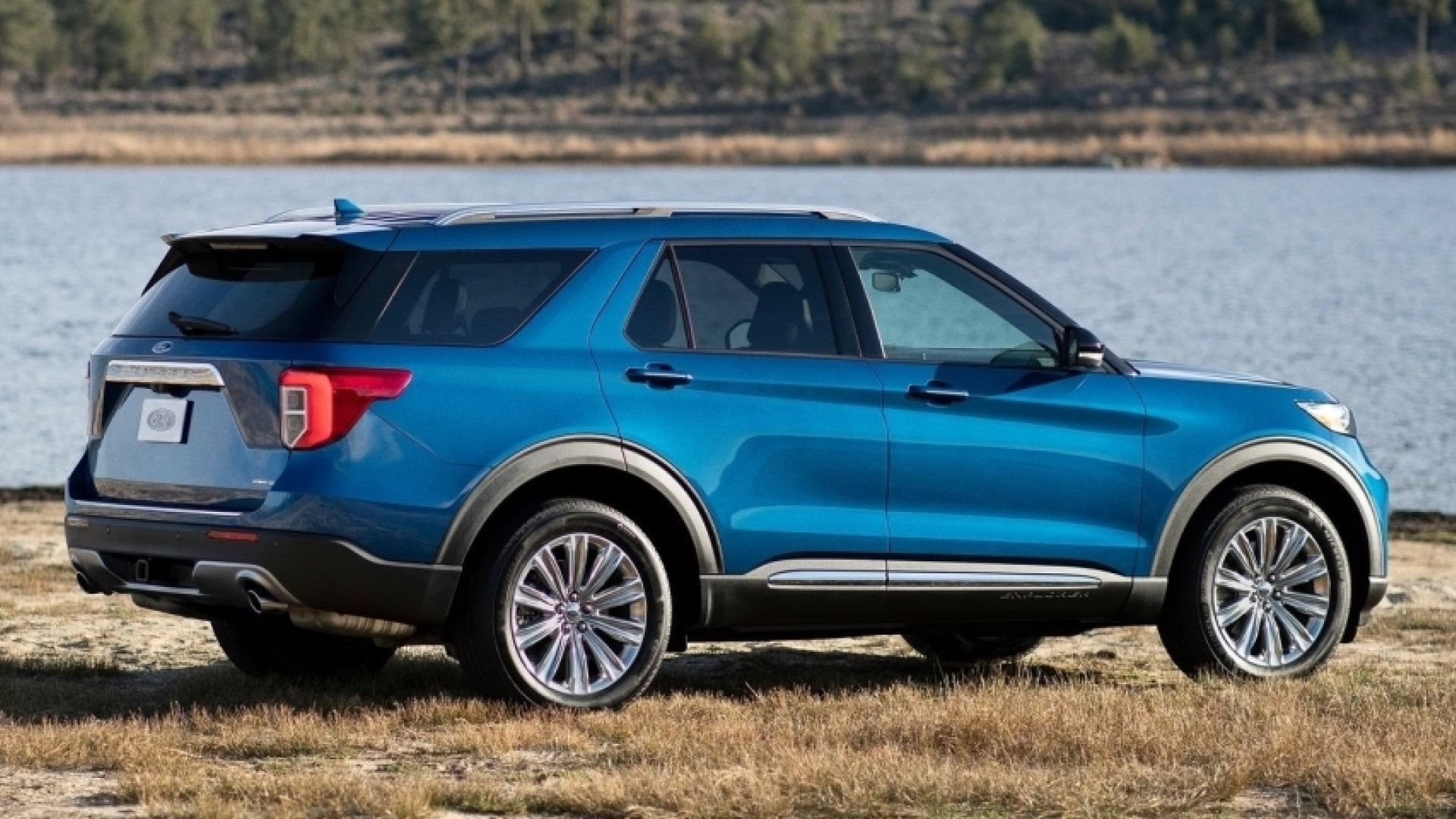
2. Ford Explorer (2011–2016)
The 2011–2016 Ford Explorer might seem like a solid family SUV at first glance—it’s large, stylish, and packed with features that make it appealing to parents looking for three rows and decent towing capacity. But dig a little deeper, and you’ll find a vehicle plagued by persistent reliability issues, particularly with the drivetrain and build quality.
One of the most infamous problems is with the 3.5-liter EcoBoost V6 engine found in higher trims. While it offers strong performance, it’s also a magnet for expensive failures, particularly related to carbon buildup, water pump failures (located internally, which means engine removal for replacement), and timing chain problems. Many owners reported catastrophic failures around 80,000 to 100,000 miles, often outside warranty coverage.
But the issues aren’t limited to just the engine. The 6-speed automatic transmission used during this generation of Explorers is another sore spot. Shifting problems, gear hunting, and hard downshifts became common complaints, leading to frequent dealer visits and software re-flashes that offered only temporary relief.
Some units required complete transmission replacements—a costly endeavor for any vehicle, let alone a family SUV. Pair this with Ford’s spotty track record on electrical reliability, and you’ve got a vehicle that’s more likely to sit in a shop than serve as a dependable daily driver.
Interior quality also fails to stand the test of time. While the cabin looks impressive at first—with sleek touch interfaces and high-tech dashboards—it doesn’t age well. The MyFord Touch infotainment system, rolled out in this generation, is notorious for being slow, unresponsive, and full of glitches.
Many owners faced frozen screens, malfunctioning backup cameras, and erratic Bluetooth connectivity. Beyond the tech, cabin materials degrade quickly. Leather surfaces crack, headliners sag, and plastic panels develop creaks and rattles far earlier than you’d expect for a vehicle in this price range. For a family-oriented SUV, durability should be a given, but in the Explorer’s case, it’s a glaring weakness.
Then there’s the issue of rear HVAC systems, leaking exhaust fumes, and steering rack failures—all relatively common complaints that further tarnish the Explorer’s reputation. Add it all up, and the 2011–2016 Explorer becomes a risky gamble in the used market.
While a clean Carfax and maintenance history might help mitigate some risks, these vehicles simply haven’t aged well across the board. Plenty of used SUVs offer similar space and features without the long list of costly, chronic problems. Unless you want to budget for ongoing headaches and uncertain reliability, this is a used SUV you’ll wish you left behind.
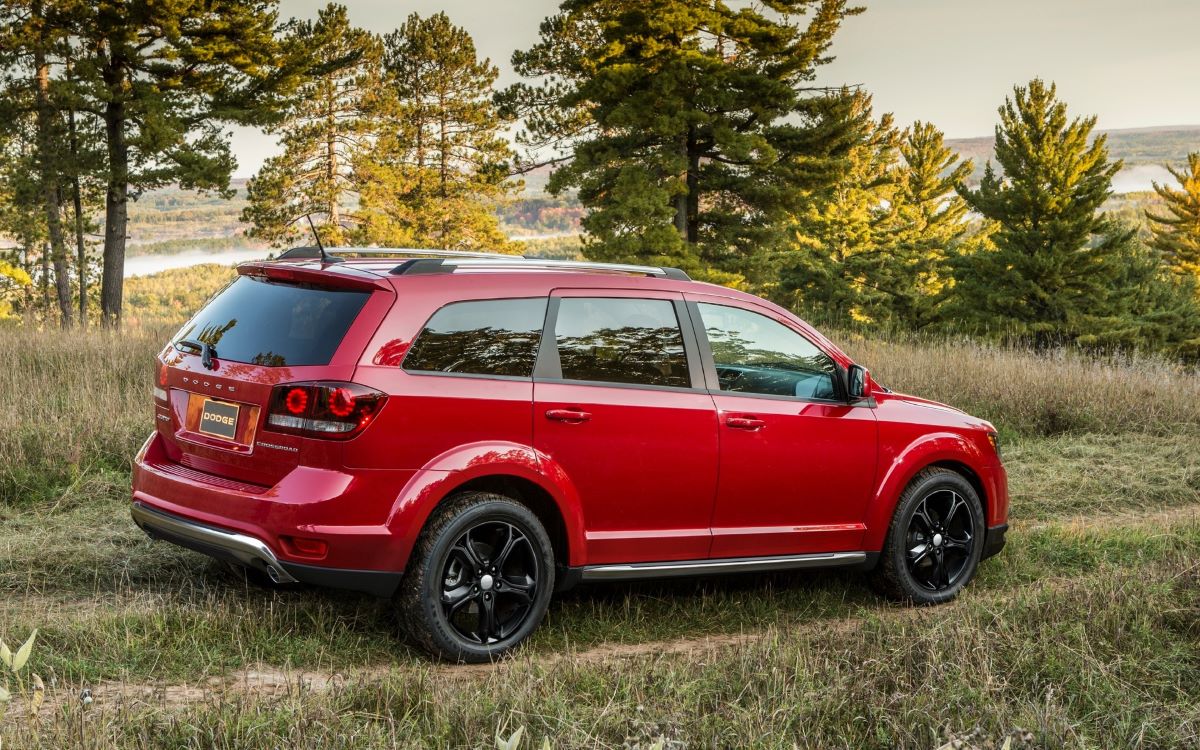
3. Dodge Journey (2009–2020)
The Dodge Journey is perhaps one of the most persistent reminders that low sticker prices don’t always equate to value. Spanning over a decade with virtually no major redesign, the Journey entered the market outdated and never truly caught up.
While it was marketed as a budget-friendly three-row crossover, its long list of mechanical issues, poor interior quality, and outdated technology make it one of the worst used SUV buys available. If you’re attracted by the low resale prices and roomy layout, proceed with caution—what you save upfront will likely be paid back in repairs and frustration.
Powertrain options are one of the Journey’s most significant weaknesses. Early models came with an anemic 2.4-liter four-cylinder engine that struggled under the vehicle’s weight. Not only was it underpowered, but it also paired with a clunky 4-speed automatic transmission that felt decades behind the times.
Later models featured the more capable 3.6-liter Pentastar V6, which was better, but still saddled with the same outdated chassis and inconsistent transmission performance. Fuel economy was unimpressive across the board, and towing capacity—despite Dodge’s marketing—was underwhelming. The Journey simply lacked the refinement or efficiency to compete in its class, and it became a vehicle people bought out of necessity, not desire.
Interior quality was equally disheartening. Hard plastics dominated the cabin, switchgear felt cheap, and even basic features like Bluetooth or touchscreen infotainment were inconsistently available across trim levels. The third-row seats, often a major selling point, were cramped and largely unusable for adults or teens.
As the years passed and competitors offered better interiors, tech, and refinement, the Journey stood frozen in time, clinging to rental fleets and discount showrooms. Even newer used examples feel like relics, lacking Apple CarPlay, advanced safety tech, or decent cabin insulation. The overall driving experience feels detached and uninspired—exactly what you don’t want in a used vehicle you’ll rely on daily.
Then there are the long-term ownership woes. Electrical problems—ranging from power window failures to instrument cluster glitches—were common across model years. Suspension components wore out quickly, leading to clunking noises and uneven ride quality.
Worse yet, Dodge’s resale values plummeted almost immediately after purchase, making the Journey a tough vehicle to offload even if you want out. Unless you’re prepared for a rough ride—both figuratively and literally—the Dodge Journey is a mistake many used car buyers live to regret. It’s the definition of buying cheap and paying for it later.
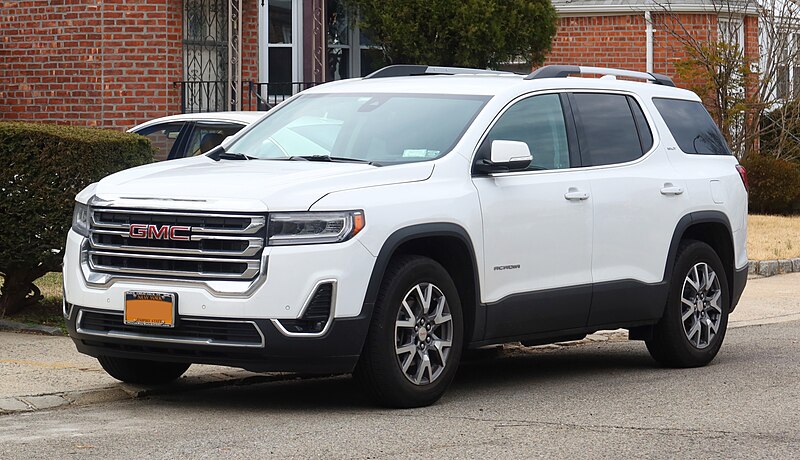
4. GMC Acadia (2007–2016)
The first-generation GMC Acadia, produced from 2007 to 2016, was GM’s attempt at creating a full-sized crossover with the space of a minivan and the style of an SUV. Unfortunately, while it checked a lot of boxes on paper—roomy third row, V6 power, all-wheel drive—it quickly earned a reputation for costly mechanical problems and subpar reliability.
Chief among its many issues was the 3.6-liter V6 engine, which was shared with several other GM vehicles and developed widespread problems with timing chain wear, often before 100,000 miles. When the timing chain stretches, it causes engine misfires and can lead to catastrophic failure if ignored. And the repair? Often over $2,000, making it one of the most dreaded issues in the used SUV market.
The Acadia’s transmission didn’t fare much better. Owners reported frequent failures of the 6-speed automatic transmission, with symptoms ranging from harsh shifting to full-on transmission failure. These issues often emerged well before 120,000 miles, forcing many owners into major repairs earlier than expected.
Even if you’re lucky enough to dodge the engine and transmission pitfalls, the Acadia’s power steering system was another sore spot. Leaks, whining noises, and complete loss of steering assist became a common complaint, with some models requiring multiple repairs over their lifespan. This kind of repair frequency drains both the wallet and patience, especially in a family vehicle expected to offer peace of mind.
Interior materials were subpar for a vehicle positioned as a premium SUV under the GMC brand. Plastic trim cracked, leather seats wore out quickly, and the infotainment systems in earlier models were hopelessly outdated. Road noise was pronounced, the suspension felt spongy, and the third-row seat—while available—was uncomfortable and difficult to access.
Even though it could technically seat seven or eight, doing so for extended trips revealed just how poorly designed the space was. It’s not that the Acadia was lacking features—it’s that the features often didn’t work well or hold up over time. Reliability in design and function simply wasn’t there.
When these vehicles hit the used market, they often look like a deal: lots of space, bold styling, and low prices. But those prices reflect the long-term ownership costs that previous owners endured. From blown head gaskets to sensor failures to air conditioning issues, the Acadia was a vehicle that required constant attention—and expensive attention at that.
GM may have improved the platform in later generations, but the damage was done. The first-generation Acadia remains one of those SUVs you’ll wish you never touched, no matter how clean it looks on the outside.
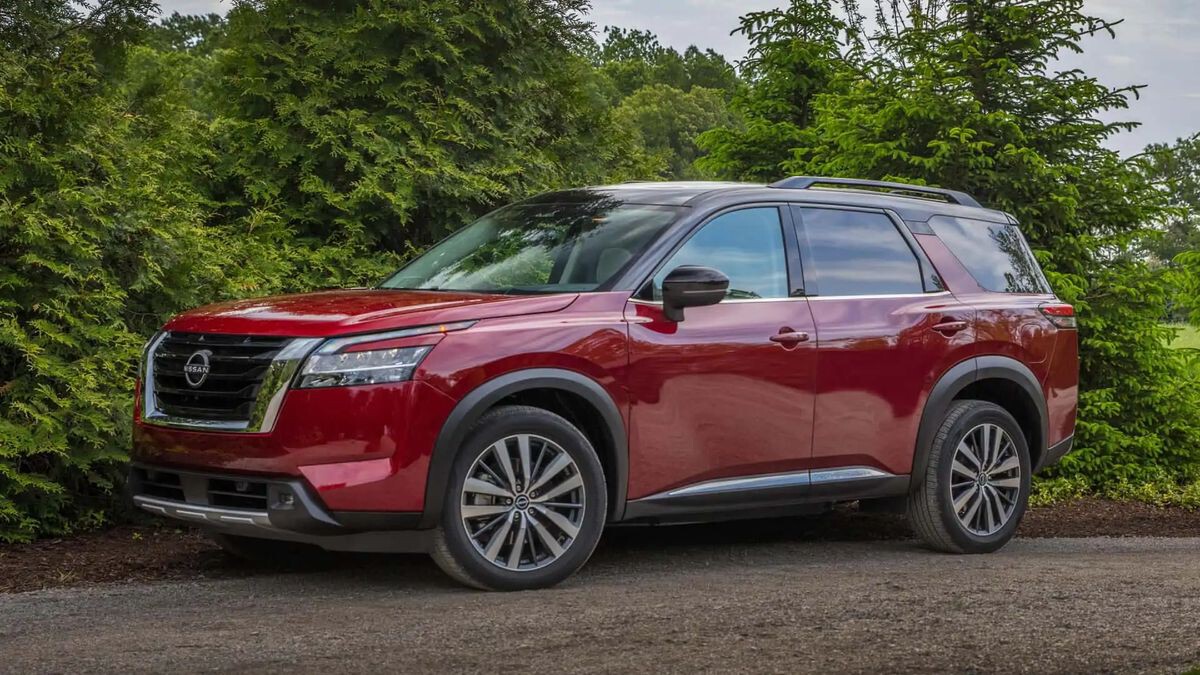
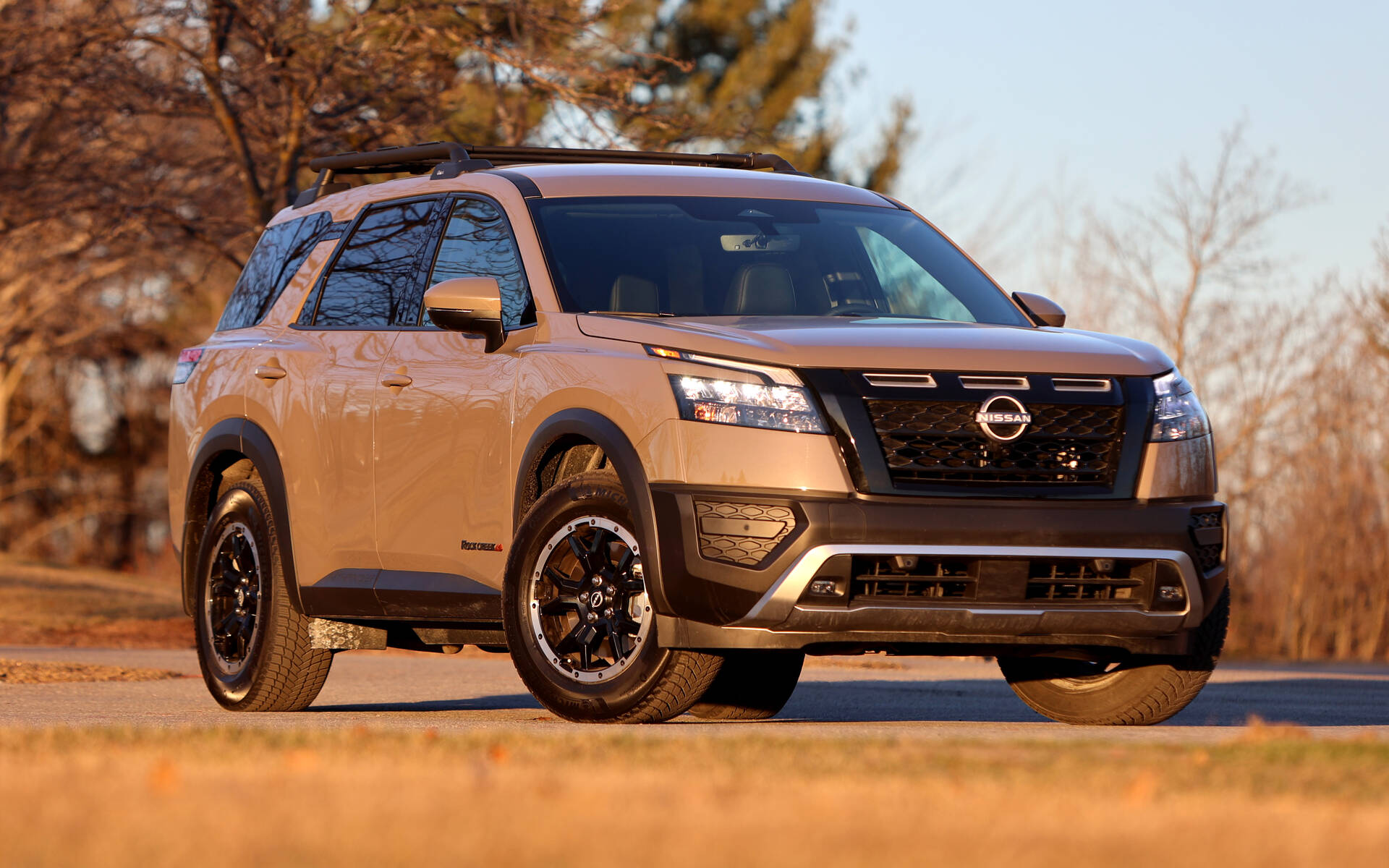
5. Nissan Pathfinder (2013–2020)
At first glance, the 2013–2020 Nissan Pathfinder seems like an excellent all-purpose family SUV. It has three rows of seats, decent towing capacity, a comfortable ride, and the kind of modern styling that appeals to many buyers. But under the surface lies one of the most frequently lamented SUVs in the used market, largely due to the widespread and deeply frustrating issues with its Continuously Variable Transmission (CVT).
Nissan’s CVTs during this era were widely criticized across multiple models, but the Pathfinder was particularly problematic due to the heavier loads placed on the transmission. Many owners report CVT failure before 70,000 miles—sometimes multiple times—and the cost to replace or rebuild is substantial, often exceeding $4,000. Extended warranties help some, but for many used buyers, it’s a costly surprise lurking beneath an attractive price tag.
The transmission isn’t the only problem. The Pathfinder’s 3.5-liter V6 engine itself is fairly strong and proven in other Nissan vehicles, but its pairing with the CVT dampens the overall driving experience. Acceleration can be sluggish, the throttle response inconsistent, and the infamous “rubber band” feel of the CVT becomes more apparent as miles add up.
Owners frequently complain about jerking motions, surging at highway speeds, or a sudden loss of power—particularly concerning for an SUV marketed to families. There were also reports of transmission overheating during hill climbs or in hot climates, triggering the vehicle to enter “limp mode” unexpectedly. These are not quirks; they’re serious driveability issues that erode driver confidence.
Then there’s the interior—while it presents well initially, with its large touchscreen, climate-controlled seats, and woodgrain-style trim in higher trims, the materials used aren’t built to last. Plastic panels scratch easily, the leather cracks prematurely, and squeaks or rattles start to emerge with age. The third-row seating, although appreciated in theory, is tight and uncomfortable in practice.
Cargo space behind the third row is minimal, and the power liftgate is known for failing after just a few years. Electrical gremlins are also common, including backup camera failures, touchscreen freezing, and malfunctioning parking sensors. The infotainment system, even in higher trims, feels outdated and slow, often lagging well behind the competition in responsiveness and compatibility.
Finally, the overall cost of ownership on a used Pathfinder can be deceptively high. Between poor fuel economy (especially for a CVT-equipped vehicle), steep depreciation, and frequent out-of-warranty repairs, the total expense quickly outpaces competitors.
Add to that the fact that resale value is weak—largely because buyers and dealers alike are aware of the model’s reputation—and you’re left with a vehicle that’s hard to unload once the problems start. Nissan has made improvements in more recent models, but the 2013–2020 generation remains a cautionary tale. If you’re shopping used and want peace of mind, the Pathfinder is not the place to find it—this is one SUV you’ll almost certainly wish you had left behind.
Also Read: 5 Engines That Thrive at High RPM and 5 That Can’t Handle Daily Driving Stress
Navigating the used SUV market is a balancing act between desire and pragmatism. On one hand, SUVs offer undeniable appeal: spacious cabins, versatile cargo room, commanding driving positions, and the capability to tackle a variety of road and weather conditions.
On the other hand, buying a used SUV without careful consideration can quickly turn into an expensive mistake, one filled with endless repairs, frustration, and disappointment. The vehicles you choose will influence not only your daily driving experience but also your financial peace of mind for years to come.
The SUVs listed in the “zero regret” category represent a reliable, well-rounded, and practical choice for buyers who want dependability without sacrificing comfort or utility. Models like the Toyota RAV4, Honda CR-V, Subaru Forester, and Mazda CX-5 have stood the test of time for a reason: their engineering is robust, maintenance is straightforward, and owners report high satisfaction levels even after many miles on the clock.
These vehicles combine solid performance with thoughtful interiors, efficient fuel economy, and an abundance of safety features, proving that you don’t have to overspend to get a capable and enjoyable SUV. Importantly, these are SUVs that continue to perform well beyond their warranty periods, offering longevity that truly justifies the investment in a used market.
Conversely, the “regret” SUVs reflect a cautionary tale of models that struggled with persistent reliability issues and poorly executed engineering choices. The Jeep Cherokee’s troublesome 9-speed transmission, Ford Explorer’s drivetrain headaches, Dodge Journey’s outdated design, GMC Acadia’s engine and transmission woes, and Nissan Pathfinder’s notorious CVT failures are all examples of vehicles where buyers frequently face a disproportionate share of repairs and frustrations.
These models serve as a reminder that price alone should never be the deciding factor in purchasing a used SUV. Often, the cheapest option upfront can become the most expensive in the long run.
Ultimately, your used SUV purchase should align with your expectations for reliability, comfort, safety, and ownership costs. Research, inspection, and service history reviews are crucial, but having a solid list of proven and problematic models is an invaluable starting point. This guide aims to empower you with that knowledge, helping you avoid common pitfalls and focus on SUVs that consistently deliver value and peace of mind.
Remember, no vehicle is perfect, and all used cars carry some degree of risk. However, by leaning on decades of owner experience, reliability data, and expert insights, you can substantially reduce the odds of encountering severe problems.
The difference between a used SUV you love and one you regret often boils down to smart choices and informed buying decisions. With this knowledge in hand, you’re well on your way to securing a dependable, enjoyable SUV that meets your needs today and continues to do so for years down the road.
