
When it comes to purchasing a vehicle, one of the most important considerations beyond style, performance, and comfort is how well that vehicle retains its value over time. Depreciation—the loss of value a car experiences after leaving the dealership—is an inevitable aspect of car ownership, but not all vehicles depreciate at the same rate.
Understanding which vehicles hold their value and which ones lose it rapidly can have significant financial implications for buyers, whether they plan to keep a car long-term or sell it down the road. For some, purchasing a vehicle that retains more than 70% of its value after five years can mean hundreds or even thousands of dollars saved when it’s time to trade or sell.
Conversely, buying a vehicle that “drops like a rock” can lead to unexpected financial losses and frustration. Depreciation is influenced by a complex blend of factors, including the brand’s reputation, vehicle reliability, market demand, production lifecycle, and even broader economic trends.
While every new car loses value the moment it’s driven off the lot, the rate at which it declines varies widely. In some cases, vehicles are so well-regarded for their reliability, design, and performance that they maintain strong resale value, commanding premium prices years after their initial sale. On the other hand, certain models suffer from poor reliability, outdated technology, or lackluster consumer appeal, all of which accelerate depreciation and can leave owners with a vehicle that’s worth only a fraction of its original cost.
In this article, we explore two sides of the depreciation coin: vehicles that retain over 70% of their value after five years, and those that lose value drastically during the same period. The goal is to provide prospective buyers with insights that go beyond sticker price and monthly payments, focusing on long-term financial prudence and ownership satisfaction.
The vehicles that maintain high resale value typically share common traits such as proven reliability, strong brand loyalty, versatility, and niche appeal. These cars often have robust aftermarket support and benefit from manufacturers reputations for quality and durability. Popular examples include models like the Toyota Tacoma, Subaru Outback, Jeep Wrangler, Toyota 4Runner, and even luxury sports cars like the Porsche 911.
These vehicles not only perform well on the road but also tend to have enthusiastic owner communities and a reputation for holding their worth, making them smart investments for buyers who want to minimize the financial hit from depreciation.
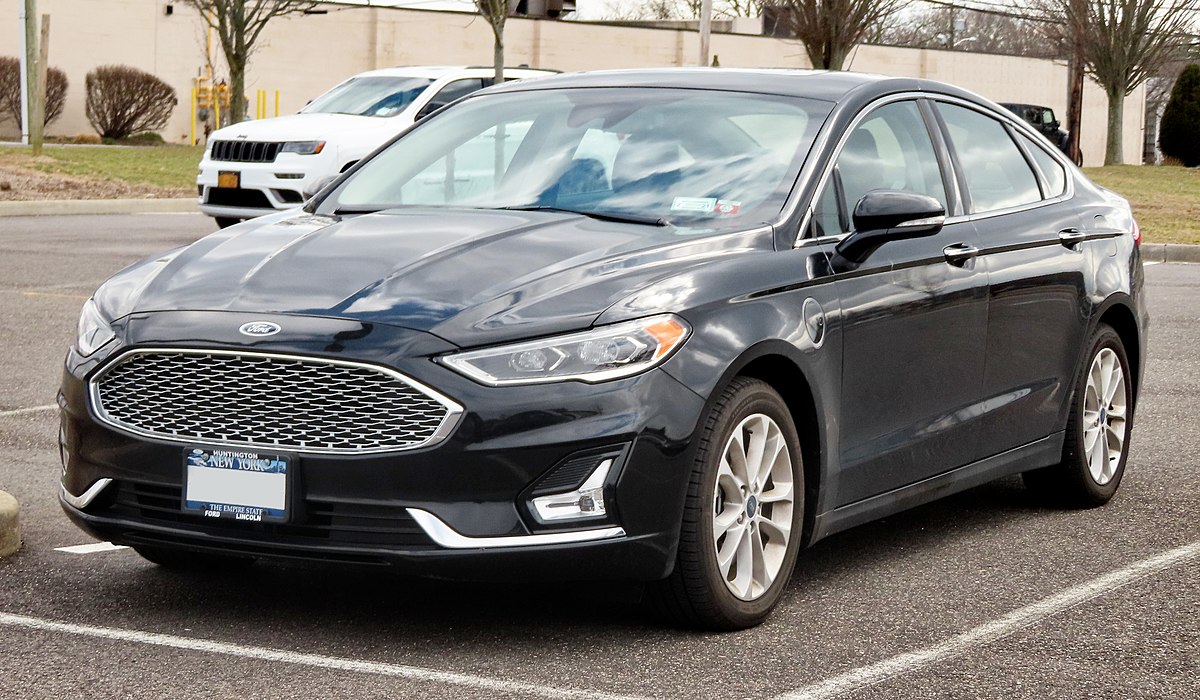
On the flip side, the vehicles that lose value rapidly tend to suffer from a combination of factors, including poor reliability records, brand perception issues, lack of distinctive features, or market shifts that favor other segments. Models such as the Nissan Sentra, Ford Fusion, Chevrolet Cruze, Fiat 500, and Chrysler 200 have faced significant depreciation challenges over recent years.
Many of these vehicles have either been discontinued or fallen out of favor due to changing consumer tastes or manufacturers strategic pivots away from certain segments. Often, their resale value is hampered by reliability concerns, dated technology, or limited appeal in crowded segments, making them risky choices for buyers who might look to recoup value on resale or trade-in.
Understanding depreciation patterns is especially critical in today’s automotive landscape where SUVs and trucks dominate sales, and sedans face declining popularity. For buyers, this means not only considering the intrinsic qualities of the vehicle but also market demand and future desirability.
Vehicles that maintain high resale value are often those that meet ongoing consumer needs—whether that’s rugged off-road capability, reliable all-weather performance, or luxury and exclusivity. Conversely, vehicles that depreciate quickly often fall victim to market shifts, evolving preferences, or the overshadowing presence of more desirable alternatives.
The financial impact of depreciation extends beyond the initial purchase price. Lower resale value affects loan-to-value ratios, insurance premiums, and the total cost of ownership. For individuals who lease vehicles, depreciation rates can influence monthly payments and end-of-lease buyout prices. Even for cash buyers, purchasing a vehicle that holds value well means retaining equity over time, enabling more flexible decisions when upgrading or changing vehicles.
Ultimately, making an informed choice requires more than simply picking the vehicle with the lowest price tag. It means factoring in long-term value, reliability, and market appeal—elements that contribute to a vehicle’s ability to hold onto its worth over time.
This article serves as a comprehensive guide to help prospective buyers navigate these complexities, highlighting which vehicles offer the best chances of preserving value and which ones carry hidden depreciation risks. By understanding these dynamics, buyers can better protect their investment and enjoy a vehicle that remains an asset rather than a liability over the years.
Also Read: 5 Engines That Thrive at High RPM and 5 That Can’t Handle Daily Driving Stress
Vehicles That Retain Over 70% of Their Value After 5 Years
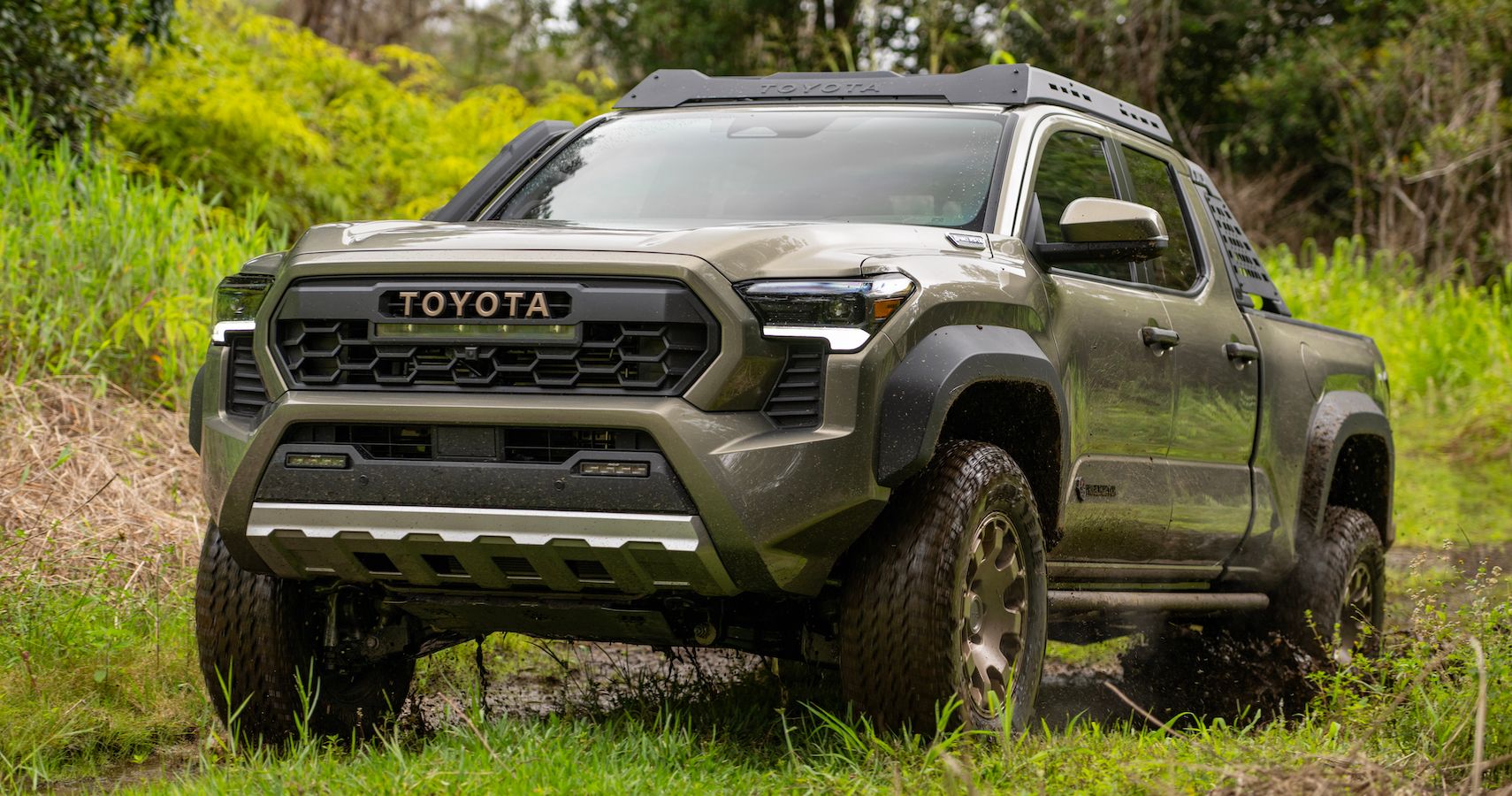
1. Toyota Tacoma
The Toyota Tacoma’s reputation for durability and reliability is more than just a marketing slogan—it’s a reality supported by decades of consistent performance and positive owner experiences. This midsize pickup has become almost legendary for its ability to withstand tough conditions without the kind of mechanical failures that plague many other trucks in the segment.
From urban construction sites to rugged backcountry trails, Tacoma’s engineering emphasizes longevity, which directly translates to strong resale value. The truck’s sturdy frame, proven engine options, and conservative but effective technology package reduce the risk of expensive repairs, an attractive proposition for buyers who want a dependable vehicle that won’t turn into a money pit.
Its status is not just about being rugged but about being smartly engineered, striking a balance between capability and low maintenance needs, which is essential in retaining value over five years or more.
Demand for the Tacoma remains remarkably high, even among used vehicle buyers, because it caters to a specific market niche: consumers who want utility without the bulk of a full-size truck. This includes outdoor enthusiasts who need the ability to haul gear and navigate challenging terrain, as well as tradespeople who require a reliable workhorse that can handle daily wear and tear.
The Tacoma’s size and performance make it versatile enough for city dwellers and rural owners alike. Its comparatively lower price point compared to larger pickups like the Toyota Tundra or Ford F-150 means that it’s accessible to a broad spectrum of buyers, which keeps used vehicle demand and resale prices robust. Furthermore, its excellent fuel economy relative to larger trucks also appeals to budget-conscious buyers, strengthening its position in the market.
Another critical factor contributing to Tacoma’s value retention is Toyota’s extensive and efficient parts and service network, which makes repairs and routine maintenance more accessible and affordable than many competitors. Buyers know they can count on straightforward servicing and readily available parts no matter where they are, which reduces the long-term ownership cost and builds confidence.
Additionally, Toyota’s reputation for quality control means that fewer Tacomas face serious mechanical issues during the first five years of ownership, and when they do, they tend to be less costly to fix. This reliability assurance is often reflected in certified pre-owned programs, which further enhance resale values by offering warranty-backed vehicles to buyers.
The Tacoma also benefits from a passionate fan base and a thriving aftermarket community, especially for models like the TRD Pro and other off-road-focused trims. This creates a unique dynamic where certain versions of the Tacoma retain value even better due to their specialized features and appeal to enthusiasts willing to pay a premium.
Limited editions and well-maintained high-trim models can fetch prices close to or even above their original sticker price after several years. This strong market niche bolsters the overall resale value of the Tacoma line and cements its status as one of the best vehicles for holding onto value in the pickup segment.
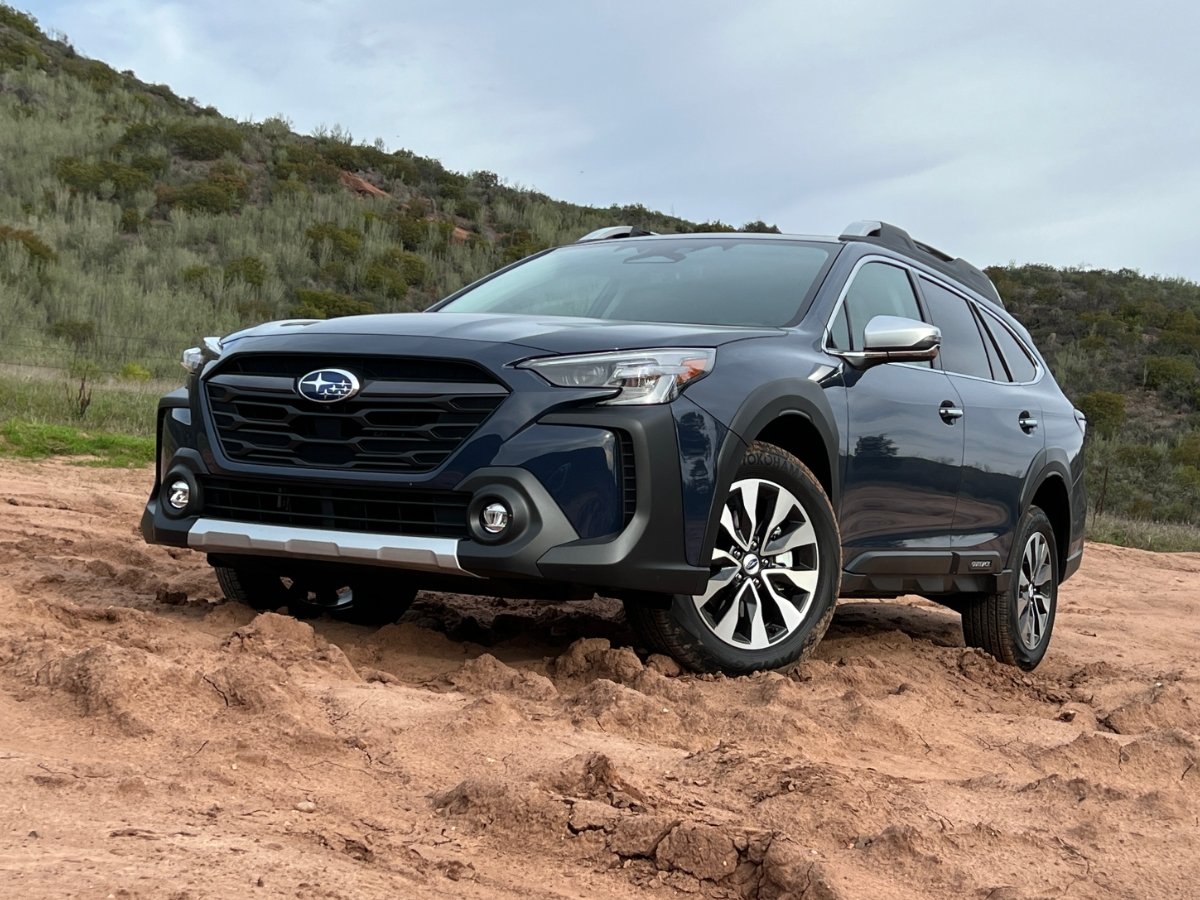
2. Subaru Outback
The Subaru Outback’s appeal goes far beyond its all-wheel-drive system and rugged styling. It has carved out a distinctive position in the crossover market by combining the practicality of a wagon with the capability of an SUV, making it uniquely suited for buyers who want versatility without sacrificing driving comfort or efficiency.
The Outback’s value retention can be largely attributed to its consistent performance in safety tests, solid build quality, and a reputation for reliability that has grown steadily over the years. Buyers know that an Outback is not only a vehicle that can handle snowy winters and muddy trails but also a safe and comfortable ride for everyday commuting and family trips. This broad appeal maintains strong resale demand, particularly in regions with challenging weather where AWD is a necessity rather than a luxury.
Beyond safety and capability, Subaru’s reputation for engineering durable powertrains that can go hundreds of thousands of miles without catastrophic failure contributes heavily to the Outback’s strong resale value. The brand has fostered a loyal following of customers who often stick with Subaru for years and upgrade to newer models, creating a cycle of consistent demand in both new and used markets.
Moreover, the Outback’s fuel efficiency, while not the absolute best in its class, is respectable for a vehicle of its size and capability, which appeals to cost-conscious consumers. The vehicle’s relatively low cost of ownership—including reasonable insurance rates and maintenance costs—helps preserve value by lowering total long-term expenses.
The Outback’s interior features, which emphasize comfort and utility, also play a significant role in its value retention. Subaru has prioritized user-friendly infotainment systems, ample cargo space, and thoughtful storage solutions, making the Outback a favorite among families and adventure seekers alike.
The seats are designed for comfort on long drives, and the cabin materials have improved steadily with each generation, contributing to a sense of quality that helps buyers feel they are getting lasting value. The brand’s focus on continuous improvement and incremental innovation, such as EyeSight driver-assistance technologies and upgraded multimedia systems, ensures that the Outback remains competitive and desirable even as newer models arrive.
Finally, the Outback’s versatile nature extends its appeal beyond traditional segments. It competes effectively with both compact SUVs and midsize crossovers, giving it a broader target market and sustained demand in the used vehicle space. Its blend of ruggedness, safety, efficiency, and comfort is rare, making it a sought-after vehicle when it comes time to resell.
This multifaceted appeal explains why the Outback consistently maintains over 70% of its value after five years, solidifying its position as a top choice for buyers focused on long-term value.
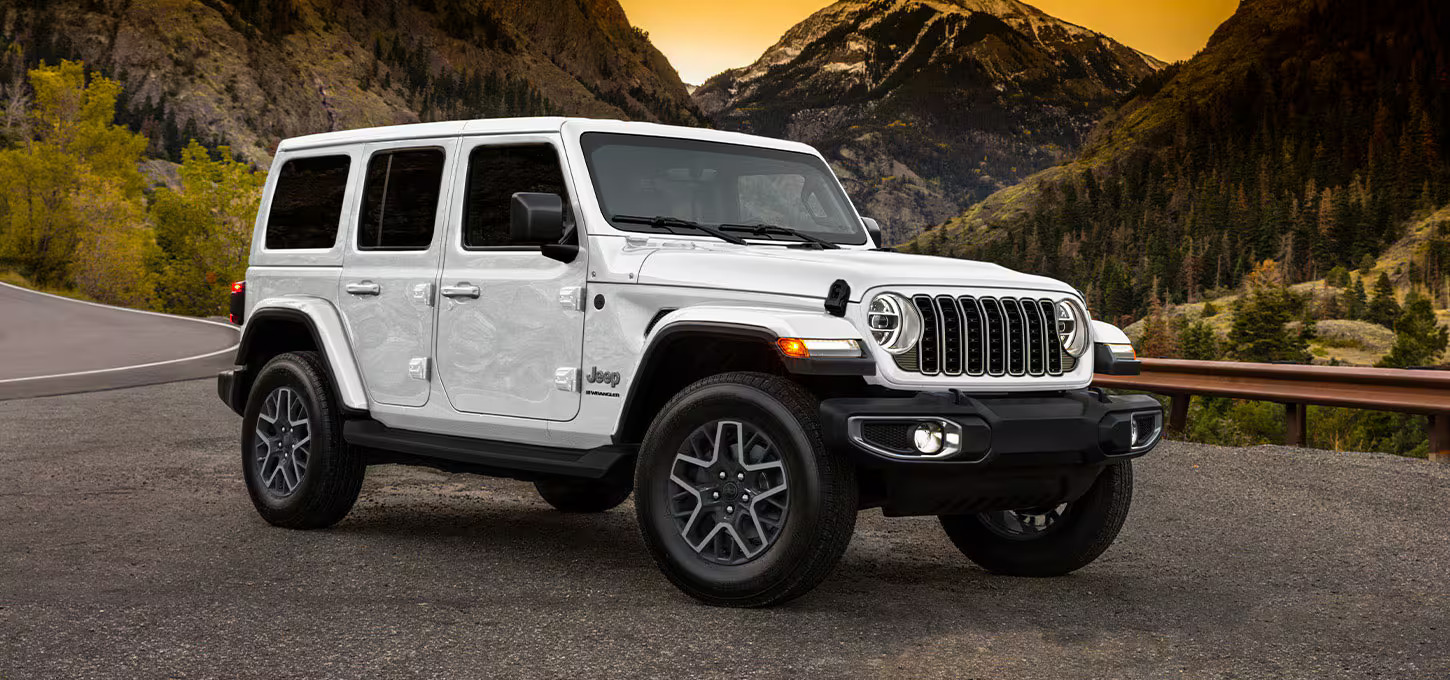
3. Jeep Wrangler
The Jeep Wrangler’s unique status as an icon of off-road adventure and freedom means it defies typical depreciation patterns seen in most SUVs. While many vehicles lose their appeal as newer models introduce cutting-edge technology or updated styling, the Wrangler benefits from a timeless design and a lifestyle brand that resonates deeply with a passionate community of enthusiasts.
This cultural significance has a powerful effect on its resale value, as the demand for Wranglers in the used market remains robust regardless of age or mileage. People are not just buying a vehicle; they are buying into a legacy of rugged individualism, which commands a premium in resale prices.
From a practical standpoint, the Wrangler’s modularity is unmatched. Buyers can customize their vehicles with countless aftermarket parts, from lift kits to performance tires to specialized bumpers, making each Jeep unique and suited to specific uses.
This ability to personalize and enhance performance means many Wranglers retain value through their utility and desirability as hobby vehicles. Even older models can attract buyers who want a solid platform for off-road modifications, helping them hold their value better than typical SUVs that depreciate quickly once out of warranty or when technology ages.
Mechanically, the Wrangler’s simplicity contributes to its durability and lower repair complexity. Unlike luxury SUVs packed with delicate electronics that can become costly liabilities over time, the Wrangler’s rugged construction and straightforward engineering mean that many components can be serviced or replaced at reasonable costs.
Its proven four-wheel-drive systems, body-on-frame design, and solid axles have stood the test of time, ensuring that Wranglers maintain performance and reliability well into their second decade of ownership. This reputation lowers the risk for used buyers, who are willing to pay more for a vehicle that they believe will last.
Finally, Jeep has struck a balance between maintaining the classic look that Wrangler fans adore and incorporating modern safety and technology features that appeal to a broader audience. With improvements in ride quality, fuel efficiency, and infotainment, newer Wranglers remain highly competitive in the market, but the iconic styling keeps older models desirable.
Limited editions, such as the Rubicon or special anniversary trims, are particularly prized in the resale market. This combination of cultural cachet, rugged reliability, and continuous evolution explains why the Jeep Wrangler is one of the best vehicles at retaining over 70% of its value after five years.
4. Toyota 4Runner
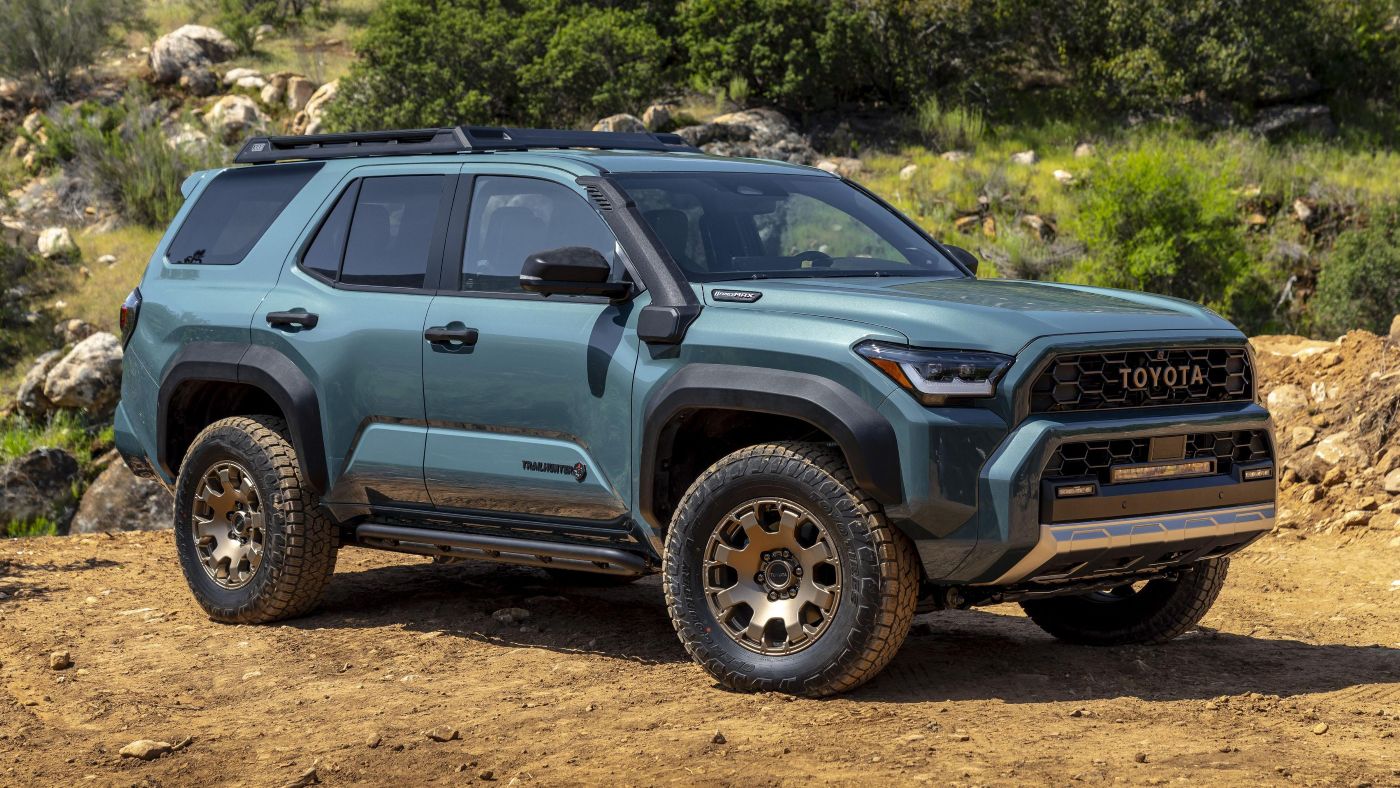
The Toyota 4Runner has carved out a distinctive place in the SUV market by adhering to a philosophy of rugged, body-on-frame construction, which sets it apart from the majority of crossover SUVs built on unibody platforms.
This structural advantage translates to superior durability, towing capacity, and off-road capability, making the 4Runner a favorite among buyers who prioritize function over flash. Its reputation for mechanical reliability, combined with Toyota’s meticulous engineering standards, ensures that many 4Runners continue to perform well after extensive use, which is a critical factor in preserving resale value.
One of the most compelling reasons for the 4Runner’s exceptional value retention is its loyal customer base, which includes outdoor enthusiasts, families, and professionals who need a vehicle that can reliably navigate harsh terrain, heavy loads, or adverse weather.
Unlike many SUVs that compromise off-road ability for on-road comfort, the 4Runner maintains a rugged DNA, appealing to those who need a vehicle that works as hard as they do. The 4Runner’s versatility, with spacious interiors and practical cargo configurations, also means it can serve a variety of lifestyles without compromising its core strengths.
The cost of ownership for the 4Runner tends to be reasonable given its durability. While repairs on older body-on-frame SUVs can sometimes be more expensive than on crossovers, Toyota’s reputation for longevity and low incidence of major mechanical failures means that most owners enjoy decades of trouble-free service.
Parts availability and straightforward mechanics contribute to this ease of maintenance, and certified pre-owned programs bolster buyer confidence when purchasing used 4Runners, supporting stronger resale prices.
Additionally, Toyota’s steady updates to the 4Runner—focusing on safety, convenience, and tech—keep the vehicle relevant in a competitive SUV segment. While the exterior design has remained largely consistent, subtle improvements in suspension, infotainment, and driver assistance features have ensured that the 4Runner stays modern enough to appeal to buyers who might otherwise consider newer crossover SUVs. This blend of rugged capability, reputation, and incremental innovation solidifies the 4Runner’s position as a vehicle that retains more than 70% of its value even after five years of ownership.
5. Porsche 911
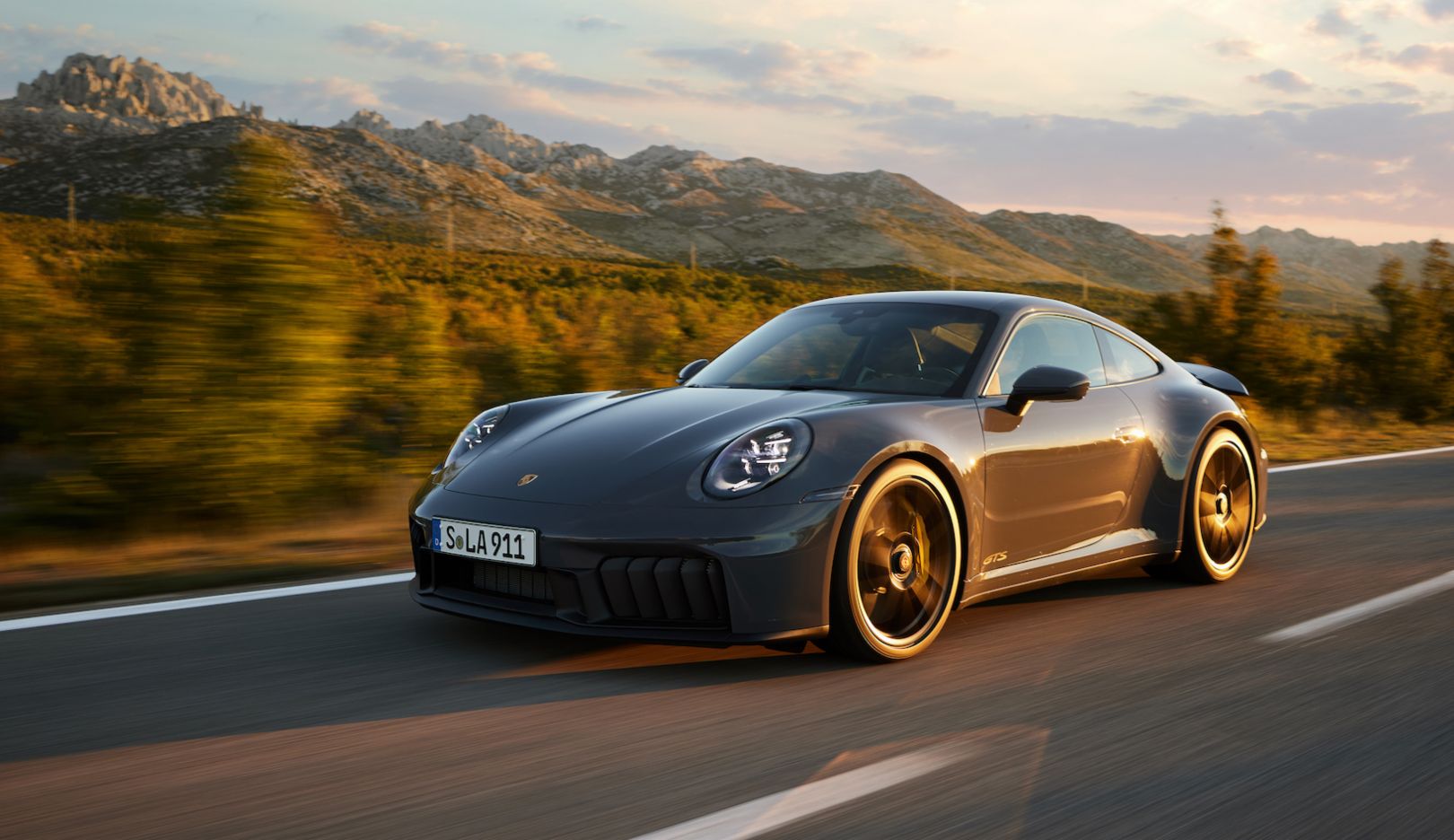
The Porsche 911 is more than just a sports car; it is an automotive legend, representing decades of performance innovation, exquisite engineering, and design excellence. Unlike most luxury sports cars, which tend to depreciate rapidly due to high initial prices and costly upkeep, the 911 defies this norm by retaining value exceptionally well.
Its iconic silhouette, driving dynamics, and exclusivity combine to create a vehicle that enthusiasts and collectors alike covet, resulting in sustained demand in the used car market that keeps resale values strong.
A major contributor to the 911’s value retention is Porsche’s continuous refinement of the model line. Each generation balances heritage with innovation, ensuring that while the car remains instantly recognizable, it also incorporates modern technology and performance enhancements that appeal to contemporary buyers.
Porsche’s engineering standards are notoriously high, producing engines and chassis that offer thrilling performance while also demonstrating remarkable reliability compared to other high-performance vehicles. This reputation means buyers are willing to pay a premium for used 911s, confident they are getting a product built to last.
The exclusivity of the Porsche 911 adds a significant layer of value. Limited production numbers, especially for special editions or performance variants like the GT3 or Turbo S, create scarcity that elevates resale prices.
Enthusiasts and collectors see the 911 not just as a car but as a valuable asset that can appreciate or at least hold its value over time, unlike mass-produced vehicles. This collector appeal, combined with Porsche’s strong brand prestige, helps buffer the 911 from the steep depreciation that affects many other luxury and sports cars.
Furthermore, Porsche’s comprehensive certified pre-owned programs and excellent dealer support enhance buyer confidence in purchasing used 911s. These programs often include extended warranties and thorough inspections, making purchasing a used Porsche less risky and more attractive to prospective buyers.
The combination of timeless design, high engineering standards, exclusivity, and customer support ensures that the Porsche 911 remains one of the best vehicles for retaining value over a five-year horizon.
Vehicles That Drop Like a Rock After 5 Years
1. Nissan Sentra
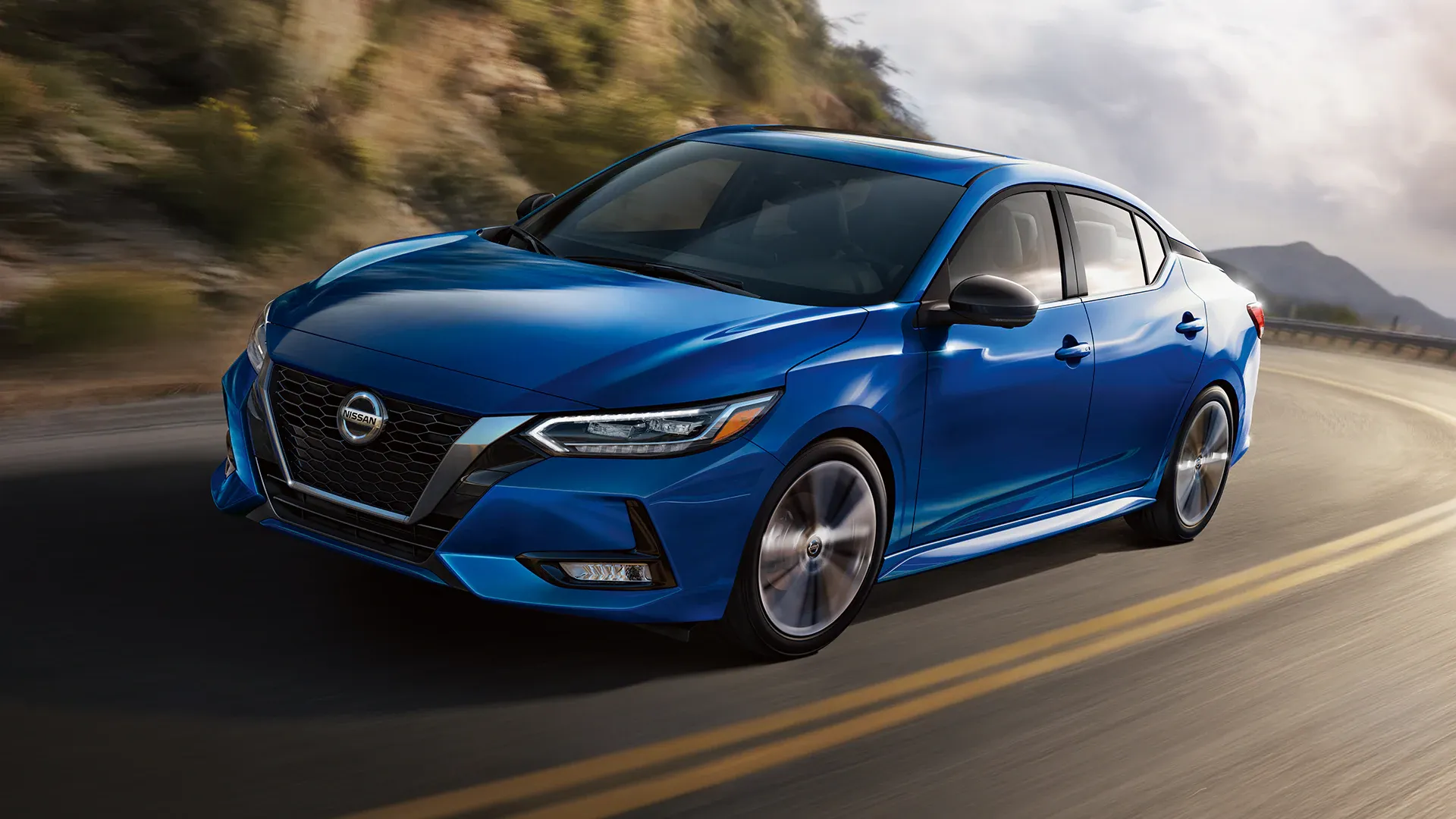
The Nissan Sentra has long been positioned as an affordable, practical compact sedan option for budget-conscious consumers, but unfortunately, this very positioning contributes significantly to its steep depreciation after five years. While the Sentra serves well as an entry-level vehicle, it struggles to maintain value because it occupies a crowded and highly competitive segment flooded with alternatives offering superior performance, technology, and perceived quality.
Many buyers see the Sentra as a basic, no-frills transportation solution, and this perception limits the vehicle’s desirability in the used market. As a result, once the initial new-car shine fades, Sentras quickly lose value as buyers gravitate toward more appealing options.
Compounding this issue is the fact that Nissan has frequently updated the Sentra with redesigns that don’t always resonate well with consumers. Styling choices and interior quality have sometimes lagged behind competitors, and the lack of standout features or advanced safety technologies in certain model years makes the Sentra less attractive to buyers searching for a modern, well-equipped compact car.
The competition from rivals like the Honda Civic, Toyota Corolla, and Mazda3—which combine strong reputations for reliability, engaging driving dynamics, and updated tech—makes the Sentra look less compelling on resale lots, driving prices down sharply after five years.
Moreover, Nissan’s reputation for reliability with the Sentra has been inconsistent, with some model years plagued by issues such as transmission problems and premature wear on certain mechanical components. These concerns can deter potential used buyers who are wary of costly repairs down the line, leading to steeper depreciation as demand wanes.
Even though the Sentra tends to have reasonable initial pricing, the total cost of ownership—including potential maintenance and repair costs—can seem less favorable compared to better-regarded competitors, further discouraging resale value retention.
Additionally, the Sentra’s interior and ride quality often fall short of buyer expectations, especially when compared to the more refined feel and features offered by competitors. Basic cabin materials, lackluster ergonomics, and an uninspiring driving experience can leave buyers feeling underwhelmed, which is a big factor in the vehicle’s rapid value decline.
When potential used buyers evaluate their options, many are willing to pay a bit more for vehicles with better comfort, style, and long-term reliability, leaving the Sentra to depreciate at a faster rate due to its perceived shortcomings.

2. Ford Fusion
The Ford Fusion once stood as a strong contender in the midsize sedan market, blending American styling with a solid feature set and a choice of efficient powertrains. However, with Ford’s strategic shift away from sedans to focus on SUVs and trucks, the Fusion’s market relevance has declined dramatically, and this transition has accelerated its depreciation over the past five years.
As demand for sedans shrinks, especially in the used car market, the Fusion has suffered from a drop in buyer interest, resulting in steep losses in resale value compared to competitors still actively promoted by their manufacturers.
The Fusion’s depreciation is also influenced by its model lifecycle. Ford ceased production of the Fusion in North America in 2020, which means the newest used models are already several years old, and no fresh updates or redesigns are on the horizon to attract buyers.
This stagnation makes it harder for Fusion owners to recover their initial investment, as buyers tend to prefer vehicles with ongoing manufacturer support, parts availability, and a longer expected production life. Without a current model or newer generation to keep interest alive, the Fusion quickly becomes less desirable in the used market.
Reliability concerns have also played a role in the Fusion’s value drop. Certain model years of the Fusion were reported to have transmission problems and electrical issues, which can be costly to fix and scare away potential buyers. Even with regular maintenance, the perception that the Fusion might require expensive repairs weighs heavily on resale values.
Buyers looking for dependable midsize sedans often gravitate toward rivals like the Toyota Camry or Honda Accord, which have established rock-solid reputations for reliability and longevity, further squeezing the Fusion’s resale prospects.
In terms of design and features, while the Fusion initially impressed with its stylish exterior and well-equipped interiors, it struggled to keep pace with rapid advancements in infotainment and driver assistance technologies seen in newer competitors.
The absence of more advanced tech or hybrid powertrains in later years of production diminished the Fusion’s appeal to tech-savvy buyers and those seeking greater fuel efficiency. When combined with Ford’s shift away from sedan offerings, these factors compound to drive down the Fusion’s value significantly after just five years.
3. Chevrolet Cruze
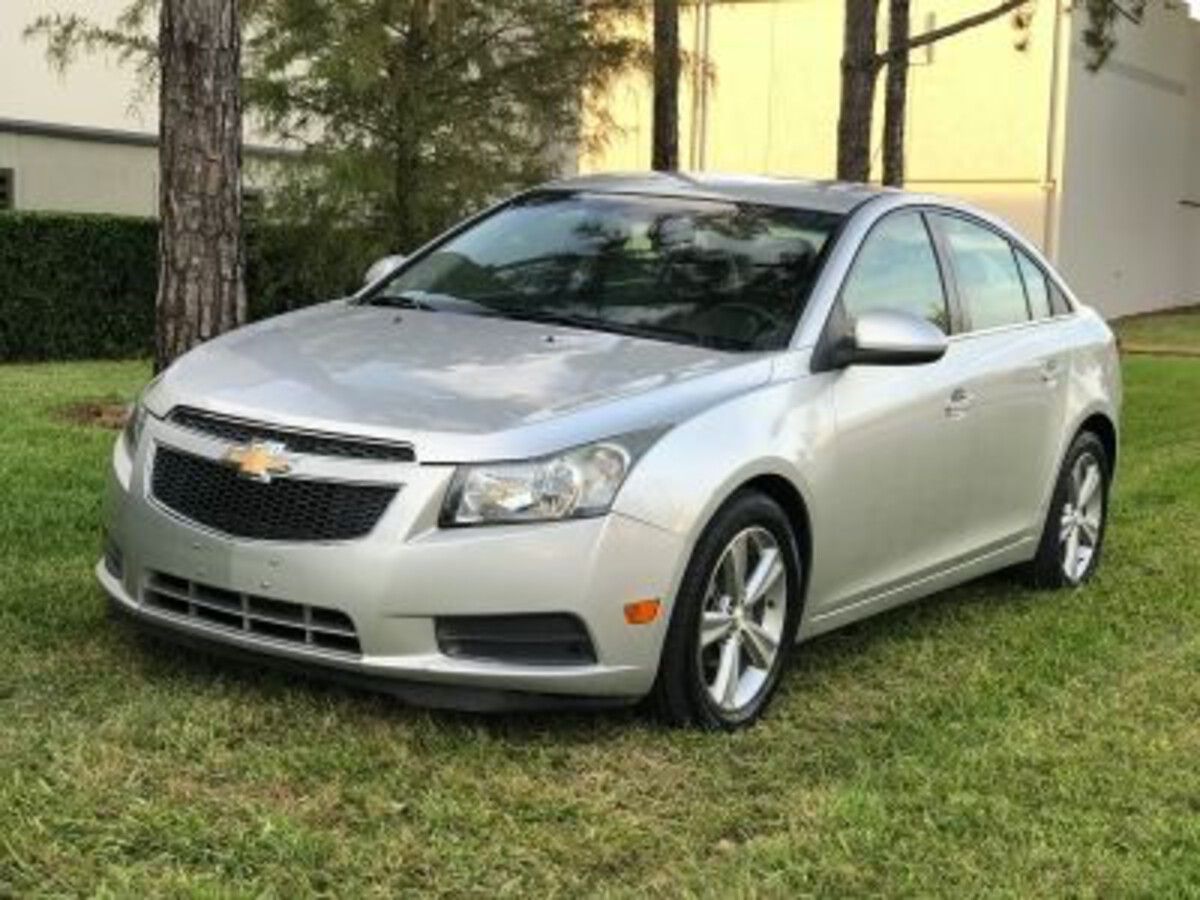
The Chevrolet Cruze was General Motors’ answer to the compact sedan market, aiming to compete directly with stalwarts like the Honda Civic and Toyota Corolla. Despite initial promise, the Cruze has struggled to hold onto value over time, largely due to a combination of market dynamics and the vehicle’s shortcomings.
The Cruze’s depreciation is influenced by its less-than-stellar reputation for long-term reliability and a model lifecycle that ended relatively abruptly in 2019. As a result, used buyers are often hesitant to pay a premium for a vehicle without ongoing production and uncertain long-term parts availability.
One of the key challenges for the Cruze is that it failed to establish a compelling identity beyond being an affordable compact car. While it offered decent fuel economy and some attractive features, it did not excel in areas like driving dynamics, interior quality, or technological innovation.
The Cruze’s interior materials and build quality were often criticized for feeling cheaper than competitors, detracting from its perceived value. Additionally, the styling was considered bland by many, lacking the emotional appeal that helps certain vehicles maintain strong resale values.
Reliability has also been a sticking point for the Cruze. Various model years experienced issues such as engine problems, turbocharger failures, and transmission glitches, which have negatively impacted owner satisfaction and resale demand.
These mechanical concerns often lead to higher repair costs, which savvy used car buyers take into account when making purchasing decisions. When combined with the fact that the Cruze’s production ceased in 2019, limiting the availability of newer models or refreshed versions, depreciation accelerates sharply after five years.
Furthermore, the rise of crossovers and SUVs in the same price range as the Cruze has cannibalized its market share, making it less relevant to buyers today. Compact sedans in general have suffered from declining popularity, but the Cruze’s lack of distinctive features or standout qualities means it drops faster in value compared to models that offer better fuel efficiency, style, or brand reputation.
As buyers increasingly favor practicality and higher seating positions, the Cruze’s appeal diminishes, translating into steep depreciation after five years.
4. Fiat 500
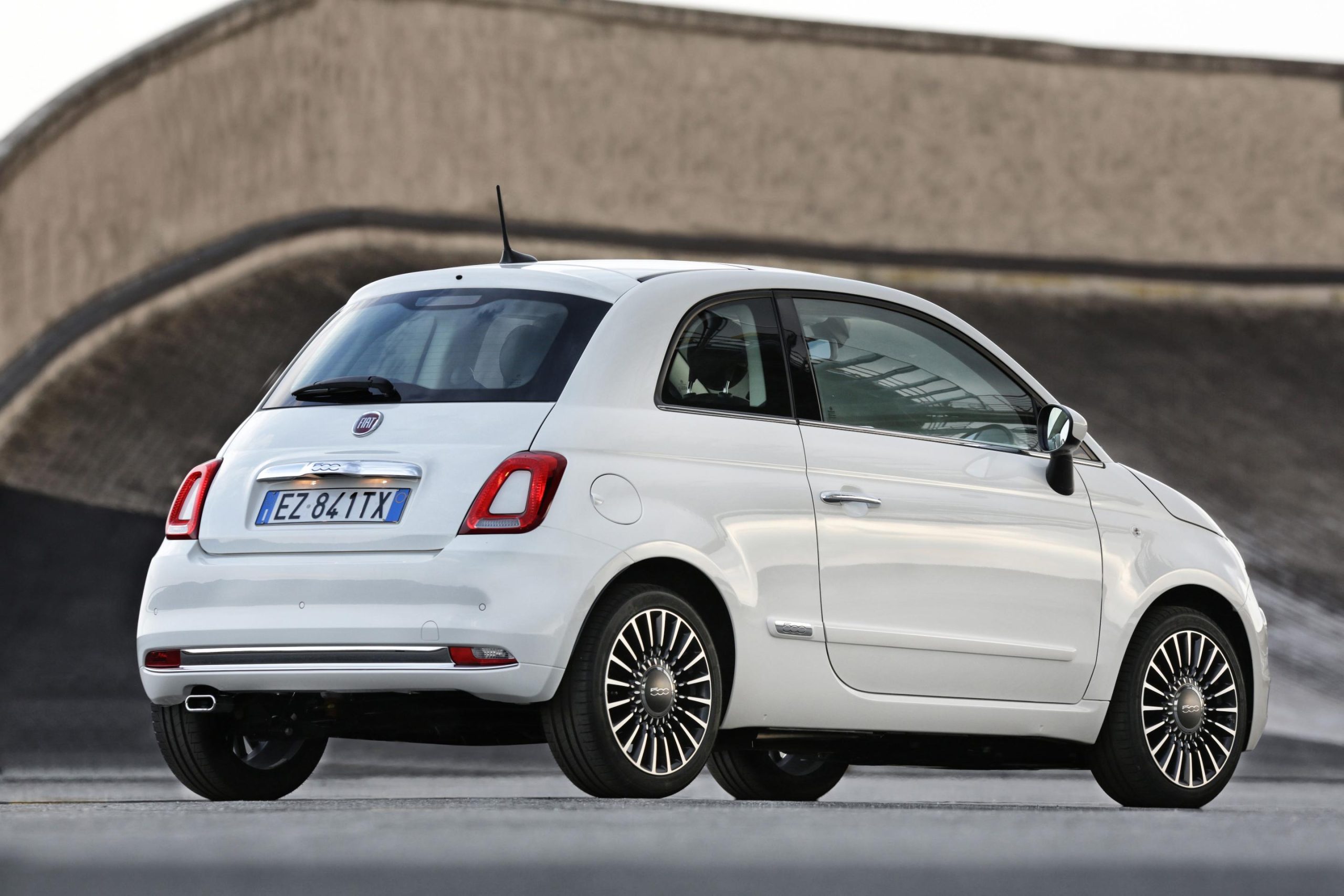
The Fiat 500 is a vehicle that draws attention for its unique, retro-inspired design and compact footprint, making it an appealing choice for urban driving and those looking for a quirky alternative to standard small cars. However, its charm does not extend to its resale value, which plummets rapidly after five years for several reasons.
The 500’s niche appeal limits its buyer pool in the used car market, making it difficult to retain value compared to more broadly appealing vehicles. While it attracts a certain demographic, many buyers find the Fiat 500 impractical due to its small size, limited cargo space, and compromised comfort, which weighs heavily on resale prices.
One significant factor contributing to the Fiat 500’s depreciation is its reputation for reliability issues and higher-than-average maintenance costs. The small Italian hatchback has faced criticism for mechanical problems, including transmission failures and electrical glitches, which can result in costly repairs.
Potential used car buyers tend to shy away from vehicles with known histories of frequent or expensive maintenance, driving down demand and resale value. The perception that Fiat’s dealer network is less extensive or that parts may be harder to source further undermines confidence in the 500’s long-term ownership appeal.
Additionally, the Fiat 500’s ride quality and interior space limitations make it less practical for everyday use, especially for families or anyone needing more than basic transportation. The small cabin and rear seats are cramped, which limits its usefulness beyond city commuting.
In contrast, competitors like the Honda Fit or even the Mini Cooper offer more room, better build quality, and stronger reputations for reliability, which helps those models maintain value better. This functional shortcoming further narrows the Fiat 500’s market and exacerbates its depreciation.
Styling, while unique and charming to some, is also polarizing, meaning the Fiat 500 does not enjoy broad appeal, particularly in resale markets that prioritize practicality and value. While new buyers might be attracted by its retro looks, many used buyers prioritize reliability, cost of ownership, and space—areas where the 500 is lacking.
Consequently, the Fiat 500’s niche design combined with its mechanical and practical limitations, results in some of the steepest value drops after five years among small cars.
5. Chrysler 200
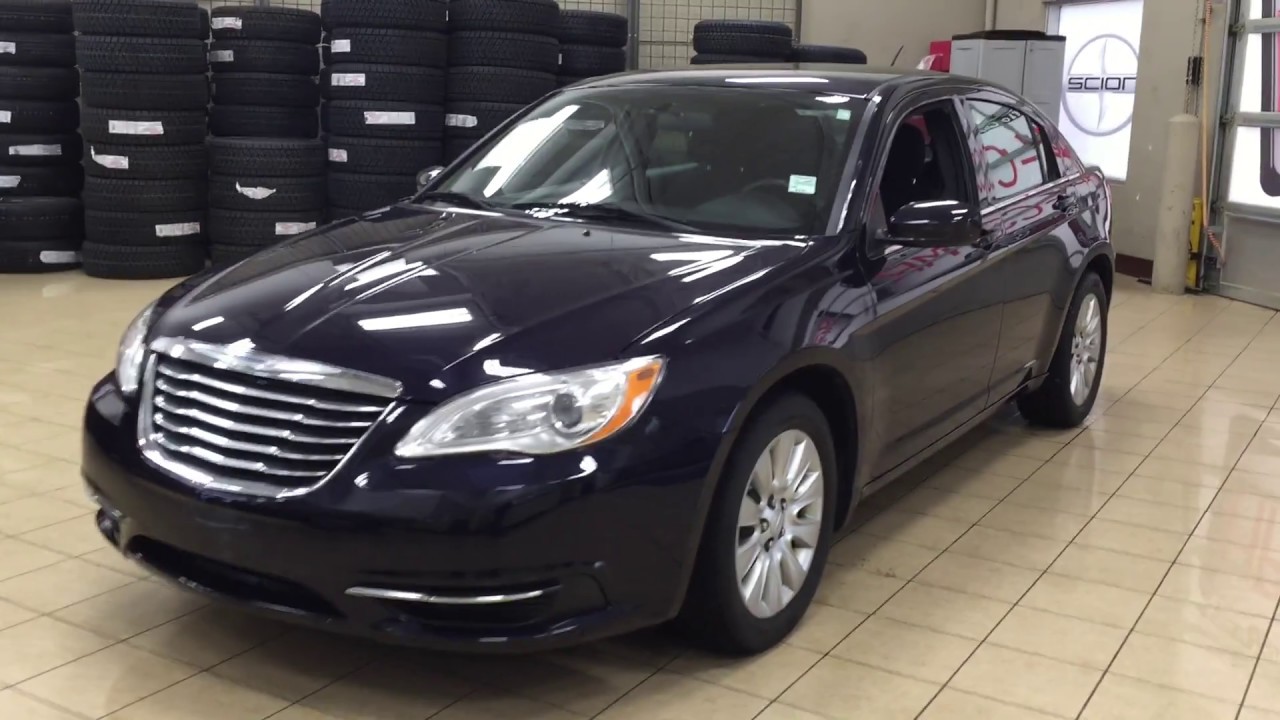
The Chrysler 200’s fate in the midsize sedan segment was largely defined by a combination of market timing, brand perception, and a lack of compelling differentiation. Introduced as a more upscale alternative to the Dodge Dart and aimed at competing with the dominant Toyota Camry and Honda Accord, the 200 struggled to find its footing. Its value depreciation after five years reflects these struggles, as the vehicle failed to maintain buyer interest and was ultimately discontinued in 2017, further complicating resale prospects.
One of the primary reasons the Chrysler 200 loses value quickly is its association with a brand that has faced persistent challenges around quality and reliability. Chrysler has had a checkered history with many models suffering from mechanical issues and below-average dependability ratings.
Although the 200 offered a comfortable ride and a reasonably upscale interior, many buyers were skeptical about long-term ownership costs and reliability, especially when compared to competitors known for their bulletproof reputations. This skepticism translates into lower resale prices and a smaller pool of willing buyers.
Additionally, the Chrysler 200 lacked the technological and safety advancements that became standard in many of its rivals during its production run. Features like advanced driver-assistance systems, infotainment improvements, and fuel-efficient powertrain options were often missing or lagging, making the 200 less attractive to buyers focused on the latest innovations. As consumer expectations in the midsize sedan market evolved rapidly, the 200’s inability to keep pace caused it to fall out of favor quickly in the used market.
Finally, the overall decline of the midsize sedan segment has hit vehicles like the Chrysler 200 particularly hard. As buyers increasingly favor SUVs and crossovers, sedans without a strong brand image, distinctive features, or excellent reliability are being left behind.
The discontinuation of the 200 only accelerates depreciation since buyers often hesitate to purchase used vehicles without manufacturer support or newer models available. All these factors combined mean the Chrysler 200 experiences steep drops in value after just five years, making it one of the worst offenders in terms of resale depreciation.
Also Read: 5 Engines That Thrive at High RPM and 5 That Can’t Handle Daily Driving Stress
Navigating the automotive market can be challenging, particularly when considering the financial implications of vehicle depreciation. While new car buyers often focus on upfront costs, monthly payments, or aesthetic appeal, the reality is that depreciation plays a pivotal role in determining the total cost of ownership and long-term satisfaction.
By examining vehicles that retain over 70% of their value after five years and contrasting them with those that experience sharp value declines, we gain crucial insight into what makes a vehicle a wise investment versus a financial burden.
Vehicles that maintain strong resale value typically share a number of key characteristics that contribute to their enduring appeal. Reliability stands out as the most important factor; models like the Toyota Tacoma, Subaru Outback, and Toyota 4Runner are synonymous with mechanical durability and low maintenance costs, which makes them highly desirable in the used car market.
Buyers appreciate knowing they can rely on these vehicles for years without major repairs, which enhances buyer confidence and drives demand in the resale market. Additionally, strong brand loyalty and reputation amplify value retention. Toyota’s reputation for quality and dependability, for instance, fuels ongoing demand for vehicles like the Tacoma and 4Runner, helping these models sustain their value even as newer generations enter the market.
Another common thread among high-value-retention vehicles is their versatility and specialized appeal. The Jeep Wrangler’s iconic status as an off-road legend, combined with its modular design and passionate fan base, creates a unique market dynamic where certain models hold or even increase in value due to their niche desirability.
Similarly, vehicles like the Subaru Outback appeal to a broad audience seeking safety, capability, and practicality, especially in regions with challenging weather conditions. The Porsche 911, meanwhile, defies typical depreciation patterns due to its exclusivity, timeless design, and status as a collectible performance car, attracting buyers willing to pay premium prices for pre-owned examples. These vehicles benefit not only from their inherent qualities but also from a cultural or lifestyle appeal that sustains demand over time.
Conversely, vehicles that “drop like a rock” after five years tend to suffer from multiple overlapping issues. Poor reliability records, lack of standout features, shifting market preferences, and discontinued production lines all contribute to accelerated depreciation. The Nissan Sentra, Ford Fusion, Chevrolet Cruze, Fiat 500, and Chrysler 200 exemplify vehicles that, despite initial affordability, fail to hold buyer interest or confidence in the used market.
Many of these models face stiff competition from better-regarded alternatives that offer improved technology, comfort, or reliability, pushing them further down in perceived value. When combined with negative ownership experiences—such as costly repairs or less practical design choices—these vehicles become less attractive to resale buyers, driving prices down precipitously.
Moreover, the broader market shift away from sedans and compact cars towards SUVs and trucks exacerbates depreciation challenges for many traditional passenger cars. Manufacturers are increasingly focusing development and marketing resources on crossovers and pickups, leaving some sedan models outdated or discontinued.
This shift affects buyer demand and parts availability for sedans, creating a self-reinforcing cycle where diminished desirability leads to accelerated depreciation. Buyers today must consider these macro trends when purchasing a vehicle, as market preferences heavily influence future resale value beyond the vehicle’s intrinsic qualities.
Financially, choosing a vehicle with strong value retention can mean significant savings over the lifetime of ownership. Higher resale values translate into better trade-in offers or higher sale prices, helping owners recoup a larger portion of their initial investment. This can also lower financing costs since lenders often base loan terms on anticipated vehicle value.
Additionally, insurance premiums tend to be more favorable on vehicles with better resale and safety records. For buyers who lease, depreciation rates directly impact monthly payments and end-of-lease purchase options, making vehicles that retain value more economical in both lease and purchase scenarios.
On the other hand, selecting a vehicle prone to rapid depreciation can quickly turn ownership into a financial loss. Steep value drops leave owners “underwater” on their loans or force them to accept low trade-in values, reducing flexibility and increasing the overall cost of vehicle ownership. The frustration and financial strain caused by owning a vehicle that drops sharply in value highlight the importance of considering depreciation as a central factor in the decision-making process.
In conclusion, understanding how and why vehicles retain or lose value over time is essential for making smart automotive purchases. Buyers should carefully evaluate not only the features, price, and performance of a vehicle but also its expected long-term value retention.
Vehicles like the Toyota Tacoma, Subaru Outback, Jeep Wrangler, Toyota 4Runner, and Porsche 911 offer compelling cases for sustained value thanks to their reliability, brand strength, versatility, and unique appeal. Conversely, models such as the Nissan Sentra, Ford Fusion, Chevrolet Cruze, Fiat 500, and Chrysler 200 serve as cautionary examples where depreciation risks outweigh initial affordability.
By approaching vehicle selection with an eye toward long-term value, consumers can protect their investment, enjoy greater financial flexibility, and ultimately drive away with a vehicle that serves them well, not just for the moment, but for years to come. Making depreciation a key part of the buying equation transforms car ownership from a costly gamble into a more predictable and rewarding experience.
