
In the vast and varied landscape of pickup trucks, selecting the right vehicle is often a decision fraught with complexity and significant financial implications. Trucks serve multiple purposes—from daily commuting and family transportation to hauling heavy loads and conquering rugged terrain—and each use case places different demands on the vehicle.
Beyond upfront purchase price and performance capabilities, one of the most critical factors influencing truck ownership satisfaction is the ongoing cost to maintain and operate the vehicle. Maintenance expenses can dramatically affect the overall cost of ownership and even the truck’s long-term reliability and resale value.
For many buyers, understanding which trucks come with low cost per mile to maintain—and conversely, which ones tend to become financial sinkholes—is essential to making a smart, economical investment.
Maintenance cost per mile is a valuable metric because it encompasses not just the obvious expenses like oil changes, brake pads, and tires, but also more significant repairs, parts replacements, labor costs, and sometimes fuel efficiency. Trucks that boast low maintenance costs often feature durable engineering, readily available and affordable parts, and a reputation for reliability.
These attributes reduce the frequency and severity of costly repairs, while also encouraging owners to keep up with regular preventive maintenance.
Conversely, trucks that become financial sinkholes are often burdened by complex, failure-prone systems, expensive proprietary components, and intricate electronics or emissions equipment that require specialized service.
These trucks not only demand more frequent repairs but also incur higher labor charges and sometimes require dealership-only service, compounding the expense.
As truck designs evolve, manufacturers are incorporating new technologies and features aimed at improving performance, safety, and fuel economy. While these advancements can enhance the driving experience, they also introduce new potential points of failure, often making some models more expensive to maintain over time.
For example, advanced turbocharged engines, hybrid powertrains, and sophisticated off-road electronics might increase initial appeal but can translate into higher repair costs if they malfunction. The balance between innovation and reliability is therefore a crucial consideration for buyers prioritizing total cost of ownership.
Moreover, the choice between midsize and full-size trucks, gasoline or diesel engines, and traditional body-on-frame versus unibody construction also plays a role in maintenance costs.
Midsize trucks like the Toyota Tacoma or Honda Ridgeline often benefit from simpler, proven designs and better fuel economy, while full-size trucks like the Ford F-150 or Chevrolet Silverado provide heavy-duty capability but sometimes at the cost of increased maintenance needs.
Diesel-powered heavy-duty trucks, such as the Ford F-250 Super Duty, bring robust towing and hauling capacity but also require specialized upkeep and expensive parts.
This article dives deep into two distinct lists: trucks that have consistently demonstrated the lowest cost per mile to maintain, and trucks that, despite their capabilities or allure, frequently become financial sinkholes for owners.
Understanding these vehicles’ strengths and pitfalls can empower consumers, fleet managers, and enthusiasts to make better decisions aligned with their budgets and needs.
By reviewing well-known models such as the Toyota Tacoma and Ford F-150 alongside cautionary examples like older Dodge Rams and early Nissan Titans, readers will gain insight into the realities of truck ownership beyond initial sticker price.
For many truck buyers, the dream vehicle must combine reliability, affordability, and performance without becoming a money pit. Whether you’re considering a truck for work, recreation, or family use, minimizing the cost per mile through smart maintenance choices and vehicle selection is essential.
This article aims to shed light on those choices by providing a comprehensive analysis rooted in the real-world experiences of owners, industry data, and automotive expertise. By doing so, we hope to equip readers with the knowledge necessary to avoid costly pitfalls and enjoy the benefits of owning a truck that serves them well over time without breaking the bank.
Also Read: 5 Cars With Clutch Pedals That Last a Lifetime and 5 That Break Legs and Budgets
5 Trucks With the Lowest Cost Per Mile to Maintain
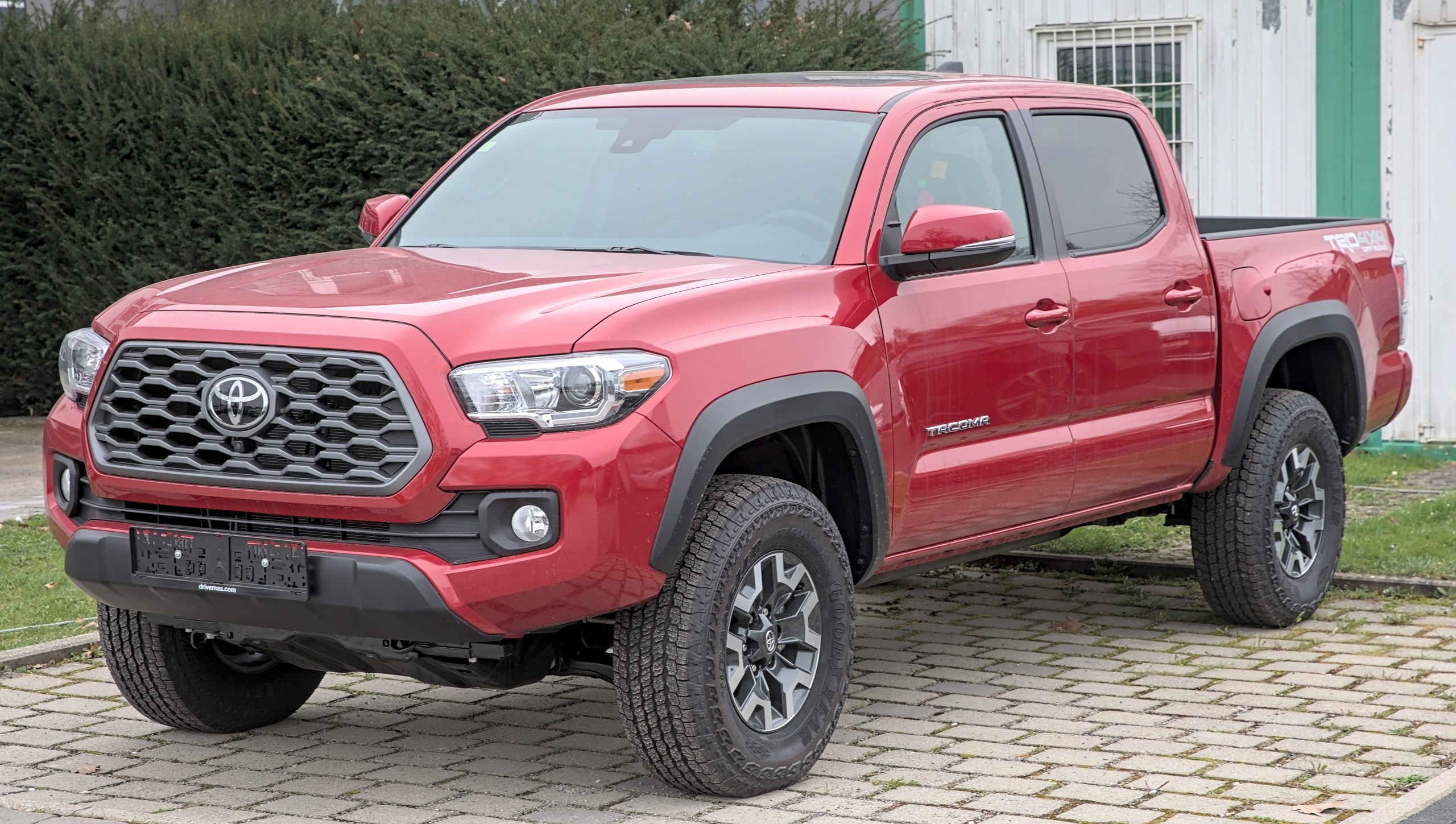
1. Toyota Tacoma
The Toyota Tacoma has earned a near-legendary status in the truck community for its remarkable blend of reliability, durability, and surprisingly low maintenance costs per mile. This midsize pickup has been a favorite for decades, largely because it embodies the core qualities truck buyers seek: ruggedness combined with ease of upkeep.
One of the main reasons the Tacoma maintains such low maintenance costs is its proven powertrain. Toyota’s engineering prioritizes simplicity and longevity over flashy complexity, meaning the engines, transmissions, and drivetrains are designed to withstand heavy use and miles of wear without frequent major repairs.
For instance, the 2.7L four-cylinder and 3.5L V6 engines used in many Tacomas have been tested over countless years and across millions of vehicles worldwide, with parts that are known for their long life spans. Because of this, owners rarely face catastrophic engine or transmission failures that could send repair bills soaring into the thousands.
Additionally, the Tacoma benefits from Toyota’s vast and efficient parts supply chain, meaning replacement components are widely available and relatively affordable. Many replacement parts such as brake pads, filters, belts, and suspension components are off-the-shelf items, which helps keep prices down compared to trucks that require specialized or proprietary parts.
Beyond parts costs, Tacoma’s maintenance procedures are well-documented and straightforward. Many mechanics are familiar with this truck, reducing labor charges as routine servicing does not require exotic tools or excessive hours. Routine services, including oil changes, tire rotations, and brake replacements, are considered affordable when compared to other trucks in the midsize segment.
Moreover, Toyota’s reputation for reliability means that Tacomas often reach very high mileage with only routine upkeep, minimizing the risk of unexpected repairs that can dramatically increase the cost per mile. It’s also worth noting that Tacoma’s fuel economy, while not class-leading, is respectable for a midsize truck, which keeps operating costs down.
Another hidden advantage is the strong community around Tacoma—enthusiast forums and DIY guides abound, empowering owners to conduct many maintenance tasks themselves, saving labor costs and boosting overall value.
Whether it’s a daily driver, work truck, or adventure vehicle, the Tacoma’s combination of durability, simplicity, and cost-effective upkeep keeps it firmly planted among the lowest cost-per-mile trucks available.
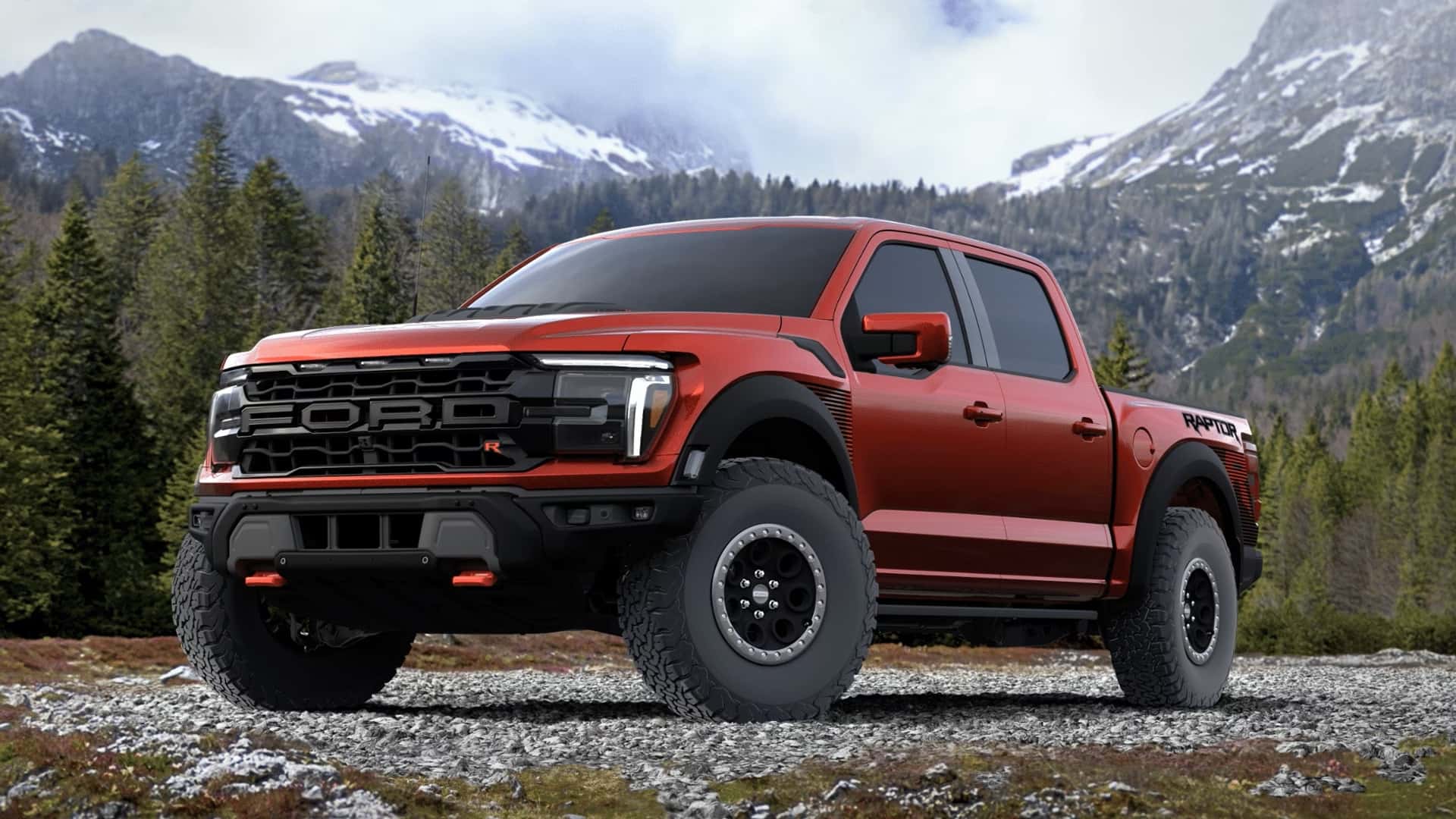
2. Ford F-150
The Ford F-150 has been America’s best-selling pickup for decades, and it’s no accident that it also ranks among the trucks with the lowest cost per mile for maintenance. This full-size pickup combines a robust build with an abundance of aftermarket support and a widespread dealer and service network, making maintenance and repairs more accessible and cost-efficient than many of its peers.
The F-150’s wide range of engine options—from the fuel-efficient V6s to the powerful EcoBoost turbocharged engines—allows owners to tailor their trucks to balance power and cost of ownership.
Engines such as the 3.5L EcoBoost have been praised for their reliability when properly maintained, while also providing better fuel economy than larger, naturally aspirated V8s, which can help reduce ongoing fuel expenses—a significant part of the total cost per mile.
Beyond engines, the F-150’s well-established mechanical architecture has benefited from decades of refinement. Ford has incorporated durable materials and tested components designed to endure harsh working conditions and heavy loads, which is critical for minimizing costly breakdowns.
Repair costs are generally manageable because many components are standardized across various Ford vehicles, enabling economies of scale in parts manufacturing.
Ford’s large network of certified mechanics means many technicians are highly skilled and efficient when servicing F-150s, resulting in shorter repair times and lower labor bills. Owners benefit from clear and frequent maintenance schedules, which, when followed, help prevent expensive failures down the line.
Fuel efficiency, ease of repairs, and part availability all factor heavily into the F-150’s competitive cost per mile. Another crucial factor is the truck’s exceptional resale value. The F-150 maintains strong demand in the used market, which reflects its reliability and reduces the depreciation hit for owners, translating to a lower overall ownership cost per mile.
For commercial operators, fleet managers, or individuals relying on their trucks for daily heavy-duty tasks, the Ford F-150 offers a compelling combination of durability, affordability, and versatility that helps keep maintenance costs reasonable while delivering top-tier performance.
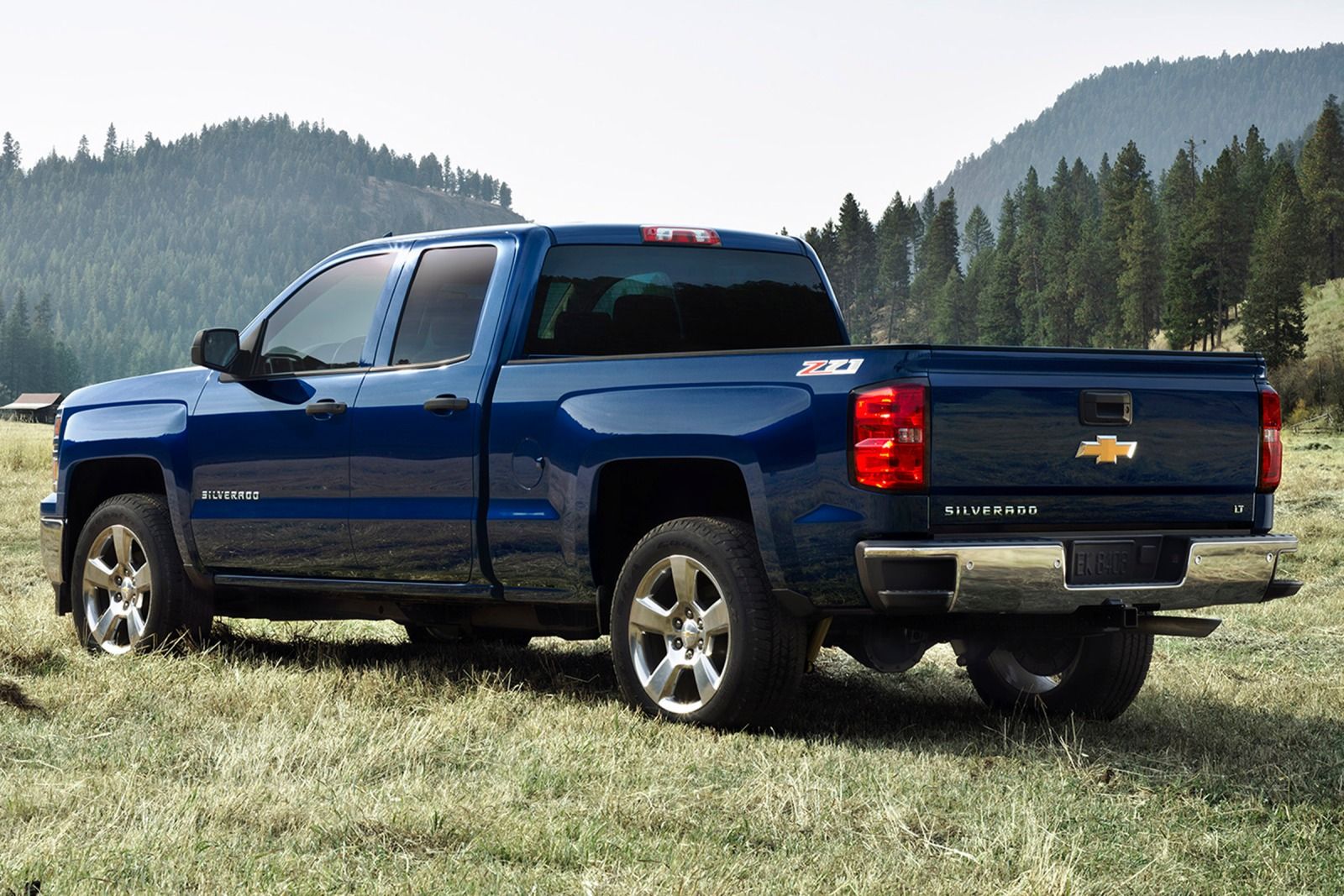
3. Chevrolet Silverado 1500
The Chevrolet Silverado 1500 consistently ranks among the trucks with the lowest maintenance cost per mile, thanks to a balanced approach combining rugged design and proven mechanical systems. The Silverado is a full-size truck built on a tried-and-true platform that has been continuously refined to enhance durability and serviceability.
At the heart of its low maintenance costs is the Chevrolet lineup’s use of reliable V8 engines, including the popular 5.3L V8 and 6.2L V8, which are known for their robustness and relatively straightforward mechanical layout. These engines generally avoid the overly complicated emissions and fuel systems that have plagued other trucks with costly repairs.
The Silverado’s simplicity extends to other mechanical systems such as brakes, suspension, and drivetrain components, which are designed to be both durable and accessible for repair or replacement. General Motors’ vast network of dealerships and parts distributors means replacement parts are easy to find and competitively priced.
Aftermarket support is strong, enabling owners to source high-quality parts without resorting to expensive dealer-only options. The truck’s suspension and frame components have been engineered to handle tough loads, reducing wear and tear that might otherwise accelerate maintenance needs. This ruggedness also means fewer trips to the mechanic for unexpected repairs, helping maintain a low cost per mile.
On the fuel economy front, newer Silverado models have improved thanks to engine advancements and lightweight materials, offering better mileage and thus reducing the largest ongoing cost: fuel. Routine maintenance costs remain reasonable, with many Silverado owners reporting that brake jobs, oil changes, and tire replacements fall well within average budget expectations.
Chevrolet’s commitment to quality control and continuous improvement further reduces the incidence of serious mechanical failures. Coupled with strong resale values and widespread recognition of its reliability, the Silverado 1500 stands out as a truck that keeps the wallet in mind without sacrificing capability or performance.
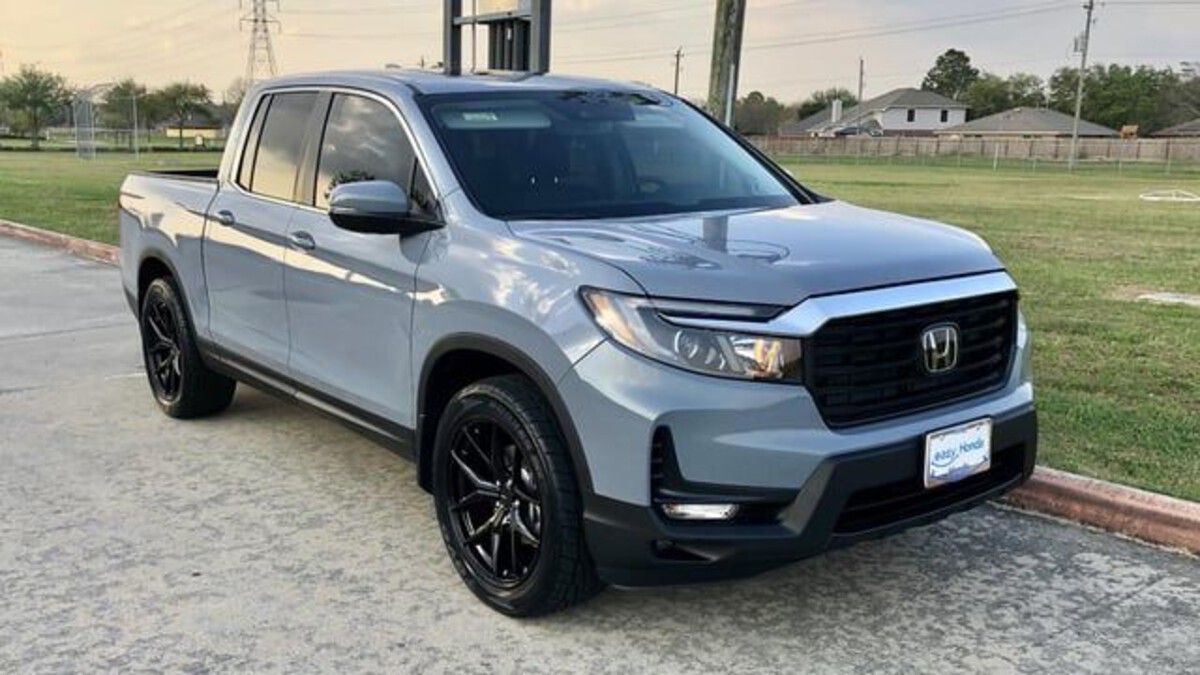
4. Honda Ridgeline
The Honda Ridgeline is a unique entry among trucks that boast low-cost per-mile maintenance because it breaks the traditional truck mold with its unibody construction and car-like driving dynamics. Unlike most body-on-frame trucks, the Ridgeline’s structure offers a lighter and more flexible platform, which reduces stress on components and extends the lifespan of key mechanical systems.
It shares many parts with Honda’s passenger cars and SUVs, which have an established reputation for reliability and affordability when it comes to maintenance. The engine, a 3.5L V6, is smooth-running and requires minimal costly repairs, benefiting from Honda’s engineering emphasis on efficiency and longevity.
Another significant contributor to the Ridgeline’s low maintenance costs is its fuel economy. For a midsize truck, the Ridgeline delivers excellent mileage, which helps offset one of the largest ongoing expenses for truck owners. Owners also benefit from the availability of affordable parts and widespread knowledge among service technicians, thanks to Honda’s global footprint.
Routine maintenance is predictable and manageable, with most owners experiencing low costs for brakes, fluids, filters, and other standard upkeep items. The Ridgeline also enjoys a reputation for a comfortable and quiet ride, meaning owners are less likely to ignore small issues that could balloon into expensive repairs, maintaining overall reliability.
The unibody design, while sometimes questioned by traditionalists, has proven durable and less prone to issues such as frame twisting or sagging that can plague body-on-frame trucks. This design translates into fewer structural repairs and a longer-lasting vehicle in good condition.
In addition, Honda’s quality assurance processes ensure that common failure points found in other trucks are either minimized or eliminated altogether. The Ridgeline’s combination of reliability, fuel efficiency, and low-cost maintenance make it a standout for those seeking a practical, versatile truck without the burden of high upkeep costs.
5. Nissan Frontier
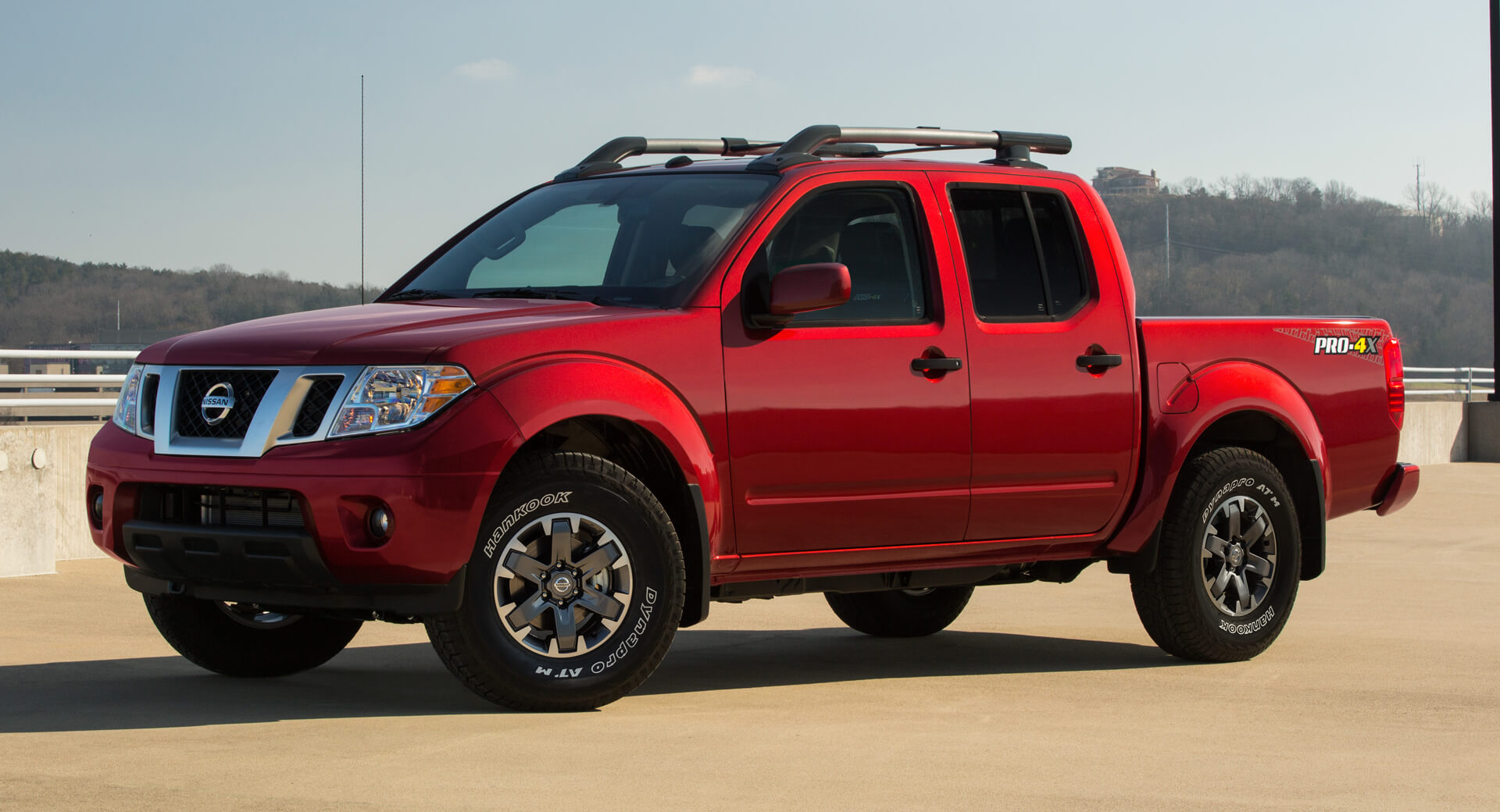
The Nissan Frontier, especially in its earlier generations, has established itself as one of the lowest-cost-per-mile trucks to maintain, largely due to its rugged simplicity and proven mechanical reliability.
The Frontier is built with a conservative, no-nonsense approach to truck engineering, focusing on durability over gimmicks or cutting-edge but potentially failure-prone technology.
Its engine options, primarily the 4.0L V6 and earlier inline-4 engines, are known for their longevity and straightforward construction, reducing the chances of costly mechanical failures. Because the design hasn’t changed drastically over the years, many of the parts are interchangeable and widely available, helping keep parts costs low.
Maintenance tasks on the Frontier are often straightforward and do not require specialized tools or excessive labor. Common service items like brakes, belts, and fluids can often be handled by local mechanics or even skilled owners, avoiding dealer premiums.
The truck’s suspension and drivetrain are similarly robust, designed to handle rugged terrain and heavy use without frequent repair. Nissan’s reputation for reliability and the Frontier’s durability have made it a favorite in markets where reliability and ease of maintenance are critical.
Fuel economy, while not exceptional, is reasonable for a midsize truck, reducing the cost per mile when combined with low repair and maintenance expenses. The Frontier’s rugged nature, paired with affordable upkeep, makes it especially appealing to buyers who need a dependable workhorse truck without breaking the bank on service.
For those looking for a budget-conscious truck that doesn’t compromise on dependability, the Nissan Frontier is a standout choice that has proven its value over many years.
5 Trucks That Are Financial Sinkholes
1. Dodge Ram 1500 (Older Models)
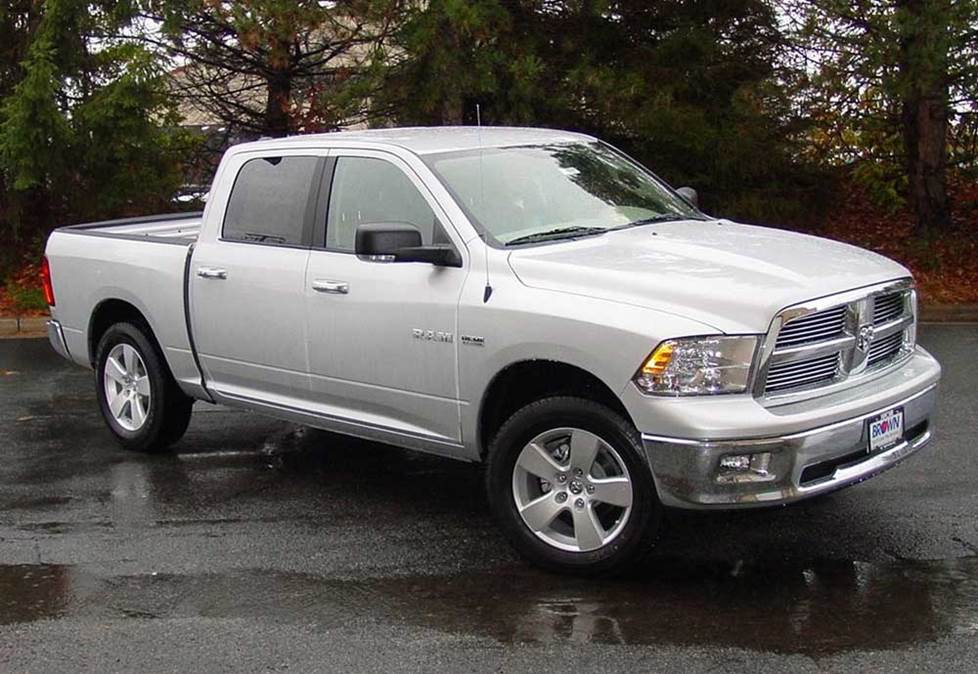
The Dodge Ram 1500, particularly models produced in the early to mid-2000s, has earned a notorious reputation as a financial sinkhole for many truck owners. While Dodge has made strides in recent years to improve reliability, these older Rams suffer from a combination of design and manufacturing issues that lead to frequent, costly repairs and high maintenance expenses.
One of the most significant problems is the transmission, especially the 4-speed and early 5-speed automatic units, which are prone to premature failure.
Transmission repairs or replacements can easily cost several thousand dollars, sending the cost per mile skyrocketing for owners who clock many miles. On top of that, these older Ram models often face recurring electrical gremlins, such as malfunctioning sensors, wiring harness issues, and intermittent dashboard warnings that require complex diagnostics and repairs.
In addition to transmission and electrical issues, the older Dodge Ram 1500 models frequently experience problems with suspension components such as ball joints and control arms, which tend to wear out faster than those in competing trucks. Replacing these parts is not only expensive due to the price of OEM components but also labor-intensive because of the Ram’s suspension design, leading to higher shop bills.
Furthermore, the engines in some model years, particularly the 4.7L V8, have been reported to develop oil consumption issues and valve problems, which can necessitate expensive repairs or rebuilds as the mileage climbs. Beyond mechanical issues, fuel economy on these older Rams was never particularly strong, further contributing to the total cost of ownership as fuel expenses mount.
Another factor driving up maintenance costs for these older Rams is the relative scarcity of knowledgeable mechanics familiar with Dodge’s unique quirks compared to more popular trucks like the Ford F-150 or Chevrolet Silverado. This can lead to longer repair times and higher labor charges, compounding the financial burden.
All these issues combined make older Dodge Ram 1500 models a prime example of trucks that can drain owners’ wallets with unexpected repairs and ongoing maintenance woes, turning what seemed like a capable truck purchase into a costly financial trap over time.
2. Jeep Gladiator
The Jeep Gladiator is an interesting case—designed as a rugged off-road truck with a loyal following, it nevertheless earns a spot among financial sinkholes primarily due to its complex technology and high maintenance costs.
Introduced relatively recently, the Gladiator incorporates a wide array of advanced off-road hardware and electronic systems, including electronic locking differentials, multiple drive modes, sway bar disconnects, and sophisticated suspension components.
While these features dramatically enhance off-road capability, they also introduce many potential points of failure that require specialized knowledge and tools to repair, which drives up labor costs.
The price of replacement parts for the Gladiator is another factor contributing to its reputation as a financial sinkhole. Because it’s a niche vehicle with lower production volumes compared to mainstream pickups, parts tend to be more expensive and less readily available.
For example, complex suspension components, sensors, and off-road-specific hardware command premium prices. Moreover, the electronic control units managing these systems are costly to replace and often require dealership-level diagnostics, adding to repair bills. Owners who use their Gladiators extensively in off-road conditions report accelerated wear on these expensive parts, further increasing maintenance costs.
Additionally, the Gladiator’s fuel economy leaves much to be desired, especially when equipped with the optional V6 engine and off-road packages that add weight and drag. This means owners not only face high repair and maintenance costs but also pay more at the pump, further pushing up the overall cost per mile.
For those who primarily need a work truck or daily driver, the Gladiator’s off-road capabilities come with a high financial premium that may not be justifiable, making it more of a financial sinkhole compared to simpler, more reliable trucks.
3. Ford F-250 Super Duty (Certain Diesel Models)
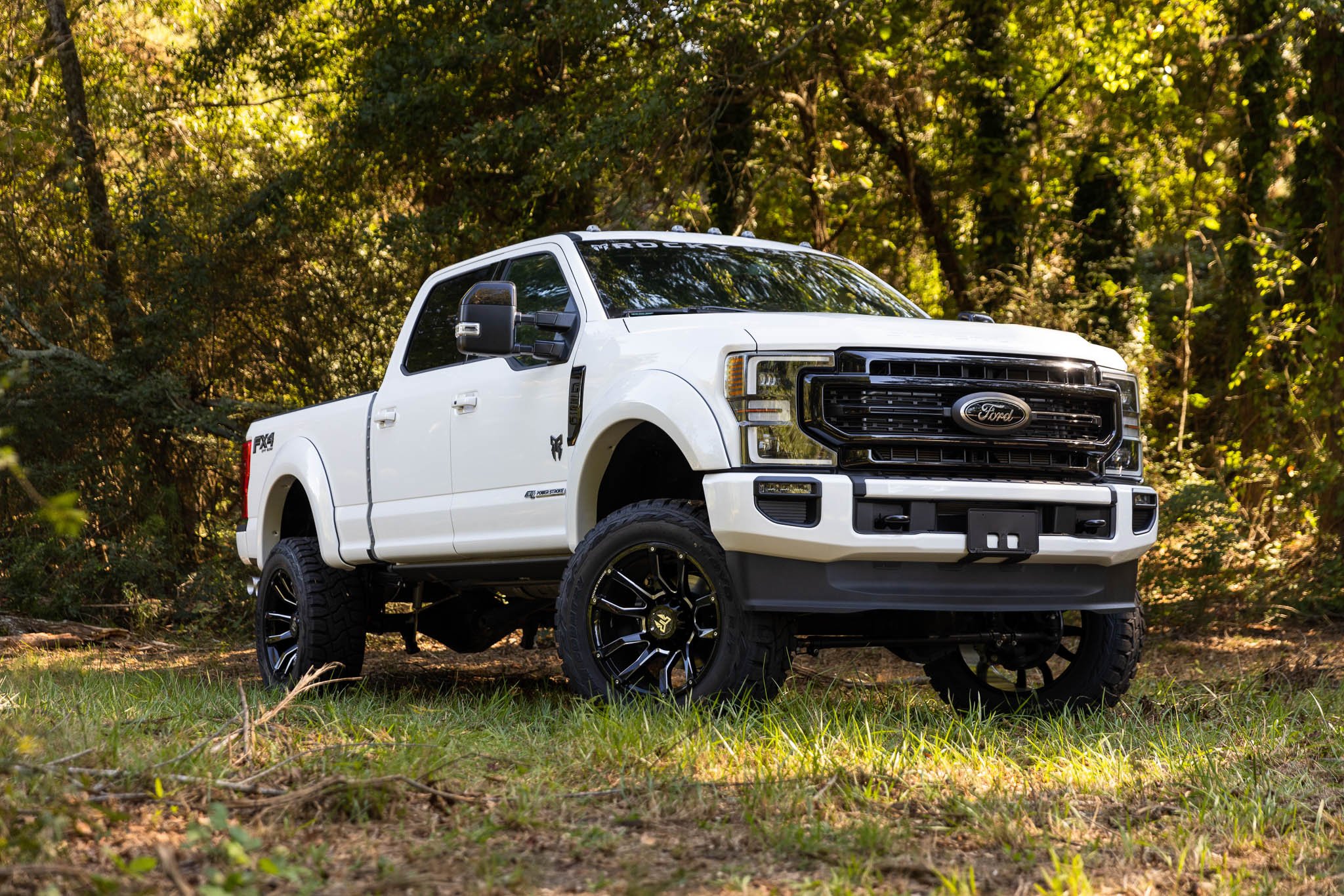
The Ford F-250 Super Duty is a powerhouse designed for heavy-duty workloads, but certain diesel-powered variants have garnered a reputation for steep maintenance costs that can quickly balloon beyond expectations.
The complexity of modern diesel engines, especially those equipped with advanced emissions controls like diesel particulate filters (DPF), selective catalytic reduction (SCR) systems, and turbochargers, creates a perfect storm of potential repair expenses.
These emissions systems are critical to meeting environmental regulations but are also prone to clogging, failure, and expensive repairs that may involve parts costing thousands of dollars and labor-intensive replacement processes.
Turbocharger issues are common in these heavy-duty diesels, and replacing a turbo can run into the several-thousand-dollar range. Moreover, injectors and fuel pumps on these trucks are precision components that are costly to service or replace, especially once they begin to fail after high mileage.
The nature of heavy-duty use means these components often endure harsh conditions, accelerating wear and tear. Repair shops capable of servicing such complex diesel engines are less common and generally charge premium labor rates, adding to the financial burden on owners.
Fuel economy in F-250 Super Duty diesels is inherently lower than in lighter trucks due to their size and power, which means fueling these behemoths is already an expensive ongoing cost. Coupled with the high price of diesel fuel, this significantly raises the cost per mile.
Furthermore, routine maintenance items like oil changes and specialized filters for diesel are more expensive than their gasoline counterparts. The overall result is a truck that, while extremely capable of towing and hauling, can become a financial sinkhole for owners who are not prepared to absorb the substantial ongoing maintenance and fuel expenses.
4. Chevrolet Colorado (First-Generation Diesel)
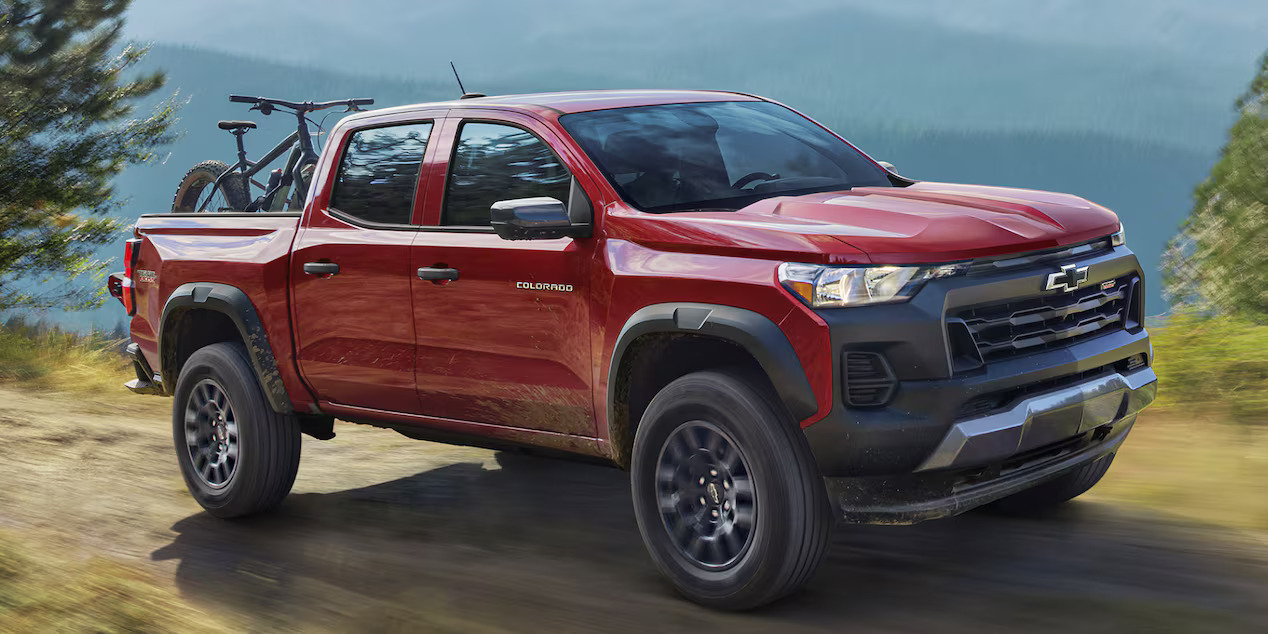
The first-generation diesel Chevrolet Colorado is an example of a truck that struggled with reliability issues that pushed maintenance costs higher than expected, particularly in its diesel variant. The Duramax 2.8L diesel engine, while praised for its power and torque, faced numerous challenges related to injector failures, turbocharger issues, and emissions system malfunctions.
Diesel injectors in these models are complex components that, when they fail, require expensive replacements that can run into thousands of dollars. Additionally, the turbochargers, essential for diesel performance, have been known to fail prematurely, creating major repair bills.
Colorado’s emissions control system, including the diesel particulate filter (DPF) and exhaust gas recirculation (EGR), also contributed to maintenance headaches. These systems are designed to reduce harmful emissions but have a tendency to clog or malfunction, leading to costly repairs and service visits.
Since the diesel Colorado occupied a niche within the midsize truck segment, parts availability was somewhat limited compared to more popular gasoline models, resulting in higher parts costs and longer wait times for repairs.
Owners of the Diesel Colorado have reported that routine maintenance can be more expensive due to specialized fluids, filters, and diagnostic needs. The relatively lower production volume and limited dealer expertise in diesel trucks of this size also mean fewer service centers equipped to handle these issues affordably.
When combined with moderate fuel economy and these repair challenges, the first-generation diesel Colorado can become a financial sinkhole, especially for those who expect the low operating costs typically associated with diesel engines.
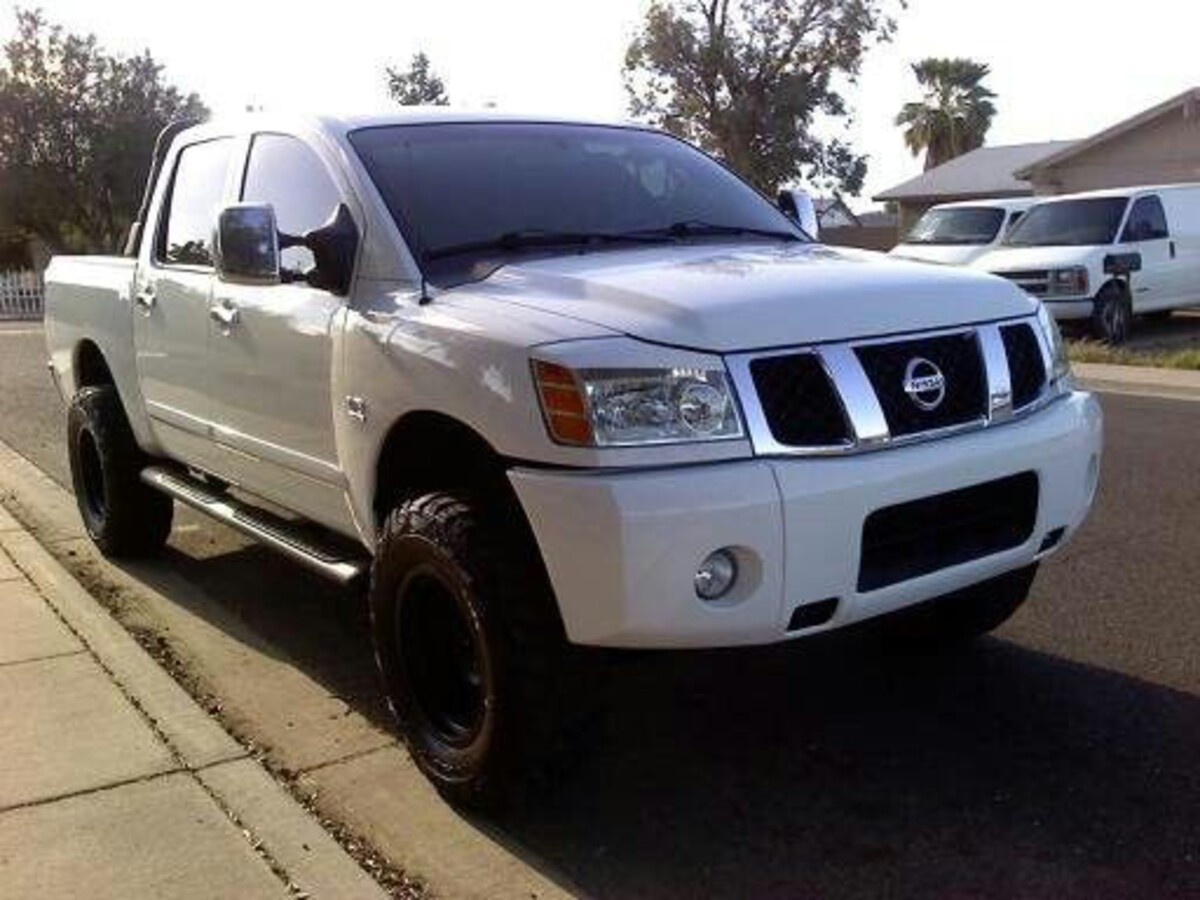
5. Nissan Titan (Early Models)
The Nissan Titan, particularly early models from the mid-2000s, has struggled with reliability issues that have led to higher maintenance costs per mile and a reputation as a financial sinkhole for many owners. These trucks have been reported to suffer from a range of mechanical problems, including premature transmission failures, timing chain tensioner issues, and suspension component wear.
The transmission problems, especially, are a major concern, with owners facing expensive rebuilds or replacements sometimes well before the truck reaches high mileage. These repairs often carry significant labor costs, in part because of Nissan’s less extensive service network compared to domestic brands.
Timing chain issues have led to engine noise, rough running, and in some cases, catastrophic engine damage, resulting in costly repairs or engine replacements. Suspension components such as control arms and ball joints also tend to wear out faster than expected, especially when the truck is used for heavy-duty or off-road purposes.
Replacement parts for these issues can be expensive, particularly because Nissan’s pickup lineup is smaller and parts are not as widely available as those for more common American trucks.
Fuel economy in early Titan models was generally below average, which increased operating costs, especially for owners covering large distances or using the truck for work.
Labor rates for Nissan-specific repairs tend to be higher due to fewer qualified mechanics and less competition among service providers. Consequently, early Titans often require a higher financial commitment to keep running smoothly, making them a less-than-ideal choice for buyers focused on minimizing cost per mile.
Also Read: 5 High-Mileage Cars Still on the Road and 5 You Never See Past 80k
In conclusion, the cost of maintaining a truck is a crucial consideration that extends far beyond the initial purchase price and brand reputation.
As we have explored, certain trucks like the Toyota Tacoma, Ford F-150, Chevrolet Silverado 1500, Honda Ridgeline, and Nissan Frontier consistently demonstrate lower costs per mile, combining durable engineering, easy access to affordable parts, and predictable maintenance schedules.
These trucks tend to benefit from years of refinement, proven powertrains, and widespread mechanic familiarity that collectively keep repair and upkeep costs manageable. Their owners enjoy not only peace of mind but also better overall value retention and fewer surprises when it comes to unexpected breakdowns or expensive service visits.
On the other hand, trucks such as older Dodge Ram 1500s, Jeep Gladiators, diesel Ford F-250 Super Duty models, first-generation diesel Chevrolet Colorados, and early Nissan Titans highlight the pitfalls that can turn a seemingly robust truck into a financial sinkhole. Complex electronics, advanced emissions systems, proprietary parts, and known design flaws lead to frequent breakdowns and costly repairs.
These trucks illustrate how high maintenance costs can accumulate quickly due to expensive components, specialized labor, and sometimes poor fuel economy. For many owners, these factors significantly increase the true cost of ownership and can diminish the enjoyment and utility of the truck over time.
It’s important to emphasize that no truck is perfect, and individual experiences will vary based on usage, maintenance habits, and driving conditions. However, a well-informed buyer who understands the likely maintenance profile and cost per mile of a particular truck model is better equipped to avoid unpleasant surprises.
Selecting a truck with a reputation for durability and low upkeep costs can translate into years of trouble-free service, fewer visits to the mechanic, and ultimately, greater financial savings.
For those considering heavy-duty or specialized trucks, such as diesel-powered Super Duty pickups or off-road-focused models like the Jeep Gladiator, a higher maintenance cost is often the trade-off for exceptional performance and capability.
These vehicles require owners who are not only prepared financially but also proactive in regular maintenance and mindful of potentially costly repairs. For everyday use and long-term reliability, many mainstream trucks continue to provide the best balance of performance, comfort, and affordability.
In today’s market, where trucks are often a critical tool for work and lifestyle, understanding the true cost of maintenance is as vital as evaluating horsepower or towing capacity. While some trucks might promise impressive specs or rugged styling, their total cost of ownership can differ dramatically based on maintenance expenses.
The choices highlighted in this article offer a clear guide to making smarter, more economically sound decisions—helping owners avoid financial sinkholes and embrace trucks that deliver the durability and value they deserve.
Ultimately, whether you prioritize rugged utility, off-road capability, or daily driving comfort, the key takeaway is to research and consider maintenance costs alongside other factors. By doing so, truck buyers can secure a vehicle that not only meets their needs but also protects their investment over the long haul.
The trucks with the lowest cost per mile stand out as practical, reliable companions on the road, while those known as financial sinkholes serve as cautionary tales of what can happen when maintenance costs spiral out of control. With this knowledge in hand, truck owners can drive forward with confidence, knowing they’ve chosen wisely.
