
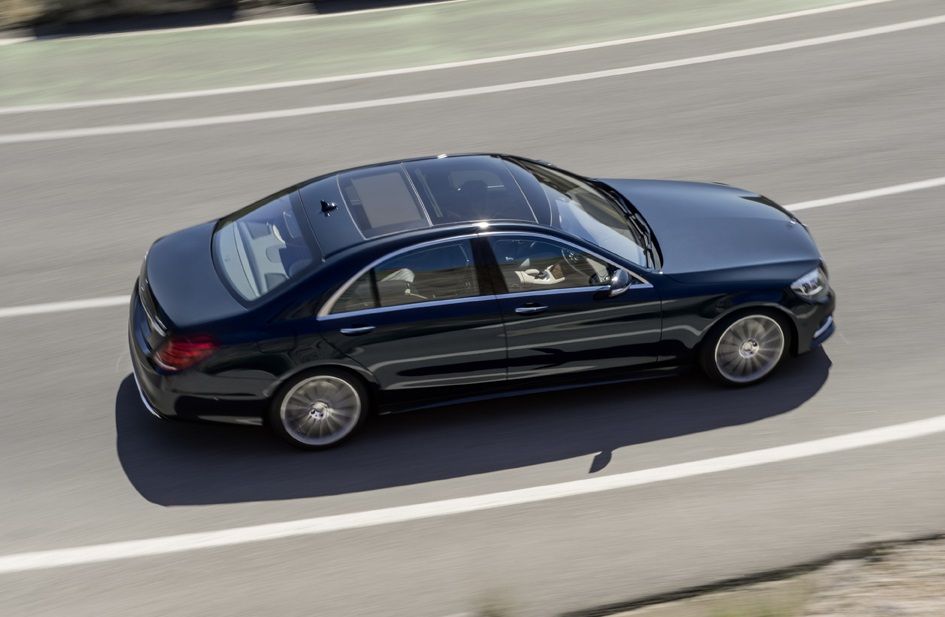
Luxury sedans have long been symbols of automotive achievement, blending performance, comfort, cutting-edge technology, and opulence into four doors of pure automotive indulgence. These vehicles are designed to provide an exceptional driving experience, combining smooth rides, refined interiors, and sophisticated engineering that pushes the boundaries of what a car can be.
For many buyers, owning a luxury sedan is not just about transportation; it’s a statement of success, a lifestyle choice, and a pursuit of driving pleasure that comes with prestige and exclusivity. However, beneath the glossy exterior and the allure of high-end badges lies a critical and often overlooked factor: long-term reliability.
While some luxury sedans manage to uphold their promise of quality and durability, others fall into the dreaded category of money pits—vehicles that demand constant, costly attention and repairs, eroding the initial excitement of ownership. The dichotomy between reliable luxury sedans and those prone to expensive, frustrating breakdowns is stark.
For prospective buyers, understanding which models hold their value and deliver peace of mind, and which ones are likely to drain wallets, is crucial to making an informed purchase decision.
This article aims to dissect this very divide. We will explore five luxury sedans known for their impressive reliability and low maintenance costs, shining a light on why they succeed in maintaining their prestige without becoming burdensome financial liabilities.
These vehicles represent the sweet spot in the luxury market where craftsmanship, engineering foresight, and practical ownership converge to create an enjoyable, worry-free experience. From the understated power of the Lexus LS to the Scandinavian robustness of the Volvo S60, these models demonstrate that luxury and reliability do not have to be mutually exclusive.
Conversely, we will also delve into five luxury sedans notorious for becoming expensive headaches over time. These vehicles, often packed with advanced technology and performance features, suffer from engineering complexity that outpaces their durability.
Models like the BMW 7 Series and the Jaguar XJ showcase how impressive specifications can mask an underlying propensity for breakdowns, costly repairs, and rapid depreciation. Understanding the pitfalls of these vehicles can save buyers from making costly mistakes and highlight the importance of thorough research and careful selection when investing in luxury cars.
The importance of reliability in the luxury segment cannot be overstated. Owning a luxury sedan should enhance one’s driving experience, not detract from it with unexpected repair bills and frequent visits to the service center.
While the allure of new technology and premium amenities is strong, it must be balanced with realistic expectations about long-term ownership costs. This article provides a comprehensive overview to help prospective luxury sedan buyers navigate the complex landscape and choose models that combine sophistication with sensible maintenance.
By analyzing the factors that contribute to reliability—such as engineering simplicity, build quality, maintenance accessibility, and parts availability—we gain insight into what truly makes a luxury sedan stand the test of time.
Similarly, by examining the common failure points in money pit models, we see how cutting-edge features and aggressive engineering sometimes lead to expensive ownership burdens. Whether you are a first-time luxury buyer or an enthusiast looking to upgrade your garage, this guide equips you with the knowledge to make a smart, informed decision that balances luxury, performance, and peace of mind.
Also Read: 5 Engines With Legendary Camshafts and 5 That Always Need Top-End Work
5 Luxury Sedans That Stay Reliable
1. Lexus LS
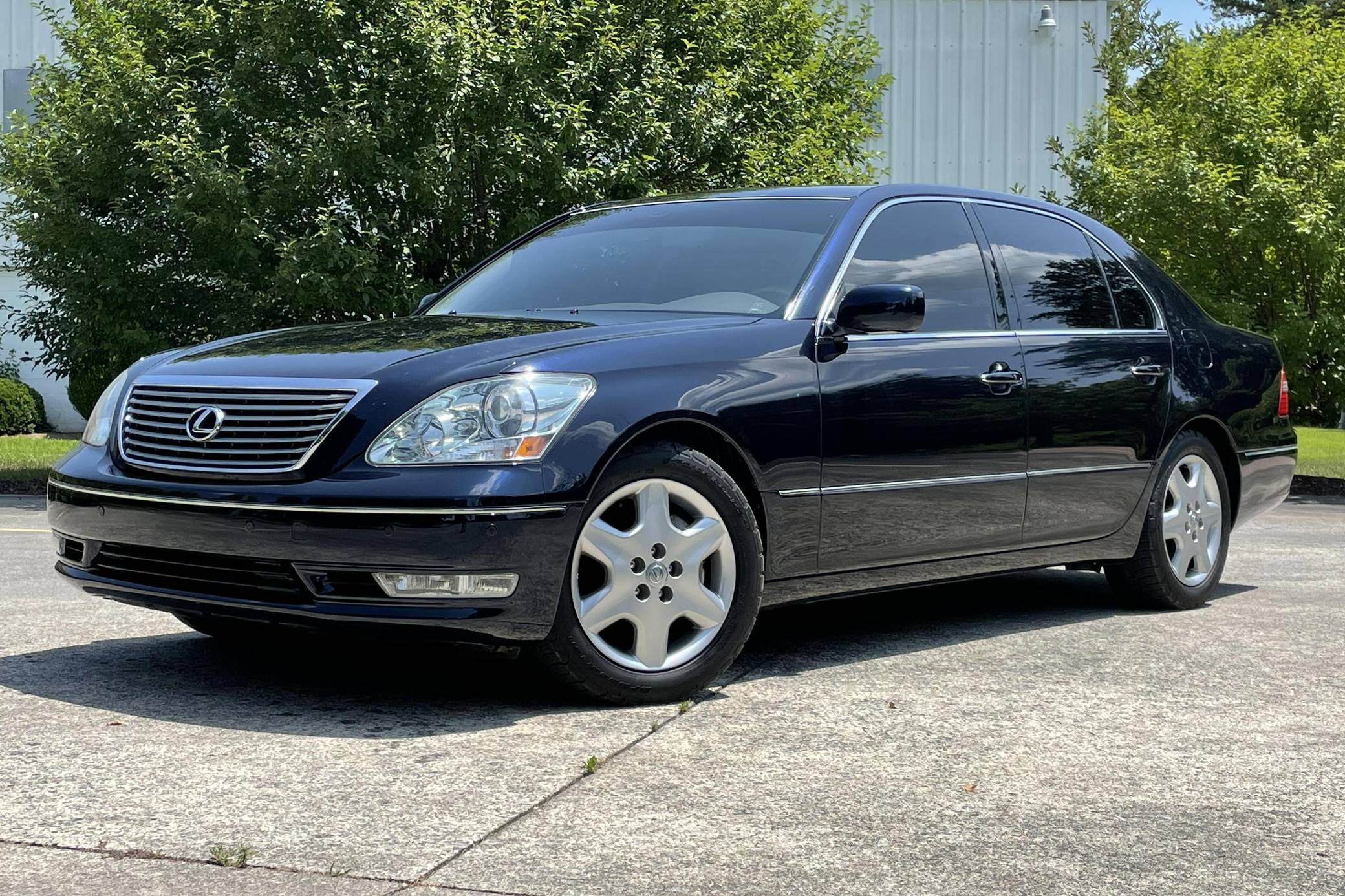
The Lexus LS has earned a near-legendary status when it comes to combining luxury with long-term reliability. As Toyota’s flagship luxury sedan under the Lexus brand, it was designed from the beginning with precision engineering, quiet performance, and decades-long durability in mind.
From the very first generation in 1989 to the most recent iterations, the LS has been praised for being a luxury vehicle that can go the distance—often topping 200,000 miles with only routine maintenance.
Unlike many luxury sedans that show signs of mechanical fatigue within the first decade, the LS continues to deliver smooth rides, quiet cabins, and responsive handling without racking up a laundry list of repair bills.
One of the major reasons for the LS’s rock-solid dependability is the drivetrain. Lexus typically equips the LS with naturally aspirated V8 engines, avoiding the complexities of turbochargers or high-strung performance tuning that plague some European rivals.
These engines are tuned for longevity, with lower stress levels and bulletproof internals. The 4.6L and 5.0L V8s found in various LS models are known for running strong for hundreds of thousands of miles with minimal internal wear.
Even the hybrid versions—like the LS 600h—benefit from Toyota’s world-class hybrid technology, which has proven to be one of the most reliable in the industry. Transmission issues are also rare, as Lexus tends to use well-tested gearboxes rather than experimental dual-clutch systems or complex multi-speed automatics.
Interior durability is another area where the LS dominates. Lexus puts a premium on material quality—real wood, hand-stitched leather, and soft-touch plastics are used throughout the cabin, and they hold up surprisingly well over time. The switchgear and infotainment systems are designed with longevity in mind, often outlasting more tech-laden but fragile European alternatives.
While some owners may note that Lexus infotainment systems aren’t the most cutting-edge, the benefit is that they’re far less likely to glitch, fail, or require expensive replacements after a few years. The focus is clearly on long-term usability, not short-term flash.
Ownership costs are also kept in check thanks to Lexus’s wide dealership network and relatively affordable maintenance schedule. While the LS isn’t cheap to service—no luxury car truly is—it avoids the kinds of catastrophic failure points that plague less reliable luxury sedans.
Parts availability is strong, labor costs are more reasonable than BMW or Audi counterparts, and Lexus vehicles tend to depreciate more slowly when they’ve built a reputation for reliability. All told the LS is one of the rare luxury sedans that delivers the refinement of a six-figure car with the dependability of a family Toyota, making it a smart pick for long-term ownership.
2. Acura RLX
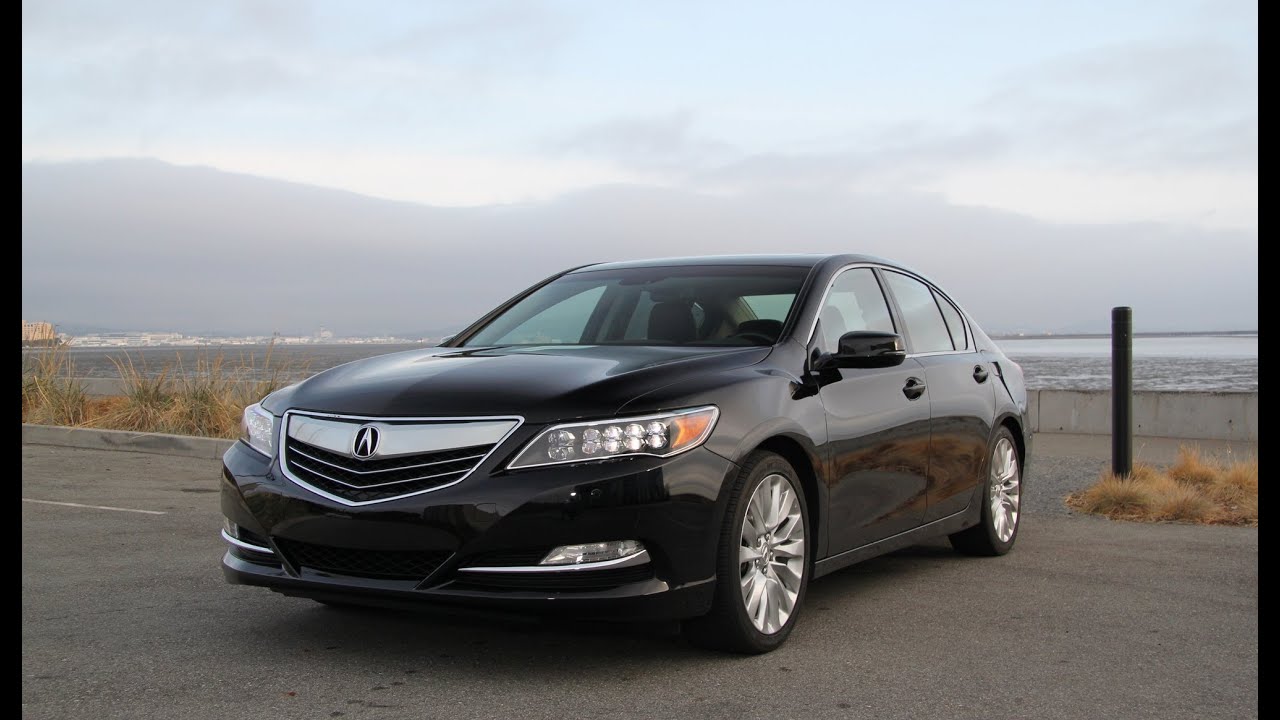
The Acura RLX is one of the most underappreciated luxury sedans when it comes to long-term reliability and driving satisfaction. While it never gained the cachet or sales figures of rivals like the Mercedes E-Class or BMW 5 Series, the RLX quietly built a reputation for being a supremely well-engineered, durable, and smooth-riding vehicle that owners could depend on.
It might not carry the flash of a German badge, but for those in the know, the RLX delivers a refined driving experience with none of the mechanical drama that can plague its European competition.
At the heart of the RLX’s reliability is Honda’s legendary V6 engine architecture. The 3.5-liter V6 used in the RLX is a direct descendant of the powerplants used in countless Honda and Acura models over the years. It delivers a perfect balance of power, efficiency, and long-term dependability.
This engine is known for its smooth operation, lack of major failures, and ease of maintenance. Unlike turbocharged rivals, it avoids the complexity and heat issues associated with forced induction, reducing wear and tear over the long run.
In hybrid trims, the RLX features a sophisticated but surprisingly trouble-free Sport Hybrid SH-AWD system that borrows technology from the Acura NSX, proving that performance and reliability can coexist when properly engineered.
The RLX’s interior is designed with classic Honda sensibilities—simple layouts, intuitive controls, and high-quality materials that prioritize comfort and durability over gimmicks. While it doesn’t dazzle with massive screens or overly complex digital interfaces, what it does offer is a cabin that remains solid and rattle-free even after years of use.
Soft-touch materials, supportive seats, and robust switchgear make the RLX a pleasure to drive and own long-term. Electronics, often the Achilles’ heel of many luxury cars, are generally dependable and do not require frequent servicing or updates. This is a car that values function over flash, and owners reap the benefits.
Cost of ownership is another key factor where the RLX excels. Because it shares many parts with other Honda/Acura models, repair and maintenance costs are significantly lower than those of European luxury sedans. Many independent shops are familiar with Honda platforms, making it easier and more affordable to service outside the dealership network.
Additionally, the RLX’s lower initial price point (both new and used) means owners can enjoy a premium experience without entering into excessive debt or facing jaw-dropping repair invoices. For those who value reliability without sacrificing comfort, the Acura RLX is an overlooked gem that delivers a hassle-free ownership experience.
3. Genesis G80
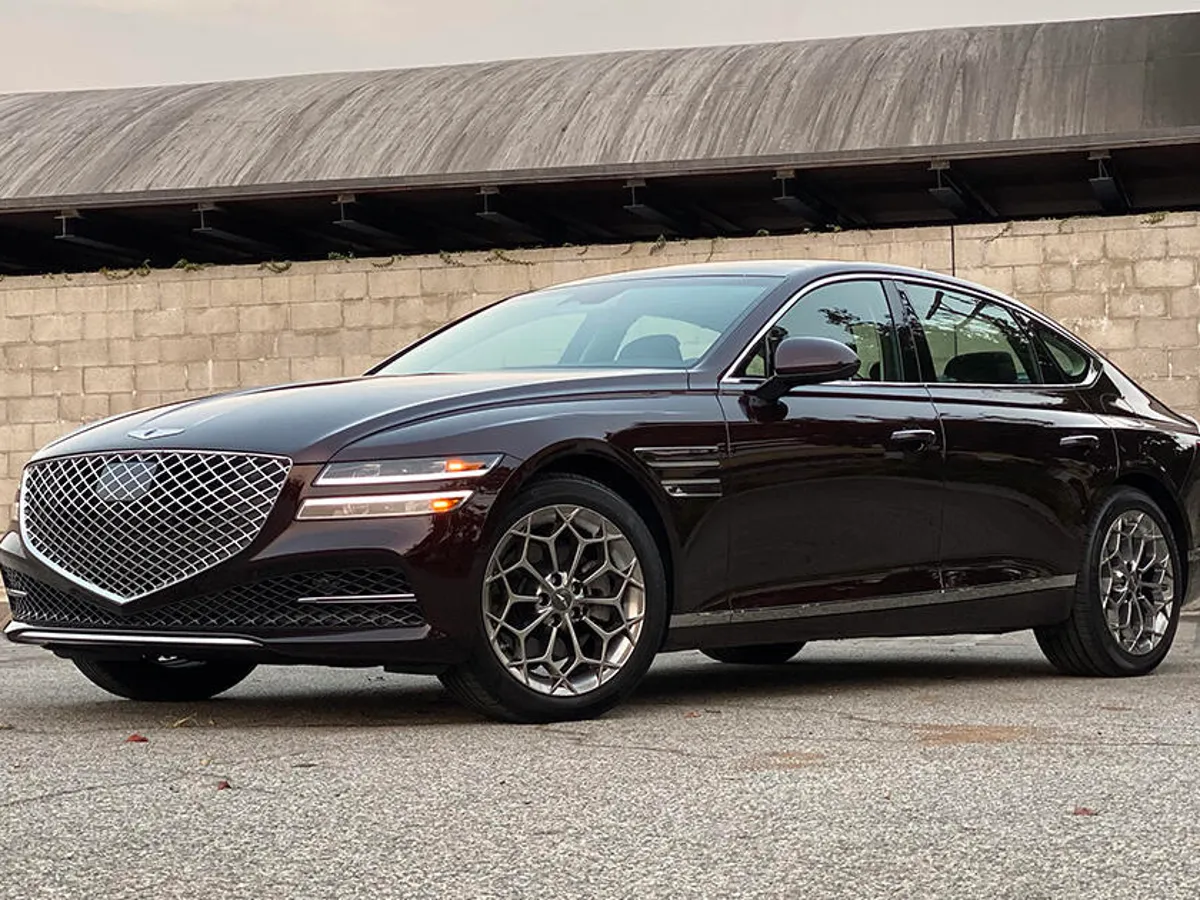
The Genesis G80, the executive sedan offering from Hyundai’s luxury arm, has quickly become one of the standout players in the reliable luxury market. Although Genesis is a relatively new brand, it builds on Hyundai’s proven track record of durable engineering, long warranties, and value-packed offerings.
What sets the G80 apart is that it doesn’t just rely on being “good for the price”—it competes on merit with far more expensive rivals in terms of build quality, comfort, and most importantly, reliability. Buyers seeking a full-sized luxury experience without long-term headaches often find the G80 to be the perfect balance of luxury and dependability.
Under the hood, the G80 has offered a range of engines from naturally aspirated V6s to newer twin-turbocharged V6 options. While some buyers might worry about the complexity of turbocharging, Genesis has invested heavily in quality assurance and conservative tuning that avoids the pitfalls seen in some German performance sedans.
The engines are robust, efficient, and designed for real-world durability rather than track performance. The 3.8L V6, in particular, is praised for its smoothness and resilience, showing very few issues even after years of use. Transmission reliability is also strong, with 8-speed automatics that offer smooth gear changes and a low incidence of failure.
The G80’s cabin, often considered luxurious beyond its price point, is built with a level of care and attention to detail that belies its newcomer status. Leather, real wood trim, and high-grade plastics create an upscale environment, while switchgear and infotainment systems are straightforward and user-friendly.
Importantly, Genesis has avoided overcomplicating its tech, meaning the digital features age well and continue working reliably years down the line. While some owners may eventually wish for software updates to keep things modern, the core systems—navigation, climate control, audio, and safety features—rarely exhibit major flaws.
Genesis further cements its reputation for reliability with an industry-leading warranty: 10 years or 100,000 miles on the powertrain and 5 years/60,000 miles bumper-to-bumper. This not only gives peace of mind but also incentivizes the brand to build vehicles that won’t become a liability after just a few years.
Resale values are also starting to climb as the brand proves itself, and parts and service availability are improving year by year. For those looking to buy a luxury sedan that doesn’t just look the part but also stands the test of time, the G80 is a safe, stylish, and surprisingly savvy choice.
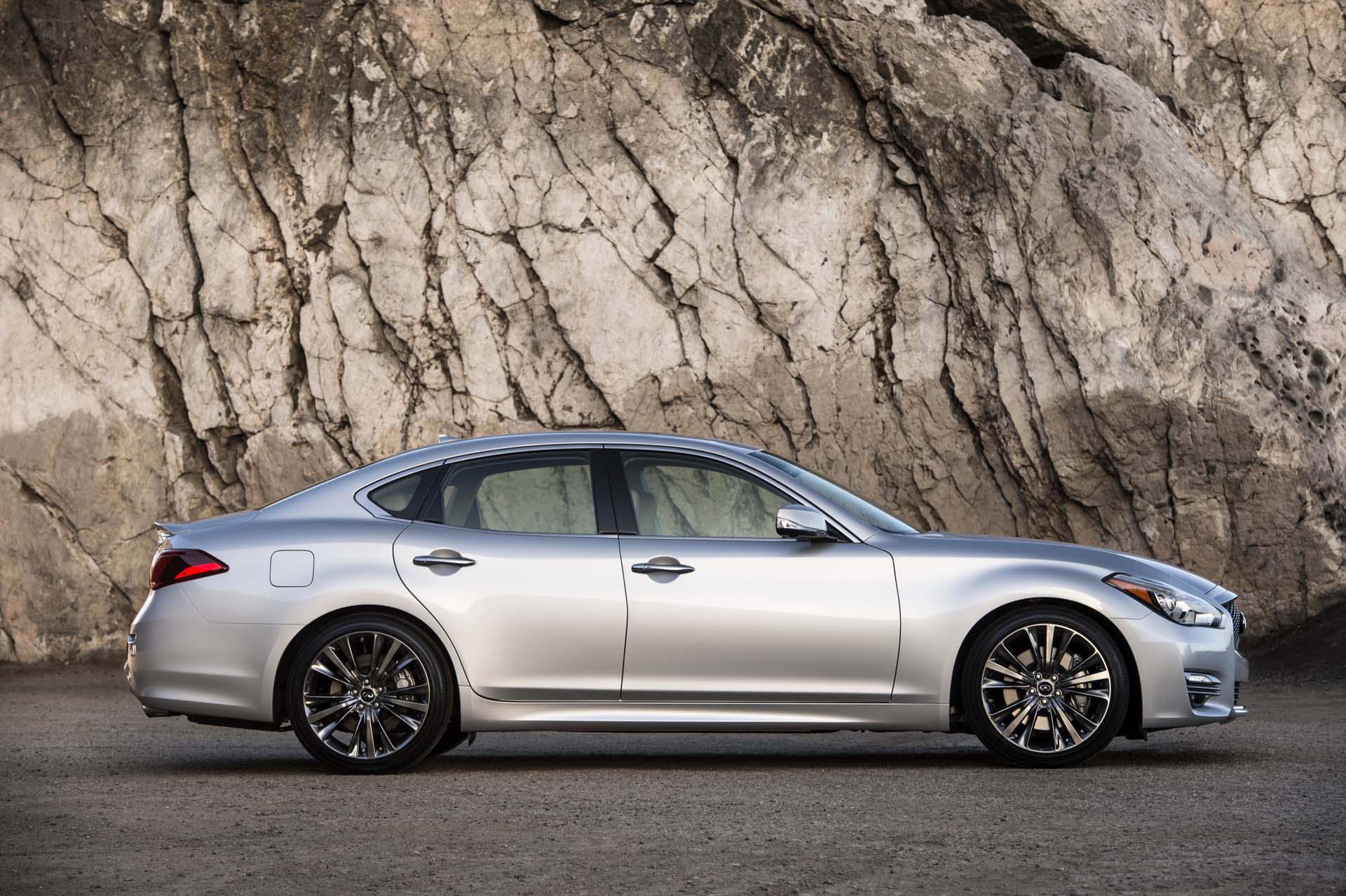
4. Infiniti Q70
The Infiniti Q70, though often overshadowed by flashier competitors, is a remarkably reliable luxury sedan that quietly builds a loyal following among those who prioritize long-term dependability.
Nissan’s luxury division designed the Q70 to be a comfortable, performance-oriented alternative to the German trio, and while it may lack some cutting-edge features, it more than makes up for it with mechanical simplicity and robust components.
Often described as “old-school luxury done right,” the Q70 is refreshingly straightforward in its engineering, which results in fewer long-term headaches for owners.
One of the defining strengths of the Q70 is its use of Nissan’s venerable VQ-series engines. The 3.7-liter V6 (in the Q70 3.7) and the 5.6-liter V8 (in the Q70 5.6) are both naturally aspirated and have been used across Nissan and Infiniti vehicles for decades with consistently strong results.
These engines are known for their power, smooth operation, and remarkable longevity—many owners report well over 150,000 miles with no major issues.
Because they’re free from turbos, complex emissions equipment, or exotic materials, these engines are easy to maintain and repair. The Q70 also utilizes a 7-speed automatic transmission that, while not the most modern, is generally reliable and free from the finicky behavior of newer dual-clutch units.
Inside, the Q70 offers a cabin that emphasizes comfort and craftsmanship. Leather surfaces, ergonomic controls, and serene ride quality make it a great place to spend time—especially on long drives. While the infotainment system might feel dated compared to newer rivals, it is user-friendly and rarely subject to malfunctions.
Controls are physical, intuitive, and built to last. Owners often praise the “timelessness” of the Q70’s interior, which avoids trends and instead focuses on what works. This strategy has helped the Q70 age more gracefully than many of its flashier competitors.
On the ownership side, the Q70 benefits from sharing components with other Nissan models, which helps reduce parts costs and improve serviceability. Independent shops familiar with Nissan platforms can handle most repairs, and maintenance tends to be straightforward.
Unlike some luxury sedans that require specialty tools or dealership-only service, the Q70 is relatively friendly to the do-it-yourself crowd as well. As a used buy, it offers exceptional value—providing premium performance and comfort with a far lower risk of surprise repair costs. For buyers looking for reliable luxury without the European headaches, the Infiniti Q70 is a compelling, underrated option.
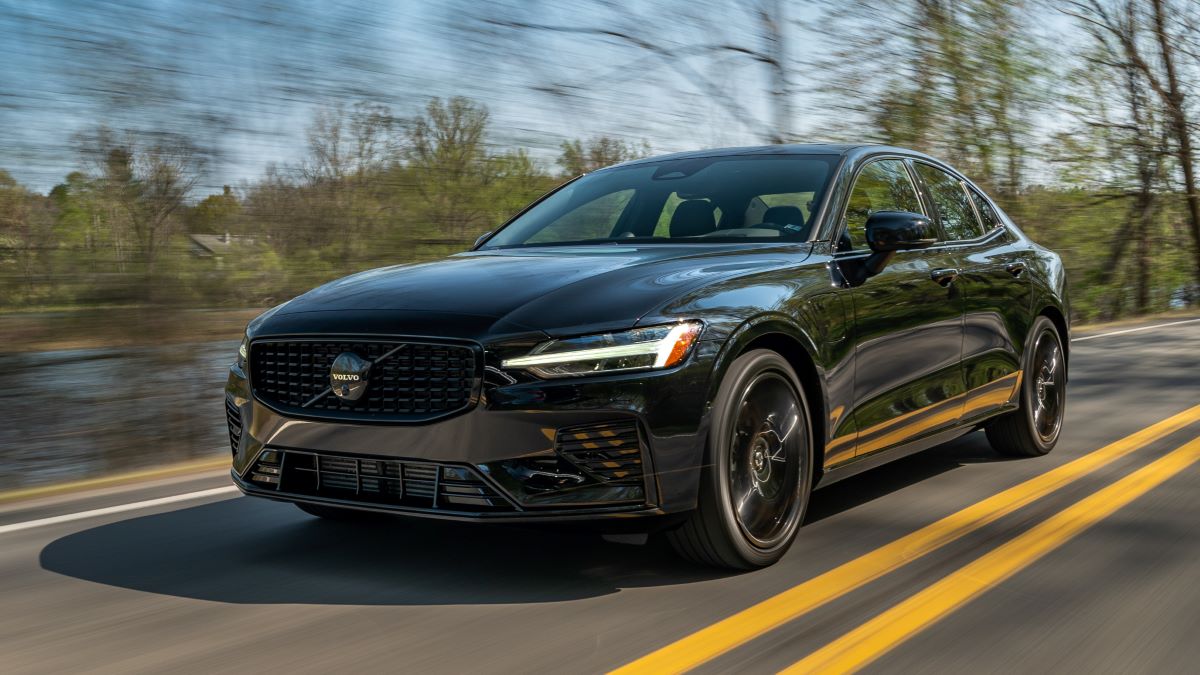
5. Volvo S60 (Post-2015 Models)
The Volvo S60, particularly in its post-2015 redesign, is a standout in the reliable luxury segment. While earlier models were a bit hit-or-miss, Volvo’s renewed focus on quality, engineering, and safety starting in the mid-2010s has paid dividends.
The S60 combines Scandinavian design elegance with surprising mechanical robustness, making it a smart choice for those who want style and sophistication without the typical European maintenance horror stories. Volvo has refined its engine platforms and improved build quality significantly, and the results show in long-term reliability studies and owner reports.
The powertrain in newer S60 models is centered around Volvo’s 2.0-liter four-cylinder engine, which comes in several flavors: turbocharged (T5), turbocharged and supercharged (T6), and plug-in hybrid (T8). While complex on paper, these engines have proven to be more durable than many skeptics expected.
Volvo has placed significant emphasis on engine longevity and thermal management, and as a result, even the more complicated T6 and T8 models tend to hold up well when maintained properly. Transmission issues are rare, and the AWD systems are generally dependable, particularly in T5 AWD trims that use simpler mechanical setups.
The interior of the S60 is a masterclass in minimalist luxury. Volvo has embraced a clean, functional design ethos that relies on high-quality materials like real aluminum, soft-touch plastics, and supportive leather seats. The layout is focused on usability, and the central touchscreen interface—while not perfect—is intuitive and usually bug-free.
More importantly, the electronics have shown impressive durability over time. Volvo’s approach to tech integration, which favors simplicity and user control, helps avoid the frustrating glitches that plague more experimental infotainment systems in other brands.
When it comes to maintenance and ownership, the S60 is one of the more approachable European luxury sedans. Volvo has improved dealer support in recent years, and parts availability—once a sore spot—has become less of an issue. Routine maintenance is manageable, and many independent mechanics are now familiar with Volvo’s modular engine platforms.
Additionally, Volvo’s safety-first design means that key systems are overbuilt and stress-tested far beyond industry norms. The result is a sedan that offers the peace of mind of reliability, the pleasure of driving something premium, and the unique aesthetic that sets it apart in a crowded luxury market.
5 Luxury Sedans That Become Money Pits
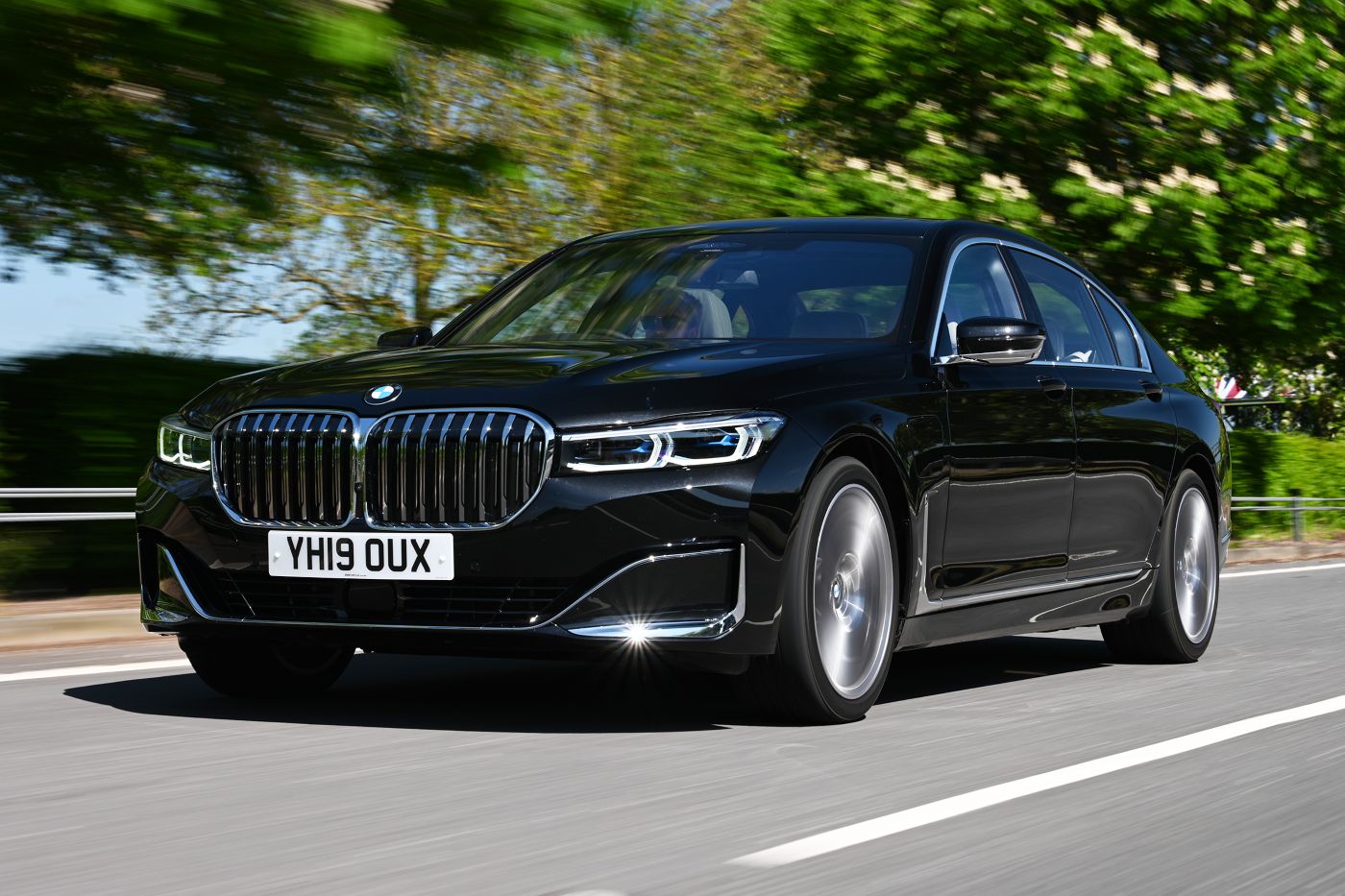
1. BMW 7 Series
The BMW 7 Series represents the pinnacle of German engineering, but that excellence comes at a steep and often relentless cost once the car leaves its warranty period.
Owners are frequently drawn to the 7 Series for its cutting-edge technology, incredible driving dynamics, and opulent interior, but these perks are also part of what makes the vehicle a ticking time bomb in terms of ownership expenses.
The abundance of electronics and complex systems often begins to show cracks after 5–7 years, leading to a steady stream of issues that aren’t just annoying—they’re expensive. Even relatively simple problems like failing sensors or door soft-close mechanisms can cost thousands to repair due to labor-intensive processes and proprietary parts.
Mechanically, the 7 Series is also fraught with issues that stem from its aggressive engineering philosophy. BMW’s preference for turbocharged inline-six and V8 engines brings impressive performance, but with it comes heat management problems, premature gasket wear, turbocharger failures, and timing chain issues in some model years.
The cooling system, a well-known weak point in many BMWs, often gives out around 80,000–100,000 miles, and it’s rarely a cheap fix. Add to that transmission issues, air suspension failures, and problematic active steering systems, and you have a vehicle that, while amazing to drive, becomes a burden to maintain as it ages.
The technology inside the cabin is no less daunting. BMW tends to cram its 7 Series full of the latest innovations—gesture controls, multi-zone climate systems, integrated tablets, adaptive lighting systems, and more. While these features are impressive at first glance, they are notoriously fragile and require expensive dealer-only repairs when they fail.
Owners often find themselves locked into a cycle of chasing one electrical gremlin after another. In older models, even the infotainment screens and iDrive systems begin to malfunction, requiring software updates or total replacements. The added complexity only increases the chances that something will go wrong—and it often does.
Even worse is the depreciation curve. While the 7 Series might cost over $100,000 brand new, it can lose more than 60% of its value within five years, especially if maintenance records are spotty. This sharp drop in value, combined with sky-high repair bills and unreliable performance after the warranty expires, turns the 7 Series into a classic money pit.
It’s the kind of luxury that, unless leased and returned before problems surface, becomes more liability than reward. The badge might be tempting, but long-term ownership of a used 7 Series is often a financial gauntlet few are prepared for.
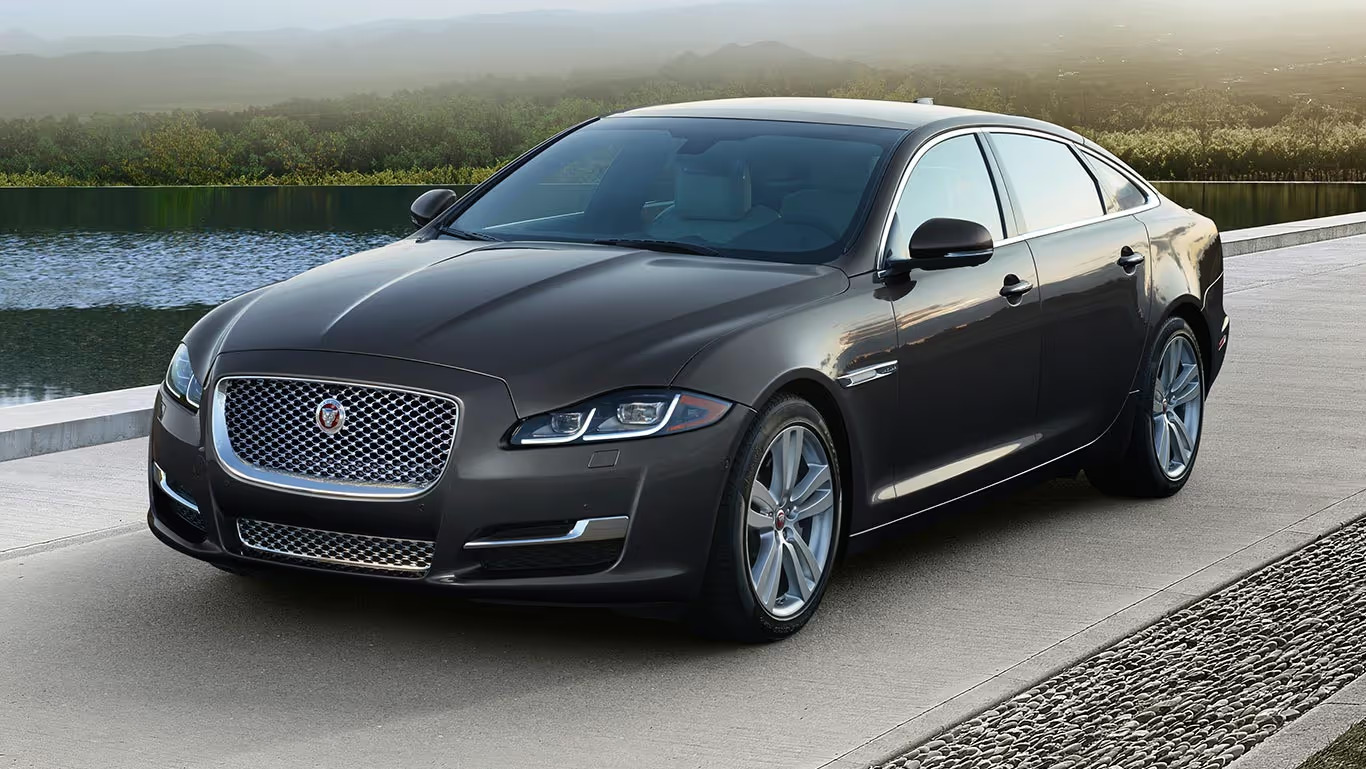
2. Jaguar XJ
The Jaguar XJ is a beautiful car—sleek, luxurious, and imbued with that old-world British charm that sets it apart from its more clinical German rivals.
However, beneath that elegant exterior lies a host of reliability concerns that make the XJ one of the riskiest luxury sedans to own past the warranty period. Jaguar has long struggled with consistency in build quality and long-term dependability, and the XJ unfortunately encapsulates many of these problems.
From suspension system failures to erratic electronics and finicky drivetrains, the XJ often rewards its owners with headaches that far outweigh its appeal.
One of the primary pitfalls of the XJ is its suspension system, particularly the adaptive air suspension featured on many trims. These systems, while offering an ultra-smooth ride, are prone to premature failure. Compressor issues, leaking struts, and sensor malfunctions are common and expensive to address.
Additionally, because the system is tied to the vehicle’s onboard computers, what begins as a ride height error can cascade into a dashboard full of warning lights and limited driving capability. Fixes often require Jaguar-specific tools and diagnostics, leaving most owners reliant on expensive dealership service departments.
The powertrain isn’t immune to issues either. Jaguar’s V6 and V8 engines—especially supercharged versions—can be thrilling when they’re working properly but are not known for long-term reliability. Oil leaks, timing chain wear, and cooling system problems frequently crop up before the 100,000-mile mark.
Even smaller components like the water pump or fuel system regulators tend to fail earlier than expected. Transmission issues are also not uncommon, especially in earlier XJ models with ZF gearboxes. These repairs not only add up quickly but are also complicated by Jaguar’s lower parts availability and a limited network of experienced technicians.
On the tech side, the XJ’s infotainment systems and digital gauge clusters have been sources of constant complaint. Slow responses, screen blackouts, and connectivity issues often plague the user experience. Electronic door handles, sunroof motors, and even the automatic trunk opener can become points of failure.
While the cabin looks futuristic and upscale, it ages poorly, especially if not meticulously maintained. Once out of warranty, the cost to keep an XJ in good working order frequently exceeds its market value—turning what once felt like a high-end vehicle into a burdensome investment. The Jaguar XJ is a textbook case of a luxury sedan whose charm can’t save it from its mechanical and electrical demons.
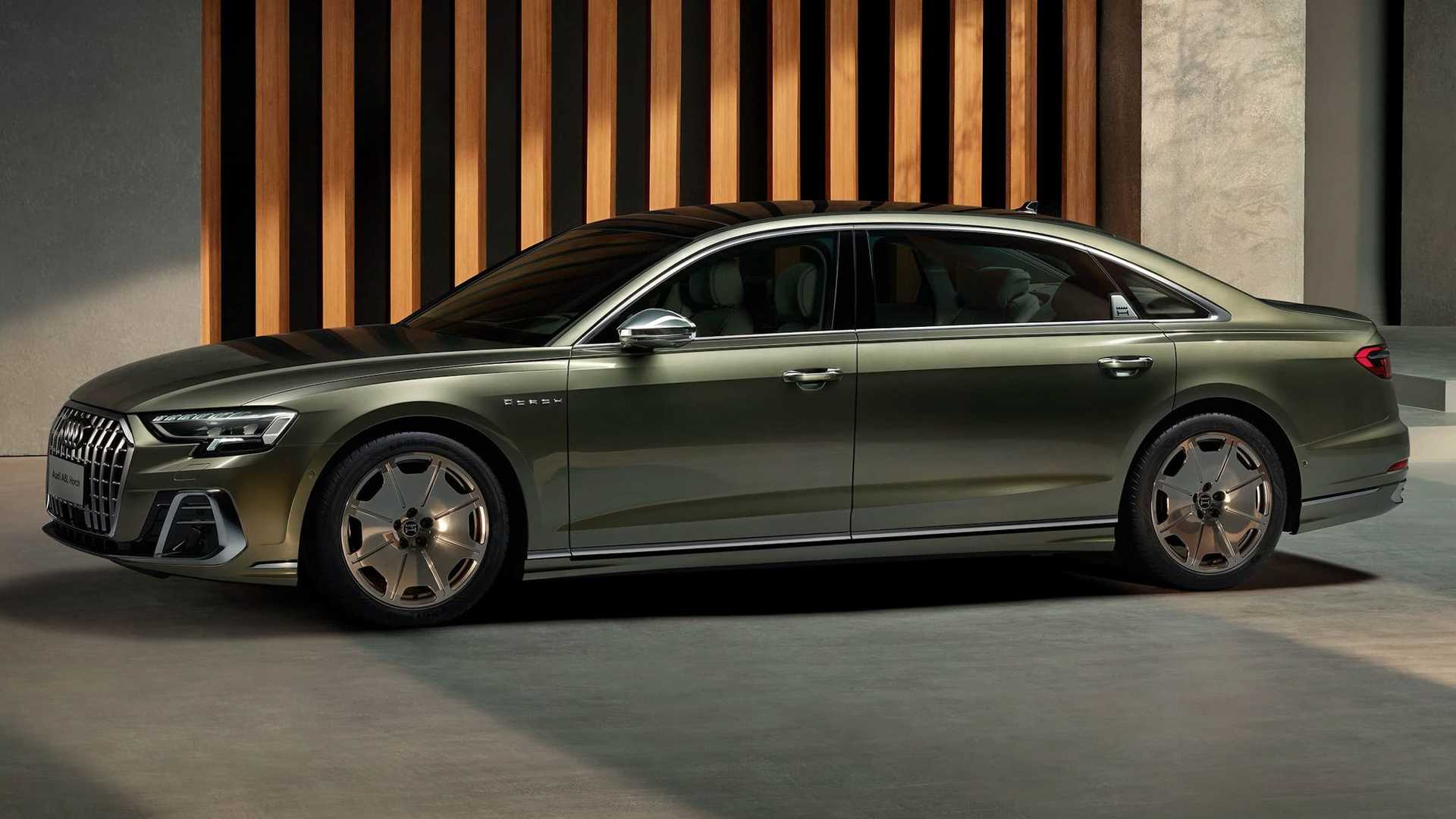
3. Audi A8
The Audi A8 is a masterclass in refinement and technology, offering a luxurious, understated experience wrapped in sharp styling and cutting-edge engineering. Unfortunately, that same engineering and tech-packed design make the A8 one of the most expensive sedans to maintain once the miles start to add up.
While newer models offer impressive driving dynamics, adaptive air suspensions, and high-end infotainment systems, these systems are incredibly complex and not built for the kind of durability seen in more conservative luxury sedans. As a result, the A8 becomes increasingly unreliable—and prohibitively expensive—once it passes the 5-year mark or exits its warranty coverage.
The powertrain is particularly problematic in older A8 models. Audi has used a range of turbocharged and supercharged engines in the A8, including the 3.0T V6 and the 4.0T V8. These engines, while powerful, have a history of carbon buildup on intake valves, oil consumption issues, turbocharger failures, and timing chain tensioner problems.
The timing chain is located at the rear of the engine, meaning a relatively simple-sounding repair can cost several thousand dollars due to labor alone. Add in potential transmission quirks, and the powertrain becomes a very expensive gamble over the long haul.
Then there’s the matter of the air suspension and quattro AWD system, both of which are highly complex. Air suspension provides an incredibly smooth ride when functioning, but it’s prone to leaks, faulty compressors, and strut failures that can cost thousands per corner to replace.
The AWD system, while excellent in performance, involves multiple sensors and drivetrain components that require costly service. On top of that, Audi’s electrical architecture is notoriously intricate, which means that seemingly minor issues—like a malfunctioning sensor or motor—can involve tearing apart interior panels or recalibrating entire subsystems.
The technology suite in the A8 is another double-edged sword. Audi is known for incorporating bleeding-edge tech early in its vehicles—MMI infotainment, virtual cockpits, LED matrix lights—but all this tech introduces countless failure points.
Infotainment systems may freeze or fail, digital dash components can die prematurely, and comfort features like massage seats or soft-close doors are prone to glitches.
Once out of warranty, these features are rarely worth fixing due to labor and parts costs. The A8’s combination of complexity, expensive parts, and steep labor charges make it a quintessential luxury money pit for the second or third owner.
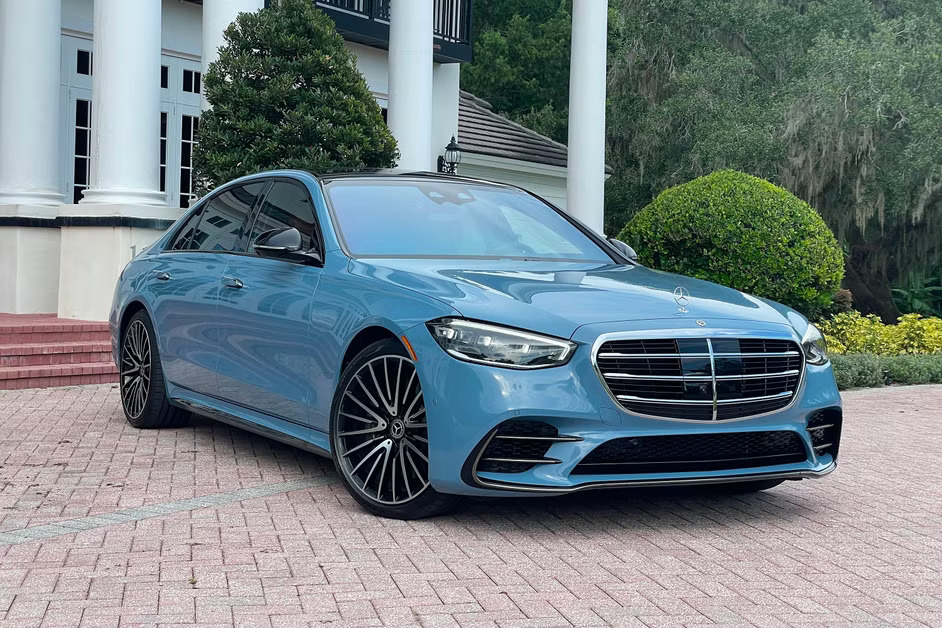
4. Mercedes-Benz S-Class
For many, the Mercedes-Benz S-Class is the ultimate symbol of luxury—a rolling showcase of engineering brilliance and opulence. However, this flagship sedan is also infamous for becoming a serious financial liability after its warranty ends.
The very things that make the S-Class desirable—its advanced features, powerful engines, and intricate suspension systems—also make it incredibly expensive to maintain and repair. Owners who venture into used S-Class territory often find themselves saddled with unpredictable repairs and steep upkeep costs that can quickly spiral out of control.
The mechanical systems in the S-Class are often over-engineered. While this makes for a sublime driving experience, it does not translate to long-term durability. Mercedes has used twin-turbo V6 and V8 engines in recent models, and while they are powerful, they are not immune to timing chain issues, oil leaks, and electronic component failures.
The cooling systems and turbochargers are under heavy stress, and the air suspension system (AIRMATIC) is known to fail—sometimes in spectacular fashion—well before 100,000 miles. Each strut or compressor replacement can cost thousands, and it’s not uncommon for owners to replace more than one over the vehicle’s life.
The interior of the S-Class is breathtaking—but it’s also packed with expensive electronics that tend to wear poorly over time. Multi-contour seats with massage functions, ambient lighting systems, complex dual-zone or quad-zone HVAC systems, and power-operated sunshades and windows are just a few of the luxury features that can fail.
Unfortunately, fixing even small interior issues can involve removing door panels, seats, or parts of the dash, adding hours of labor to already pricey repairs. Mercedes uses proprietary electronics and components that further drive up costs and reduce the pool of independent mechanics qualified to work on them.
Add to that the fact that S-Class models depreciate rapidly—often shedding more than half their value within five years—and you have a car that becomes unaffordable for many once it hits the used market.
A pre-owned S-Class might look like a bargain at $30,000, but the repair bills can easily add up to half that cost annually if things start to go wrong. Unless the car has full service records, a transferable warranty, and a dedicated budget for repairs, the S-Class is a financial risk that outweighs its luxury rewards for most long-term owners.
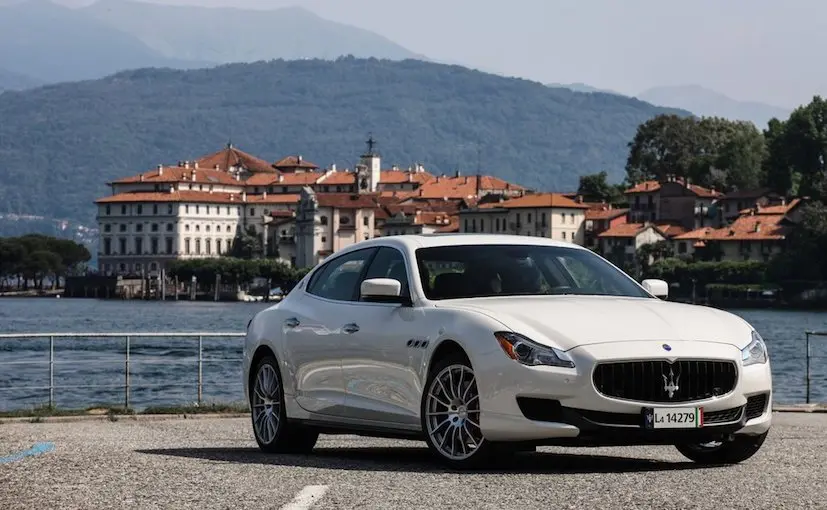
5. Maserati Quattroporte
The Maserati Quattroporte is the automotive equivalent of a beautiful mirage—seductive from a distance, but a trap once you get too close. With its Ferrari-derived engine (in some trims), Italian styling, and aura of exclusivity, it’s easy to see why buyers are drawn in.
However, the Quattroporte has long been one of the most maintenance-heavy luxury sedans on the market. Between its fragile electronics, finicky powertrains, and extremely expensive parts, the car quickly turns into a financial nightmare once the honeymoon period ends.
Mechanically, the Quattroporte suffers from a host of issues depending on the model year and engine. Earlier models featured DuoSelect automated manual transmissions that are jerky, wear out quickly, and cost a fortune to replace or service. Even the newer ZF automatic units can suffer from software issues and occasional mechanical faults.
Engine-wise, the Ferrari-derived V8s sound glorious but are sensitive to oil quality, timing components, and cooling system performance. Regular maintenance must be done on a strict schedule with high-grade fluids and OEM parts—cutting corners can easily lead to catastrophic engine failure.
The electronics and infotainment system are perhaps the most consistent source of frustration for Quattroporte owners. The Uconnect-based system used in some models is sluggish and buggy, while earlier versions featured clunky, outdated interfaces that frequently malfunction.
Owners report everything from screen freezes and Bluetooth failures to backup camera glitches and unresponsive climate controls. Electrical gremlins extend beyond the dash too—issues with window regulators, seat motors, and even electronic ignition keys are common. These may sound like minor inconveniences, but the cost to diagnose and repair them is anything but minor.
Adding insult to injury is the lack of widespread serviceability. Maserati dealerships are few and far between, and independent shops that specialize in Italian exotics are rare and expensive. Even basic repairs can be costly due to part scarcity and proprietary diagnostics.
Extended warranties help mitigate the risk, but without one, the Quattroporte is a financial wildcard. It’s a car best admired from a distance unless you’re prepared for the ownership experience to feel more like a high-maintenance relationship than a love affair. Despite its style and presence, the Quattroporte stands as a cautionary tale of how looks can be deceiving in the luxury car world.
Also Read: 5 Cars That Handle Long Commutes With Ease and 5 That Age Rapidly
In the realm of luxury sedans, the promise of refined performance, sumptuous interiors, and innovative technology is invariably enticing. However, this promise can either be fulfilled or betrayed depending on the model chosen.
The stark contrast between luxury sedans that maintain reliability and those that devolve into money pits highlights a crucial lesson for buyers: luxury must be paired with durability and reasonable maintenance costs to truly be worthwhile. This article has explored both ends of the spectrum to provide a clearer picture of what to expect from various luxury sedans on the market.
The luxury sedans that stay reliable—such as the Lexus LS, Acura RLX, Infiniti Q70, Audi A6, and Volvo S60—demonstrate that with thoughtful engineering, conservative technology integration, and a focus on build quality, it is possible to own a luxury car that does not become a financial albatross.
These vehicles emphasize the importance of simplicity in complex packages, using proven powertrains and durable materials that age gracefully.
They also benefit from greater parts availability and serviceability, which further reduces ownership headaches and costs. Many of these models succeed by avoiding overly experimental technology and focusing on delivering consistent performance, comfort, and reliability.
Conversely, the money-pit luxury sedans highlighted—such as the BMW 7 Series, Jaguar XJ, Audi A8, Mercedes-Benz S-Class, and Maserati Quattroporte—serve as cautionary tales. While undeniably appealing and loaded with cutting-edge features, these vehicles often pay a price for their ambition in the form of costly repairs and frequent maintenance issues.
Their advanced technologies, while impressive at launch, tend to age poorly and require specialized service that comes with a premium price tag. Additionally, the intricate mechanical systems in these cars often reveal vulnerabilities over time, from air suspension failures to engine and transmission problems, that can swiftly erode the joy of ownership.
Understanding these dynamics is key for anyone considering a luxury sedan purchase. The best approach is not to dismiss luxury vehicles wholesale but to recognize the value of brands and models that prioritize durability and owner satisfaction in addition to luxury and performance. Buying a luxury sedan should be a rewarding experience, not a financial burden.
By selecting a vehicle with a reputation for reliability and manageable maintenance costs, owners can enjoy the best that the luxury segment offers without the persistent fear of unexpected breakdowns or ballooning repair bills.
Moreover, this analysis underscores the importance of comprehensive research and due diligence. Factors such as maintenance history, model year improvements, and common issues specific to certain trims can heavily influence ownership costs.
Certified pre-owned programs, extended warranties, and reputable independent service providers also play crucial roles in mitigating the risks associated with luxury car ownership. For buyers willing to invest time and effort into these aspects, many luxury sedans can still provide an excellent balance of comfort, style, and reliability.
Ultimately, the luxury sedan market is a nuanced landscape where allure must be balanced with pragmatism. While it’s tempting to chase the flashiest badges or newest technology, the smart buyer understands that long-term satisfaction stems from dependability and sensible ownership costs.
The five reliable sedans examined here prove that a well-built luxury car can deliver years of enjoyment without draining resources, while the money pits remind us to tread carefully with overly complex or historically problematic models.
In conclusion, purchasing a luxury sedan is a significant investment not only in money but in lifestyle and peace of mind. Choosing models that emphasize reliability alongside luxury ensures that the driving experience remains a pleasure rather than a burden.
Whether opting for the quiet confidence of a Lexus LS or steering clear of the pitfalls inherent in a Maserati Quattroporte, informed decisions will ultimately define the luxury sedan ownership journey. With careful selection, luxury and reliability can indeed coexist—allowing drivers to relish the best of both worlds on every mile driven.
