
In the world of high-end automotive design, luxury SUVs represent the pinnacle of engineering sophistication, prestige, and lifestyle aspiration. They cater to drivers who demand not only performance and comfort but also a certain badge of success.
These vehicles offer refined interiors, commanding road presence, cutting-edge technology, and powerful engines that promise an exceptional driving experience. But there’s another side to this polished façade that prospective buyers don’t always consider at first glance: long-term durability and maintenance costs.
A luxury SUV may impress in the showroom or on the test drive, but what happens when the warranty expires? What about five or ten years down the road? The truth is, some luxury SUVs are built to last, while others become financial liabilities, racking up repair bills that rival the cost of a new economy car.
It’s easy to assume that a higher price tag guarantees better build quality and longevity, but that’s a dangerous myth. In fact, many of the most prestigious luxury SUV brands — including well-known names from Germany and the UK — have surprisingly poor reliability records.
Expensive doesn’t always mean dependable. These vehicles are often packed with complicated systems that, while impressive, are also prone to failure. Air suspension setups, turbocharged engines, infotainment systems, and driver-assist technologies can all become sources of frustration when they begin to degrade or malfunction.
Worse still, the specialized nature of luxury vehicle components means repairs are rarely cheap or simple. A single failure in a complex system can cost thousands of dollars, and recurring issues can make ownership a draining experience, both financially and emotionally.
On the flip side, some manufacturers have mastered the balance between luxury and longevity. These brands prioritize engineering integrity, long-term durability, and thoughtful design that stands the test of time. These SUVs are built with quality materials, proven powertrains, and more conservative technology strategies, all of which lead to vehicles that continue to perform reliably even after years of heavy use.
For many consumers — particularly those planning to own a vehicle long-term or purchase used — this reliability is not just a bonus; it’s a necessity. The ability to drive a luxury SUV for 150,000 to 200,000 miles with minimal mechanical disruption should be viewed as an essential benchmark, not a rare exception.
With the average price of a new luxury SUV now surpassing $60,000 — and in many cases climbing into six-figure territory — making a smart investment is more critical than ever. New vehicles depreciate quickly, and repairs outside of warranty coverage can be astronomically expensive.
Savvy buyers, therefore, must look beyond glossy brochures and marketing hype. They need real-world data, owner experiences, and long-term reliability insights to separate the dependable from the disaster-prone. After all, what’s the point of owning a luxury SUV that spends more time in the repair bay than on the open road?
This article dives deep into that very question. We’ll examine ten popular luxury SUVs and split them into two clear categories: five that are built to last and five that are notorious for racking up costly repairs. These are not just surface-level assessments.
Each vehicle has been analyzed based on real-world ownership experiences, known mechanical weak points, engineering quality, and average repair costs. Our goal is to provide a comprehensive guide for prospective buyers who want luxury without the pain of constant maintenance headaches.
Whether you’re a first-time luxury SUV buyer, a seasoned enthusiast, or someone looking to get more value out of a used purchase, this guide will help you make an informed decision.
The idea here isn’t to shame certain brands or elevate others without cause — it’s about presenting a realistic look at what happens once the showroom lights fade and real-world ownership begins. Because true luxury isn’t just about leather seats and ambient lighting; it’s about peace of mind, long-term satisfaction, and knowing that your investment won’t crumble under the weight of repair bills.
Let’s explore which SUVs rise to the occasion — and which ones fall apart under pressure.
Also Read: 5 Cars That Handle Long Commutes With Ease and 5 That Age Rapidly
Luxury SUVs Built to Last

1. Lexus RX
The Lexus RX is often hailed as the gold standard of reliable luxury SUVs, and for good reason. It has consistently earned top marks from industry experts and owners alike for its remarkable durability and low cost of ownership. Unlike many of its European rivals, the RX doesn’t rely on overly complex engineering or untested innovation to impress.
Instead, it builds on Toyota’s proven track record of conservative, well-vetted technologies, which translates to fewer breakdowns and fewer surprises over the lifespan of the vehicle. This makes the RX not only a smart buy for those looking for refinement but also a safe bet for buyers prioritizing longevity and value retention.
Mechanically, the Lexus RX is incredibly sound. The V6 engine used in many RX models is among the most dependable ever built in the luxury segment. It uses timing chains instead of belts, direct fuel injection, and transmission setups that have been tested and improved over many years.
These components are designed with longevity in mind, and even the hybrid systems employed in the RXh models rarely experience the kind of battery degradation or system malfunctions that plague hybrids from less experienced manufacturers. Many RX owners report driving their vehicles well past the 200,000-mile mark with only minor, scheduled maintenance.
Interior quality in the RX is another area that contributes to its longevity. Lexus employs high-grade materials that age gracefully over time. Real wood trim, soft-touch plastics, and durable leather upholstery are resistant to wear and tear, even in vehicles that are over a decade old.
In contrast to some competitors whose interiors degrade quickly, Lexus designs cabins that hold up through years of daily use without squeaks, rattles, or fading. Moreover, its infotainment systems, while occasionally criticized for their interface, are incredibly stable and tend to remain functional even as tech standards evolve — a rarity in today’s screen-heavy vehicles.
Lexus also shines in customer service and dealership experience. Routine maintenance is easy to schedule, parts are widely available, and technicians are often well-trained in long-term vehicle care. More importantly, Lexus doesn’t force owners into unnecessary repairs through aggressive upselling — a common issue at some luxury dealerships.
Certified pre-owned RX models also offer peace of mind for buyers, as they typically come with extended warranties and thorough inspections. All of these factors combined make the RX a near-perfect example of a luxury SUV that delivers on its promise, not just today, but 10 to 15 years down the road.
2. Acura MDX
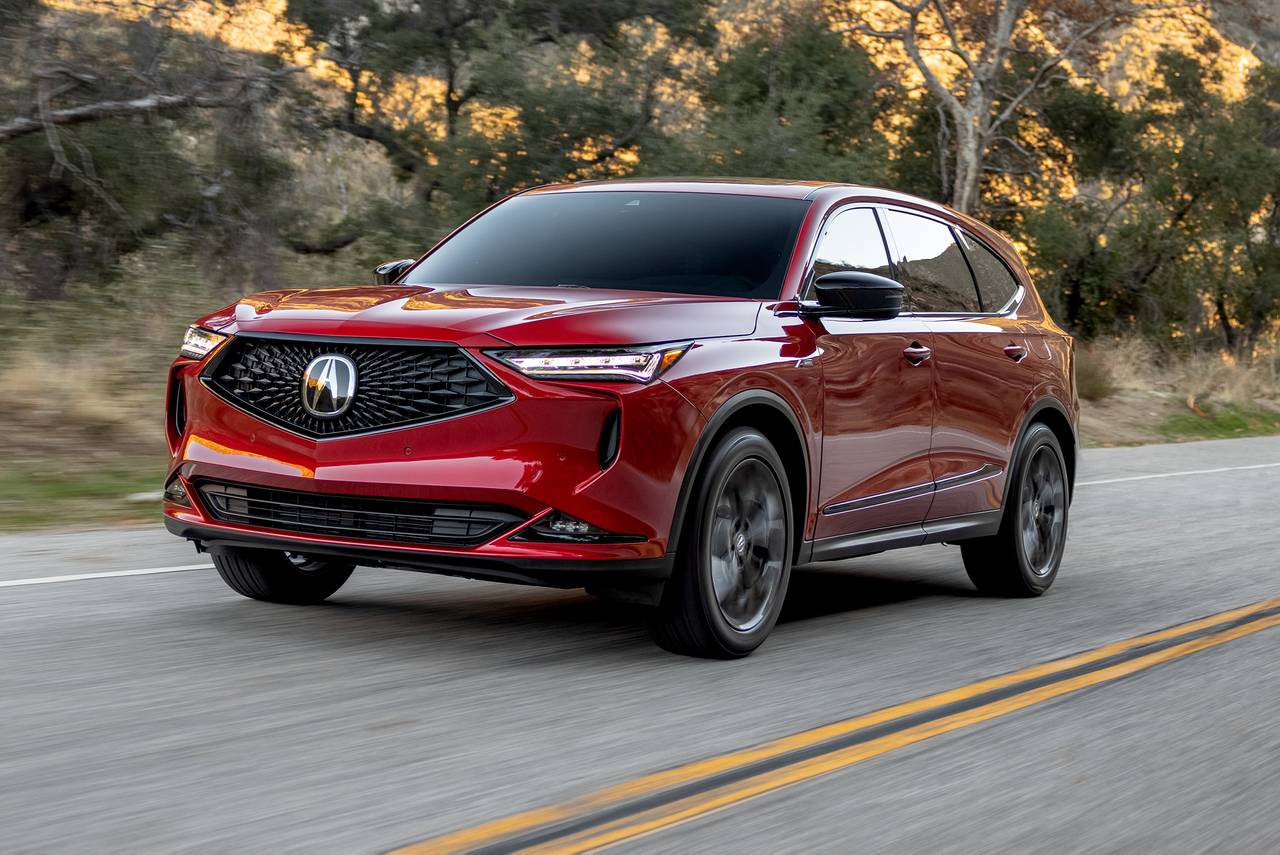
The Acura MDX is another luxury SUV that regularly finds its way onto “most reliable” lists — and for good reason. Built by Honda’s luxury division, the MDX benefits from Honda’s deep-rooted focus on mechanical efficiency and dependability.
Unlike some of its flashier European rivals, the MDX emphasizes a well-rounded experience: smooth performance, ample features, and a track record of mechanical integrity. It’s a vehicle made for drivers who want long-term value without compromising on luxury, technology, or driving enjoyment.
The MDX’s engine lineup is a strong point of reliability. Acura has long employed a 3.5-liter V6 in this model, which is widely regarded as one of the most reliable engines in the business. It utilizes Honda’s VTEC system, delivering both fuel efficiency and solid power output.
Over the years, it has proven to be exceptionally durable, often reaching 200,000 miles or more with few major repairs. Transmission issues that plagued some earlier models have largely been resolved in newer generations, thanks to significant engineering overhauls. The current 10-speed automatic is smoother and more robust, making the MDX a dependable partner for the long haul.
The vehicle’s electronics and infotainment systems also contribute to its lasting appeal. Acura has struck a smart balance between innovation and usability, offering features like a dual-screen infotainment setup and voice recognition systems without going overboard on complexity.
While some luxury brands push futuristic tech that can become buggy and costly to fix, Acura favors systems that are intuitive and built to last. Owners often report that buttons and screens continue to work well even a decade after purchase, a testament to the brand’s commitment to real-world durability over flash.
Finally, ownership costs for the MDX are notably lower than most of its luxury competitors. Acura’s extensive dealer network, combined with Honda’s widely available parts, means service is both accessible and reasonably priced. Extended warranties and certified pre-owned programs add further peace of mind for cautious buyers.
And because the MDX holds its value relatively well, it’s also a wise choice from a financial standpoint. When you combine all of these elements — engineering reliability, affordable maintenance, intelligent design, and strong resale — you get a luxury SUV that’s as practical as it is premium.
3. Volvo XC90 (2016 and newer)
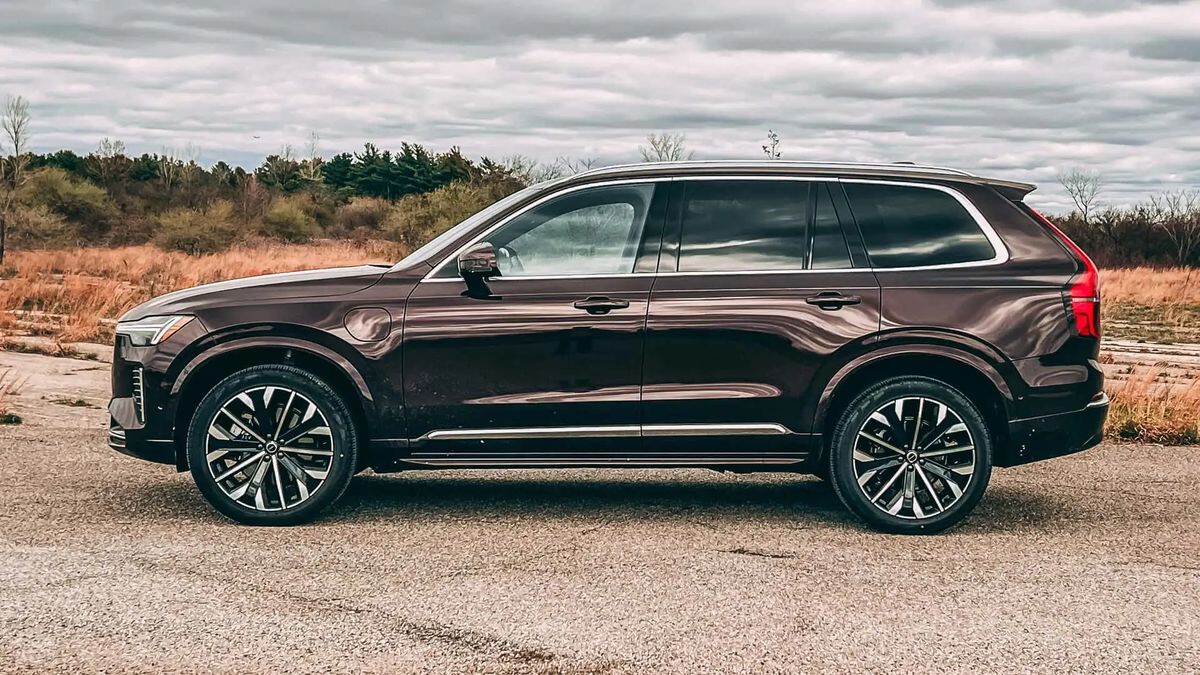
Volvo’s transformation from a quirky, safety-focused brand to a full-fledged luxury competitor has been nothing short of remarkable, and the second-generation XC90 is at the heart of that evolution. Introduced in 2016, the new XC90 marked a dramatic redesign in both form and function.
Built on Volvo’s scalable SPA platform, this SUV blends elegant Scandinavian design with impressive mechanical integrity. And perhaps most surprisingly for a European luxury SUV, the XC90 has proven to be relatively reliable, especially when properly maintained.
One of the most unique aspects of the XC90’s engineering is its modularity. Volvo uses a consistent architecture across its lineup, which simplifies repairs and ensures a more uniform quality standard. The engines — including the T5, T6, and T8 variants — share many internal components and are designed for both performance and efficiency.
While supercharging and turbocharging might raise eyebrows in terms of reliability, real-world feedback has been largely positive. As long as oil changes and maintenance schedules are adhered to, these engines age gracefully and continue to deliver strong performance with minimal hiccups.
Interior craftsmanship in the XC90 is another standout feature that adds to its long-term appeal. Volvo’s interiors are thoughtfully designed, with a focus on materials that wear well and controls that remain usable over time. The layout is minimal, avoiding the clutter that dates many of its rivals.
Even the vertically-oriented Sensus touchscreen — once criticized for lag — has seen software updates that improved speed and reliability. Drivers consistently praise the car for retaining its luxurious feel years into ownership, with seats, trim, and controls holding up impressively even under heavy family use.
Volvo’s emphasis on safety also enhances the XC90’s longevity. Many of the driver assistance features, including Pilot Assist and City Safety, are baked into the vehicle’s design in a way that integrates seamlessly with the car’s structural systems. Unlike brands where sensors and radar modules often fail or require frequent calibration, Volvo’s systems are generally dependable over time.
Moreover, Volvo’s commitment to continuous over-the-air updates has allowed older models to stay modern longer, adding another layer of value for long-term ownership. All these factors make the XC90 a smart investment for those seeking both luxury and lasting peace of mind.
4. Lexus GX
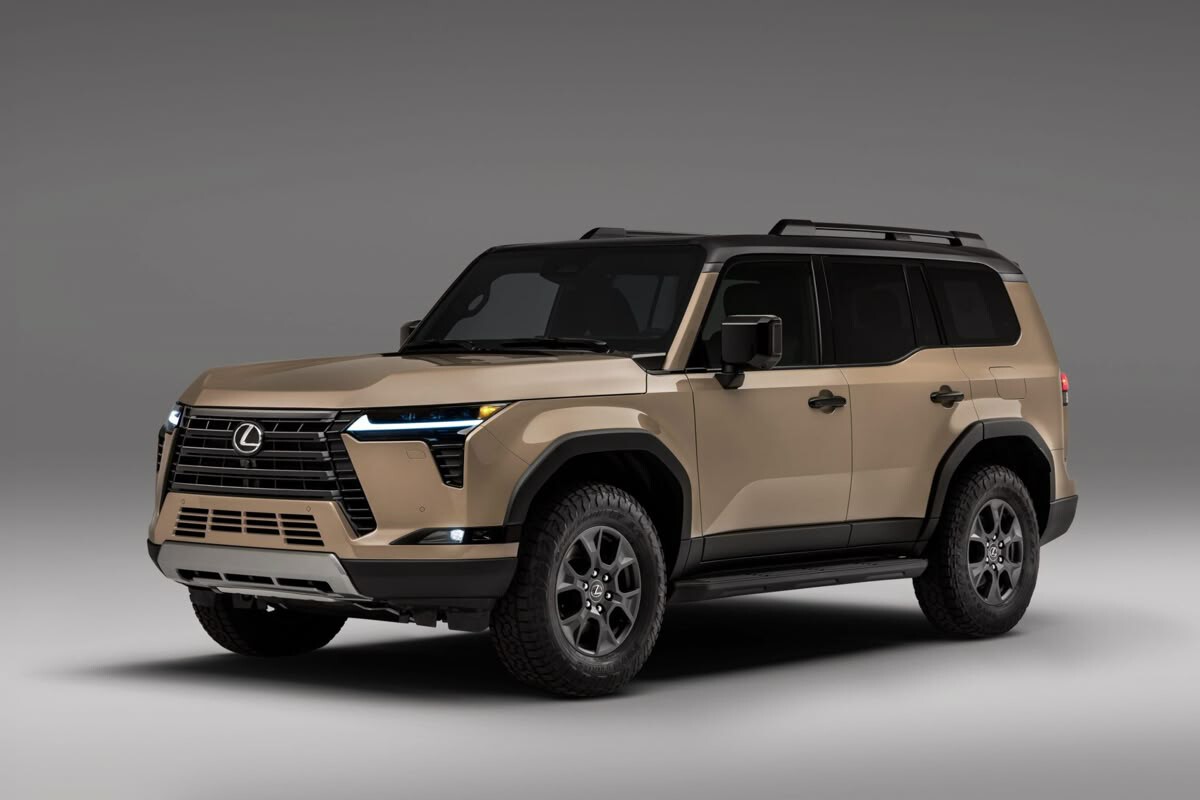
If you’re looking for an SUV that can survive a nuclear winter and still look good doing it, the Lexus GX is your answer. Built on a rugged, body-on-frame platform, the GX is essentially a Toyota Land Cruiser Prado in a suit — and that’s no exaggeration.
It shares much of its underpinnings with Toyota’s globally respected off-road vehicles, which are known for conquering everything from African deserts to Australian outback trails. That DNA shows in the GX’s mechanical resilience and long-term dependability.
The GX features a 4.6-liter V8 engine that’s tuned not for blistering speed, but for bulletproof reliability. With its traditional design, cast iron block, and naturally aspirated architecture, this engine is designed to last well beyond 300,000 miles with proper maintenance.
It’s mated to a six-speed automatic transmission and a full-time 4WD system that includes a low-range transfer case and a locking center differential. These features aren’t just for show — they mean the GX is one of the few luxury SUVs truly capable of hard-core off-road use without breaking down or suffering premature wear.
Its interior, while somewhat dated in terms of infotainment flashiness, is another strength. Lexus uses high-quality leather, soft-touch materials, and durable plastics that age gracefully. Controls are mostly analog, which means fewer electronic components to fail over time.
The HVAC system, navigation, and seat adjusters all rely on tried-and-true designs that have been used in various Lexus and Toyota models for years. While some might see the tech as outdated, others appreciate that what’s there works — and keeps working for decades.
Where the GX really stands out is in its long-term ownership costs. Thanks to Toyota’s vast parts network and global popularity, replacement components are inexpensive and widely available. Unlike some European models that require specialized labor and imported parts, the GX can be serviced by almost any mechanic familiar with Toyota trucks.
This ease of maintenance, combined with bulletproof construction and surprisingly strong resale value, makes the GX one of the most dependable and cost-effective luxury SUVs you can own over the long haul.
5. Audi Q5 (2018 and newer)
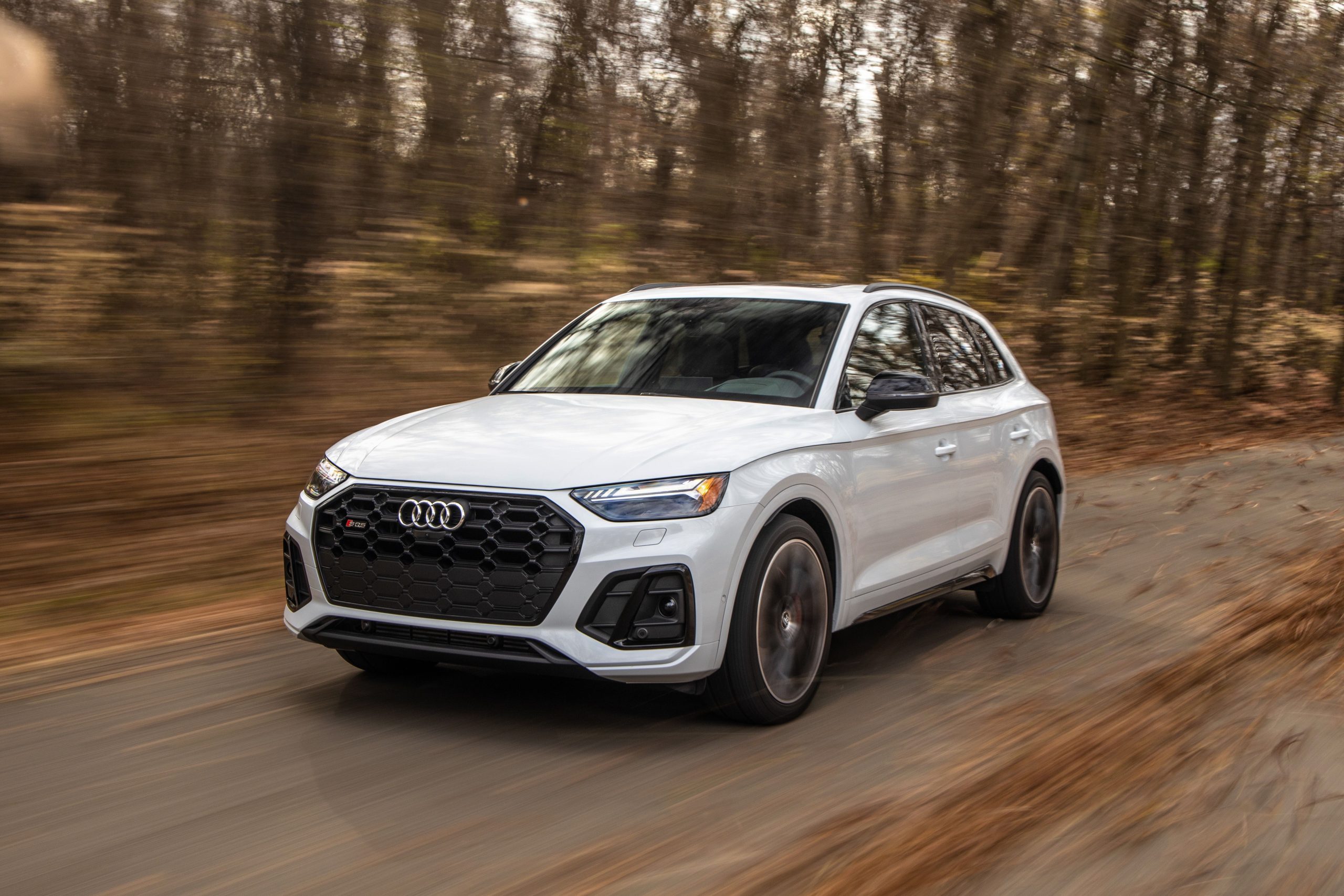
Audi may not be the first name you think of when it comes to rock-solid reliability, but the second-generation Q5 — launched in 2018 — has defied expectations. It represents a significant step forward in Audi’s commitment to long-term quality, with a focus on refining its mechanical systems and improving build consistency.
While earlier models had a reputation for electrical glitches and drivetrain issues, the newer Q5 has emerged as a surprisingly sturdy and well-balanced option in the crowded luxury SUV space.
The Q5’s powertrain has been a particular highlight. The 2.0-liter turbocharged inline-four engine found in most models is part of the Volkswagen Group’s EA888 series, which has seen extensive improvements in durability and efficiency.
Paired with a dual-clutch or 7-speed S tronic transmission, the powertrain delivers responsive performance without sacrificing reliability. While dual-clutch gearboxes can sometimes be problematic, Audi’s recent refinements have led to smoother operation and less wear over time, provided the vehicle is serviced at recommended intervals.
Interior quality is another area where the Q5 excels in terms of longevity. Audi is known for its meticulous attention to cabin detail, and that continues here with excellent material choices, fit, and finish.
Soft-touch surfaces, intuitive MMI infotainment systems, and premium upholstery hold up well to years of use. Even the Virtual Cockpit digital gauge cluster, which might seem like a long-term liability, has proven to be stable and less prone to failures than earlier digital interfaces from other brands.
Finally, the Q5 benefits from Audi’s global scale and improved dealership support in North America. Maintenance costs are more reasonable than with many other German rivals, and the availability of certified pre-owned units adds further buying confidence.
Many owners report minimal major repairs even past 100,000 miles, which is a significant benchmark for luxury vehicles. In summary, the Audi Q5, particularly in its latest iteration, represents a convergence of style, performance, and dependability that stands out in a class often riddled with maintenance headaches.
Luxury SUVs That Rack Up Repair Bills
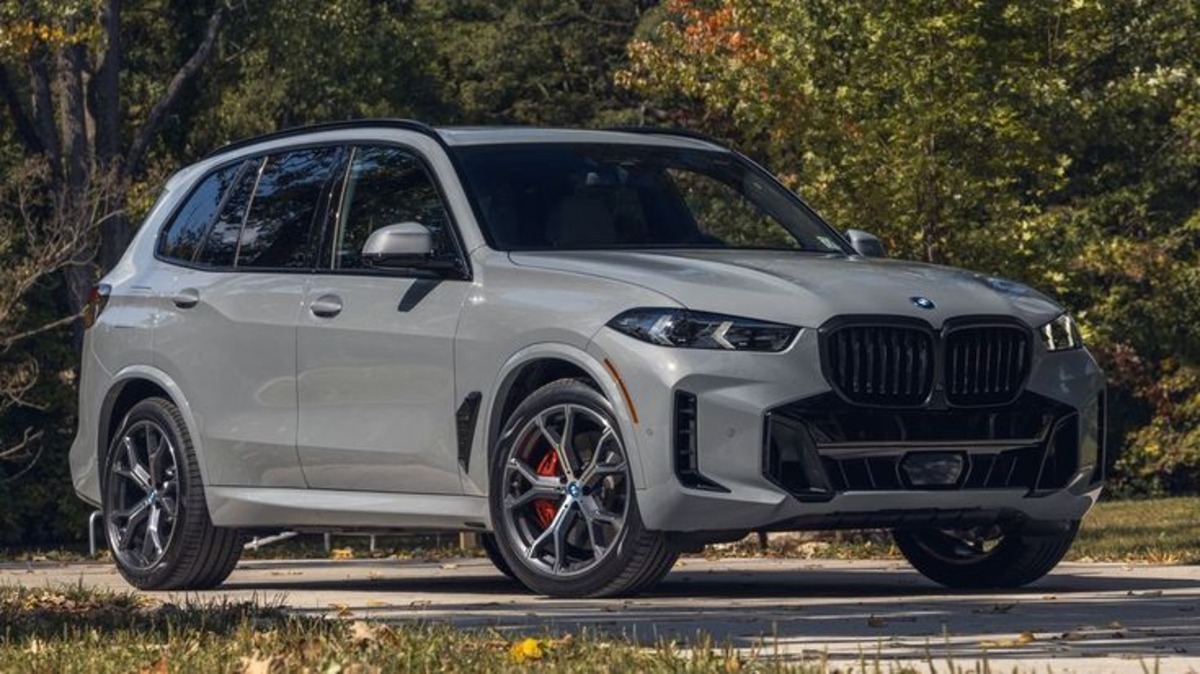
1. BMW X5 (Especially Pre-2019 Models)
The BMW X5 has always been a statement vehicle, blending athletic driving dynamics with upscale luxury and sharp design. However, that driving pleasure comes at a price — literally. Particularly with pre-2019 models, the X5 has developed a reputation for excessive maintenance needs and frequent repair costs that can quickly overwhelm owners once the vehicle is out of warranty.
While BMW enthusiasts often accept this as the “cost of entry” into German luxury, unsuspecting buyers may find themselves blindsided by the recurring issues that seem to plague this otherwise impressive SUV.
One of the most notorious problem areas in older X5s lies in the engine and cooling system. The turbocharged inline-six and V8 engines, while powerful, are known for oil leaks, high-pressure fuel pump failures, and timing chain issues. Even routine maintenance like spark plugs and ignition coils are more frequent and costly than in many competitors.
Compounding these issues is BMW’s infamously complex cooling systems, which include plastic components that are prone to cracking and leaking over time. A water pump or thermostat failure isn’t just common — it’s almost inevitable past 70,000 miles.
The suspension and drivetrain systems are equally problematic. Many owners report premature failure of air suspension components, which can result in a sagging ride or a completely immobilized vehicle. The xDrive all-wheel-drive system, though sophisticated, adds complexity that leads to differential and transfer case issues as the miles accumulate.
Combined with finicky electrical systems, such as malfunctioning iDrive controllers, failing digital instrument panels, and unpredictable parking sensors, the ownership experience can feel like a game of whack-a-mole. Each repair adds to the pile, and costs rise quickly as labor times increase due to tight under-hood packaging.
The long-term cost of ownership for the BMW X5 is significantly higher than average in its segment, especially after the 5-year/50,000-mile warranty period ends. Independent shops may offer some savings, but even then, the cost of parts alone — many of which must be OEM to avoid compatibility issues — keeps the X5 firmly in the “high maintenance” category.
Enthusiasts might tolerate this for the thrill of the drive, but for those expecting worry-free luxury, the X5 often delivers more headaches than harmony.
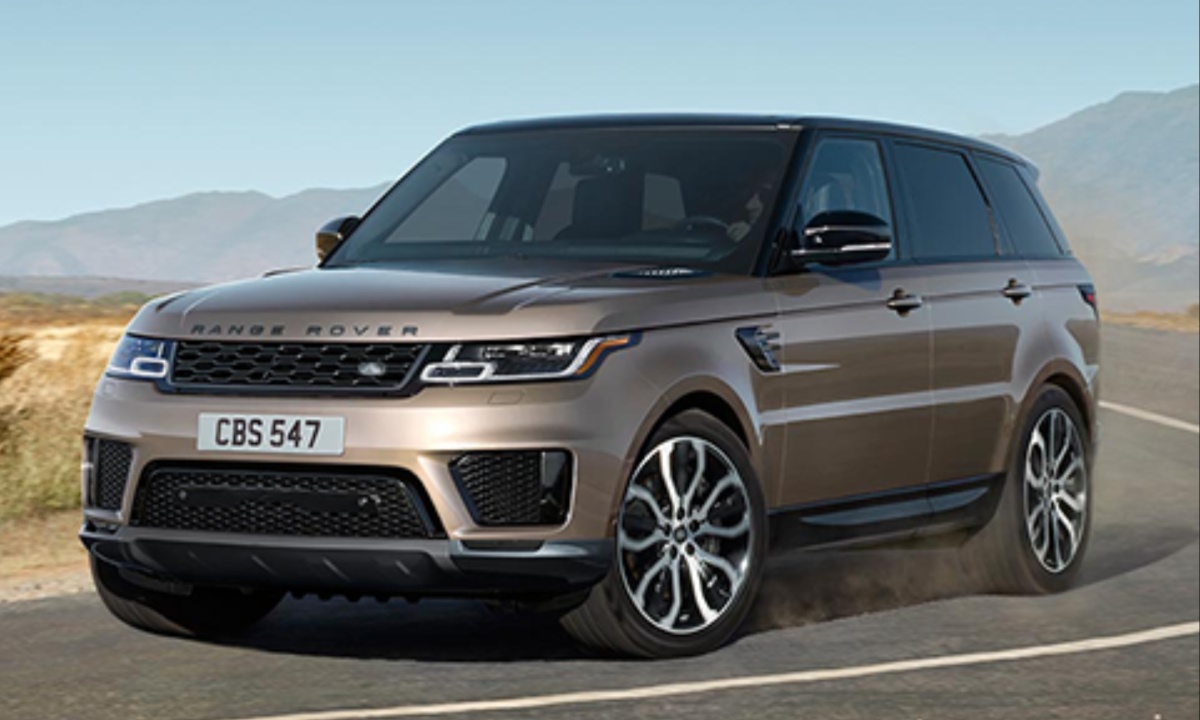
2. Land Rover Range Rover (All Model Years, Especially Pre-2020)
The Range Rover, despite its iconic status and undeniable appeal, has long struggled with a reputation for unreliability. While it’s frequently seen as a symbol of status and power, especially in luxury-conscious circles, the vehicle’s mechanical and electrical issues are so widespread that many seasoned auto experts warn against owning one past the factory warranty.
From the early 2000s to even relatively recent models, the Range Rover has consistently appeared at the bottom of reliability rankings, thanks to its costly and recurring issues across nearly every system.
A major Achilles’ heel of the Range Rover lies in its air suspension system. While designed to provide an incredibly smooth ride and adaptive driving dynamics, the system is plagued with compressor failures, sensor malfunctions, and leaking air struts.
Repairs are not only expensive — often upwards of $2,000 to $4,000 per axle — but also recurring. Many owners find themselves replacing the same suspension components more than once within a single ownership cycle. Once one part goes, it’s often a sign that more failures are imminent.
Electronics and infotainment systems are another significant source of frustration. Range Rovers are packed with high-end features — adaptive cruise control, terrain response settings, multiple display screens, and camera systems — but many of these technologies are prone to glitches or outright failures.
Complaints range from non-responsive touchscreens and frozen climate control interfaces to backup cameras that stop working without warning. Diagnosing these problems can be a nightmare, even for dealership techs, resulting in long wait times and high diagnostic fees. Moreover, updates don’t always resolve the issues, and parts availability can be spotty depending on the year and market.
Engine and transmission reliability is also a concern. Whether you’re dealing with the supercharged V6 or V8 models, issues such as coolant leaks, timing chain stretch, and oil consumption are all too common. Diesel models are particularly troublesome, with emission system failures leading to expensive repairs and, in some cases, legal trouble.
Many owners who enter Range Rover ownership expecting to enjoy years of opulent driving find themselves facing repeated visits to service centers, high insurance premiums, and dismal resale value. In short, while the Range Rover is stunning in form and function, it’s equally staggering in repair bills.
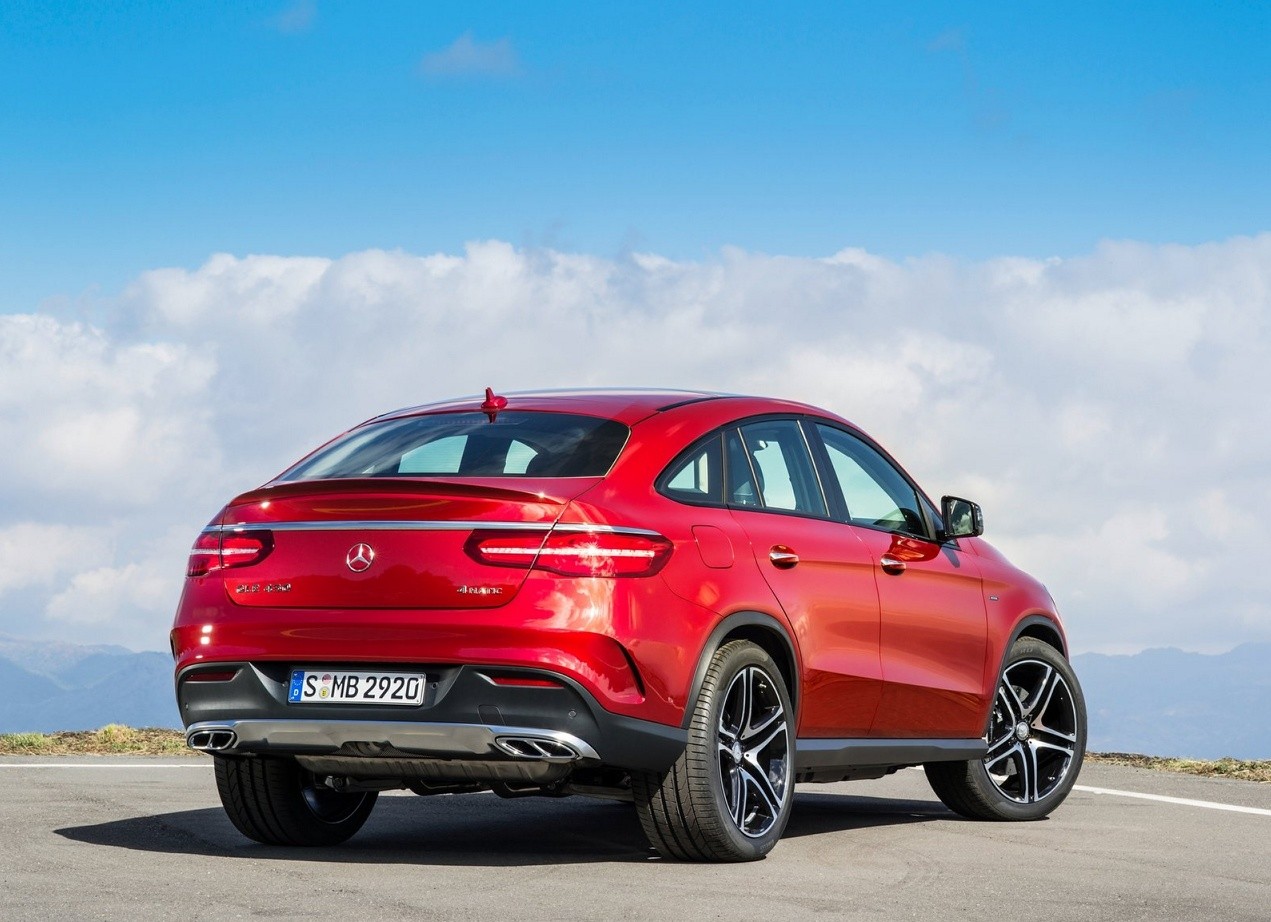
3. Mercedes-Benz GLE (Formerly ML-Class)
The Mercedes-Benz GLE, formerly known as the ML-Class, is a midsize luxury SUV that boasts impressive design, power, and comfort.
But beneath its elegant exterior and Mercedes badge lies a troubling pattern of reliability concerns that have dogged the model through multiple generations. While some of the newer GLE models have seen improvement, the legacy of expensive repairs, problematic electronics, and finicky drivetrain components still haunts this vehicle, especially for those buying pre-owned units.
One of the most frequent complaints from GLE/ML-Class owners involves the vehicle’s electronics. These include the COMAND infotainment system, which frequently freezes, restarts, or becomes unresponsive. Add to that faulty sensors, glitchy dashboard displays, and problematic automatic liftgates, and you’re looking at an SUV that can be more frustrating than fun.
Wiring harness issues — especially those linked to moisture infiltration — have been widely reported, leading to short circuits and sometimes full electrical system failures. In some cases, even the sunroof drains can clog and leak into the cabin, damaging control modules underneath the carpeting.
Drivetrain issues also plague this model, particularly among earlier versions of the ML350 and GLE350. Transmission complaints are not uncommon, with drivers reporting rough shifts, hesitation, and even complete failure in models under 100,000 miles.
The 7-speed automatic gearbox, while smooth when functioning properly, often develops valve body problems that require expensive replacements. Engine oil leaks, PCV valve failures, and turbocharger-related problems are additional red flags, especially in AMG versions or models subjected to heavy driving loads.
Mercedes-Benz’s high maintenance costs compound the problem. Labor is expensive, parts are proprietary, and even minor repairs can turn into four-figure bills due to labor-intensive tear-downs. For example, replacing a leaking rear differential or air suspension strut can take days and cost thousands.
The GLE may deliver a sublime driving experience when everything is working, but the ownership reality often includes time-consuming dealer visits and steep repair bills. For many, the shine of the three-pointed star begins to fade once the warranty expires and the repair receipts start to pile up.
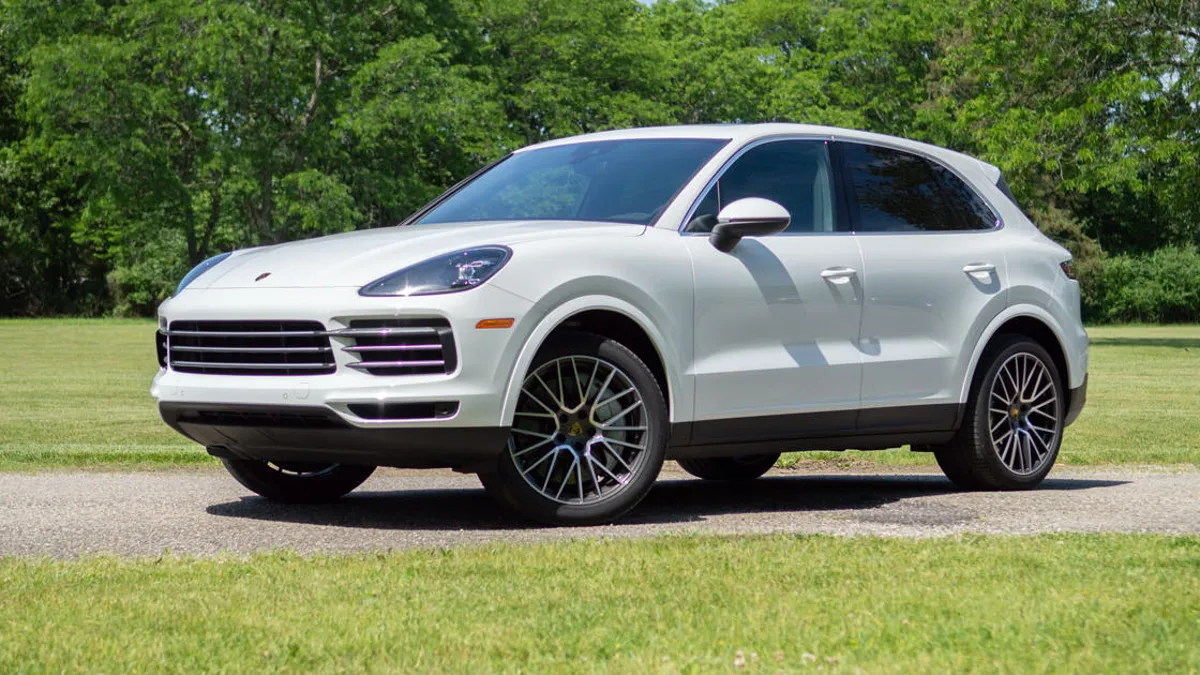
4. Porsche Cayenne (Especially 2011–2017 Models)
The Porsche Cayenne, often praised for blending sports car performance with SUV practicality, has long attracted luxury enthusiasts seeking a dynamic driving experience. However, the Cayenne also carries with it a reputation for being one of the more expensive luxury SUVs to maintain and repair, particularly in the 2011–2017 model years.
Although newer models have seen incremental improvements in reliability, the damage to its reputation — and to many owners’ wallets — has already been done.
Mechanically, the Cayenne offers powerful engines, but those same powerplants come with complexity that translates into high failure rates. V6 and V8 models alike suffer from cooling system leaks, timing chain tensioner issues, and chronic oil consumption.
The V8-powered Cayenne S and Turbo models are particularly vulnerable to catastrophic failures if routine maintenance is neglected. Engine mounts, water pumps, and valve cover gaskets are all known weak points, often requiring repair or replacement before reaching 100,000 miles. And because everything under the hood is tightly packed, labor costs can soar.
The Cayenne’s advanced suspension systems are another reliability pitfall. Models equipped with air suspension offer a comfortable and adaptive ride, but these systems are notoriously delicate and prone to failure. Compressors can burn out, airbags can leak, and sensors can misfire, leading to uneven ride height and diminished handling.
Replacing these components isn’t just expensive; it can also lead to cascading failures if not done promptly. Even models with standard coil suspension can suffer from bushing wear and alignment issues that affect drivability and tire life.
The vehicle’s interior technology and infotainment systems, while modern and appealing, often underperform in the long run. Touchscreen freezes, malfunctioning navigation systems, and faulty Bluetooth connectivity are common complaints. Adding to the problem is Porsche’s premium service pricing — almost every repair or diagnostic scan comes with a premium charge.
Whether you’re in for a minor electrical fix or a full engine teardown, the cost is typically far higher than with other luxury brands. For a vehicle that delivers on performance, the Cayenne too often disappoints in the ownership experience, especially when viewed through the lens of long-term costs.
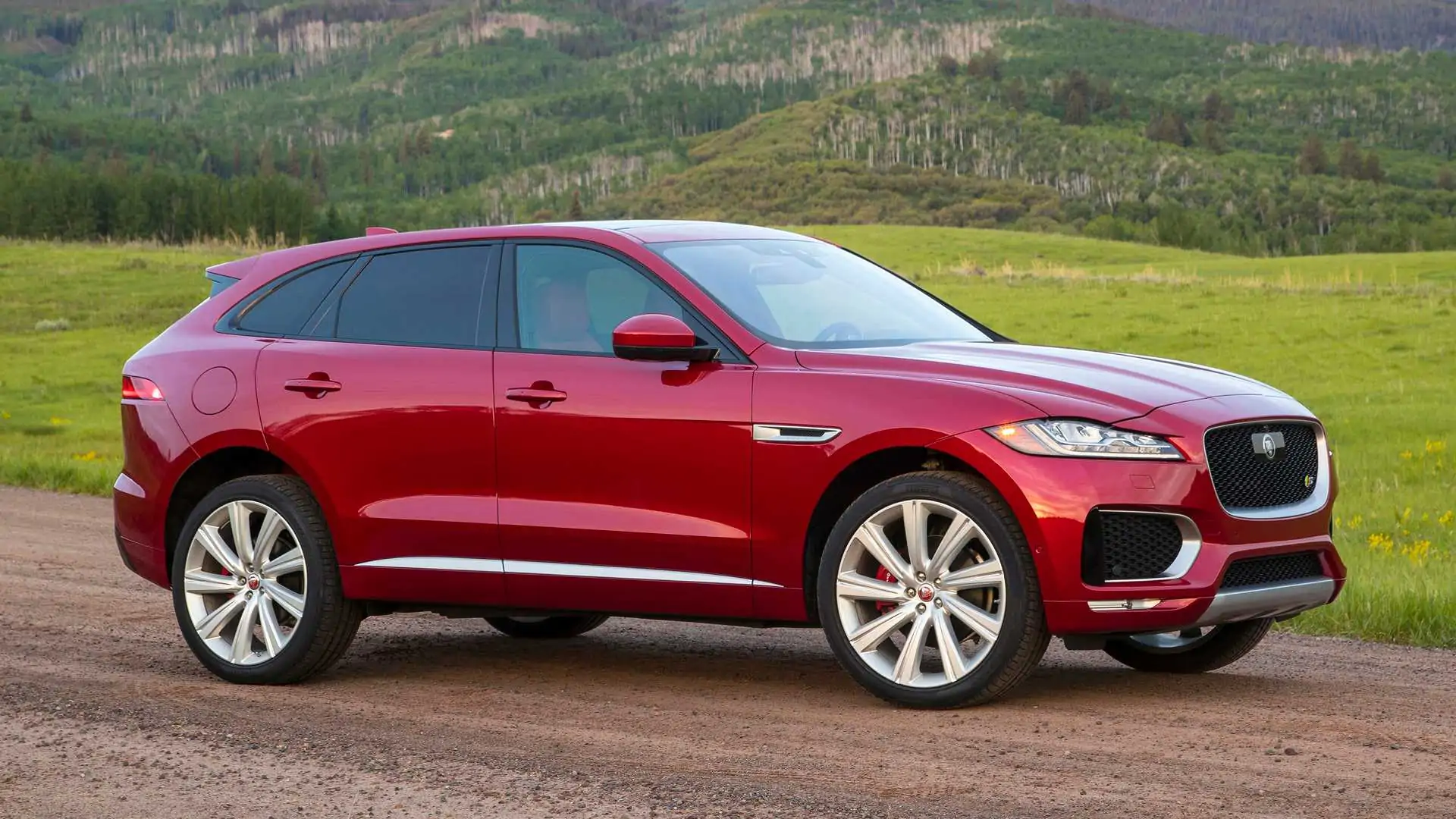
5. Jaguar F-Pace
The Jaguar F-Pace made a bold entrance into the luxury SUV market when it launched in 2016, combining British design flair with dynamic handling and a sport-focused attitude. While it initially earned praise for its styling, driving dynamics, and performance trims like the F-Pace S and SVR, its long-term ownership story has been much rockier.
Reliability woes have plagued the model from the start, with owners frequently citing frustrating mechanical failures and electronic gremlins that significantly detract from the vehicle’s overall value proposition.
One of the most frequent areas of concern with the F-Pace lies in its powertrain. Both the Ingenium 4-cylinder engines and the supercharged V6 models have reported issues with timing chain wear, oil leaks, and turbocharger failures. Engine performance degrades noticeably over time, and oil consumption issues have been a recurring theme in owner forums.
The 8-speed automatic transmission, while sourced from ZF, has also been a source of complaints due to rough shifts and occasional gear-hunting under moderate acceleration. For a vehicle positioned as a performance luxury SUV, such inconsistencies are especially disappointing.
The F-Pace is also a cautionary tale in electronic overreach. Infotainment systems frequently crash, navigation screens freeze mid-drive, and digital instrument clusters have been known to go dark or reboot randomly. These aren’t isolated incidents — they’re widespread and well-documented across multiple model years.
Even driver assistance features like lane-keeping assist and adaptive cruise control have a history of disengaging or malfunctioning, especially in cold or wet weather. Combine this with Jaguar’s limited dealer network and long wait times for parts, and even a small issue can become a drawn-out affair.
Interior wear and tear has also proven to be an issue for long-term owners. While the cabin materials look impressive at first glance, they don’t age well. Leather can crack, trim pieces loosen, and touch-sensitive controls lose responsiveness over time. Warranty claims are common, and out-of-pocket repair bills can quickly add up once the coverage ends.
Jaguar has made efforts to improve quality in recent years, but for early F-Pace adopters — and even those purchasing used models today — the reality is clear: this is a luxury SUV that delivers big style and big problems in equal measure.
Also Read: 5 Engines With Legendary Camshafts and 5 That Always Need Top-End Work
When it comes to luxury SUVs, the purchase price is only the beginning of the financial journey. While many buyers focus on the prestige of the brand, the horsepower figures, or the allure of a fully loaded interior, fewer take the time to understand what ownership looks like five or ten years down the road.
But as we’ve seen, not all luxury SUVs are created equal. Some offer not only a premium driving experience but also rock-solid reliability, aging gracefully and requiring only minimal maintenance. Others, despite their impressive resumes and high-end finishes, can quickly become burdensome due to frequent and costly repairs.
This distinction isn’t just academic — it has very real consequences for ownership satisfaction, cost of ownership, and resale value. The five SUVs we categorized as “built to last” all share a few crucial qualities: well-tested powertrains, simpler (yet high-quality) interior electronics, thoughtful engineering, and a philosophy of durability over dazzle.
Vehicles like the Lexus RX and GX, for example, are repeatedly praised not just for their comfort and quality but for their ability to run well past 200,000 miles with proper care. The Acura MDX and Volvo XC90 follow similar principles — leveraging parent companies known for solid engineering and sensible design. Even the newer Audi Q5, once plagued by reliability concerns, has made significant strides in becoming a dependable choice, especially in its most recent generation.
These vehicles offer more than luxury — they offer peace of mind. You don’t have to second-guess every strange noise or warning light, and your calendar doesn’t have to be filled with service appointments. For long-term owners or used-car shoppers, this kind of reliability is gold.
It means lower ownership costs, less time without your vehicle, and the kind of confidence that makes luxury ownership truly enjoyable. And let’s not forget resale value — vehicles with strong reliability records tend to hold their value better, making them a smarter financial decision in the long run.
In contrast, the five SUVs we classified as “rack up repair bills” are cautionary tales. These vehicles — the BMW X5, Range Rover, Mercedes GLE, Porsche Cayenne, and Jaguar F-Pace — may shine on the showroom floor, but their long-term stories often include frequent trips to the mechanic, expensive replacement parts, and complicated repair processes that drive up labor costs.
Owners often share stories of failing infotainment systems, transmission problems, oil leaks, and suspension breakdowns that seem to appear just as the warranty expires. While they may deliver an exhilarating drive or a jaw-dropping cabin experience when new, their ownership curve tends to be steep and frustrating.
This isn’t to say that these SUVs are universally bad — far from it. For buyers who can afford the upkeep and who perhaps replace their vehicles every few years, the issues may be manageable. But for the average consumer looking to enjoy a luxury vehicle without bleeding money in maintenance, these options come with serious caveats.
And that’s the key takeaway: luxury without longevity isn’t truly luxurious. A beautiful machine that constantly demands expensive repairs becomes a source of stress rather than pride.
Choosing the right luxury SUV, then, is about more than aesthetics or brand loyalty. It’s about aligning your expectations with real-world performance, not just under the hood but across years of ownership. If your goal is a long-lasting, low-drama relationship with your vehicle, you’re better off with brands that emphasize engineering quality over cutting-edge novelty.
The glitz of a Range Rover or Porsche may be tempting, but when compared with the proven endurance of a Lexus or Acura, the choice becomes clearer — especially if you’re thinking long-term.
Ultimately, the best luxury SUV isn’t the one that looks best in your driveway today — it’s the one that’s still there, running smoothly, ten years from now. It’s the one that lets you take road trips without anxiety, that endures winter storms without suspension failures, and that quietly reminds you that true luxury is reliability you can trust.
