
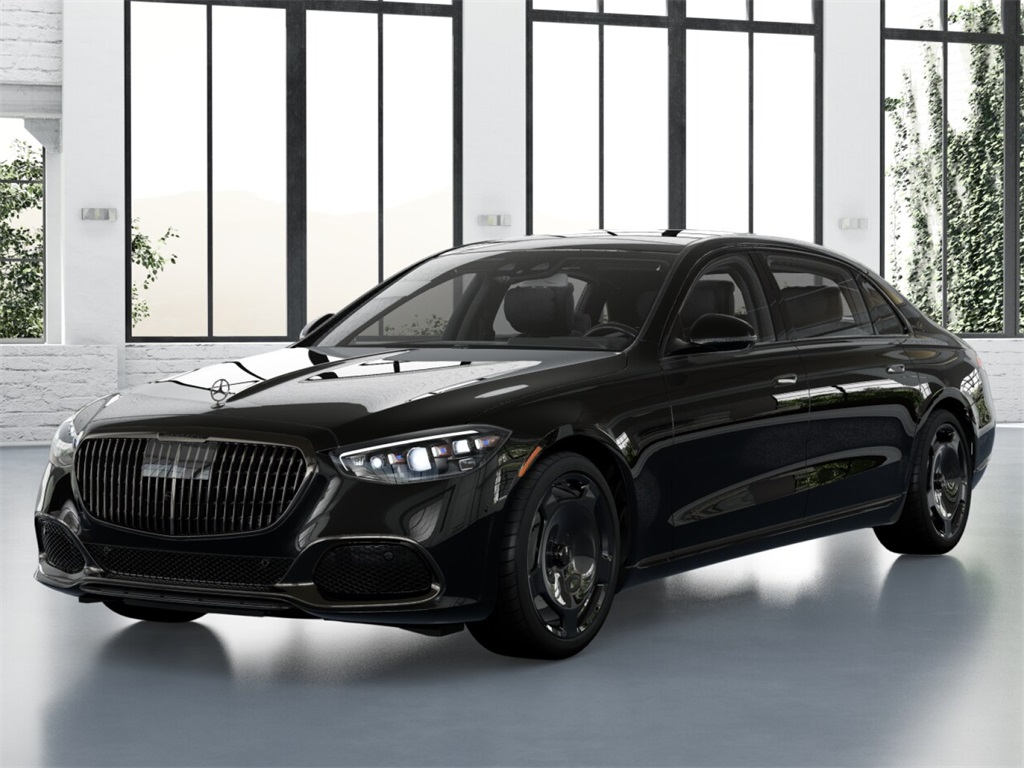
When it comes to luxury automobiles, German engineering has long been synonymous with precision, performance, and prestige. Brands like Mercedes-Benz, BMW, Audi, and Porsche have built reputations that resonate worldwide, symbolizing not only opulence and cutting-edge technology but also engineering excellence.
For many car enthusiasts and buyers seeking a blend of sophistication, comfort, and driving dynamics, owning a German luxury car feels like a natural choice. These vehicles often come packed with the latest innovations, from advanced driver assistance systems and refined powertrains to sumptuous interiors that feel more like a private lounge than a mode of transportation.
However, behind the glossy brochures and showroom allure lies a more nuanced reality: while some German luxury cars are built to last and reward their owners with thousands of miles of trouble-free driving, others can quickly turn into sources of frustration and expensive maintenance nightmares.
This duality is crucial to understand for prospective buyers or even current owners who want to protect their investment and enjoy their vehicles to the fullest. The truth is, owning a luxury German car involves more than just appreciating its engineering pedigree—it requires awareness of its maintenance demands, potential weak points, and how it performs as it ages beyond its factory warranty.
The German luxury car market is uniquely complex because it caters to a broad spectrum of buyers—from those looking for executive sedans that combine power and comfort, to enthusiasts who crave sporty coupes or SUVs that blend rugged capability with high-class appointments.
Over the years, each brand has tried to outdo the others by integrating more electronics, refined drivetrains, and lavish interiors. This relentless pursuit of innovation, while pushing automotive technology forward, sometimes leads to trade-offs in long-term reliability and repair costs.
For example, air suspension systems provide unparalleled ride comfort but tend to be susceptible to failure after several years, creating expensive repair bills. Similarly, sophisticated infotainment and driver-assist modules can malfunction in ways that baffle even seasoned mechanics.
On the flip side, German automakers have also produced some of the most durable, well-engineered vehicles that stand the test of time. Certain models, like the Mercedes-Benz E-Class or the BMW 3 Series, have established cult followings precisely because they combine performance, comfort, and above all, longevity.
These cars often become staples in their owners’ garages for a decade or more, occasionally reaching high mileages with minimal major repairs. Their reliability stems from a combination of robust mechanical design, conservative engineering choices, and the availability of parts and expertise—elements that create a virtuous cycle of care and maintenance.
Yet, the line between a dependable luxury car and a repair nightmare is often razor-thin. Differences in model years, engine types, trim levels, and even production batches can result in widely varying experiences.
A model praised for its bulletproof engine might be plagued by electrical gremlins, while another could be excellent mechanically but suffer from costly suspension or cooling system failures.
Moreover, driver habits, maintenance diligence, and climate conditions all influence how a German luxury car ages. This variability means that broad brand reputations don’t always tell the full story; instead, a deep dive into specific models and generations is necessary to uncover which cars truly “go the distance” and which ones become expensive headaches.
In this article, we’ll explore both sides of the coin. First, we’ll look at five German luxury cars that have earned their reputations as dependable, durable vehicles—cars that owners can trust to deliver many years and miles of comfort and performance.
These vehicles represent some of the best engineering and design choices German manufacturers have made over the years. Then, we’ll examine five German luxury models that, despite their initial appeal and high-tech features, have become notorious for reliability problems and costly repairs.
Understanding these pitfalls can help current owners avoid surprises and assist prospective buyers in making informed decisions. Ultimately, owning a German luxury car can be an immensely rewarding experience—but only if you know what to expect and plan accordingly.
Whether you’re drawn to the timeless elegance of a Mercedes E-Class, the spirited drive of a BMW 3 Series, or the raw excitement of a Porsche 911, your choice should balance style, performance, and the practical realities of maintenance and repair.
Similarly, recognizing which models have a tendency toward mechanical or electrical issues can save you from headaches down the road. By the end of this article, you’ll have a clearer picture of the German luxury landscape: which cars stand the test of time, and which ones require extra caution, and sometimes a deep wallet.
Also Read: 5 Engines With Legendary Camshafts and 5 That Always Need Top-End Work
5 German Luxury Cars That Go the Distance
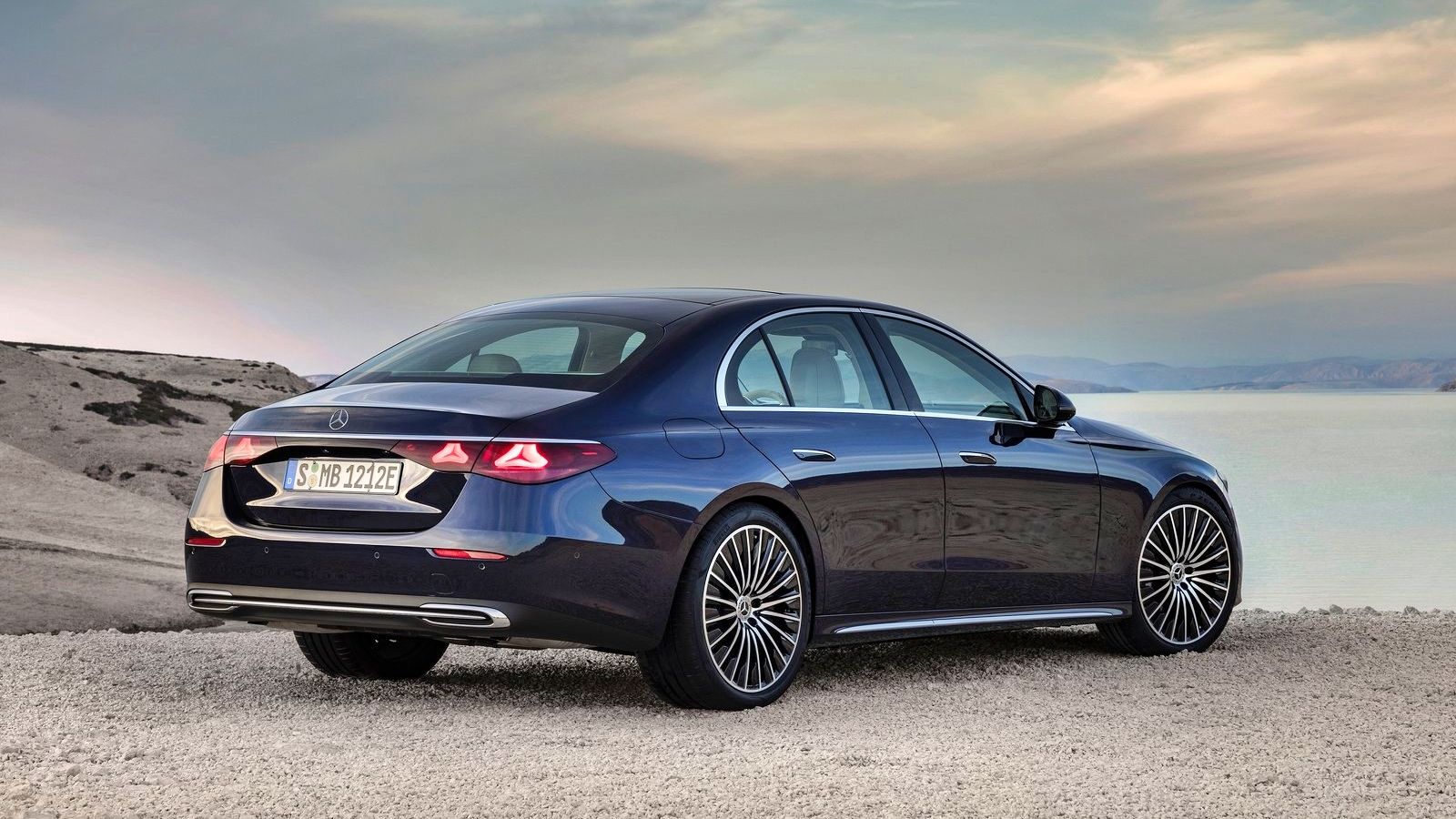
1. Mercedes-Benz E-Class
The Mercedes-Benz E-Class is widely regarded as the gold standard for long-lasting German luxury sedans. Its reputation for durability isn’t just marketing hype—it’s built into the vehicle’s DNA. Generations like the W124 from the late 1980s and early 1990s have earned legendary status for their ability to endure decades of driving with minimal mechanical failure.
In fact, many of these older models are still on the road today, some boasting over 500,000 miles. Mercedes engineered these vehicles with high-grade materials and conservative mechanical tolerances that focused more on resilience than flash, and that formula has largely continued in modern versions. Even the more recent W212 and W213 generations continue to reflect Mercedes’ commitment to quality and longevity.
From a mechanical standpoint, the E-Class has benefited from decades of evolutionary design, rather than dramatic overhauls. This has allowed Mercedes to perfect its engines and transmission systems. The inline-six and V6 gasoline and diesel engines, especially the OM642 and M112/M272 engines, have proven to be durable when properly maintained.
Many owners report going well beyond the 200,000-mile mark with minimal engine-related repairs. Transmission reliability is another high point, particularly with the 5G-Tronic and 7G-Tronic automatic gearboxes.
While modern E-Class models include more electronics and infotainment features, they tend to integrate these systems with more reliability than some competitors, reducing long-term headaches for owners.
Interior quality also contributes heavily to the E-Class’s reputation as a long-haul luxury vehicle. Mercedes has a knack for making interiors that age gracefully. Leather, wood trim, and soft-touch plastics all tend to wear well over time. More importantly, the car offers a level of ride quality and comfort that makes long drives genuinely enjoyable.
The suspension is designed for composed and refined travel, capable of absorbing road imperfections without compromising control. Even older E-Class vehicles still offer that solid “bank vault” feel when closing a door or driving over uneven pavement. These tactile impressions contribute to a sense of durability that goes beyond just mechanical reliability.
Perhaps one of the most telling signs of the E-Class’s lasting value is the sheer number of these vehicles still used around the world in demanding roles. Taxis in Europe, executive transport vehicles, and even family haulers—E-Classes are everywhere. They’re chosen not just for prestige but because they simply work. They last.
And because they are so widely used, parts are relatively easy to find, and there’s a vast base of knowledge among both professional mechanics and DIY enthusiasts. For those looking for a German luxury car that doesn’t just make a strong first impression but keeps delivering for the long haul, the Mercedes-Benz E-Class is one of the safest and smartest bets on the road.
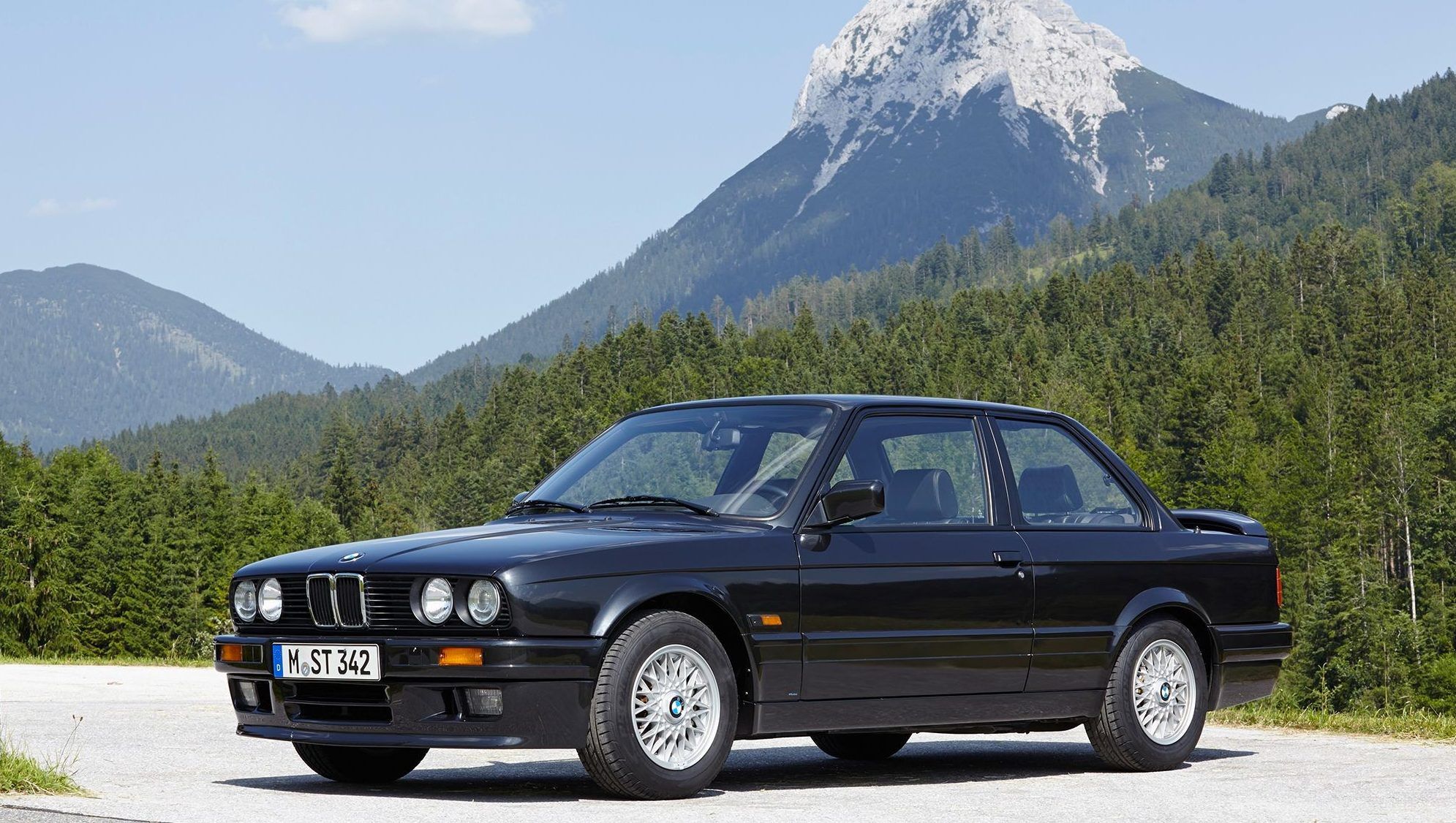
2. BMW 3 Series
The BMW 3 Series has long been the heart and soul of the brand, combining dynamic driving characteristics with a design that emphasizes balance and control. But beyond its sporty demeanor lies a platform that, in certain generations, has proven remarkably reliable over time.
The E46 (1999–2006) and E90 (2005–2013) generations in particular have gained a cult following for being both enjoyable to drive and dependable when maintained properly.
These cars were built during an era when BMW’s focus was still primarily on mechanical quality rather than electronic complexity. They strike an excellent middle ground between classic BMW simplicity and modern comfort.
One of the core reasons behind the longevity of the 3 Series lies in its legendary inline-six engines. Engines like the M54 (used in the E46) and the naturally aspirated N52 (found in the early E90s) are known for their mechanical robustness.
These engines are smooth, responsive, and surprisingly low-maintenance if owners stay on top of regular servicing. While issues like cooling system failures and oil leaks are common, they are generally easy to diagnose and repair.
What sets these powertrains apart is their tolerance for high mileage—many reach 200,000 miles and beyond without needing major internal work. Compared to more turbocharged modern engines, these older powerplants are simpler and more forgiving.
The chassis and suspension of the 3 Series are also engineered for longevity. Unlike some cars that sacrifice durability for ride softness or cost savings, BMW designed the 3 Series to be driven hard without falling apart. Sure, bushings and control arms will eventually wear out—especially in spirited driving—but replacement is relatively straightforward, and aftermarket support is vast.
The manual transmission versions in particular (which also tend to be more reliable than their automatic counterparts) offer a connection to the car that many enthusiasts cherish. They provide a balance between mechanical simplicity and high engagement that rewards the careful, attentive driver.
Ownership of a 3 Series is also eased by the large and active enthusiast community. Whether you’re looking for tutorials, second-hand parts, or just advice, there’s no shortage of resources available. Forums, YouTube channels, and local BMW clubs are treasure troves of information.
This network of support plays a critical role in keeping these vehicles alive and well-maintained, even as they age. For buyers seeking a German luxury vehicle that blends driving excitement with proven reliability, the right generation of the 3 Series—especially when paired with diligent maintenance—can be a dream car that truly goes the distance.
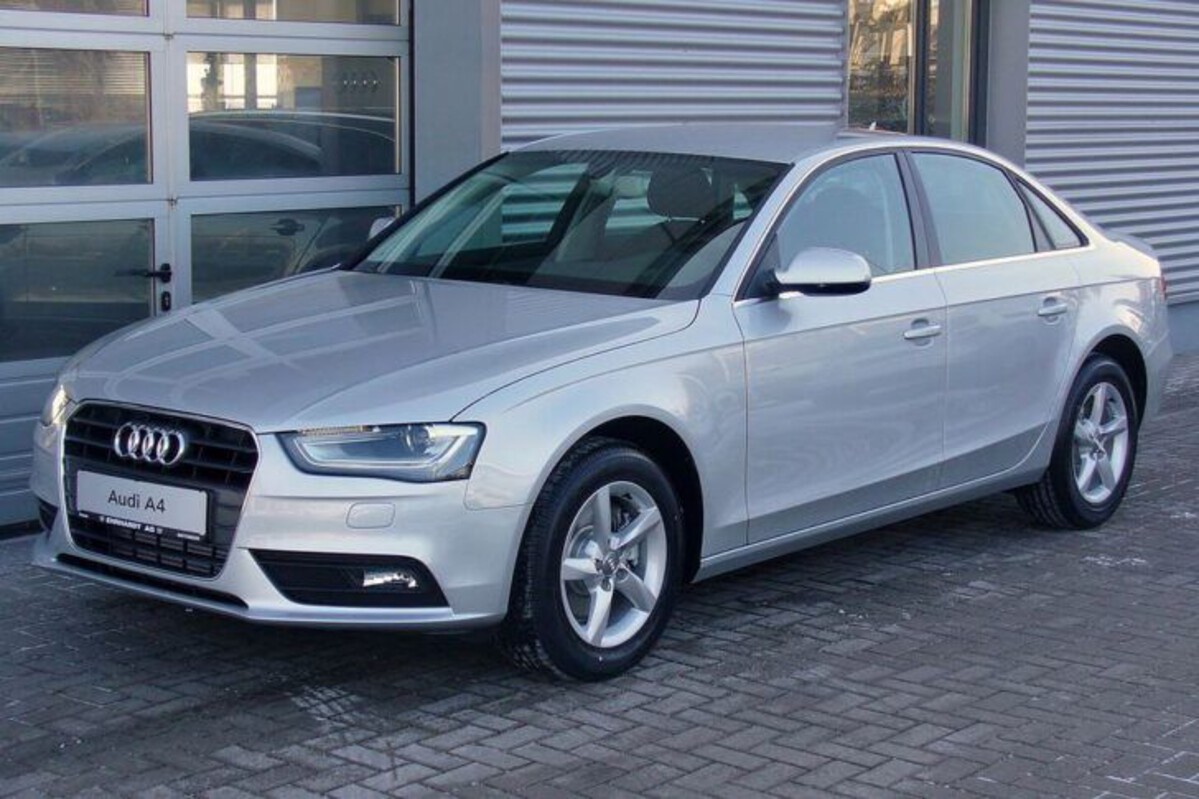
3. Audi A4
The Audi A4 has quietly built a reputation for durability, particularly in its B8 (2009–2016) and B9 (2017–present) forms. While older Audis often struggled with electronics and oil-related issues, newer versions of the A4 have demonstrated a far greater capacity for longevity.
This is especially true when it comes to the 2.0-liter turbocharged engines that power most A4 models from the B8 generation onward. These engines—while not bulletproof—have proven to be reliable workhorses when serviced consistently. Audi also worked hard to simplify its powertrain offerings, which has contributed to improved quality control and more consistent long-term performance.
A major contributor to the A4’s enduring appeal is the refinement of Audi’s Quattro all-wheel-drive system. It’s not only excellent in adverse weather conditions but also lends itself to improved mechanical balance and durability. Unlike many front-wheel-drive-based competitors that add AWD as an afterthought, the Quattro system is deeply integrated into Audi’s engineering philosophy.
This makes the A4 not just more stable in poor conditions, but more robust under prolonged stress. It’s common to find these vehicles used heavily in both urban and rural environments, where traction and control are crucial.
Interior build quality is another major highlight. Audi’s cabins have long been praised for their elegant, understated design, but the materials and fitment in the A4 stand out for their ability to withstand the test of time.
Switchgear remains tactile even after years of use, leather seats tend to wear evenly without cracking, and noise insulation stays intact. These qualities create an experience that feels premium even after 100,000 miles. This level of refinement, paired with mechanical reliability, makes the A4 a standout in the crowded compact luxury segment.
Of course, no car is entirely free from faults. A4s do have known issues with carbon build-up in direct injection engines, electronic sensors, and some transmission quirks. But these problems tend to be predictable and manageable—especially compared to more complex, higher-end models.
Crucially, Audi has improved parts availability and dealer service networks in recent years, reducing repair downtime and cost. For drivers who want a German luxury car that handles real-world driving with confidence and doesn’t fall apart when the warranty expires, the Audi A4 is a surprisingly durable and rewarding option.
4. Porsche 911
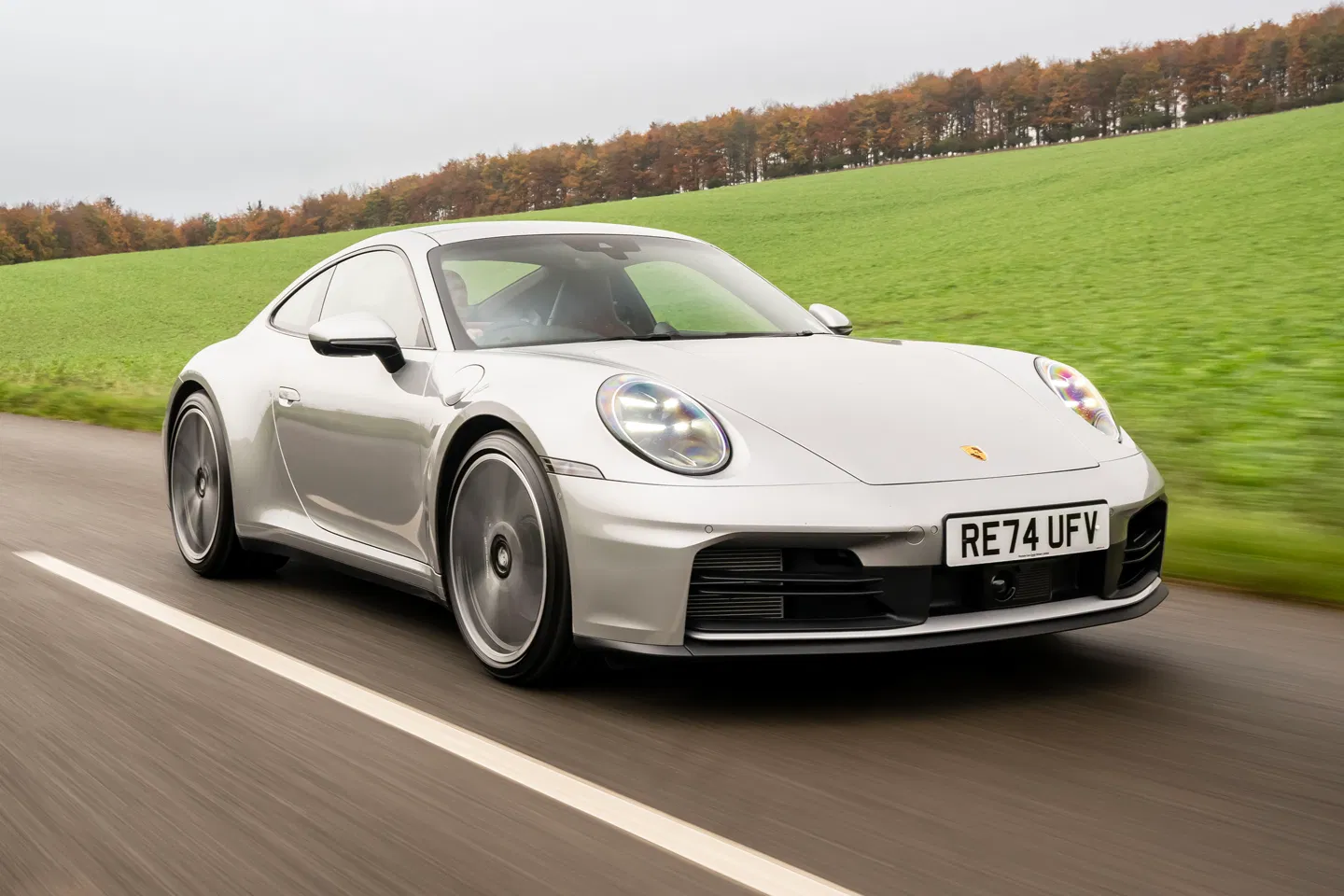
The Porsche 911 is not just a high-performance icon; it’s also a case study in how a car can be engineered for both thrilling drives and long-term durability. Among sports cars, the 911 stands almost alone in its ability to deliver supercar-level performance while also lasting for decades with the right care.
Air-cooled models like the 993 are now collector’s items in part because of their bulletproof build quality, while water-cooled generations like the 997 and 991 have continued the tradition with modern amenities and everyday usability. It’s not unusual to find 911s from any era with 200,000 miles or more, still running strong and looking the part.
What makes the 911 so enduring is its engineering philosophy. Porsche has refined the same rear-engine layout for decades, iterating rather than reinventing. This stability has allowed them to perfect systems like the flat-six engine, which is both high-revving and durable.
From naturally aspirated models to turbocharged variants, Porsche engines are meticulously built and generally free of the chronic problems that plague other performance cars. Issues like the IMS bearing failures in early 996 models were serious but largely resolved by the 997 generation. Post-2009 models in particular are highly regarded for their improved engine architecture and reliability.
Equally impressive is the 911’s build quality and ergonomics. Unlike many exotic cars that feel like they were built in a race shop, the 911 feels solid, almost like a luxury sedan in its daily behavior. Doors shut with a reassuring thunk, the switches and knobs feel precise, and visibility is shockingly good for a sports car.
Add in a surprisingly usable rear seat (or storage space in models without them), and the 911 becomes a car you can genuinely live with day in and day out. This everyday practicality is rare among performance machines, and it’s a big reason why many owners keep their 911s for years, sometimes decades.
The Porsche community is another factor in the 911’s long-term success. There’s a vast network of specialists, enthusiasts, and forums dedicated to maintaining, repairing, and upgrading these cars.
Independent shops that specialize in Porsche maintenance offer competitive service costs compared to dealerships, and parts are generally available despite the car’s exotic status.
This ecosystem of support encourages owners to invest in proper upkeep rather than cutting corners, which in turn preserves the car’s longevity. For anyone who dreams of a German luxury car that combines exhilarating driving with legendary reliability, the Porsche 911 remains an unmatched option.
5. Mercedes-Benz GLE
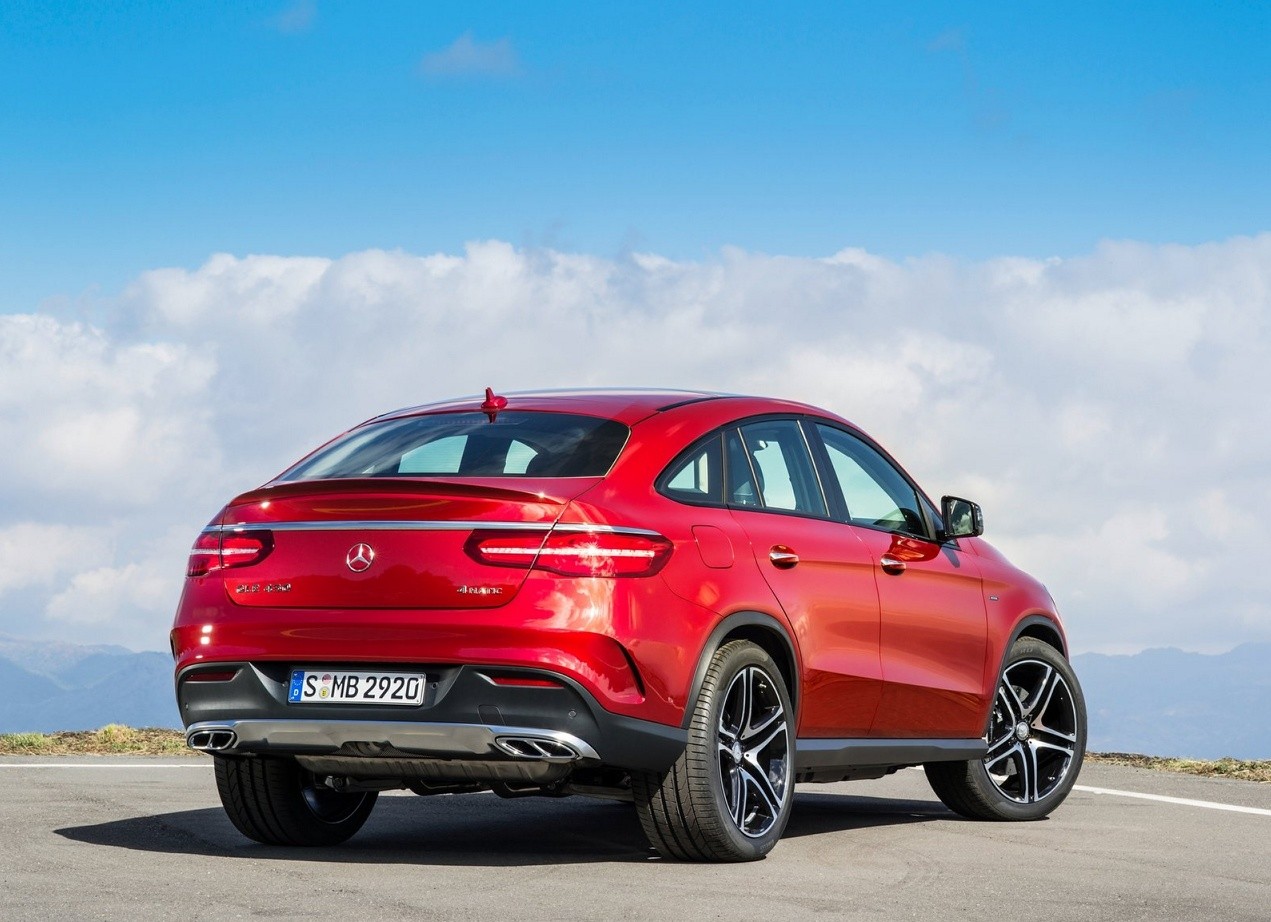
The Mercedes-Benz GLE, formerly known as the M-Class before 2015, stands out as one of the few German luxury SUVs with a solid track record for long-term reliability. In a market often filled with expensive, complicated crossovers that can be problematic to maintain, the GLE has built a reputation for durability, especially the earlier W164 (2005–2011) and W166 (2012–2018) models.
These SUVs offer the combination of Mercedes engineering rigor with SUV practicality, making them well-suited for buyers who need space, comfort, and the peace of mind that comes with mechanical resilience.
Under the hood, the GLE is typically powered by a range of V6 and V8 engines that balance power with robustness. The naturally aspirated and turbocharged gasoline engines, as well as the reliable diesel options (in markets where available), are known to perform well even with high mileage.
Unlike some luxury SUVs that employ increasingly complex hybrid or plug-in powertrains, the GLE has tended to favor traditional powertrains that are easier and less costly to maintain. This simplicity in powertrain design directly translates to fewer repairs and longer-lasting drivetrains.
The GLE’s chassis and suspension systems are also built with durability in mind. Air suspension options, when present, can be a double-edged sword—adding comfort but also potential repair costs—but even the standard coil spring setups have shown strong longevity.
Mercedes’ focus on ride comfort doesn’t come at the expense of reliability; many owners report that these SUVs handle rough roads and heavy use with minimal issues. The cabin, much like in the E-Class, features high-quality materials that age gracefully, ensuring that the GLE remains a luxurious environment throughout its lifespan.
Finally, the GLE benefits from Mercedes’ widespread dealer and service network. With many independent shops familiar with the platform, as well as a broad aftermarket for parts, repairs tend to be less daunting than with some other luxury SUVs.
The availability of technical information and a large user community also means that owners are better equipped to address issues early, reducing the risk of expensive breakdowns. For drivers who want a German luxury SUV that can cover many miles without becoming a money pit, the Mercedes-Benz GLE stands out as a prime candidate.
5 German Luxury Cars That Are Repair Nightmares
1. BMW 7 Series
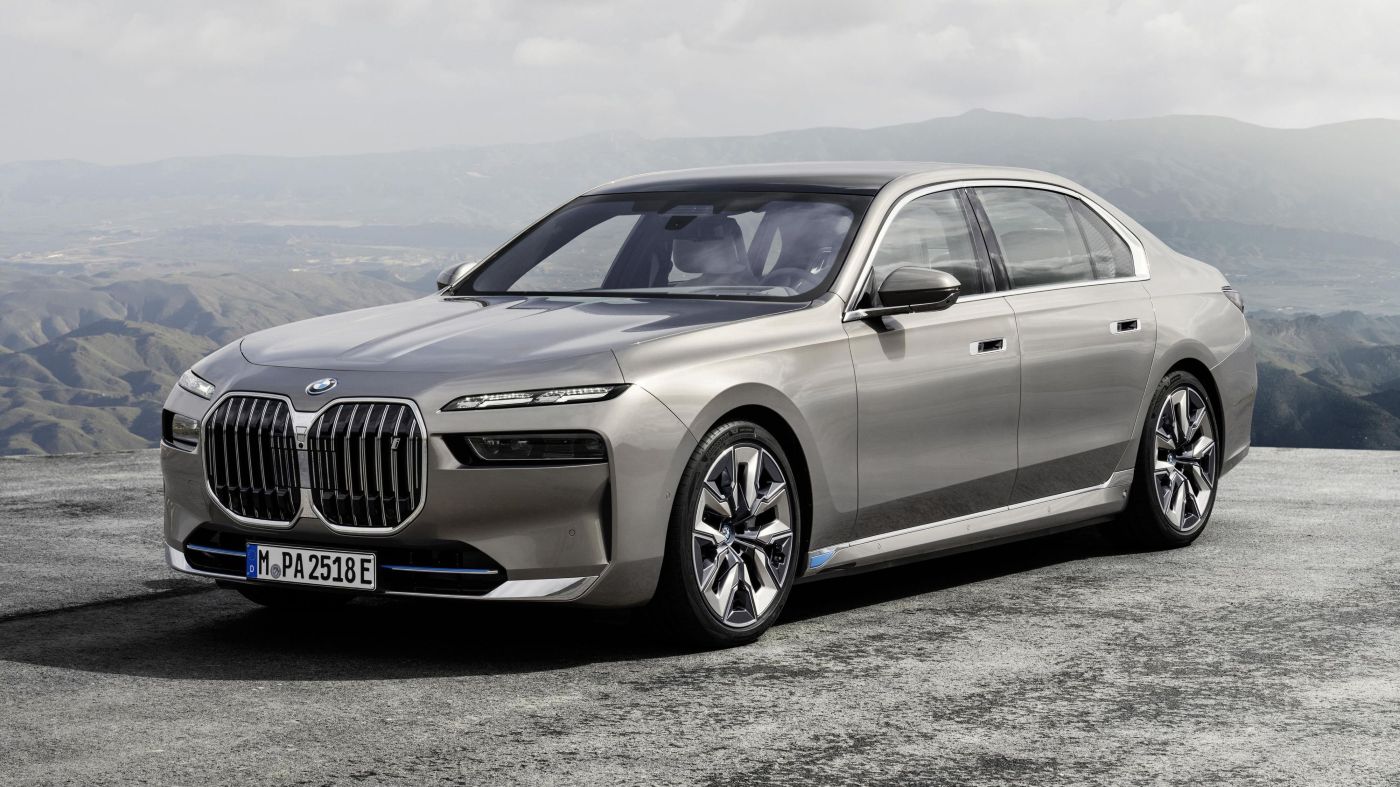
The BMW 7 Series represents the pinnacle of BMW’s luxury sedan lineup, boasting state-of-the-art technology, exquisite interiors, and powerful engines designed to impress even the most discerning buyers. However, what makes the 7 Series a nightmare for many owners is the overwhelming complexity and sheer density of electronics and systems packed under the hood and inside the cabin.
Models especially from the F01 generation (2008–2015) and even later versions feature countless modules controlling everything from air suspension and adaptive lighting to intricate infotainment and driver assistance systems. While these features make the driving experience sublime, they can quickly become sources of expensive, frustrating failures as the car ages.
One of the major pain points for the 7 Series is its air suspension system. While it provides the silky-smooth ride that buyers expect from a flagship luxury sedan, air suspension is notoriously prone to leaks, compressor failures, and sensor issues. Repairs can be extremely costly, often requiring replacement of multiple components or whole suspension assemblies.
Add to this the intricate cooling system, turbocharged V8 and V12 engines, and complex transmission systems, and you have a recipe for potentially catastrophic repair bills once the warranty expires. Many owners report being blindsided by unexpected, expensive maintenance, even with moderate mileage.
The interior, although luxurious and filled with high-tech gadgets, is another source of headaches. The iDrive infotainment system, advanced climate controls, and electronic seat adjustments rely on delicate sensors and wiring that can malfunction unpredictably.
Fixing these electrical issues usually requires dealership-level diagnostics and expensive replacement parts. Even routine repairs can take days due to the car’s complexity. Because the 7 Series targets ultra-luxury buyers, parts and labor rates are high, and independent mechanics often hesitate to work on such a complicated vehicle without specialized training and tools.
Moreover, the 7 Series tends to depreciate heavily because of these maintenance concerns, making resale challenging. Many potential buyers shy away from used models after hearing stories of reliability nightmares, which further drives down market value.
While the driving experience of a well-functioning 7 Series remains unmatched, the long-term ownership experience can be a minefield. Without meticulous maintenance and a strong service budget, the 7 Series is likely to become a financial and emotional burden rather than a source of joy.
2. Audi A8
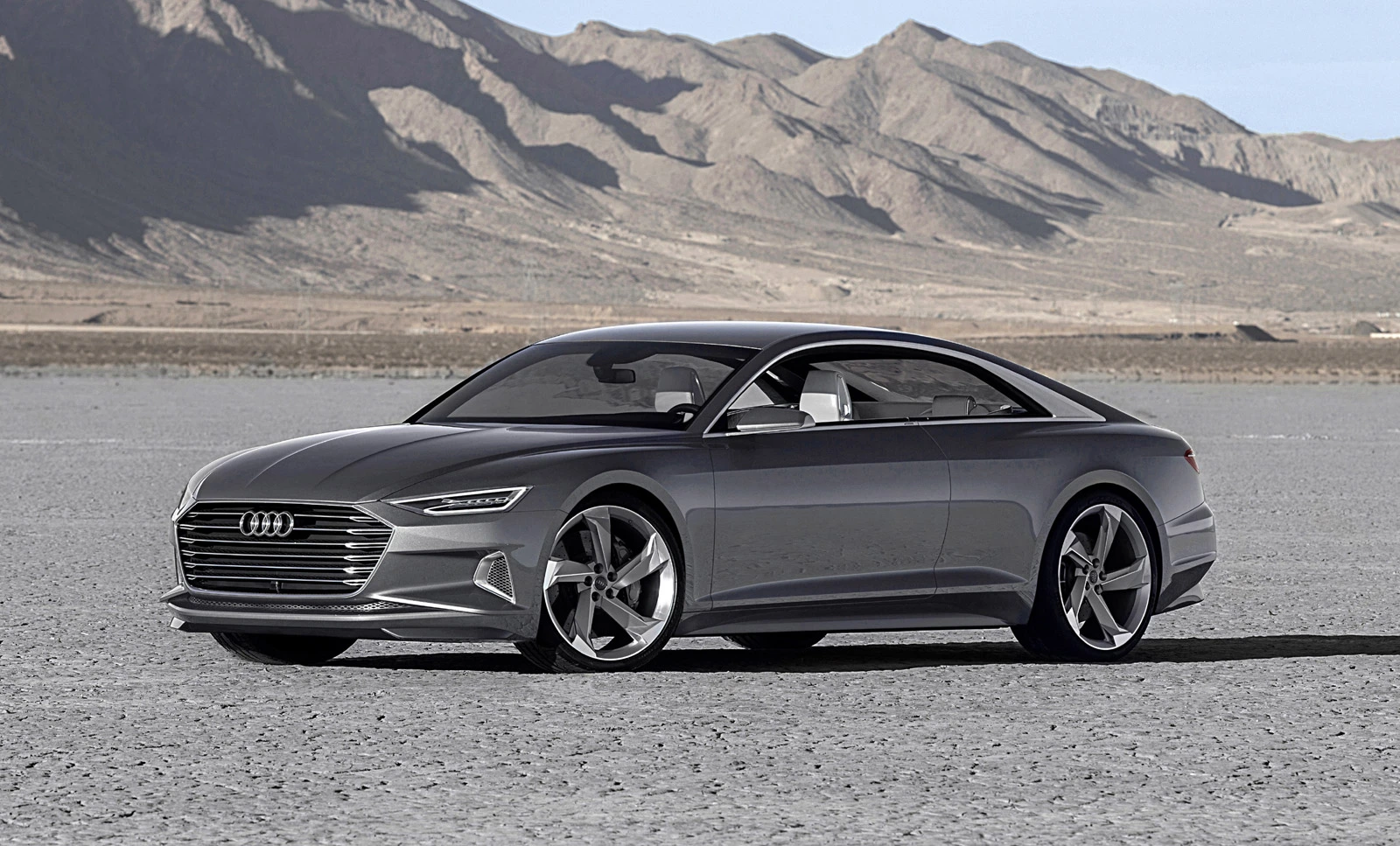
Audi’s flagship sedan, the A8, has always been a showcase of technological innovation and luxurious appointments. Unfortunately, this car’s advanced tech also contributes to its reputation as a repair nightmare. Especially in the D3 (2003–2009) and D4 (2010–2017) generations, owners face a multitude of issues stemming from overly complicated electronics, complex air suspension setups, and finicky engine management systems.
While the A8 impresses with its quattro all-wheel-drive system and smooth V8 and W12 engines, these strengths can be overshadowed by the cost and hassle of repairing its intricate components.
One of the A8’s most notorious problems lies in its air suspension system. Similar to the BMW 7 Series, the Audi A8 employs adaptive air springs that often develop leaks or compressor failures. Repairing these suspension systems is labor-intensive and expensive, often requiring the replacement of multiple parts.
In addition to suspension woes, the A8’s cooling system has its share of issues, with radiator leaks, water pump failures, and thermostat problems reported by many owners. These can lead to overheating and costly engine damage if not addressed promptly.
The A8’s interior is a technological marvel but a source of constant frustration. The MMI infotainment system, digital instrument clusters, and myriad control modules can glitch or fail, leading to expensive repairs and software updates. Many owners report problems with the electrically adjustable seats, climate control systems, and central locking mechanisms.
Given the complexity, diagnosing electrical issues is a challenge and often requires dealership-level tools. Labor costs are high, and parts can be prohibitively expensive due to the car’s premium status and low production volumes.
Lastly, the Audi A8’s reliability concerns are compounded by its limited network of experienced independent repair shops. Because the A8’s systems are so sophisticated, many general luxury car mechanics avoid working on them, leaving owners dependent on dealerships with their high prices and long wait times.
This combination of complexity, rarity, and cost makes the A8 a risky choice for buyers who prioritize long-term reliability and affordable maintenance. Unless you have a well-funded service plan or deep pockets, the Audi A8 may not be the luxury investment you hoped for.
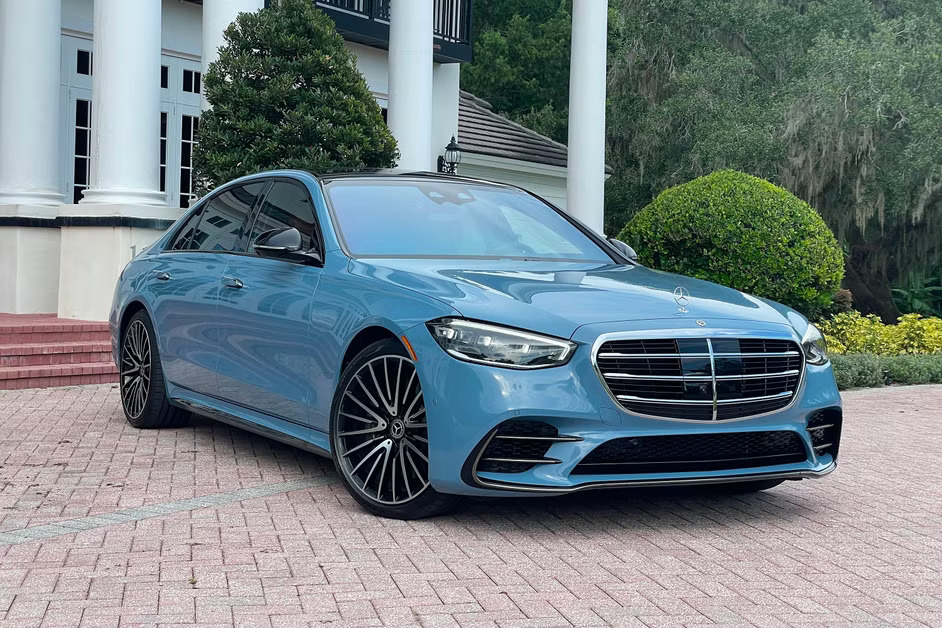
3. Mercedes-Benz S-Class
The Mercedes-Benz S-Class has long been the benchmark for flagship luxury sedans, combining cutting-edge technology with opulent interiors and powerful engines.
However, this blend of innovation and luxury comes at a cost, both financially and in terms of reliability. Particularly in the W220 (1998–2005) and W221 (2005–2013) generations, the S-Class has been plagued by electrical gremlins, suspension failures, and complex engine problems that have earned it a reputation as a repair nightmare.
One of the S-Class’s biggest reliability killers is its complicated suspension system, often featuring air springs and hydraulic components. These systems provide an incredibly smooth and controlled ride but are vulnerable to leaks, compressor failures, and worn-out control modules.
Repairing or replacing air suspension components can cost thousands of dollars and is not uncommon for S-Class owners. Additionally, the older S-Class models were equipped with numerous electronic control units (ECUs), many of which are prone to failure over time. These failures can cause everything from dashboard warning lights to complete electrical blackouts.
The electrical systems inside the S-Class are notoriously complex, controlling everything from the climate control and seat adjustments to adaptive lighting and infotainment. Faulty wiring harnesses, failing sensors, and outdated software can lead to intermittent problems that are difficult to diagnose and expensive to fix.
Even seemingly minor issues, such as malfunctioning window regulators or seat motors, often require expensive replacements. Because these cars are loaded with electronics, any water ingress or corrosion in connectors can cause cascading failures.
Lastly, the S-Class’s powerful engines, especially the V12 and some V8 variants, can be high-maintenance and costly to repair. Timing chain issues, oil leaks, and valve cover gasket failures are relatively common in older models. These repairs demand skilled technicians and genuine parts, pushing labor and parts bills sky-high.
Combined with the high cost of maintaining the complex suspension and electrical systems, the S-Class’s overall ownership costs can quickly spiral. While the S-Class remains a technological marvel and a symbol of prestige, owners must be prepared for the potential financial and maintenance headaches that come with such advanced engineering.
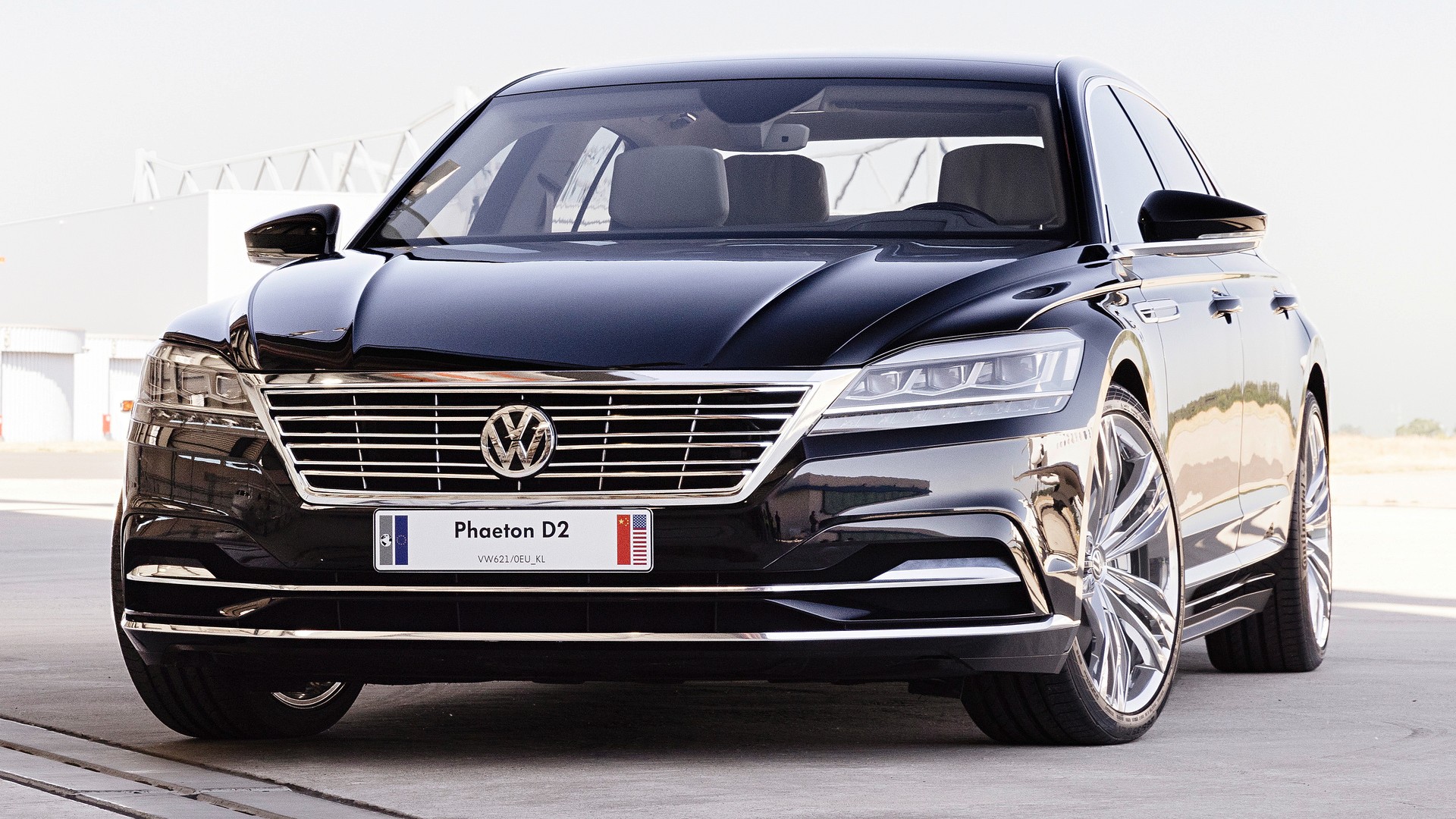
4. Volkswagen Phaeton
The Volkswagen Phaeton was Volkswagen’s ambitious attempt to break into the ultra-luxury segment dominated by Mercedes-Benz, BMW, and Audi. Despite its understated design and impressive features, the Phaeton never quite found commercial success, partly because of its reputation for reliability and maintenance issues.
Produced from 2002 to 2016, the Phaeton shares much of its technology with the Bentley Continental GT but suffers from a more problematic reliability record. The car’s advanced systems and VW’s less proven luxury platform make it a difficult ownership experience for many.
At the heart of the Phaeton’s problems are its complex air suspension system and multi-zone climate control. Like many German luxury vehicles equipped with air suspension, the Phaeton’s system is prone to leaks and compressor failures. These repairs can be costly and time-consuming, often involving the replacement of entire suspension modules.
Additionally, the Phaeton’s sophisticated climate control systems frequently malfunction, leading to uncomfortable cabin temperatures and expensive repairs. Owners report recurring issues with sensors, actuators, and ventilation components, which can drive up maintenance costs significantly.
Another major problem area is the Phaeton’s electrical system. The vehicle’s numerous control modules and wiring harnesses are vulnerable to faults and shorts, which can cause a wide range of symptoms—from inoperative power windows to total system failures.
Diagnosing these problems requires specialized diagnostic equipment and significant expertise, often limiting owners to expensive dealer repairs. Moreover, due to the Phaeton’s relative rarity, parts availability can be an issue, causing longer repair times and inflated parts costs.
Finally, the Phaeton’s drivetrain, particularly the air-cooled W12 engine found in some models, demands meticulous maintenance and can be expensive to service. While the engine itself is powerful and refined, it is not immune to common luxury car maladies such as oil leaks, timing chain tensioner failures, and complex cooling system issues.
The combination of intricate mechanical and electronic systems, scarcity of experienced mechanics, and high repair costs means that owning a Phaeton can quickly turn into a financial burden. Despite its comfort and advanced features, the Phaeton remains a risky proposition for those seeking a trouble-free luxury car experience.
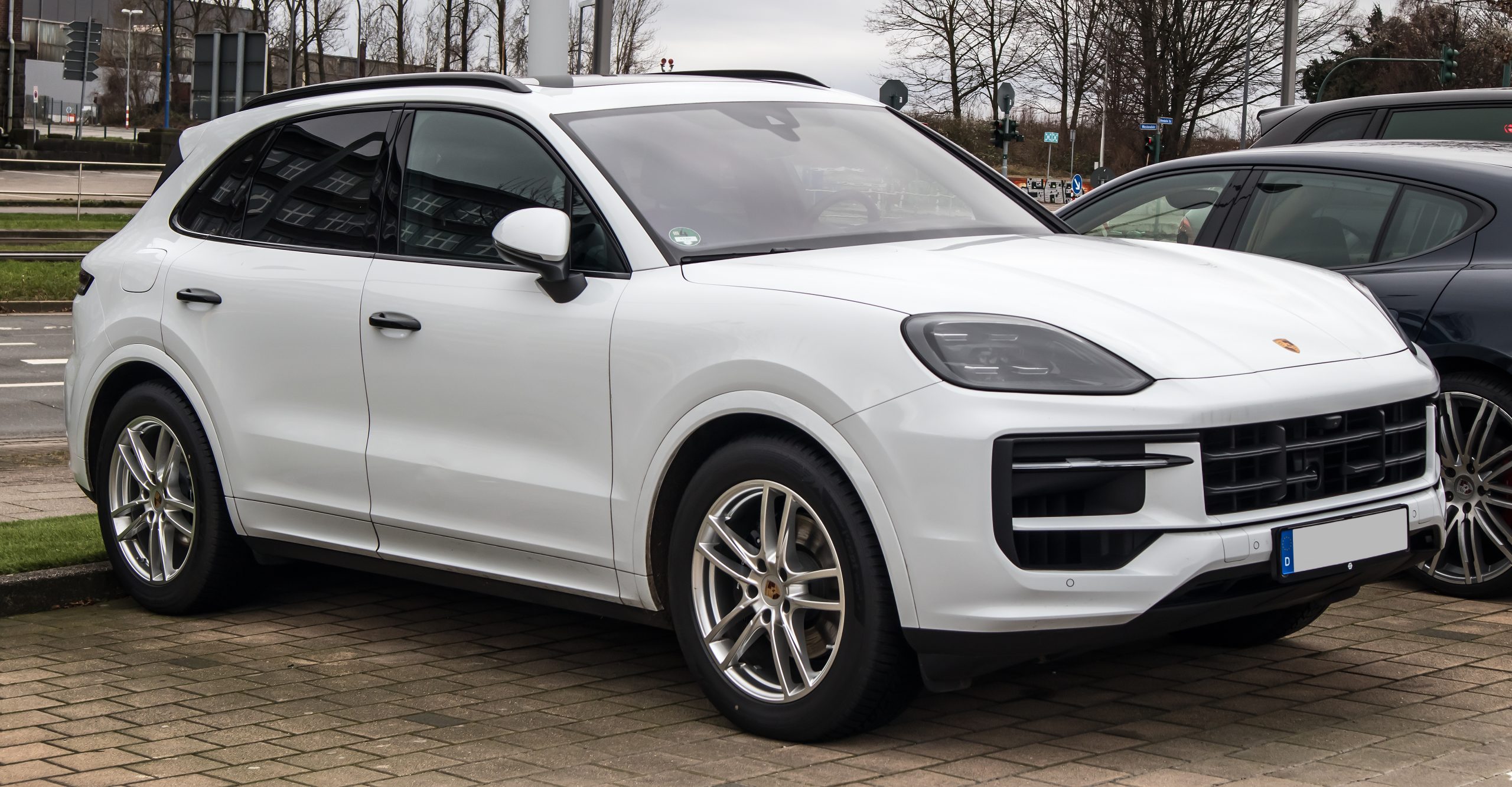
5. Porsche Cayenne
The Porsche Cayenne marked a pivotal moment for Porsche, bringing the brand into the luxury SUV market with the first generation launched in 2002. While it brought new customers to Porsche and broadened the brand’s appeal, the Cayenne has been notorious among enthusiasts and owners for its maintenance and reliability issues, especially in early models. The complexity of its design, combined with Porsche’s high-performance engineering, results in a car that can be both thrilling and frustrating to own.
A major trouble spot for the Cayenne is its air suspension system, particularly the “adaptive air suspension” option, which is prone to leaks, compressor failures, and sensor malfunctions. Many owners report that these repairs can be shockingly expensive and frequent, sometimes requiring replacement of entire air struts or compressors.
The suspension issues not only degrade ride quality but also lead to error lights and reduced drivability. Beyond suspension, the Cayenne’s complex electrical systems—including advanced traction control and all-wheel-drive modules—can cause persistent warning lights and operational problems that are costly to fix.
Engine reliability varies by generation and configuration, but issues such as oil leaks, timing chain problems, and coolant system failures have been reported, especially in earlier models.
Turbocharged variants, while exhilarating, tend to demand more intensive maintenance and specialized care. Given Porsche’s reputation for precision, owners often expect top-tier performance, but maintenance costs for repairs and replacements can be surprisingly steep. High labor rates and expensive genuine parts add to the financial strain.
Lastly, despite its luxury status, the Cayenne can be a difficult car to maintain outside of Porsche dealerships, as its systems require specialized diagnostic tools and knowledge. Independent mechanics often shy away from the complexity of Porsche electronics and drive systems, forcing owners to rely on pricier dealer service centers.
This dependency, combined with the high cost and frequency of repairs, means that owning a Cayenne—while exciting—can also be a source of ongoing frustration and unexpected expense. Potential buyers need to be fully aware of the long-term maintenance demands before committing to one.
Also Read: 5 Cars That Handle Long Commutes With Ease and 5 That Age Rapidly
The world of German luxury cars is as fascinating as it is complex, a blend of impeccable craftsmanship, advanced technology, and driving exhilaration. Over the decades, German manufacturers have set benchmarks in automotive engineering that many others aspire to reach.
However, as this article has highlighted, the promise of prestige and performance does not always translate into worry-free ownership. For every Mercedes-Benz E-Class that cruises effortlessly beyond 300,000 miles, there is a BMW 7 Series owner grappling with expensive air suspension repairs. For every Porsche 911 enthusiast reveling in timeless engineering, there is an Audi A8 owner struggling with elusive electrical faults.
This duality underscores a fundamental truth: German luxury cars are not monolithic. Their quality and reliability depend heavily on specific models, generations, and even the care they receive over time. Models like the Mercedes E-Class, BMW 3 Series, Audi A4, Porsche 911, and Mercedes GLE have repeatedly proven their durability and value, rewarding owners who invest in regular maintenance and timely repairs.
These vehicles benefit from engineering choices that favor robustness, relatively straightforward mechanical designs, and widespread availability of parts and expertise. They tend to depreciate more gracefully and maintain a loyal following, contributing to a healthy ecosystem that supports their longevity.
Conversely, luxury cars like the BMW 7 Series, Audi A8, Mercedes-Benz S-Class, Volkswagen Phaeton, and Porsche Cayenne illustrate how cutting-edge technology and complex systems can become double-edged swords. Their sophisticated air suspension, infotainment, and engine technologies deliver unparalleled comfort and performance, but also introduce more points of potential failure.
When repairs are required, they often come with high parts and labor costs, limited access to independent mechanics, and lengthy downtime. Owners of these vehicles face a greater risk of unexpected expenses that can overshadow the initial joy of ownership.
One key takeaway is the importance of research and preparedness. Prospective buyers should scrutinize specific models and production years, consult owner forums, and prioritize vehicles with documented service histories. Even the most reliable German luxury car can suffer if neglected, while a problematic model can be more manageable with diligent upkeep.
Certified pre-owned programs and extended warranties can also mitigate risks, though they often come at a premium. Understanding the nuances of these cars allows owners to tailor their maintenance strategies, ensuring their vehicles remain reliable and enjoyable for years to come.
Maintenance practices are another crucial factor. Routine servicing, including timely oil changes, brake inspections, cooling system flushes, and suspension checks, dramatically affects longevity. German luxury cars thrive when cared for by knowledgeable technicians familiar with their quirks and engineering demands.
Utilizing independent specialists with experience in German vehicles can provide cost savings and high-quality work, but only if those shops have the necessary diagnostic tools and expertise. Regular inspections can catch small issues before they balloon into costly repairs, making preventative care the best investment any owner can make.
Finally, the emotional and experiential side of owning a German luxury car should not be overlooked. These vehicles are more than just transportation—they are expressions of craftsmanship, performance, and heritage. The thrill of driving a well-tuned BMW, the serene comfort of a Mercedes-Benz, or the precise engineering of a Porsche is part of what justifies the premium price.
For many owners, these cars become beloved companions, with their quirks and occasional expenses woven into the ownership story. With realistic expectations and proper care, German luxury cars can be both symbols of status and reliable machines that deliver countless memorable journeys.
In conclusion, the world of German luxury automobiles is rich and varied. While some models embody enduring reliability and low-maintenance excellence, others caution against underestimating the costs and complexities of advanced technology. The key to enjoying the best of what these brands offer lies in knowledge, preparation, and ongoing care.
Whether you seek the legendary endurance of a Mercedes E-Class or approach a Porsche Cayenne with a budget for surprises, the right understanding can transform your ownership experience from a potential nightmare into a long-lasting dream. Armed with this insight, you can confidently navigate the fascinating, rewarding, and sometimes challenging landscape of German luxury cars.
