
In the world of professional trades, fleet operations, agriculture, and heavy-duty labor, the work truck is more than just a mode of transportation—it’s a cornerstone of productivity.
For countless contractors, landscapers, welders, and independent business owners, the right truck doesn’t just get you from point A to point B—it hauls, tows, powers your tools, and carries the weight of your entire operation.
That’s why the question of which trucks can reliably reach 300,000 miles under heavy use isn’t just academic—it’s critical. Choosing the wrong truck can mean massive repair costs, unreliable performance, lost contracts, and even safety concerns. Choose the right one, and it becomes a trustworthy workhorse that outlasts fads, competitors, and even the job site itself.
With the price of new trucks now climbing well beyond $50,000—and diesel models often surpassing $70,000—the return on investment (ROI) has never been more important. Buyers need trucks that won’t just survive their warranty period but deliver solid, dependable performance for a decade or more, particularly under grueling, real-world conditions.
These are not grocery-getters or weekend trail machines. We’re talking about trucks that endure loaded trailers, freezing starts, construction sites, dusty ranches, and 10-hour driving shifts—all without breaking a sweat. It’s not enough for a truck to look good on paper. It has to deliver day after day, mile after mile, often with minimal downtime.
Unfortunately, not all trucks are created equal, even those with impressive specs or top-tier marketing. While some light-duty pickups and newer diesel engines boast excellent torque and towing capacity, their actual long-term reliability and durability under heavy workloads can fall far short.
From transmission issues to electronic overcomplexity, emissions failures to chassis fatigue, some models begin to fall apart well before reaching the 200,000-mile mark. For a work truck that sees daily abuse, that simply isn’t good enough. If you’re depending on a truck to build a business, haul equipment, or support a fleet, you can’t afford to make a costly mistake.
That’s why this article is diving deep into 5 trucks that have earned their reputation for lasting 300,000 miles or more under heavy-duty conditions, and contrasting them with 5 that tend to fail under similar pressure. We’ll examine real-world use cases, known mechanical issues, owner reports, and engineering designs that either help or hinder long-term durability.
This isn’t about which truck is fastest, flashiest, or newest. It’s about what works—and what doesn’t—when the work gets real. The goal here isn’t brand loyalty or blind criticism, but practical, grounded insight based on how these trucks perform in the field, not just in the showroom.
Whether you’re a one-man operation looking to buy used, a company planning to expand your fleet, or just someone who values longevity and strength in a pickup, this article is built for you. You’ll learn what powertrains and drivetrains are bulletproof, what design flaws to avoid, which trucks can rack up miles with ease, and which ones have hidden maintenance costs lurking in their future.
We’ll cover both gas and diesel options, half-ton and heavy-duty variants, domestic and international brands, and dissect why some trucks are respected legends—and why others just can’t stand the heat.
Longevity in a truck isn’t a happy accident. It’s the result of smart engineering, proven components, and consistent build quality. The difference between reaching 100,000 miles and 300,000 miles often comes down to more than just maintenance—it’s about the DNA of the truck itself.
Some are simply built better for the grind. Others, no matter how attractive at first, turn into ticking time bombs when put to work day in and day out. That’s the reality this article aims to highlight.
So whether you’re pulling a trailer through the mountains, plowing snow before sunrise, or loading and unloading supplies five days a week, you deserve a truck that’s built to go the distance.
Let’s break down which models will keep going long after others are left on the shelf—and which ones are best left on the lot. The real test isn’t just horsepower or towing specs—it’s time, miles, and the pressure of real work. And in that test, only a few trucks truly cut.
Also Read: 5 Cars With Reliable Infotainment Systems and 5 That Glitch Nonstop
5 Work Trucks That Reach 300,000 Miles
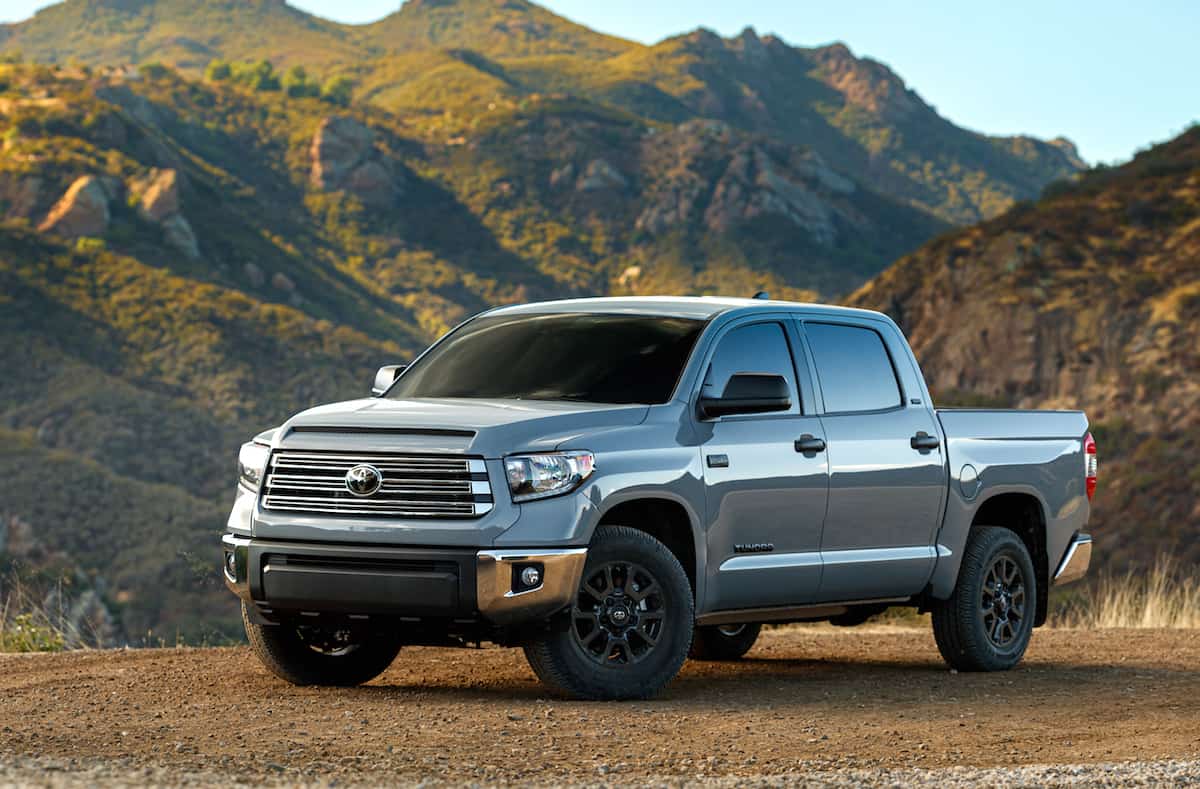
1. Toyota Tundra
The Toyota Tundra may not be the first truck that comes to mind for job sites or commercial fleets, but it has quietly built a reputation for being one of the most dependable full-size pickups ever made. Particularly in its second-generation form (2007–2021), the Tundra has proven to be exceptionally durable.
Central to its longevity is the 5.7-liter i-Force V8 engine (3UR-FE), which has been praised for its simplicity and brute reliability. Unlike modern turbocharged engines that offer complexity and risk, the Tundra’s naturally aspirated V8 is overbuilt and understressed.
The engine block, transmission, and drivetrain are all designed to operate smoothly even after hundreds of thousands of miles—provided they receive regular oil changes and basic maintenance. Reports of Tundras crossing the 300,000-mile mark are so common they’re practically expected, particularly among owners who use them for both personal and professional purposes.
What further elevates the Tundra is Toyota’s engineering philosophy of simplicity over novelty. While other manufacturers chase the newest trends—turbochargers, 10-speed transmissions, cylinder deactivation systems—the Tundra largely sticks with time-tested components.
The result is a truck that may not win every drag race or boast the best fuel economy, but instead delivers a steady, predictable performance for a decade or longer. Less complexity means fewer things to fail. The 6-speed automatic transmission paired with the V8 has been described as “old-school” in the best possible way.
It’s strong, reliable, and lacks the finicky behavior of some newer dual-clutch or multi-speed gearboxes. This design strategy means that Tundra owners spend more time working and less time in the repair shop.
Another often overlooked advantage of the Tundra is its build quality and resistance to wear over time. The cabin materials, while not luxurious, are rugged and able to handle abuse. Switchgear, seat fabrics, and flooring all hold up admirably against the daily grime and grit of job sites.
Unlike some trucks, where interiors begin to rattle and fall apart after 100,000 miles, the Tundra remains solid. Doors close with weight, dashboard plastics resist fading and cracking, and the seats don’t collapse under long-term use. For many contractors and tradespeople, this makes the Tundra a true work companion, capable of taking punishment inside and out.
Real-world users often rave about the Tundra’s consistency and predictability under heavy loads. While it may not have the highest towing capacity in its class, the truck handles 9,000–10,000 lbs of load comfortably without overheating, sagging, or struggling uphill.
The 4WD system, with available low-range gearing, is especially competent in off-road or muddy conditions. Many users in harsh climates—from Texas heat to Alaskan cold—report minimal issues over 10–15 years of use. Fleet managers, in particular, appreciate the Tundra’s low cost of long-term ownership, as it rarely requires major repairs and holds its resale value well, even at high mileage.
Ultimately, the Toyota Tundra has earned its place as a reliable workhorse not through flash or innovation but through brute durability and intelligent restraint. It’s a truck built for people who need their vehicles to work every day without fail.
Whether it’s hauling lumber, towing trailers, or commuting to a job site five days a week, the Tundra does it all without drama. Its loyal following among contractors and commercial users isn’t based on hype—it’s earned from hundreds of thousands of miles of quiet, consistent performance.
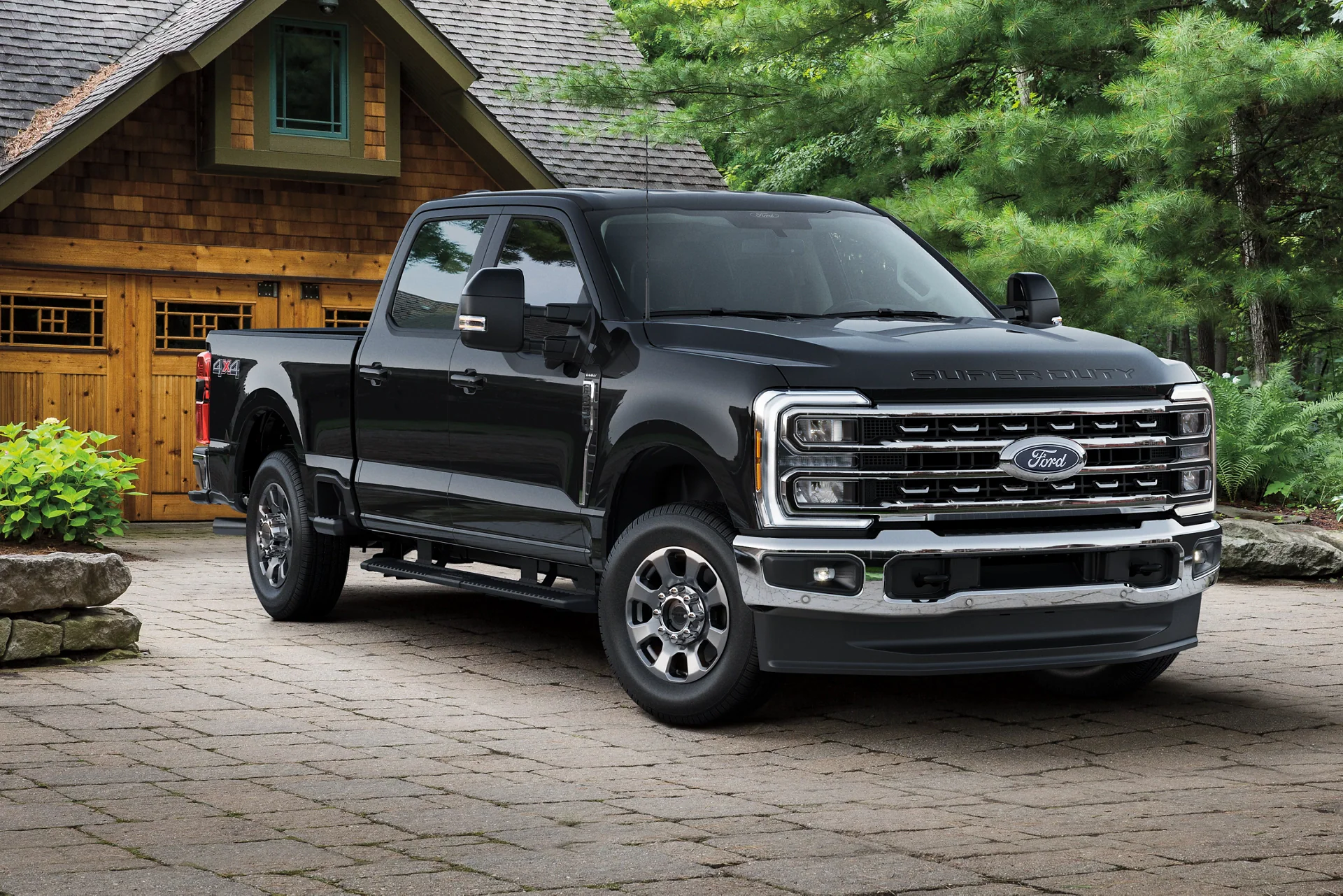
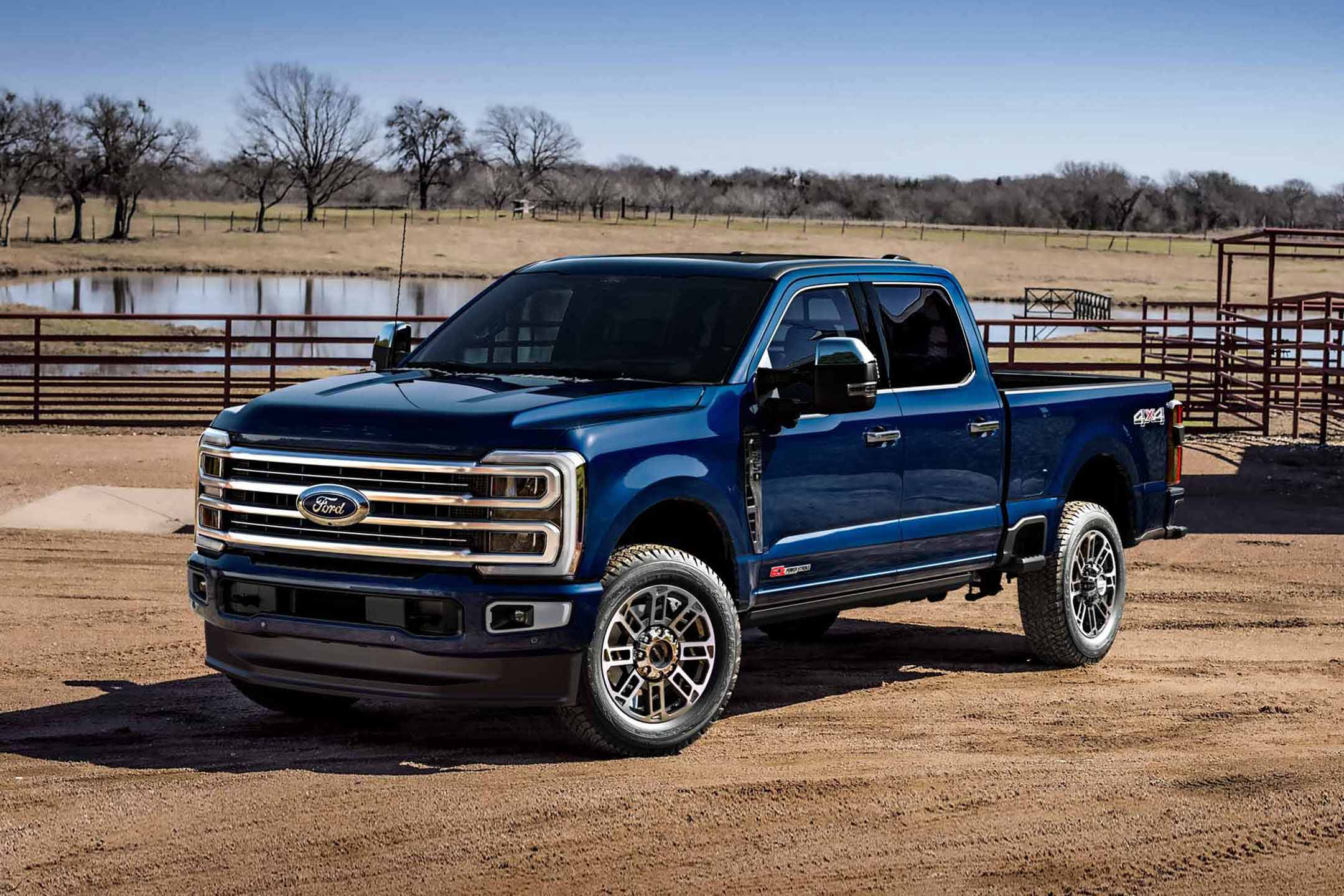
2. Ford Super Duty F-250/F-350 (Diesel)
When discussing long-lasting work trucks, it would be criminal not to mention the Ford Super Duty lineup, particularly the F-250 and F-350 models equipped with the 6.7-liter Power Stroke V8 diesel. These heavy-duty behemoths are built with the intention of enduring constant hauling, plowing, and trailering duties.
Unlike half-ton pickups, which balance consumer comfort with utility, the Super Duty series leans heavily toward capability and longevity. The 6.7L diesel is a stout engine, built with a compacted graphite iron block and forged-steel internals.
It’s paired with a 10-speed TorqShift automatic transmission in later models, giving the truck not just power but refined torque distribution across load ranges. With proper servicing, especially oil changes, diesel fuel treatments, and cooling system maintenance, these engines have been known to exceed 500,000 miles in commercial fleets.
The Super Duty’s frame and suspension architecture is another area where Ford shines. These trucks are engineered from the ground up to be abused. The frame uses high-strength steel, and in more recent generations, aluminum body panels reduce weight without compromising durability.
This construction allows the truck to carry heavier payloads and improves corrosion resistance, an essential feature in salt-heavy northern states. In terms of suspension, heavy-duty leaf springs and beefy shock absorbers are tailored to handle not just trailer weight but frequent up-and-down movement over rugged terrain.
The 4×4 systems, especially in the F-350s, come with locking differentials, solid front axles, and heavy-duty transfer cases, making them suitable for off-road and job-site use alike.
Inside, the interior is as utilitarian or luxurious as you prefer, but the materials and switches are carefully selected with durability in mind. Even the base trim interiors hold up well to mud, dust, and daily wear and tear. For fleet and municipal use, Ford offers vinyl floors and hard-wearing seat fabrics that resist tears and stains.
In higher trims, the comfort features don’t detract from the truck’s ability to work. You get climate-controlled seats, advanced infotainment, and even adaptive cruise control—all housed within a cabin that still feels like a tool more than a toy.
This thoughtful mix of practicality and optional luxury means the Super Duty can serve contractors during the day and families at night.
Beyond hardware, one of the key reasons the Super Duty excels is support and aftermarket availability. Replacement parts are widely available, service manuals are detailed and accessible, and just about every mechanic is familiar with Power Stroke diesels.
There’s also a huge aftermarket for accessories, ranging from fifth-wheel hitches to suspension upgrades. This ecosystem allows owners to customize their trucks for their exact line of work, whether it’s ranching, landscaping, or oilfield service.
Additionally, these trucks hold their value better than many competitors, especially when equipped with diesel engines, which are known to outlast gasoline counterparts by tens of thousands of miles.
At the end of the day, the Ford Super Duty line, especially the diesel-powered F-250 and F-350, is not just a truck—it’s a tool designed for industrial-level abuse.
Contractors, farmers, and business owners return to this truck generation after generation for a reason: it delivers. Not just for five years, not just until the warranty ends, but well into six figures on the odometer. When properly maintained, this is a truck that could very well outlive the company that bought it.
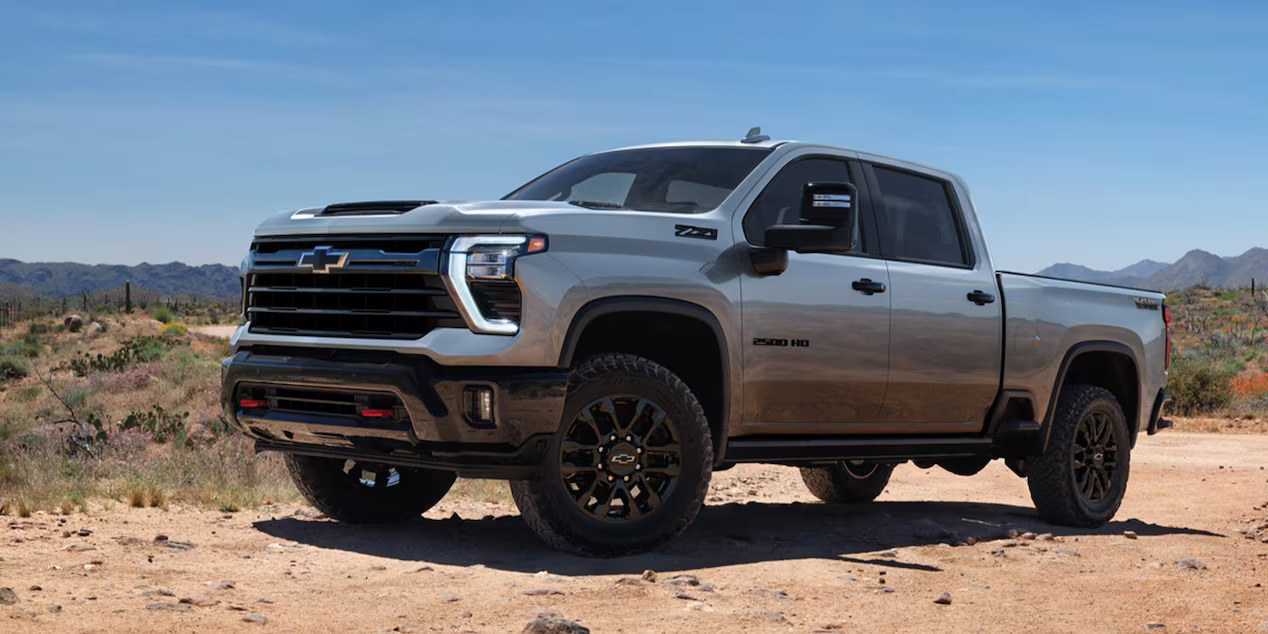
3. Chevrolet Silverado 2500HD/3500HD (Duramax Diesel)
The Chevrolet Silverado 2500HD and 3500HD, especially in configurations equipped with the 6.6-liter Duramax diesel engine, are among the most respected long-haul work trucks in North America. First introduced in the early 2000s and continuously refined since, the Duramax engine has earned a reputation for incredible torque, smooth performance, and bulletproof durability.
Variants like the LML (2011–2016) and L5P (2017–present) have addressed earlier emission-related issues and now routinely push past 300,000 miles in demanding applications. These engines feature strong cast-iron blocks, forged steel crankshafts, and advanced direct-injection systems, making them ideal for high-load, long-distance work such as hauling livestock, equipment, or heavy trailers.
A major factor in the Silverado HD’s durability is its transmission pairing with the Allison 1000 or 10L1000 automatic transmission. This is a world-class gearbox engineered specifically for heavy-duty tasks. Unlike transmissions in lighter trucks, the Allison is built with large clutches, a robust torque converter, and heavy-duty cooling systems, which make it capable of handling enormous torque loads without overheating or prematurely wearing out.
The synergy between the Duramax engine and Allison transmission is often described as “flawless” by long-time users, and the combination has earned praise from both fleet operators and independent contractors alike.
In terms of chassis and towing infrastructure, the Silverado HD lineup features a reinforced high-strength steel frame and advanced suspension setups that include heavy-duty torsion bars in the front and multi-leaf springs in the rear. These structural enhancements give it a high payload capacity—up to 7,000 pounds—and a towing capacity of over 20,000 pounds when properly equipped.
The integrated trailer brake controller, trailer sway control, and available fifth-wheel prep package make the Silverado especially adept for people who use their truck daily for towing. These aren’t numbers inflated for brochures—they hold up in real-world construction, ranching, and industrial use cases where the truck is under constant stress.
Inside the cab, Chevrolet has done an excellent job of balancing comfort with long-term resilience. Base trims feature hard-wearing materials, rubberized floors, and utilitarian controls meant for use with gloved hands, while higher trims offer the creature comforts of leather, infotainment, and climate control. Importantly, no matter the trim level, Silverado HD interiors are built to last.
The upholstery, dashboard materials, and switchgear resist wear even after years of dirt, grease, and tools being thrown across the cabin. This makes the truck just as suitable for field use as it is for management-level fleet supervisors who also want comfort.
Perhaps one of the Silverado’s greatest long-term advantages is the availability of parts and the extensive service network. Because GM trucks have been widely used across North America for decades, finding parts—even in rural areas—is rarely a problem.
Furthermore, many mechanics are trained to work on Duramax engines, and maintenance is straightforward for those familiar with diesel powertrains.
If there’s any downside, it’s that older models suffered from emissions equipment issues (EGR, DPF), but these have largely been resolved in more recent models. For those willing to keep up with maintenance and stick to service schedules, the Silverado HD is a heavy-duty truck that can deliver 300,000 miles of dependable performance—and then some.
4. Ram 2500/3500 Cummins Diesel
The Ram Heavy Duty lineup, especially the 2500 and 3500 models equipped with the 6.7-liter Cummins turbo diesel, has become iconic for one simple reason: durability. The Cummins engine has long been a favorite among diesel enthusiasts, and for good reason.
Originally designed for agricultural and industrial applications, this inline-six engine is built like a tank. It features a cast-iron block, forged steel internals, and a massive turbocharger that delivers torque from very low RPMs—ideal for towing and load-pulling duties. In properly maintained models, the Cummins engine is known to easily exceed 400,000 miles, with some owners reporting over half a million miles on the original powertrain.
What sets the Ram apart is the engine’s design as an inline-six diesel, which is fundamentally different from the V8 configurations used by Ford and GM. Inline-six engines are inherently balanced, which reduces internal wear and improves long-term engine health.
Cummins has taken full advantage of this by designing an engine that can idle for long periods, take on constant heavy loads, and still perform under stress. Whether you’re hauling gravel, towing a mobile home, or operating in sub-zero temperatures, the Cummins doesn’t flinch. It’s built with the expectation that it will be used hard—and for a long time.
Another significant factor in the Ram’s longevity is the transmission pairing, particularly in models equipped with the Aisin 6-speed automatic. While earlier 68RFE transmissions had some issues, the Aisin gearbox is designed specifically for commercial-grade duty.
It features a strong torque converter, heavy-duty clutches, and advanced thermal management. Together, the Cummins-Aisin combo provides a drivetrain that can tow up to 35,000 pounds in a properly equipped Ram 3500—numbers that are not only impressive but sustainable over years of use. The 3500’s dual-rear-wheel (DRW) configuration also adds to its load stability, making it ideal for contractors and haulers.
The suspension and frame on Ram HD trucks are built to handle punishment. With coil springs in the rear for 2500 models (for ride comfort) and traditional leaf springs in the 3500 (for load capacity), buyers can tailor their truck to their needs. Frame reinforcements and available air suspension in newer models further enhance durability and adaptability.
On construction sites, farms, and oil fields, Ram HD trucks have proven their worth, staying in commission long after lighter trucks have retired due to drivetrain or chassis fatigue.
Lastly, the owner community and aftermarket support for Cummins-powered Rams is massive. From upgraded turbo kits and air intake systems to reinforced steering components and utility beds, the aftermarket world treats these trucks as a blank canvas for real work.
The community of long-haul owners is also vocal and organized, providing forums and guides for maintaining your Cummins well past 300,000 miles. Combined with a rugged, classic aesthetic and increasing levels of cabin refinement in modern models, the Ram HD with a Cummins is a truck that’s engineered not just to last, but to thrive in the most demanding work conditions.
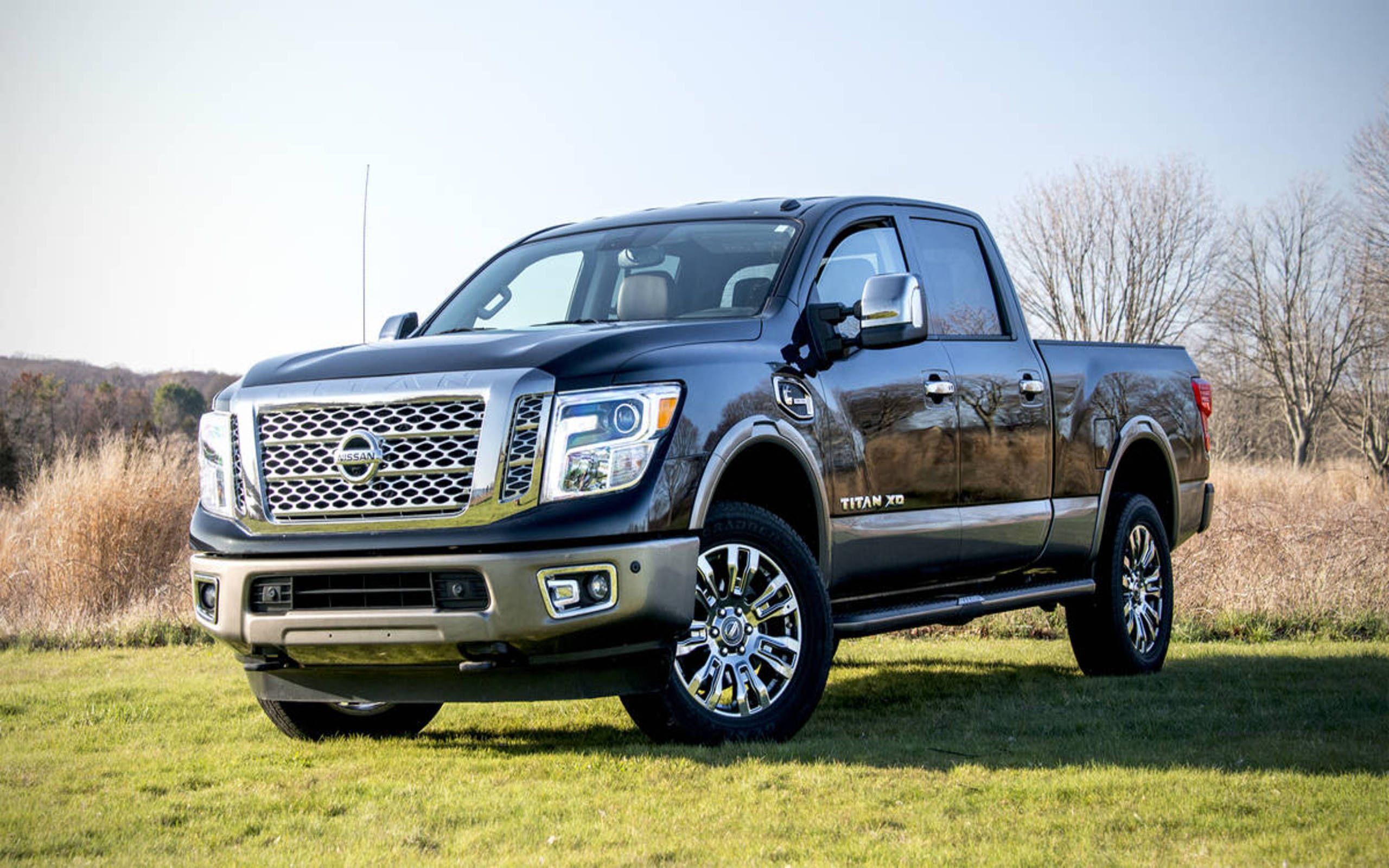
5. Nissan Titan XD (Diesel, 2016–2019)
While the Nissan Titan XD may not enjoy the same level of popularity as its American counterparts, it deserves recognition for punching above its weight, particularly in the 2016–2019 diesel models powered by the 5.0-liter Cummins V8. Nissan took a bold step by positioning the Titan XD in a “tweener” category—not quite a half-ton, not quite a three-quarter-ton.
The result was a unique truck that delivered respectable towing performance (up to 12,300 pounds) with a powertrain built to last. While Nissan has since discontinued the diesel variant, owners of the 5.0L Cummins Titan XD continue to report high mileage with minimal mechanical issues. The Cummins heritage alone lends credibility to its potential to exceed 300,000 miles under the right care regimen.
The 5.0-liter V8 Cummins engine, though smaller than the inline-six used in Ram trucks, is impressively durable. It uses a compacted graphite iron block, aluminum cylinder heads, and a variable geometry turbocharger—all elements typically found in commercial-grade engines.
This engine is known for being under-stressed, meaning it doesn’t need to work at redline RPMs to get the job done. The result is less internal wear and more consistent long-term performance. Unlike some experimental diesels that failed early, this one has proven to be a solid performer when treated with regular oil changes and fuel system maintenance.
The Titan XD also benefits from a reinforced frame and upgraded suspension, making it more suitable for work than the standard half-ton Titan. Nissan collaborated with commercial chassis engineers to build a platform that could withstand daily hauling, light commercial towing, and long highway runs.
While the ride might be stiffer than a regular Titan, the added frame strength is a clear benefit to longevity. With standard 4WD options, available towing mirrors, integrated brake controllers, and heavy-duty cooling systems, the XD was clearly designed for those who needed just a bit more out of their truck, but without the size and fuel demands of a full HD rig.
Inside, the Titan XD is surprisingly well-built, with interiors that balance comfort with functionality. Switchgear, seats, and dash components are all tightly assembled, and the infotainment system—though not class-leading—works reliably even in rough conditions.
Work truck versions are easy to clean and don’t fall apart like cheaper competitors. Furthermore, the cabin insulation is excellent, reducing fatigue on long hauls or loud job sites. All of this contributes to the Titan XD’s underrated value as a long-term, reliable vehicle for working professionals.
Though no longer in production, the Titan XD diesel continues to build a cult following among those who appreciate its blend of reliability, work-readiness, and manageable size. It may not have sold in the volumes of its Big Three rivals, but that exclusivity hasn’t stopped it from hitting 200,000–300,000 miles in fleets and private ownership.
For those who want a truck that sits in the middle of light-duty ease and heavy-duty muscle, the Nissan Titan XD (with the Cummins diesel) offers one of the most compelling, underappreciated long-haul packages on the used truck market.
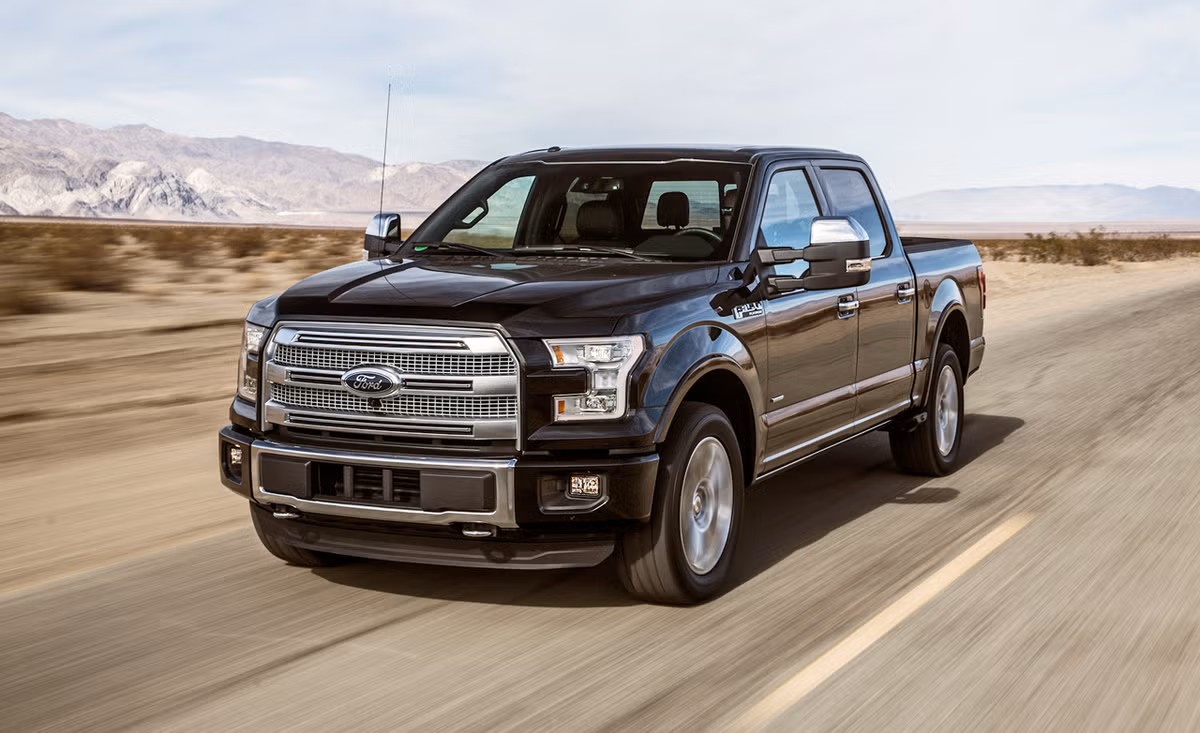
1. Ford F-150 EcoBoost (3.5L Twin-Turbo)
On paper, the Ford F-150 EcoBoost sounds like a game-changing solution. It promises the power of a V8 with the fuel economy of a V6, thanks to its twin-turbocharged 3.5-liter V6 engine. And in many respects, for light-duty use and suburban towing, it delivers exactly that.
But in the demanding world of heavy work, long miles, and frequent towing, this engine’s weaknesses start to show. The complex turbocharging system, combined with direct injection and high-pressure fuel systems, introduces many potential failure points.
Over time, heat stress, carbon buildup, and turbocharger wear can significantly reduce reliability. For trucks pushed to tow heavy loads daily or operate in extreme conditions, the EcoBoost often becomes a maintenance headache well before hitting 200,000 miles.
The turbochargers are a known Achilles’ heel, particularly in early EcoBoost models (2011–2014). While Ford has made improvements over the years, the fundamental problem remains: turbos generate significant heat and pressure. Under constant towing or when driving in mountainous terrain, the cooling system can struggle to keep up.
Turbo failure isn’t just inconvenient—it’s expensive. Many owners have reported having to replace turbos, intercoolers, or even full engines after prolonged hard use. These are not isolated incidents. Across forums, mechanics, and real-world users, a pattern emerges: the EcoBoost is impressive when new but too complex to be a true long-term workhorse.
Another recurring issue involves carbon buildup inside the intake valves, a side effect of direct injection engines that don’t use fuel to wash the valves. Over time, this can lead to performance loss, misfires, or complete engine failure unless the owner invests in regular cleaning procedures.
This may not be a concern for the average commuter, but it becomes a major liability for commercial or fleet users who depend on consistent, uninterrupted performance. The 3.5L EcoBoost engine, while advanced, just isn’t suited for environments where engine simplicity and ruggedness are critical.
Even outside the powertrain, the F-150’s lighter-duty frame and suspension components show signs of strain when pushed beyond their limits. Unlike its Super Duty siblings, the F-150 is a half-ton truck built with weight savings in mind. This makes it more fuel-efficient but also less equipped to handle continuous payload stress.
Tie-down mounts, bed supports, and even rear leaf springs have been reported to fatigue or fail prematurely under constant load. This makes it a poor candidate for contractors, landscapers, or tradesmen who load up every single day.
In the end, the Ford F-150 EcoBoost is a powerful, high-tech truck better suited for occasional work than consistent labor. It may excel as a weekend warrior or commuter with light towing needs, but in environments where miles stack up fast and every component is pushed hard, its weaknesses become painfully clear.
If you need a truck to last 300,000 miles under heavy strain, the EcoBoost is more likely to become a financial drain than a dependable partner.
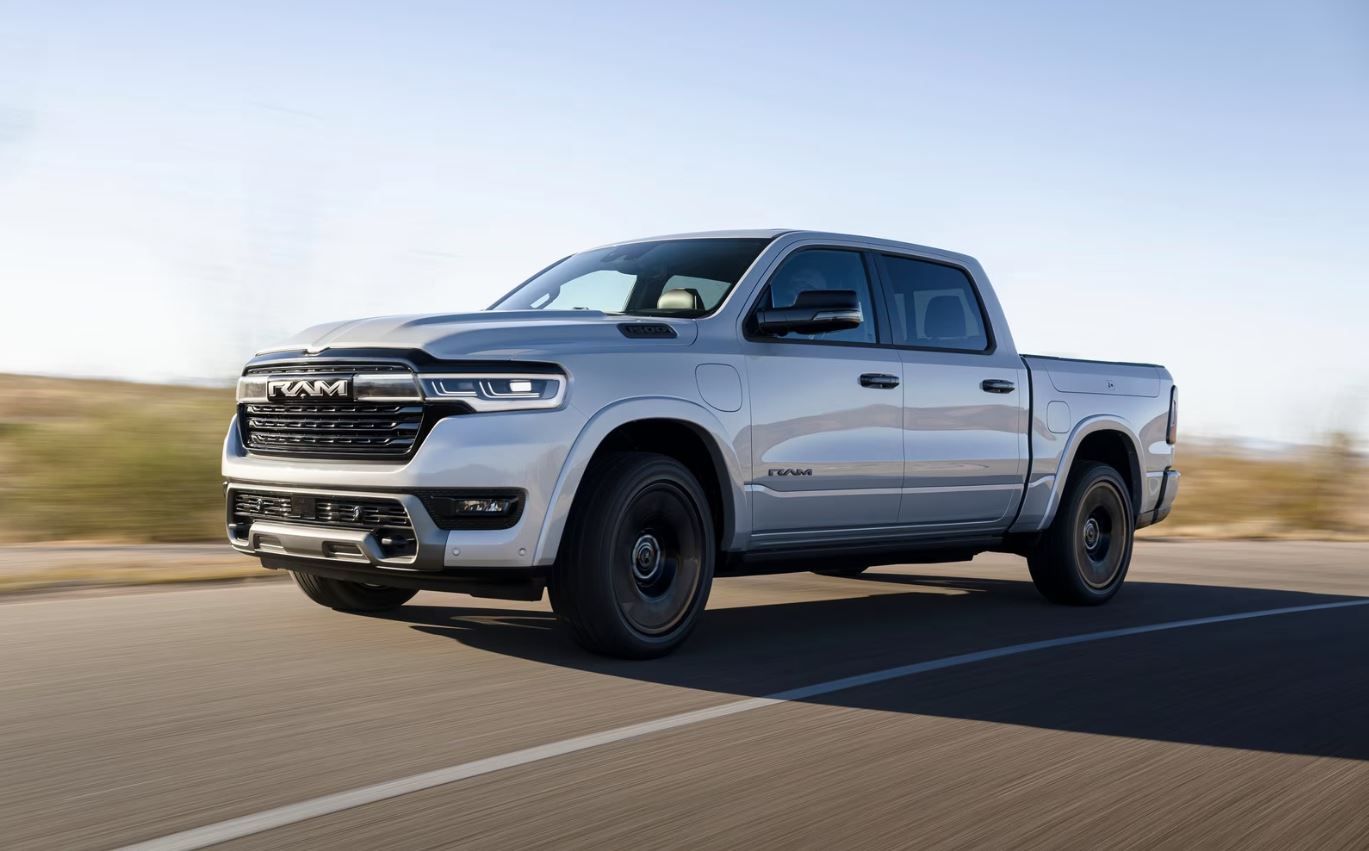
2. Ram 1500 EcoDiesel (3.0L V6)
The Ram 1500 EcoDiesel, introduced with high hopes and promising efficiency combined with torque, was seen as a revolution in light-duty diesel trucks. With its 3.0-liter V6 turbo diesel engine developed by VM Motori, it gave buyers the allure of 28+ mpg on the highway and strong towing figures.
Unfortunately, what seemed promising in theory turned out to be a high-maintenance, fragile engine under real-world, work-intensive conditions. The EcoDiesel’s biggest flaw is its susceptibility to expensive, catastrophic failures well before reaching the 200,000-mile mark, let alone 300,000. Multiple class-action lawsuits and recalls have since tarnished its legacy.
At the heart of the issue is the engine’s emissions equipment, which includes a diesel particulate filter (DPF), EGR system, and selective catalytic reduction (SCR). These components are sensitive to heat cycles, low-grade fuel, and improper driving conditions.
In work environments where idling is frequent or short trips prevent proper DPF regeneration, these systems can clog or malfunction, leading to performance loss or complete engine shutdown.
Repairing or replacing these components is costly—often thousands of dollars—and failures frequently occur outside warranty coverage. The promise of diesel durability is undermined by these complex, failure-prone emissions systems.
Another major concern is oil contamination and bearing wear, especially in earlier model years. A poor oil circulation design led to metal shavings damaging the engine’s bearings, causing knocking sounds and, eventually, engine seizure. These issues often came without warning and were devastating for those who relied on the truck for work.
Even when maintained meticulously, the EcoDiesel powerplant simply doesn’t handle the abuse that work-duty trucks endure—extended idling, towing heavy loads, and frequent stop-and-go use all exacerbate its weaknesses.
Beyond the engine, the Ram 1500’s lighter construction and front-end components aren’t built to the same standard as the HD lineup. Control arms, ball joints, and bushings tend to wear quickly under regular work-related stress.
Combine that with the complexity of the 8-speed automatic transmission and its sensitivity to fluid conditions, and you’re looking at a truck that requires constant attention to stay reliable. While it may ride smoothly and provide a quiet cabin, those perks quickly fade when faced with real working conditions.
The Ram 1500 EcoDiesel ultimately falls into the trap of being too sophisticated and too delicate for the workhorse category. It tries to combine efficiency, emissions compliance, and capability into a small diesel package, but the execution fails under pressure. For those expecting long-term, hard-wearing reliability, the EcoDiesel is more likely to leave you stranded or bankrupt than carry you beyond 300,000 miles.
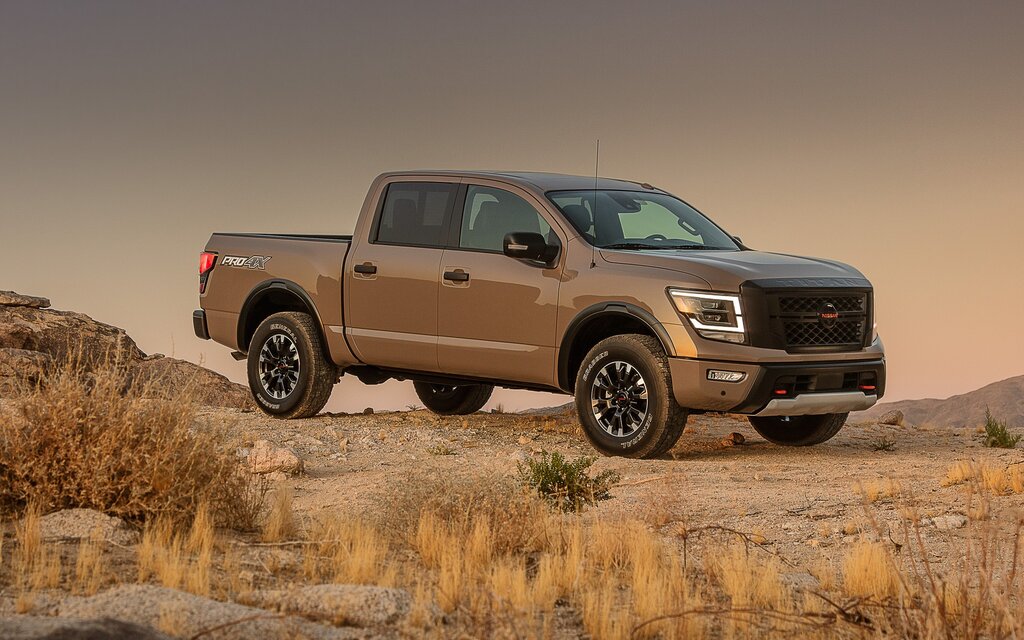
3. Nissan Titan (Gas V8, 2004–2015)
The first-generation Nissan Titan had noble intentions—it aimed to offer a Japanese alternative to Detroit’s truck dominance. Powered by a 5.6-liter Endurance V8, the Titan was initially praised for its strong acceleration and unique styling.
However, as the years and miles added up, its flaws became hard to ignore, especially for owners who expected work-truck reliability. From transmission failures to rear axle issues, the Titan proved to be a truck that aged poorly under real job-site conditions, with many models struggling to surpass 200,000 miles without major component failures.
One of the most common issues is the rear axle and differential failures, which became notorious in the Titan’s early production years. Many trucks suffered from seal leaks, gear wear, and complete axle destruction under towing loads that were supposedly within factory specs.
Nissan never fully addressed these problems in a consistent way, and replacement parts were expensive and hard to find. For contractors or haulers relying on the Titan day in and day out, the cost of rear-end repairs often outweighed the value of keeping the truck on the road.
Transmission issues were also prevalent. The 5-speed automatic transmission used in earlier models was not up to the task of heavy use. Overheating, delayed shifting, and torque converter failures plagued the Titan as it aged. Without an available heavy-duty transmission option, the Titan lacked the stamina needed for high-mileage commercial use.
While it performed fine for occasional hauling or light-duty towing, continuous use often led to breakdowns, rebuilds, or complete replacement, expensive and inconvenient for work truck users.
Adding to the problem was the lack of a commercial-grade suspension and frame. While the Titan was built to half-ton standards, its components weren’t robust enough to handle years of payload stress. Ball joints, shocks, control arms, and brake components wore out quickly, especially in fleet applications or when frequently loaded near max capacity. The frame itself, though not prone to rust like some competitors, lacked the rigidity needed to inspire confidence during long hauls or off-road work scenarios.
Ultimately, the Nissan Titan of this era couldn’t compete with its domestic rivals when it came to longevity under duress. While the engine itself was fairly robust, the supporting systems—transmission, axle, suspension—simply weren’t up to the demands of tradesmen, contractors, and field workers who push their trucks every single day.
For a vehicle to reach 300,000 miles in a working environment, every component has to hold up, not just the engine. Unfortunately, the Titan was never built with that level of consistency.
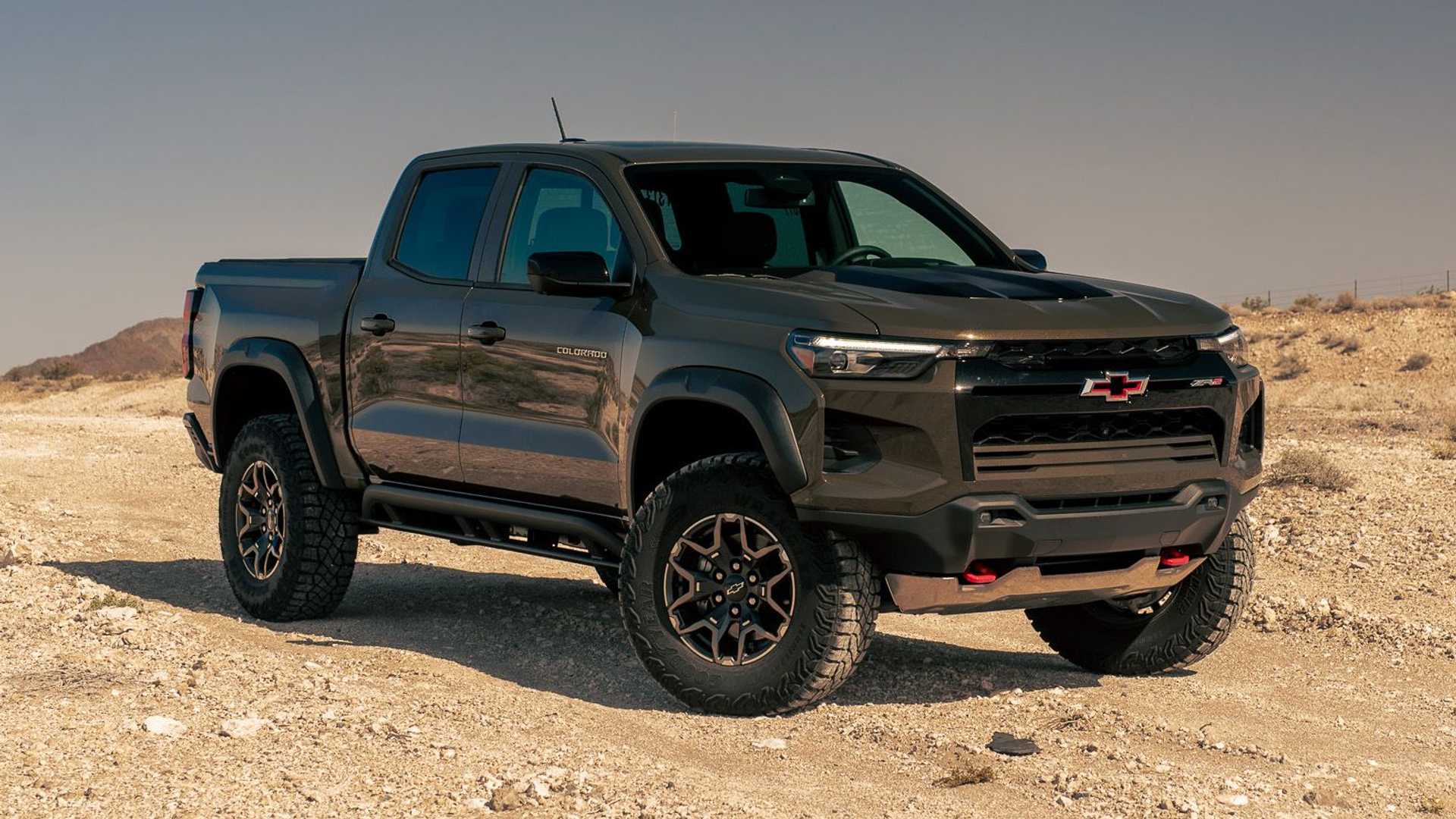
4. Chevrolet Colorado/GMC Canyon (Gas I4 and V6, 2015–2022)
The Chevrolet Colorado and GMC Canyon—GM’s midsize twins—were celebrated upon their return in 2015 for modernizing the segment with better fuel economy, fresh interiors, and improved towing over previous compact trucks.
However, despite their appeal to casual buyers, these midsize trucks have repeatedly fallen short in hard-use, high-mileage environments, especially when pushed beyond light hauling or everyday commuting.
The standard 2.5L inline-four and 3.6L V6 engines, while adequate in most scenarios, lack the long-haul toughness and overbuilt durability needed for real work-duty cycles. When pressed into service in commercial fleets, rural settings, or heavy weekend warrior usage, these trucks tend to develop expensive and chronic issues well before 200,000 miles.
One key limitation is the drivetrain’s inability to cope with sustained towing or payloads near maximum capacity. The Colorado and Canyon may be rated to tow up to 7,000 pounds with the V6 and 3.6L LGZ engine, but doing so regularly puts significant strain on their relatively light-duty frames and cooling systems.
Owners have reported overheating, power loss, and even cracked heads or cylinder failures under such conditions. The 8-speed automatic transmission, introduced in later models, has also garnered criticism for rough shifting, torque converter shudder, and fluid breakdown—issues that become especially problematic when the truck is worked hard regularly.
The suspension and chassis components are also underbuilt for anything beyond occasional work. Control arms, tie rods, and even engine mounts have been known to wear prematurely in vehicles used on construction sites or in rugged terrain. The leaf springs in the rear can flatten under constant weight, leading to poor ride quality and unsafe handling.
Simply put, these trucks lack the undercarriage toughness that professionals need for everyday hauling. Even owners who only load the bed with tools or materials regularly begin to notice creaks, frame flex, and suspension fatigue long before the odometer hits six figures.
Interior durability is another soft point. While the cabins initially feel modern and comfortable, many owners have reported premature wear on seat fabric, dash materials, and interior trim, especially in work settings where dust, mud, and gear are part of daily life.
The infotainment systems, though high-tech, can become glitchy with age, and electrical gremlins affecting the gauges, sensors, and backup cameras aren’t uncommon. For a fleet truck or a daily driver on rough backroads, these electronic failures can be particularly disruptive.
While the Colorado and Canyon offer a better-than-average ride and technology for midsize buyers, they are better suited for lifestyle use than for heavy labor. They simply lack the backbone to serve as workhorses over the long term.
For homeowners hauling mulch on weekends or commuters who occasionally tow a jet ski, these trucks make sense. But for real work—consistent towing, hauling, and high-mileage durability—they just don’t go the distance, and expecting them to reach 300,000 miles without major investment is wishful thinking at best.
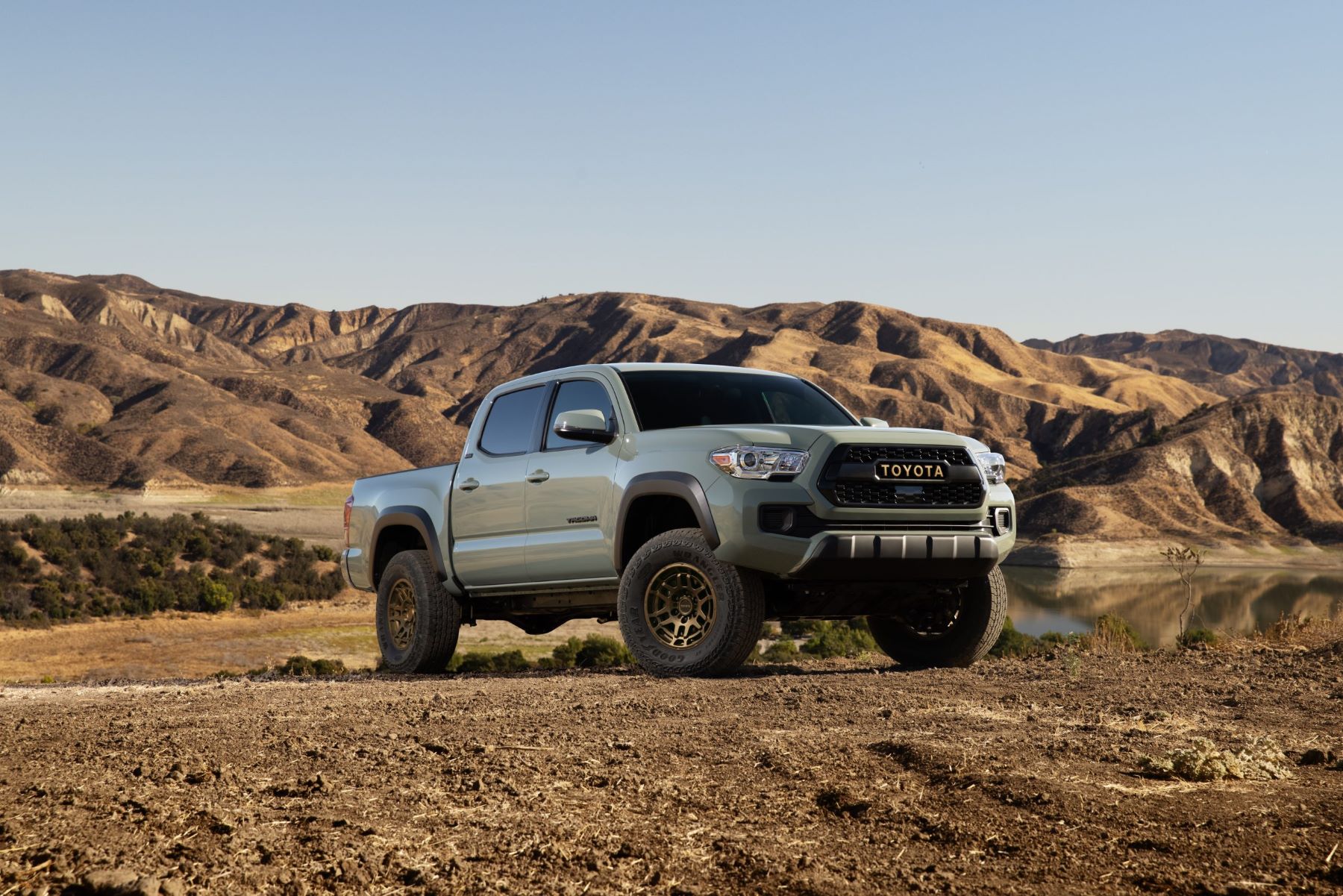
5. Toyota Tacoma (2016–2023, V6)
The Toyota Tacoma has a legendary reputation for reliability, and to be fair, much of that reputation is well-earned. Its 4.0L V6 (in older models) and later 3.5L V6 engines are known to go the distance under personal-use conditions, and the truck as a whole resists rust and holds its resale value like gold.
But when it comes to actual work-truck performance under heavy use, the modern Tacoma begins to falter. The issue isn’t engine failure, but rather the truck’s inability to handle serious loads, regular towing, or extended miles without frustrating limitations. The Tacoma is a reliable personal-use truck—but not a true workhorse.
One of the most glaring limitations is payload and towing capacity. With a maximum towing rating hovering around 6,800 pounds (and real-world performance often far less), the Tacoma simply doesn’t have the muscle for substantial trailer work. Worse, its payload capacity in many trims is under 1,200 pounds—meaning just a few tools, passengers, and some cargo can max it out.
Contractors and field techs quickly find themselves in overloaded situations even when not trying to push the limits. Add in the truck’s narrow stance and relatively low curb weight, and it becomes clear that this isn’t a vehicle built for constant work duty.
The transmission calibration has also been a persistent source of complaint in post-2016 models. Owners frequently report gear-hunting, awkward downshifts, and delayed throttle response—especially under load. When towing or driving uphill, the truck often seems confused, holding high revs unnecessarily or failing to deliver torque where needed.
These issues not only hurt fuel economy but also wear out components faster. For a vehicle that’s expected to perform consistently in job environments, this kind of erratic behavior creates serious concerns about long-term reliability and drivability.
Cabin ergonomics and interior toughness also present issues. The seating position in newer Tacomas is notably cramped and uncomfortable, especially for taller drivers who spend hours behind the wheel. Interior materials, though attractive, don’t always hold up to job-site grime and equipment.
Thin seat cushioning, stiff ride quality, and minimal storage space mean that using the Tacoma as a mobile office or field base isn’t just inconvenient—it can be physically taxing. For the solo weekend adventurer, that’s one thing; for a work crew, it’s unacceptable.
Despite its strong engine and Toyota’s brand strength, the Tacoma ends up being a limited-use vehicle when it comes to long-term, heavy-duty work. Its chassis simply isn’t beefy enough to sustain commercial-grade demands over 300,000 miles, and its design prioritizes off-road hobbyists over working professionals.
It’s a reliable commuter and a fantastic platform for modification, but as a dedicated work truck, the Tacoma is overrated. It’ll likely run forever—but not while pulling a trailer or carrying a full load every day.
Also Read: 5 Cars With Dealer Service Records Only for Oil and 5 With Constant Repairs
After digging into the details of 10 different trucks—five that consistently deliver 300,000 miles under pressure, and five that stumble before they reach the finish line—one thing is clear: durability isn’t about luck. It’s about deliberate design, tested powertrains, and a no-nonsense approach to work.
In the modern truck market, where features and tech often overshadow function, it’s easy to get distracted by marketing hype and flashy trim levels. But when your business, your reputation, or even your safety depends on your vehicle, real-world performance trumps everything else.
The trucks that make it to 300,000 miles with their dignity intact—like the Ford Super Duty diesels, the Toyota Tundra, and the Ram 3500 with the Cummins engine—all share common traits. They’re overbuilt where it matters, using forged internals, heavy-duty transmissions, and frames meant to take a beating.
They prioritize mechanical simplicity over trendy gimmicks. They’re designed with the understanding that some buyers don’t just drive their trucks—they rely on them as essential tools for earning a living. That’s why these trucks can operate in oil fields, job sites, remote ranches, or urban fleets for years without major failure. They’re made to last, because they were engineered to work.
On the other hand, the trucks that tend to fail—despite promising horsepower or MPG—reveal how much damage overengineering, emissions complexity, and light-duty construction can do when misapplied. Whether it’s the twin-turbo systems on the Ford F-150 EcoBoost, the fragile emissions equipment on the Ram EcoDiesel, or the weak rear axles of older Nissan Titans, these are not just quirks.
They’re signs that the truck wasn’t designed with sustained, real-world abuse in mind. Maybe they’re fine for commuting, maybe even weekend towing—but put them on a job site day after day, and their flaws come out fast.
What’s perhaps most dangerous is how deceptively capable these failing trucks can seem early in their life. The first 50,000 miles might be smooth. They tow great, ride comfortably, and boast tech-loaded cabins. But once the miles build up—and the work intensifies—hidden weaknesses start to surface.
And those weaknesses aren’t just inconvenient. They cost money. They mean downtime. They affect your reliability to clients and coworkers. And in some cases, they can even lead to serious mechanical failures that render the truck unusable or unsafe.
This is why it’s not enough to read spec sheets or compare test drive impressions. If your truck is going to be worked hard—every day, in all weather, on all terrain—you need to look deeper. You need to ask: How long will this engine really last?
Can the transmission handle full payloads over steep grades? What happens when this emissions system clogs or fails? How expensive are repairs at 200,000 miles? These questions aren’t hypothetical. They’re real-world filters for weeding out the pretenders and identifying the proven champions of high-mileage work.
At the end of the day, a true work truck earns its reputation, not its ratings. It shows up every morning, hauls without hesitation, and doesn’t flinch at hard jobs or long days. It’s more than reliable—it’s resilient. For those whose livelihoods depend on it, that kind of vehicle isn’t a luxury—it’s a necessity.
So while auto brands will continue pushing the latest tech or sleekest packages, the smart buyer knows what really counts: a truck that works when you do—and keeps working until the job is done.
In a world where 100,000 miles used to be considered “a lot,” we now expect our trucks to go twice as far, or more. But only a select few actually can. And now you know which ones make the cut.
