
In the world of commercial transportation and logistics, the choice of cargo van can make or break a business. For many enterprises, especially small to medium-sized ones, the cargo van isn’t just a vehicle — it’s an essential tool that powers daily operations, facilitates timely deliveries, and supports service calls that keep customers satisfied.
Selecting the right cargo van involves far more than picking the cheapest or flashiest option on the lot. Businesses must carefully weigh durability, reliability, maintenance costs, and overall lifespan. This decision directly impacts profitability, operational efficiency, and the ability to grow and adapt in increasingly competitive markets.
One of the most critical benchmarks for evaluating a cargo van’s viability as a workhorse is its ability to endure high mileage without significant breakdowns or expensive repairs. Many businesses require vehicles that can comfortably surpass 200,000 miles while still performing reliably day in and day out.
Surviving that kind of wear and tear is a testament to solid engineering, high-quality materials, and thoughtful design that accounts for the harsh realities of commercial use — frequent stops, heavy loads, long hours, and less-than-ideal road conditions.
However, not all cargo vans are created equal. While some models have developed reputations as bulletproof work vehicles capable of surviving hundreds of thousands of miles with minimal fuss, others struggle to meet the demands of sustained commercial use and often fall short, requiring frequent repairs or premature replacement.
This disparity highlights the importance of understanding the specific strengths and weaknesses of various cargo vans before making an investment that could impact a business’s bottom line for years.
The vans that survive past 200,000 miles typically feature robust powertrains, reinforced chassis, and reliable suspension systems designed to withstand continuous abuse. They also tend to benefit from extensive manufacturer support and a broad network of affordable, readily available replacement parts, which help keep maintenance manageable.
Conversely, vans that fail to handle wear often suffer from underpowered engines, fragile frames, or complex mechanical systems prone to early failure, resulting in costly downtime and increased maintenance expenses.
This article aims to provide a comprehensive overview of these contrasting groups by spotlighting five cargo vans known for their durability and longevity, as well as five that commonly struggle with wear and mechanical issues.
The goal is to equip fleet managers, business owners, and vehicle buyers with the insights they need to make informed decisions that align with their operational needs, budget constraints, and long-term goals.
Understanding these differences goes beyond just raw specs or sales pitches; it involves examining real-world performance, owner feedback, repair histories, and manufacturer reputations.
For example, larger vans like the Ford Transit and Mercedes-Benz Sprinter have often demonstrated exceptional durability in high-mileage scenarios, whereas smaller urban vans like the Nissan NV200 and Chevrolet City Express tend to fall short when pushed beyond their intended light-duty roles.
Moreover, the rise of urban delivery services, mobile workshops, and on-demand logistics has increased the demand for vans that can deliver reliably in stop-and-go traffic, tight city streets, and under load.
This trend has pushed some manufacturers to design vans specifically with these challenges in mind, while others have relied on adapting existing platforms without fully addressing commercial use stresses.
In summary, selecting a cargo van that can handle the rigors of commercial use and consistently achieve high mileage is crucial for minimizing the total cost of ownership, avoiding frequent breakdowns, and ensuring smooth business operations.
Whether you are a fleet manager balancing large vehicle investments or an independent contractor searching for a dependable daily driver, understanding which vans excel and which ones falter under pressure will empower you to choose wisely and avoid costly mistakes.
The following sections delve deeply into these two contrasting categories — those cargo vans that survive the grind and those that often buckle under the strain — shedding light on what to expect, what to avoid, and why these differences matter so much.
Also Read: 5 Cars With Reliable Infotainment Systems and 5 That Glitch Nonstop
5 Cargo Vans That Survive 200,000 Miles

1. Ford Transit
The Ford Transit stands out as one of the most dependable cargo vans in the modern market, widely recognized for its remarkable ability to endure high mileage while maintaining strong performance. One of the primary reasons the Transit manages to cross the 200,000-mile threshold with relative ease is the durability and versatility of its engine lineup.
The 3.5L EcoBoost V6 engine, in particular, is praised for its blend of power and efficiency, offering turbocharged boost that allows the vehicle to haul heavy loads without straining the engine excessively.
Additionally, the naturally aspirated 3.5L V6 option provides a simpler, less complex engine choice that, when paired with regular maintenance, is known to run reliably for hundreds of thousands of miles.
Ford’s continuous improvements over the years in engine cooling, fuel injection systems, and turbocharger durability have enhanced the overall lifespan of these powertrains, allowing fleets to depend on their Transits for long stretches of daily use.
The Transit’s drivetrain is designed for robustness, with strong transmissions and well-calibrated differentials that prevent early wear, especially important when handling heavy cargo and frequent stop-and-go driving typical in delivery services.
Beyond its engines, the Ford Transit benefits from a modular design philosophy that simplifies repair and maintenance tasks. Mechanics and fleet operators often highlight how accessible engine components are, which minimizes labor time and repair costs.
In the commercial vehicle world, this translates directly to reduced downtime—a crucial factor for businesses reliant on their vans for continuous operations.
The widespread availability of parts and the extensive Ford service network further support this longevity, ensuring that any needed repairs can be completed quickly and affordably. The van’s suspension system, designed to absorb the shocks from loaded hauling and rough roads, also contributes to its durability.
Components such as heavy-duty springs and reinforced stabilizer bars help maintain ride quality and structural integrity over time, even under frequent heavy use.
Moreover, the Transit’s frame and body construction incorporate corrosion-resistant materials and coatings, a critical consideration for vans operating in harsh weather or winter salt environments, which can accelerate rust and structural degradation.
Many businesses in trades like plumbing, electrical, HVAC, and parcel delivery have reported Transits comfortably hitting 200,000 miles or more, a testament to the van’s real-world durability. This van also supports a wide range of configurations and upfits, allowing companies to customize it for their specific operational needs without sacrificing reliability.
Its spacious interior and ergonomic cabin design provide comfort for drivers who spend long hours on the road, reducing fatigue and the potential for accidents that can contribute to wear and tear.
Ford’s investment in driver-assist technologies, including lane-keeping assist and adaptive cruise control on newer models, also enhances safety and operational efficiency, indirectly promoting longevity by encouraging smoother, less stressful driving habits.
All these factors combine to make the Ford Transit a versatile, long-lasting workhorse, respected in the commercial vehicle sector for consistently delivering reliable service across thousands of miles.
Another significant advantage of the Ford Transit is its impressive resale value, which reflects the market’s confidence in its longevity. Vans that hold their value are often those known for durability and manageable maintenance costs.
For businesses, this means that investing in a Transit is not only beneficial for its operational life but also financially sound in terms of eventual trade-in or resale.
The Transit’s reputation is supported by robust warranties and extensive user testimonials, many praising its performance in demanding environments such as urban deliveries, construction sites, and utility work.
In sum, the Ford Transit’s blend of advanced engine technology, modular design, strong chassis, and driver comfort makes it a top contender in the market of cargo vans that can survive well beyond 200,000 miles without becoming a financial or operational burden.
2. Mercedes-Benz Sprinter
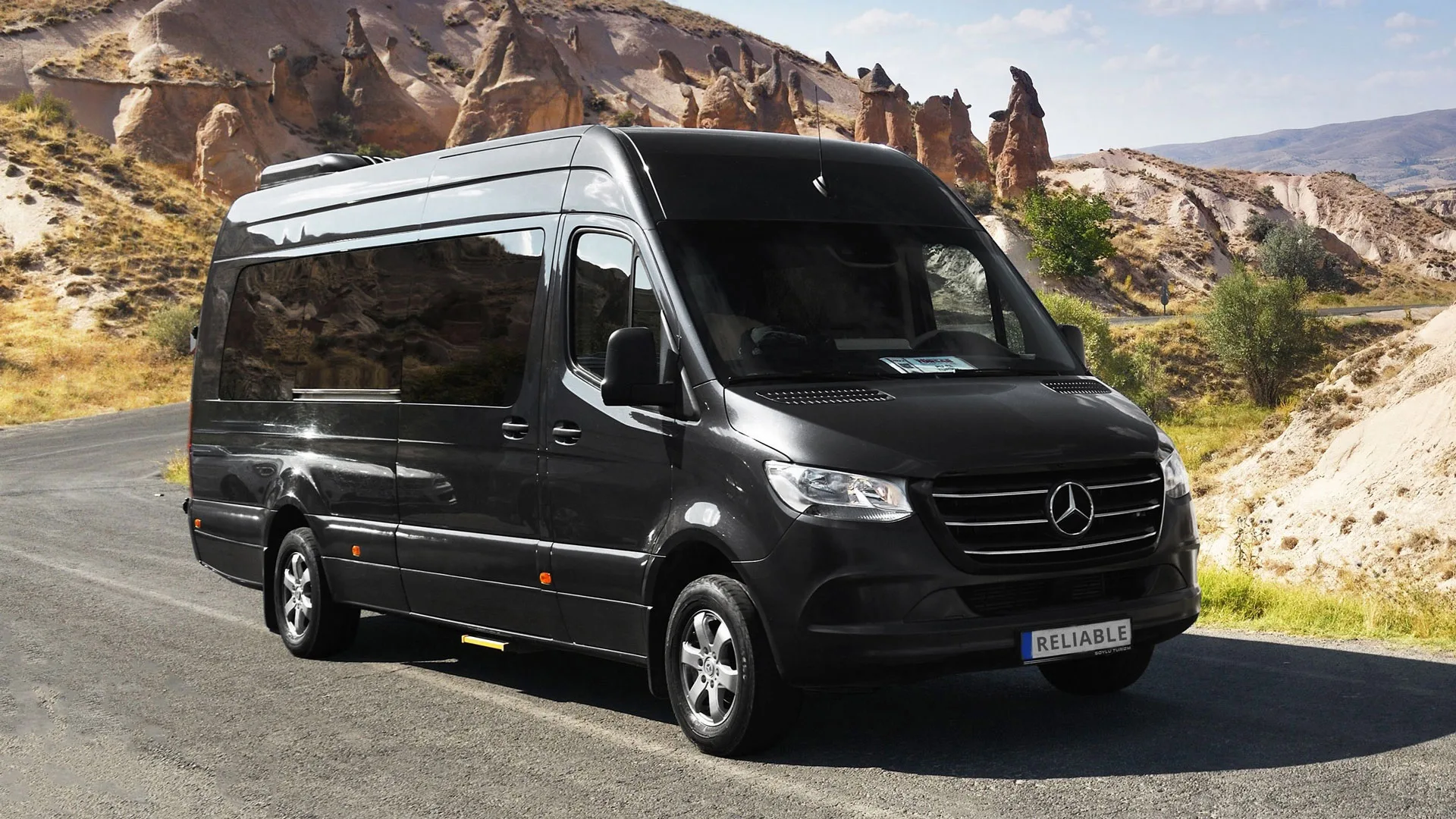
The Mercedes-Benz Sprinter has long been a symbol of premium engineering and unparalleled longevity in the commercial van segment, often favored by businesses that require a reliable vehicle capable of handling substantial mileage and challenging workloads.
A core reason the Sprinter routinely surpasses the 200,000-mile milestone lies in its powertrain options, most notably the turbocharged OM642 3.0L V6 diesel engine. This engine is renowned for producing substantial low-end torque, essential for hauling heavy loads while maintaining fuel efficiency and engine health.
The diesel engine’s design focuses on robust construction, including high-strength components, turbochargers built for endurance, and a fuel injection system engineered to optimize combustion and reduce wear.
Diesel engines are generally prized in commercial applications for their longevity, and the Sprinter’s diesel variants exemplify this, often logging many hundreds of thousands of miles when serviced meticulously.
Even gasoline-powered Sprinter models benefit from Mercedes’ precision engineering, featuring well-crafted engines with reinforced internals and advanced cooling systems designed to keep components running within optimal temperature ranges.
Beyond the powertrain, the Sprinter’s chassis is built to withstand severe stress. The vehicle features a reinforced ladder-frame construction paired with a durable suspension system designed to maintain ride quality and handling under heavy payloads and rough road conditions.
This robust frame resists twisting and flexing, which are common causes of premature van failures, especially in vehicles subjected to uneven or off-road surfaces. The suspension incorporates high-quality springs, shock absorbers, and anti-roll bars engineered for long-term performance, reducing metal fatigue and wear on critical components.
Additionally, Mercedes-Benz pays close attention to corrosion protection, using advanced coatings and treatments to preserve the structural integrity of the van in climates prone to moisture and road salt. This is vital for commercial vans expected to operate year-round in diverse environments. The Sprinter’s durable body panels and weather sealing also minimize water intrusion and rust, which helps prevent costly body repairs down the line.
The Sprinter’s interior and driver-focused technology also contribute indirectly to its longevity by promoting safer and more comfortable driving conditions. Features like adaptive cruise control, collision prevention assist, and stability control systems reduce the risk of accidents that can damage the vehicle and increase wear.
Moreover, the ergonomic layout, adjustable seating, and quiet cabin environment help drivers stay alert and reduce fatigue during long hauls. This attentiveness to driver experience ensures that vehicles are operated smoothly, which in turn prolongs mechanical components’ lifespans.
Mercedes-Benz’s commitment to quality extends to its maintenance plans and dealership support, offering comprehensive service packages that encourage timely preventive care. Although repair costs for the Sprinter can be higher than some competitors’, the investment pays off in terms of reliability, lower downtime, and extended vehicle life.
The Sprinter is widely favored in industries ranging from package delivery and logistics to specialty services like mobile medical clinics and high-end mobile workshops. These sectors often demand vans that can reliably travel vast distances with heavy equipment, making the Sprinter’s durability and versatile configurations invaluable.
Despite the premium price tag, the Sprinter’s long-term durability ensures that it remains a cost-effective choice over the lifespan of the vehicle. Its strong resale values and solid reputation for longevity continue to attract businesses looking for a dependable, high-capacity cargo van that won’t falter under the demands of tough, daily commercial use.
3. Chevrolet Express / GMC Savana
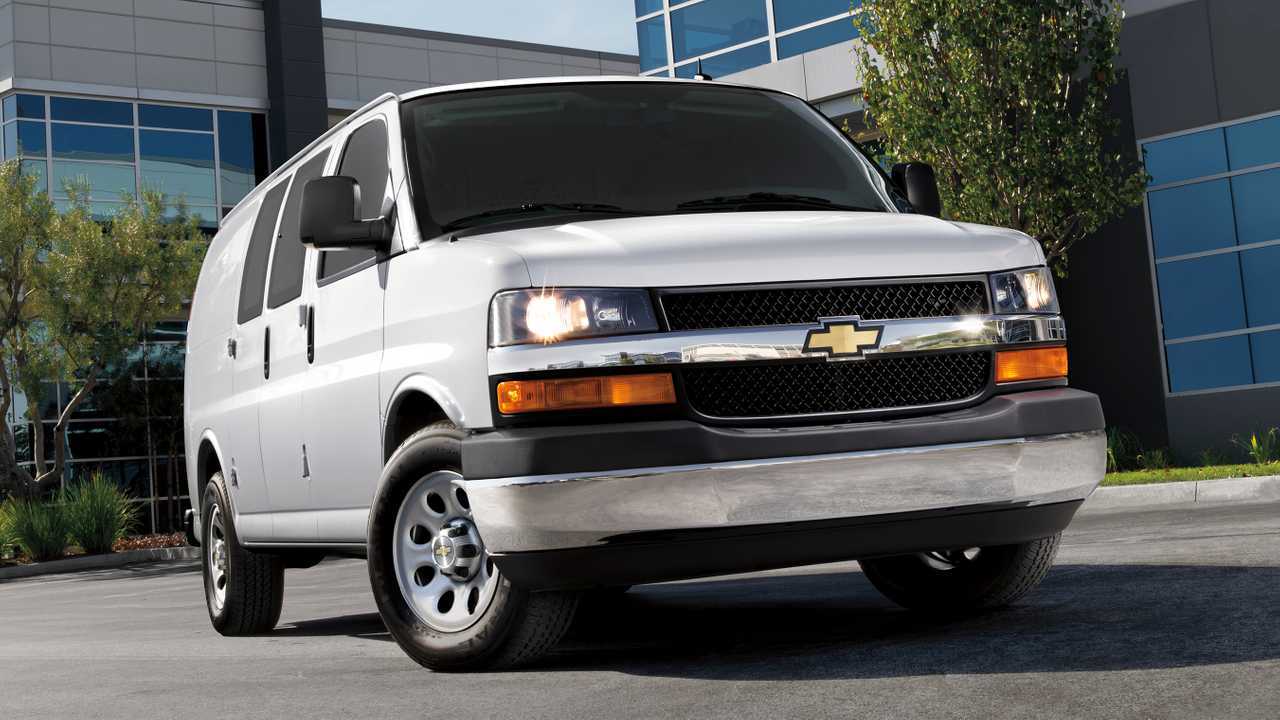
The Chevrolet Express and its sibling, the GMC Savana, are among the most enduring cargo vans on the road, thanks to a time-tested design philosophy that emphasizes ruggedness and mechanical simplicity.
Unlike many modern vans that favor unibody constructions, the Express and Savana employ a traditional body-on-frame chassis, which is inherently more robust when it comes to withstanding heavy loads, rough roads, and constant vibration.
This frame design distributes stress more evenly and reduces the risk of structural fatigue, allowing these vans to keep going well past the 200,000-mile mark. Their full-size dimensions also allow for powerful engine options, including the reliable 4.8L V8 and 6.0L V8 engines.
These powerplants are well-regarded for their durability, offering high torque and straightforward mechanical designs that enable easier repairs and long engine life. Unlike some newer engines loaded with complex electronics, these V8s use simpler fuel injection and ignition systems, which are often more forgiving and easier to maintain over the years.
The Chevrolet Express and GMC Savana also benefit from a straightforward mechanical layout that mechanics love. Engines, transmissions, and drivetrains are easily accessible, making repairs faster and often less expensive.
This ease of maintenance contributes significantly to the vans’ long lifespans, especially in commercial applications where downtime equates to lost revenue. Additionally, parts for these models are widely available and affordable, supported by General Motors’ extensive dealer and aftermarket networks.
Their suspension systems, built with heavy-duty components such as multi-leaf springs and solid axles, are designed to carry large payloads consistently without premature failure. This robust suspension design also absorbs shocks and vibrations effectively, helping to preserve chassis integrity and passenger comfort even after many miles of punishing use.
The Express and Savana have a reputation for being dependable workhorses in a wide variety of roles, from delivery services and utility companies to shuttle vans and conversion projects.
Their interiors might not be as modern or refined as some competitors, but they offer plenty of cargo space and configurable seating options, enabling businesses to tailor the van to their specific needs. This versatility, combined with mechanical reliability, ensures these vans continue to be a popular choice despite the introduction of newer models.
Their strong resale value and availability on the used market at reasonable prices also make them a favorite among small businesses and contractors who require a dependable vehicle without a steep price.
Finally, the Chevrolet Express and GMC Savana stand as testaments to the value of tried-and-true engineering. Their longevity is rooted in their simplicity and robustness, providing owners with vehicles that can endure demanding work environments and high mileage with minimal fuss.
This reliability makes them excellent investments for companies that prioritize vehicle uptime and cost-effective maintenance over flashy features or the latest technology.
4. Ram ProMaster
The Ram ProMaster has carved out a significant niche in the cargo van market by combining practical design elements with mechanical robustness, which has earned it a reputation for longevity, especially in urban delivery and trades industries.
Unlike many competitors, the ProMaster employs a front-wheel-drive layout, which provides some advantages that contribute to its durability. This configuration reduces drivetrain complexity and weight by eliminating the need for a long driveshaft and rear differential, resulting in less mechanical wear and fewer parts subject to failure.
The 3.6L Pentastar V6 engine powering the ProMaster is known for its smooth power delivery and reliability, benefiting from Chrysler’s decades of experience with this powerplant across multiple vehicle types.
The engine’s robust design, coupled with modern fuel injection and electronic management, ensures efficient operation with lower wear on critical components. Many operators have noted that the Pentastar engine can surpass the 200,000-mile milestone with routine maintenance, including regular oil changes, spark plug replacements, and transmission servicing.
The ProMaster’s design emphasizes ease of loading and unloading, with a low load floor and wide cargo door openings. This not only improves operational efficiency but also reduces the physical strain on drivers and the potential for damage during cargo handling.
The suspension system is specifically tuned to absorb the rigors of city streets and highways, helping protect the chassis and drivetrain from premature wear caused by potholes and rough pavement.
Heavy-duty coil springs and reliable shock absorbers provide a comfortable ride, which also helps minimize driver fatigue—a factor that can impact vehicle longevity indirectly. The ProMaster’s braking system is robust and designed for frequent stops common in delivery applications, with components that can endure substantial use without early failure.
Another factor contributing to the ProMaster’s durability is its shared parts architecture with other Chrysler vehicles, which ensures good parts availability and affordable maintenance costs.
This compatibility simplifies servicing and lowers the cost of ownership, making it easier for small and medium businesses to keep their vans on the road longer. Driver safety and convenience features, such as rearview cameras and electronic stability control, further promote safe vehicle operation, reducing the risk of accidents that can shorten a vehicle’s life.
Additionally, Ram offers several factory and aftermarket options for upfits and reinforcements, allowing companies to customize the ProMaster for their specific business needs without compromising the vehicle’s reliability.
In summary, the Ram ProMaster’s blend of front-wheel-drive simplicity, a proven engine, ergonomic design, and reliable suspension make it a resilient choice for businesses requiring a cargo van that can handle high mileage and the stresses of daily commercial use.
Its growing popularity among fleet operators is a testament to its ability to balance performance, cost-effectiveness, and longevity in a highly competitive market.
5. Nissan NV Cargo Van
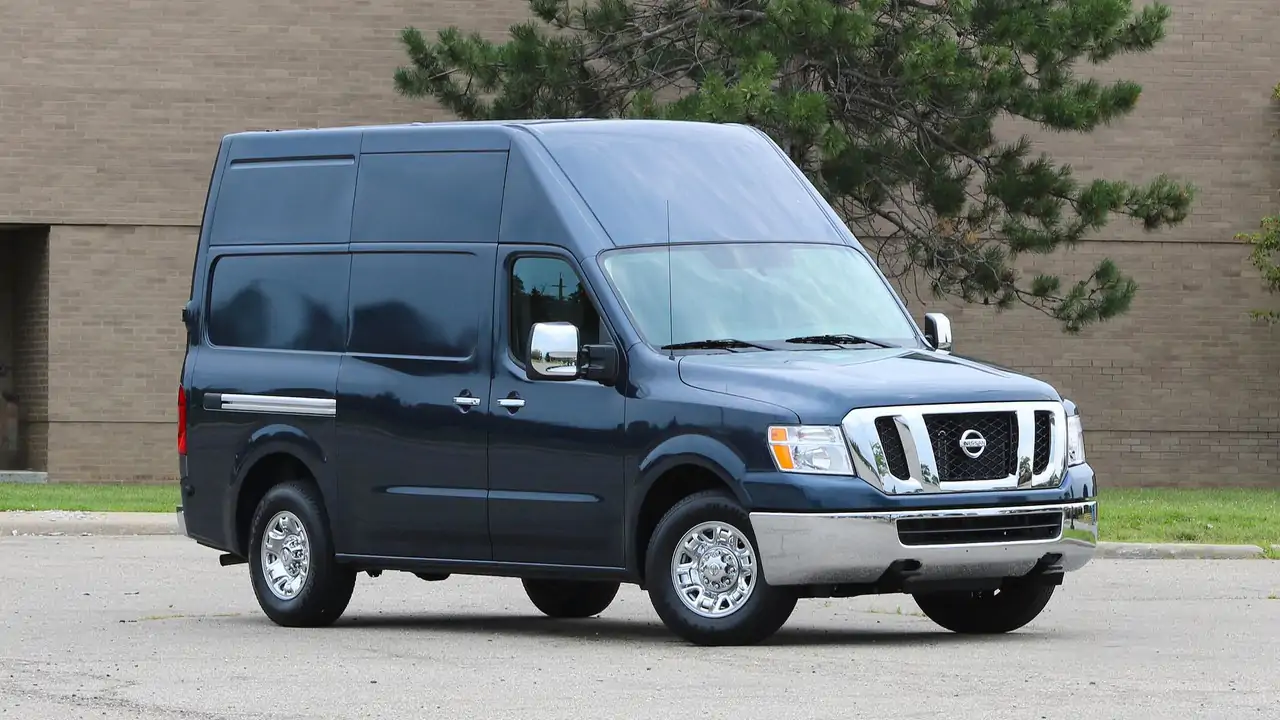
The Nissan NV cargo van is often overlooked in discussions about reliable work vans, yet it boasts a construction and drivetrain combination that lends itself well to durability and high-mileage endurance. Built on a full-size body-on-frame chassis, the NV benefits from a sturdy platform traditionally favored for trucks and heavy-duty commercial vehicles.
This frame structure provides superior resistance to twisting forces and flexing, which are major factors contributing to premature wear in unibody designs commonly found in smaller vans. The body-on-frame design also simplifies repairs and replacements of body panels or structural components after accidents, further extending the vehicle’s usable life.
The NV’s chassis is complemented by a suspension system designed to handle the rough conditions and heavy loads typical in commercial use, with robust springs and shock absorbers that help preserve ride quality and reduce stress on mechanical parts.
Under the hood, the Nissan NV is most commonly equipped with a 5.6L V8 gasoline engine, a powerplant known for its strong low-end torque and durability. This engine’s relatively simple design and solid construction contribute to its longevity, especially when paired with consistent maintenance like oil changes, coolant flushes, and transmission service.
The V8’s ample torque helps the van handle heavy cargo without overworking the engine or drivetrain, a factor that can drastically increase wear on less powerful vehicles.
The NV’s drivetrain components, including the transmission and differential, are engineered to complement this power, offering smooth operation and resistance to premature failures. Many NV owners report surpassing 200,000 miles with no major engine or drivetrain repairs, a clear indicator of the vehicle’s capability to endure commercial demands.
Another key aspect of the Nissan NV’s durability lies in its functional, no-frills interior and body design. While not as refined as some competitors, the van’s straightforward mechanical systems and robust materials reduce the likelihood of issues caused by excessive complexity or delicate components.
The cabin is designed for practicality, with controls and systems that are easy to understand and maintain, contributing to a lower total cost of ownership over time. The NV also offers generous cargo capacity and a high roof option, making it flexible enough for many types of businesses, from construction and landscaping to delivery and mobile workshops.
Although parts availability may be somewhat more limited than for more popular models, Nissan’s dealer network still provides adequate support, and many aftermarket solutions are available due to the vehicle’s straightforward engineering.
In conclusion, the Nissan NV stands as a resilient option in the cargo van market, combining a heavy-duty frame, a powerful and reliable engine, and a practical design that supports long-term durability.
For businesses seeking a no-nonsense, tough van capable of crossing the 200,000-mile mark while handling heavy loads and demanding routes, the Nissan NV is a compelling contender that deserves serious consideration.
5 Cargo Vans That Can’t Handle the Wear
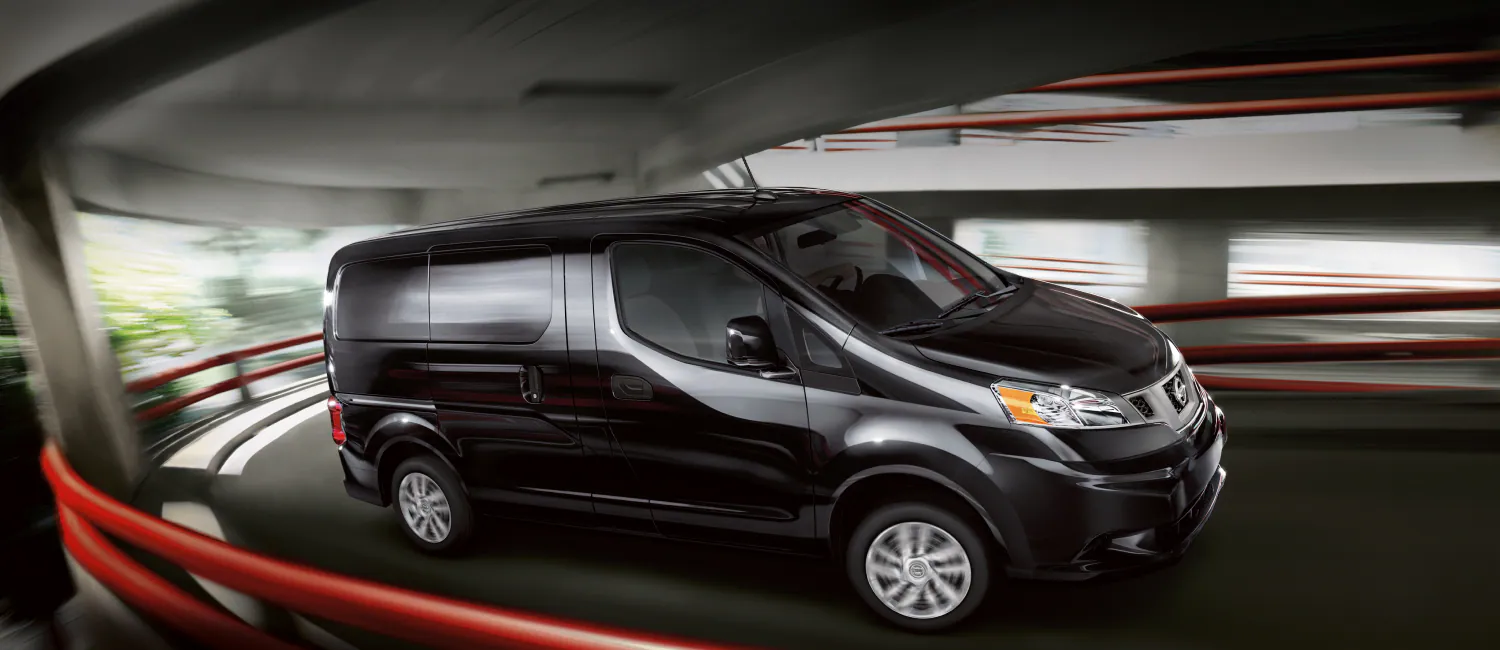
1. Nissan NV200
The Nissan NV200 is a compact cargo van that initially appeals to urban businesses due to its small size, fuel efficiency, and relatively low purchase price. However, despite these early advantages, the NV200 often struggles with durability issues that limit its ability to withstand the heavy wear and tear typical of commercial use.
The NV200’s small four-cylinder engine, while economical, tends to lack the robustness required for constant heavy hauling or long-distance driving with substantial cargo loads.
Unlike larger, more powerful vans designed to endure demanding work conditions, the NV200’s drivetrain and chassis components are relatively lightweight and prone to accelerated wear when pushed beyond moderate use.
This is especially problematic for companies whose daily operations involve frequent stops, starts, and loaded hauling in city environments. Over time, owners report common issues such as transmission troubles, premature suspension wear, and frequent braking system repairs, which collectively increase maintenance costs and downtime.
The compact van’s body structure, while advantageous for maneuvering in tight spaces, is not reinforced for the rigors of heavy-duty usage. The frame and suspension components are often criticized for being too fragile, leading to faster degradation when subjected to continuous stress from heavy cargo or rough road conditions.
Many users report problems such as sagging rear suspensions, premature tire wear, and even frame flexing, which compromise the NV200’s handling and safety.
The van’s braking system also tends to wear out more quickly than expected under commercial driving conditions, necessitating frequent replacements of pads, rotors, and sometimes calipers.
These mechanical shortcomings are exacerbated in colder climates or areas with rough roads, where exposure to salt and potholes accelerates corrosion and component failure. While the NV200 excels in fuel economy and ease of parking, its mechanical fragility limits its lifespan and reliability when tasked with heavier, continuous commercial duties.
Maintenance and repair costs for the Nissan NV200 also add to its challenges as a work van. Many of the issues it faces, such as transmission failures or suspension rebuilds, can be costly and time-consuming to fix, especially for small businesses relying on tight operating margins.
The relatively small size and specialized components sometimes mean fewer aftermarket parts or less mechanic familiarity compared to more popular full-size vans, leading to higher repair bills and longer wait times for parts.
Additionally, the NV200’s interior, while functional, is often considered less durable, with reports of premature wear on seats, door panels, and dashboard components.
This can translate to higher refurbishment costs if the van is to be kept in service long term or resold. While the NV200 might be suitable for light-duty use or very specific urban applications, its overall inability to handle heavy wear and extended service limits its value as a dependable cargo workhorse.
In summary, the Nissan NV200’s compact design, smaller engine, and lighter build make it less capable of enduring the high mileage and heavy loads that many businesses require from a cargo van.
Though it may be appealing for cost-conscious buyers or those operating in very controlled environments, the NV200 frequently falls short of expectations in terms of durability and long-term reliability.
Companies looking for a van that can survive tough, daily commercial use and reach 200,000 miles or more often find themselves needing to upgrade or replace their NV200s sooner than anticipated. This reality makes it one of the cargo vans that simply can’t handle the wear demanded by many commercial operations.

2. Ram C/V Tradesman
The Ram C/V Tradesman, introduced as a more compact and budget-friendly alternative to Ram’s larger ProMaster, suffers from a combination of design and mechanical limitations that significantly hamper its long-term durability.
While it offers some attractive features like a front-wheel-drive system and a manageable size for urban driving, the C/V Tradesman’s build quality and powertrain robustness are not optimized for heavy commercial use.
The van’s 2.4L Tigershark four-cylinder engine, though sufficient for light hauling and city driving, is often criticized for its lack of power and durability in demanding work conditions. Under heavier loads or extended driving periods, this engine can experience accelerated wear, overheating, and an increased risk of mechanical failures.
Additionally, the van’s transmission, a 9-speed automatic, has been the subject of multiple complaints about shifting roughness, hesitation, and premature wear, issues that become magnified when the van is regularly tasked with moving heavy cargo.
Structurally, the Ram C/V Tradesman lacks the heavy-duty chassis and suspension reinforcements seen in larger cargo vans. Its unibody construction, while helping to reduce weight and improve fuel economy, sacrifices some durability and resistance to flexing and stress.
This can lead to accelerated frame fatigue, suspension sagging, and compromised handling when the van is loaded close to or beyond its rated capacity. Many operators report frequent suspension repairs, such as worn bushings, struts, and shocks, as well as premature brake wear, all of which contribute to increased maintenance downtime and expenses.
The van’s braking system and tires also tend to wear quickly in commercial applications, often requiring replacements far earlier than more robust competitors.
Additionally, the interior materials and build quality are sometimes criticized for not holding up well under heavy use, with seats, flooring, and controls showing signs of accelerated wear and tear.
Maintenance and repair challenges add to the C/V Tradesman’s durability problems. The complexity of the 9-speed transmission combined with the smaller engine often leads to costly repairs that eat into operational budgets.
Many fleet managers have reported issues with the van’s electronic systems and sensors, which can cause erratic behavior or trigger maintenance alerts unnecessarily.
Moreover, the van’s smaller size limits cargo capacity and versatility, which forces some businesses to overload the vehicle or make frequent trips, both practices that can shorten the van’s lifespan
. These factors, combined with reports of a rougher ride and driver discomfort during long shifts, mean that the Ram C/V Tradesman is often seen as a short-term, budget-friendly solution rather than a long-lasting commercial vehicle.
While its low upfront cost and maneuverability might attract certain buyers, the trade-offs in reliability and durability make it a less appealing option for those needing a true workhorse van.
In conclusion, the Ram C/V Tradesman’s engine limitations, transmission issues, and structural compromises mean it often struggles to handle the sustained wear of heavy-duty commercial use.
While it has a place in lighter, urban-focused roles, the van’s durability challenges make it ill-suited for businesses seeking vehicles that can confidently survive beyond 200,000 miles. Operators looking for longevity and low maintenance costs are likely to find the C/V Tradesman falling short of these expectations.
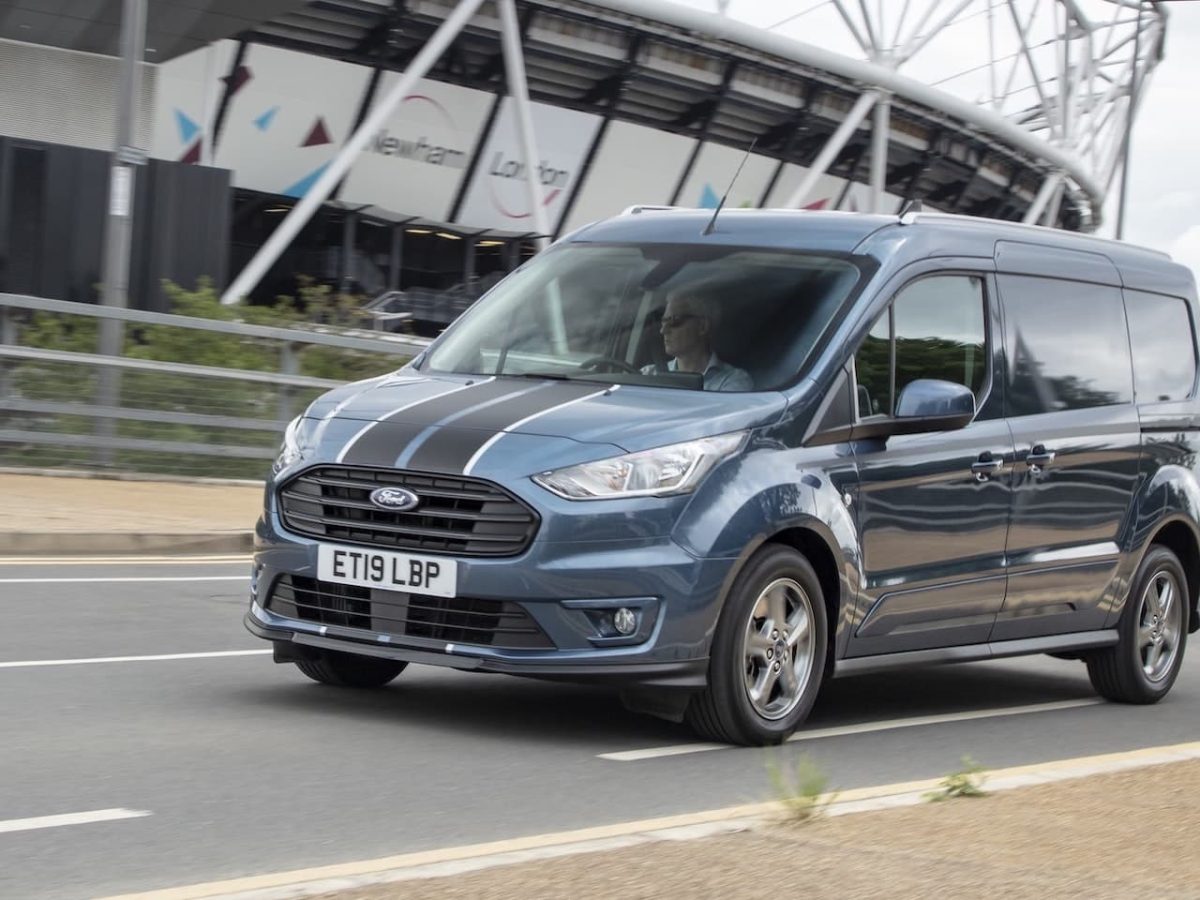
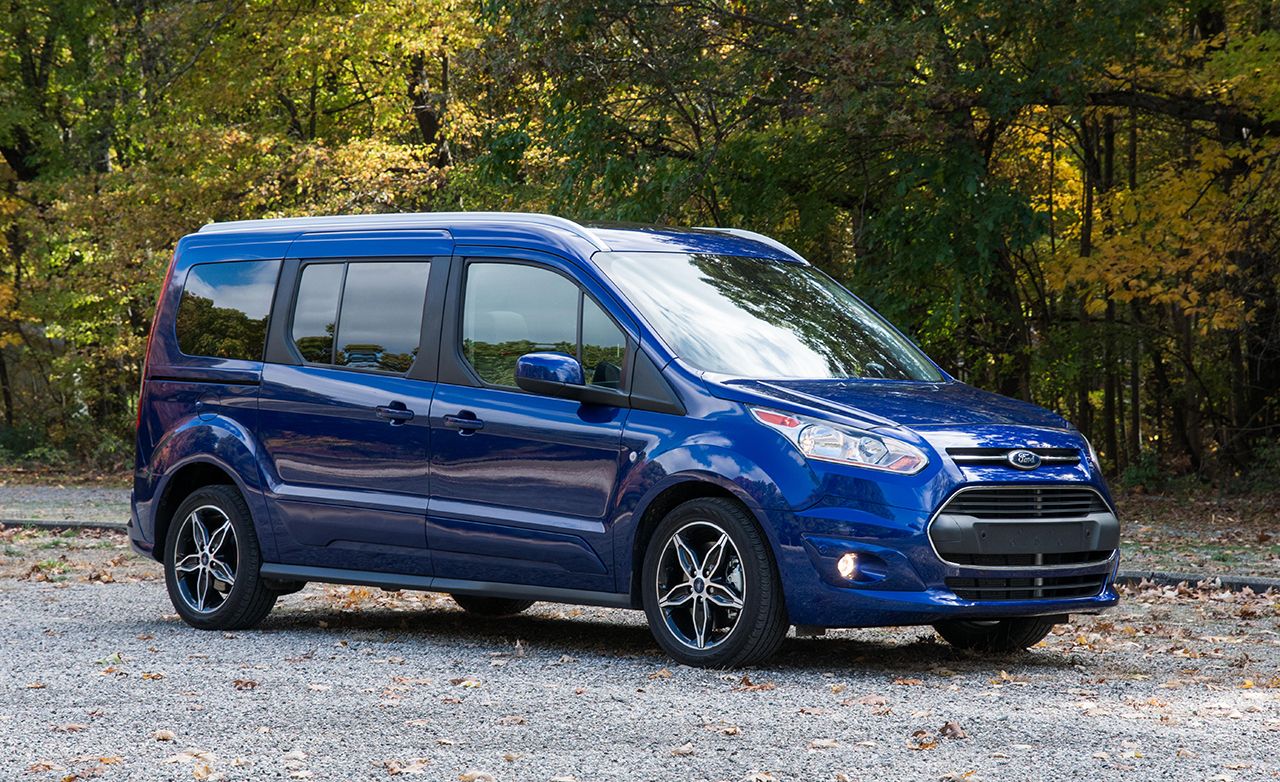
3. Ford Transit Connect
The Ford Transit Connect, designed as a compact cargo van for businesses requiring agility in urban environments, unfortunately, has a mixed reputation when it comes to durability and long-term reliability.
While its smaller size and fuel-efficient engines make it attractive for city deliveries and light hauling, the Transit Connect often faces mechanical issues that limit its ability to endure heavy wear over extended periods.
The most common criticisms revolve around the van’s engine and transmission systems, particularly in models equipped with the 2.0L four-cylinder engine.
Many owners report frequent problems such as turbocharger failures, timing chain issues, and premature transmission wear. These issues not only raise repair costs but also lead to increased downtime, which is costly for businesses relying on their vans for daily operations.
The Transit Connect’s compact frame and suspension also contribute to its durability challenges. While it handles well in tight city spaces, its suspension components are often not designed to carry heavy loads repeatedly, leading to premature wear on shocks, springs, and bushings.
Additionally, the vehicle’s braking system tends to experience accelerated wear under constant stop-and-go driving conditions common in delivery work.
Another structural concern is the van’s body construction and corrosion resistance, which have been known to suffer in harsh climates, especially in regions that use road salt during winter months. Rust and corrosion problems can further reduce the vehicle’s lifespan by weakening structural components and leading to costly bodywork repairs.
From a maintenance perspective, the Ford Transit Connect can be more expensive to keep on the road compared to its larger siblings or competitors designed for heavier-duty use. The turbocharged engines require more diligent upkeep, and many owners report that minor issues can quickly escalate into major repairs if not addressed promptly.
Electrical gremlins and sensor failures have also been noted, sometimes complicating diagnostics and increasing repair times. Interior wear is another common complaint, with some fleets finding that the cabin materials degrade faster than expected under daily heavy use.
This can detract from driver comfort and increase refurbishment expenses when trying to maintain a professional appearance for service vehicles.
In summary, while the Ford Transit Connect offers undeniable benefits for urban businesses needing a compact, fuel-efficient cargo van, its mechanical fragility and susceptibility to wear limit its suitability for heavy commercial use and long-term durability.
Businesses that require a van to consistently survive harsh operating conditions and reach high mileage thresholds often find the Transit Connect less reliable than larger, more rugged cargo vans. This makes it one of the vans less capable of handling the wear and tear of demanding commercial applications.
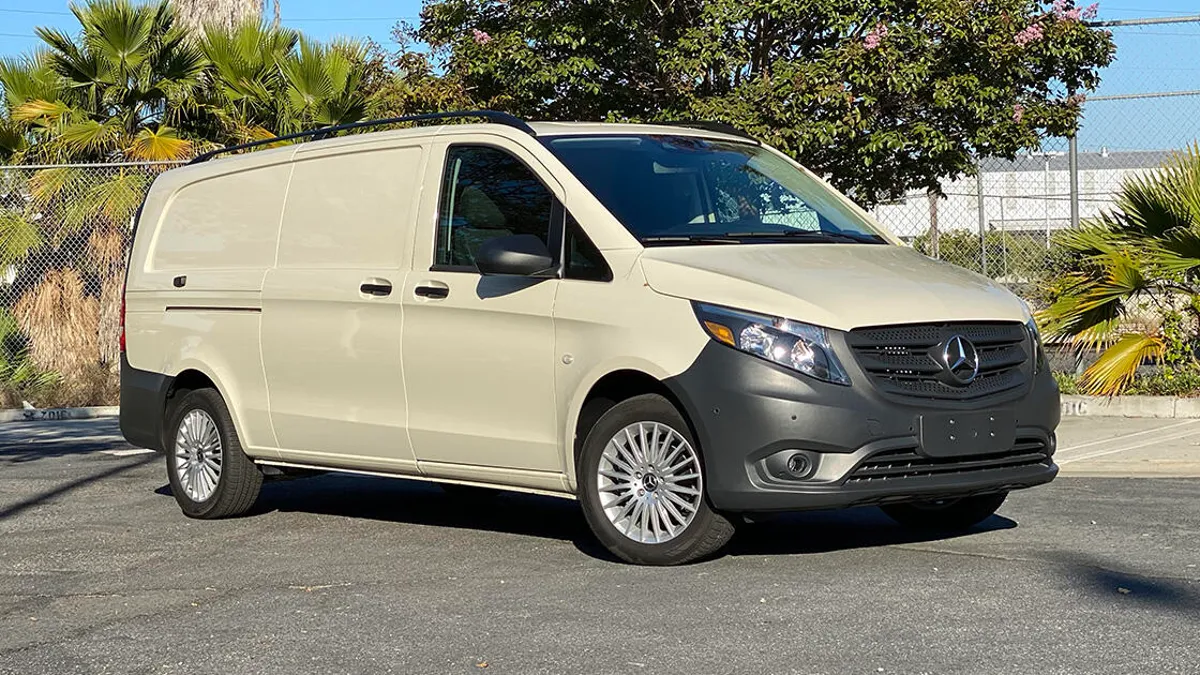
4. Mercedes-Benz Metris
The Mercedes-Benz Metris, positioned between compact and full-size vans, was introduced to offer a premium, versatile cargo van option, but it has encountered some issues that affect its ability to stand up to rigorous, high-mileage commercial use.
The Metris uses a 2.0L turbocharged four-cylinder engine paired with a 7-speed automatic transmission, a powertrain that, while efficient and smooth, has shown vulnerability under the intense demands of constant heavy hauling and stop-and-go delivery routes.
Owners have reported problems such as turbocharger failures, transmission hesitation, and occasional electronic glitches that complicate maintenance and repair efforts.
Although the Metris offers a comfortable driving experience and solid handling, these mechanical weaknesses can translate into increased service costs and downtime, undermining the van’s viability for businesses that require a durable, work-ready vehicle.
Structurally, the Metris is built on a unibody frame, which provides a lighter and more car-like ride but sacrifices some of the robustness typically needed for heavy commercial workloads. Its suspension components, while tuned for comfort, may not endure the repeated heavy loads and rough conditions faced by more rugged cargo vans.
Fleet operators have noted issues with premature suspension wear, including degraded shocks and worn bushings, which can impact ride quality and vehicle stability.
Additionally, the Metris’ braking system tends to require frequent maintenance in commercial applications, further adding to operational costs. The van’s corrosion resistance is generally good, but prolonged exposure to tough environments without meticulous care can accelerate rust development, particularly on underbody components.
Maintenance and repair costs for the Metris are typically higher than for many competing vans, partly due to Mercedes-Benz’s premium parts pricing and specialized service requirements. The van’s electronics and complex systems, while beneficial for driver assistance and safety, sometimes pose challenges during diagnostics and repairs, leading to longer shop stays.
Interior durability has also been flagged as a concern, with some commercial users reporting faster wear on seat fabrics, floor mats, and control switches. This wear can detract from the vehicle’s overall value and driver satisfaction, especially in fleet settings where multiple drivers use the same vehicle daily.
The Metris’ relatively limited cargo space compared to larger vans also means businesses must carefully consider whether it meets their capacity needs without being overloaded, which could further stress the vehicle’s mechanical systems.
In essence, while the Mercedes-Benz Metris offers a blend of style, comfort, and moderate capability, its limitations in powertrain durability, structural strength, and maintenance costs make it less suitable for businesses seeking a rugged, long-lasting cargo van.
Its premium price point and maintenance demands also mean that many operators looking for longevity and cost efficiency may prefer other models better suited to heavy wear and high mileage.
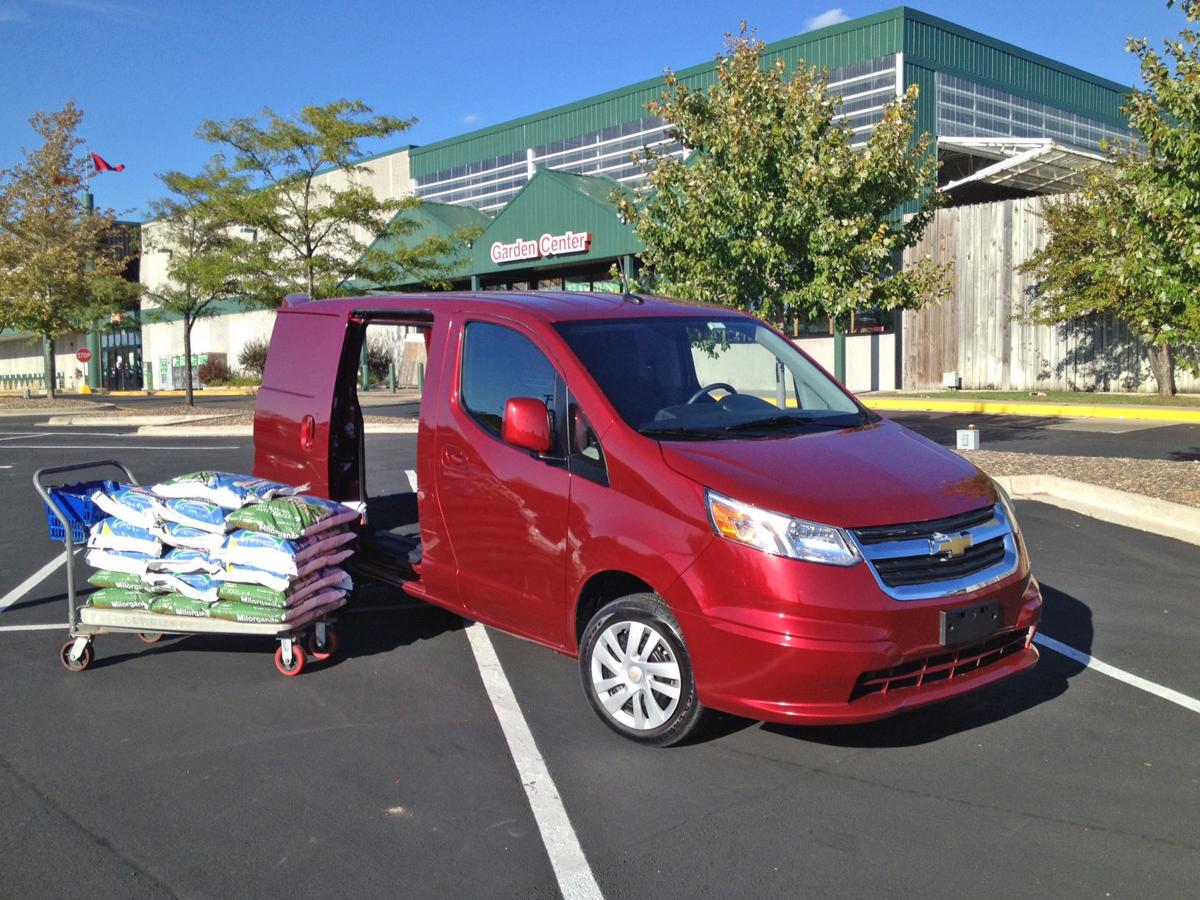
5. Chevrolet City Express
The Chevrolet City Express, a rebadged version of the Nissan NV200, shares many of the same limitations and durability concerns that plague its Nissan counterpart. Marketed as a compact urban cargo van, the City Express aims to provide an affordable, maneuverable option for businesses operating primarily in city environments.
However, its lightweight construction, modest four-cylinder engine, and limited cargo capacity contribute to its inability to handle heavy wear and prolonged service life.
The van’s 2.0L inline-four engine, while fuel-efficient, is underpowered for sustained heavy hauling, leading to increased mechanical strain, overheating risks, and faster component degradation when used beyond light-duty applications.
Transmission issues similar to those reported in the NV200 also affect the City Express, including shifting delays and premature clutch or gear wear in the automatic transmission. These mechanical limitations result in frequent repairs and increased operational downtime, reducing the vehicle’s appeal as a durable commercial workhorse.
The City Express’ frame and suspension are designed for light loads and city driving, meaning they lack the reinforcements needed for tougher commercial tasks. As a result, suspension components tend to wear out faster, with reports of sagging rear springs, worn shocks, and degraded bushings common among fleet users.
Its braking system, while adequate for small loads, often requires more frequent maintenance under commercial driving cycles characterized by frequent stops and starts. Furthermore, the van’s corrosion resistance is limited, especially in environments where road salt is used during winter, accelerating rust problems that can compromise structural integrity over time.
Interior wear and tear is also a frequent complaint, with the cabin materials showing signs of fatigue more quickly than those of larger, more durable vans, resulting in higher maintenance and replacement costs for fleet operators.
From a maintenance perspective, the City Express presents challenges related to parts availability and service expertise, given its niche status in the Chevrolet lineup and its close mechanical relationship to the Nissan NV200. Repair costs can be disproportionately high relative to the van’s initial purchase price, particularly for transmission or engine-related problems.
These factors, combined with its limited cargo volume and payload capacity, restrict its usefulness to very specific light-duty urban roles rather than broader commercial applications.
Businesses that attempt to push the City Express beyond these limits frequently encounter shortened vehicle lifespans and elevated repair bills. This reality limits the City Express’ practicality and financial viability as a long-term work van for many businesses.
In conclusion, the Chevrolet City Express’s lightweight design, underpowered engine, and mechanical fragility make it one of the cargo vans that simply cannot handle the wear required by many commercial users.
While it offers advantages for small, light-duty urban tasks, its overall durability falls short of what is needed for consistent, heavy use and high mileage accumulation. Businesses that require a dependable, long-lasting cargo van are typically better served by more robust and proven models than the City Express.
Also Read: 5 Cars With Dealer Service Records Only for Oil and 5 With Constant Repairs
Choosing the right cargo van is a strategic decision that can significantly affect the success and sustainability of any business that depends on reliable transportation.
After exploring the five cargo vans that consistently survive 200,000 miles and the five that struggle to handle heavy wear, it becomes clear that durability, engineering quality, and maintenance factors are the cornerstones of long-term performance in commercial vehicles.
The vans that thrive under rigorous use share several critical traits. They often feature powerful, well-tested engines designed to endure extended operation under load. Their transmissions are typically robust, offering smooth shifts and longevity even when subjected to harsh conditions.
Chassis and suspension components in these vehicles are reinforced and engineered to withstand continuous abuse — heavy payloads, rough roads, and demanding delivery schedules.
These vans also benefit from widespread parts availability and a strong network of experienced mechanics, reducing downtime and repair costs. Brands with a solid reputation for commercial vehicle reliability usually provide warranties and support tailored to business users, further increasing peace of mind.
On the other hand, cargo vans that fall short under heavy wear commonly suffer from underpowered engines that struggle with heavy payloads, transmissions prone to early failure, and lightweight frames that degrade quickly under stress. Their suspension and braking systems often wear out faster, leading to increased maintenance cycles and costs.
Additionally, these vans may have less widespread dealer and service networks, making repairs more expensive and time-consuming.
Interior durability is also a frequent concern, as the materials in less robust vans tend to deteriorate quickly under daily use. These factors combine to create a higher total cost of ownership and more frequent operational disruptions, which can hamper productivity and profitability for businesses.
From a practical standpoint, this means that businesses must look beyond initial purchase prices and marketing claims when selecting cargo vans. It’s essential to consider long-term durability, repair and maintenance histories, and real-world user experiences.
Vans that survive the rigors of 200,000 miles or more may have a higher upfront cost, but typically deliver better value over time by minimizing downtime and avoiding expensive repairs. Conversely, cheaper vans that can’t handle the wear might seem appealing at first but often end up costing more in the long run due to frequent breakdowns and early replacements.
Fleet managers and small business owners should carefully evaluate their operational needs, including payload requirements, driving environments, and maintenance capabilities, before choosing a van. For urban deliveries and light hauling, compact vans might seem appropriate, but these vehicles need to be matched carefully to workload intensity to avoid premature failure.
For heavier-duty tasks or longer-distance routes, full-size cargo vans with proven durability records are usually better investments. Additionally, considering warranties, manufacturer support, and the availability of aftermarket parts can further improve a van’s longevity and reduce operating expenses.
Technological advancements and evolving commercial vehicle designs continue to improve van durability, but no vehicle is immune to wear and tear. Regular maintenance, driver training, and careful loading practices play essential roles in extending a van’s lifespan.
Businesses should establish preventive maintenance schedules, monitor vehicle health, and address minor issues promptly to avoid costly repairs and downtime. Moreover, building a relationship with trusted mechanics and service providers who specialize in commercial vans can provide invaluable support throughout a vehicle’s operational life.
In conclusion, the differences between cargo vans that survive beyond 200,000 miles and those that cannot handle heavy wear illustrate the importance of durability, design quality, and maintenance in commercial vehicle selection.
By understanding these factors and making informed choices, businesses can significantly improve reliability, reduce costs, and ensure that their vans remain dependable assets for years to come.
Whether you prioritize ruggedness, cost efficiency, or operational flexibility, this knowledge empowers you to select a van that truly aligns with your business demands and helps you stay competitive in a fast-paced commercial environment.
Choosing wisely isn’t just about avoiding breakdowns—it’s about building a foundation for growth and success that depends on dependable transportation day after day, mile after mile. The cargo van you select is more than just a vehicle; it’s a partner in your business journey. Choose one that can keep up.
