

In the vast world of automobiles, not all cars are created equal, especially when it comes to reliability. For many car buyers, the journey of owning a vehicle is meant to be one of convenience, freedom, and peace of mind. However, that ideal experience can quickly turn into frustration when faced with unexpected breakdowns, costly repairs, and frequent trips to the mechanic.
The unfortunate truth is that while some vehicles are meticulously engineered for long-term dependability, others suffer from poor design, rushed production, or chronic flaws that seem baked into their very blueprint.
Car ownership isn’t just about the initial sticker price. It’s about the total cost over time—insurance, fuel, depreciation, and of course, maintenance. A vehicle that constantly needs attention from a mechanic can drain not only your wallet but also your patience.
On the other hand, a truly reliable car can last for well over a decade with little more than routine oil changes, tire replacements, and the occasional brake job. The difference between a dependable vehicle and a problematic one may not always be visible from the outside, but it becomes glaringly obvious after a few years on the road.
The automotive industry has long known that reliability builds brand loyalty. Some manufacturers have built their reputations on it, using consistent engineering practices, high-quality parts, and conservative design changes to ensure their models perform well under real-world conditions.
These vehicles often feature engines and transmissions that have been perfected over several generations, and their components are built for ease of service and long-term durability. Their owners often report few major issues even after many years of ownership, and many models are passed down from generation to generation within families.
In contrast, other vehicles fall short of this standard. Some automakers, to be first to market with new technology or styling, sometimes compromise on quality and long-term viability. These vehicles may offer great features on paper—sleek designs, powerful engines, cutting-edge infotainment—but often come with a long list of reliability complaints.
Owners may find themselves dealing with malfunctioning electronics, leaking gaskets, failing transmissions, and endless warning lights, sometimes within the first few years of ownership. For these drivers, car ownership becomes a cycle of frustration, costly repairs, and regret.
It’s important to understand that even the most dependable vehicles still require regular maintenance. Reliability doesn’t mean zero problems; it means fewer and less severe problems over the lifespan of the vehicle. But what separates a good car from a bad one is how often it breaks, how much it costs to fix, and how easily parts can be sourced when something does go wrong.
Reliability is not about perfection, but about predictability and resilience under stress. A truly reliable car is one you can count on to get you from point A to point B without drama, day in and day out.
This article isn’t about extremes; it’s about real-world experiences, recurring trends, and patterns that emerge after years of ownership. The goal is not to shame any particular brand or model but to highlight the contrasting realities that drivers face.
For every car that runs for 300,000 miles with minimal issues, there’s another that becomes a fixture at the local repair shop before it even hits 100,000. These disparities are not only frustrating for owners but can also have major financial implications over time. After all, no one buys a car expecting it to spend more time being repaired than being driven.
Choosing the right car requires more than falling in love with a design or test-driving it for an hour. It means doing research, understanding long-term trends, and knowing which vehicles have proven themselves over time, and which ones have let their owners down repeatedly.
In the following sections, we’ll explore five vehicles that are known for their exceptional reliability and five that are known for being mechanically unreliable.
These categories aren’t based on a single bad review or a one-off anecdote, but rather consistent patterns of performance and repair frequency. Whether you’re a first-time buyer or a seasoned driver looking to make a smart investment, this comparison will help you separate myth from reality—and perhaps save you from future frustration.
ALSO READ: 5 Toyotas That Run Forever vs 5 That Suffer Surprise Reliability Issues
5 Cars That Rarely Need a Mechanic
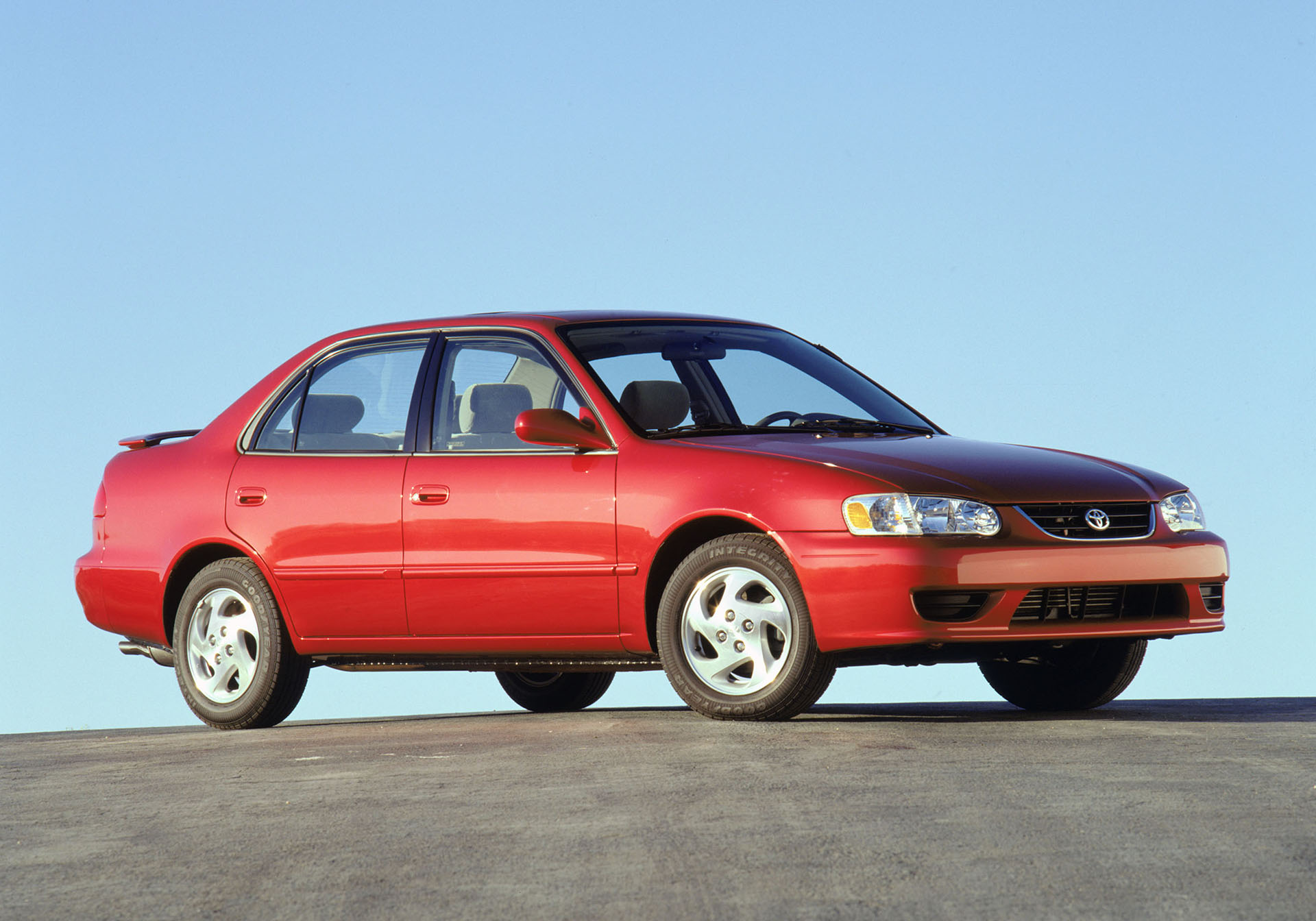
1. Toyota Corolla – The Definition of Bulletproof
The Toyota Corolla isn’t just a car—it’s a global phenomenon. With over 50 million units sold worldwide, it’s one of the best-selling vehicles in automotive history. What has allowed this humble compact sedan to achieve such staggering numbers is its legendary reliability and minimal maintenance needs.
From the very first models in the 1960s to the latest hybrids, the Corolla has been engineered with a simple, unwavering goal in mind: to keep running, no matter what.
It’s not the flashiest or most exhilarating vehicle on the road, but when it comes to longevity and low repair costs, the Corolla consistently ranks among the best. That’s because Toyota understands that for many people, a car is a tool, not a toy. The Corolla is a tool built to last.
Under the hood, the Corolla is a masterclass in mechanical simplicity and efficiency. Its four-cylinder engines are often naturally aspirated, meaning they lack the complex and failure-prone turbochargers found in many modern cars.
Toyota has historically avoided overengineering the Corolla, which works in its favor. With fewer moving parts and electronic systems, there’s simply less that can go wrong.
The drivetrain is time-tested, with the CVTs and automatic transmissions in newer models offering smoother rides while still holding up well under stress. Even the base models are equipped with quality components that age gracefully, and Toyota’s rigorous quality control standards ensure that most vehicles leave the factory with tight tolerances and precise assembly.
What makes the Corolla stand out in terms of real-world performance is not just the quality of the engineering, but how well it handles the wear and tear of everyday life. Whether it’s used as a commuter vehicle, a rideshare workhorse, or a student’s first car, the Corolla consistently performs its duties without fuss.
The interior, while not luxurious, is built to endure. Seats don’t fall apart prematurely, buttons don’t stop working, and the materials don’t degrade under regular use. Combine that with excellent fuel economy, low insurance costs, and high resale value, and it’s no wonder people keep coming back to the Corolla year after year.
Perhaps the most powerful testament to the Corolla’s reliability is its universal trust across different regions, climates, and use cases. You’ll find Corollas thriving in rural farmlands, dense cities, mountainous regions, and coastal environments. This is not a car that’s fragile or picky.
It doesn’t punish neglect as harshly as other vehicles do, though regular maintenance certainly helps. Mechanics frequently report that they rarely see Corollas in their shops for anything beyond standard wear-and-tear items like brake pads or oil changes. For anyone seeking a car that will outlast trends, economic cycles, and changing technologies, the Toyota Corolla remains a beacon of dependability.
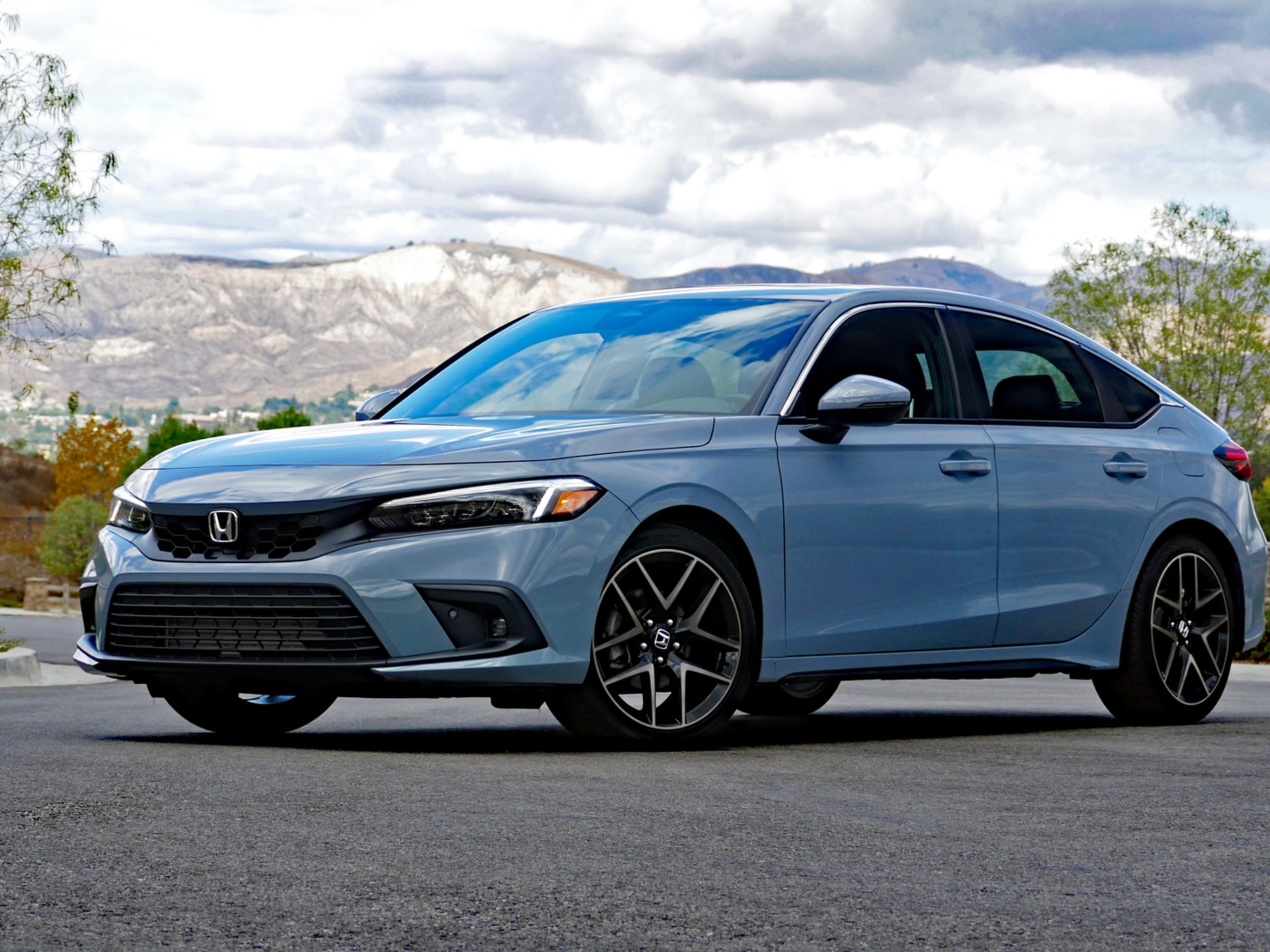
2. Honda Civic – The Reliable All-Rounder
The Honda Civic has built its own mythology in the automotive world—one of durability, efficiency, and a surprisingly fun driving experience, all wrapped in a low-maintenance package. Since its introduction in the 1970s, the Civic has gone through multiple design changes and technological updates, yet one thing has remained constant: it’s one of the most reliable vehicles ever made.
Known for its ability to rack up hundreds of thousands of miles with minimal issues, the Civic has become a go-to vehicle for everyone from first-time drivers and budget-conscious families to driving enthusiasts who want a reliable platform that doesn’t skimp on personality.
Much like its cousin, the Toyota Corolla, the Civic’s reliability is rooted in Honda’s disciplined engineering approach. Honda engines are known for their precision, tight tolerances, and innovative designs that prioritize both performance and longevity.
The inline-four engines found in most Civics—especially those from the early 2000s through mid-2010s—are practically bulletproof when properly maintained.
These engines are often chain-driven rather than belt-driven, meaning fewer parts need replacing. Additionally, Honda’s VTEC (Variable Valve Timing and Lift Electronic Control) system adds power and efficiency without sacrificing long-term durability. Combine this with solid transmissions and dependable suspension components, and you have a car that can take a beating and keep on going.
The Civic also stands out because of its owner-friendly ecosystem. Honda’s parts are affordable, widely available, and usually interchangeable across several model years. Many repairs can be performed with basic tools, making it a favorite among DIY mechanics. Online forums and video tutorials abound, which further reduce the cost and complexity of maintenance.
Even complex jobs like timing chain replacements or clutch changes are simpler and cheaper than similar tasks on vehicles from less reliable brands. For professional mechanics, the Civic is a welcome sight in the shop—it’s straightforward, predictable, and rarely in for major surprises unless it has been severely neglected.
Beyond its mechanical dependability, the Civic offers a balanced ownership experience. It’s not just about avoiding repairs; it’s about enjoying a car that feels responsive, comfortable, and modern. Even older Civics manage to deliver a nimble driving feel that outclasses many competitors.
The cabins age well, infotainment systems are functional and not overcomplicated, and the car remains safe and economical long after newer vehicles have lost their luster. For a car that rarely finds itself in the shop but still offers personality and practicality, the Honda Civic is a stellar choice that continues to uphold its legacy across generations.
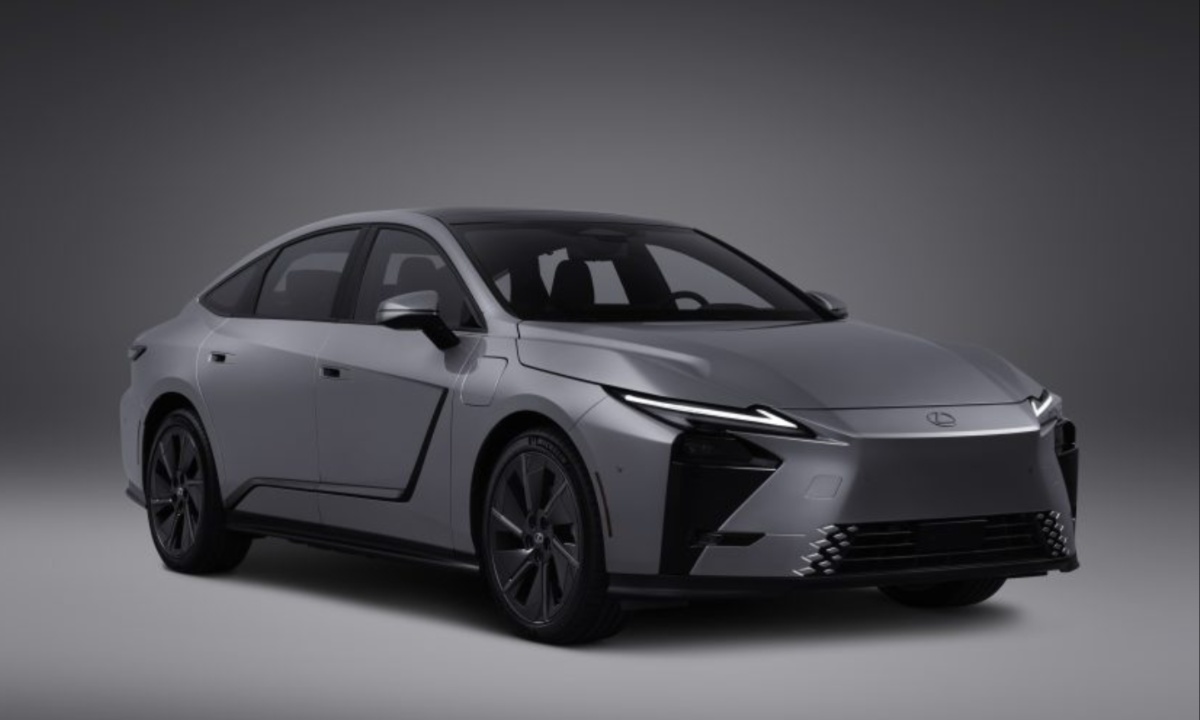
3. Lexus ES – Luxury Without the Headaches
When most people think of luxury cars, they associate them with high repair costs, frequent trips to the dealer, and complicated systems that break as often as they impress. The Lexus ES stands as a shining exception. Lexus, Toyota’s luxury arm, is well known for crafting vehicles that combine upscale features with Toyota’s near-flawless engineering and reliability.
The ES sedan, in particular, has developed a sterling reputation as one of the most dependable luxury cars on the market. In fact, many owners report driving their ES models well past 200,000 miles with virtually no significant issues—an achievement most European luxury cars can only dream of.
At the heart of the Lexus ES’s reliability is its Toyota Camry DNA. Underneath the leather upholstery and wood trim lies the same powertrain architecture used in the Camry, one of the most reliable midsize sedans ever made. The ES typically uses Toyota’s robust 3.5L V6 engine or, in newer versions, a hybrid four-cylinder engine—both of which are widely praised for their smooth operation, fuel efficiency, and incredibly low failure rates.
The transmission is similarly bulletproof, shifting smoothly for years with little more than routine fluid changes. Lexus doesn’t experiment with untested tech in the ES; instead, it refines proven components for a luxury experience that doesn’t punish you financially.
Unlike German luxury sedans, which often introduce high-maintenance air suspensions, finicky infotainment systems, and complex turbocharged engines, the Lexus ES focuses on long-term peace of mind. The electronics are robust, the safety systems are reliable, and the fit and finish of the car prevent rattles, leaks, and wear that plague many competitors after just a few years.
Even the leather and interior materials hold up exceptionally well over time. For those who want a luxurious vehicle but dread the constant shop visits and expensive repairs associated with brands like BMW or Audi, the ES is an ideal compromise, offering comfort and elegance without the mechanical baggage.
The real-world reliability of the Lexus ES has made it a favorite among professionals, retirees, and anyone who values a stress-free ownership experience. It’s not uncommon to see older ES models still gliding smoothly down the highway, their owners long since paid off the car and enjoying essentially free transportation.
When taken care of, the ES demands little more than oil changes, tire rotations, and the occasional brake job. And when repairs are needed, they’re often far less costly than those of its European rivals. In the realm of luxury vehicles that require minimal mechanical attention, the Lexus ES is in a class of its own.
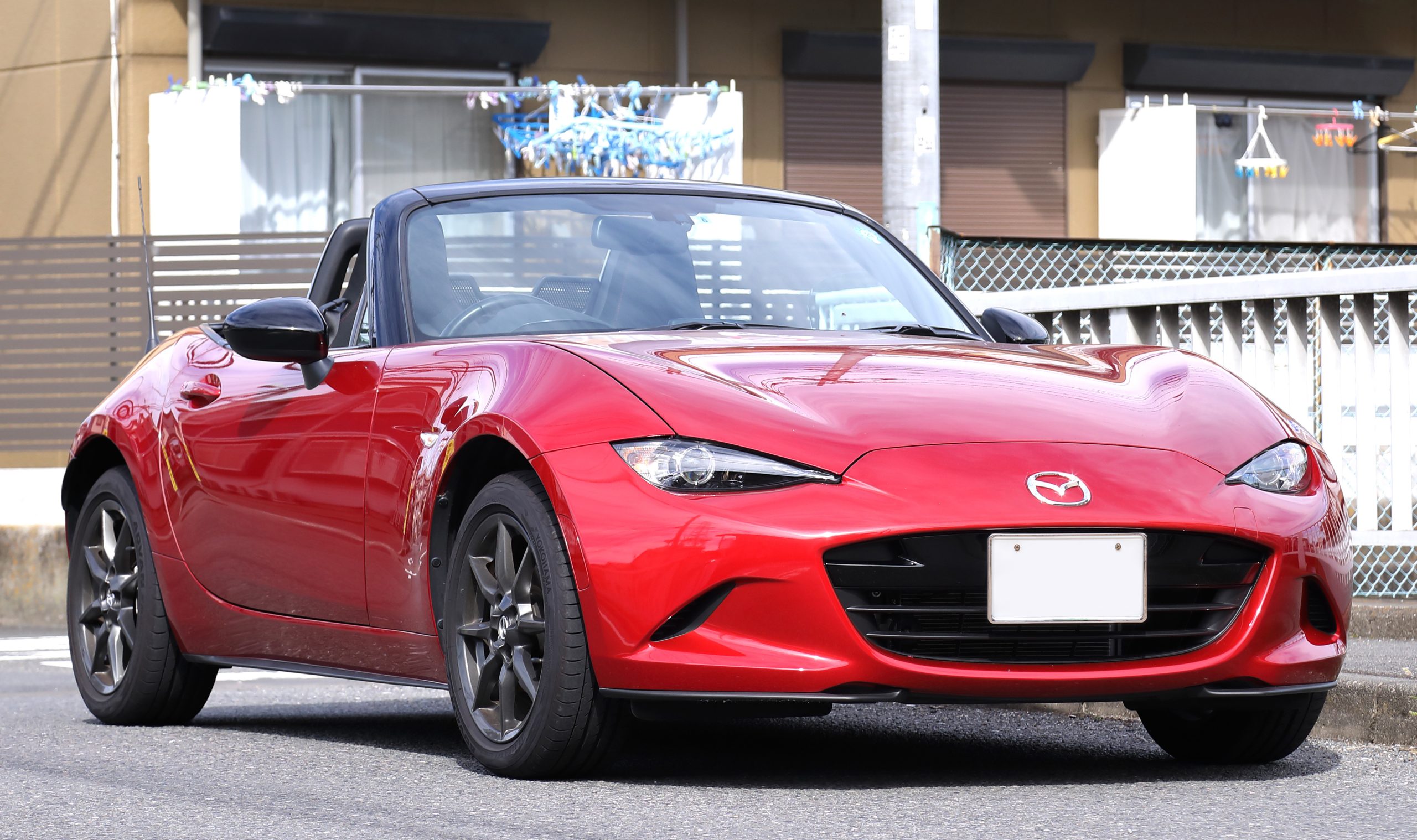
4. Mazda MX-5 Miata – Simplicity, Sportiness, and Reliability
The Mazda MX-5 Miata is perhaps the most surprising entry on this list—not because it’s unreliable (far from it), but because sports cars aren’t usually associated with long-term durability. Many sporty vehicles are temperamental, expensive to maintain, and riddled with performance-related quirks.
The Miata, however, breaks the mold entirely. For more than three decades, it has been one of the most mechanically dependable vehicles in the world, despite being designed for enthusiastic driving. This is no accident. Mazda intentionally built the Miata to be light, simple, and robust. The result is a car that offers thrills without the stress of frequent repairs.
One of the Miata’s key strengths lies in its lightweight, uncomplicated design. With curb weights typically under 2,400 pounds, the car puts far less strain on its mechanical components than larger, heavier vehicles. The engine—usually a 1.6L, 1.8L, or 2.0L four-cylinder, depending on the generation—is compact and naturally aspirated, avoiding the long-term wear issues seen in turbocharged rivals.
The manual transmissions are among the best in the industry, with precise throws and exceptional durability. Suspension components are straightforward and inexpensive to replace, and the rear-wheel-drive layout ensures a balanced, fun ride with minimal complexity.
Another reason the Miata is so reliable is that enthusiasts care for them deeply. Most Miata owners are passionate about their cars and maintain them meticulously. This helps ensure that even older models remain in great shape mechanically and cosmetically.
Additionally, the Miata’s popularity has resulted in an enormous aftermarket and enthusiast community, making it easy to find tutorials, replacement parts, and performance upgrades. That community also drives down ownership costs, as shared knowledge makes DIY maintenance and repairs more accessible than ever.
Despite its fun-to-drive nature, the Miata isn’t fragile. It tolerates daily driving, occasional track days, and long road trips without complaint. It’s the rare sports car that behaves like an economy car in terms of upkeep.
Even major components like the clutch, differential, and engine internals tend to hold up well, with failures being the exception rather than the rule. For driving enthusiasts who don’t want to trade reliability for performance, the Mazda MX-5 Miata offers the best of both worlds—and a lot fewer trips to the mechanic’s garage than you’d expect.
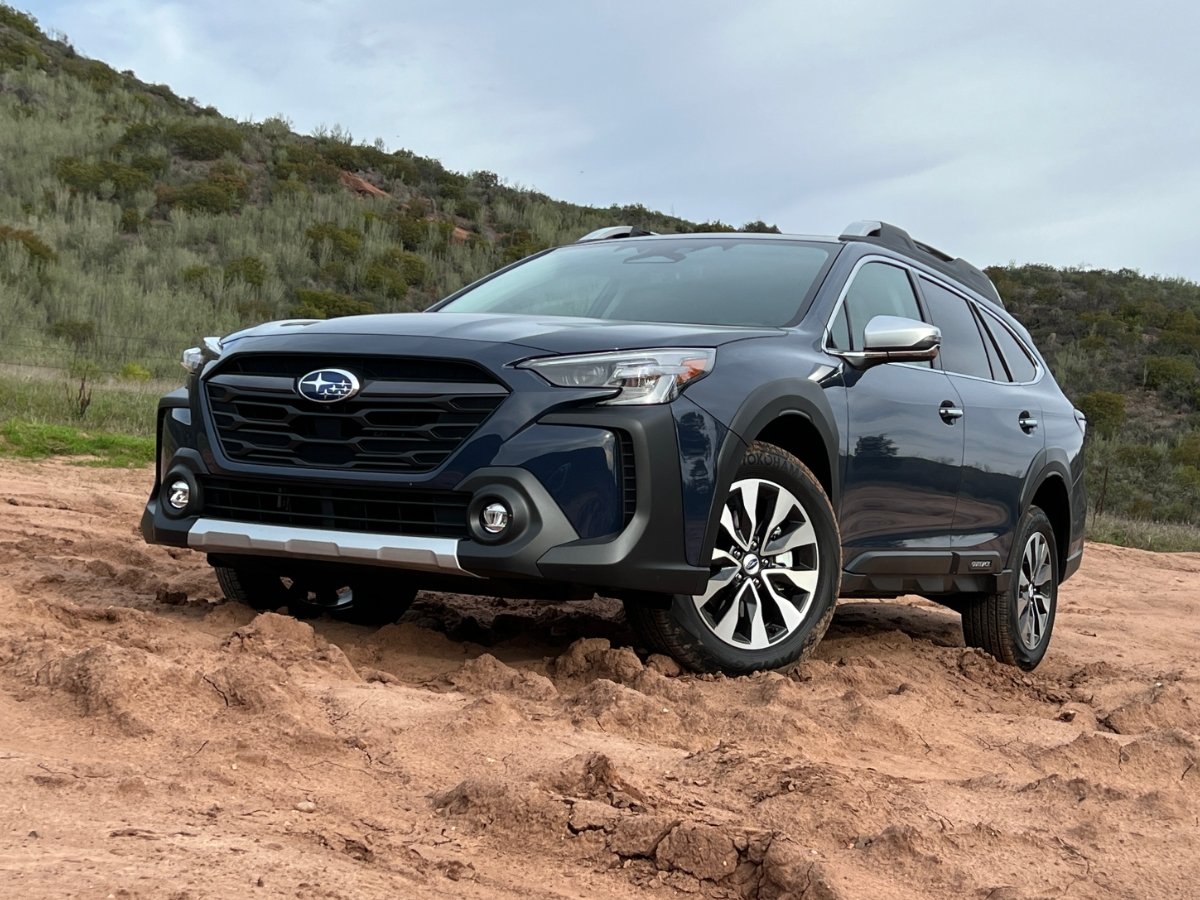
5. Subaru Outback – Rugged, Reliable, and Ready for Anything
The Subaru Outback is a standout in the world of practical, long-lasting vehicles, offering the utility of an SUV with the comfort and driving dynamics of a car.
While Subaru as a brand has had its ups and downs over the years, the Outback—particularly models from the mid-2000s through the late 2010s—has proven to be one of the most durable, low-maintenance choices for drivers who want a vehicle capable of handling a wide variety of conditions.
From snowy mountain roads to long highway commutes and even light off-road adventures, the Outback rarely breaks a sweat—and rarely breaks down.
One of the most defining characteristics of the Outback is its standard all-wheel drive (AWD) system, which comes included on nearly every model. This makes it an excellent choice for drivers in climates with rain, snow, or poor road conditions. The AWD system is mechanical and straightforward, not overly complex or computerized like those in luxury crossovers.
Subaru has refined this drivetrain over the decades, and it’s widely considered one of the most dependable AWD systems on the market. When properly maintained, the Outback’s drivetrain can provide hundreds of thousands of miles of reliable traction and control, without needing constant attention or costly repairs.
The Boxer engine, a unique flat-four engine layout used in most Subaru models, contributes both to the Outback’s lower center of gravity and its long-term durability. While early versions of the Boxer engine had a reputation for head gasket issues, Subaru largely addressed these problems by the mid-2010s, and more recent models have shown strong reliability with regular oil and coolant changes.
The engines are designed to operate under a range of stress conditions without overheating or prematurely wearing out. Combined with conservative tuning and simple mechanical layouts, the Outback avoids many of the performance-related reliability problems seen in more complex crossovers and SUVs.
What also sets the Outback apart is its real-world practicality and owner satisfaction. This is a vehicle built for active lifestyles—it has the space of a small SUV, the handling of a midsize car, and the toughness of a crossover. Despite being subjected to rough terrain, long road trips, and changing climates, the Outback continues to perform year after year without complaint.
Owners often report their vehicles hitting 200,000 miles or more with only regular maintenance. Furthermore, parts are widely available, and Subaru has a strong dealer and independent service network, making repairs quick and affordable when they are needed. In a world of vehicles that seem to grow more fragile with each model year, the Subaru Outback remains a shining example of rugged dependability and low-maintenance design.
5 Cars That Are Always in the Shop
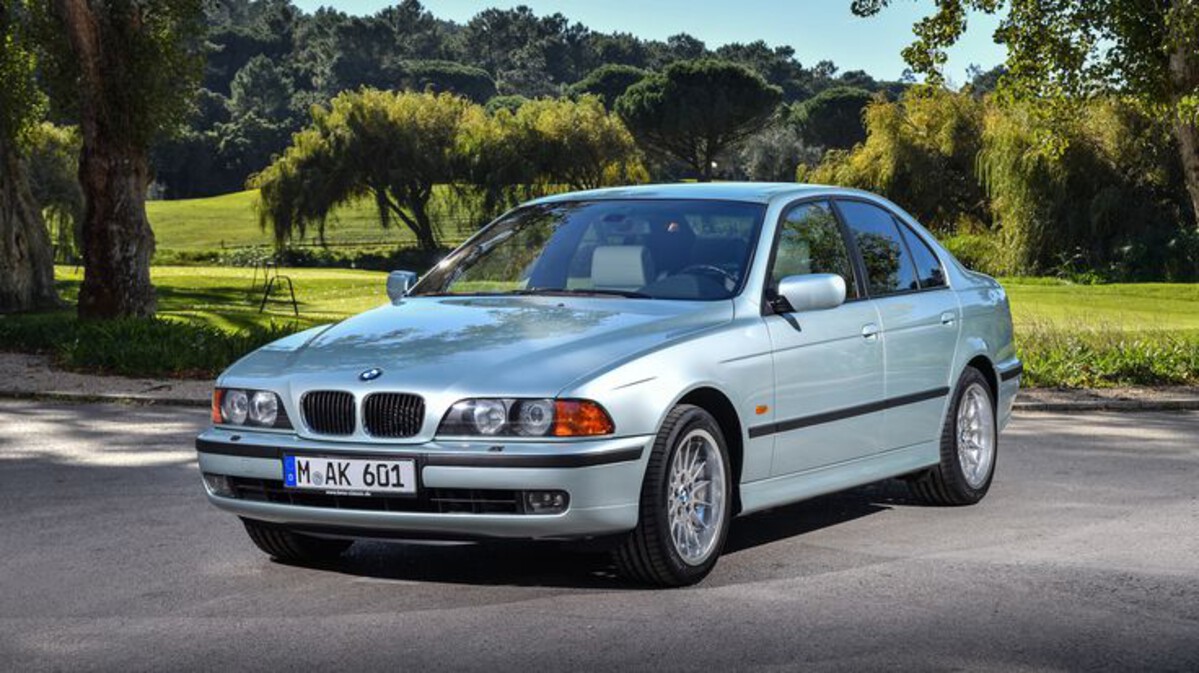
1. BMW 5 Series (Especially 2004–2013 Models) – Engineering Marvel or Maintenance Nightmare?
The BMW 5 Series, particularly the E60 (2004–2010) and F10 (2011–2016) generations, has long represented the ideal balance of performance, luxury, and design—on paper, at least. These sedans offer sharp handling, powerful engine options, and an opulent interior that feels far more premium than competitors in their class.
However, beneath the veneer of German engineering excellence lies a sobering truth: the 5 Series is a high-maintenance diva. For all its dynamic capabilities and aesthetic appeal, this car is plagued by a range of mechanical, electrical, and electronic issues that make it one of the most frequent guests in independent shops and dealership service departments alike.
One of the most notorious problems with this generation of the 5 Series is the complexity of its engine and cooling systems. Models equipped with the N52 or N54 engines, especially those with turbochargers, are prone to oil leaks from the valve cover and oil filter housing gaskets—issues that are not only common but also expensive and labor-intensive to repair.
The water pumps in these engines are electric and notoriously unreliable, with many failing before 60,000 miles. When they go, they don’t just cause overheating—they often take the thermostat or other cooling components down with them. Combined with the brand’s insistence on using proprietary tools and software, even basic repairs can quickly turn into costly affairs.
Electronics are another Achilles’ heel. The iDrive infotainment system, while innovative in its time, was riddled with bugs, screen freezes, and inexplicable malfunctions. Power window regulators fail frequently, requiring replacement after just a few years.
Various sensors—oxygen, crankshaft position, ABS, and more—frequently send false error codes, often triggering the dreaded “check engine” light with no obvious cause.
Many of these electrical components are buried deep within the vehicle’s systems, making diagnostics difficult and repairs even more frustrating. While BMW dealerships are well-equipped to fix these problems, they often do so at eye-watering prices.
What makes matters worse is that many owners are unaware of the true cost of BMW ownership until it’s too late. While the initial purchase price of a used 5 Series may seem like a good deal, the maintenance and repair bills soon catch up. Extended warranties help, but once those expire, owners are often faced with $1,500+ repair invoices for seemingly minor issues.
Even something as routine as a brake job can cost double what it would on a non-luxury brand. For drivers who want to enjoy a 5 Series long-term, a deep wallet or an obsessive commitment to preventative maintenance is essential. For everyone else, it’s a car that looks fantastic in the driveway but far too often ends up on a lift.
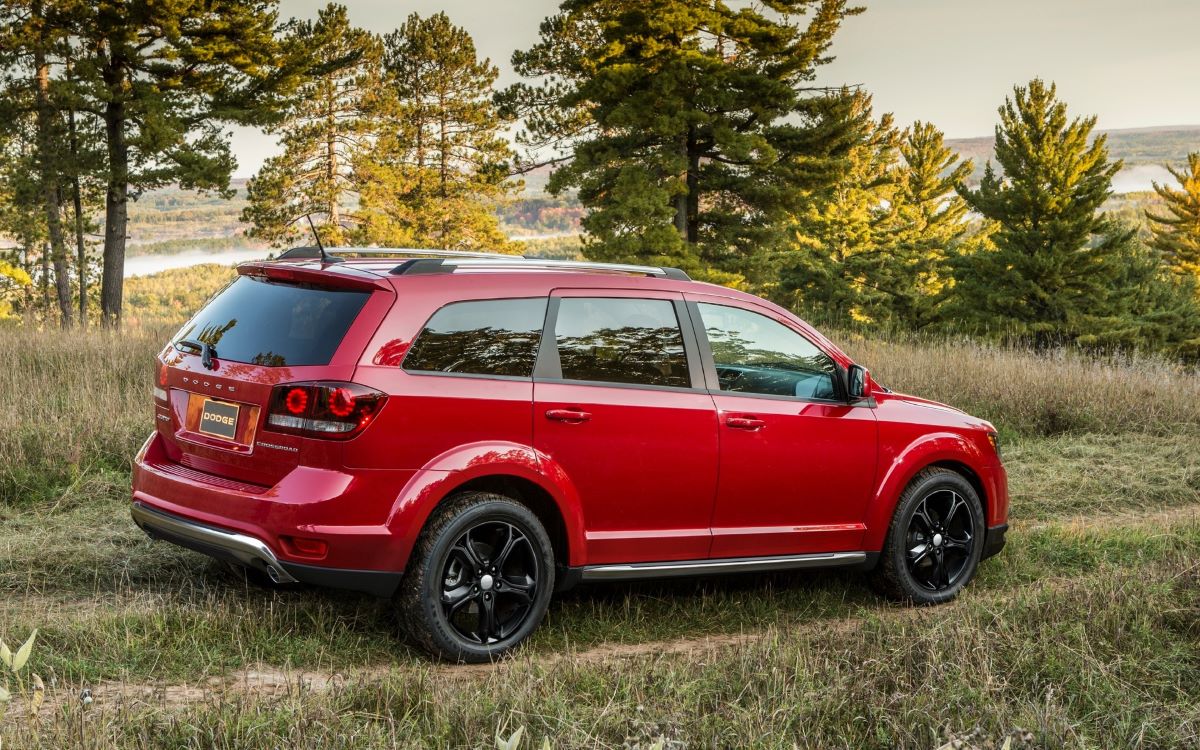
2. Dodge Journey – The Jack of All Trades, Master of None
The Dodge Journey, introduced in 2009 and discontinued in 2020, was Chrysler’s attempt to offer an affordable midsize crossover that could serve the whole family. On paper, it seemed like a win: available third-row seating, multiple engine options, a low entry price, and decent cargo space.
However, the reality of owning a Journey has proven far less appealing. From the get-go, the vehicle was plagued by quality control issues, subpar components, and a dated platform, making it one of the most commonly repaired vehicles in its segment. It’s a textbook case of “you get what you pay for,”—and for many Journey owners, that means frequent trips to the mechanic.
The base 2.4L four-cylinder engine in the Journey is underpowered and overworked, often leading to premature wear, overheating, and head gasket issues. The available 3.6L Pentastar V6 is more capable but suffers from timing chain tensioner problems and oil sludge buildup if not meticulously maintained.
To make matters worse, the Journey was often paired with Chrysler’s outdated 4-speed automatic transmission, which not only hurt performance and fuel economy but also had a reputation for rough shifting and early failure.
Even the more modern 6-speed versions didn’t fare much better, frequently plagued by solenoid and sensor issues that rendered the vehicle undrivable without costly repairs.
Electrical issues are another persistent headache. From faulty door locks and key fobs to malfunctioning climate control systems and dashboard lighting failures, the Journey has no shortage of gremlins.
Many owners report complete power losses in the middle of driving, often traced back to failing TIPM (Totally Integrated Power Module) units, a known weak spot in many Dodge and Chrysler vehicles. These modules are expensive to replace and can cause cascading issues throughout the car’s electrical system, affecting everything from the headlights to the windshield wipers.
Perhaps the most frustrating aspect of the Journey is that its problems aren’t confined to just one area—they’re systemic. Suspension components like control arms and bushings wear out prematurely, brakes often need replacement before 30,000 miles, and interior build quality is poor, with peeling trim, broken latches, and rattling panels becoming commonplace.
For families hoping to rely on the Journey as a long-term investment, the ownership experience quickly becomes a financial drain. With high downtime, inconsistent reliability, and repairs that are often more expensive than the car’s value, the Dodge Journey stands as a cautionary tale of cutting corners in design and execution.
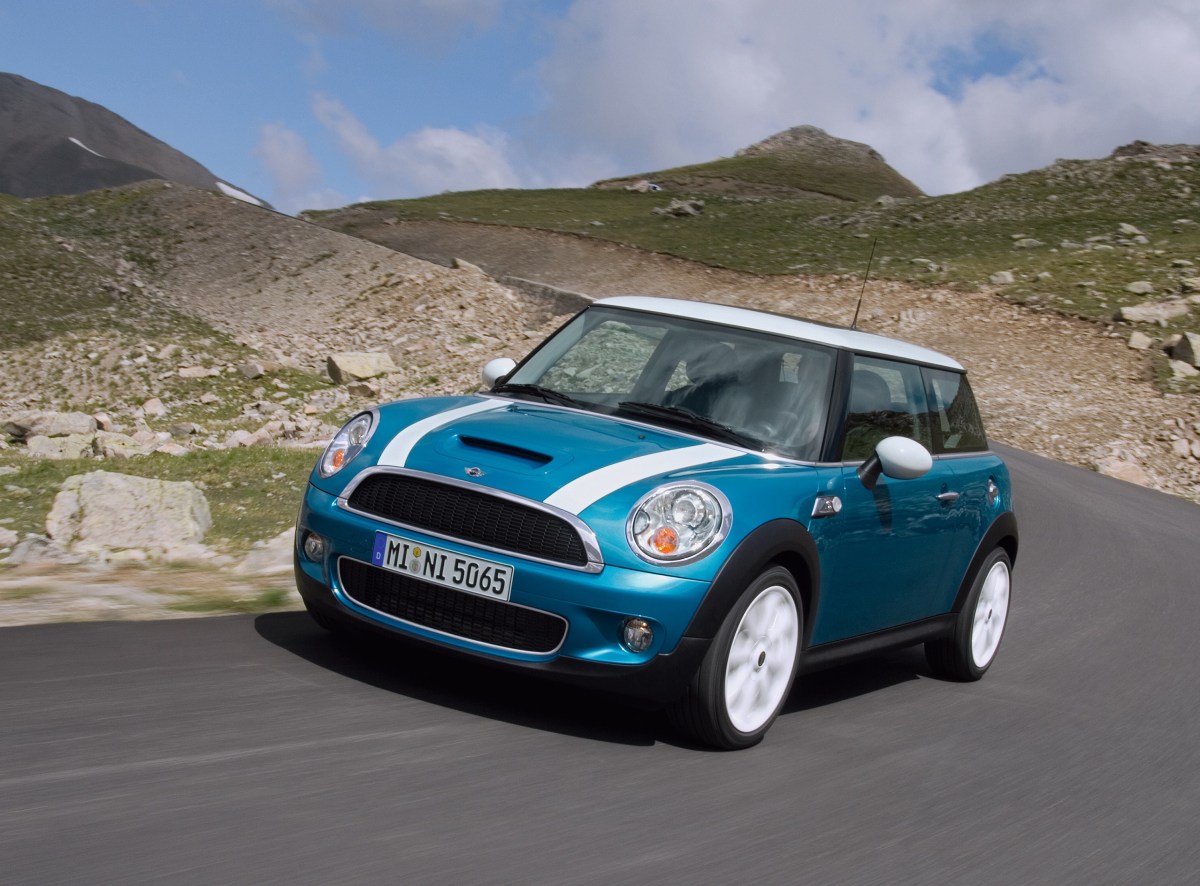
3. Mini Cooper (Especially Pre-2015 Models) – Charmingly Unreliable
Few cars have as much personality packed into a small package as the Mini Cooper. With its retro styling, go-kart-like handling, and cheeky attitude, the Mini became a cult favorite when BMW revived the brand in the early 2000s. Unfortunately, what it gained in charm and driver engagement, it lost in mechanical reliability.
Especially in models produced before 2015, the Mini Cooper has developed a reputation for being fun to drive, and just as often found in the shop. Owning a Mini is often a rollercoaster: thrilling on the road, maddening when it comes to repairs.
The engines, particularly the 1.6L turbocharged “Prince” engine co-developed with PSA Peugeot Citroën, are known for a laundry list of problems. These include timing chain tensioner failures, turbocharger oil leaks, carbon buildup on intake valves, and water pump failures—all of which are costly to fix and often occur well before the 100,000-mile mark.
Timing chain issues are especially concerning, as they can lead to complete engine failure if left unaddressed. Many owners report hearing the infamous “death rattle” from the engine bay—a telltale sign that the timing chain is in trouble and a several-thousand-dollar repair bill is imminent.
Mini’s compact dimensions come at a cost: extreme complexity and tight packaging under the hood. Even simple maintenance tasks like replacing spark plugs or accessing the battery can be labor-intensive due to poor engine bay access. Labor times are significantly higher than average, driving up repair costs.
Add to that BMW’s insistence on using specialized tools and computer diagnostics, and you have a car that’s hard to fix even for seasoned mechanics. Moreover, the electronics—particularly in early models—are highly temperamental. Central locking systems, infotainment screens, sunroof motors, and even speedometer gauges are all frequent points of failure.
On top of that, Mini parts are not cheap. Though the cars are small, they share many components with BMWs, which means parts pricing reflects a premium brand. That cost discrepancy surprises many first-time Mini owners who buy used models for a seemingly great price, only to find that even a basic repair costs more than they anticipated.
While newer Minis (post-2016) have shown improvements in reliability, the stigma remains, and for good reason. Unless maintained with obsessive regularity and significant investment, the Mini Cooper too often becomes a project car rather than a practical daily driver. Fun? Absolutely. Reliable? Not unless you’re incredibly lucky—or wealthy.
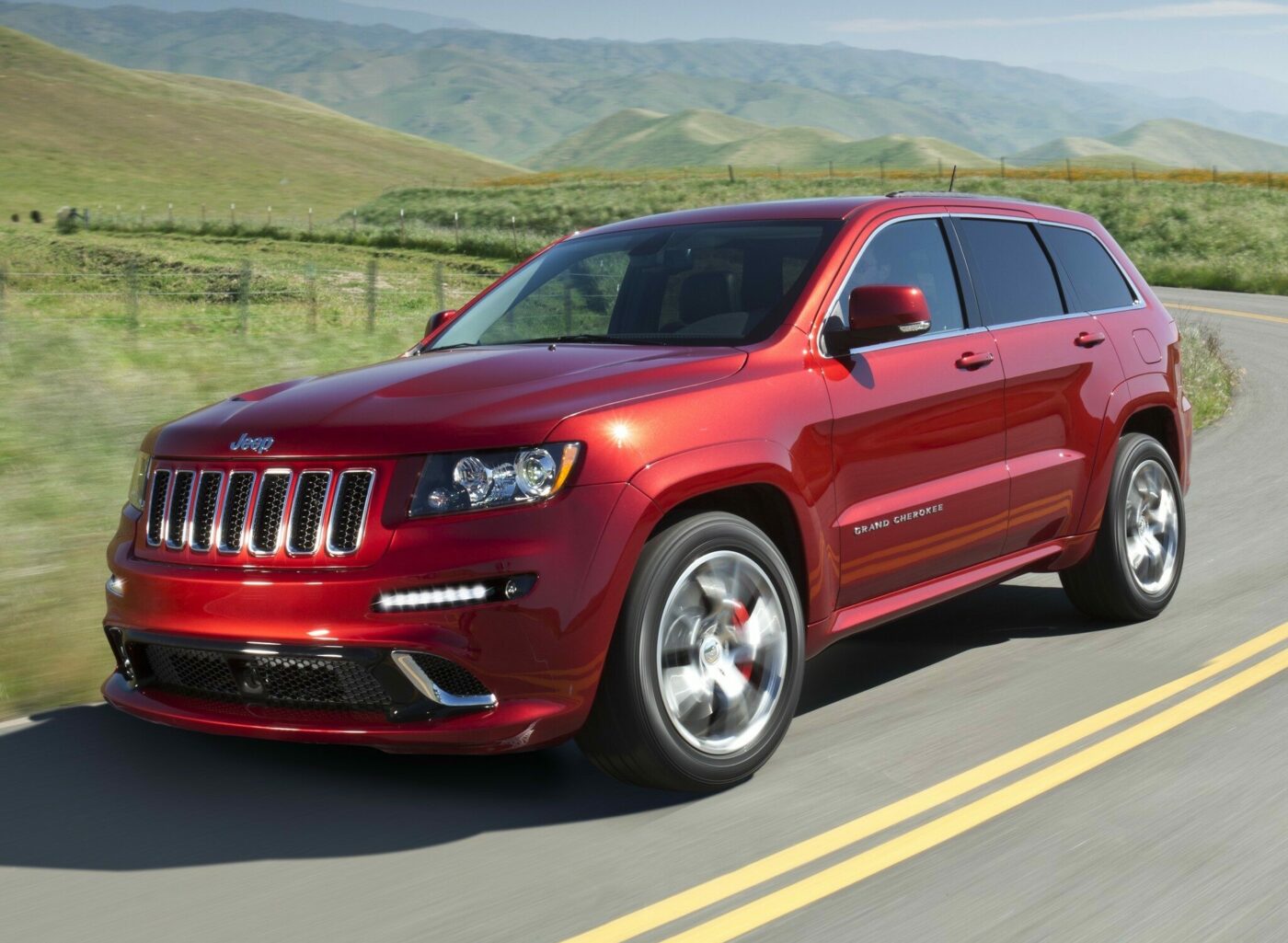
4. Jeep Grand Cherokee (2011–2015) – Built for Adventure, Prone to Issues
The Jeep Grand Cherokee has long been marketed as the perfect blend of off-road ruggedness and city-slicker sophistication. And in many ways, it delivers. With solid 4×4 capabilities, a plush interior, and multiple engine choices—including the powerful HEMI V8—the Grand Cherokee offers versatility that few SUVs can match.
However, when it comes to long-term ownership, this SUV has a mixed track record at best. Models from 2011 to 2015, in particular, have become notorious for mechanical and electrical problems that surface early and often, making the Grand Cherokee a frequent flyer in repair bays across the country.
A key issue lies in the Grand Cherokee’s transmissions, particularly the early use of the ZF 8-speed automatic transmission. While smooth when functioning correctly, this gearbox has been plagued by sensor failures, rough shifting, and gear-hunting problems. Some owners have even reported a sudden loss of drive power—an alarming issue when traveling at highway speeds.
The transmission software has required multiple updates over the years, and in many cases, entire units have needed replacement well before 100,000 miles. Additionally, transfer cases and differentials on 4WD models have been reported to wear out prematurely, adding thousands more in potential repair costs.
The Grand Cherokee also suffers from chronic electrical gremlins. The touchscreen infotainment system, known as Uconnect, frequently freezes, reboots randomly, or completely fails. Electrical modules that control everything from window operation to seat memory settings are also common failure points.
Perhaps most infamously, these vehicles were part of a high-profile recall related to the electronic gear shifter, which confused many drivers and led to several roll-away accidents, including one fatal incident involving a Hollywood actor. That level of design oversight speaks volumes about the rushed and often unrefined execution in some of these models.
From a mechanical standpoint, engine reliability has also been hit or miss. While the 3.6L Pentastar V6 is generally solid, it has had issues with cam phasers, oil pump failures, and poor coolant routing in earlier years. Meanwhile, the 5.7L HEMI V8, while powerful, consumes oil at alarming rates in some units and has experienced lifter failures that lead to costly top-end rebuilds.
Combine that with known suspension problems—especially worn-out ball joints and sway bar links—and the Grand Cherokee becomes an expensive SUV to keep on the road.
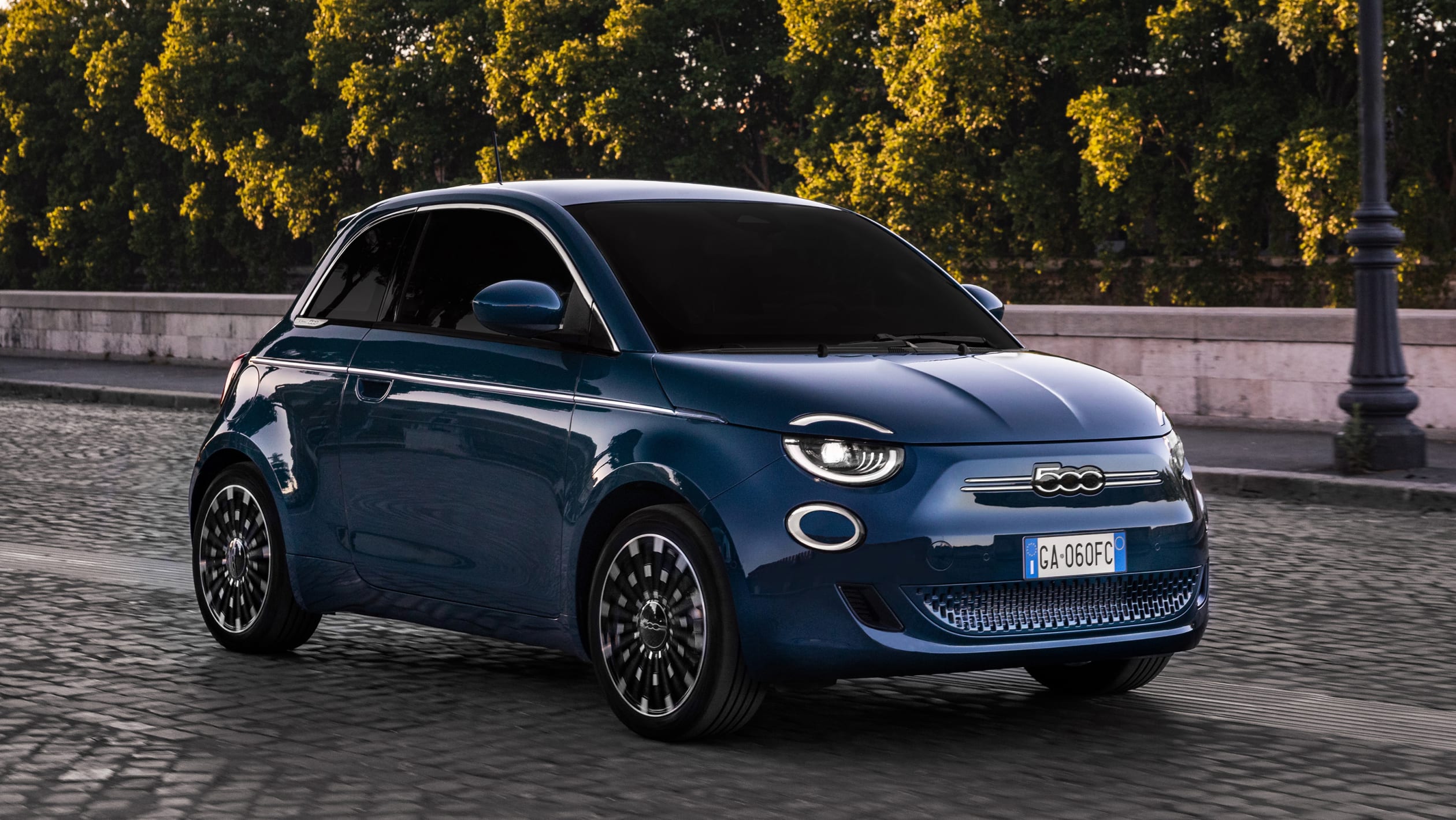
5. Fiat 500 – Cute Looks, Catastrophic Reliability
The Fiat 500, reintroduced to the U.S. market in 2011 with much fanfare and Italian flair, seemed poised to capture the hearts of drivers looking for an affordable, city-friendly compact car with style. And on the surface, it delivered. The retro design, punchy turbocharged Abarth variants, and quirky personality all made the 500 an intriguing choice.
But once the honeymoon period ended, reality quickly set in: the Fiat 500 isn’t just unreliable—it’s mechanically fragile, electrically unstable, and surprisingly expensive to own, especially for a subcompact car. It may look charming parked in the driveway, but it has earned a reputation for spending more time in service bays than on the road.
The Fiat 500’s reliability woes begin with its powertrain, particularly in the earlier models (2012–2015). The base 1.4L MultiAir engine, while efficient on paper, suffers from numerous issues that often emerge early in the car’s life.
Problems with the oil control system, timing solenoids, and valve actuators are common, leading to rough idling, loss of power, and persistent check engine lights. In turbocharged Abarth versions, things get even worse.
Turbo failures, boost leaks, and intercooler piping problems are all prevalent, and the added stress on the engine components leads to more frequent breakdowns. Transmission troubles are also widely reported—manual gearboxes suffer from premature clutch wear, while the automatic transmissions frequently experience jerky shifts and fluid leaks.
Unfortunately, the problems don’t stop with the engine and drivetrain. The Fiat 500 is also riddled with electrical gremlins that span nearly every subsystem. Instrument clusters freeze or display inaccurate information, power windows stop working without warning, and dashboard lights flicker due to faulty wiring.
Battery drain issues are common and difficult to diagnose, often tied to subpar grounding or malfunctioning control modules. The infotainment system, while basic, also fails prematurely in many vehicles, requiring costly replacement rather than simple software updates. These electrical issues are made worse by the fact that Fiat’s diagnostic systems are notoriously finicky and often require dealership-level access just to perform basic troubleshooting.
Even the Fiat 500’s build quality leaves much to be desired. Interior plastics wear out rapidly, door handles break with minimal use, and the fabric on the seats tends to fray well before the odometer hits 60,000 miles. The suspension is not built for durability—owners often report clunking noises within the first couple of years due to worn-out struts and sway bar links.
Adding insult to injury, parts for the 500 are often difficult to find, especially now that Fiat has pulled out of many U.S. markets and drastically reduced its dealership footprint. This limited support network makes repairs more time-consuming and expensive, especially if specialty components must be ordered from overseas.
Perhaps the most damning aspect of the Fiat 500’s ownership experience is its depreciation and resale value. Not only is the car prone to mechanical failures, but it also holds its value terribly. Many owners who try to offload their 500s after just a few years are shocked to find their vehicles worth a fraction of what they paid.
Combine that with frequent trips to the shop and an ever-growing repair bill, and it’s no wonder the 500 has one of the worst customer satisfaction scores in its segment. In the end, the Fiat 500 serves as a cautionary tale: style without substance may sell cars, but it doesn’t keep them on the road.
ALSO READ: 5 BMWs That Hit 150,000 Miles vs 5 That Drain Your Wallet
After examining both ends of the automotive reliability spectrum, the contrast between trouble-free ownership and constant mechanical headaches is striking. Some cars provide years—if not decades—of dependable service, while others seem destined for a life of breakdowns and repair invoices.
This wide performance gap often comes down to design philosophy, build quality, and the level of testing and refinement a manufacturer commits to before putting a car on the market. These differences aren’t always visible at the showroom but reveal themselves clearly in the years that follow.
A reliable vehicle simplifies life. It starts when you need it to, performs consistently under pressure, and rarely surprises you with unexpected issues. More importantly, it builds trust. Drivers of dependable cars tend to form long-lasting bonds with their vehicles.
These cars earn a reputation as workhorses, daily companions that age gracefully and keep going with minimal intervention. They don’t necessarily have the flashiest interiors or the latest tech, but their appeal lies in their consistency. They just work. And in a world full of uncertainty, that kind of reliability carries tremendous value.
Unreliable vehicles, on the other hand, chip away at your confidence every time something goes wrong. Small issues escalate into larger ones. Trips to the mechanic become routine. You start budgeting for repairs the same way you budget for fuel or groceries.
And worse still, these problems often emerge when you least expect them—during a long trip, in the middle of winter, or right after a costly maintenance bill. It’s not just inconvenient; it’s demoralizing. Over time, even a beautiful or powerful vehicle loses its appeal when it’s constantly out of commission or draining your savings.
It’s worth noting that no car is completely immune to wear and tear. Even the most celebrated models can have occasional issues. But what separates a reliable car from an unreliable one is how often these problems occur, how expensive they are to fix, and how well the vehicle performs in spite of them.
Some cars break down early and often, while others seem to run indefinitely with only basic care. These are not abstract differences—they have very real implications for your time, money, and overall quality of life.
Buying a car should be a confident decision, not a gamble. Unfortunately, too many buyers are swayed by marketing hype, impressive test drives, or peer pressure. They overlook the long-term picture in favor of short-term thrills. But owning a car is not just about how it feels today—it’s about how it performs five or ten years from now.
Is it still reliable? Is it still affordable to maintain? Does it still meet your needs without demanding constant attention? These are the questions that matter most, and they’re best answered by looking at the track record of real-world owners.
In that sense, reliability is one of the best predictors of a car’s long-term value. A vehicle that holds up well over time will not only save you money but also preserve your peace of mind. It might not make headlines or dominate sales charts, but it quietly earns its place as a trusted part of your daily life.
Conversely, a car plagued with issues becomes a source of ongoing stress—its once-impressive features overshadowed by a growing list of repairs and frustrations. And no matter how advanced or luxurious a car may be, none of that matters if it’s sitting in the shop more than it’s on the road.
In the end, every car buyer must choose their priorities. Some will chase performance. Others will go for style. But those who value long-term peace of mind and practical cost savings will always seek out reliability above all else.
By learning from the successes and failures of other owners, you can make an informed decision—one that aligns with your lifestyle, your budget, and your expectations. Reliability might not be the most glamorous feature on a spec sheet, but it’s arguably the most important one in everyday life.
Let this comparison serve as a reminder: a car is not just a purchase—it’s a relationship. Choose one that respects your time and your wallet, and it will serve you well for years to come.
