
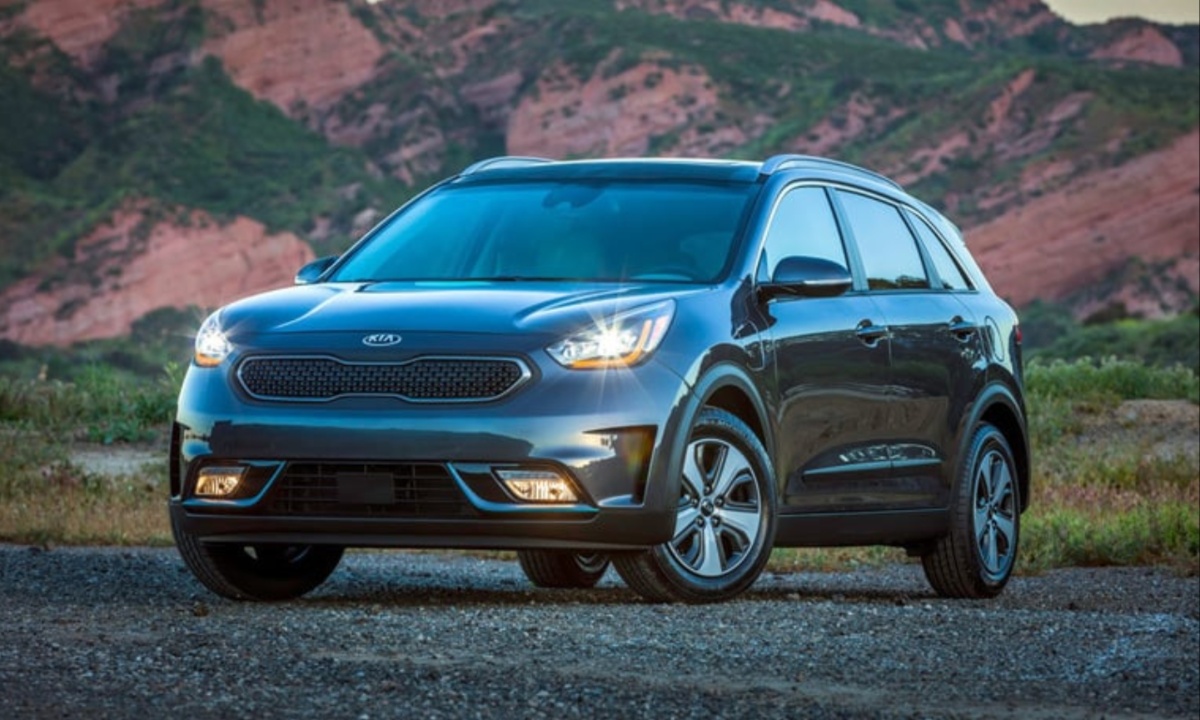
The modern rideshare economy has transformed the way millions of people around the world commute, travel, and earn a living.
Whether you’re booking a ride to the airport or driving full-time to earn a paycheck, the vehicle used in that process plays a far bigger role than many realize. Unlike a typical commuter car that may see 10,000 to 15,000 miles per year, rideshare vehicles often accumulate that in just a few months.
This kind of intense, daily use places unique demands on a car’s durability, fuel efficiency, comfort, and cost of ownership. Not every vehicle is engineered for this level of strain, and choosing the wrong car can lead to frustrating breakdowns, passenger complaints, and financial losses.
Conversely, selecting the right car can drastically increase a driver’s income potential while reducing long-term operating costs.
When selecting a rideshare car, the key criteria extend beyond simple horsepower or brand reputation. Fuel economy is one of the most critical factors. Rideshare drivers often spend hours on the road every day, mostly in city environments that involve frequent stopping and starting.
A car that sips fuel or uses a hybrid system can save thousands annually. But fuel efficiency alone isn’t enough. Interior space, particularly in the rear seat, is vital.
A cramped cabin may dissuade passengers from tipping well or giving high ratings. Furthermore, trunk space matters for airport or luggage-heavy trips, and ease of entry and exit affect everything from rider satisfaction to accessibility for elderly or disabled passengers.
Then there’s the cost of ownership—an often overlooked yet crucial aspect. Cars with high repair frequency, short lifespans, or expensive replacement parts can become financial liabilities. Rideshare driving wears down brakes, tires, suspensions, and transmissions much faster than normal usage.
A good rideshare car must be inexpensive to maintain and built to withstand punishment. It should also have a reputation for reliability and longevity, ideally crossing the 200,000-mile mark with only routine service.
This article aims to highlight both ends of the spectrum—five vehicles that are excellent for rideshare drivers due to their efficiency, reliability, and comfort, and five that struggle under heavy usage, despite perhaps being stylish or well-reviewed for personal driving.
Whether you’re a part-time driver or a full-time road warrior, choosing the right car is not just a convenience—it’s the foundation of your business. Make the wrong choice, and you’re looking at breakdowns, lost income, and unhappy passengers. Make the right one, and your car will become a dependable partner in building a steady income.
Also Read: 10 Cars That Survive Teen Drivers Built Tough Safe Smart and Budget Friendly
5 Cars Ideal for Rideshare
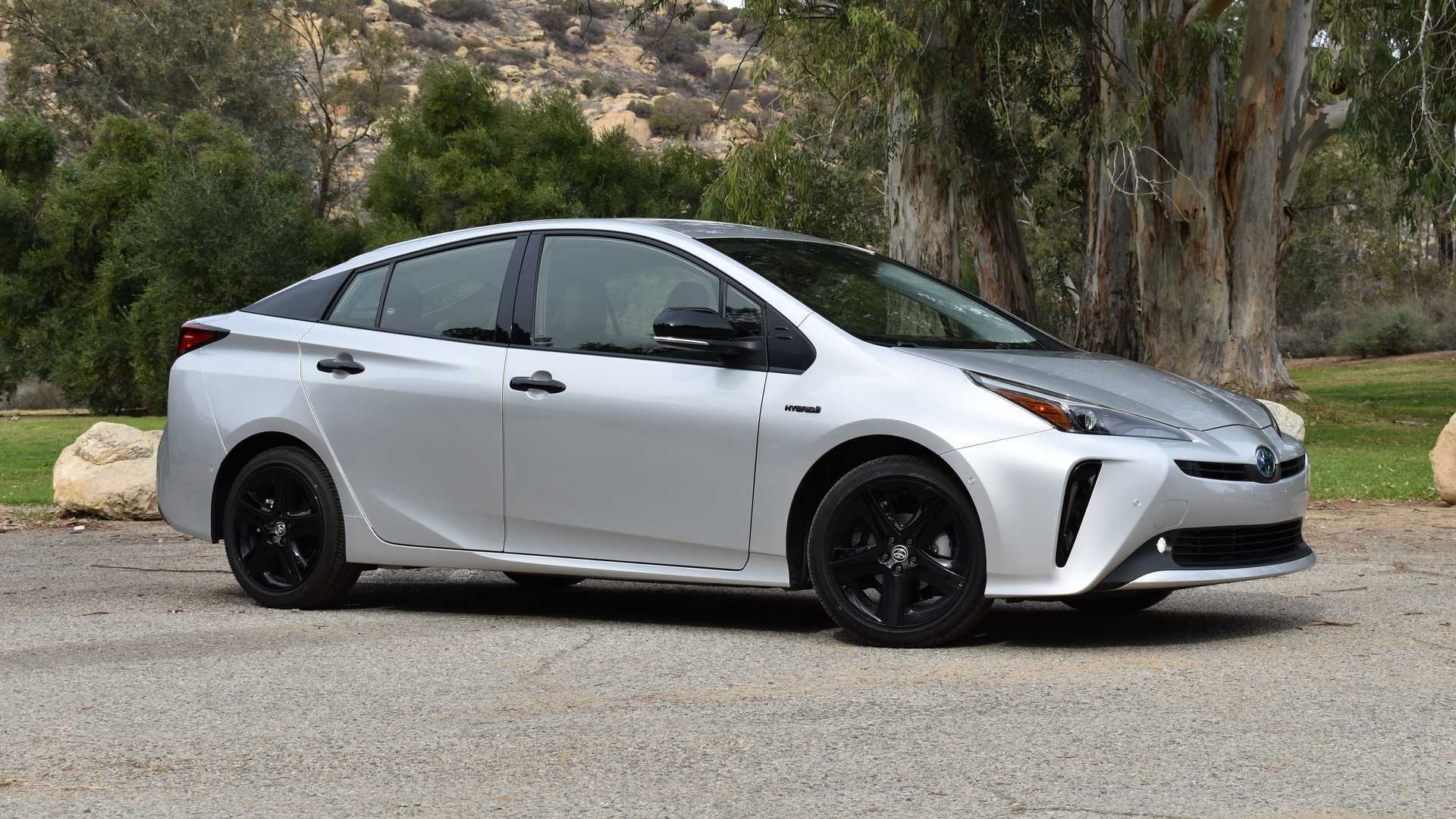
1. Toyota Prius
The Toyota Prius has carved out a nearly untouchable reputation in the rideshare world. If there were ever a vehicle designed with high-mileage, low-maintenance operation in mind, it’s the Prius.
For over two decades, this hybrid has delivered legendary fuel economy—typically over 50 mpg—and ironclad reliability that makes it a favorite among both new and veteran drivers. But fuel economy alone doesn’t make it ideal.
What truly sets the Prius apart is how purpose-built it feels for the kind of driving that defines rideshare work. From stop-and-go traffic to long airport runs, the Prius is a champion of efficiency without compromising day-to-day practicality.
The interior is surprisingly spacious, especially for a vehicle that falls into the compact segment. Rear passengers benefit from ample legroom and headroom, making it ideal for shared rides or Comfort-tier services. The hatchback design further adds to its versatility, allowing for generous cargo storage—something many sedans lack.
Whether it’s luggage, strollers, or shopping bags, the Prius can handle it without feeling overloaded. The quiet ride and smooth handling also contribute to a peaceful experience for passengers, which in turn results in better ratings and more tips for the driver.
Maintenance is where the Prius continues to shine long after competitors fade. Toyota’s hybrid system has been refined across multiple generations and is known for its durability. Many Prius models routinely surpass 250,000 miles with only routine servicing.
Even the hybrid battery, once considered a drawback due to cost, now lasts significantly longer than expected and has become cheaper to replace thanks to broader availability and improved technology. Parts are inexpensive, and most mechanics are familiar with the system, making repairs faster and more affordable.
Another hidden advantage of the Prius is its value retention. Despite being mass-produced, the car holds its value well due to its reputation. This means that even after putting thousands of miles on it, drivers can recoup a respectable portion of their investment when it’s time to upgrade.
All these qualities combined make the Toyota Prius not just a smart choice but arguably the benchmark for what a rideshare vehicle should be. Efficient, reliable, comfortable, and cost-effective—it hits every mark with precision.
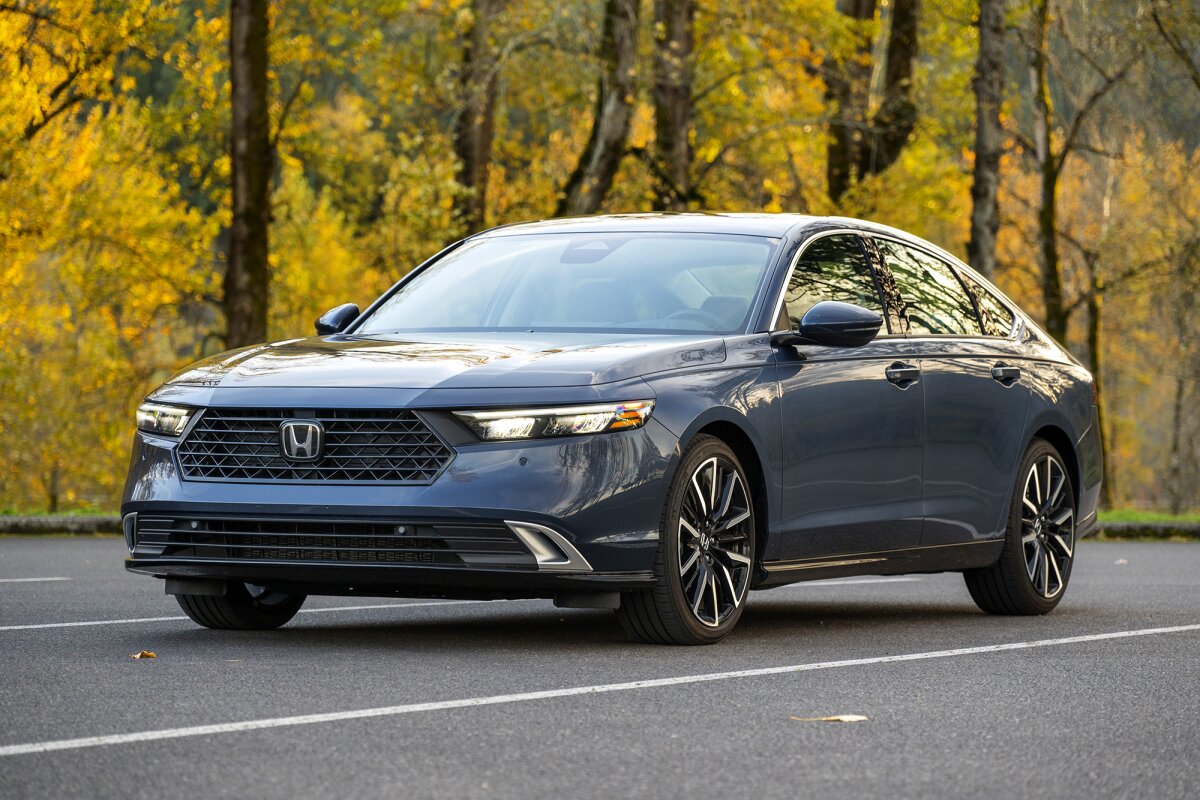
2. Honda Accord Hybrid
The Honda Accord Hybrid stands out as an elegant blend of economy and refinement, making it one of the most well-rounded choices for rideshare professionals.
While it may not be the first vehicle that comes to mind when thinking about high-mileage operation, those who know the business recognize the Accord Hybrid as a sleeper hit. It brings a level of comfort, spaciousness, and quiet sophistication that’s typically found in more expensive sedans, yet it doesn’t skimp on fuel efficiency or mechanical simplicity.
The result is a car that appeals equally to both the driver who spends 10 hours a day behind the wheel and the passenger expecting a premium experience.
One of the Accord Hybrid’s strongest assets is its powertrain. With a smooth transition between electric and gasoline propulsion, it manages an average of 45–48 mpg—placing it just below the Prius in terms of efficiency but offering considerably more horsepower and acceleration. This makes it a strong performer in urban traffic and highway merging situations alike.
The hybrid system is responsive without feeling abrupt, and the engine stays quiet even under moderate stress. For drivers navigating hectic city grids or freeway on-ramps, this balance between power and efficiency becomes a serious advantage.
Interior design is another area where the Accord Hybrid shines. The cabin is spacious, tastefully designed, and filled with soft-touch materials that give it a near-luxury feel. Rear legroom is especially generous, allowing passengers to ride in comfort during long journeys or rush-hour delays.
Trunk space is also commendable, easily accommodating luggage for airport runs or packages for delivery services. Even in lower trims, the infotainment system is intuitive and supports modern conveniences like Apple CarPlay and Android Auto, helping drivers stay connected and passengers entertained.
When it comes to longevity and reliability, Honda continues to impress. The Accord Hybrid, like its gasoline-only counterpart, has a well-earned reputation for durability. The hybrid components are engineered with long-term use in mind, and the car’s systems are easy to service at most garages.
Maintenance intervals are generous, and common wear items tend to last longer than average. For rideshare drivers who want to combine long-term value with a touch of executive comfort, the Accord Hybrid is a top-tier choice that offers an ideal blend of business and pleasure.
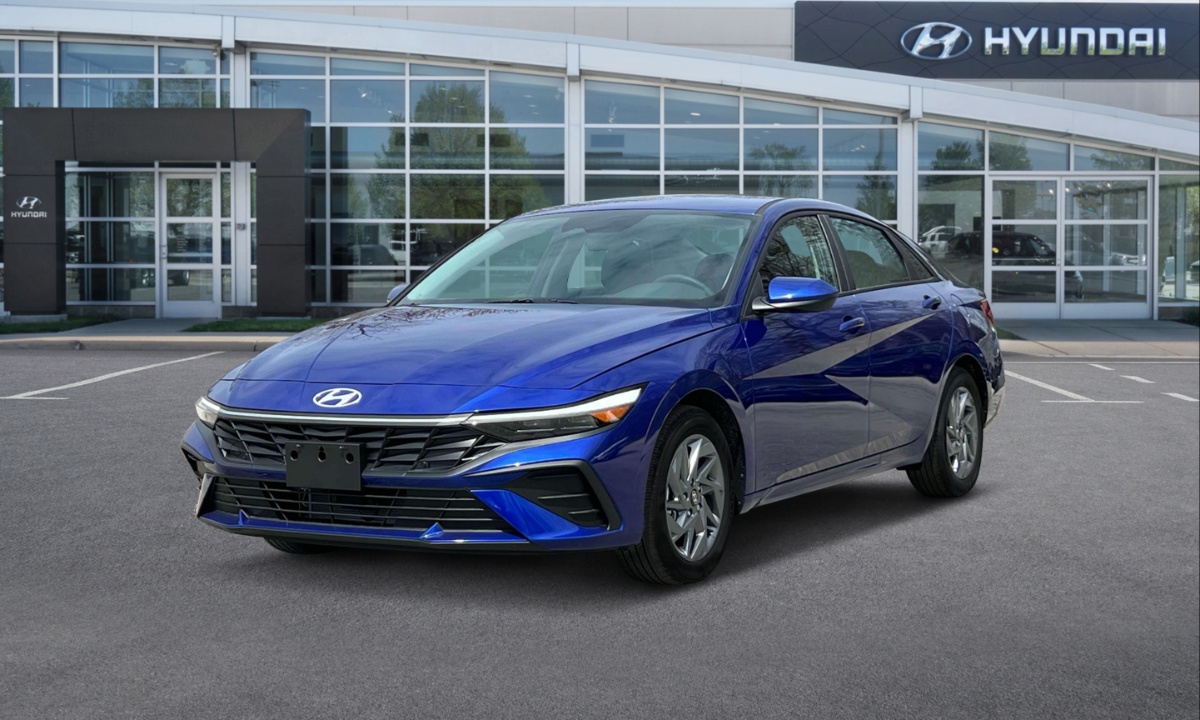
3. Hyundai Elantra Hybrid
The Hyundai Elantra Hybrid represents a new wave of affordable, efficient vehicles that punch well above their weight. For drivers entering the rideshare space or those looking to minimize costs without sacrificing functionality, the Elantra Hybrid makes a compelling case.
It delivers exceptional fuel economy—often above 50 mpg—at a price point that undercuts many of its rivals. In doing so, it becomes not just an economical purchase, but a strategic investment for anyone whose income depends on putting in long hours on the road.
The latest generation Elantra Hybrid features a bold, angular exterior design that stands out in traffic and lends the car a sense of modernity not always found in budget sedans. But more important than looks is the practicality packed into its compact frame.
The cabin is surprisingly spacious for its class, with smart ergonomics and excellent head and legroom, even in the rear seats. This makes it comfortable for both driver and passengers, whether you’re doing short city hops or longer highway rides. The ride quality is composed and well-insulated from road noise, which contributes to a more relaxed atmosphere during long shifts.
Tech and convenience features are a huge bonus in the Elantra Hybrid. Even base models come equipped with a touchscreen display, smartphone integration, and a suite of driver-assistance tools like lane-keeping assist and adaptive cruise control.
These aren’t just gimmicks—they actively reduce driver fatigue and enhance safety over extended periods of driving. Passengers are often impressed with the high-tech interior, which can lead to better satisfaction scores and more consistent tipping behavior.
Durability has become one of Hyundai’s strongest selling points in recent years, and the Elantra Hybrid is no exception. Backed by a class-leading warranty—typically 10 years or 100,000 miles on the powertrain—drivers can rest easy knowing they won’t be stuck with massive repair bills if something does go wrong.
The hybrid system is simple and proven, and routine maintenance is low-cost and widely accessible. For a driver looking to extract the maximum utility from every dollar spent, the Hyundai Elantra Hybrid is one of the smartest rideshare choices currently on the market.
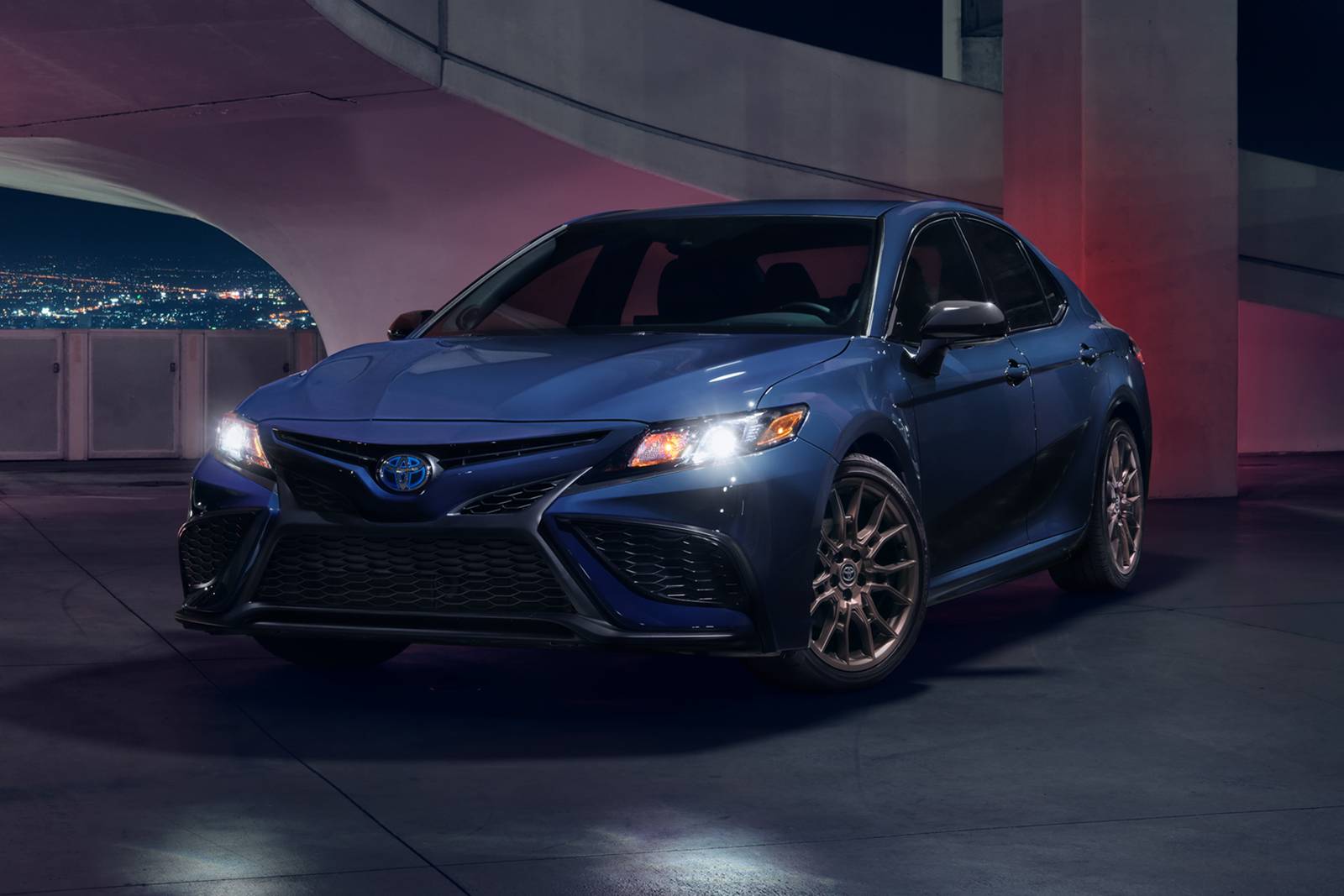
4. Toyota Camry Hybrid
If the Prius is the symbol of utility, the Toyota Camry Hybrid is the statement of refined strength. It brings together all the reliability and fuel efficiency of the Toyota hybrid platform with added power, size, and polish.
The Camry Hybrid appeals to rideshare drivers who want a car that’s not only dependable but also stylish and comfortable enough to provide an elevated passenger experience.
Whether you’re ferrying executives to meetings or college students across town, the Camry Hybrid adapts effortlessly to any scenario while maintaining top-tier operational efficiency.
The fuel economy is outstanding, especially for a midsize sedan. City driving yields between 44 and 52 mpg, depending on driving style and conditions, numbers that rival smaller compacts.
The hybrid drivetrain feels more powerful than expected, giving drivers a reassuring level of performance when fully loaded with passengers or merging into fast-moving traffic. Unlike some hybrids that feel underpowered or artificial, the Camry Hybrid offers a more natural driving experience that feels responsive and smooth across all speeds.
Inside, the Camry Hybrid offers a level of comfort and spaciousness that many riders associate with premium cars. The materials are soft and well put together, the seats are supportive for long stints, and the overall cabin noise is minimal. Rear passengers benefit from ample space, and the ride is buttery smooth, even over poor road surfaces.
This makes it an ideal candidate for services like Uber Comfort or Lyft Lux, where higher-end rides are in demand. The large trunk further enhances its utility, offering enough space to handle multiple bags or a week’s worth of groceries.
Toyota’s reputation for reliability extends seamlessly into the Camry Hybrid. The battery system, powertrain, and even suspension components are engineered to last for years and hundreds of thousands of miles with minimal drama. Repair costs are manageable, parts are easy to source, and the resale value is among the best in its class.
All things considered, the Camry Hybrid doesn’t just offer rideshare viability—it delivers a premium experience for both driver and passenger, wrapped in Toyota’s legendary durability.
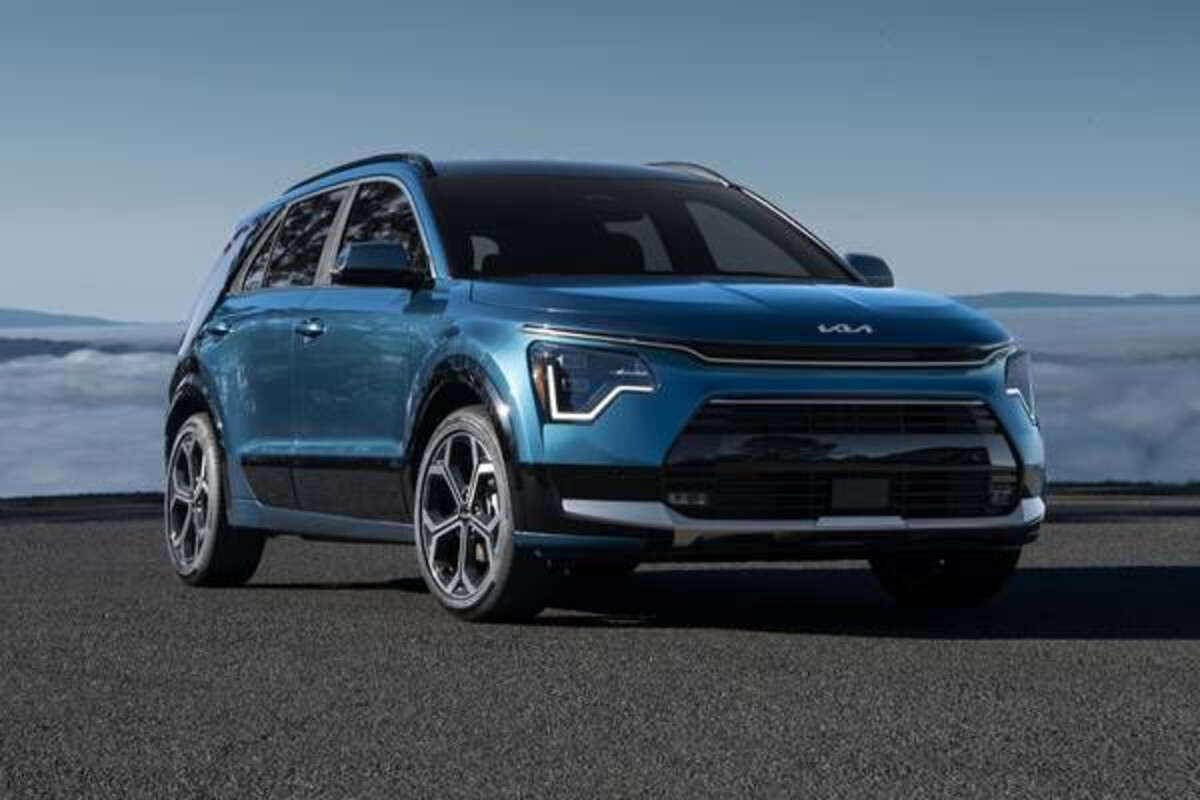
5. Kia Niro Hybrid
The Kia Niro Hybrid is one of the most versatile and underrated options available for rideshare drivers today. Sitting somewhere between a compact car and a crossover SUV, the Niro provides a flexible platform that handles city driving just as easily as it does airport runs.
What makes it especially attractive to rideshare professionals is the combination of hatchback utility, high fuel economy—typically between 49 and 53 mpg—and a surprisingly comfortable ride that can satisfy even the pickiest of passengers.
The Niro’s upright design gives it an advantage in terms of interior layout and cargo space. Passengers benefit from higher seat positioning, which makes entering and exiting the vehicle easier—an important factor for elderly riders or those with mobility issues.
The rear seating area is roomier than many compact competitors, and the back seats fold down to expand the cargo space dramatically. This versatility makes it an ideal option for drivers who may also use their vehicle for food delivery, errands, or transporting goods during off-hours.
Inside the cabin, the Kia Niro impresses with its clean, functional layout and user-friendly technology. Drivers get easy access to infotainment systems that include Apple CarPlay and Android Auto, as well as a suite of safety features such as blind-spot monitoring, lane-keep assist, and forward collision warning.
These tools not only enhance safety but also reduce mental fatigue during long shifts, making for a smoother, more confident driving experience. Passengers often comment on the Niro’s clean, modern feel, which helps elevate the rideshare experience and boost driver ratings.
Reliability and maintenance are also strong points for the Niro Hybrid. Like Hyundai, Kia has invested heavily in improving its long-term durability, and the generous warranty coverage (often 10 years or 100,000 miles) reflects that confidence.
Routine service is inexpensive and widely available, and hybrid components have shown good durability in real-world use. Whether you’re a full-time driver or someone looking to supplement your income, the Kia Niro Hybrid offers an ideal mix of economy, comfort, and practicality that few vehicles in its class can match.
5 Cars That Can’t Handle Heavy Use
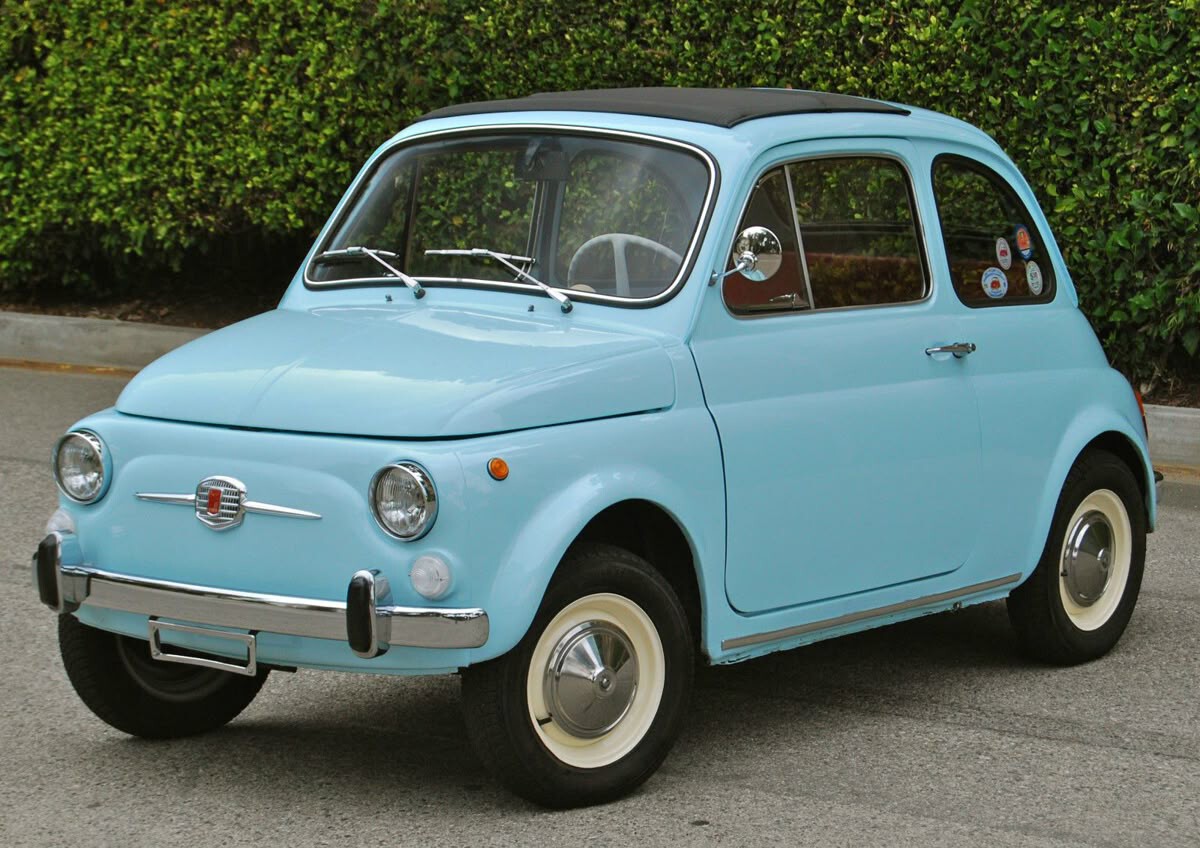
1. Fiat 500
The Fiat 500 is often praised for its charming Italian styling and fun-to-drive personality, but these are qualities that simply don’t translate into the rideshare world. As a subcompact city car, the Fiat 500 was designed for personal use in narrow European streets, not the grueling conditions of commercial passenger driving.
It lacks the space, power, and mechanical resilience to function as a full-time rideshare vehicle. Even though its small footprint might seem ideal for navigating city congestion, the reality is that it becomes a liability the moment you attempt to transport more than one passenger or handle a moderate-sized luggage load.
The most glaring issue with the Fiat 500 is its cramped interior. Rear-seat space is minimal, bordering on unusable for adult passengers. Even front passengers may find legroom and headroom lacking. The small, narrow cabin leads to a sense of confinement, which is especially problematic on longer trips.
Customers expect a certain level of comfort during their ride, and being wedged into a tight space with barely enough room to move does not make for a pleasant experience. This results in lower passenger satisfaction and, in turn, lower ratings and tips—two critical components of a successful rideshare career.
Beyond space limitations, the Fiat 500’s reliability record is below average. Many owners report a range of issues, from frequent electrical failures and transmission problems to premature suspension wear. These repairs aren’t just inconvenient—they’re costly.
Fiat’s parts can be harder to source than those of Japanese or Korean manufacturers, and labor charges are often higher due to the complexity and layout of the vehicle’s internal systems. For a driver who relies on their car as a revenue-generating tool, downtime and repair bills can quickly negate any initial savings the car’s low purchase price may have offered.
Lastly, the driving dynamics of the Fiat 500 are not suited to rideshare work. Its short wheelbase and stiff suspension create a harsh, bouncy ride over anything but the smoothest roads. Road noise is pervasive, insulation is minimal, and the steering lacks the smoothness and control that make long hours of driving bearable.
Add to this the subpar fuel economy relative to its size—especially in the turbocharged Abarth models—and you’re left with a car that’s neither economical nor enjoyable for passengers. In short, the Fiat 500 is a stylish, impractical misfit for professional drivers.
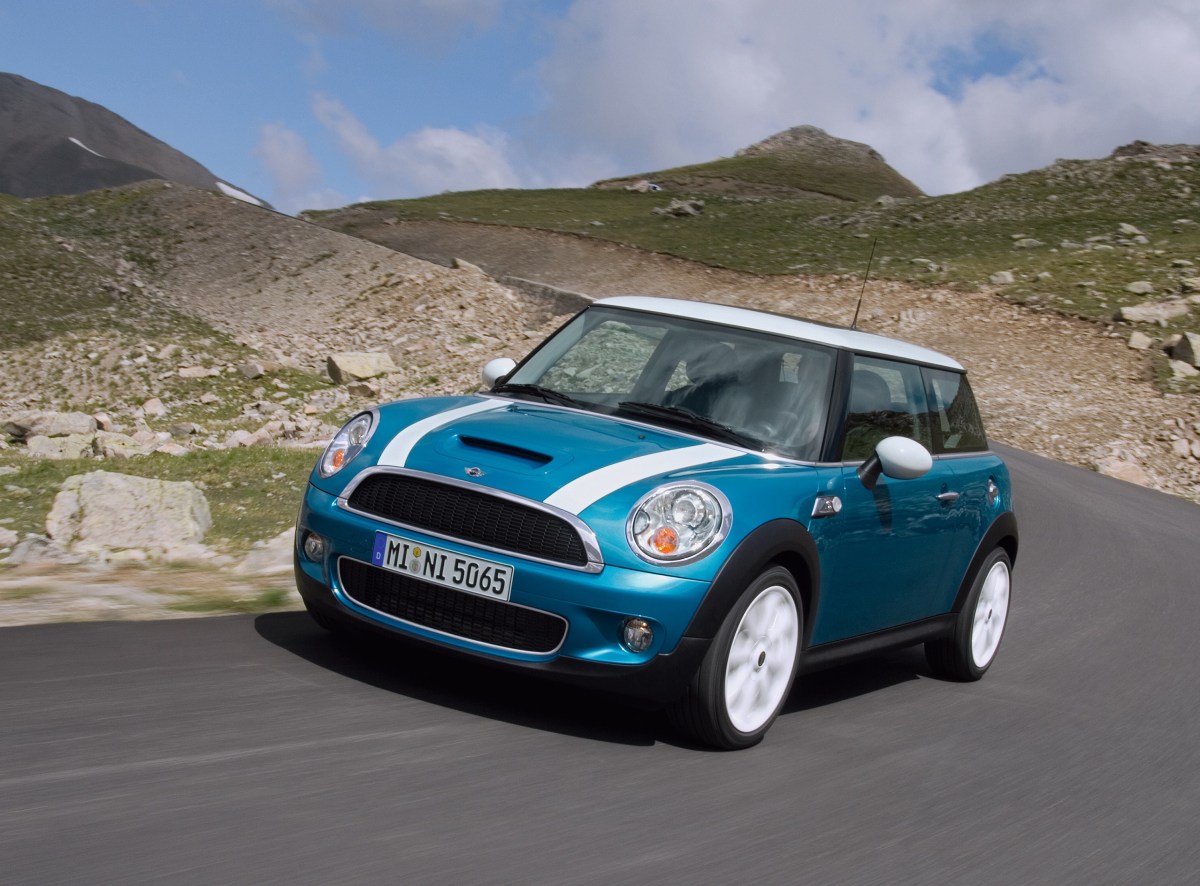
2. MINI Cooper
Few cars turn heads quite like a MINI Cooper. With its distinctive British design and go-kart-like handling, the MINI has cultivated a loyal following among drivers who value personality and fun behind the wheel. However, what works well for weekend getaways and urban zipping does not hold up under the pressure of daily rideshare service.
The MINI Cooper suffers from many of the same issues as the Fiat 500 but adds its own layers of complexity due to its more premium pricing and BMW-based engineering.
To begin with, space is a recurring and unavoidable issue. Despite clever interior packaging, the MINI’s compact footprint severely limits its passenger comfort. Rear seats are often suitable only for small children or extremely short rides. Adults in the back will find themselves cramped, and the tight headroom doesn’t help.
Additionally, the car’s low stance makes entry and exit cumbersome, especially for older passengers or those carrying bags. Trunk space is similarly compromised. You’ll be hard-pressed to fit more than a small duffel bag or backpack in the cargo area, ruling out most airport trips or deliveries.
Maintenance is another key concern. Because MINI is a BMW subsidiary, parts and service costs are notably higher than average. The engine bay is notoriously cramped, making even routine repairs more difficult and time-consuming. Issues such as oil leaks, timing chain problems, and clutch wear are well-documented, particularly in older models.
These are not the kinds of things you want to deal with when your livelihood depends on being on the road as much as possible. The frequency and cost of these repairs erode the vehicle’s value proposition over time, particularly when used heavily.
Lastly, the MINI Cooper’s firm suspension, sporty steering, and low-profile tires might appeal to driving enthusiasts, but they create a rough and sometimes jarring ride for passengers. On city streets filled with potholes and speed bumps, the cabin can become noisy and uncomfortable.
While some customers may enjoy the novelty of riding in a MINI, the experience wears thin during longer journeys. When weighed against its drawbacks—high cost of ownership, low utility, and poor long-term durability—it becomes clear that the MINI Cooper is better suited for style-conscious individuals than hardworking rideshare professionals.
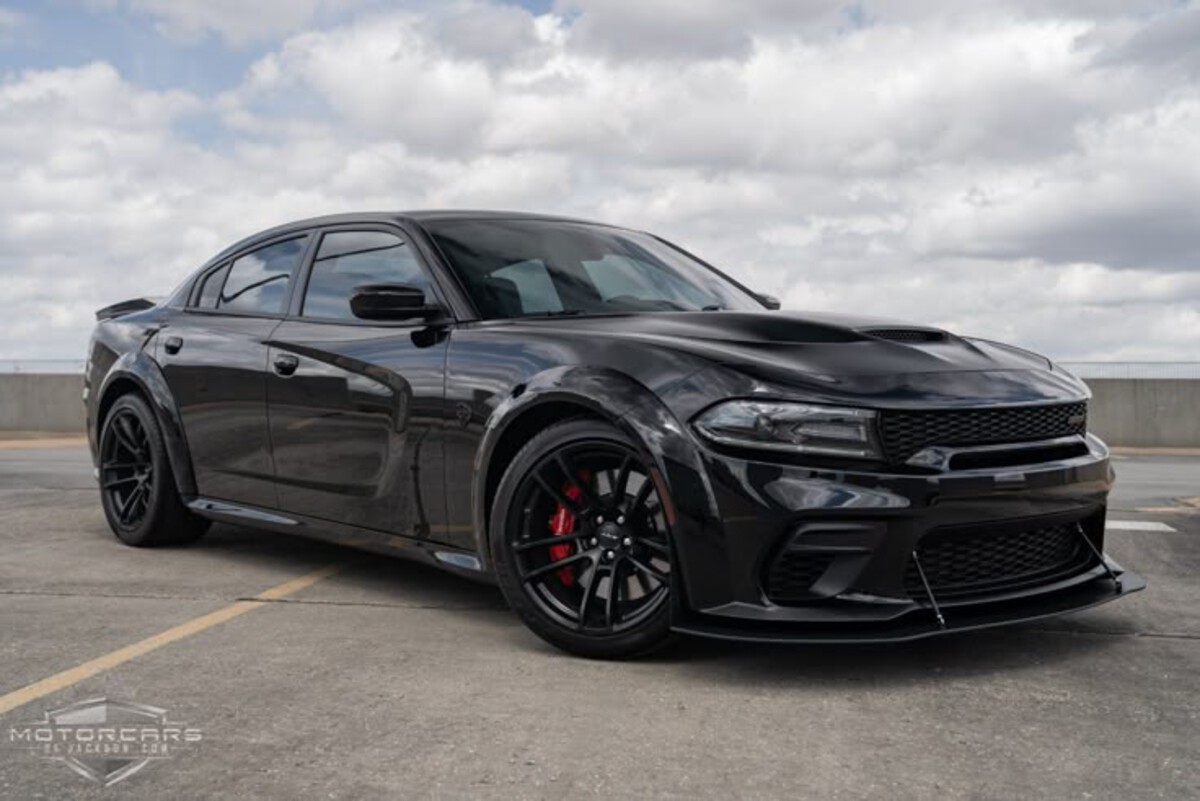
3. Dodge Charger
The Dodge Charger makes a bold statement. It’s muscular, aggressive, and unmistakably American, and for drivers who enjoy power, it offers a thrilling experience. However, it’s also a cautionary tale for rideshare drivers who prioritize aesthetics and performance over practicality.
At first glance, the Charger may seem like an attractive option due to its spacious interior and street presence, but a deeper look reveals it to be a financially inefficient and maintenance-heavy choice for high-mileage use.
Fuel efficiency is a major red flag. The Charger comes with engines that are geared more toward power than economy. Even the base V6 struggles to deliver decent mileage in city traffic, often hovering around 19–21 mpg.
If you opt for one of the higher trims with a V8, you can expect single-digit mpg under heavy use in urban environments. For rideshare drivers, where profit margins are often thin, this kind of fuel consumption is unsustainable. High fuel costs cut into daily earnings in a way that simply doesn’t happen with more efficient hybrids or compact sedans.
The size and power of the Charger also create other problems. It’s a wide car with a long wheelbase, making it cumbersome to maneuver in tight city traffic or during parallel parking.
Some passengers may appreciate the spaciousness, but others could find the loud exhaust and performance-oriented ride unsettling. Insurance costs are significantly higher due to the Charger’s classification as a performance vehicle and its popularity among younger drivers, which statistically raises its risk profile for insurers.
From a maintenance perspective, the Charger doesn’t age gracefully under stress. Brake pads wear quickly due to the car’s weight and power, tires need replacing more often, and suspension components can degrade faster under the strain of urban driving.
Repairs tend to be expensive, and while the engines can be robust, the rest of the car doesn’t hold up as well under high mileage. It’s a vehicle designed for enjoyment, not endurance. For a rideshare driver, the Charger is a flashy burden that’s better left in the garage.
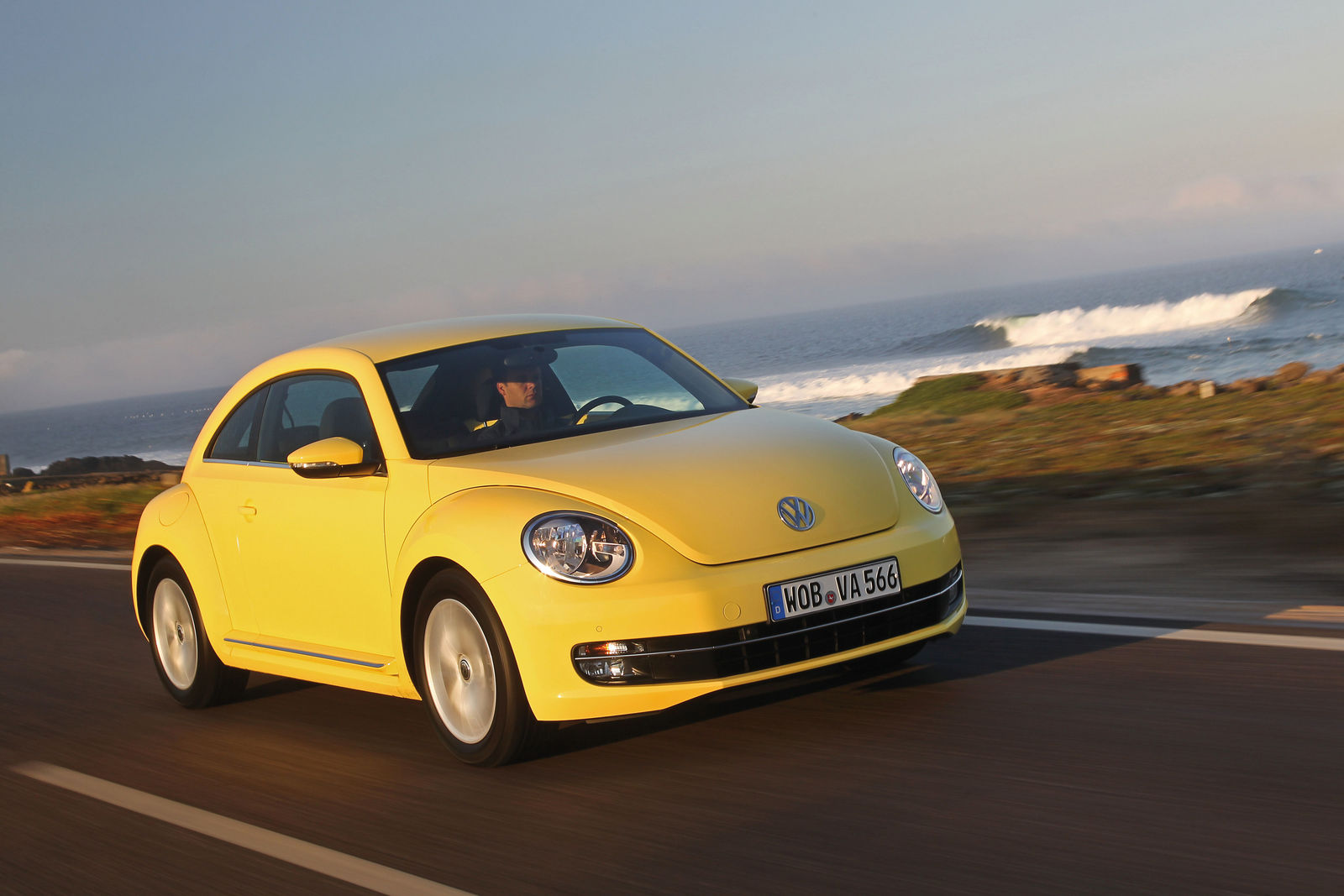
4. Volkswagen Beetle
The Volkswagen Beetle, particularly in its most recent generations, capitalizes on nostalgia with its iconic design and approachable size. It’s cute, fun, and visually unique—three traits that might suggest it would be a great city car for light-duty rideshare work.
Unfortunately, appearances are deceiving. The Beetle suffers from many of the same fundamental flaws that affect other subcompacts, and it adds to the list with concerns about long-term reliability, maintenance costs, and poor adaptability for the demands of rideshare service.
Passenger space is extremely limited. Although the car technically seats four, the rear seating area is more of a suggestion than a usable space. Accessing the back row requires tilting the front seats forward, which is not only inconvenient but also unprofessional in the context of rideshare driving.
This can slow down boarding times and frustrate passengers, particularly in busy or time-sensitive situations. Once inside, taller passengers will quickly find headroom and legroom lacking. This restricts the types of fares you can accept and generally reduces your earning potential.
The Beetle’s mechanical track record is uneven at best. While Volkswagen has made strides in improving build quality, older Beetles are notorious for problems ranging from electrical gremlins to cooling system failures and turbocharger issues.
These repairs are expensive, and because VW tends to use proprietary components, many require dealership service rather than quick fixes at independent shops. The maintenance costs add up rapidly, and downtime for repairs cuts directly into income.
Fuel economy is also a disappointment for a car of its size. Even the turbocharged 1.8L engine struggles to deliver efficiency on par with modern hybrids or even some naturally aspirated four-cylinders. Real-world city mileage hovers around 22–25 mpg, which might be fine for a weekend car but is inadequate for rideshare use.
Factor in a tiny trunk that can’t accommodate standard luggage and a ride quality that feels jittery on rough pavement, and it becomes clear: the Beetle was not built for the workhorse demands of rideshare.
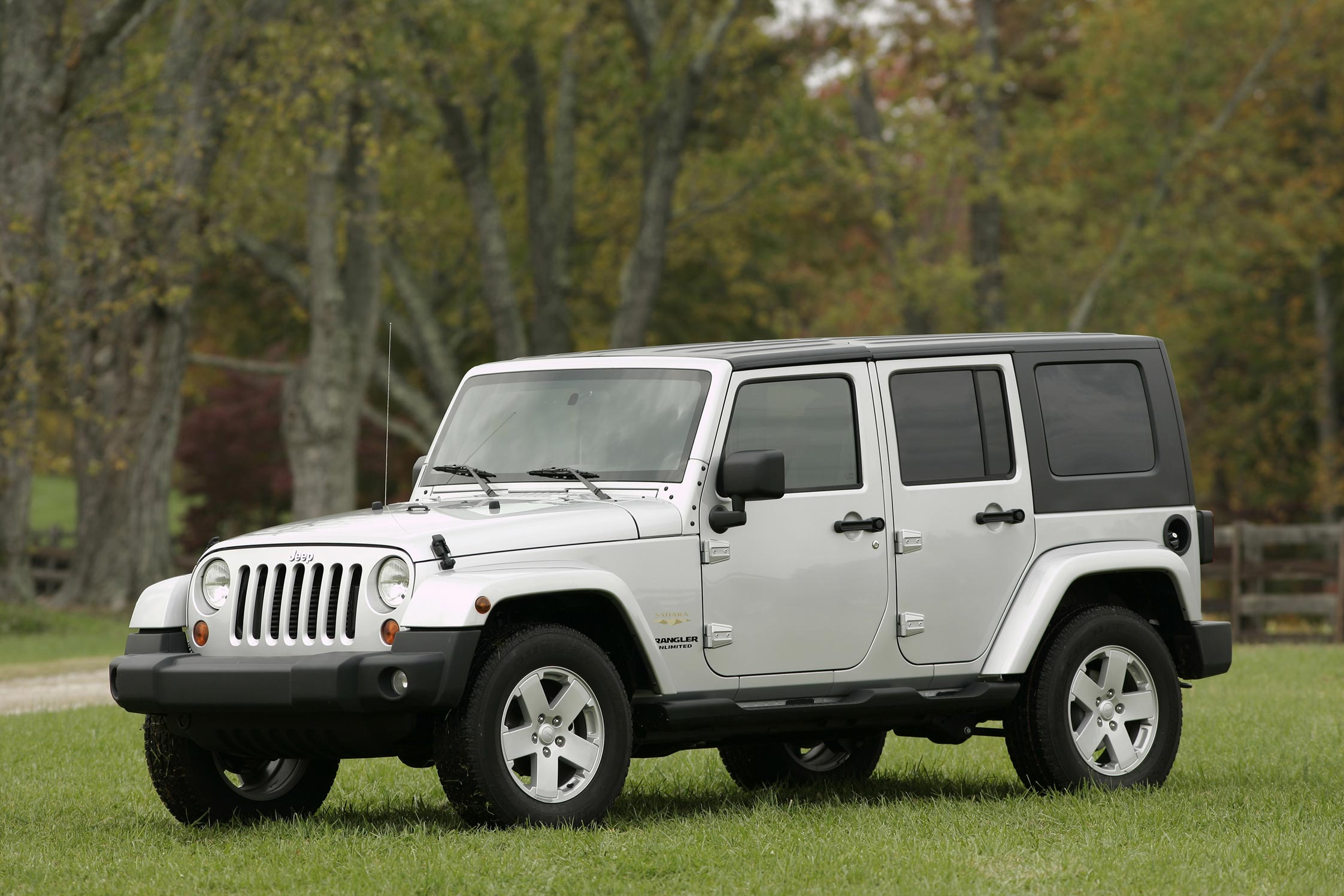
5. Jeep Wrangler
The Jeep Wrangler is a legend in its own right—rugged, iconic, and off-road capable like few other vehicles on the market. But what makes it perfect for the trail is exactly what makes it terrible for ridesharing. The Wrangler is designed for adventure, not urban utility.
Drivers who choose this vehicle for rideshare work are often making a decision based on passion rather than pragmatism, and they pay for it. From poor fuel economy to passenger discomfort and high maintenance costs, the Wrangler is fundamentally mismatched with the demands of high-mileage service driving.
Fuel economy is arguably the biggest red flag. Even in its most efficient variants, the Wrangler struggles to reach 20 mpg in city conditions. Models with larger engines or off-road packages perform even worse.
For rideshare drivers, who often rack up hundreds of city miles per week, this translates to a massive fuel bill. Every fill-up is a painful reminder that the Wrangler’s rugged charm comes at a steep operational cost. When you’re watching your profit shrink at the pump, style and sentiment lose their appeal.
Passenger comfort is another major issue. The Wrangler’s cabin is spartan and loud. The boxy shape, removable roof, and minimal insulation mean wind and road noise are always present. Suspension tuning that favors off-road performance results in a bumpy, unsettled ride on city streets.
Passengers often feel tossed around, especially when riding in the back seat, which is cramped and has a high step-in height. Many customers may see the Wrangler as a novelty at first, but once they experience the ride quality, they’re less likely to give high ratings or request a return ride.
Reliability is also mixed. While the drivetrain is often tough, the Wrangler is notorious for issues with its electronics, infotainment systems, and soft top components.
Constant exposure to the elements and rough usage can accelerate wear on suspension and steering parts. Repairs aren’t cheap, and parts availability can vary depending on your region. Insurance rates are also higher due to the vehicle’s repair complexity and off-road classification, eating further into your profit.
The Wrangler is an enthusiast’s vehicle, not a commercial workhorse. It’s built for mud trails, not urban commutes or airport pickups. While its rugged looks may earn occasional compliments, they can’t make up for poor economics, high upkeep, and a rough passenger experience. For rideshare, the Wrangler is more obstacle than an asset.
Also Read: 10 Cars That Are Still on the Road From the Early 2000s
In the competitive, fast-paced world of rideshare driving, your car is more than just a means of transportation—it’s the core of your business. It affects how much you earn per mile, how many hours you can comfortably work, how your passengers perceive you, and how long your vehicle can survive the wear and tear of heavy use.
It’s easy to assume that any car can be used for rideshare work, but in practice, some vehicles are purpose-built for it. In contrast, others are simply not equipped to handle the sustained pressure, daily mileage, and high passenger turnover that come with the job.
The difference between a car that thrives in this role and one that collapses under pressure can be the difference between a thriving rideshare business and a costly mistake.
Vehicles like the Toyota Prius, Honda Accord Hybrid, and Hyundai Elantra Hybrid excel because they were engineered with durability, economy, and practicality in mind. These vehicles combine stellar fuel efficiency with minimal maintenance requirements and offer comfort features that make both drivers and passengers feel at ease.
Their hybrid systems have matured over the years, making them reliable, cost-effective choices that deliver consistent performance day in and day out.
Meanwhile, models like the Toyota Camry Hybrid and Kia Niro Hybrid add versatility and sophistication without straying from the foundational needs of a professional vehicle: dependability, low operational costs, and ride quality that satisfies passengers from all walks of life.
On the opposite end of the spectrum, cars like the Fiat 500, MINI Cooper, and Volkswagen Beetle might be fun to drive or aesthetically appealing, but they fall short where it matters: space, comfort, and durability. These vehicles tend to have cramped interiors, underwhelming cargo room, and questionable long-term reliability.
Others, such as the Dodge Charger and Jeep Wrangler, may have the brawn and excitement to appeal to individual enthusiasts, but their high fuel costs, stiff rides, and expensive maintenance bills make them poor candidates for long-term commercial driving. They look great on the street—but they’ll drain your wallet behind the wheel.
Ultimately, the vehicle you choose should align with your goals as a driver. If you’re in it to earn consistent income with minimal headaches, your car should work for you, not against you. It should be efficient, easy to maintain, and comfortable enough to keep passengers happy.
Remember, in ridesharing, your car is your office, your tool, and your livelihood. Investing in the right one isn’t just a smart move—it’s the foundation of your success.
The best rideshare drivers don’t just think about what they want to drive—they think about what they need to drive to grow a business that’s sustainable, profitable, and built to last.
