
In the modern automotive landscape, electrical systems play an increasingly pivotal role in defining the reliability, safety, and overall driving experience of a vehicle.
From engine management and infotainment to advanced driver-assistance systems, the complexity and sophistication of a car’s electrical architecture have skyrocketed over the last few decades.
With this complexity, however, comes the potential for failure—electrical gremlins that can turn a reliable vehicle into a headache-ridden liability.
For many drivers, understanding which vehicles have truly bulletproof electrical systems versus those infamous for persistent electrical issues is not just an academic exercise, but a crucial factor in the decision-making process when buying a car.
Historically, some automakers have invested heavily in the robustness and durability of their electrical components, focusing on quality wiring harnesses, corrosion-resistant connectors, and fail-safe circuit designs.
These efforts have resulted in cars that, even after years and hundreds of thousands of miles, remain electrically sound and free from the kinds of random glitches or outright failures that plague other models.
Conversely, certain brands or models have earned a reputation—sometimes deservedly, sometimes unfairly—as being plagued by “electrical gremlins.” These can manifest as intermittent dashboard warning lights, malfunctioning infotainment systems, sporadic engine stalling, or more severe issues like failure of safety-critical systems.
This article delves into both ends of the spectrum, exploring five cars widely regarded for their bulletproof electrical systems and five notorious for their electrical challenges.
By highlighting their engineering philosophies, real-world reliability, and common owner experiences, readers can gain valuable insights that could save them time, money, and frustration down the road.
Whether you’re a seasoned car enthusiast, a first-time buyer, or simply curious about automotive tech, understanding these contrasts will deepen your appreciation for what goes into making a car truly reliable beneath the hood and behind the dash.
Also Read: 5 AWD Cars With No Transfer Case Problems and 5 That Grind and Fail
5 Cars With Bulletproof Electrical Systems
1. Toyota Corolla
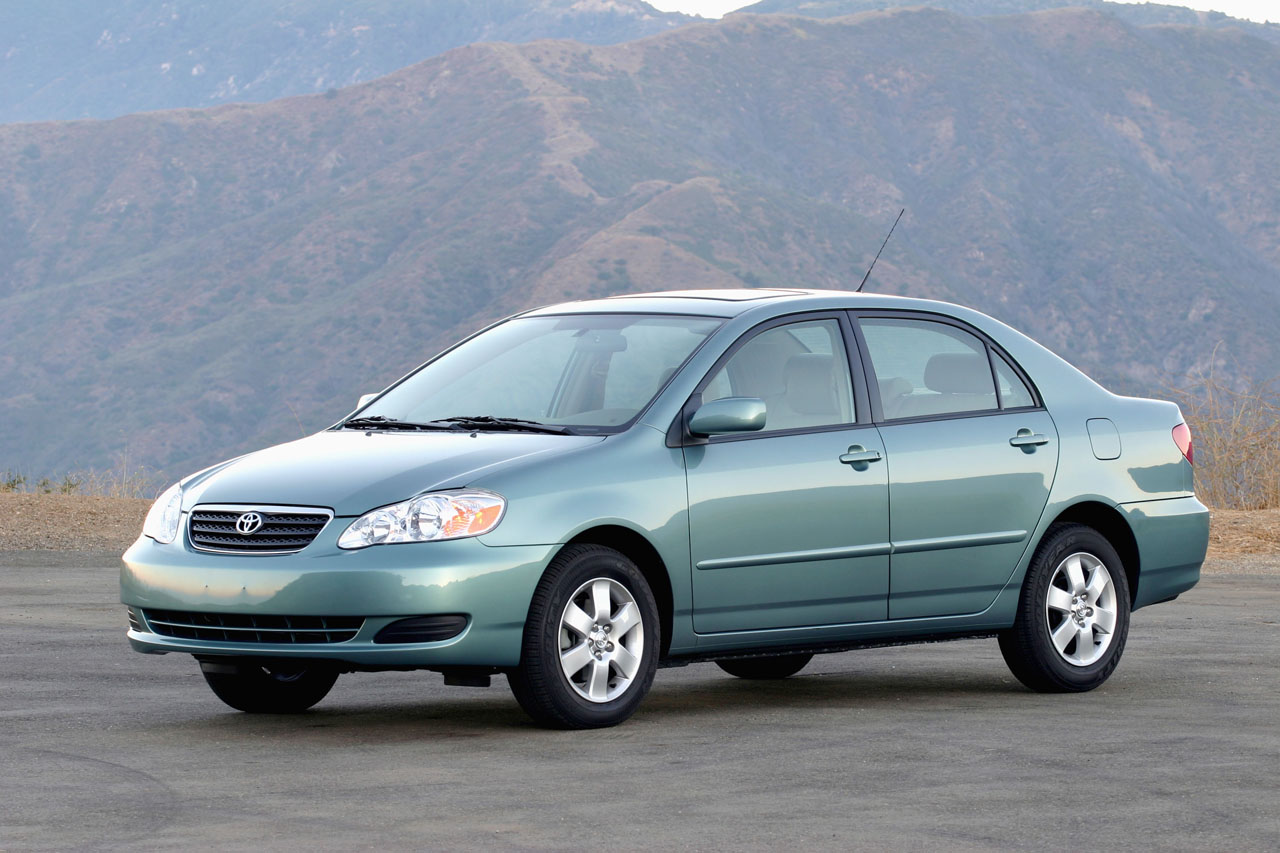
The Toyota Corolla has long been celebrated as a paragon of reliability, and a significant factor in this reputation is its robust electrical system. Toyota’s conservative approach to electrical design favors simplicity, standardized components, and rigorous quality control in production.
Unlike some manufacturers that push the envelope with cutting-edge but unproven electronics, Toyota tends to refine and perfect its existing technologies before rolling them out to mass production. This philosophy reduces the risk of early-life electrical failures.
Inside the Corolla, wiring harnesses are well-organized and protected from abrasion and heat, common culprits in electrical degradation. Additionally, Toyota uses corrosion-resistant connectors and ensures proper grounding, a critical but often overlooked aspect of electrical durability.
Owners report that components such as power windows, infotainment systems, and engine management modules remain consistent and trouble-free over extended use. This reliability also extends to newer Corolla models that have incorporated advanced safety and driver-assistance electronics without compromising overall system integrity.
The Corolla’s electrical system benefits from Toyota’s extensive global feedback loop, where minor issues discovered in early batches are swiftly addressed and incorporated into later revisions.
This continuous improvement cycle ensures that any potential electrical vulnerabilities are ironed out efficiently. Moreover, Toyota dealerships are typically well-versed in diagnosing and repairing electrical components, ensuring that owners receive prompt and effective service should any issues arise, which, again, is rare.
From a practical standpoint, this bulletproof reliability also translates into lower total cost of ownership. Fewer electrical faults mean fewer visits to the shop and less downtime, which has made the Corolla a favorite among fleet operators and daily commuters alike.
In a world where modern vehicles often come with a maze of wiring and complex electronics, the Corolla stands out as an example of how careful engineering and restraint can deliver durable, hassle-free electrical performance.
2. Honda Civic
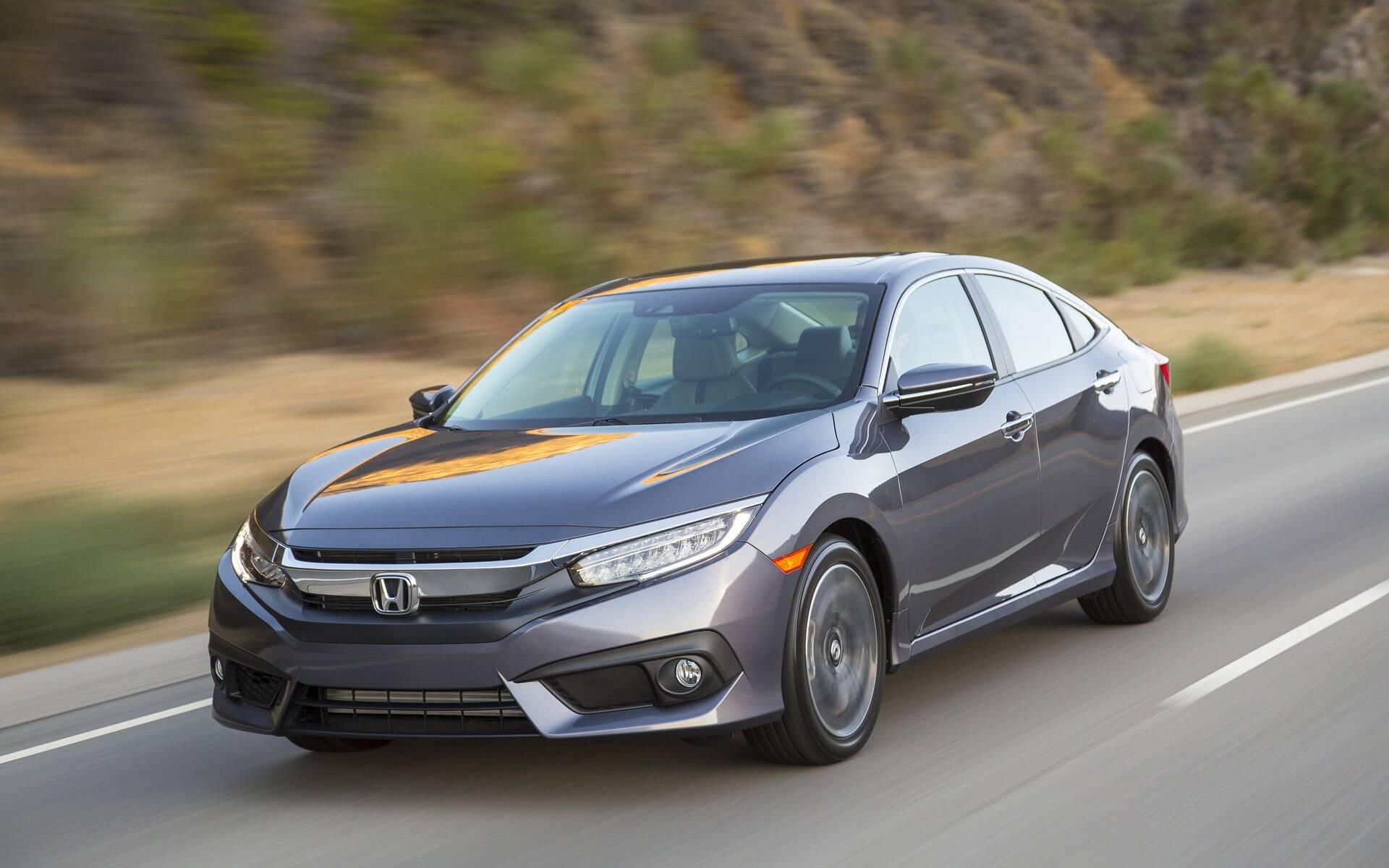
The Honda Civic is another standout model with an electrical system known for its durability and simplicity. Much like Toyota, Honda takes a pragmatic approach to its vehicle electronics, emphasizing reliability through proven technology and solid component quality rather than flashy innovations that might compromise system stability.
Honda’s commitment to reliability is evident in the Civic’s long production run and consistent positive owner feedback regarding electrical issues.
Civic’s electrical components, such as ignition systems, sensors, and control modules, tend to be straightforward and well-protected from environmental factors like moisture and vibration.
Honda engineers design their wiring harnesses with redundancy and ease of replacement in mind, which simplifies repairs and upgrades when necessary. Importantly, the Civic’s electrical architecture has evolved gradually over the years, with each new generation learning from the feedback of previous models, leading to continual refinement and fewer surprises.
Owners often cite the Civic’s near-absence of random electrical glitches as a key factor in its longevity and high resale value. Even with added complexity in infotainment and safety electronics in more recent models, Honda maintains a balance that prioritizes long-term system integrity.
This thoughtful design philosophy ensures that even when electrical issues arise, they tend to be isolated and fixable rather than systemic or recurring. Another crucial element in the Civic’s bulletproof electrical reputation is Honda’s rigorous testing protocols.
The company extensively tests its vehicles under extreme conditions to verify that wiring, connectors, and modules hold up to temperature swings, moisture exposure, and vibration—common stressors that can cause electrical faults. As a result, the Civic’s electrical system remains dependable across diverse climates and driving conditions, contributing to its worldwide popularity.
3. Lexus LS
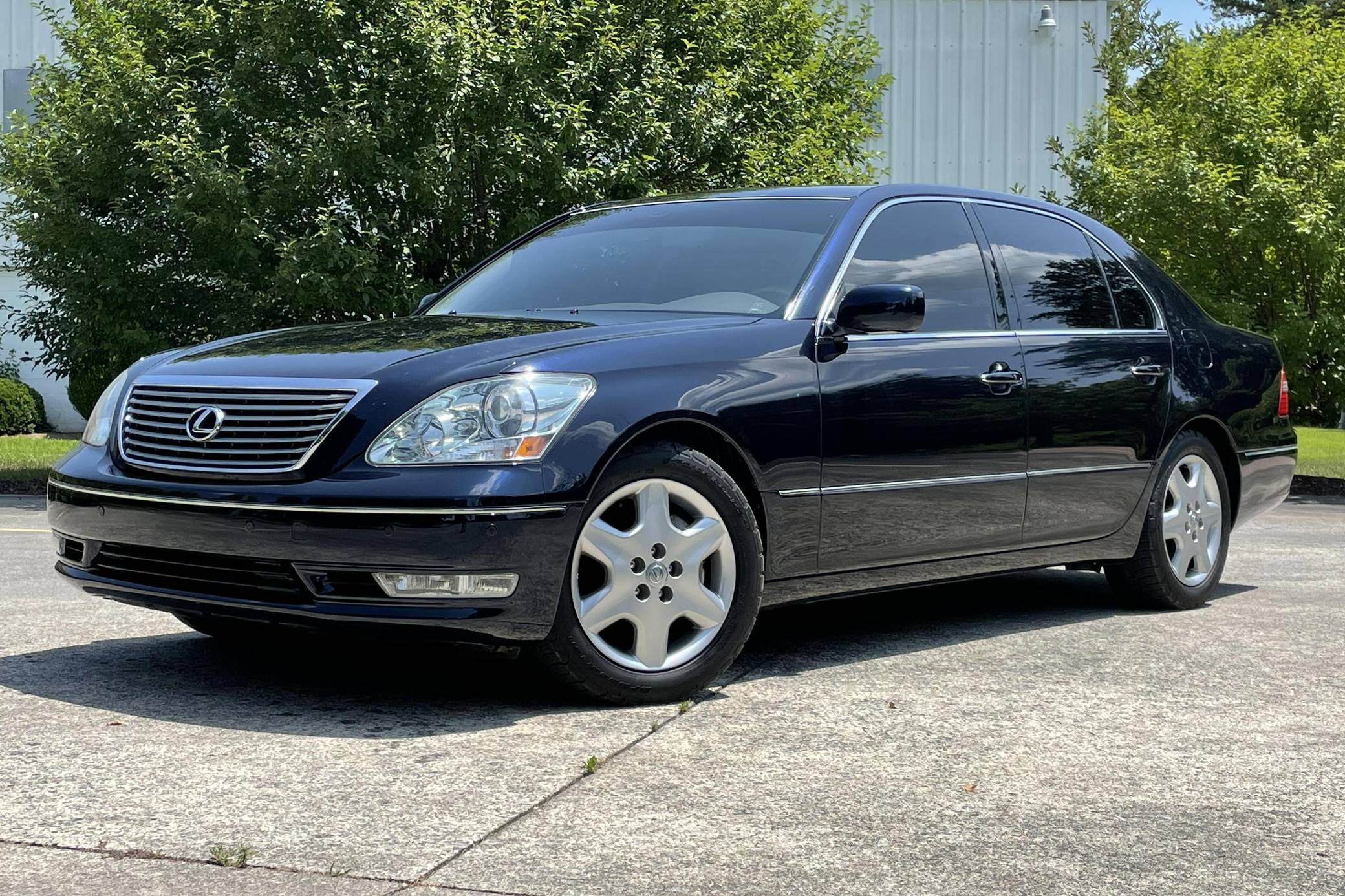
As Toyota’s luxury division flagship, the Lexus LS offers a compelling case study in high-end electrical system reliability. While luxury cars often suffer from complexity-related problems due to their extensive electronics and features, Lexus manages to maintain an enviable track record of electrical durability in the LS.
This achievement results from meticulous engineering, premium-grade components, and a comprehensive quality assurance process. The electrical system in the Lexus LS integrates a broad array of technologies—from advanced infotainment and navigation systems to intricate climate control and safety electronics.
Despite this complexity, Lexus engineers emphasize redundancy and modular design, allowing individual systems to operate independently and reducing the risk of cascading failures. Additionally, extensive shielding and careful routing of wiring reduce electromagnetic interference, a common cause of glitches in densely packed electrical environments.
Owner feedback and independent reliability studies frequently highlight the LS as a benchmark for electrical system robustness among luxury sedans.
Lexus’s commitment to superior fit and finish extends to wiring and connectors, which are less prone to corrosion or damage than those in comparable vehicles from some European rivals. Furthermore, the brand’s proactive approach to software updates and recalls helps address any emerging electrical issues before they become widespread problems.
In practical terms, the Lexus LS’s bulletproof electrical system translates to high owner satisfaction and lower maintenance costs over the vehicle’s lifespan.
This reliability allows owners to enjoy the LS’s technological sophistication without the typical headaches often associated with luxury car electronics. It’s a testament to the fact that complexity, when managed with care and engineering excellence, need not come at the cost of dependability.
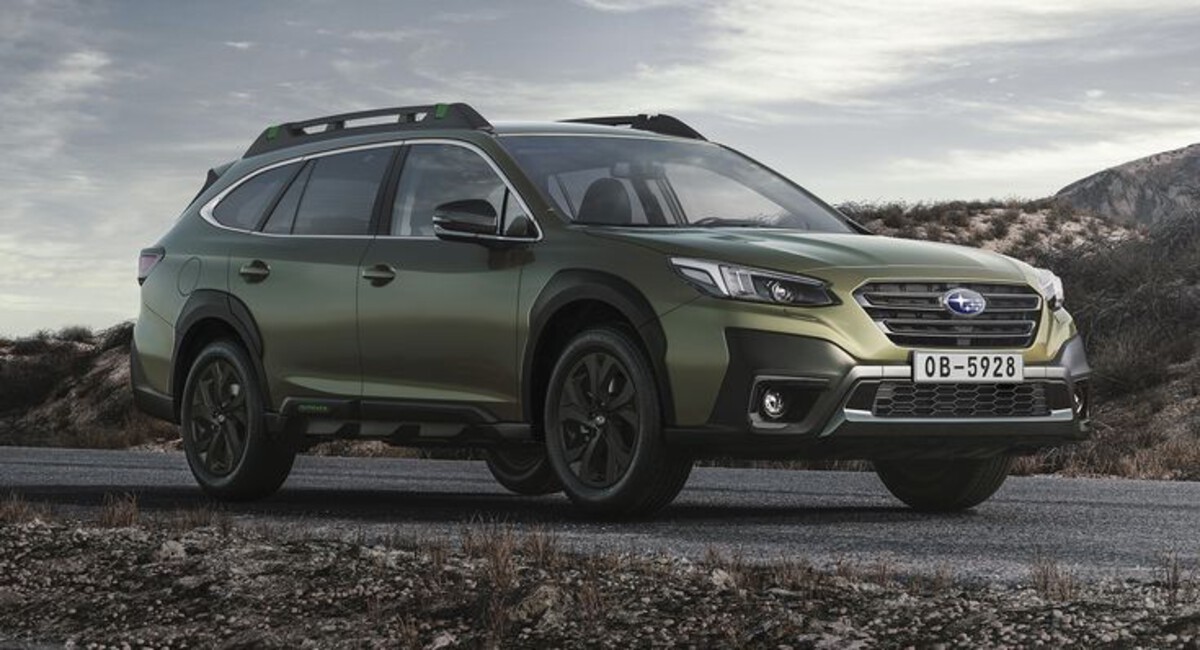
4. Subaru Outback
Subaru’s Outback is widely recognized not only for its rugged versatility but also for its reliable electrical systems, which are designed to endure harsh weather and off-road conditions.
The brand’s focus on durability is reflected in the Outback’s wiring and electronics, which are engineered to withstand moisture, dirt, and vibration—common challenges for vehicles expected to perform in demanding environments.
Subaru employs rigorous testing for electrical components, including extensive environmental simulations to verify resistance to water ingress and corrosion. This approach is critical, as even small electrical faults in systems like all-wheel drive controls, lighting, or engine management can compromise safety and drivability.
The Outback’s wiring harnesses are protected with robust insulation materials and sealed connectors, reducing the likelihood of electrical shorts or failures caused by exposure. Moreover, Subaru’s electrical architecture in the Outback strikes a balance between modern convenience and straightforward design.
While advanced driver-assistance features and infotainment systems are present, Subaru avoids unnecessary complexity that can lead to reliability problems. The brand’s use of proven sensor technologies and control modules enhances overall system stability and makes repairs more manageable for technicians.
Owners frequently report that their Outbacks endure long-term ownership with minimal electrical issues, even in challenging conditions such as snow, mud, and heavy rain.
This reliability contributes to Subaru’s reputation for building tough, dependable vehicles. It makes the Outback a favorite among outdoor enthusiasts and families alike who require consistent electrical performance in all situations.
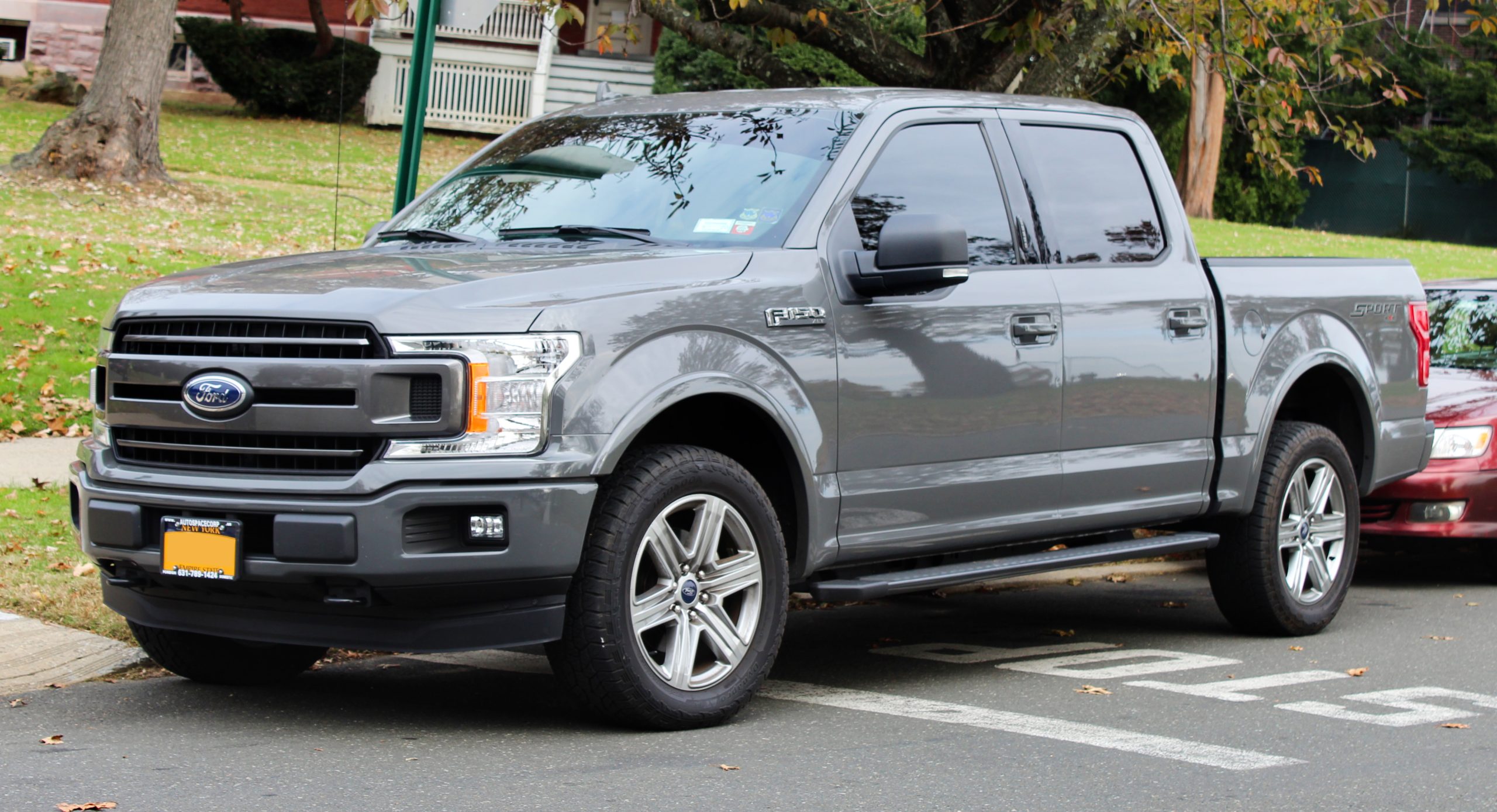
5. Ford F-150 (Recent Models)
In the pickup truck segment, the Ford F-150 stands out for its strong and resilient electrical systems, particularly in the latest generations.
Ford has recognized the importance of robust electrical architecture, especially given the F-150’s role as a workhorse vehicle often subjected to harsh environments, heavy usage, and the integration of increasingly sophisticated electronics.
The recent F-150 models incorporate a modular electrical system that allows for easier diagnostics, repairs, and upgrades. Wiring harnesses are designed with high-quality materials that resist abrasion, heat, and corrosion.
Additionally, Ford employs advanced electronic control units (ECUs) that manage various systems efficiently and reliably, minimizing the chances of random faults or failures.
Ford’s extensive field testing for the F-150 includes prolonged exposure to extreme weather and real-world operational conditions.
These rigorous standards ensure that electrical systems in the F-150 are built to last, even under tough worksite or off-road conditions. Moreover, Ford provides detailed maintenance guidelines and diagnostic tools that facilitate early detection and resolution of electrical issues before they escalate.
The combination of rugged design, advanced electronics, and thorough testing has earned the F-150 a reputation for bulletproof electrical performance in the pickup market.
For owners relying on their trucks for daily work or recreational activities, this reliability is invaluable, reducing downtime and repair costs while enhancing confidence in the vehicle’s capability.
5 Cars Known for Electrical Gremlins

1. Jeep Grand Cherokee (Early 2000s Models)
The early 2000s Jeep Grand Cherokee, particularly the 1999-2004 models, has long been notorious for electrical issues that frustrate owners and mechanics alike.
These vehicles often suffer from a range of gremlins, from erratic dashboard gauges and warning lights to complete failures of critical systems like the power windows and door locks. The electrical problems in these models are attributed largely to aging wiring harnesses prone to corrosion and poor connector design.
One of the most infamous issues is the failure of the Body Control Module (BCM), which manages many of the vehicle’s electronic functions.
When the BCM malfunctions, it can cause a cascade of electrical faults, including erratic behavior of the instrument cluster and intermittent operation of key components. Jeep’s wiring design in these models has been criticized for insufficient protection against moisture intrusion, leading to accelerated wear and corrosion.
Another frequent complaint involves the ignition switch and starter wiring, where poor routing and insulation can lead to shorts or intermittent connectivity.
These problems often manifest as no-start conditions or sudden engine stalls, causing safety concerns. The complex network of sensors and control modules in the Grand Cherokee exacerbates these issues, making diagnosis and repair a challenge.
Although some of these problems have been addressed in later Jeep models with improved designs, the early 2000s Grand Cherokee remains a cautionary tale.
Owners often face expensive repairs, and the persistent electrical gremlins significantly affect resale value and owner satisfaction. For those considering these vehicles, awareness of potential electrical issues is critical.
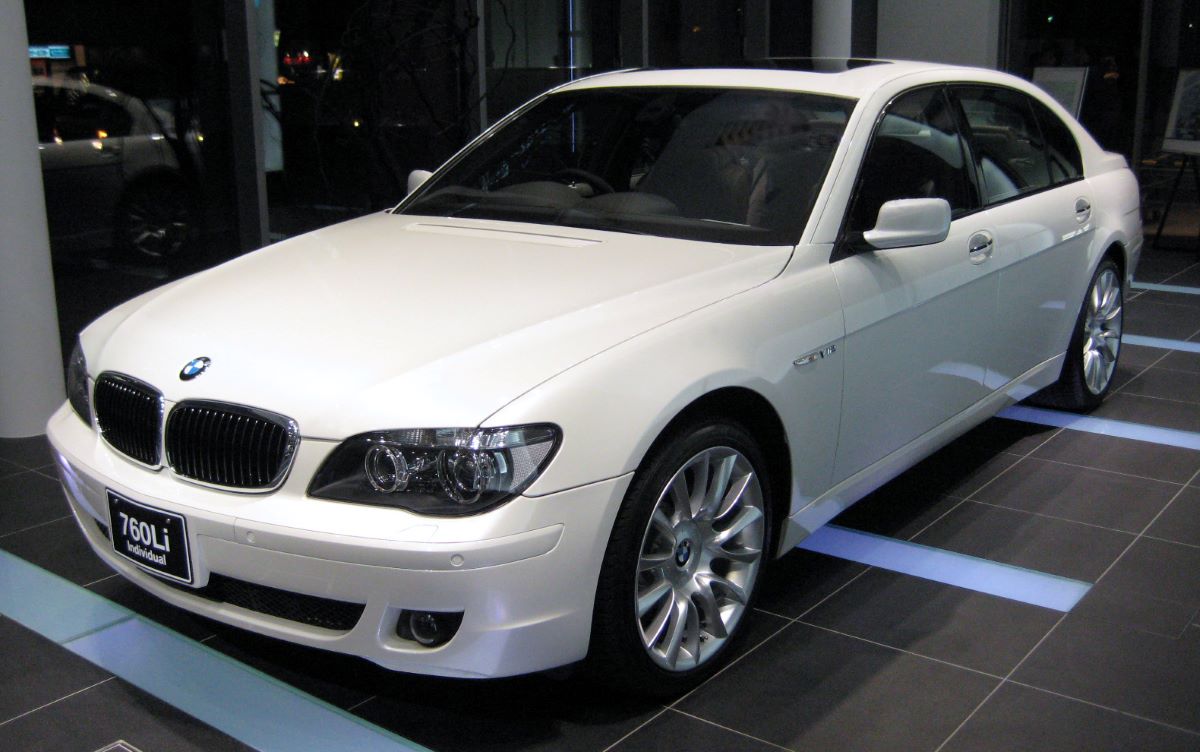
2. BMW 7 Series (E65/E66 2002-2008)
The BMW 7 Series models produced between 2002 and 2008, particularly the E65 and E66 generations, are well-known for their luxurious features but also for a slew of electrical problems that have plagued owners.
BMW’s ambitious integration of advanced electronics, including iDrive infotainment, adaptive lighting, and numerous control modules, unfortunately came with reliability trade-offs.
Owners report frequent failures of the electronic control units (ECUs), leading to problems such as erratic instrument clusters, malfunctioning climate control, and non-responsive door locks.
Wiring harness degradation, often due to insulation brittleness and connector corrosion, is a common culprit. These issues are compounded by the complexity of the electrical system, which makes troubleshooting and repairs expensive and time-consuming.
Another significant problem involves the car’s CAN bus system—the network that allows different modules to communicate. Interruptions or faults on this network can trigger random warning lights and disable various systems unexpectedly.
The electrical gremlins in the E65/E66 have led to a reputation for unpredictability and costly maintenance among enthusiasts and critics alike.
Despite these challenges, many owners remain loyal due to the vehicle’s driving dynamics and luxury appointments. However, potential buyers should be prepared for potential electrical headaches and budget accordingly for repairs, which can be substantial given the high cost of OEM parts and specialized diagnostics.
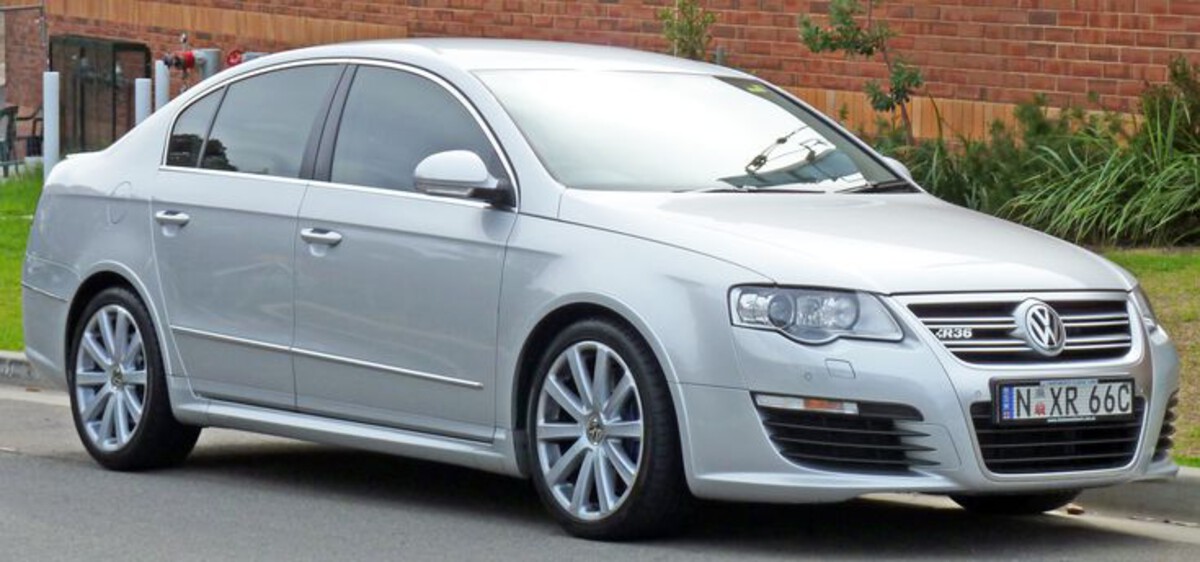
3. Volkswagen Passat (Early 2000s Models)
The early 2000s Volkswagen Passat models have earned a reputation for electrical gremlins that range from minor annoyances to serious drivability issues.
Common problems include malfunctioning power windows, intermittent dashboard warning lights, and failures in the central locking system. These issues often stem from flawed wiring harness designs, connector corrosion, and problematic control modules.
One of the notorious trouble spots is the Passat’s electrical control unit, which can suffer from solder joint failures and software glitches.
This can cause intermittent loss of communication with critical systems such as the ABS, airbags, and engine control, leading to warning lights and sometimes compromised vehicle safety. Additionally, moisture ingress into door wiring can cause short circuits, particularly affecting window regulators and mirror adjustments.
The complexity of Volkswagen’s electrical systems during this era, combined with some cost-cutting measures in material quality, resulted in frequent and frustrating faults.
Repairs can be labor-intensive, often requiring extensive diagnostic work to isolate intermittent issues. The cost and complexity of fixing these electrical gremlins have contributed to lower owner satisfaction and diminished resale values.
Despite these issues, many Passat owners appreciate the car’s solid build quality and driving comfort. Still, prospective buyers should be mindful of the electrical system’s history and consider thorough pre-purchase inspections to avoid costly surprises.

4. Mini Cooper (First Generation R50/R53, Early 2000s)
The first-generation Mini Cooper, produced in the early 2000s, is beloved for its quirky style and nimble handling but notorious for its troublesome electrical systems. Owners frequently report issues such as malfunctioning instrument clusters, faulty ignition switches, and problems with the central locking system. These electrical gremlins detract from the otherwise engaging driving experience.
The root causes often include poorly routed wiring harnesses that are vulnerable to chafing and damage, as well as subpar connector designs that allow moisture ingress and corrosion. The ignition switch in particular has been a frequent point of failure, causing intermittent power loss and engine stalling. Additionally, the early Mini’s complex network of control modules can cause communication errors leading to erratic warning lights and functionality loss.
Because of these issues, first-generation Minis require vigilant maintenance and sometimes costly electrical repairs. Independent specialists often recommend thorough inspections of the wiring harnesses and proactive replacement of known weak points. While newer Mini models have addressed many of these concerns, the early R50/R53 generations remain a cautionary example of the challenges of integrating modern electronics in a compact vehicle.
Despite the electrical woes, the Mini Cooper’s unique charm and driving dynamics have cultivated a loyal fanbase. However, buyers should be prepared for potential electrical headaches and budget for repairs accordingly.
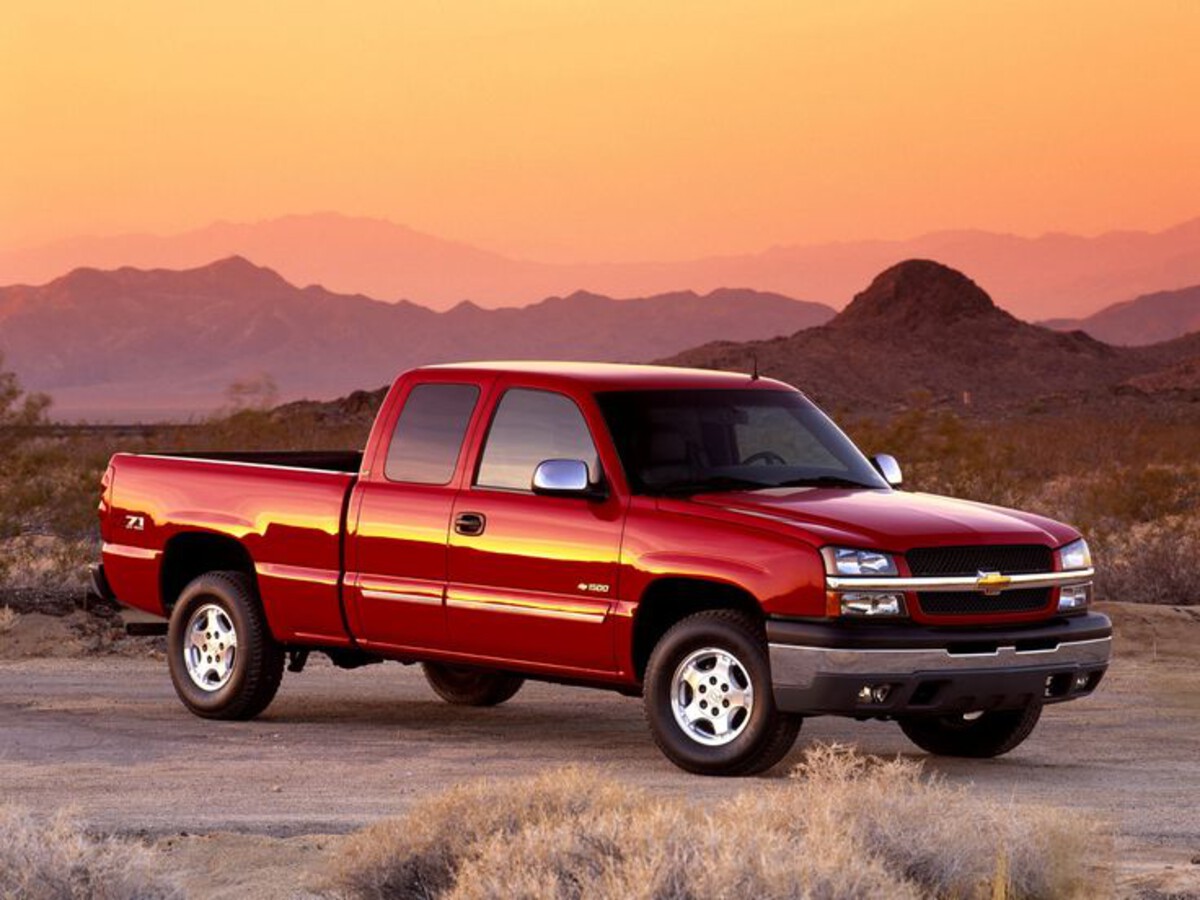
5. Chevrolet Silverado (Early to Mid-2000s Models)
The Chevrolet Silverado from the early to mid-2000s is known for its ruggedness and capability but also for a series of electrical issues that have marred its otherwise solid reputation.
Owners report problems such as erratic dashboard gauges, faulty power accessories, and persistent check engine lights triggered by electrical faults rather than mechanical problems.
The Silverado’s wiring harnesses in these years sometimes suffer from poor insulation quality and inadequate protection against moisture and vibration. This leads to issues such as corrosion at connector terminals and intermittent shorts, which can cause erratic sensor readings and false warning alerts. Problems with the vehicle’s body control module and engine control unit are also commonly cited.
Repairing these electrical gremlins can be challenging due to the widespread nature of the faults and the complexity of the Silverado’s networked systems. Often, multiple modules or sensors need to be tested and sometimes replaced to fully resolve issues, resulting in high labor and parts costs. This has led to frustration among owners and repair shops alike.
While newer Silverado models have improved in terms of electrical reliability, the early to mid-2000s trucks serve as a reminder that even durable workhorses can be hampered by electrical shortcomings. Prospective buyers of these older models should have them carefully inspected and be aware of the potential for ongoing electrical maintenance.
Also Read: 5 High-Reliability Work Vans and 5 That Always Break Down on Site
Electrical reliability in vehicles is a critical yet often overlooked aspect of automotive ownership that can profoundly impact the driving experience, maintenance costs, and vehicle longevity.
As this article has explored, the contrast between cars with bulletproof electrical systems and those plagued by persistent electrical gremlins is stark.
On one hand, vehicles like the Toyota Corolla, Honda Civic, Lexus LS, Subaru Outback, and modern Ford F-150 exemplify how meticulous engineering, quality components, and continuous refinement can lead to electrical systems that stand the test of time.
Their robust architectures, simplified yet effective designs, and rigorous testing protocols provide owners with peace of mind and dependable performance, even as vehicles grow increasingly complex.
On the other hand, models such as the early 2000s Jeep Grand Cherokee, BMW 7 Series (E65/E66), Volkswagen Passat, first-generation Mini Cooper, and early-to-mid-2000s Chevrolet Silverado reveal the frustrations and challenges that come with electrical gremlins.
These vehicles often suffer from design shortcomings, inadequate protection of wiring and connectors, or overly ambitious electronics integration without sufficient durability considerations. The result is often a frustrating ownership experience marked by intermittent faults, costly repairs, and diminished vehicle value.
The lessons drawn from these examples underscore the importance of manufacturers balancing innovation with reliability, especially as vehicles continue to adopt more advanced electrical and electronic systems.
For consumers, understanding the reputations of different models in this regard is invaluable, helping to make informed choices that align with priorities around reliability, cost, and driving enjoyment.
Ultimately, whether you lean towards a no-nonsense daily driver or a tech-laden luxury vehicle, paying close attention to a car’s electrical pedigree can save you from headaches and unexpected expenses.
The journey toward perfecting automotive electrical systems is ongoing, but by learning from past successes and failures, the industry continues to drive forward in making cars that are not only exciting but also electrically dependable for years to come.
