
Choosing your first car is one of the most significant and exciting decisions a new driver will ever make. It represents more than just a mode of transportation — it’s a symbol of independence, freedom, and growing responsibility. However, for many first-time drivers, selecting the right starter car can be daunting.
With an overwhelming number of makes and models on the market, varying price points, and technical specifications that can confuse even seasoned buyers, the challenge is real. It is vital to find a car that not only fits your budget but also offers reliability, safety, and ease of handling.
These aspects are critical because new drivers are still developing essential skills behind the wheel and cannot afford distractions or frequent breakdowns. Moreover, a reliable car reduces maintenance headaches, unexpected expenses, and downtime, which can discourage beginners or even lead to dangerous situations if the car fails unexpectedly.
When considering a first car, safety must be paramount. First-time drivers are statistically more likely to be involved in accidents due to their inexperience, so vehicles equipped with advanced safety features, good crash test ratings, and stable handling characteristics provide much-needed support.
Additionally, insurance costs, which can be prohibitively expensive for young drivers, play a significant role in affordability. Cars with modest power and strong safety records typically carry lower premiums.
On top of that, fuel efficiency can’t be overlooked, especially for younger drivers who often have limited income and rely heavily on the vehicle for commuting, school, or leisure activities. A fuel-efficient car means lower operating costs and less strain on the environment.
In this article, we will explore two sides of the first-time car buying coin. We’ll first highlight five reliable starter cars that have earned a solid reputation for being the perfect companions for new drivers.
These cars combine ease of use, safety, cost-effectiveness, and durability, making them excellent choices for those taking their first steps on the road.
Conversely, we’ll also examine five categories of cars that first-time drivers are generally advised to avoid. These vehicles often present challenges such as expensive maintenance, high insurance costs, complicated handling, or even safety concerns that could jeopardize a novice’s confidence or well-being.
Knowing which cars to target and which to steer clear of can help first-time buyers make decisions that safeguard their investment and promote positive driving experiences.
Whether you’re buying new or used, this guide aims to provide clarity and confidence, so you’re well-prepared to choose a starter car that will serve you reliably for years to come.
Also Read: 10 Cars Mechanics Secretly Drive Themselves: Reliable, Affordable, Easy to Maintain Daily Drivers
5 Reliable Starter Cars
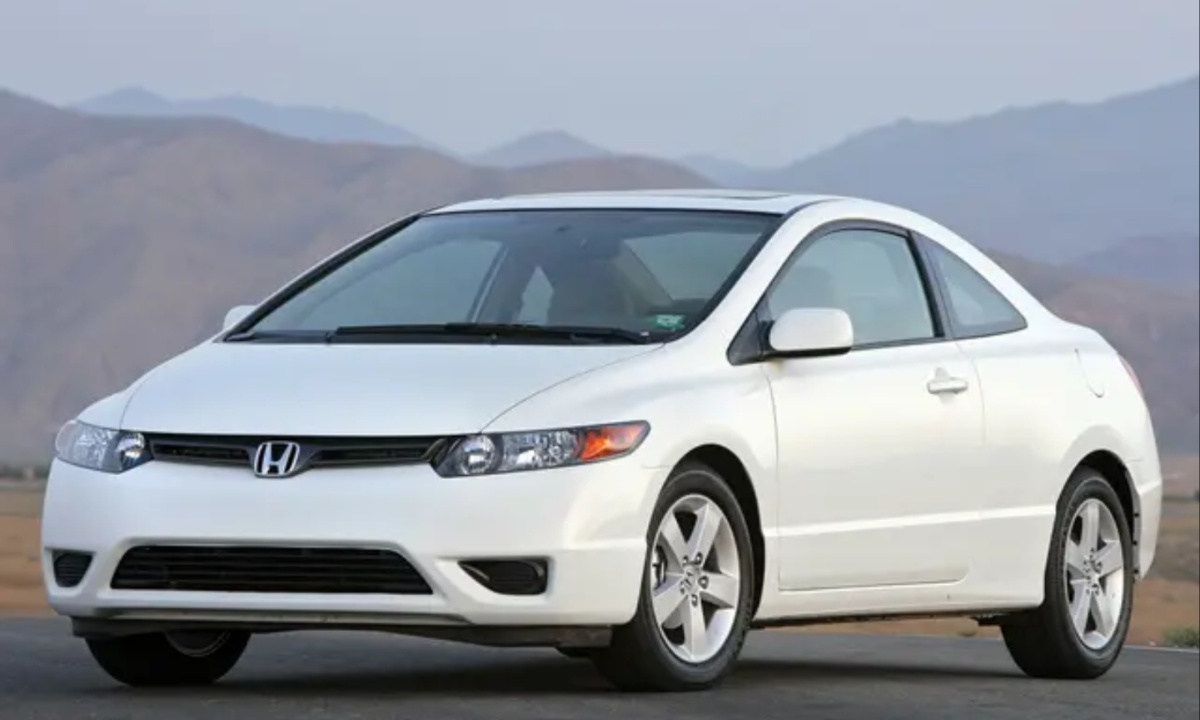
1. Honda Civic
The Honda Civic has earned its legendary status through decades of consistent reliability, fuel efficiency, and driver-friendly performance. It has become almost synonymous with starter cars due to its proven track record, which is supported by countless testimonials from drivers who have relied on their Civics for years without major issues.
The Civic’s design philosophy centers around durability and simplicity, which means it avoids overly complex mechanical systems that might confuse a new driver or lead to frequent breakdowns.
Instead, it offers a straightforward, efficient engine paired with reliable transmissions that perform well under various driving conditions, from city commutes to highway cruises.
Furthermore, Honda’s extensive network of dealerships and mechanics ensures that replacement parts are easy to find and affordable, an essential factor when considering long-term ownership costs.
Beyond mechanical reliability, the Civic is renowned for its excellent balance of comfort and control. Its compact size makes it easy to park and navigate, especially in urban environments where new drivers often face their biggest challenges.
The steering response is precise but forgiving, allowing beginners to build confidence without feeling overwhelmed by the car’s reactions.
On rough or uneven surfaces, the suspension absorbs bumps effectively, contributing to a smooth ride that reduces driver fatigue. The interior layout is intuitive, featuring well-placed controls that new drivers can quickly learn.
Safety is a key selling point, with many newer models equipped with Honda Sensing technology—a suite of driver-assist features that includes collision mitigation braking, lane-keeping assist, and adaptive cruise control. These advanced features act as a safety net for beginners, helping prevent common driving errors.
Fuel economy is another pillar of the Honda Civic’s appeal. With various engine options designed for efficiency, Civics regularly achieve impressive miles per gallon, making them affordable to run daily.
This is especially important for first-time drivers who may not have a large budget for gas or repairs. Insurance rates for Civics also tend to be favorable due to their low incidence of theft and strong safety ratings, further reducing the overall cost of ownership.
Another factor that makes the Civic a wise choice is its impressive resale value. Even after several years on the road, Civics maintain their market appeal, allowing owners to recoup a significant portion of their initial investment.
This combination of reliability, safety, efficiency, and cost-effectiveness makes the Honda Civic a standout option for anyone purchasing their first car.
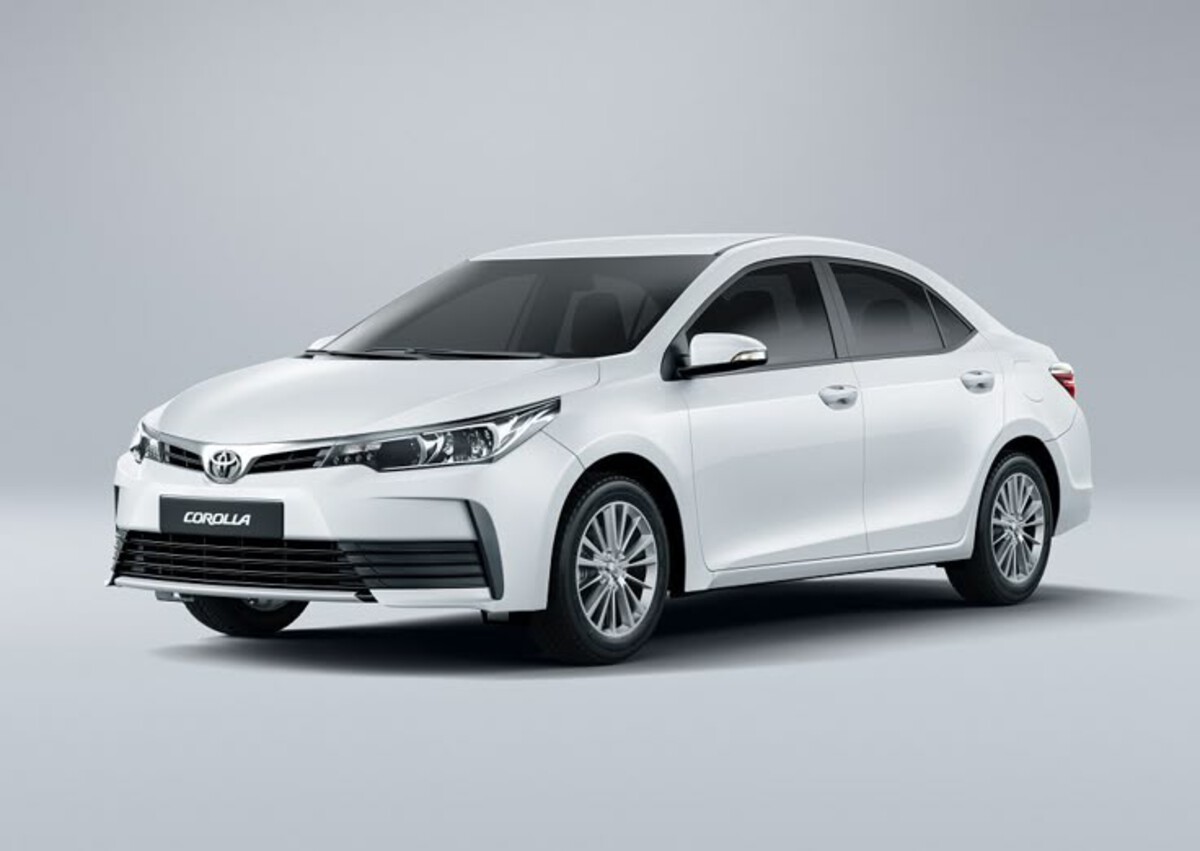
2. Toyota Corolla
The Toyota Corolla is arguably the most well-known and widely recognized reliable starter car worldwide, having built a stellar reputation over many generations. Toyota’s philosophy of producing dependable, easy-to-maintain vehicles shines through every Corolla model.
For first-time drivers, this car offers peace of mind in spades. The Corolla’s straightforward engineering translates to fewer breakdowns and mechanical surprises, making it an ideal choice for young drivers who want to focus on developing their skills rather than worrying about car repairs.
Toyota’s commitment to quality control and consistent improvements over the years means that even older Corolla models tend to age gracefully with proper maintenance.
Inside, the Corolla is designed with practicality and comfort in mind. Its cabin layout is user-friendly, with logically arranged controls that reduce distraction, a crucial feature for inexperienced drivers. The seats are supportive and comfortable, making long drives less tiring.
Handling is predictable and stable, allowing new drivers to build confidence quickly. The Corolla’s suspension balances comfort with control, providing a smooth ride while maintaining enough responsiveness to keep drivers in command.
The car also performs well in safety tests, earning high marks from institutions like the National Highway Traffic Safety Administration (NHTSA) and the Insurance Institute for Highway Safety (IIHS). Standard safety features such as anti-lock brakes, electronic stability control, and a comprehensive airbag system help protect occupants in the event of a collision.
Fuel economy is a strong selling point for the Corolla, with many models delivering excellent mileage figures that help young drivers save money at the pump. It’s also a popular choice among insurers, which often translates to lower premiums for new drivers, especially when compared to sportier or larger vehicles.
The Corolla is also known for its longevity—drivers frequently report their vehicles running smoothly well beyond 200,000 miles. This durability, combined with its affordability and strong safety credentials, means that the Corolla remains one of the smartest choices for first-time drivers looking for a hassle-free, economical vehicle.
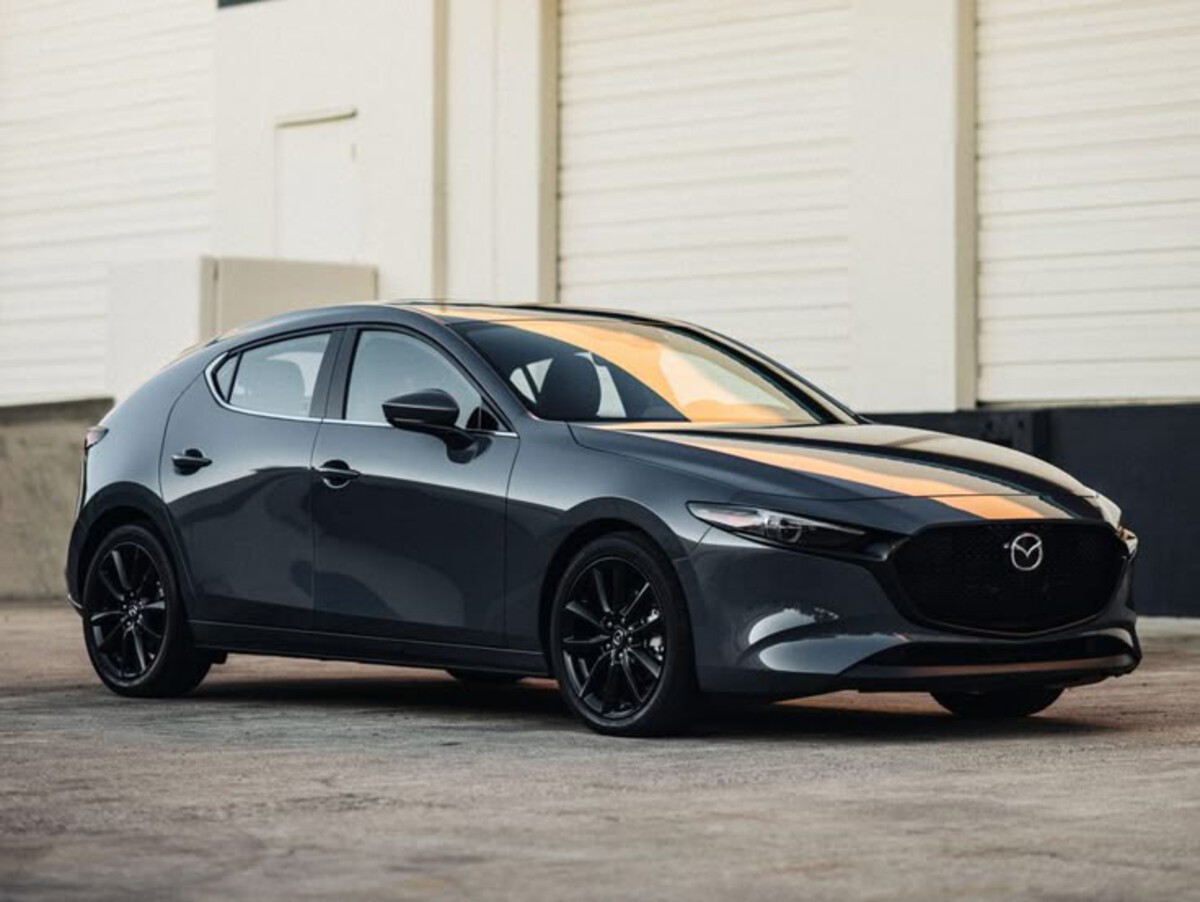
3. Mazda3
The Mazda3 is often regarded as one of the best starter cars for new drivers who want a blend of reliability, style, and driving enjoyment. Unlike many starter cars that sacrifice fun for practicality, the Mazda3 offers engaging handling and a sporty feel without compromising on the fundamental qualities that make a vehicle dependable.
Mazda’s “Zoom-Zoom” philosophy brings a lively character to the driving experience, which can be encouraging for first-time drivers eager to build their skills.
The car’s chassis and suspension tuning allow for confident cornering and quick responses, making it an excellent learning tool for those wanting to understand vehicle dynamics.
From a reliability standpoint, the Mazda3 has proven itself with consistent performance and relatively low maintenance costs. The engines are robust and efficient, paired with transmissions that provide smooth shifts and longevity.
Mazda also prioritizes high-quality materials and craftsmanship in the interior, which gives the car a more premium feel than other vehicles in its class.
This can help new drivers feel comfortable and at ease in their car, reducing anxiety that often accompanies the learning phase of driving. The controls are ergonomic and straightforward, minimizing distractions and helping drivers focus on the road.
Safety is another area where the Mazda3 excels. Many newer models come standard with advanced safety systems such as blind-spot monitoring, rear cross-traffic alerts, and smart brake support, which actively help avoid collisions. The car also performs well in crash testing, assuring new drivers and their families.
Fuel efficiency remains competitive with other compact cars, which keeps operational costs manageable. Insurance costs for the Mazda3 are generally reasonable due to its balanced performance and strong safety ratings.
Overall, the Mazda3 offers a rare combination of sporty driving dynamics, upscale design, and solid reliability, making it an ideal choice for first-time drivers who want a car that’s as enjoyable as it is dependable.
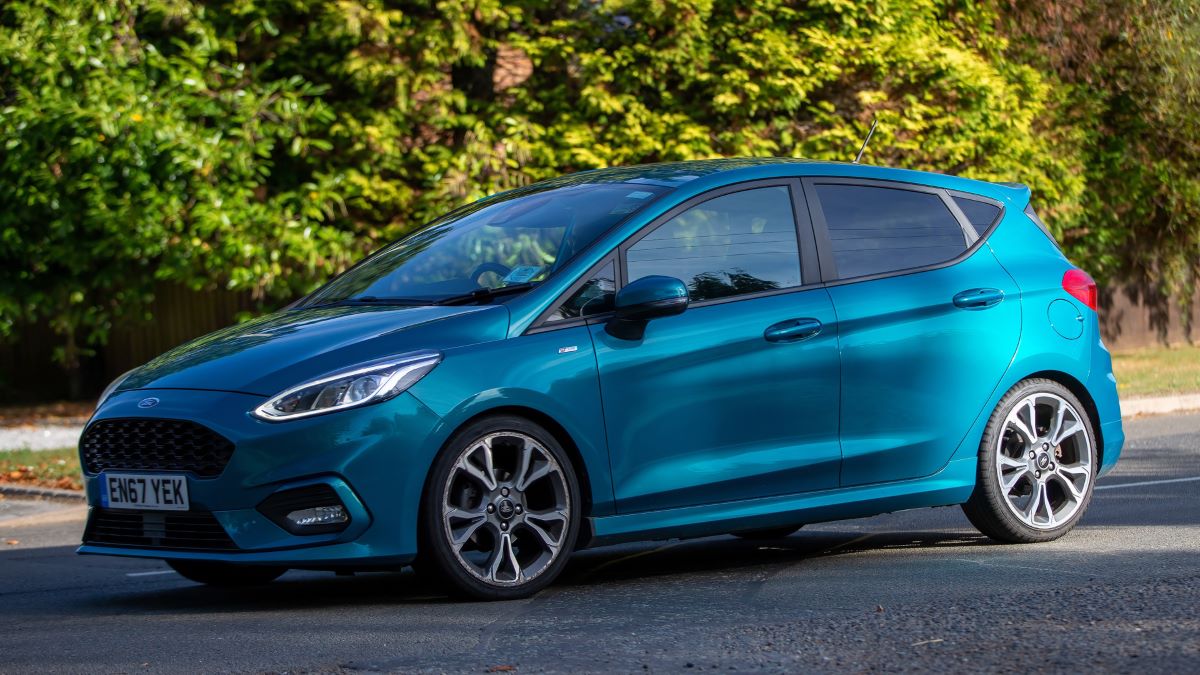
4. Ford Fiesta
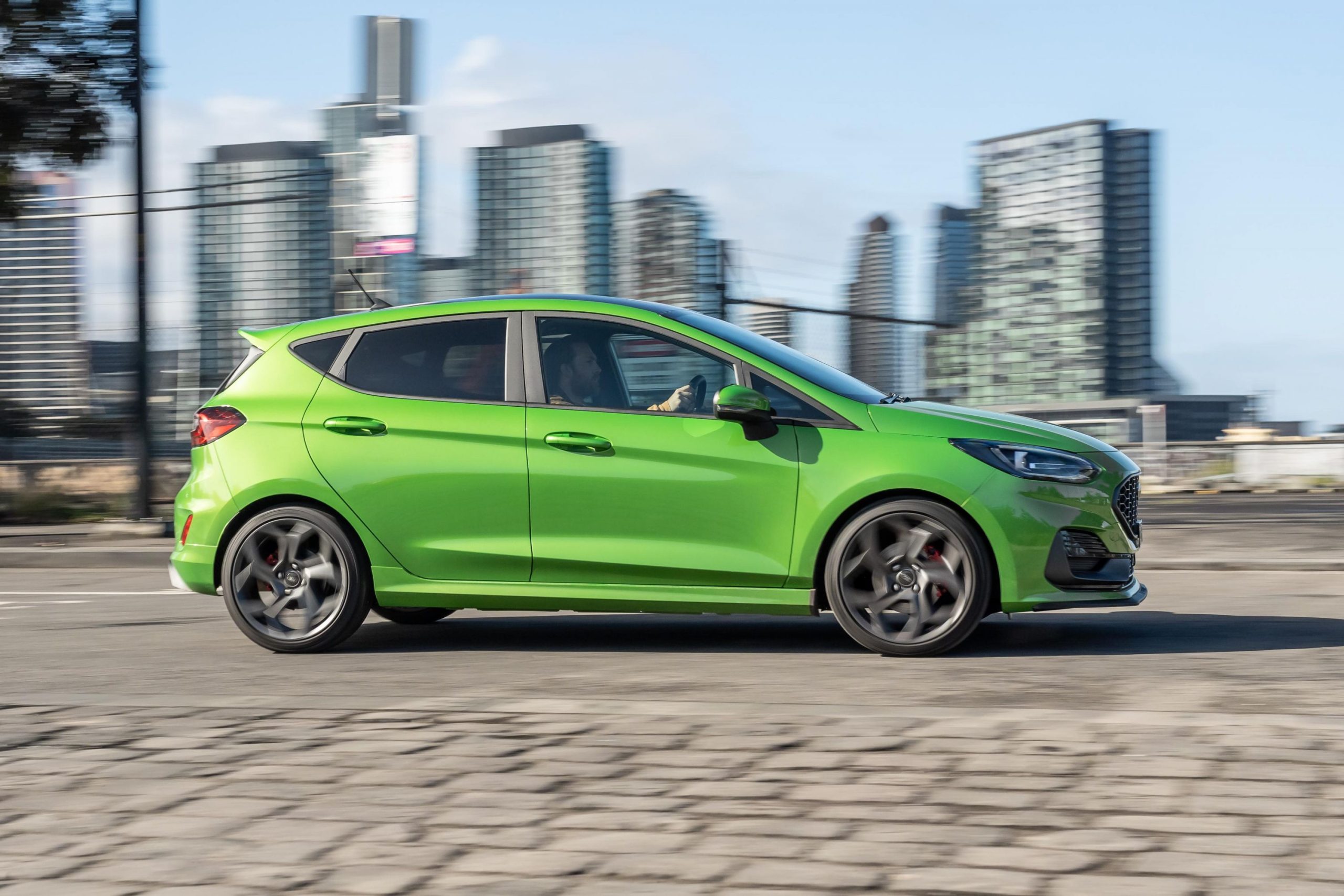
The Ford Fiesta is a subcompact car that has garnered attention for its affordability, ease of driving, and solid reliability, making it a popular choice among first-time drivers, especially those on a tight budget. One of the Fiesta’s biggest strengths lies in its maneuverability.
Its small size allows new drivers to navigate tight city streets and crowded parking lots with ease, helping reduce the stress that often accompanies driving in urban environments. The car’s light steering and tight turning radius provide a nimble feel that encourages confidence behind the wheel.
Reliability has improved considerably with recent Fiesta models, as Ford addressed earlier issues with engines and transmissions. While it may not have the same legendary status as some Japanese competitors, the Fiesta holds its own in terms of basic durability and maintenance costs.
Parts are relatively inexpensive and widely available, and the car is straightforward to repair. This makes it a practical choice for first-time owners who want a car that won’t require expensive repairs or complex servicing.
In terms of safety, the Fiesta has performed well in crash tests, earning respectable scores and coming equipped with essential safety features such as electronic stability control and multiple airbags. This reassures new drivers and parents who prioritize occupant protection.
The car’s fuel economy is excellent for its size, providing savings at the pump that young drivers, often on limited incomes, will appreciate. Insurance costs for the Fiesta are generally lower compared to larger or more powerful cars, which further helps keep ownership affordable.
Though it may lack some of the refinement or advanced features found in pricier competitors, the Ford Fiesta remains a reliable, budget-friendly starter car that is especially suited for new drivers looking for an easy-to-drive, economical option with manageable upkeep.
5. Hyundai Elantra
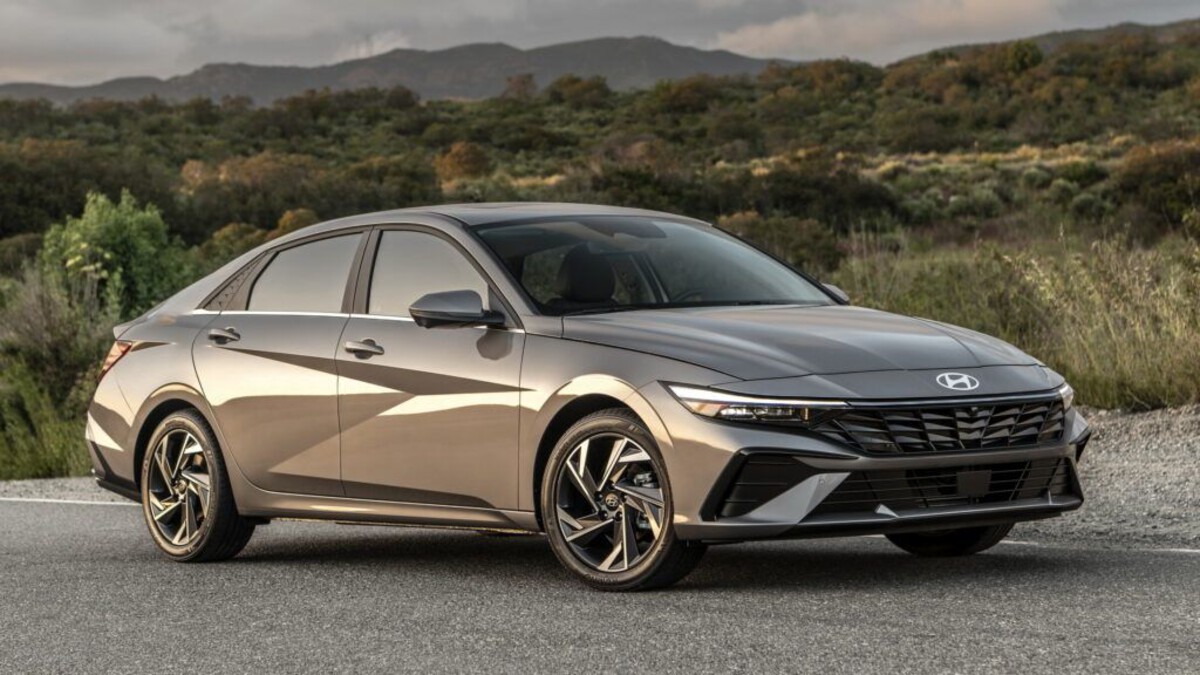
The Hyundai Elantra has emerged as a compelling choice for first-time drivers looking for a reliable, affordable, and feature-rich compact sedan.
Over the past decade, Hyundai has made significant strides in quality and design, positioning the Elantra as a serious contender in the starter car market. This vehicle offers a blend of modern styling, user-friendly technology, and solid mechanical reliability, which appeals to younger drivers seeking a practical yet stylish ride.
One of the biggest advantages of the Elantra is its emphasis on safety. Newer models come equipped with an impressive suite of safety features, including forward collision warning, lane-keeping assist, and driver attention monitoring systems.
These technologies serve as a critical safety net for new drivers, who are still honing their road awareness and decision-making skills.
The car also performs well in crash tests, further instilling confidence for first-time owners and their families. Inside, the Elantra features a comfortable cabin with straightforward controls and good visibility, helping reduce driving stress and distractions.
Hyundai’s reputation for backing its vehicles with one of the best warranties in the industry is another big plus for first-time buyers. The 10-year/100,000-mile powertrain warranty provides peace of mind, ensuring that expensive repairs related to the engine or transmission are covered for a significant period.
This reduces the financial risk that often accompanies used car purchases. The Elantra’s fuel efficiency is competitive, making it affordable to operate day-to-day, while insurance rates remain reasonable thanks to the car’s safety credentials and moderate engine performance.
Overall, the Hyundai Elantra strikes a great balance between reliability, affordability, safety, and style, making it a smart, well-rounded starter car choice that is likely to meet the needs of first-time drivers for years.
5 First-Time Driver Cars to Avoid
1. High-Performance Sports Cars (e.g., Chevrolet Camaro, Ford Mustang)
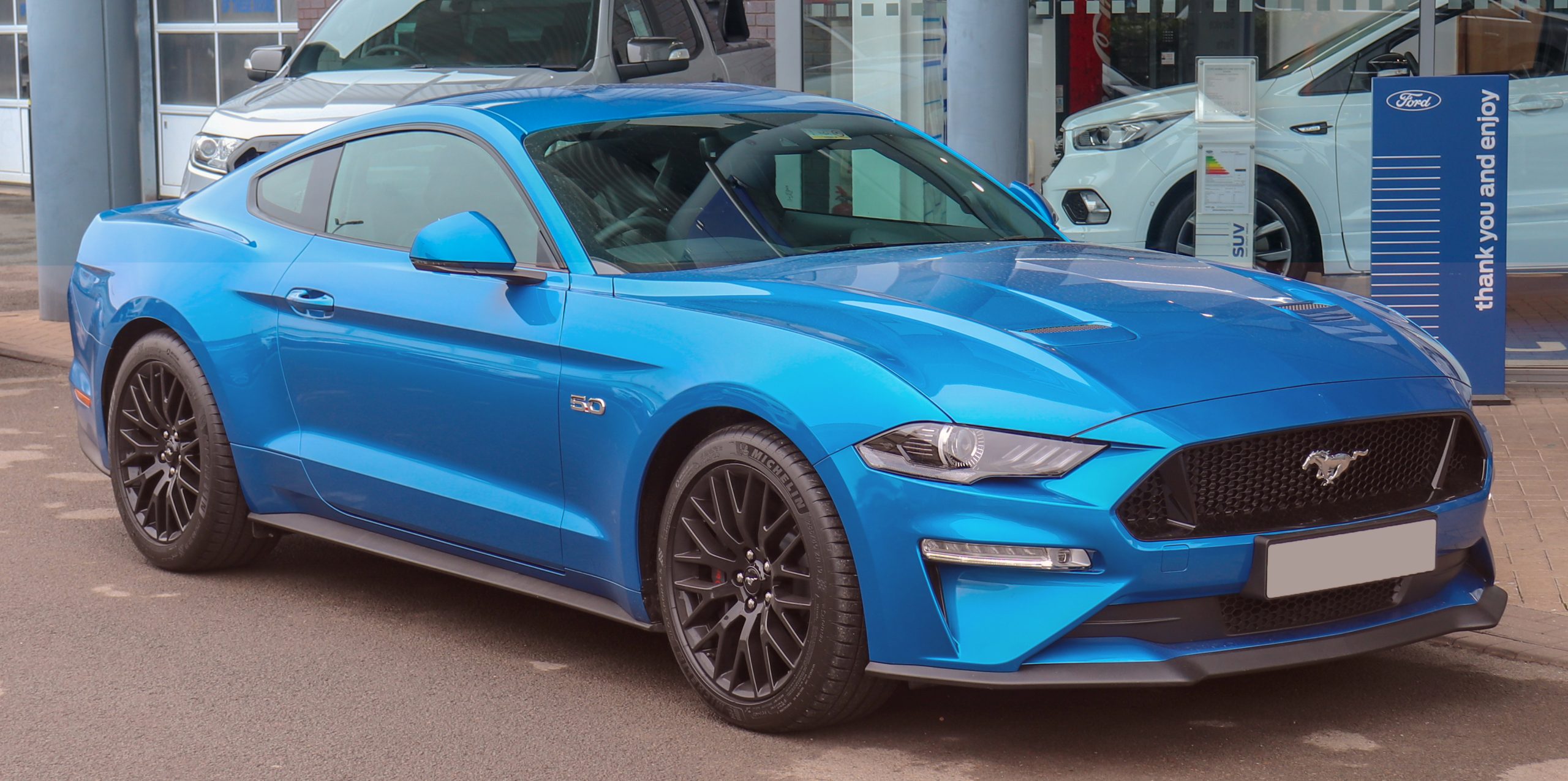
Although high-performance sports cars like the Chevrolet Camaro or Ford Mustang may seem appealing to new drivers because of their aggressive styling and powerful engines, they are generally poor choices as first cars.
These vehicles are designed with speed and performance in mind, featuring high horsepower that can quickly overwhelm an inexperienced driver.
Without the skill and experience to handle such power responsibly, first-time drivers may find themselves in dangerous situations, struggling with acceleration or losing control in emergency maneuvers. The temptation to push these cars to their limits can lead to reckless driving, increasing the likelihood of accidents.
Insurance premiums on these sports cars are notoriously high for young drivers, often making ownership prohibitively expensive. The risk profile assigned by insurers reflects the car’s potential for speeding and higher accident rates, resulting in premiums that many first-time drivers simply cannot afford.
In addition, maintenance costs for performance cars are typically much higher than average. These cars often require premium fuel, specialized tires, and costly repairs that can quickly strain the budget of a new driver who may already be juggling other expenses such as school or work.
Handling characteristics of sports cars tend to be less forgiving as well. Their stiffer suspensions and precise but sensitive steering demand a level of finesse and attention that beginners might not yet possess.
This can lead to increased wear and tear or, worse, accidents due to overcorrection or misjudgment. Furthermore, the flashy appearance of these cars sometimes encourages risk-taking behaviors, which is particularly problematic for drivers who have not yet developed disciplined driving habits.
For all these reasons, while sports cars might be alluring on paper, they are generally unsuitable for first-time drivers looking for a safe, practical, and affordable vehicle. Prioritizing safety and control over power and style is essential when learning to drive.
2. Large SUVs and Trucks (e.g., Ford F-150, Chevrolet Tahoe)
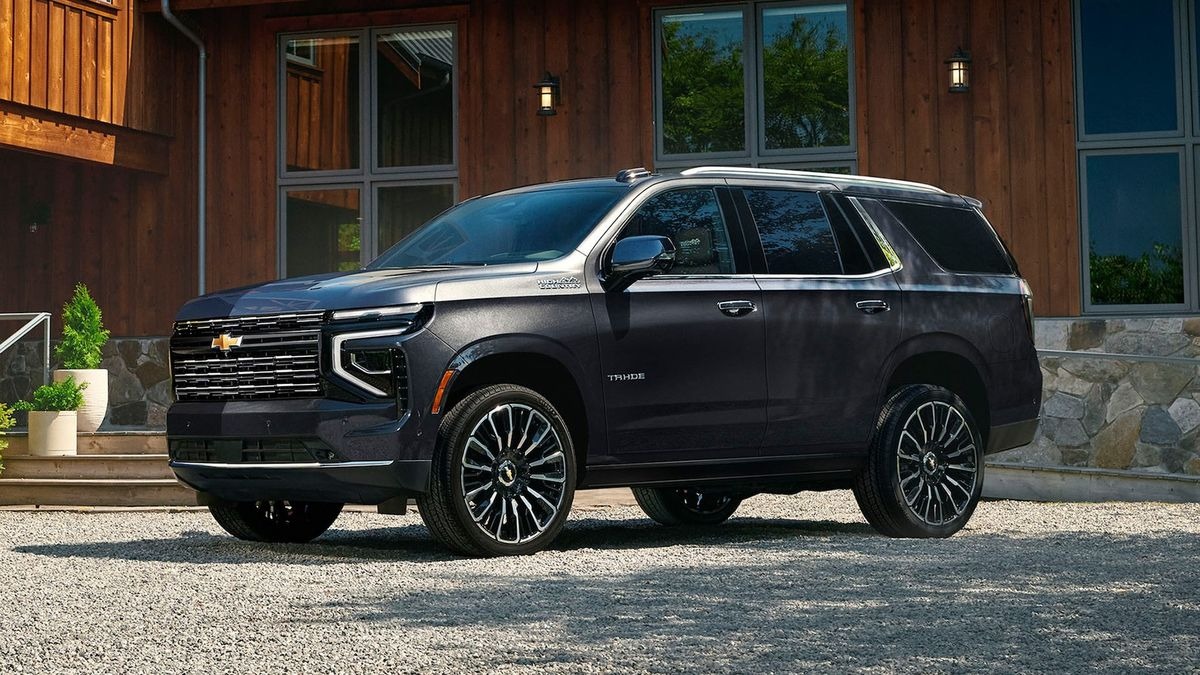
Large SUVs and trucks such as the Ford F-150 or Chevrolet Tahoe are often avoided by first-time drivers because of their sheer size and handling challenges. These vehicles are significantly larger and heavier than typical starter cars, making them less maneuverable and more difficult to park or navigate through tight urban streets.
For new drivers who are still developing spatial awareness and control, managing such a bulky vehicle can be intimidating and prone to mistakes, increasing the risk of minor collisions or scrapes.
The fuel economy of these large vehicles is typically poor, with gas guzzling engines and heavy frames that consume more fuel. This can translate into much higher running costs, which can be a burden for young drivers who often have limited budgets for fuel and maintenance.
Moreover, insurance rates for large SUVs and trucks tend to be higher than those for smaller vehicles due to the greater damage potential and replacement costs. Repairs can also be more expensive because of the size of the components and the complexity of the systems, especially if the vehicle is equipped for off-road use or towing.
While these vehicles do offer advantages such as higher driving positions and, in some cases, enhanced crash protection, their downsides often outweigh these benefits for first-time drivers.
The difficulty in handling, increased operating costs, and higher insurance premiums make large SUVs and trucks less than ideal for novices. New drivers should prioritize ease of use and affordability, especially when gaining initial driving experience, before graduating to larger vehicles once more confident.
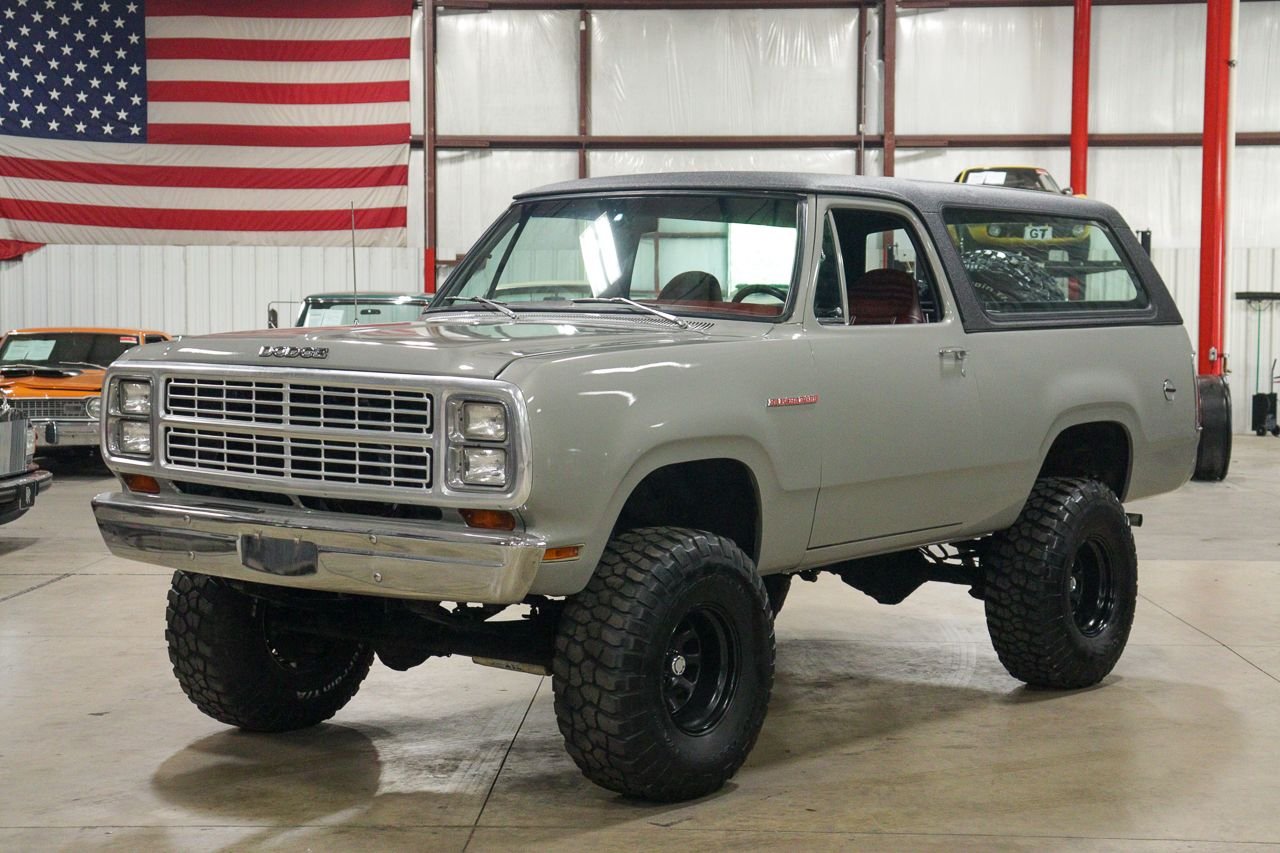
3. Older, High-Mileage Vehicles with Unknown Histories
Purchasing an older vehicle with high mileage and an unclear maintenance history is one of the riskiest decisions a first-time driver can make. While the low upfront cost of such cars may be attractive, they frequently come with hidden mechanical issues, worn components, and the possibility of costly repairs just around the corner.
These vehicles might have suffered neglect, been involved in accidents, or had parts replaced with inferior components, none of which is immediately obvious without thorough inspection.
First-time drivers typically lack the experience and knowledge to evaluate the condition of a used car fully, making them vulnerable to buying a “lemon.”
The lack of detailed service records and vehicle history reports means there’s no reliable way to assess how well the car has been maintained or whether it has underlying problems that could lead to breakdowns.
This uncertainty increases the likelihood of frustrating and potentially dangerous situations such as engine failure, transmission issues, or electrical problems.
Moreover, older vehicles often lack modern safety features that have become standard in newer cars. The absence of advanced airbags, electronic stability control, or driver-assist technologies means that these cars offer less protection in the event of a crash.
For first-time drivers, whose risk of accidents is statistically higher, this is a significant concern. Additionally, older cars tend to be less fuel-efficient and may produce higher emissions, which can lead to increased running costs and environmental impact.
Therefore, unless the vehicle’s history is thoroughly verified and the car is inspected by a trusted mechanic, first-time drivers should approach older, high-mileage vehicles with caution. It’s generally better to invest in a newer, more reliable car that offers peace of mind and improved safety.
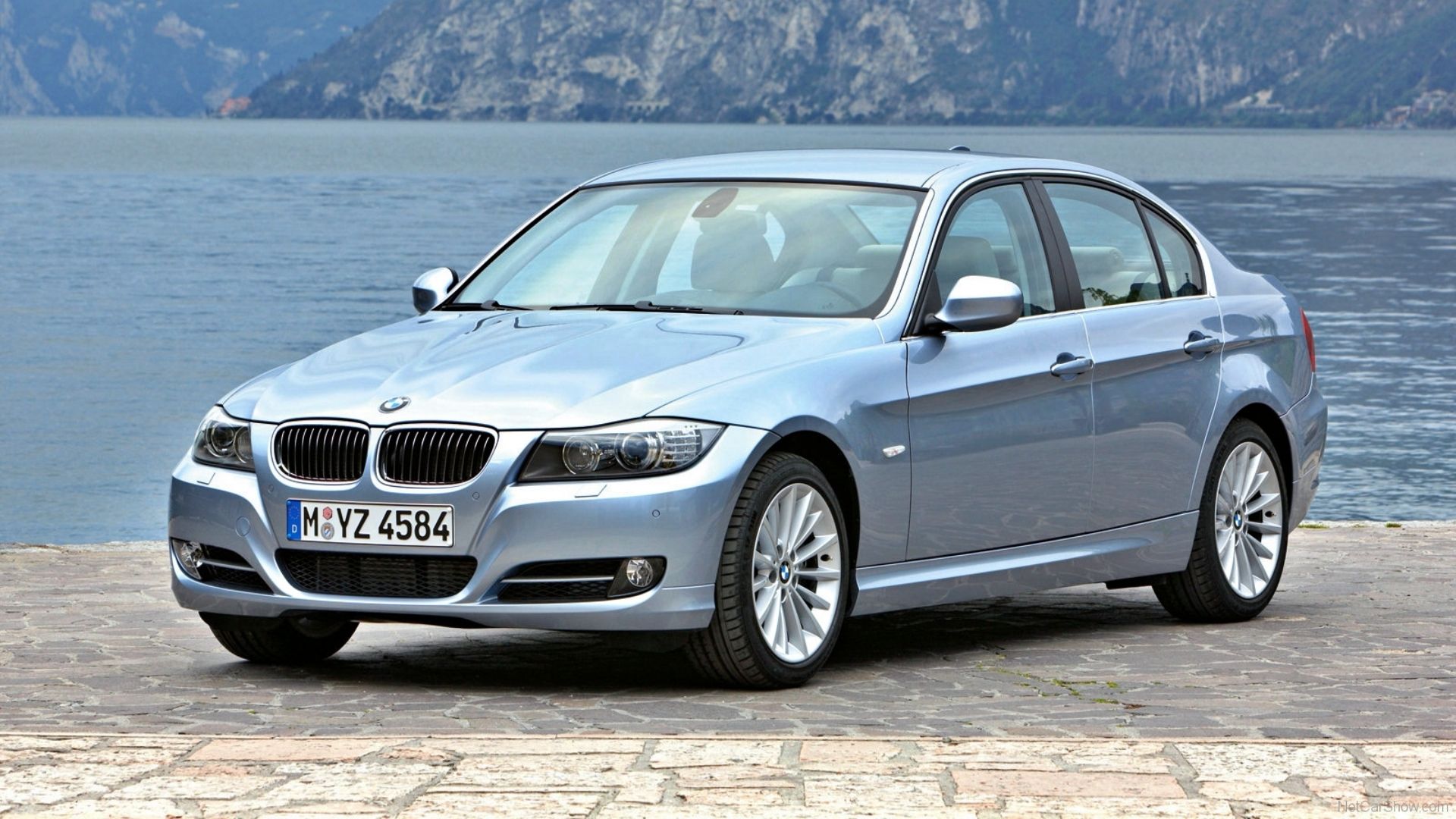
4. Luxury Cars (e.g., BMW 3 Series, Mercedes-Benz C-Class)
Luxury cars like the BMW 3 Series or Mercedes-Benz C-Class might attract first-time drivers due to their sleek looks, advanced technology, and brand prestige. However, these vehicles typically come with significant drawbacks that make them unsuitable for beginners.
First, luxury cars usually carry hefty price tags, both at purchase and throughout ownership. Maintenance costs are higher because these cars require premium parts and specialized service from certified technicians, which can be costly and inconvenient for a new driver unfamiliar with car care.
The advanced technology and features found in luxury vehicles, while impressive, can sometimes overwhelm a novice driver. Complex infotainment systems, numerous buttons, and intricate control layouts may distract inexperienced drivers who should be focusing primarily on the road and developing core driving skills.
In addition, many luxury cars are equipped with powerful engines that encourage spirited driving. For first-time drivers, this can translate into a temptation to drive aggressively, increasing the risk of speeding tickets or accidents.
Insurance rates for luxury cars are typically much higher than those for standard vehicles, due to their high replacement value and expensive repair costs.
This can place a heavy financial burden on young drivers, many of whom already face elevated insurance premiums due to age and inexperience. The stress of managing these extra expenses can detract from the enjoyment and learning process of owning a first car.
Ultimately, while luxury cars offer comfort and status, they are often impractical for first-time drivers who benefit more from simple, economical, and easy-to-drive vehicles that promote safe driving habits without financial strain.
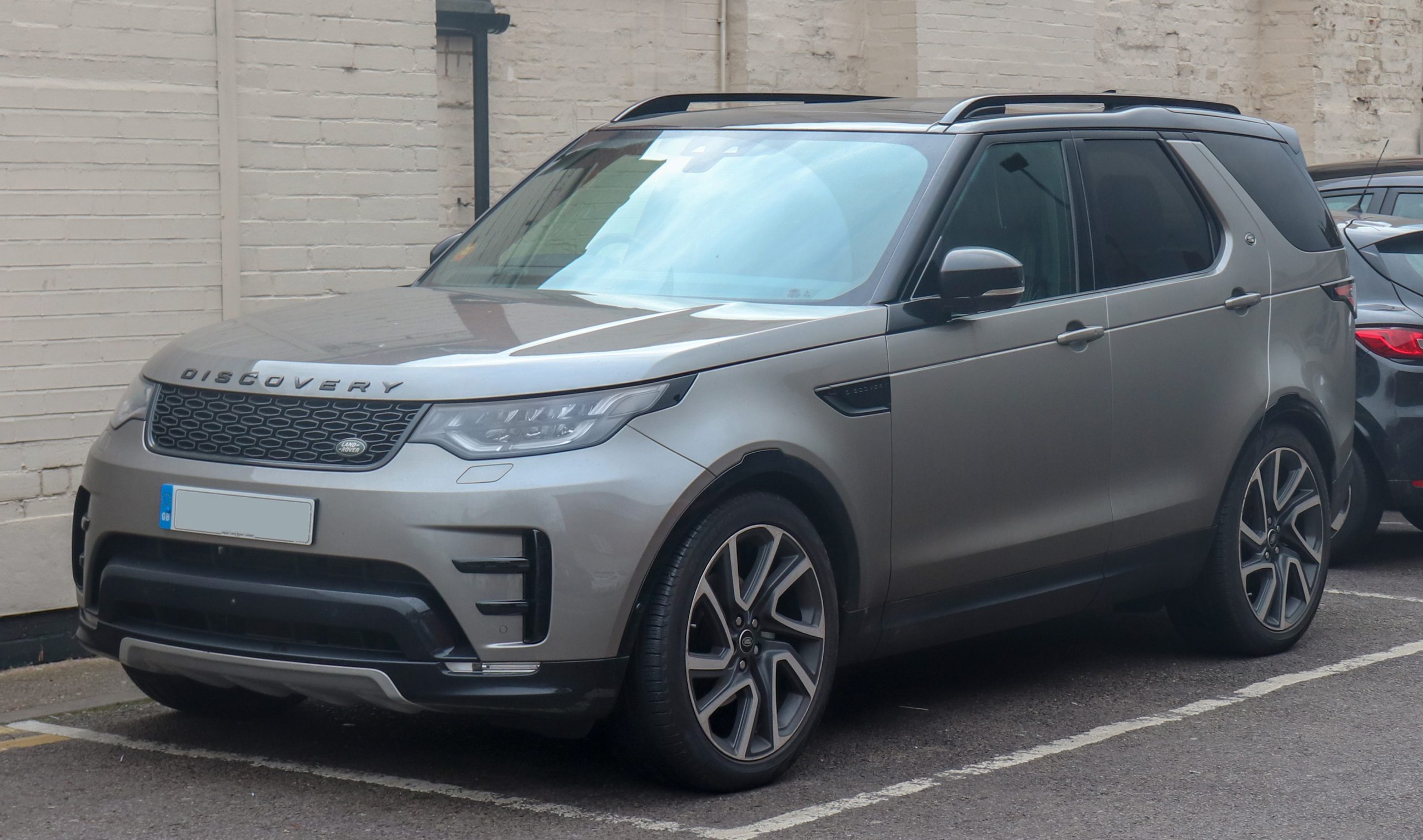
5. Vehicles Known for Poor Reliability (e.g., Some Fiat, Land Rover Models)
Certain makes and models have developed reputations for poor reliability and frequent mechanical issues, and first-time drivers should steer clear of these to avoid unnecessary headaches.
Some Fiat models and Land Rover SUVs, for example, are often cited by owners and industry reviews as prone to problems ranging from electrical failures to engine troubles. These issues often lead to expensive repairs, long downtime, and an overall frustrating ownership experience.
For a first-time driver, the stress and cost associated with unreliable cars can be overwhelming. Many beginners lack the budget or knowledge to deal with frequent breakdowns and the inconvenience of repairs.
Such cars may also suffer from lower safety ratings due to mechanical failures or outdated designs, further increasing the risk for new drivers.
Insurance rates can be higher for unreliable vehicles because insurers factor in the increased likelihood of claims related to mechanical failures or accidents caused by malfunctioning components. The financial strain from higher premiums combined with costly maintenance can make these cars an unwise choice.
Before purchasing any vehicle, first-time drivers need to research reliability ratings from trusted sources like Consumer Reports or J.D. Power. Choosing brands and models with solid reputations for dependability will help ensure a smoother, safer driving experience and more affordable ownership.
Also Read: 10 Cars That Are Still on the Road From the Early 2000s
Choosing the right car as a first-time driver is not merely about picking any vehicle that fits a budget; it is a crucial decision that impacts safety, confidence, financial well-being, and overall driving experience.
The transition from being a passenger to becoming the person responsible for navigating the roads is a major step, filled with new challenges and opportunities.
A car that supports this transition with reliability, ease of handling, and safety features can make a profound difference in how a new driver develops their skills and attitudes behind the wheel.
The vehicles we have highlighted as reliable starter cars—the Honda Civic, Toyota Corolla, Mazda3, Ford Fiesta, and Hyundai Elantra—are standout options because they have consistently proven their worth over many years.
These models offer not only mechanical dependability but also thoughtful designs tailored to reduce driver stress and improve control, essential for beginners who are still learning to judge speed, distance, and road conditions.
By choosing a car from this list, new drivers gain access to a supportive vehicle that helps minimize distractions, provides peace of mind through strong safety ratings, and keeps running costs manageable with good fuel economy and affordable maintenance.
On the other hand, the cars we advise first-time drivers to avoid—such as high-performance sports cars, large SUVs and trucks, older high-mileage vehicles with questionable histories, luxury vehicles, and models known for poor reliability—often carry risks that can jeopardize both safety and financial stability.
High-powered sports cars may tempt young drivers into unsafe driving behavior, while the size and handling complexity of large SUVs or trucks can overwhelm beginners who are still developing spatial awareness and confidence.
Older cars with unknown maintenance histories present hidden dangers in the form of unexpected breakdowns and costly repairs that can be discouraging and unsafe.
Luxury vehicles, while alluring, often have complicated systems and expensive upkeep that can place a heavy burden on novice drivers. Lastly, cars with reputations for poor reliability introduce unpredictability that new drivers are best to avoid, as they need dependable vehicles that won’t leave them stranded or force frequent trips to the mechanic.
Ultimately, first-time drivers benefit most from vehicles that combine a balance of practicality, safety, affordability, and reliability. The right starter car fosters positive habits, builds confidence, and encourages a focus on safe driving practices rather than distractions caused by mechanical issues or financial stress.
Moreover, the choice of a first car can influence insurance costs and the ease of resale, two factors that young drivers and their families often consider carefully.
A thoughtful decision today will not only ensure smoother experiences during those formative driving years but will also lay the foundation for a lifelong relationship with safe and responsible driving.
In an era where the automotive market offers a dizzying variety of options, new drivers should emphasize vehicles that prioritize peace of mind, simplicity, and safety over flashiness or status.
This comprehensive look at reliable starter cars versus those to avoid underscores the importance of thorough research and self-awareness in the buying process.
New drivers should also seek guidance from trusted sources, including family members, experienced mechanics, and automotive experts, to ensure they are making an informed decision that fits their individual needs and circumstances.
By focusing on vehicles that enhance safety and reliability, first-time drivers empower themselves to enjoy the freedoms of the road with greater confidence and less worry.
Choosing a car wisely is not just about transportation; it’s about setting the stage for responsible driving habits that will serve well beyond the early years behind the wheel, ensuring a safer journey for both the driver and everyone else sharing the road.
