
When heading off to college, students face one major question if they plan to drive: what car should I buy? It needs to be affordable, dependable, and low-maintenance. For most students, juggling tuition, books, and housing costs leaves little room for surprise repair bills or high insurance premiums.
This is where the decision of what car to own becomes critical. The right car can offer peace of mind, reliable transportation, and even fuel efficiency.
On the flip side, choosing the wrong car can lead to an endless string of repairs, costly part replacements, and general frustration. While flashy features and sleek designs might be tempting, reliability and value should come first.
College students typically look for cars that are under $10,000 (sometimes even under $5,000) on the used market. But not all budget-friendly vehicles are created equal. Some manufacturers build cars that run for hundreds of thousands of miles with little more than oil changes.
Others are notorious for expensive repairs, weak transmissions, or failing electronics, making them “money pits” over time. What’s particularly concerning is that some of the worst offenders look like great deals up front. Low sticker prices can mask hidden mechanical nightmares.
This article will dive deep into both sides of the coin: first, five genuinely cheap cars, reliable, and well-suited to college life; and second, five cars that are often mistaken as good bargains but end up draining your wallet.
Each section will explain why these cars fall into their respective categories, highlighting real-world ownership experiences, long-term maintenance records, and practical concerns like gas mileage and part availability.
Whether you’re a student yourself or a parent helping your child prepare for college life, this guide aims to give you an honest, experience-based breakdown of what to seek out—and what to avoid—on the used car market. Let’s begin with the cars that are worth every penny.
Also Read: 5 High-Reliability Work Vans and 5 That Always Break Down on Site
5 College Cars That Are Cheap and Reliable
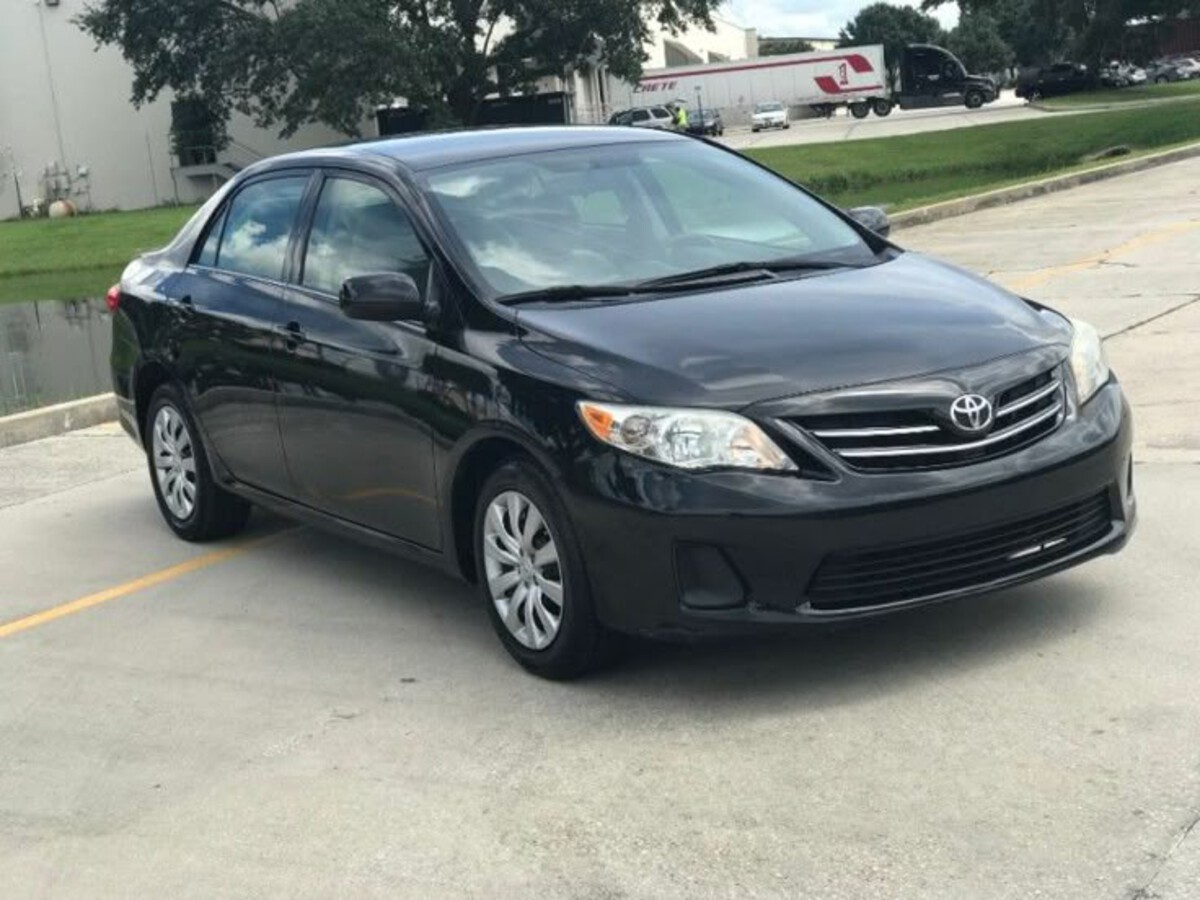
1. Toyota Corolla (2003–2013)
The Toyota Corolla has long held a reputation as one of the most reliable sedans on the road. For college students on a tight budget, the early 2000s to early 2010s Corolla models represent a golden age of durability and simplicity.
These cars are known for their low maintenance costs, excellent gas mileage (often 30–35 mpg), and long-lasting engines that easily exceed 200,000 miles with routine care. Mechanics often joke that Toyota engineered these vehicles “too well,” meaning they rarely break down in catastrophic ways.
One of the Corolla’s key strengths is its simplicity. There are no turbochargers, no complicated electronics, and few failure-prone components.
This makes it not only easier to repair but also cheaper to own. Many models from this era have timing chains instead of timing belts, eliminating the need for a costly replacement every 60,000–100,000 miles. Basic service parts—brake pads, oil filters, belts—are widely available and inexpensive.
From a student’s perspective, the Corolla is ideal because it blends fuel economy with comfort. It may not win races, but it will get you to class, home for holidays, and even across state lines with no drama.
It has a surprisingly roomy back seat and trunk, making it functional for everyday college life. Insurance costs also tend to be low thanks to Toyota’s excellent safety ratings and non-sporty image.
In terms of downsides, the Corolla isn’t the most stylish car, and it certainly won’t impress at tailgate parties. But for those who prioritize function over flash, it’s nearly unbeatable.
The car is also widely available on the used market, so finding a well-kept version with maintenance records is relatively easy. All told, the Corolla is a smart, stress-free choice for college students.
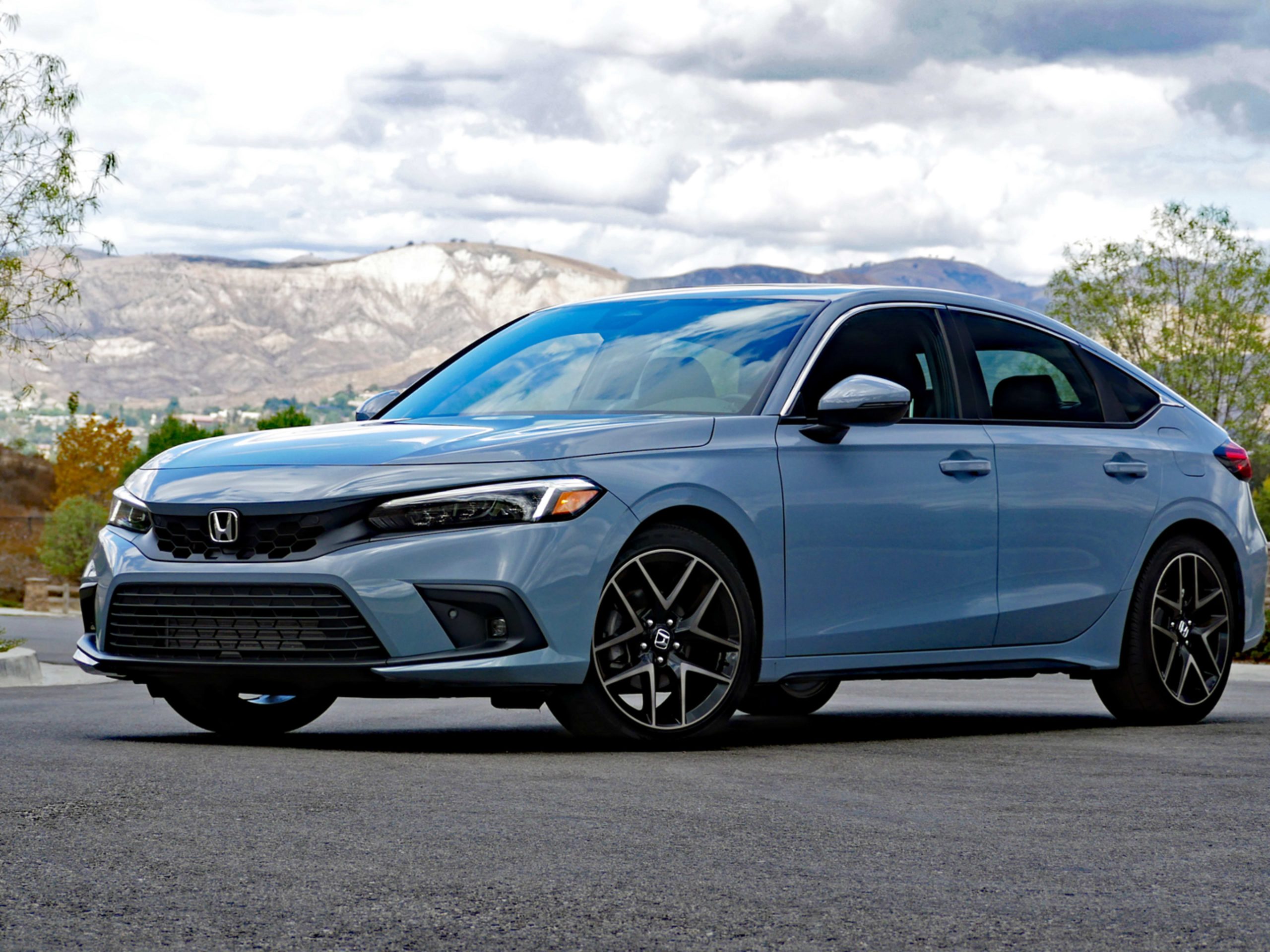
2. Honda Civic (2006–2011)
Much like the Corolla, the Honda Civic enjoys a legendary reputation for durability and efficiency. The 2006–2011 models, especially those with the 1.8-liter engine, are especially reliable and make excellent college cars.
Civics from this era are known for their sporty design, roomy interiors, and great fuel economy—often in the mid-30s for highway driving. But their biggest strength lies in how little they cost to maintain and how long they tend to last.
Honda engines are well-engineered and, when properly maintained, can run well past 250,000 miles. Parts are easy to find and reasonably priced, thanks to the Civic’s popularity.
Even major components like transmissions and suspension parts are cheaper than average. In terms of DIY maintenance, the Civic is also very beginner-friendly, so students interested in learning basic car care won’t be overwhelmed.
Another benefit of the Civic is that it’s genuinely fun to drive. The steering is responsive, the ride is composed, and the car feels more agile than most economy sedans.
For students who want something a little more engaging but still dependable, the Civic strikes a perfect balance. It also has a reputation for safety and strong resale value, which means you can sell it after graduation and likely recoup much of your investment.
There are a few known issues with this generation—such as cracked engine blocks in some early 2006–2008 models—but these were addressed under extended warranties.
Buyers should always check for a clean title and maintenance records, but assuming the basics are covered, this Civic generation remains a standout choice. It’s not just a good car for students—it’s a good car, period.
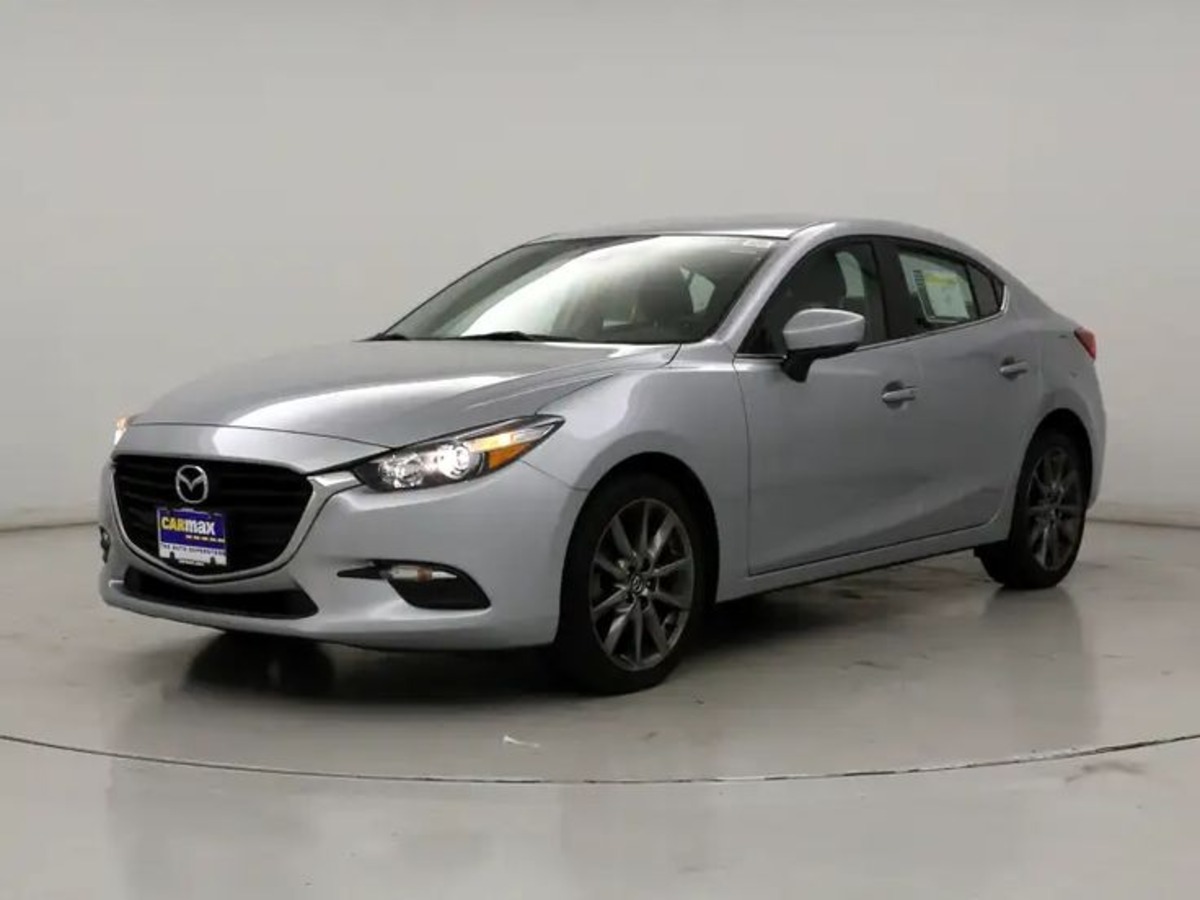
3. Mazda3 (2010–2013)
Mazda isn’t always the first name that comes to mind for reliability, but the 2010–2013 Mazda3 is a notable exception. These compact cars are widely praised for their sporty handling, solid build quality, and efficient engines.
The 2.0-liter engine in particular has proven to be robust and long-lasting when regularly maintained. What sets the Mazda3 apart is its combination of reliability and personality—it doesn’t just get the job done, it makes driving enjoyable.
For college students, the Mazda3 hits a sweet spot. It’s affordable on the used market, especially compared to the Civic or Corolla, but still offers many of the same benefits.
It gets good gas mileage, is comfortable for long drives, and has a surprising amount of cargo space with the hatchback version. It also tends to fly under the radar, so insurance rates remain relatively low compared to sportier models.
One area where Mazda shines is design. Even older Mazda3s still look stylish and modern, with clean lines and driver-focused interiors.
That may seem like a small point, but having a car that feels fun to sit in can make a big difference when you’re commuting daily or stuck in traffic. On top of that, Mazda tends to use high-quality materials inside and out, reducing wear and tear over time.
There are a few downsides to be aware of, including rust in certain climates (especially in northern U.S. states) and occasional suspension issues.
However, these are generally manageable and well-documented, meaning savvy buyers can inspect and avoid problem cars. Overall, the 2010–2013 Mazda3 offers an excellent blend of value, dependability, and driver satisfaction.
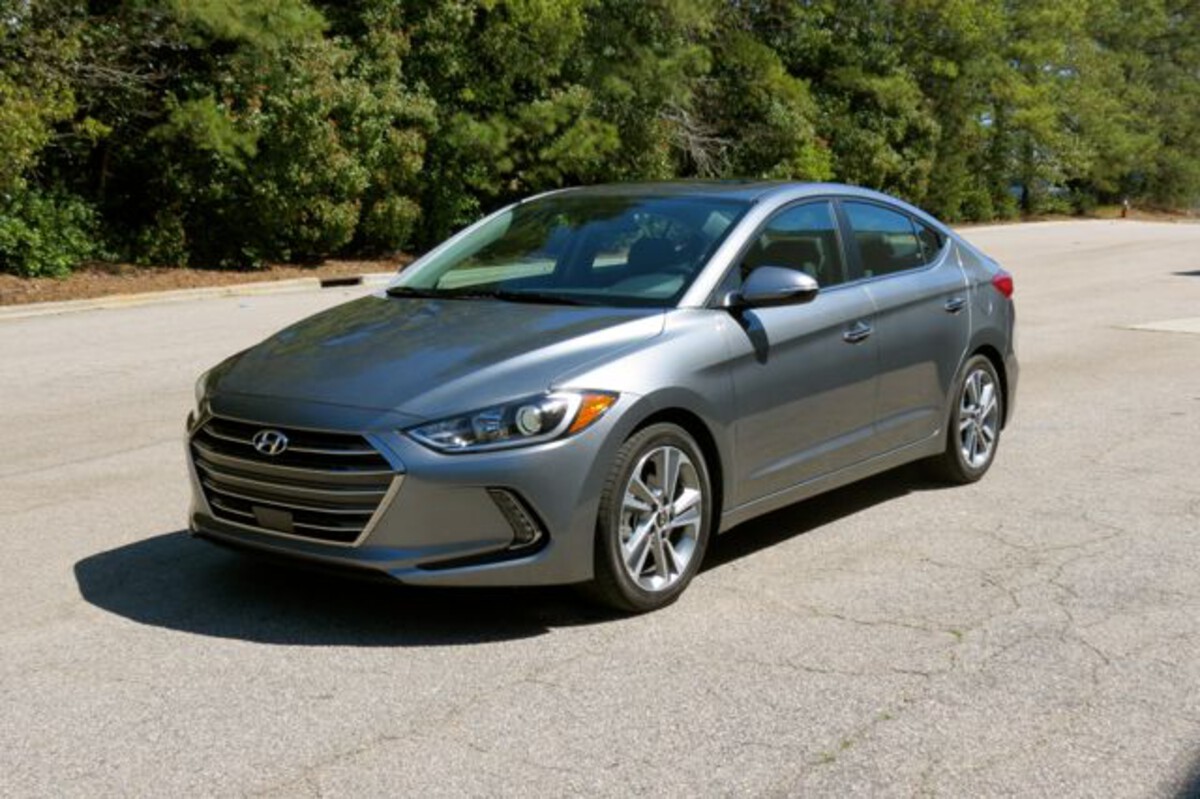
4. Hyundai Elantra (2011–2016)
Hyundai has come a long way from its earlier reputation, and the 2011–2016 Elantra is proof of that evolution. For students looking for a budget-friendly, efficient, and comfortable ride, this compact sedan offers strong value. The 1.8-liter engine delivers solid fuel economy (up to 38 mpg highway), and the modern styling makes it feel more upscale than the price tag suggests.
What makes the Elantra a particularly good choice for students is its generous feature set. Even base models often come with Bluetooth, USB ports, and heated seats—luxuries that are rare in other budget-friendly options from the same era. It’s also easy to find used Elantras with relatively low mileage and remaining warranty coverage, especially if buying from a certified pre-owned dealer.
Hyundai’s 10-year/100,000-mile powertrain warranty has also helped build buyer confidence. Many college-aged buyers can find 5–7 year old Elantras that are still covered, at least partially, by that original warranty. This provides peace of mind during a financially tight time. Another big win is cost of ownership—Elantras are cheap to insure, cheap to fuel, and cheap to fix.
There are a few drawbacks. Some models have reported engine issues or noisy cabins at highway speeds. But these concerns are relatively rare compared to the vehicle’s overall reliability record. As long as the car has been properly maintained and has a clean title, the Elantra is a smart, affordable choice that doesn’t compromise on modern features or style.
5. Ford Focus (2009–2011)
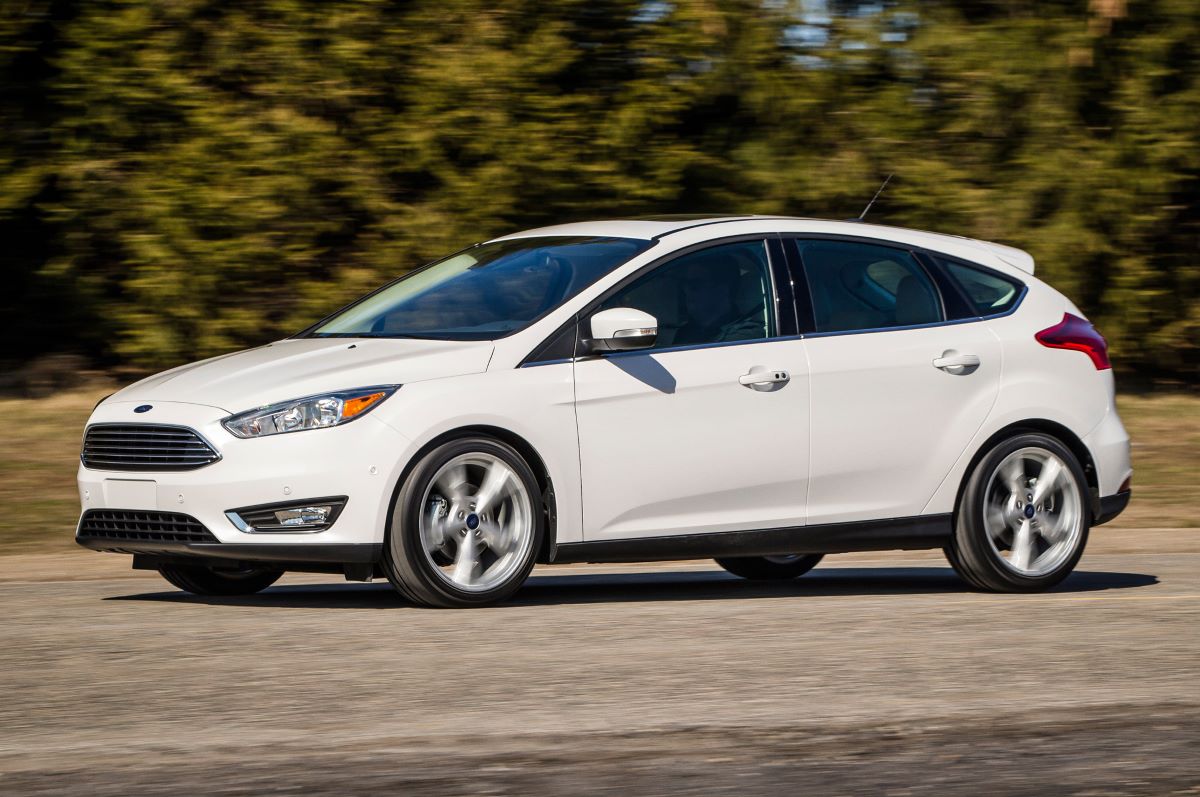
The Ford Focus, particularly models between 2009 and 2011, stands out as one of the few American compact cars that can truly compete with Japanese rivals in the realm of affordable, reliable student transportation. At a time when domestic compacts were often viewed as inferior, Ford engineered this generation of the Focus with a clear intention: simplicity, reliability, and cost-effectiveness.
This was before the dual-clutch transmission issues plagued later models, and the result is a car that, while modest in appearance, delivers a surprisingly resilient ownership experience. For budget-conscious college students who still want a car with a bit of personality, the pre-2012 Focus makes a compelling case.
Under the hood, the Focus from these years comes with a 2.0-liter inline-four engine that, while not particularly powerful, is known to be bulletproof when properly maintained. It’s a naturally aspirated engine with a traditional automatic or manual transmission, depending on the model, meaning there are far fewer things that can go wrong compared to later years.
Maintenance costs are low, parts are widely available due to the car’s popularity, and the engine bay is laid out in a way that even amateur mechanics can perform basic repairs without special tools. This means oil changes, brake jobs, and even spark plug replacements can be handled at home, saving hundreds of dollars over the life of the car.
The Focus also boasts a decently spacious interior for its class, making it practical for college students who might be hauling groceries, moving between dorms, or giving friends a ride to campus. The trunk space is respectable, and rear seats fold down to offer additional cargo room—something that comes in handy more often than you’d think in college life. It’s also relatively fuel-efficient, with the automatic models achieving around 25–35 mpg depending on driving habits and maintenance.
Of course, it’s not perfect. The interior materials aren’t as refined as those in a Honda Civic, and the cabin noise at high speeds can be a bit much. But for a sub-$6,000 car that offers such consistent reliability, it’s a trade-off many are happy to make.
The Focus is a car that doesn’t pretend to be anything it’s not. It’s not flashy, it’s not luxurious, but it is dependable, inexpensive, and built to endure. For college students who prioritize function and frugality, this generation of the Ford Focus deserves serious consideration.
Part 2: 5 College Cars That Become Money Pits
1. BMW 3 Series (2006–2013)
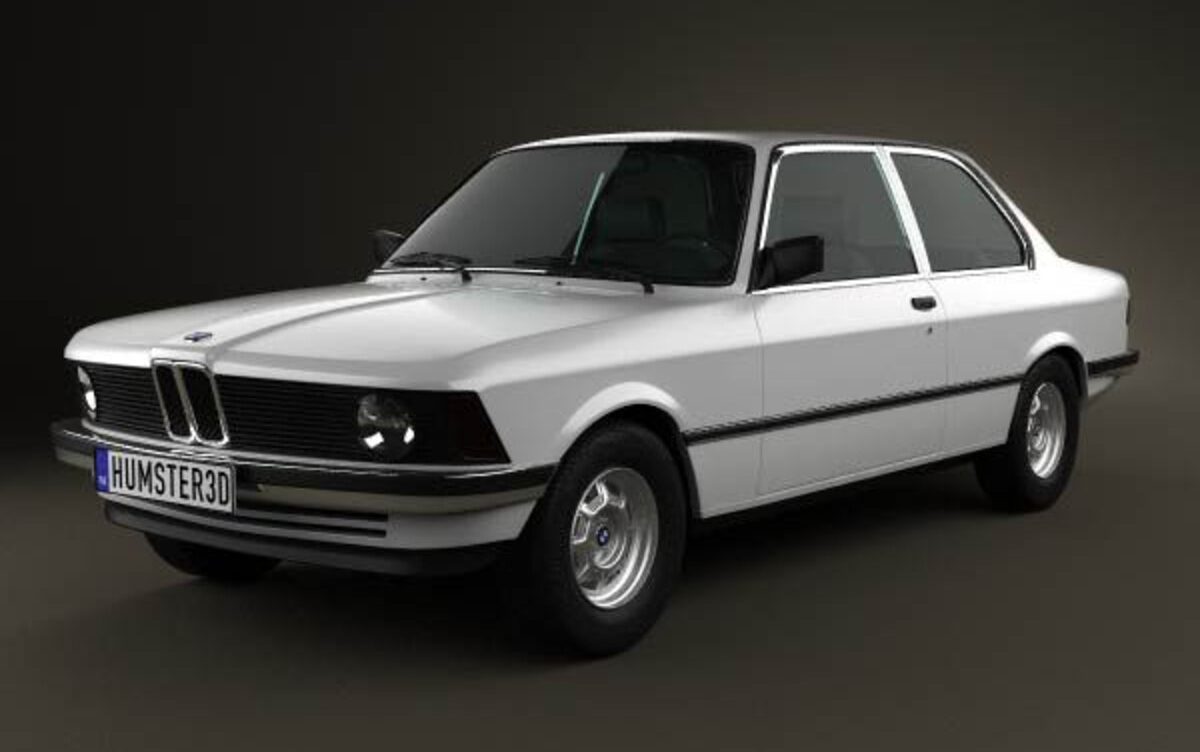
At first glance, the BMW 3 Series—especially from the late 2000s—seems like a dream come true for a college student. It’s sleek, prestigious, and often available for under $7,000 on the used market. But make no mistake: owning a used BMW as a student is often a fast-track route to financial headaches.
While BMW’s engineering prowess is undeniable, these vehicles come with complex systems, premium-grade components, and maintenance requirements that far exceed what most students are prepared to handle. Beneath the veneer of affordability is a world of costly repairs, premium fuel requirements, and service bills that can run into the thousands.
Take, for instance, the N52 and N54 engines found in the 3 Series during this time. While they deliver solid performance and smooth driving, they’re notorious for oil leaks, failing water pumps, and timing chain issues. These aren’t minor inconveniences—repairing a water pump on a BMW can cost upwards of $1,000, especially if done at a dealership.
Even routine maintenance like oil changes requires specialized European-grade synthetic oil, which drives up long-term ownership costs. And heaven forbid the electronic systems start to malfunction—BMW’s sophisticated onboard electronics are often tied to pricey dealer diagnostics and coding tools.
Moreover, insurance premiums tend to be higher for luxury vehicles, regardless of their age. Students driving older 3 Series models are often surprised when their insurance quotes reflect the vehicle’s original MSRP rather than its current value.
On top of that, many of these cars have been driven hard by previous owners, and if you’re buying one at a low price, there’s a good chance you’re inheriting years of deferred maintenance.
Despite all this, the allure of German engineering remains strong. That’s what makes the 3 Series such a common money pit for students.
The car looks like a bargain and feels premium behind the wheel. But unless you’re ready for premium ownership costs, including potentially monthly visits to a European car specialist—you’re better off admiring this one from afar. It’s a luxury sedan wearing an economy car price tag, but it won’t treat your bank account like one.
I’ll continue expanding the next four “money pit” cars in this style. Would you like me to proceed with the next entries, such as the Mini Cooper, Volkswagen Passat, Chrysler Sebring, and Nissan Altima (CVT years)? These are commonly known for looking like good deals but causing major headaches.
2. Mini Cooper (2007–2013)
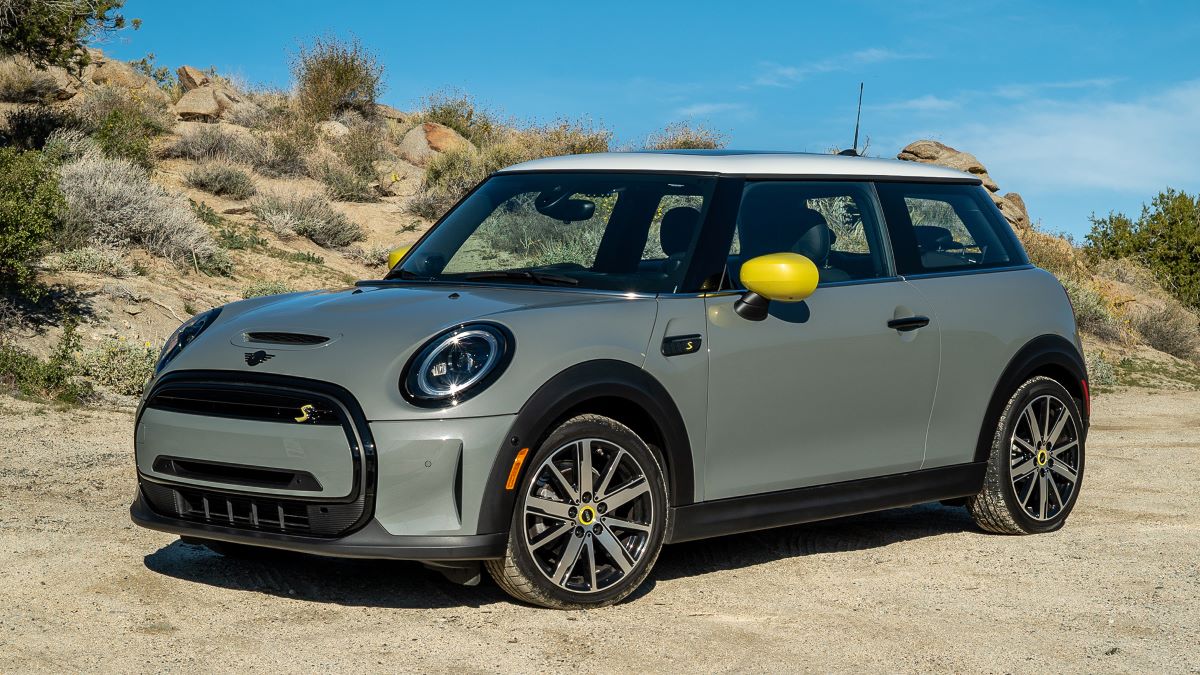
Few cars scream “quirky college charm” like the Mini Cooper. With its retro styling, tight handling, and compact size, it seems like the perfect car for a student zipping around campus or maneuvering into tight parking spots. But behind its charismatic facade lies a reality of high maintenance costs, frequent mechanical issues, and frustratingly complex repairs.
The 2007–2013 models, particularly the second-generation Minis built under BMW’s ownership, are infamous for being some of the most expensive small cars to own long-term. The initial price might seem doable, but ongoing upkeep makes this car an expensive indulgence that few students can realistically afford.
The Mini Cooper’s problems are both mechanical and systemic. Chief among the complaints are the engine issues, particularly with the turbocharged versions (Mini Cooper S). Timing chain tensioner failures are common, often leading to catastrophic engine damage if not addressed early.
These repairs can easily run $1,500 to $2,000, and they often come up before 100,000 miles. Additionally, carbon buildup on the valves due to direct injection, oil leaks from poor gasket design, and failing water pumps are all routine problems. Unlike other small cars, you can’t count on the Mini to be a set-it-and-forget-it commuter. It demands regular attention and costly intervention.
What further complicates ownership is the packaging of the car itself. The engine bay is extremely cramped, making even basic repairs labor-intensive. Something as simple as changing spark plugs or replacing a thermostat may require multiple hours of labor, not because the job is complicated, but because of how the car is assembled.
Independent shops that specialize in European cars can ease some of the financial pain, but they’re not always available near college towns, leaving many students dependent on dealerships, where repair bills soar even higher.
From a student lifestyle standpoint, the Mini is also less practical than it looks. The rear seats are tight, the cargo space is minimal, and reliability issues make it a risky bet for students who can’t afford downtime.
For those seduced by its stylish charm, a used Mini might seem like a cool and fun choice. But unless you’ve got a side hustle that brings in mechanic-level income, it’s best to treat the Mini Cooper like a high-maintenance relationship—fun for a while, but unlikely to last without drama and expense.
3. Volkswagen Passat (2006–2011)
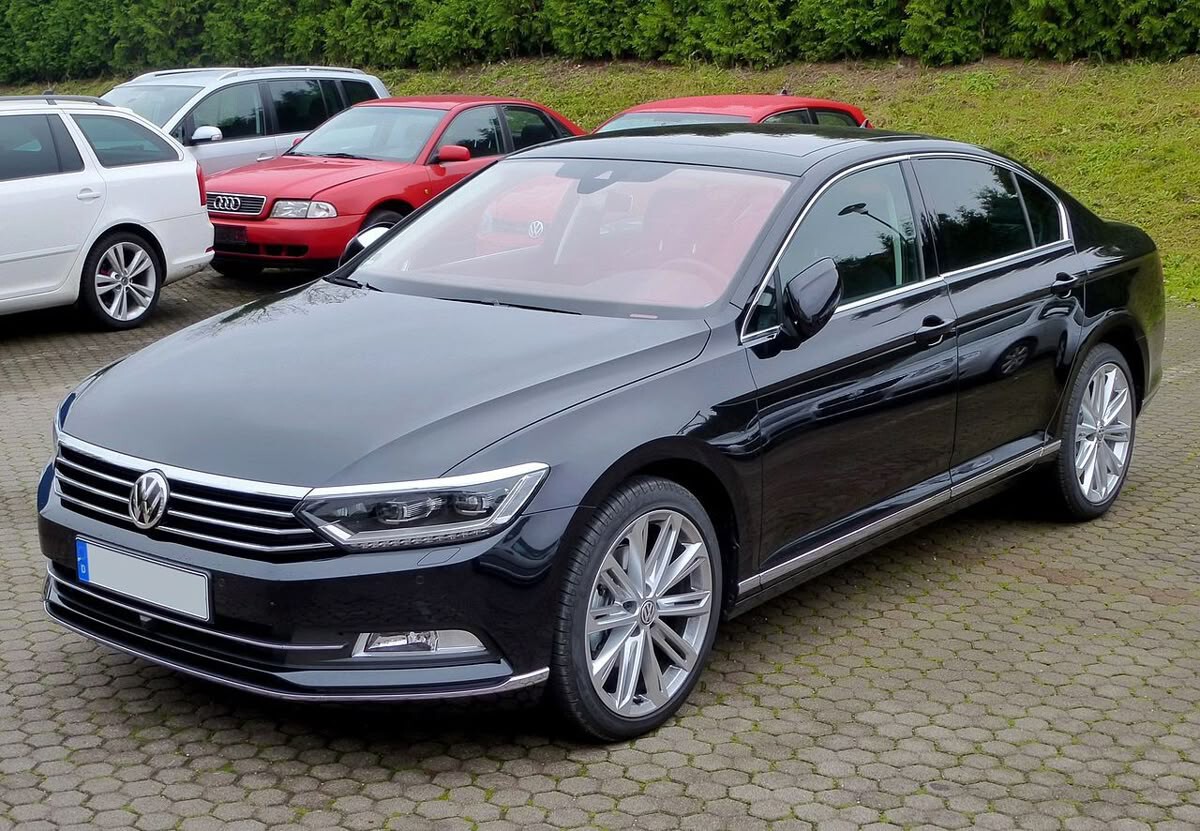
Volkswagen vehicles often appeal to budget-conscious buyers looking for European refinement without the full luxury price tag. The Passat, in particular, seems to offer a lot for the money—comfortable interior, decent performance, and classy aesthetics.
Unfortunately, beneath the surface lies a long list of reliability issues and costly repairs that can make the Passat a nightmare for student owners.
The 2006–2011 models, though more modern-looking than earlier versions, are some of the most problematic sedans in their segment, particularly those equipped with the turbocharged 2.0T engine and DSG transmissions.
The 2.0T engine, while offering decent power and fuel efficiency, is known for oil consumption problems, failing cam follower components, and leaky diverter valves. These aren’t minor annoyances—they’re often signs of deeper internal issues that, if neglected, lead to thousands of dollars in repairs.
Even the PCV (positive crankcase ventilation) system is prone to failure, resulting in poor engine performance and check engine lights that seem impossible to extinguish permanently.
Throw in the timing belt replacements required around 100,000 miles, and you’ve got a list of service requirements that can be overwhelming for students who expect to buy and drive without constant visits to the shop.
Transmission issues also plague this generation of Passat. The DSG (direct-shift gearbox) offers rapid gear changes and sporty driving when working correctly, but it requires regular fluid changes and calibration that few owners keep up with.
When this maintenance is skipped, or done improperly, shifting problems, slippage, or total failure can occur. Replacing or repairing a DSG transmission can easily cost between $3,000 and $5,000, which is often more than the car is worth on the used market.
Lastly, electronics are another thorn in the side of Passat owners. Window regulators fail, central locking systems act up, and dashboard lights often turn into a disco show of warning indicators. While none of these issues individually may break the bank, together they paint a picture of a car that just won’t give its owner a break.
For students who are often dealing with tight schedules and tight finances, a used Passat may look like a European bargain, but it’s more like a ticking time bomb. The repair bills may not hit immediately, but once they do, they tend to come fast and heavy.
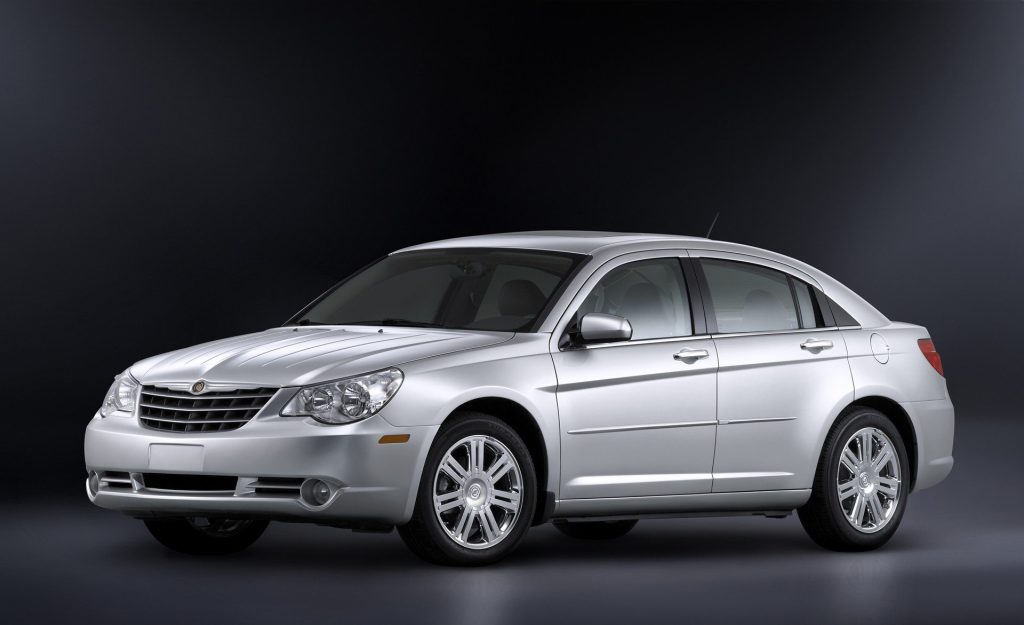
4. Chrysler Sebring (2007–2010)
The Chrysler Sebring is one of those cars that shows up frequently on used car lots at attractively low prices. Often priced under $4,000, it seems like a great deal for a full-sized sedan—roomy interior, respectable looks, and the promise of American reliability.
But in practice, the 2007–2010 Sebring models are among the least dependable vehicles you could buy in this class. Owners often report issues with build quality, powertrain durability, and electrical gremlins that make ownership a chore rather than a convenience.
For students in particular, the Sebring is an especially poor choice because it combines the worst aspects of unreliability with minimal long-term value.
One of the primary issues with the Sebring is its mediocre engine choices. The base four-cylinder lacks power and isn’t particularly fuel-efficient for its size, while the optional V6 engines have a reputation for premature wear and high oil consumption.
On top of that, the transmission is clunky, often shifting harshly or failing entirely by 100,000 miles. These issues aren’t just isolated to a few unlucky owners, they’re common across the board, and many Sebrings on the used market have a long list of deferred maintenance or hastily done repairs that only mask bigger problems underneath.
The interior quality is also well below average. The plastics are cheap, the layout is uninspired, and components like knobs, buttons, and trim pieces wear out or break with surprising speed.
College students expecting to live with this car for multiple years may find themselves increasingly frustrated by broken HVAC controls, malfunctioning stereos, or door handles that come off in their hands. It’s not just about comfort—these flaws impact basic usability and make the car feel older and more beat-up than it really is.
Perhaps the most damning critique is that the Sebring simply doesn’t hold up over time. Resale value is poor, parts can be hard to find compared to more popular models, and the general consensus among mechanics is to avoid it unless you enjoy spending weekends at the repair shop.
Unlike Toyota or Honda models from the same era, the Sebring doesn’t offer long-term value—it offers short-term savings and long-term stress. For students trying to get through college with minimal car trouble, it’s a textbook example of a “cheap” car that ends up being anything but.
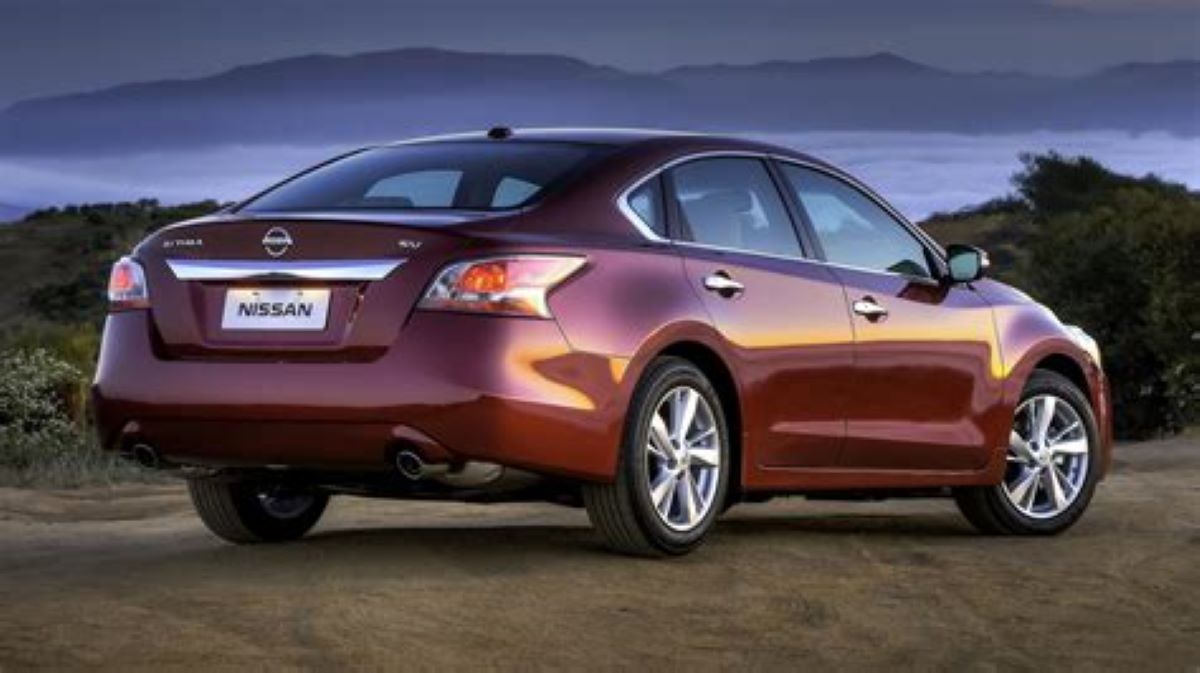
5. Nissan Altima (2007–2013 CVT models)
On paper, the Nissan Altima looks like an excellent deal for college students. It’s affordable, modern-looking, relatively fuel-efficient, and widely available on the used market. But dig a little deeper, and you’ll uncover a serious Achilles’ heel: its continuously variable transmission (CVT).
While Nissan was one of the first mainstream automakers to implement CVTs across its sedan lineup, the 2007–2013 Altima models are plagued with transmission issues that can turn a good deal into a financial disaster. For students on a budget, these problems are more than just inconvenient—they’re potentially catastrophic.
The CVT in these Altimas has a well-documented history of failure, often at mileage points as low as 80,000 miles. What makes it worse is that a failing CVT doesn’t usually go out all at once. It begins with slipping, hesitation during acceleration, or a “rubber band” feeling where engine revs don’t match road speed.
These symptoms can go undiagnosed for months, leaving owners stranded or with huge repair bills down the road. A new or rebuilt CVT can cost $3,000–$4,500, and Nissan’s early warranty extensions don’t always cover later model years or high-mileage cars.
Even aside from the transmission, the Altima has other recurring issues. The 2.5-liter engine, though generally solid, is prone to excessive oil consumption in some models. Electrical problems, especially with the push-button start system, are also common.
Add in premature brake wear, suspension clunks, and cheap interior materials, and the car begins to look much less appealing. Many owners report that their cars felt great for the first year, then gradually fell apart with a cascade of small (and not-so-small) problems that drain your wallet.
For a college student, this is exactly the kind of ownership experience to avoid. You don’t want a car that feels like it might leave you stranded during finals week, or rack up thousands in repairs just when you’re trying to save for next semester’s books.
While later Altima models improved reliability somewhat, the 2007–2013 era, particularly those with CVTs, remain risky choices.
They are cautionary tales of modern design meeting subpar execution—a flashy exterior that hides fragile internals. When shopping for a reliable, no-fuss daily driver, it’s best to steer clear of this generation of Altima.
Also Read: 5 AWD Cars With No Transfer Case Problems and 5 That Grind and Fail
Buying a car as a college student is one of those decisions that seems deceptively simple. Find something affordable, make sure it runs, and hit the road—right? Unfortunately, it’s not that easy. As we’ve seen, the used car market is full of both diamonds in the rough and expensive traps dressed up as bargains.
What separates a smart buy from a financial nightmare often comes down to doing your homework, knowing what to avoid, and—perhaps most importantly—recognizing that not all cars are created equal, even when they share the same sticker price.
The five reliable options we discussed, Toyota Corolla, Honda Civic, Mazda3, Hyundai Elantra, and Ford Focus—aren’t perfect, but they consistently prove themselves where it matters most: low cost of ownership, predictable maintenance, and trustworthy performance.
They don’t just help you get through your college years—they free you from the stress of breakdowns and the surprise expenses that can derail your budget. These cars might not grab attention at the campus parking lot, but they excel at something more important: keeping your life moving forward without disruption.
On the other hand, the BMW 3 Series, Mini Cooper, Volkswagen Passat, Chrysler Sebring, and Nissan Altima (CVT models) are classic examples of vehicles that seem like smart or stylish choices up front but often become burdens over time. They’re the kind of cars that look good on a Craigslist ad or feel nice on a test drive, but hide costly secrets.
From failing transmissions and leaky engines to complex electronics and expensive parts, these vehicles tend to punish buyers who don’t look past the surface. And in a student’s life—where every dollar matters and time is already stretched thin—that kind of financial strain can be disastrous.
So what’s the takeaway here? First, always prioritize reliability and total cost of ownership over aesthetics or perceived prestige. A car is not a fashion statement in college,it’s a utility.
It should help you get to class, your job, and back home safely. Second, always research the specific model year, not just the make and model. Some years are better than others, even within the same generation.
Forums, mechanic reviews, and owner reports are gold mines of information that can protect you from future headaches. Third, have any used car inspected by a trusted mechanic before purchase—even the best cars can turn into money pits if they’ve been neglected or poorly maintained by previous owners.
Finally, remember that the best car is one that disappears into the background of your life. It should start every morning, sip gas economically, and rarely remind you it exists. You shouldn’t have to learn your mechanic’s name by heart or spend your weekends watching DIY repair videos instead of studying.
In that light, practicality becomes more than just a buzzword—it becomes your financial shield and time-saver. Choosing the right car in college won’t make you rich, but choosing the wrong one might very well make you poor.
Choose wisely, invest in reliability, and save the flashy stuff for after graduation—when the student loans are paid off and you’ve got a job to match that dream car. Until then, go with the car that gets the job done quietly, efficiently, and affordably.
