
In the fast-evolving world of automobiles, the discontinuation of certain models is a routine but significant event. Car manufacturers regularly refresh their lineups to keep pace with technological innovation, shifting consumer preferences, regulatory demands, and competitive pressures.
As new models emerge with cutting-edge features, improved safety, and greater efficiency, older vehicles inevitably get phased out, leaving them categorized as discontinued. But the story of discontinued cars does not end with their production cessation.
For consumers in the used car market, these vehicles often represent a tantalizing crossroads — they can either be hidden gems that offer extraordinary reliability and value or serve as cautionary tales of models discontinued for fundamental reasons like poor engineering or design flaws.
Understanding why a car was discontinued can be crucial for anyone looking to buy used. Some discontinued cars continue to impress years after their last units rolled off assembly lines because they were built on solid foundations and engineered to last.
Their components remain readily available, repairs are affordable, and owners enjoy predictable maintenance costs. These cars have cultivated reputations as reliability bargains — vehicles that provide excellent value for the price and often outperform their newer competitors in longevity.
Enthusiasts, budget-conscious families, and practical commuters alike seek out these models because they combine dependability with affordability, making them especially attractive in a used car market that can be unpredictable.
Conversely, other discontinued cars carry a more negative legacy. Their discontinuation may have stemmed from persistent reliability issues, poor sales fueled by unappealing styling or lackluster performance, or failure to meet increasingly stringent safety or emissions regulations.
These vehicles can become money pits — prone to breakdowns, expensive to repair, and frustrating to own. Some models failed spectacularly because of fundamental design errors or substandard manufacturing quality, leaving buyers with cars that quickly lose value and demand costly upkeep. For used car shoppers, recognizing these red flags is vital to avoiding regretful purchases.
This article explores this duality by highlighting five discontinued cars that have earned their reputations as reliability bargains, and five others whose discontinuation was well deserved. Through detailed discussion, we will examine the engineering choices, market dynamics, and ownership experiences that shaped these outcomes.
We’ll uncover what makes the bargains stand out for their lasting quality and why some discontinued models ultimately proved to be ill-advised buys. The goal is to provide a comprehensive guide for anyone navigating the used car market with a keen eye for reliability and value.
As the automotive industry pushes toward electrification, autonomous technologies, and ever more complex systems, understanding the legacy of discontinued models, both good and bad, remains a vital part of making informed decisions on the road.
ALSO READ: 5 Vehicles That Don’t Need Exhaust Work and 5 That Constantly Throw Codes
5 Discontinued Cars That Are Reliability Bargains
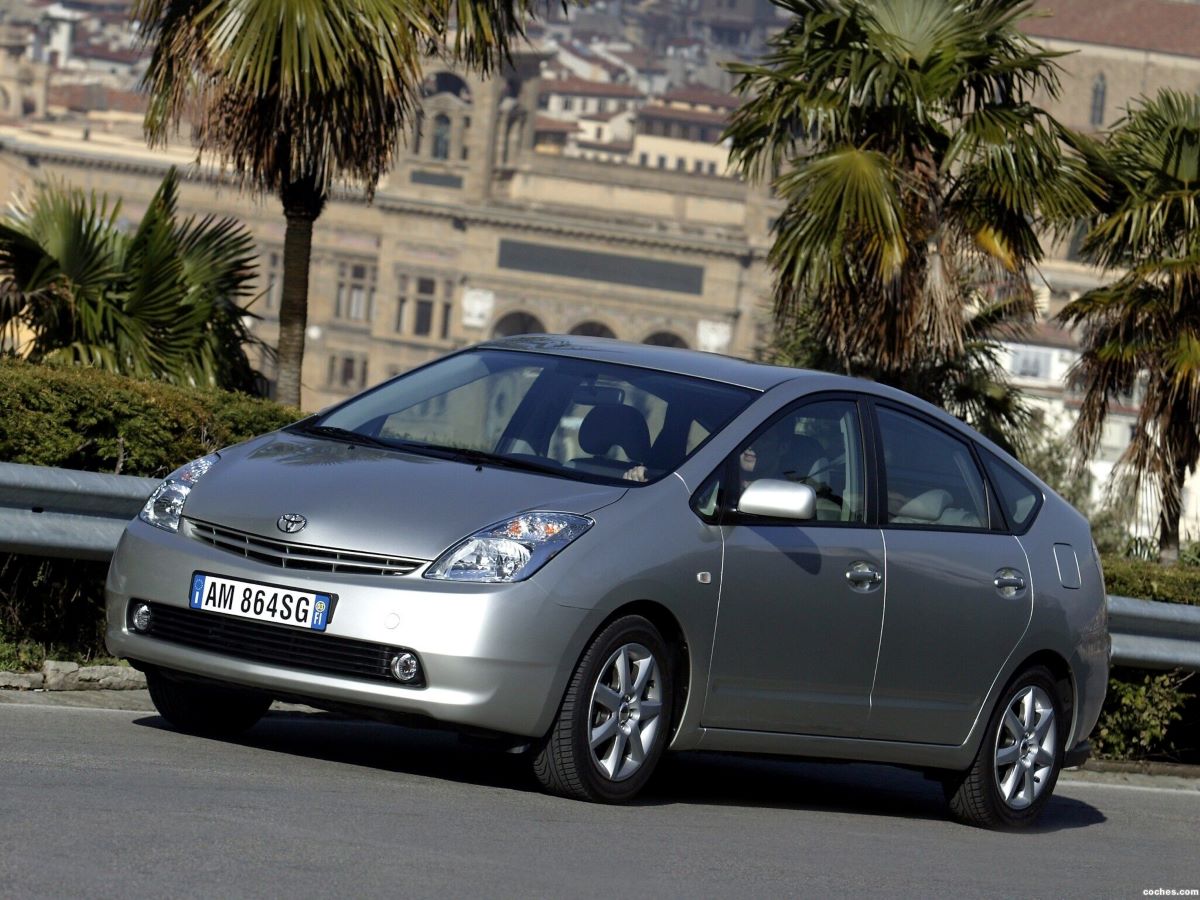
1. Toyota Prius (Second Generation, 2004-2009)
The second-generation Toyota Prius marked a pivotal moment in automotive history, representing one of the earliest mainstream successes of hybrid technology. Launched between 2004 and 2009, this model became synonymous with fuel efficiency and environmental consciousness long before hybrids were widely accepted.
Despite newer generations replacing it, this Prius remains one of the most reliable and practical used cars available. Its hybrid synergy drive system was designed with durability in mind, combining a gasoline engine with an electric motor that complemented each other to optimize fuel use without compromising reliability.
Toyota’s hybrid system in this generation was notably simpler and more robust than the complex systems introduced later, which sometimes faced early battery or electrical problems. The nickel-metal hydride battery packs were designed to last the life of the car, with many owners reporting original batteries running well past 150,000 miles without replacement.
Furthermore, Toyota’s engineering prioritized minimizing wear on the internal combustion engine by using the electric motor to reduce engine load, leading to fewer repairs and longer component lifespans. Routine maintenance tasks like oil changes, brake servicing, and tire rotations were straightforward and affordable compared to traditional vehicles with more complex transmissions.
The Prius’s interior and build quality also contributed significantly to its lasting appeal. While the design was never flashy, the cabin materials held up well, avoiding the premature wear common in many vehicles from that era.
Electronic systems such as regenerative braking and hybrid system monitors functioned reliably, with minimal reports of sensor failures or software glitches. In addition, the availability of parts and the widespread dealer network ensured that owners faced fewer obstacles when repairs or maintenance were needed.
The car’s reputation for safety, including favorable crash test ratings and consistent recalls handled with diligence, added an extra layer of confidence for buyers.
Ultimately, the second-generation Prius remains a standout in the used hybrid market. It represents an ideal combination of affordability, reliability, and fuel efficiency, making it a dependable choice for environmentally conscious buyers who want to avoid the uncertainties often associated with early hybrid technology.
Its discontinuation was driven by natural model progression rather than any fundamental flaws, securing its place as a genuine reliability bargain and an excellent long-term investment for used car buyers.
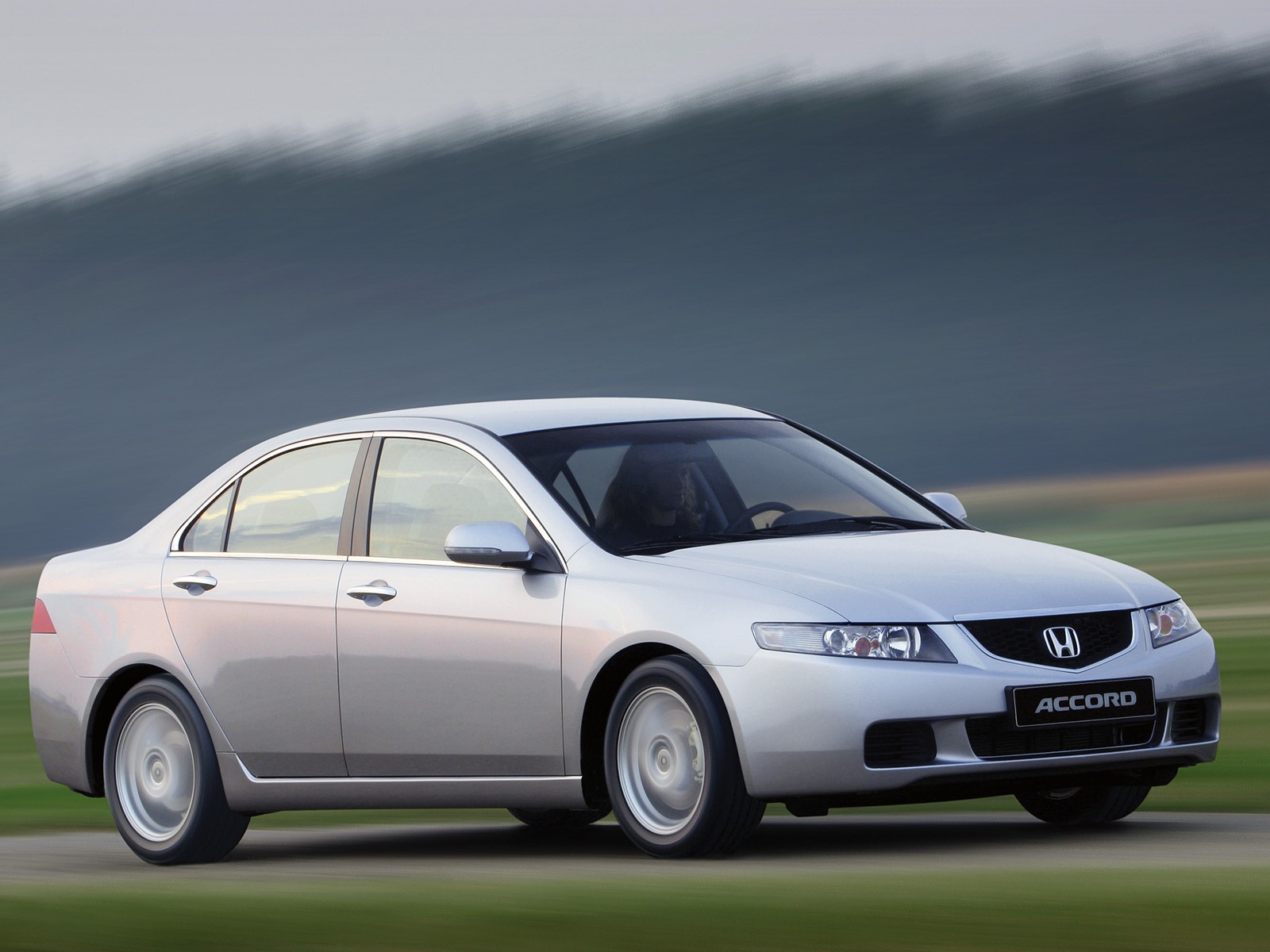
2. Honda Accord (Eighth Generation, 2008-2012)
The eighth-generation Honda Accord, produced between 2008 and 2012, is widely regarded as one of the benchmark midsize sedans in terms of reliability, performance, and overall value.
Honda’s long-standing reputation for engineering precision and build quality is well exemplified in this generation, which delivered a well-rounded package that appealed to a broad range of drivers, from families to daily commuters.
Even years after production ended, this model continues to be sought after in the used car market because of its ability to combine solid mechanics with an engaging driving experience.
One of the reasons the eighth-gen Accord remains reliable is its robust and well-tested engine lineup. Both the 2.4-liter four-cylinder and the 3.5-liter V6 engines have demonstrated remarkable longevity, with many examples running smoothly well past the 200,000-mile mark.
Honda’s engineering philosophy favored simplicity and proven technologies, which resulted in fewer unexpected failures and more manageable repair bills. Transmission choices — including a five-speed manual and a five-speed automatic — were similarly durable, avoiding the common pitfalls of some competitors’ more complex gearboxes that tended to fail prematurely. Timing chains and belts were durable, and with regular maintenance, the powertrains remained strong performers for years.
In addition to mechanical reliability, the eighth-generation Accord stood out for its build quality and interior refinement. The materials used in the cabin were durable and well-finished, avoiding the cheap plastics that plagued many rivals of the period. Electronics such as infotainment, climate control, and safety systems generally proved reliable, with only occasional issues related to sensors or controls reported by owners.
The car also came equipped with standard safety features, including multiple airbags, stability control, and anti-lock brakes, which not only enhanced driver confidence but also helped the model score highly in safety tests that remain relevant in today’s standards.
The discontinuation of this generation was a natural result of Honda’s commitment to innovation and design evolution rather than a reflection of any quality issues. For buyers interested in a midsize sedan that offers a blend of reliability, comfort, and a responsive driving experience, the eighth-generation Accord remains a dependable, well-rounded choice that continues to provide excellent value in the used car market.
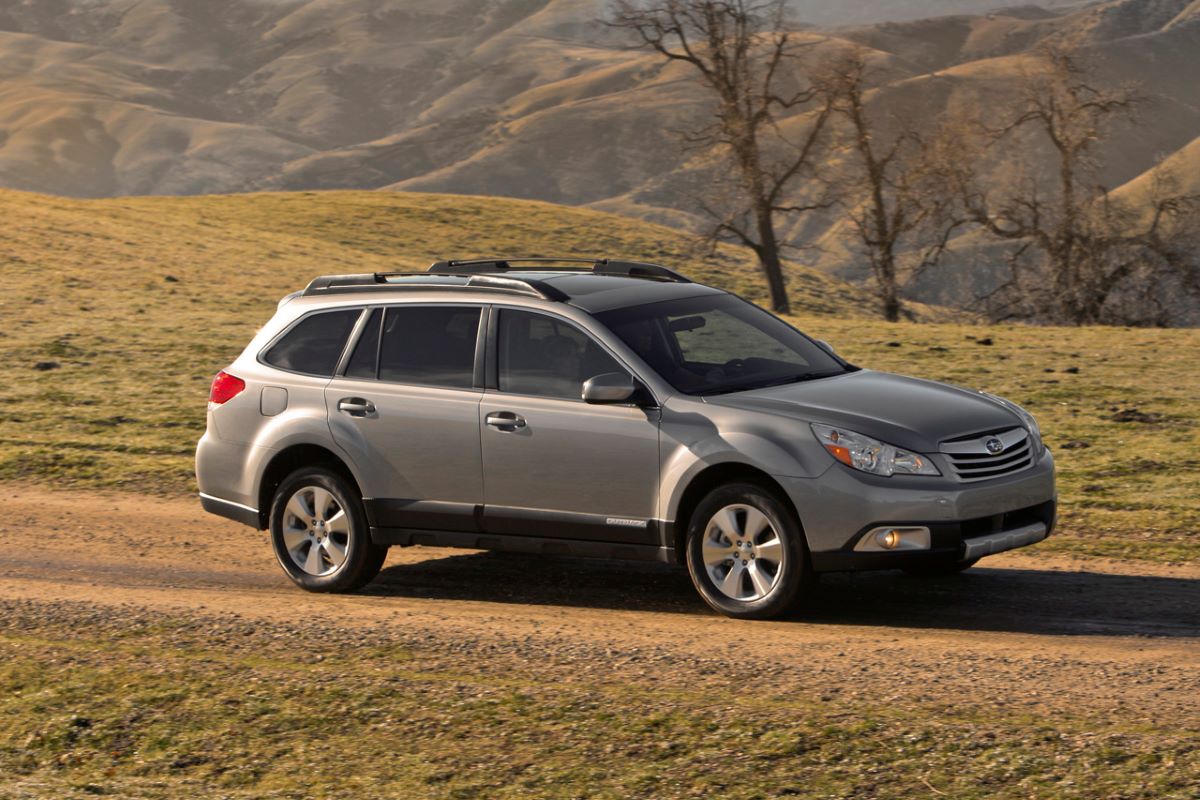
3. Subaru Outback (Third Generation, 2005-2009)
The third-generation Subaru Outback, produced from 2005 through 2009, established itself as one of the most capable and reliable crossover wagons of its era, appealing especially to drivers seeking versatility combined with rugged all-wheel-drive performance.
This model is often praised for its combination of safety, utility, and durability, making it a reliable choice for those who need a vehicle that can handle varied weather and road conditions without frequent breakdowns or excessive maintenance costs.
At the heart of this generation’s appeal lies the Subaru boxer engine — particularly the 2.5-liter flat-four — which is known for its smooth operation and longevity when properly maintained.
While Subaru owners have long been advised to watch out for potential head gasket issues on some models, this problem is well-documented, widely understood, and often easily addressed during regular maintenance intervals. When these engines are cared for, they tend to deliver consistent power and excellent reliability, making them a cornerstone of the Outback’s enduring popularity.
Subaru’s standard all-wheel-drive system adds to the vehicle’s versatility and safety, offering superior traction on slippery surfaces compared to many two-wheel-drive competitors.
This AWD system, coupled with robust suspension components designed to absorb rough roads and light off-roading, means the Outback is well-suited for a variety of lifestyles. Moreover, the third-generation Outback came equipped with an impressive array of safety features for its time, including stability control, multiple airbags, and anti-lock brakes, contributing to high safety ratings from regulatory agencies and consumer groups alike.
Inside, the Outback offered a practical and spacious cabin with durable materials designed to withstand heavy use. Although the interior design favored function over flair, the seating was comfortable and the cargo area expansive, making it an excellent choice for families and outdoor enthusiasts.
Combined with Subaru’s reputation for durability and the model’s continued popularity among used car buyers, the third-generation Outback remains a genuine reliability bargain for anyone needing a dependable, capable vehicle that excels across different driving conditions.
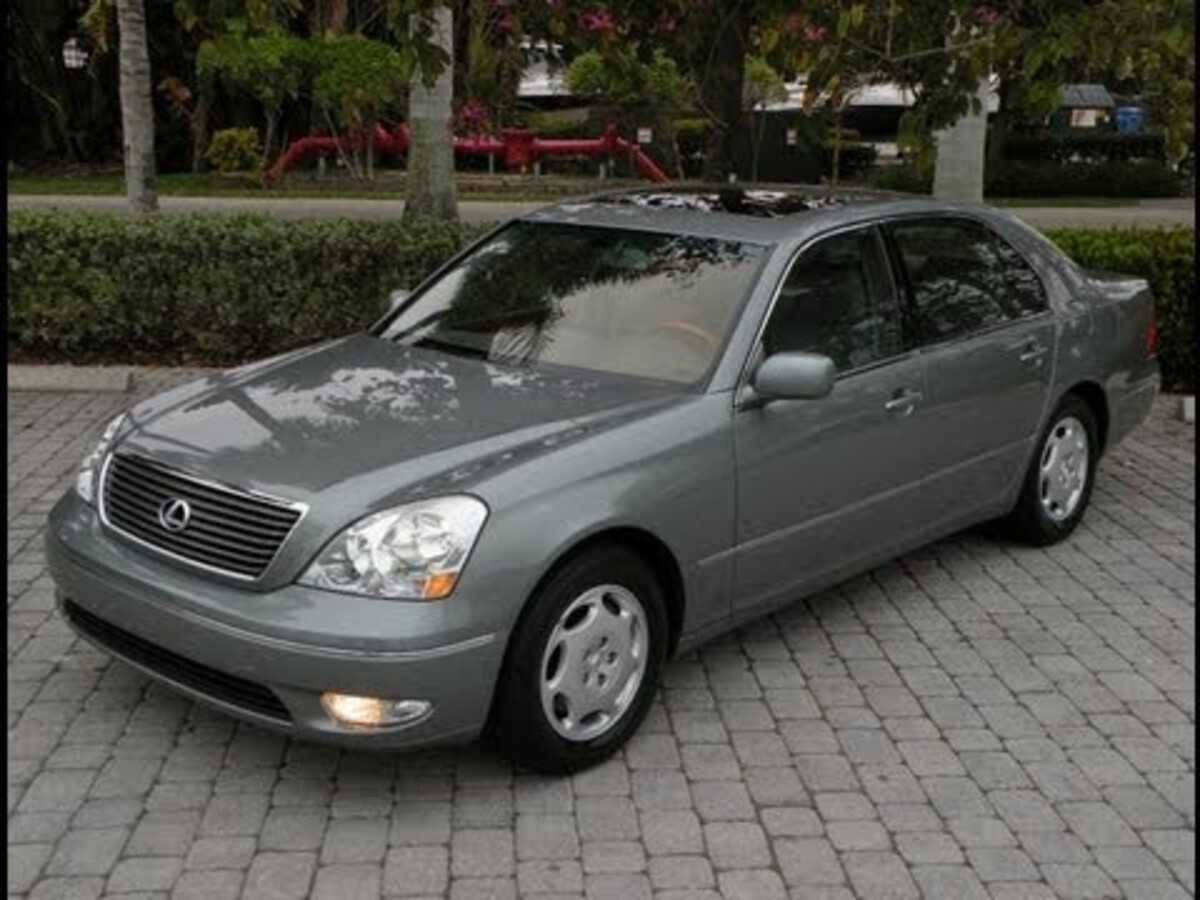
4. Lexus LS 430 (2001-2006)
The Lexus LS 430, produced between 2001 and 2006, is widely regarded as one of the finest examples of how luxury and reliability can coexist seamlessly. As Lexus’s flagship sedan during this period, the LS 430 embodied the brand’s commitment to high-quality craftsmanship, refined performance, and engineering durability.
Unlike many luxury vehicles that sacrifice reliability for advanced features or complex electronics, the LS 430 managed to blend opulence with bulletproof mechanical systems, making it a standout choice in the used luxury market.
Central to the LS 430’s reliability is its 4.3-liter V8 engine, which delivers smooth, effortless power while exhibiting remarkable longevity. This engine, paired with a well-engineered automatic transmission, benefits from Lexus’s meticulous attention to component quality and maintenance schedules.
Owners frequently report reaching 200,000 miles or more with minimal major repairs, underscoring the car’s engineering excellence. Additionally, Lexus’s conservative approach to integrating technology — favoring proven systems over experimental ones — helped reduce the incidence of electrical or software issues, which often plague luxury cars of similar age.
The interior of the LS 430 is a masterclass in luxury and durability. High-quality leather upholstery, wood trim, and expertly fitted panels create a sumptuous environment that rivals newer luxury sedans. The seats, designed for long-distance comfort, retain their shape and support even after years of use.
Furthermore, the vehicle’s suspension system combines adaptive technology with traditional mechanical reliability, providing a smooth ride without sacrificing durability. Safety was another priority, with the LS 430 featuring stability control, multiple airbags, and advanced braking systems that were state-of-the-art when new and remain effective today.
In the used luxury segment, the LS 430 stands out as a rare gem that offers prestige, comfort, and reliability all in one package. Its discontinuation was simply due to the natural cycle of automotive evolution as Lexus introduced newer generations with updated styling and technology.
For buyers seeking a luxury sedan that delivers on dependability and refinement without exorbitant maintenance costs, the LS 430 is an exceptional reliability bargain that continues to attract discerning customers long after production ended.
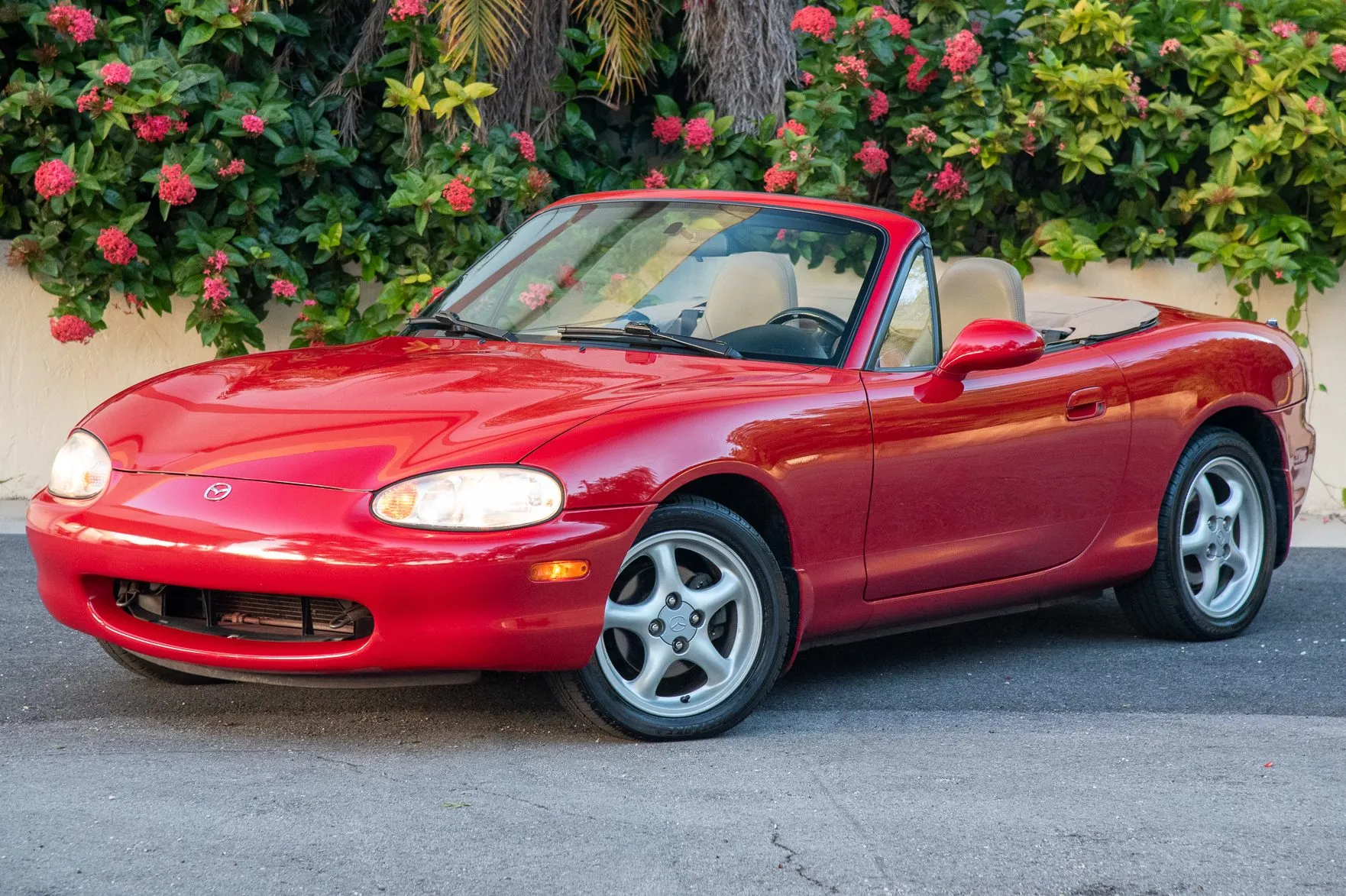
5. Mazda MX-5 Miata (First Generation NA, 1989-1997)
The first-generation Mazda MX-5 Miata, also known as the NA generation, is not only an iconic sports car but also a paragon of reliability and simplicity in automotive design. Produced from 1989 to 1997, the NA Miata captured the essence of pure driving pleasure — lightweight construction, nimble handling, and an accessible price point — while maintaining an engineering philosophy centered on durability and ease of maintenance.
Even decades after its production ceased, the NA Miata enjoys a loyal following and remains a sought-after choice for drivers looking for a reliable, fun-to-drive convertible.
One of the main reasons for the NA Miata’s enduring reliability is its straightforward mechanical layout. Powered initially by a 1.6-liter four-cylinder engine and later by a slightly larger 1.8-liter unit, these engines are renowned for their robustness and simplicity.
Their design facilitates easy maintenance and repair, contributing to lower ownership costs. The car’s mechanical components, including the suspension, brakes, and transmission, are built for durability and can be serviced or replaced with relative ease thanks to the extensive availability of aftermarket parts and enthusiastic community support.
Beyond the mechanical aspects, the NA Miata’s design philosophy focused on driver engagement and minimalism, which indirectly supports reliability. By avoiding overly complicated electronics or complex safety systems that can fail with age, the Miata offers a purer, more predictable ownership experience.
This simplicity means fewer electronic glitches and less potential for expensive diagnostic repairs that plague modern cars. The chassis and body are also noted for their resilience, with many examples showing minimal rust or structural issues when cared for properly.
The Miata community further enhances the car’s appeal as a reliability bargain. A robust network of clubs, forums, and specialist mechanics provides invaluable resources for maintenance, troubleshooting, and upgrades.
This collective knowledge helps keep the NA Miata on the road longer than many contemporaries and makes owning one not just reliable but genuinely enjoyable. For those seeking an affordable, reliable sports car with a proven track record, the first-generation Mazda MX-5 Miata remains one of the best bargains available in the used car market.
5 Discontinued Cars That Were Discontinued for a Reason
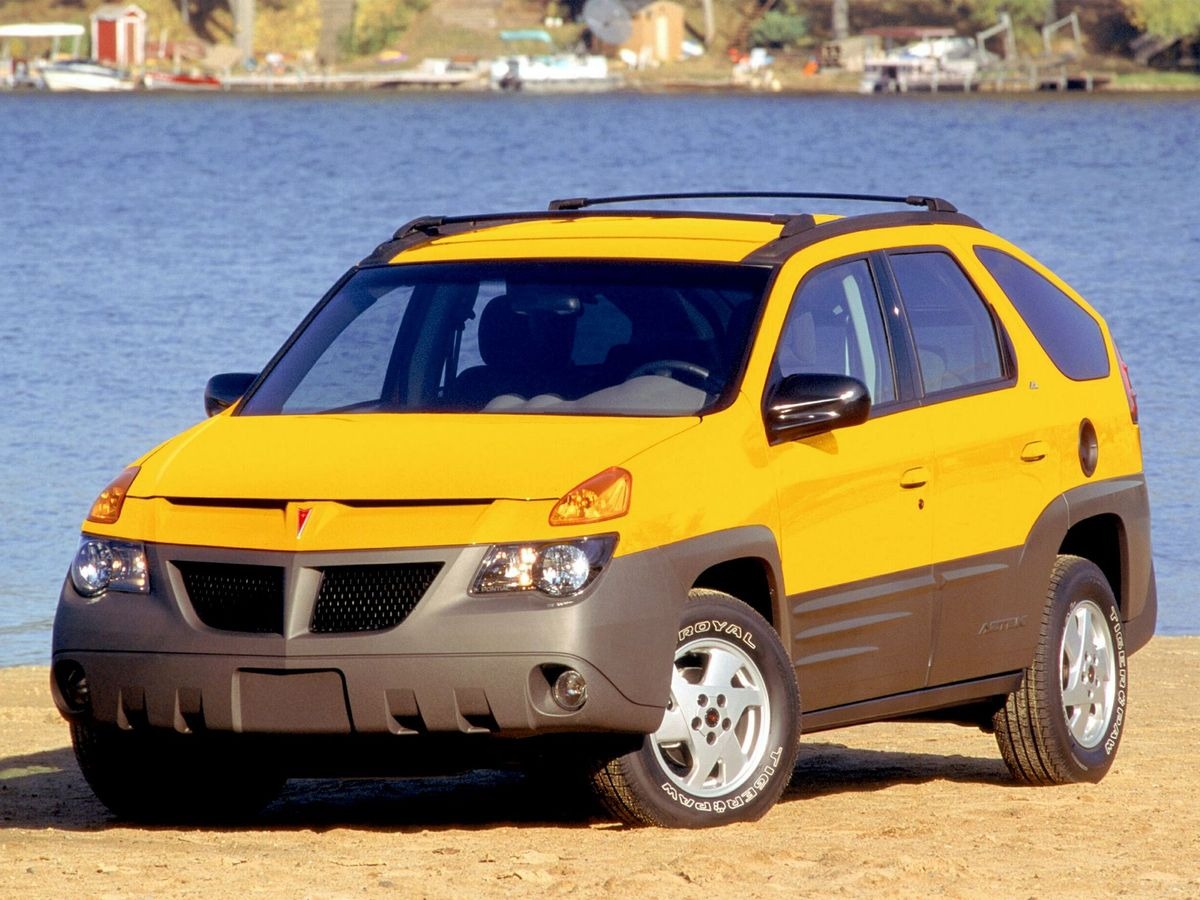
1. Pontiac Aztek (2001-2005)
The Pontiac Aztek is often cited as a textbook example of how poor design, unreliable engineering, and market misalignment can doom a vehicle to early discontinuation. Introduced in the early 2000s, the Aztek was intended to revolutionize the crossover segment by offering unique features like a modular interior, removable cooler, and a versatile cargo area designed for outdoor activities.
However, its bold aspirations were undermined by an unfortunate combination of styling, build quality, and mechanical issues that quickly eroded consumer confidence.
Stylistically, the Aztek was widely criticized for its awkward, unattractive exterior design. The boxy shape, clunky proportions, and odd angles created a vehicle that many found off-putting or even comical.
This polarizing appearance severely limited the car’s market appeal, making it difficult for Pontiac to attract repeat customers or word-of-mouth referrals. While style is subjective, the Aztek’s looks were often described as a liability rather than an asset, contributing directly to poor sales figures.
Under the hood, the Aztek suffered from numerous mechanical and reliability issues that further tarnished its reputation. Owners frequently reported engine stalling, transmission malfunctions, and persistent electrical gremlins that resulted in costly repairs and frequent trips to the mechanic.
Sensor failures and check engine lights were common, indicating systemic issues with quality control and design robustness. These mechanical shortcomings not only increased maintenance costs but also made the vehicle less dependable in daily use.
The interior, despite its innovative features, also fell short in quality and comfort. Materials were often cheap and prone to premature wear, while the modular elements intended to add versatility sometimes felt gimmicky or fragile. Combined with frequent mechanical troubles and lackluster styling, the Aztek struggled to justify its existence in a competitive market.
Ultimately, these accumulated problems led GM to discontinue the Aztek after just a few years, cementing its legacy as a cautionary tale about how even the most ambitious designs can fail without attention to quality and consumer appeal.
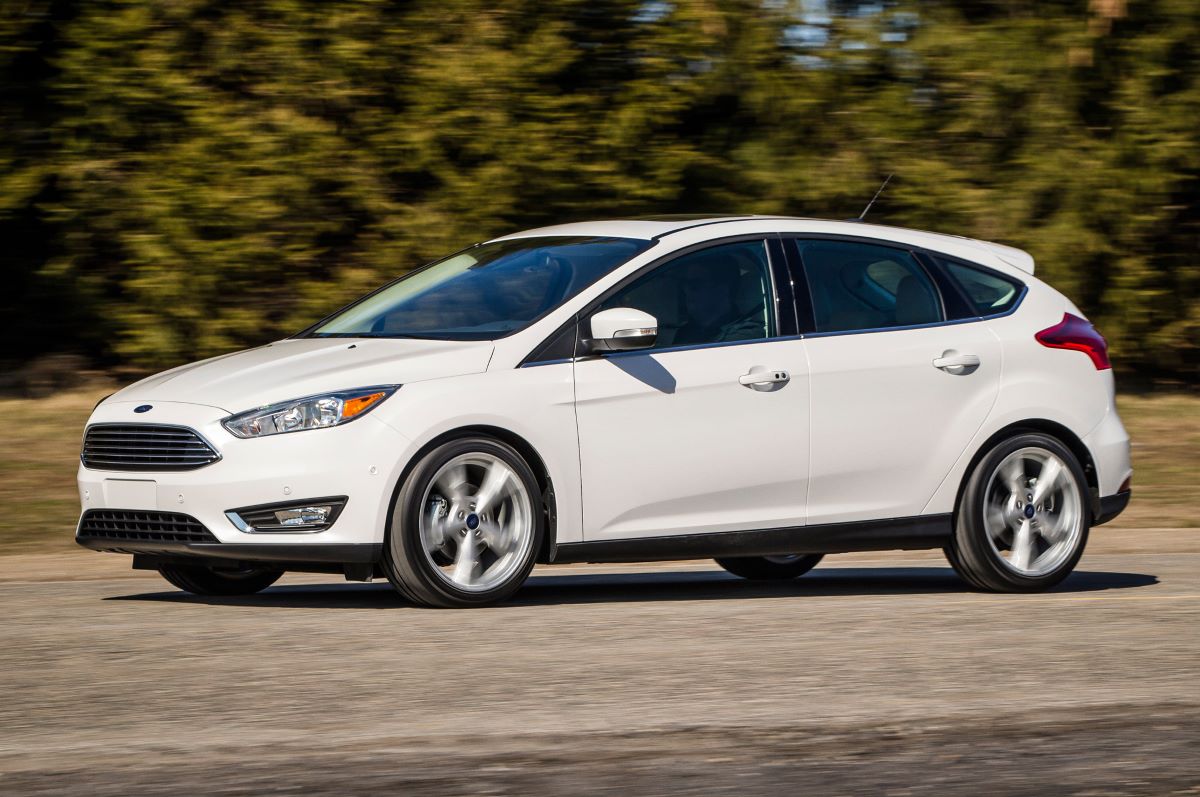
2. Ford Focus (First Generation, North America 2000-2007)
While the first-generation Ford Focus was initially praised for its sharp handling, affordability, and European styling influence, its North American version was marred by reliability concerns that contributed to its eventual discontinuation. Introduced to the U.S. market in 2000, the Focus represented Ford’s attempt to capture a growing segment of compact cars with an emphasis on driving dynamics.
However, many owners soon experienced frustrating mechanical and electrical issues that diminished the car’s overall value proposition.
One of the most common complaints involved transmission failures, particularly in automatic models. Numerous reports detailed premature clutch wear, transmission slipping, and eventual complete failures that necessitated expensive replacements or rebuilds. These problems were exacerbated by some design flaws in the transmission and poor integration with the engine management systems. Manual transmissions fared somewhat better but were not entirely immune to reliability issues.
Electrical problems were also a recurring theme, with owners citing frequent malfunctions in ignition coils, sensors, and electronic modules. These failures often triggered check engine lights and unpredictable behavior such as stalling or rough running, which could be difficult and costly to diagnose. Additionally, the vehicle’s interior materials and components were prone to wear and failure, including issues with power windows, locks, and dashboard controls, undermining the ownership experience.
Ford recognized these issues and ultimately discontinued this generation of the Focus to introduce a redesigned model aimed at addressing these shortcomings. For used car buyers, the first-generation Focus requires a careful pre-purchase inspection focused on transmission and electrical systems. While some owners have enjoyed trouble-free ownership, the model’s reliability concerns are well-documented, and prospective buyers should weigh these risks carefully against the vehicle’s positive attributes.
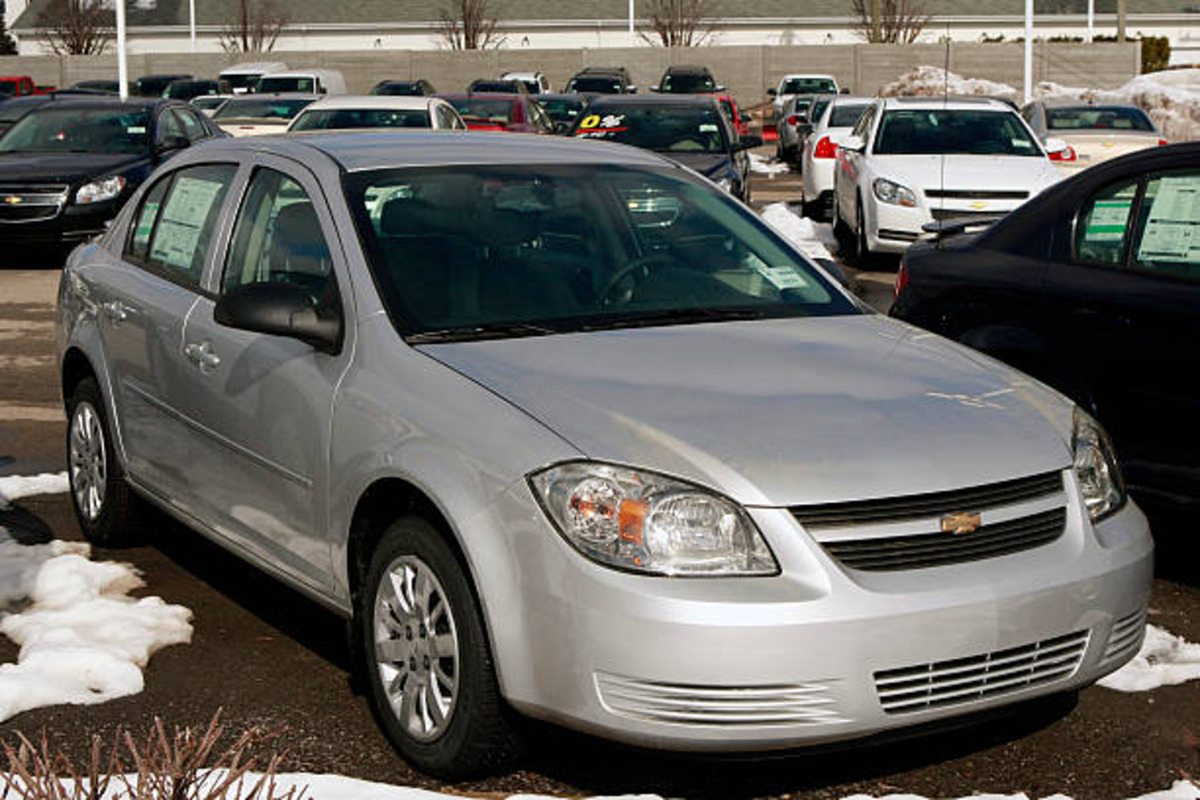
3. Chevrolet Cobalt (2005-2010)
The Chevrolet Cobalt is a compact car that, despite replacing the long-running Cavalier, failed to win over consumers due to a combination of reliability problems and safety concerns that ultimately led to its discontinuation. Introduced in 2005, the Cobalt aimed to modernize Chevrolet’s compact offerings, but it quickly developed a reputation for mechanical and electrical issues that soured buyer enthusiasm.
Among the most serious problems faced by the Cobalt was a faulty ignition switch that resulted in sudden engine shutdowns and loss of critical safety systems like airbags and power steering. This defect was linked to multiple fatal accidents and led to one of the most significant recalls in automotive history. The ignition switch issue alone severely damaged the car’s reputation and highlighted shortcomings in General Motors’ quality assurance processes during this period.
In addition to the ignition switch defect, the Cobalt suffered from frequent stalling, engine misfires, and transmission problems. Owners often faced costly repairs related to sensors, wiring harnesses, and engine management systems. These mechanical vulnerabilities made the car less reliable and increased the total cost of ownership.
The interior quality and comfort also lagged behind competitors, with many reviewers criticizing the use of cheap plastics and uninspired design. The ride was often described as harsh, and noise insulation was minimal, detracting from overall refinement. Taken together, these factors contributed to disappointing sales and the eventual discontinuation of the Cobalt after the 2010 model year. For buyers considering a used Cobalt, it’s imperative to carefully inspect the vehicle’s service history and ensure all recalls have been addressed.
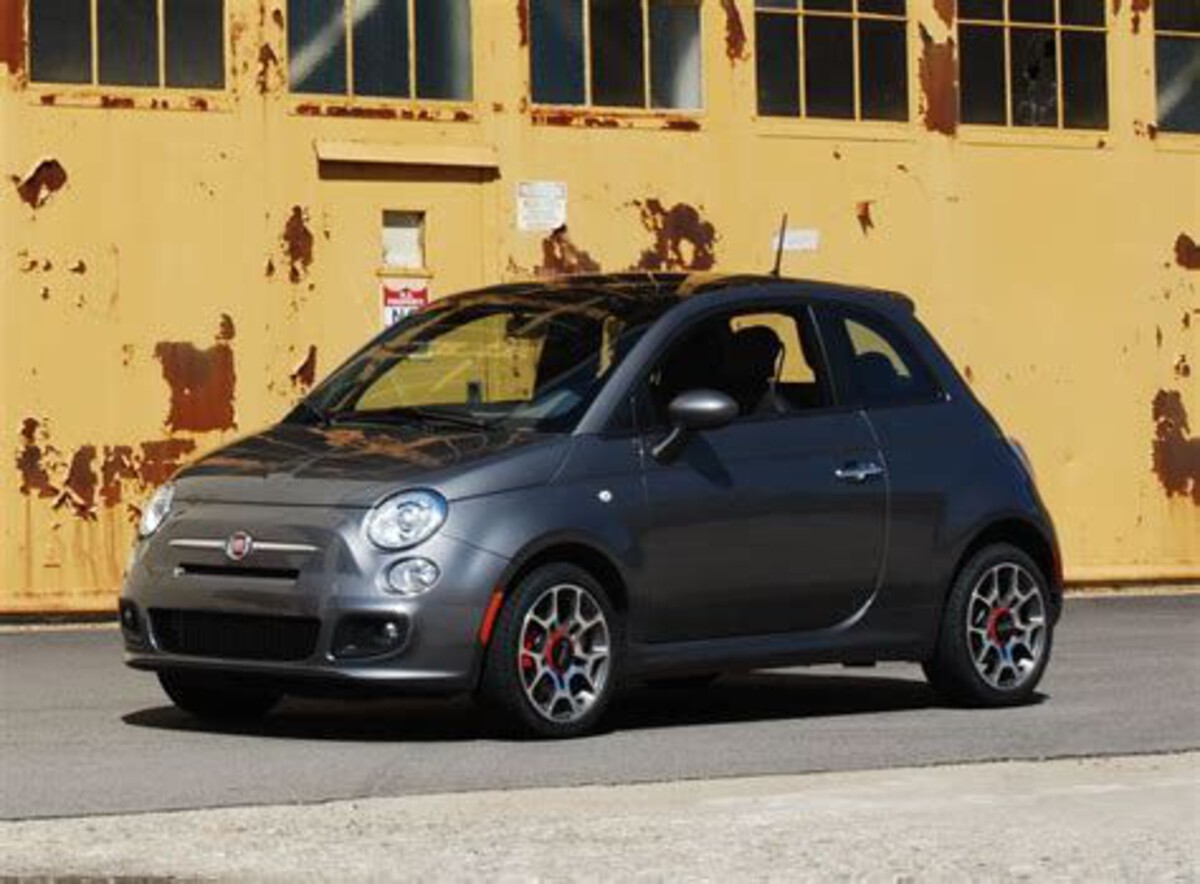
4. Fiat 500 (First Generation North America, 2012-2019)
The first-generation Fiat 500 brought European flair and compact urban practicality to North America starting in 2012, but it struggled with reliability and quality issues that ultimately hindered its success and led to discontinuation in the U.S. market by 2019. While its retro styling and small footprint made it popular in city driving, many owners encountered frequent mechanical problems and maintenance challenges.
Engine troubles were common, with the 1.4-liter turbocharged engine known for issues such as timing chain failures, oil leaks, and overheating. These problems often resulted in expensive repairs and a reputation for unreliability compared to competitors in the subcompact segment. Additionally, the car’s transmission system was prone to jerky shifts and premature wear, especially in the automated manual versions, causing dissatisfaction among owners.
Electronics also posed problems, with frequent complaints about malfunctioning infotainment systems, faulty sensors, and electrical gremlins that triggered warning lights and inconsistent behavior. Interior materials reflected the car’s budget nature, with many owners reporting premature wear and rattles, further undermining the vehicle’s perceived quality.
Fiat’s limited dealer network and less-established service infrastructure in North America complicated maintenance and repair processes, frustrating many owners and increasing downtime. Despite its charm and urban agility, the 500’s combination of mechanical issues and limited support led to its discontinuation in the U.S., making it a model to approach cautiously in the used market.
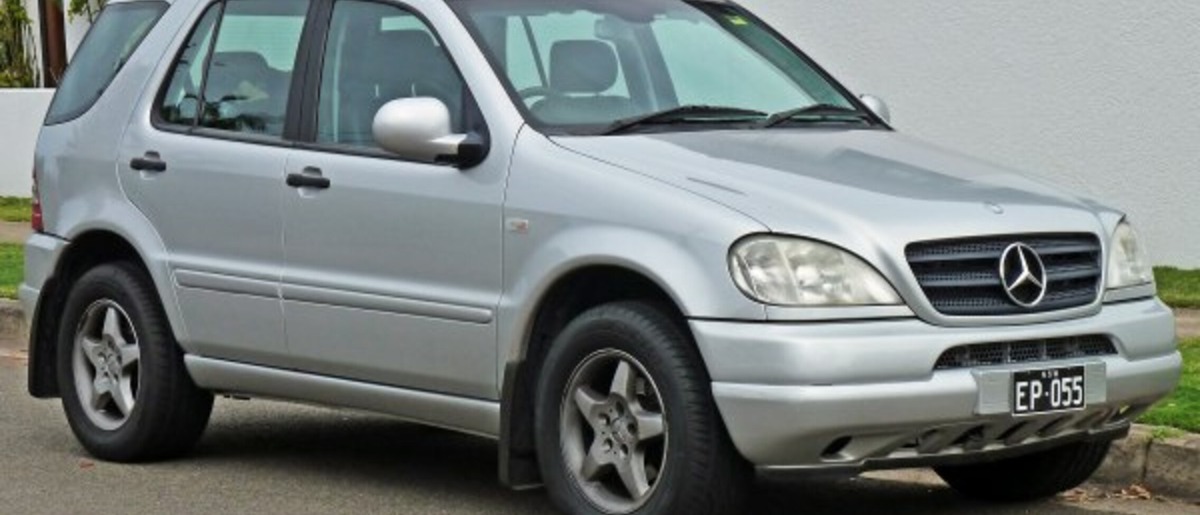
5. Mercedes-Benz M-Class (First Generation W163, 1997-2005)
The first-generation Mercedes-Benz M-Class, introduced in 1997, represented one of the German automaker’s initial entries into the luxury SUV segment. While it was groundbreaking at the time, pioneering a blend of off-road capability and luxury, the W163 quickly developed a reputation for questionable reliability and maintenance-intensive ownership, factors that contributed to its discontinuation and replacement by the more refined W164 generation.
Owners frequently reported issues with the M-Class’s complex electrical systems, including failures in the instrument cluster, window regulators, and various sensors that led to unpredictable faults and costly repairs. The vehicle’s air suspension system, designed to improve ride quality and handling, was particularly problematic, prone to leaks, compressor failures, and expensive component replacements that could turn routine maintenance into major service events.
The drivetrain also presented challenges. The 4.3-liter V8 and other engine options, while powerful, were sometimes affected by oil leaks, cooling system problems, and transmission issues. These problems often required specialized knowledge and parts that could be expensive and difficult to source, driving up the total cost of ownership. In addition, the first-generation M-Class was criticized for below-average fuel economy and relatively harsh ride quality compared to its successors.
Interior quality and ergonomics lagged behind competitors, with some materials aging poorly and controls feeling less intuitive than in later models. These factors combined to undermine the M-Class’s standing in the luxury SUV market during its production run.
Though Mercedes-Benz learned valuable lessons that shaped future models, the W163’s legacy is that of a pioneering but flawed first step into the segment. Prospective buyers of used first-gen M-Class vehicles should exercise caution, as the model’s known issues can lead to expensive and time-consuming repairs.
ALSO READ: 5 Minivans That Can Handle Cross-Country Drives and 5 That Can’t Make It to School
Discontinued cars offer a fascinating glimpse into the complexities of automotive design, engineering, and market dynamics. As this exploration has shown, some discontinued models continue to shine as reliability bargains, prized for their durable construction, mechanical simplicity, and proven track records.
These cars stand as testaments to thoughtful engineering and sound manufacturing practices, often outlasting newer vehicles laden with unproven technologies. Models like the second-generation Toyota Prius, the eighth-generation Honda Accord, and the first-generation Mazda MX-5 Miata exemplify how longevity and quality can transcend production timelines and industry trends.
Conversely, the reasons behind a model’s discontinuation can be equally instructive. Vehicles like the Pontiac Aztek and the Chevrolet Cobalt illustrate how design missteps, engineering flaws, and inadequate quality control can culminate in early demise and a tarnished reputation. These cautionary tales underscore the importance of diligent research, careful inspection, and awareness of common pitfalls when considering a used vehicle purchase.
For buyers navigating the used car market, understanding the legacy of discontinued models is invaluable. It helps distinguish between hidden gems that offer exceptional value and those that may pose ongoing reliability risks. As automotive technology continues to evolve rapidly, the lessons gleaned from discontinued cars — both the successes and failures — remain essential guides for making informed, confident decisions on the road ahead.
