
In recent years, automotive safety has made immense strides, driven by a blend of innovation, government regulations, and consumer demand. One of the most impactful developments has been the introduction of Advanced Driver Assistance Systems (ADAS). These systems offer features like lane departure warnings, blind-spot monitoring, forward collision alerts, automatic emergency braking, and even driver drowsiness detection.
While many drivers appreciate these features and leave them enabled, others find certain alerts intrusive or annoying, opting to disable them altogether. Interestingly, patterns have emerged around which cars’ alerts tend to be retained and which are often turned off. These trends are shaped by a combination of interface design, sensitivity of the alerts, driving experience, and overall trust in the system.
Drivers tend to respond differently to the same features across different brands and models. A lane departure warning on one car might be accurate and timely, while another may be too sensitive, alerting the driver unnecessarily. This variance often determines whether the feature is trusted and kept on, or dismissed and disabled.
For example, a forward collision warning in a well-calibrated luxury sedan might earn the driver’s respect and be left alone, while a similar system in a compact car might feel overbearing or imprecise, leading the owner to turn it off after just a few days. The quality of calibration, user interface, and drivability of the car itself all play major roles in how people respond to safety features.
This article explores five vehicles whose safety systems are generally appreciated and kept on by their owners, and contrasts them with five vehicles where drivers frequently disable certain alerts.
These trends don’t necessarily reflect poor design or malfunction; often, it’s about how the system interacts with daily driving habits. A sensitive lane-keeping system might be ideal on a highway but intolerable on winding back roads. Some alerts might be lifesavers in city traffic but nagging reminders in low-risk environments. Context matters.
By examining these ten vehicles, we’ll gain insight into what makes a safety feature “stick” — and what drives users to silence it. Whether you’re a current owner, an enthusiast, or someone in the market for a new vehicle, understanding these patterns can help you make more informed decisions and potentially avoid frustration with your car’s built-in tech.
ALSO READ: 5 Minivans That Can Handle Cross-Country Drives and 5 That Can’t Make It to School
Cars with Safety Alerts Owners Keep
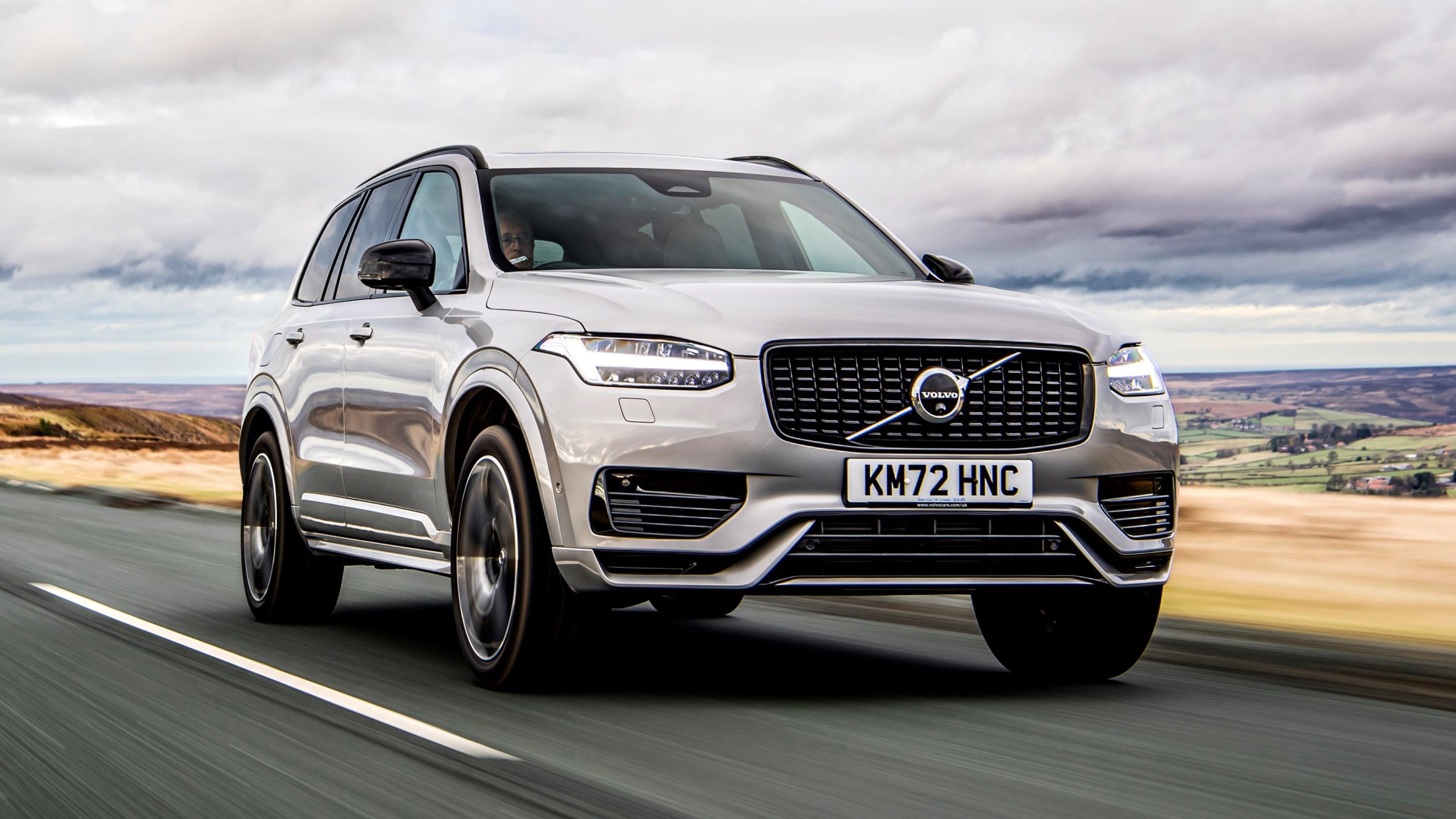
1. Volvo XC90
The Volvo XC90 has long been synonymous with safety, and it continues to uphold that legacy with a cutting-edge suite of driver-assistance systems. One reason owners tend to keep the safety alerts enabled in this model is the harmonious integration of technology and user experience.
Unlike in some vehicles where alerts feel tacked-on or clunky, the XC90’s safety features work in a way that feels native to the vehicle. This is not just a testament to Volvo’s software design, but also to its overall vehicle philosophy. Volvo doesn’t just add alerts; it engineers them into the flow of the drive, making them feel like a quiet second set of eyes rather than a bothersome backseat driver.
Volvo’s proprietary City Safety technology stands out particularly for its accuracy. It uses a combination of radar and camera systems to detect vehicles, pedestrians, and even large animals, then alerts the driver or intervenes if necessary. What’s unique is the proportionality of the alerts—minor risks produce gentle notifications, while serious threats trigger more urgent responses.
Many drivers report that the system has prevented minor accidents and even full-on collisions. Instead of being seen as an intrusion, it’s perceived as a guardian, which is why the feature is rarely turned off. Volvo owners, especially those with families, tend to appreciate this sense of constant, passive protection.
Another critical aspect is the refined way in which these alerts are delivered. Volvo has designed its alerts to minimize stress and information overload. Audible alerts are muted and soothing rather than jarring, and visual cues are integrated into the heads-up display or digital dashboard without cluttering it.
This careful design lowers the likelihood of “alert fatigue”—a common reason drivers disable safety features in other cars. Owners of the XC90 often say they don’t even notice the alerts most of the time, which is the hallmark of good design: useful, but not annoying.
Additionally, Volvo’s reputation for safety attracts a specific kind of buyer—people who are actively seeking peace of mind and intelligent intervention. XC90 drivers often include parents, urban professionals, and older drivers who prioritize safety over aggressive driving.
This buyer profile naturally aligns with a willingness to leave alerts on, as they’re seen not as restrictions but as enhancements. People who are buying the XC90 aren’t looking for a “thrill ride”; they’re looking for reassurance, especially in unpredictable traffic conditions.
Lastly, the XC90 benefits from trust built through consistency and transparency. Volvo is one of the few brands that openly talks about fatalities, accident rates, and safety innovations in its marketing. This honesty translates into trust in the brand’s safety systems.
When people trust the source of the technology, they’re more likely to embrace it. The XC90’s systems are not just technically impressive—they’re also culturally aligned with the people driving the car. That’s a rare and powerful combination, and it’s why the safety alerts in this car are so consistently kept on.
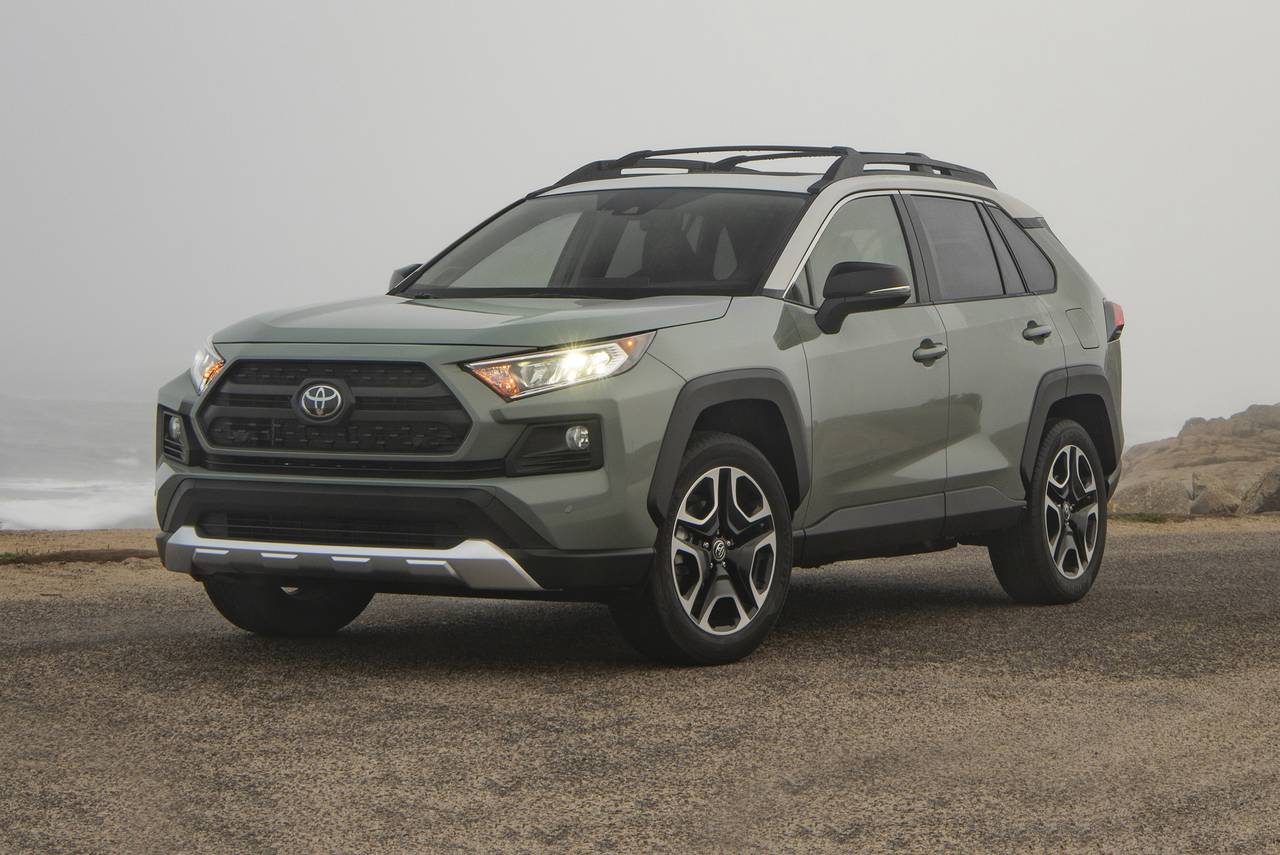
2. Toyota RAV4 (2020–Present)
The Toyota RAV4 is a mainstream compact SUV that punches far above its weight when it comes to safety features, and perhaps more impressively, the user trust those features command. Toyota Safety Sense (TSS), the suite built into the RAV4, is lauded not only for being comprehensive but for being remarkably intuitive.
Many drivers find that the systems work “just enough” without becoming bothersome. This fine-tuned balance is a key reason why so many RAV4 owners choose to keep their safety alerts active. It shows that Toyota’s engineering isn’t just technical—it’s psychological.
Among the standout features is the Lane Departure Alert with Steering Assist, which subtly corrects drifting without feeling heavy-handed. Drivers often praise how the steering nudges are firm but not overbearing, helping realign the vehicle without making it feel like it’s being controlled by a robot.
It’s a significant contrast to the aggressive lane-keeping interventions in other brands, which can feel like a fight over the steering wheel. This smoothness leads to higher retention of the feature, as drivers feel it’s truly “assisting” rather than overriding their intentions.
The Pre-Collision System with Pedestrian Detection is another reason RAV4 drivers keep alerts on. With its ability to identify vehicles, pedestrians, and cyclists, it delivers targeted and timely warnings. More importantly, false positives are rare. Toyota seems to have nailed the art of discerning between a real hazard and something benign.
This builds trust over time. The more accurate the alerts are, the more drivers let them do their job. Drivers frequently mention that they only notice the alert when it genuinely matters, reinforcing the idea that it’s a valuable partner rather than a nuisance.
Toyota has also made its interface remarkably accessible, which encourages drivers to explore and engage with alert settings rather than simply turn them off. The digital dashboard and infotainment system present clear graphics and concise warnings, so drivers know what’s happening at a glance.
This transparency plays a huge role in alert retention. When drivers understand why an alert happened and can predict its behavior, they’re far less likely to resent or disable it. It’s the mystery and randomness that usually lead people to disengage, and Toyota avoids that trap entirely.
Finally, Toyota’s brand equity lends a psychological layer of confidence. People buy Toyotas not just for price or fuel economy, but because they expect dependability. That expectation extends to safety systems. If a Toyota tells you something is wrong, chances are it’s right.
That kind of brand trust is rare and incredibly sticky, meaning that once a driver has had a good experience with a Toyota alert, they’re more likely to trust—and keep using—them across different driving conditions and future vehicles.
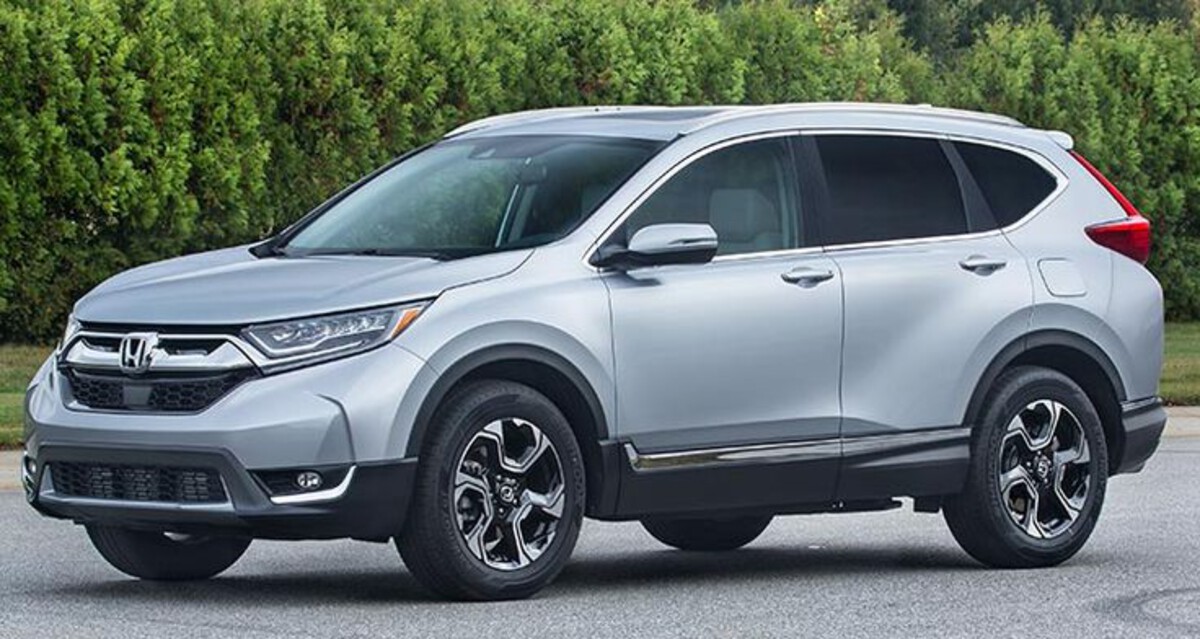
3. Honda CR-V (2020–Present)
The Honda CR-V, particularly in its 2020 and newer iterations, is a champion of practical design and intelligent safety integration. At the heart of the CR-V’s popularity is the Honda Sensing suite, which includes features such as Road Departure Mitigation, Collision Mitigation Braking System, Lane Keeping Assist, and Traffic Sign Recognition.
What makes the CR-V unique is that these systems are not only effective, but they’re also designed with driver psychology in mind—they enhance rather than intrude, and that subtlety is why many owners keep them enabled long-term.
One of the most praised features is the Lane Keeping Assist System (LKAS). In the CR-V, it works smoothly and intuitively, making slight steering corrections to keep the vehicle centered in its lane. What sets it apart is how invisible it feels when working correctly.
It doesn’t force the wheel suddenly, nor does it intervene unnecessarily. Owners frequently report that the LKAS in the CR-V feels more like a helpful co-driver than a system trying to override them. This seamless integration fosters trust, which in turn encourages continued use.
Honda’s Collision Mitigation Braking System (CMBS) also contributes significantly to alert retention. Designed to detect frontal obstacles and apply the brakes when needed, it strikes a balance between being proactive and allowing the driver to take charge.
It rarely triggers false alarms, and when it does intervene, it usually feels justified. Unlike other systems that might beep or brake too soon, Honda’s system gives you just enough time to respond manually before stepping in. This subtle distinction dramatically increases the likelihood that owners will leave it active.
Customization is another major asset for the CR-V. Honda allows drivers to tailor alert sensitivity, whether it’s changing the threshold for forward-collision warnings or adjusting the lane assist response. This personalization makes it easier for drivers to shape the technology around their habits rather than vice versa. It transforms a rigid safety suite into a flexible co-pilot, making it far more likely to be embraced rather than turned off out of frustration. This modularity is often overlooked in competitors but greatly appreciated in the CR-V.
Finally, the demographic of CR-V owners—diverse but often family-focused or commuter-heavy—aligns well with a preference for peace of mind. These drivers are not necessarily looking for performance thrills or cutting-edge automation; they want reliable, intelligent safety that quietly supports them on long commutes and busy school runs.
The CR-V delivers exactly that, and because the alerts don’t shout or surprise, they’re more welcome in the day-to-day driving experience. This is safety that fades into the background until it’s needed—an ideal many cars aim for but few achieve as well as the CR-V.
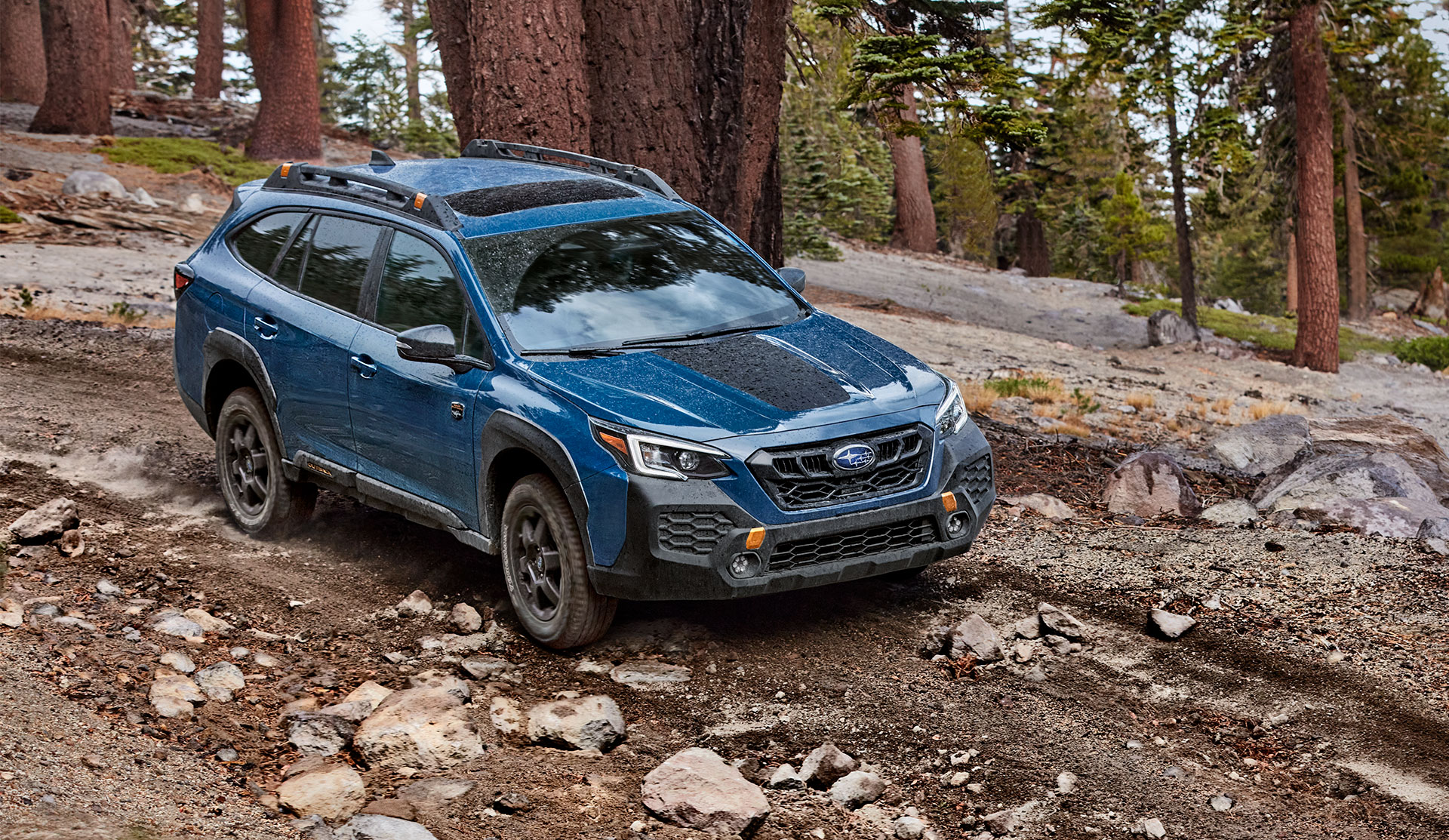
4. Subaru Outback
The Subaru Outback is beloved not just for its rugged versatility and all-weather confidence but also for its consistently excellent safety technology. Subaru’s EyeSight Driver Assist Technology, standard on most Outback trims, includes adaptive cruise control, lane keep assist, pre-collision braking, and even a driver fatigue monitoring system in newer models.
What truly sets the Outback apart is how seamlessly these features integrate into real-world driving. Unlike more tech-heavy brands that sometimes over-engineer the experience, Subaru has taken a minimalist but smart approach, building systems that assist more than they distract.
At the heart of this reliability is the simplicity and effectiveness of EyeSight, a stereo-camera system mounted near the top of the windshield. Instead of relying on multiple sensors across the car, EyeSight keeps it centralized and focused, which contributes to its reputation for consistency.
The cameras “see” the road much like a human would, making its warnings and interventions feel natural. Drivers often note that EyeSight seems to understand context—it doesn’t panic at harmless objects or trigger unnecessarily, which significantly increases user trust. It’s rare to find Outback owners who complain about “false alarms,” and that makes a huge difference in long-term alert engagement.
One particularly appreciated feature is the Lead Vehicle Start Alert, which gently notifies drivers when the car ahead of them begins to move. While seemingly trivial, in real-world traffic—especially in urban commuting or distracted moments—this feature offers subtle but meaningful support.
Rather than startling the driver, it gives a small chime and a visual cue, helping to reduce driver stress during daily routines. Because it’s helpful without being pushy, most Outback owners leave it enabled and even come to rely on it subconsciously.
Another standout is Subaru’s adaptive cruise control with lane centering, which works especially well on highways and long drives. While some systems in other brands feel robotic or too conservative, Subaru’s version provides a comfortable and natural-feeling drive.
It maintains speed and distance with impressive smoothness, and its gentle steering corrections rarely feel invasive. The fact that the system doesn’t fight the driver earns it more goodwill and higher long-term usage. For people who take long road trips or regularly drive on highways, the consistency of Subaru’s assistive alerts can be a game-changer.
Finally, Subaru as a brand commands a unique kind of trust among its owners. With a customer base that values reliability, safety, and practicality, Subaru doesn’t need to sell its drivers on safety systems—they already want them. There’s a cultural alignment between what Subaru offers and what its drivers are looking for.
This psychological harmony results in high feature retention. Most Subaru drivers see EyeSight not as a feature to be tested and tweaked, but as a core part of what makes their vehicle safe, especially for families and outdoor adventures. That strong alignment between feature and user is why the Outback earns such high marks for alert usage and satisfaction.

5. Tesla Model 3
The Tesla Model 3 sits at the crossroads of innovation and autonomy, making it one of the most technology-integrated vehicles on the road today. With features such as Autopilot, Forward Collision Warning, Lane Departure Avoidance, and Full Self-Driving (FSD) in beta versions, Tesla offers not just safety alerts but an entire ecosystem of driver-assist intelligence.
Interestingly, while many drivers in other vehicles disable their safety alerts over time, Model 3 owners tend to embrace them — often because the vehicle’s technology is central to its identity. To disable these alerts feels almost like opting out of the Tesla experience itself.
Tesla’s Autopilot system, while not fully autonomous, creates a deeply engaging experience for tech-savvy users. It combines adaptive cruise control and automatic lane centering, but also adds real-time visualizations of surrounding traffic, lane markings, and obstacles.
This visual feedback, visible right on the central screen, gives drivers clear, immediate insight into what the car “sees” — which dramatically increases trust. Because users feel more aware of the system’s logic and surroundings, they’re far less inclined to second-guess it. The transparency builds confidence, and that leads to higher usage and lower alert deactivation rates.
Another reason drivers keep Tesla’s safety alerts active is the evolutionary nature of the vehicle itself. Unlike most cars, which remain static after purchase, the Model 3 receives frequent over-the-air software updates. These updates often include improvements to alert behavior, responsiveness, and visual/audio cues.
This gives owners the sense that the car is actively learning and improving, which creates a collaborative relationship between driver and machine. When owners know the system is getting smarter and more accurate, they’re more likely to stick with it even if there are occasional misfires early on.
Tesla also benefits from a highly unique owner demographic. Most Model 3 buyers are early adopters—people who embrace new tech and don’t expect perfection on day one. This makes them far more forgiving of quirks in the system, and more willing to work with it rather than turn it off.
These are the types of users who will delve into sub-menus, adjust sensitivity settings, and post feedback on forums. As a result, Tesla has cultivated a customer base that delve into sub-menus, adjust sensitivity settings, and post feedback onsees alerts as iterative tools, not annoyances. For many, the alerts are part of the learning experience—both for the driver and the car.
Lastly, Tesla’s user interface deserves mention. The single-screen setup centralizes all driver data, so alerts are not jarring interruptions but natural parts of the visual environment. Instead of lights and buzzers spread across the dashboard, Tesla integrates everything into a clean, minimal display.
Even the audio cues are finely tuned to avoid fatigue. Because of this interface design, alerts don’t feel like intrusions—they feel like intelligent guidance. This level of polish and consideration is rare, and it’s a key reason why so many Model 3 owners leave their alerts fully active, letting the system work as intended, day after day.
Cars with Safety Alerts That Owners Disable
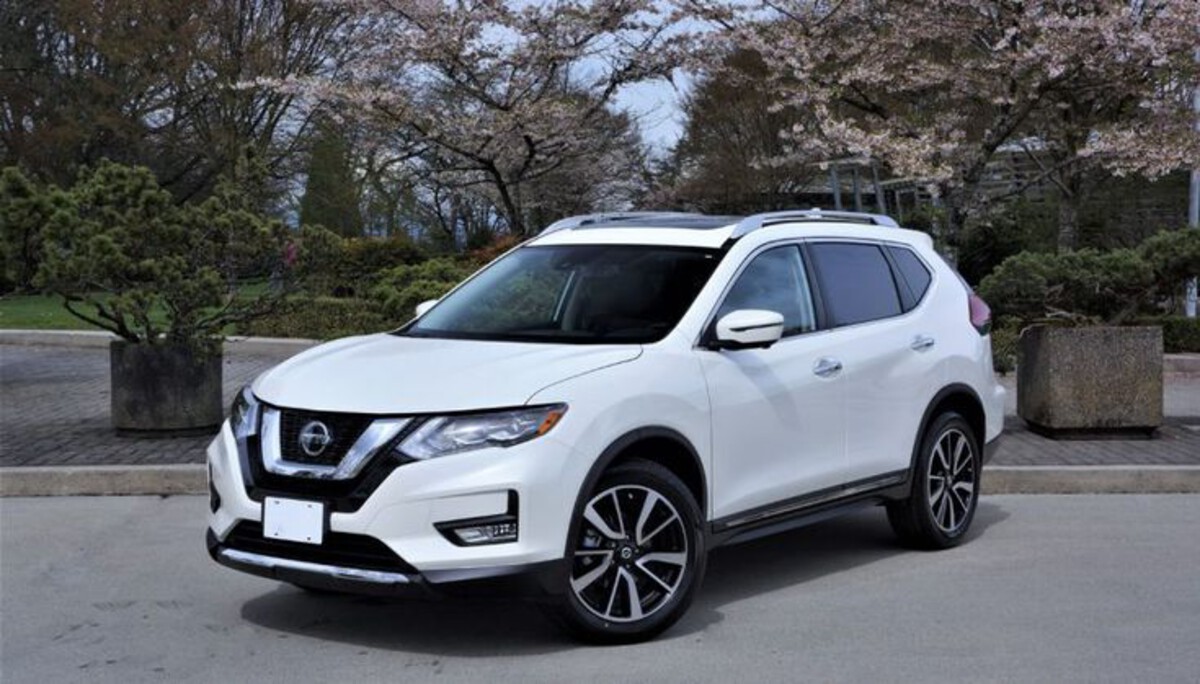
1. Nissan Rogue (2017–2021)
The Nissan Rogue, particularly in the 2017 to 2021 model years, introduced a comprehensive suite of safety features under the “Nissan Safety Shield 360” umbrella. On paper, this includes technologies such as automatic emergency braking, lane departure warning, blind-spot detection, and rear cross-traffic alert. But in practice, many Rogue owners find themselves disabling some of these systems, primarily due to oversensitivity and inconsistent performance.
One of the most common complaints revolves around the lane departure warning system, which frequently misinterprets normal driving maneuvers, especially on winding roads or poorly marked highways.
A key frustration stems from the system’s tendency to alert unnecessarily. Even when drivers are navigating within their lane or making deliberate, safe lane changes, the vehicle can emit loud beeps or flashes. Over time, this creates a situation where the driver becomes annoyed rather than aided.
Unlike systems in higher-end vehicles that use steering feedback or visual alerts, the Rogue’s alert style leans heavily on sound, and often at high volume. For drivers using the car daily, this becomes a mental burden, prompting many to search through settings menus just to shut the feature off.
The blind-spot monitoring system, while a valuable idea in theory, has also received mixed reviews in terms of execution. Its indicators, which light up in the side mirrors, can be helpful, but the beeping often triggers in low-risk scenarios, like passing a vehicle on a wide highway.
Some drivers report being startled by the audio cues, especially when there’s clearly no imminent threat. Because of this, many drivers eventually rely solely on their own judgment and mirrors, turning off the alerts entirely. The system’s lack of nuance causes it to lose credibility over time, a fatal flaw for any safety feature.
Rear cross-traffic alert is another area of concern. While useful in theory — particularly in parking lots — the Rogue’s implementation tends to produce frequent false positives. Backing out of a driveway or even moving within a tight urban parking garage often triggers the alarm, even when there are no people, cars, or objects in proximity.
The result is not safety, but frustration and distraction. Instead of feeling protected, drivers feel “yelled at” by their car for no good reason. This erodes the value of the system and leads many to turn it off to regain control of their driving environment.
Perhaps the biggest underlying issue is the lack of customization in the system’s interface. While some higher-end vehicles allow drivers to adjust alert volumes, sensitivity levels, or the type of cue (sound, light, steering), the Rogue’s safety suite is relatively rigid.
For a system that’s so trigger-happy, this lack of flexibility proves to be its downfall. Many Rogue owners simply disable the alerts not because they reject safety, but because the user experience feels more like a battle than a benefit. Without better tuning, even good safety ideas can fall flat in execution.

2. Jeep Cherokee (2014–2020)
The Jeep Cherokee, particularly the model years between 2014 and 2020, introduced several driver-assistance technologies aimed at improving safety and bringing the brand into line with market expectations.
These included forward collision warning, lane departure warning, and adaptive cruise control — features that should, in theory, enhance peace of mind. However, Cherokee owners have often reported that these alerts feel more like nagging interruptions than helpful support systems, especially in daily driving. This has led to a significant number of users disabling alerts shortly after purchase.
One major point of contention is the lane departure warning system, which tends to activate with high frequency, even in non-hazardous situations. On rural roads, mountain passes, or areas with faint lane markings — which are common driving environments for Jeep owners — the system often misreads the road and begins to beep or flash needlessly.
Because of Jeep’s rugged branding and the adventurous profile of many Cherokee drivers, this sort of aggressive alerting clashes with their natural driving style. Rather than feeling supported, they feel limited, especially when steering deliberately through imperfect conditions.
Another key issue is with forward collision warning, which has been criticized for being overly reactive. The system tends to assume a collision risk in situations where a human driver would see no danger, such as when someone cuts in closely on a highway but is already accelerating away. In these scenarios, the Cherokee may emit a loud warning or even apply brakes briefly, resulting in jarring and unnecessary interventions.
This not only irritates the driver but can also create a hazard by confusing following vehicles. Over time, the annoyance outweighs the perceived benefit, and many owners choose to disable the function altogether.
The adaptive cruise control system, although appreciated for long highway drives, also struggles with inconsistent distance keeping. Drivers have reported that the Cherokee will sometimes lag too far behind traffic, braking too early or accelerating too slowly, which ruins the fluidity of the drive.
While Jeep tried to offer some level of customization, the system is not nearly as responsive or smart as similar features in other brands. For those who enjoy a hands-on, active driving experience — which is most Jeep owners — this kind of sluggish automation feels out of step with driver expectations.
Finally, Jeep’s Uconnect interface, while praised for its entertainment functions, does not make it easy to adjust or fine-tune safety alert behaviors. Many users find the settings buried or unclear, and without easy access to sensitivity controls or individual toggles, the only viable option becomes complete deactivation.
This all-or-nothing setup, combined with features that don’t match the rugged, off-road-ready image of the brand, leads to a high rate of alert disablement among Cherokee owners. What begins as a promising safety platform becomes a source of daily friction, leading many to disengage entirely.
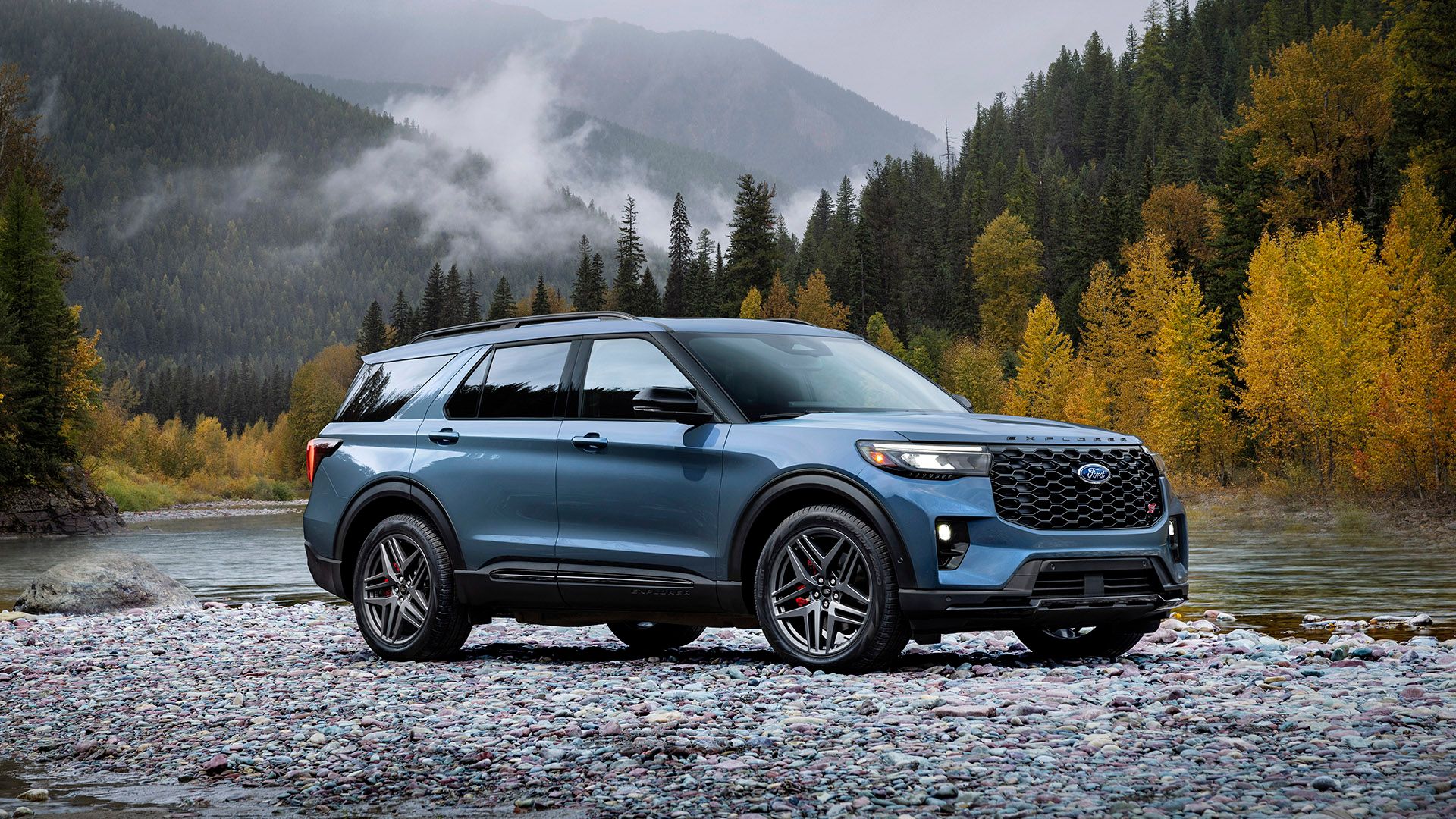
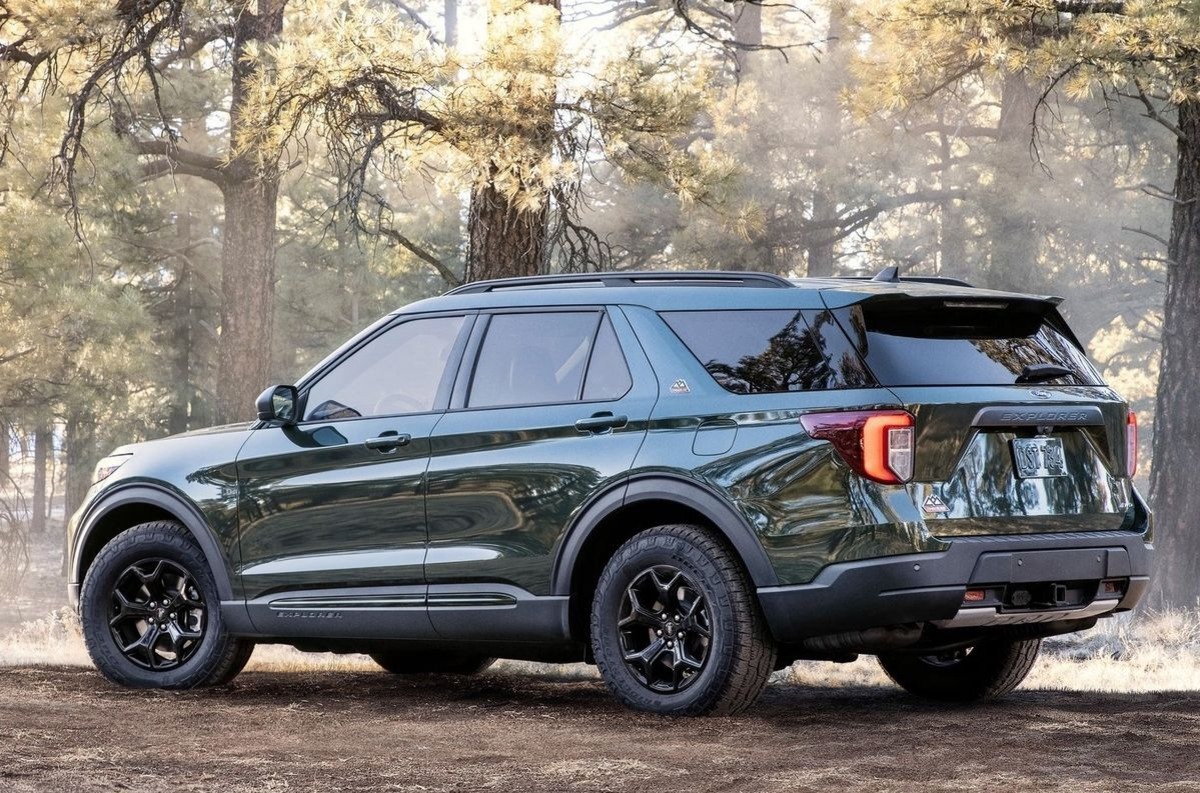
3. Ford Explorer (2016–2020)
The Ford Explorer is a widely-used SUV, popular among families and fleet operators alike, but when it comes to its earlier implementations of driver-assist technology, particularly in the 2016 to 2020 models, many users have expressed disappointment.
The Ford Co-Pilot360 system, which encompasses lane keeping, forward collision alerts, and blind-spot monitoring, shows a tendency toward overzealous warnings and low driver tolerance. As a result, Explorer owners frequently disable at least some components of the safety suite, especially those that interrupt the driving experience more than enhance it.
One of the most commonly disabled features is lane keeping assist, which in these years often lacked refinement. Drivers have reported that the system triggers too often, even during light lane changes or when temporarily drifting toward a line to avoid potholes or debris.
Instead of understanding the driver’s intent, the system rigidly corrects and beeps, creating a sense of constant correction. For parents or road-trippers who often drive long distances, this becomes exhausting, as the system competes with their decisions rather than cooperating.
Ford’s pre-collision assist with automatic emergency braking also sees its fair share of complaints. While meant to prevent frontal impacts, the Explorer’s implementation is described as “jumpy” and prone to premature alerts. Sudden braking on highways or quick alerts in heavy stop-and-go traffic make the system feel paranoid rather than helpful.
The problem worsens in dense urban driving, where the complexity of traffic often overwhelms the system’s logic, leading to constant false alerts. This leads to the erosion of trust, and in many cases, complete deactivation of the system.
Another issue is the lack of calibration options. In many Explorer trims, especially lower and mid-range ones, there are limited settings for alert behavior — drivers can’t fully tailor the sensitivity or choose which features are active without disabling the whole system. In contrast, competitors like Honda and Subaru offer greater modularity. The rigidity of Ford’s interface creates a frustrating experience for those who want some support but not a digital babysitter, and so, many simply shut off all alerts to avoid piecemeal compromises.
Even more problematic is the user interface’s inability to explain alerts clearly. When a system goes off unexpectedly — like a lane departure warning without any visible cause — there’s often no follow-up message to clarify why it was triggered. This lack of transparency leads drivers to believe the system is glitchy or “crying wolf.”
Once confidence in the system is broken, it’s very difficult to restore. In this case, Explorer drivers often feel they’re safer without the confusion, leading to the ironic outcome of disabling safety features that were supposed to protect them.
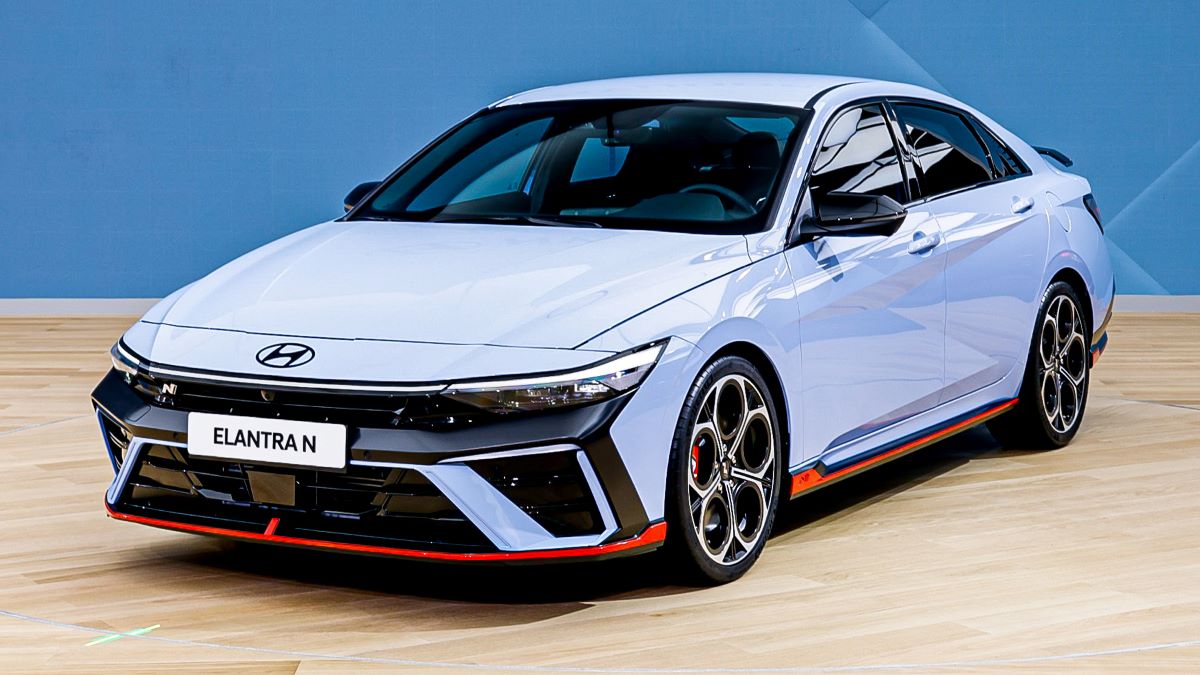
4. Hyundai Elantra (2017–2021)
The Hyundai Elantra from 2017 through 2021 offers a generous array of standard safety features, including lane-keeping assist, driver attention warning, forward collision-avoidance assist, and blind-spot monitoring.
While this comprehensive suite looks fantastic on paper, many Elantra drivers report that the experience falls short, primarily because of intrusive alerts and inconsistent behavior. For many, the systems cross the line from assistance into interference, and when drivers feel they’re constantly being second-guessed, they tend to disable those alerts altogether.
One of the most criticized features is the lane-keeping assist system. Many users describe it as overly aggressive, with the steering wheel applying noticeable force to “correct” the driver, even in cases where no real correction is needed. On roads with fading or patchy lane markings, the system often misfires, producing confusing steering behavior or sudden alerts.
This not only startles the driver but also creates dangerous situations, especially if they react suddenly to a false positive. Because the system feels more like a correction than an assist, many owners head straight to the settings menu to turn it off.
The forward collision-avoidance system, while a potential lifesaver under ideal conditions, also struggles with urban driving scenarios. In stop-and-go traffic or when a driver is inching forward in a tight spot, the Elantra can emit loud collision warnings — sometimes accompanied by preemptive braking.
This makes driving in city conditions anxiety-inducing rather than calming. False alerts like these quickly wear down the driver’s patience, making them question the system’s reliability. It’s a classic case where the feature creates more stress than safety, pushing many to disable it out of sheer frustration.
Blind-spot monitoring, while less aggressive, isn’t immune to criticism either. The lights in the mirrors work fine, but the optional audible warning tone — which activates when a vehicle is detected — can trigger in low-risk situations. For example, it may beep even when a car in the next lane is keeping pace and poses no danger.
This unpredictability, combined with frequent alerts in high-traffic environments, leads to alert fatigue. When a system starts alerting more often than needed, it loses its impact, and users become conditioned to ignore or disable it.
Finally, the interface used to manage these features lacks the polish seen in more premium brands. Settings are often buried behind multiple menus or require stopping the car to adjust — a major inconvenience for busy drivers.
On top of that, the system does not always clearly explain why a particular alert went off, leaving drivers confused or frustrated after an unexpected beep or brake. This lack of clarity and user empowerment contributes to a high rate of deactivation. Elantra owners aren’t rejecting safety — they’re rejecting systems that behave unpredictably without offering understanding or control.
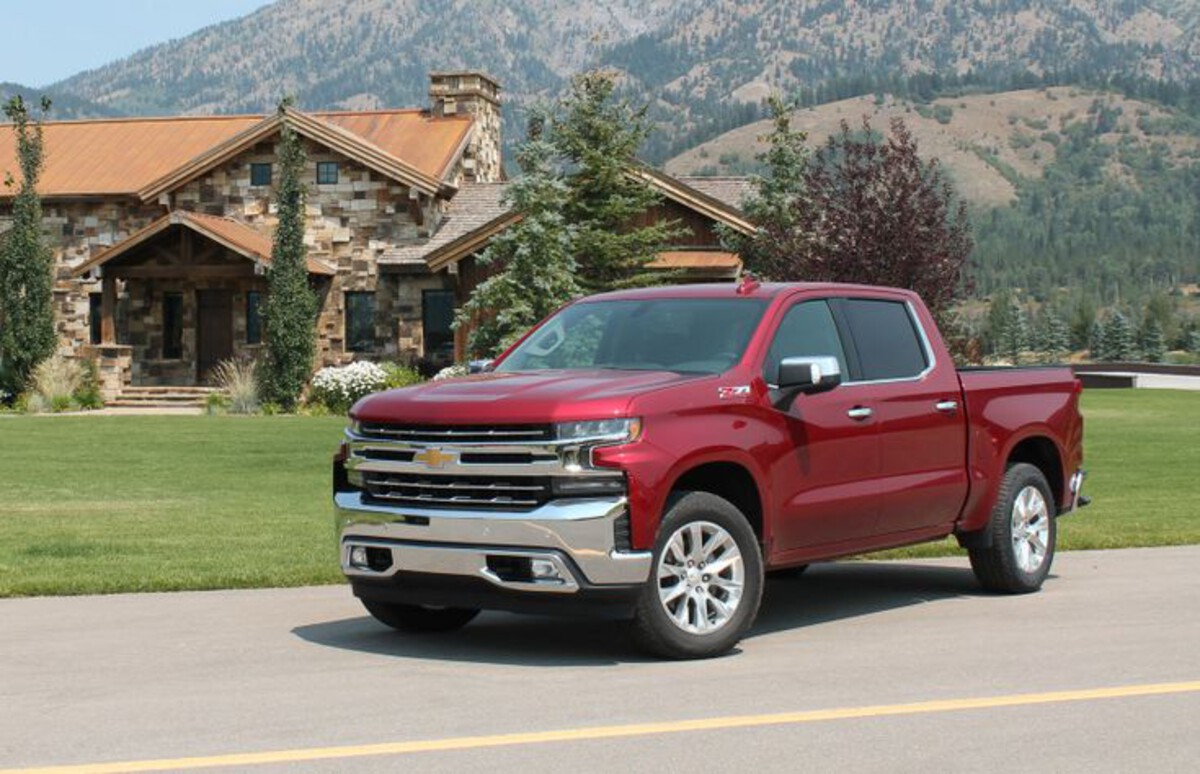
5. Chevrolet Silverado (2016–2021)
The Chevrolet Silverado, especially in the 2016–2021 range, represents the classic American pickup: durable, capable, and widely used by both individuals and commercial fleets. However, when it comes to safety technology, Silverado’s early attempts to match competitors with driver-assistance features have struggled with implementation quality.
While newer models have seen some improvement, earlier versions introduced features like lane departure warning and forward collision alert that were often clunky, overly sensitive, and poorly suited to the truck’s driving context, leading many owners to disable them entirely.
A frequent complaint involves the lane departure warning system, which simply does not mesh well with the realities of how trucks are often driven. On wide country roads, construction zones, or off-road conditions — all common environments for Silverado drivers — the system often beeps loudly at harmless lane shifts.
Unlike cars that subtly nudge the steering wheel or provide a haptic vibration, the Silverado’s approach feels more like a harsh reprimand. Truck owners, many of whom are confident, experienced drivers, tend to find this alert style insulting or unnecessary, causing them to disable it after just a few drives.
The forward collision alert system is another sore point. While it’s meant to detect impending impacts and provide early warnings, the Silverado’s system is often overly cautious. Drivers report false alarms during hill descents, towing situations, or while approaching slower traffic that they’re already prepared to brake for.
In a vehicle that’s larger and heavier, abrupt braking is not just irritating — it can be dangerous. Because the Silverado is often used for hauling or towing, these false positives don’t just irritate the driver; they disrupt the stability of what’s being carried. The logical response? Turn it off and trust one’s own experience behind the wheel.
Chevrolet’s attempt to offer parking assistance and rear cross-traffic alerts also fell flat with many owners. Pickup drivers frequently navigate work sites, uneven terrain, and unconventional parking scenarios where these systems struggle to interpret the environment correctly.
Instead of helpful alerts, the Silverado might produce constant beeping with no visible hazard, especially when backing near brush, fences, or equipment. This desensitizes drivers to the alerts, undermining their effectiveness. Some even say the systems add stress when maneuvering in tight spaces, which is exactly when they’re supposed to help.
Another key reason drivers disable these systems lies in interface accessibility and lack of customization. Many of the Silverado’s safety settings require navigating through a small driver information center that is not very intuitive.
Unlike some competitors that offer clear toggles for individual alerts and detailed sensitivity adjustments, the Silverado’s interface offers limited granularity. You can turn some systems off, but fine-tuning is minimal, and some alerts are bundled, so disabling one means losing another. This all-or-nothing approach leaves many frustrated and results in blanket disengagement of alerts altogether.
Finally, it’s worth noting that the pickup truck demographic — independent-minded, often mechanically experienced, and used to managing risk themselves — is already more skeptical of automated systems. When these features don’t work seamlessly or feel unfit for the context of towing, off-roading, or work-related driving, drivers quickly lose patience.
For Silverado owners, alerts that disrupt control or generate false warnings aren’t just annoying — they represent a break in trust. In many cases, it’s not that these drivers don’t value safety, but rather that they believe their skill outweighs the system’s judgment, especially when the system feels behind the curve.
