
The significance of fire safety in automobiles cannot be overstated, given the potentially catastrophic consequences of vehicle fires on both human lives and property. Vehicle fires often erupt without warning, igniting panic and chaos within seconds, and are among the most dangerous emergencies a driver or passenger can face.
These fires might be triggered by a variety of factors, ranging from mechanical failures such as fuel leaks or engine overheating to electrical malfunctions, which have become increasingly relevant with the rise of electric and hybrid vehicles. While advancements in automotive technology have revolutionized how vehicles operate, they have also introduced new fire risks, particularly related to battery management systems and complex wiring harnesses.
In this landscape, consumers are becoming increasingly vigilant about the fire safety reputation of their cars, making it a crucial aspect of automotive design, manufacturing, and post-sale service.
Fire recalls highlight a critical tension in the automotive world: the race to innovate versus the imperative to ensure safety. When manufacturers discover that a design flaw or component failure increases the risk of fire, they often issue recalls to repair or replace affected parts.
These recalls can span hundreds of thousands of vehicles and can significantly impact a brand’s reputation and customer trust. While recalls demonstrate a manufacturer’s commitment to corrective action, they also expose lapses in quality control, testing, or design foresight.
On the other hand, some vehicle models build their legacy on rigorous safety protocols, engineering redundancy, and continuous monitoring, effectively minimizing the risk of fires. These models become benchmarks, reassuring consumers that safety need not be sacrificed on the altar of innovation or performance.
This article aims to shed light on two contrasting aspects of automotive fire safety. First, we will explore five models celebrated for their exceptional fire prevention features, ranging from innovative battery cooling systems in electric vehicles to intelligent fuel line designs in traditional combustion engines.
These vehicles have earned their place through a combination of design excellence, quality manufacturing, and proactive maintenance protocols. Second, we will examine five models that have faced notable fire-related recalls, understanding the nature of their vulnerabilities, the manufacturer’s response, and what lessons can be drawn from these incidents. It is essential to contextualize recalls not as mere failings but as part of a complex safety ecosystem where transparency and responsiveness are vital.
In an era where safety, technology, and environmental responsibility converge, understanding the nuances of fire safety across different vehicle models is invaluable. Whether you are a buyer looking to invest in a reliable, fire-safe vehicle or an enthusiast interested in automotive engineering, this comparison offers insights into the evolving standards of safety and the critical importance of vigilance and innovation in protecting lives and property.
5 Models Known for Fire Safety
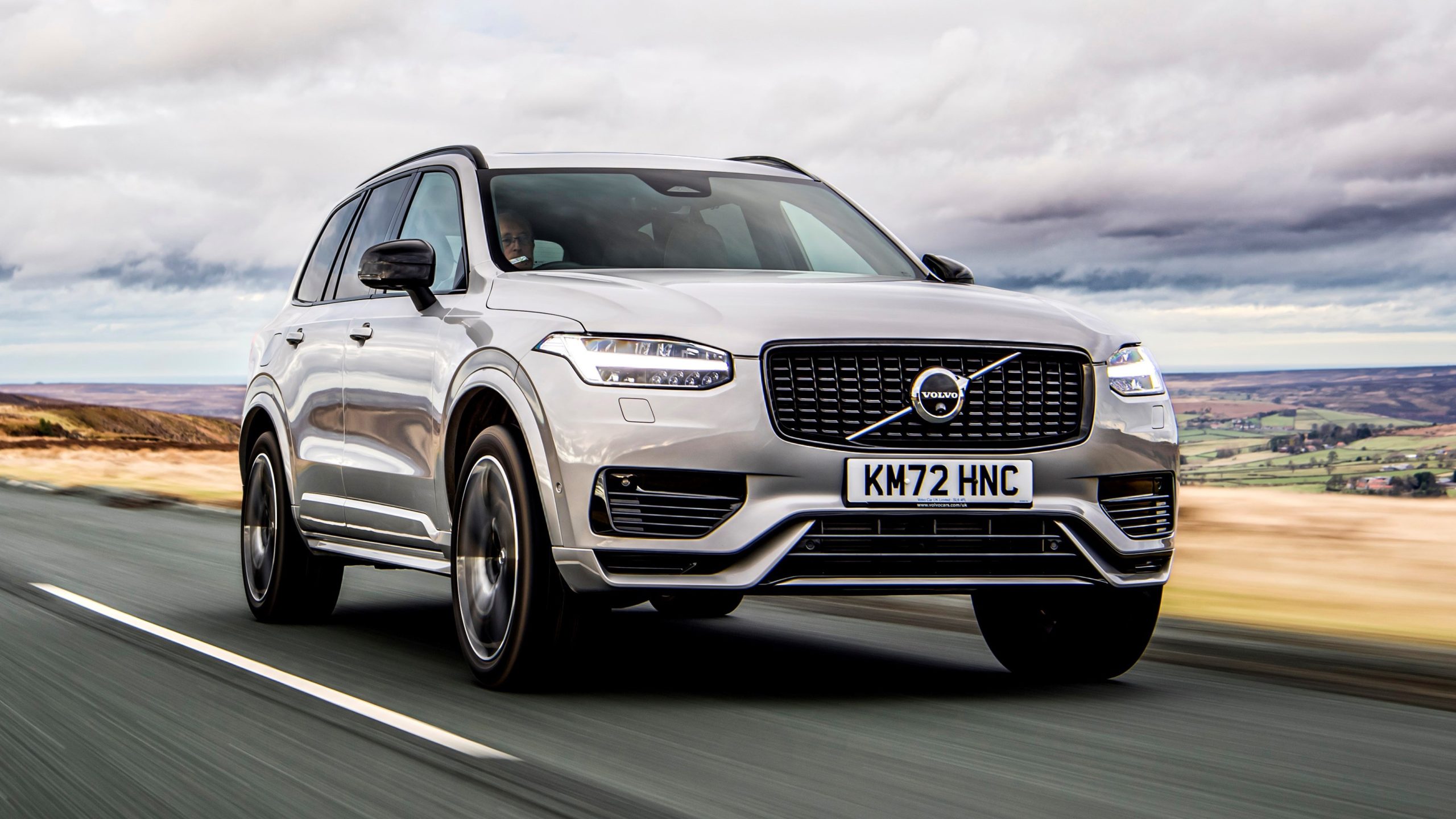
1. Volvo XC90
Volvo has long cemented its reputation as a pioneer of automotive safety, with the XC90 serving as one of its flagship models that encapsulate the brand’s ethos. One of the most noteworthy aspects of the XC90’s fire safety is its structural design. The use of high-strength boron steel strategically reinforces the vehicle’s safety cage, reducing deformation during collisions and limiting fuel line rupture risks—a primary cause of post-accident fires.
Unlike many SUVs that place fuel tanks near vulnerable areas, the XC90’s engineers designed the tank’s location to minimize impact exposure. Additionally, the electrical systems are positioned with fire safety in mind, routing wiring away from heat sources and incorporating multi-layer insulation to reduce short circuits that could ignite fires.
Beyond the mechanical aspects, the XC90 features sophisticated thermal management systems in its hybrid and plug-in hybrid variants. The battery pack is equipped with an advanced Battery Management System (BMS) that continuously monitors temperature, voltage, and current across individual cells.
This real-time monitoring allows the system to identify potential anomalies such as overheating or cell degradation before they escalate into thermal runaway events—a dangerous chain reaction that causes rapid battery fires. The BMS also initiates controlled shutdown procedures to isolate problematic cells, thereby preventing fires while maintaining overall battery health. This layered defense highlights Volvo’s holistic approach to fire safety, integrating hardware robustness with intelligent software controls.
The interior of the XC90 demonstrates equal dedication to fire safety. Volvo has utilized fire-retardant materials in upholstery, carpeting, and under-dashboard components to mitigate the spread of fire inside the cabin. This is especially critical in preventing smoke inhalation injuries, which often cause more harm than flames in vehicle fires.
Additionally, the vehicle’s design includes strategically placed fire suppression elements that can slow down or contain fires during the critical initial moments, providing occupants with precious extra time to escape. This level of attention to detail in materials science and interior design is rare in the industry and underscores Volvo’s commitment to occupant protection beyond crashworthiness.
Moreover, Volvo’s continuous improvement culture ensures that the XC90 remains a benchmark for fire safety. The manufacturer conducts extensive post-market surveillance, analyzing incident data worldwide and implementing software updates or hardware recalls if necessary.
To date, the XC90 has avoided any significant fire-related recalls, a testament to its robust design and quality control measures. In an increasingly competitive SUV market, the XC90’s fire safety credentials give it a unique edge, reassuring consumers that they are investing in a vehicle engineered not only for comfort and performance but also for unparalleled safety.
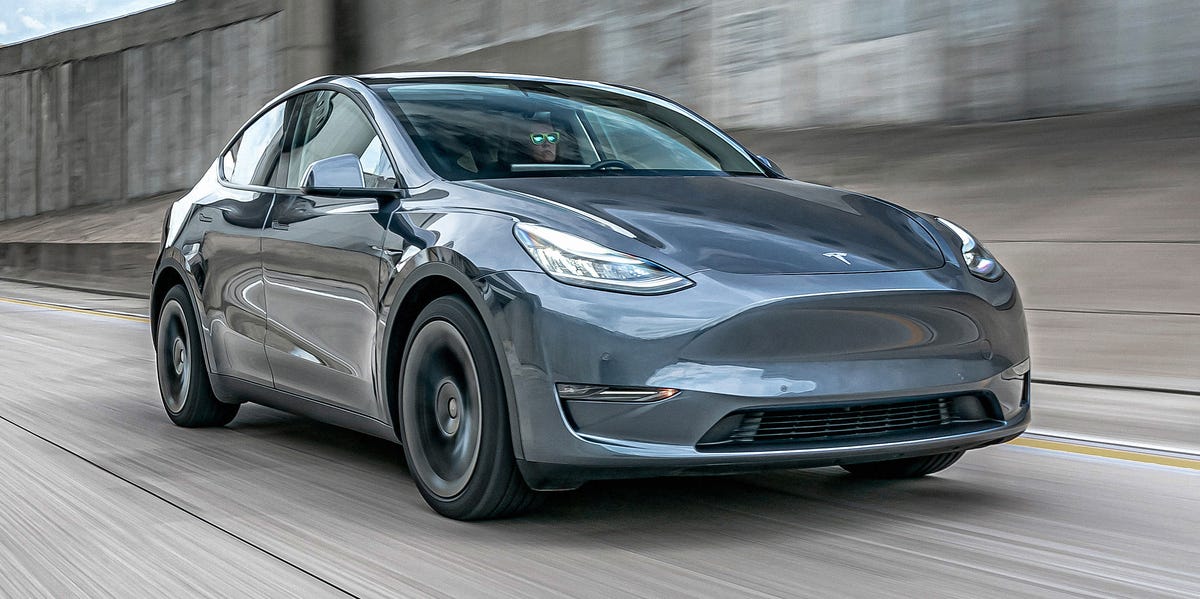
2. Tesla Model Y
Tesla’s Model Y represents the cutting edge of electric vehicle technology, and its fire safety systems reflect a deep understanding of the unique challenges posed by high-capacity lithium-ion batteries. Battery fires in EVs, while rare, tend to be dramatic and difficult to extinguish, so Tesla’s design philosophy prioritizes preventing these incidents through multiple engineering redundancies.
The Model Y’s battery pack uses cylindrical 2170 cells encased in multiple layers of thermal barriers designed to absorb and slow heat transfer in the event of cell failure. Unlike flat pouch cells used by many competitors, Tesla’s choice of cylindrical cells offers enhanced mechanical stability and allows for more effective cooling.
The thermal management system in the Model Y is among the most sophisticated in the EV world. It employs liquid cooling loops that circulate coolant around the battery pack and power electronics, keeping temperatures within a safe operating range even under high load or extreme ambient temperatures.
Tesla’s engineers also developed an innovative system that allows rapid heat dissipation during fast charging, which is a common stressor that could otherwise increase fire risk. This active temperature control is complemented by the vehicle’s onboard diagnostics, which constantly monitor battery health and alert drivers to any irregularities before they escalate.
Another key strength of the Model Y’s fire safety is Tesla’s ability to deliver over-the-air (OTA) software updates. This capability allows Tesla to respond swiftly to new data or emerging fire risks without requiring physical recalls or service visits.
For example, Tesla has previously adjusted charging speeds and thermal thresholds remotely to reduce fire risk during cold weather or following incident reports in specific regions. This dynamic approach contrasts sharply with traditional automakers that rely heavily on hardware fixes, highlighting Tesla’s innovative risk management in a fast-changing automotive landscape.
Despite the high visibility of EV fires in the media, statistical analyses show that the Model Y’s fire incident rate is exceptionally low relative to the total miles driven. Independent crash tests also demonstrate the vehicle’s structural integrity and the effectiveness of its battery enclosure in preventing fire spread post-impact.
However, Tesla continuously improves the Model Y’s fire safety systems based on real-world feedback and rigorous testing, ensuring that the vehicle not only meets but exceeds evolving safety standards. For EV buyers prioritizing fire safety, the Model Y remains a standout option thanks to its cutting-edge engineering and proactive safety culture.
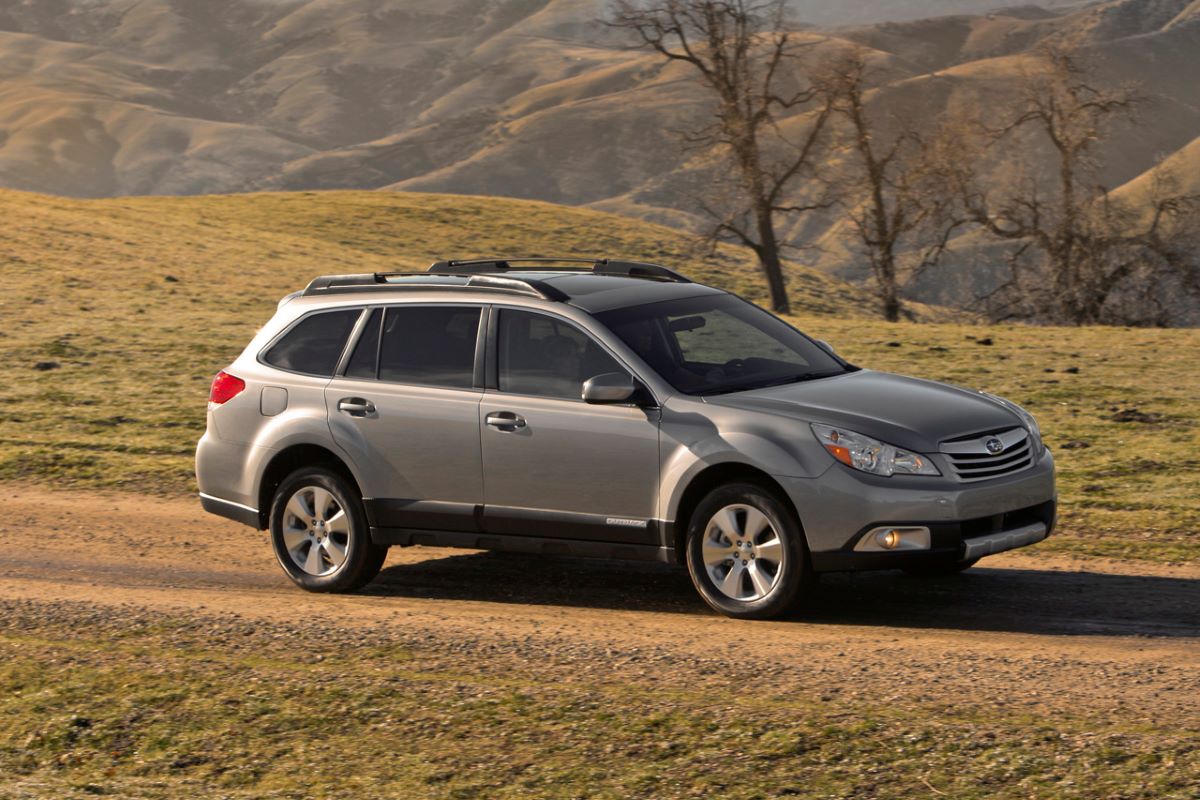
3. Subaru Outback
The Subaru Outback, a favorite among outdoor enthusiasts and families, has quietly maintained a strong reputation for fire safety through smart engineering and practical design choices. One foundational element contributing to its fire resilience is the boxer engine layout, which differs from traditional inline or V-shaped engines.
This horizontally opposed engine design allows for more efficient heat dissipation and better balance of mechanical components, reducing hotspots that can lead to engine fires. The engine’s compact layout also makes it easier to isolate and shield heat-sensitive components from the hottest areas, minimizing the risk of ignition.
Subaru’s approach to electrical system design in the Outback is equally meticulous. Wiring harnesses are routed with an emphasis on preventing abrasion and insulation failure, common triggers for electrical fires.
The vehicle includes multiple circuit breakers and voltage regulators that cut off power flow in case of abnormal current or voltage spikes, effectively shutting down potentially dangerous electrical faults before they develop into full-scale fires. In hybrid variants, Subaru has introduced sophisticated battery cooling and monitoring systems that detect and neutralize overheating cells, ensuring long-term battery health and safety.
In the cabin, the Outback incorporates fire-resistant materials that slow the progression of flames in the unfortunate event of a fire. Seat foams, carpets, and trim panels have been specially treated with flame-retardant chemicals, and fire barriers between compartments prevent rapid fire spread. Subaru has also collaborated with fire safety research institutions in Japan to continually refine these materials and structural protections, demonstrating a commitment to empirical science and continuous improvement.
The Outback’s fire safety record is further bolstered by Subaru’s proactive recall and maintenance strategy. Unlike some manufacturers that delay recalls or narrowly target components, Subaru often issues broad, preventative recalls based on early warning signs, minimizing exposure to fire risks.
This culture of responsibility, combined with the model’s inherently safe design, has resulted in a remarkable absence of major fire-related incidents or recalls in recent years. For buyers prioritizing peace of mind in all conditions, the Subaru Outback’s proven safety pedigree makes it an excellent choice.
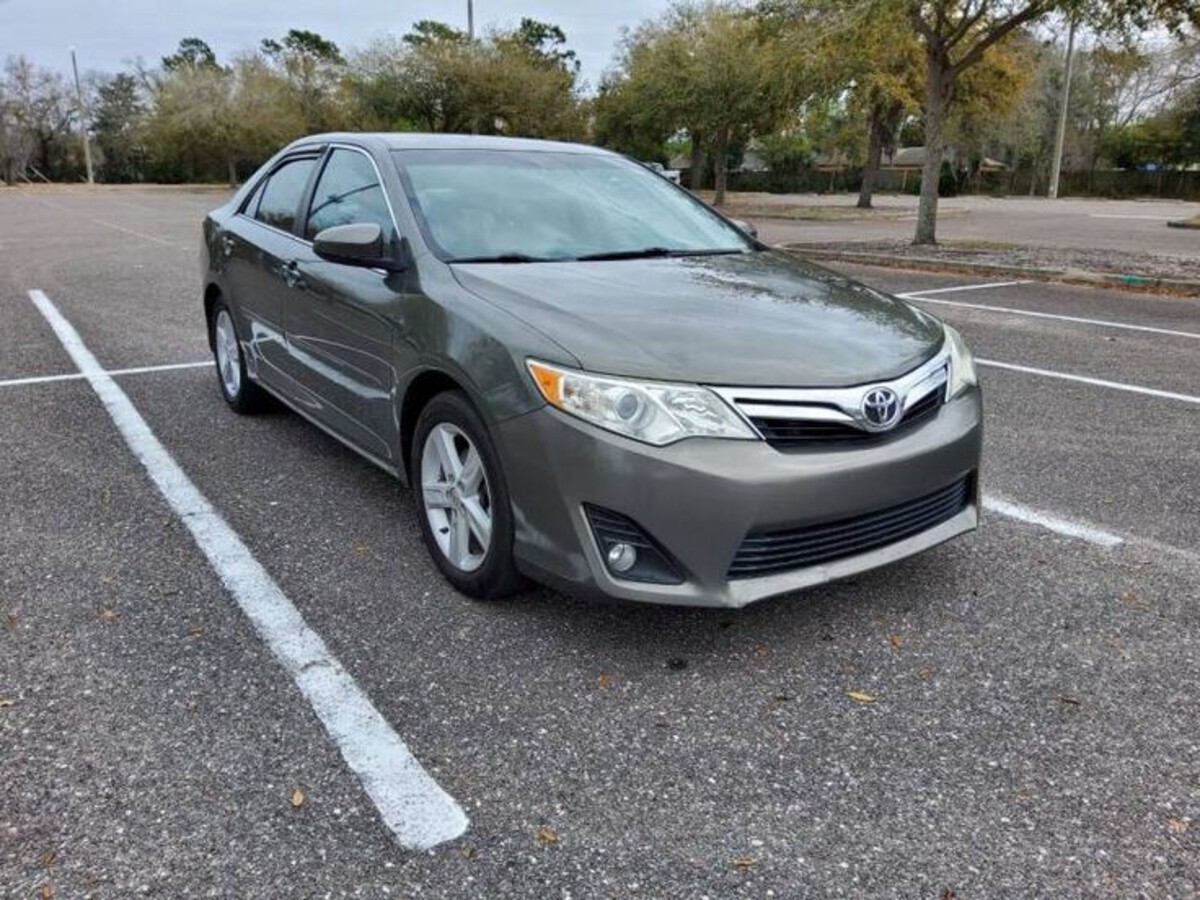
4. Toyota Camry
The Toyota Camry’s status as one of the world’s most popular sedans is due in large part to its unwavering focus on reliability and safety, including robust fire prevention engineering. Toyota’s attention to detail starts with the fuel system, which is designed to withstand high pressure and thermal stresses without leakage.
The fuel lines are shielded with multi-layer protective sleeves and routed to avoid proximity to hot exhaust components or engine parts, reducing the likelihood of fires caused by fuel ignition. In the event of an accident, the Camry’s fuel pump is programmed to shut off automatically, halting fuel flow and limiting fire risk from ruptured lines.
Electrical safety in the Camry is addressed through extensive insulation and redundancy measures. Wiring harnesses are carefully bundled and protected with heat-resistant coatings, and critical electrical components have dual fuses to prevent overloads.
Toyota has also introduced fire-resistant materials under the hood to prevent sparks or overheating from igniting combustible materials. In hybrid models, the high-voltage battery pack is located in a sealed compartment at the rear of the vehicle, isolated from heat sources and equipped with sensors that detect and respond to temperature anomalies.
Toyota’s hybrid battery management system is a key component in fire prevention. It continuously monitors battery cell voltages, temperatures, and charge states to prevent overheating or overcharging, common triggers for battery fires.
Should the system detect an irregularity, it automatically shuts down the affected cells and alerts the driver, preventing potential fire incidents before they start. Toyota also rigorously tests its batteries for durability and fire resistance under extreme conditions, reinforcing its reputation for safety.
Importantly, Toyota’s proactive approach to recalls has helped maintain the Camry’s strong fire safety record. The company regularly issues preventative recalls to address emerging risks—even minor ones—demonstrating a commitment to customer safety and transparency.
This culture of vigilance ensures that potential fire hazards are corrected swiftly and efficiently, preventing incidents from escalating. For buyers seeking a vehicle with a longstanding reputation for safety and reliability, the Toyota Camry offers exceptional fire safety performance backed by decades of engineering excellence.
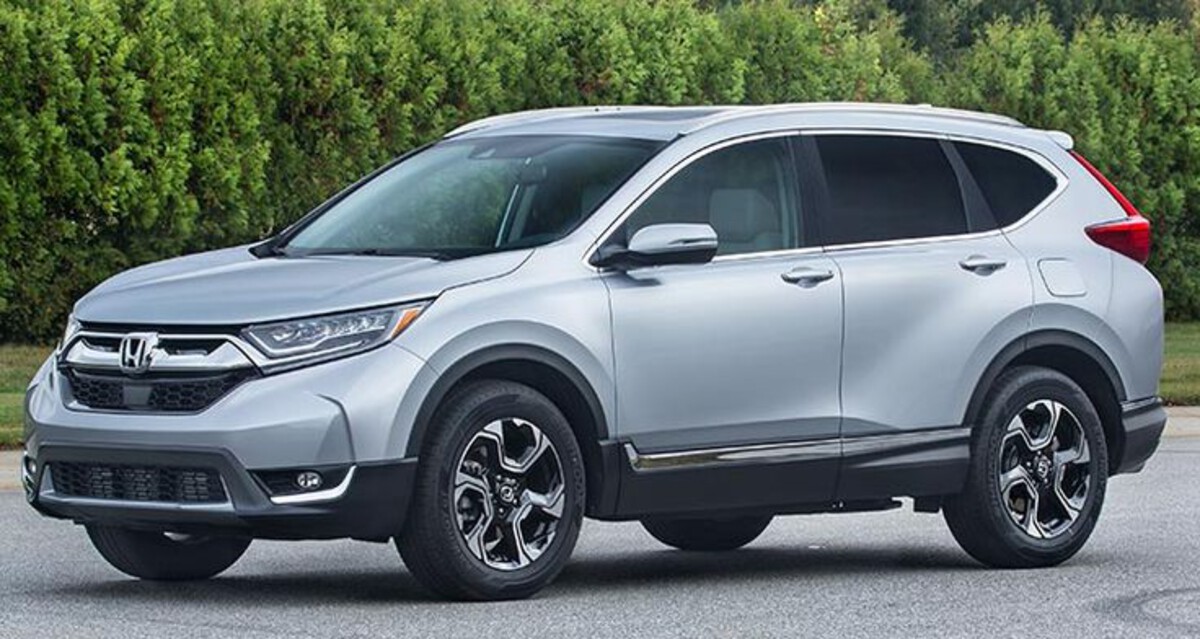
5. Honda CR-V
The Honda CR-V stands as a testament to effective, practical engineering that prioritizes fire safety without sacrificing performance or comfort. At the heart of its fire prevention strategy is an efficient and well-designed engine cooling system that minimizes overheating, one of the most common precursors to vehicle fires.
The CR-V’s cooling system incorporates high-capacity radiators, multiple thermostats, and optimized airflow channels that keep engine temperatures within safe operating ranges, even under heavy loads or extreme weather. This thermal regulation is critical in preventing the kind of heat buildup that can ignite engine components or fuel vapors.
Electrical safety in the CR-V is enhanced by the use of shielded wiring harnesses and secure connectors that resist moisture, vibration, and physical damage—factors that frequently contribute to short circuits and electrical fires.
Honda’s engineers have also implemented a network of sensors that constantly monitor battery temperatures, electrical current flows, and other vital parameters. In hybrid versions, this sensor network extends to the lithium-ion battery pack, where sophisticated control modules can isolate faulty cells and shut down power flow before a dangerous condition arises.
The CR-V also incorporates several layers of fire-retardant materials within its interior and engine compartments. Seats, carpeting, and dashboard components are treated with flame-resistant chemicals to slow the spread of fire, giving occupants more time to evacuate in case of an emergency.
Engine bay insulation is designed to contain sparks or hot particles, while firewall designs create physical barriers that inhibit fire progression between compartments. These passive safety measures complement the CR-V’s active monitoring systems, creating a multi-tiered defense against fire risks.
Over multiple generations, the Honda CR-V has maintained an excellent safety record with very few recalls related to fire hazards, and those have typically been minor and swiftly addressed. This track record reflects Honda’s broader corporate commitment to quality assurance and continuous product improvement.
The CR-V’s combination of thoughtful mechanical design, advanced electronics, and material science makes it a standout choice for consumers seeking a reliable and fire-safe compact SUV.
5 Models with Fire Recalls
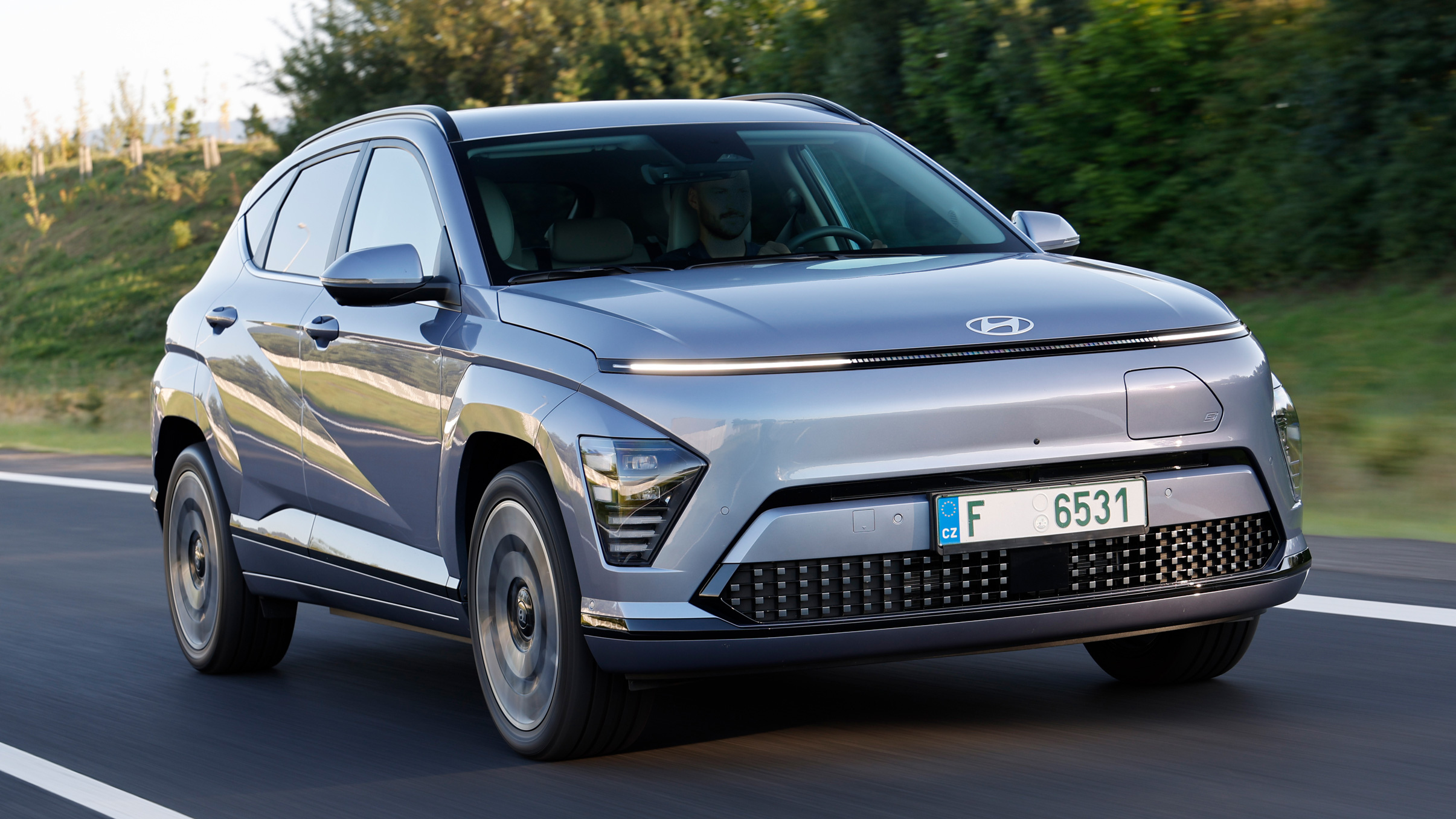
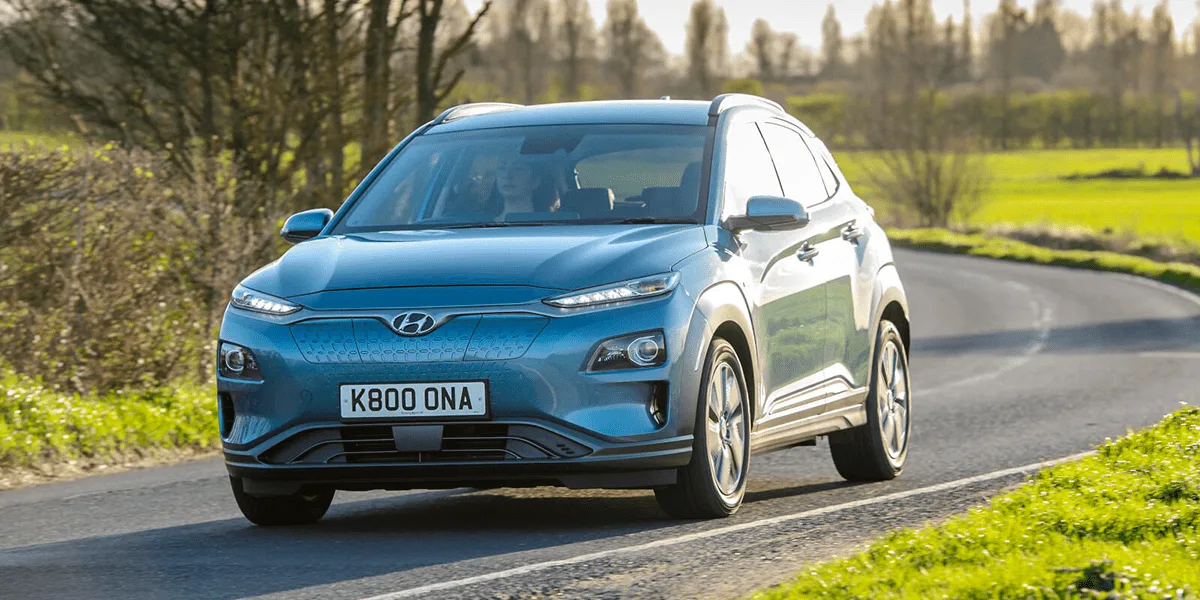
1. Hyundai Kona EV
The Hyundai Kona EV has been praised for its efficiency and range but unfortunately has faced significant scrutiny due to multiple fire-related recalls. The root causes of these fires primarily stem from the vehicle’s lithium-ion battery pack, which, under certain conditions, was prone to thermal runaway events.
Investigations revealed that manufacturing defects in battery cells led to internal short circuits, which in turn caused overheating and, in some cases, full-blown fires. The Kona EV recalls have affected tens of thousands of vehicles globally, shaking consumer confidence and highlighting the challenges automakers face in managing advanced battery technology.
Hyundai’s response to the Kona EV fire issue involved halting sales temporarily and issuing a series of recalls to replace faulty battery packs. While the company moved quickly to rectify the problem, the scale of the recall and the severity of the fire incidents underscored critical lapses in quality control at the battery supplier level.
Additionally, the original battery thermal management system was insufficient in some cases to detect early-stage failures or to prevent overheating once it began. This gap exposed how complex and delicate EV battery safety can be, even for established automakers.
The Kona EV recalls also brought to light concerns about communication and transparency. Some owners reported difficulties in obtaining timely information or repairs, and the media coverage fueled public anxiety about the safety of electric vehicles in general. Although Hyundai has since invested heavily in improving its battery safety protocols, the Kona EV incident serves as a cautionary tale about the risks involved when new technologies are rushed to market without exhaustive validation.
On a broader scale, the Kona EV fire recalls have catalyzed regulatory scrutiny and prompted other automakers to reassess their battery safety strategies. Hyundai’s experience reflects a growing industry-wide learning curve as electric vehicles become more prevalent.
For consumers, the Kona EV story highlights the importance of staying updated on recalls and manufacturer advisories, as well as the need to weigh the benefits of cutting-edge technology against potential safety risks.
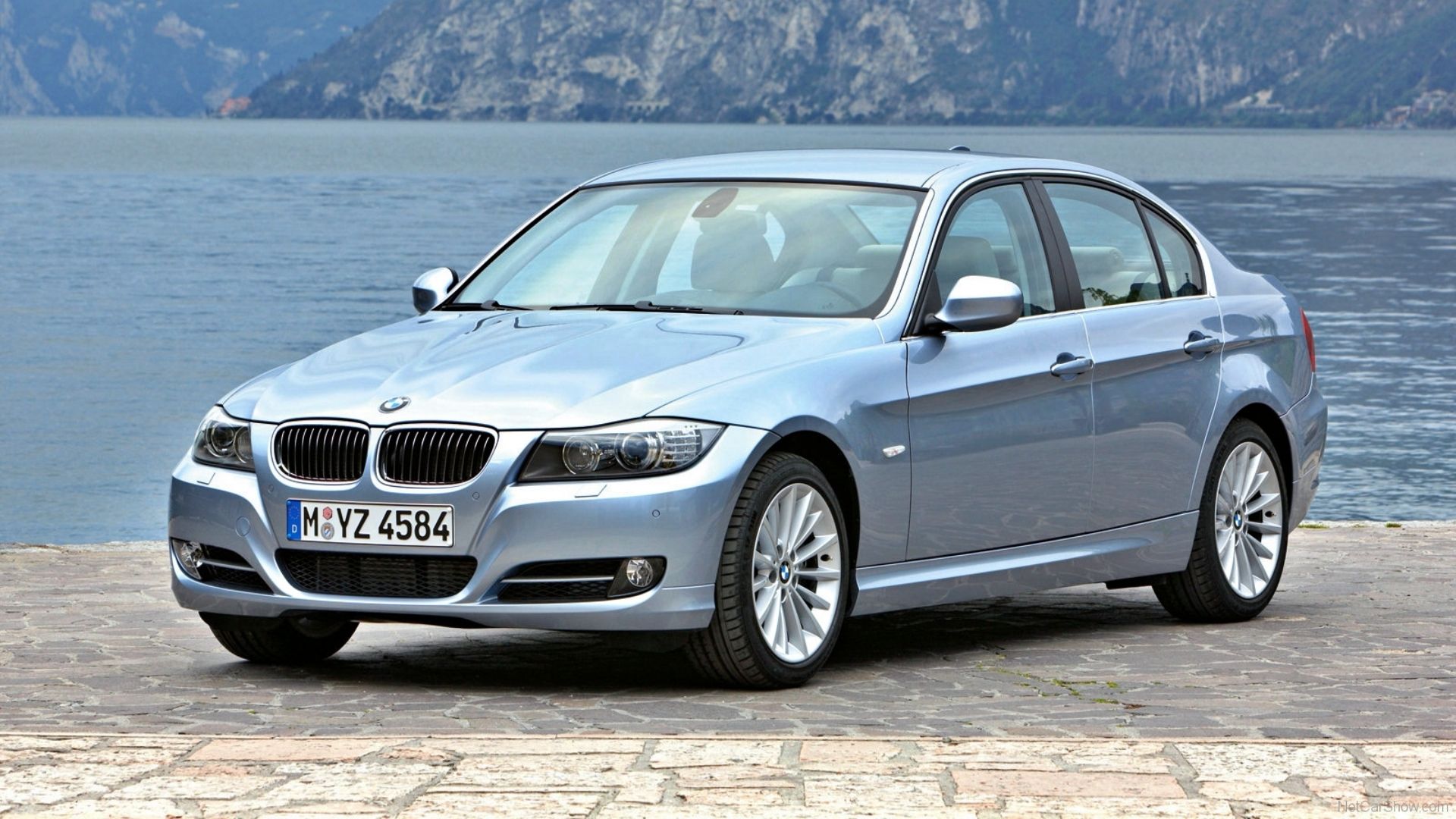
2. BMW 3 Series (Certain Years)
BMW’s 3 Series has been a hallmark of luxury and performance, but several model years have suffered from fire-related recalls that have tarnished its otherwise prestigious image. The issues largely originated from fuel system defects and electrical faults that increased the risk of vehicle fires.
In particular, some 3 Series vehicles were found to have fuel pumps prone to failure, which could cause leaks or fuel spray near hot engine components. This defect created a serious fire hazard, especially under high-stress driving conditions or in minor collisions.
Electrical wiring problems also contributed to fire risks in specific BMW 3 Series models. Faulty wiring harnesses, often due to insulation degradation over time or manufacturing errors, led to short circuits that sometimes ignited fires in the engine bay or under the dashboard.
BMW issued several recalls to address these issues, involving the replacement of fuel pumps, rewiring, and additional insulation. Despite these efforts, some owners reported slow recall notification and delays in repair appointments, which heightened frustration and safety concerns.
What sets the BMW 3 Series fire recalls apart is the complexity of the issues involved. Unlike simple mechanical failures, these defects were often intermittent and difficult to detect without thorough diagnostic testing. This made identifying vehicles at risk challenging for both dealers and customers. The recalls also revealed challenges in balancing performance tuning with durability, as some modifications for sportier driving may have contributed to component stress.
BMW’s response to these fire recalls included enhanced quality control measures, supplier audits, and the development of improved fuel pump designs with redundant safety features.
They also intensified customer outreach programs to ensure quicker notification and repair scheduling. For potential buyers, these fire recalls emphasize the need for due diligence, especially with used vehicles from affected model years, and highlight the importance of adhering to recall service recommendations.
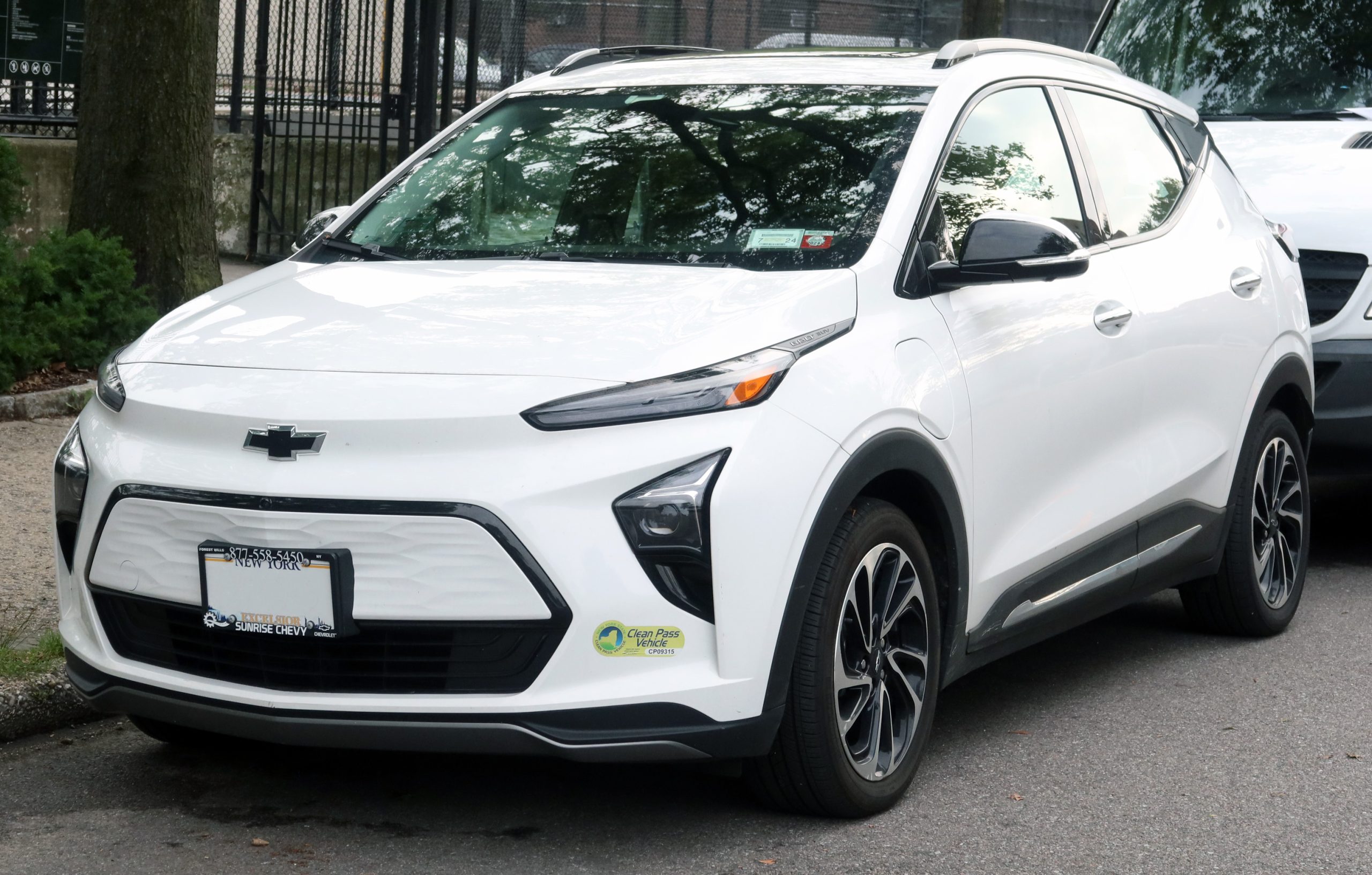
3. Chevrolet Bolt EV
The Chevrolet Bolt EV has been a significant player in the electric vehicle market, praised for affordability and range, but it has faced two major fire-related recalls that have sparked widespread concern. The issues primarily stemmed from battery manufacturing defects, particularly in the cells supplied by LG Chem, which contained microscopic defects that led to internal short circuits and thermal runaway.
These defects resulted in spontaneous fires in parked vehicles and, in some cases, fires occurring during charging, making the Bolt EV one of the most notorious EVs for fire recalls in recent years.
General Motors (GM), the manufacturer of the Bolt EV, responded by issuing a comprehensive recall of all Bolt EVs produced up to a certain date, affecting nearly 70,000 vehicles globally. The recall involved replacing the entire battery pack with updated versions featuring redesigned cells and enhanced thermal management.
GM also implemented new safety protocols for battery inspection and charging procedures. However, the process of recall execution was fraught with challenges, including battery pack availability and logistics, causing delays and inconveniences for owners.
The Bolt EV recalls highlighted the intricate dependencies in EV manufacturing, where a flaw in a single component supplier’s processes can ripple into major safety concerns for the final product. It also raised questions about the speed of adoption of new battery technologies without exhaustive real-world testing. While GM has since strengthened its battery validation processes, the Bolt EV’s fire recalls serve as a reminder that EV safety is still an evolving field requiring constant vigilance.
Consumers affected by the Bolt EV recalls have expressed frustration but also appreciation for GM’s eventual transparency and recall action.
The recalls have spurred broader industry efforts to improve battery safety standards and prompted regulators to tighten oversight of EV battery manufacturing and testing. For potential EV buyers, the Bolt EV case underscores the importance of following recall notices and understanding the risks and trade-offs associated with cutting-edge battery technologies.
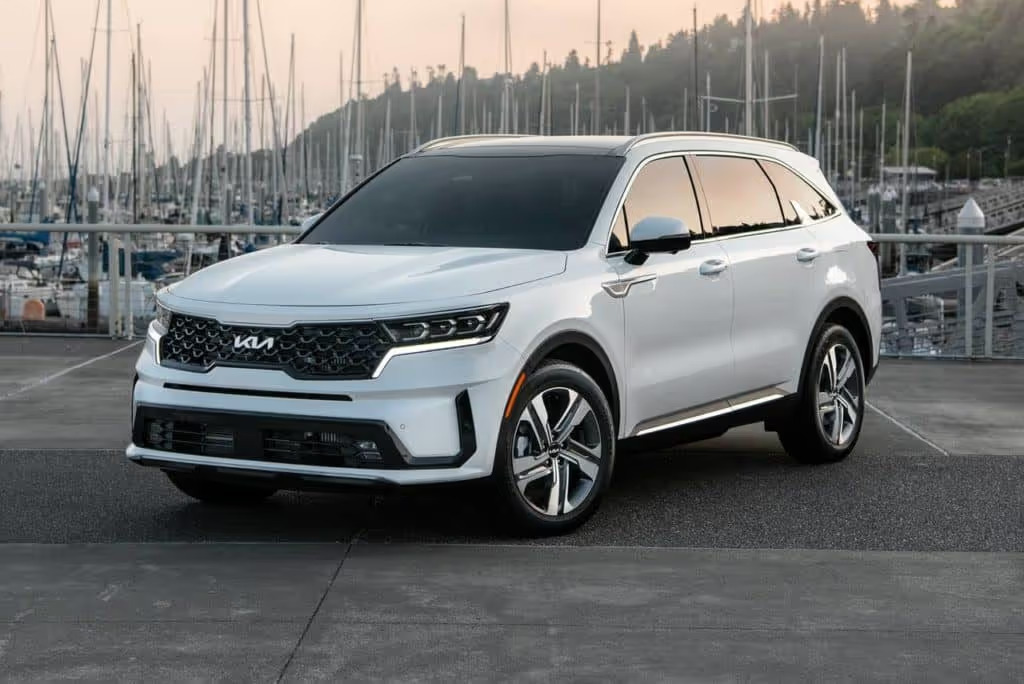
4. Kia Sorento
The Kia Sorento, a popular midsize SUV, has faced fire-related recalls that have raised alarms about the brand’s quality control and safety assurance processes. The recalls primarily involved models with both internal combustion engines and hybrid variants.
In some cases, engine compartment fires were traced back to faulty wiring harnesses and connectors that were susceptible to moisture intrusion and corrosion, leading to short circuits and electrical fires. Other recalls addressed issues with fuel line integrity and fuel pump malfunctions that increased the risk of leaks and fires.
Kia’s recall response included replacing affected wiring components with improved, sealed versions and redesigning fuel delivery systems to incorporate more durable materials and secure fittings. The company also updated its manufacturing protocols to prevent the recurrence of these defects.
Despite these efforts, the volume and diversity of fire-related recalls for the Sorento suggest systemic challenges in managing the complexity of modern vehicle systems, especially as Kia rapidly expanded its model lineup and electrification efforts.
Owner reports of fire incidents in the Sorento have ranged from engine bay smoke to actual flames, some occurring during operation and others when the vehicle was parked and unattended, illustrating the unpredictability of fire hazards.
These recalls have led to increased scrutiny from consumer safety groups and regulatory agencies, pushing Kia to enhance its recall communication and customer support. The Sorento’s recalls underscore how even well-established brands can face setbacks when components fail under real-world stresses.
For potential buyers, these fire recalls highlight the importance of verifying the recall status of used Sorentos and maintaining regular inspections, particularly of electrical and fuel systems. Kia’s ongoing commitment to safety improvements and quality control will be critical in restoring consumer confidence and ensuring that future models are better equipped to prevent fire risks.
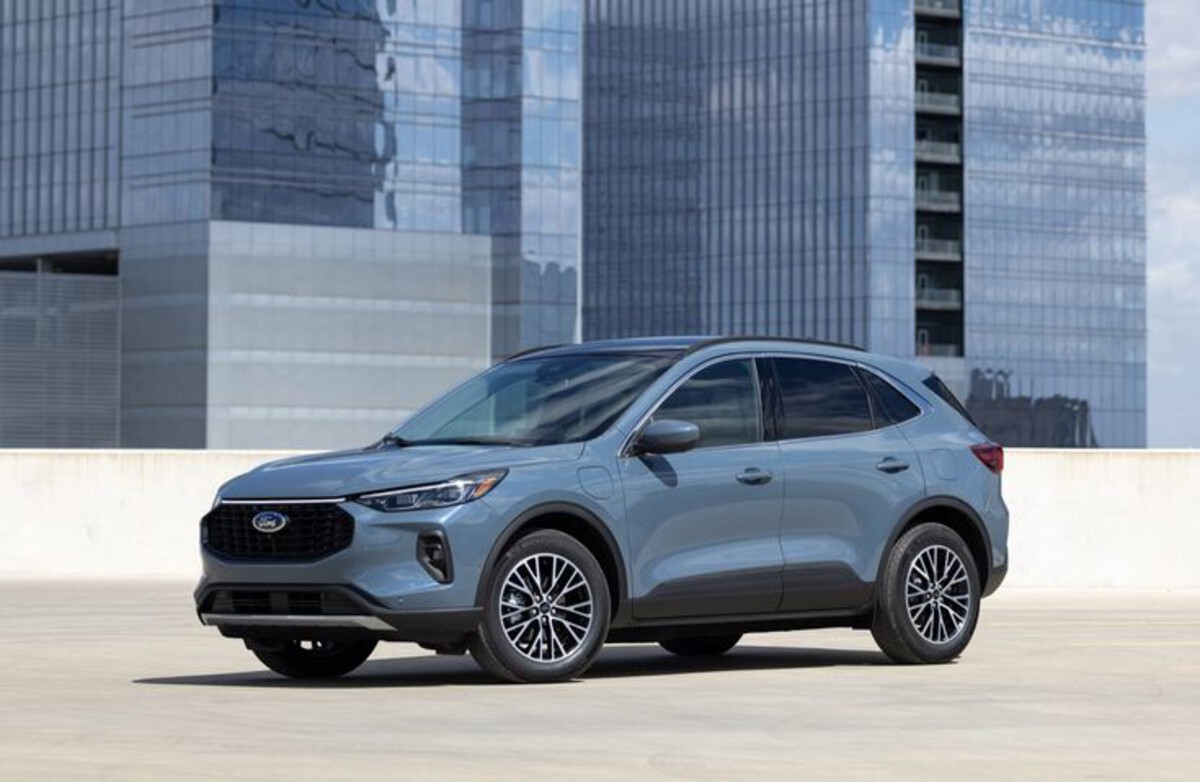
5. Ford Escape
The Ford Escape, particularly older model years from the early 2010s, has been the subject of several fire-related recalls tied to issues with the vehicle’s engine and electrical systems. One major recall involved the potential for oil leaks that could drip onto hot exhaust manifolds, creating a significant fire hazard.
These leaks often stemmed from faulty gaskets or seals that deteriorated prematurely, exacerbated by high mileage or aggressive driving conditions. The issue was compounded by the Escape’s compact engine bay design, which limited heat dissipation and increased the chance of ignition.
Additionally, the Escape has been recalled for electrical problems involving wiring harness failures and short circuits, which in some cases led to sparks or fires in the engine compartment. Aging insulation on wires and exposure to moisture were identified as key contributors to these faults. These recalls prompted Ford to replace wiring components with more resilient materials and improve engine bay sealing to prevent moisture ingress.
Ford’s recall management for the Escape fire issues was mixed, with some owners reporting delays in repair scheduling and parts availability. However, the company eventually addressed the problems with comprehensive service campaigns and improved quality assurance measures. The Escape’s fire recalls highlight the risks inherent in older vehicles, where wear and tear on seals, gaskets, and wiring can accumulate over time, increasing fire hazards.
For owners of older Ford Escapes, these recalls serve as a vital reminder to maintain vehicles meticulously, focusing on oil leaks, electrical integrity, and prompt response to any unusual smells or smoke. The Escape’s fire history also illustrates how aging vehicles require special attention to safety issues that may not be as critical in newer models with advanced monitoring systems.
