
In today’s vehicle market, safety is more than just a feature, it’s a long-term investment in peace of mind. As SUVs and vans continue to dominate the roads, especially among families, commuters, and fleet buyers, the spotlight on their safety records has grown brighter and more intense.
It’s not enough for a vehicle to perform well in crash tests at the time of release; the true test of its value lies in how well it protects passengers over the years, through aging components, shifting technologies, and changing real-world conditions.
Long-term safety isn’t just about avoiding accidents. It’s about how a vehicle holds up under stress, how well its structural design ages, and whether critical systems like braking, airbags, and stability control remain functional and reliable after 5, 10, or even 15 years on the road.
It’s also about how consistently the manufacturer has prioritized occupant protection throughout each model’s life cycle—whether through standardizing driver assistance tech or maintaining strong crash-test results across generations.
Unfortunately, not all vehicles evolve equally. Some nameplates that once had stellar reputations have declined due to aging platforms, lack of innovation, or budget-driven compromises in materials and engineering.
These shifts can go unnoticed by casual buyers, especially when marketing remains strong and older models flood the used market. A vehicle that appears safe because of size or brand prestige might, in fact, underperform in critical areas of crashworthiness or reliability.
Conversely, some vehicles quietly build strong reputations over the years by staying committed to safety even when it’s not trendy or marketable.
These SUVs and vans stand the test of time, proving through consistent ratings and owner experiences that safety doesn’t fade with age, it compounds with thoughtful design and quality execution.
In this article, we explore both ends of that spectrum. We start with five SUVs and vans that have shown exceptional long-term safety records, vehicles you can confidently buy used or new.
Then, we look at five models that, despite their popularity or potential, have experienced declines in safety integrity over time. Whether you’re a family choosing your next people mover or an individual seeking reliable protection, this comparison will help illuminate the long-term risks and rewards behind the badge.
Also Read: 5 High-Mileage Cars You Can Still Buy Cheap and 5 That Cost a Fortune to Maintain
5 SUVs and Vans with Long-Term Safety Records
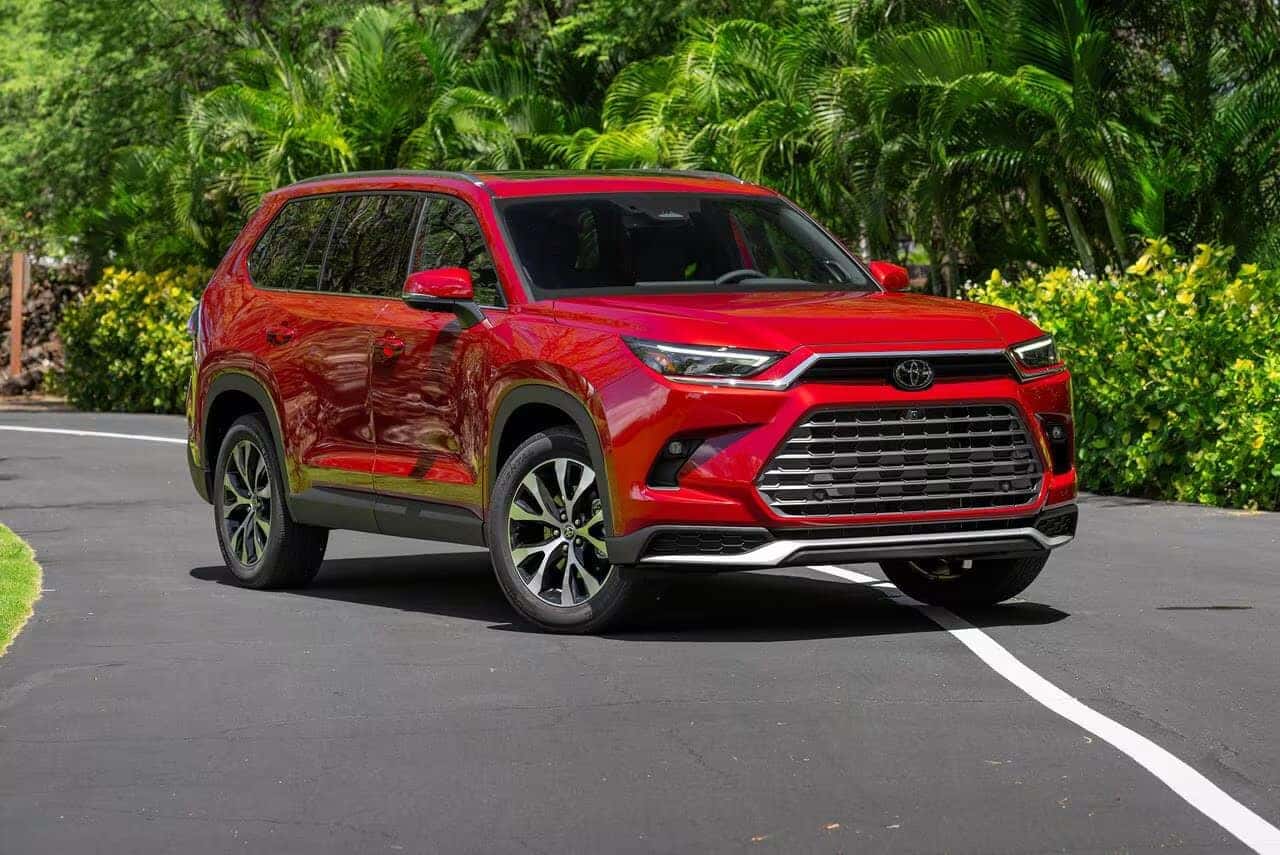
1. Toyota Highlander
The Toyota Highlander has consistently remained one of the most reliable and safest midsize SUVs on the market. Over multiple generations, Toyota has prioritized safety in both passive and active forms.
From strong crash test performances to robust driver-assistance features, the Highlander has built a reputation as a trustworthy family vehicle.
This is no accident, Toyota’s safety strategy is carefully layered, combining intelligent engineering with cutting-edge technology and industry-leading manufacturing standards.
From as early as the 2008 model year, the Highlander began receiving praise for its structure and crash performance. The integration of electronic stability control and antilock braking systems became standard earlier than most of its competitors, giving it an advantage in accident avoidance.
Over the years, the SUV’s cabin has been reinforced with high-tensile steel, especially in critical load-bearing zones like the front crumple zone and side pillars. These reinforcements help distribute crash forces away from occupants, lowering the risk of injury in severe collisions.
What further sets the Highlander apart is its early adoption of active safety systems across all trim levels. The Toyota Safety Sense suite has become standard in more recent models and includes features such as automatic emergency braking, lane-keeping assist, and dynamic radar cruise control.
The benefit of having these features in base models cannot be overstated, particularly as many families look to buy pre-owned vehicles at lower price points. Toyota’s decision to standardize this suite ensures that even older Highlanders maintain a modern safety profile.
Long-term ownership data also tells a strong story. Consumer reliability reports show that Highlanders experience fewer critical failures in systems like braking, airbag deployment, and suspension compared to segment averages.
Older models continue to perform well in real-world crash scenarios, thanks to durable engineering and proactive design. This longevity in safety integrity is part of why the Highlander holds its value so well and is often found on lists of the safest used SUVs available.
In summary, the Highlander delivers more than just peace of mind during the first few years of ownership. It remains structurally sound, technologically relevant, and mechanically reliable for many years, qualities that are essential when safety is a long-term priority.
Whether you’re buying new or shopping for a used model from a decade ago, the Highlander remains one of the top choices for anyone who refuses to compromise on long-lasting safety.
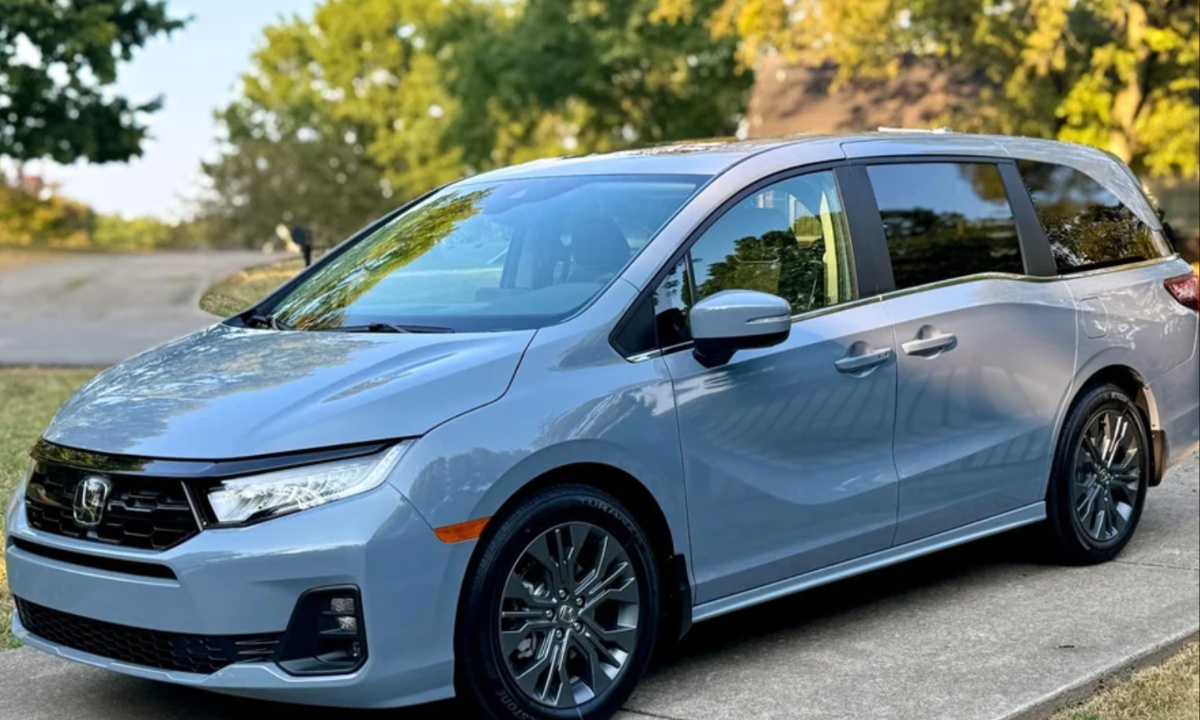
2. Honda Odyssey
The Honda Odyssey has earned its place as a top-tier minivan thanks to its superior safety engineering and thoughtful design.
As one of the most popular choices for families, the Odyssey has continuously delivered when it comes to crash protection, child passenger safety, and real-world accident avoidance. Honda’s meticulous approach to structural design has made the Odyssey a benchmark for long-term safety in the van segment.
One of the key components of the Odyssey’s strong safety record is its Advanced Compatibility Engineering (ACE) body structure. This design distributes crash energy more evenly throughout the front of the vehicle, improving occupant protection in frontal collisions.
Starting around 2011, this structure was enhanced further to address small-overlap crashes, a historically challenging area for many automakers. Honda met this challenge with impressive results, showing excellent crashworthiness across all major metrics in tests conducted over multiple model years.
Another area where the Odyssey excels is in child safety. The second and third-row seating arrangements are among the most accommodating for child car seats, and the LATCH system is not only accessible but securely anchored.
Parents often rate the Odyssey highly for ease of installation, visibility, and cabin ergonomics, which all play a role in preventing incidents involving small passengers.
Honda’s active safety systems, including collision mitigation braking and lane departure warning, add another layer of protection that becomes even more vital when carrying children.
Honda’s long-term safety reputation also stems from its low recall rate for critical safety systems. Unlike some rivals, older Odyssey models rarely appear on lists of vehicles affected by defective airbags or faulty electronic systems.
Reports of braking or steering system failures are minimal, and the powertrain has historically been smooth and predictable, another factor that contributes to accident avoidance and driver confidence. When systems function consistently over time, they become tools for safety rather than liabilities.
All in all, the Honda Odyssey remains a paragon of van safety. Whether you’re using it for daily carpools, long road trips, or hauling a family of seven, you can count on the Odyssey to offer lasting protection. It’s not just about the flashy new features, it’s about long-term security and engineering that holds up under pressure, year after year.
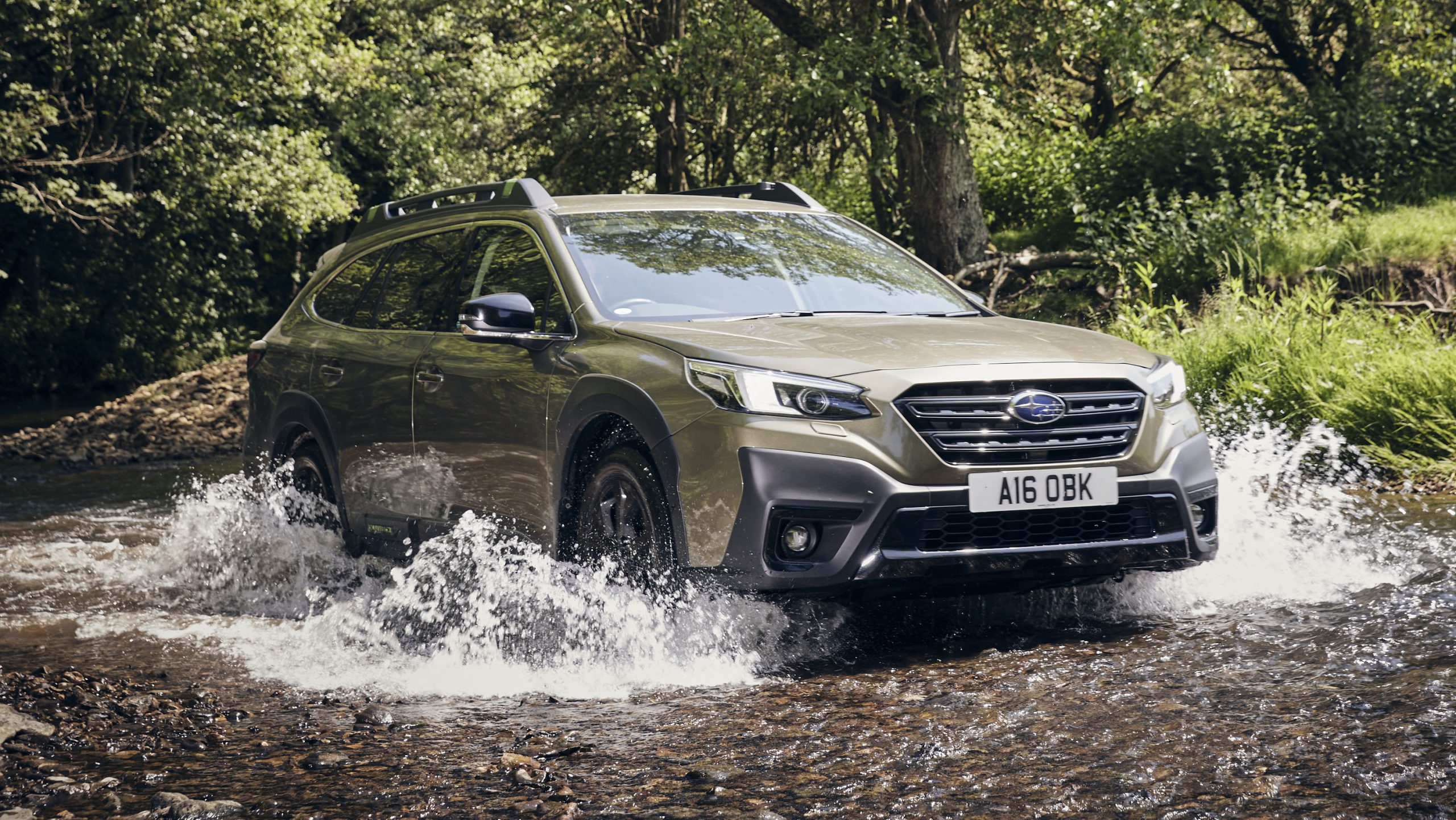
3. Subaru Outback
The Subaru Outback has long stood out in the crowded field of crossover SUVs, and its safety performance is a major reason why.
With a platform that prioritizes structural balance, visibility, and driver assistance technologies, the Outback has proven itself a consistent performer in crash tests and real-world conditions. It’s more than just a vehicle, it’s a safety philosophy wrapped in all-wheel drive.
Subaru’s hallmark Symmetrical All-Wheel Drive system offers not just enhanced traction, but a more stable driving platform. This inherent balance reduces rollover risk, particularly during abrupt maneuvers or in poor weather conditions.
Combined with a low center of gravity thanks to its boxer engine layout, the Outback is less likely to experience the instability that can plague taller SUVs. These subtle engineering advantages add up to a significant improvement in accident avoidance over time.
Another defining feature is Subaru’s EyeSight Driver Assist Technology, introduced to the Outback in the mid-2010s. This suite includes adaptive cruise control, lane departure and sway warning, pre-collision braking, and throttle management.
What’s notable is how early Subaru standardized EyeSight across trim levels, making it accessible to more buyers, especially those purchasing used vehicles. Data has shown that vehicles equipped with EyeSight are involved in fewer rear-end crashes and fewer pedestrian-related incidents, reinforcing its long-term value.
Durability is another area where the Outback shines. Long-term reliability contributes directly to safety by ensuring critical systems don’t degrade or fail.
Owners report strong performance from brakes, steering, and suspension components well into the 100,000-mile mark. Even older Outbacks have been observed maintaining structural integrity during real-world collisions, which speaks volumes about Subaru’s focus on strength and crash-energy dispersion.
Lastly, the Outback’s wide field of vision, large mirrors, and high seating position all contribute to proactive safety. Drivers feel more in control and aware of their surroundings, reducing the likelihood of collisions.
Add in consistent performance across multiple generations and decades, and it becomes clear why the Outback is considered one of the safest vehicles you can own long-term.
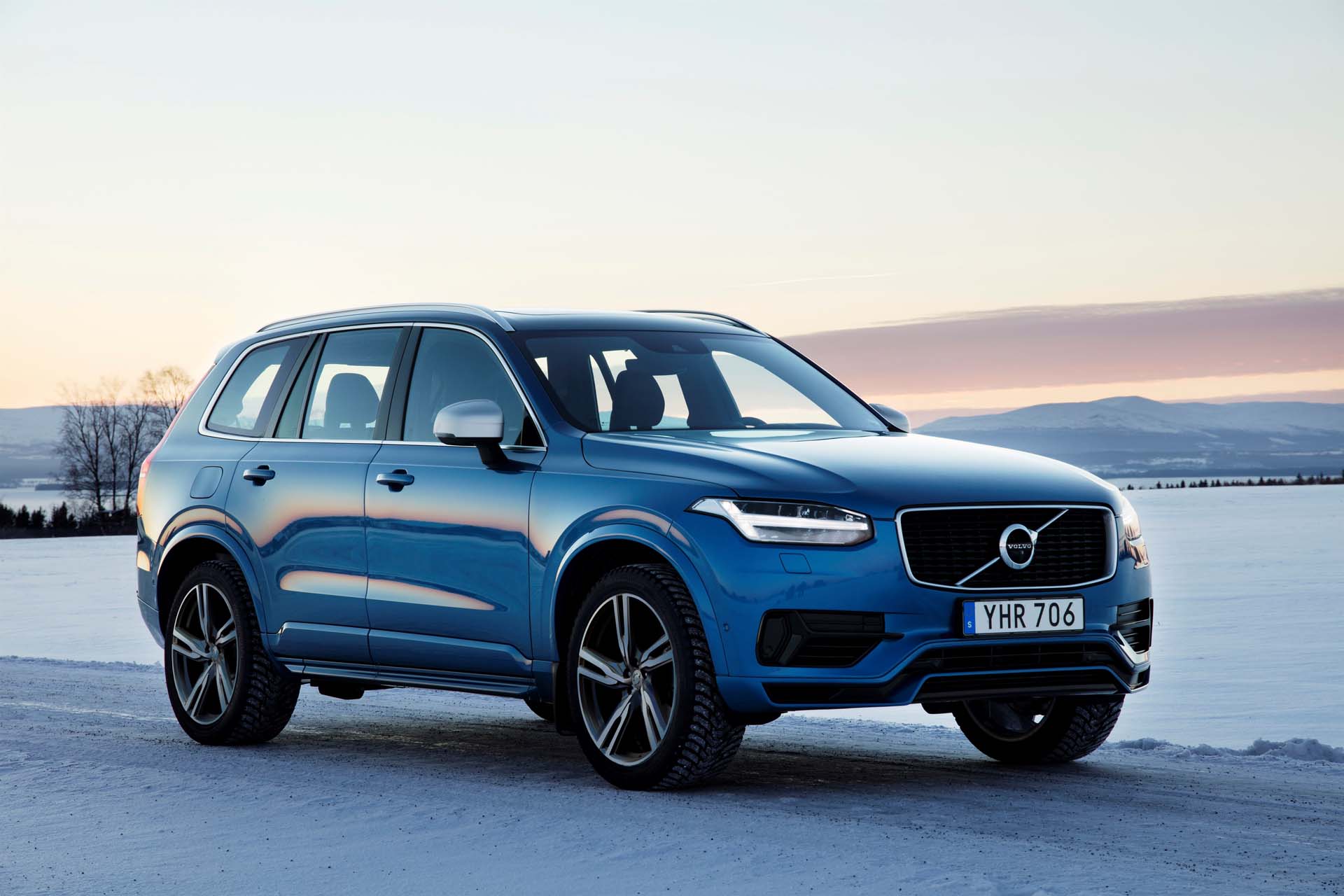
4. Volvo XC90: Safety is in the DNA
The Volvo XC90 is not just an SUV, it’s a mobile safety lab. Since its launch in 2002, the XC90 has embodied Volvo’s commitment to eliminating fatalities in its vehicles.
Every component of the XC90, from its reinforced passenger cage to its intelligent sensor networks, is designed with safety in mind. Volvo doesn’t chase trends—it sets them, especially when it comes to protection and prevention.
The XC90 was one of the first SUVs to adopt Roll Stability Control (RSC). This technology monitors the vehicle’s behavior and actively applies braking to individual wheels to prevent a rollover.
This feature alone significantly reduced the fatality risk in a segment previously prone to rollovers. Volvo engineers also developed stronger-than-average roof structures and crash mitigation features that helped the XC90 stand apart from other early-2000s SUVs, many of which failed basic side-impact or rollover tests.
Over the years, Volvo has continued to refine the XC90 with advanced safety systems, including City Safety—a collision avoidance system that can detect pedestrians, cyclists, and even large animals.
While newer systems are certainly more capable, what makes Volvo different is that they retrofitted much of this technology into existing platforms, ensuring long-term compatibility and benefit for used buyers. Their focus on backward engineering safety improvements is rare in the industry.
The XC90 also enjoys a reputation for low system failure rates and high component integrity over time. Where some SUVs suffer from airbag module failures or electronic glitches after six or seven years, the XC90’s robust internal systems continue to perform well into their second decade.
Parts availability is strong, and Volvo’s customer support for older models ensures that safety-critical repairs can be handled efficiently. Finally, there’s Volvo’s overarching philosophy: to prioritize human life in every engineering decision.
That mission has resulted in design choices that may not always look flashy, but consistently yield top safety outcomes. For long-term safety, both on paper and on the pavement, the XC90 remains one of the most secure SUVs you can own.
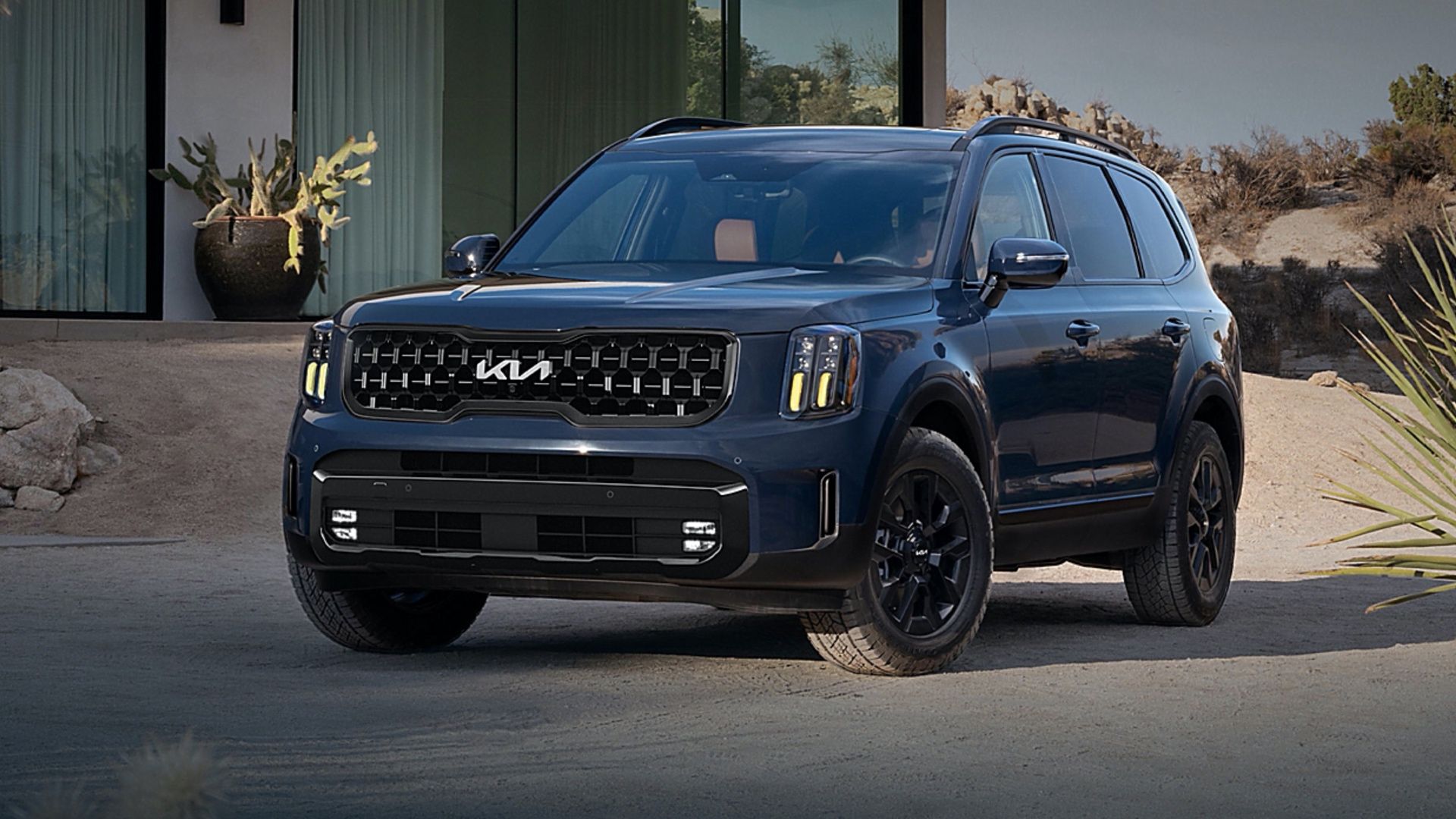
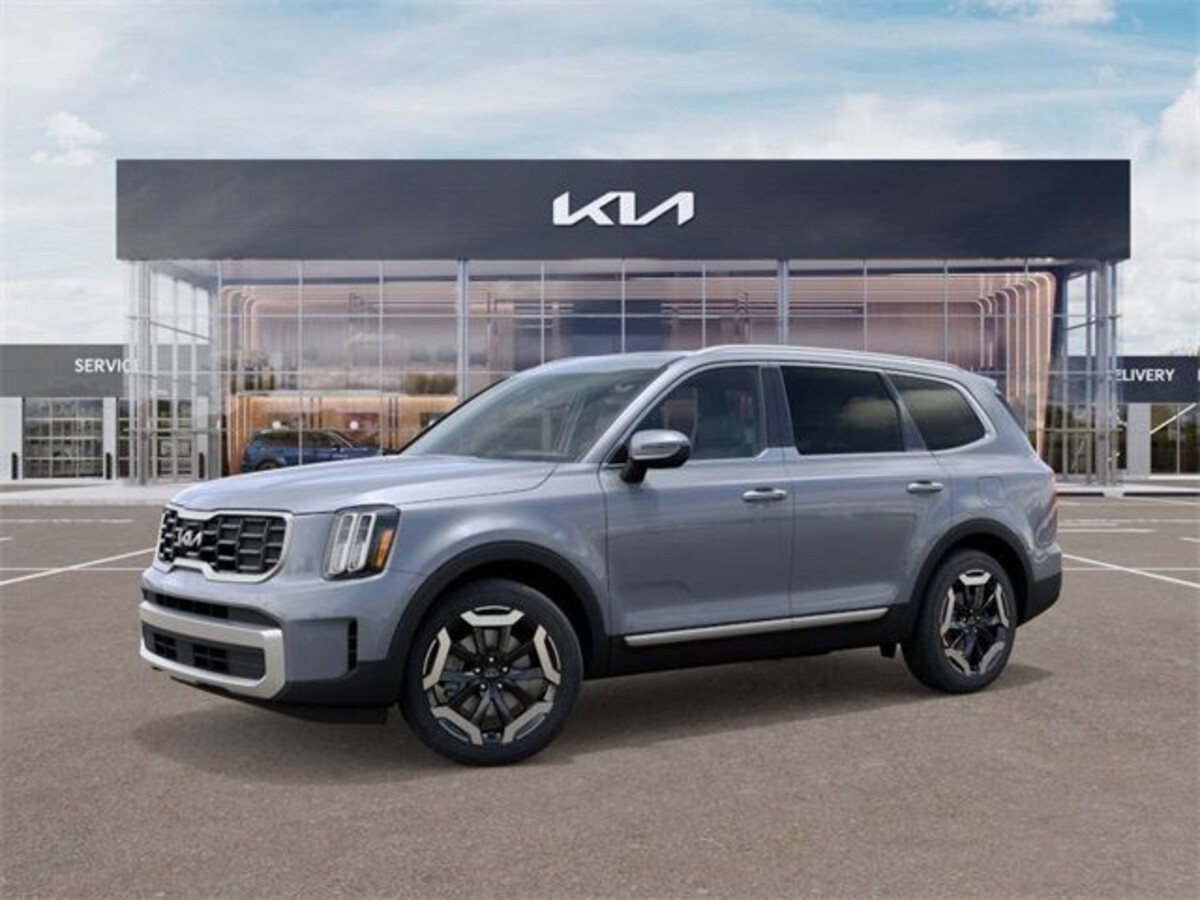
5. Kia Telluride
Though relatively new to the SUV scene, the Kia Telluride has quickly proven itself to be a leader in safety. Introduced in 2020, the Telluride wasted no time in securing top safety awards from both the IIHS and NHTSA.
What’s remarkable is not just its initial performance, but the thoughtful engineering behind its long-term potential. Despite being a newer model, early data indicate that it’s built with durability and safety consistency in mind.
The Telluride features a robust structure using high-strength steel, designed to absorb and redirect crash energy. It aced all six IIHS crashworthiness tests, including small overlap front crashes on both the driver and passenger sides.
Even more impressive is the consistency of these results across trims and production years, indicating strong manufacturing quality control. This matters for long-term safety because inconsistent build quality can lead to unpredictable crash outcomes in aging vehicles.
Kia also loaded the Telluride with safety tech right from the base trim. Features like forward collision avoidance, blind spot detection, rear cross-traffic alert, and lane following assist are all included as standard. This early commitment to full-featured safety means that used Tellurides will still carry those vital protections years down the line.
Kia also offers some of the best warranties in the industry, which indirectly supports safety by ensuring that parts and systems are maintained properly during early ownership years.
Real-world reliability reports so far show minimal degradation in core safety systems, with electronic driver aids and airbags functioning without incident.
Brake feel and suspension stability remain strong even after tens of thousands of miles. These early indicators suggest that the Telluride is built not just to impress in its first year, but to protect well beyond its first decade.
Owner satisfaction surveys have also noted that the vehicle gives a strong feeling of safety and control, even at highway speeds and in adverse conditions.
While it may be early to label Telluride a long-term safety legend, all signs point to a future where it will join the ranks of stalwarts like the Highlander and Outback. If you’re looking for a newer SUV with a long safety horizon, the Telluride is one of the smartest investments you can make today.
5 SUVs and Vans with Declining Safety Reputations
In this article, we’ll take a closer look at five SUVs and vans whose safety reputations have taken a hit in recent years. Whether you’re shopping for your next ride or just keeping tabs on industry trends, these are the models worth a second look, for all the wrong reasons.
1. Jeep Grand Cherokee
The Jeep Grand Cherokee has long held a reputation for off-road prowess and rugged design, but in recent years, its safety and reliability scores have shown signs of decline.
While the earlier models, particularly those from the early 2000s, performed reasonably well in standard crash tests, more recent generations have struggled with consistency.
The Grand Cherokee has been flagged by the IIHS and other consumer agencies for lacking standard active safety features in base trims and for uneven crash test performance across different model years.
A particularly troubling issue for the Grand Cherokee has been its structural performance in small overlap front crash tests. In several recent evaluations, the SUV’s frame showed significant cabin intrusion, which increases the likelihood of lower leg injuries during a collision.
In comparison to competitors, the Grand Cherokee often underperforms in side-impact protection as well. These safety concerns aren’t just theoretical, real-world crash data and insurance claims show elevated injury risks for both drivers and passengers compared to class averages.
The vehicle has also faced numerous recalls over the years, some of which involved critical safety components. Airbag sensor malfunctions, defective ABS modules, and rear suspension issues have all made headlines, affecting thousands of units across different production runs.
These frequent recalls not only undermine consumer confidence but also point to ongoing manufacturing or design flaws that could persist as the vehicle ages. Safety systems are only effective if they consistently function under stress, and in this regard, the Grand Cherokee has struggled.
Additionally, Jeep’s slow rollout of modern driver-assistance systems has not helped its reputation. While many rivals now offer lane-keeping assist, forward collision warnings, and pedestrian detection as standard, Jeep has often reserved these for higher-end trims or packages, making safety feel like a luxury rather than a necessity.
For buyers who opt for lower trims or used models, this results in vehicles that feel outdated or under-equipped in critical areas. All of these factors make the Grand Cherokee a vehicle with serious safety potential, but not consistent delivery.
Its off-road features and style may attract buyers, but when examined through the lens of long-term passenger protection and system reliability, the Grand Cherokee’s trajectory has clearly slipped from the upper tier it once occupied.
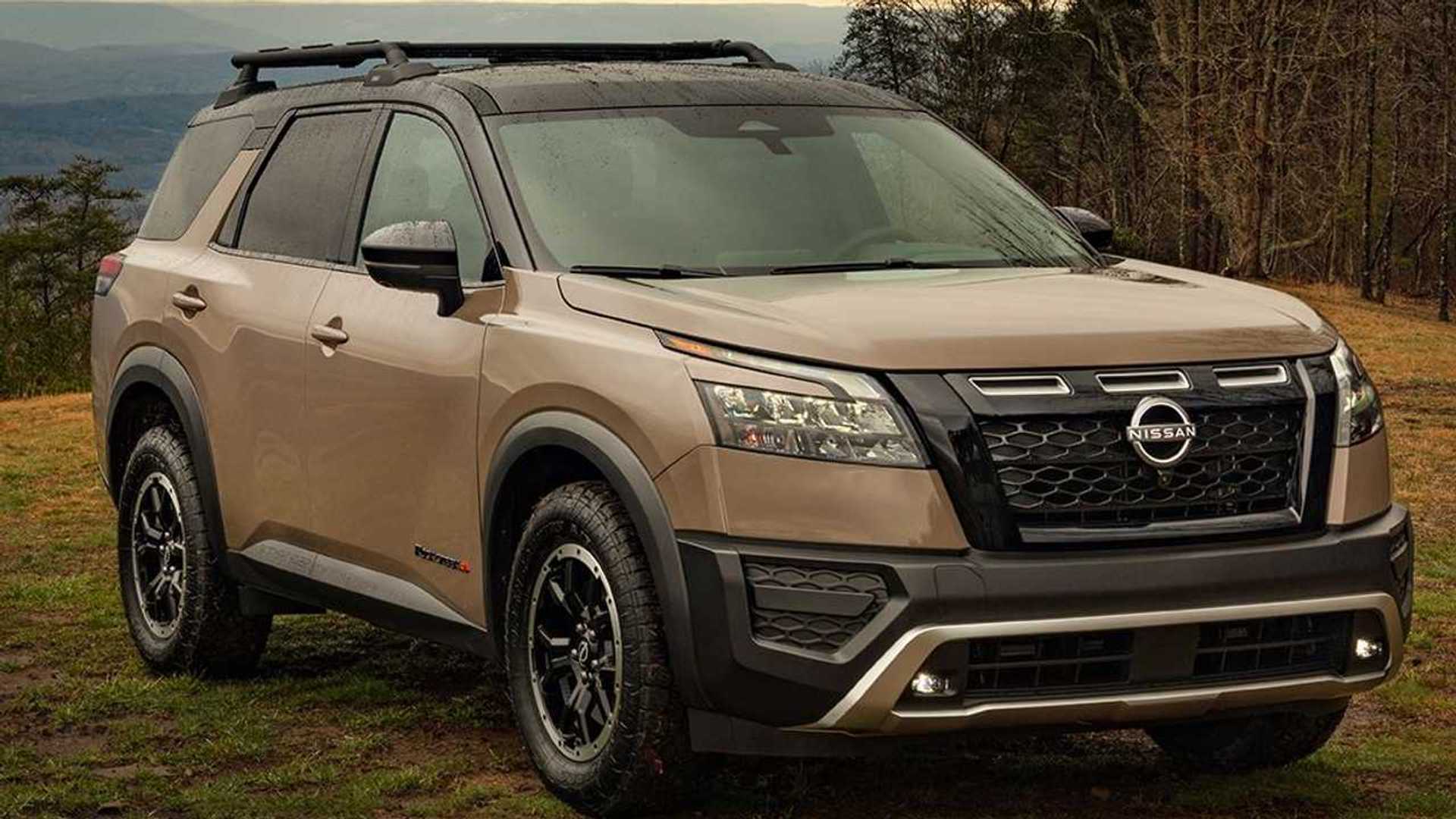
2. Nissan Pathfinder
The Nissan Pathfinder was once considered a solid choice among family SUVs, with a reputation for decent crash test performance and mechanical reliability. However, over the past decade, it has shown a noticeable decline in both active and passive safety scores.
As newer competitors have pushed the boundaries of driver assistance technology and structural innovation, the Pathfinder has lagged behind, both in execution and consistency.
One major area of concern has been the Pathfinder’s performance in small overlap front crash tests. Multiple years of testing have revealed structural weaknesses, particularly in how the vehicle’s frame protects the lower extremities of front-seat occupants.
In some evaluations, there was excessive intrusion into the footwell area, suggesting a high risk of injury in high-speed impacts. These issues were compounded by uneven airbag deployment and insufficient head restraints in certain trims.
Beyond structural issues, Nissan’s approach to safety features has been inconsistent. While some model years offer advanced driver assistance features like blind spot warning and automatic emergency braking, others, especially lower trims and older versions, lack these vital systems entirely.
This creates a frustrating situation for consumers, where two nearly identical-looking Pathfinders can offer dramatically different levels of safety simply due to their build year or trim level.
Further complicating matters is the vehicle’s record with recalls and reliability. Several model years have been affected by transmission issues, which, although not directly crash-related, impact vehicle control and safety during high-stress driving scenarios.
There have also been concerns with brake system failures and faulty occupant detection sensors, the latter of which could lead to airbags not deploying in a crash. These types of problems significantly increase the safety risk as the vehicle ages.
In total, the Pathfinder is a case study in what happens when an automaker prioritizes comfort and features over evolving safety standards. While it remains a roomy and capable vehicle for road trips or daily errands, its long-term safety credentials have diminished.
Buyers looking at older models in particular should take extra care to investigate trim-level safety features and recall histories before making a decision.
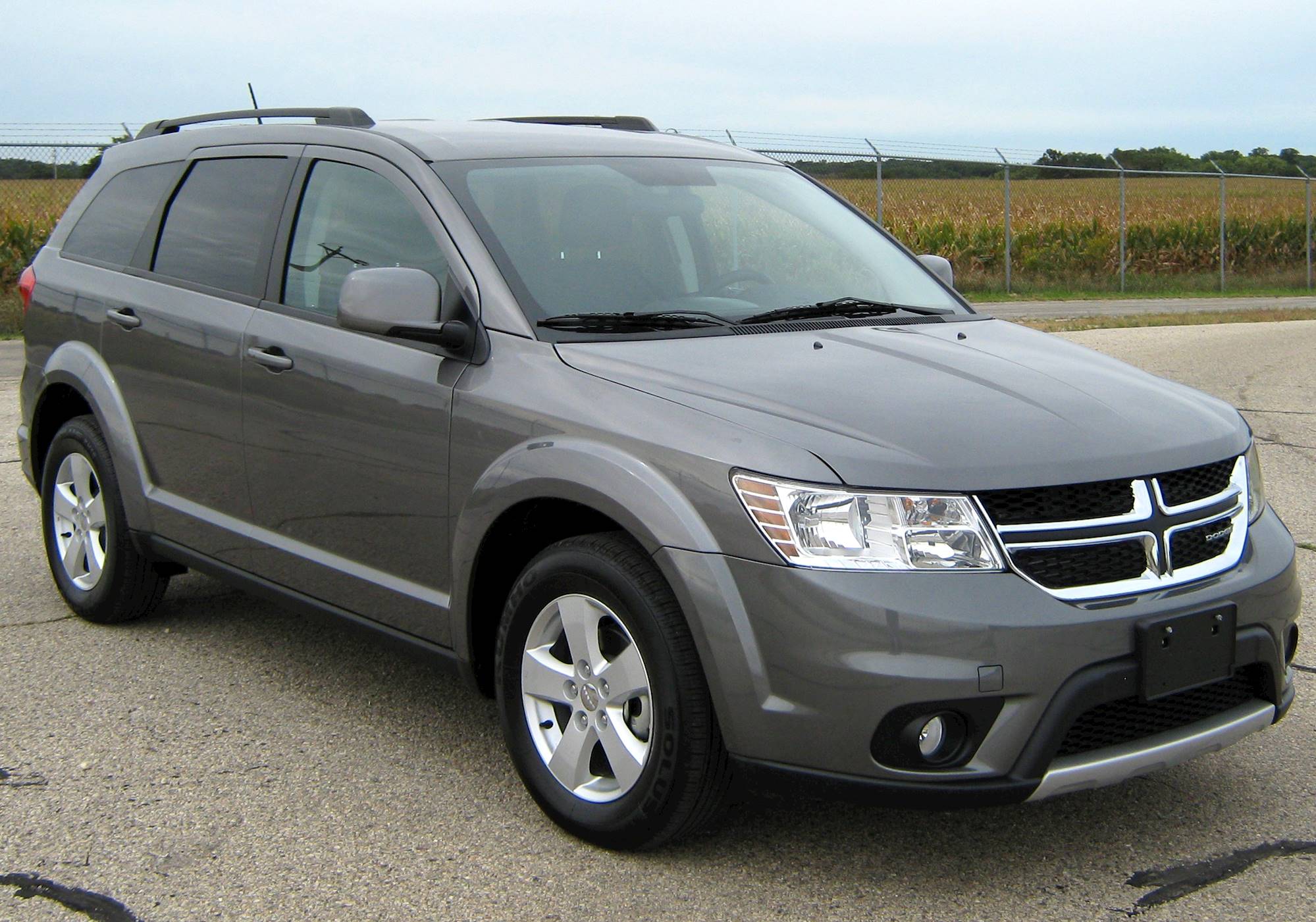
3. Dodge Journey
The Dodge Journey entered the market with a clear objective: to offer a spacious, family-friendly SUV at an affordable price point. While it succeeded in that mission from a financial standpoint, its safety performance never quite caught up to the expectations of modern consumers.
Over its unusually long production run from 2009 to 2020, the Journey failed to make meaningful upgrades in critical safety areas, resulting in a steady decline in both crash test ratings and real-world safety outcomes.
One of the Journey’s most persistent issues has been its outdated structural platform. While competitors evolved to handle increasingly rigorous crash tests, the Journey remained largely unchanged, relying on older designs that lacked modern crumple zone dynamics and advanced crash mitigation structures.
The result has been mediocre crash test scores, especially in side-impact and small overlap tests. Even the basic frame of the vehicle hasn’t been revised significantly in over a decade, which makes it ill-equipped to meet today’s safety standards.
Another significant shortcoming is the lack of advanced safety technology. For most of its life cycle, the Journey didn’t offer features like forward collision warning, lane departure warning, or adaptive cruise control, even as options.
In its final years, some of these technologies began to appear on rival SUVs in the same price range, leaving the Journey looking increasingly outdated. Drivers and passengers in base models are left without critical accident-prevention tools that have become standard elsewhere.
The Journey has also faced reliability issues that affect its overall safety profile. Brake components in particular have been a frequent complaint among owners, with premature wear and failure affecting stopping distances.
Combined with sluggish handling and underpowered engine options, the Journey often lacks the dynamic responsiveness needed to avoid accidents in sudden, real-world scenarios. These mechanical limitations amplify the risks already posed by the vehicle’s dated design.
Ultimately, while the Journey may appeal to budget-conscious buyers, it does so at a significant safety cost. Families who assume that an SUV inherently provides protection may be misled by the Journey’s size and marketing.
The reality is that, over time, it has become one of the least safe options in its class, both in terms of crash survivability and accident avoidance.
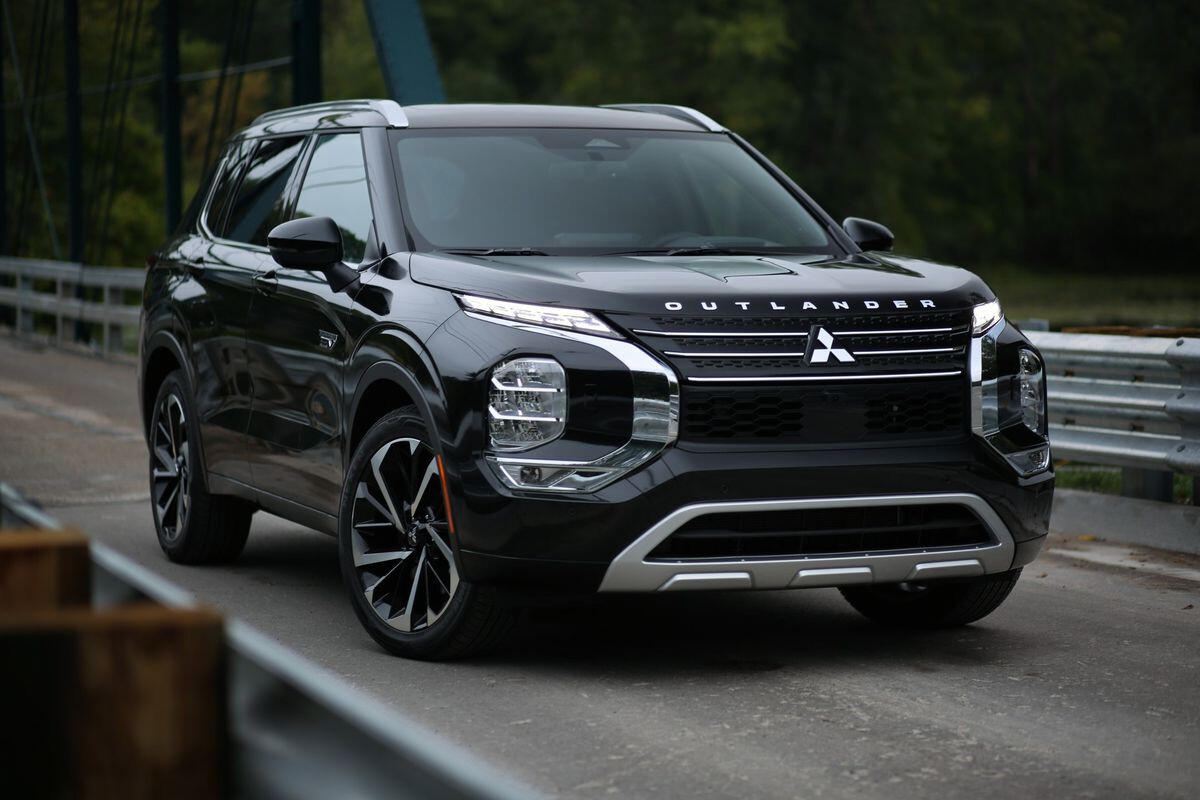
4. Mitsubishi Outlander (Pre-2022 Models)
The Mitsubishi Outlander, especially in pre-2022 models, has struggled to keep pace with the rapid safety advancements made by competitors.
While the Outlander has historically offered good fuel economy and all-wheel drive at a reasonable price, its safety reputation has suffered due to outdated design, inconsistent technology implementation, and mixed crash test results. This has led to a pattern of declining confidence among safety-focused buyers.
Structurally, older Outlander models failed to meet the highest standards in small overlap crash tests—a key indicator of frontal collision safety.
Test data showed moderate to severe intrusion into the driver’s side cabin space in certain model years, with crash dummies registering higher-than-acceptable injury metrics. Compounding this was the inconsistent deployment of side curtain airbags, which in some tests failed to provide adequate head protection.
Another issue has been Mitsubishi’s sporadic rollout of advanced driver assistance features. Even as late as 2020, base models of the Outlander often shipped without forward collision mitigation, lane keep assist, or blind spot monitoring.
These are features that many other automakers began offering standard several years earlier. This lack of modern driver aids means that accident prevention is left solely to the driver, even in vehicles that outwardly appear comparable to safer rivals.
The reliability of safety-related systems has also raised concerns. There have been documented issues with brake sensor malfunctions, premature wear in suspension components, and faulty electronic stability control modules.
These types of failures can seriously compromise a vehicle’s ability to handle emergencies. Over time, aging Outlanders may pose increasing risks to occupants unless meticulously maintained—something not every owner is prepared to do.
Though the 2022 redesign of the Outlander was a significant improvement, it’s important to note that many used models currently on the road stem from the less capable previous generation.
These vehicles remain popular in the used SUV market due to their low price, but that affordability often comes at the cost of reduced long-term safety. Buyers should be cautious and fully informed when considering an Outlander manufactured before the redesign.
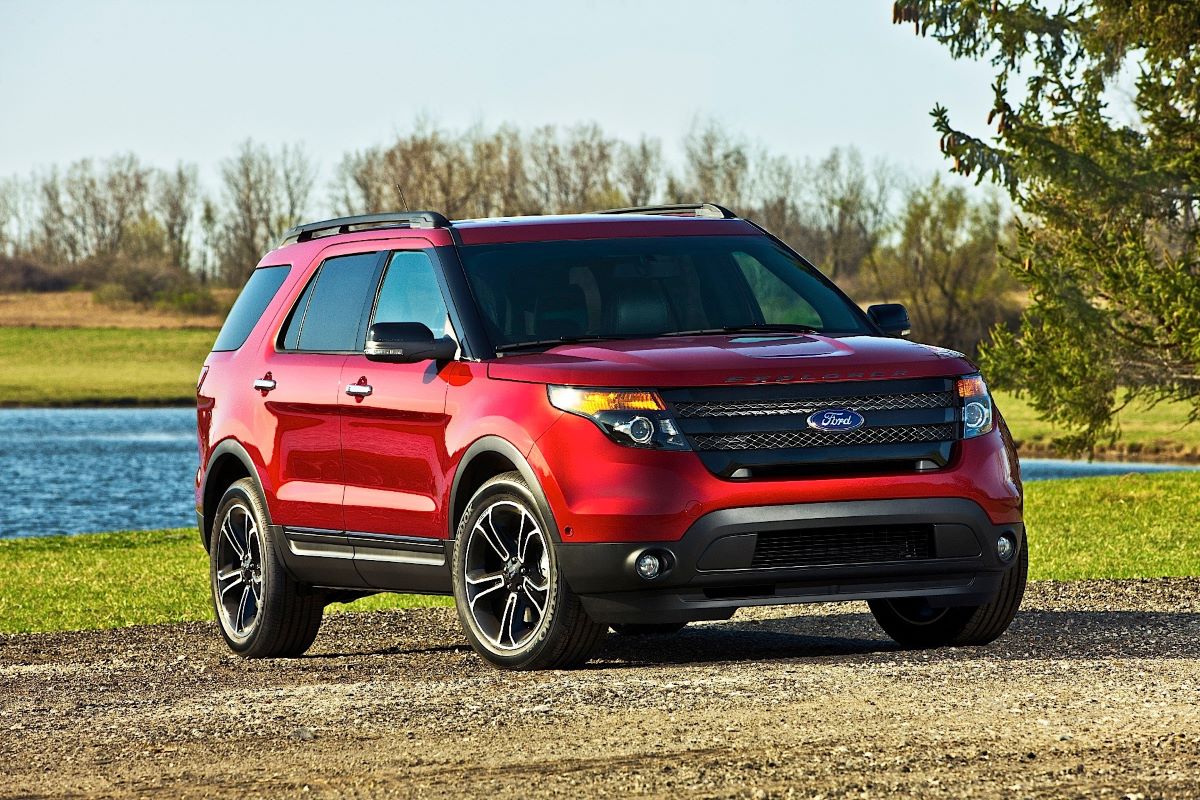
5. Ford Explorer (2011–2019)
The Ford Explorer is one of the most recognizable names in the SUV market, and for good reason—it’s spacious, stylish, and offers a wide range of trims and features.
However, models manufactured between 2011 and 2019 have raised red flags in the safety community due to declining crash test results, mechanical inconsistencies, and troubling consumer reports. While newer Explorers are turning things around, this entire generation left behind a safety legacy that deserves scrutiny.
The most pressing issue during this period was the Explorer’s mixed performance in crashworthiness. IIHS testing revealed poor ratings in small overlap front crashes for both driver and passenger sides in several years, citing structural weaknesses and ineffective airbag coverage.
Roof strength and head restraint evaluations also wavered year to year, with inconsistent results that left consumers unsure of what to expect even within the same generation.
Equally problematic were reports of mechanical defects directly impacting occupant safety. Numerous owners of Explorers from this era reported problems with the power steering system, which could fail without warning and make the vehicle difficult to control at speed.
There were also issues with exhaust intrusion into the cabin—allegedly due to design flaws in the exhaust routing, which posed not just a discomfort issue but a serious health and safety risk for passengers.
Ford was relatively slow to implement active safety features in these models, often reserving systems like lane-keeping assist, adaptive cruise control, and pre-collision braking for higher-end trims.
This created a safety gap between models, where budget-conscious buyers were left with basic protection in vehicles marketed as family-friendly. In an era when other manufacturers were aggressively pushing safety innovation, Ford’s stagnation in this area was hard to ignore.
Though recent redesigns have addressed many of these concerns, the lingering effects of this generation continue to impact Ford’s safety image.
Used Explorers from these years are widely available and affordable, but they come with caveats that smart consumers should not overlook. For those prioritizing long-term safety, this generation of Explorer should be approached with caution and a comprehensive pre-purchase inspection.
Also Read: 5 Cars You Can Pass to Your Kids & 5 That Won’t Last Long Enough
After examining ten notable SUVs and vans—five with commendable long-term safety reputations and five with declining ones—it becomes clear that safety is not a static feature.
It’s a dynamic, evolving measure of how a vehicle performs not just in a single crash test or review cycle, but over years of real-world use, maintenance, aging, and technological shifts.
Understanding this difference can help buyers make smarter, more informed decisions, especially when shopping in the booming used vehicle market.
Vehicles like the Toyota Highlander, Honda Odyssey, Subaru Outback, Volvo XC90, and Kia Telluride exemplify how a consistent commitment to safety pays off in the long run.
These models didn’t just aim for five-star ratings at launch; they maintained engineering quality, updated safety tech, and built durable platforms that continue to perform years after purchase.
The result? They offer strong protection for both current and future owners and provide peace of mind that extends far beyond the warranty period.
On the other hand, models like the Jeep Grand Cherokee, Nissan Pathfinder, Dodge Journey, Mitsubishi Outlander (pre-2022), and Ford Explorer (2011–2019) reveal the consequences of stagnation or cost-cutting in design and engineering.
These vehicles, despite brand loyalty or initial success, failed to keep pace with evolving safety standards. Whether due to poor crash performance, outdated tech, or increasing mechanical failures, these declines can seriously affect occupant safety, especially in older or base models.
It’s important to emphasize that not all models within a nameplate are created equal. Year-to-year improvements or regressions can significantly change a vehicle’s safety profile.
This makes it vital for buyers—especially of used vehicles—to research specific model years, trims, and recall histories. Blindly trusting a brand or assuming all large vehicles are inherently safe is a mistake that can carry serious consequences.
Ultimately, safety is an ongoing responsibility for automakers—and a crucial priority for consumers. Vehicles that maintain their protective qualities over time not only protect lives but also retain greater value, lower insurance costs, and inspire long-term trust.
By recognizing which vehicles uphold their safety commitments and which ones fall behind, buyers can make decisions that go beyond price or appearance and prioritize what matters on the road.
